It's all about Porsche…if you're an owner of a Porsche,or a big enthusiast of Porsche Cars, Porsche Motorsports, Porsche Design, Porsche History, or a member of a Porsche Club….join me on focusing just about PORSCHE!!
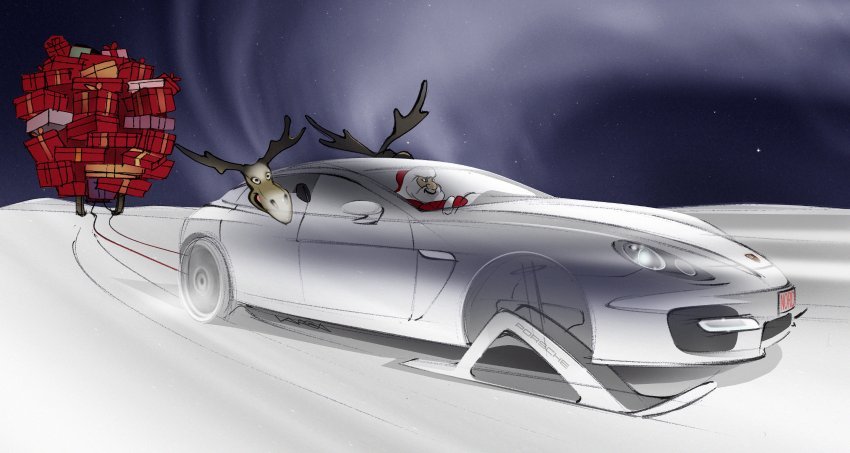
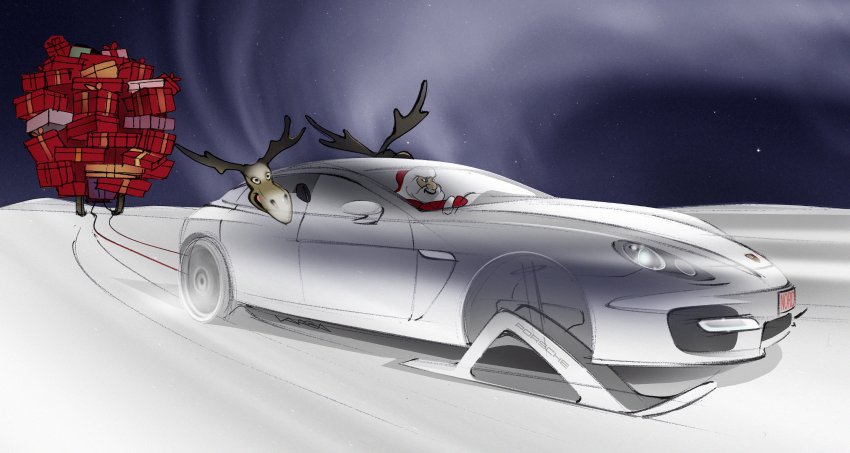
http://www.youtube.com/v/GGhb8UhDKew?fs=1&hl=en_USDashing through the snow…..in a 500 hp @ 6,000 rpm open Panamera Turbo Sleigh…..o’er the fields we go, drifting all the way…….exhaust notes ringing, making spirits bright….Oh what fun it is to drive a Panamera Turbo Sleigh tonight !…Oh Jingle bells, Jingle bells…Jingle 188 mph all the way.
Oh what fun it is to laugh and sing in a Porsche turbo sleigh…..dashing through the snowdrifts in a big white cloud of snow………with a V8 twin-turbo engine ….HO HO HO a way we go! Oh, what fun it is to drive a Porsche Turbo Panamera Sleigh.
Dashing through the snow…..in a 500 hp @ 6,000 rpm open Panamera Turbo Sleigh…..o’er the fields we go, drifting all the way…….exhaust notes ringing, making spirits bright….Oh what fun it is to drive a Panamera Turbo Sleigh tonight !…Oh Jingle bells, Jingle bells…Jingle 188 mph all the way.
Oh what fun it is to laugh and sing in a Porsche turbo sleigh…..dashing through the snowdrifts in a big white cloud of snow………with a V8 twin-turbo engine ….HO HO HO a way we go! Oh, what fun it is to drive a Porsche Turbo Panamera Sleigh
……WISHING YOU HAPPY HOLIDAYS !
Better be good boys and girls….Cause Santa’s comin’ soon in his Porsche Panamera sleigh!
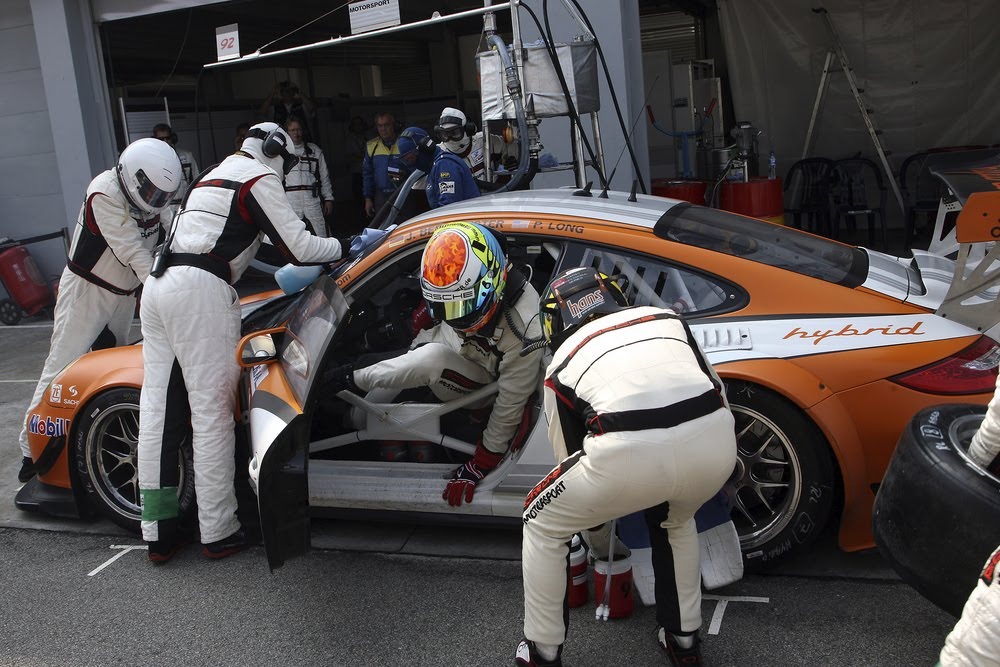
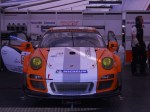
The pace of leading-edge technological development in motorsport has once again been recognized by the prestigious Professional MotorSport World Expo Awards, with Porsche’s innovative 911 GT3 R Hybrid project scooping double honours at a ceremony in Cologne, Germany on Tuesday 16 November.
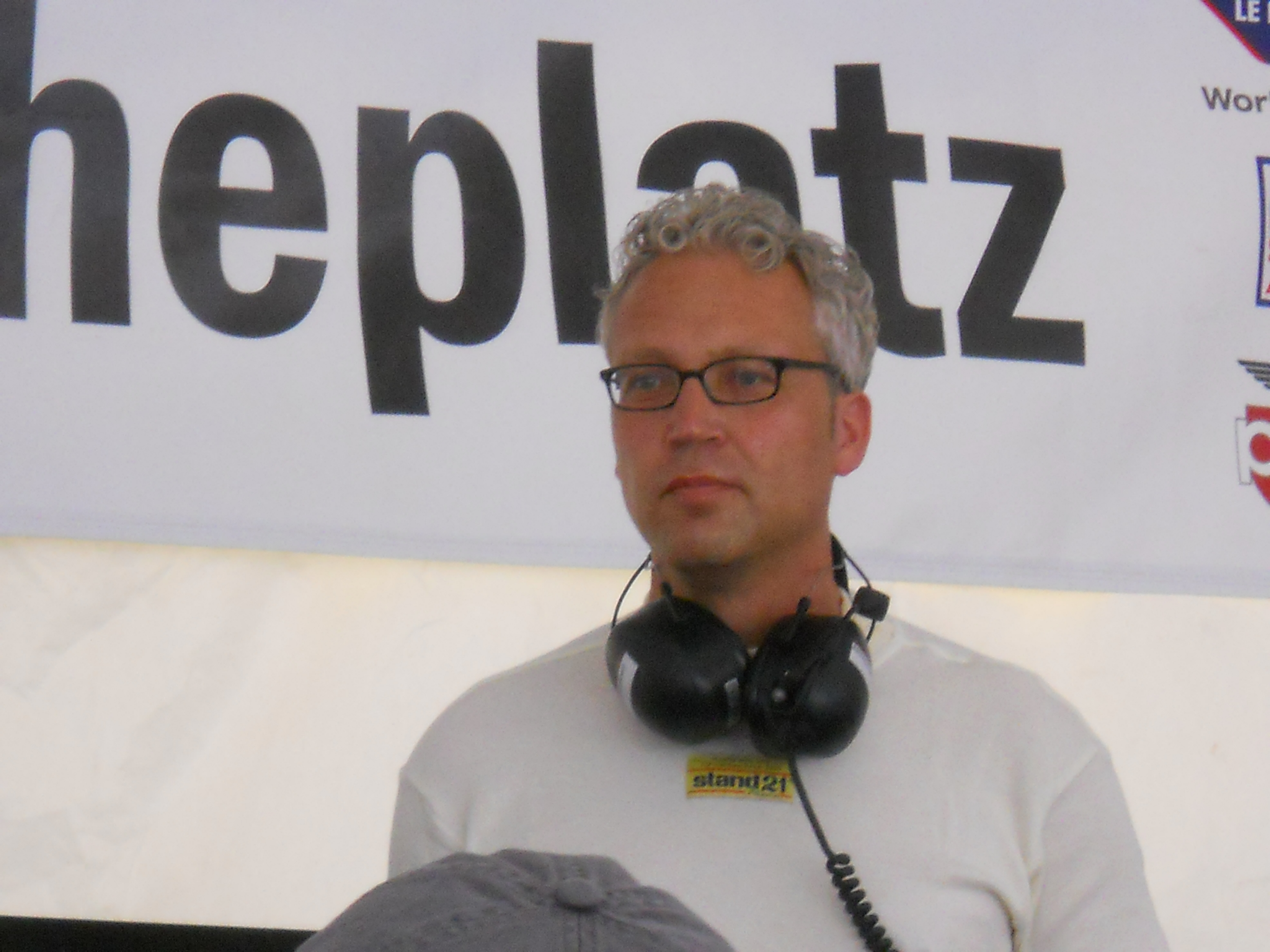
In the awards, which are given annually as part of the industry showcase, Professional MotorSport World Expo, the Porsche 911 GT3 R Hybrid was named “Vehicle Development of the Year”, while team leader,
Dr Daniel Armbruster, was named “Design Engineer of the Year”, for his work on the project.
Photo by: Dede Seward
Road Atlanta, ALMS Petit Le Mans Oct 2, 2010 – Porscheplatz
Vehicle Development of the Year
Winner: Porsche GT3 R Hybrid
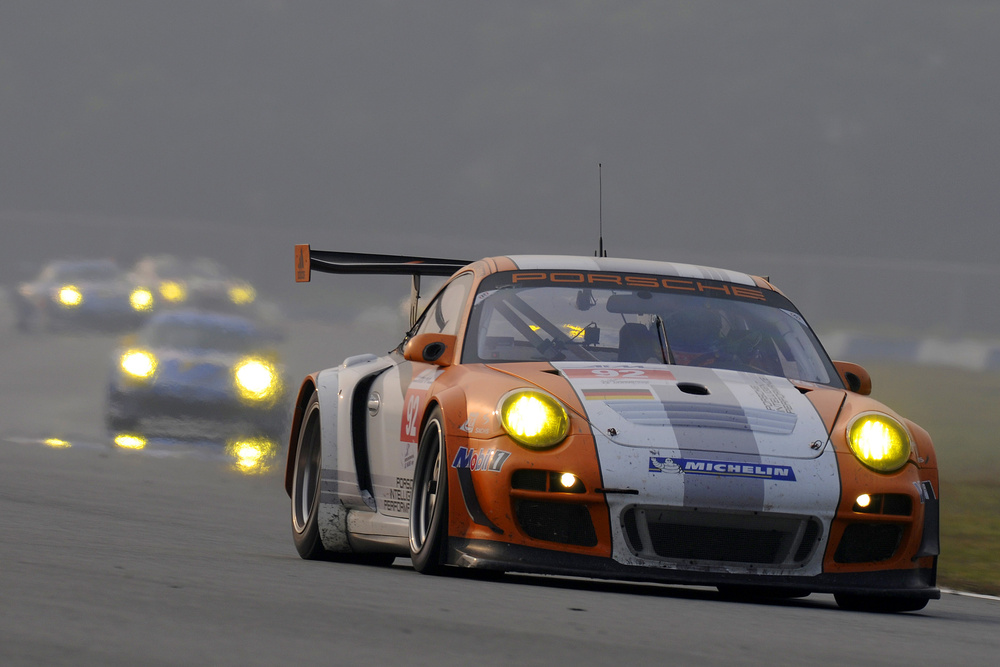
Porsche’s 911 GT3 R Hybrid has raced with success throughout the 2010 season: in November it was the fastest GT car of all in the ILMC race at Zhuhai in China. For Awards judge Charles Armstrong-Wilson, this car “changed public perceptions about hybrids by introducing fresh technology to a new area of motorsport, and showing how it could be incorporated into a race vehicle that has much in common with a road car.”
“We spent a lot of time working to make this unique and innovative concept work,” said Dr Daniel Armbruster, project manager, Porsche 911 GT3 R Hybrid. “This car is our race laboratory. We learnt a lot about this new technology at the Nürburgring 24h; we then made some big steps forward between then and the Petit Le Mans at Road Atlanta and the 1,000km race in Zhuhai. There, the 911 GT3 R proved both its speed and efficiency: It was the fastest GT car in the race, lapping the second-fastest one three times, and it made one fewer pitstop compared to all the other GT cars.”
The judges said Porsche: “changed public perceptions about hybrids by introducing fresh technology to a new area of motorsport and showing how it could be incorporated into a race vehicle that has much in common with a road car. Rather than learning to live with the compromises [of] a hybrid system, Armbruster and his team found ways to derive unexpected benefits from the installation.”
Armbruster commented:
“Porsche is proud to receive these awards. We worked hard to make this unique and innovative concept work. The Porsche 911 GT3 R Hybrid is our race laboratory – we learned much about this new technology at the Nürburgring 24 Hours; then made some big steps forward on the way to the 1,000km race in Zhuhai.”
Design Engineer of the Year
Winner: Dr Daniel Armbruster – Porsche Motorsport
sponsored by Hewland Engineering
Dr Daniel Armbruster led the Porsche Motorsport development team behind the firm’s first hybrid racing car. The Awards jury was hugely impressed by such an innovative project. Said one member of the panel, “Rather than learning to live with the compromises from incorporating a hybrid system, Armbruster and his team found ways to derive unexpected benefits from the installation.
There was also praise for Porsche’s use of the Williams Hybrid Power (WHP) KERS technology,
which the judges described as
“a correct and innovative move to finally demonstrate this expensive development from Formula 1 in the wider sport.”
The WHP electromechanical composite flywheel was considered runaway winner as “Powertrain Innovation of the Year”.
Ian Foley, managing director of WHP commented:
“2010 has been a breakthrough year for Williams Hybrid Power, with the success of the program with Porsche Motorsport demonstrating that our flywheel technology is robust in the harshest of racing environments.”
Powertrain Innovation of the Year
Winner: Williams Hybrid Power – Flywheel KERS
Future applications for Williams Hybrid Power’s (WHP) electromechanical composite flywheel could include anything from Formula 1 cars to buses or rapid transit systems. Awards judge David Tremayne, from Grand Prix + [plus], commented, “KERS is a valuable accessory that F1 is revisiting for 2011. The flywheel solution has always seemed the most logical and ‘green’ to me, and Williams’ system, though as yet unraced in the big league, is seminal.”
Accepting the award at the presentation in Cologne, Ian Foley, managing director of WHP commented, “2010 has been a breakthrough year for Williams Hybrid Power, with the success of the programme with Porsche Motorsport demonstrating that our flywheel technology is robust in the harshest of racing environments. This is an excellent example of how motorsport can accelerate the development of new technologies, enabling WHP to get our product to market in the shortest timeframe.”
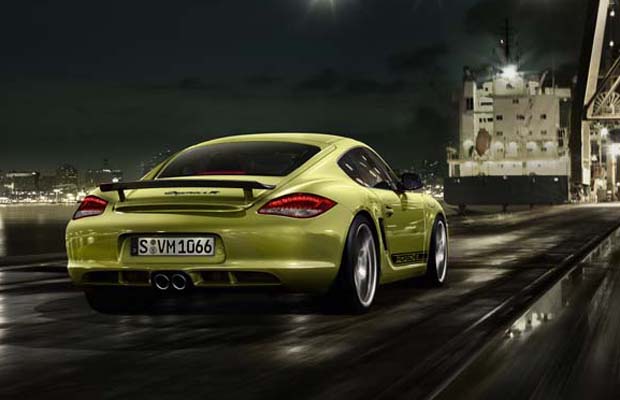
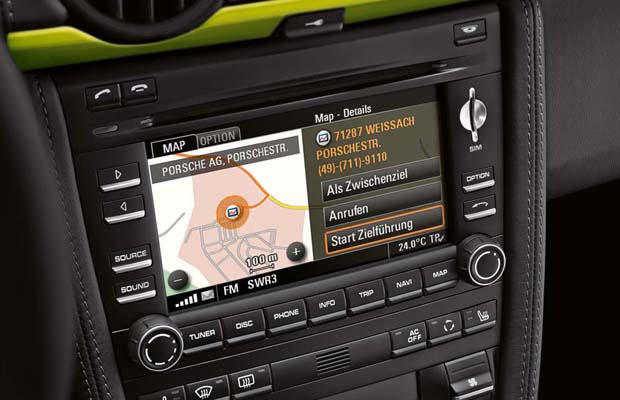
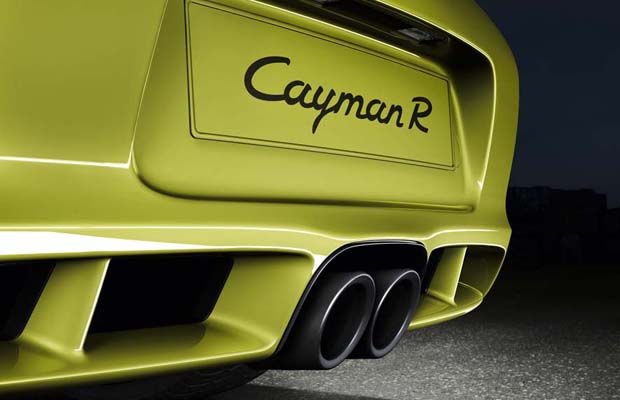
Porsche has unveiled today at the Los Angeles auto show the new Porsche Cayman R and has also released the first video of the new model.
Images of the 2012 Porsche Cayman R
This slideshow requires JavaScript.
Photographs by: Porsche
Go to START LIVE BROADCAST to listen to the Porsche press conference broadcast live from the Los Angeles Auto Show starting 7:55 p.m. German Time. Porsche plans to live stream the introduction at 10:55 am PST or 1:55 EST. Enjoy the entertainment brought to you by Porsche !
The Porsche Cayman R is powered by a supped up 3.4-litre six-cylinder engine developing 330 hp (243 kW). The Porsche Cayman R has a DIN unladen weight of just 1,295 kilograms (2855 lb). The engine of the Porsche Cayman R may be coupled with either a standard manual gearbox or the trick PDK transmission. The company says its engineers have worked hard to improve the power-to-weight ratio in the case of the Porsche Cayman R. The manual gearbox version has 3.9 kilograms (8.6 lb) per horsepower while the PDK has 4.0 kilograms (8.8 lb) per horsepower.
Equipped with the 6-speed gearbox, the Porsche Cayman R needs 5 seconds to get from 0 to 100 km/h (62 mph) and with the PDK requires 4.9 seconds for reaching the same speed. If you equip your Porsche Cayman R with the Sport Chrono package, the same sprint times are reduced to 4.7 seconds. the top speed of the Porsche Cayman R is rated at 282 km/h (175 mph) with the manual and at 280 km/h (174 mph) with the PDK.
The Porsche Cayman R features a 20 mm lowered ride height, a distinctive fixed rear spoiler, new alloy wheels, black-framed headlights and black exterior mirrors.
The Porsche Cayman R price starts at 69,830 EUR and the new model will go on sale in February 2011.
Porsche Press Release: World debuts in Los Angeles: Cayman R – the new top-of-the-range model for the mid-engine coupe Lightweight car with exceptionally sporting ambitions.
Stuttgart. The Porsche alphabet reserves the letter R for very special sports cars: R for responsive and refined – but most especially for racy. The new Cayman R combines all these attributes without compromise. 55 kilograms (121 lb) lighter and with ten horsepower more than the Cayman S, the new mid-engine coupe from Dr. Ing. h.c. F. Porsche AG, Stuttgart, is designed for spectacular road behavior. With its specially adapted sports chassis, it provides an even more precise driving experience than the Cayman S. The Cayman R makes its world debut today at the Los Angeles Auto Show.
The new mid-engine coupe is powered by a tuned-up 3.4-litre six-cylinder engine developing 330 hp (243 kW). In the standard configuration it transmits its power to the rear wheels via a six-speed manual gearbox that propels the car from 0 to 100 km/h (62 mph) in 5.0 seconds. Or there is the option of the seven-speed Porsche Doppelkupplungsgetriebe (PDK) that reduces its acceleration time to 4.9 seconds. For even more impressive sprinting performance, the Cayman R can be supplied with one of the optional Sport Chrono packages, taking it to 100 km/h (62 mph) in 4.7 seconds. The new mid-engine coupe is capable of a top speed of 282 km/h (175 mph) with manual gearbox, or 280 km/h (174 mph) with PDK. Its NEDC fuel consumption is 9.7 l/100 km (29.12 mpg imp.) with six-speed gearbox and 9.3 l/100 km (30.37 mpg imp.) with PDK.
The main aim during the design of the Cayman R was to improve the two-seater even further in its performance, driving dynamics and agility through consistent weight reduction. With a DIN unladen weight of just 1,295 kilograms (2855 lb) the Porsche engineers were able to reduce the power-to-weight ratio of the coupe with standard manual gearbox to 3.9 kilograms (8.6 lb) per horsepower, with the PDK version weighing 4.0 kilograms (8.8 lb) per horsepower. The largest savings were achieved through the use of lightweight components and doing without convenience equipment. As for the 911 GT3/GT3 RS and Boxster Spyder, an optional lithium-ion lightweight construction battery is also available. In addition, the top model in the mid-engine coupe is equipped with the lightest 19 inch wheels the entire Porsche range can offer. The complete rim set weighs less than 40 kilograms.
The Cayman R’s purpose and purist character can be seen at first glance. The extended silhouette of the bodywork, which has been lowered by 20 millimeters (0.79 in) compared to the Cayman S, combined with the distinctive fixed rear spoiler, the high-quality silver-painted wheels and numerous sporting highlights on both the interior and exterior, ensures an individual appearance. The black-framed headlights, black exterior mirrors and the “PORSCHE” lettering on the side – in contrasting black or silver, depending on the body color – take design cues from classic Porsche racing cars.
Precisely this lettering was the trademark of the first Porsche with the “R” designation, the 911 R of 1967. It was created for racing sport use in a small series of 19 cars. The “R” was a prototype based on the standard coupe with a 210 horsepower Carrera 6 engine and, thanks to its many plastic components and extremely sparse equipment, weighed only 830 kilograms (1830 lb).
The new Porsche Cayman R will go on sale from February 2011. The price in Germany will be EUR 69,830 inclusive of 19 percent VAT and country-specific equipment items.
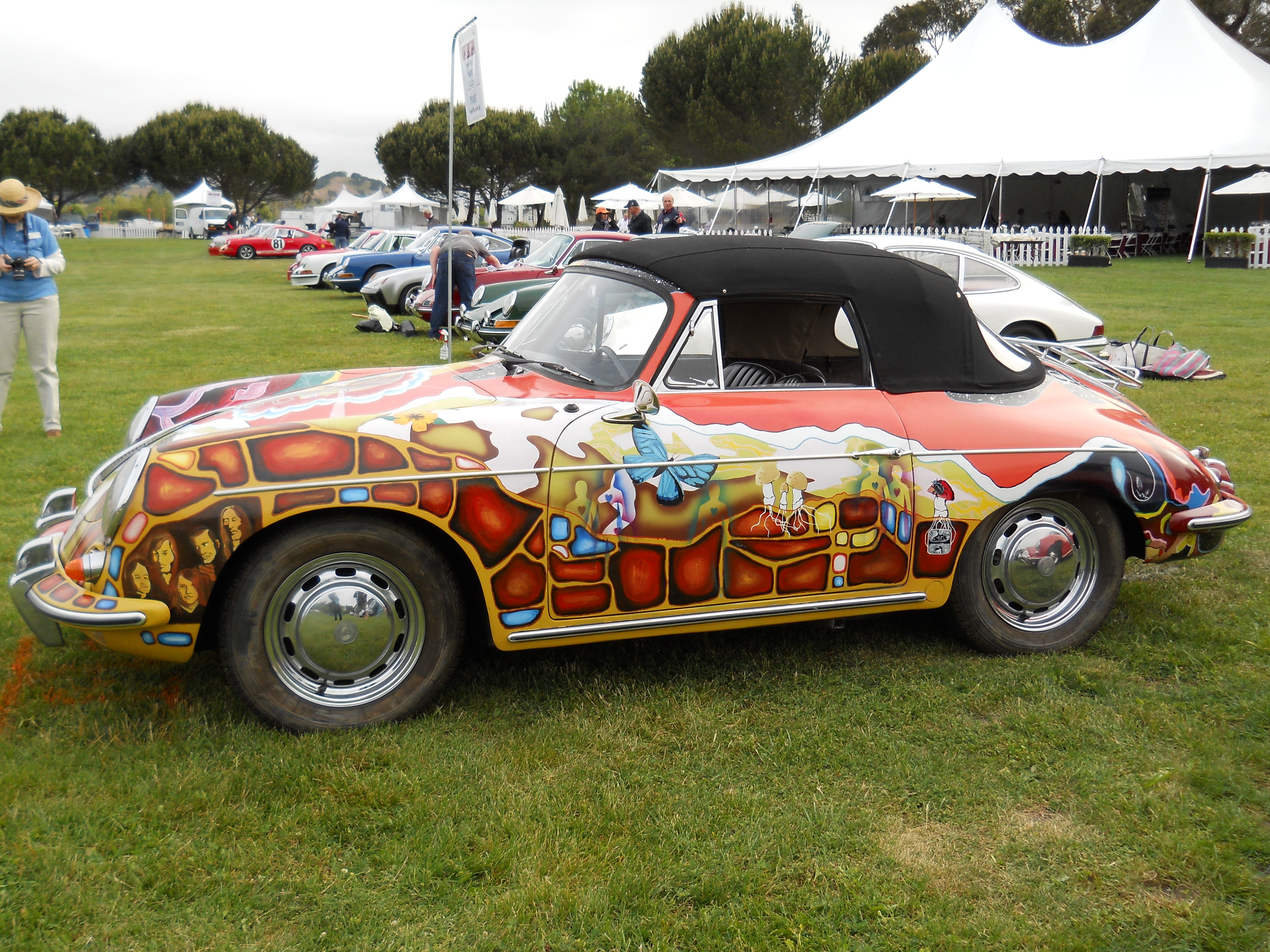
Janis Joplin‘s famous psychedelic Porsche returned to its erstwhile Marin home, making a rare local appearance at the Marin Sonoma Concours d’Elegance, Sunday, May 16th, 2010.
In September 1968, the budding rock star paid a Beverly Hills auto dealer $3,500 for the three-year-old sports car. When she bought it, the Porsche was a factory-painted “oyster white.” For a flamboyant singer who wore rose-colored glasses and feather boas, that wouldn’t do. So she got roadie Dave Richards to paint it with swirling psychedelic images, including Mount Tamalpais on one fender and a portrait of her with her band, Big Brother and the Holding Company, on another.
The singer’s 1965 Porsche 356c Cabriolet, which she bought when she was living in Larkspur, is usually enshrined in the Rock and Roll Hall of Fame in Cleveland. It came to Marin from the Grammy Museum in Los Angeles, where it was on loan.
“They used regular house paint,” Michael Joplin recalled. “They were just playing around, saying, ‘Hey, let’s make an art car.’ They were having a lot of fun. It was a convertible, and she would drive it around with the top down. People would leave notes for her on it.”
Beneath her carefree image and gaudy facade, though, Joplin was a troubled soul. And in October 1970, she was found dead of a drug overdose in a Los Angeles hotel room. Michael, 10 years younger, was devastated. “I wanted to be just like her,” he said.
This slideshow requires JavaScript.
Pictures & Video by Dede Seward
Marin Sonoma Concours May 16th, 2010
After her death, the Porsche ended up in the hands of her manager, Albert Grossman, who lived in Bearsville, N.Y., and let visiting rock musicians drive it when they were in town.
In 1973, the car was returned to the Joplin family.
“It was trashed,” Michael recalled. It had been sitting in a garage for a long time and it wasn’t driveable. I pushed it down the road to a guy who worked on VWs and he got it running.
My sister Laura and I drove it for the next 20 years.”
During that time, the psychedelic paint job was fading as fast as Joplin’s stardom.
“I would drive along and big chips of paint would fly off,” Michael remembered. “It was an old car, and it started falling apart. It always needed something, and we needed to repair it. After much anguish, we decided to take the paint off to save the car.”
It’s hard to imagine now, but a decade after her death, the memory of the electrifying singer of “Piece of My Heart” and “Ball and Chain” was fading fast in the public consciousness.
“Her fame was waning, and the car became more valuable as an antique Porsche than as Janis Jopin’s car,” Michael said. “Ten years after her death she was an old star. It took a while for her to achieve iconic status.”
It was only when the family produced the play “Love, Janis,” that they decided to have the old Porsche restored. In 1994, it was repainted in all its hippie-era glory.
“We were opening the play in Denver, and we thought it would be cool to put the car in the lobby,” Michael recalled. “So we had the Denver Center Theater Company’s paint shop re-create the design from the hundreds of photographs we had. After that, the Rock and Roll Hall of Fame called, saying, ‘Oh, my God, we have to have that car.'”
For Porsche, 1965 was the last model year for the 356 and was denoted with a C when it was introduced in 1964, replacing the 356B. The 356C which featured disc brakes as well as an option for the most powerful pushrod engine Porsche had ever produced, the 95 hp (71 kW) “SC.” 356 production peaked at 14,151 cars in 1964, the year that its successor, the new 911, was introduced to the US market (it was introduced slightly earlier in Europe). The company continued to sell the 356C in North America through 1965 as demand for the model remained quite strong in the early days of the 911. The last ten 356’s (cabriolets) were assembled for the Dutch police force in March 1966 as 1965 models.
Janis Joplin’s unmistakable 1965 Porsche, which boasts a wowzer psychedelic flower-power paint job that’s a swirl of day-glo flowers, star-sign symbols, cartoon butterfly’s and even a ‘portrait’ of her band, Big Brother and the Holding Company. It’s like a moving mural. The artwork is really emblematic of the psychedelic era. Plus, she didn’t just store it — it was one of her prized possessions, so she drove it around all the time.If it was parked on a street in San Francisco somewhere, you knew she couldn’t be too far away.”
“Oh lord won’t you buy me a Mercedes Benz.
My friends all drive porsches, I must make amends.
Worked hard all my lifetime, no help from my friends.
Oh lord won’t you buy me a Mercedes Benz” ~ Janis Joplin ~
Go Faster by Sven Voelker gives deep insight into racing-car graphic design
You’d never guess it, but these big toys for big boys were at the height of their design.
Mechanics and team members – adorned racecars with all of those flashy stripes, logos, numbers and colors prevalent race today.
A whip-fast lesson in competitive “WAR PAINT”, visual anarchy and car designs.
They were to LOOK dangerous and be the WINNER.
This video provides a very interesting look at the design of racing cars in 70s. The graphics on these cars are incredible — very minimal and nothing at all like the logo-plastered cars of NASCAR.
Go Faster is a book by a German university professor, Sven Voelker giving the clear insight into the glory of racing-car graphic design.
This book makes car fans familiar with the fact that most of the racing cars like Porsche and Ferrari were given looks not by marketing strategists or designers, but by chance.
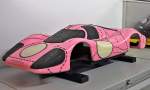
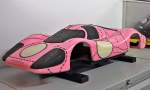
Go Faster is a collection of over one hundred examples of racecar design that documents the carefree anarchy in which they were created. In the book, each colorful racing car is featured next to a blank, white model.
Thanks to this juxtaposition, Go Faster shows its readers exactly how graphics modulate the look of the vehicle.
The neutral models also give readers ample opportunity to imagine their own possibilities for graphic design in motor sports.
This makes the book an ideal gift for anyone interested in racing and high speeds.
Stripes, numbers, colors, and logos – the graphic visual look of a racecar has to stand out from all the others as they go zooming by.
Most people don’t know that racing cars from the likes of Porsche, Ferrari, Maserati, and Lotus were given their looks not by marketing strategists or designers, but by pure chance.
Go Faster is a collection of over one hundred examples of racecar design that documents the carefree anarchy in which they were created.
In the book, colorful racing cars are featured next to blank, white models.
Thanks to this juxtaposition, Go Faster not only takes its readers on a breakneck ride through images of racing history, but also shows them exactly how the graphics modulate the look of the vehicle.
The neutral models in the book also give readers ample opportunity to imagine their own possibilities for graphic design in motor sports.
The time and effort invested in the look of racecars is strangely out of balance compared to that used to shape the bodywork or engineer the technology present in the car.
But perhaps it is precisely this amateur quality, this anarchy and randomness that results in the irresistible attraction that racing cars and their graphics have on us.
There are, of course, countless books on racing cars, but Go Faster is the first to focus on the graphic design of these machines.
This makes the book an ideal gift for anyone interested in racing and high speeds.Sven Voelker
This book with 144 pages and 21 × 26cm format was release on January 2010 and is priced at $ 40, 00. The book is the collection of more than hundred examples on race car design, documenting the carefree anarchy which these vehicles were created in.
At the same time, the book not only gives the readers a chance to know how graphics modulate the look of the vehicle but also the opportunities to imagine their own possibilities for graphic design in motor sports.
Go Faster gives meticulous attention to minutest details and discusses how the numbers, stripes, logos and colours in vehicle are not a willy nilly affair but purposefully placed by the designer team. Well, this book comes out to be a perfect gift for the racing nerds and car freaks.
While the go-faster stripe is a classic design element of the racing car, the look of these vehicles is rarely created by a designer. Sven Voelker looks at the unexplored area of fast and furious graphic art in the new book,…….
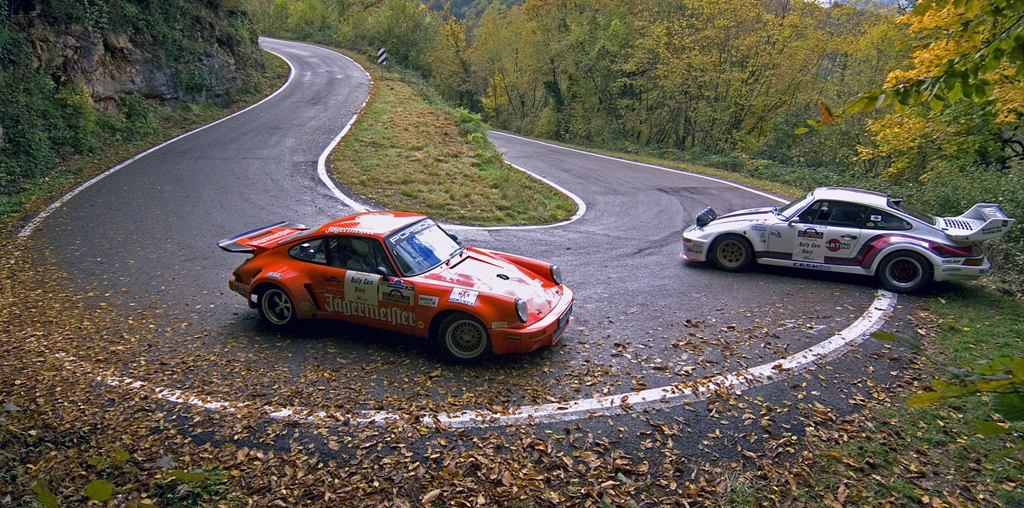
Just a few words: TURN UP your SPEAKERS, and listen to this sweet rumble of Porsche during hill climb competitions, some of the best CLIPS recorded. MUSIC TO MY EARS !
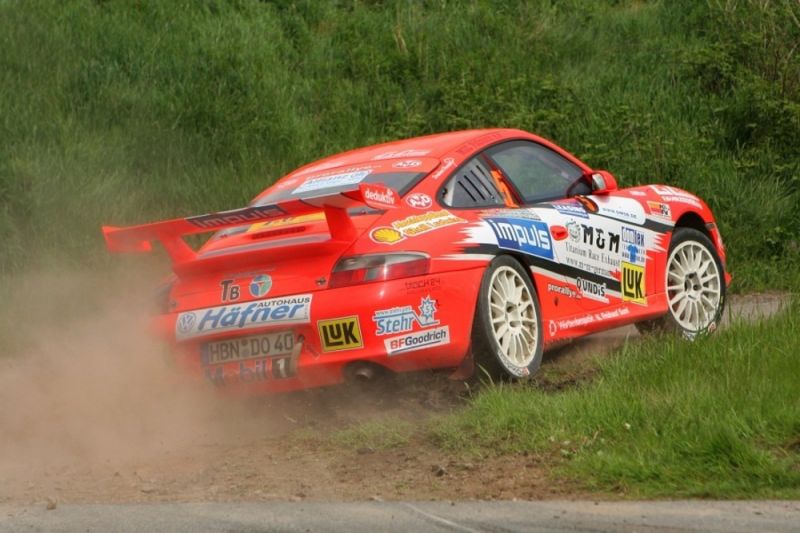
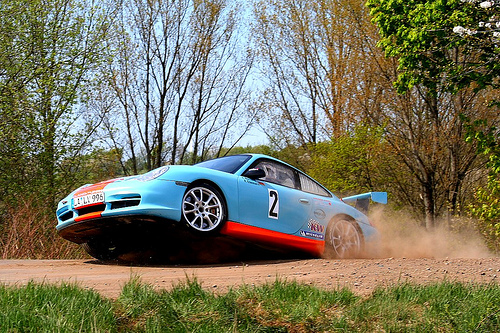
Best scenes of the Porsches in German Rally Championships. Enjoy the pure sound of the GT3.
Porsche GT3 Rallye Action Sound and Drift Pur Dobberkau/Koenig best of 2008-2009
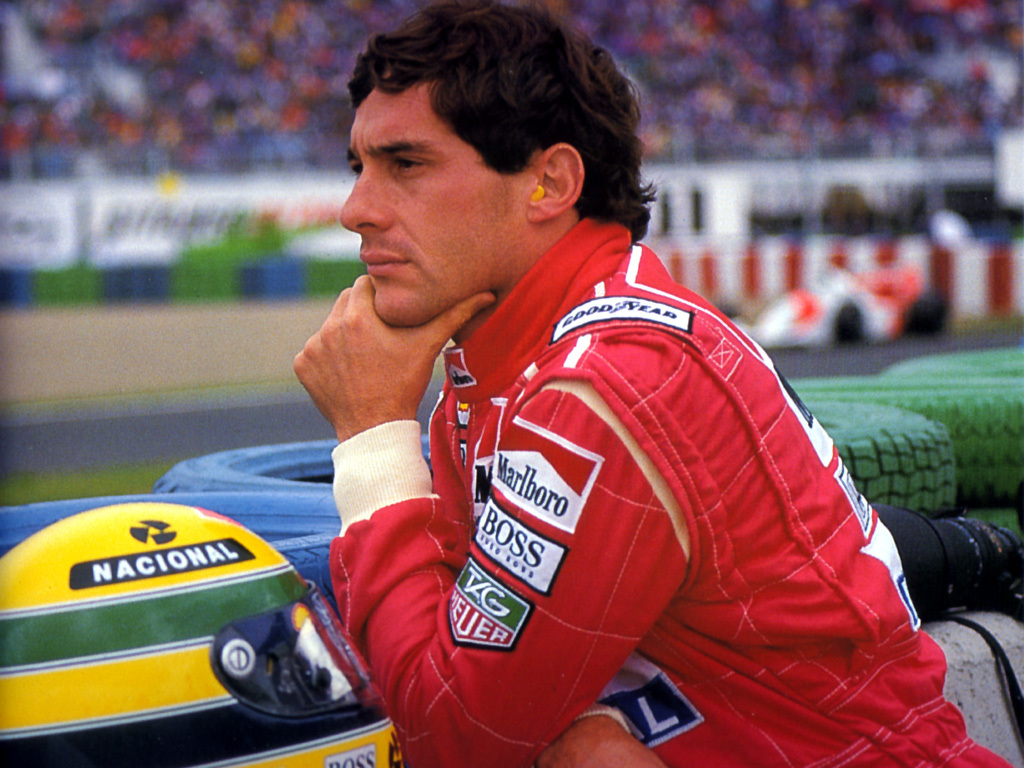
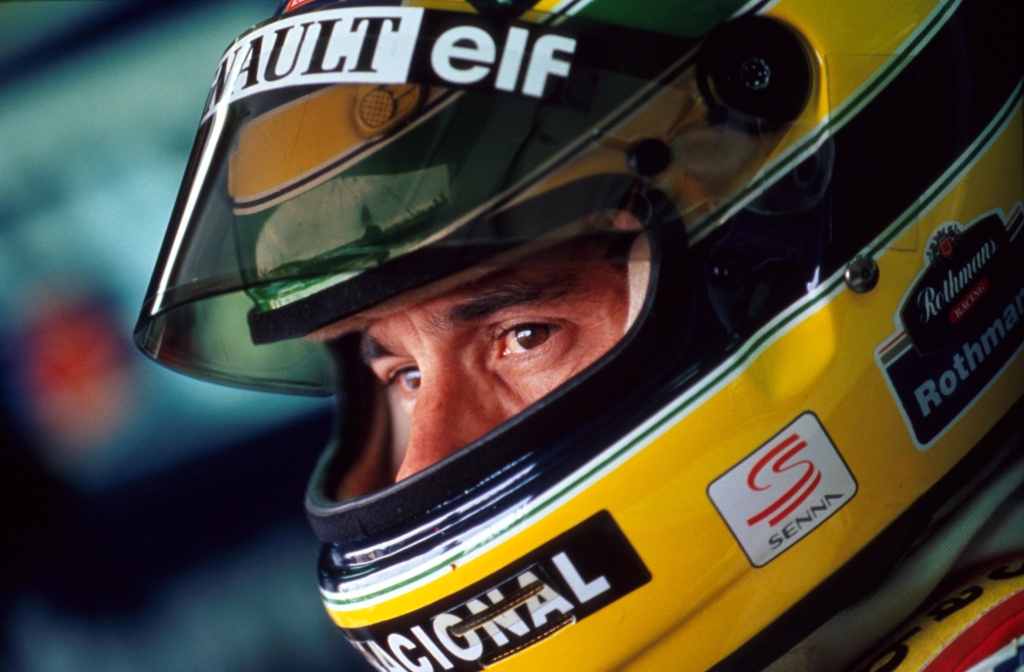
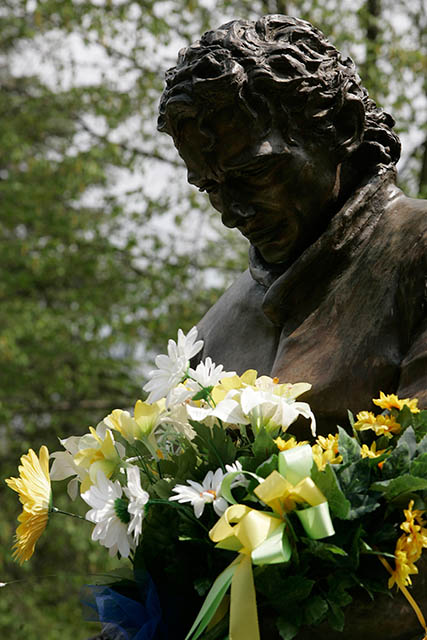
Nothing more can be said best than that Ayrton was the greatest Formula 1 racing driver, and possibly the greatest racing driver bar none to have ever lived.
Ayrton was more than a racing driver, but more of a car control genius. His ability to feel the track, and to feel the car goes unmatched until this day. Senna set the bar higher than any driver not because of the amount of wins, but rather due to the style of driving. He had a unique understanding of cars that no one else has had since. As a result, the Honda/Acura NSX turned out as one of the greatest Japanese super cars produced at the time with it’s unique handling.
Ayrton was indeed more than a racing driver, he was a human being. Contributing a vast majority of his wealth to children foundations in Brazil, and even stopping when a fellow driver got into an accident. He showed that winning didn’t mean just crossing the line, it meant winning by doing what you did best. Driving is driving, but winning with dignity is another story. Senna was spectacular every single time he got in a car.” Truly unmatched. Long live a legend, long live Ayrton Senna.
This slideshow requires JavaScript.
The NSX was inspired by The Greatest Racing Driver of ALL times: Ayrton Senna!NSX was built from Senna’s suggestions on the perfect shift timing according to the RPM, late braking on corners and suspension control.
HONDA NSX (EXTENDED VERSION) BY FORMAT67.NET -The Most “Worth It” Six Minutes Of Your Life
Please do not forget that this video is not only a tribute to the car, but also a tribute to Ayrton Senna. Because he did a lot for Honda. This video is dedicated to the Great Racer and a Great Car.
“The main thing is to be yourself. Many times its through a mistake that you learn. And the main thing is to make sure you learn through your mistakes and get better.” ~Ayrton Senna~
Ayrton Senna – The Right To Win
Senna’s extreme will to win, his phenomenal concentration, his rivalry with Prost, his tremendous mental and physical condition and his final race at Imola in 1994.
In the documentary film “The Right to Win” made in 2004 as a tribute to Senna, Frank Williams notably recalls that as good a driver as Senna was, ultimately “he was an even greater man outside of the car than he was in it.”
This year a movie documentary is being released in cinemas around the world about Ayrton Senna, this is the first ever movie in history to be about Formula One and will be recounting the racing career of one of F1s greatest driver. Here is the link to the trailer for the new Ayrton Senna documentary.
One “name” you will be hearing more about next year & in the future is flywheel battery technology.
This video relives the dramatic events of the 24 Hour Race at the Nürburgring. Although the 911 GT 3 R Hybrid failed to score a sensational victory, it showed the potential of Porsche Intelligent Performance.
Marc Lieb, Porsche Factory Driver
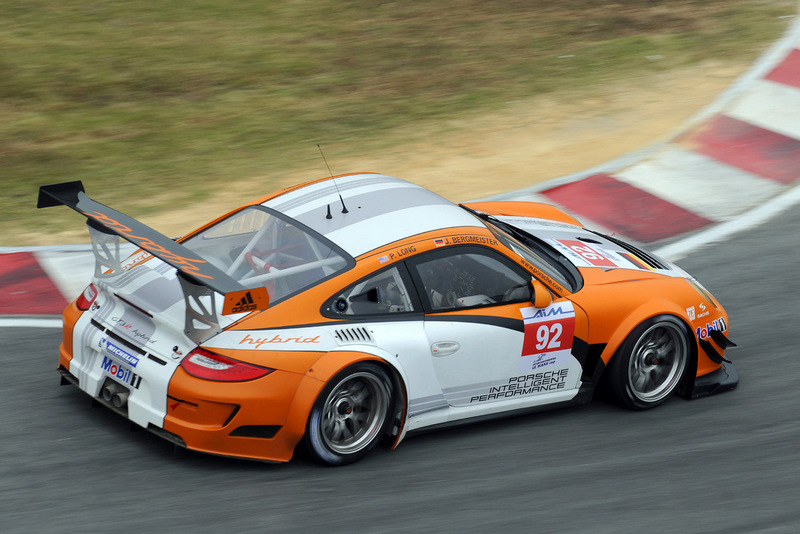
Patrick Long, Porsche Factory Driver tests the Porsche 911 GT3 R Hybrid at the Lausitzring in Germany in July 2010.
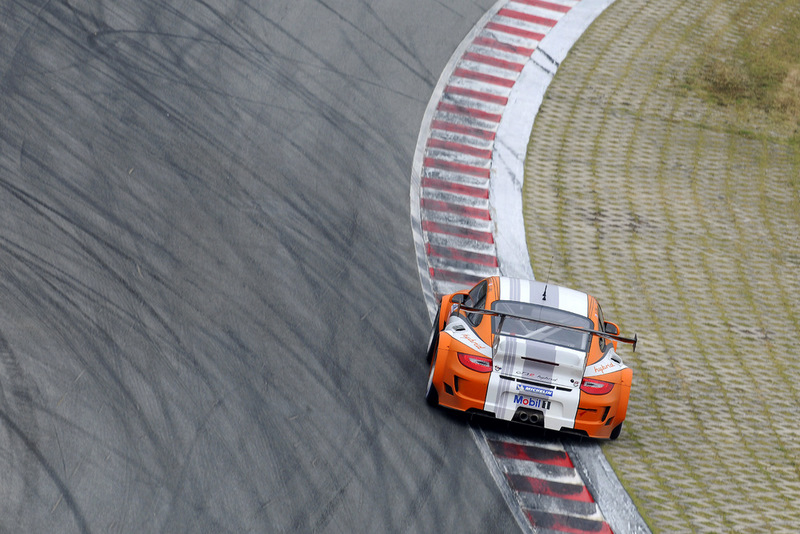
Porsche’s 911 GT3 R Hybrid race car used the technology for the first official race in North America on Oct 2nd, 2010 in the final round of the 2010 American Le Mans Series. (It finished in the middle of the pack.)
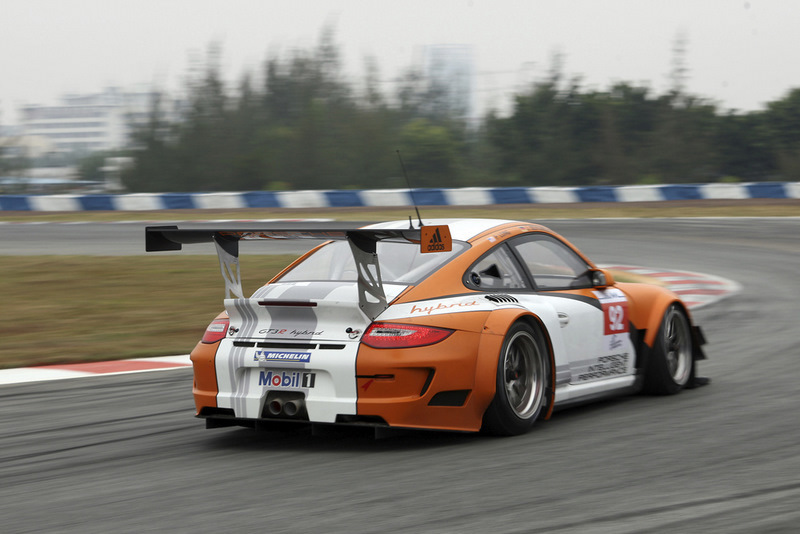
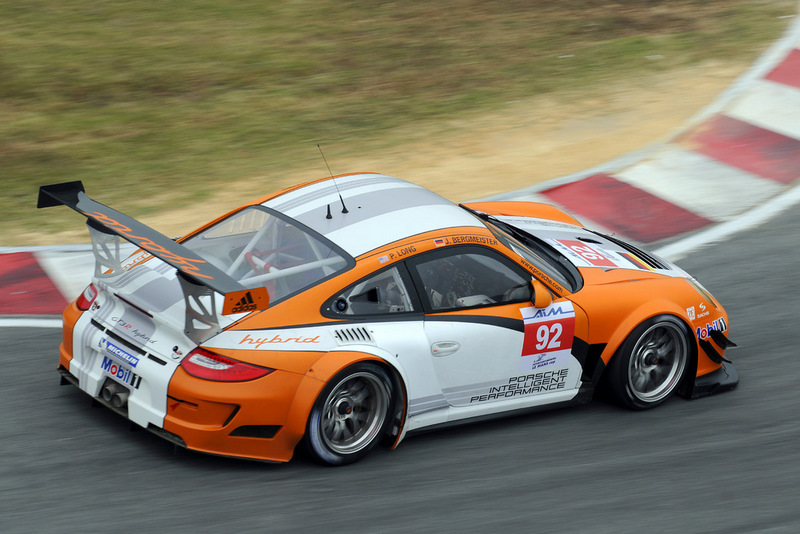
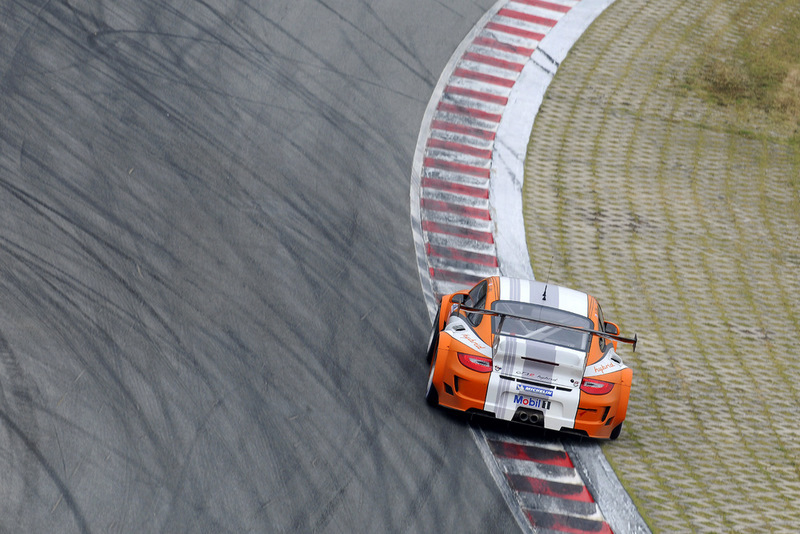
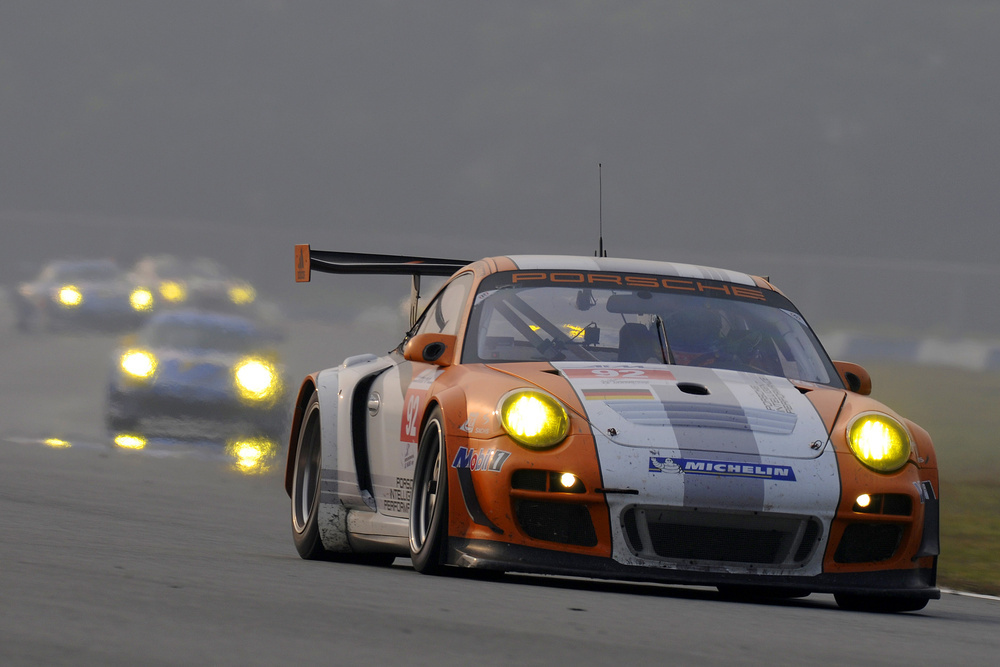
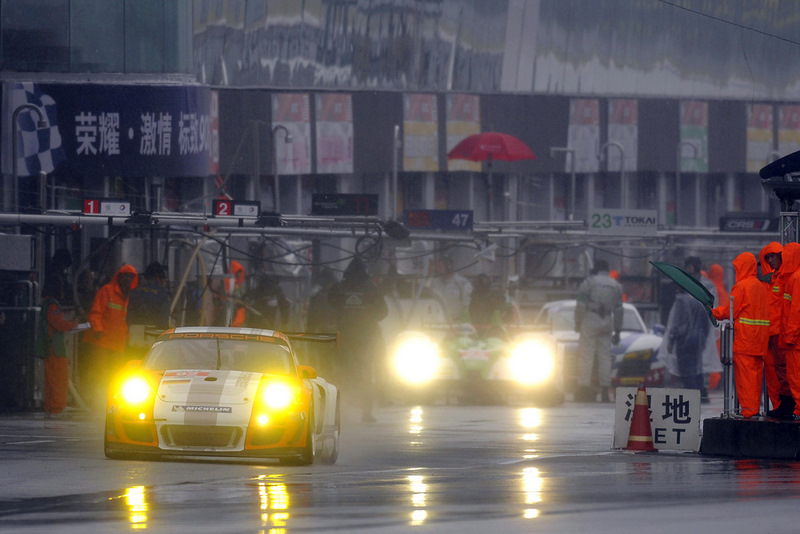
Following the season finale of the Porsche Carrera Cup Asia, the Porsche racing laboratory raced at the Intercontinental Le Mans Cup in Zhuhai on 7 November 2010.
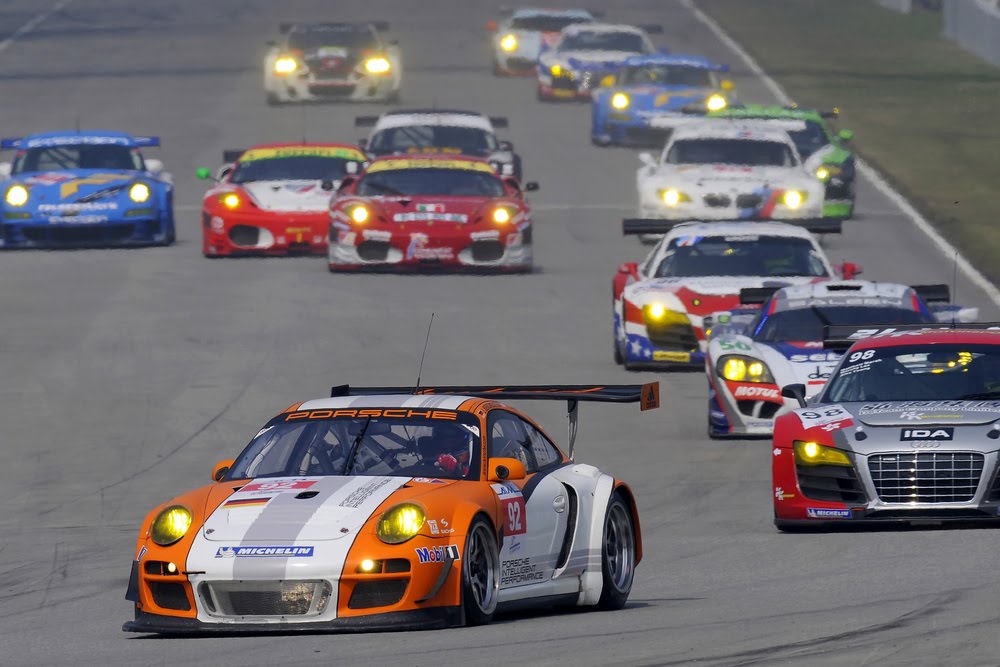
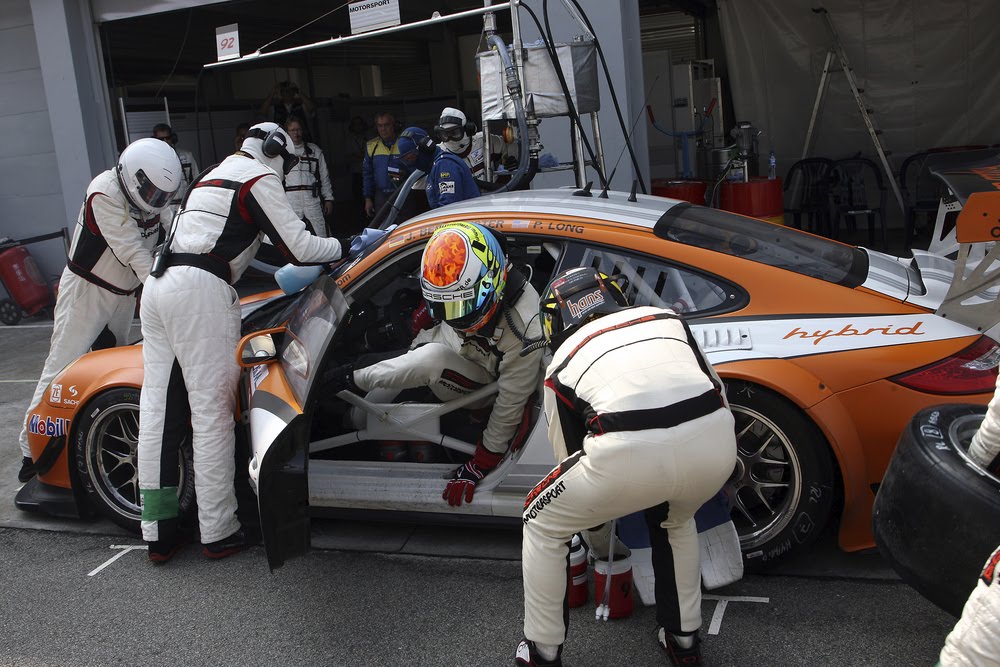
The relentless pace of the Porsche GT3 Hybrid of Joerg Bergmeister Porsche Factory Driver and Patrick Long Porsche Factory Driver was impressive. The first GT first to finish the race – but ranked outside classification – finished in sixth place overall in the 1000 km of Zhuhai and made only four pit stops! A performance that earned the German manufacturer the Motul trophy for technological innovation.
“The first race in China with the 911 GT3 R Hybrid was a complete success,” says Hartmut Kristen, Porsche Head of Motorsport. “The car contested the entire race without the slightest technical problem. The excellent pit stops by our factory squad from Weissach and an absolutely perfect performance from the drivers also contributed to this success. The development work on the hybrid system that we conducted since the last race in Road Atlanta has paid off. Today, we showed impressively just what potential the hybrid technology has. This result is a great motivation for continuing our work on the project. This was definitely not the last race for the 911 GT3 R Hybrid.”
The 911 GT3 is Porsche’s first hybrid racer and the precursor to the Porsche 918 Spyder Hybrid production car, which will launch in 2012. Detlev Von Platen, CEO of Porsche North America, says the flywheel technology used in both of the cars represents the future of Porsche.
“This car will define the next 60 years of Porsche,” Von Platen said.
The Porsche 918 Spyder Hybrid
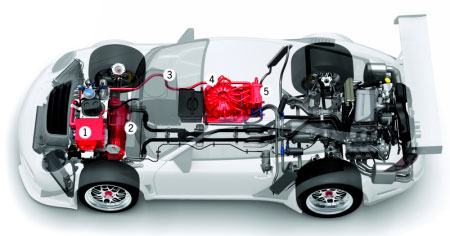
Flywheel technology uses two electric motors at the front axle to supplement the engine (in this case, a 480 horsepower rear-mounted engine). It converts kinetic energy gathered while braking into electrical energy and stores it in a flywheel. Then during acceleration, that energy moves to the front wheels, which support the combustion engine. The process leads to a decent reduction in fuel consumption and an increase in cruising range; the big advantage in races is that the car has to refuel less often, buying it precious minutes on the course.
It’s an exciting advance in making cars more efficient without sacrificing speed and agility–the 918 is no shrinking violet, with an expected 500-plus horsepower all-wheel-drive and 0-62 mph time of 3.2 seconds. Porsche says 900 prospective buyers have already signed up to buy it.
What do you think – is flywheel tech the power of the future? What other car technology should we be watching for?
Specs:
Type: Hybrid
Class: GT Racing
Manufacturer: Porsche
Propulsion system: Hybrid-Electric
Fuel(s): Gasoline / Electricity
Battery system: KERS Flywheel
Time to full battery recharge: Seconds
Price: Not Listed
Availability: 2011-12, Limited
Porsche says
We hope that this will be just the start of the evolution of hybrid systems developed for Formula One moving across to applications where they can contribute to cleaner and more powerful vehicles.
Overview
The Porsche 911 is probably the most well-known vehicle Porsche has ever made and the 911 GT3 R Hybrid will be the latest in the racing line that Porsche has been putting out for competition Gran Tourismo racing. This latest incarnation is not a hybrid in the traditional sense, because instead of batteries, it has a flywheel.
KERS unit
The flywheel is made by Williams Hybrid Power and is a kinetic energy recovery system (KERS), first developed for Formula One racing. When it proved to be inconclusive in its payoff in that racing venue, Porsche agreed to try it for GT racing. The first prototype of the KERS-enabled 911 Hybrid to be racing this year.
The front axle of the 911 has two 60kW electric motors which will drive the axle when a boost is needed. Otherwise, the 911 GT3 will have the usual 4L flat six mounted in the rear of the vehicle in traditional Porsche style. The other modification is for battery storage and braking.
When the driver applies the brakes, such as when rounding a turn, the energy is absorbed by the two motors, which rotate backwards to become generators. That energy is sent to the KERS flywheel, mounted at the center of the car under the right side floor. The rotor inside the KERS module is capable of rotating up to 40,000rpms, storing the kinetic energy of braking.
The energy is stored for 6-8 seconds, during which time the driver can access it to gain an extra power from the 120kW of motor boosting the engine’s push to accelerate the car. This results in both faster pickup speed and fuel savings, both very important to GT racing.
The Porsche 911 GT3 R Hybrid’s first race was at the Nurburgring in May. This is a 24-hour race and the 911 hybrid will acted as a racing laboratory to test the KERS system for GT racing and spearhead the technology there.
Williams Hybrid Power is hoping to be able to commercialize their KERS system for other vehicle applications. Teaming up with the Qatar Science & Technology Park, the two partners will go forward as the Williams Technology Center to work on R&D with commercial goals.
What we like
Porsche is Spearheading this technology and if you think about engineering and racing, the name Porsche always comes up. There may be no better company to make this technology road worthy.
Lots of Potential in many markets where start-stop and bursts of speed and/or power are required, including heavy applications like garbage trucks and construction equipment.
What we don’t
Failed in F1 where the AT&T Williams team used KERS in their Formula One racer and failed to see much return and instead had a lot of headaches with the technology.
Not for Regular Cars as most normal passenger and long-distance vehicles will see little benefit from this kind of technology.
Conclusions
Although the technology is evolving quickly, other tech such as hydraulic power storage and lighter, better batteries may catch up before KERS is really ready for the mainstream. Time will tell, of course, and for racing, this could be a technology with great potential.
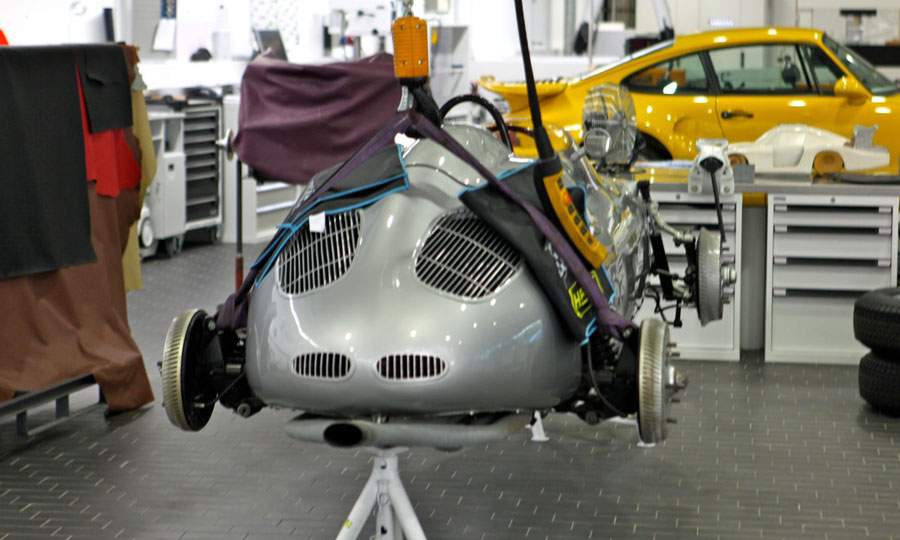
The Porsche Museum houses a Central Department offering all the historical and contemporary knowledge about Porsche. The Historical Archive of Porsche AG moved also into the new edifice, where portions of it are visible through glass walls from the lobby.
As the company’s “memory,” the Porsche Archive collects all important information concerning business, technical, social, or cultural matters relating to Porsche AG and its subsidiary companies. The archived items include anything worth saving about the unparalleled Porsche success story, from the beginnings of Ferdinand Porsche as an automobile designer to the engineering office established in 1931 all the way to today’s Porsche AG. The present files of the Porsche Archive cover 2,000 meters of shelf space, including bookshelves, display cases, steel cabinets, and safes.
The Historical Archive with its accumulated knowledge is available not only to internal departments but also to external users, such as journalists and scientists. Many thousands of inquiries annually are handled here in a professional manner by the Porsche archivists.
Ferdinand and Ferry Porsche shared one characteristic with other automotive icons such as Enzo Ferrari and E. L. Cord: a complete concentration on building the future and little interest in the past.
However, in more recent times, automakers have come to realize the value of their history, Porsche among them.
In a quiet corner with no signs in the Porsche museum in Zuffenhausen, Germany, are a number of fireproof vaults and a huge library. This is Porsche’s DNA.
This slideshow requires JavaScript.
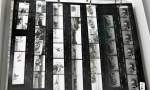
Available to researchers and writers, hundreds of thousands of period photographs and negatives are stored, along with all company publications. It’s likely that everyone who has ever written a book on the marque has spent a lot of time here.
Ferdinand Porsche was near the end of his life when the first Porsche car was built in 1948. But he had been building and designing cars for almost 50 years, including a hybrid at the turn of the 20th century, the iconic supercharged Mercedes-Benz SSK sports cars of the 1920s, the rear-engined Auto Union Silver Arrows, the Volkswagen, and finally, along with his son, the car that bore his name.
Most of the records of Porsche’s design firm were lost in World War II, but the archives still contain Porsche family albums and photographs going back to 1900.
The main focus of the library, however, is from 1948 onward. Period photographs of every Porsche produced are cataloged, as are photographs from every competitive event the factory entered, plus many others. Most have never been published.
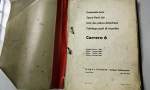
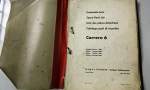
A huge collection of rare catalogs and posters is also stored, as is virtually every works manual. Original works drawings are kept in a separate archive in Weissach, Germany. Porsche is not convinced of the longevity of digital storage, so all original drawings are also photographed using traditional cameras. New material is always being added, including rare collections of racing posters from around the world, sometimes donated by collectors. A varied collection of memorabilia is stored.
The archive does not authenticate individual cars, although it is certainly helpful in locating original photographs of cars that have significant provenance.
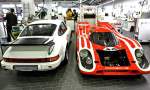
Of course, it helps to be able to walk downstairs to the museum and the attached garage. On the floor, an original Formula One car alongside the 1970 Le Mans-winning 917 and some other jaw-dropping cars. A few of the rarest customer cars make it to this, the best Porsche garage of the lot.
Given the lack of interest in history that the Porsches had, it’s amazing that it all survived intact and became the authoritative source for those with a keen interest in Porsche’s past.
Principal contents: product history (production and racing vehicles, design studies, in-house and third-party developments), company history (information and documents about Porsche AG, subsidiaries, associated companies), and media archive (pictorial, motion picture, and sound materials)
More than 2.5 million images (one of the largest image archives in the automobile sector)
Media archive with over 1,000 hours of motion picture materials
Library with more than 3,000 books on automotive subjects
The relentless pace of the Porsche GT3 Hybrid of Bergmeister and Long was impressive.
The first GT first to finish the race – but ranked outside classification – finished in sixth place overall in the 1000 km of Zhuhai and made only four pit stops!
A performance that earned the German manufacturer the Motul trophy for technological innovation.
A successful season finale for Porsche:
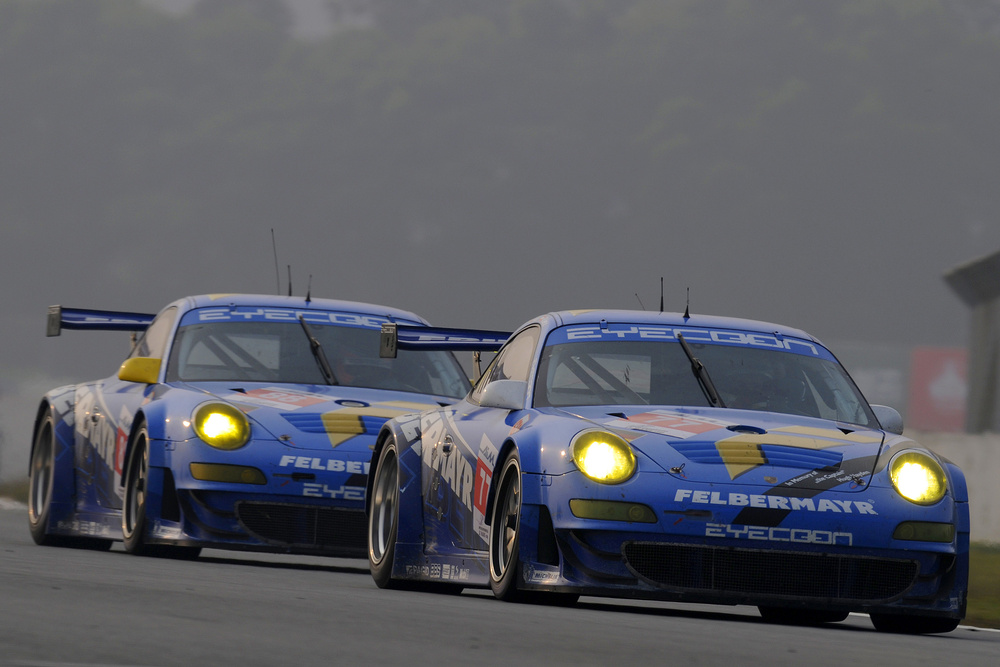
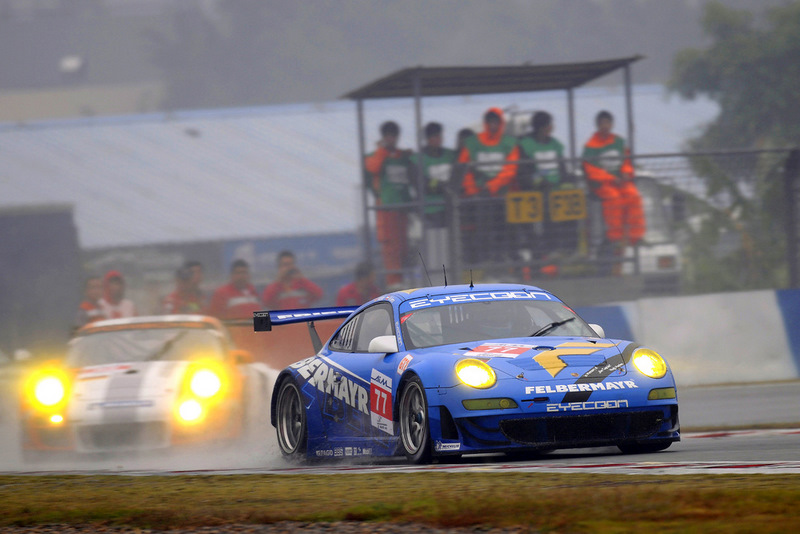
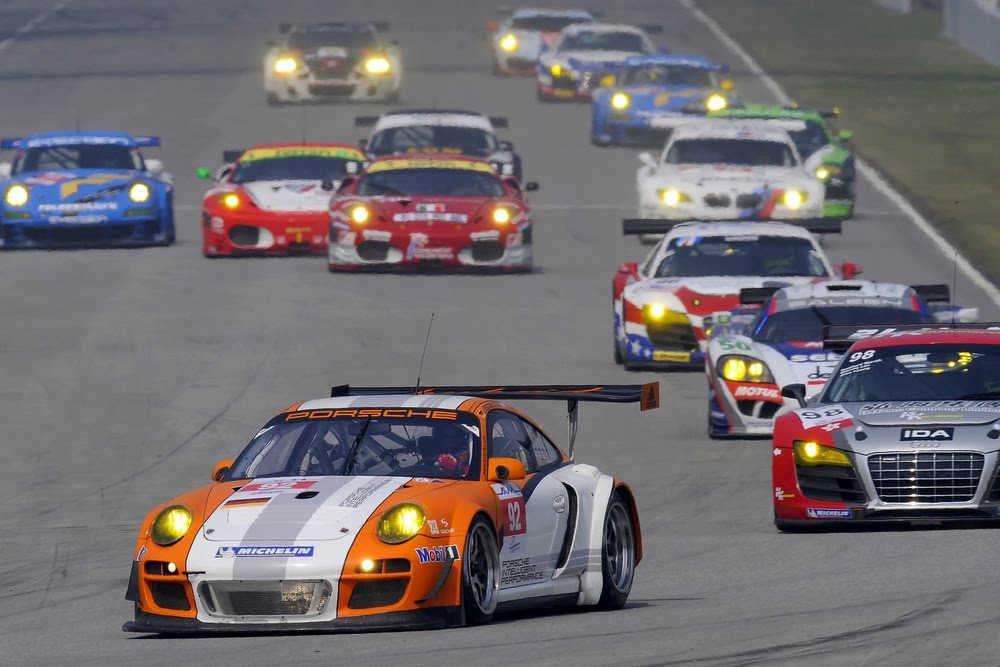
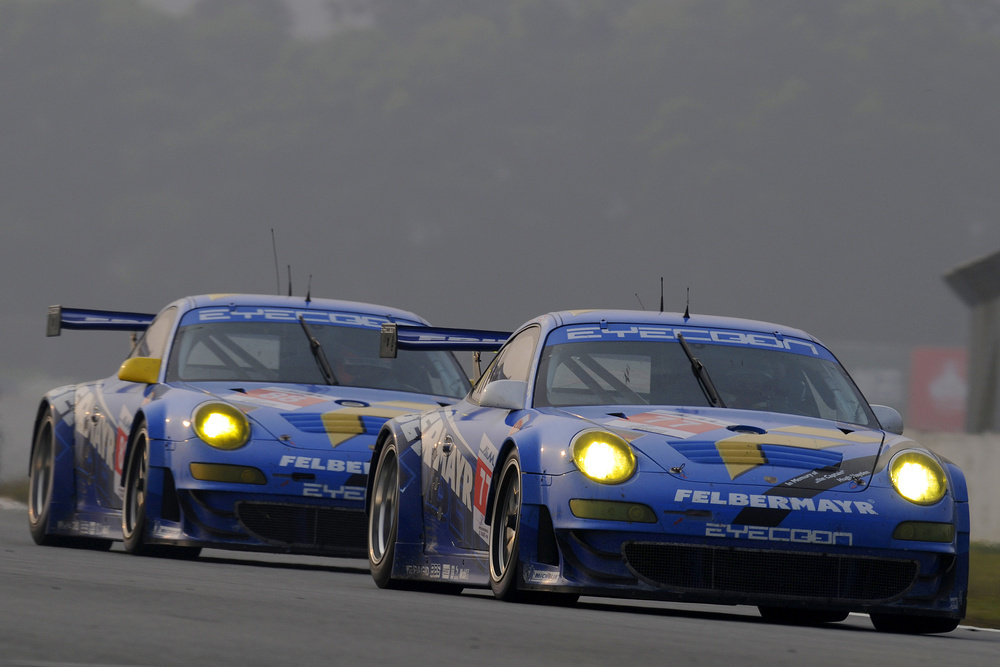
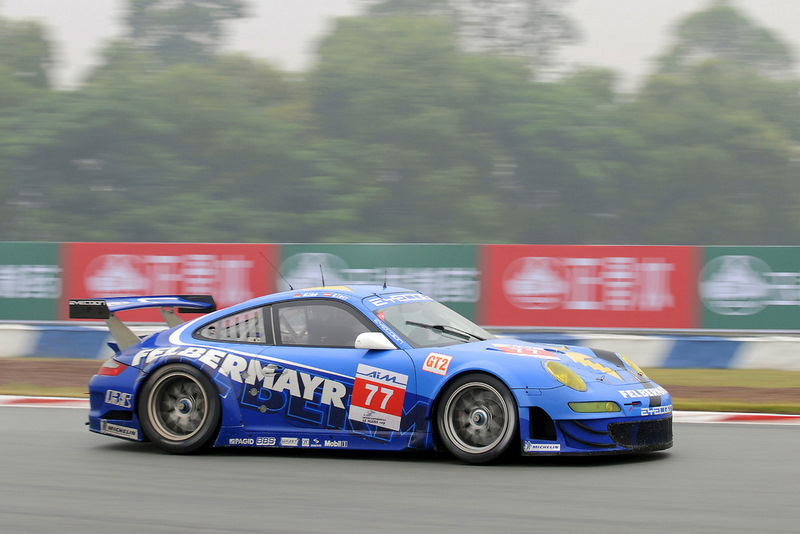
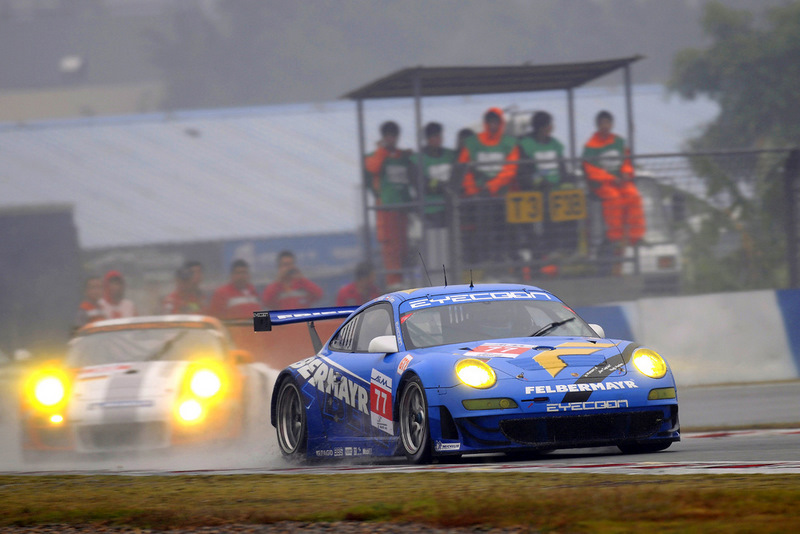
At the 1,000 kilometre race in Zhuhai/China, the Porsche 911 GT3 R Hybrid impressed once again with its performance and efficiency. The innovative sports car from Weissach, piloted by Porsche works drivers Joerg Bergmeister (Germany) and Patrick Long (USA), was by far the fastest GT vehicle in the field at its eagerly awaited premiere in Asia. Porsche factory drivers Marc Lieb (Germany) and Richard Lietz (Austria) claimed second place in the GT2 class with the Porsche 911 GT3 RSR on China’s oldest race track. With this result, they secured the team championship for their Felbermayr-Proton squad at the Intercontinental Le Mans Cup, run for the first time this year.
“The first race in China with the 911 GT3 R Hybrid was a complete success,” says Hartmut Kristen, Porsche Head of Motorsport. “The car contested the entire race without the slightest technical problem. The excellent pit stops by our factory squad from Weissach and an absolutely perfect performance from the drivers also contributed to this success. The development work on the hybrid system that we conducted since the last race in Road Atlanta has paid off. Today, we showed impressively just what potential the hybrid technology has. This result is a great motivation for continuing our work on the project. This was definitely not the last race for the 911 GT3 R Hybrid.”
“Our car ran perfectly”
On the 4.319 kilometre Zhuhai International Circuit, the 911 GT3 R Hybrid, which started in the special GTH class, was not only the fastest but also the most economical GT vehicle. Thanks to its ground-breaking drive concept, it made one less pit stop and completed three more laps than the next GT opponent. “Our car ran perfectly from the first to the last lap,” said Joerg Bergmeister. “That was another super test of the hybrid system under race conditions – and the most successful conclusion I could think of.”
Patrick Long, his teammate with whom he won the GT title of the American Le Mans Series for the second time straight this season, said: “The performance of the Porsche factory mechanics was world class. We had the most efficient and at the same time fastest GT car. Now, that’s what I call Porsche Intelligent Performance.”
Breathtaking chase through the pack
In the GT2 class, the race for start driver Marc Lieb did not begin very promisingly: Right in the first lap in a tussle with a Ferrari his 911 GT3 RSR suffered tyre damage which relegated it to last place. With a breathtaking chase through the pack, he and his teammate Richard Lietz quickly managed to catch up with the front-runners. At the halfway point in the race, the Felbermayr-Proton pilots, who clinched the GT title of the Le Mans Series for the second consecutive time this season, were already running third. Shortly afterwards they then overtook a Ferrari.
“Unfortunately we didn’t have enough for victory, but it’s still a great day for Porsche,” said Richard Lietz. “Obviously it was somewhat frustrating when Marc was forced back into the pits in the first lap with a torn-off valve. But we didn’t let that upset us and simply concentrated on working our way up the front again. Actually, it was huge fun – not least because our chase ended on the podium.” Marc Lieb added: “That was almost a perfect year for our team. Today we were very fast, but experienced a bit of bad luck early on in the race.”
Felbermayr-Proton first in team classification
With the second 911 GT3 RSR fielded by the Felbermayr-Proton team, Martin Ragginger (Austria), Christian Ried (Germany) and Gianluca Roda (Italy) occupied fourth place – despite the botched and unnecessary overtaking manoeuvre of a Peugeot prototype that forced Martin Ragginger into the gravel trap in the last hour of the race. The former Porsche-Junior had to pit and lost ten minutes. In the Felbermayr-Proton camp, however, elation prevailed. “That was a fantastic year for our team. Firstly our win in Le Mans, then the Le Mans Series victory and now the best team in the Intercontinental Le Mans Cup – you can’t really do more,” said Christian Ried, team boss and driver at Felbermayr-Proton. “To be so successful, everything has to run smoothly and that was exactly the case in our team. We didn’t retire once. Despite never having started from pole position, we won three races. That can only work with a good car, strong drivers and a super team.” One of the first to congratulate the crew was Hartmut Kristen: “I’m particularly thrilled that Felbermayr-Proton won the team classification.”
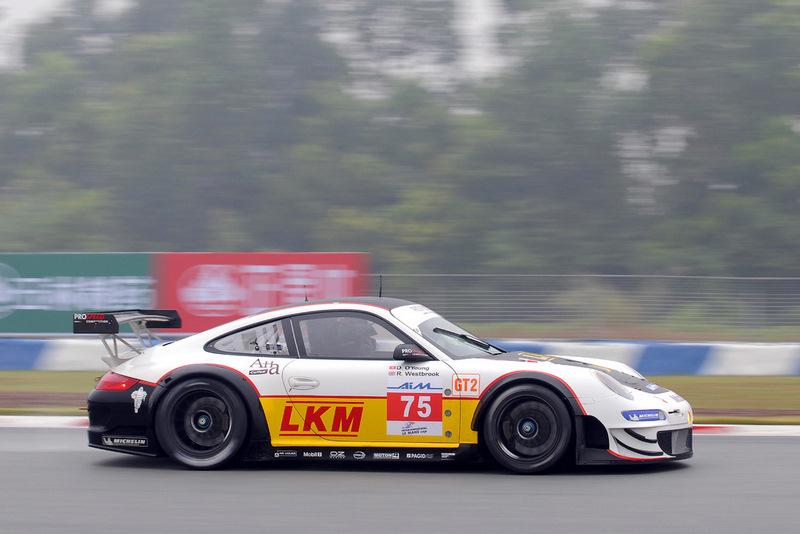
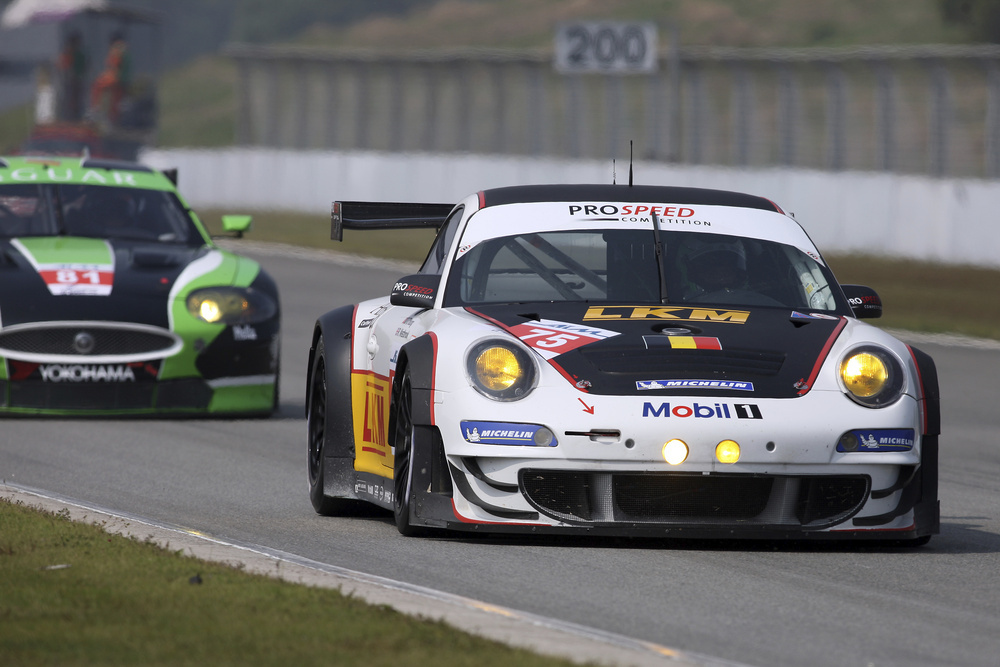
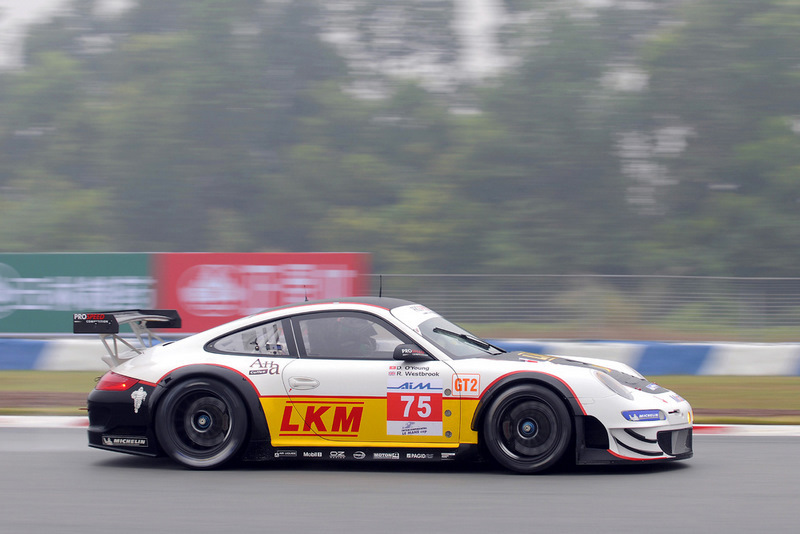
Despite his strong drive, Richard Westbrook (Great Britain) didn’t manage to see the flag with the Prospeed Competition 911 GT3 RSR. The double Supercup winner and former FIA GT champion was on course for a podium result with his teammate Darryl O’Young (Hong Kong) when a clutch problem in the 119th lap signalled the end. “What a shame. We were looking very good in third place,” he commented. “Our mechanics tried their very best to repair the car but time ran out for us.” Local hero Darryl O’Young said: “It was a fabulous experience to drive on this track with the 911 GT3 RSR and to be cheered by so many fans. I became more and more familiar with the car. Under normal circumstances we would have finished on the podium. That would have been a highlight in my career. What a shame it didn’t work out.”
Statistics
Race result GT2 class 1. Müller/Werner (D/D), BMW E92 M3, 202 laps 2. Lieb/Lietz (D/A), Porsche 911 GT3 RSR, 202 3. Bruni/Vilander/Melo (I/SF/BRA), Ferrari 430 GT, 199 4. Ragginger/Ried/Roda (A/D/I), Porsche 911 GT3 RSR, 192 5. Ehret/Quaife/Kirkaldy (D/GB/GB), Ferrari 430 GT, 191 6. Giroix/Goethe/Fatien (F/D/F), Lamborghini Gallardo, 187
Final standings team classification GT2 class 1. Felbermayr-Proton, Porsche, 72 points 2. AF Corse, Ferrari, 57 3. CRS Racing, Ferrari, 47
Final standings manufacturer classification GT2 class 1. Ferrari, 120 points 2. Porsche, 113 3. BMW, 69
The ILMC 2010 is now complete. Next appointment is as soon as next March 19th at Sebring in the 12 hours, for the first round of a competition that seems, certain to be even more hotly contested.
Intercontinental Le Mans Cup, round 3 in Zhuhai, China
The relentless pace of the Porsche GT3 Hybrid of Bergmeister and Long was impressive.
The first GT first to finish the race – but ranked outside classification – finished in sixth place overall in the 1000 km of Zhuhai and made only four pit stops!
A performance that earned the German manufacturer the Motul trophy for technological innovation.
A successful season finale for Porsche: At the 1,000 kilometre race in Zhuhai/China, the Porsche 911 GT3 R Hybrid impressed once again with its performance and efficiency. The innovative sports car from Weissach, piloted by Porsche works drivers Joerg Bergmeister (Germany) and Patrick Long (USA), was by far the fastest GT vehicle in the field at its eagerly awaited premiere in Asia. Porsche factory drivers Marc Lieb (Germany) and Richard Lietz (Austria) claimed second place in the GT2 class with the Porsche 911 GT3 RSR on China’s oldest race track. With this result, they secured the team championship for their Felbermayr-Proton squad at the Intercontinental Le Mans Cup, run for the first time this year. “The first race in China with the 911 GT3 R Hybrid was a complete success,” says Hartmut Kristen, Porsche Head of Motorsport. “The car contested the entire race without the slightest technical problem. The excellent pit stops by our factory squad from Weissach and an absolutely perfect performance from the drivers also contributed to this success. The development work on the hybrid system that we conducted since the last race in Road Atlanta has paid off. Today, we showed impressively just what potential the hybrid technology has. This result is a great motivation for continuing our work on the project. This was definitely not the last race for the 911 GT3 R Hybrid.”
“Our car ran perfectly”
On the 4.319 kilometre Zhuhai International Circuit, the 911 GT3 R Hybrid, which started in the special GTH class, was not only the fastest but also the most economical GT vehicle. Thanks to its ground-breaking drive concept, it made one less pit stop and completed three more laps than the next GT opponent. “Our car ran perfectly from the first to the last lap,” said Joerg Bergmeister. “That was another super test of the hybrid system under race conditions – and the most successful conclusion I could think of.” Patrick Long, his teammate with whom he won the GT title of the American Le Mans Series for the second time straight this season, said: “The performance of the Porsche factory mechanics was world class. We had the most efficient and at the same time fastest GT car. Now, that’s what I call Porsche Intelligent Performance.”
Breathtaking chase through the pack
In the GT2 class, the race for start driver Marc Lieb did not begin very promisingly: Right in the first lap in a tussle with a Ferrari his 911 GT3 RSR suffered tyre damage which relegated it to last place. With a breathtaking chase through the pack, he and his teammate Richard Lietz quickly managed to catch up with the front-runners. At the halfway point in the race, the Felbermayr-Proton pilots, who clinched the GT title of the Le Mans Series for the second consecutive time this season, were already running third. Shortly afterwards they then overtook a Ferrari. “Unfortunately we didn’t have enough for victory, but it’s still a great day for Porsche,” said Richard Lietz. “Obviously it was somewhat frustrating when Marc was forced back into the pits in the first lap with a torn-off valve. But we didn’t let that upset us and simply concentrated on working our way up the front again. Actually, it was huge fun – not least because our chase ended on the podium.” Marc Lieb added: “That was almost a perfect year for our team. Today we were very fast, but experienced a bit of bad luck early on in the race.”
Felbermayr-Proton first in team classification
With the second 911 GT3 RSR fielded by the Felbermayr-Proton team, Martin Ragginger (Austria), Christian Ried (Germany) and Gianluca Roda (Italy) occupied fourth place – despite the botched and unnecessary overtaking manoeuvre of a Peugeot prototype that forced Martin Ragginger into the gravel trap in the last hour of the race. The former Porsche-Junior had to pit and lost ten minutes. In the Felbermayr-Proton camp, however, elation prevailed. “That was a fantastic year for our team. Firstly our win in Le Mans, then the Le Mans Series victory and now the best team in the Intercontinental Le Mans Cup – you can’t really do more,” said Christian Ried, team boss and driver at Felbermayr-Proton. “To be so successful, everything has to run smoothly and that was exactly the case in our team. We didn’t retire once. Despite never having started from pole position, we won three races. That can only work with a good car, strong drivers and a super team.” One of the first to congratulate the crew was Hartmut Kristen: “I’m particularly thrilled that Felbermayr-Proton won the team classification.” Despite his strong drive, Richard Westbrook (Great Britain) didn’t manage to see the flag with the Prospeed Competition 911 GT3 RSR. The double Supercup winner and former FIA GT champion was on course for a podium result with his teammate Darryl O’Young (Hong Kong) when a clutch problem in the 119th lap signalled the end. “What a shame. We were looking very good in third place,” he commented. “Our mechanics tried their very best to repair the car but time ran out for us.” Local hero Darryl O’Young said: “It was a fabulous experience to drive on this track with the 911 GT3 RSR and to be cheered by so many fans. I became more and more familiar with the car. Under normal circumstances we would have finished on the podium. That would have been a highlight in my career. What a shame it didn’t work out.”
Statistics
Race result GT2 class1. Müller/Werner (D/D), BMW E92 M3, 202 laps2. Lieb/Lietz (D/A), Porsche 911 GT3 RSR, 2023. Bruni/Vilander/Melo (I/SF/BRA), Ferrari 430 GT, 1994. Ragginger/Ried/Roda (A/D/I), Porsche 911 GT3 RSR, 1925. Ehret/Quaife/Kirkaldy (D/GB/GB), Ferrari 430 GT, 1916. Giroix/Goethe/Fatien (F/D/F), Lamborghini Gallardo, 187 Final standings team classification GT2 class1. Felbermayr-Proton, Porsche, 72 points2. AF Corse, Ferrari, 573. CRS Racing, Ferrari, 47 Final standings manufacturer classification GT2 class1. Ferrari, 120 points2. Porsche, 1133. BMW, 69
The ILMC 2010 is now complete. Next appointment is as soon as next March 19th at Sebring in the 12 hours, for the first round of a competition that seems, certain to be even more hotly contested.
Porsche 911 GT3 R Hybrid celebrates debut in China
Intercontinental Le Mans Cup, round 3 in Zhuhai, China
The race in China marks an exciting conclusion to the year.
Last exit Zhuhai: With the race premiere of the innovative Porsche 911 GT3 R Hybrid in China, Porsche sets another highlight to conclude a successful year of motorsport. At the 1,000 kilometre race in Zhuhai on 7 November, Porsche works drivers Joerg Bergmeister (Germany) and Patrick Long (USA) take the wheel of the ground-breaking sports car from Weissach, which features two electric motors at the front axle each developing 60 kilowatts to supplement the 480 horsepower combustion engine.
The first outing of the 911 GT3 R Hybrid in China is awaited with much anticipation. Porsche uses the final race of the newly created Intercontinental Le Mans Cup season to showcase its prototype, which perfectly embodies the philosophy of “Porsche Intelligent Performance’, to the important market of China. At its first race, Porsche Motorsport’s ‘rolling test laboratory’ caused a sensation by almost winning the Nürburgring 24 hour race. The Hybrid-911 led the overall classification until shortly before the flag. At its race debut in the United States of America, the #911 vehicle thrilled not only the fans at the 1,000 mile classic at Road Atlanta with its strong performance. Environmental politicians, who had come from Washington D.C. especially, were obviously impressed, stating that Porsche was forging the way of the future in motorsport with this vehicle.
For Joerg Bergmeister and Patrick Long, who clinched the GT class title of the American Le Mans Series this season with the Porsche 911 GT3 RSR for the second time in a row, the race in China marks an exciting conclusion to the year.
“Having the chance to contest my first race in Asia with the 911 GT3 R Hybrid is something quite special,” says Joerg Bergmeister, who has already manned the Hybrid racer on the Nürburgring. “For me, this project was great fun right from the start. It is a completely new technology for which there is no basis. So, as a driver, you can also contribute a great deal more than would normally be the case. And, of course, better still is when you see how everything runs so smoothly.” Patrick Long is also looking forward to the race: “It’s a great experience to be able to work on a project that writes history. Many only dream of such a thing, but for me this dream comes true.”
On the 4.319 kilometre Zhuhai International Circuit, which was completed in 1996 as China’s first permanent race track, the 911 GT3 R Hybrid competes in the GT Experimental class and hence is not eligible to earn points. Its innovative hybrid system was developed specifically for use in the race car, differing significantly in its configuration and components from conventional hybrid systems. An electric front-wheel-drive with two electric motors supplements the four-litre flat-six at the rear. Under braking, the 911 GT3 R Hybrid converts kinetic energy into electrical energy and stores it in a flywheel. During acceleration, this energy is automatically delivered to the front wheels, supporting the combustion engine. This leads to a reduction in fuel consumption and increases the cruising range on the circuit. Moreover, drivers can manually utilise the stored energy with a boost-paddle on the steering wheel for overtaking. Performance on call.
The most successful GT racer
Racing alongside the Porsche 911 GT3 R Hybrid in Zhuhai, which borders the Macau peninsula in southern China, are three Porsche 911 GT3 RSR. At the wheel of the most successful GT racer this season, which also won the environmental Michelin Green X Challenge as the vehicle with the best overall efficiency, are two favourites in the GT class, Porsche factory pilots Marc Lieb (Germany)and Richard Lietz (Austria). This season the pair has already clinched their second Le Mans Series title in succession. Former Porsche-Junior Martin Ragginger (Austria) as well as Gianluca Roda (Italy)and Christian Ried (Germany) share driving duties in the second Felbermayr-Proton 911 GT3 RSR.
The double Porsche Supercup champion and former FIA GT Championship title holder Richard Westbrook (Great Britain) teams up with Darryl O’Young (Hong Kong) in the 911 GT3 RSR fielded by Prospeed Competition.
The race in Zhuhai starts on Sunday, 7 November, at midday local time (0.5.00 hrs CET) and runs over 1,000 kilometres.
 http://www.youtube.com/v/GGhb8UhDKew?fs=1&hl=en_US Dashing through the snow…..in a 500 hp @ 6,000 rpm open Panamera Turbo Sleigh…..o’er the fields we go, drifting all the way…….exhaust notes ringing, making spirits bright….Oh what fun it is to drive a Panamera Turbo Sleigh tonight !…Oh Jingle bells, Jingle bells…Jingle 188 mph all the way.




 Future applications for Williams Hybrid Power’s (WHP) electromechanical composite flywheel could include anything from Formula 1 cars to buses or rapid transit systems. Awards judge David Tremayne, from Grand Prix + [plus], commented, “KERS is a valuable accessory that F1 is revisiting for 2011. The flywheel solution has always seemed the most logical and ‘green’ to me, and Williams’ system, though as yet unraced in the big league, is seminal.”

















 Porsche Everyday Dedeporsches Blog