|
||
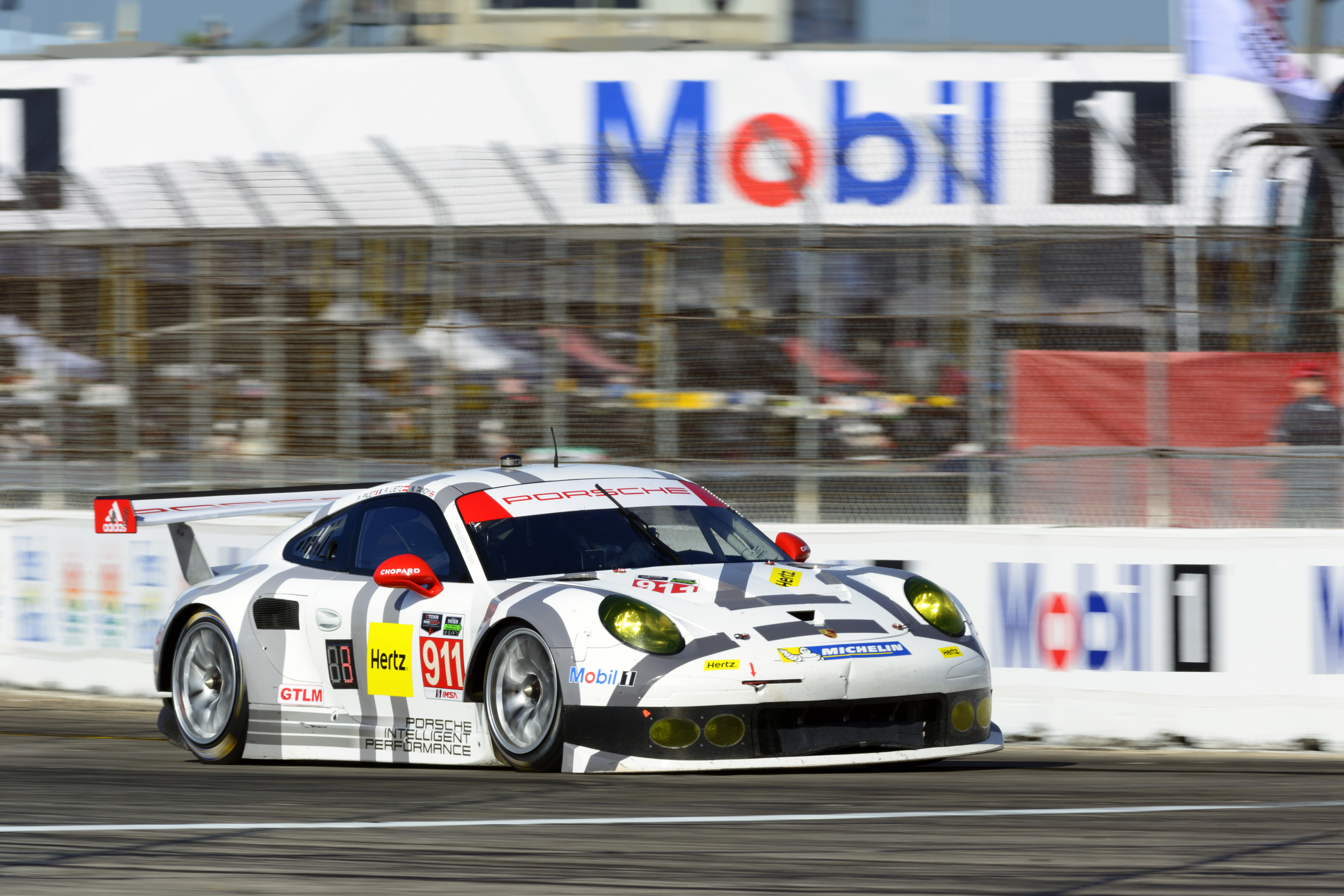 Porsche 911 RSR (#911), Porsche North America: Richard Lietz, Patrick Pilet, Nick Tandy |
||
|
Tudor United SportsCar Championship, round 2: 12 Hours of Sebring, USA Porsche aims to repeat last year’s victory at Florida’s sports car classic Stuttgart. The Sebring 12 Hours is the oldest and toughest sports car race in the USA. Three Porsche 911 RSR will tackle the GTLM class at the 63rd running of the prestigious classic contested on the Sebring International Raceway on 21 March. For the Porsche North America works team and the Falken Tire customer squad, eight works drivers will do their utmost to repeat Porsche’s win from last year on the airfield circuit in the heart of Florida, which is notorious for its bumpy surface. With 18 overall victories and 67 class wins, Porsche is the most successful manufacturer in the history of the Sebring 12 hour race. The race Porsche drivers Last year’s winners Jörg Bergmeister (Germany) as well as Earl Bamber (New Zealand) and Frédéric Makowiecki (France) share driving duties in the number 912 vehicle. Tackling the race for the Falken Tire customer outfit are the Porsche works drivers Wolf Henzler (Germany) and Patrick Long (USA), reinforced by Bryan Sellers (USA). Porsche Junior Connor de Phillippi (USA) contests the GTD class at the wheel of a Porsche 911 GT America fielded by Muehlner Motorsports. 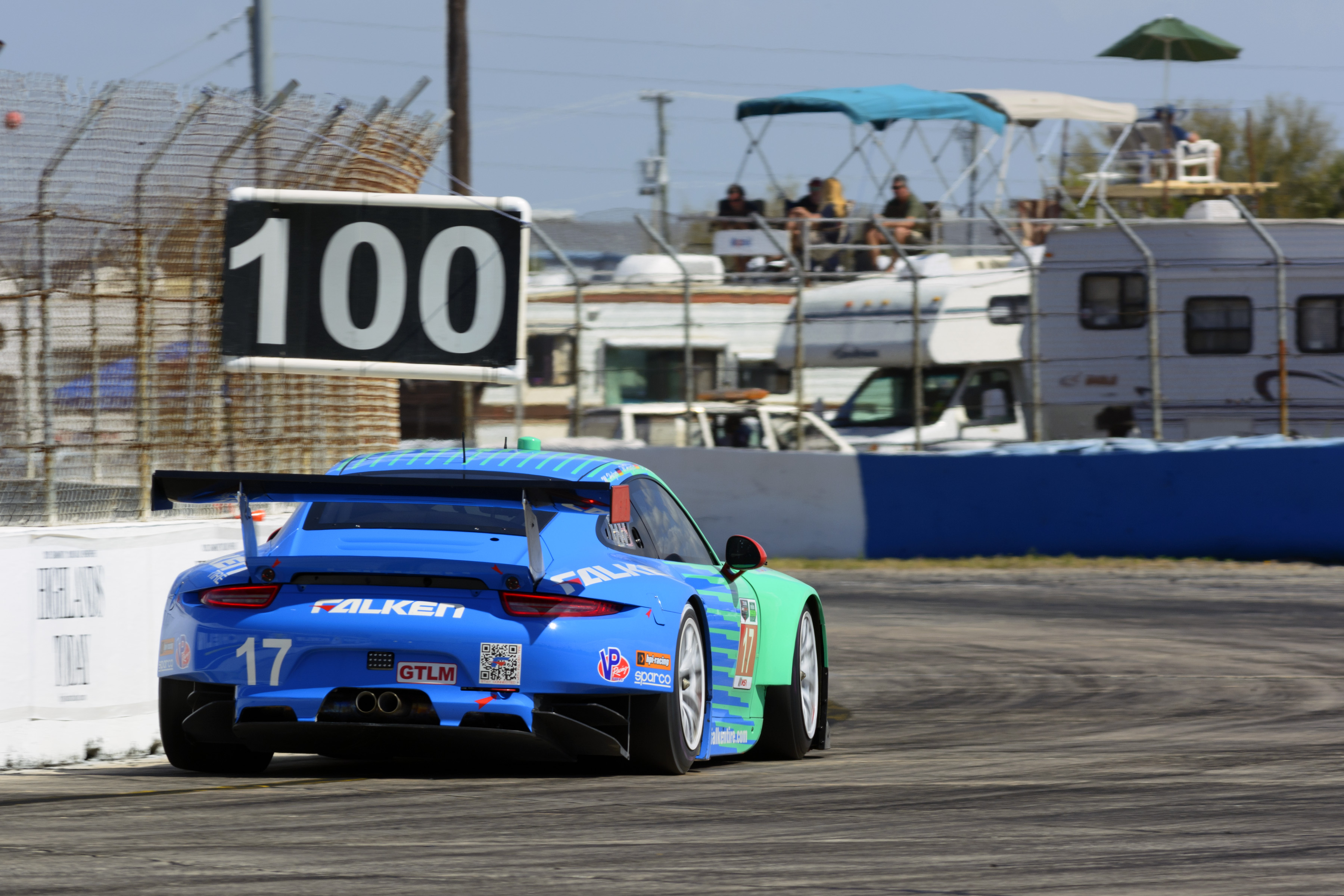
The Porsche vehicles 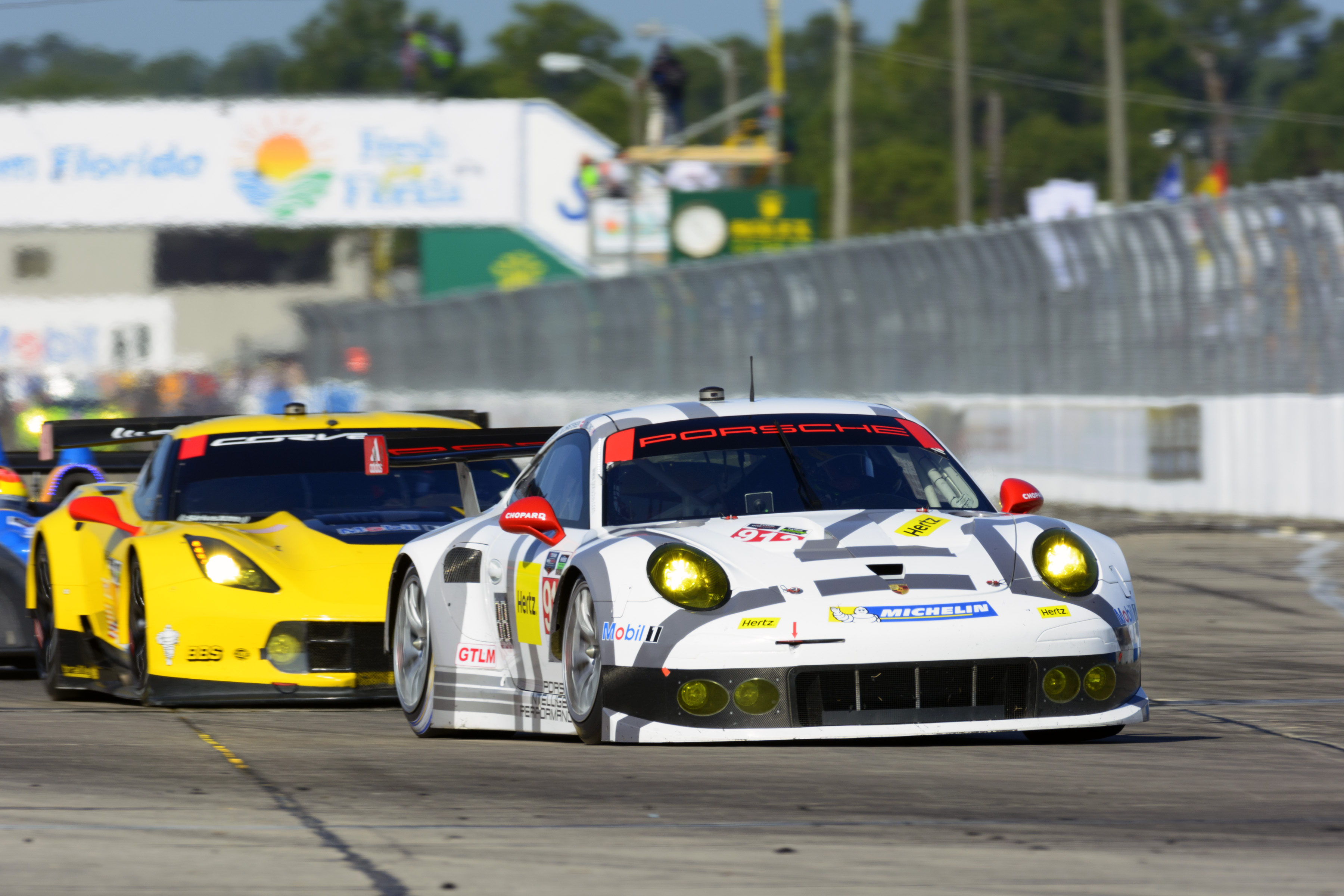 Porsche 911 RSR (#912), Porsche North America: Jörg Bergmeister, Earl Bamber, Frédéric Makowiecki The Porsche 911 GT America, built specifically for the GTD class of the 2014-inaugurated Tudor United SportsCar Championship, features a four-litre, six-cylinder engine and also produces 470 hp. The vehicle is an improved version of the Porsche 911 GT3 Cup, the most successful and widely-produced race car in the world. Porsche’s successes The schedule Comments before the race 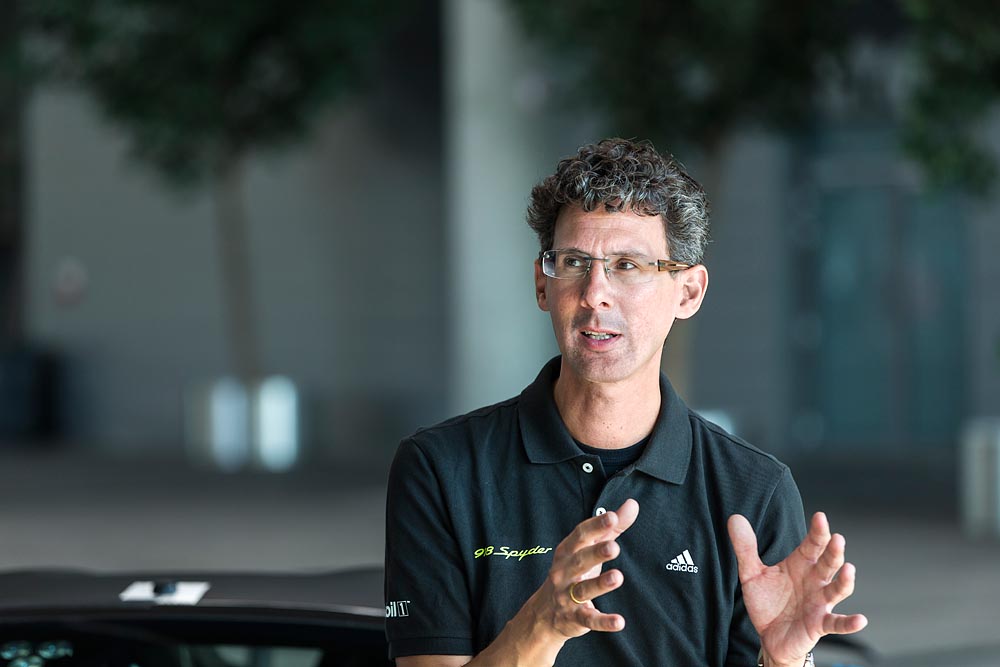 Dr. Frank Walliser, Overall 918 Spyder Project Manager Patrick Pilet (#911): “Sebring is a very special race on a very special circuit. It’s always a hard fight for victory and the avid fans give the whole event a fantastic ambience.” 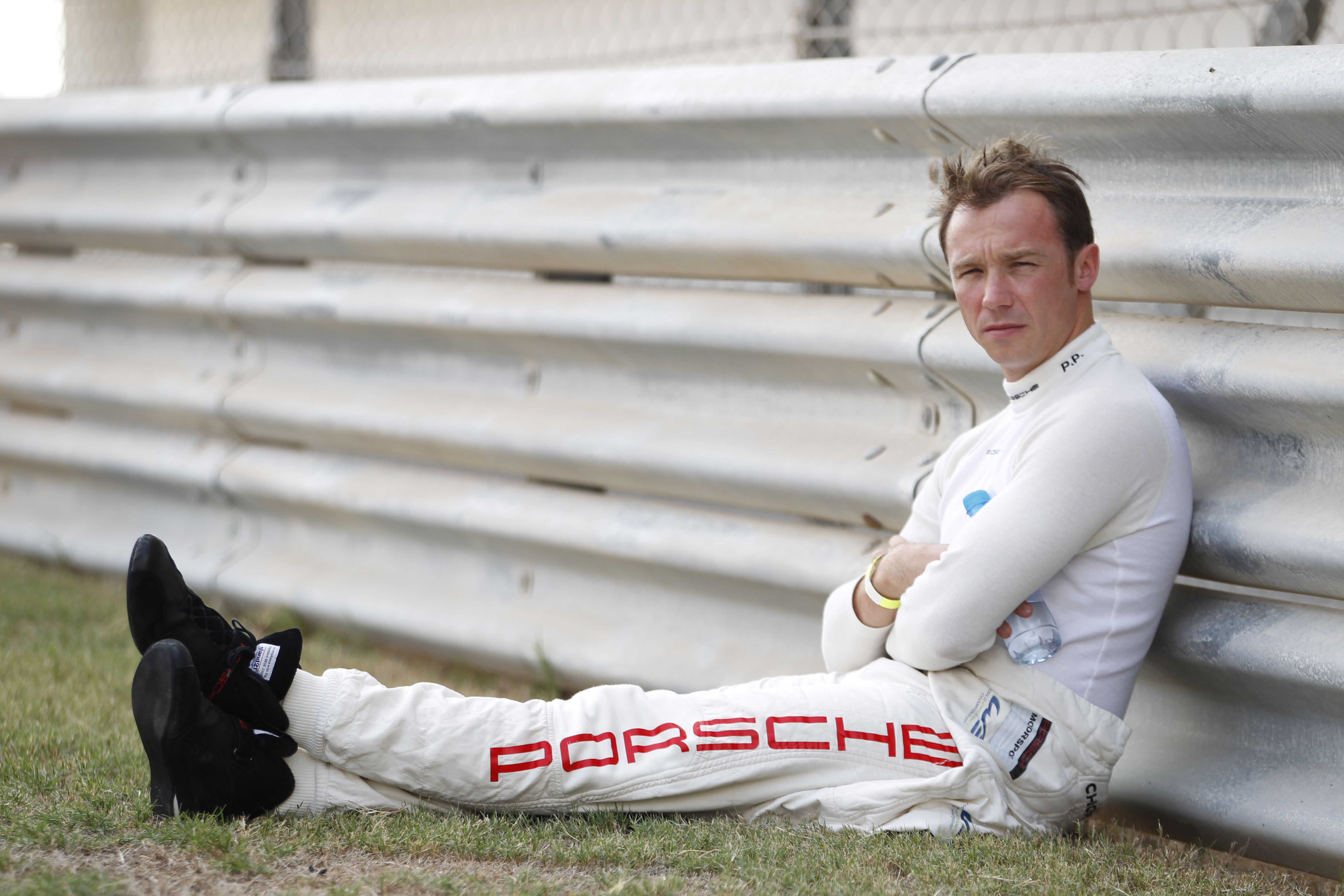
Nick Tandy (#911): “It’s always a highlight to compete in Sebring, regardless in which series you compete for the rest of the year. On this storied track you truly breathe sports car history and that fascinates me.” 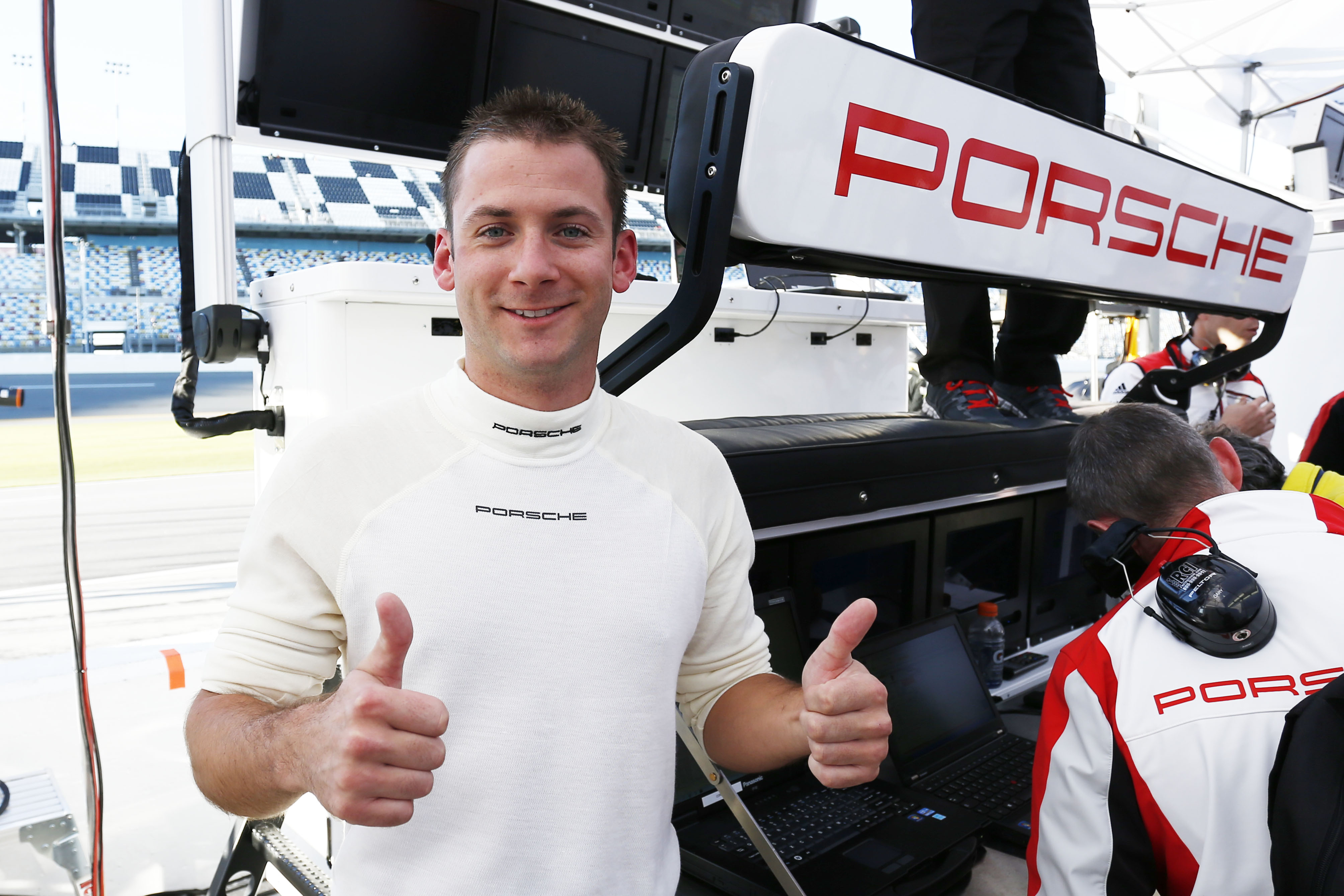 Porsche North America: Nick Tandy Richard Lietz (#911): “Sebring is a race that throws extremes at you. You can’t afford to make the slightest error – if you do you have no chance.” 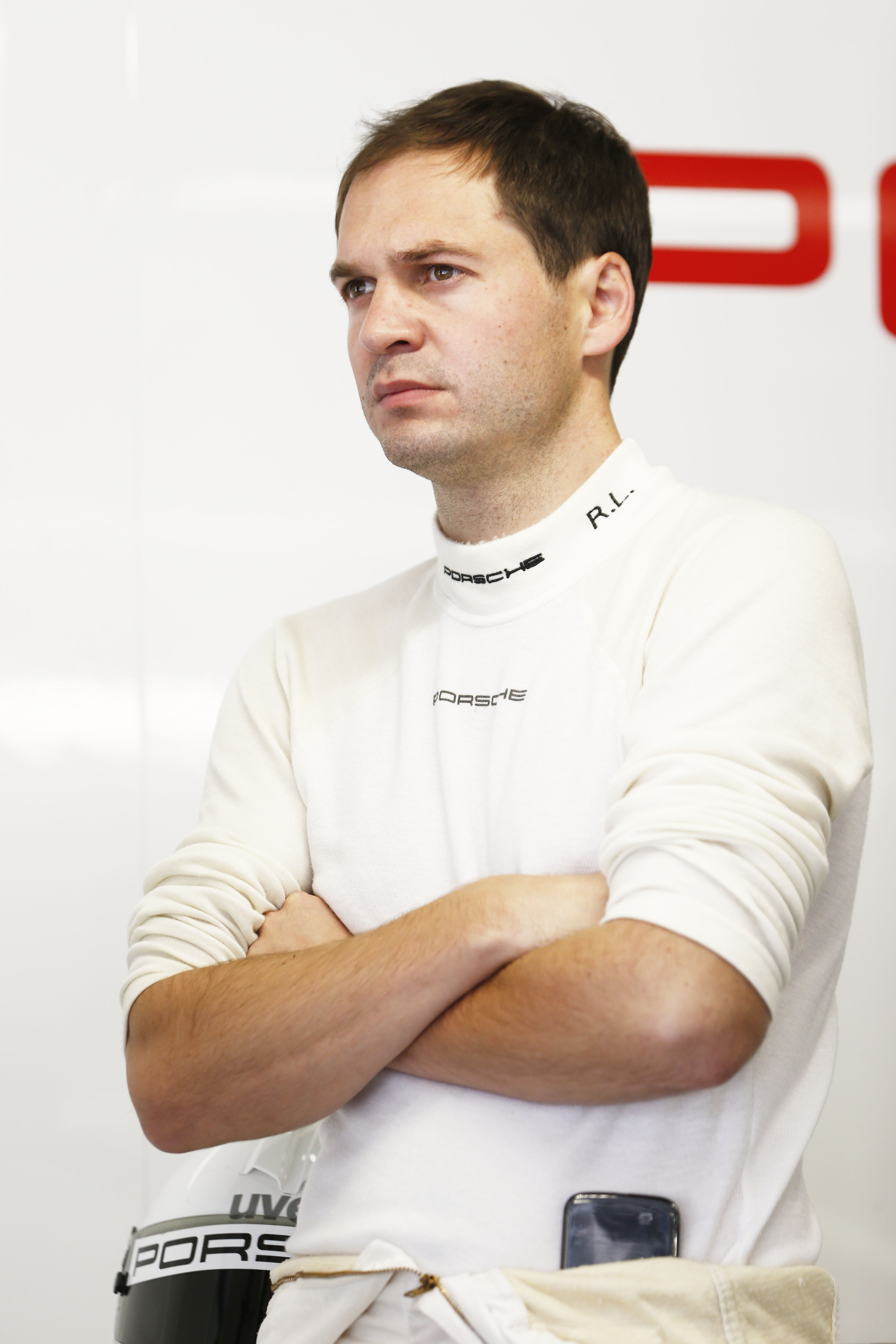
Earl Bamber (#912): “It didn’t go so well for us at Daytona, so now I’m hoping we can make up lost ground in the championship at Sebring.” 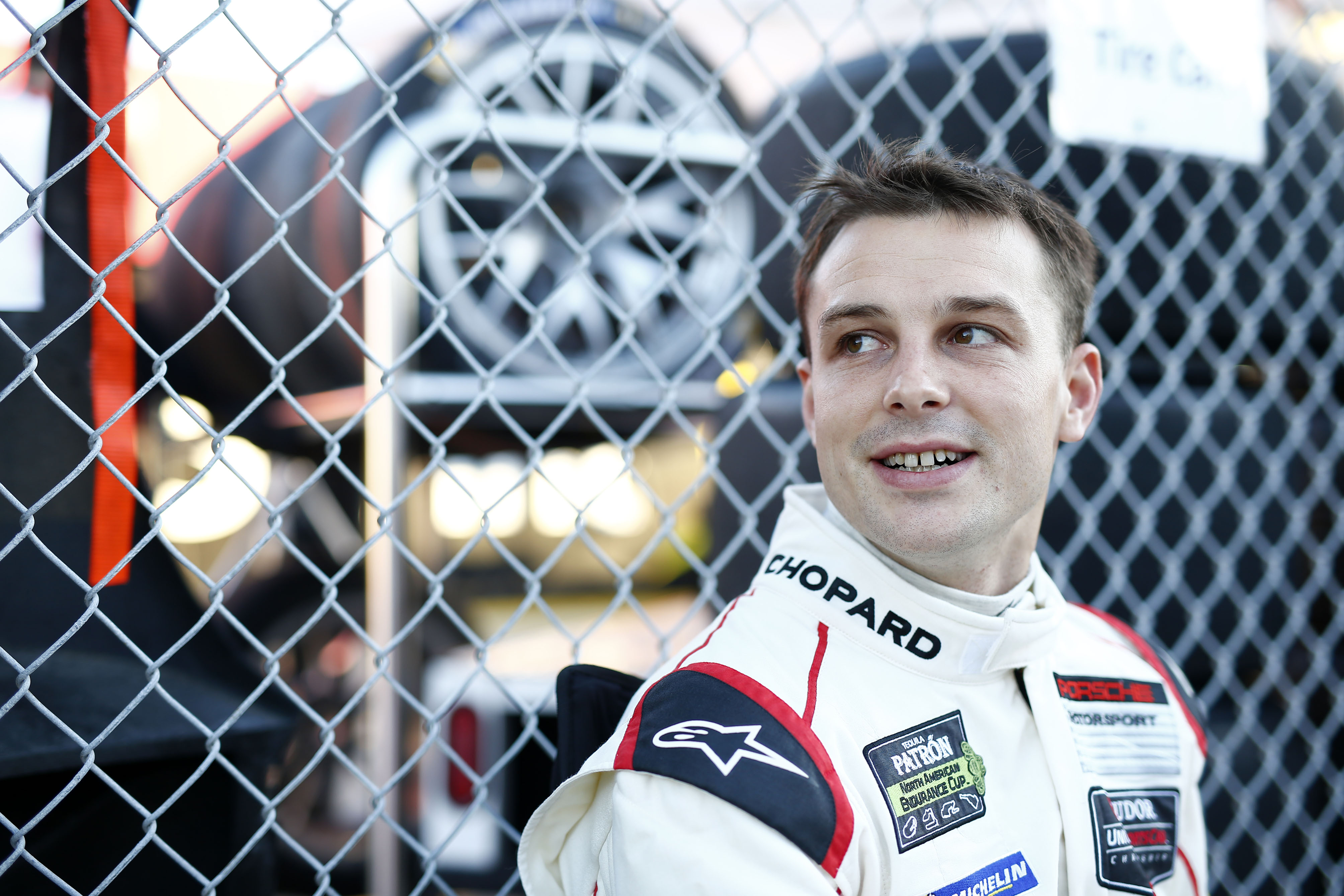
Jörg Bergmeister (#912): “Sebring is a real classic. To drive at the limit on this bumpy track takes everything from a driver. But it’s always huge fun.” 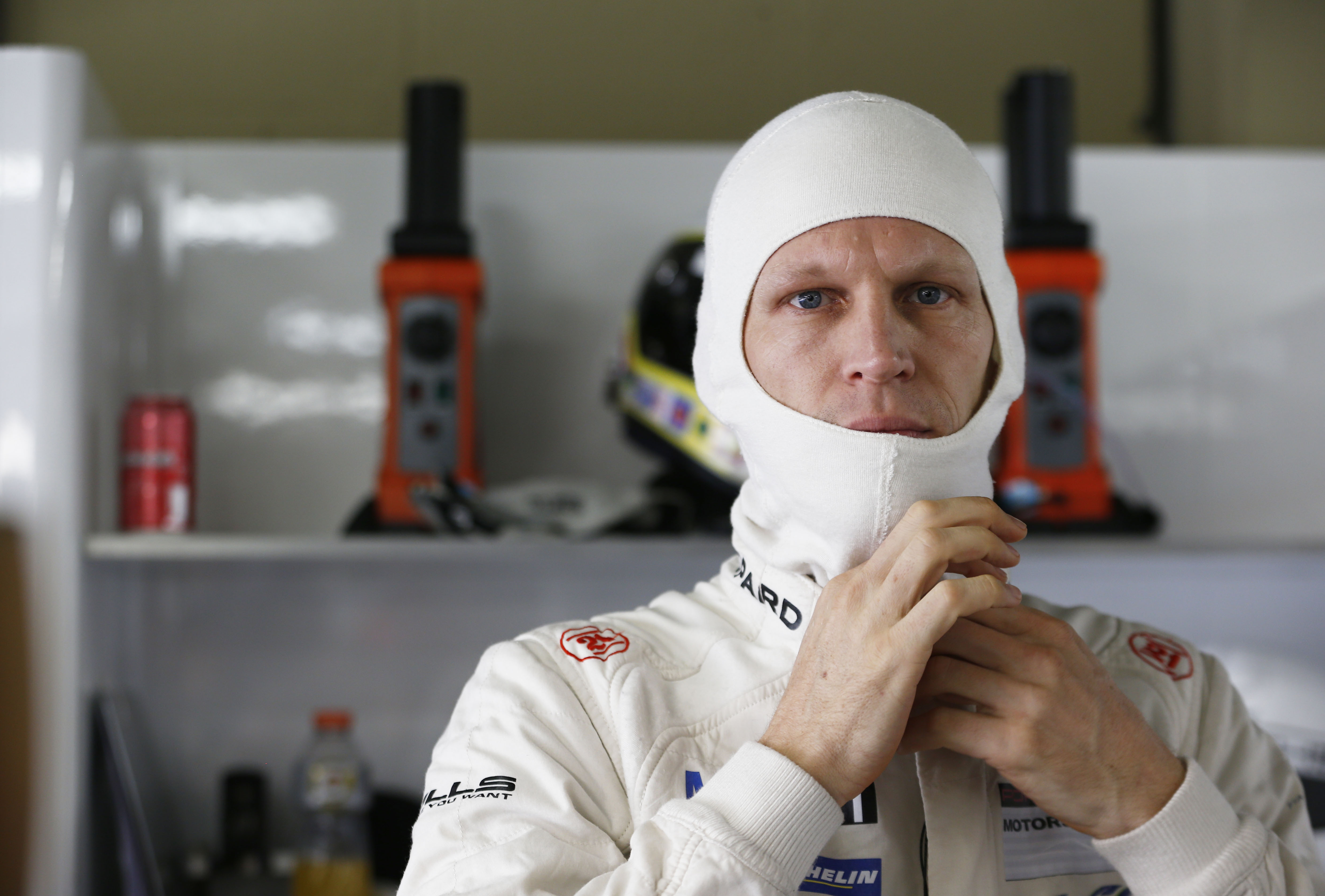
Frédéric Makowiecki (#912): “At Daytona we weren’t able to really underline the potential of the 911 RSR over the whole distance. Now I’m hoping we can do this in Sebring and fight for victory.” 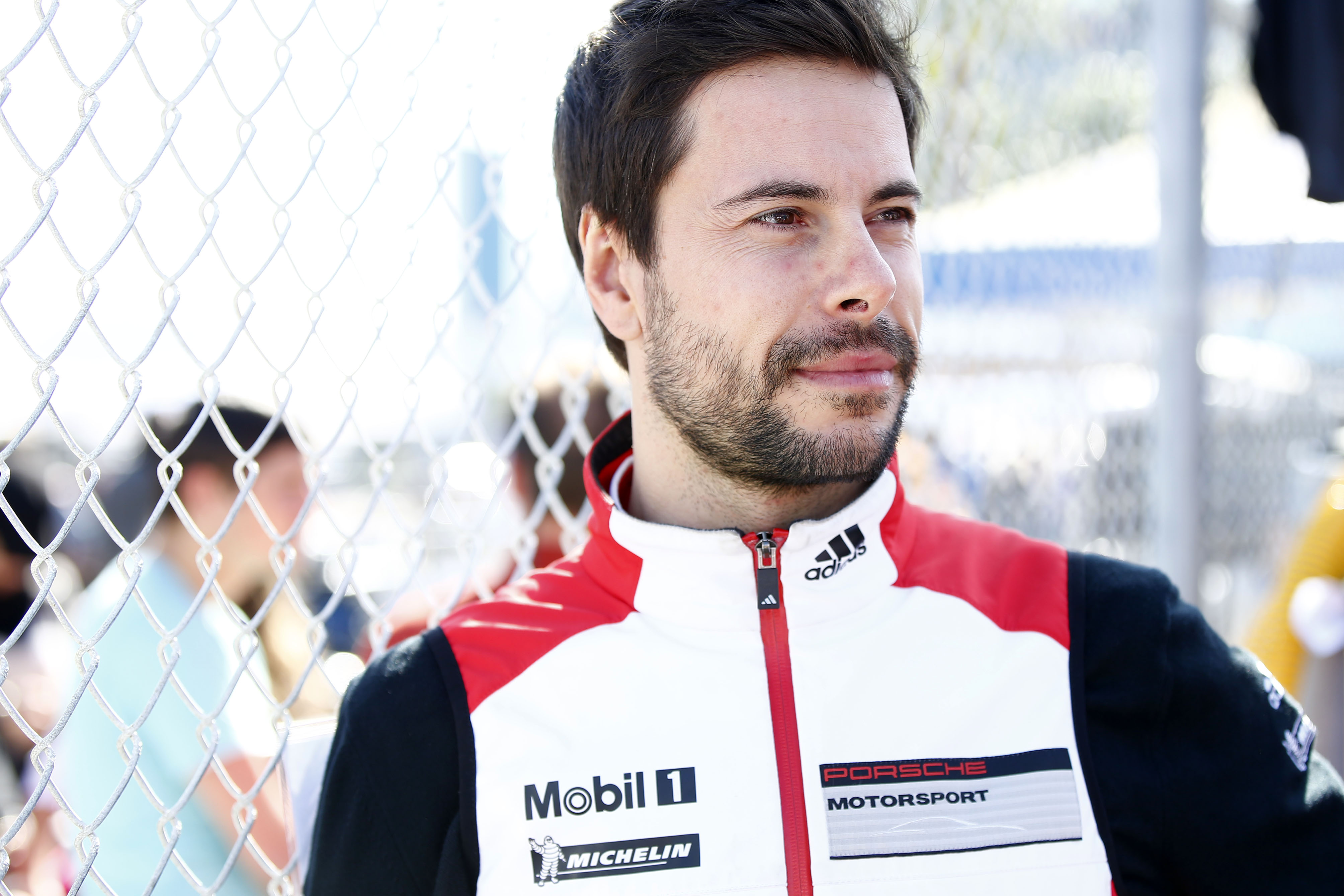 Porsche North America: Frédéric Makowiecki Wolf Henzler (#17): “Last year Sebring was the first race with the 911 RSR for my Falken Tire team. Since then we’ve won Petit Le Mans and now I reckon our chances for victory in Sebring look good as well.” 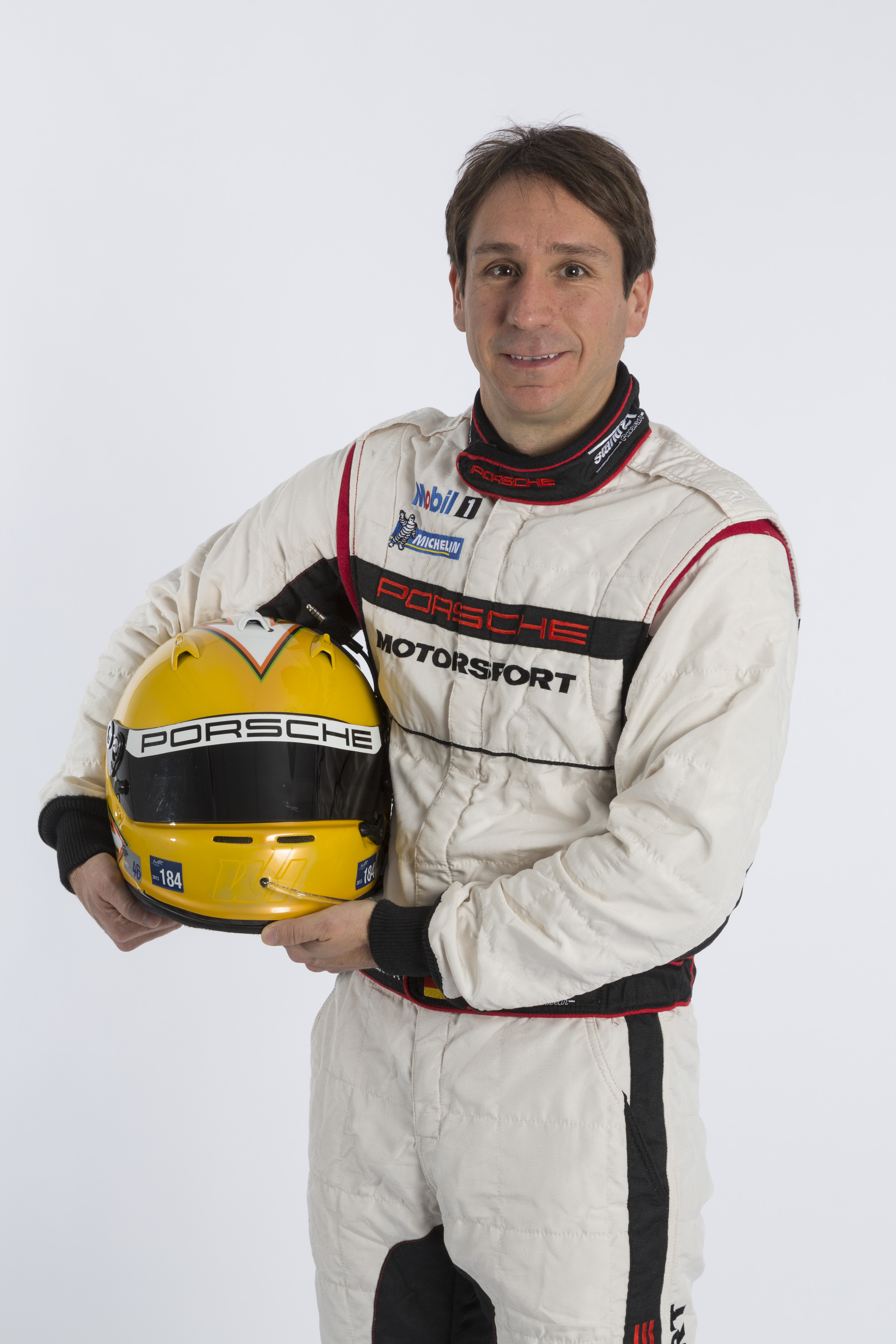 Team Falken Tire: Wolf Henzler Patrick Long (#17): “Even though I’m concentrating on my WEC campaign with Patrick Dempsey, I’m looking forward to the chance of supporting Wolf and Bryan in Sebring.” 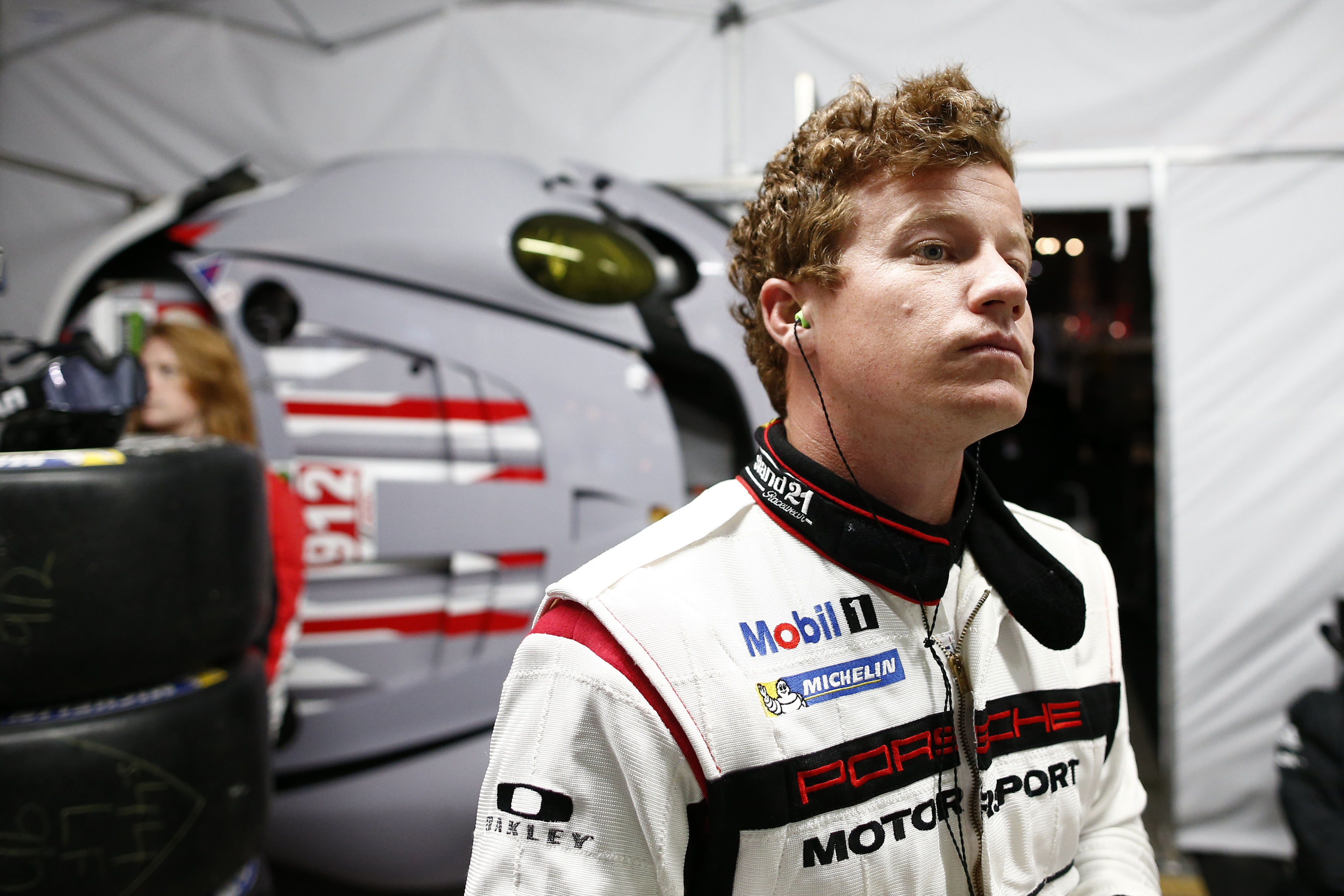 Team Falken Tire: PatrickLong This is the Tudor United SportsCar Championship The series was formed from the merger of the American Le Mans Series and the Grand-Am Series. Sports prototypes and sports cars start in four different classes: GTLM (GT Le Mans), GTD (GT Daytona), P (Prototype) and PC (Prototype Challenge). The Porsche 911 RSR runs in the GTLM class, with the Porsche 911 GT America contesting the GTD class. Source: |
Monthly Archives: March 2015
Porsche aims to repeat last year’s victory at Florida’s sports car classic, 12 Hours of Sebring, USA
VIDEO New Porsche 911 GT3 RS: the race car for the circuit racetrack and everyday driving, celebrates world premiere at Geneva International Motor Show
New high-performance sports car celebrates world premiere at Geneva International Motor Show
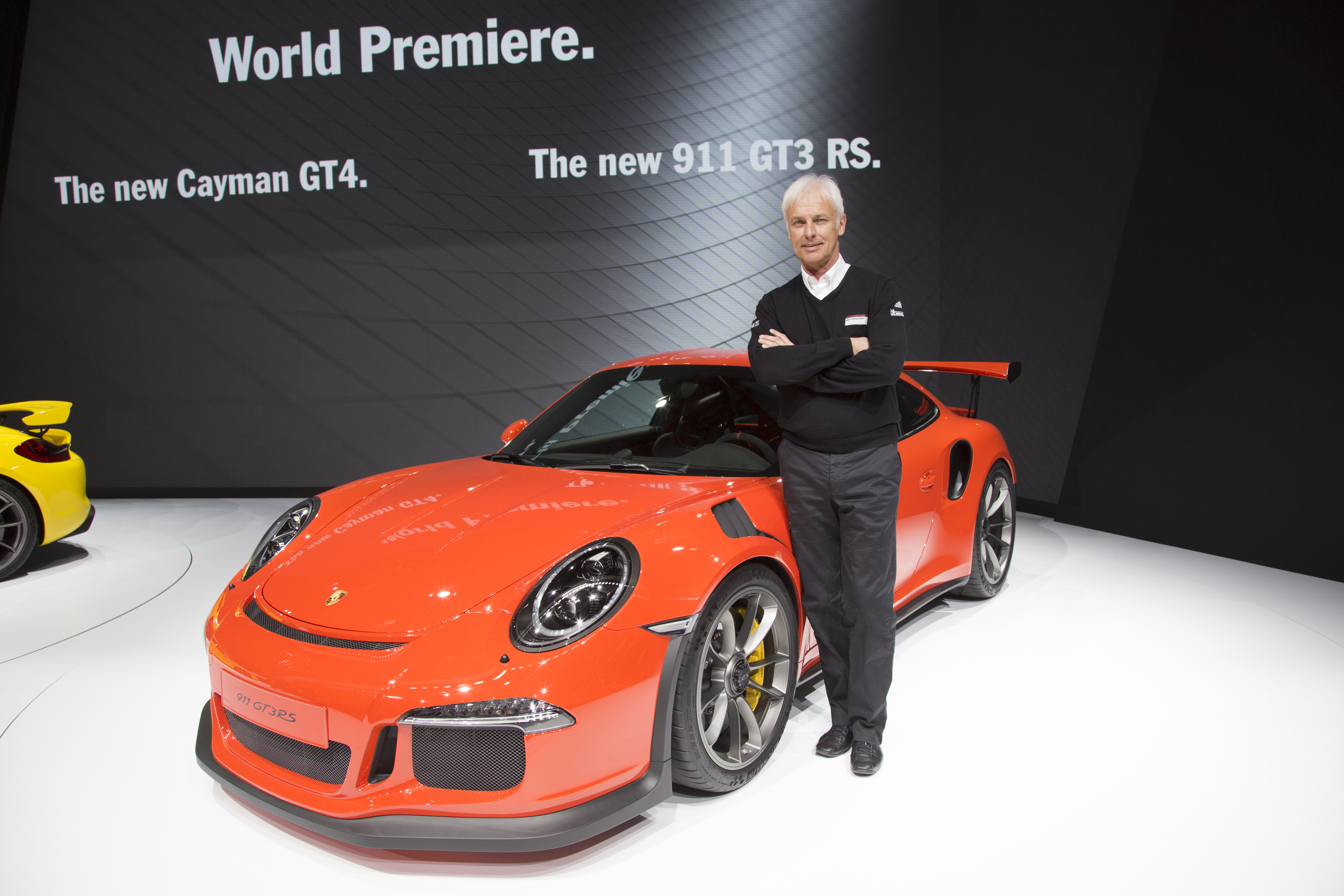
Chairman of the Executive Board of Porsche AG, Matthias Müller, presents the Cayman GT4 and 911GT3 RS at the Geneva Auto Show
Porsche 911 GT3 RS: the race car for the circuit racetrack and everyday driving
Stuttgart. In the new 911 GT3 RS, Porsche is once again breaking down the barrier between sports cars and race cars. It is equipped with the maximum degree of motorsport technology that is currently possible in a street-legal 911 that is suitable for everyday driving.
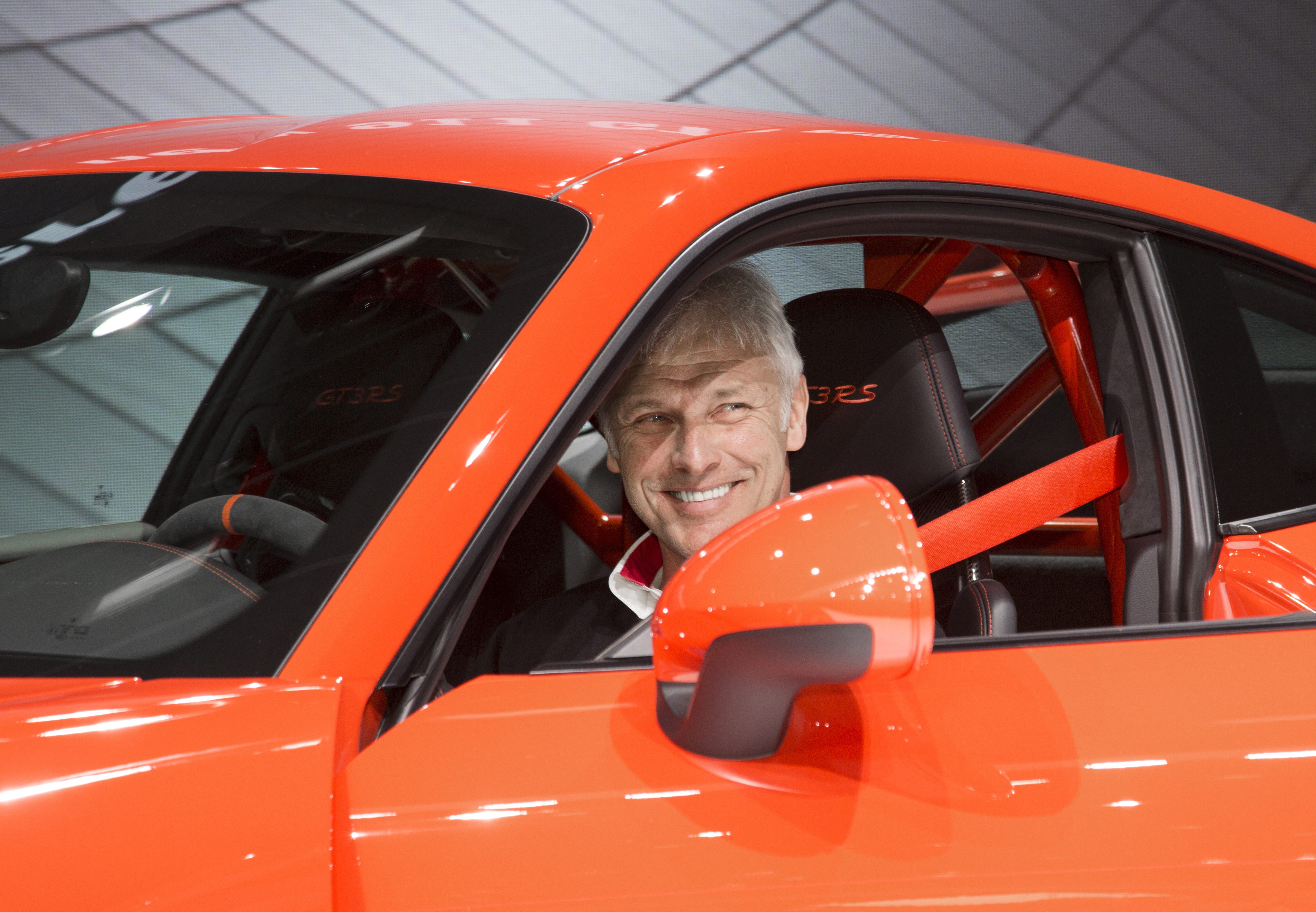
Extensive modifications to its drive system, aerodynamics and lightweight design enhance performance even more than in the 911 GT3. With a lap time of seven minutes and 20 seconds, the new 911 GT3 RS even beats the historic record value of the Carrera GT super sports car of just under seven minutes and 29 seconds on the North Loop of the Nürburgring.
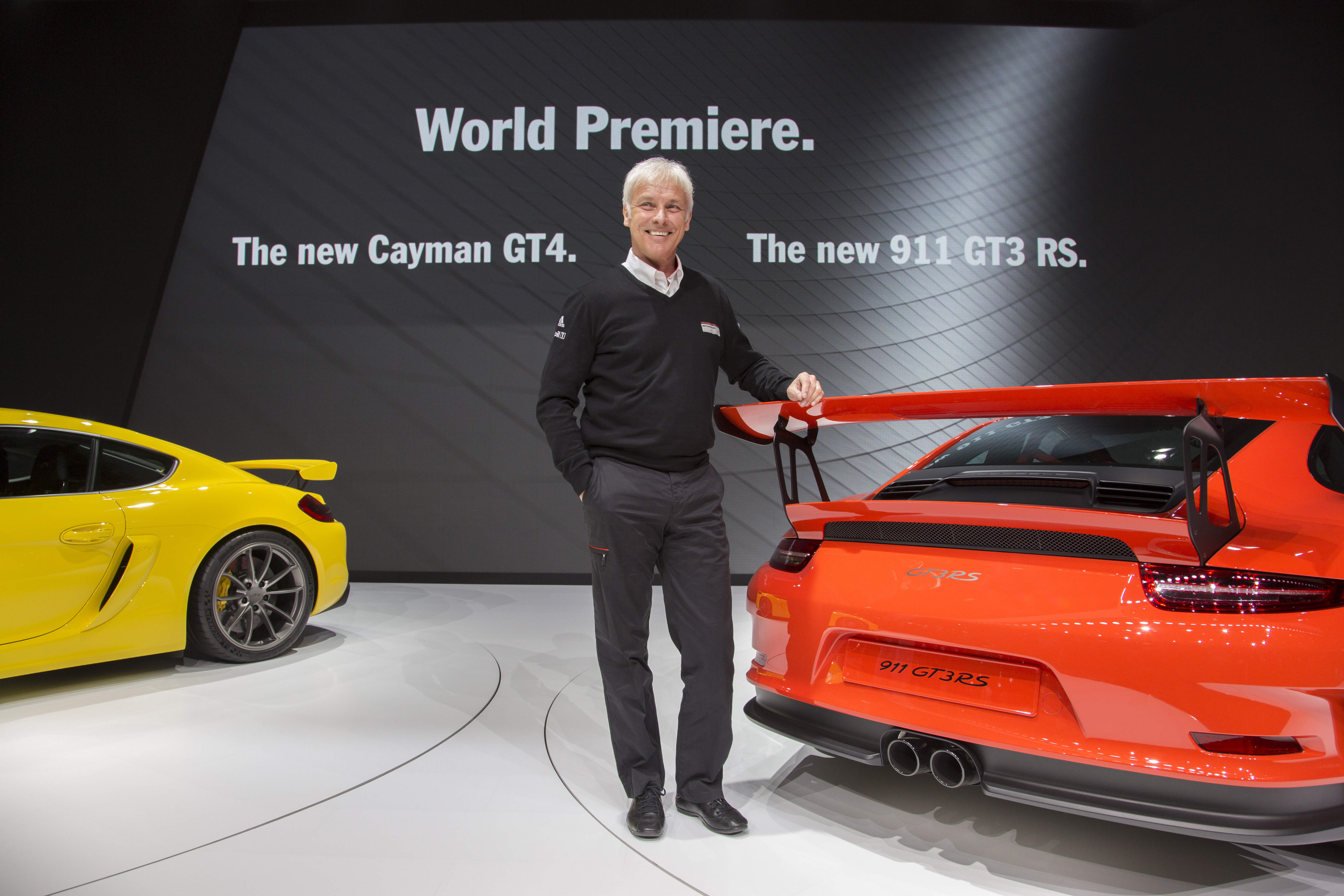
This once again qualifies the high-performance sports car as the benchmark in its class – directly at its launch. The 911 GT3 RS is celebrating its world premiere at the 2015 Geneva International Motor Show.
Motorsport expertise is the reason for this superior performance. The 911 GT3 RS is powered by a four-litre six-cylinder engine with 500 hp (368 kW) of power and 460 Newton metres of torque, combined with a specially developed PDK transmission.
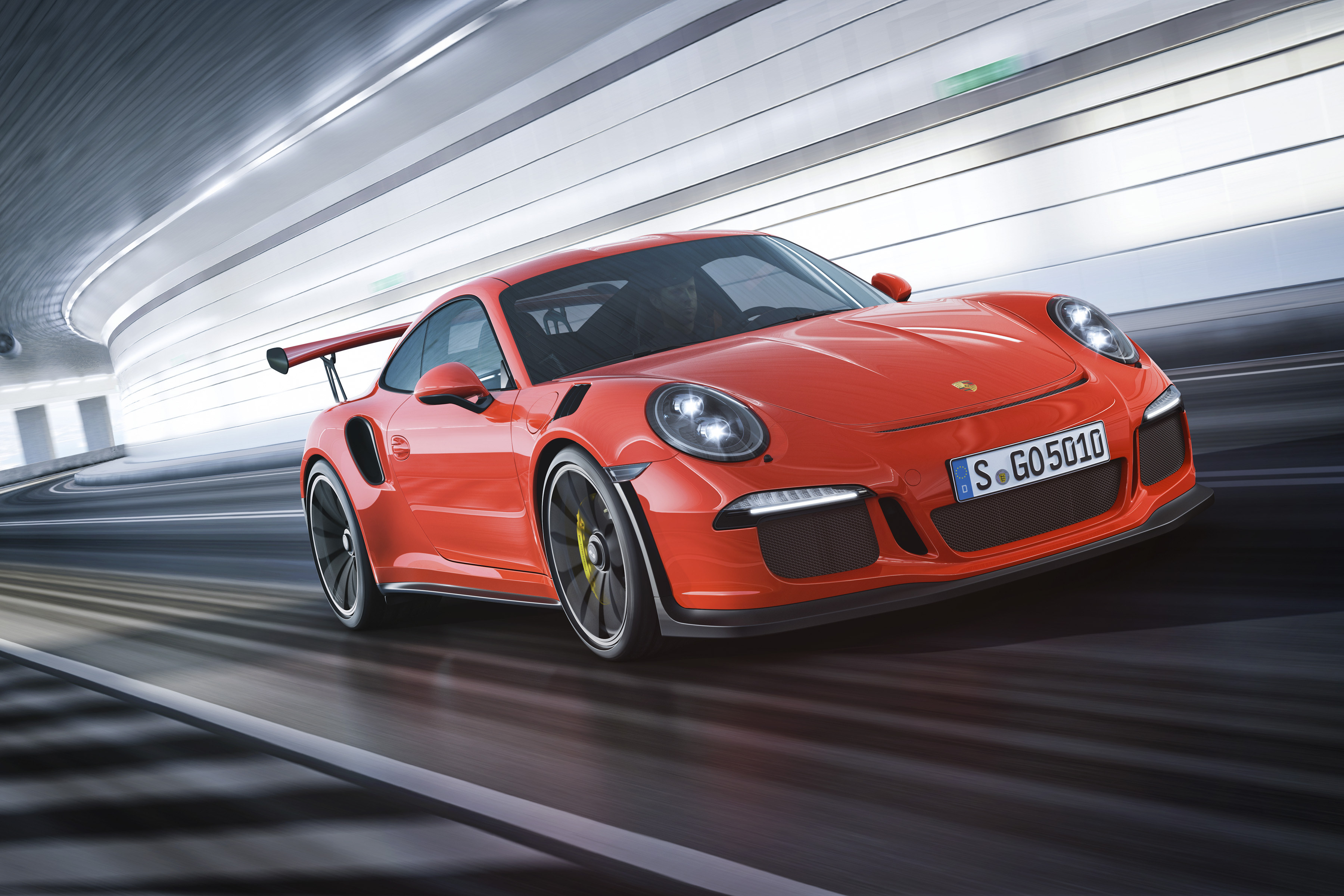
The engine, which has the largest displacement and most power of any naturally aspirated engine with direct fuel injection in the 911 family, accelerates the high-performance sports car from zero to 100 km/h in 3.3 seconds and to 200 km/h in 10.9 seconds. Its combined NEDC fuel consumption is 12.7 l/100 km.
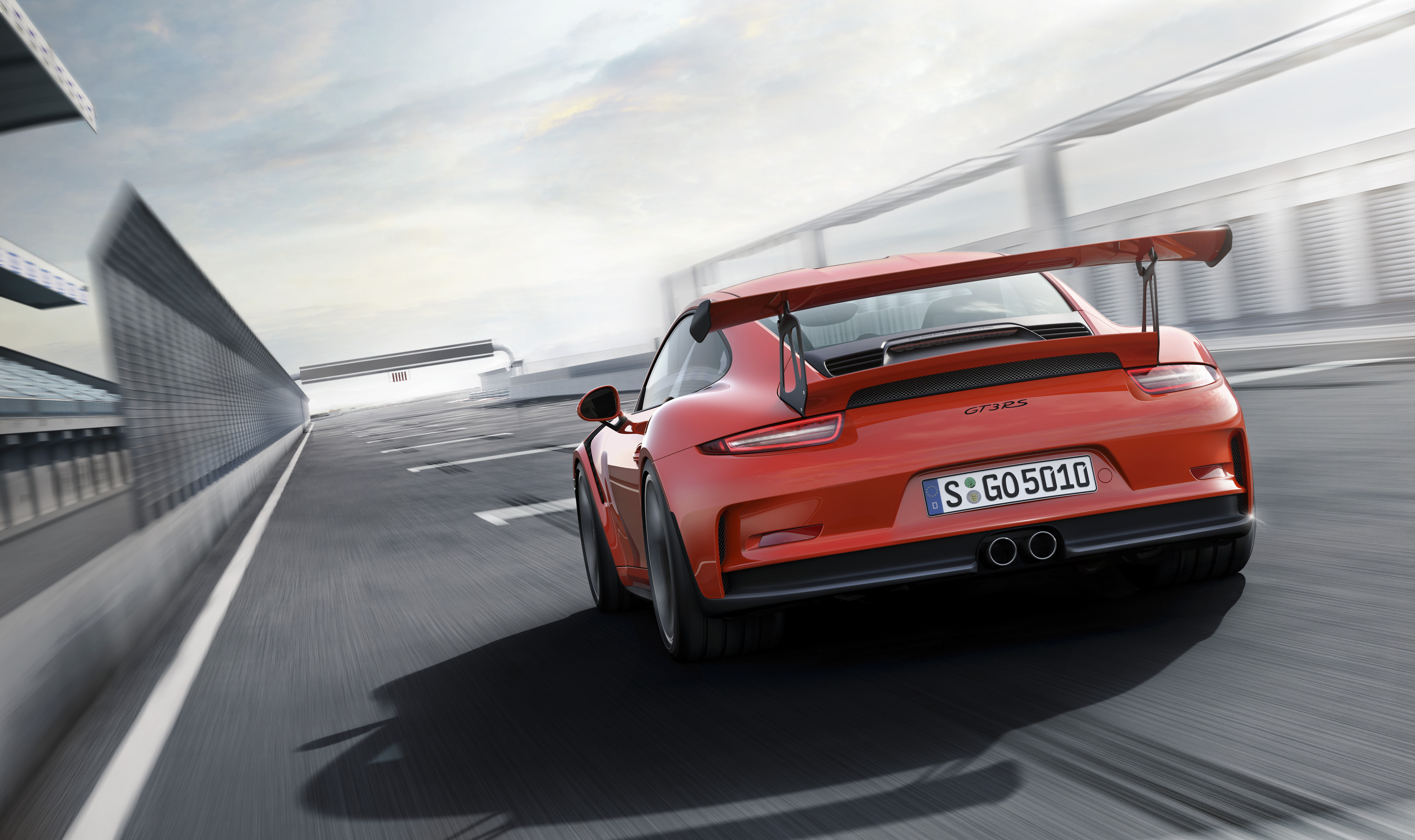
Functions such as de-clutching by “paddle neutral” – which is comparable to pressing the clutch with a conventional manual gearbox – and speed limiting by the Pit Speed button have been customised for motorsport use. They give drivers more freedom in terms of driving dynamics, while also providing them with more assistance when driving on a circuit racetrack.
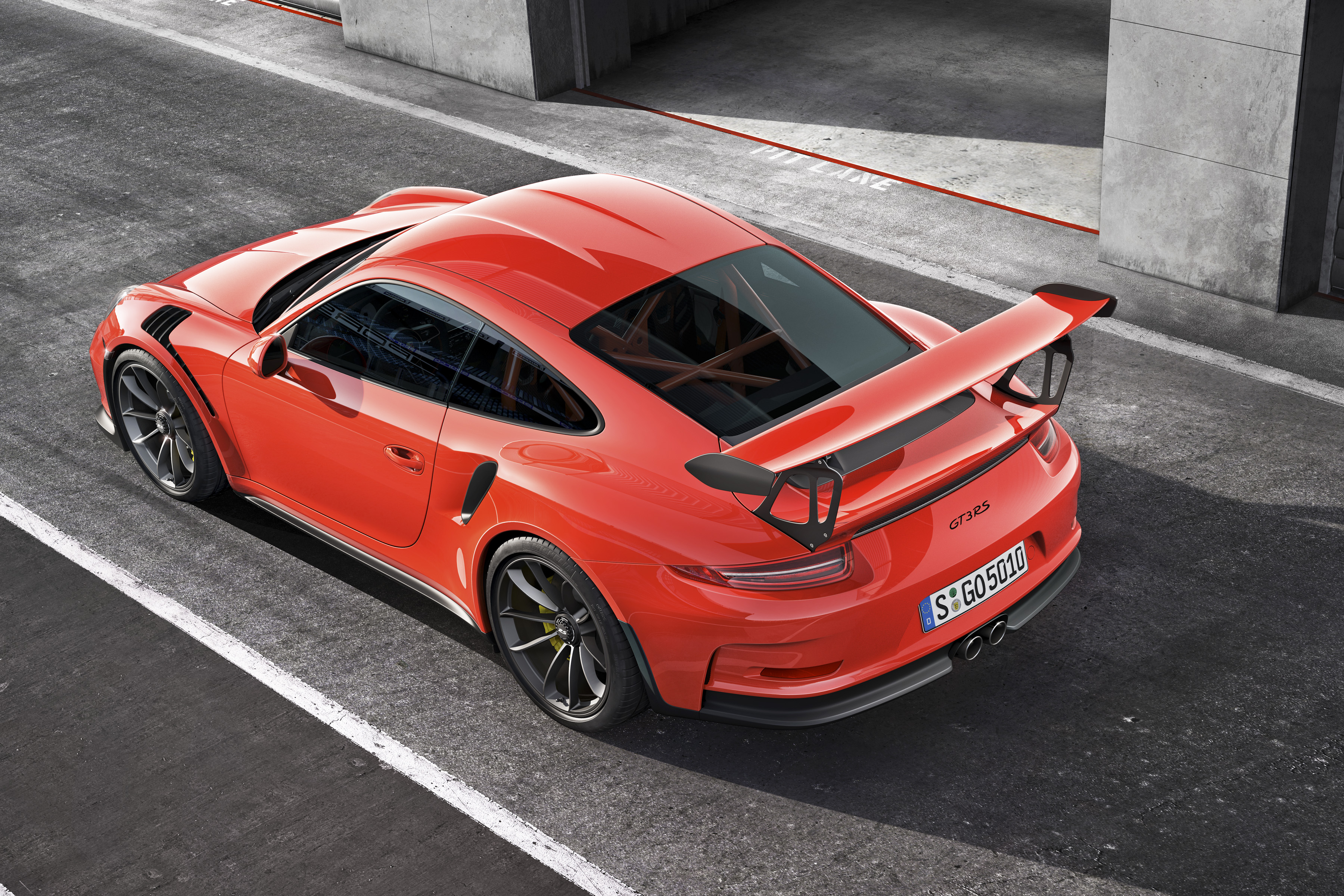
The 911 GT3 RS is a masterpiece of intelligent lightweight design. For the first time, the roof is made of magnesium; carbon fibre is used for the engine and luggage compartment lids, and other lightweight components are made of alternative materials.
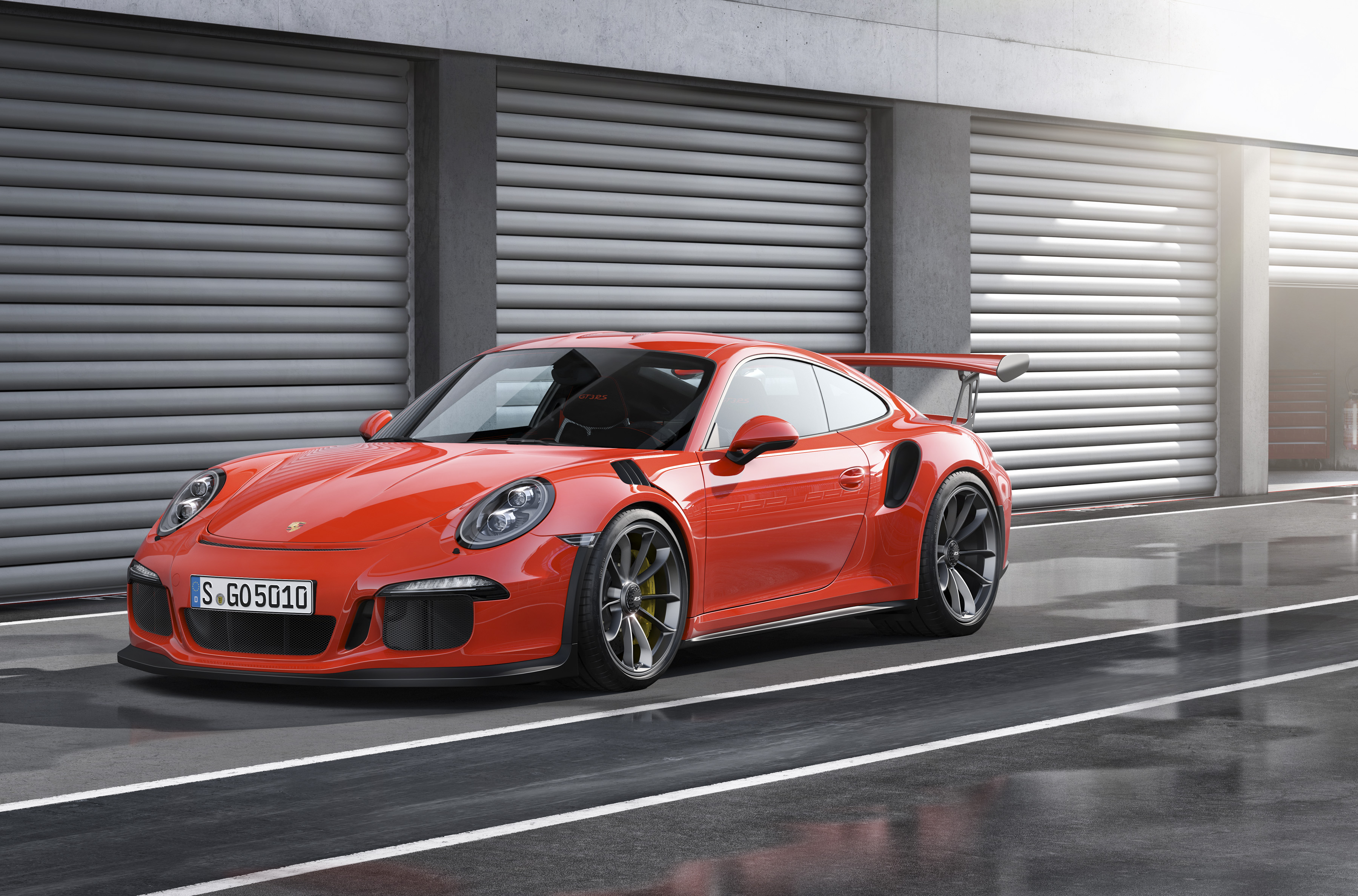
This makes the RS model around ten kilograms lighter than the 911 GT3. In addition, the lightweight roof lowers the sports car’s centre of gravity which improves its excellent lateral dynamics. The body comes from the 911 Turbo, and it signifies its status as nearly a race car driving machine with its RS-specific aerodynamic add-on parts. The front spoiler lip, which extends nearly to the road, and the large rear wing reinforce its dominant look.
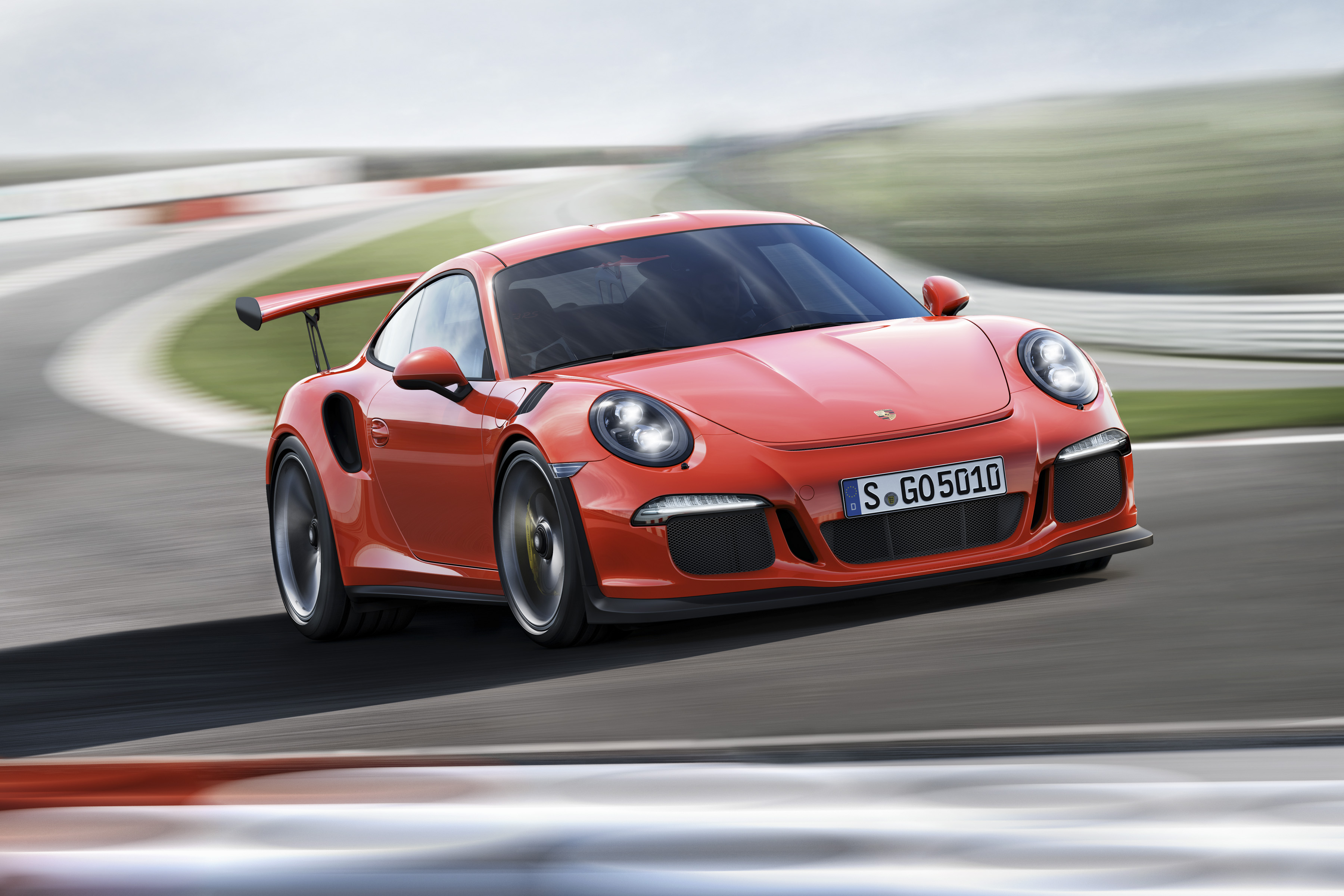
A 30 centimetre wide recess extends centrally over the CRFP bonnet and the magnesium roof. This feature is a stylistic reference to the recess on the luggage compartment lid of the classic 911 models with air-cooled engines, and today it identifies the two largest lightweight components in the 911 GT3 RS. Another characteristic is the unique front wheel arch air vents that extend into the upper section of the wings – just as in purebred motorsport cars. They increase downforce at the front axle.
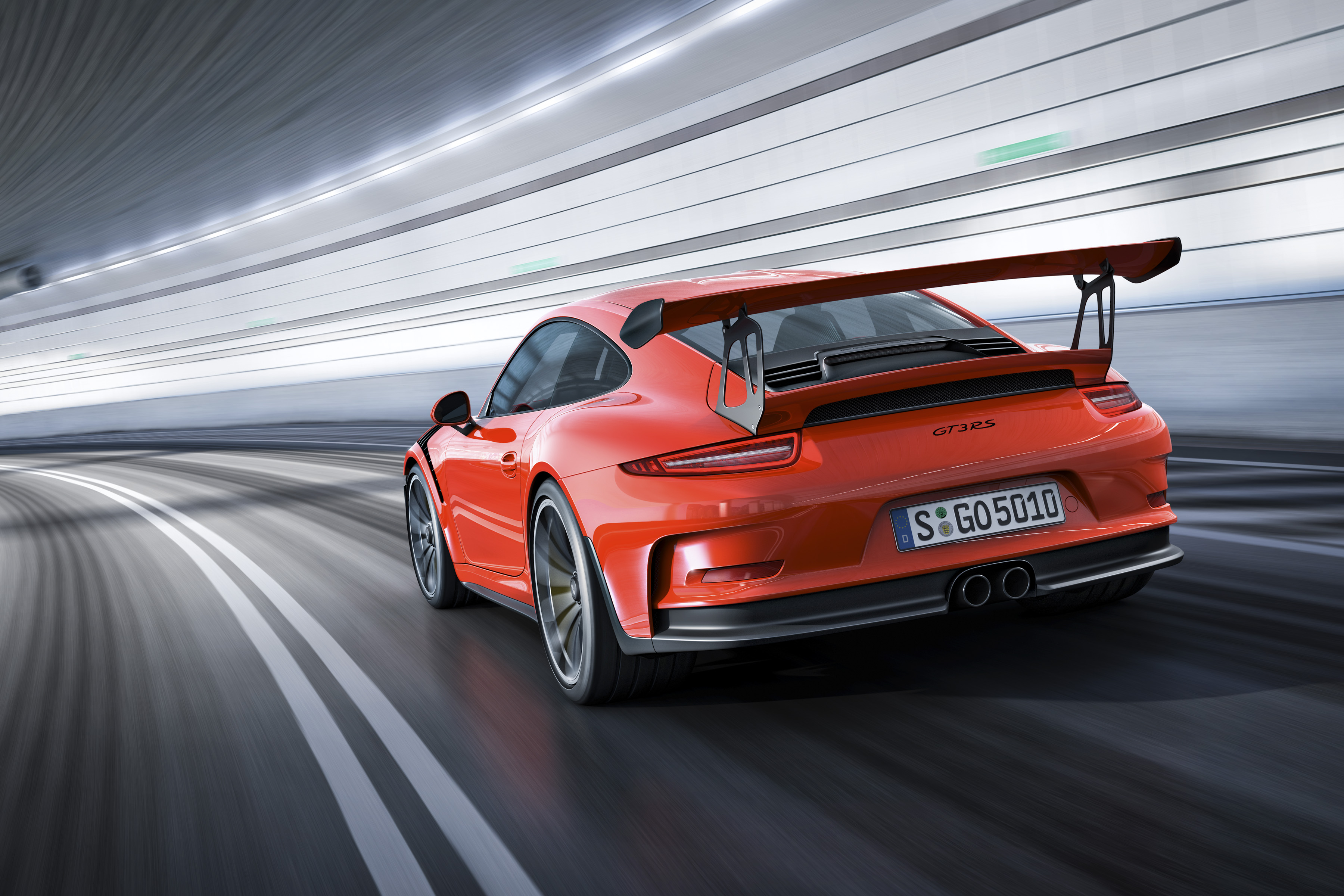
The chassis of the 911 GT3 RS has been tuned for maximum driving dynamics and precision. Rear-axle steering and Porsche Torque Vectoring Plus with fully variable rear axle differential lock increase agility and dynamics, and the wider front and rear track widths enable even better roll stability than in the 911 GT3. In addition, the 911 GT3 RS comes with the widest tyres of any 911 model as standard. The results: even more agile turn-in characteristics and even higher cornering speeds.
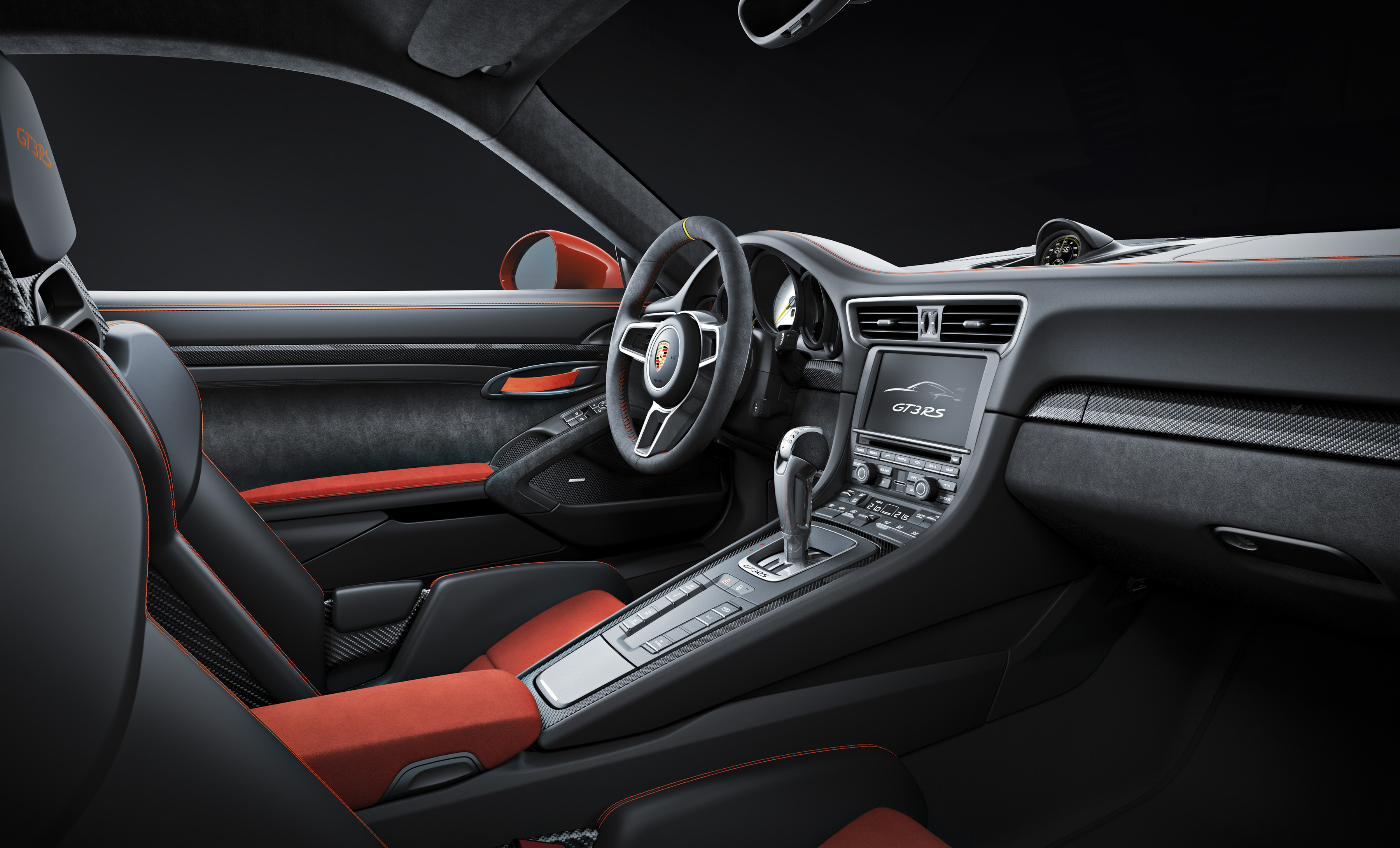
The interior design of the 911 GT3 RS with Alcantara elements is based on the current 911 GT3. One key new feature is the full bucket seats, which are based on the carbon bucket seats of the 918 Spyder. Other standard features are the Club Sport Package with a bolted-on roll cage behind the front seats, preparation for a battery master switch, and separately provided six-point safety harness for the driver and fire extinguisher with mounting bracket. The optional Sport Chrono Package, which features – in addition to its integrated timers – the Porsche Track Precision app for a smartphone.
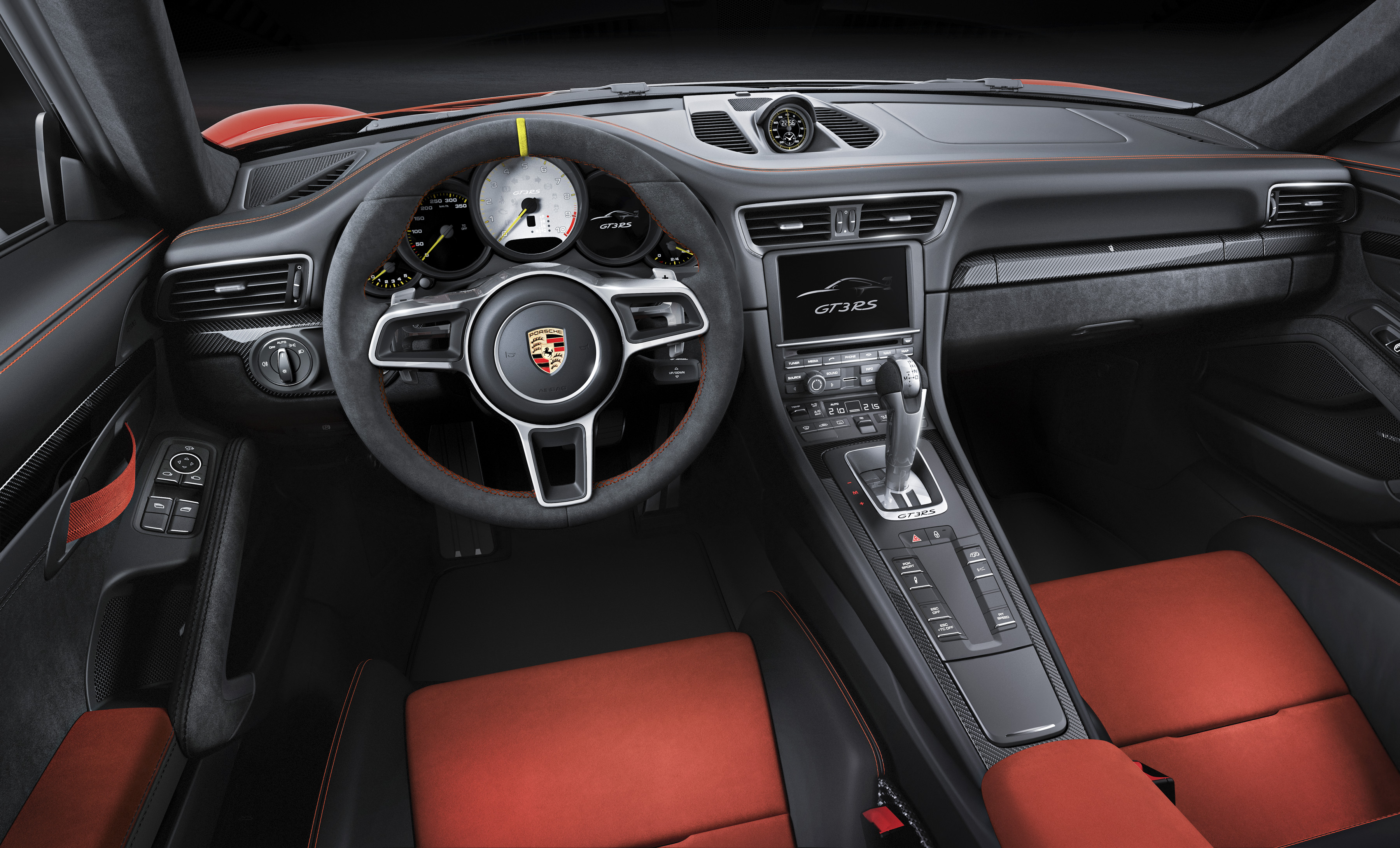
The Track Precision app can be used to have lap times automatically measured via GPS, and to log data on a smartphone for many driving parameters such as vehicle speed, lateral acceleration as well as acceleration and deceleration in the driving direction. It manages this data and lets the driver share and compare it with other drivers.
The 911 GT3 RS can be ordered now, and it will launch on the German market starting in May 2015. In Germany, its price is 181,690 euros including VAT and country-specific equipment.
911 GT3 RS: Fuel consumption urban 19.2 l/100 km; extra-urban 8.9 l/100 km; combined 12.7 l/100 km; CO2 emissions 296 g/km; efficiency class (Germany): G
911 GT3: Fuel consumption urban 18.9 l/100 km; extra-urban 8.9 l/100 km; combined 12.4 l/100 km; CO2 emissions 289 g/km; efficiency class (Germany): G
Source:
Communication Porsche AG
Product Communication
 Porsche Everyday Dedeporsches Blog