It's all about Porsche…if you're an owner of a Porsche,or a big enthusiast of Porsche Cars, Porsche Motorsports, Porsche Design, Porsche History, or a member of a Porsche Club….join me on focusing just about PORSCHE!!
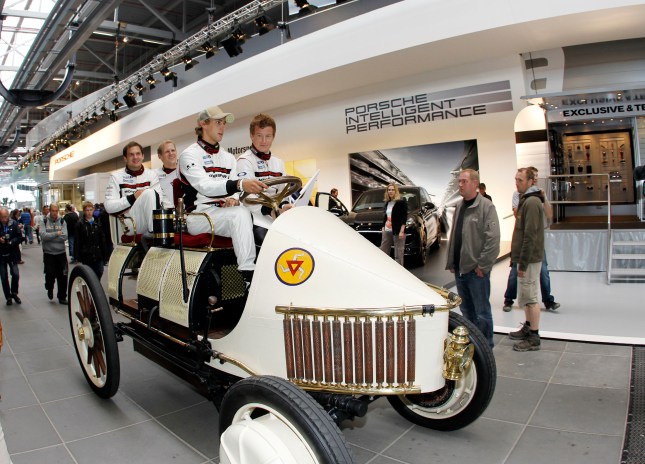
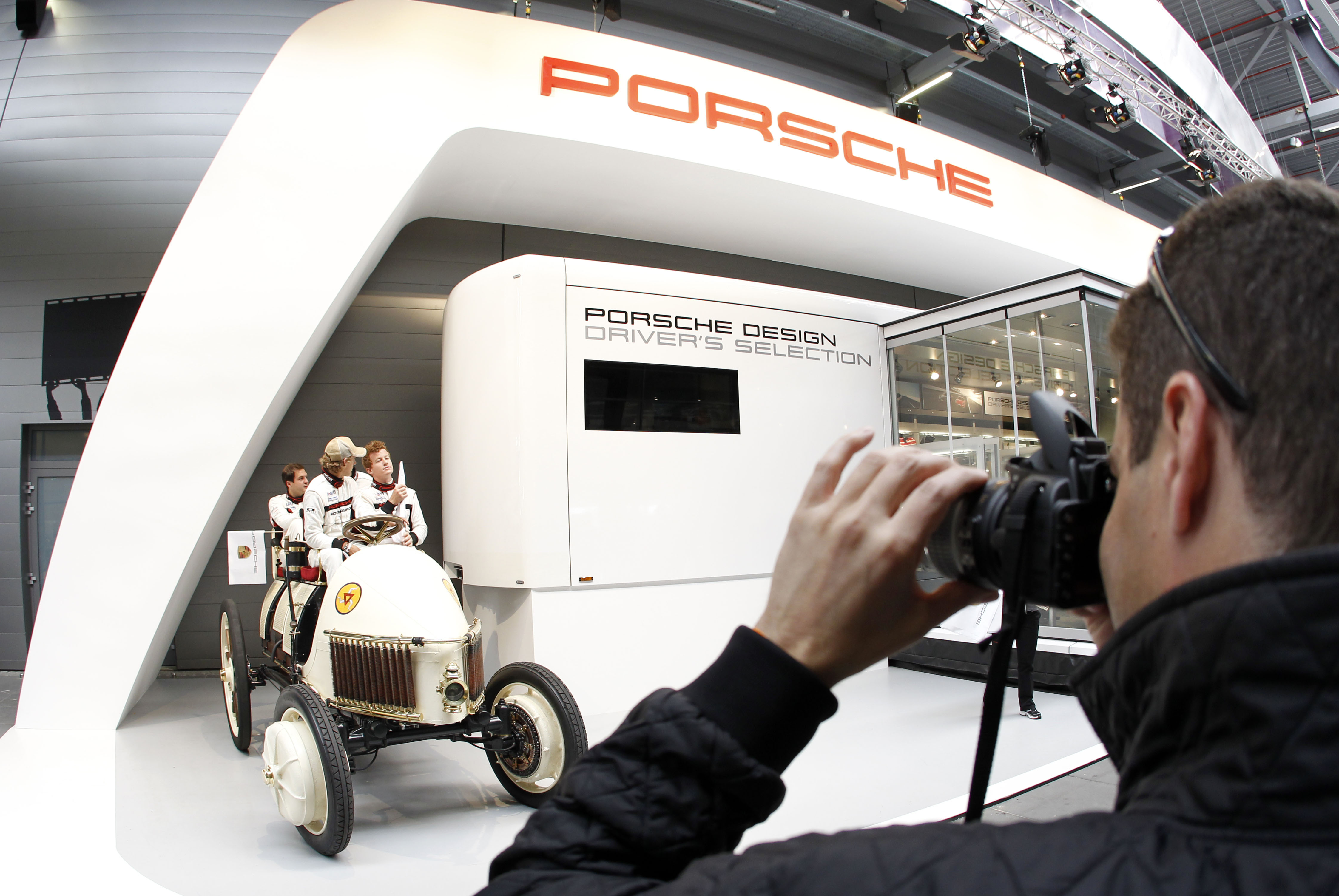
Lohner-Porsche “Semper Vivus” thrilled fans at the Nurburgring
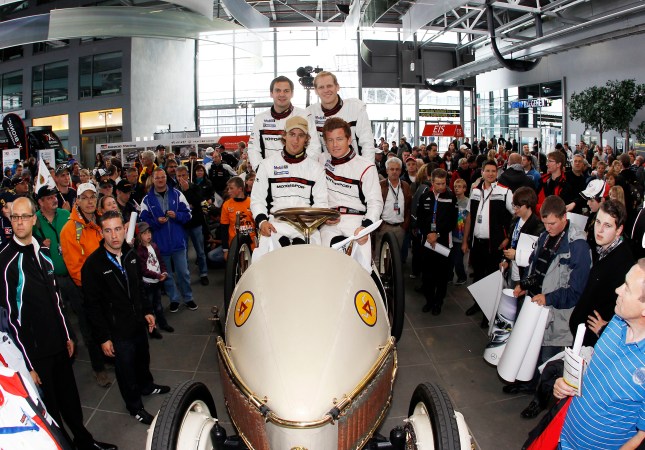
Lohner-Porsche “Semper Vivus”, Porsche factory drivers Richard Lietz, Jörg Bergmeister, Marco Holzer, Patrick Long (l-r)
Click on photos for better viewing
Stuttgart. Two days before the start of the 24-hour race at the Nurburgring, Porsche turned back the clock. At exactly 111 years.
Lohner-Porsche “Semper Vivus”, Porsche factory drivers Richard Lietz, Jörg Bergmeister, Marco Holzer, Patrick Long (l-r)
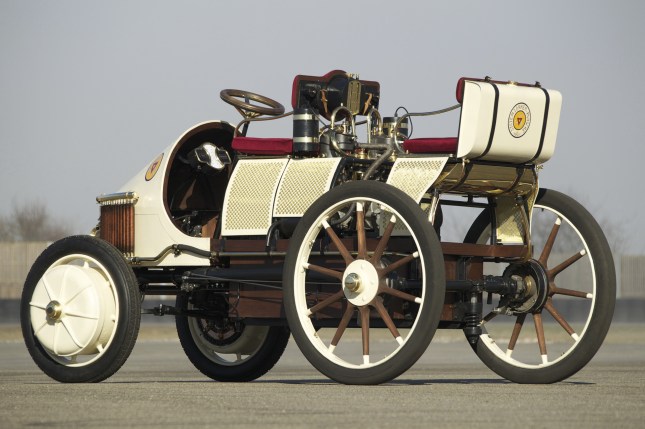
The motor sport fans in the Eifel region were presented with the Lohner-Porsche “Semper Vivus”, developed in 1900 by Ferdinand Porsche, as the first functional vehicle with full hybrid propulsion.
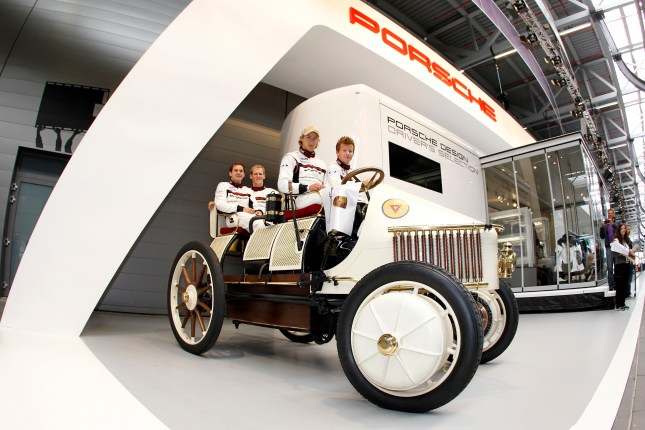
Lohner-Porsche “Semper Vivus”, Porsche factory drivers Richard Lietz, Jörg Bergmeister (rear from left), Marco Holzer, Patrick Long (front from left))
With the faithfully reconstructed ancestor of the Porsche 911 GT3 R Hybrid, the Porsche Factory Drivers Jörg Bergmeister, Richard Lietz, Patrick Long and Marco Holzer drove the Hybrid among the 24-hour Nürburgring fans to the Porsche autograph session – almost silently, because the hybrid is all-electric.
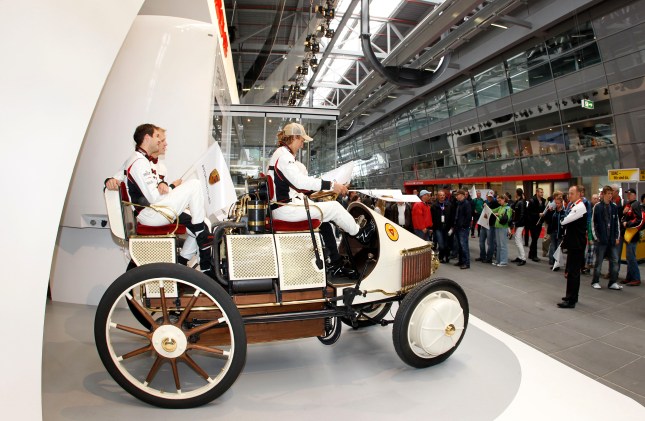
Lohner-Porsche “Semper Vivus” with Porsche factory drivers
Ferdinand Porsche, the visionary of his time entered a new technical ground with the construction of “Semper Vivus”. The drive concept of the brilliant designer and pioneer, has been taken up by Porsche with the development of the Porsche 911 GT3 R Hybrid, thus ushered in over a year ago as a new chapter in history of the Porsche 911.
Lohner-Porsche “Semper Vivus” with Porsche factory drivers
Porsche GT3 R Hybrid’s first race in the 24-hour race at the Nurburgring in 2010 made worldwide headlines: eight hours into the race at the forefront of the field on victory course, was an impressive example of the ” Porsche Intelligent Performance ” More power on less fuel, more efficiency and lower CO2 emissions – on the racetrack and on the road.
Lohner Porsche “Semper Vivus”
Despite the much lower speed to drive the first hybrid car, is no less strenuous than full throttle on the Nürburgring Nordschleife with the 911 GT3 R hybrid. With a front axle weight of 1,060 kilograms – 830 kilograms – and the steering without power assistance is hard work. But the Porsche drivers are well trained – and met with much applause by fans during the demonstration drive.
Stuttgart. The Porsche teams are in a good position for Friday’s final qualifying for the 24 hour race.
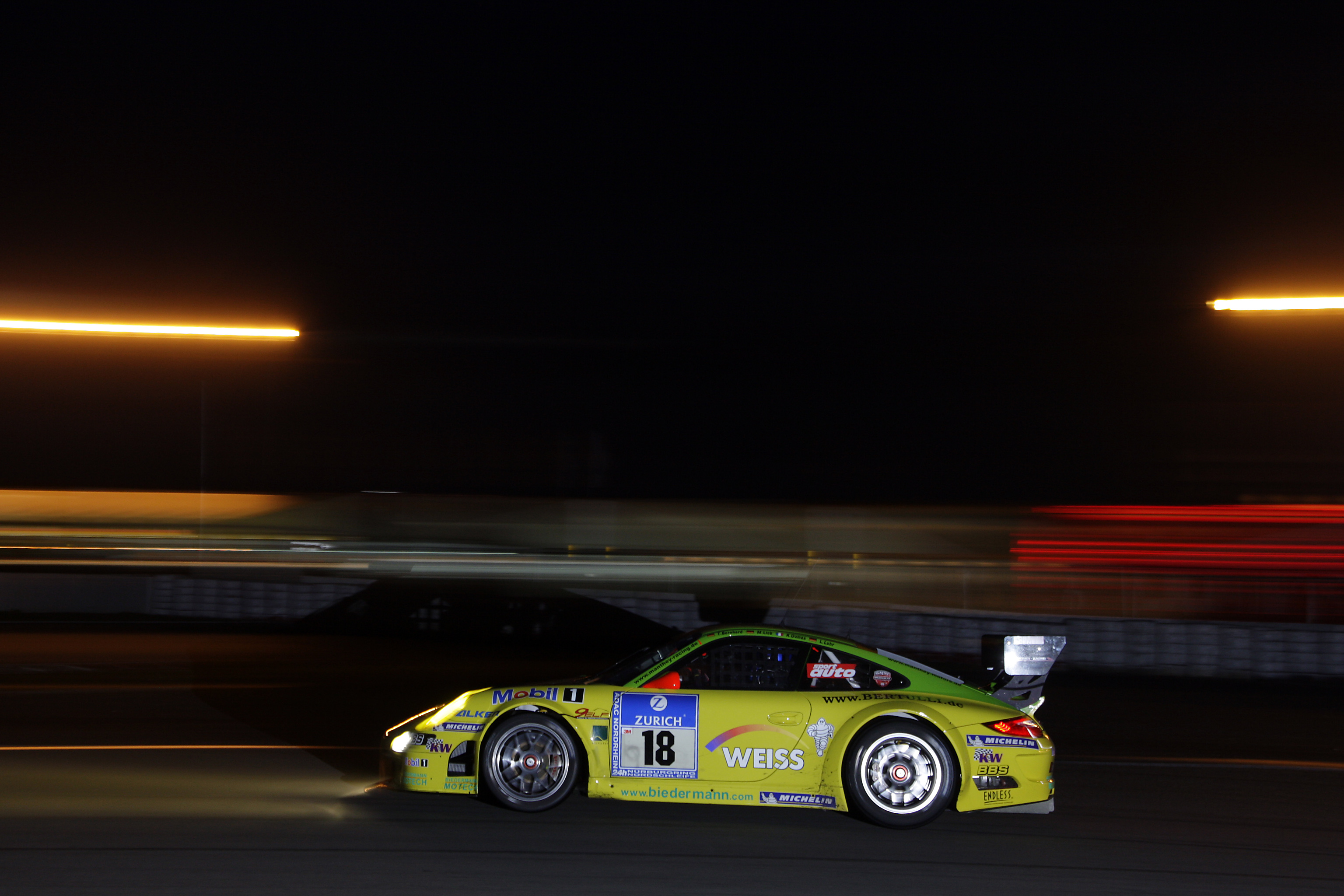
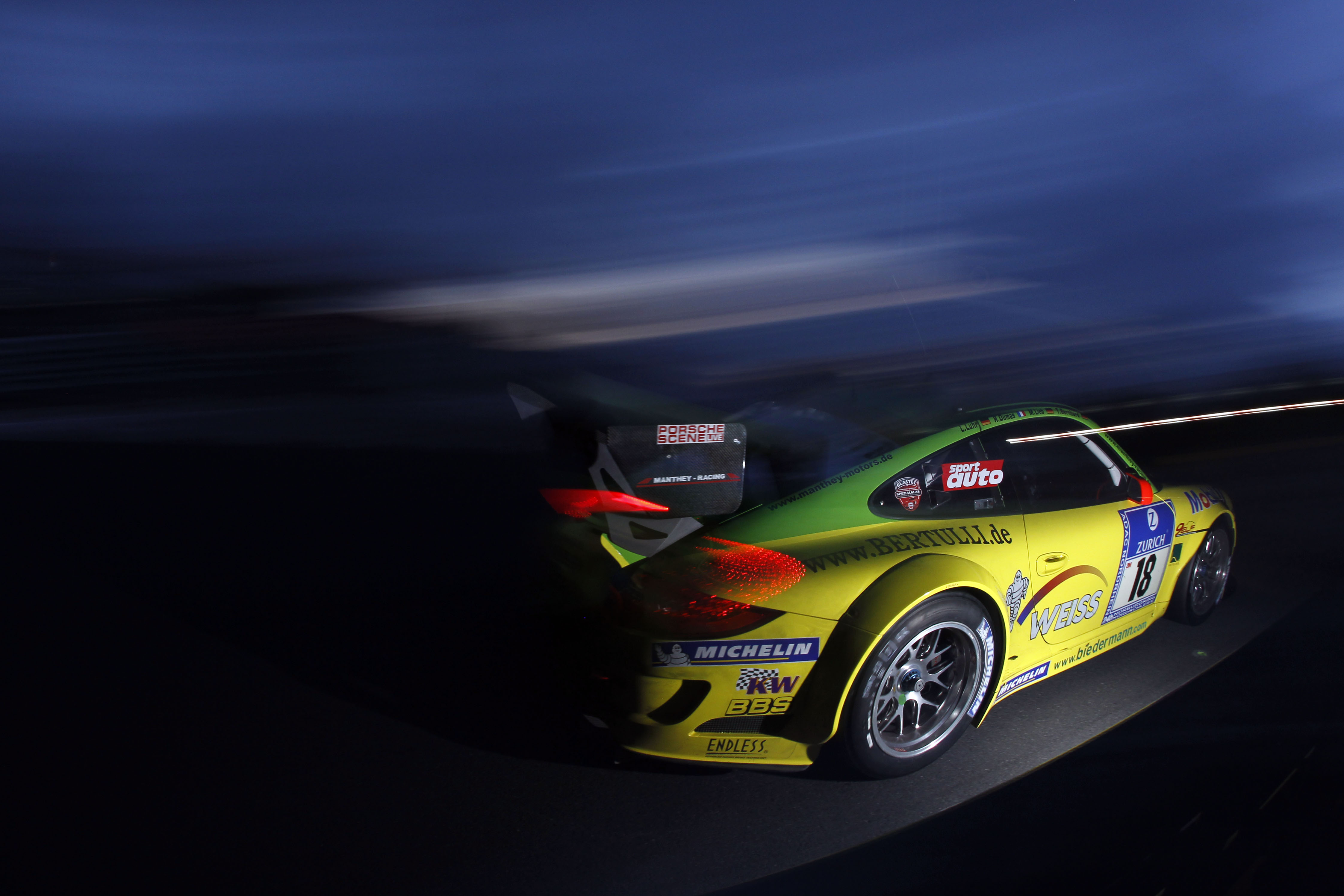
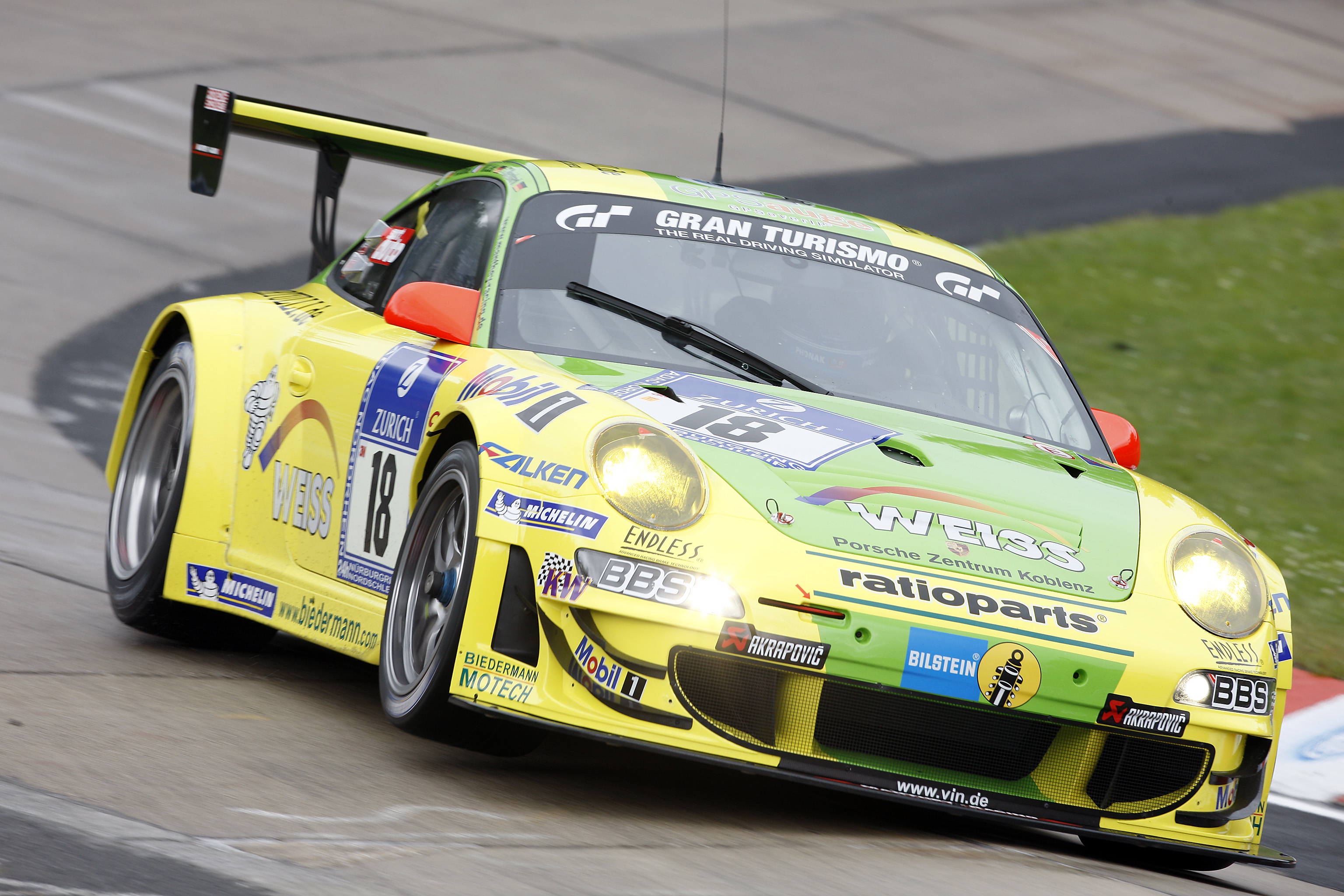
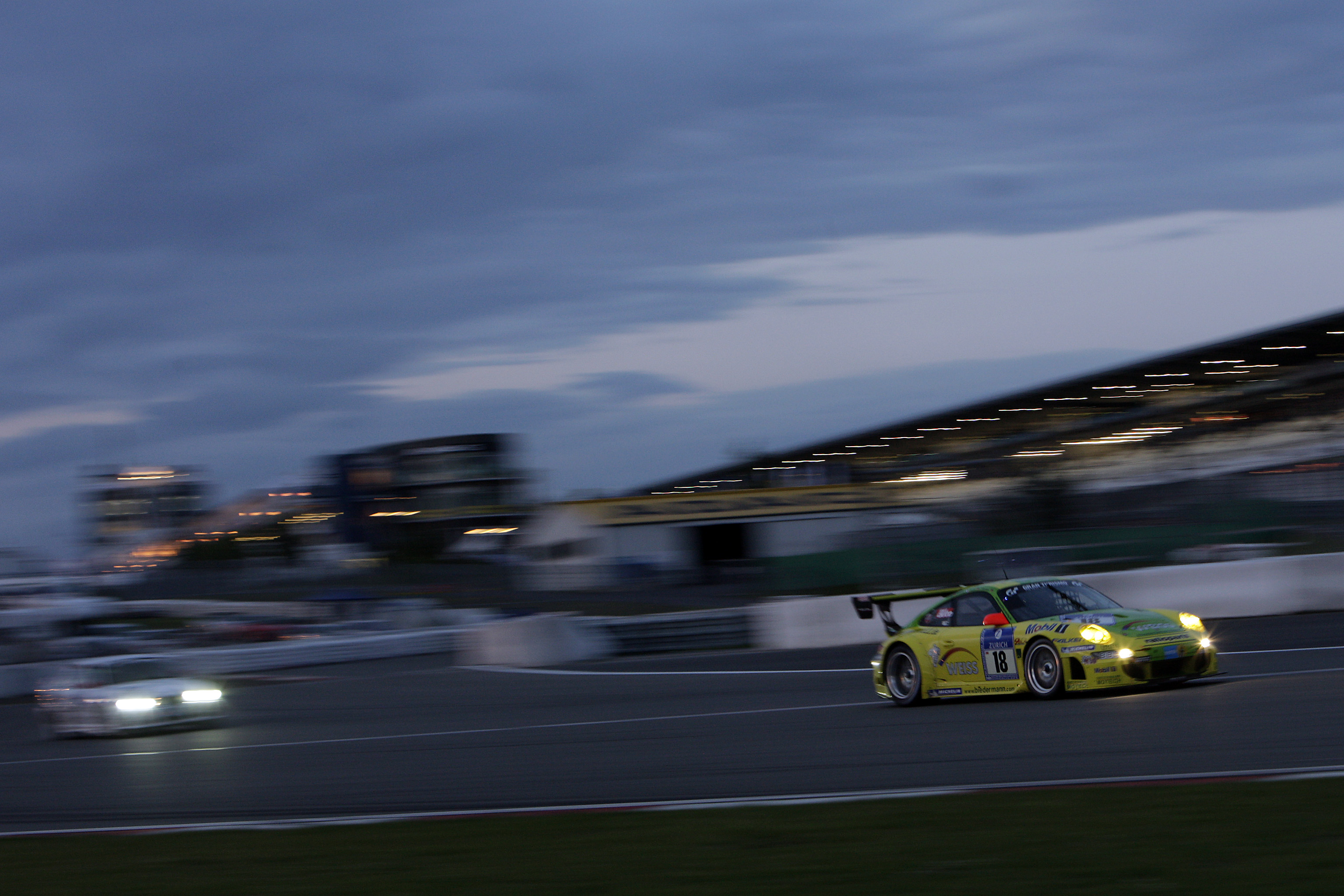
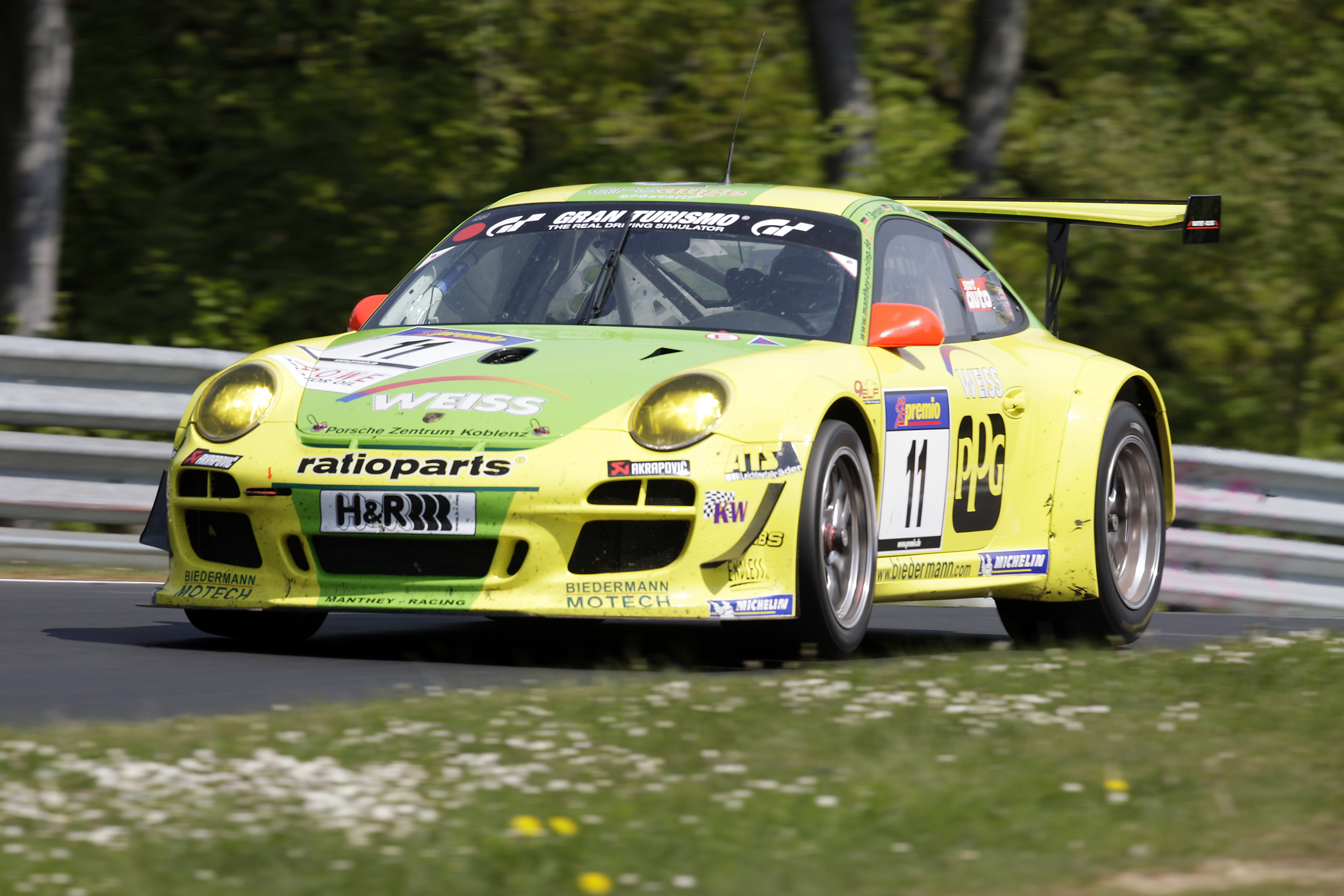
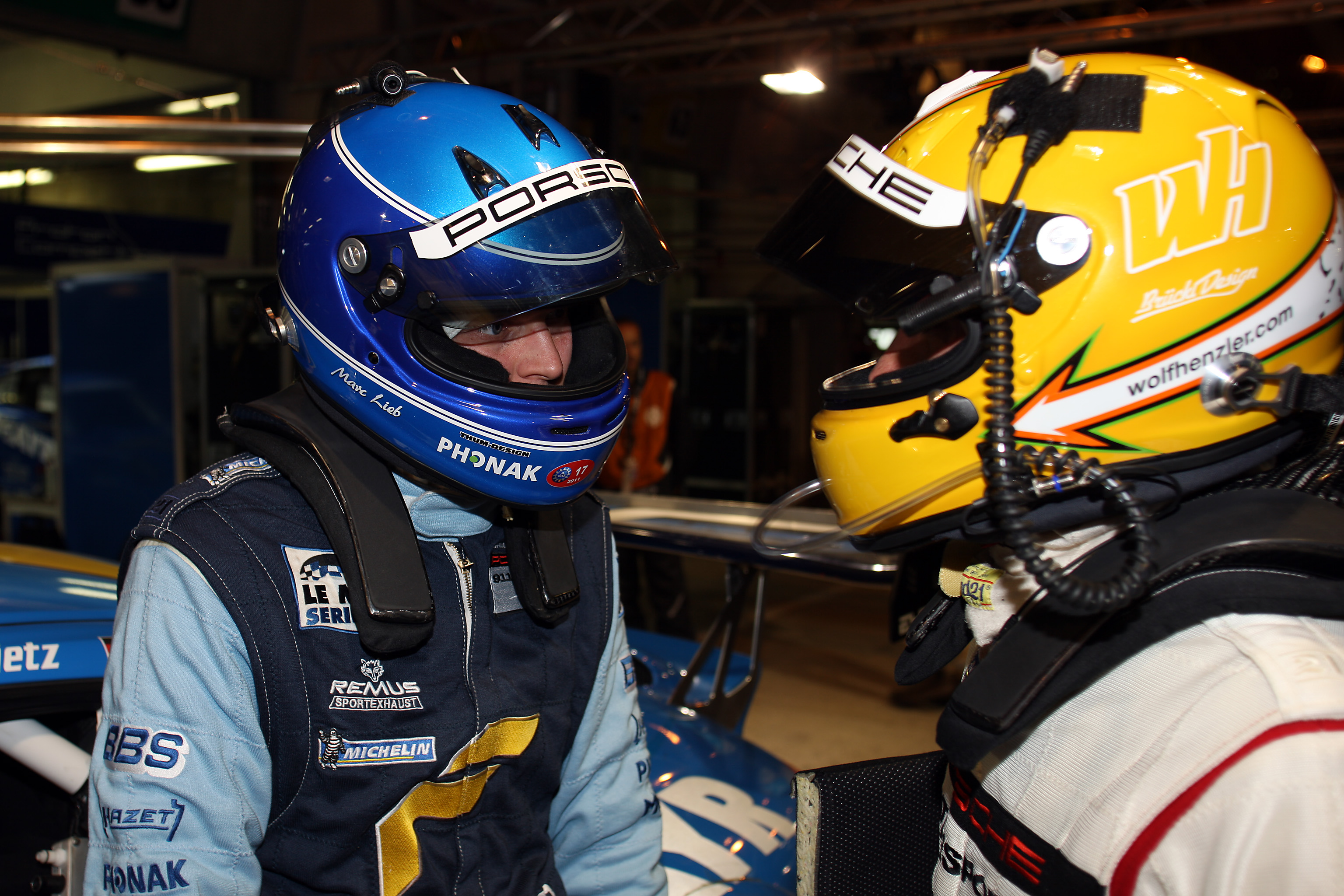
Porsche 911 GT3 RSR, Manthey Racing: Marc Lieb, Timo Bernhard, Romain Dumas, Lucas Luhr
With the Porsche 911 GT3 RSR fielded by Manthey Racing, Porsche works drivers Marc Lieb (Germany), Timo Bernhard (Germany) and Romain Dumas (France) together with Lucas Luhr (Switzerland) posted sixth place. The quartet won the 24 hour race four times straight from 2006 to 2009.
Porsche 911 GT3 RSR, Manthey Racing: Marc Lieb, Timo Bernhard, Romain Dumas, Lucas Luhr
Porsche 911 GT3 RSR, Manthey Racing: Marc Lieb, Timo Bernhard, Romain Dumas, Lucas Luhr
Porsche 911 GT3 RSR, Manthey Racing: Marc Lieb, Timo Bernhard, Romain Dumas, Lucas Luhr
Porsche 911 GT3 RSR, Manthey Racing: Marc Lieb, Timo Bernhard, Romain Dumas, Lucas Luhr
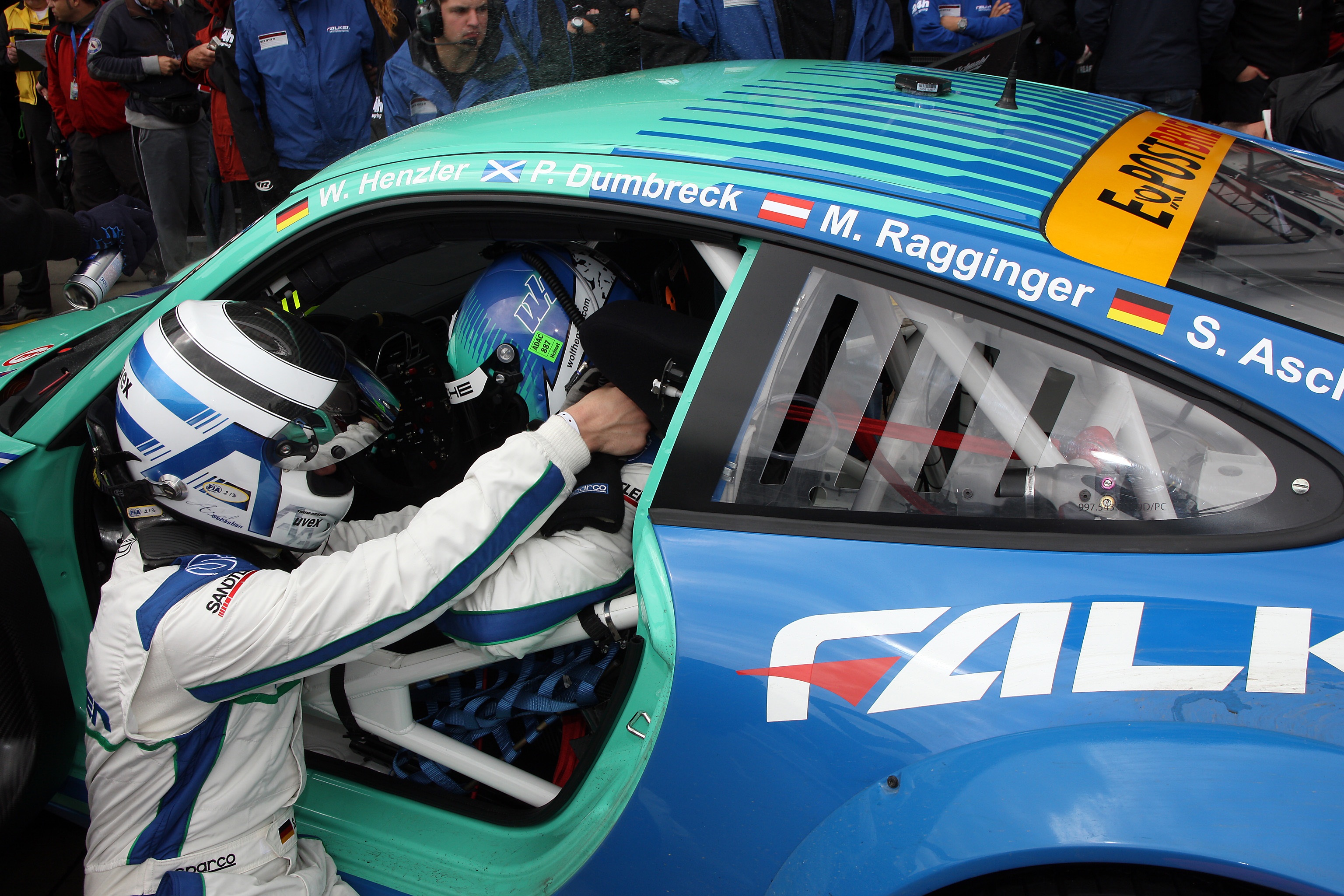
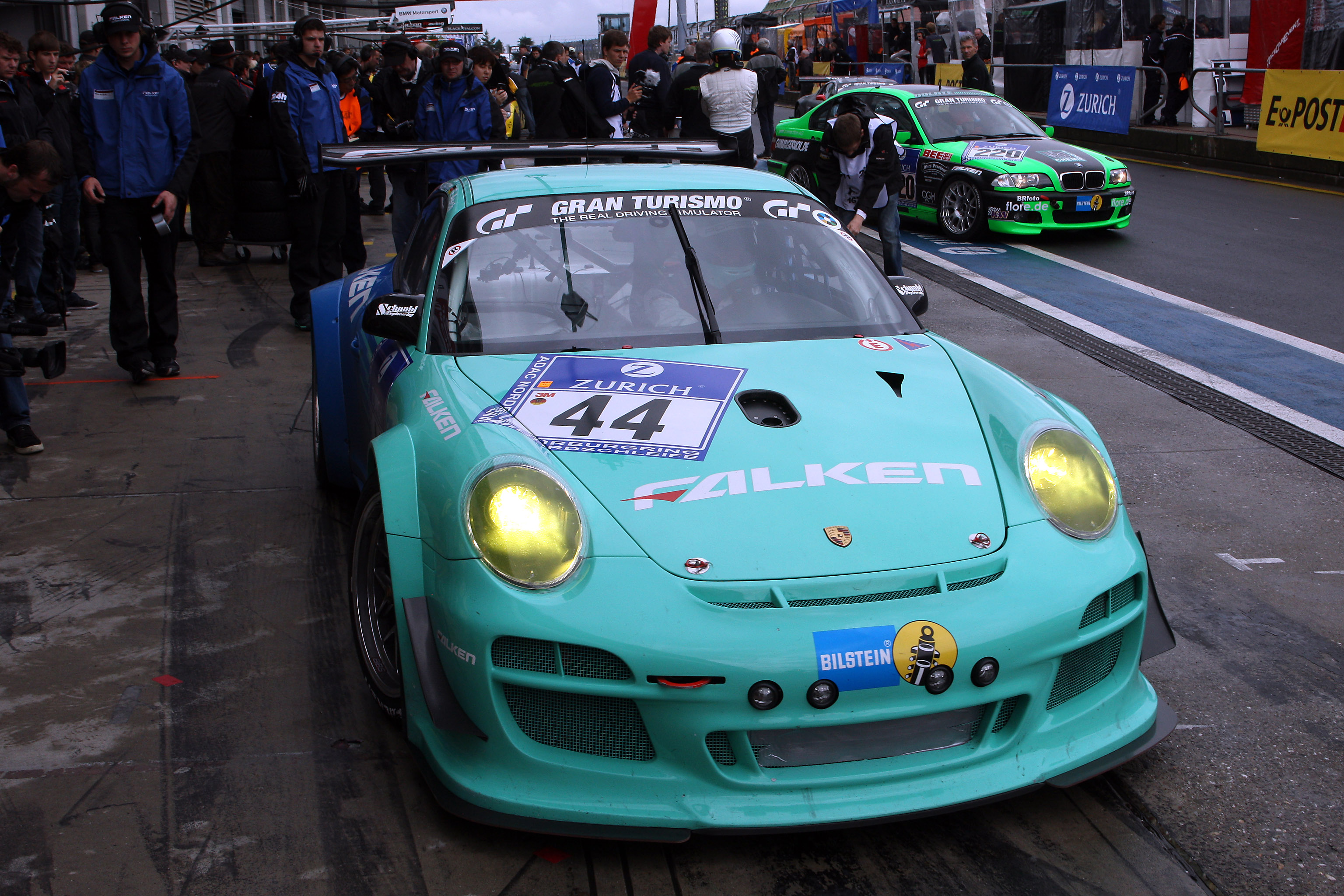
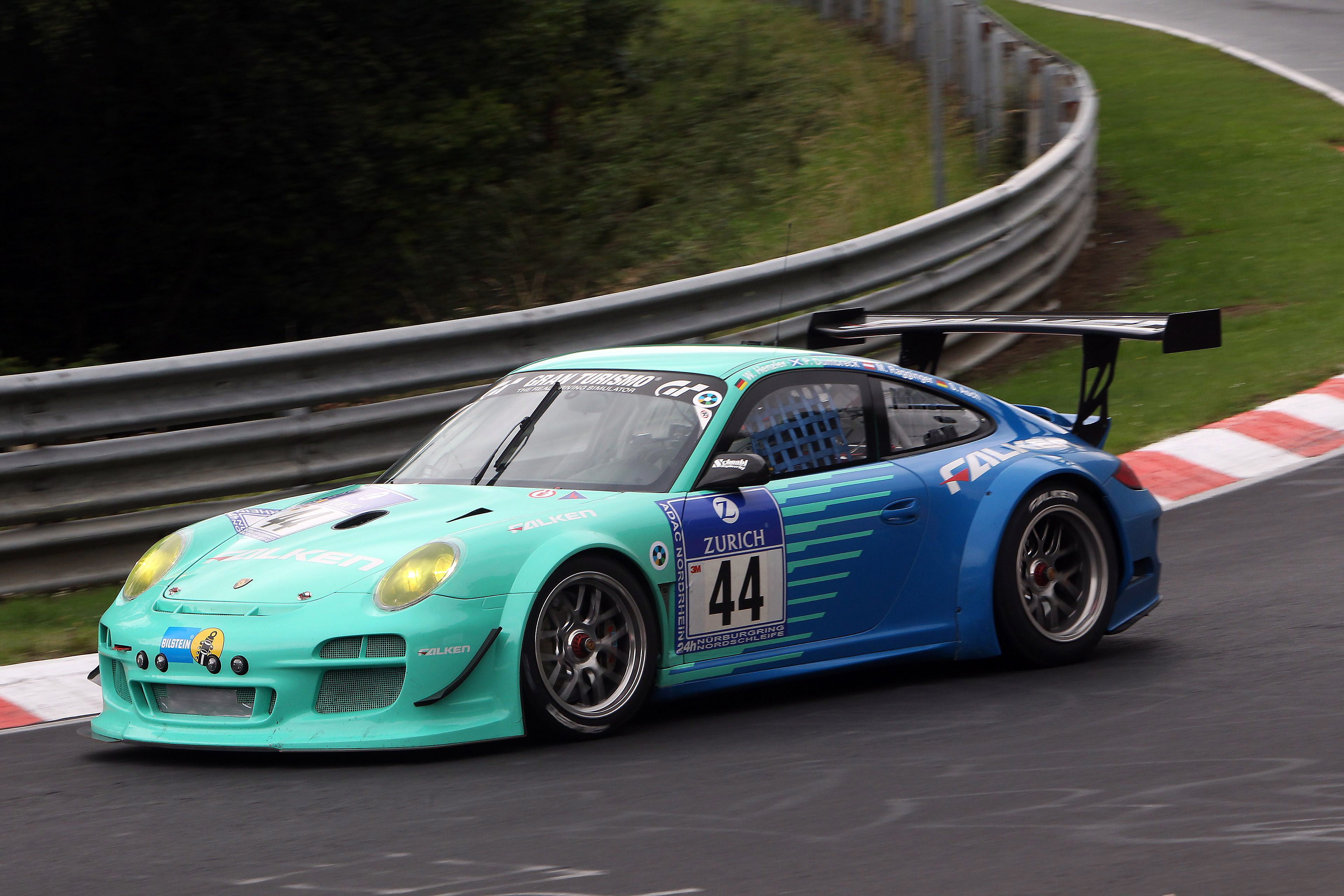
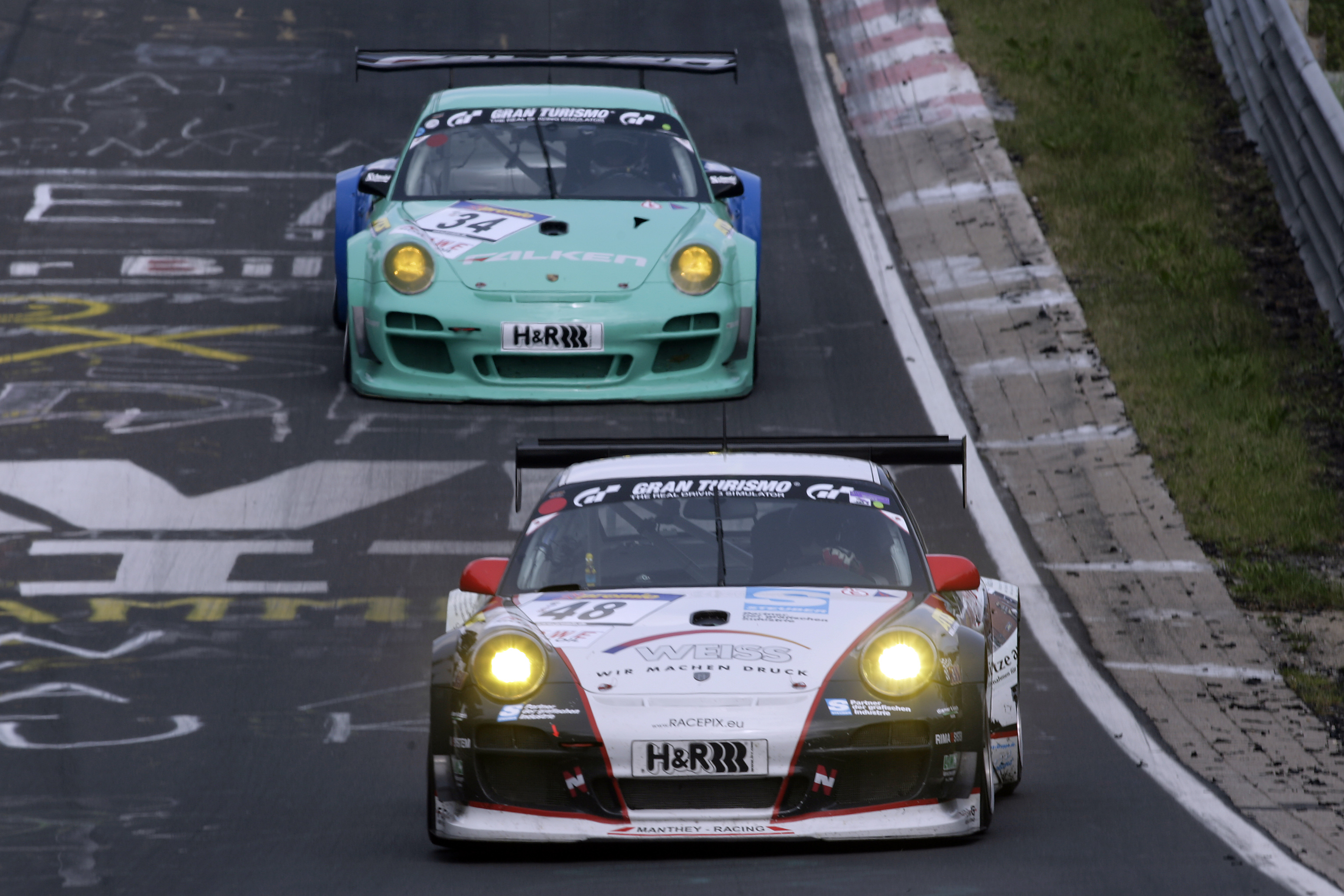
The seventh quickest time was claimed by Porsche works driver Wolf Henzler (Germany), Peter Dumbreck (Great Britain), Martin Ragginger (Austria) and Sebastian Asch (Germany) in the 911 GT3 R of Falken Motorsport.
Porsche 911 GT3 R, Falken Motorsports: Wolf Henzler, Peter Dumbreck, Martin Ragginger, Sebastian Asch
Porsche 911 GT3 R, Falken Motorsports: Wolf Henzler, Peter Dumbreck, Martin Ragginger, Sebastian Asch
Porsche 911 GT3 R, Falken Motorsports: Wolf Henzler, Peter Dumbreck, Martin Ragginger, Sebastian Asch
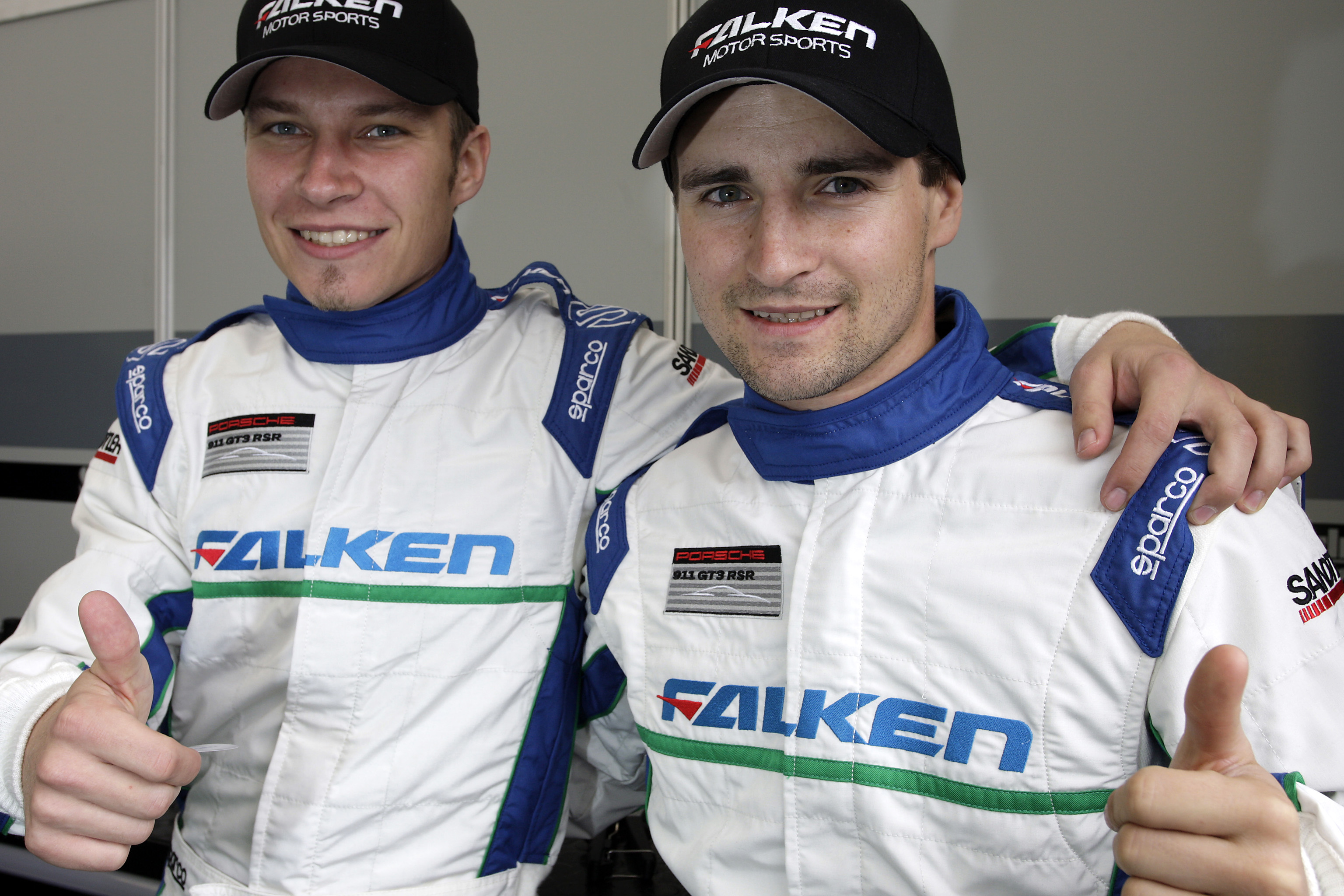
Porsche 911 GT3 R, Falken Motorsports: Sebastian Asch, Martin Ragginger
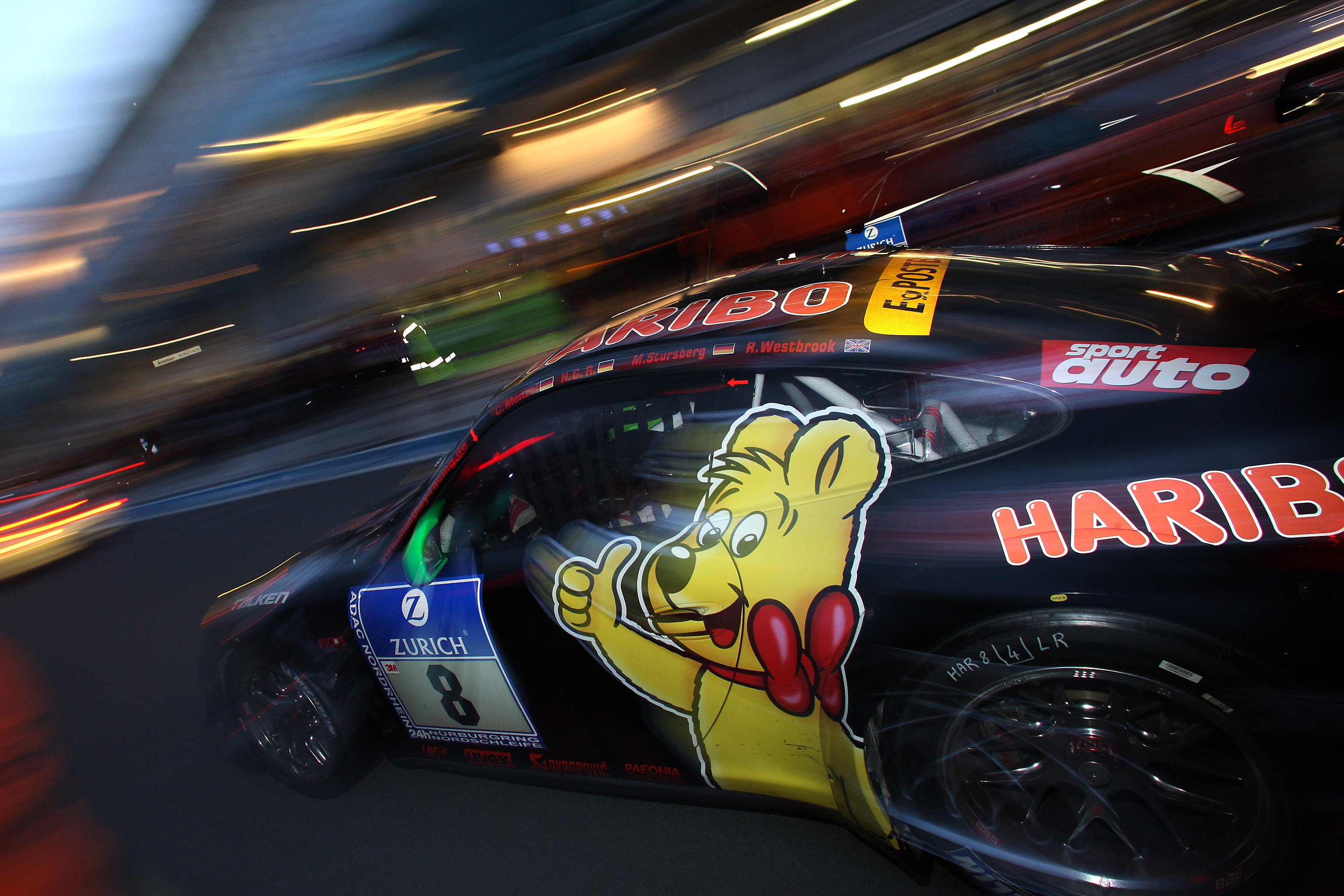
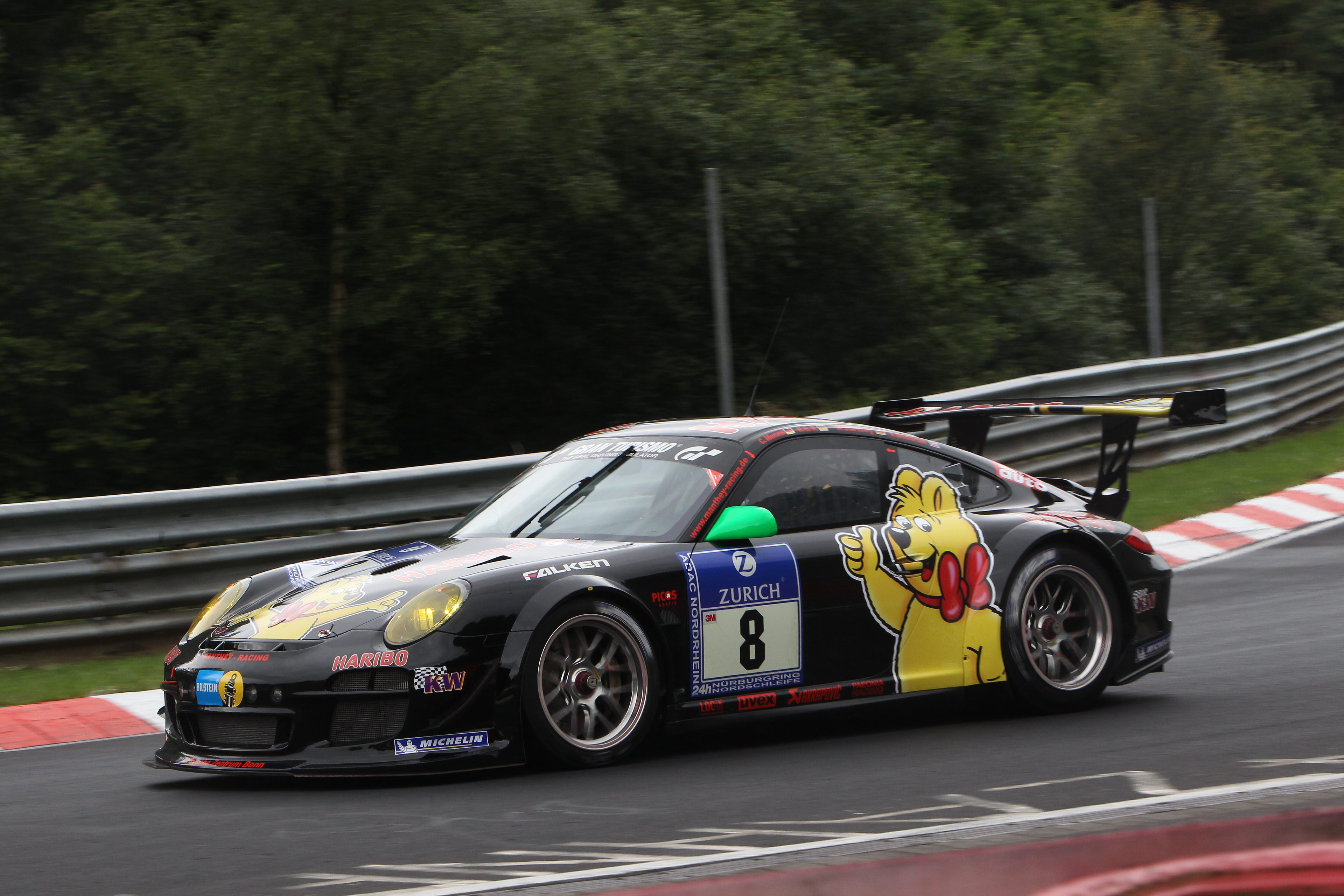
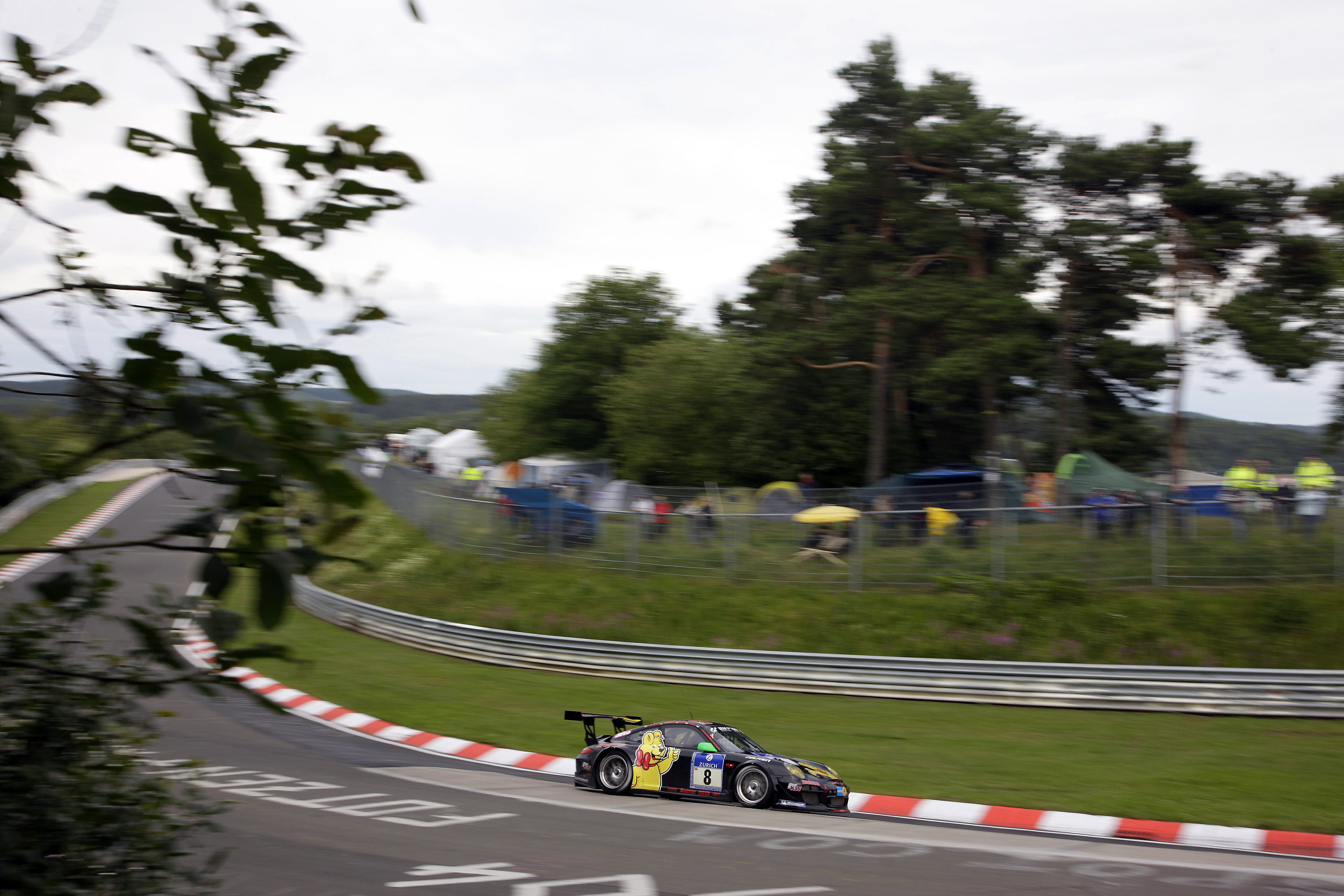
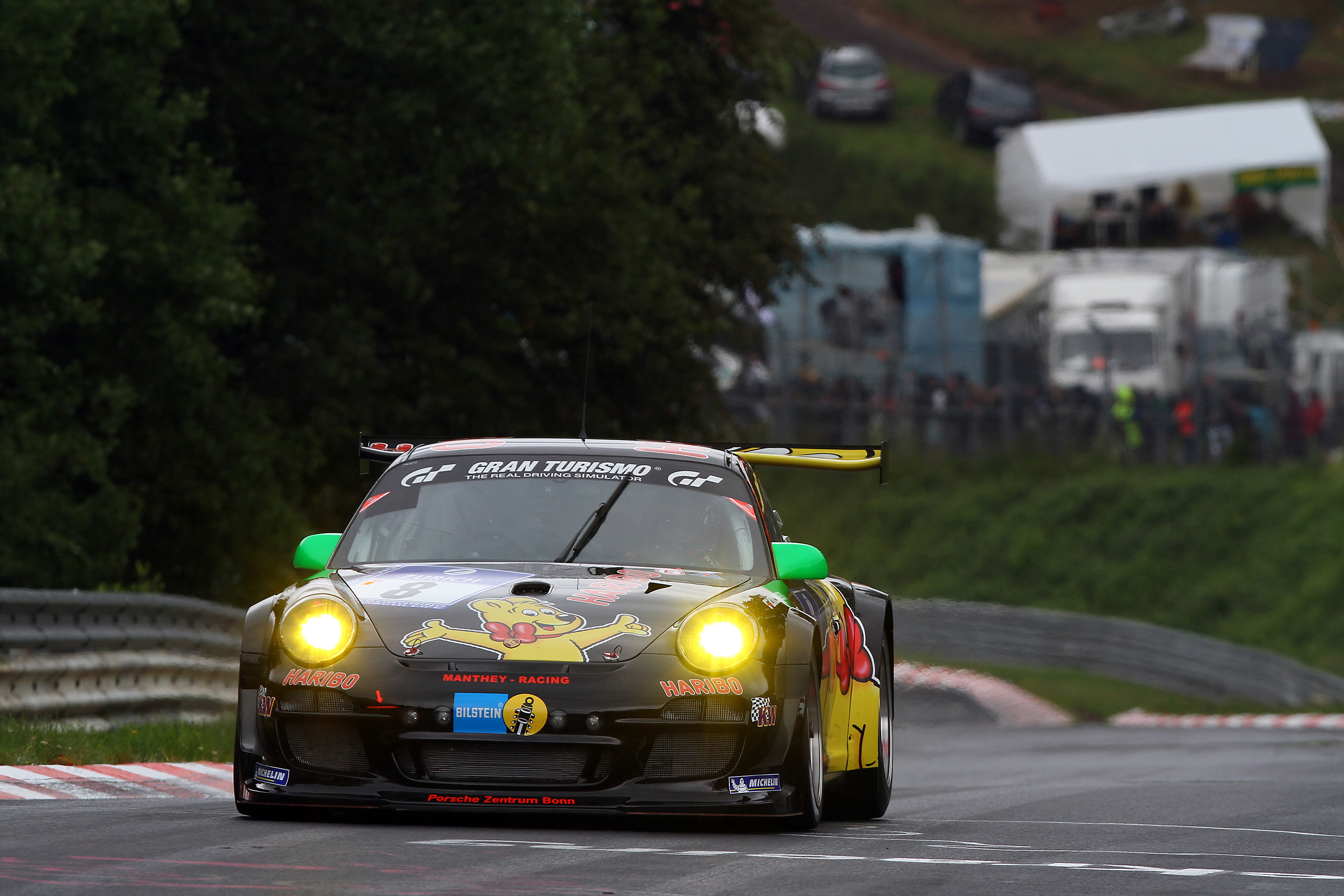
Richard Westbrook (Great Britain), Christian Menzel (Germany), Mike Stursberg (Germany) and Hans Guido Riegel (Germany) planted their Haribo Team Manthey 911 GT3 R on the tenth grid spot.
Porsche 911 GT3 R, Haribo Team Manthey: Richard Westbrook, Christian Menzel, Mike Stursberg, Hans-Guido Riegel
Porsche 911 GT3 R, Haribo Team Manthey: Richard Westbrook, Christian Menzel, Mike Stursberg, Hans-Guido Riegel
Porsche 911 GT3 R, Haribo Team Manthey: Richard Westbrook, Christian Menzel, Mike Stursberg, Hans-Guido Riegel
Porsche 911 GT3 R, Haribo Team Manthey: Richard Westbrook, Christian Menzel, Mike Stursberg, Hans-Guido Riegel
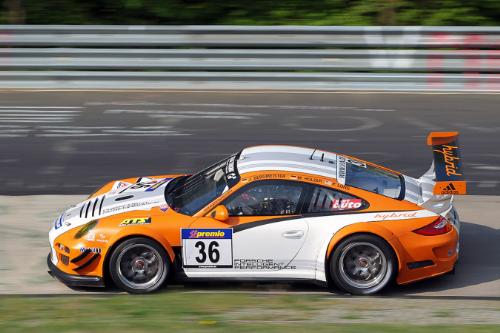
Fielded by Porsche Team Manthey, the further-developed Porsche 911 GT3 R Hybrid (Version 2.0) with its innovative hybrid drive was not able to match the pace of the fastest vehicles after its performance was capped recently by the organizers.
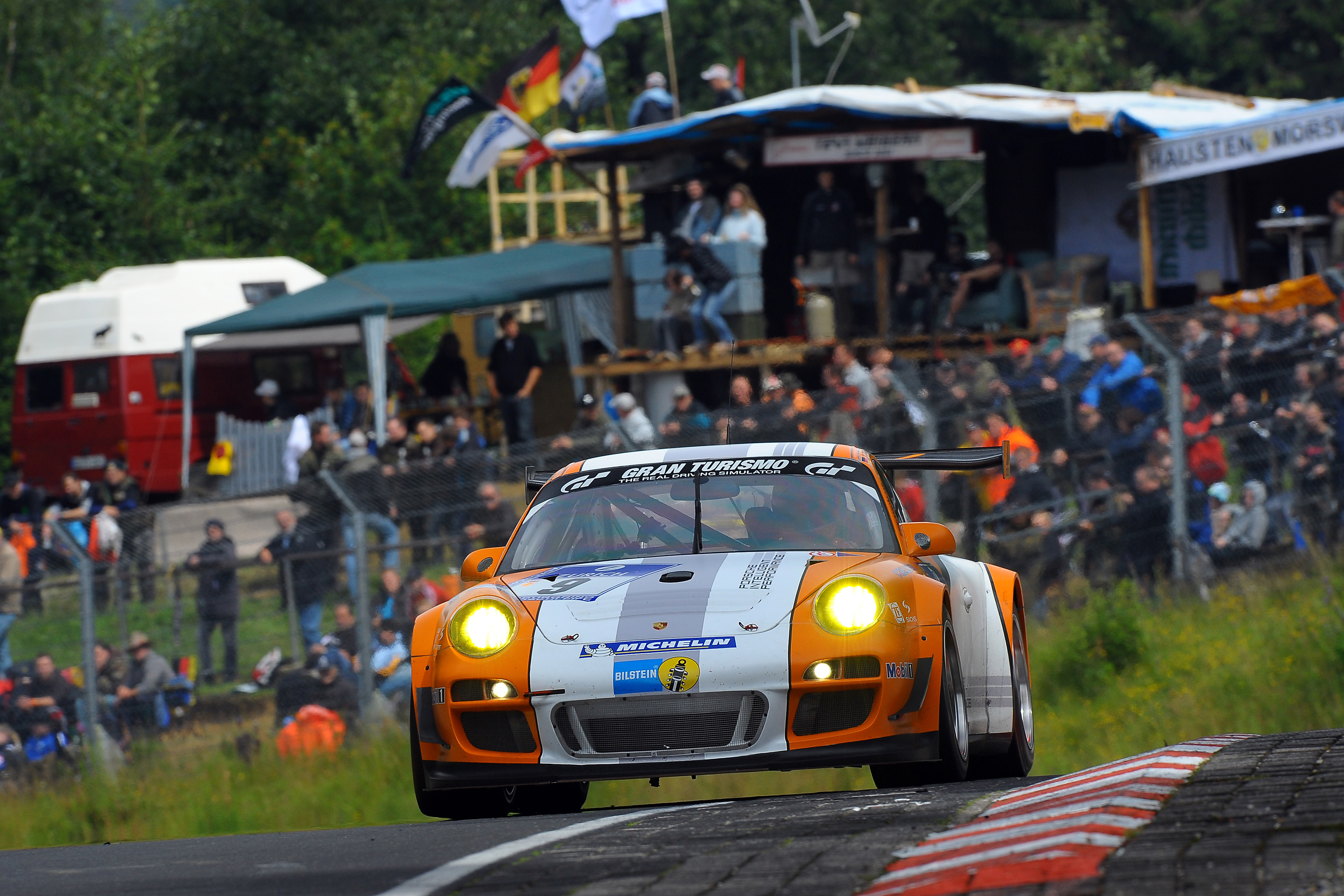
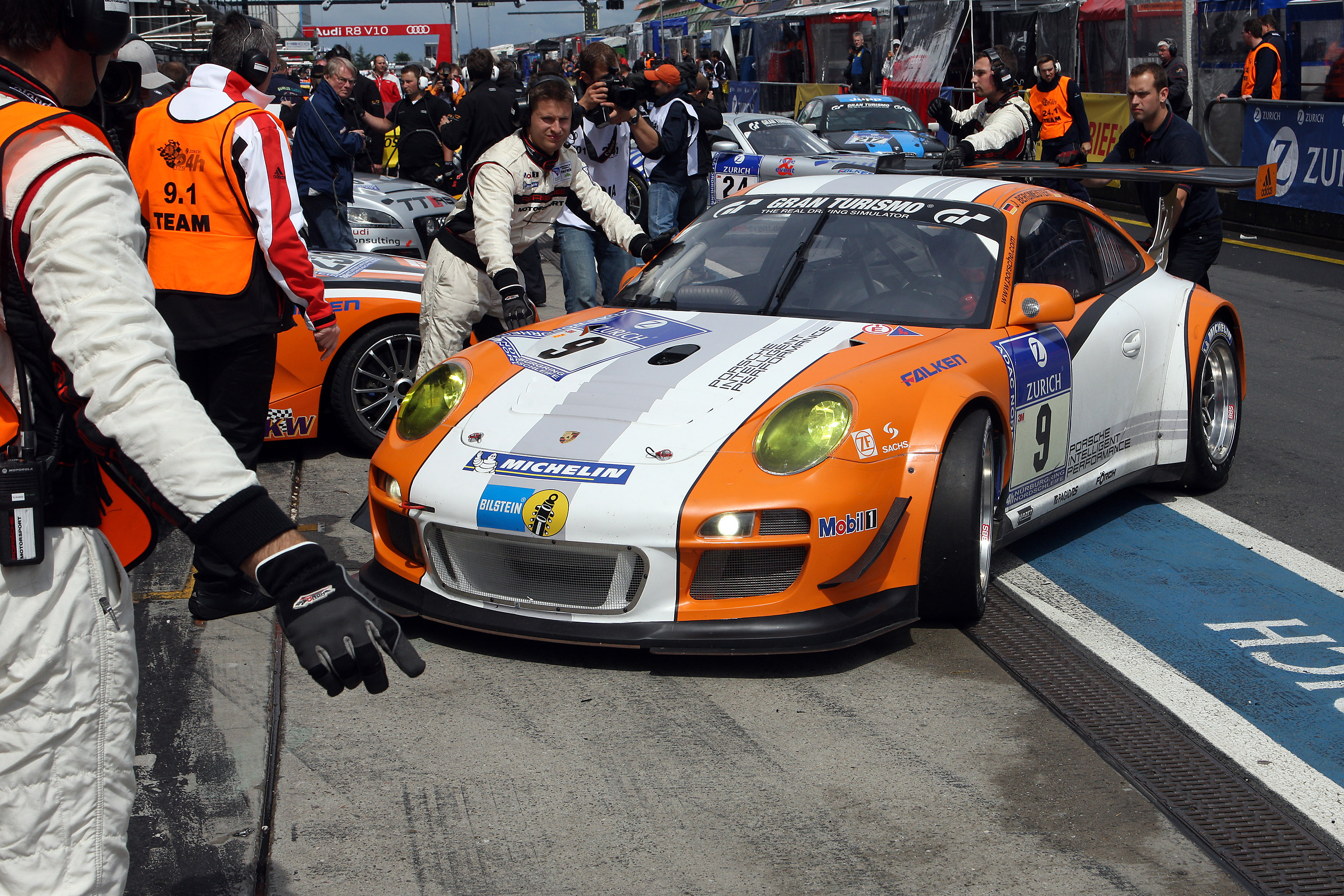
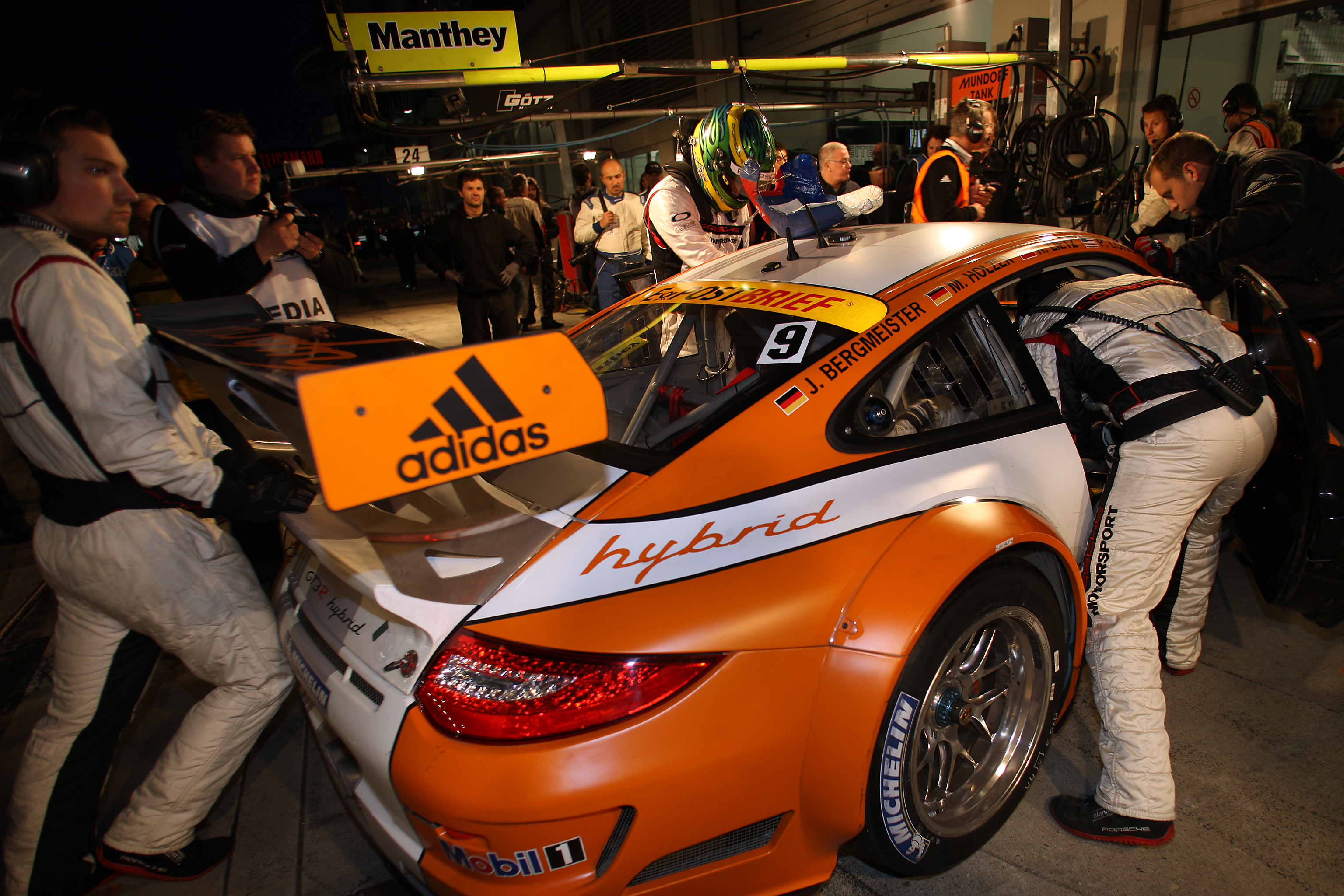
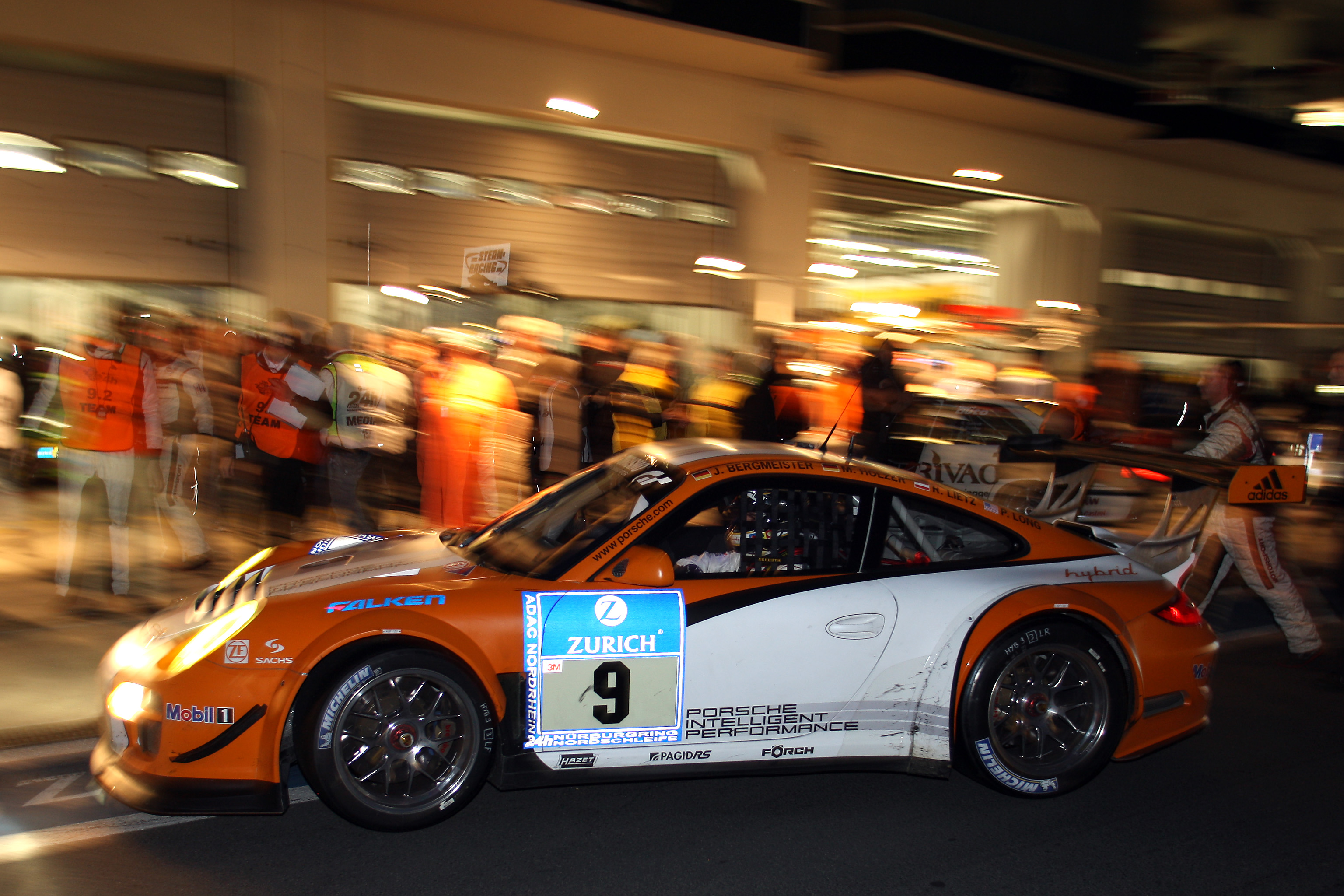
Porsche 911 GT3 R Hybrid, Porsche Team Manthey: Jörg Bergmeister, Richard Lietz, Marco Holzer, Patrick Long
Porsche 911 GT3 R Hybrid, Porsche Team Manthey: Jörg Bergmeister, Richard Lietz, Marco Holzer, Patrick Long
Porsche 911 GT3 R Hybrid, Porsche Team Manthey: Jörg Bergmeister, Richard Lietz, Marco Holzer, Patrick Long
Porsche 911 GT3 R Hybrid, Porsche Team Manthey: Jörg Bergmeister, Richard Lietz, Marco Holzer, Patrick Long
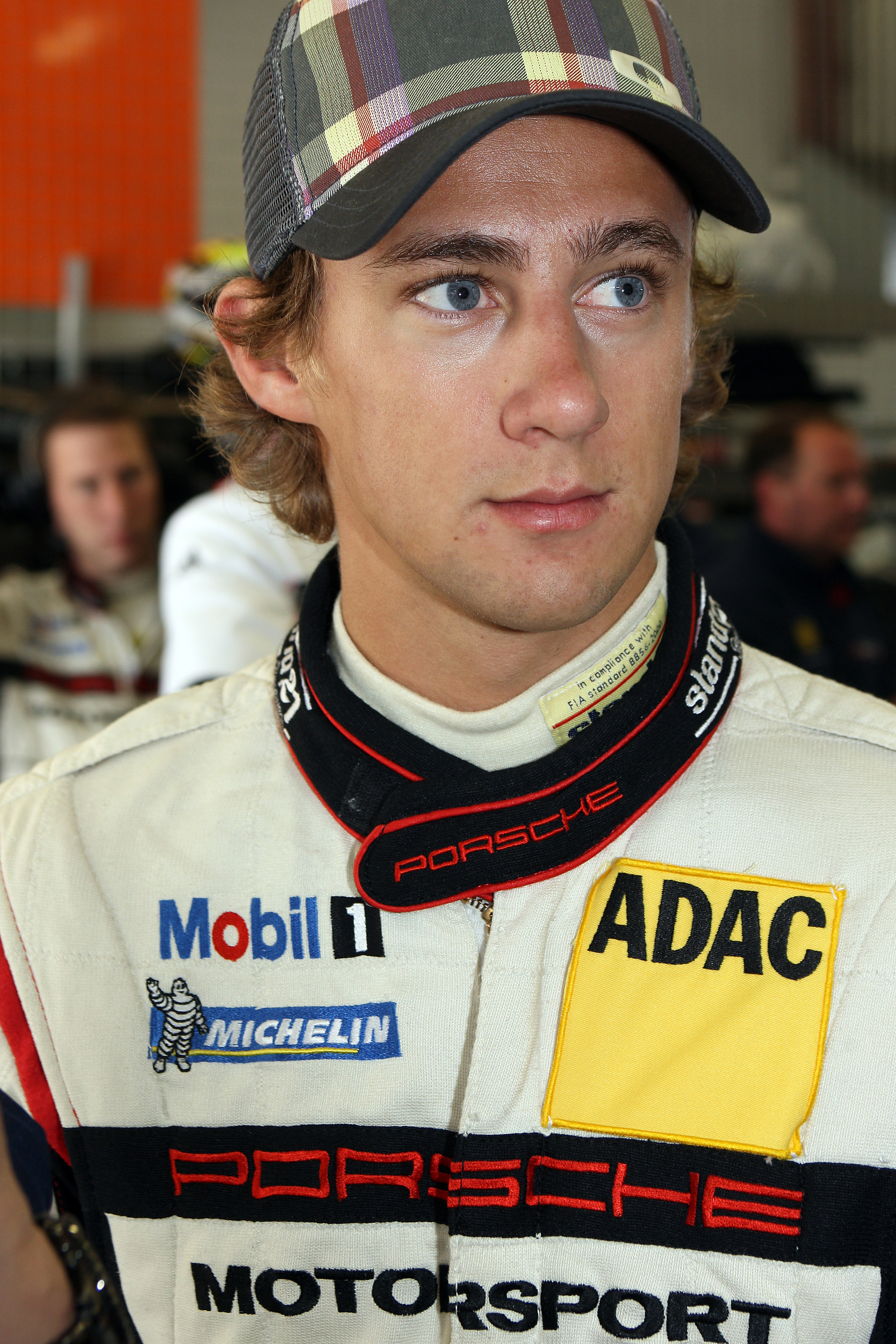
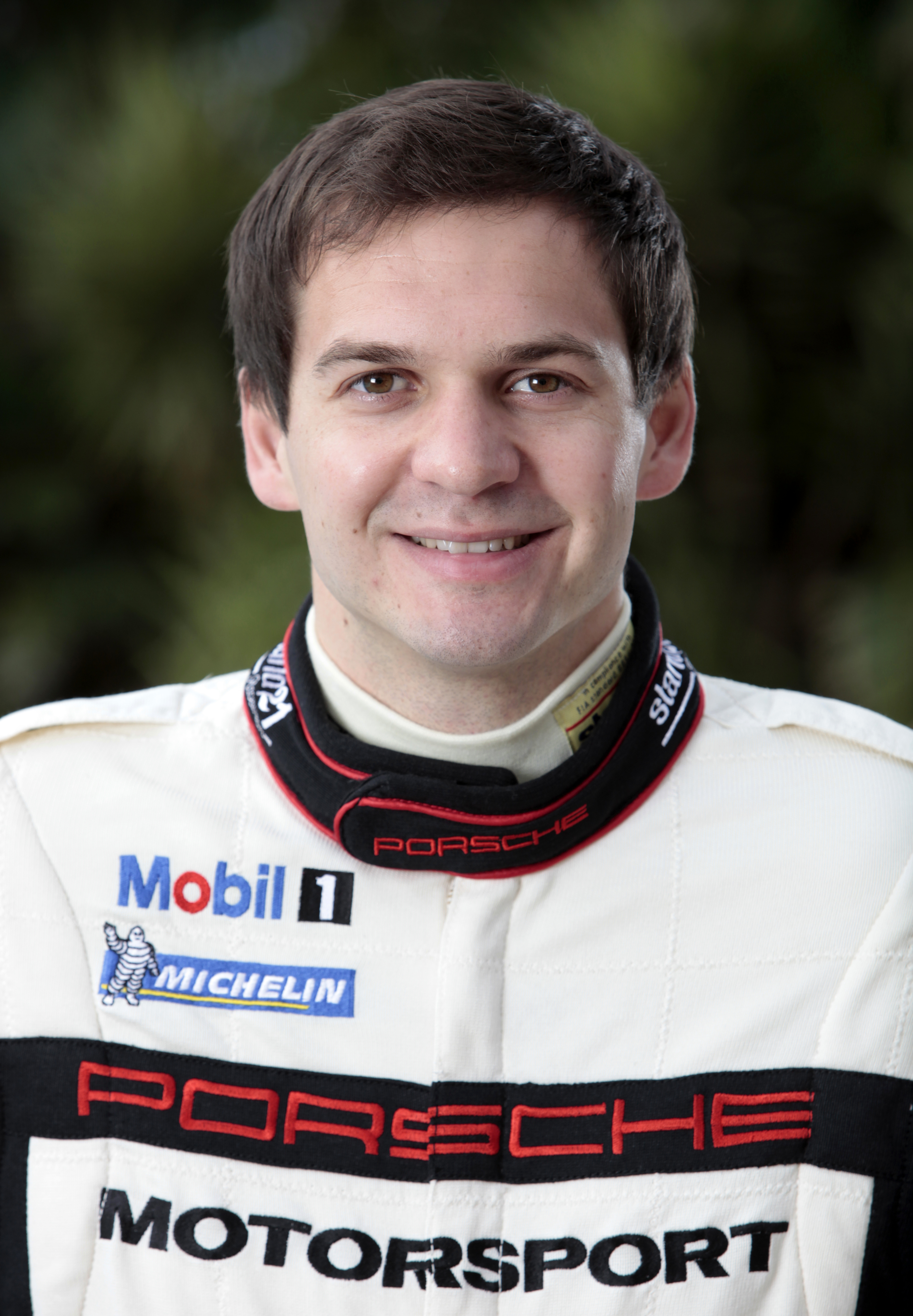
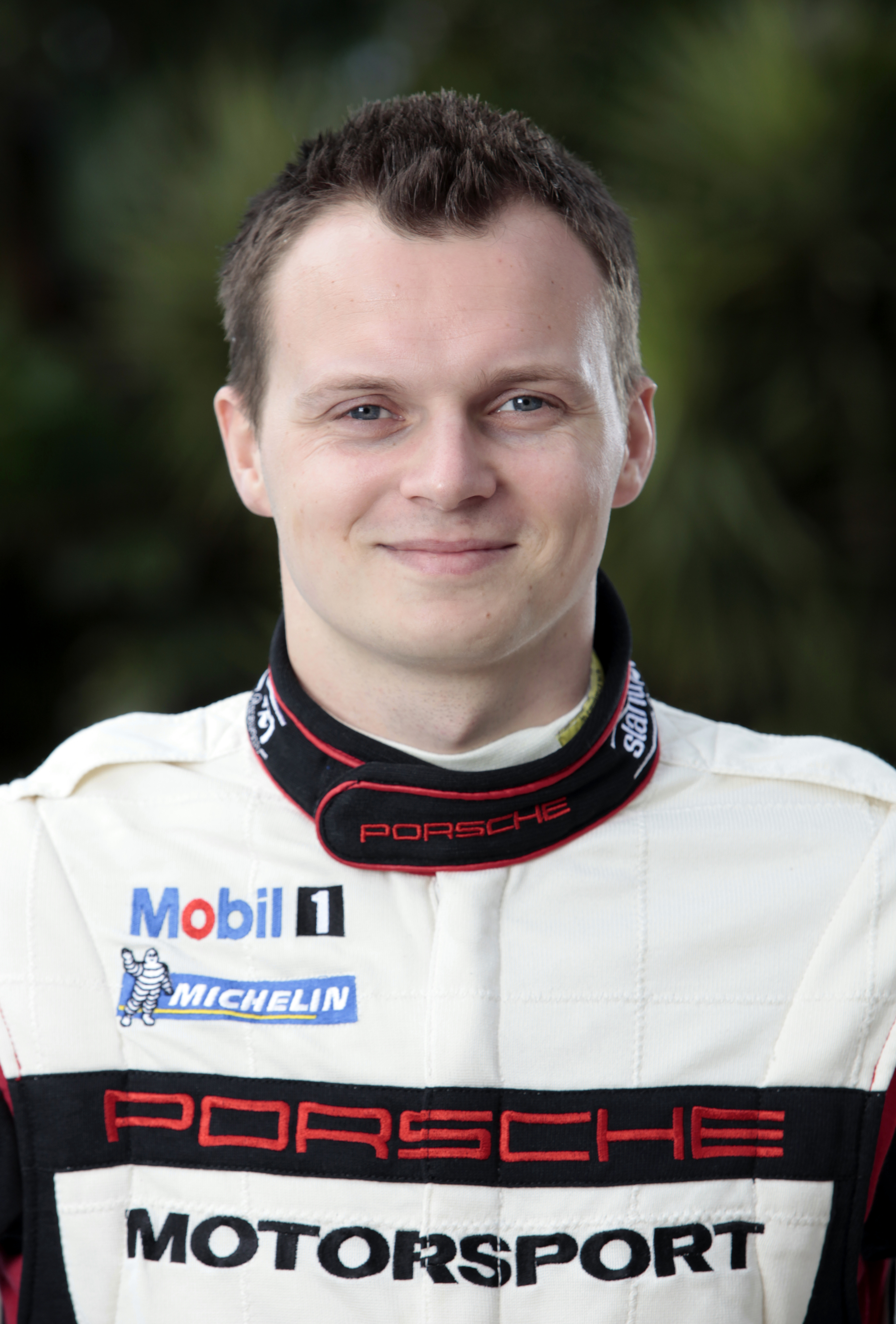
Moreover, Joerg Bergmeister (Germany) had to contend with heavy traffic during his fastest lap and only managed 18th. He shares the cockpit of the 911 GT3 R Hybrid with his factory pilot colleagues Richard Lietz (Austria), Marco Holzer (Germany) and Patrick Long (USA).
The second and final qualifying takes place on Friday from 16.55 to 18.55 hours.
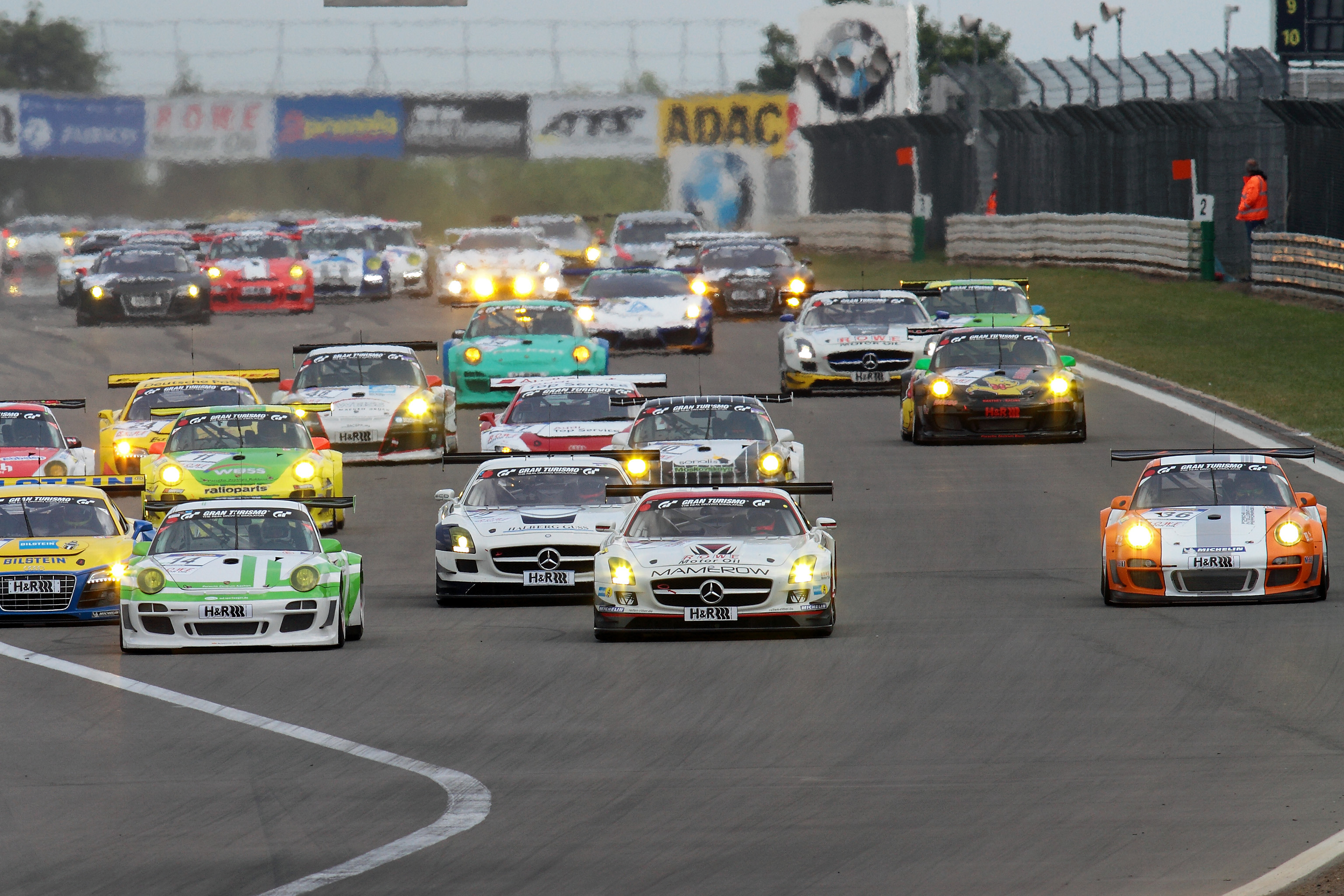
The 24 hour race gets underway on Saturday at 16.00 hours. Television station Sport1 intermittently broadcasts more than 13 hours of the race live on Saturday (from 15.45 hours) and Sunday (from 07.00 hrs). A one-hour highlight program of the race is televised on Sunday at 22.30 hours.
Quotes from the drivers
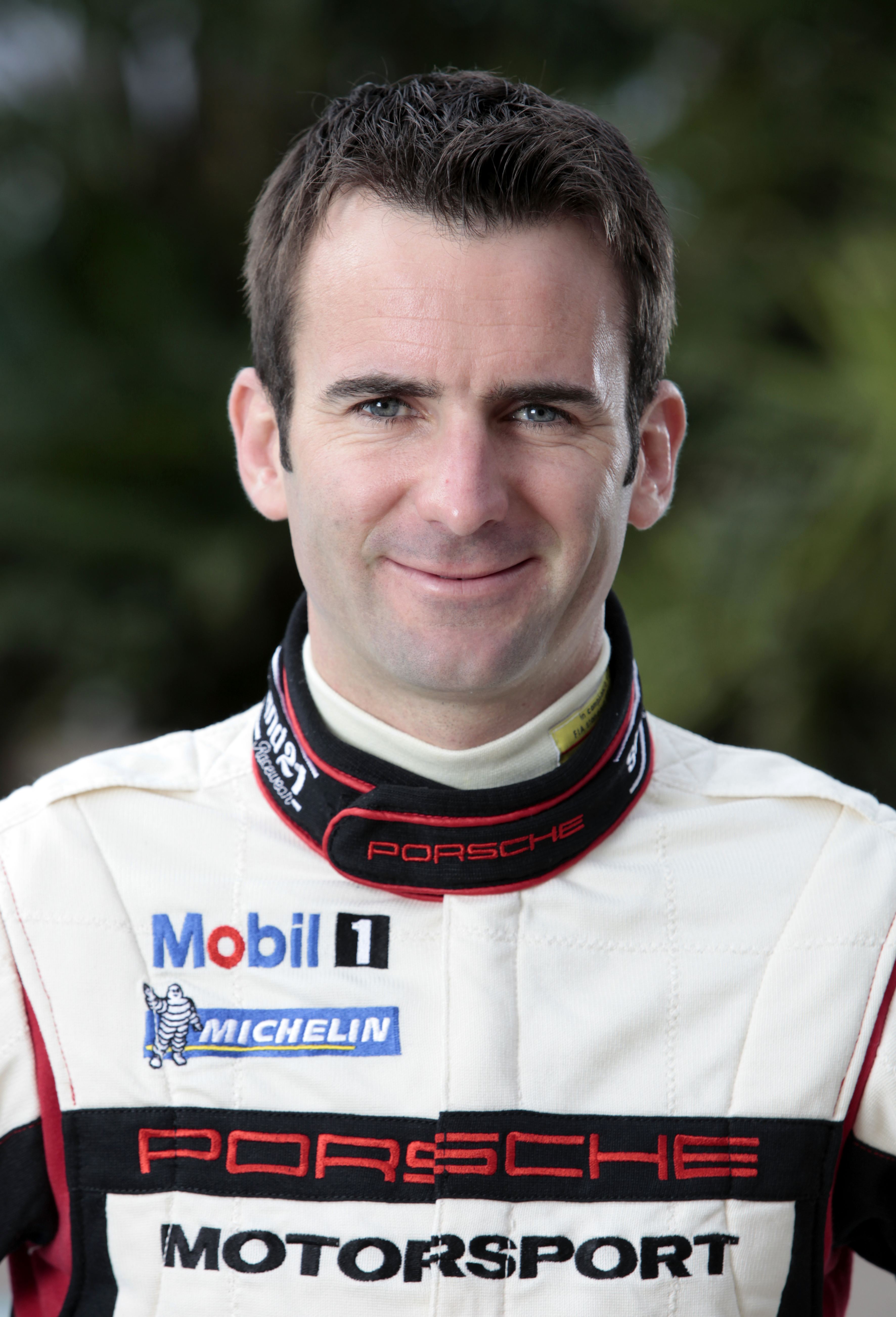
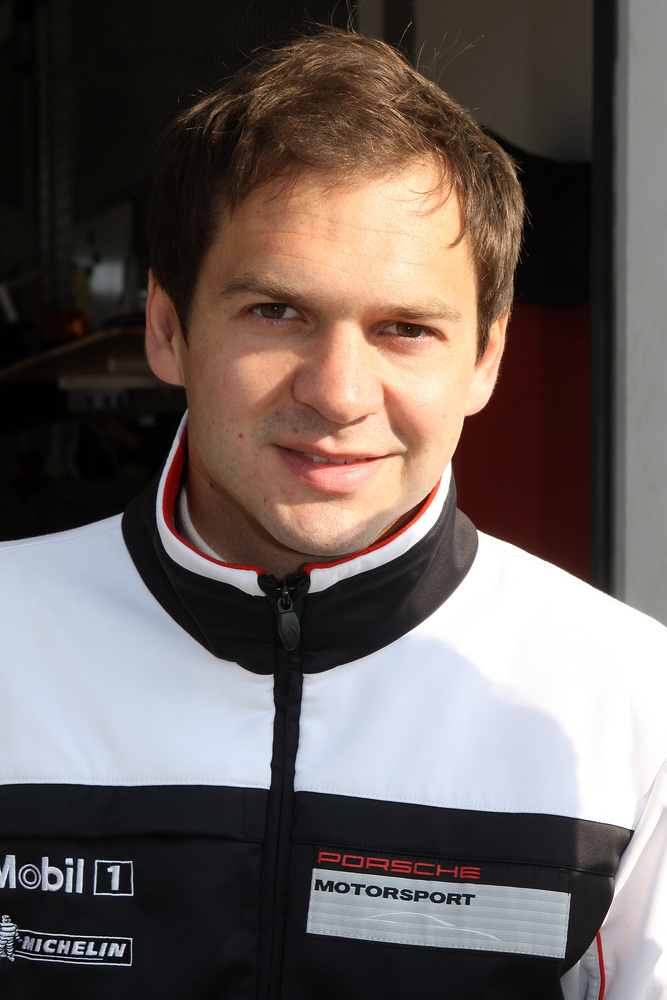
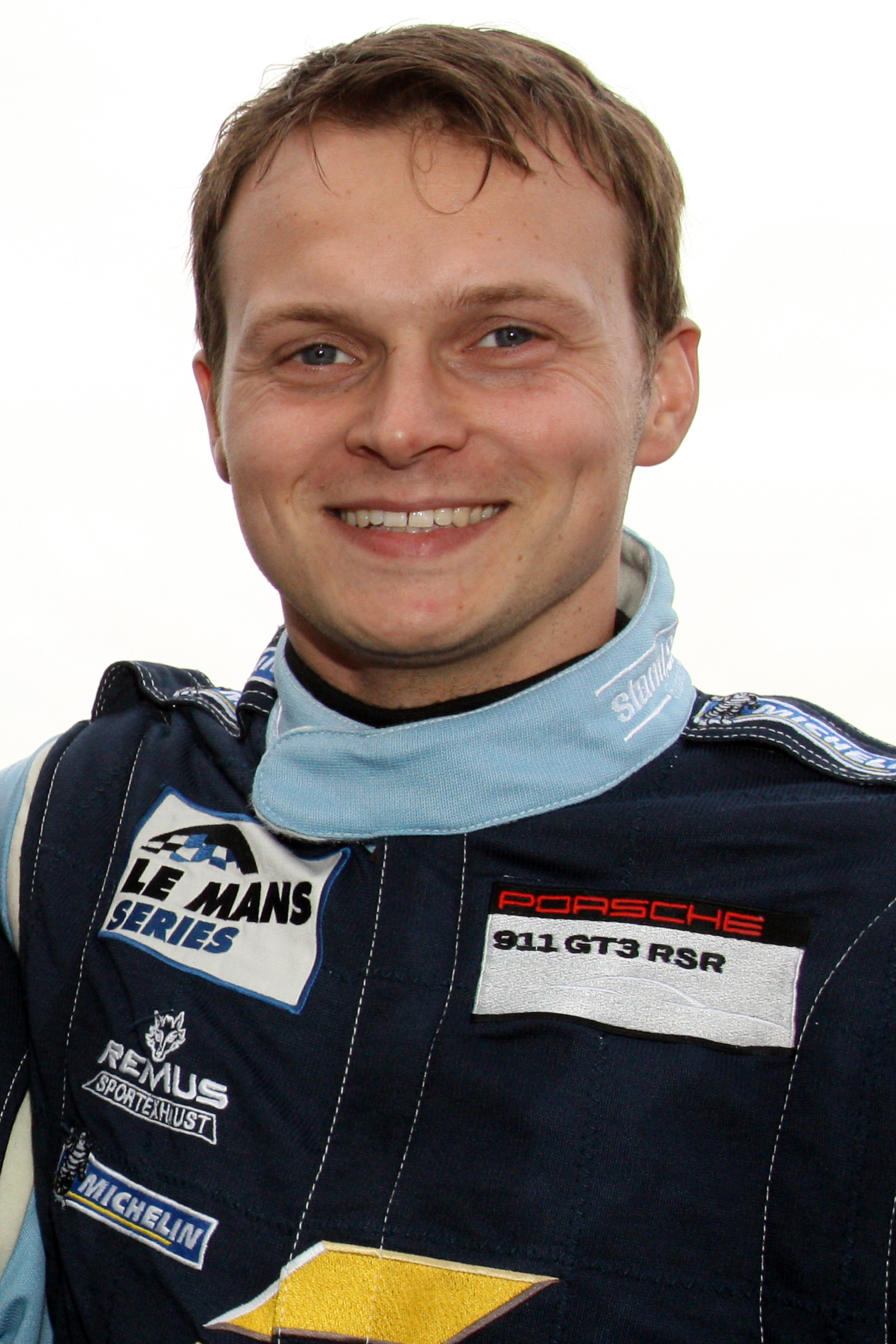
Marc Lieb (No. 18, Manthey Racing):
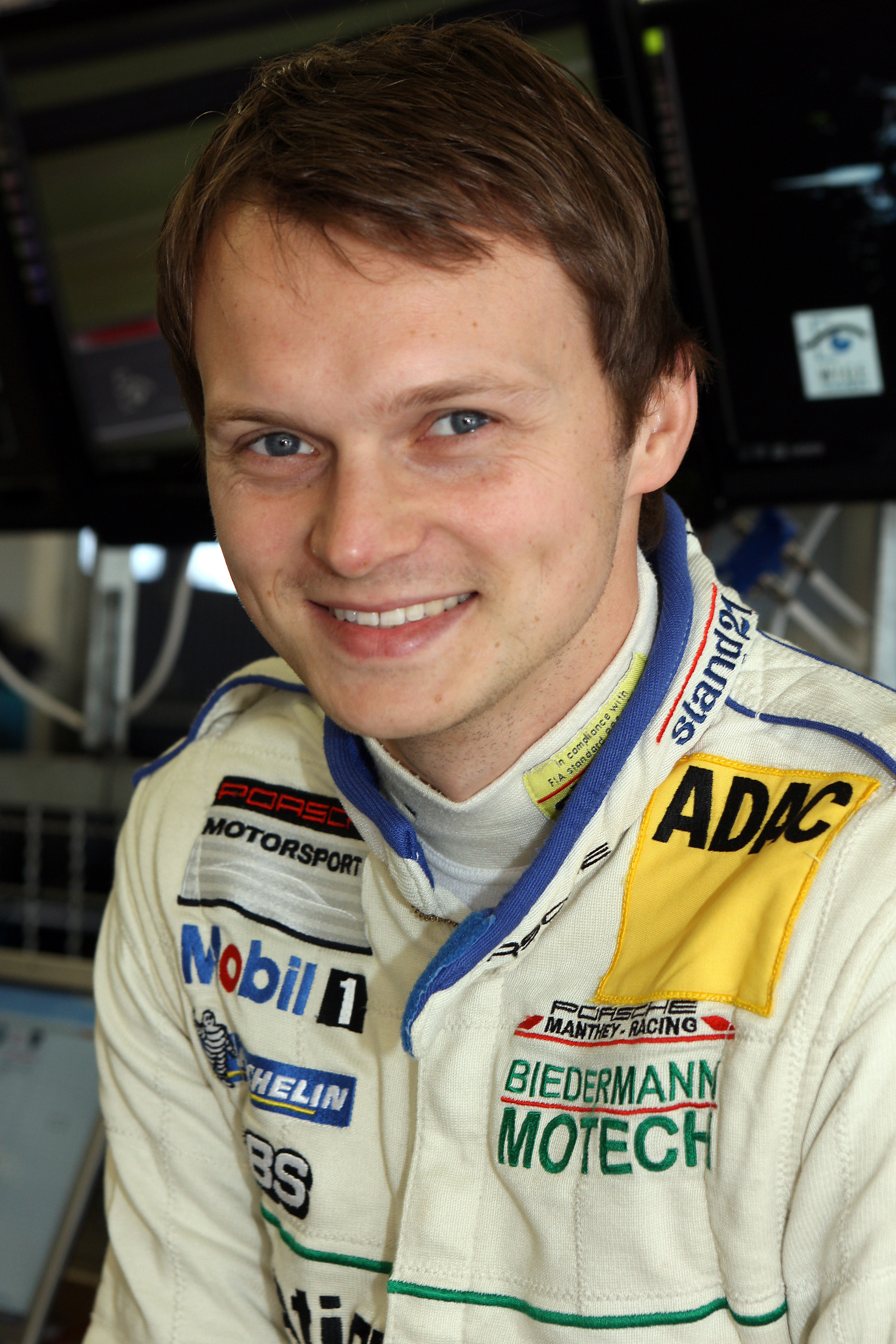
Marc Lieb
“We changed the set-up of our car during the qualifying and turned the fastest lap 40 minutes before the end. Now we’re happy with everything. If it stays dry for tomorrow’s final qualifying session we’ll attack again.”
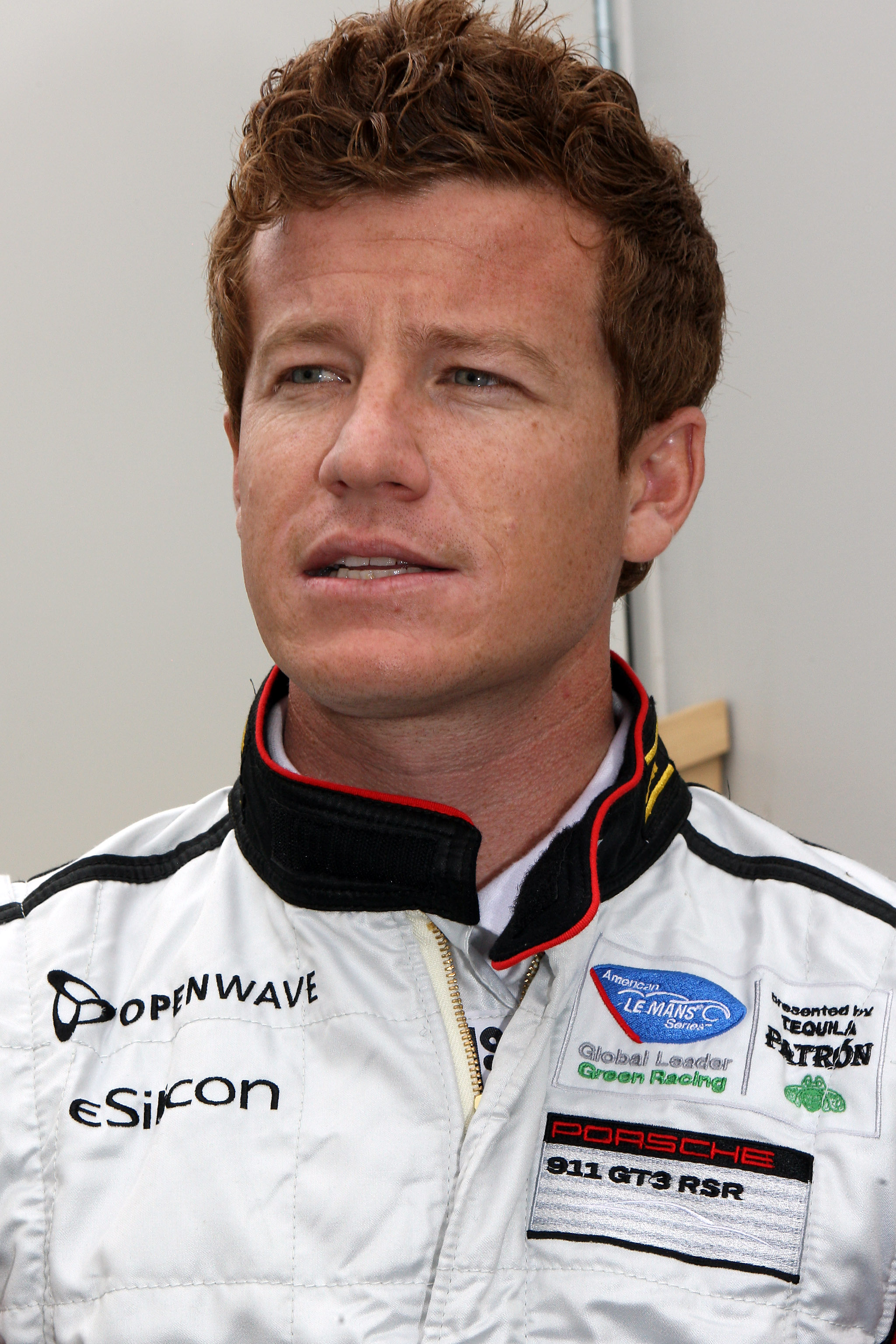
Joerg Bergmeister (No. 9, Porsche Team Manthey):
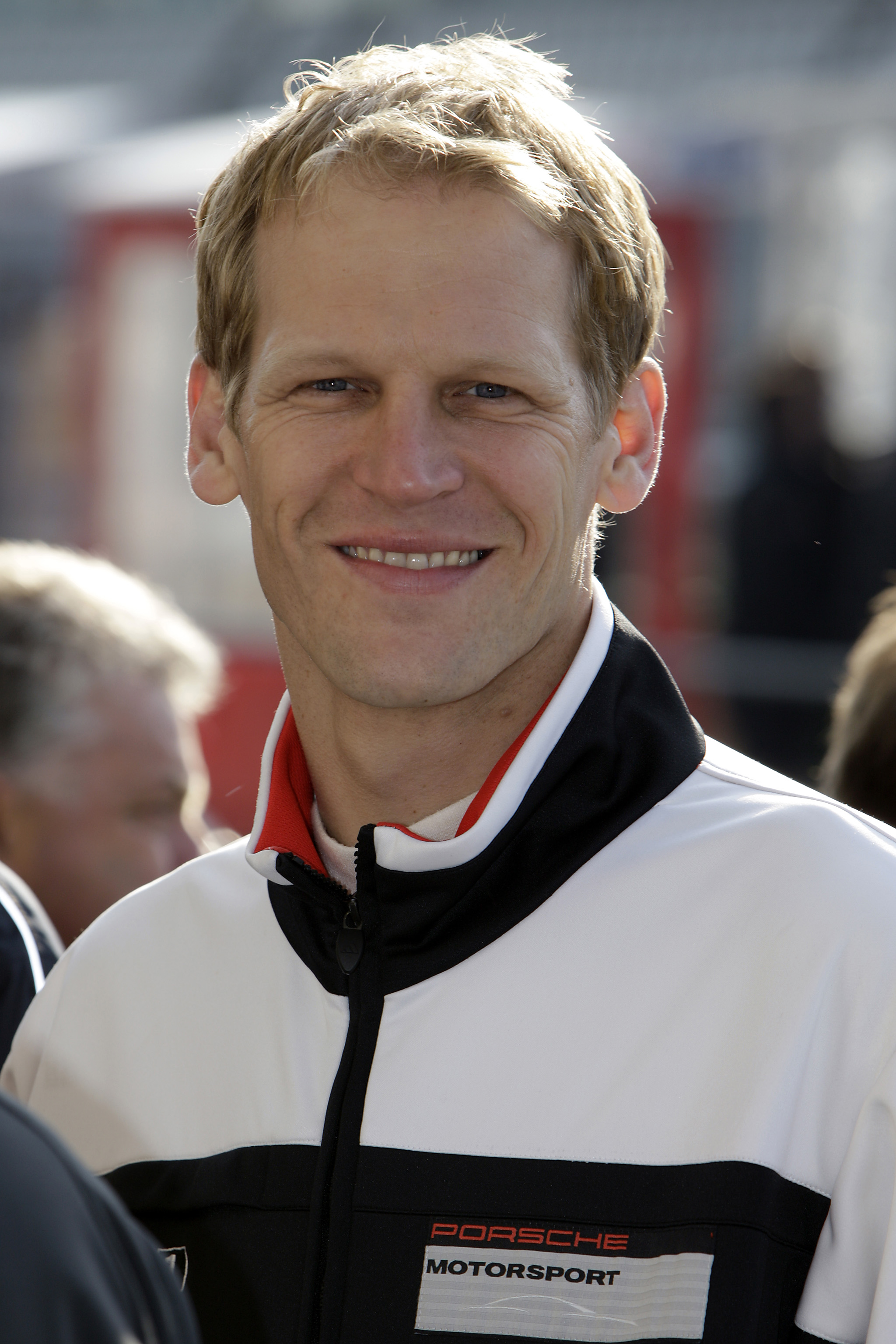
Joerg Bergmeister
“We didn’t really expect to actually do well. We could have been a bit faster but the heavy traffic prevented a better time.”
Wolf Henzler (No. 44, Falken Motorsports):
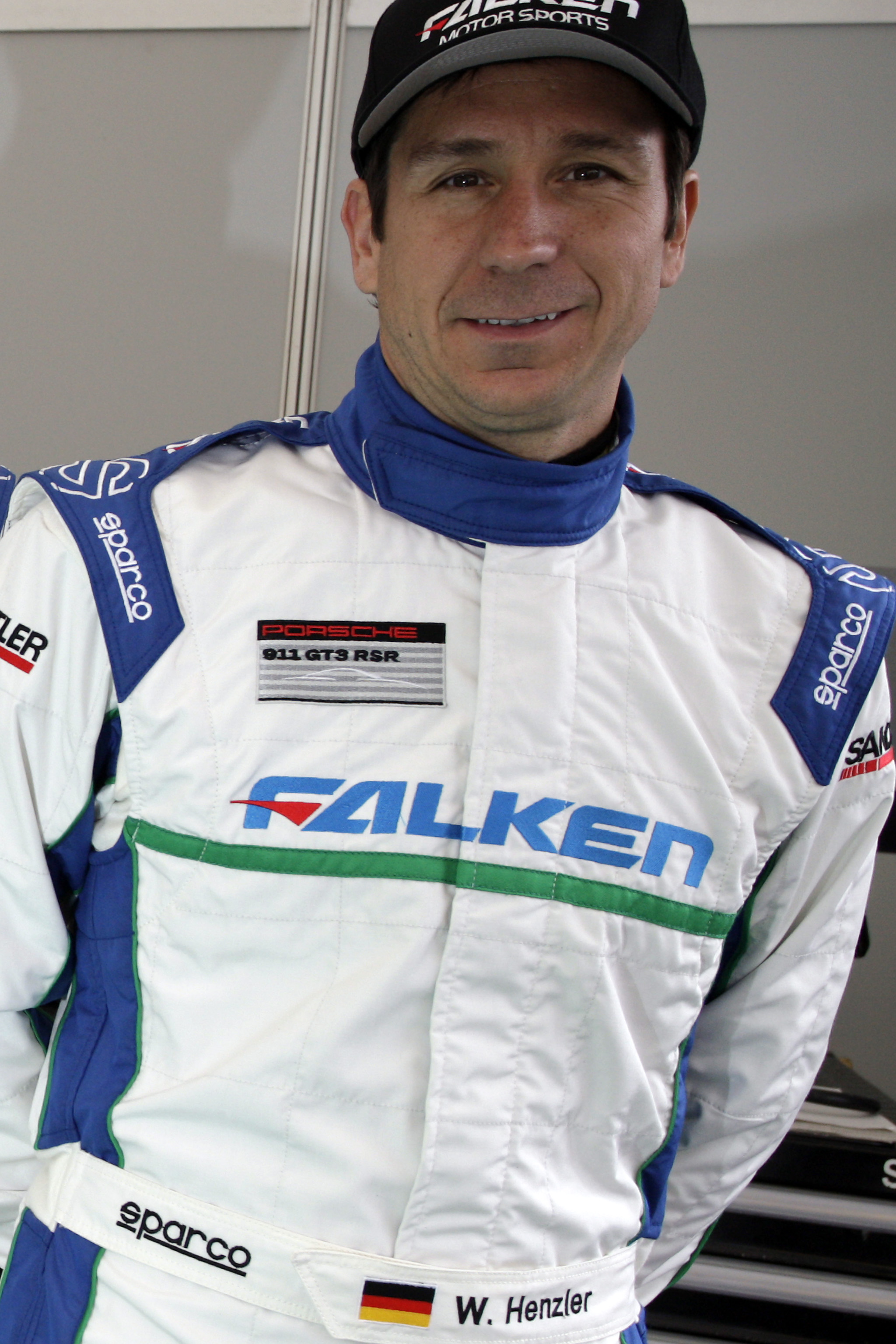
Wolf Henzler
“We’re satisfied with our set-up. The track conditions were very good with loads of grip. Martin Ragginger went out first and set our best time. Still, we’re more than eight seconds shy of the quickest vehicle.”
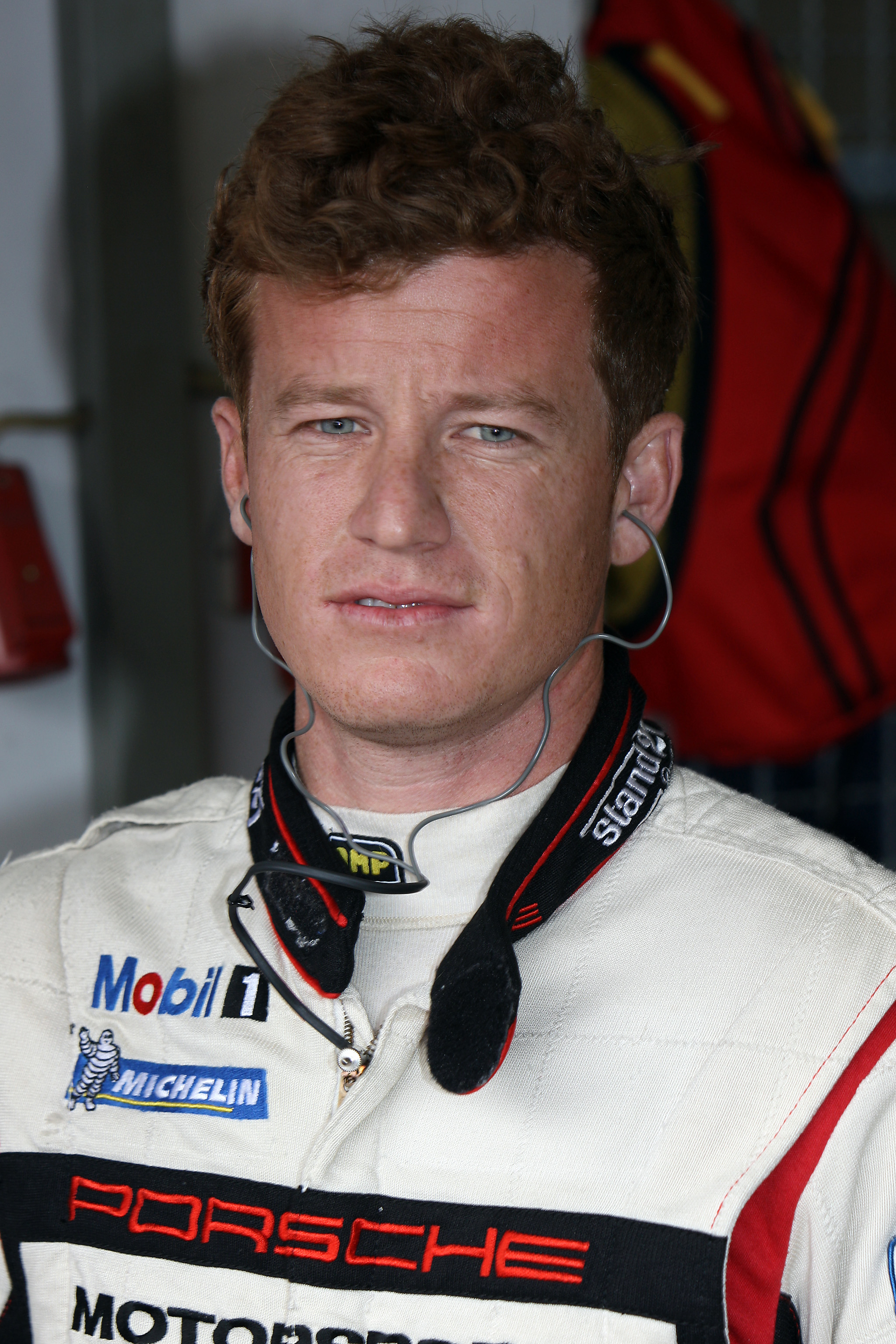
Richard Lietz (No. 9, Porsche Team Manthey):
Richard Lietz
“The lengthy qualifying today was a good chance to familiarize myself with the car and to get a good feeling for driving at the limit. The character of our rolling race lab is somewhat different to the 911 GT3 RSR that I drove in Le Mans two weeks ago.”
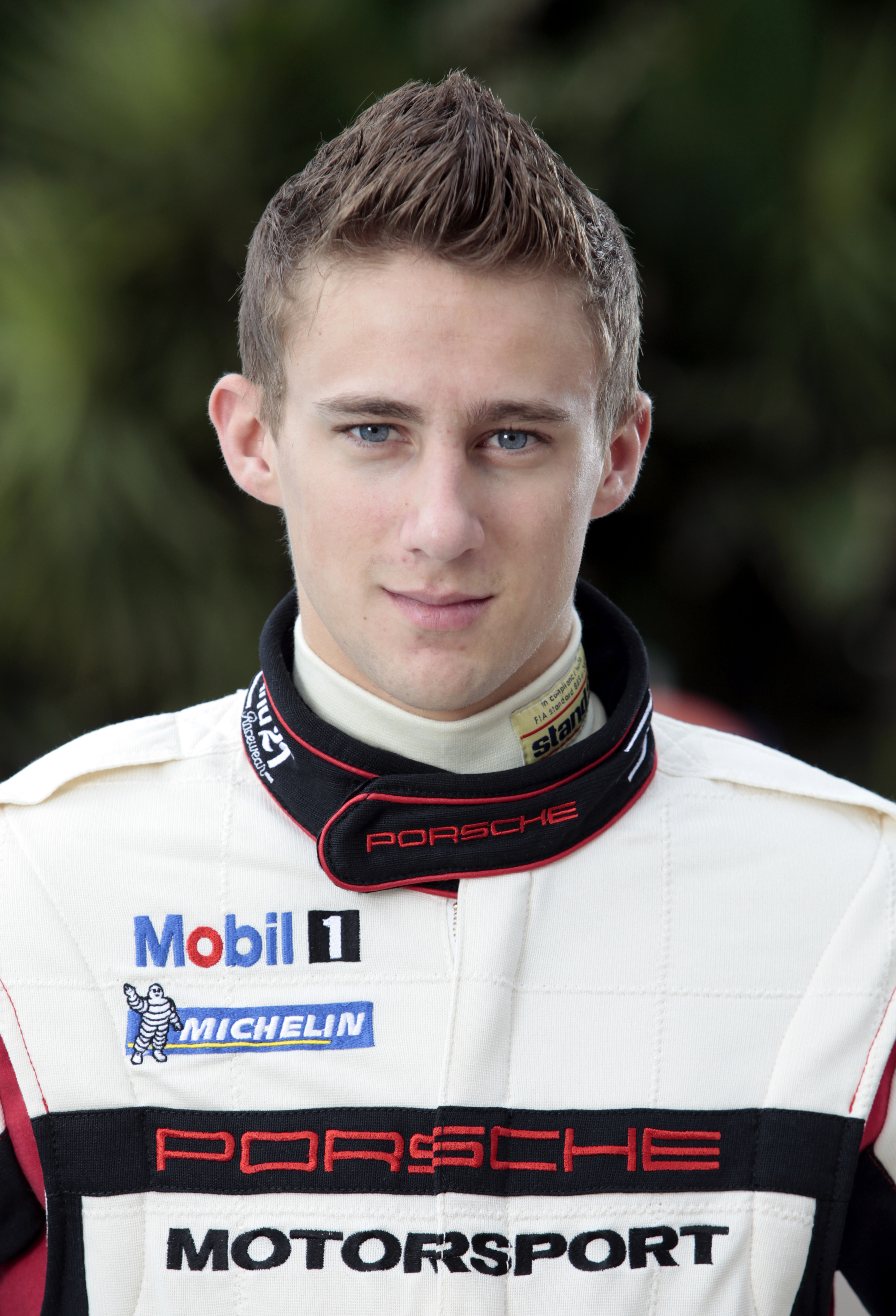
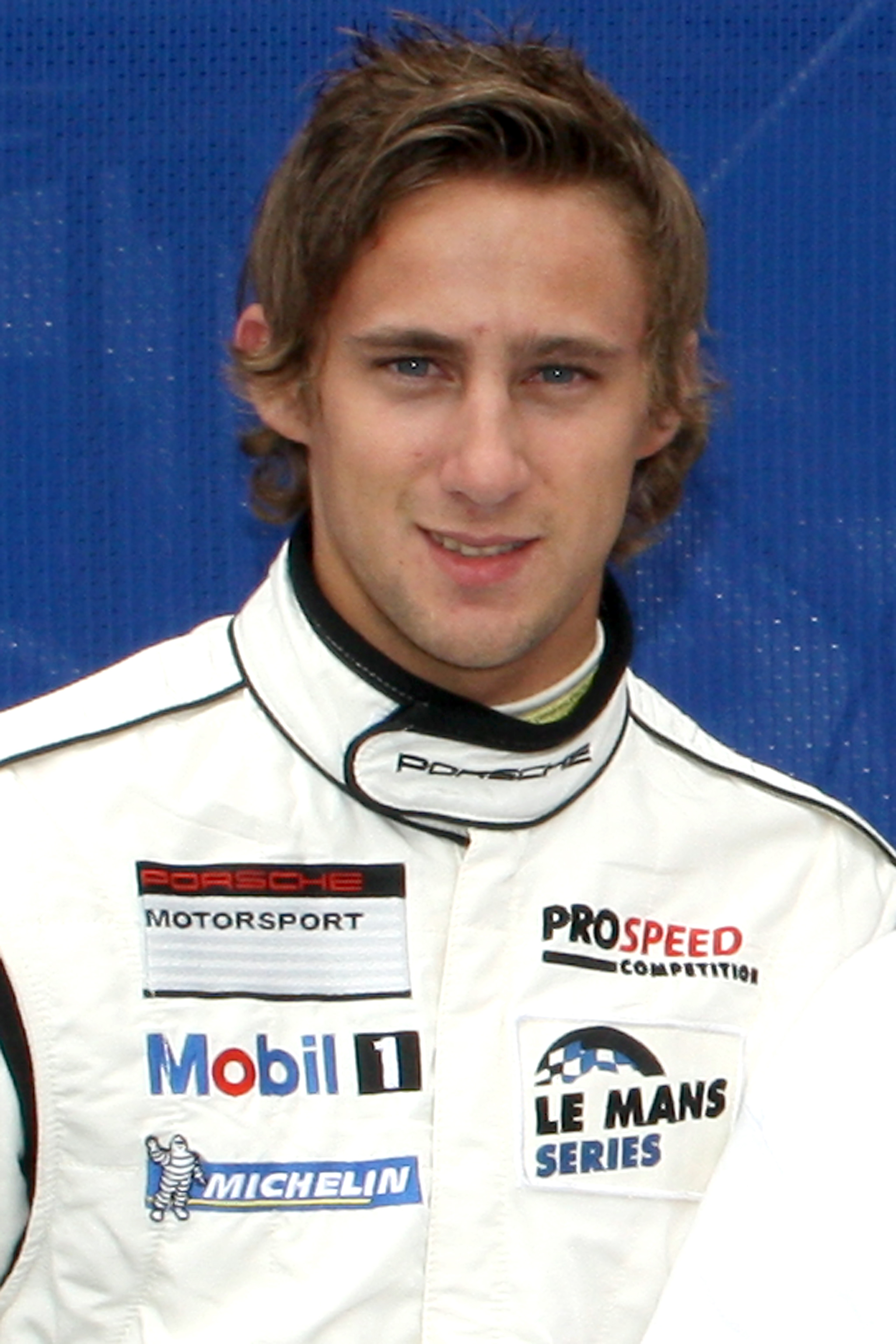
(Marco Holzer No. 9, Porsche Team Manthey):
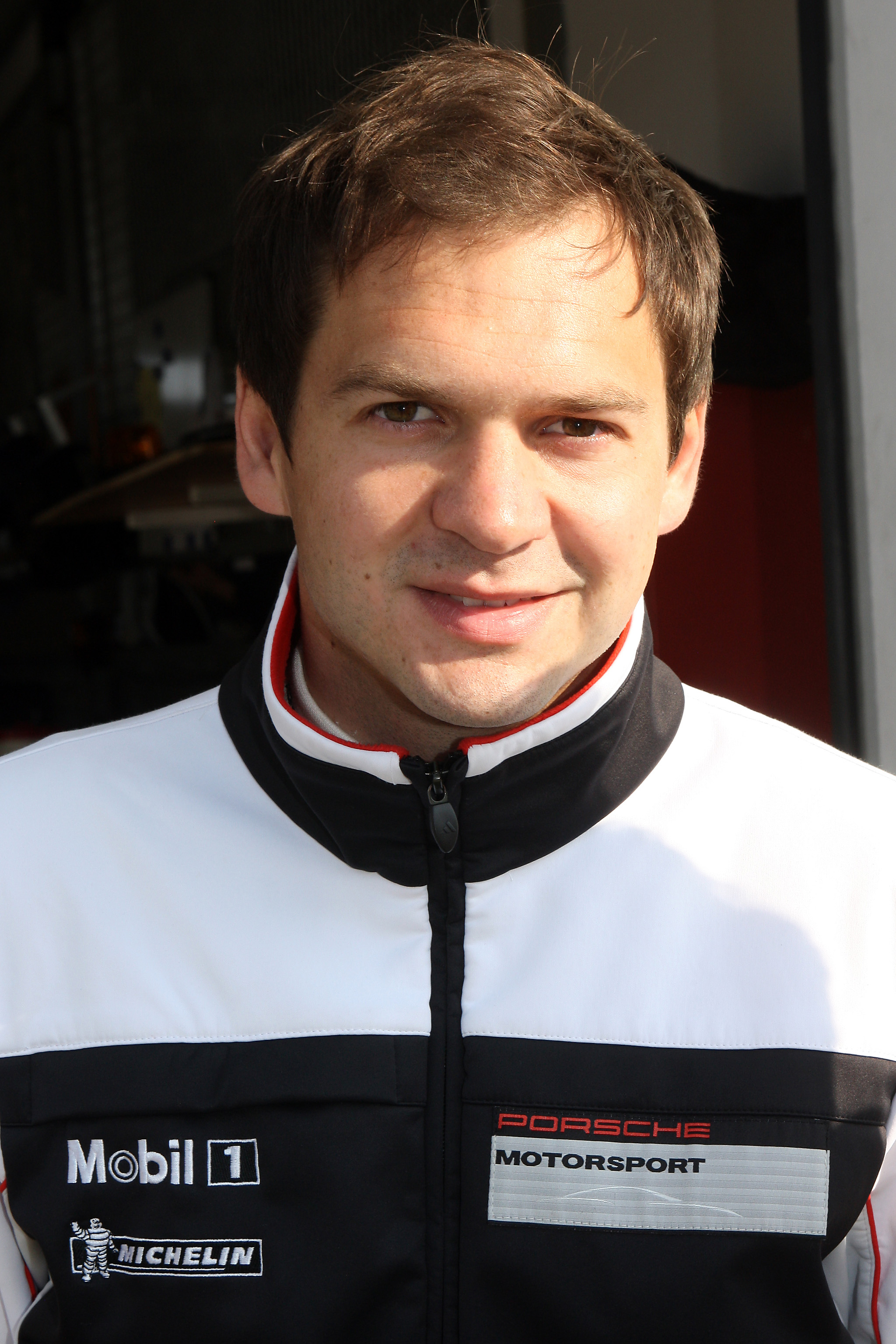
Marco Holzer
“I got four yellow flags while I was out on the track. It’s not easy to get a free lap. We worked some more on our race set-up and tried to bring the tyres up to the optimal temperature. Driving on the Nordschleife at night is exhausting, you first have to get back the feeling for it.”
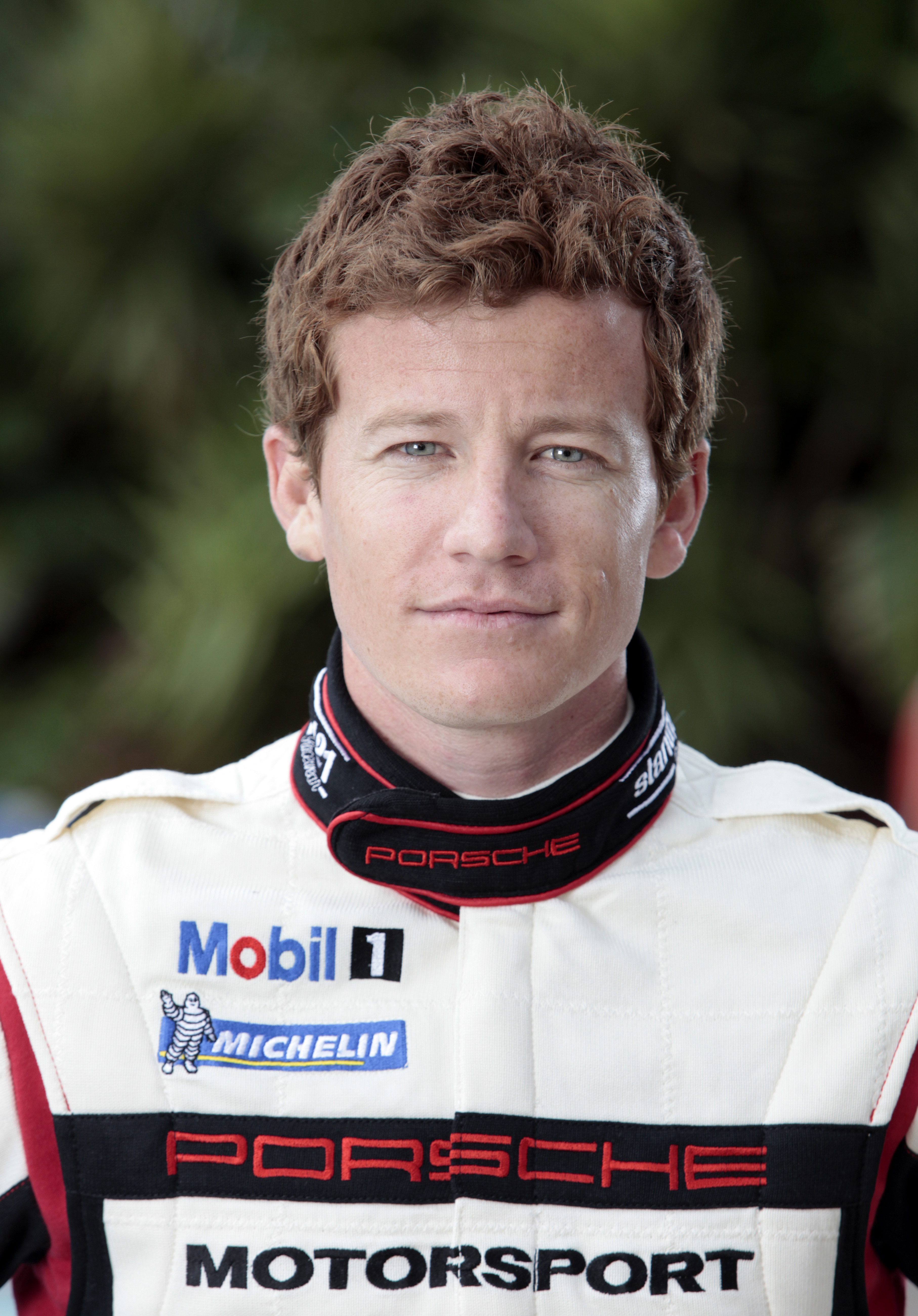
Patrick Long (No. 9, Porsche Team Manthey):
Patrick Long
“Yesterday I drove in the rain for the first time on the Nordschleife and that is something quite special. Our car is well balanced and I’m very happy about that. Regardless of whether it rains during the race or stays dry, I’m feeling well prepared.”
33 Porsche tackle the long distance classic in the Eifel
Stuttgart. A strong contingent of Porsche teams takes up the 24 hour race on the Nürburgring.
Like last year, Porsche AG as well as various customer teams field 33 vehicles featuring the characteristic six-cylinder boxer engine at the 39th running of the long distance classic in Germany’s Eifel region on 25/26 June.
Eight Porsche works drivers contest Germany’s greatest motorsport event at which Porsche has celebrated four overall victories in the last five years.
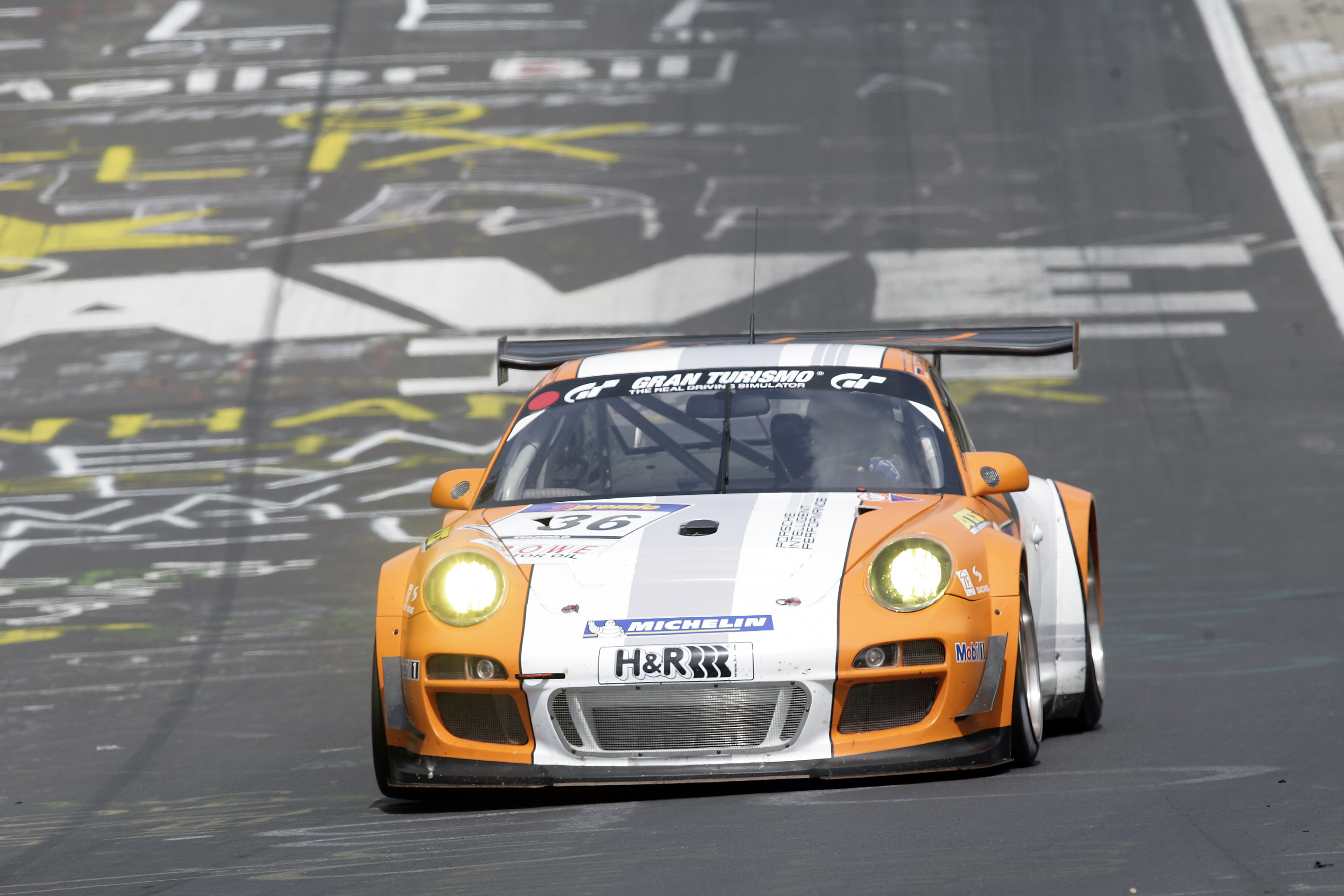
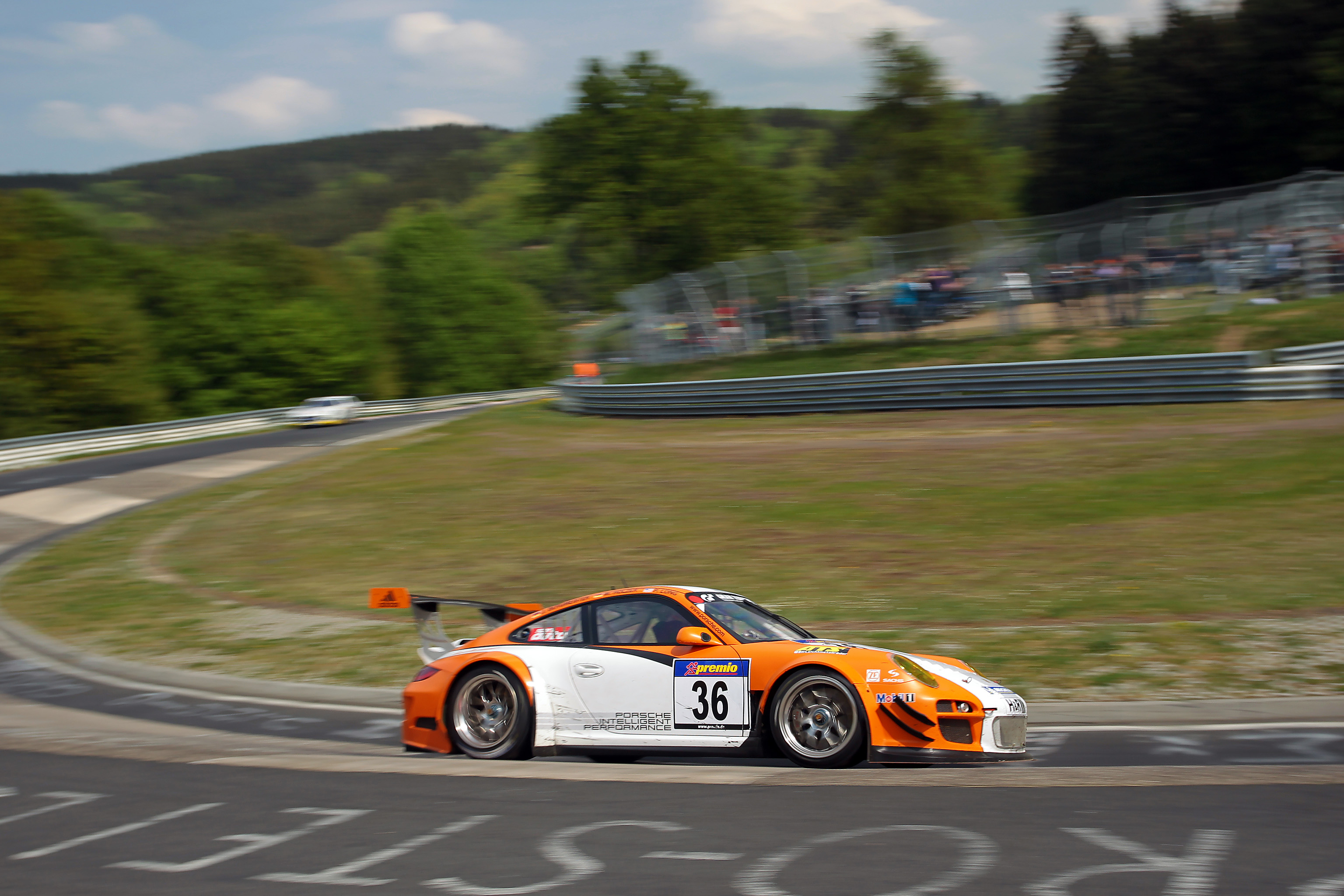
After an impressive 24 hour debut last year where it held the lead for eight hours witnessed by over 200,000 ardent spectators and grabbed headlines worldwide, the Porsche 911 GT3 R Hybrid returns to the Nordschleife this year with the starting number 9.
The vehicle, however, has been substantially reined in by the organizers.
After the latest reclassification, the combustion engine now delivers only 448 hp. Calculated over one lap, the further-developed 911 GT3 R Hybrid (Version 2.0) now delivers a lower system output than last year’s vehicle with a combustion engine.
“This further reduction in performance by the organisers is incomprehensible to us,” says Porsche Head of Motorsport, Hartmut Kristen. “There are no data from the two test races as part of the 2011 Nürburgring Long Distance Championship that would provide the basis for such a grading. Our goal was and is to achieve similar lap times to other GT3 vehicles, but with better efficiency. We feel this goal is the right one long term and very much regret that some officials in motorsport can’t or won’t yet come on board with this approach.”
Sharing the cockpit of the Porsche 911 GT3 R Hybrid 2.0 are Porsche factory pilots
Joerg Bergmeister (Germany)
Richard Lietz (Austria)
Patrick Long (USA)
and Marco Holzer (Germany)
who were all deeply involved in the vehicle development. The efficiency of the innovative race car from Weissach was improved through targeted optimisation of the hybrid components. The general hybrid layout of the Version 2.0 was adopted from its predecessor. The output of both electric motors in the portal axle increased from 60 to 75 kilowatts each. They supplement the four-litre six-cylinder boxer engine which now only delivers 448 hp after the repeated power reduction.
For seconds at a time, pilots now have about 200 hp more at their disposal, which is equivalent to ca. 32 hp of additional conventional power per Nordschleife lap. Depending on the programming, this electrical power is automatically activated through use of the throttle pedal.
Moreover, hybrid pilots can manually call up this extra power, for instance when overtaking.
“We’ll go all out to continue on from last year’s strong performance with the 911 GT3 R Hybrid. It won’t be easy against the strong opposition who have taken major steps forward, particularly since our car has been disproportionately handicapped,” says Joerg Bergmeister. The Porsche works driver is looking forward to the Nordschleife: “It’s one of the world’s most beautiful race tracks. It’s incredibly demanding but it’s incredible fun as well. Every lap is a challenge.”
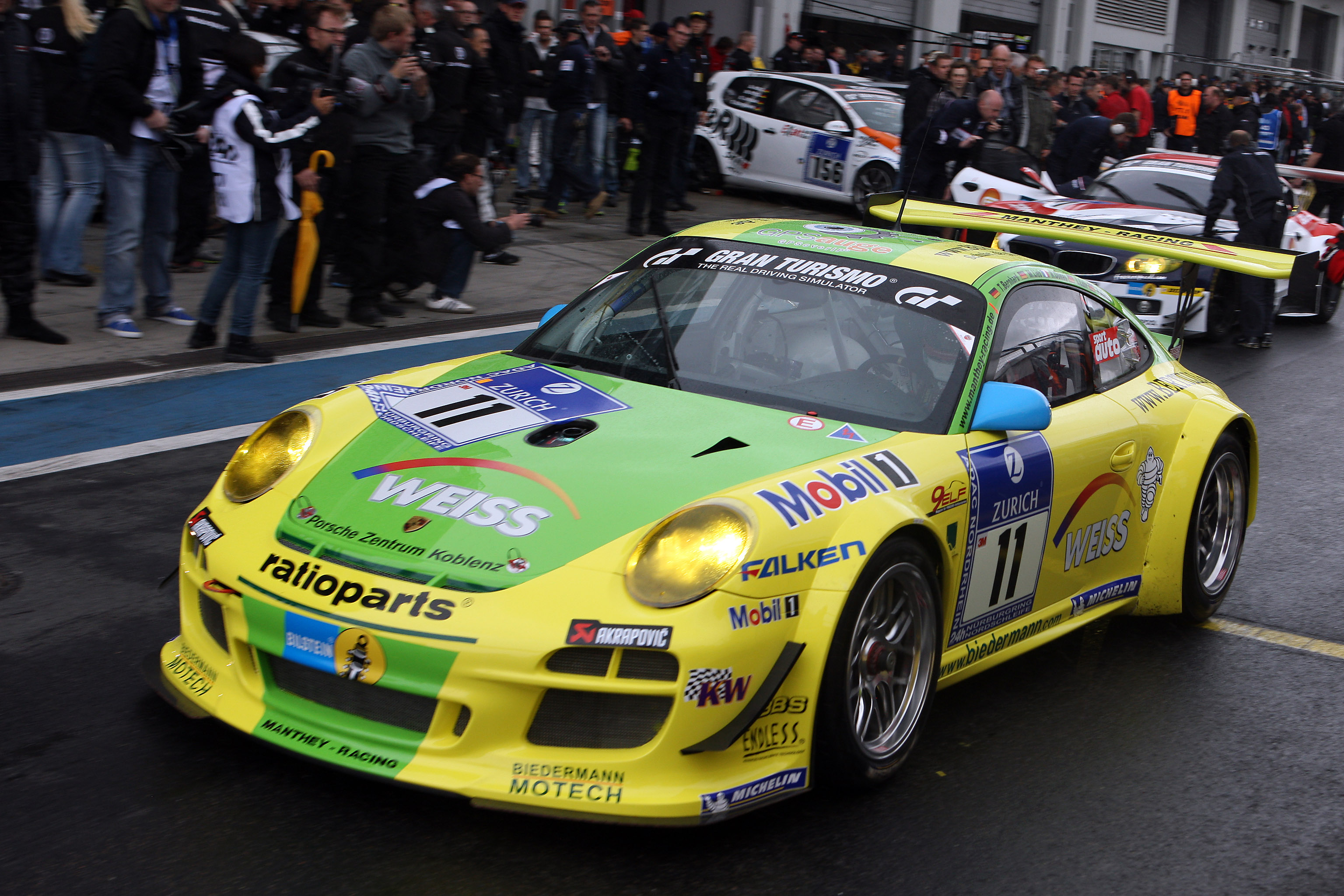
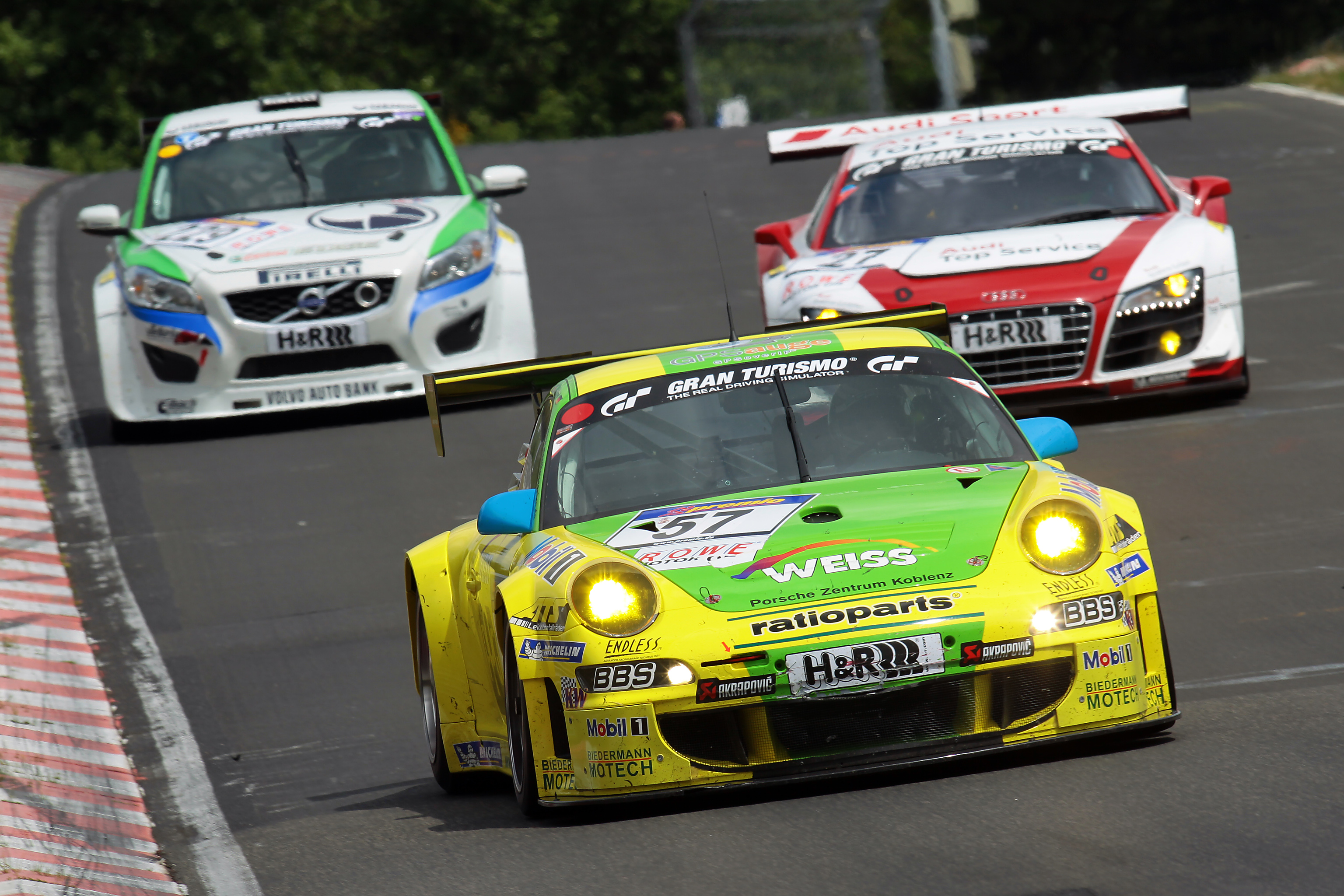
This year, the winning Manthey Racing squad fields two Porsche 911 – a GT3 R and a GT3 RSR – sporting a prominent yellow-green design. Manning both vehicles is the winning Porsche works driver quartet, Timo Bernhard (Germany),
Romain Dumas (France)
Marc Lieb (Germany)
as well as Manthey pilot Lucas Luhr (Switzerland)
who have notched up over 50 major international titles between them.
Every year, Timo Bernhard is thrilled anew by the unique atmosphere of the non-stop motorsport party.
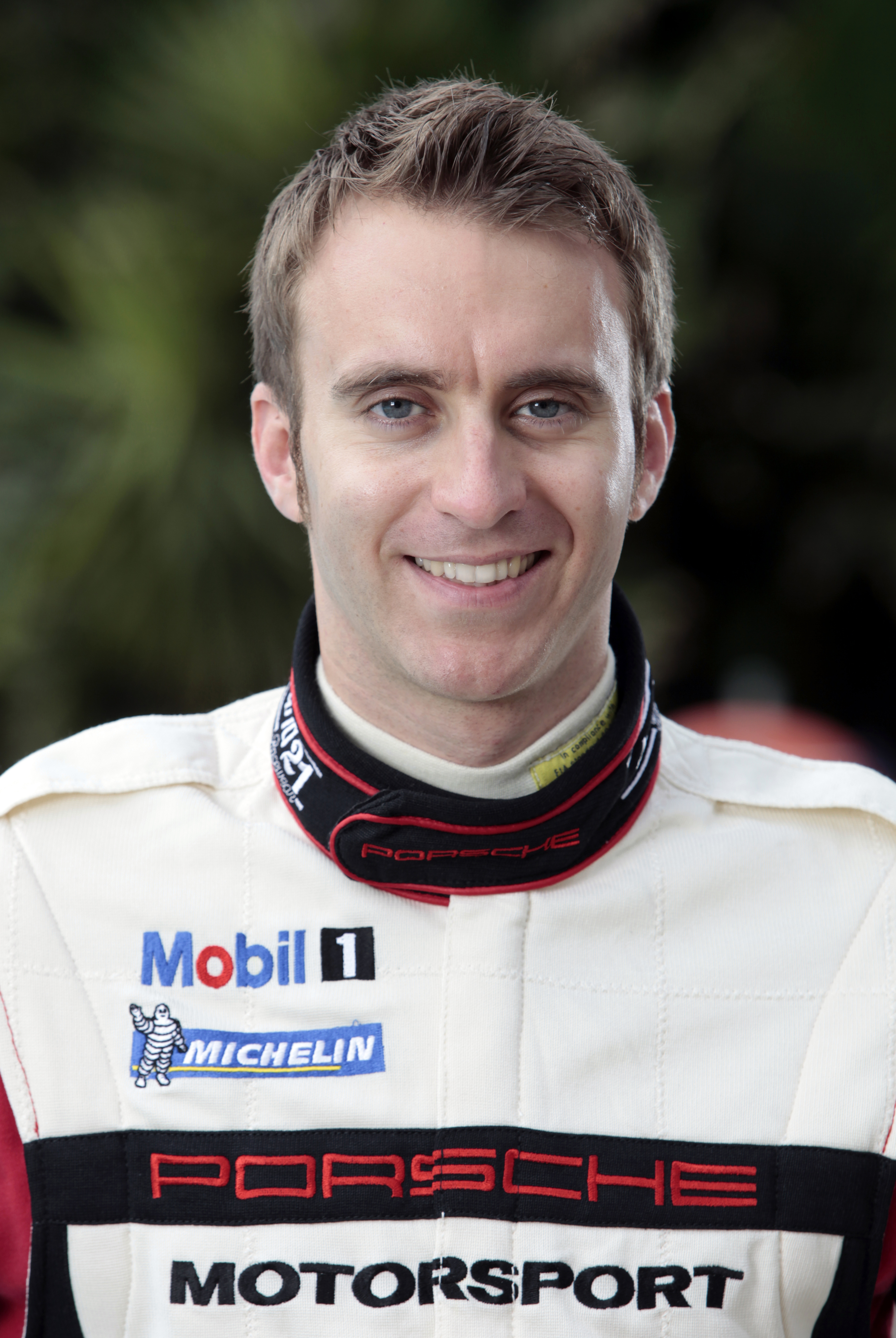
Timo Bernhard
“Driving on the Nordschleife is always an experience,” says the Porsche works driver and Le Mans winner, who has contributed to all four Porsche overall victories here between 2006 and 2009. “Although you’re constantly challenged as a driver and there is no chance to catch your breath over the long laps, you still don’t want to climb out of the car.”
Another Porsche factory pilot, Wolf Henzler (Germany), competes for the Falken Motorsport team.
His teammates in the #44 Porsche 911 GT3 R are Martin Ragginger (Austria), Peter Dumbreck (Great Britain) and Sebastian Asch (Germany).
Also hoping for a top result is the Haribo Manthey Racing (No. 8) line-up of Richard Westbrook (Great Britain), Christian Menzel (Germany), Mike Stursberg (Germany) and Hans Guido Riegel (Germany).
With the all-German crew of Georg Weiss, Oliver Kainz, Michael Jacobs and Jochen Krumbach, the Wochenspiegel Team Manthey has proven Nordschleife specialists at the wheel of the #26 Porsche 911 GT3 RSR.
Manthey Racing’s Porsche 911 GT3 R (No. 10) is manned by another strong squad with Marc Gindorf (Monaco), Wolfgang Kohler (Germany) and Peter Scharmach (New Zealand).
The 39th edition of the Nürburgring 24 hour race starts on Saturday 25 June at 16.00 hours. Television station Sport1 broadcasts a total of over 13 hours live on Saturday (from 15.45 hours) and Sunday (from 07.00 hours) intermittently. A one-hour highlight programme of the race will be televised on Sunday at 22.30 hours.
This slideshow requires JavaScript.
Schedule Nürburgring 24 hour race
Thursday, 23 June
14.30 – 16.00 hrs, Free practice
19.30 – 23.30 hrs, 1st qualifying
Friday, 24 June
14.00 hrs, Porsche press conference
16.55 – 18.55 hrs, 2nd qualifying
Saturday, 25 June
13.30 – 15.10 hrs, Grid line-up
15.40 hrs, Formation lap
16.00 hrs, Start
PCNA Team to Report the Sights and Sounds from Germany’s Nurburgring
ATLANTA, June 9, 2011 /PRNewswire/ — Porsche Cars North America is entering a 911 GT3 Cup racecar and dispatching six employees to the inaugural Porsche Carrera World Cup race, which is held during the same weekend as the 39th ADAC 24 Hours of Nurburgring Race in Germany, June 25, 2011. The team will document and share all the off and on-track excitement on the “The Hub”, Porsche Cars North America’s new social media press site.
PORSCHE CARS NORTH AMERICA, INC. 911 GT3 R HYBRID Porsche 911 GT3 R Hybrid at the Nurburgring. (PRNewsFoto/Porsche Cars North America, Inc., Jan Brucke) ATLANTA, GA UNITED STATES (Photo: http://photos.prnewswire.com/prnh/20110609/CL17259-a )
Held prior to the start of the 39th ADAC 24 Hour Race, the Porsche Carrera World Cup will pit up to 200 competitors and their Porsche 911 GT3 Cup racers against each other and the Nurburgring Nordschleife.
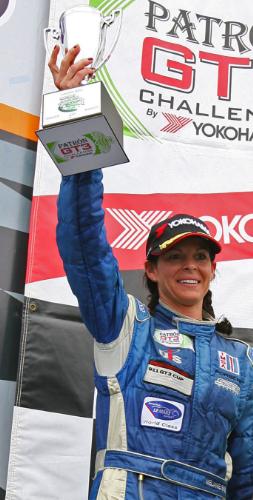
When American Le Mans Series (ALMS) GTC Champion Melanie Snow joins the other Porsche 911 GT3 Cup racers on the starting grid at 10:30 am local time, at Germany’s legendary Nurburgring on June 25, she’ll not only have a unique ground support crew; she is slated to be the only female racer to compete in the Carrera World Cup.
The Porsche employee team, selected from submitted video and written essays detailing their motorsports passion, will be on hand to capture and share the insider’s view on what it takes to compete internationally, what it feels – and sounds – like from the driver’s seat and who’s who in the world of Porsche motorsports.
PCNA employees were also involved in selecting the racing livery, with the winning design designed in-house. The 70.2-mile race is six complete laps of 15.5 miles each with nearly 200,000 spectators expected.
The Porsche Carrera World Cup includes drivers from Porsche’s 18 brand trophy and challenge series worldwide and this race also counts as a competition round towards several other championships, including the Porsche Carrera Cups in Germany, Scandinavia, France and Italy.
911 GT3 R Hybrid “2.0”
Following the Porsche Carrera World Cup race, Porsche takes on the Nurburgring 24-hour race with the latest-generation 911 GT3 R Hybrid. ‘Version 2.0’ features a flywheel accumulator hybrid system that is 20 percent lighter than last year; a weight saving that targets the same lap times as its predecessor, but with even less fuel consumption, resulting in fewer pit stops for fuel. The general layout of the hybrid engine remains the same; however, the output of the electric motors increases from 60 to 75 kilowatts each, or from approximately 80 to 100 horsepower per motor.
Driving the 911 GT3 R Hybrid 2.0, will be
Patrick Long (USA),
Richard Lietz (AUS)
and Marco Holzer (GER).
The trio claimed the first win for the 911 GT3 R Hybrid 2.0 at the VLN 4-hour Nurburgring Long Distance Championship on May 30.
To show their enthusiasm for Porsche motorsports, racing fans can order t-shirts, including a shirt with Melanie Snow’s motto “Some Girls Chase Boys, I Pass Them,” hats and a special edition limited run die-cast model of her 911 GT3 Cup car will be available at http://shop4.porsche.com/usa/ later this month.
In addition to featuring photos and videos posted by the on-site Porsche employee team, “The Hub” will also serve as a Porsche motorsports history destination, including historic racing images from Porsche archives and Porsche motorsports milestones.
Porsche Cars North America, Inc. (PCNA), based in Atlanta, Ga. is the exclusive U.S. importer of Porsche sports cars, the Cayenne SUV and Panamera Sedan. Established in 1984, it is a wholly-owned subsidiary of Porsche AG, which is headquartered in Stuttgart, Germany, and employs approximately 220 people who provide parts, service, marketing and training for 195 dealers. They, in turn, work to provide Porsche customers with a best-in-class experience that is in keeping with the brand’s 63-year history and leadership in the advancement of vehicle performance, safety and efficiency. At the core of this success is Porsche’s proud racing heritage that boasts some 30,000 motorsport wins to date.
Stuttgart. Last year’s winners narrowly missed out on the podium at the 79th running of the long distance classic.
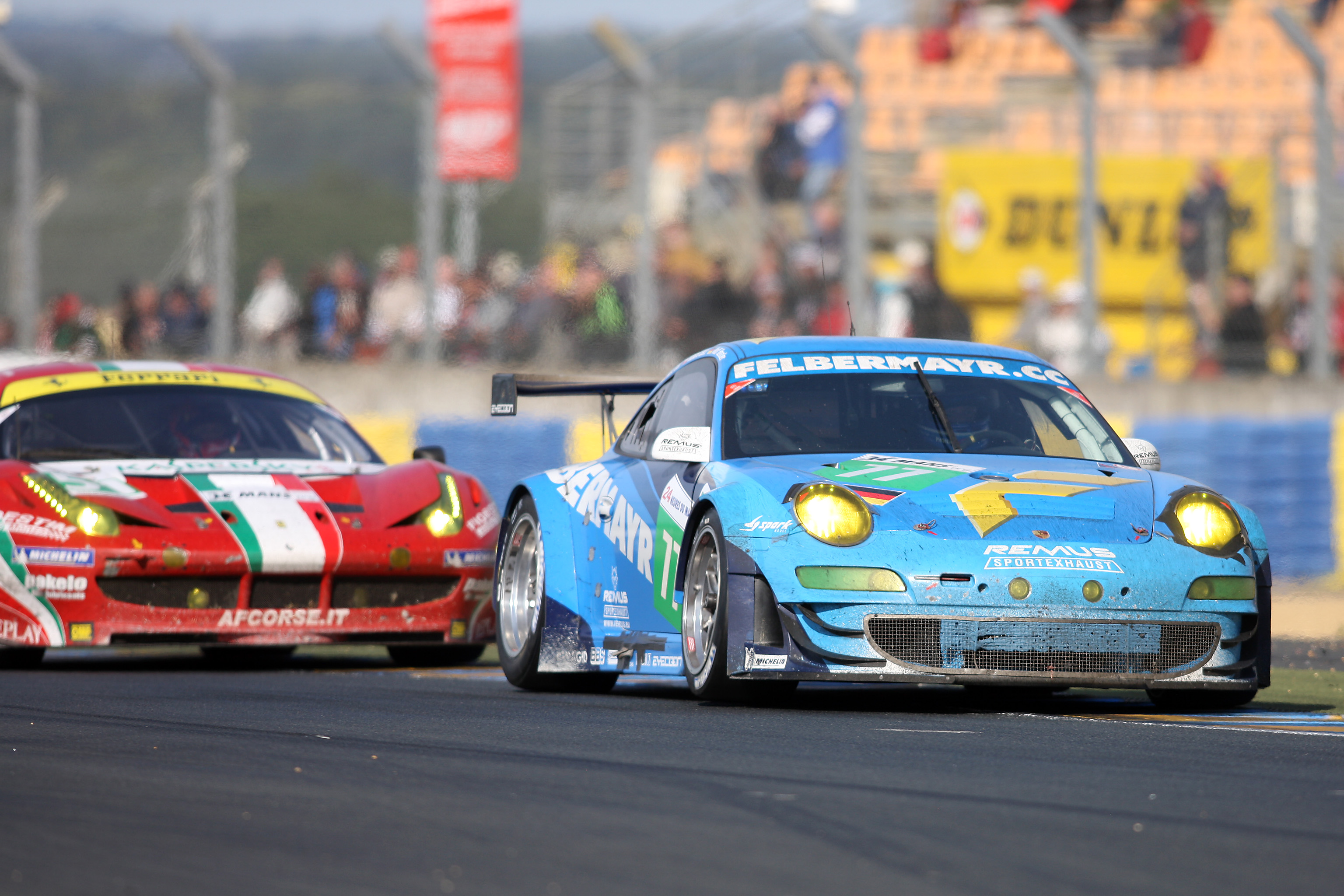
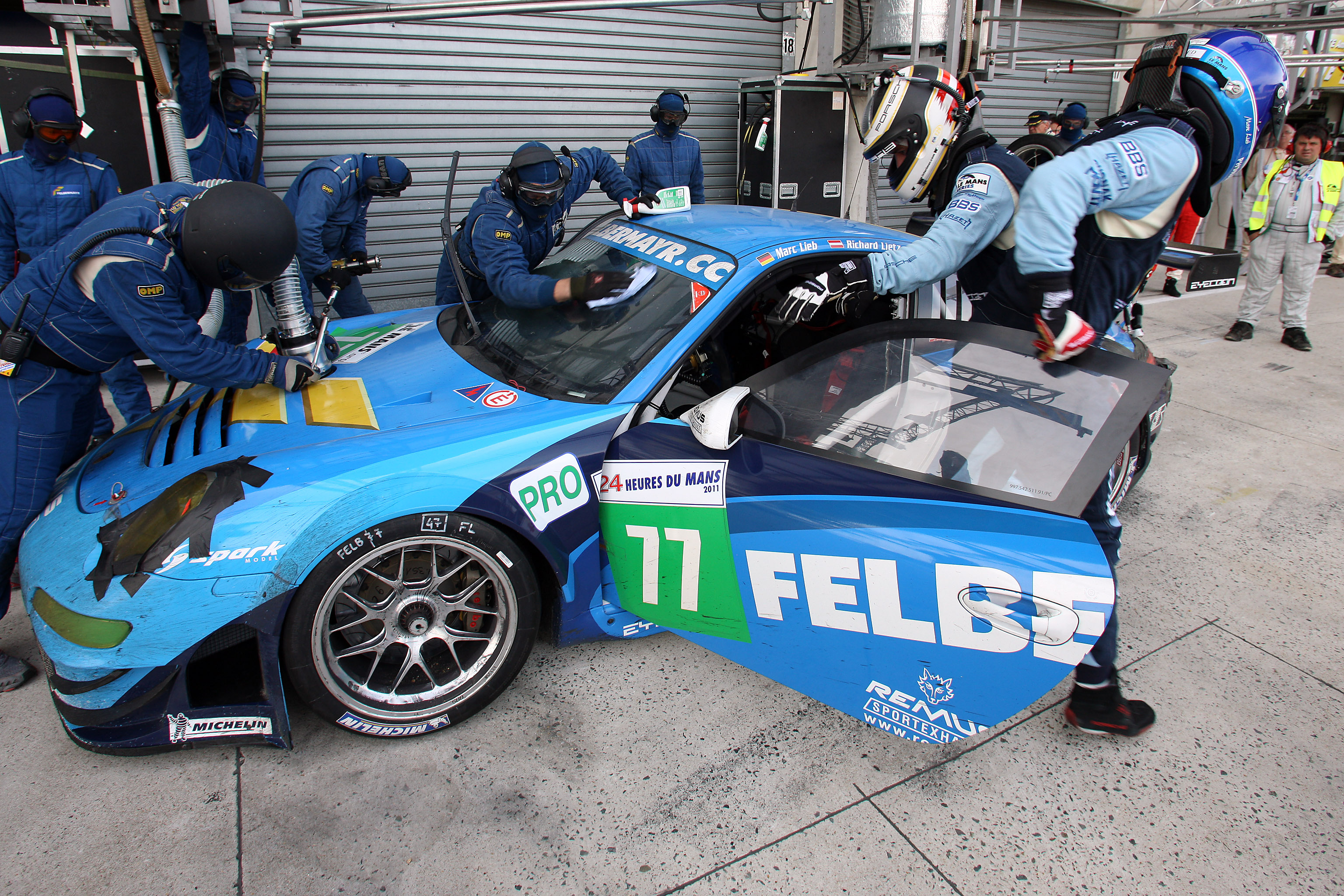
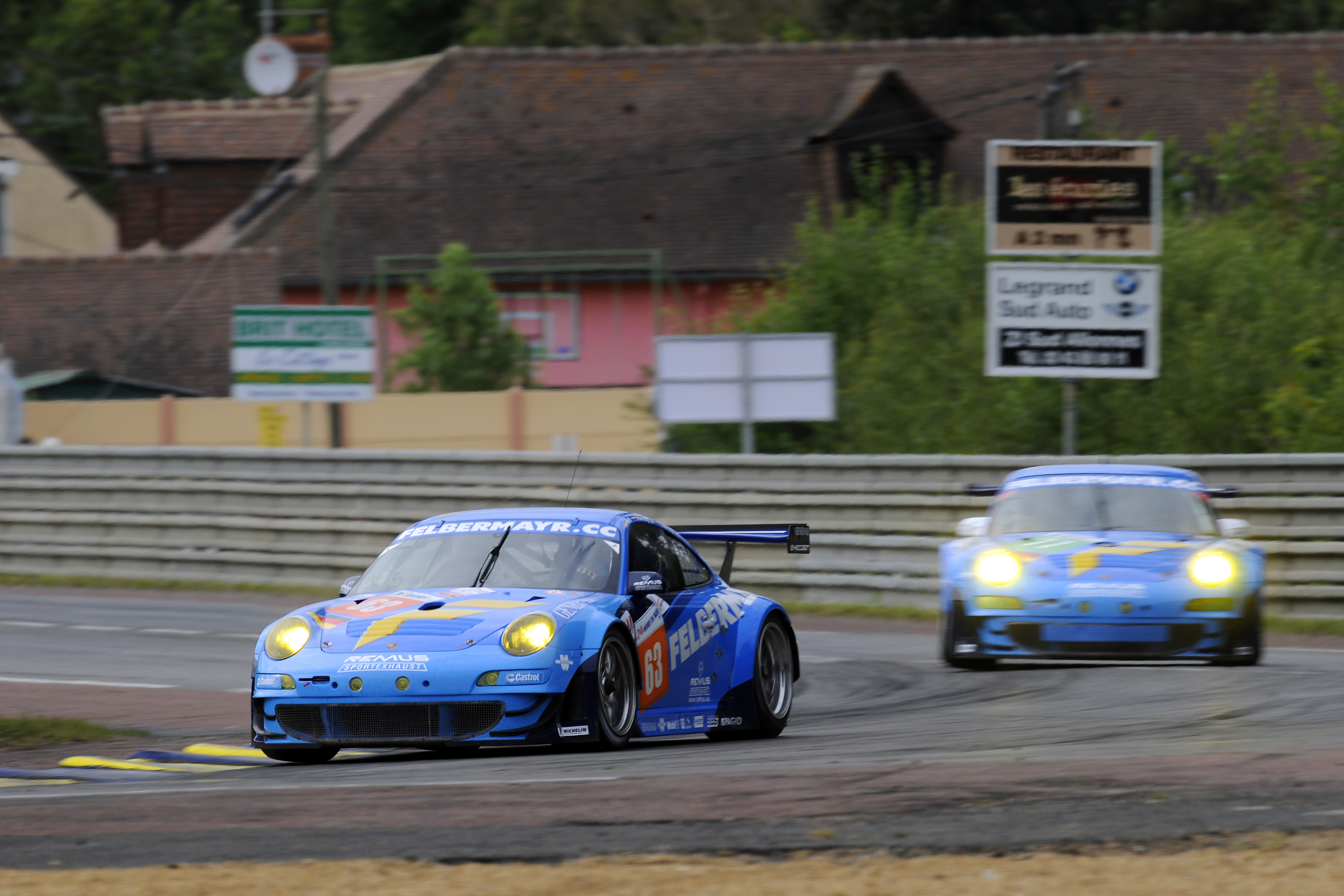
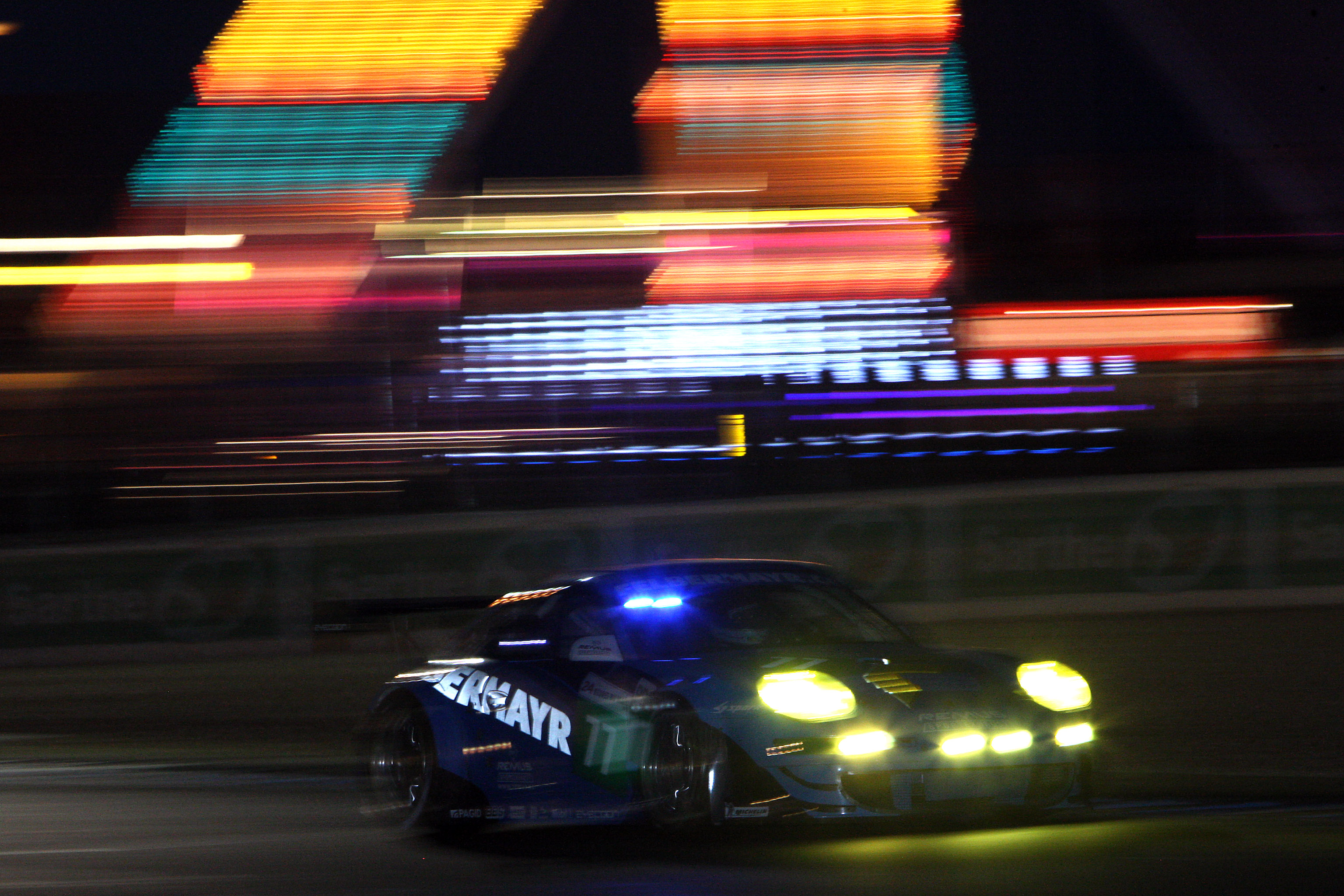
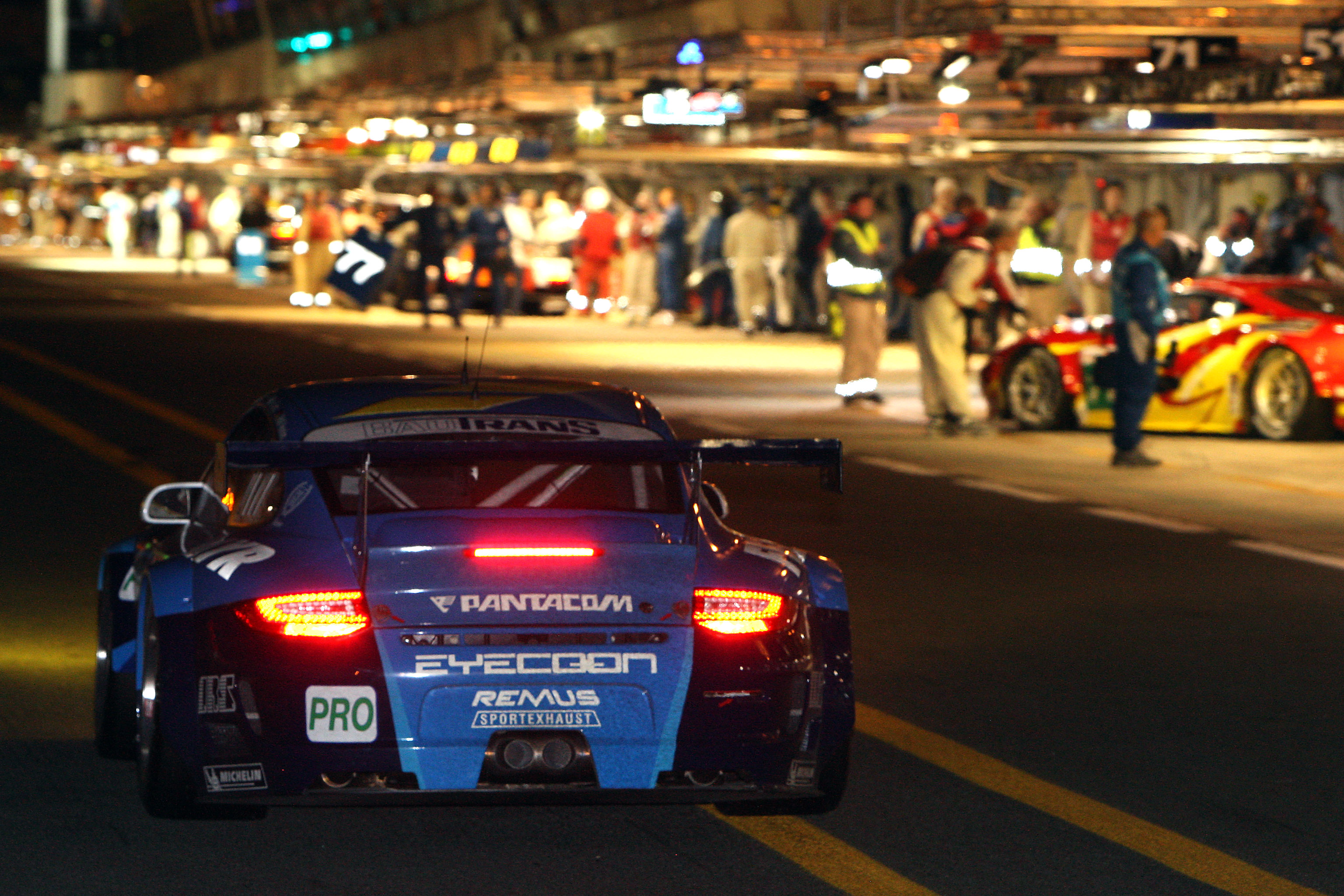
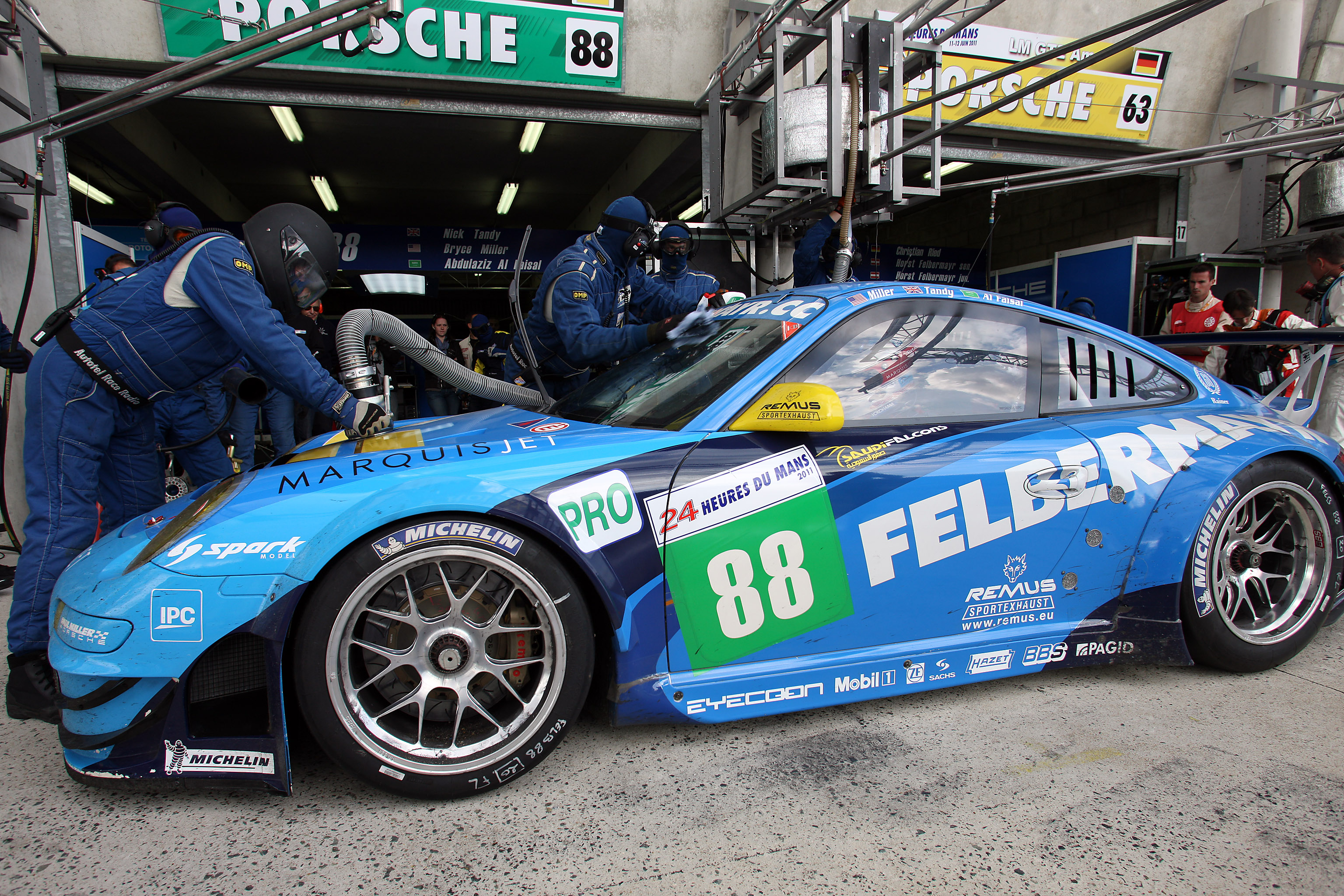
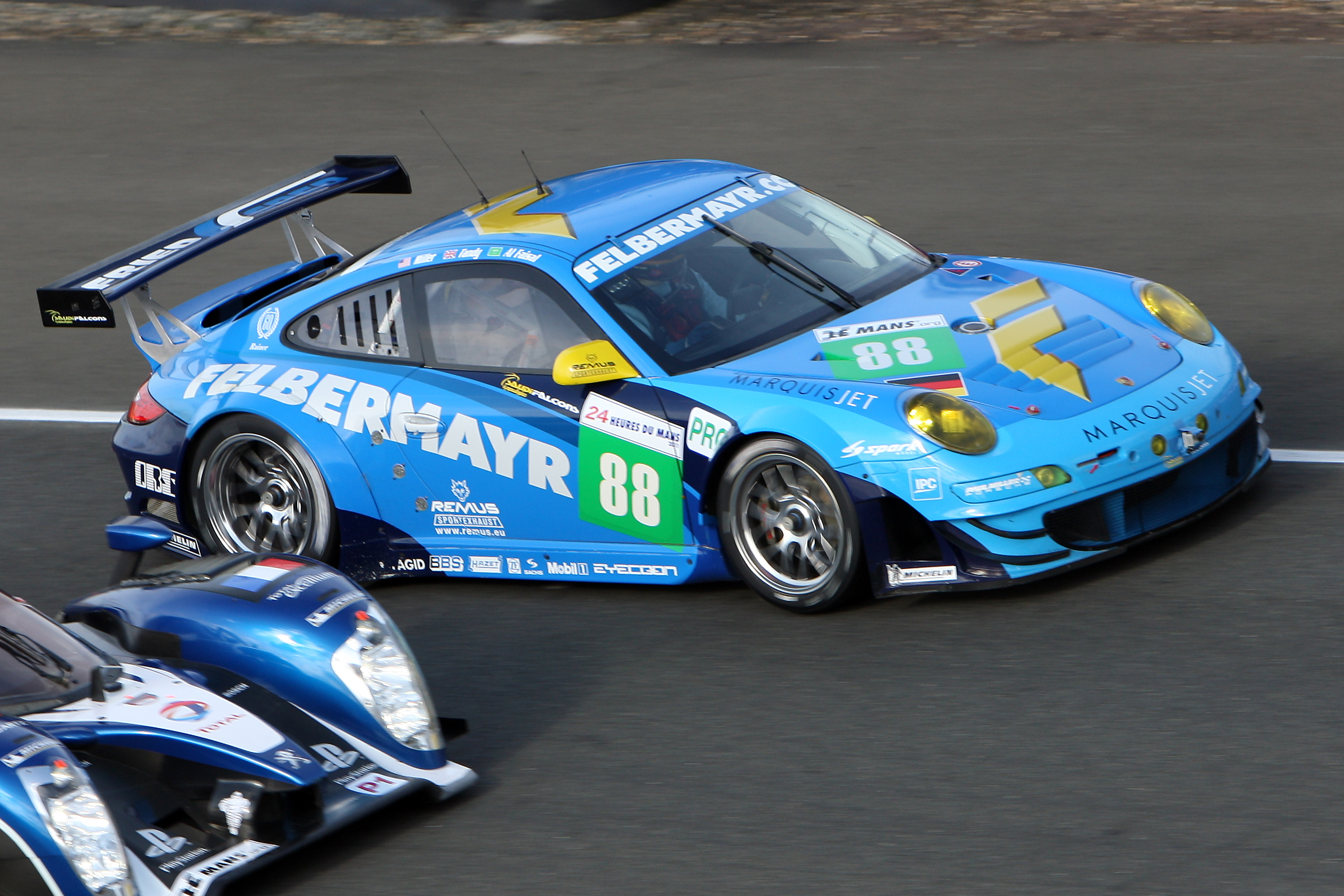
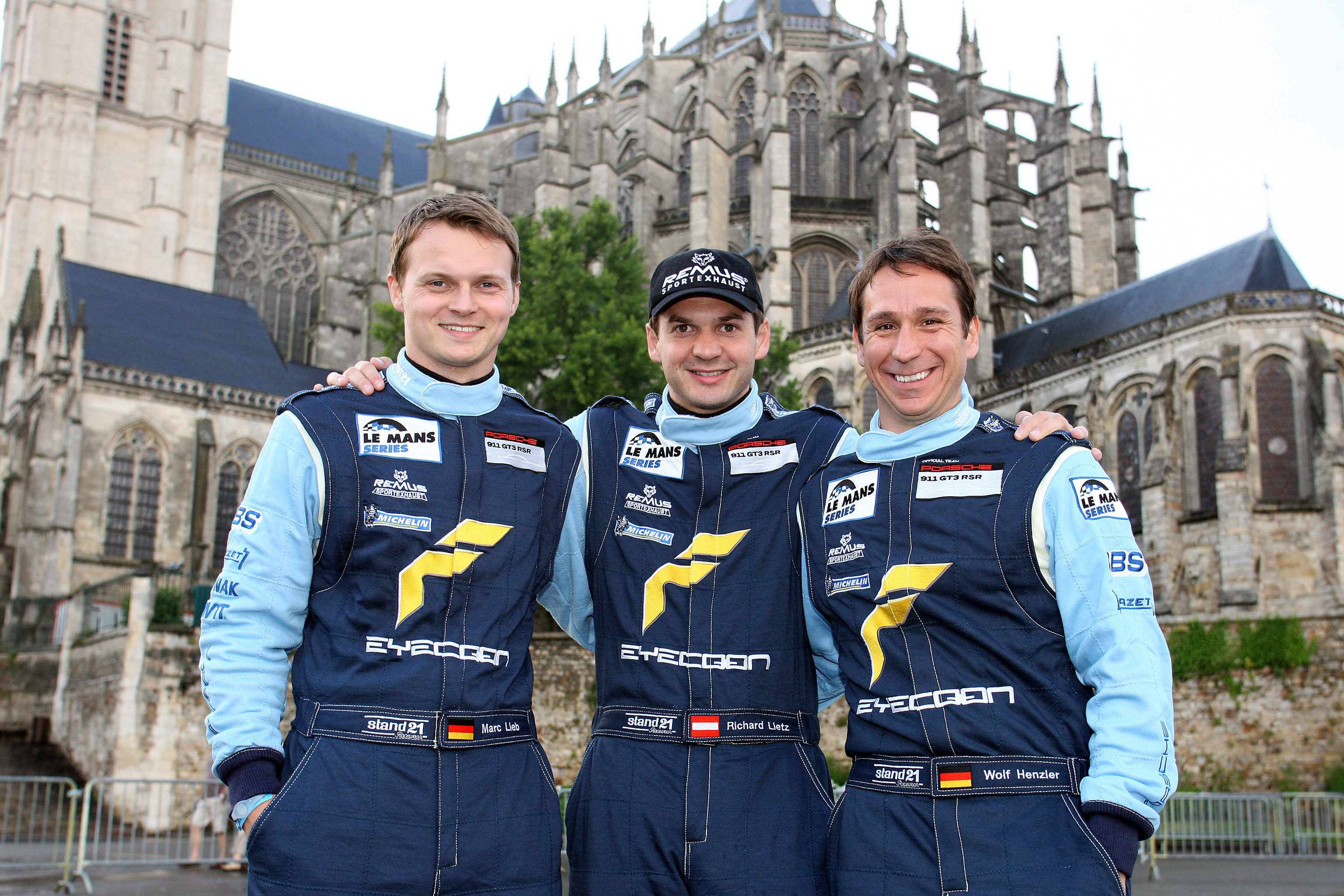
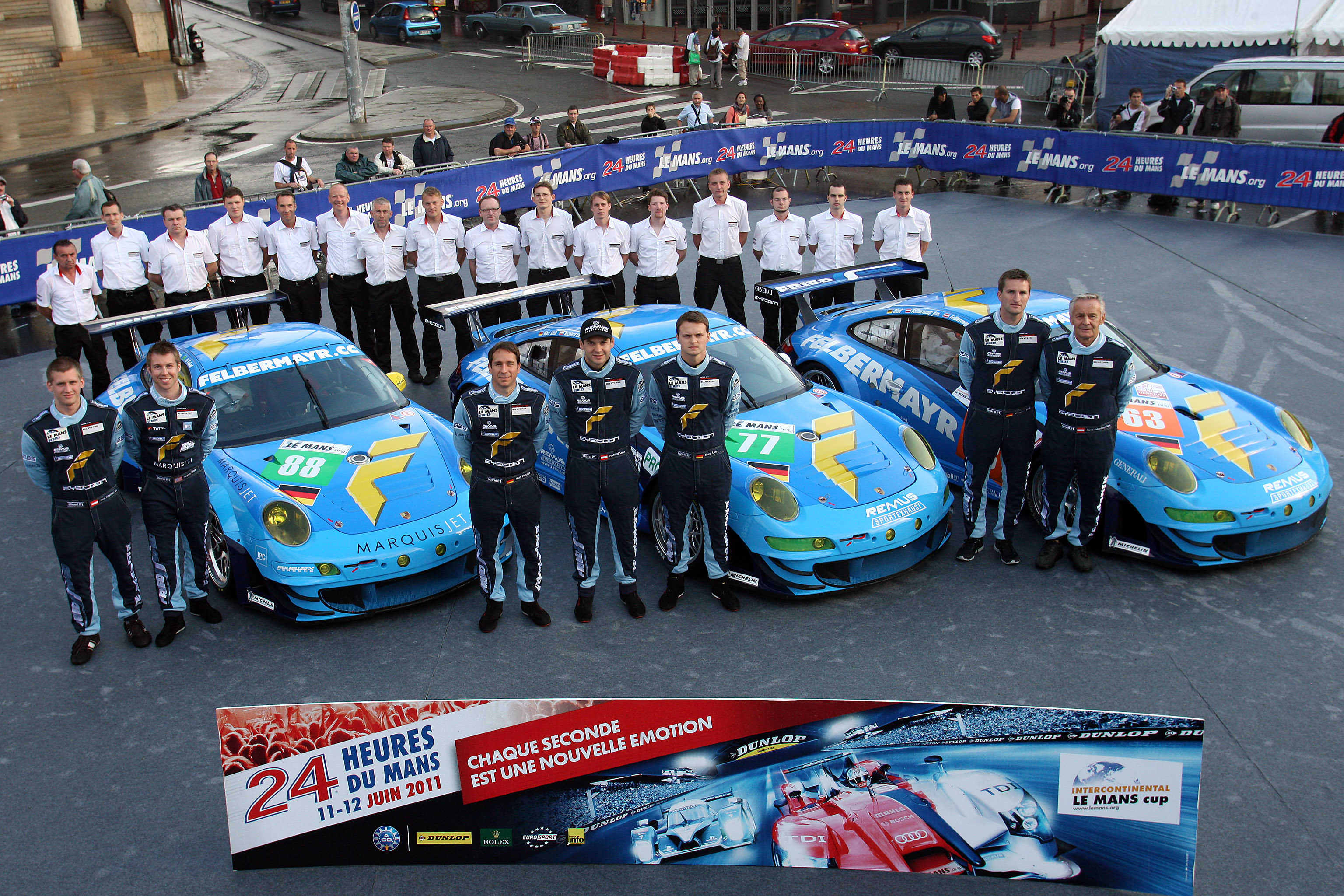
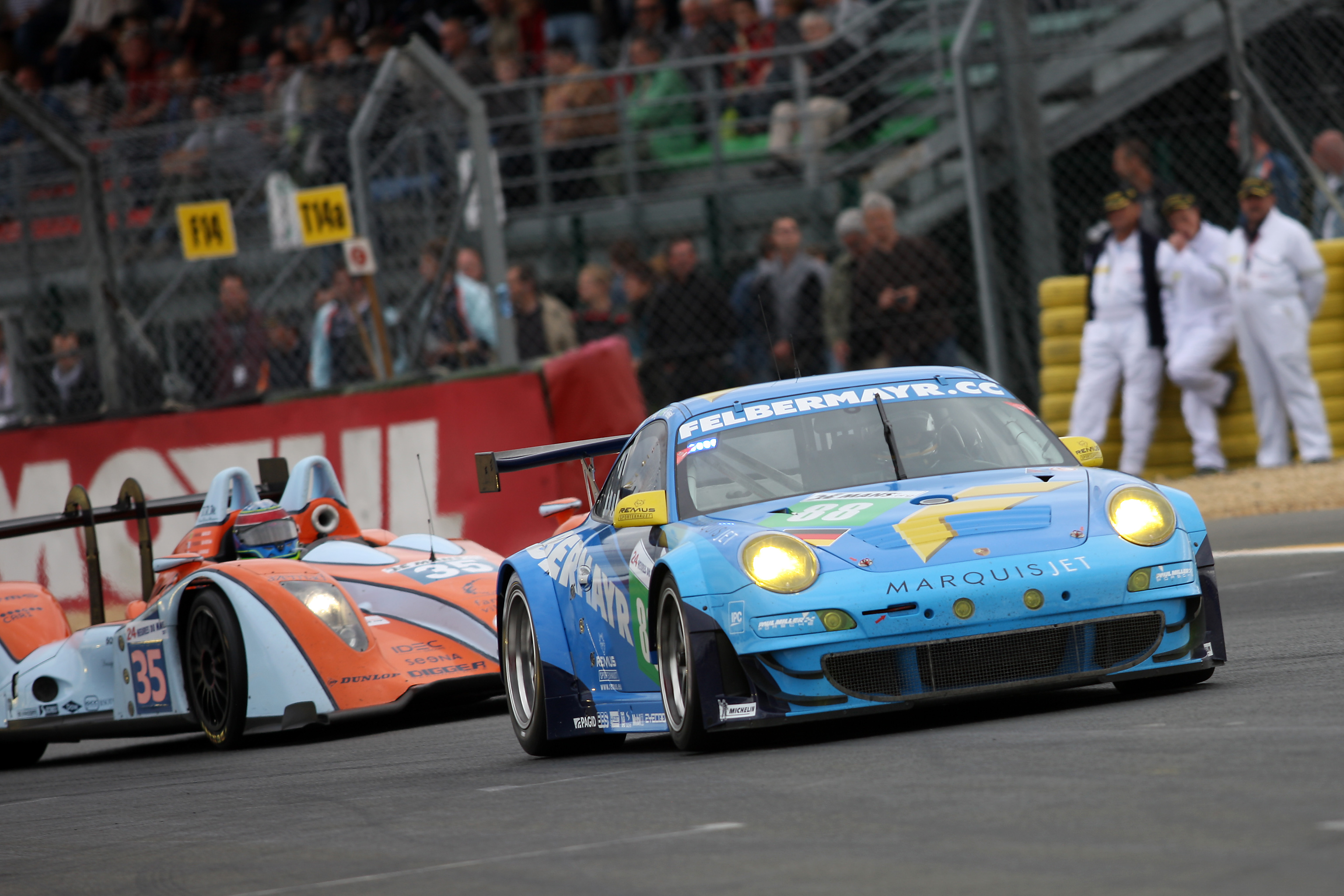
Porsche 911 GT3 RSR, Team Felbermayr-Proton: Richard Lietz, Marc Lieb, Wolf Henzler
After 24 hours, the Felbermayr-Proton team with Porsche works drivers
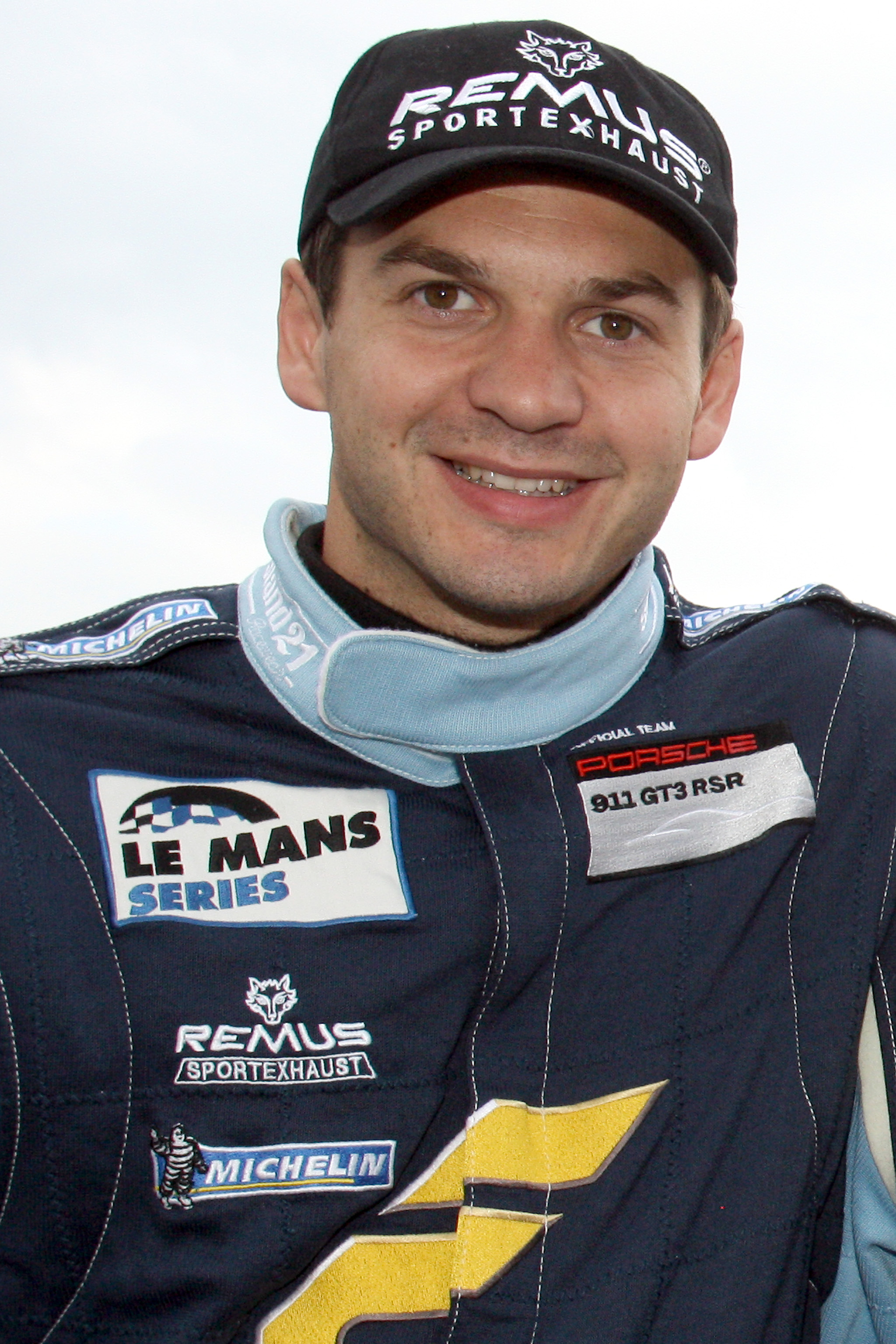
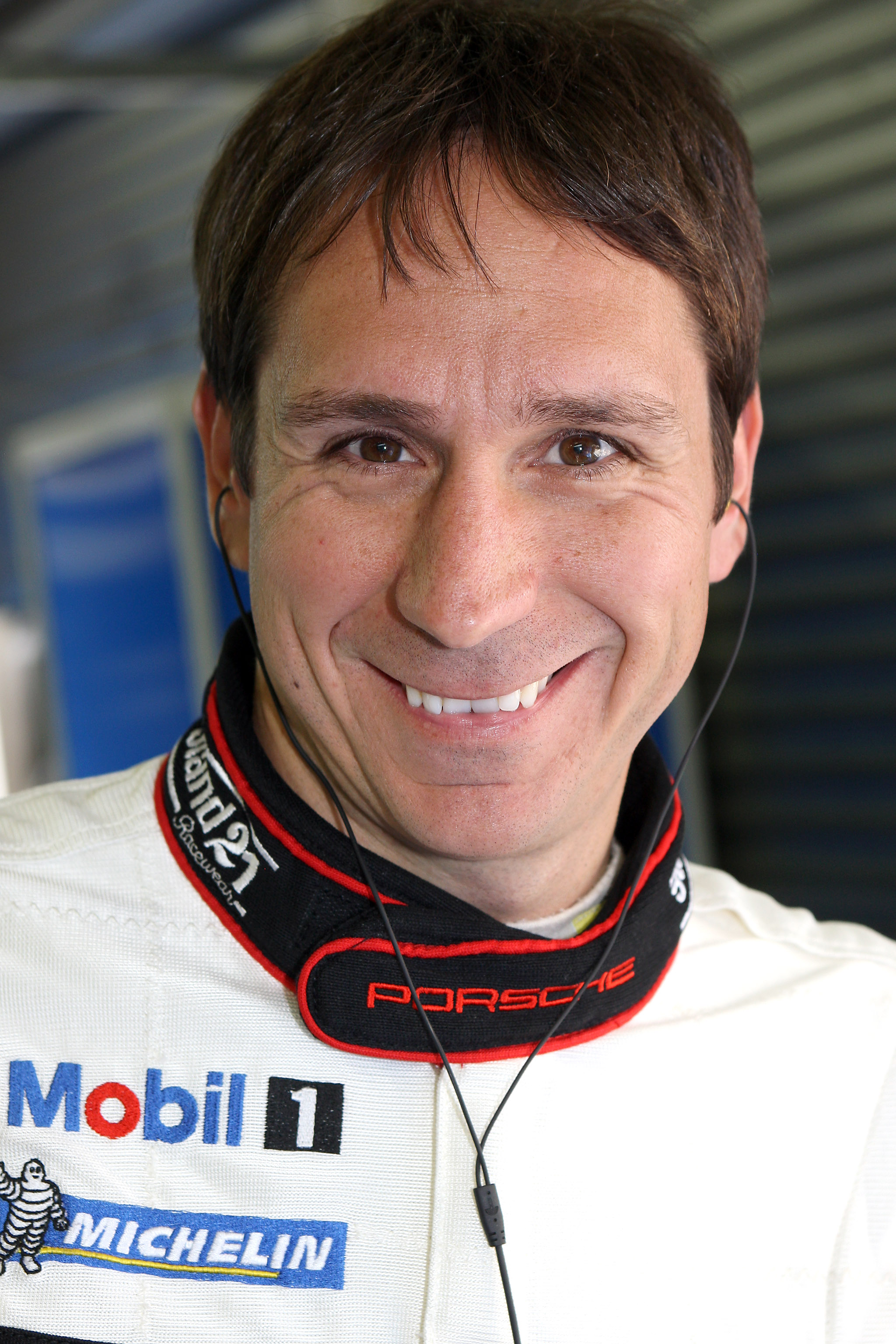
Marc Lieb (Germany),
Richard Lietz (Austria)
and Wolf Henzler (Germany) received the flag as fourth in the GTE Pro sports car class.
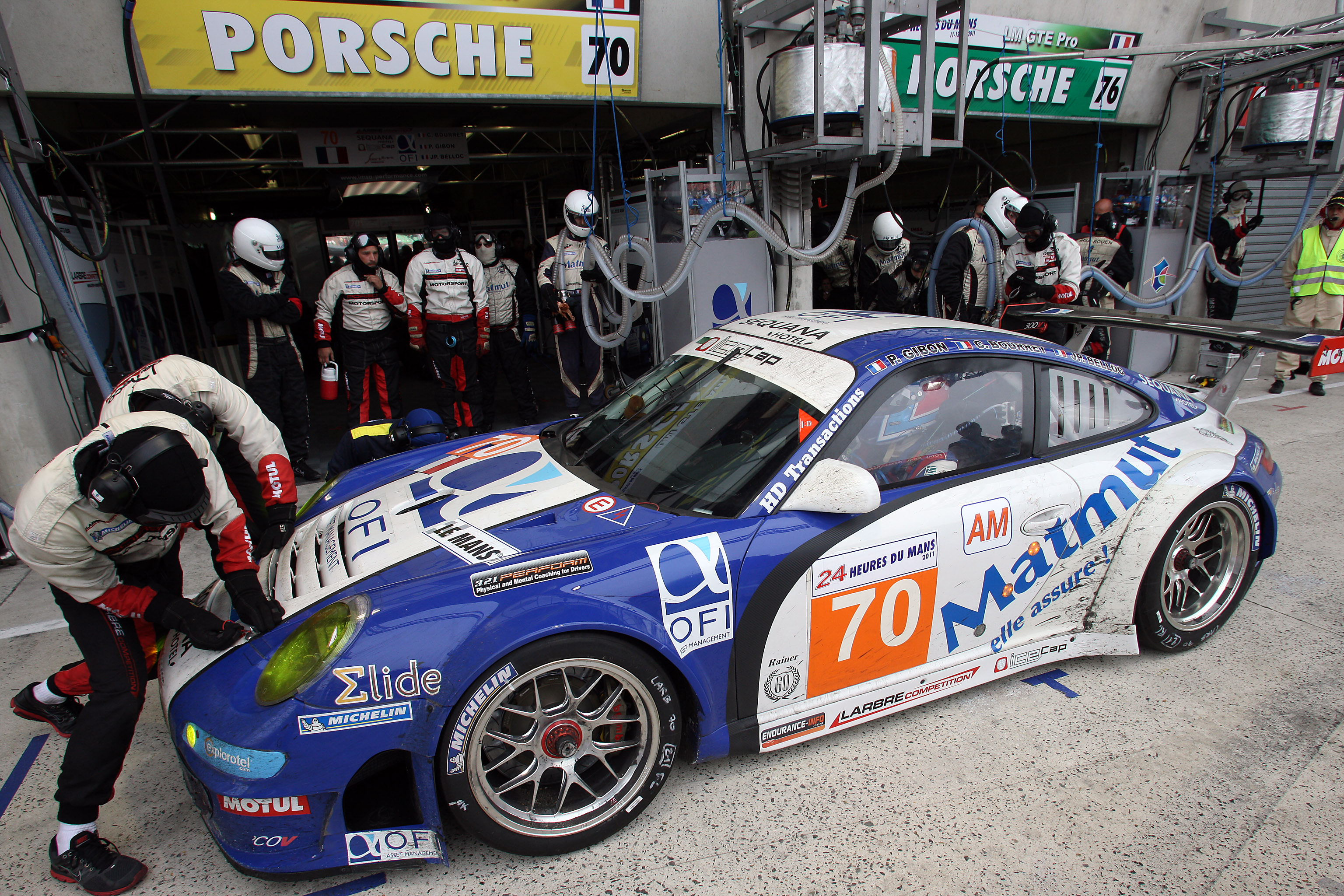
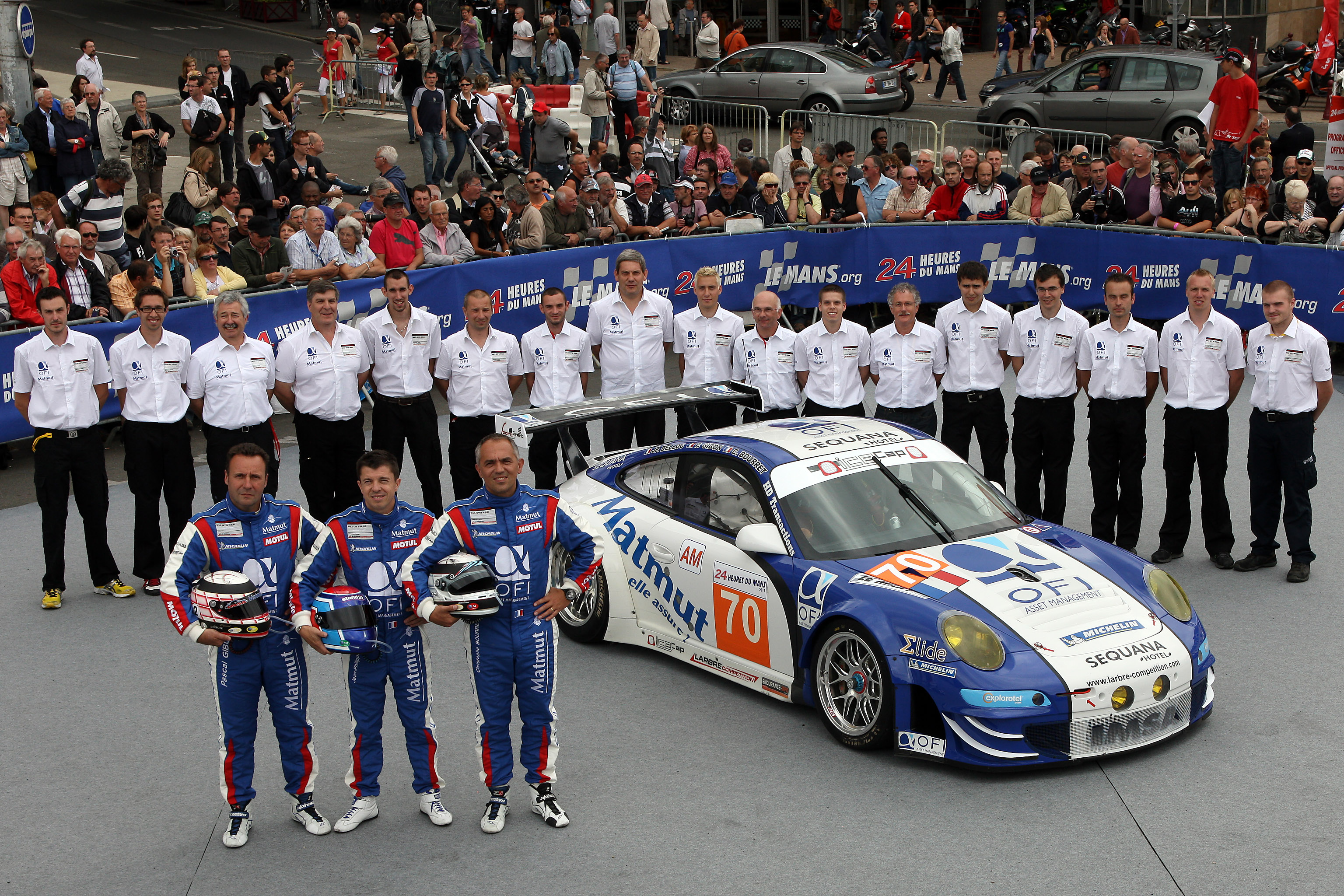
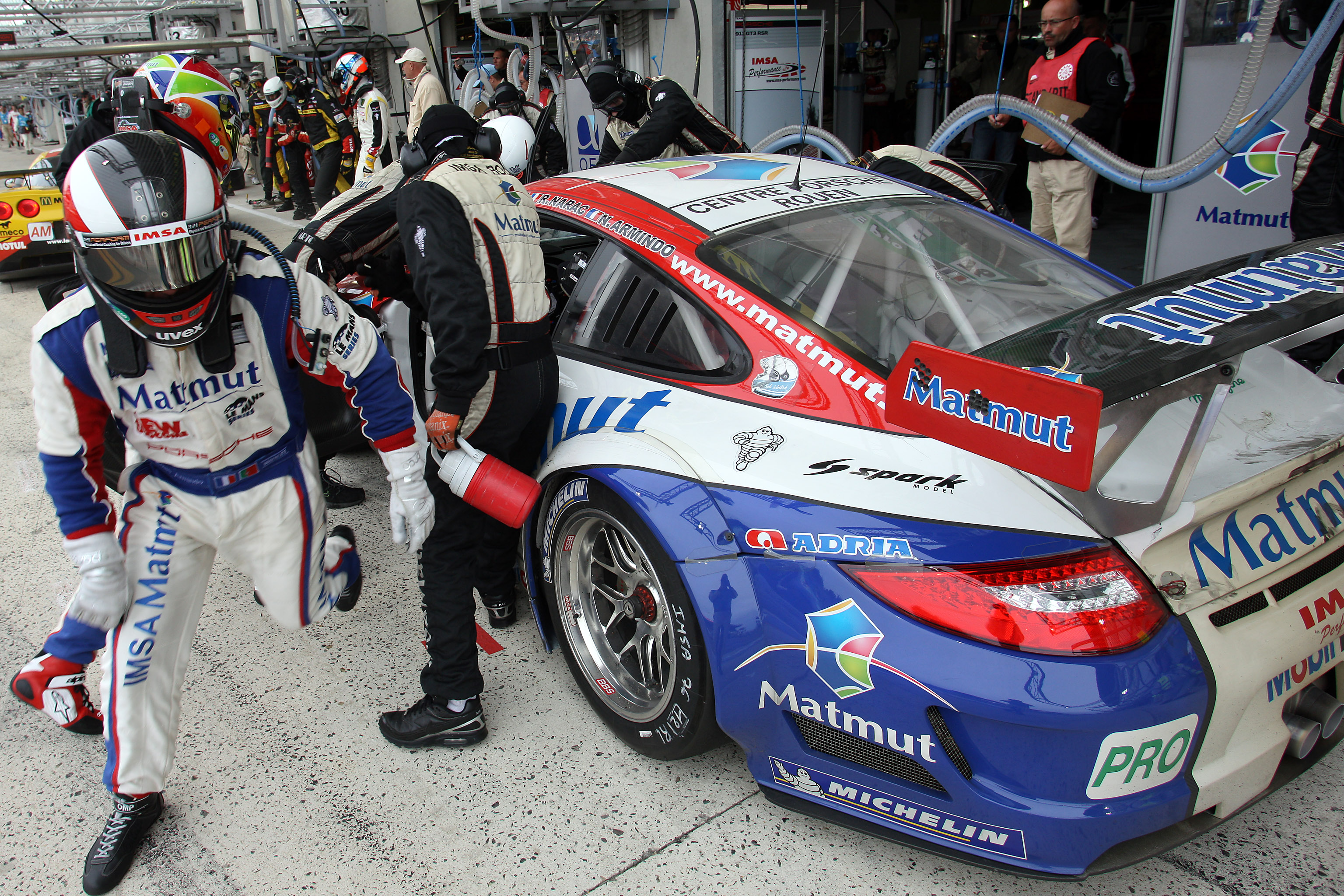
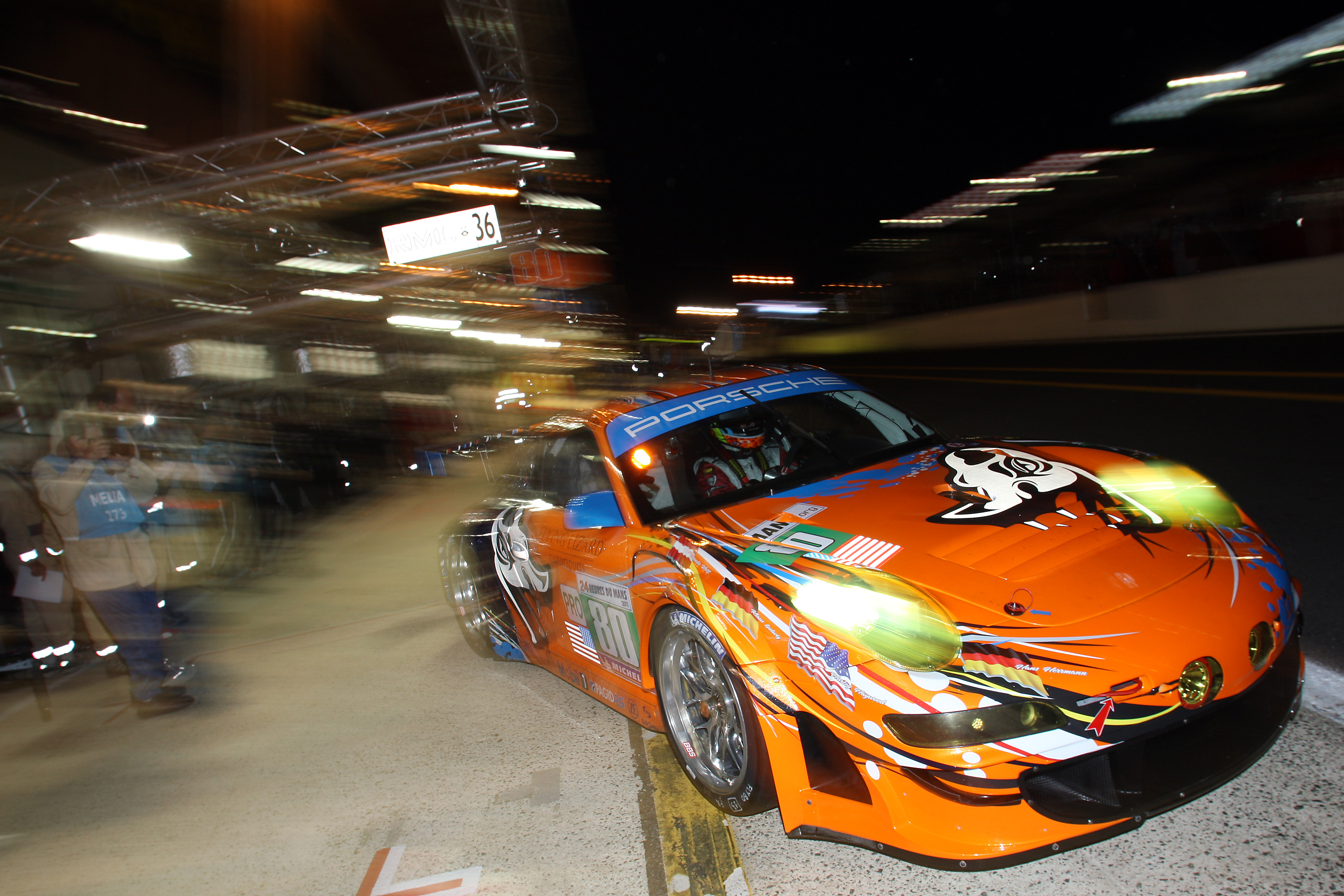
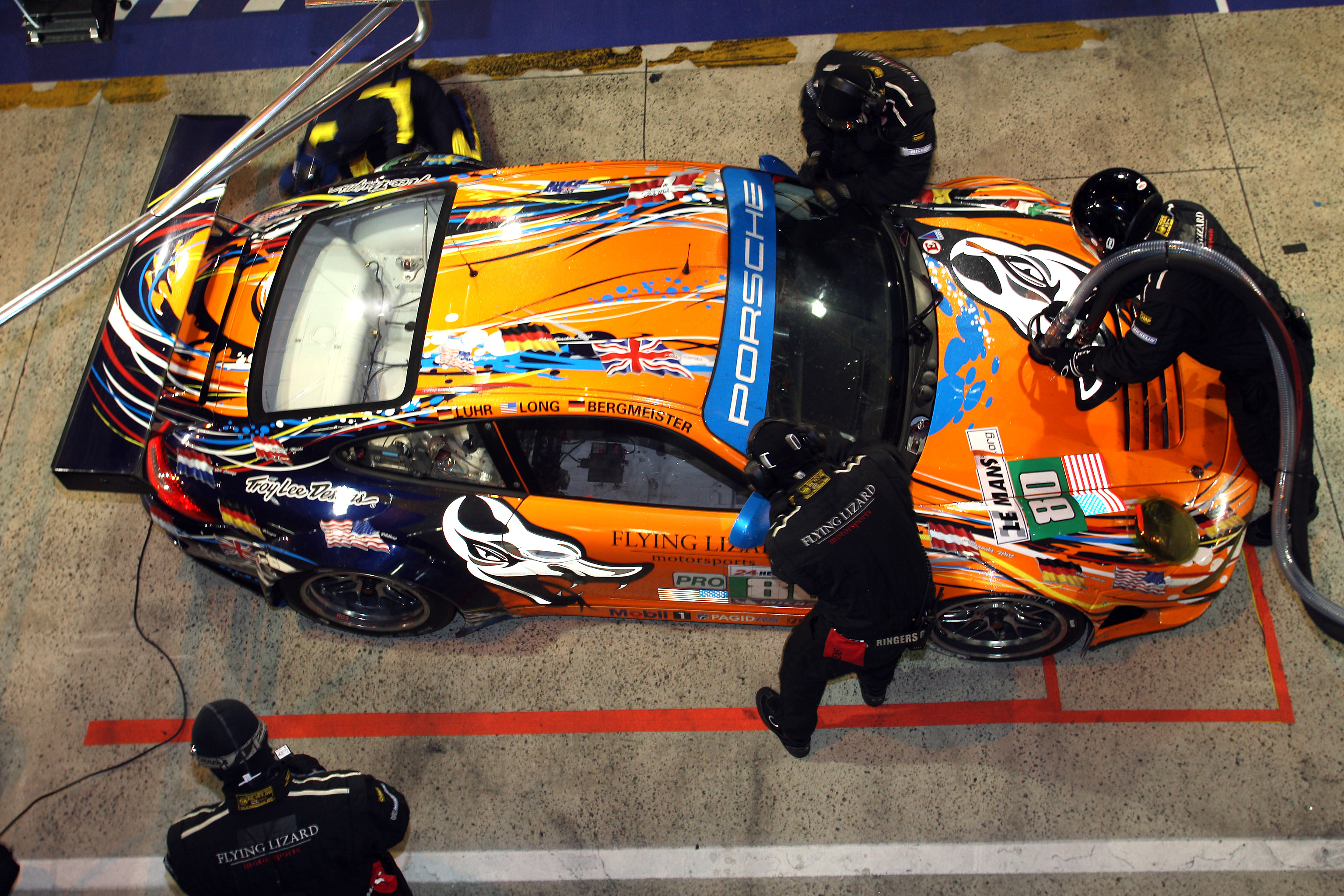
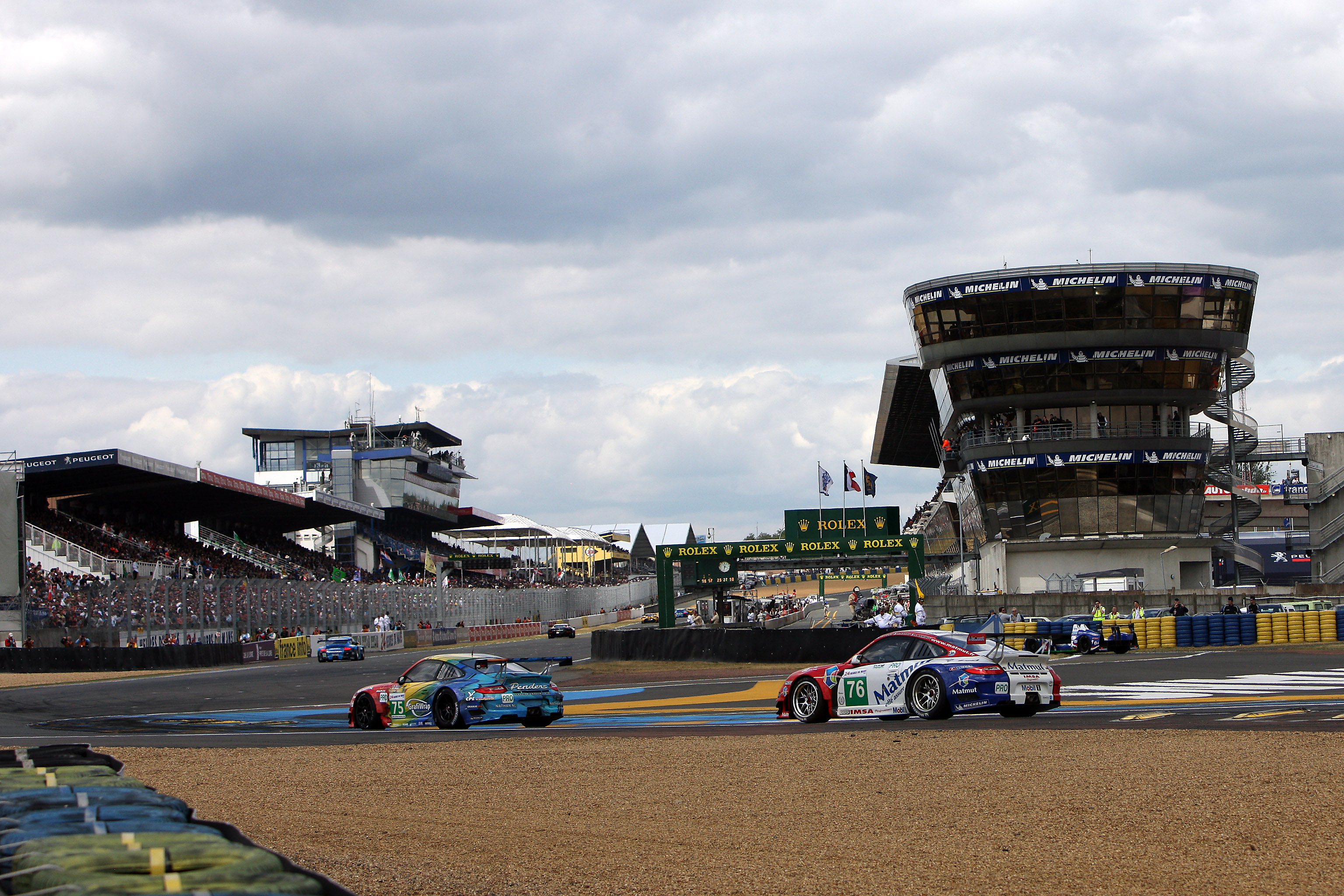
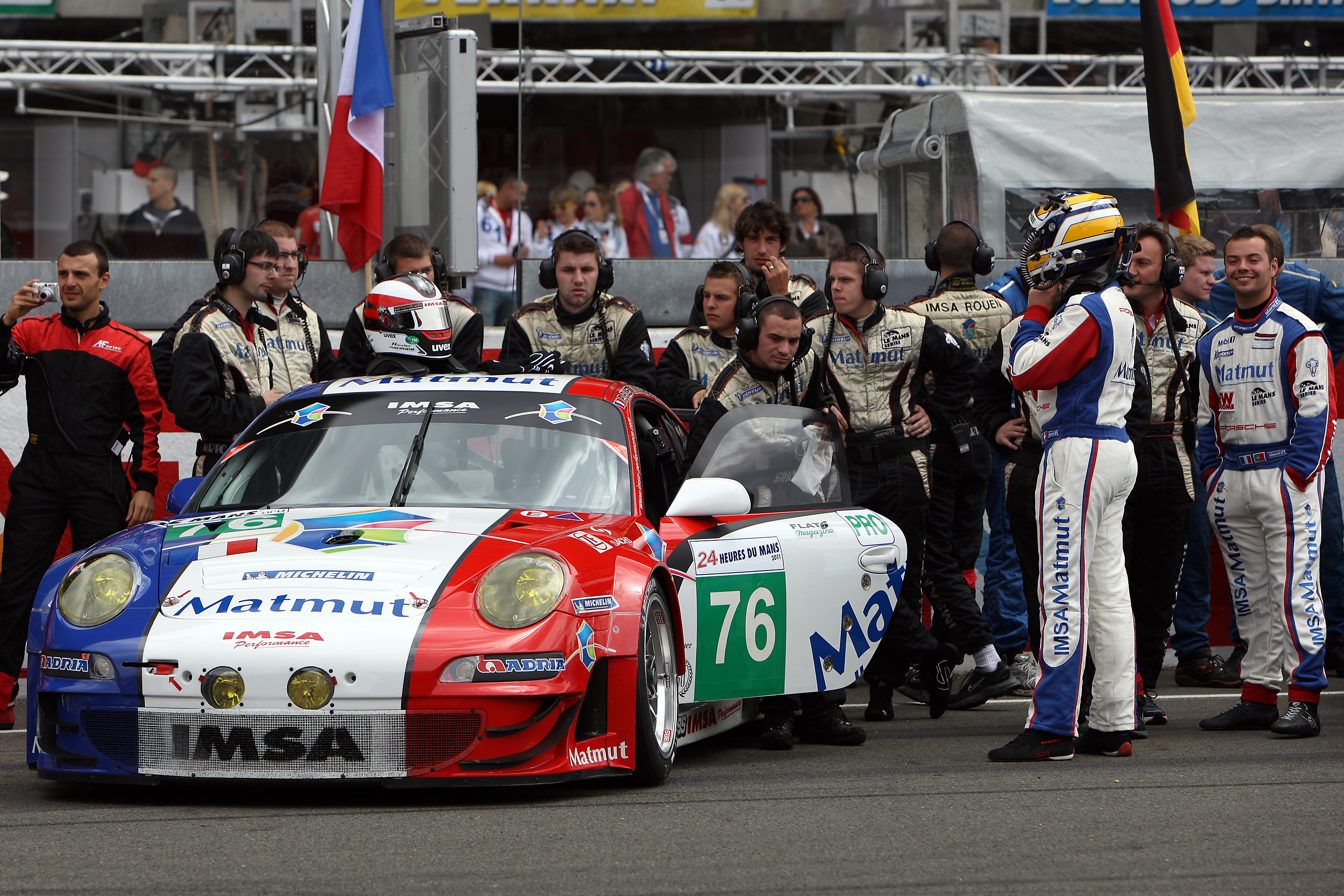
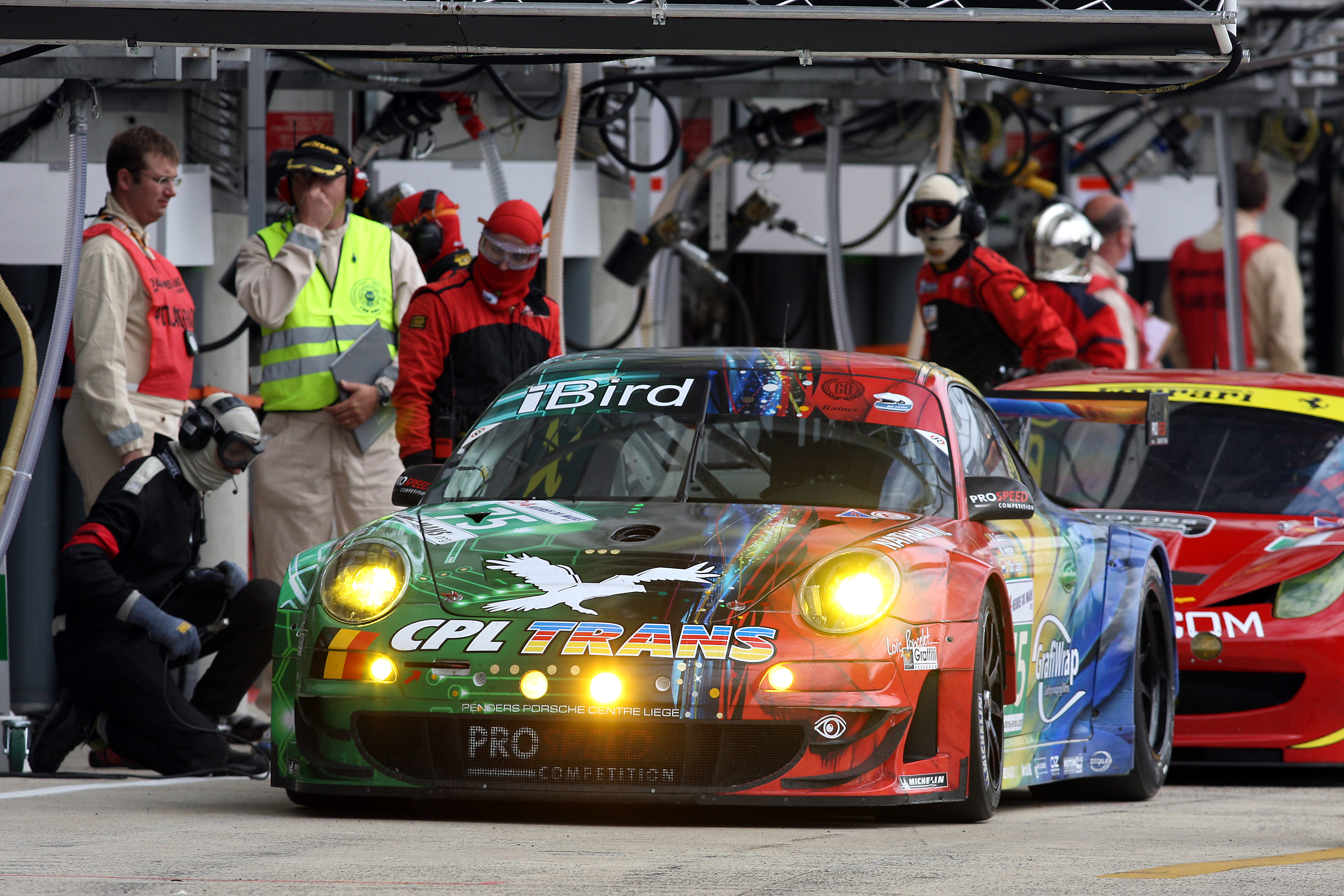
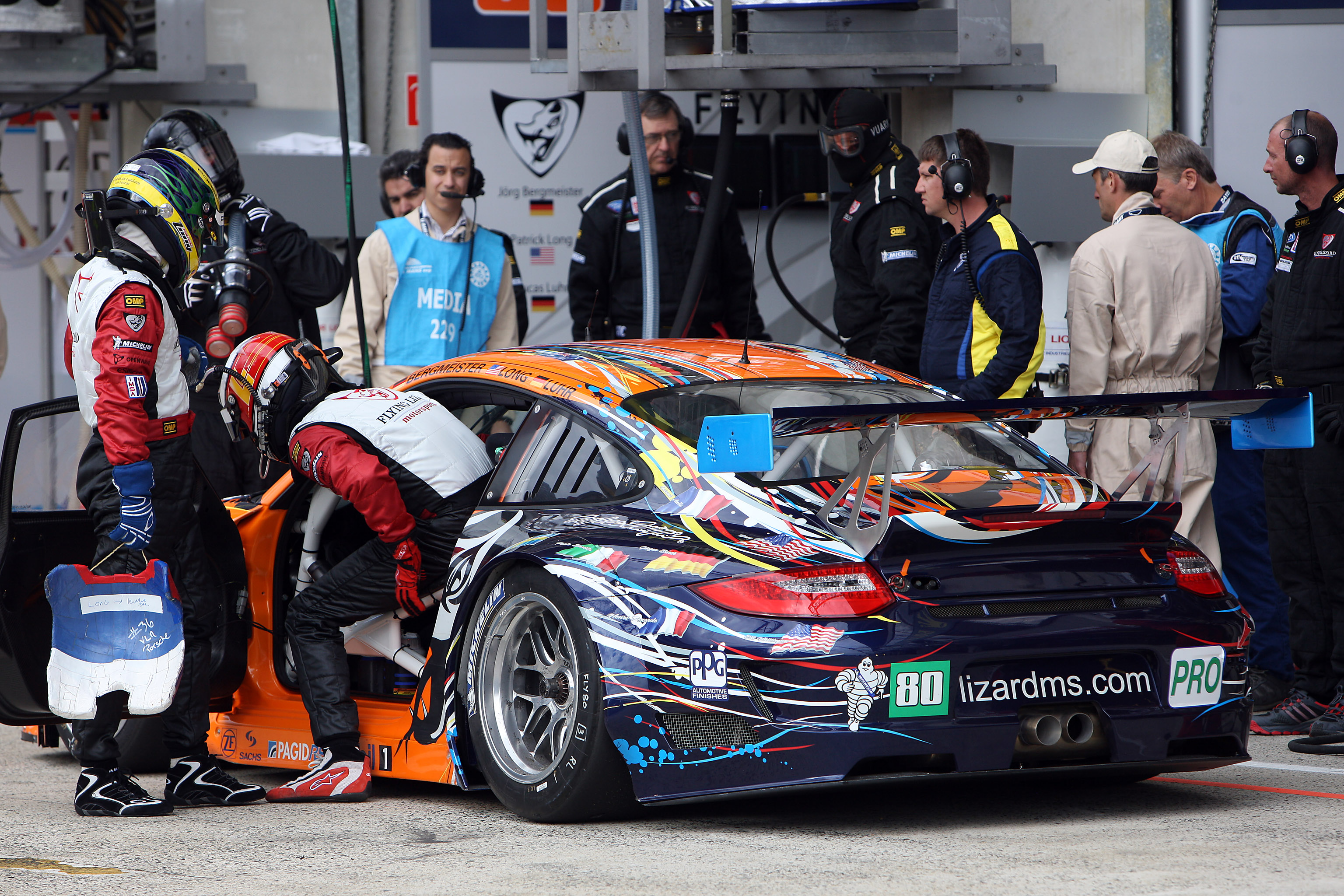
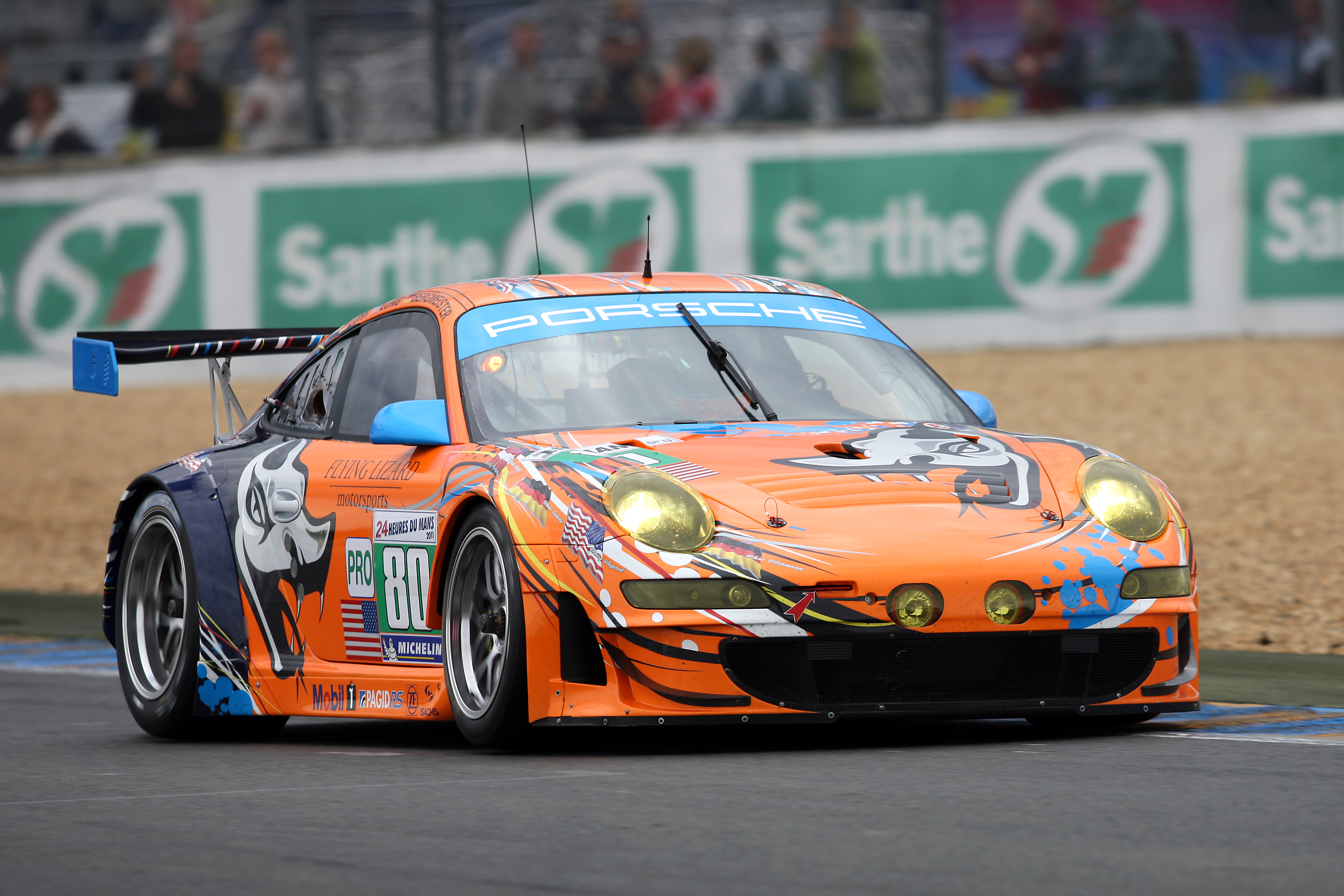
The French IMSA Performance Matmut squad clinched fifth place ahead of Flying Lizard Motorsports from the USA.
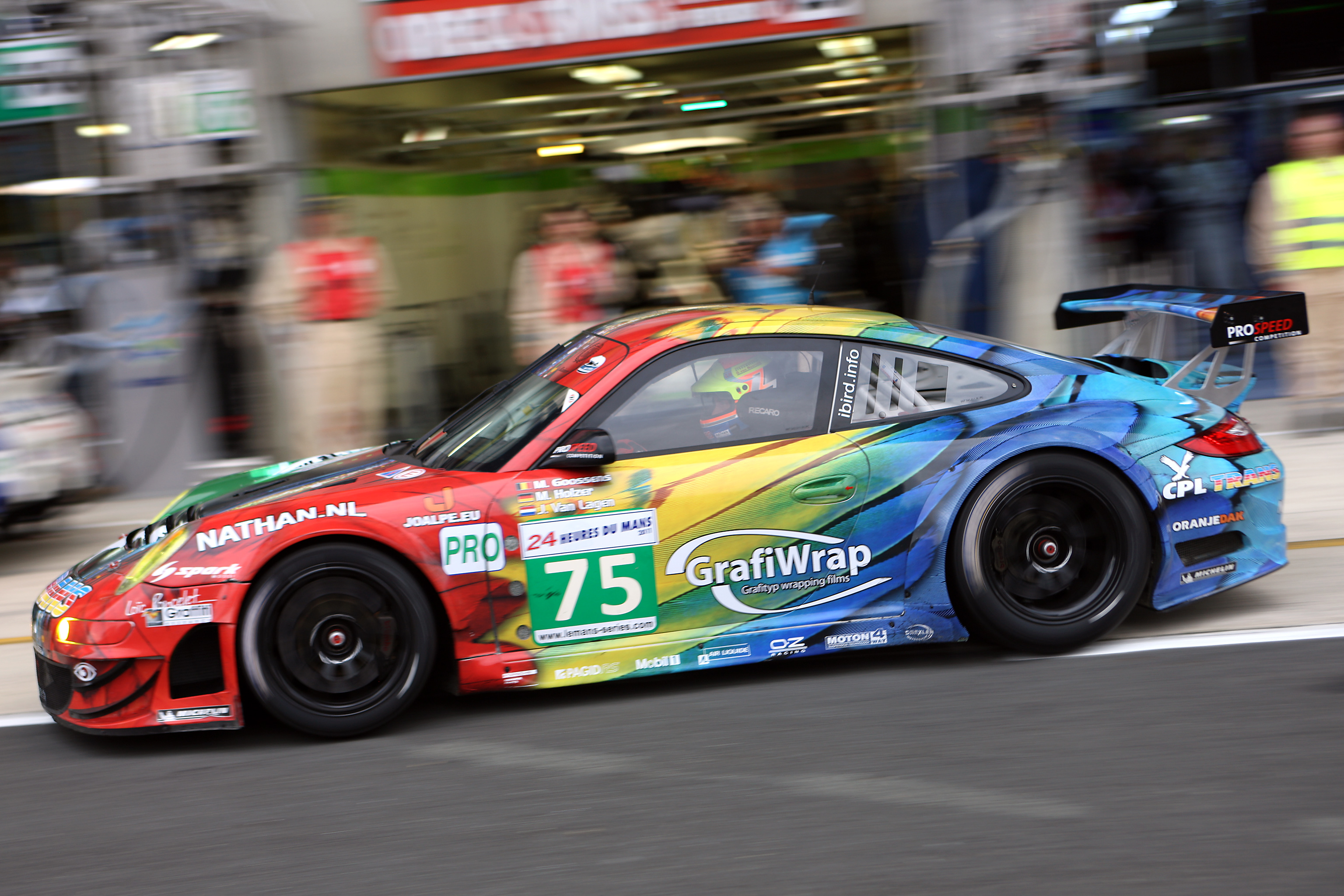
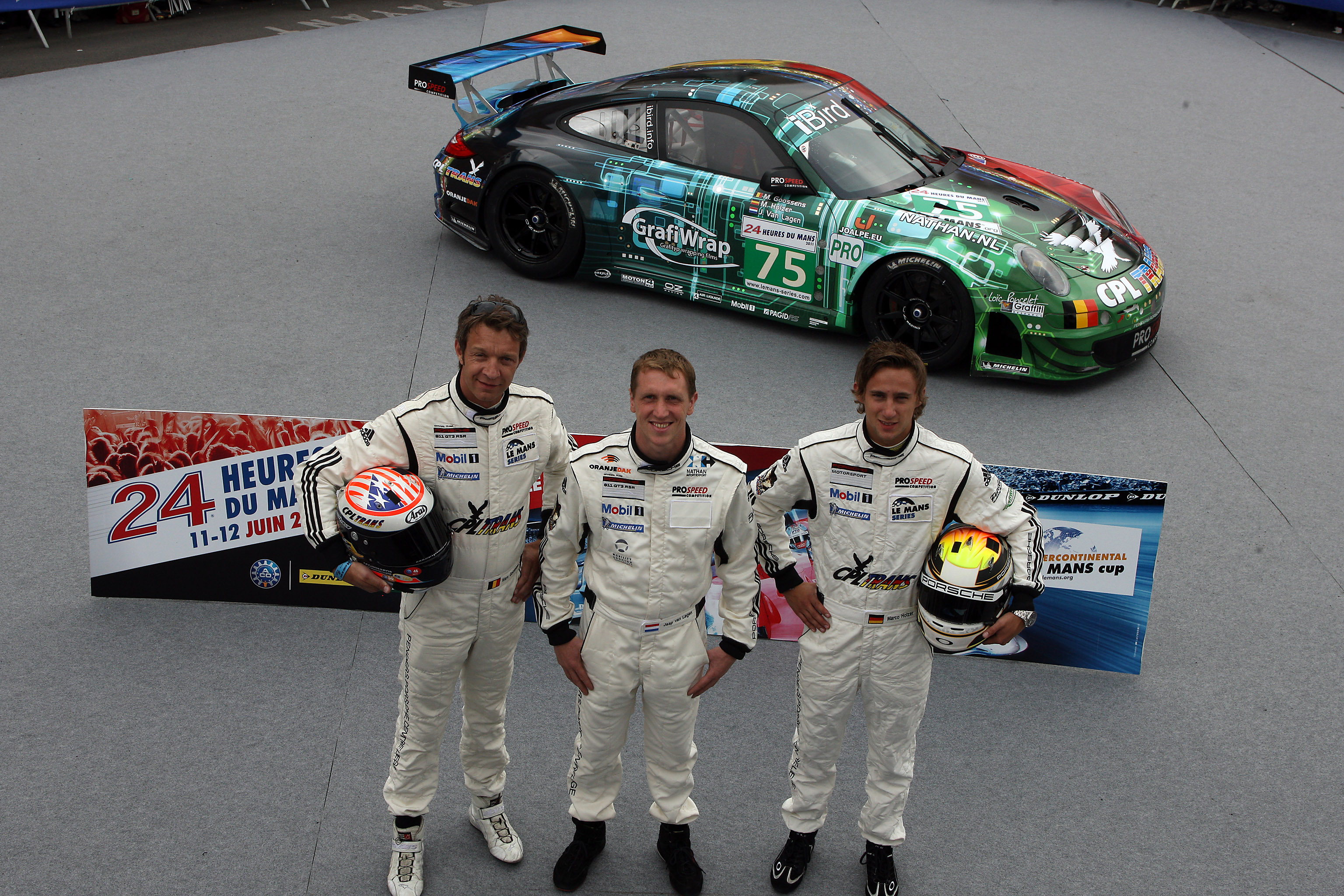
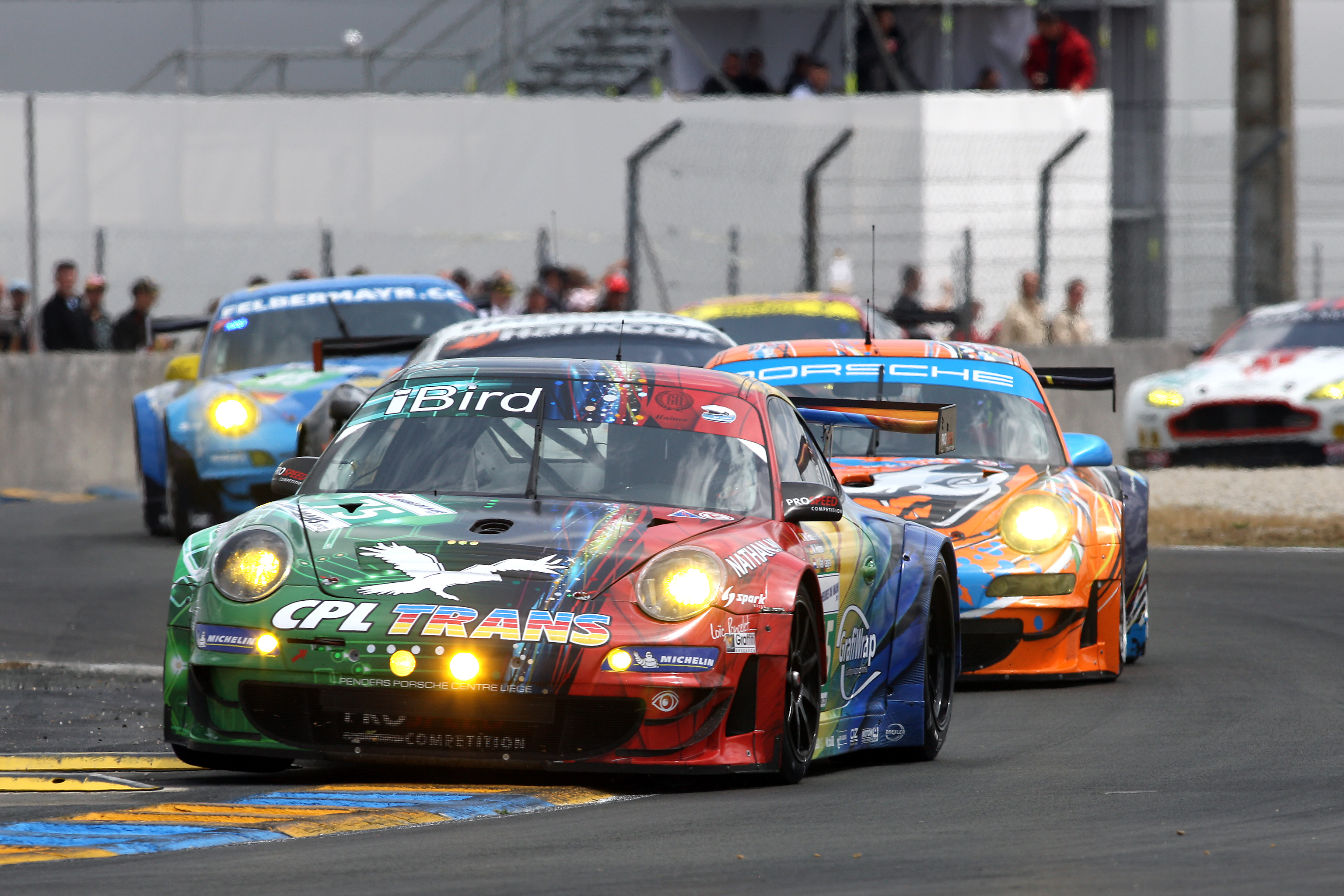
The 911 of the Belgian ProSpeed Competition team crossed the finish line
at the Le Mans 24 Hours in eighth.
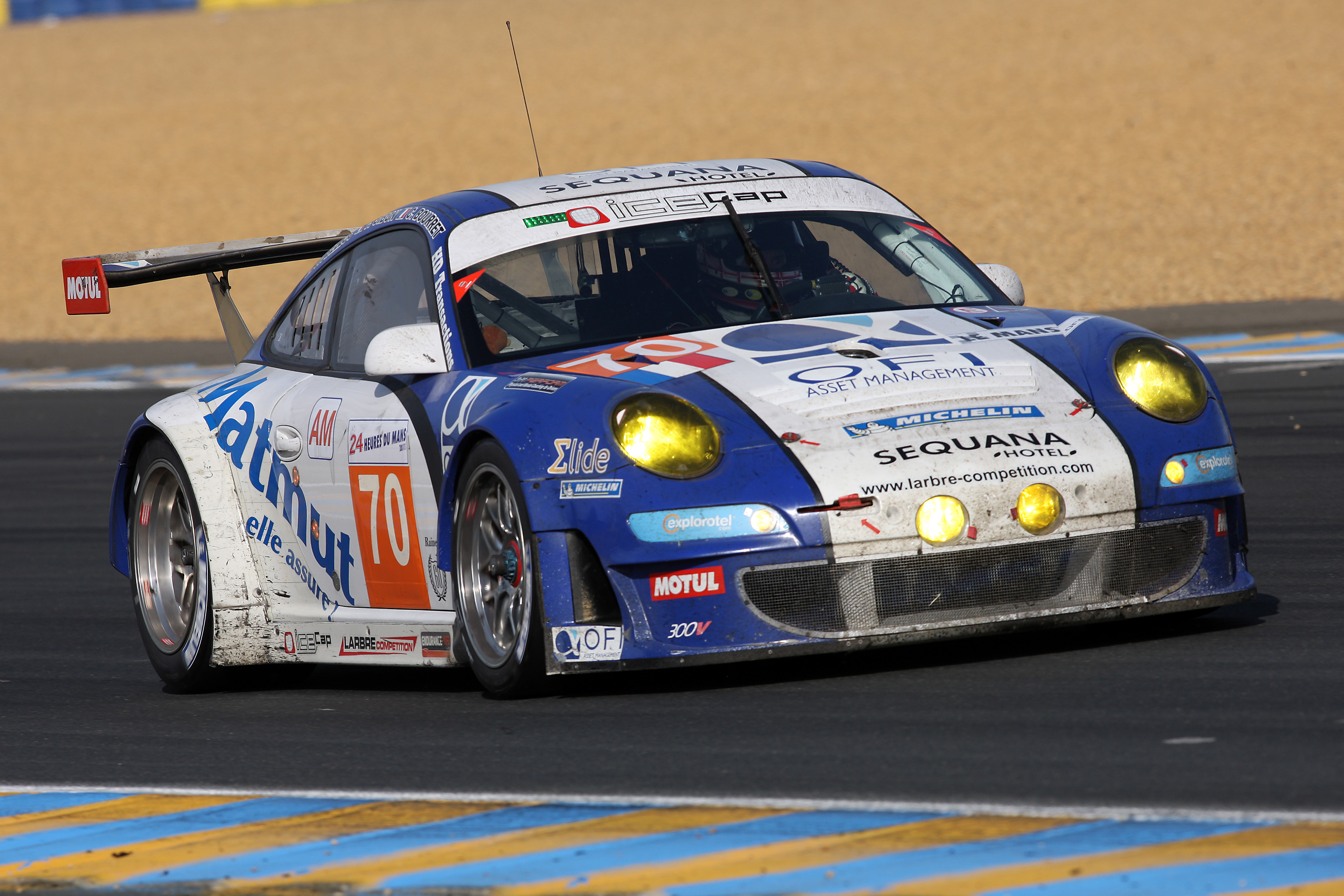
In the GTE Am class, where only one professional race driver is permitted per vehicle and only last year’s vehicles are eligible to race, the French Larbre Competition team celebrated second place with the 911 GT3 RSR.
“All of our teams took off into the race well prepared. Under the most difficult circumstances, the Porsche 911 GT3 RSR proved to be enormously durable and reliable. Unfortunately our teams had to cope with two accidents. You could clearly see the performance differences that are a direct result of the current Balance of Performance ratings. Unfortunately the fastest 911 GT3 RSR were affected by the phenomenon that they couldn’t turn the number of laps per set of tyres that were calculated which meant some extra pit stops for tyre changes. Under these conditions we can be satisfied with the results – especially in the GTE Am class where our team claimed a spot on the podium. I congratulate all the teams, drivers and partners who have contributed to this good result.”
Like in 2010, the best-placed Porsche crew put in a brilliant drive with high reliability in all areas. Drivers Marc Lieb, Richard Lietz and Wolf Henzler drove an immaculate race that was punctuated by many accidents and safety car phases. Only in the early stages of the race, the team lost more than one lap, first at the red light on the exit of the pitlane, then due to tyre damage which also required repairs to the car body.
Other than that, the blue 911 GT3 RSR only came into the pits for tyre changes and refuelling. Under the leadership of team boss Christian Ried, the pit crew of the Felbermayr-Proton team again shone with very fast pit stops.
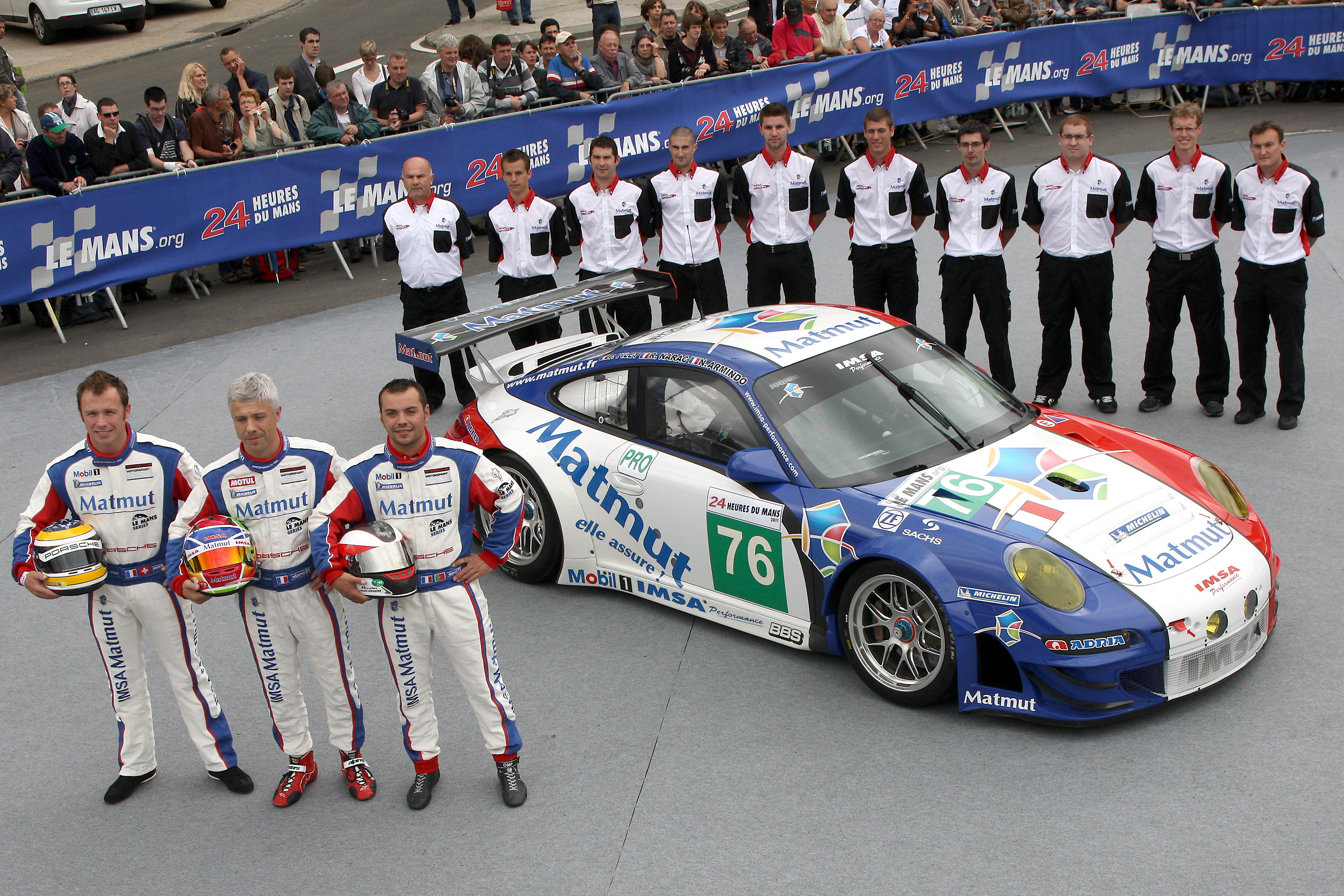
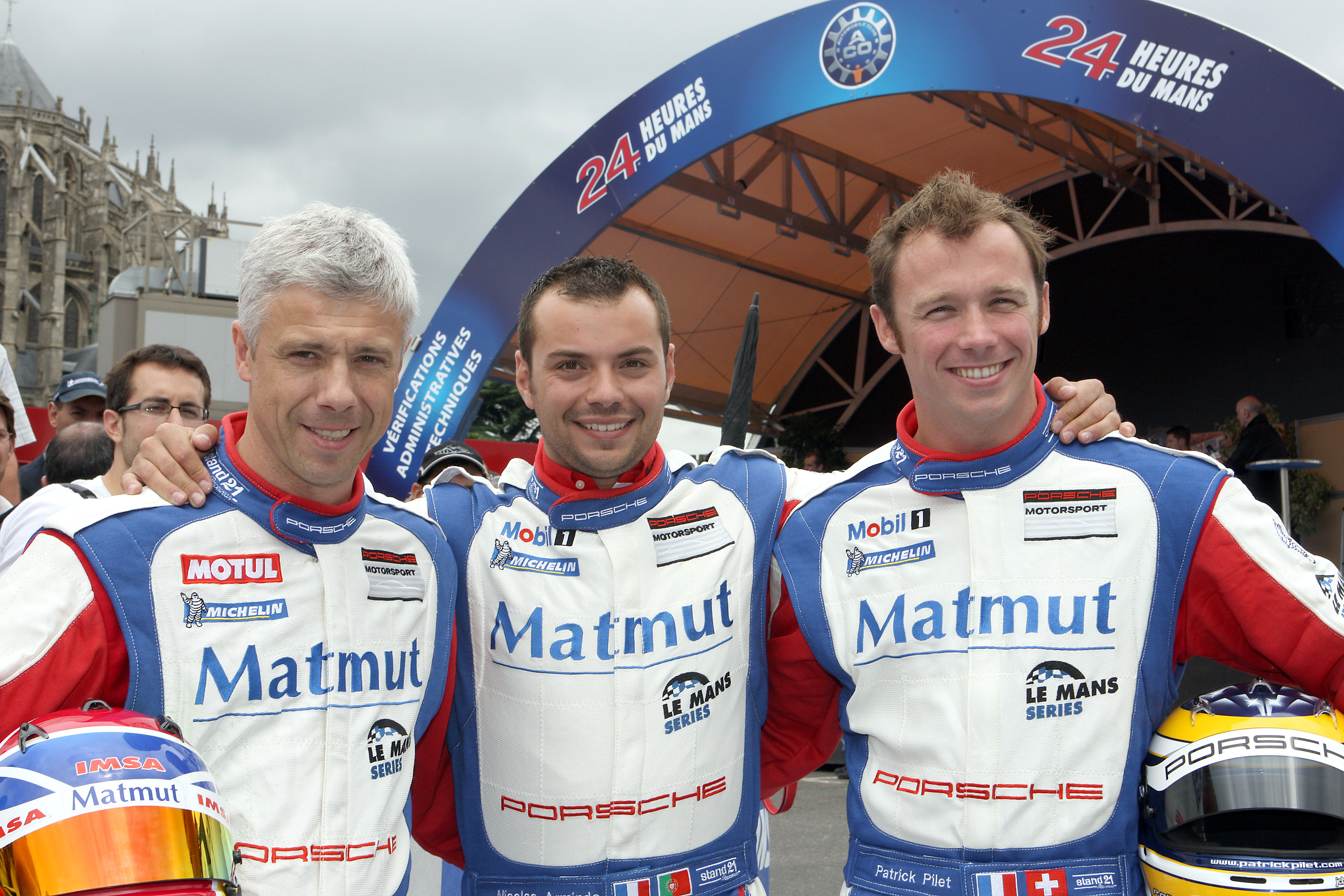
Porsche works driver Patrick Pilet (France) also lost time in the jam at the red light of the pitlane exit. Shortly before midnight, Pilet and his driver colleagues, team owner Raymond Narac and his French compatriot Nicolas Armindo were ranking eighth in the GTE Pro class.
With consistent lap times and a perfectly-running 911, the trio with the two seasoned Le Mans campaigners Pilet and Narac and the 24 hour rookie Armindo fought their way up to fifth place.
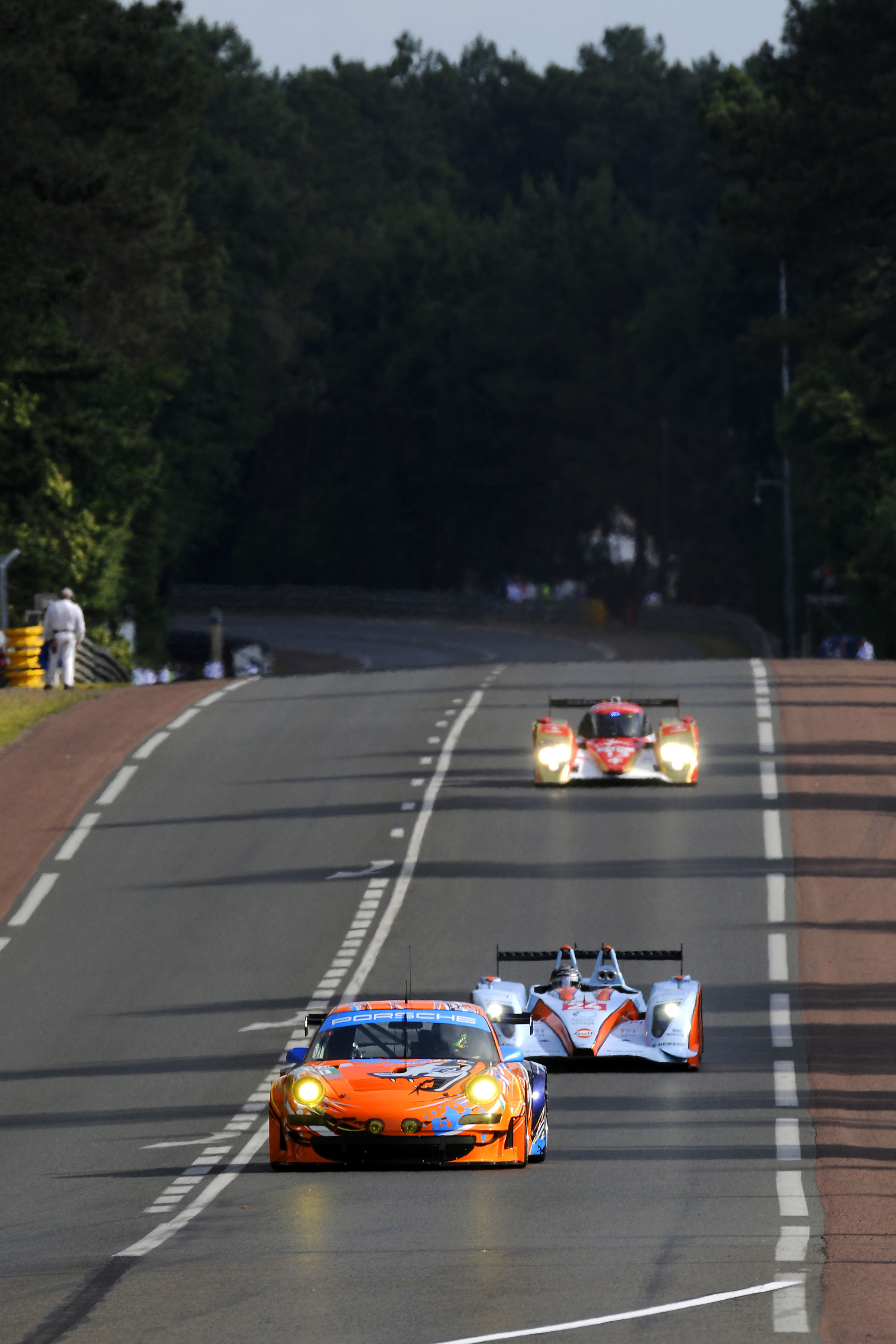
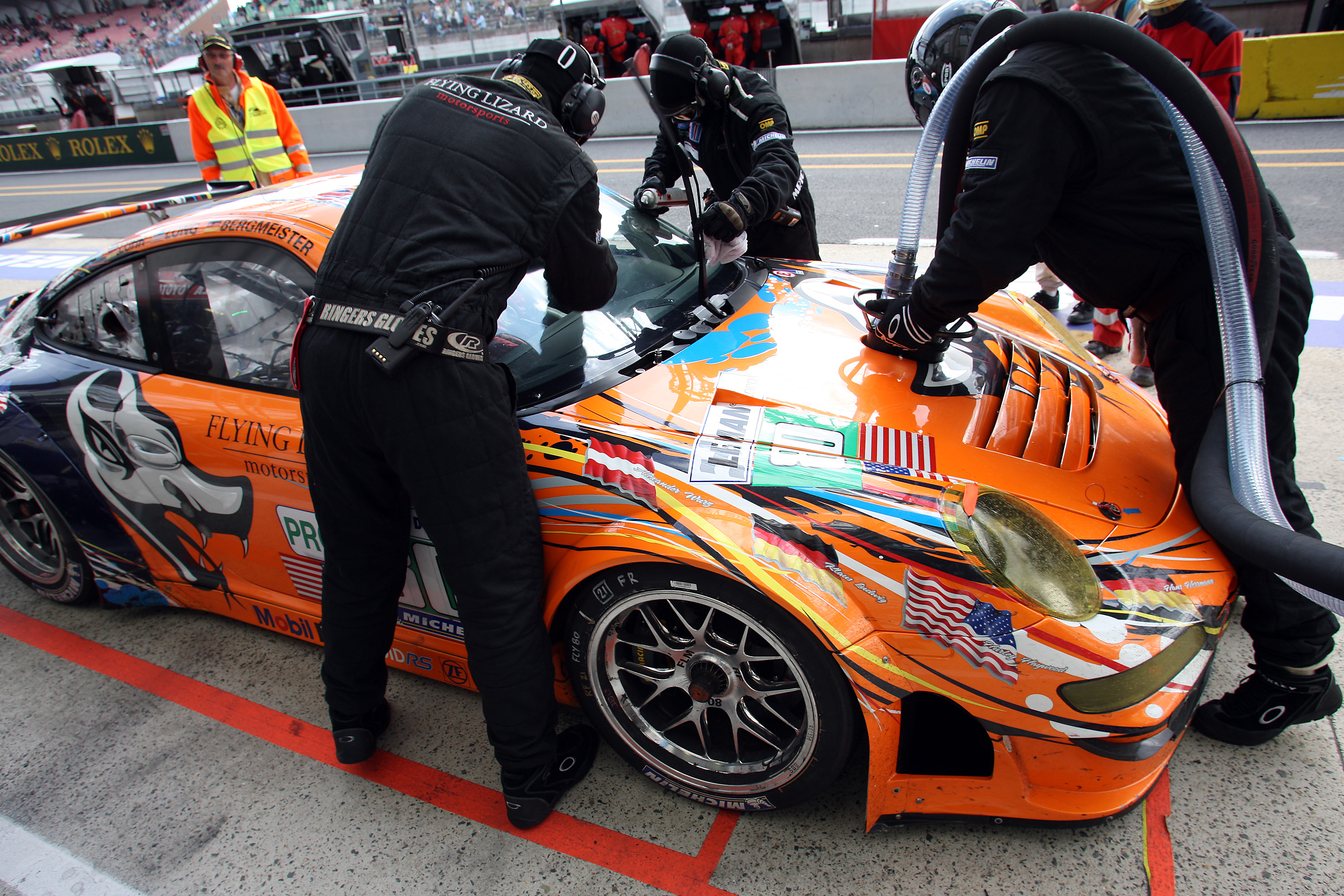
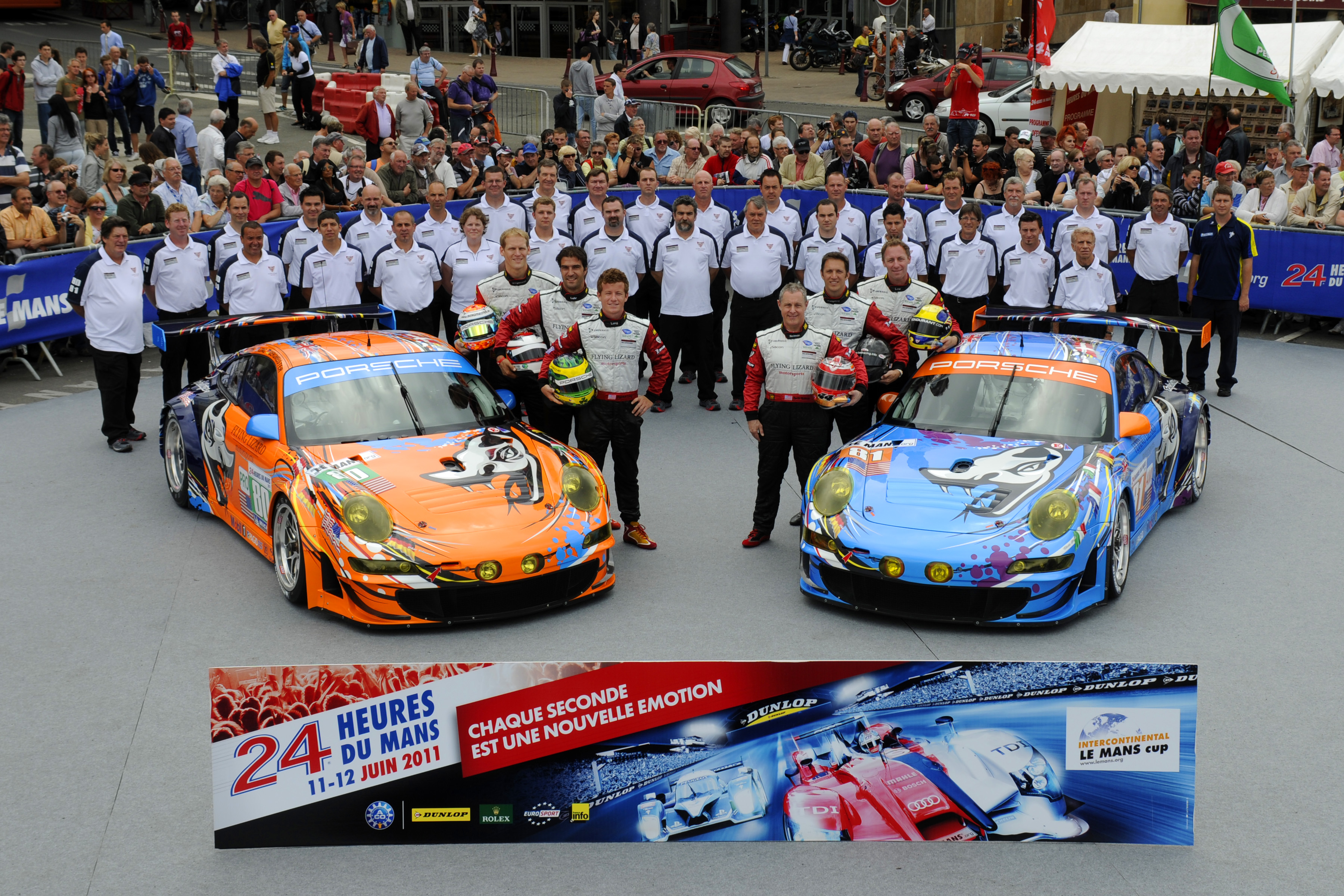
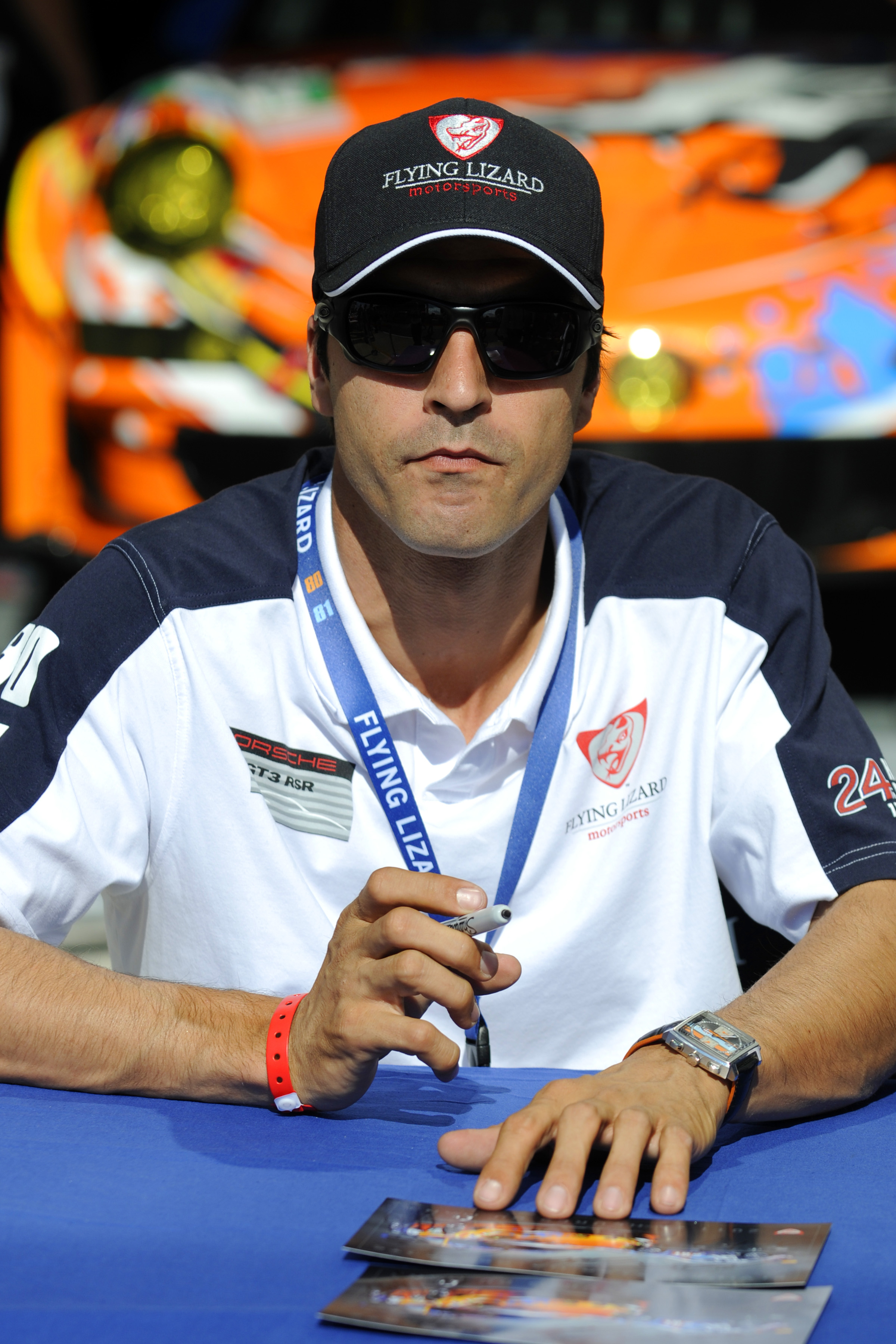
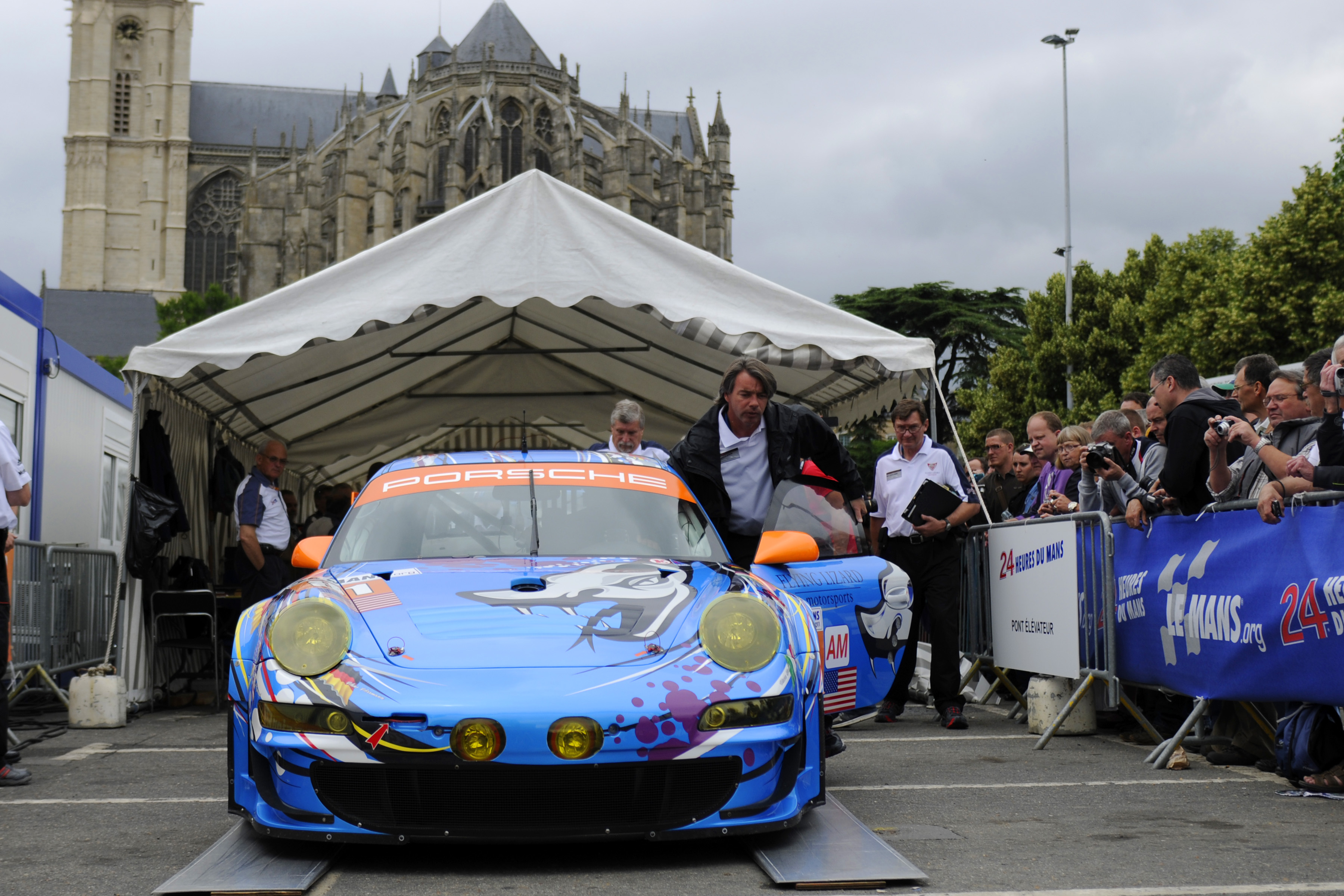
The pilots of Flying Lizard Motorsports can look back on a lively marathon.
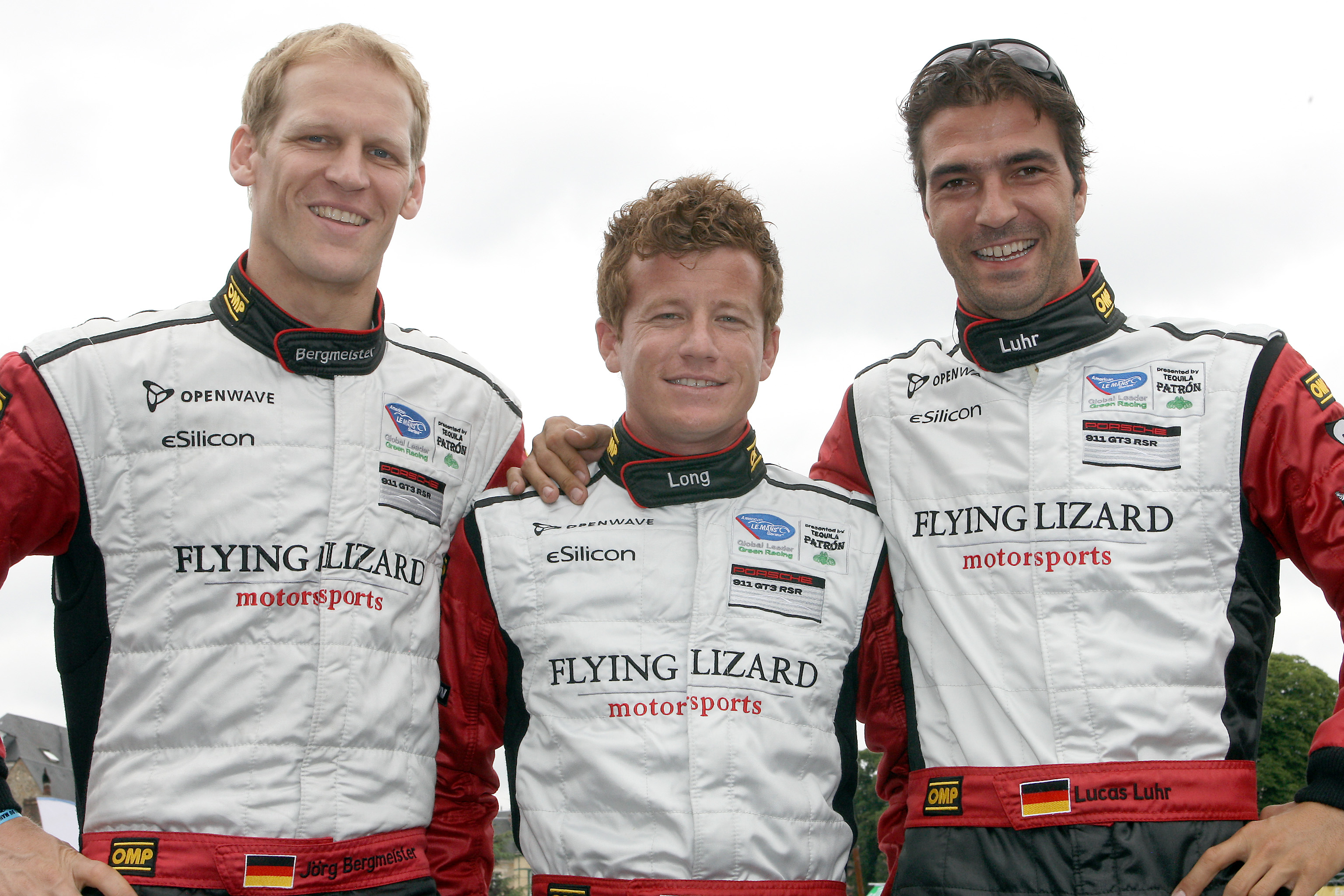
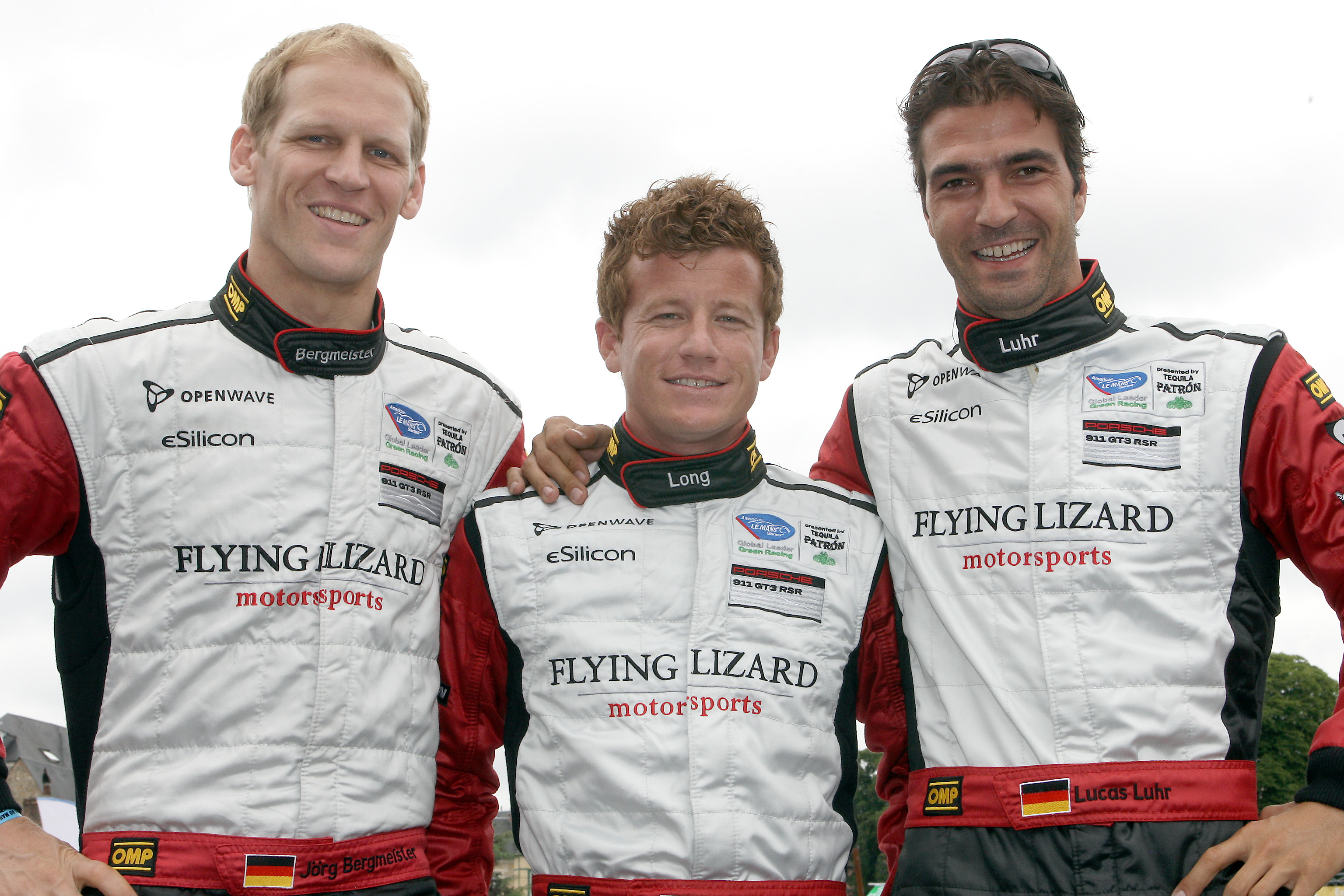
In the opening phase of the race, the set-up was not perfect, and they also had to contend with tyre damage. For a while, works drivers Joerg Bergmeister (Germany) and Patrick Long (USA) as well as Lucas Luhr (Germany) held a promising fourth place, only to fall back to eighth with technical problems.
After a difficult race, the trio were satisfied to finally bring home sixth place.
Fight to the finish – that was also the motto of the Belgian squad.
Works driver Marco Holzer (Germany), Belgium’s Marc Goossens and Jaap van Lagen from the Netherlands had all but worked their way nearly into the lead after the first third of the race but finally finished in eighth place after losing time with two minor repair stops.
The untiring mechanics of ProSpeed Competition received a very special honour:
They won the “Prix ESCRA”, an award that has been endowed for the 36th time to the best pit crew of the entire race.
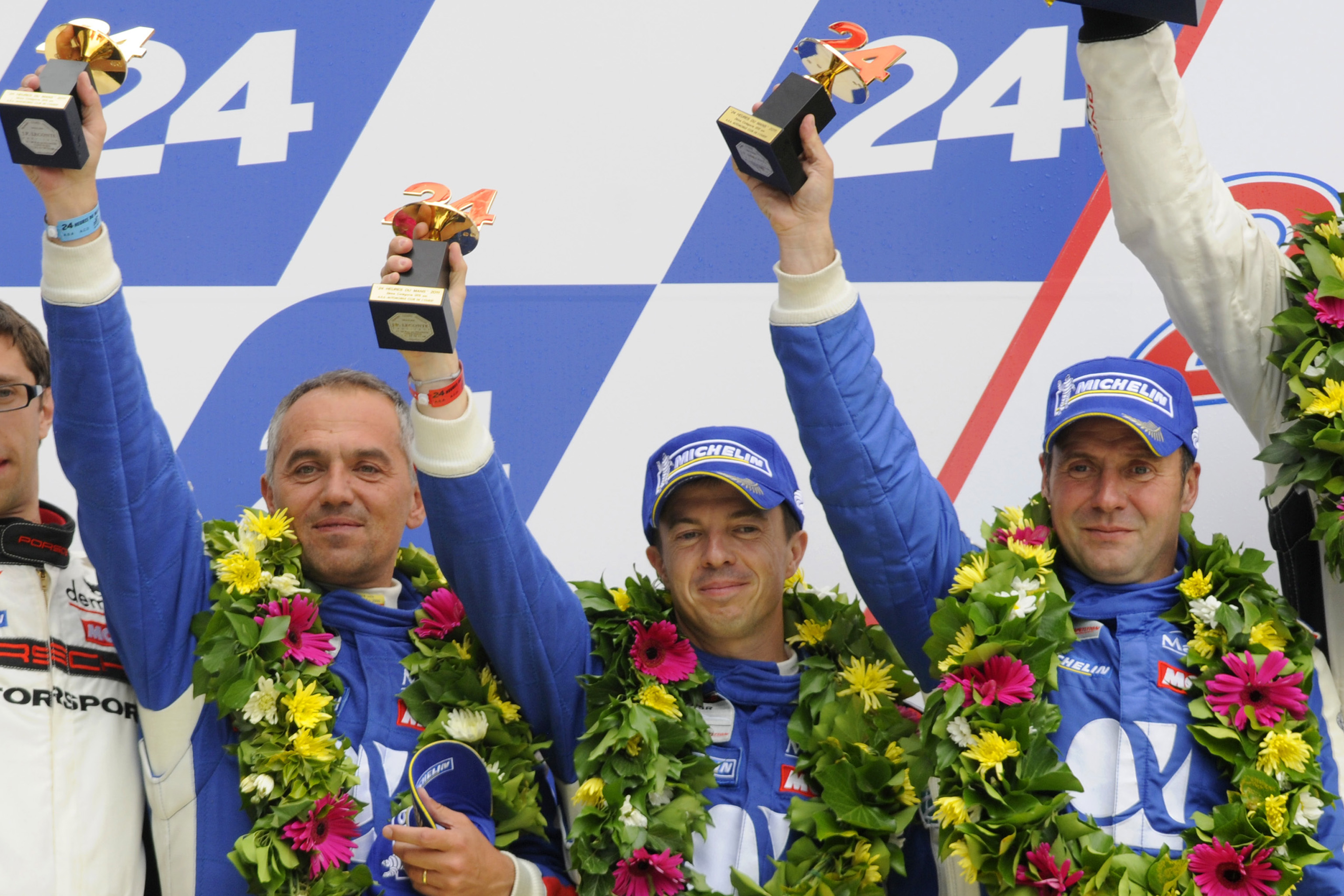
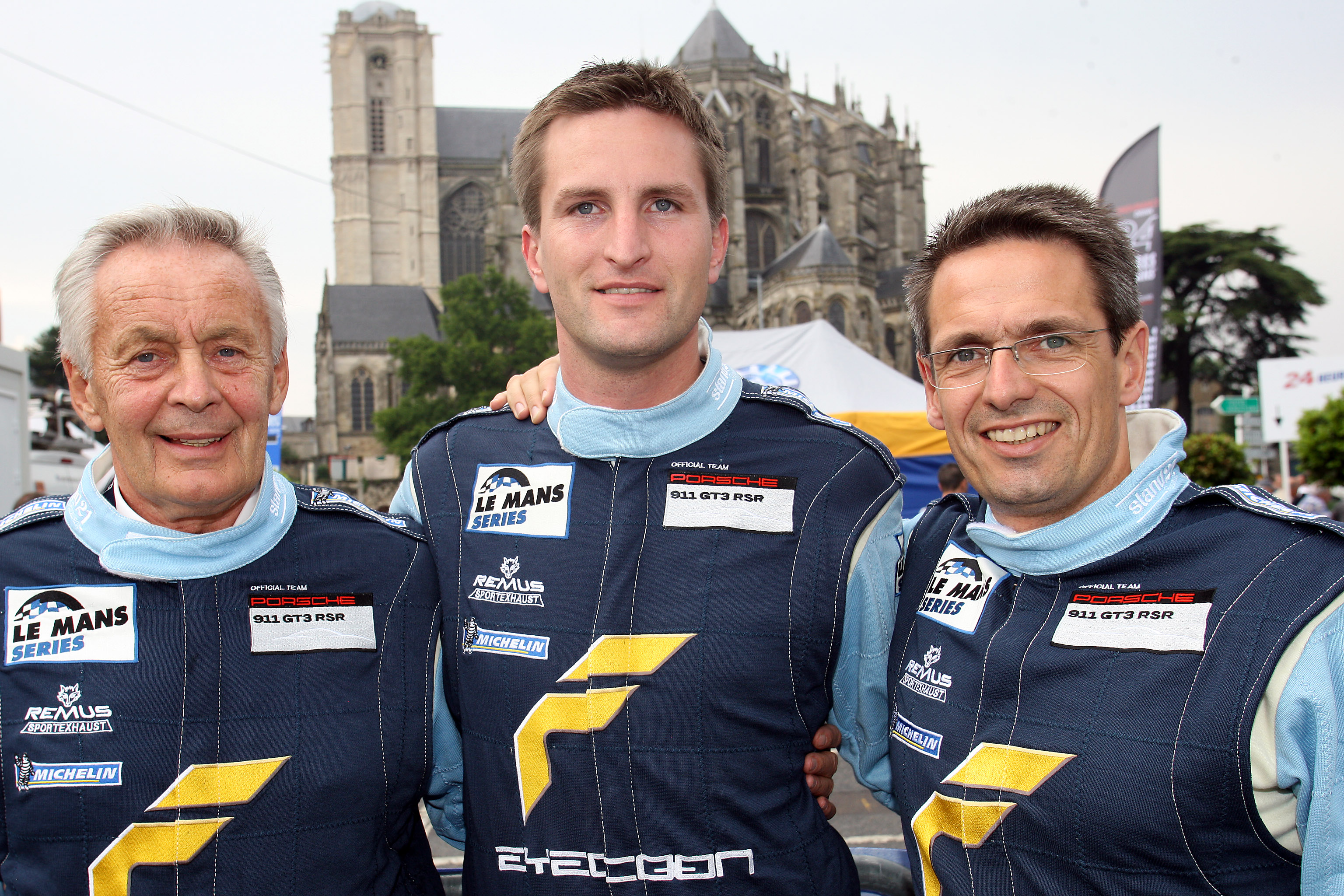
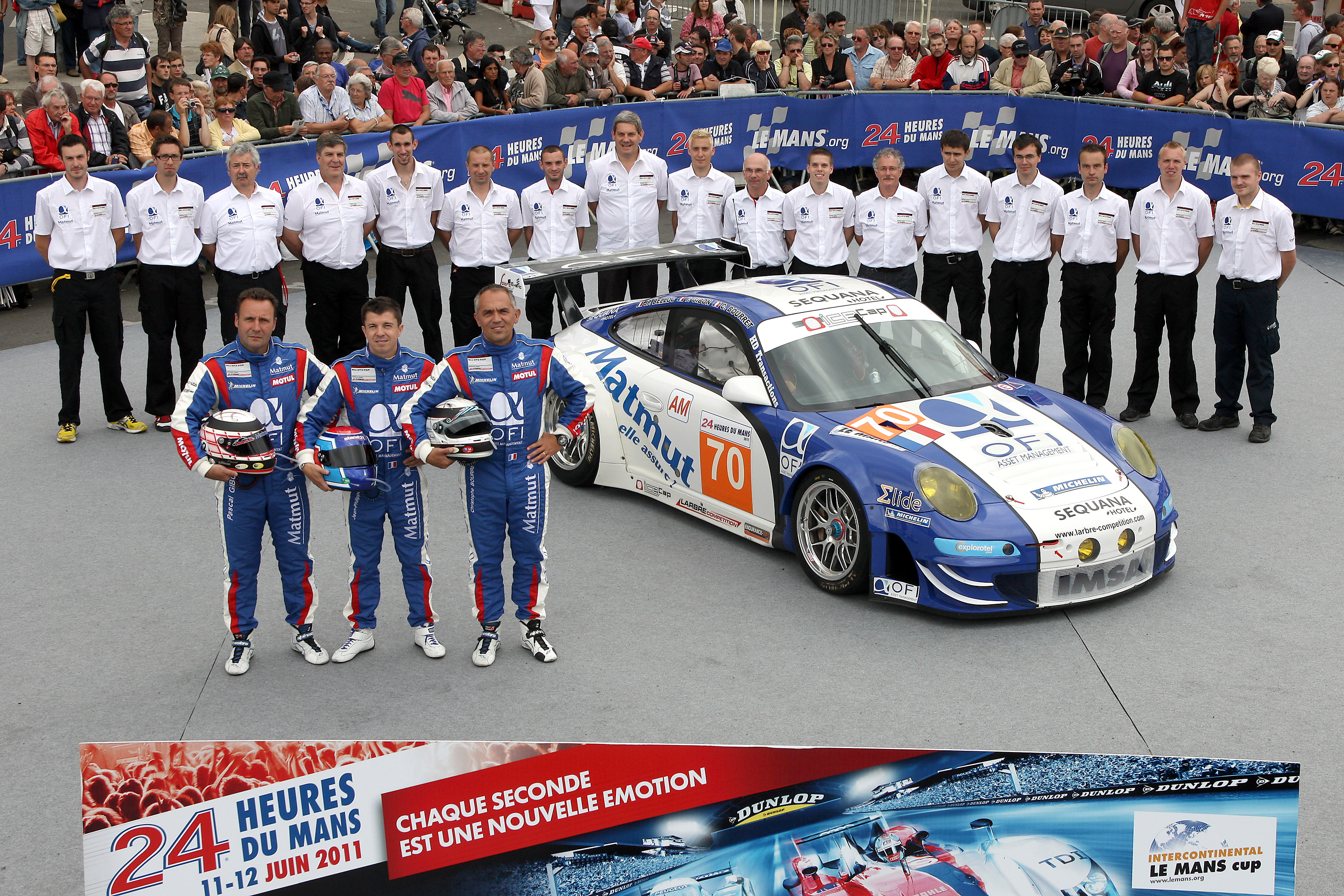
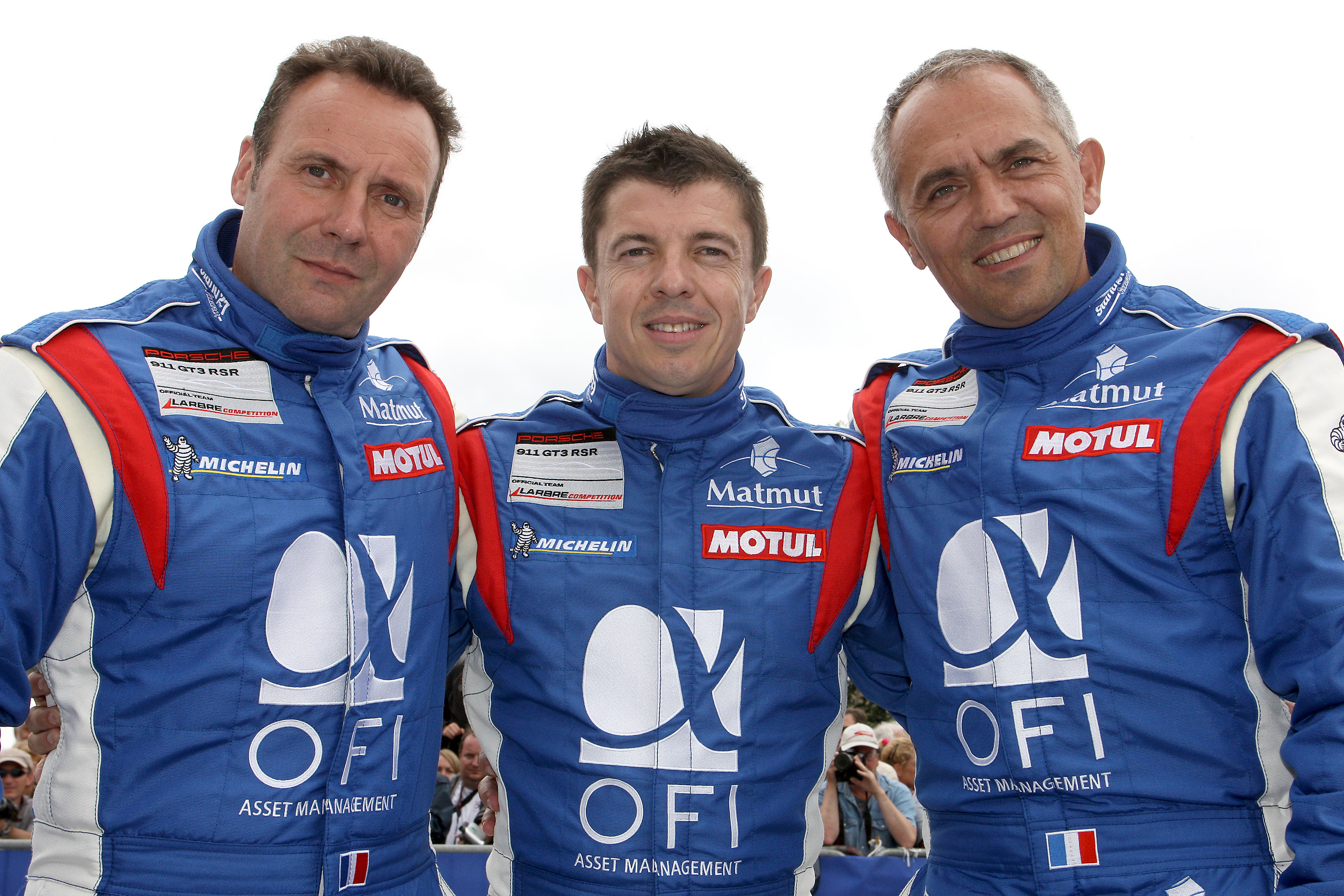
In the GTE Am category, Larbre Competition were thrilled with second place in a 2010-spec 911 manned by the all-French line up of Christophe Bourret, Pascal Gibon und Jean-Philippe Belloc.
Two 911 GT3 RSR retired after accidents that were not their fault. One of those affected was the sister car of Felbermayr-Proton. Suffering tyre damage Abdulaziz Al Faisal (Saudi Arabia) flew from the track in the fast Indianapolis corner.
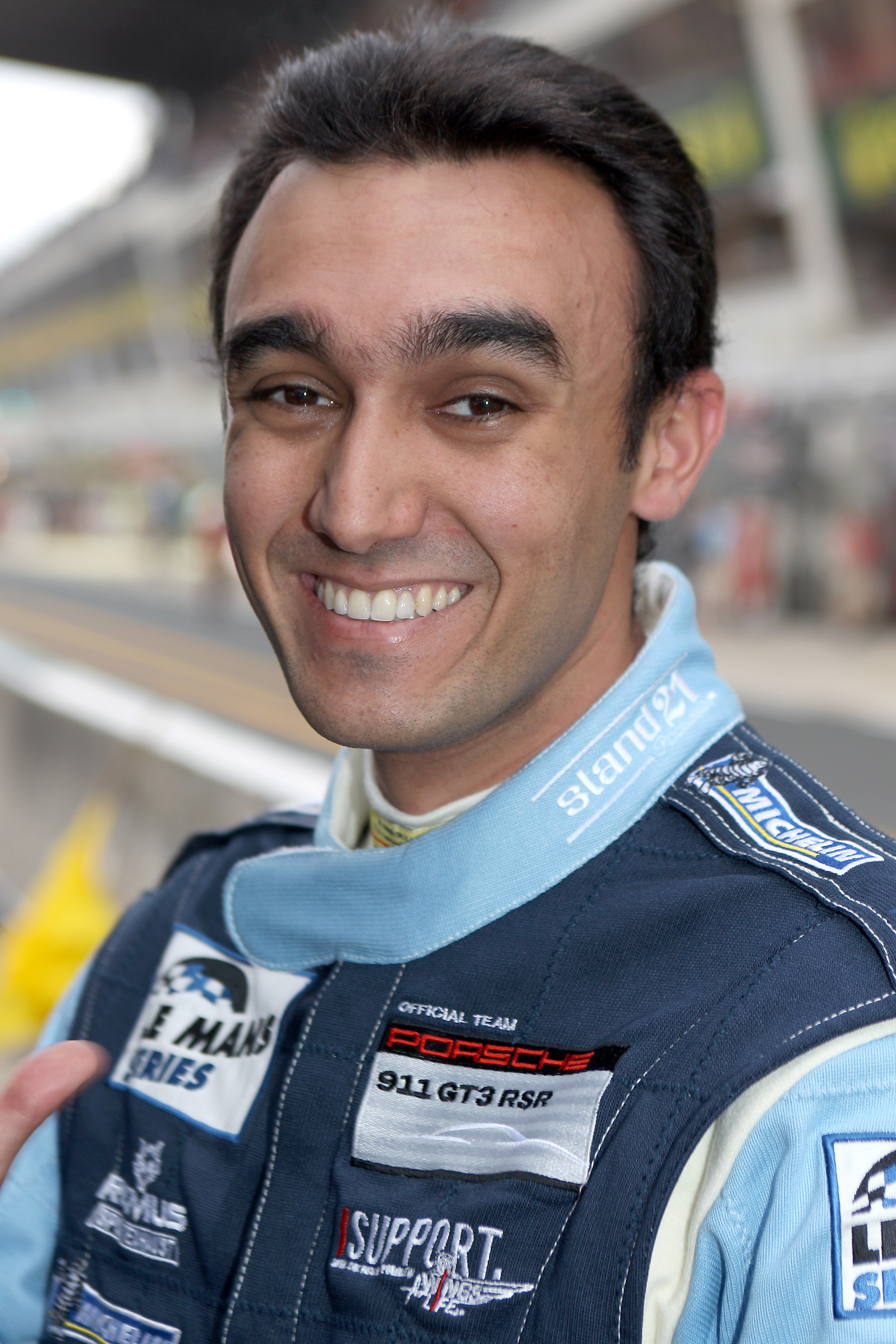
Al Faisal
Luckily, Al Faisal climbed out uninjured, but the Pro-911, which he shared with Nick Tandy (Great Britain) and Bryce Miller (USA), was so badly damaged that the team was unable to repair it.
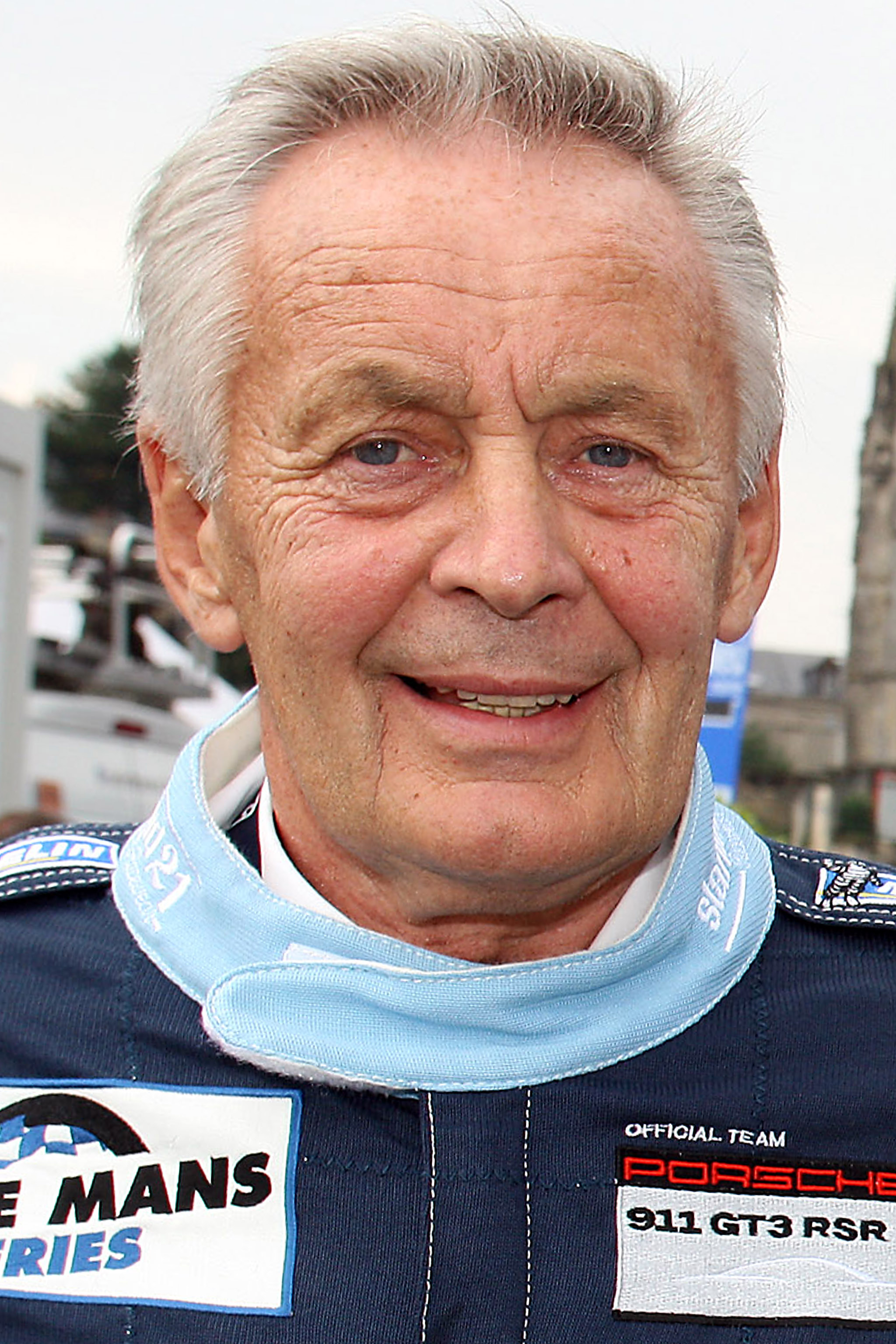
Horst Felbermayr Senior (Team Proton Competition)
Contesting the GTE Am class, Horst Felbermayr Senior (Team Proton Competition) fell victim to an opponent at 8.00 a.m. when his 911 GT3 RSR was hit hard on the driver’s side.The Austrian was transported to hospital for a medical examination.
Result Le Mans 24 Hours GTE Pro class
1. Garcia/Milner/Beretta (E/USA/MC), Chevrolet Corvette C6 ZR1, 314 laps
2. Fisichella/Bruni/Vilander (I/I/FIN), Ferrari 458 Italia, 314
3. Priaulx/Müller/Hand (GB/D/USA), BMW M3 GT, 313 4. Lieb/Lietz/Henzler (D/A/D), Porsche 911 GT3 RSR, 312 5. Pilet/Narac/Armindo (F/F/F), Porsche 911 GT3 RSR, 311 6. Bergmeister/Long/Luhr (D/USA/D), Porsche 911 GT3 RSR, 310 8. Holzer/Goossens/van Lagen (D/B/NL), Porsche 911 GT3 RSR, 293
GTE Am class
1. Gardel/Canal/Bornhauser (CH/F/F), Chevrolet Corvette C6-ZR1, 302 laps 2. Bourret/Gibon/Belloc (F/F/F), Porsche 911 GT3 RSR, 301
Facts and figures
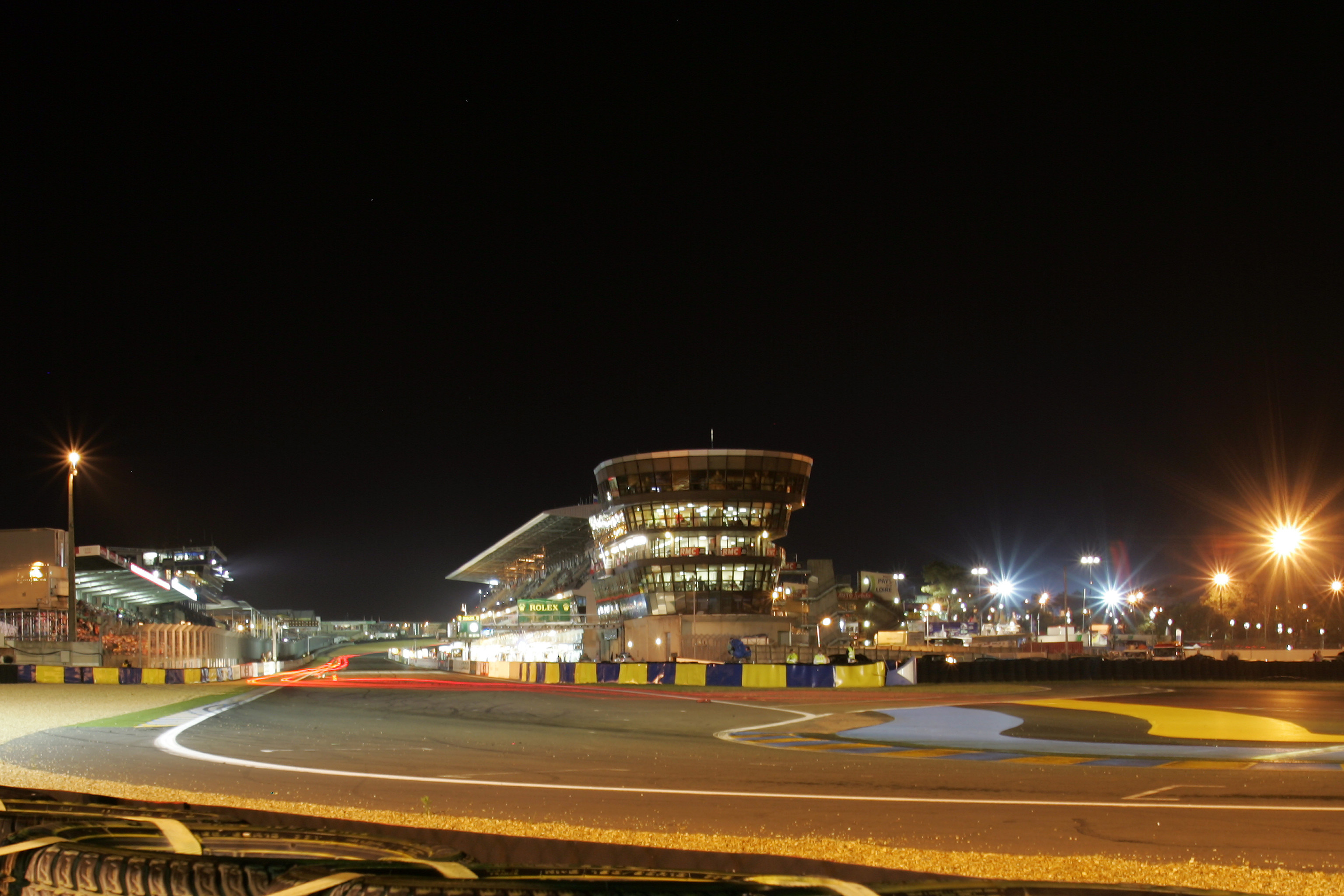
This is the Le Mans 24 Hours
This slideshow requires JavaScript.
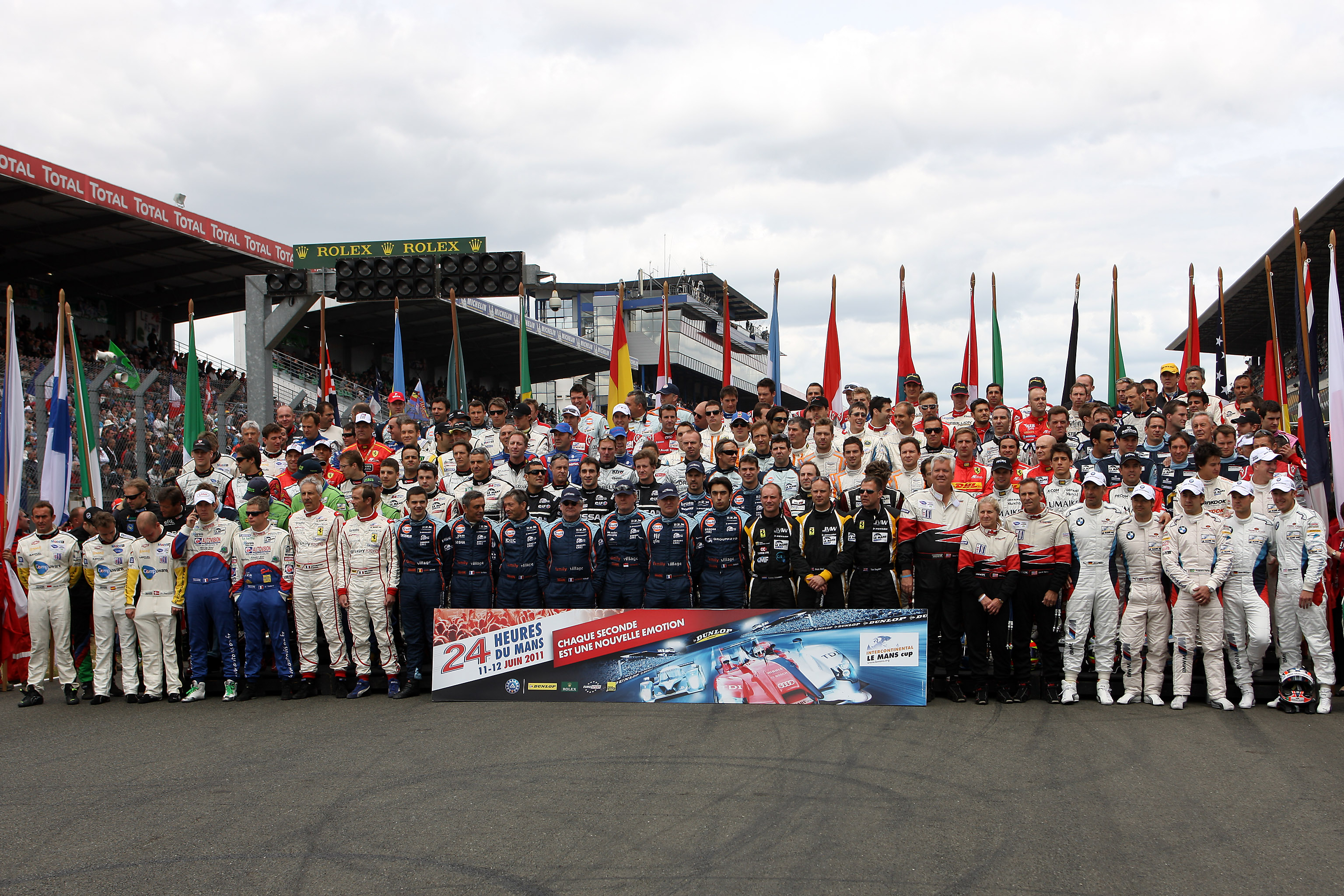
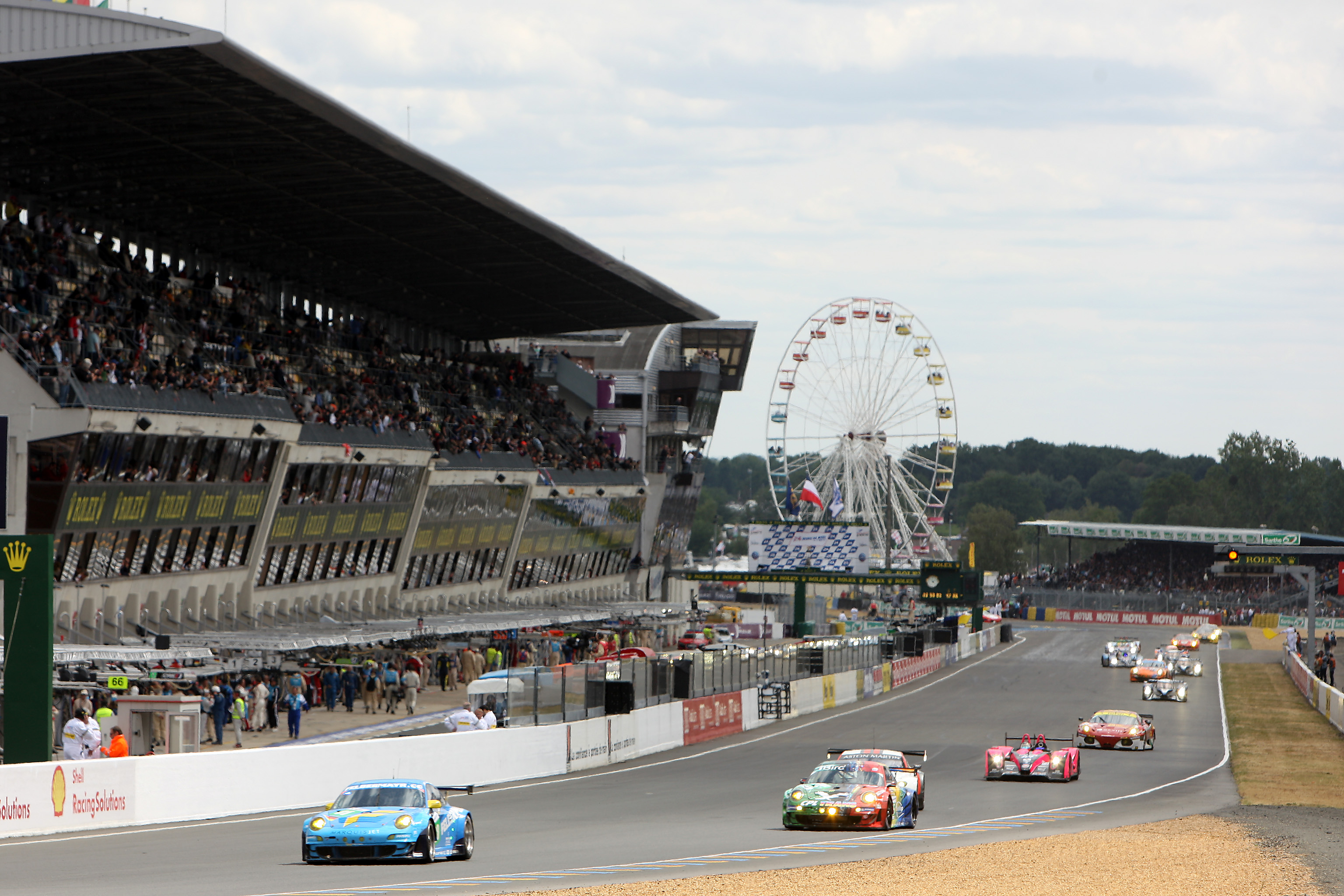
With grid line-up of 55 vehicles, the 24 Hours of Le Mans consists of two different sports car categories: sports prototypes and modified standard sports cars. The technical regulations of the European Le Mans Series (LMS) and the American Le Mans Series (ALMS) correspond to those of the 24 hour race. All race cars start together in Le Mans; there is an overall classification and a classification for individual classes.
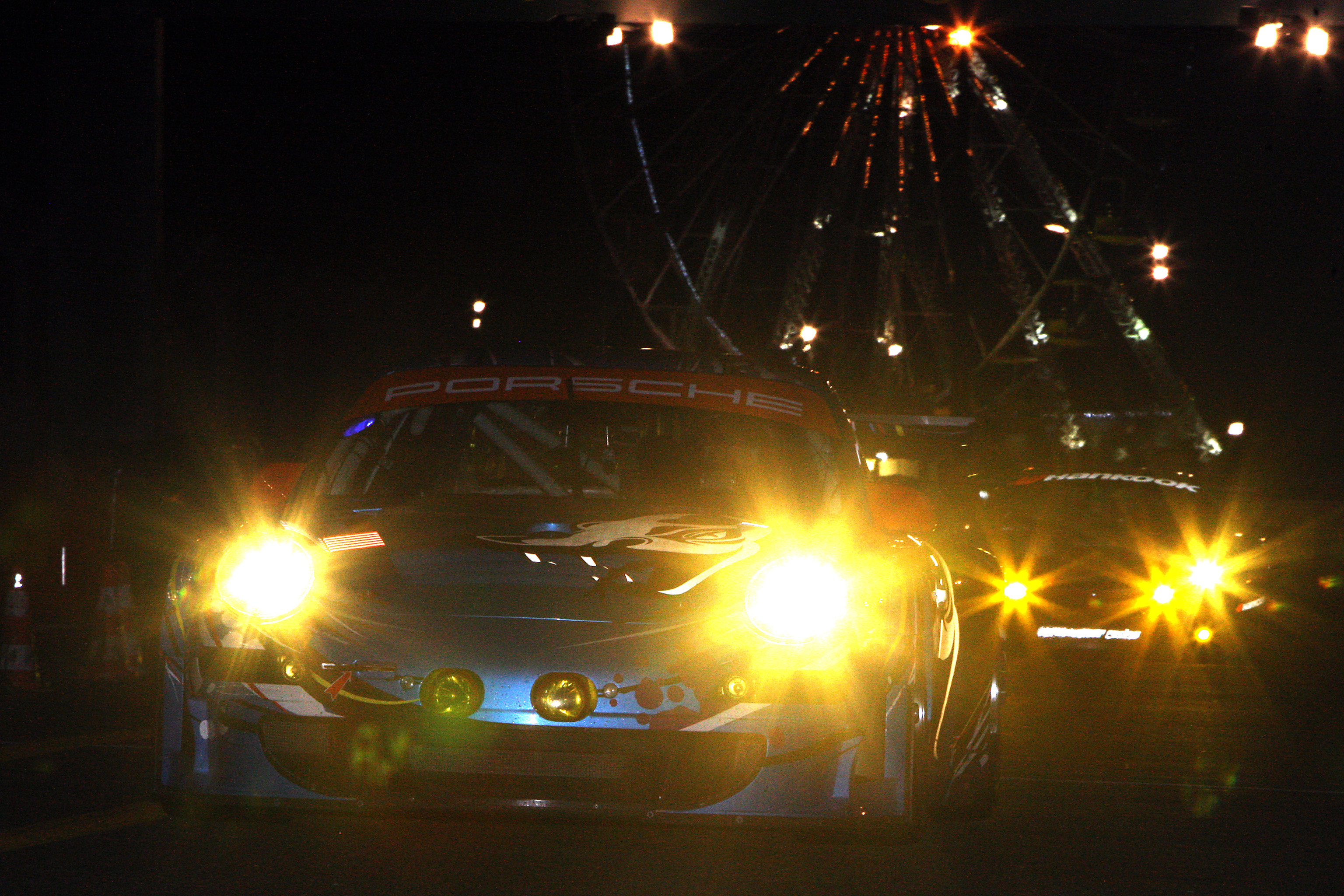
Stuttgart. Porsche’s customer teams have an eventful night behind them. With five hours to go until the finish of one of the toughest Le Mans races in history, the teams in the GTE Pro class currently sit in positions three, four, seven and eight.
Piloting the best-placed 911 GT3 RSR are the winning trio from last year. Porsche’s factory pilots Marc Lieb (Germany), Richard Lietz (Austria) and Wolf Henzler (Germany) fought their way through the field to now rank third thanks to the reliability of their 911, the perfect work of the drivers and the swift pit stops of the Felbermayr-Proton crew.
“I can’t remember the last time I experienced so many accidents at a Le Mans race,” said Marc Lieb, the two-time GT class winner of the Le Mans 24 Hours. “I don’t find it okay that many of the drivers are so extremely aggressive. Luckily we had no problems in the night and we are hoping for a podium finish.”
The drivers of the French IMSA Performance Matmut 911 can thank their fourth place at 10 a.m. to the fact that the night hours ran smoothly. Works driver Patrick Pilet, team owner Raymond Narac and Carrera Cup champion Nicolas Armindo (all France) all put in double stints. As planned, the brake pads were changed once.
Le Mans newcomer Armindo was surprised at the harshness of the competitors in the more powerful classes.
“Sometimes it seems we are completely invisible to them when they are lapping us,” says Armindo. “They drive as if we weren’t even there.”
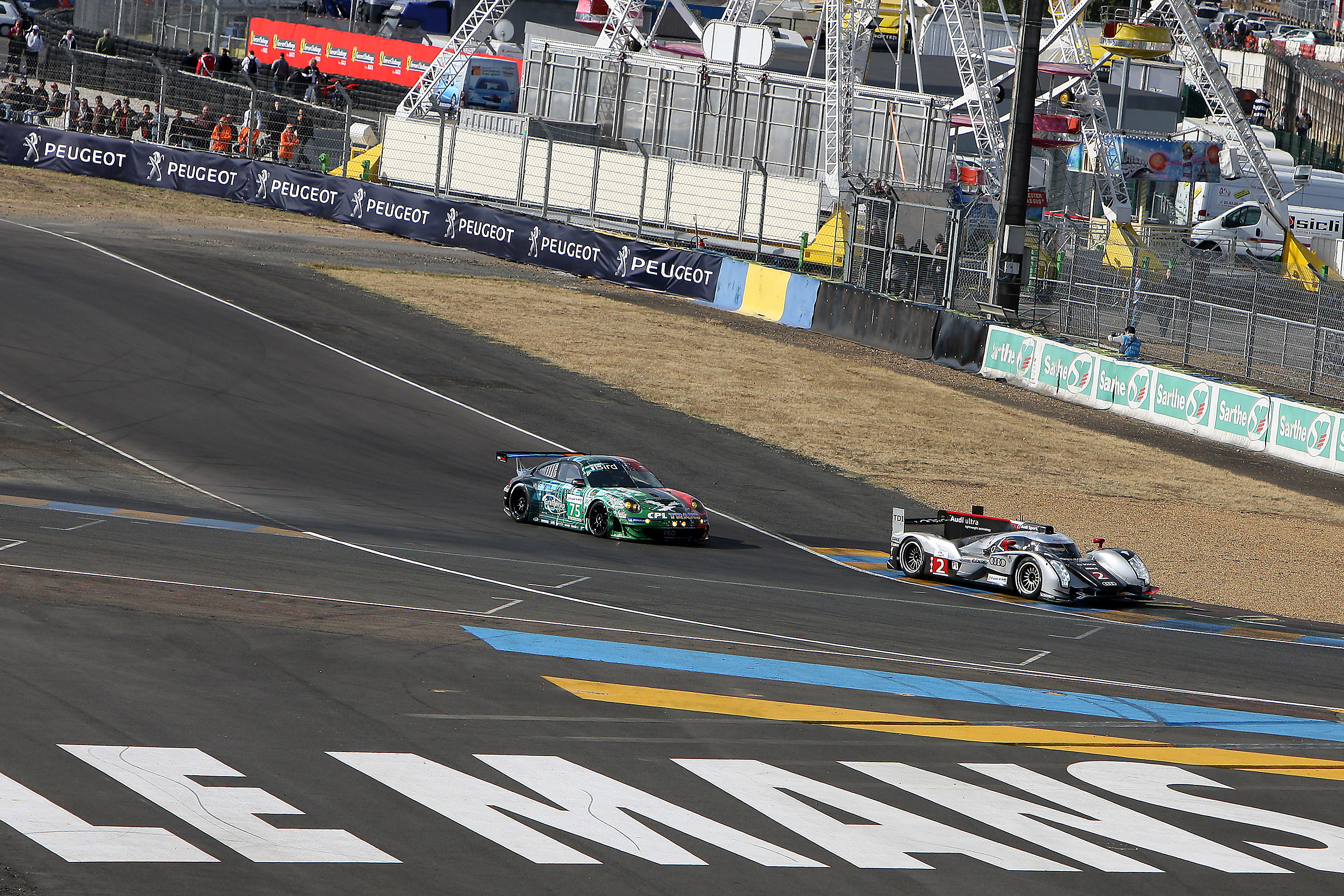
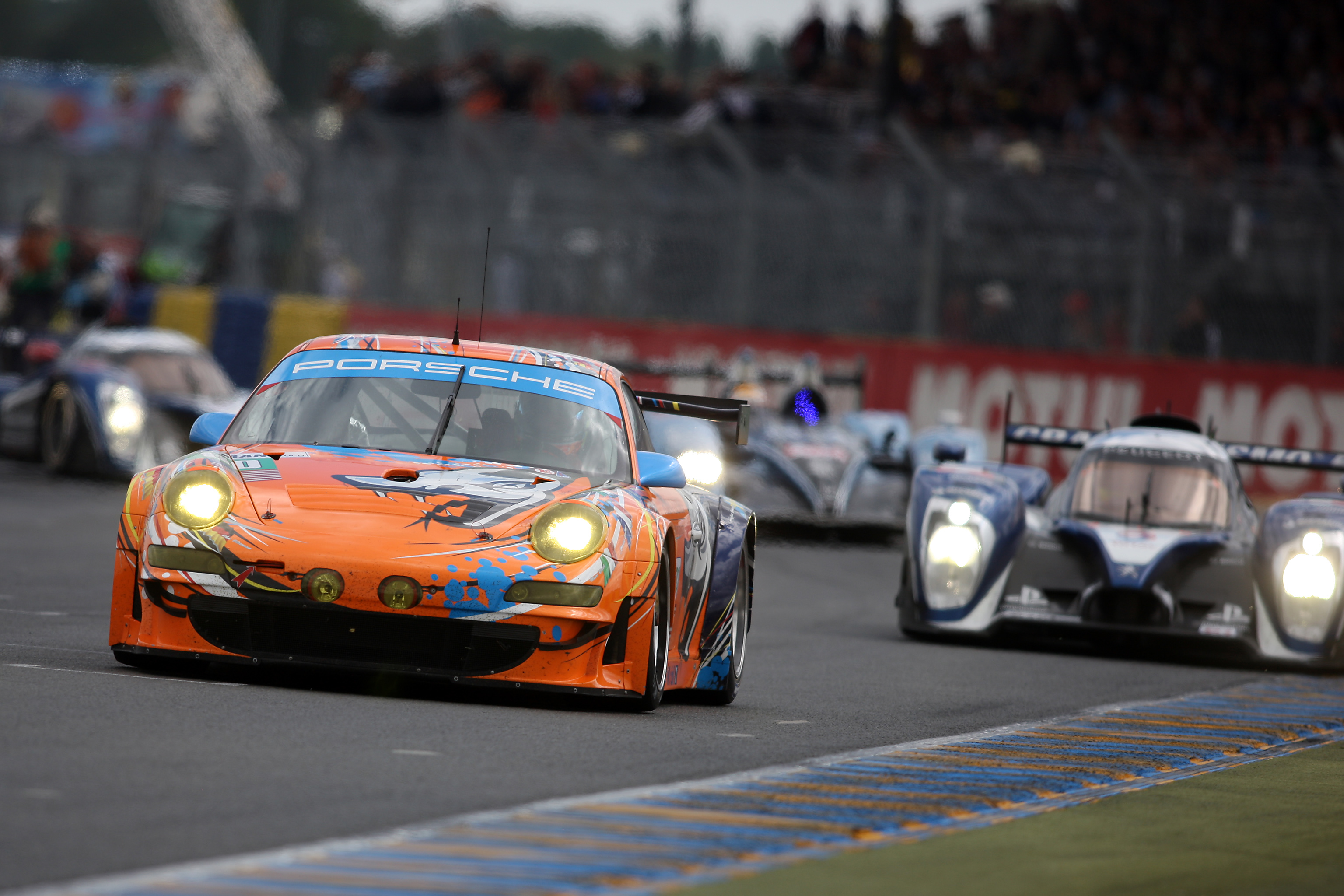
After leading for quite some time, the Porsche 911 GT3 RSR fielded by the American Flying Lizard Motorsports team lost an excellent fourth place within striking distance of the podium six hours before the finish. Works drivers Joerg Bergmeister (Germany), Patrick Long (USA) and seasoned racer Lucas Luhr (Germany) share driving duties in double stints and are doing a faultless job. However, due to a problem in the engine electrics, the 911 was forced to take an unscheduled pit stop and fell back from fourth to eighth position.
The Belgian ProSpeed Competition squad experienced a problem free start to the race only to suffer a sitback while lying in a promising fourth. A small leak in the water cooling system made repairs necessary in the early morning hours, which relegated works driver Marco Holzer (Germany), Marc Goossens (Belgium) and Jaap van Lagen (Netherlands) back down the field. Extreme bad luck plagued the second driver trio of Felbermayr-Proton. Suffering tyre damage Abdulaziz Al Faisal (Saudi Arabia) flew from the track in the fast Indianapolis corner. The Pro-911, which he shares with Nick Tandy (Great Britain) and Bryce Miller (USA), was so badly damaged that the team was unable to repair it. Luckily, Al Faisal climbed out uninjured.
Contesting the GTE Am class, Horst Felbermayr Senior (Team Proton Competition) fell victim to an opponent at 8.00 a.m. when his 911 was hit hard on the driver’s side of the 911 GT3 RSR. The Austrian was transported to hospital for an examination. In the same class, a 2010-spec 911 GT3 RSR fielded by the French Larbre Competition team currently ranks second.
This slideshow requires JavaScript.
Facts and figures
This is the Le Mans 24 Hours
With grid line-up of 55 vehicles, the 24 Hours of Le Mans consists of two different sports car categories: sports prototypes and modified standard sports cars. The technical regulations of the European Le Mans Series (LMS) and the American Le Mans Series (ALMS) correspond to those of the 24 hour race. All race cars start together in Le Mans; there is an overall classification and a classification for individual classes.
The four classes in Le Mans: GTE Pro class: The most popular class of car manufacturers (formerly run as the GT2 class) is traditionally the best supported: Modified sports cars with up to 500 hp and a minimum weight of 1,245 kilograms. GTE Am class: Like the GTE-Pro, but with the 2010-vehicle specifications. Moreover, the regulations stipulate that each vehicle must have one professional driver at the most. LMP1 class: Sports prototypes with up to 550 hp and a 900 kilogram minimum weight. LMP2 class: Sports prototypes of around 440 hp, GT-class homologated engines and a 900 kg minimum weight.
Stuttgart. The opening eight hours of the long distance classic brought mixed fortunes for the five Porsche customer teams.
The Belgian ProSpeed Competition squad made the best start to the race. After completing the first third of the distance, Porsche works driver Marco Holzer (Germany), Marc Goossens (Belgium) and Jaap van Lagen (Netherlands) rank third in the GTE Pro sports car class in the Porsche 911 GT3 RSR.
Flying Lizard Motorsports (USA) follows with factory pilots Joerg Bergmeister (Germany) and Patrick Long (USA) as well as seasoned campaigner Lucas Luhr (Germany) sitting sixth in the strongest-supported class of the 24 hour race.
Driving for the Felbermayr-Proton squad, last year’s winners Marc Lieb (Germany), Richard Lietz (Austria) and Wolf Henzler (Germany) were thrown far back down the field with two mishaps and are now fighting their way through the pack.
An hour before midnight, the Porsche works drivers lie tenth in the GTE Pro class.
“After refuelling we waited for ages for the lights to turn green at the pit exit during the safety car phase,” explains Marc Lieb. “Once we rejoined the race the car suffered tyre damage – I must have picked something up. Unfortunately it happened in the first chicane, that’s about 10 kilometres from the pits.”
Lieb returned to the pits on his rim and lost more time when the crew found that part of the body had also been damaged.
The ProSpeed Competition team are feeling cautiously optimistic.
“The first eight hours ran smoothly,” reported Marco Holzer.
The 22-year-old was a Le Mans rookie last year and now has the role of team leader. For Jaap van Lagen this marks a premiere on the demanding 13.629 kilometre track.
“I know exactly how this feels,” says Holzer. “You need quite some time to find a rhythm and to trust the car and your own ability. Our 911 is running well, the team’s pit stops are super. Our goal is to keep out of any trouble.”
The American Flying Lizard Motorsports team also faced tyre problems. Early on in the race, Joerg Bergmeister fell victim to tyre damage.
“My first stint was difficult because the set-up wasn’t one hundred percent,” said Bergmeister. “We then made a few changes and now the balance is much better. We can’t quite match the pace of the front-runners but we’re looking ahead. We can build on sixth place.”
Heading into the night, the French IMSA Performance Matmut team was not particularly pleased with their eighth place.
Works driver Patrick Pilet was also held up long at the red lights of the pit exit.
“It was really dumb,” complained the Frenchman. “But I had to come in to refuel otherwise I would have been stranded out there. The traffic on the track is brutal and the prototype drivers are at times very aggressive. Nicolas Armindo is a newcomer in our team, but he’s a very controlled driver.” Third in the group is an experienced Le Mans contender, team owner Raymond Narac (France).
The second Felbermayr-911 ranks 13th in the GTE Pro class after eight hours. At the wheel are Le Mans debutant Nick Tandy (Great Britain) and Abdulaziz Al Faisal (Saudi Arabia) as well as American Bryce Miller, who contested the endurance classic last year.
In the GTE Am sports car class, in which only one professional race driver is permitted per vehicle, Larbre Competition lies in a excellent first place with their 911 GT3 RSR in last year’s specification (as stipulated by the regulations for this class). The sister 911 of Flying Lizard Motorsports has settled in to fourth place, with the Proton Competition drivers currently sitting in sixth.
Facts and figures
This slideshow requires JavaScript.
This is the Le Mans 24 Hours
With grid line-up of 55 vehicles, the 24 Hours of Le Mans consists of two different sports car categories: sports prototypes and modified standard sports cars. The technical regulations of the European Le Mans Series (LMS) and the American Le Mans Series (ALMS) correspond to those of the 24 hour race. All race cars start together in Le Mans; there is an overall classification and a classification for individual classes.
The four classes in Le Mans: GTE Pro class: The most popular class of car manufacturers (formerly run as the GT2 class) is traditionally the best supported: Modified sports cars with up to 500 hp and a minimum weight of 1,245 kilograms. GTE Am class: Like the GTE-Pro, but with the 2010-vehicle specifications. Moreover, the regulations stipulate that each vehicle must have one professional driver at the most. LMP1 class: Sports prototypes with up to 550 hp and a 900 kilogram minimum weight. LMP2 class: Sports prototypes of around 440 hp, GT-class homologated engines and a 900 kg minimum weight.
Source: Images of the 24 Hours of Le Mans Porsche AG Press Database
Public Relations and Media
Motor and Sports Press
Stuttgart. The first step is taken with success. Porsche customer teams from all over Europe and the USA have secured good grid positions after the qualifying sessions for the 24 Hours of Le Mans.
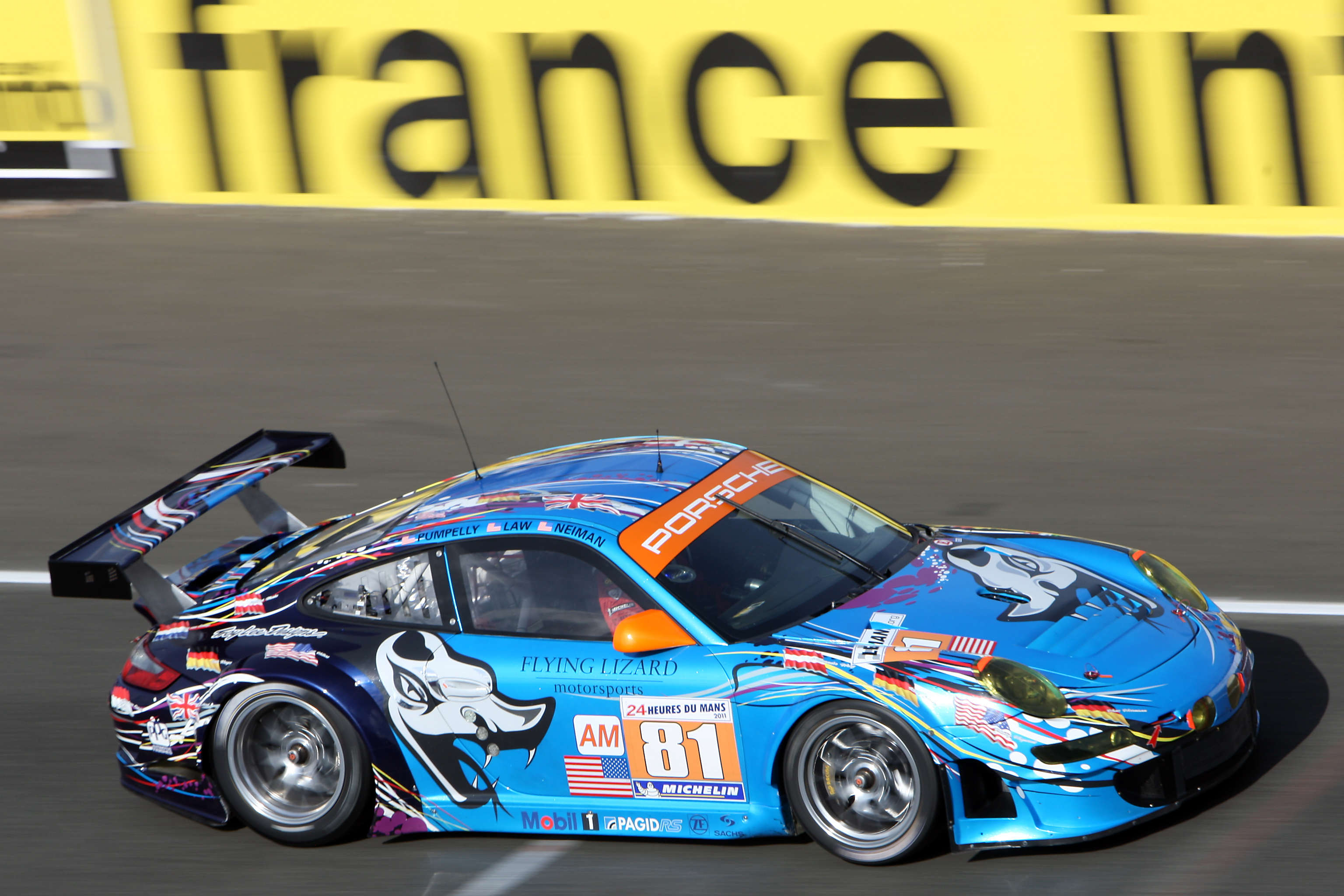
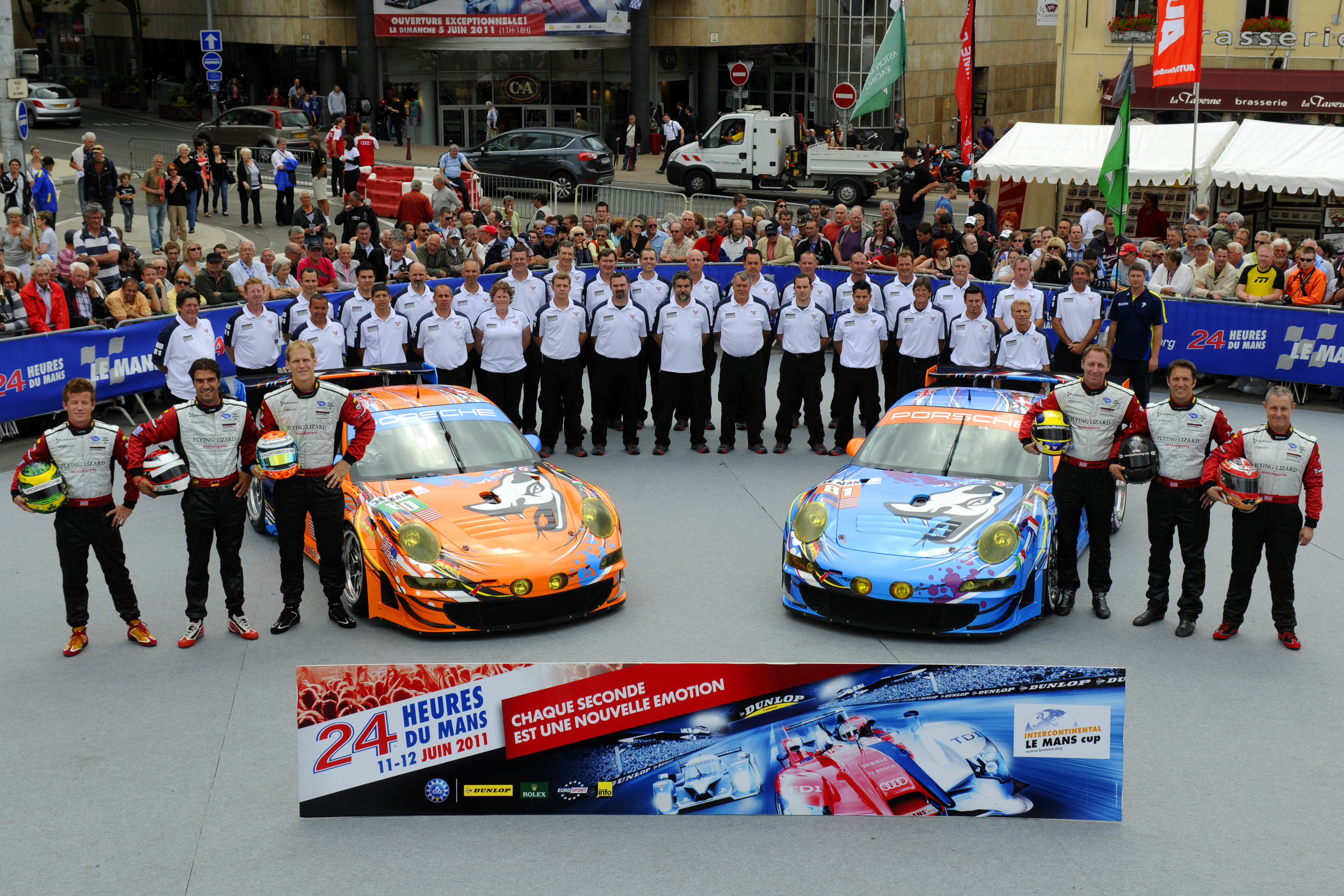
Porsche 911 GT3 RSR, Flying Lizard Motorsports (l.-r.): Jörg Bergmeister, Lucas Luhr, Patrick Long, Seth Neiman, Spencer Pumpelly, Darren Law
The fastest Porsche driver, works pilot Marc Lieb (Germany), planted the Felbermayr 911 GT3 RSR on seventh in the GTE Pro class. Lieb competes for last year’s winning team with works drivers Richard Lietz (Austria) and Wolf Henzler (Germany). Four other 2011-spec 911 GT3 RSR take up the race in the GTE Pro category. In the GTE Am class, three 911 GT3 RSR from last year take off into the 79th edition of the long distance classic on Saturday at 15.00 hours from positions two, three and four.
(l.-r.): Marc Lieb, Richard Lietz, Wolf Henzler
“We’re satisfied with our preparations and are feeling confident for the race,” said two-time Le Mans winner Marc Lieb. “In the practice sessions, we managed to find a good set-up for our 911 for the challenges of this marathon and the very special, highly demanding race track.”
Richard Lietz, who has also notched up two wins at the world’s toughest automobile race, added:
“The handling of our 911 GT3 RSR is neutral and comfortable. This means that the car tends neither towards oversteer nor understeer. This works in favour of Marc, Wolf and I because our driving styles are similar.”
Porsche 911 GT3 RSR, Team Felbermayr-Proton
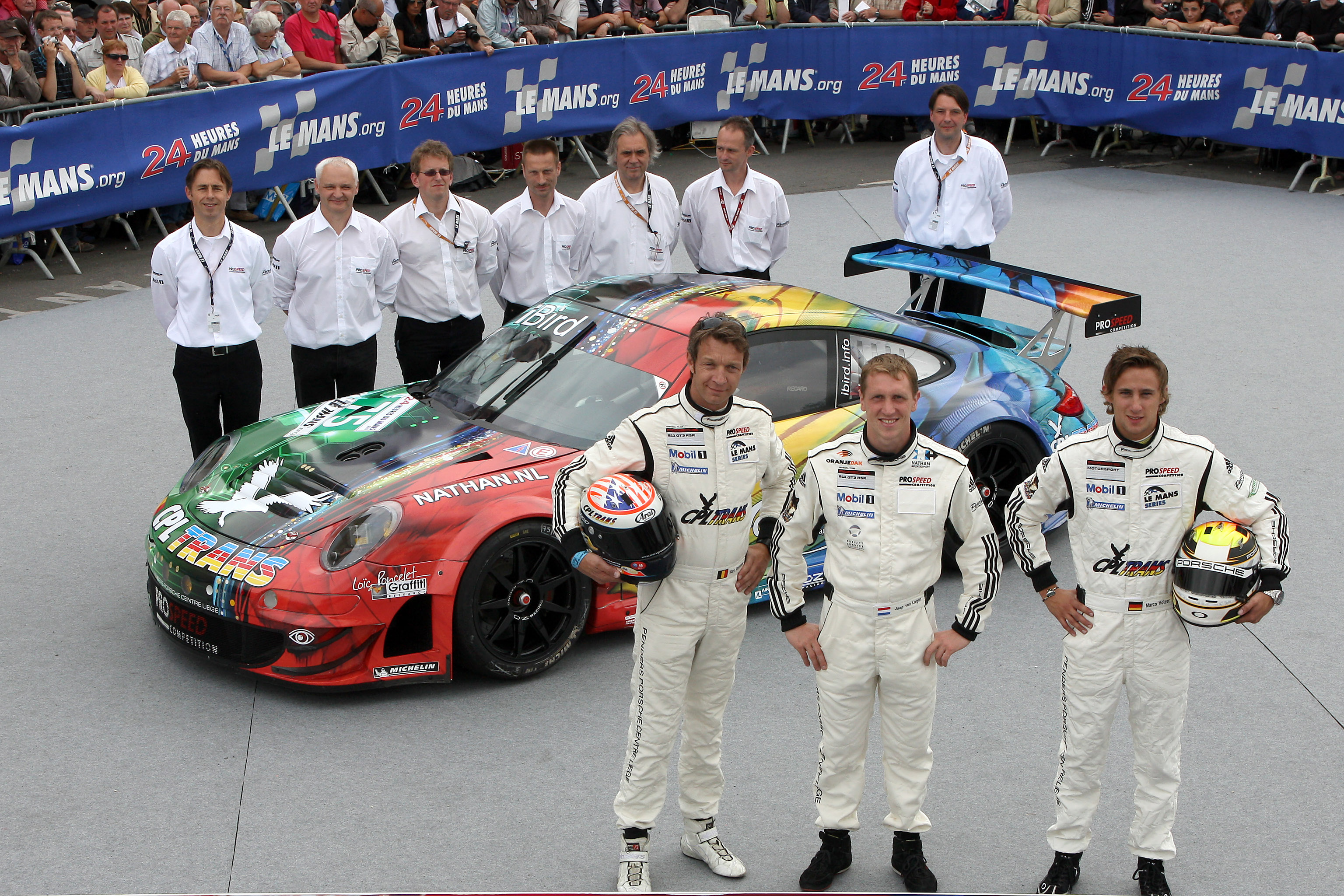
The crew of the #75 Porsche 911 GT3 RSR also finished the qualifying without problems. Porsche factory pilot Marco Holzer (Germany) clinched the ninth grid spot for the ProSpeed Competition squad.
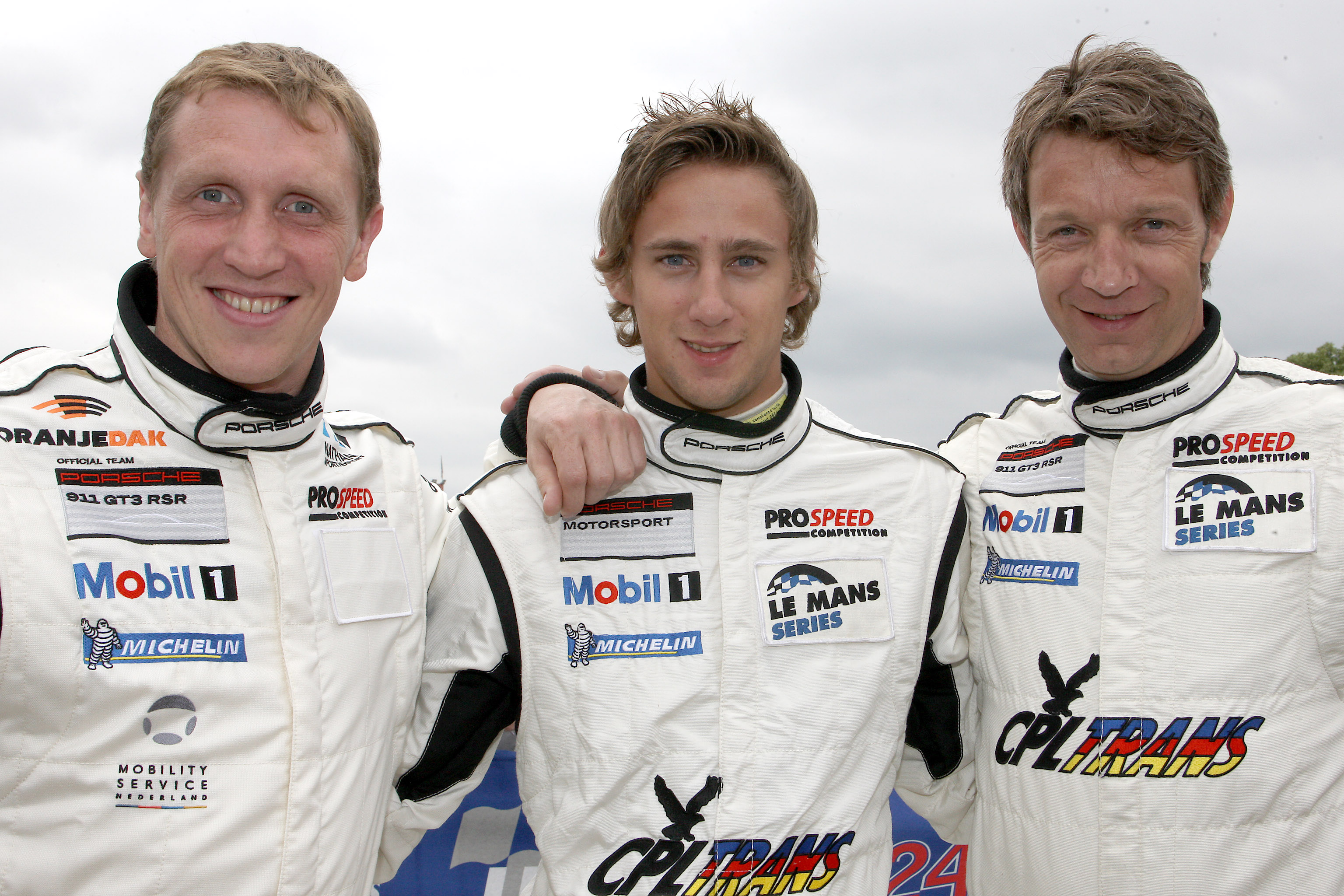
Porsche 911 GT3 RSR, Prospeed Competition (l.-r.): Marc Goossens, Jaap van Lagen, Marco Holzer
(l.-r.): Jaap van Lagen, Marco Holzer, Marc Goossens
“Today we worked on our race set-up,” said Holzer. “Yes, we were faster yesterday but our car was rather twitchy, and that wouldn’t have been optimal over the race distance. There are a couple of damn fast corners here in Le Mans so you need a car that you can trust. And now we have that car.”
Porsche 911 GT3 RSR, Prospeed Competition: Marc Goossens, Marco Holzer, Jaap van Lagen
Joining forces with the 22-year-old is Le Mans veteran Marc Goossens (Bel-gium) as well as Le Mans rookie Jaap van Lagen (Netherlands).
Porsche 911 GT3 RSR, Flying Lizard Motorsports: Jörg Bergmeister, Patrick Long, Lucas Luhr
A damaged damper and an accident threw the schedule of the Flying Lizard Motorsports into disarray.
“Because of the faulty shock absorber we worked in the wrong direction for a long time during yesterday’s practice session,” explained Porsche works driver Joerg Bergmeister (Germany). “Then we lost time when a competitor spun and I couldn’t avoid him. The repairs were extensive. We decided to forget about turning an extra qualifying lap and instead we concentrated totally on finding a set-up.”
(l.-r.): Jörg Bergmeister, Patrick Long, Lucas Luhr
Bergmeister takes up the marathon on Saturday with his works driver colleague Patrick Long (USA)
Lucas Luhr
and Germany’s Lucas Luhr from 12th position in the GTE Pro class.
Porsche 911 GT3 RSR, Team Felbermayr-Proton: Nick Tandy, Abdulaziz Al Faisal, Bryce Miller
Grid position 14 went to Nick Tandy in the second 911 GT3 RSR fielded by Felbermayr-Proton. The Briton currently leads the Porsche Mobil1 Supercup series as well as the German Carrera Cup, but this marks his first race in Le Mans. His teammates are Abdulaziz Al Faisal from Saudi Arabia and Bryce Miller from the USA.
Porsche 911 GT3 RSR, IMSA Performance Matmut (l.-r.): Patrick Pilet, Raymond Narac, Nicolas Armindo
The French IMSA Performance Matmut squad had counted on a better grid position than 16th. Still, after team owner Raymond Narac’s accident during the first free practice, Porsche works driver Patrick Pilet, Narac and Le Mans newcomer Nicolas Armindo (all France) could only begin their set-up work this afternoon and therefore lag be-hind.
(l.-r.): Raymond Narac, Nicolas Armindo, Patrick Pilet
In the GTE Am sports car class, Austrian Horst Felbermayr Junior qualified the 911 GT3 RSR of Proton Competition on second place. His teammates are Horst Felber-mayr Senior and team owner Christian Ried (Germany).
(l.-r.): Horst Felbermayr Sr., Christian Ried, Horst Felbermayr Jr.
Position three was snatched by Larbre Competition’s
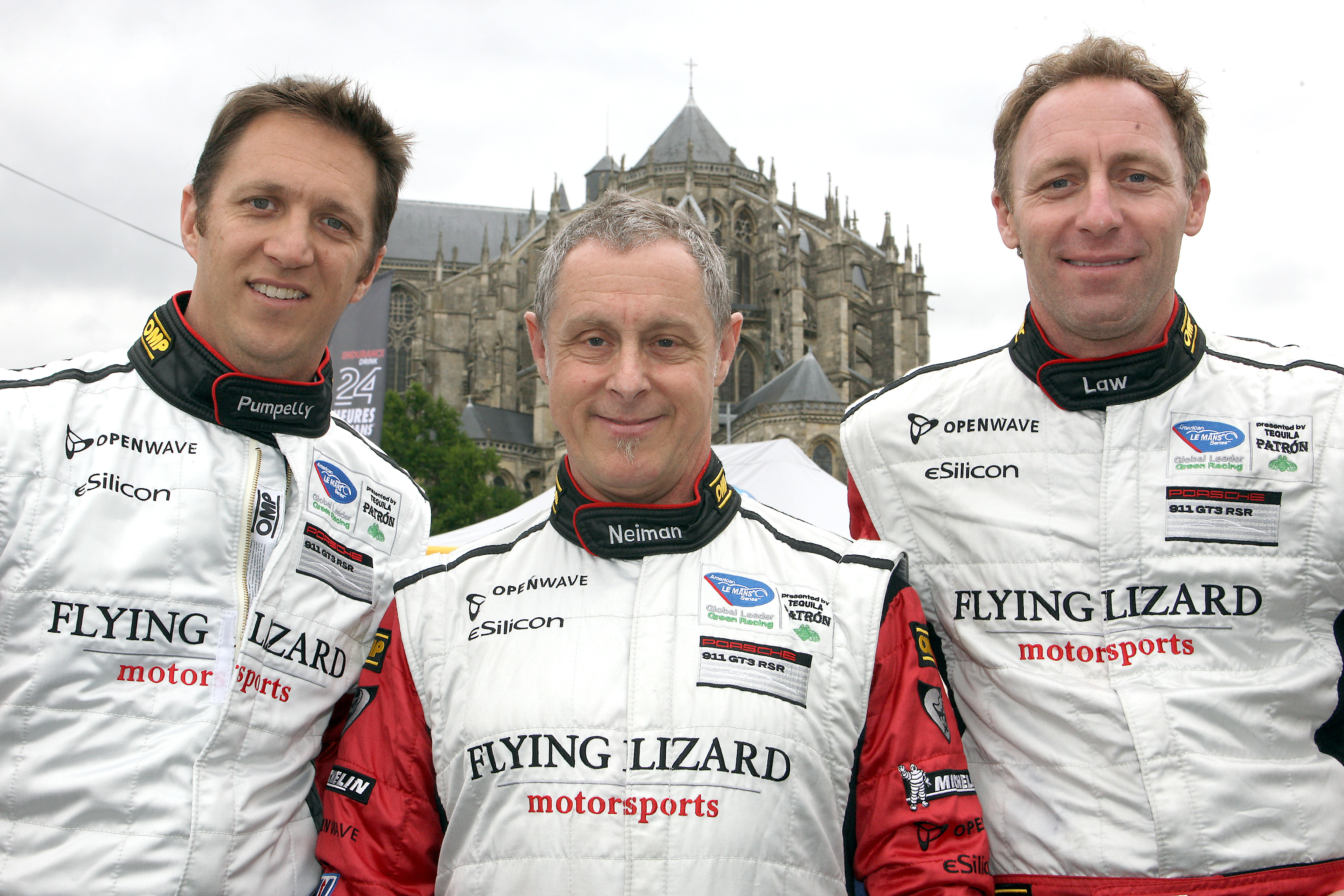
Grid spot four in the GTE Am class went to Americans Seth Neiman, Darren Law and Spencer Pumpelly from the Flying Lizard Motorsports team.
(l.-r.): Spencer Pumpelly, Seth Neiman, Darren Law
Porsche’s head of motorsport, Hartmut Kristen, praised the teams’ professional preparations for the race.
“They all worked hard to find an optimal set-up. Taking the Balance of Performance into account, the teams made the most out of what was possible.”
The race gets the green light at 15.00 hours on Saturday, 11th June. Television stations Eurosport and Eurosport 2 broadcast the race alternately around the clock with 15 hours of live coverage shown on the main station, Eurosport.
Result Qualifying GTE Am
1. Perazzini/Cioci/Breslin (I/I/D), Ferrari F430, 4:21.015 minutes
2. Ried/Felbermayr Jr./Felbermayr Sen. (D/A/A), Porsche 911 GT3 RSR, + 2.250 seconds
3. Bourret/Gibon/Belloc (F/F/F), Porsche 911 GT3 RSR, + 2.366
4. Neiman/Law/Pumpelly (USA/USA/USA), Porsche 911 GT3 RSR, + 2.636
Facts and figures
This is the Le Mans 24 Hours
This slideshow requires JavaScript.
With a grid line-up of 55 vehicles, the 24 Hours of Le Mans consists of two different sports car categories: sports prototypes and modified standard sports cars. The technical regulations of the European Le Mans Series (LMS) and the American Le Mans Series (ALMS) correspond to those of the 24 hour race. All race cars start to-gether in Le Mans; there is an overall classification and a classification for individual classes.
The four classes in Le Mans: GTE Pro class: The most popular class of car manufacturers (formerly run as the GT2 class) is traditionally the best supported: Modified sports cars with up to 500 hp and a minimum weight of 1,245 kilograms. GTE Am class: Like the GTE-Pro, but with the 2010-vehicle specifications. More-over, the regulations stipulate that each vehicle must have one professional driver at the most. LMP1 class: Sports prototypes with up to 550 hp and a 900 kilogram minimum weight. LMP2 class: Sports prototypes of around 440 hp, GT-class homologated engines and a 900 kg minimum weight.
Basis for the first victory was certainly the lower consumption of the hybrid compared to the other cars.
At the fourth round of the VLN, the Porsche 911 GT3 R Hybrid celebrate the first victory – only two stops as the key to success
Less recharge, drive longer: this is the recipe for success of the enhanced Porsche 911 GT3 R hybrid.
With version 2.0, Porsche works driver Richard Lietz, Marco Holzer and Patrick Long drove in the fourth round of the Endurance Championship for the first victory of the hybrid race car from Weissach.
While almost all direct competitors stopped three times to refuel in the pits, the hybrid with just two stops, was victory and checkered flag for the Porsche hybrid.
The second race of the 911 GT3 R hybrid in the Endurance Championship in 2011 is the successful completion of the intensive preparation for the 24-hour race Nürburgring 25-26. June.
“We are using the technical specifications of the vehicle and the reliability of the hybrid system extremely satisfied,” saysPorsche head of motorsport Hartmut Kristen.
“We have over the competition a pit stop saving and go with less energy input from the outside similarly fast lap times. This is what we mean by Porsche Intelligent Performance. I am particularly pleased that even the 911 GT3 RSR by Manthey Racing the known efficiency of the Porsche 911 models could prove, and was number two. “
The focus of the development of the Porsche 911 GT3 R hybrid was clearly on the increase in efficiency. For this, the vehicle weight was reduced from 1,350 kg to 1,300, which even the hybrid components are involved. Their weight was reduced by 20 percent by direct optimization. The general hybrid layout was taken from the 2010 model.
This slideshow requires JavaScript.
The power used in the portal axle two electric motors has been increased from every 60 to 75 kilowatts. Overall, the pilot of the 911 GT3 R Hybrid 2.0 seconds, an additional capacity of around 200 horsepower, which corresponds to a lap on the Nordschleife of an additional conventional capacity of approximately 23 kW (32 hp). The electric power is automatically supplied as programmed when the accelerator pedal.
In addition, the pilot, the hybrid-electric auxiliary power to retrieve it manually, for example when overtaking. While the portal axle drives the front wheels, was the 4.0-liter, now 465 hp six-cylinder boxer engine that delivers its power to the rear axle, cut back in power, and optimized in terms of fuel consumption.
“We ran like clockwork with hybrid penalty,” said Marco Holzer.
“The key to success was now near the low fuel consumption and reliable technology that all drivers were on a uniformly high level of the road and have made no mistakes,” added teammate Richard Lietz.
A trouble-free race also went to the yellow-green Porsche 911 GT3 RSR of the Manthey team.
With seven seconds behind occupied Lieb, Luhr and Dumas in second place.
“This was an almost perfect race. Unfortunately, our 911 GT3 R, the cockpit I’ve shared with Timo Bernhard and Romain Dumas, roughly by a competitor of the runway bowled,” said double starter Marc Lieb..
Oliver Hilger-Photo Porsche
Nürburgring Long Distance Championship PHOTOS: Porsche AG Press
Porsche Hybrid GT3 R beim freien Training der VLN auf der Nordschleife 29.04.2011
Stuttgart. The development of the Porsche 911 GT3 R Hybrid 2.0 is running at full revs.
This Saturday, April 30th, the further-developed version of the innovative Hybrid race car contests round two of the Nürburgring Long Distance Championship (VLN).
Another test under race conditions is planned at the fourth VLN round on 28 May.
At the race debut of the modified version of the 911 GT3 R Hybrid on 30th April, Porsche works drivers Joerg Bergmeister (Germany),
Porsche takes up the Nürburgring 24 hour race on 25 June with a further developed version of the Porsche 911 GT3 R Hybrid.
So, what’s been done with this latest Porsche 911 Hybrid race car?
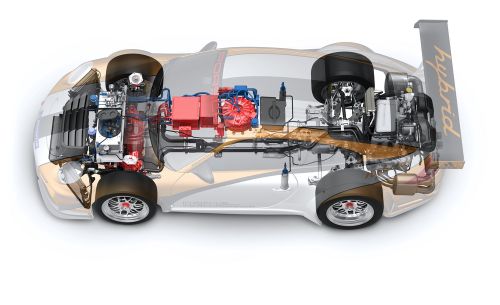
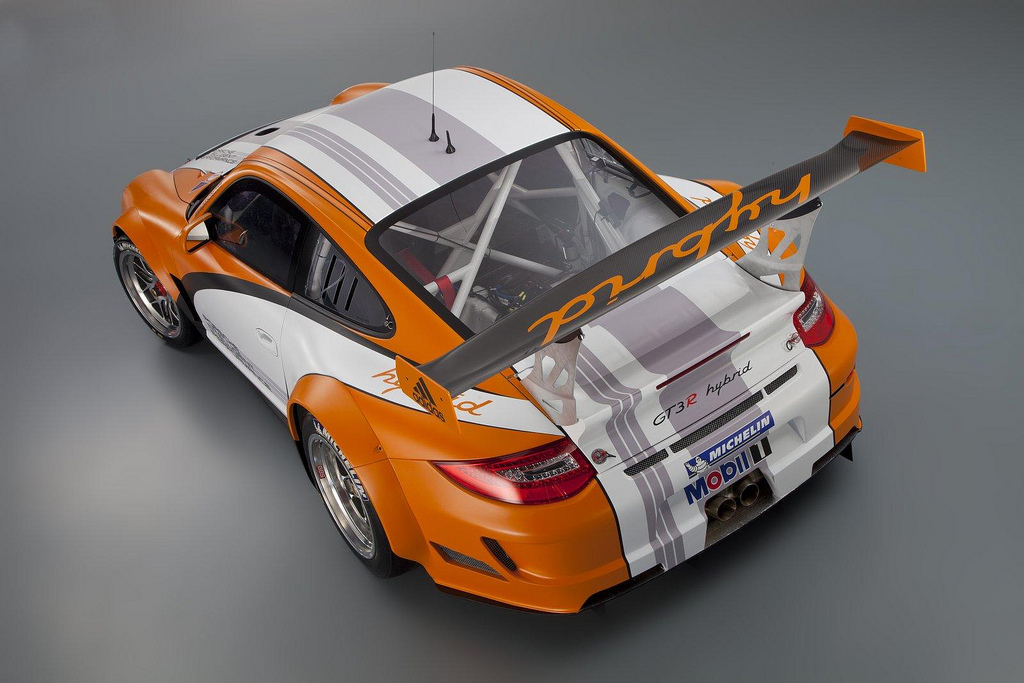
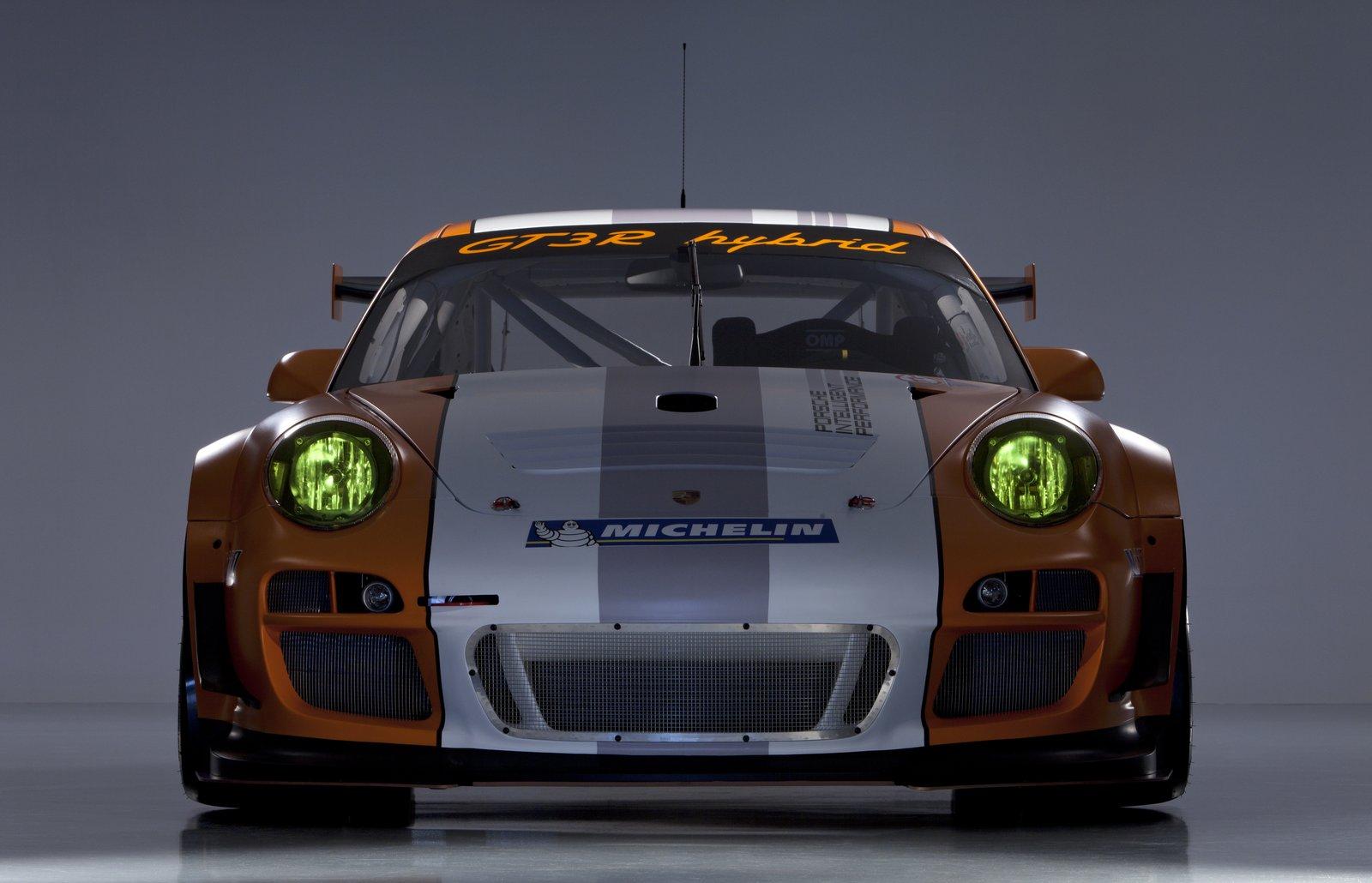
Priority of the development was given to the improvement of efficiency through the targeted optimisation of hybrid components, which also resulted in a 20 percent weight reduction. Version 2.0 of the 911 GT3 R Hybrid is intended to achieve the same lap times as its predecessor but with less fuel consumption.
The general layout of the hybrid was adopted from the 2010 model. A portal axle with two electric motors drives the front wheels and supplements the four-litre, depending on the balance of performance classification approximately 470 hp, six-cylinder boxer engine at the rear. The output of both electric motors has increased from 60 to 75 kilowatts each. For seconds at a time, pilots now have almost an additional 200 hp at their disposal with the 911 GT3 R Hybrid 2.0.
Depending on the programming, this power is automatically activated through use of the throttle pedal. Moreover, pilots can manually call up this extra power, for instance when overtaking.
The electric flywheel accumulator, with its rotor spinning up to 40,000 rpm and stor-ing energy mechanically as rotational energy, is now housed with the other hybrid components in a carbon fibre safety cell on the passenger’s side.
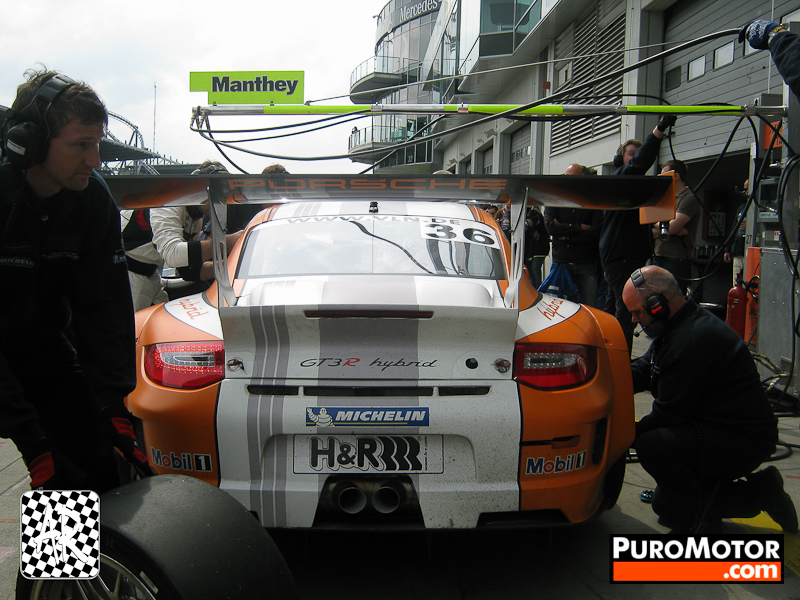
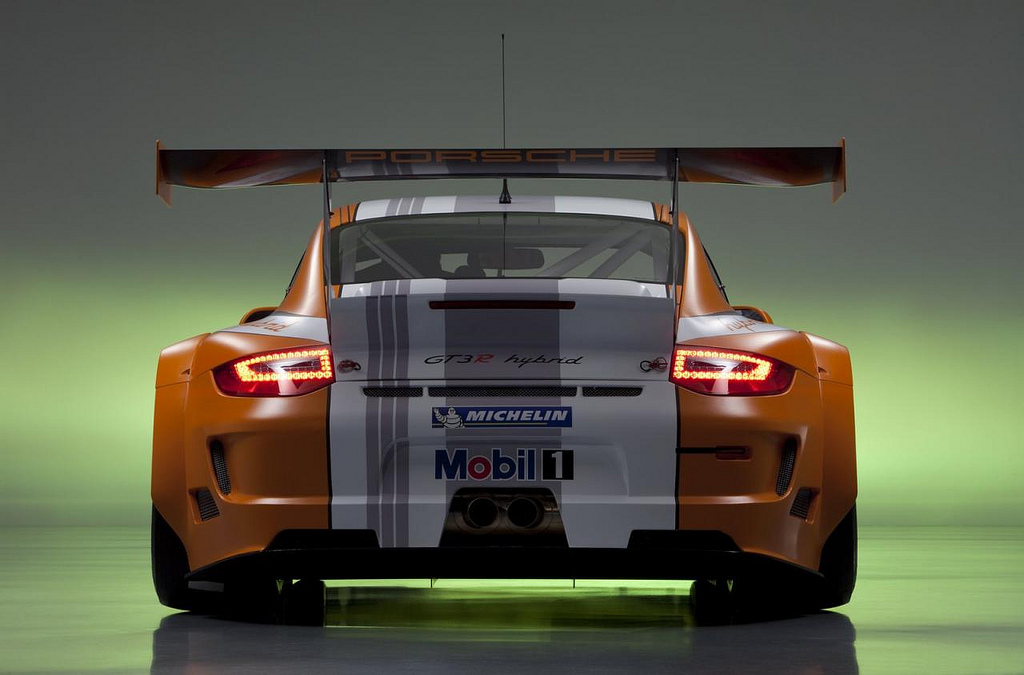
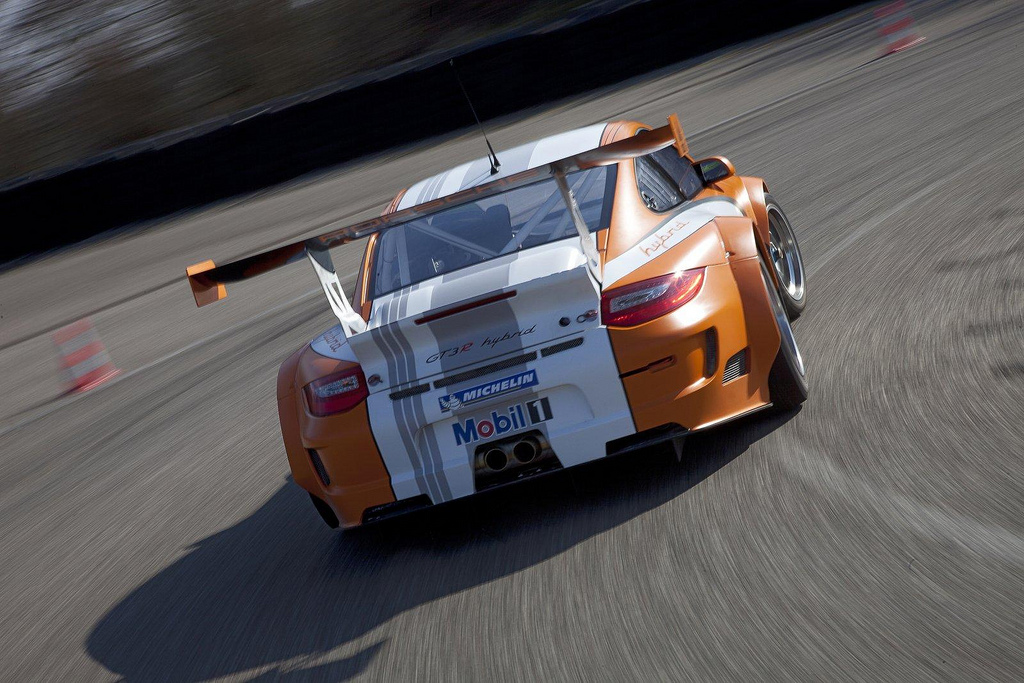
At first glance, the new GT3 R Hybrid is clearly distinguishable from the 2010 model. Thanks to the optimisation of the hybrid system’s high voltage components, the large louvres in front of the rear fenders were no longer necessary. This reduces drag and also lowers fuel consumption. All in all, the weight of the vehicle decreased from 1,350 to 1,300 kilograms. “We’ve collected a great deal of information from our races on the Nürburgring, at the ALMS race at Road Atlanta in the USA, as well as from the ILMC race on China’s Zhuhai circuit, which was an invaluable help for the further development of our racing laboratory,” says Hartmut Kristen, head of Porsche motorsport.
“The emphasis of our work was on improving efficiency. That means we want to keep the lap times consis-tent with 2010 but use less energy, hence less fuel. In this way, we support future developments of road-going, sporting hybrid vehicles.”
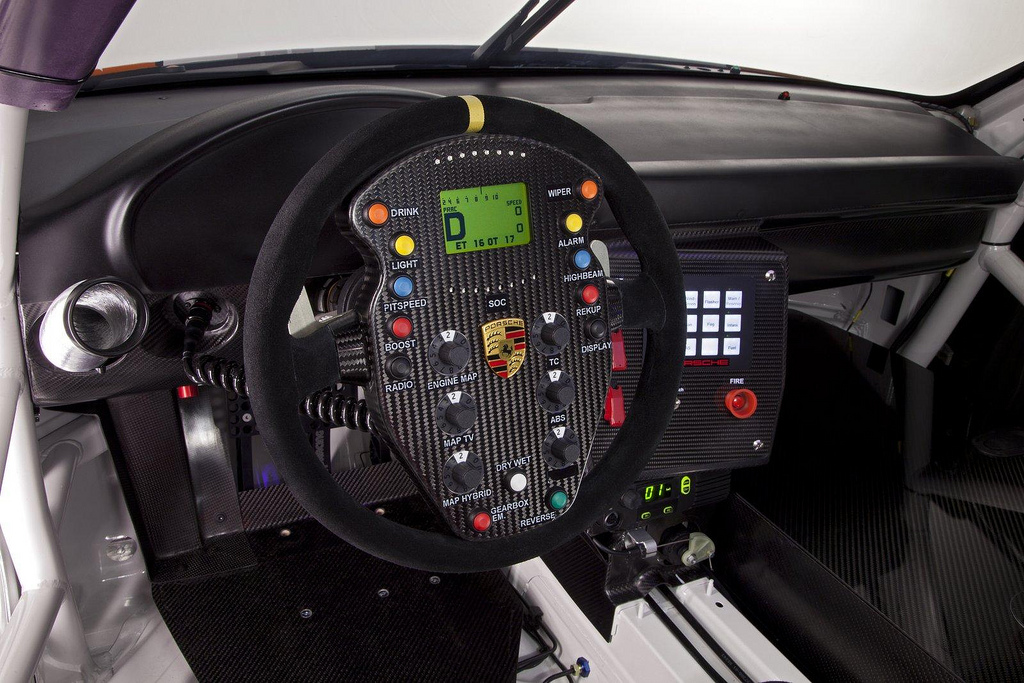
The cockpit of the 911 GT3 R Hybrid has also been completely revised. Most of the displays and controls have moved to the steering wheel. Drivers can operate the rest of the functions via backlit buttons now situated on the centre console.
Priority was placed on the ergonomics and the clear layout for pilots – particularly in darkness.
The new 911 GT3 R Hybrid is a perfect example of the ‘Porsche Intelligent Performance’ philosophy, a principle found in every Porsche: More power on less fuel, more efficiency and lower CO2 emissions – on the race track and on the road.
 Lohner-Porsche “Semper Vivus”, Porsche factory drivers Richard Lietz, Jörg Bergmeister, Marco Holzer, Patrick Long (l-r)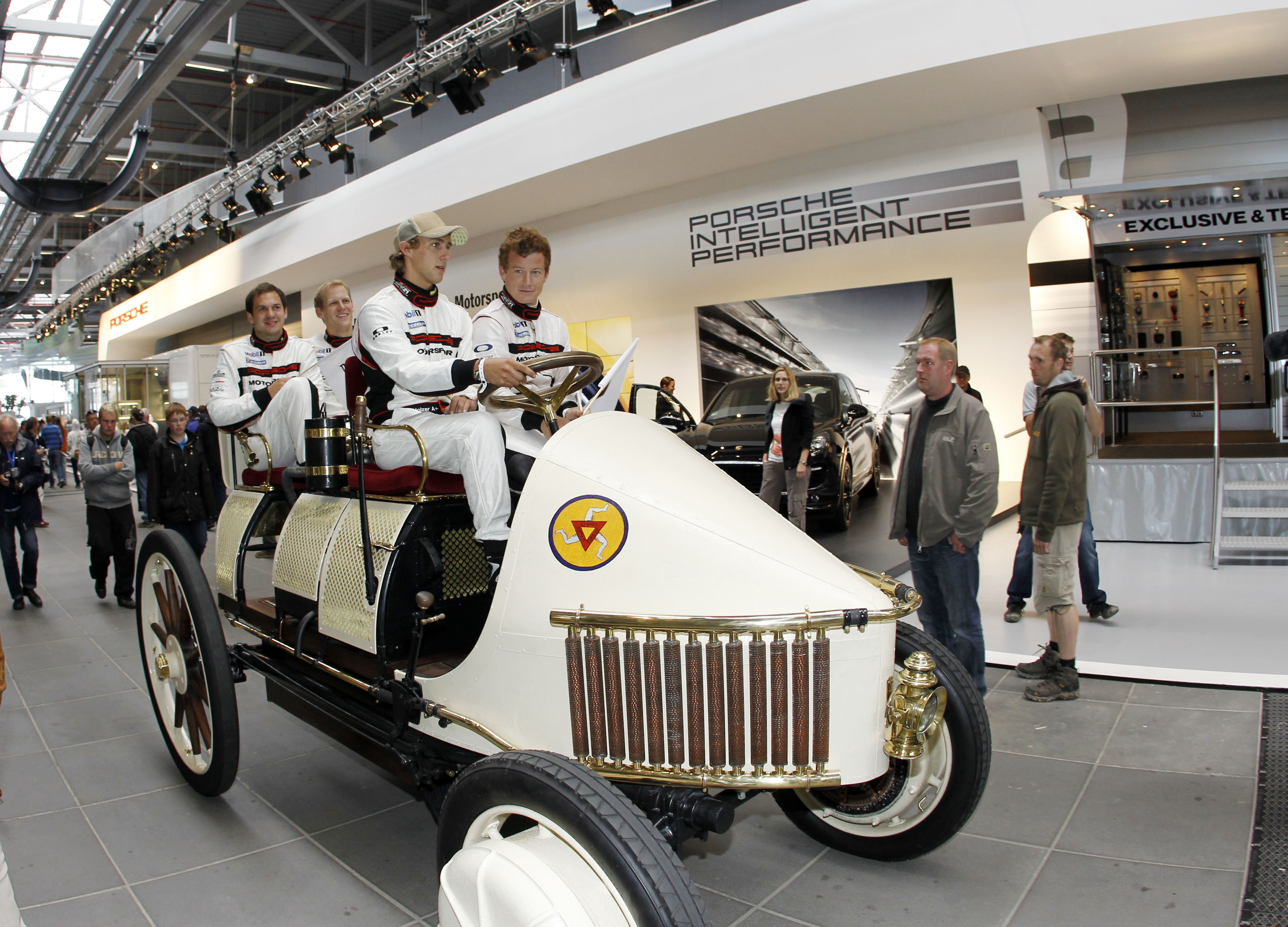
 Lohner-Porsche “Semper Vivus”, Porsche factory drivers Richard Lietz, Jörg Bergmeister, Marco Holzer, Patrick Long (l-r)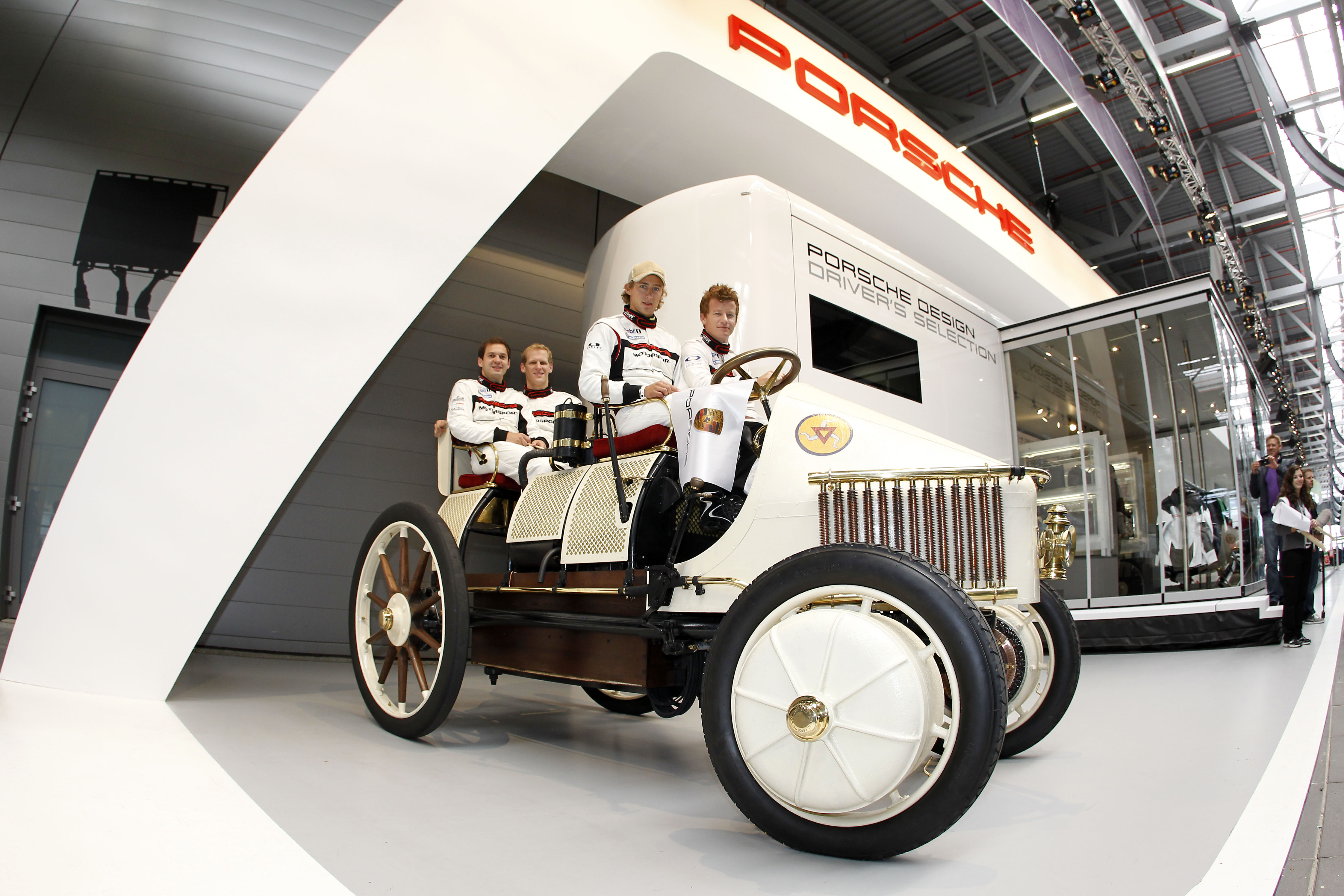
 Lohner-Porsche “Semper Vivus”, Porsche factory drivers Richard Lietz, Jörg Bergmeister (rear from left), Marco Holzer, Patrick Long (front from left))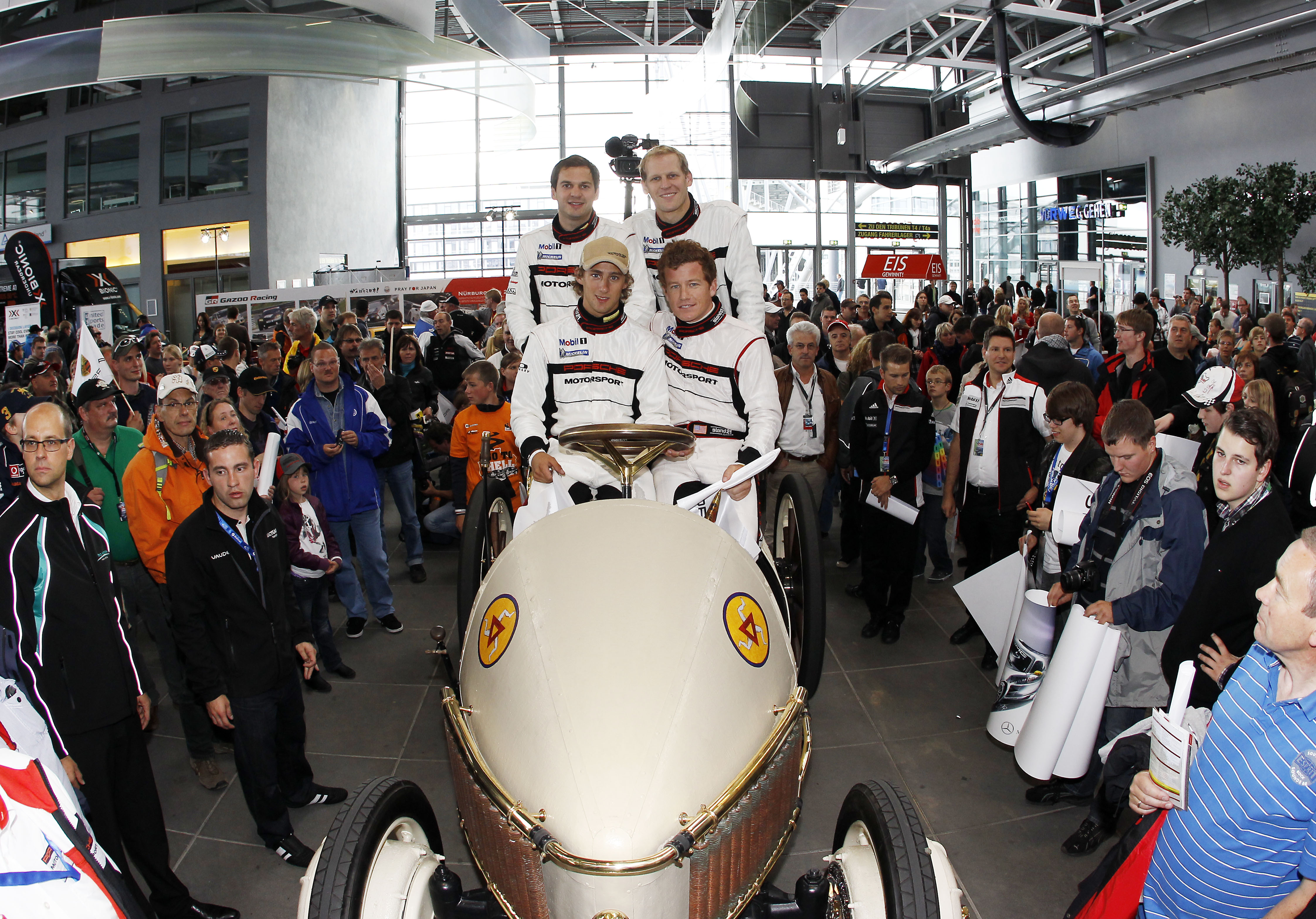
 Lohner-Porsche “Semper Vivus” with Porsche factory drivers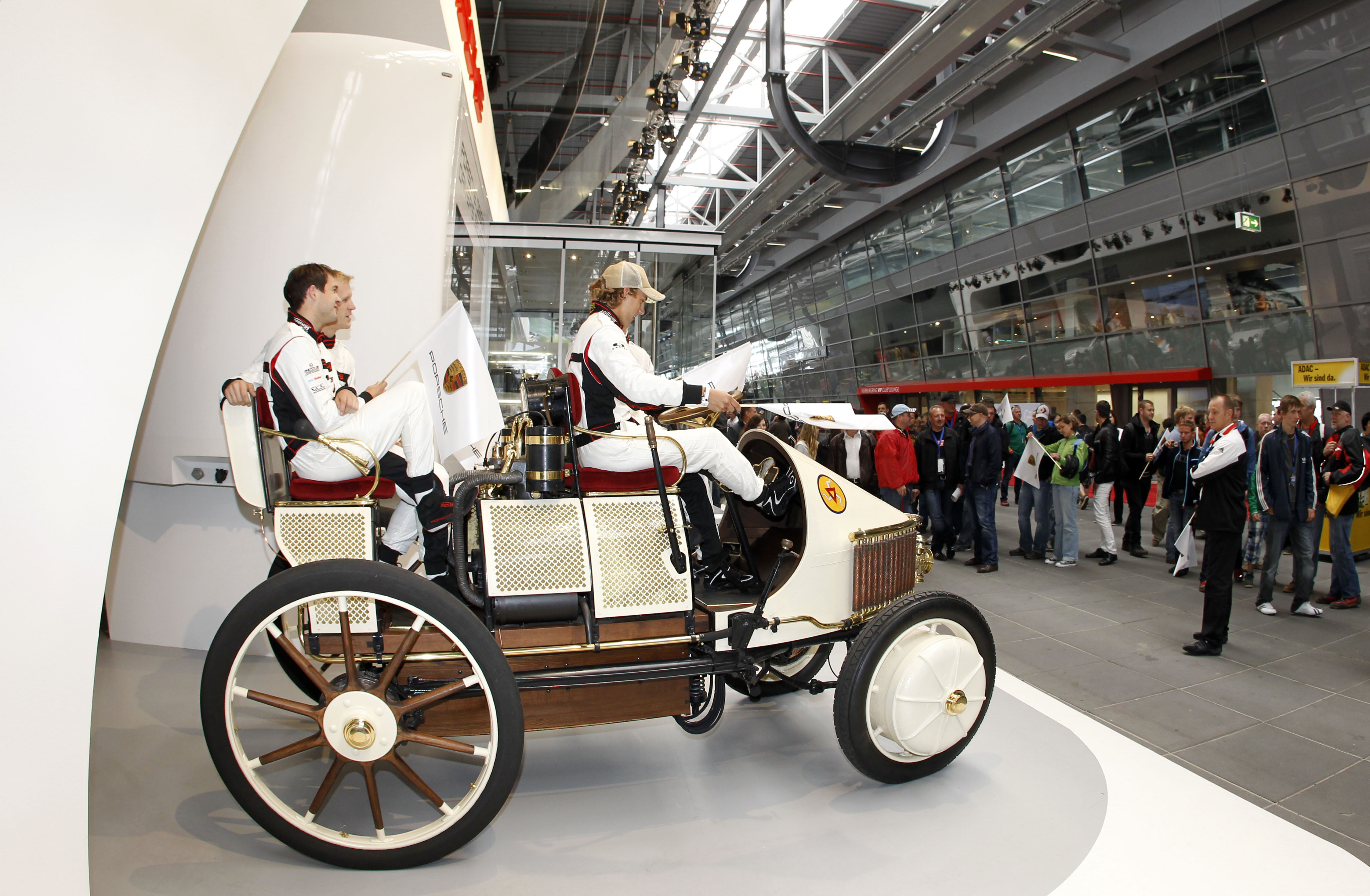
 Lohner Porsche “Semper Vivus”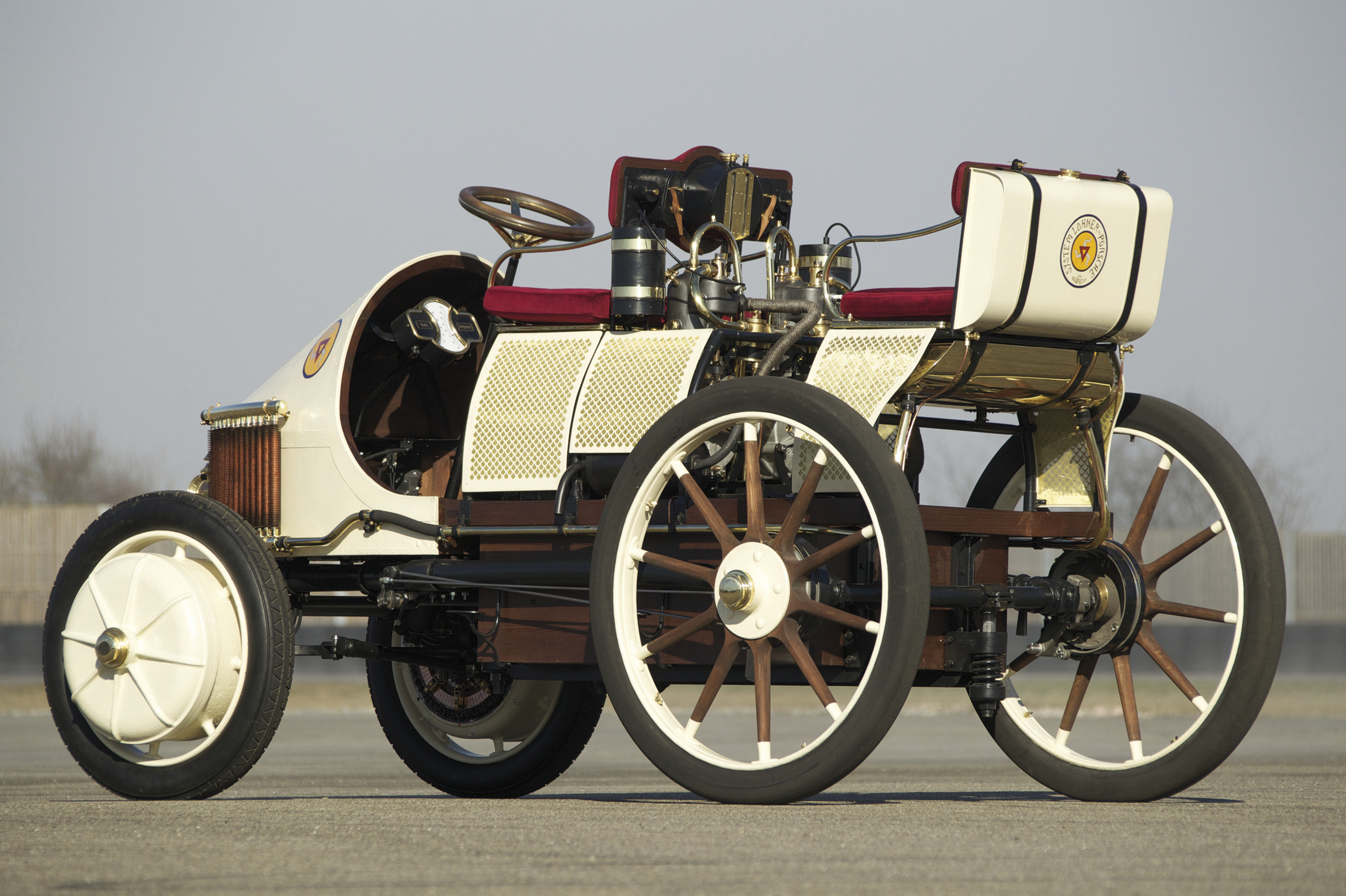

 Porsche Everyday Dedeporsches Blog