It's all about Porsche…if you're an owner of a Porsche,or a big enthusiast of Porsche Cars, Porsche Motorsports, Porsche Design, Porsche History, or a member of a Porsche Club….join me on focusing just about PORSCHE!!
Unique brand experience with brand stories, virtual test drive and design competition
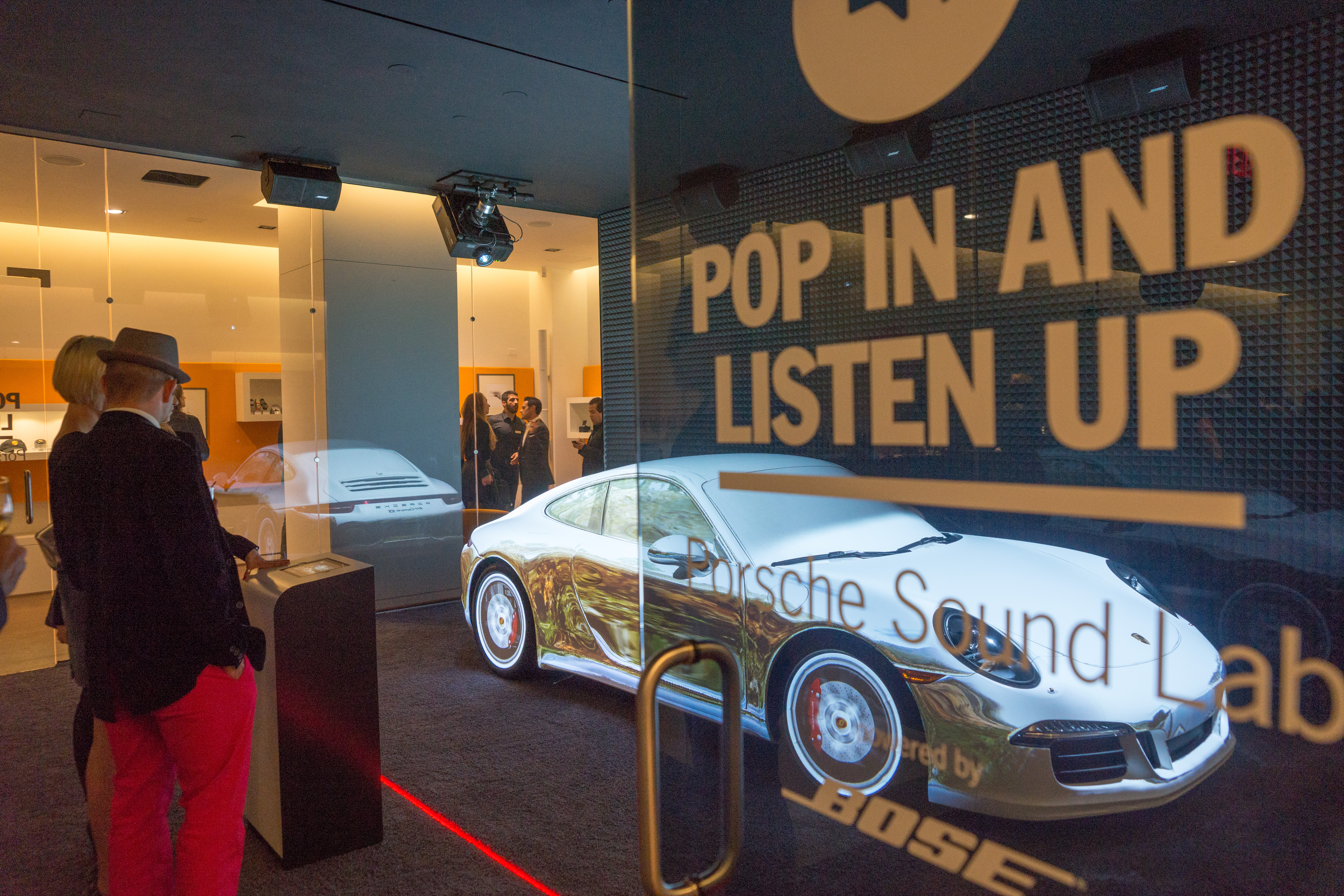
Unusual presentation in the sound lab: Visitors can take a virtual ride and become acquainted with the (real!) icon 911 in the city, in the mountains or on the racetrack.
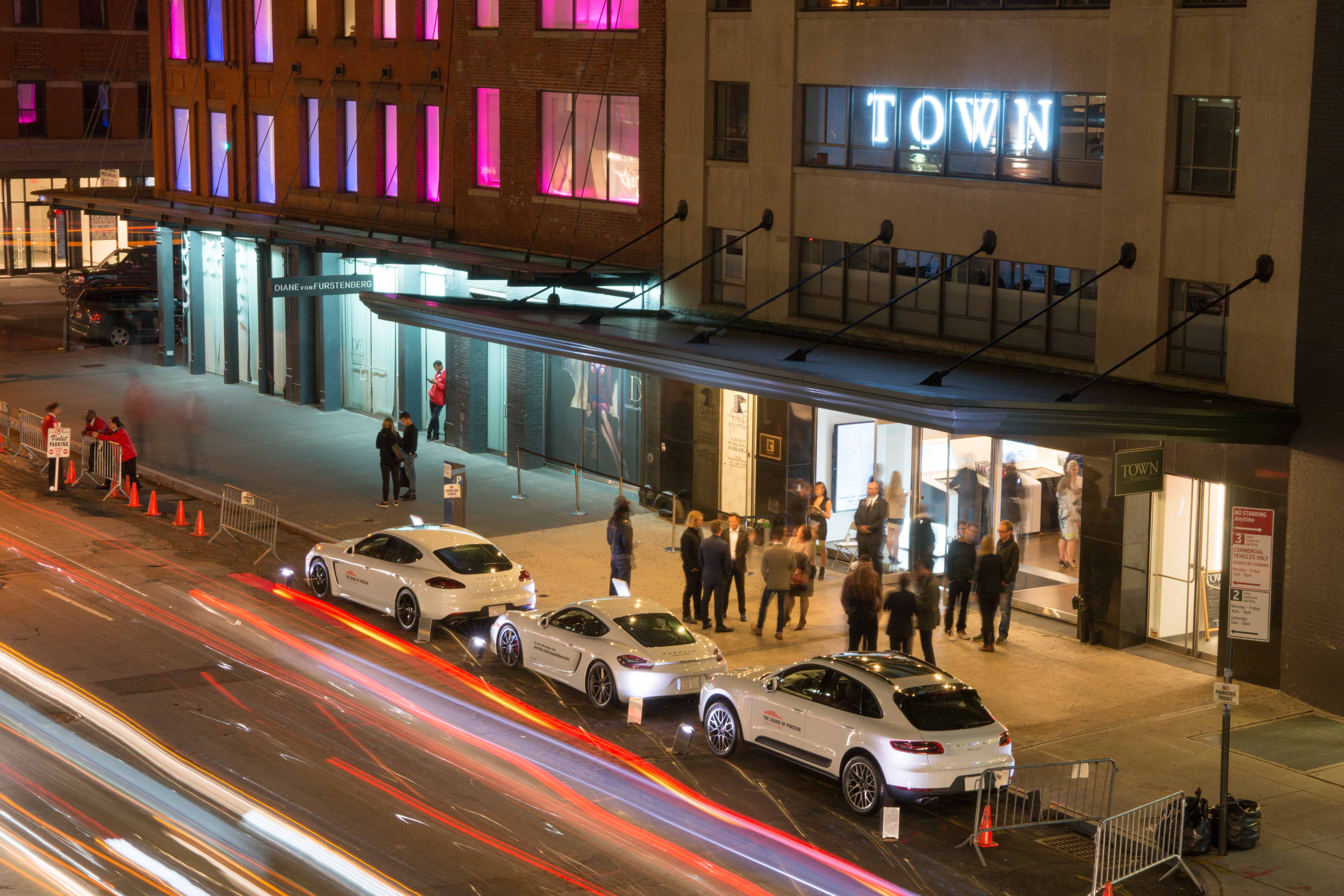
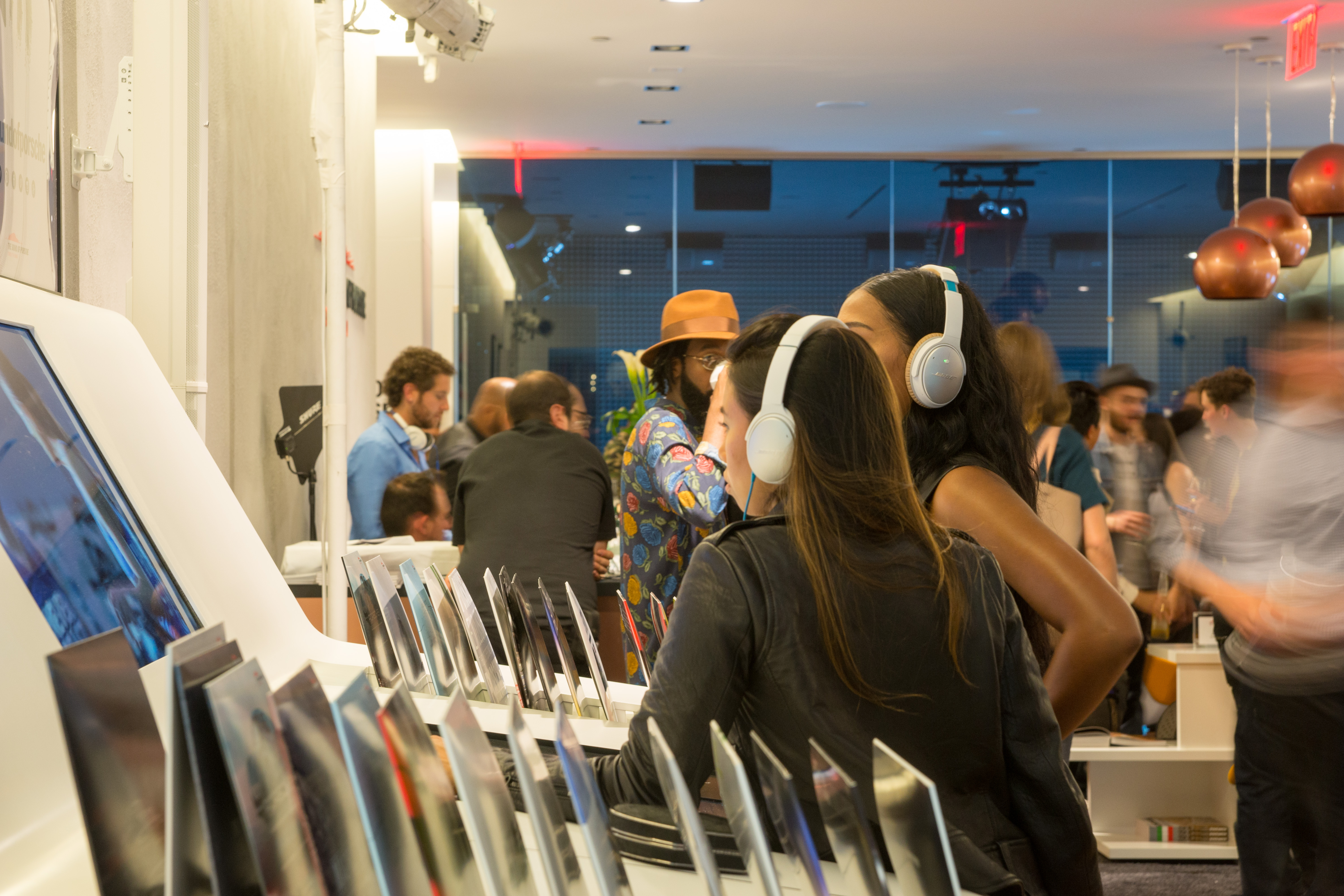
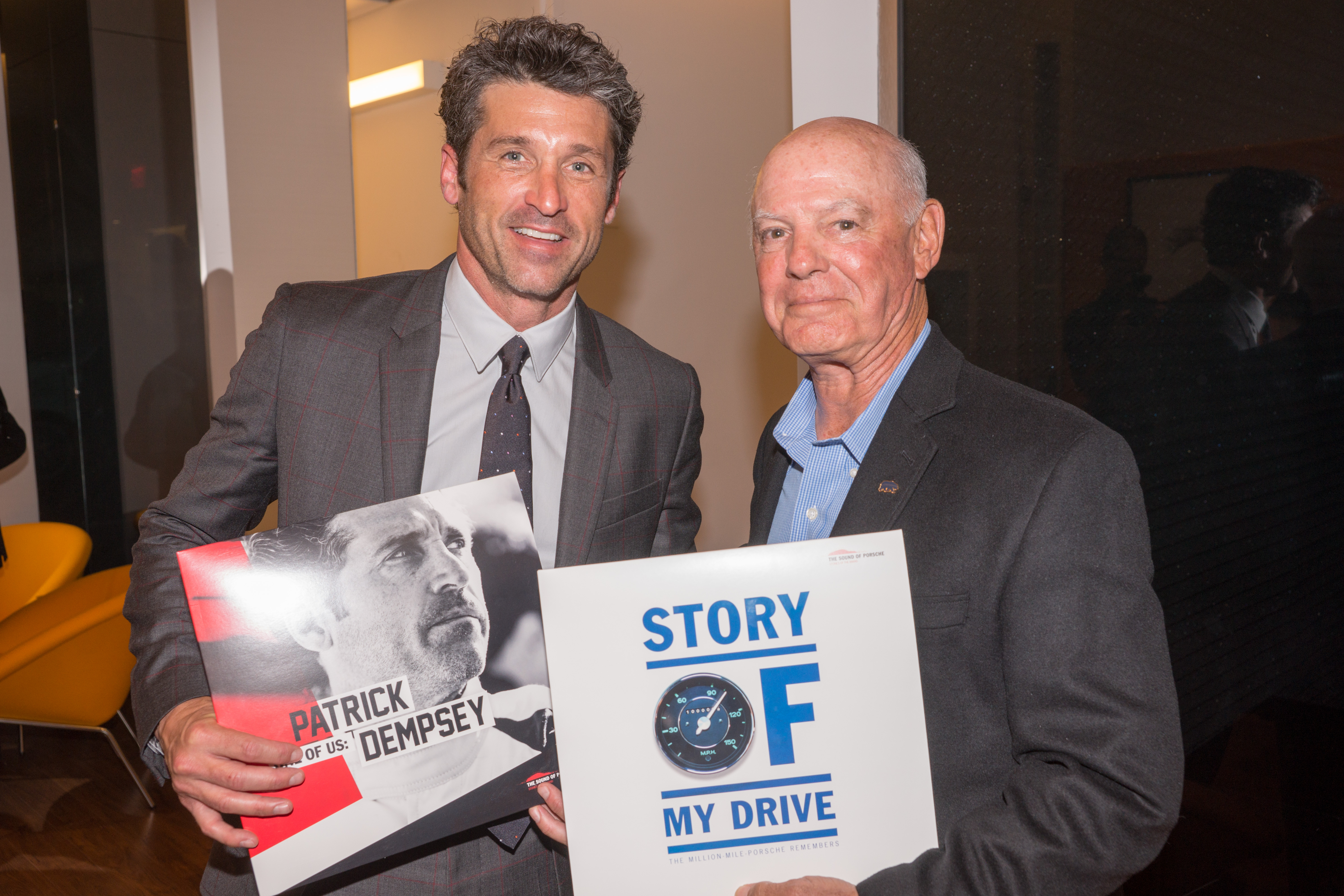
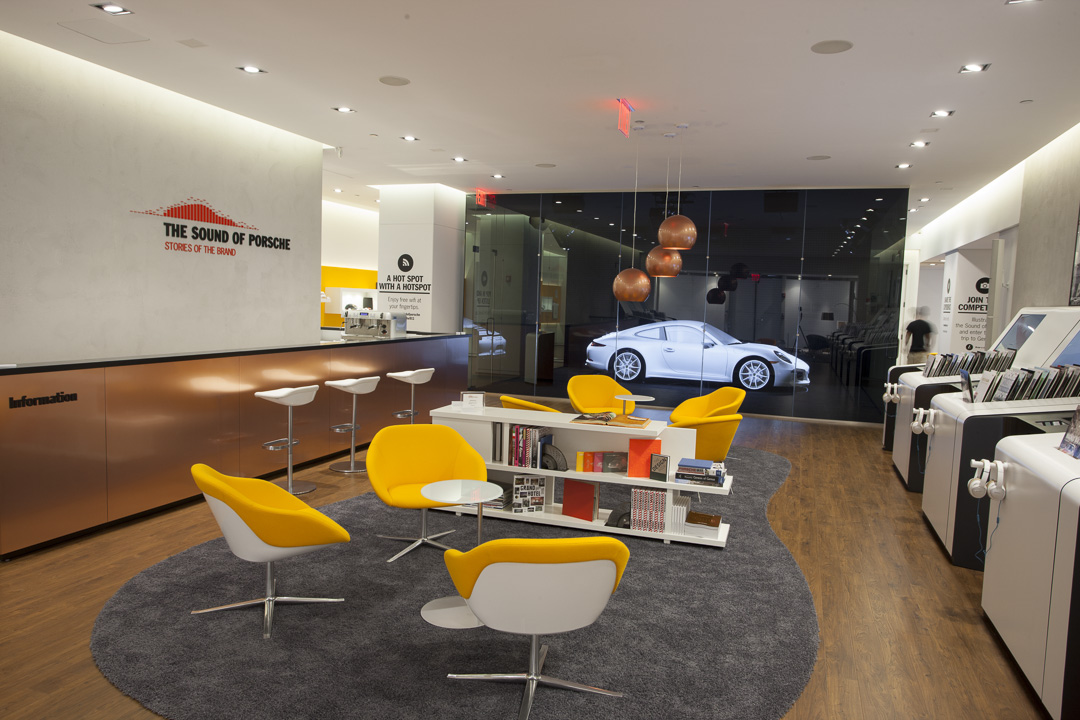
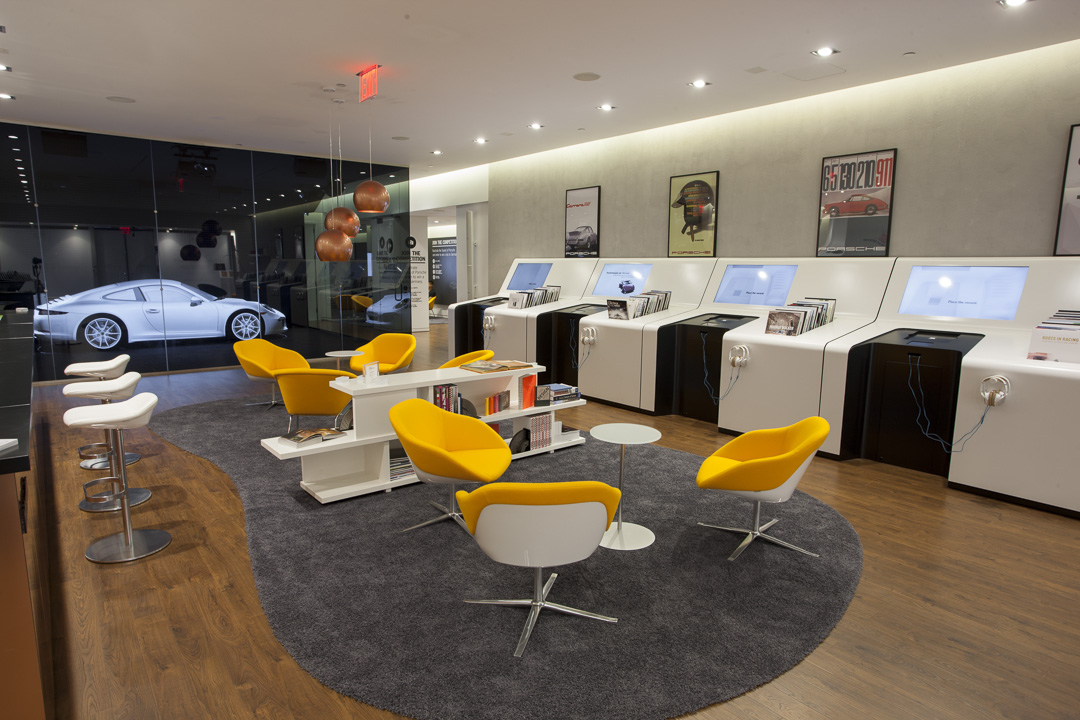
Stuttgart/New York. With the theme “The Sound of Porsche: Stories of the Brand” Porsche has created a completely new, interactive brand experience with its first stop in New York City for three weeks. The sports car manufacturer from Stuttgart has opened an exclusive pop-up store in the style of a modern music store in Manhattan’s trendy Meatpacking District and invites visitors to discover Porsche and its fascinating sports cars in various ways. The store opening was celebrated on 15 September 2014 – moderated by fashion icon Angela Simmons and with guests including Porsche works drivers Brendon Hartley and Patrick Long, as well as actor and racing driver Patrick Dempsey, who has been a firm part of the Porsche motorsport family since 2013 with his team Dempsey Racing.
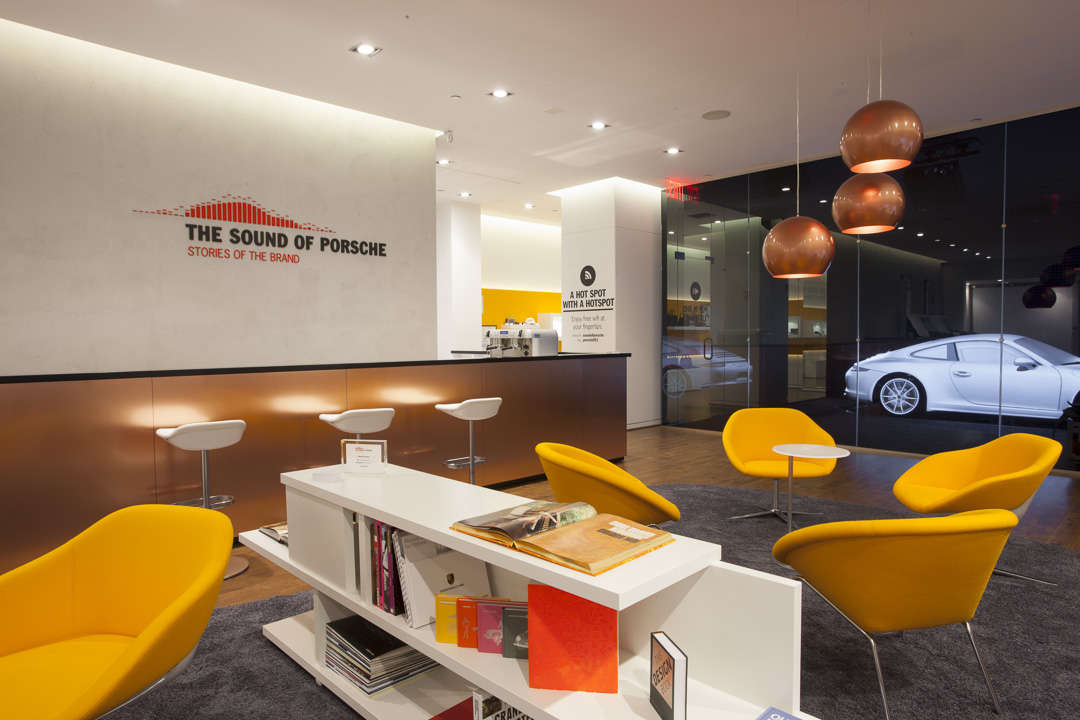
The Sound of Porsche: The German sports car manufacturer has created a completely new interactive brand experience with an exclusive temporary pop-up store in the style of a modern music store in New York’s trendy Meatpacking District.
“The new marketing format enables us to connect with young and young-at-heart visitors in an appealing way. We are helping these people to better understand the brand through unusual stories”, says Bernhard Maier, Member of the Executive Board for Sales and Marketing at Porsche AG, explaining the idea behind this temporary happening.
Porsche opens pop-up store with Sound Lab in New York hot spot
This interactive brand experience enables visitors to explore the technical top performance and stylish design of Porsche in depth. Bernhard Maier: “It is an innovative way of telling and experiencing the story of our
.
Stories of the Brand: Downtown Manhattan visitors of the music store can discover the story of the Porsche brand and its fascinating sports cars in various ways.
Detlev von Platen, CEO of Porsche North America, is also convinced by the unusual way of presenting the brand: “The pop-up store supplements existing marketing activities in a new way. It will further increase awareness for our brand in close cooperation with the local Porsche centres.”
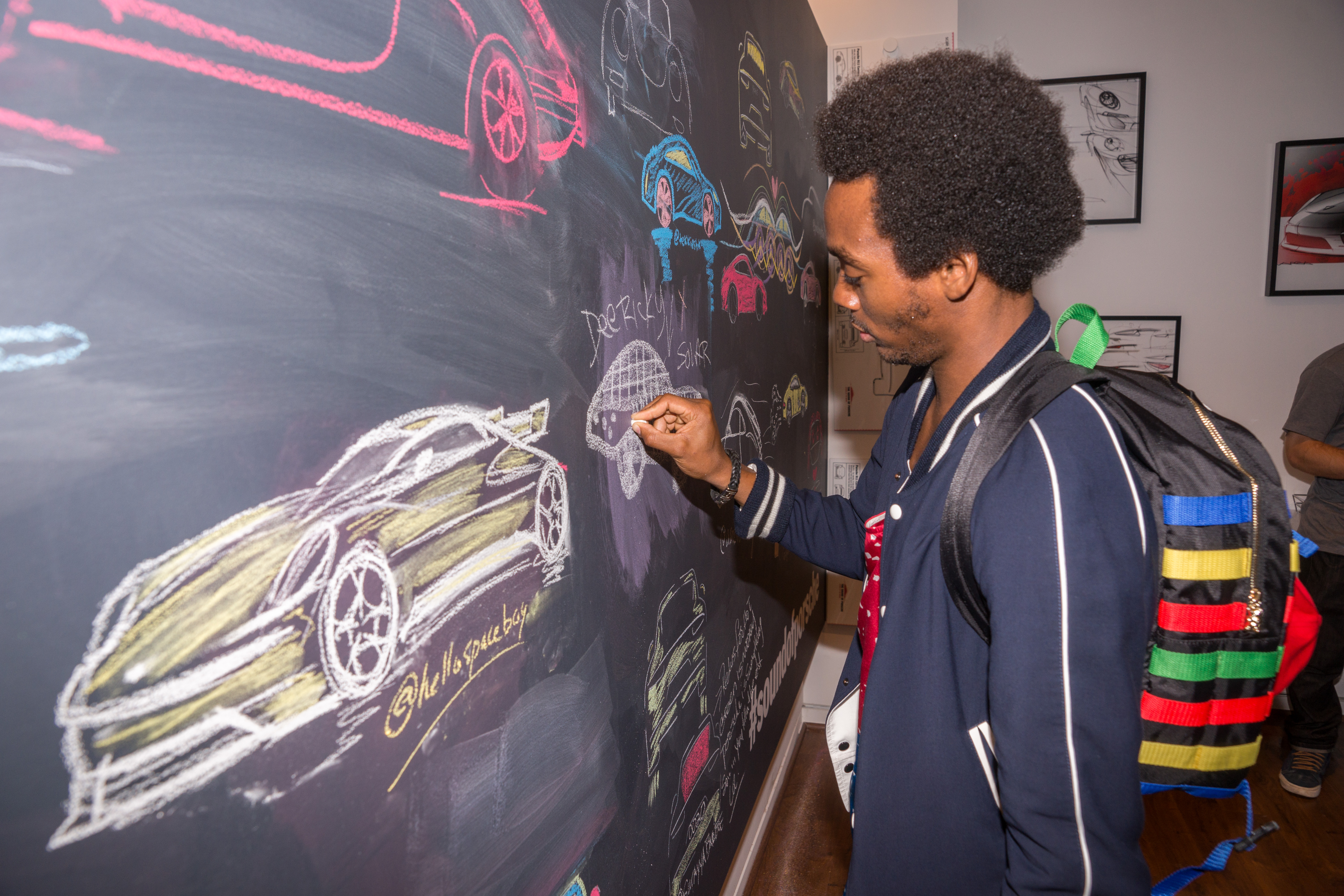
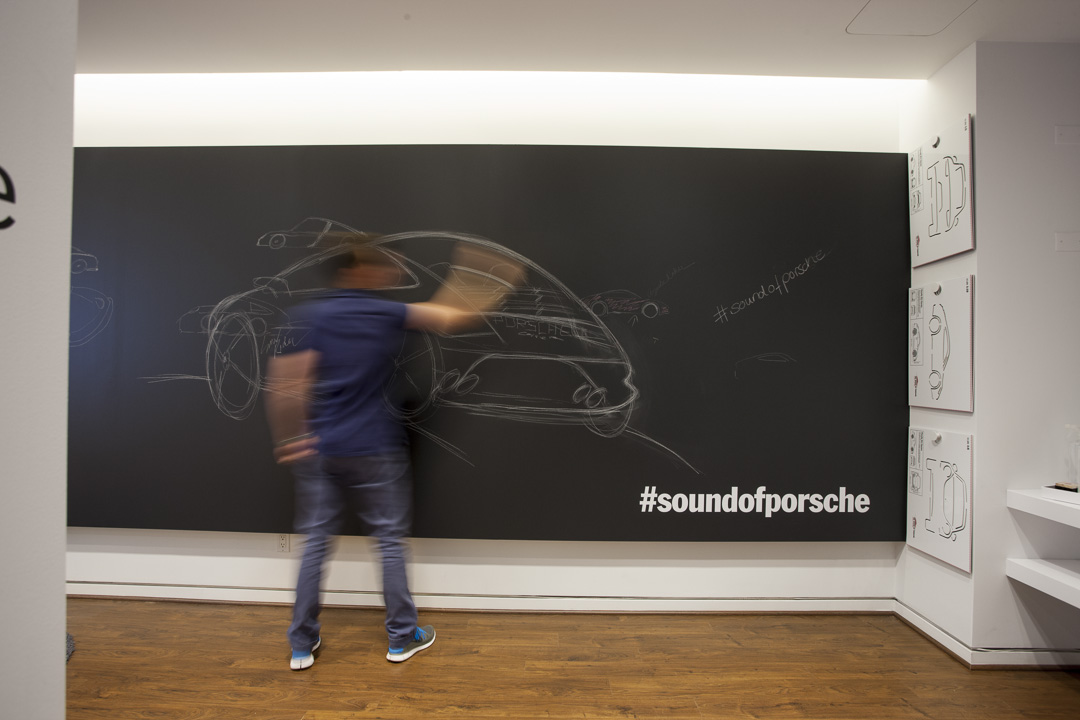
Communications space: in the design corner friends of the brand can sketch what they associate with the Sound of Porsche. The works of art can be uploaded to social networks via #soundofporsche.
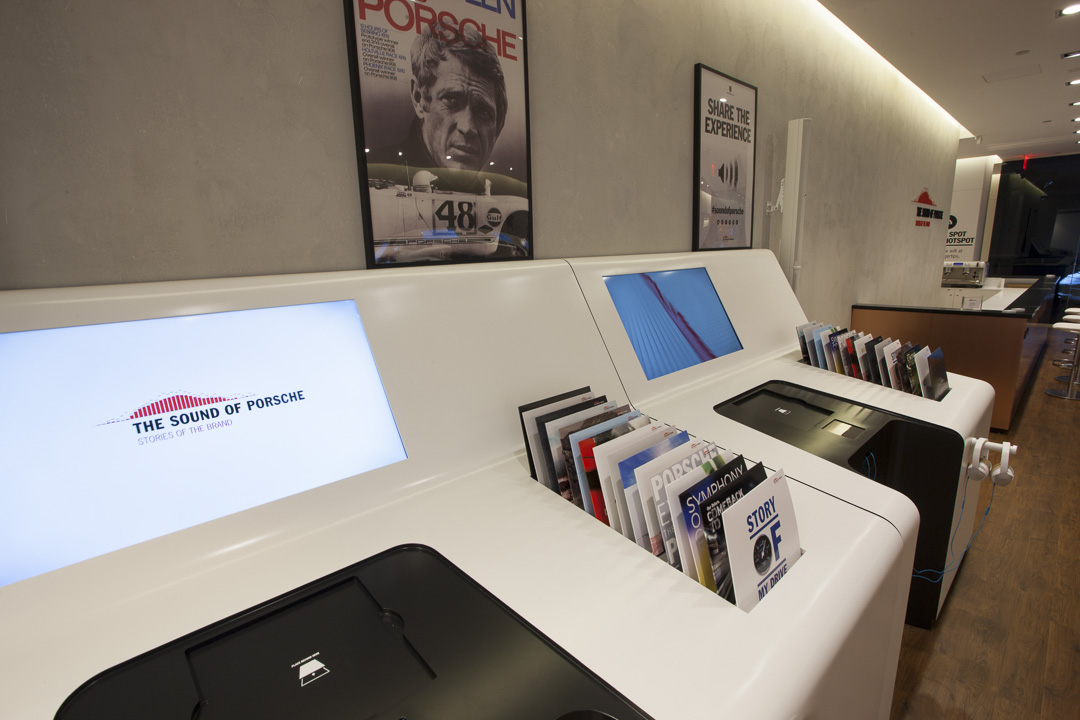
The event space is divided into three areas and comprises a Sound Lab, Media Stations and a Design Corner. The Sound Lab is all about the cult car Porsche 911*. The 911 is a prime example of design, innovation, quality and perfection, and the film “From Draft to Drift – The Porsche 911” conveys this particularly clearly to visitors.
Porsche opens pop-up store with Sound Lab in New York hot spot
In addition, visitors can take a virtual ride and become acquainted with the 911 through sound and visualisation. They can choose between the sound backdrop of a city, a rural setting in a drive through the mountains or a race on the Nürburgring racetrack.
Porsche opens pop-up store with Sound Lab in New York hot spot
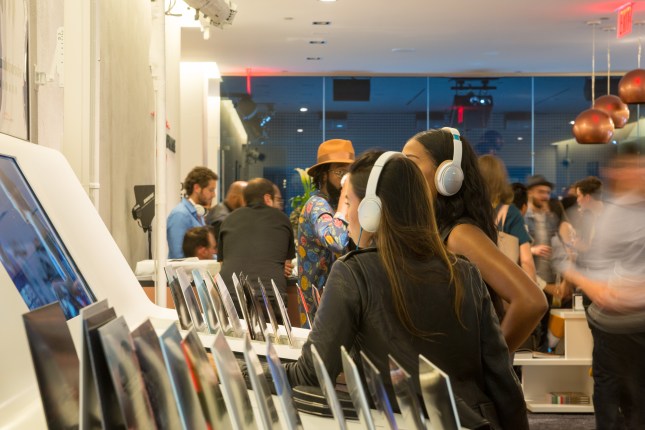
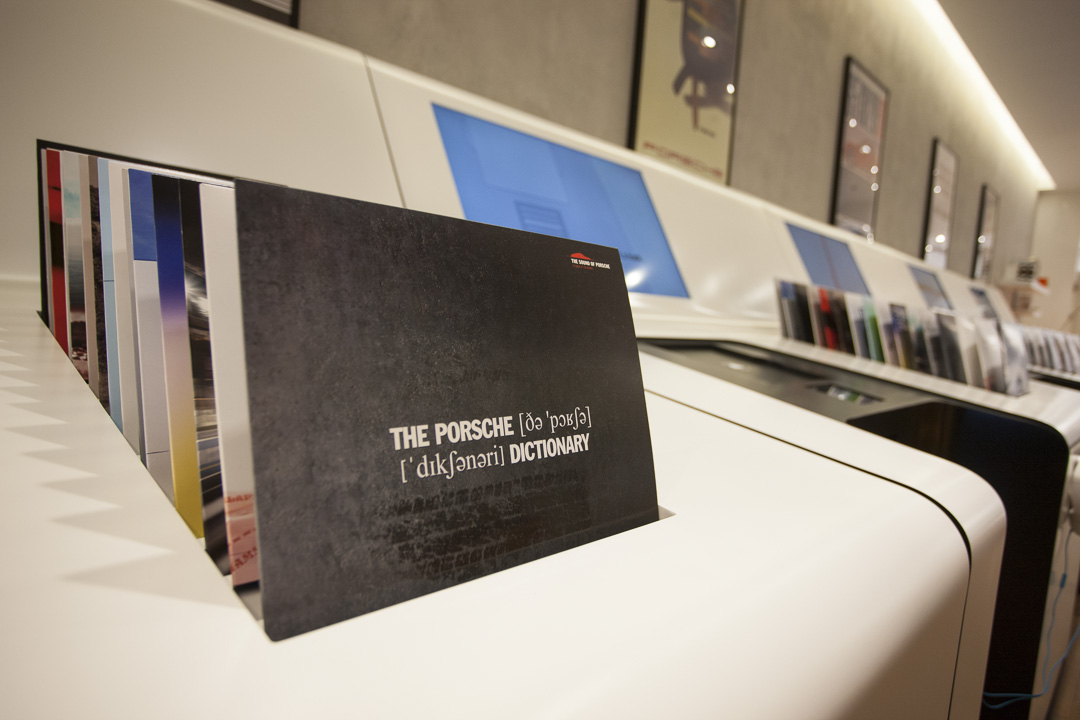
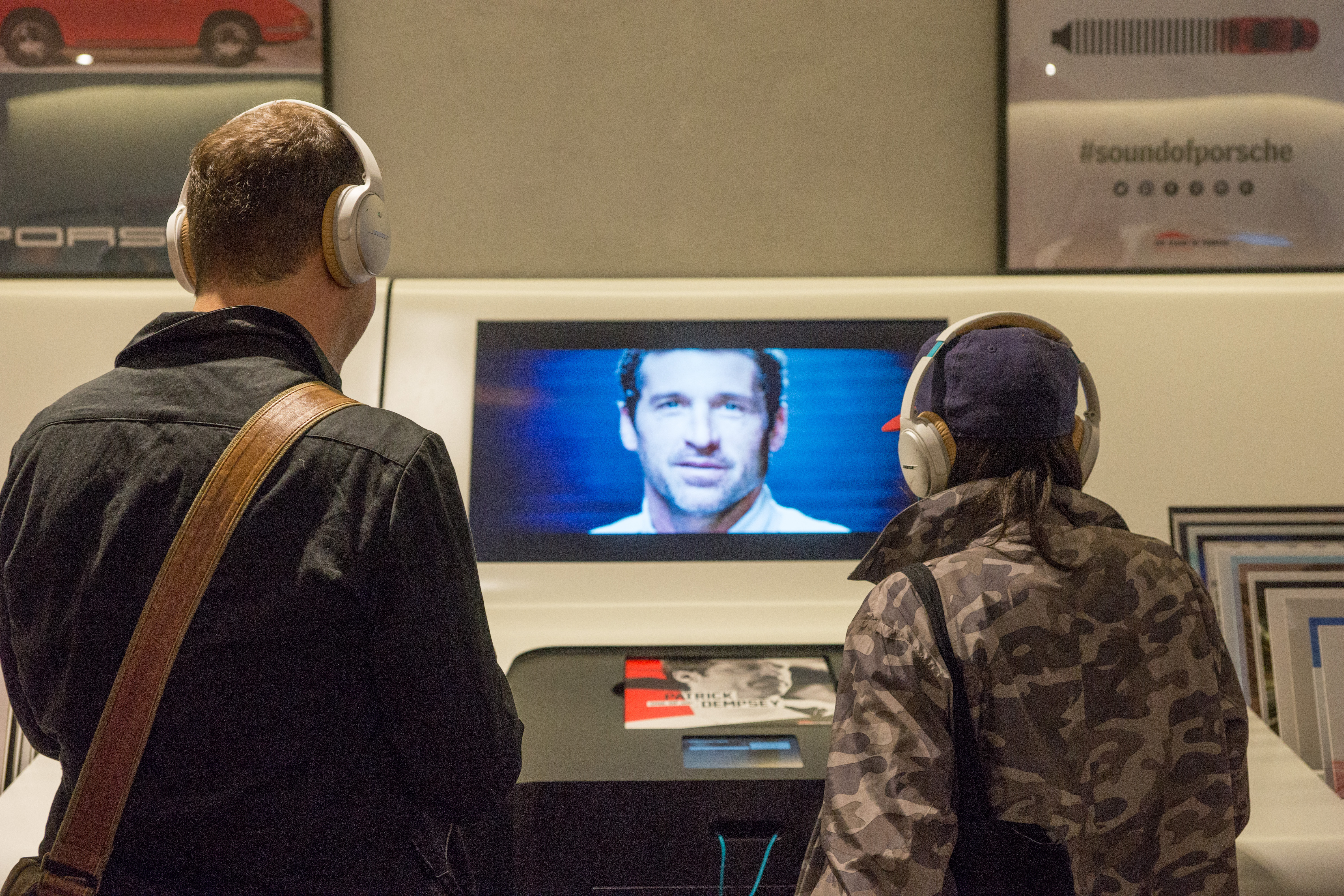
The Media Stations allow visitors to experience 16 specially produced stories all about the brand. The visual highlights include the contributions “Electrifying Performance” and “One of Us” with Porsche racing drivers Mark Webber and Patrick Dempsey.
For young and young-at-heart fans: The media stations allow 16 specially produced stories all about Porsche; participants among others are actor and racing driver Patrick Dempsey (left) as well as Guy Newmark – The Million-Mile Porsche 356 Daily Driver.
Further contributions of interest to Porsche enthusiasts include “Porsche Exclusive – The Most Personal Car” and “A Porsche goes to Hollywood” with cartoon film star Sally Carrera.
First stop New York (until October 5): The Sound of Porsche will later also be shown in London and Shanghai.
Last but not least the Design Corner features a communications space where visitors can sketch what they associate with the Sound of Porsche. The works of art can be uploaded to social networks via #soundofporsche. Thevisitor with the best design will win a trip to Stuttgart.
Porsche opens pop-up store with Sound Lab in New York hot spot
Porsche is cooperating with two partners for the Sound of Porsche. The Sound Lab is equipped by Bose and the entire furnishings are supplied by Walter Knoll.
Porsche opens pop-up store with Sound Lab in New York hot spot
The Sound of Porsche (446 West 14th Street) is open to the general public every day from 10 a.m. to 7 p.m. local time from 16 September to 5 October. New York is the first stop for The Sound of Porsche. The brand presentation will later also be shown in London and Shanghai.
Porsche opens pop-up store with Sound Lab in New York hot spot
* Porsche model range 911: combined fuel consumption 12.4 – 8.2 l/100 km; CO2 emissions 289 – 194 g/km; efficiency class: G, F
Porsche Driver’s Selection – Factory Team Collection and Racing Collection
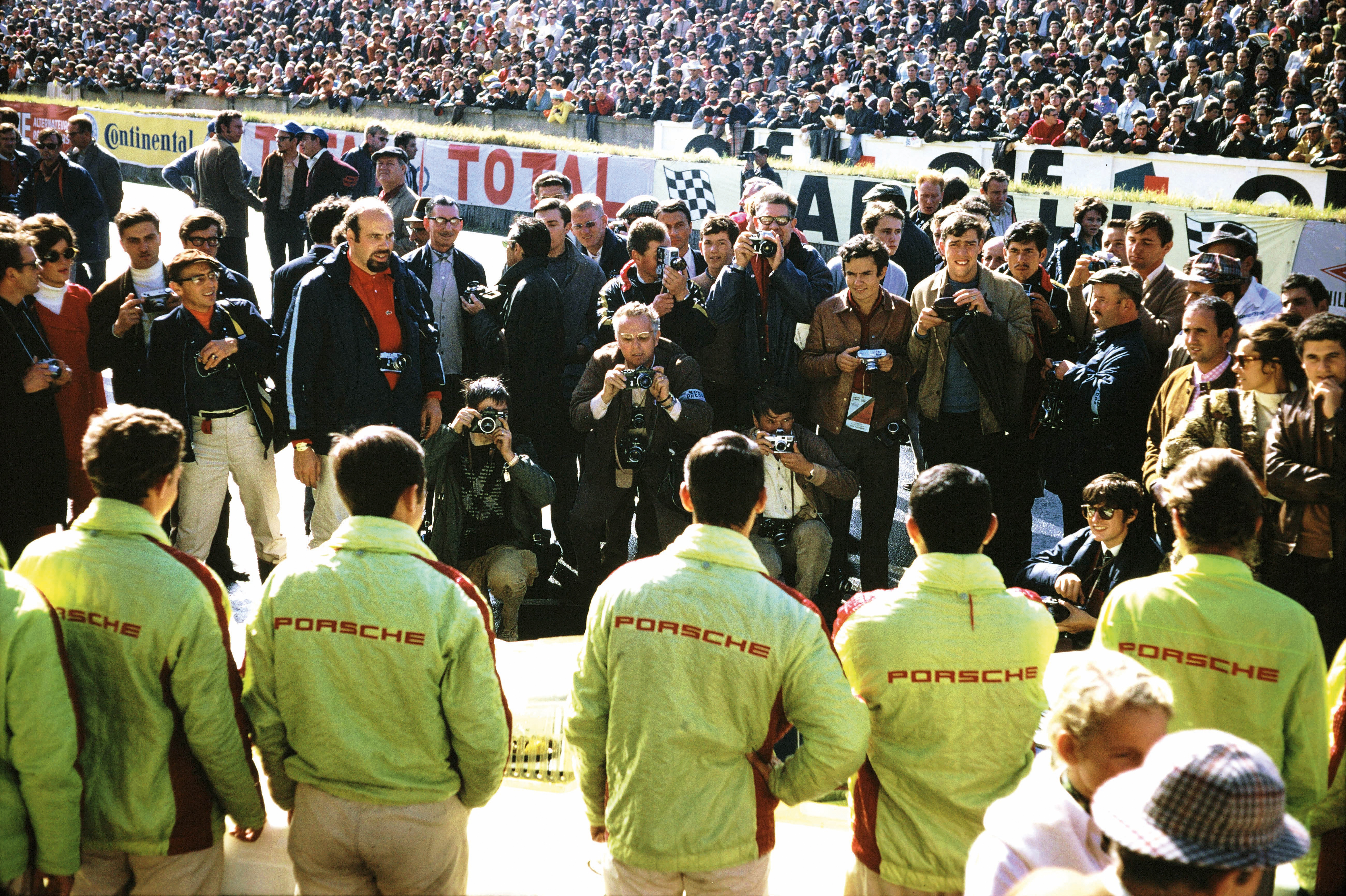
Porsche Factory Team 1969
Stuttgart. The time has come: On June 14th, 2014, Porsche will return to the starting line by entering the most prestigious Le Mans discipline after an absence of 16 years – the LMP1 Prototype class.
With 16 overall victories in the 24 Hours of Le Mans, no other car manufacturer has ever been so successful. In honour of Porsche returning to the world’s most famous endurance race, Porsche Driver’s Selection is introducing the historic Factory Team Collection and the Racing Collection.
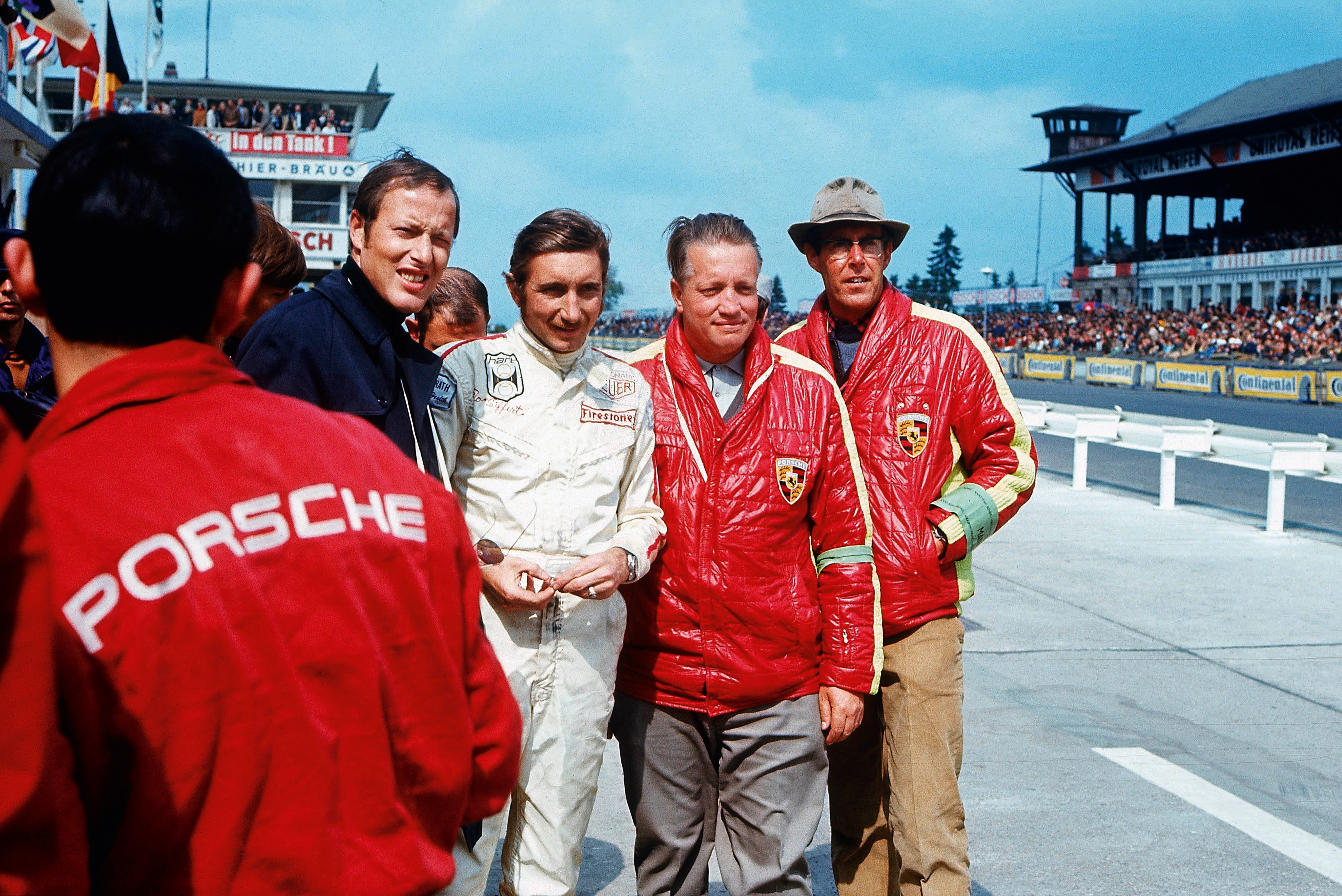
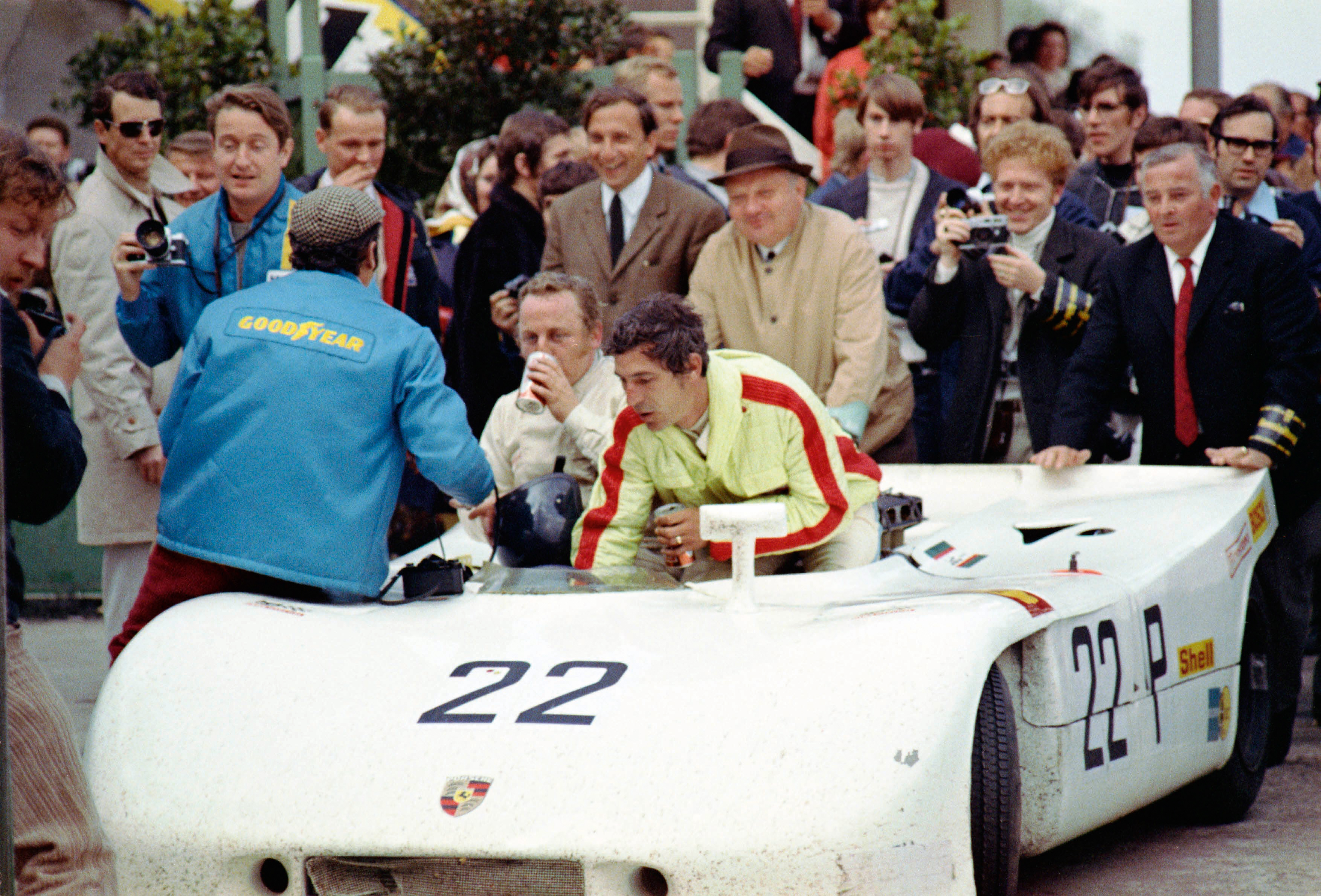
Vic Elford and Kurt Ahrens jr 1970
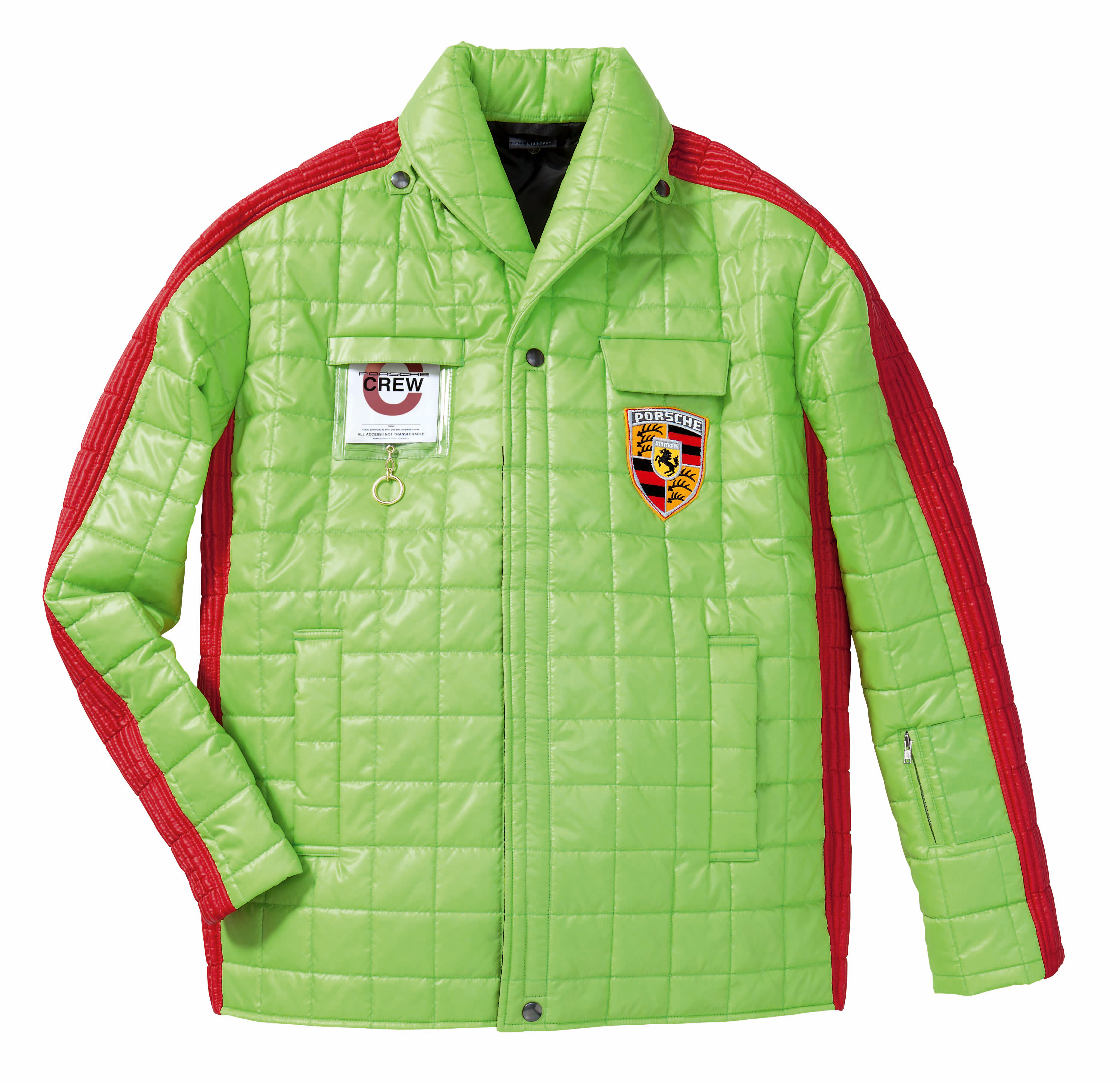
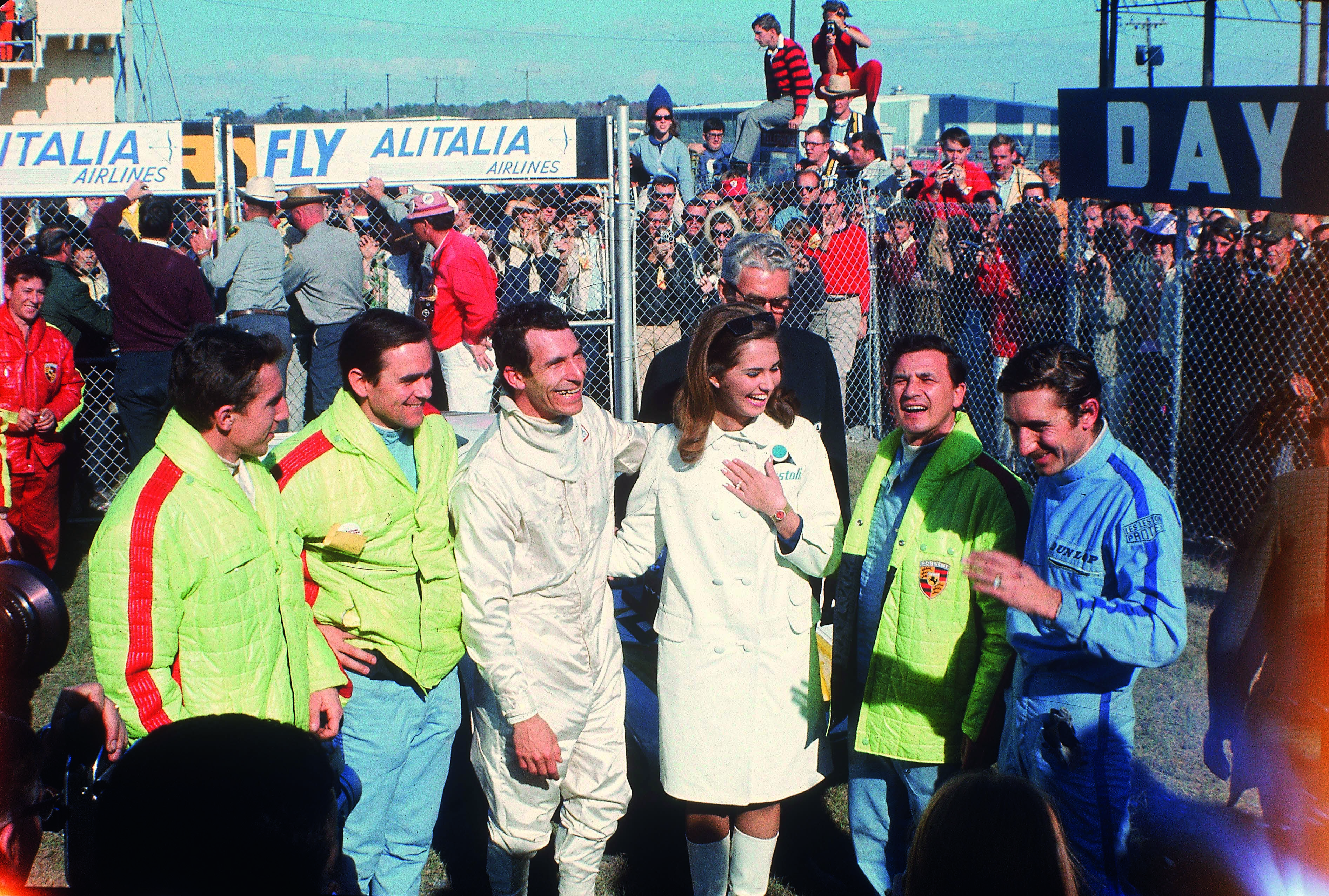
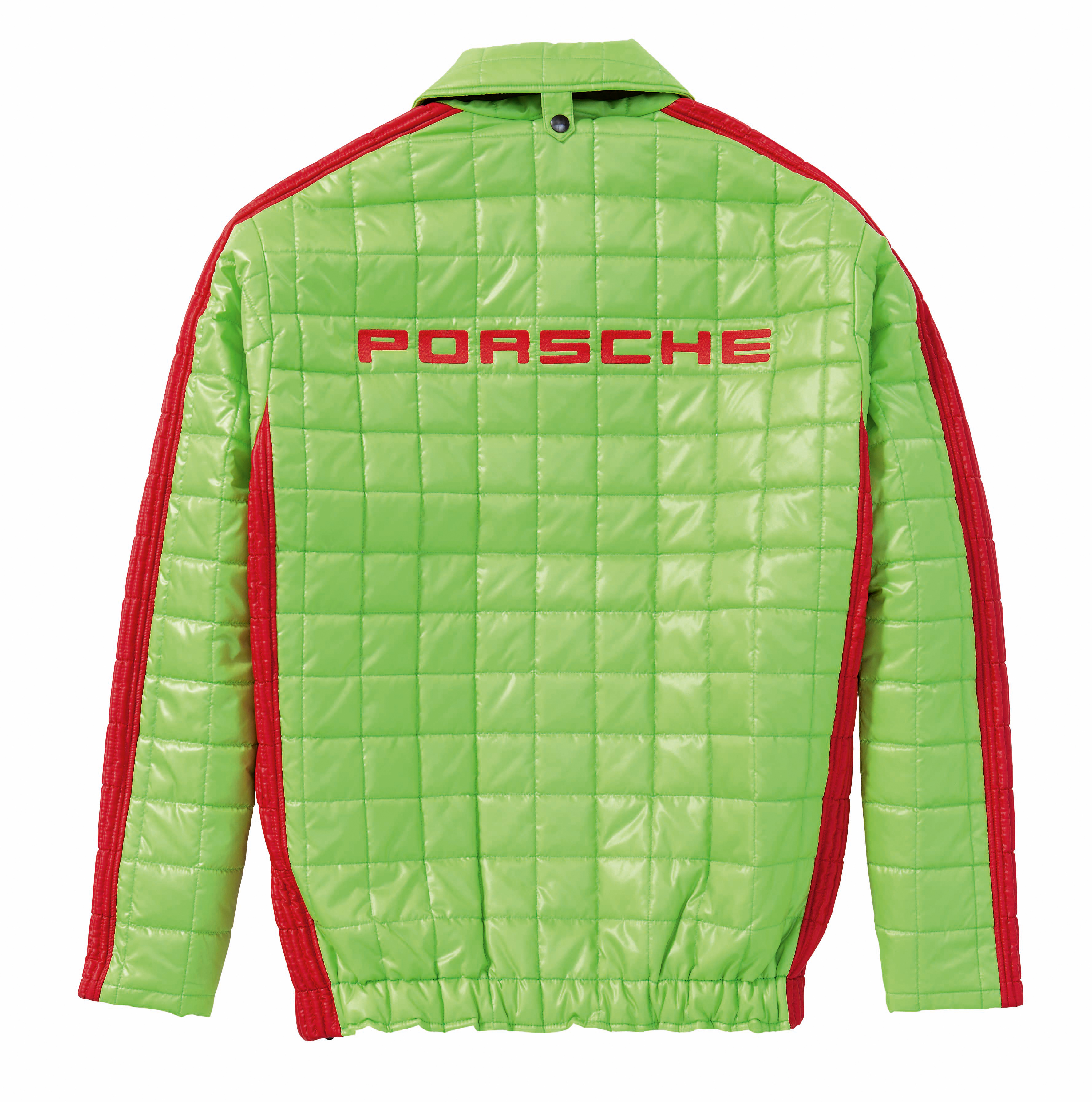
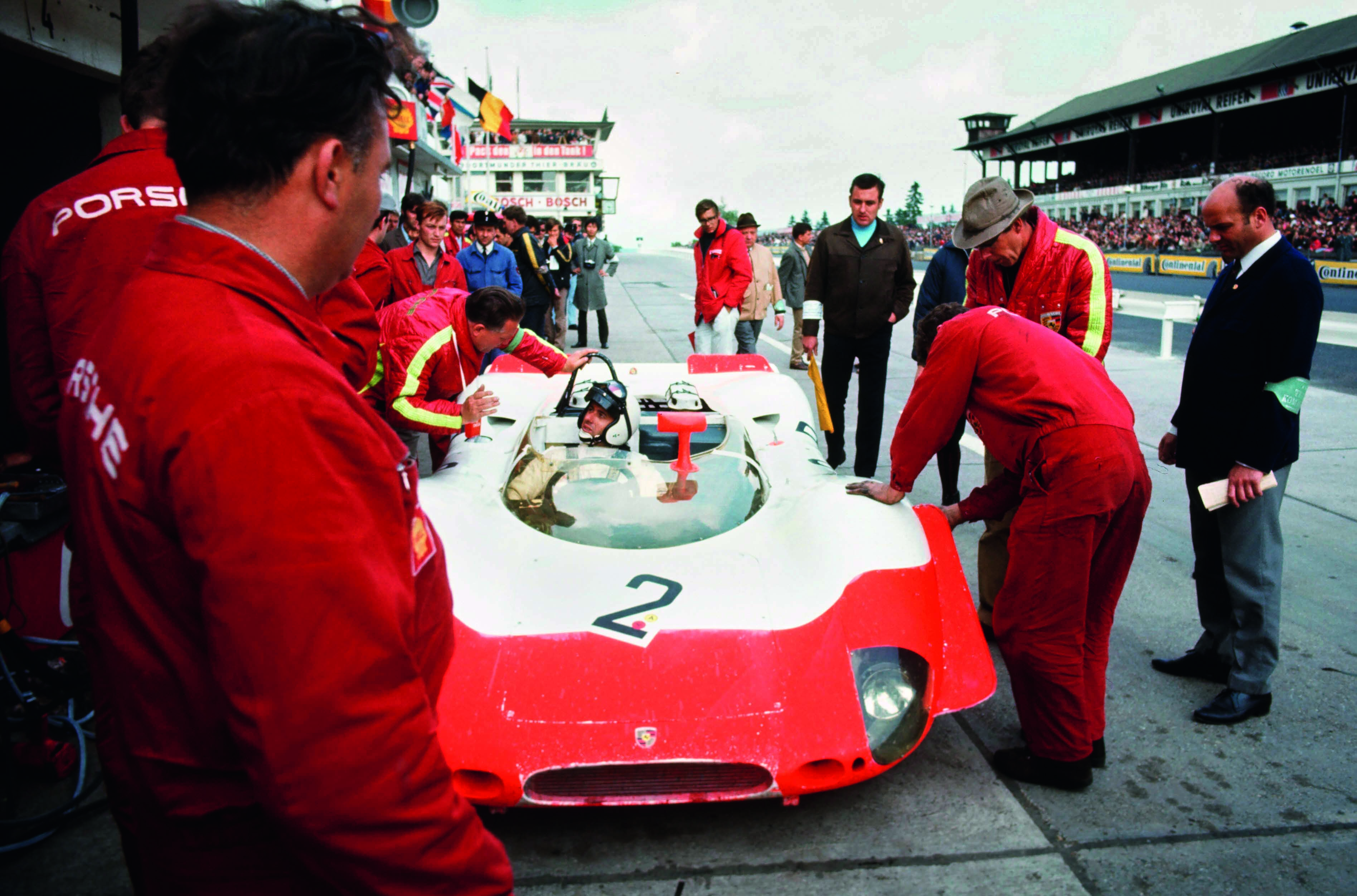
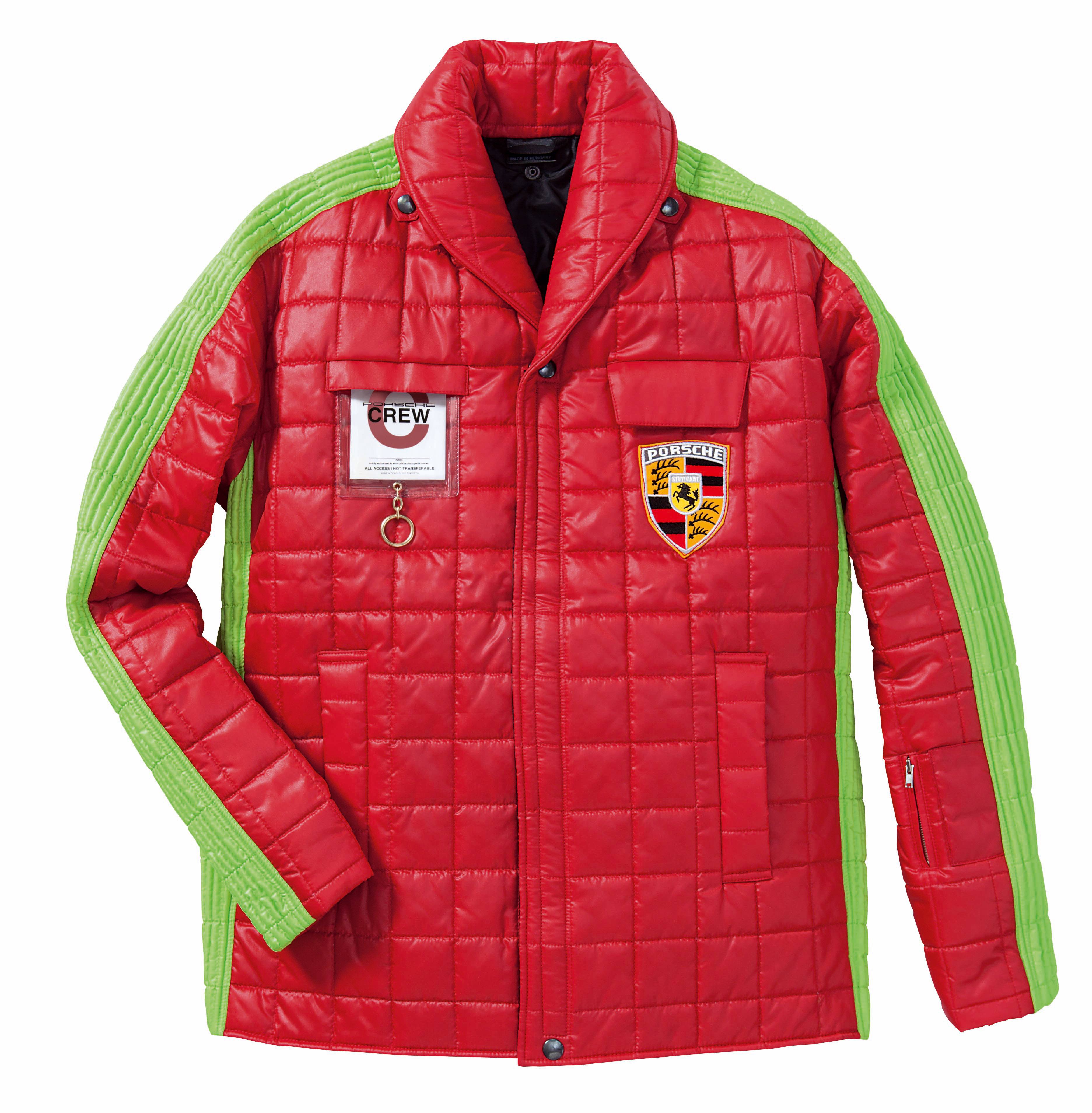
The Factory Team Collection consists of three replica jackets as worn by the Porsche factory team between 1968 and 1970. The green factory driver jacket, the red factory mechanic jacket and the wine-red factory team jacket recreate the originals down to the last detail. At the time, the original jackets were only produced in very small quantities and were passed down from driver to driver, making them even more sought-after. In order to create the replicas, the original jackets were borrowed from former drivers and crew members and lovingly recreated over a development period of two years. This year’s Le Mans race will be the first time these one-of-a-kind replicas will go on sale.
Factory Driver Jacket
The three jackets contain a pass holder in the right-hand breast pocket. This pass holder is attached via an elasticated string and was used by the crew to gain access to the paddock or pits.
Porsche Factory Team 1968
The retro look is completed by a genuine replica of the stitched Porsche crest from the 1960s on the breast pocket of each jacket. The green factory driver jacket was worn by drivers such as Richard Attwood, Hans Herrmann, Jo Siffert or Brian Redman.
The lightly padded jacket is equipped with a zip fastening that the drivers could undo swiftly in order to get ready for the race. In addition to the Porsche crest on the breast pocket, the jacket features a genuine reproduction of the stitched Porsche lettering from the 1960s on the back.
Factory Driver Jacket
The red factory mechanic jacket is a replica of the jackets worn by the pit crew. Just like the driver jacket, this lightly padded quilted jacket is equipped with a zip fastening that allowed the mechanics to quickly get ready for the pit stop. The factory mechanic jacket also features both the Porsche crest and a genuine reproduction of the stitched Porsche lettering from the 1960s on the back.
The wine-red factory team jacket boasts two large pockets and a windbreak that lines the inside of the sleeves. The hood on the lightly padded quilted jacket is located on the inside of the collar and can be taken out when required.
Factory Mechanic Jacket
To further mark Porsche’s return to Le Mans, the Racing Collection has been designed using inspiration from the newly developed LMP1 Porsche 919 Hybrid racing car. The hand-crafted 1:8 scale model of the Porsche 919 Hybrid is fully exclusive and accurate down to every detail. Strictly limited to 100 units, this resin model features the signatures of this year’s Porsche factory drivers. The high-quality design is presented on a wooden base in an acrylic display case (69 x 36 x 26 cm) with a limited-edition plaque. At first, the model can be pre-ordered during the 24 Hours of Le Mans, and can subsequently be pre-ordered in Porsche Centres.
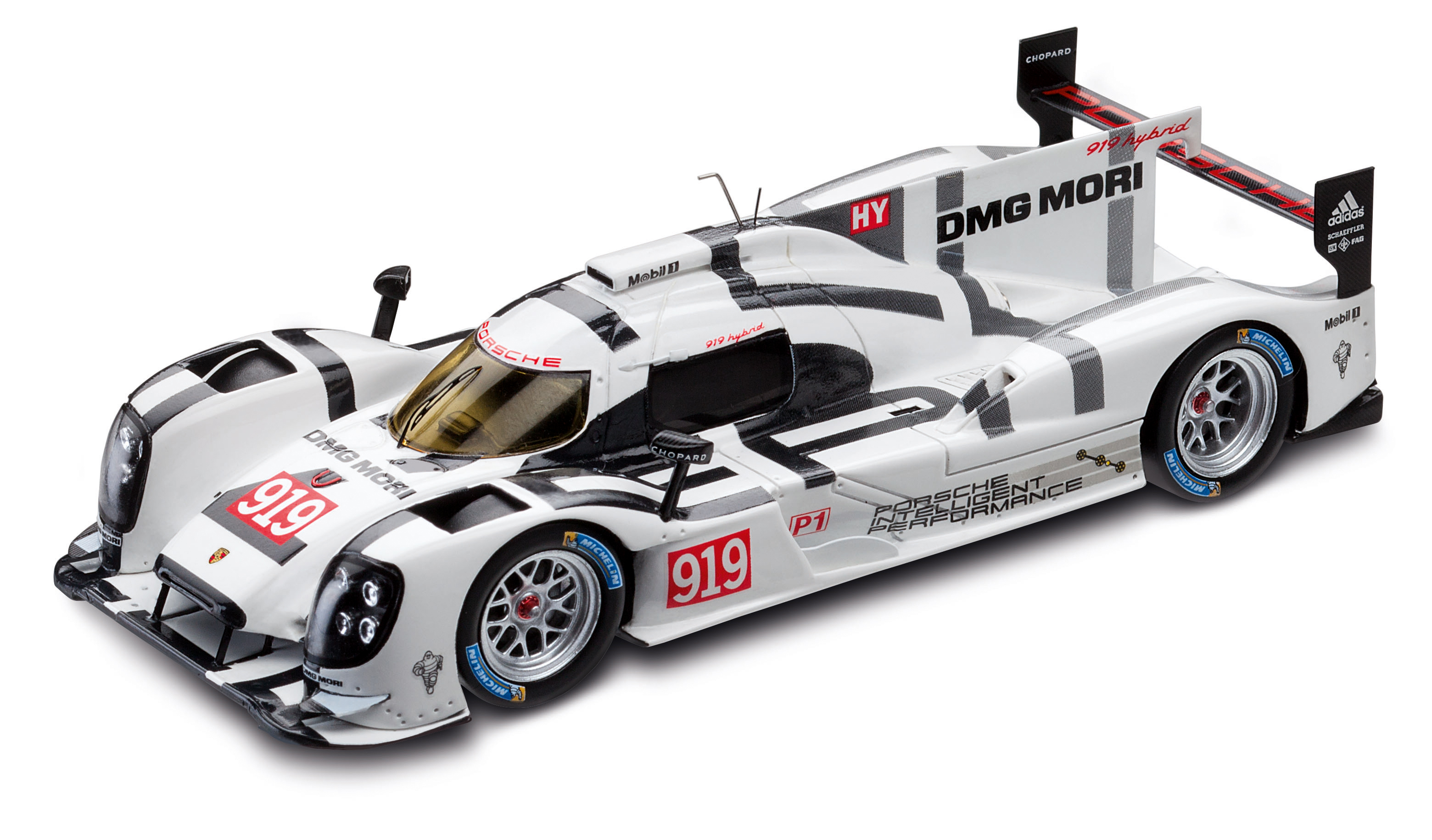
Model Car Porsche 919 Hybrid
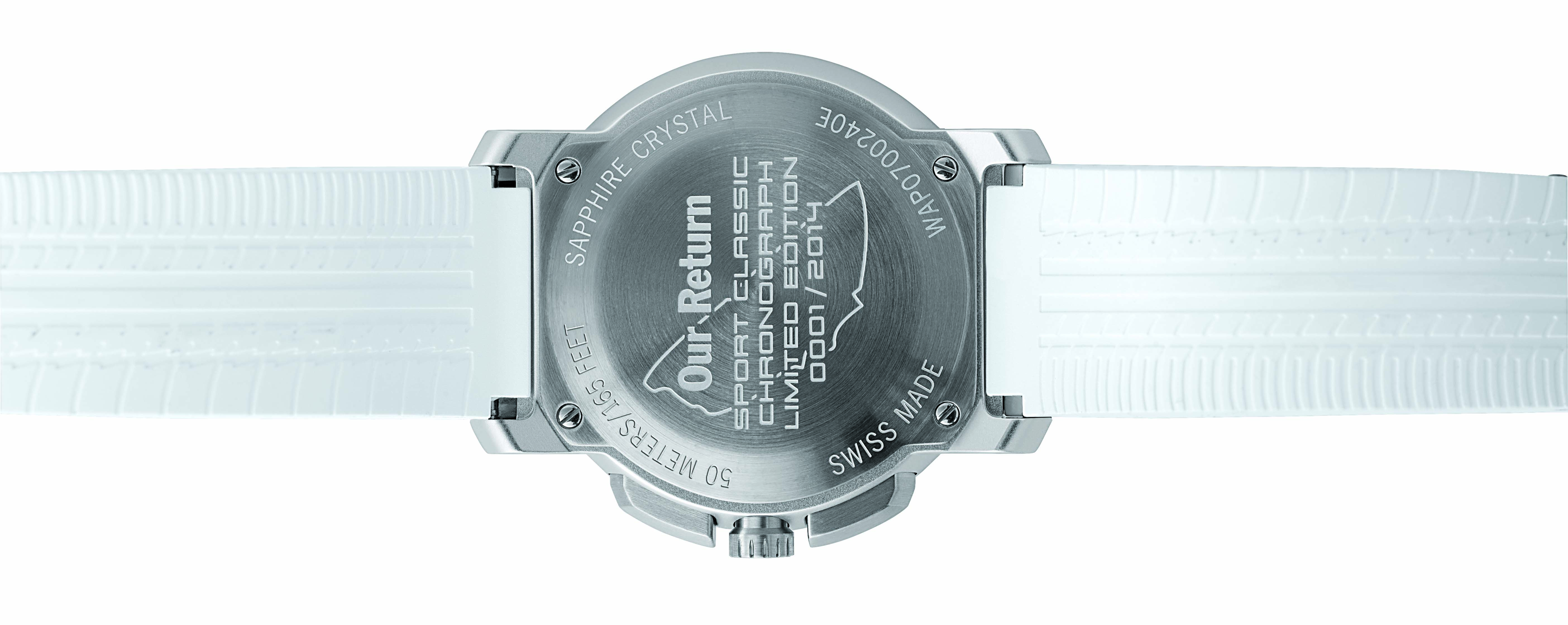
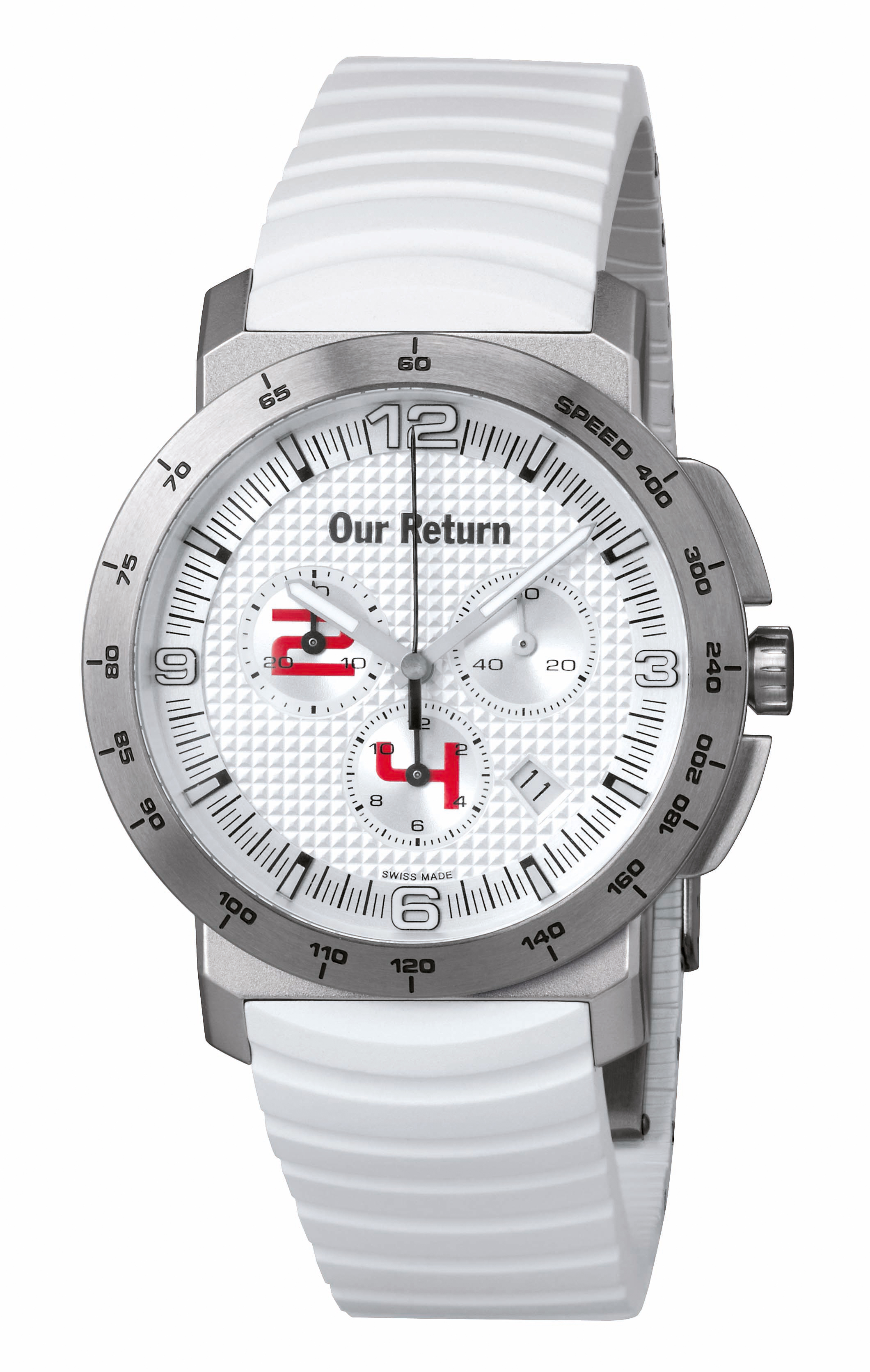
Limited to 2014 units, another highlight of the collection is the Racing Chronograph, featuring a satin-finished housing made from hardened aluminium. A stainless steel clasp engraved with “Our Return” and an engraving of the limited edition number on the reverse make this watch an exclusive accessory both on and off the race track.
Racing Chronograph
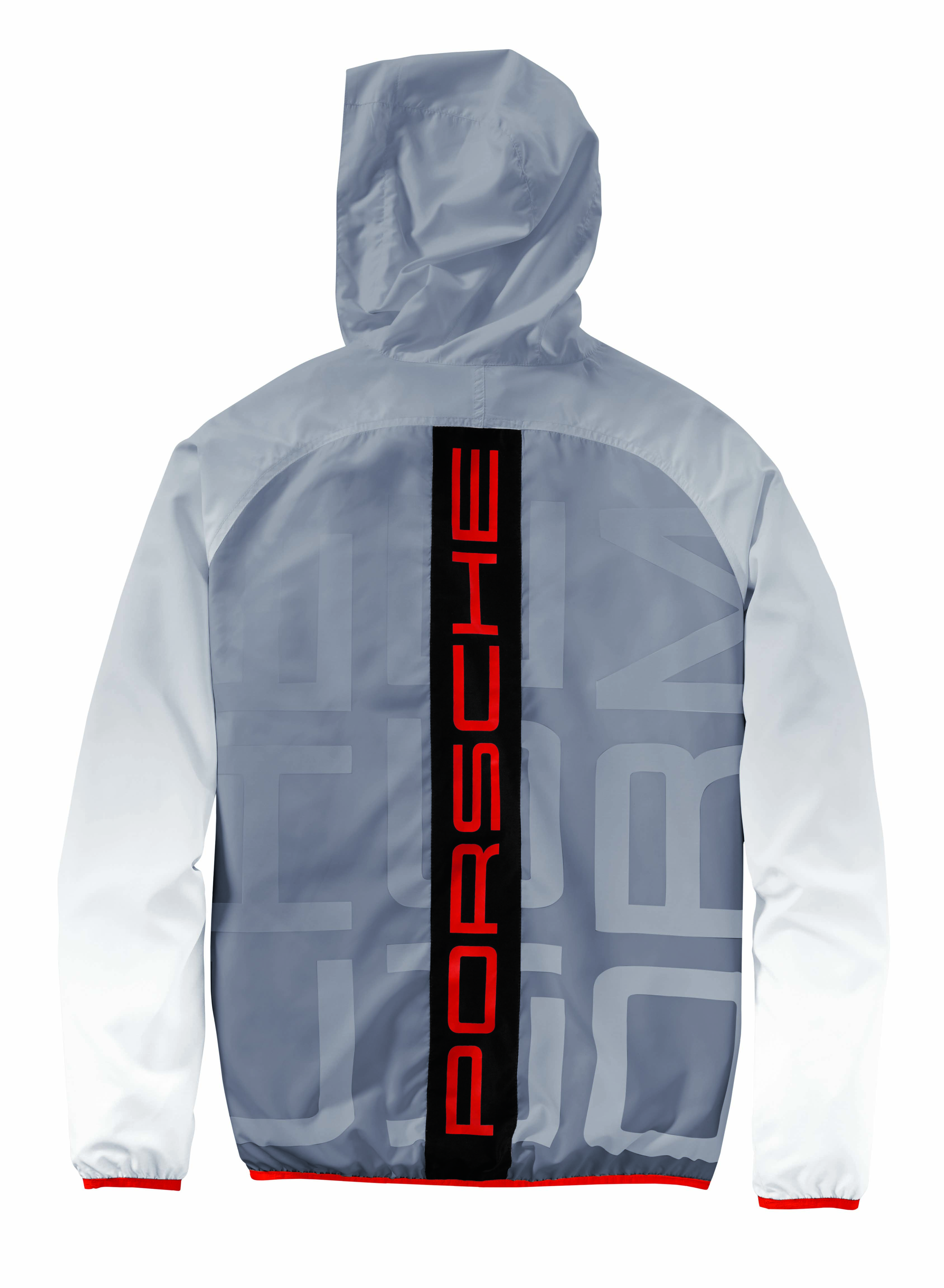
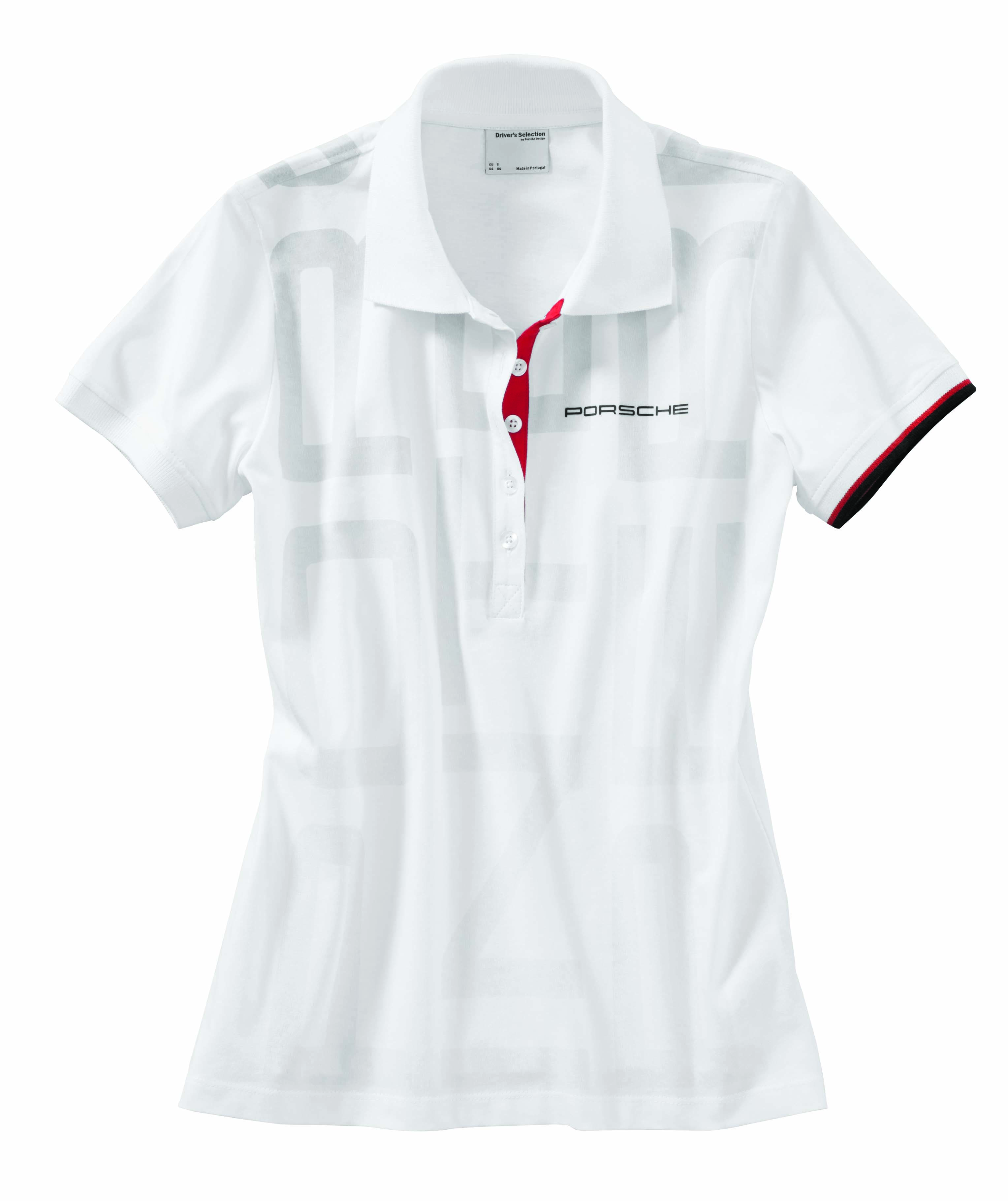
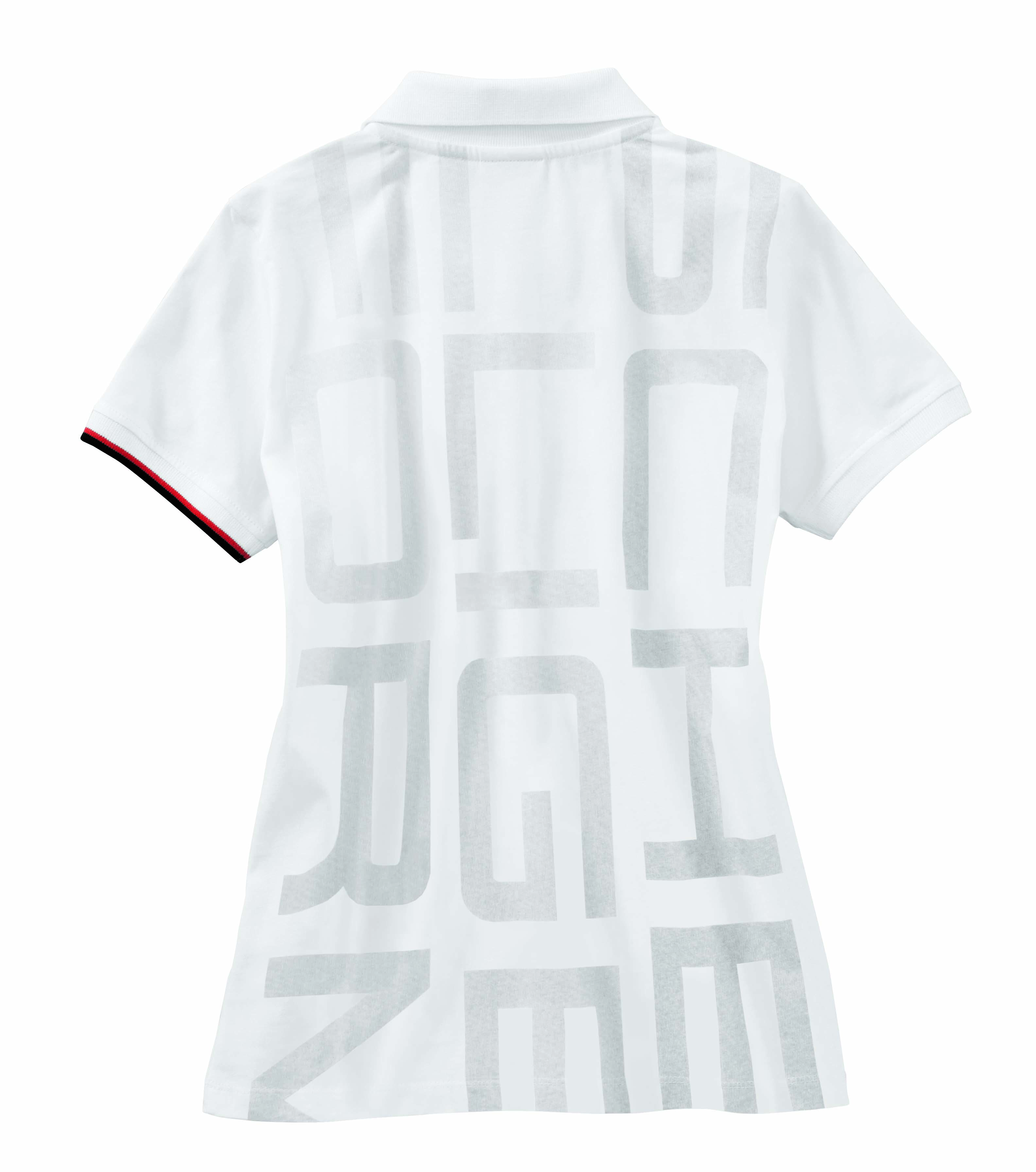
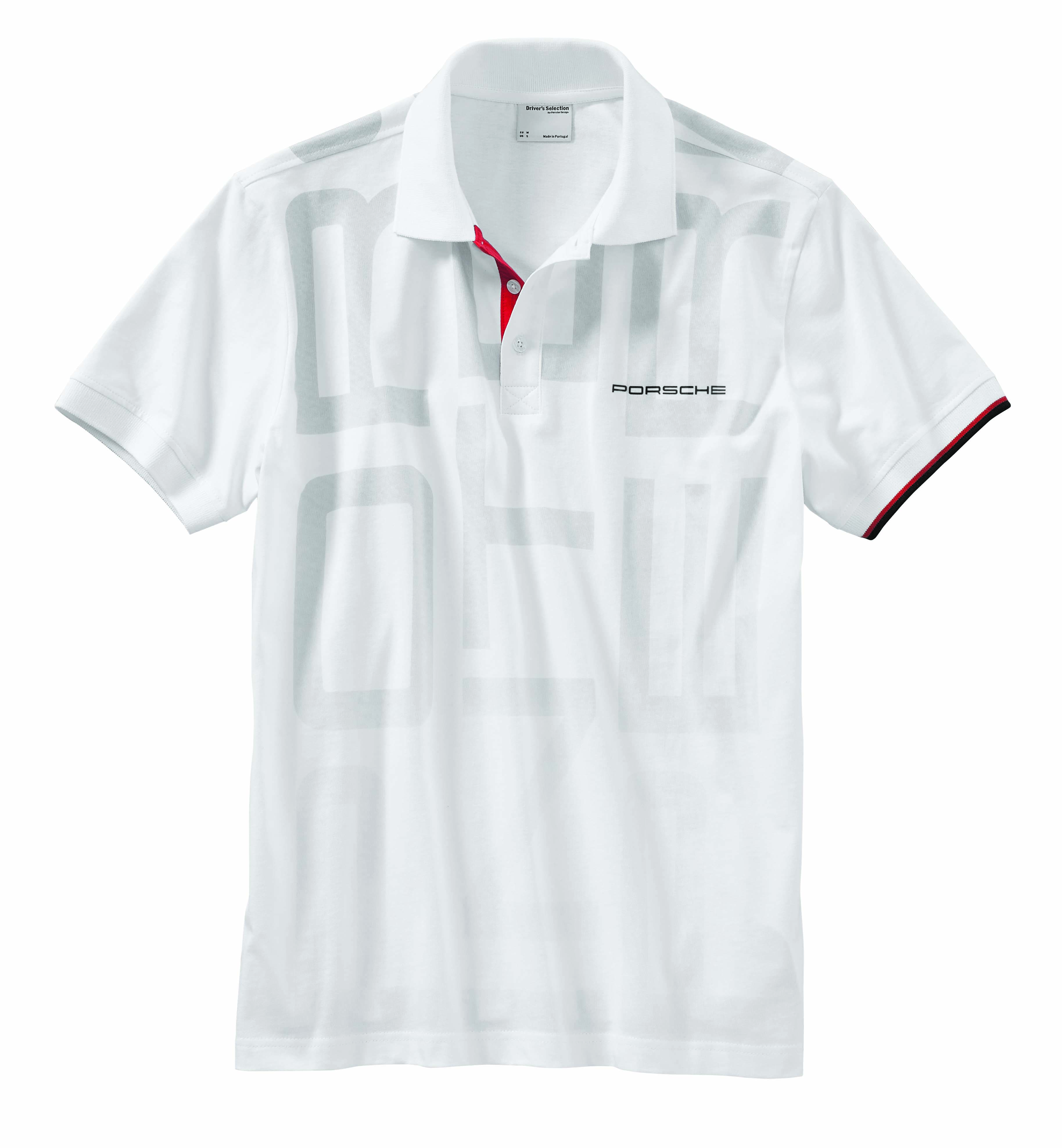
For true collectors, there is also the high-quality 919 Hybrid model car, made from resin using a scale of 1:43 and based on the promotional Porsche 919 Hybrid shown in March 2014 in Geneva. Completing the Racing Collection are a unisex windbreaker, a polo shirt for women and men, a baseball cap and an umbrella.
Racing Chronograph
Both collections will be on sale during the 24 Hours of Le Mans race.
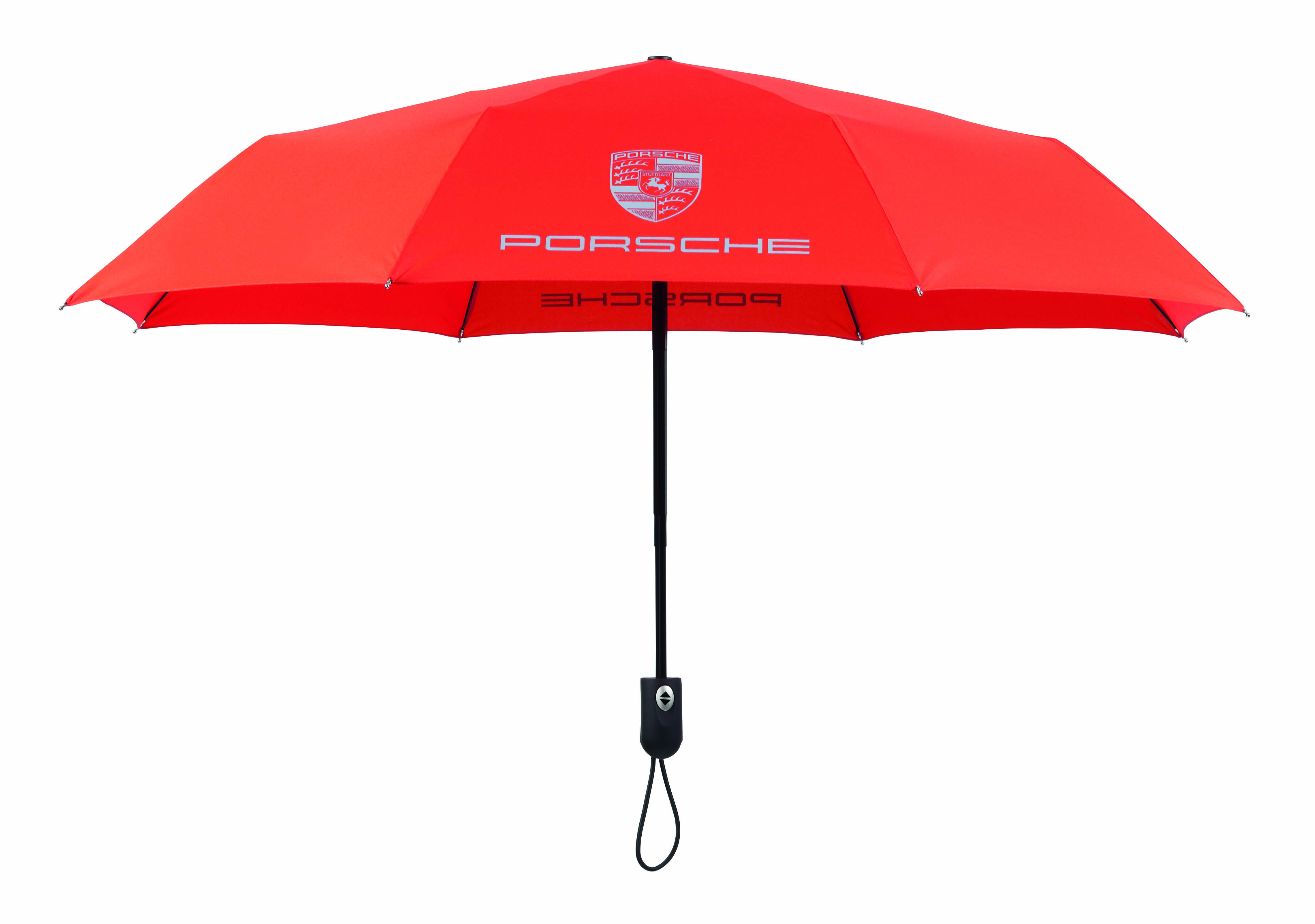
Completing the Racing Collection are a unisex windbreaker, a polo shirt for women and men, a baseball cap and an umbrella.
Unisex Windbreaker
Unisex Windbreaker
Polo Shirt Women
Polo Shirt Women
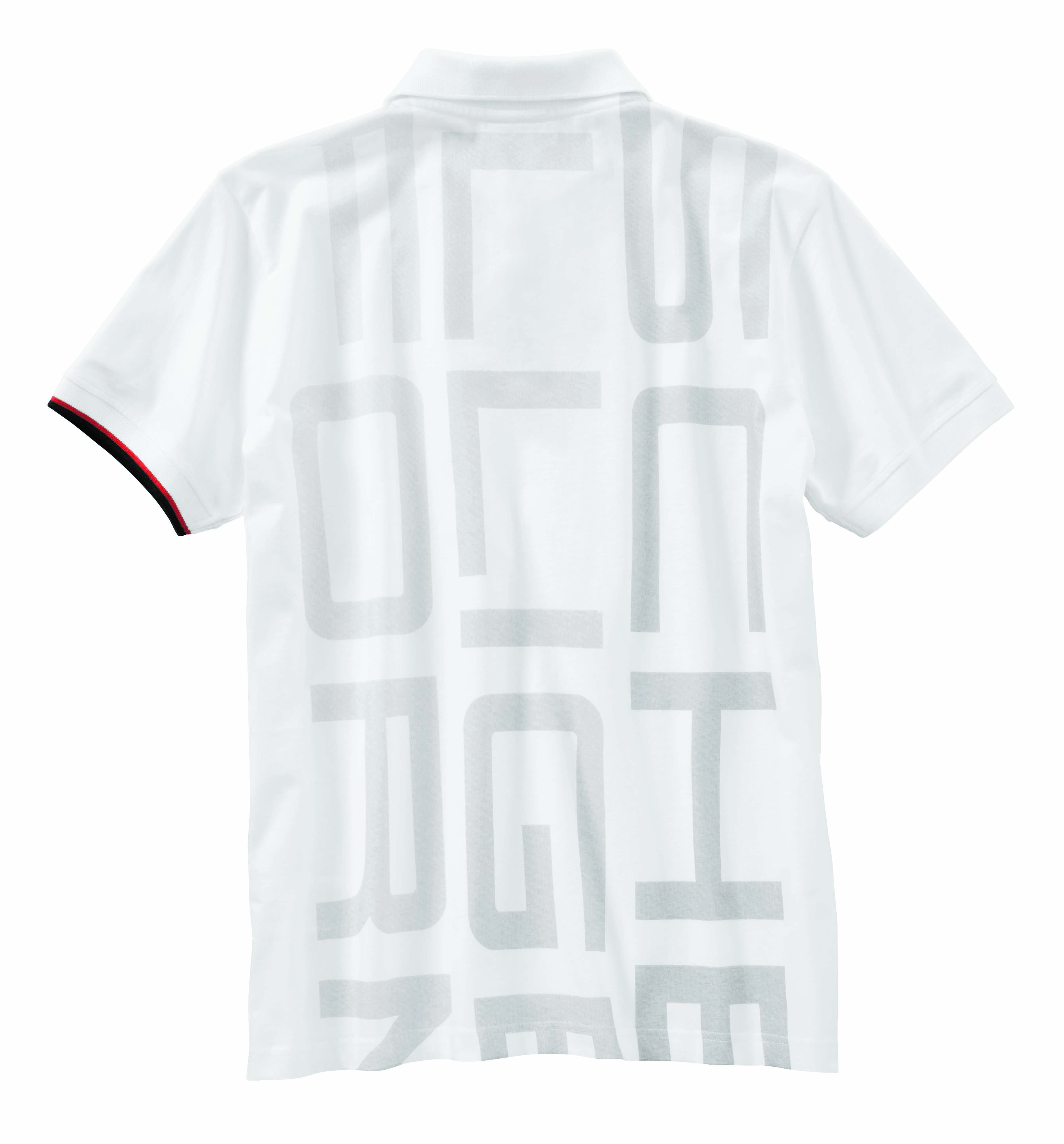
Polo Shirt Men
Polo Shirt Men
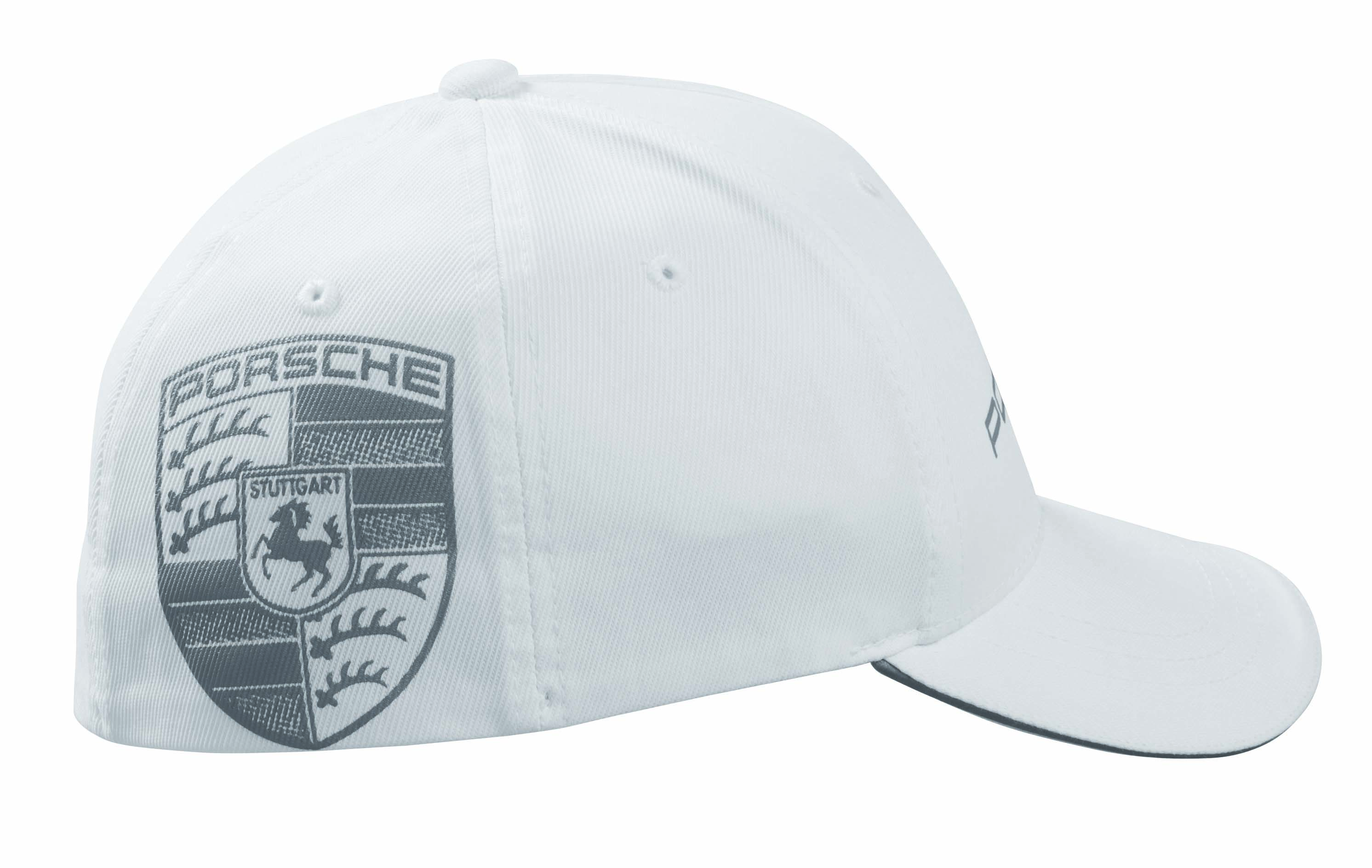
Baseball Cap
The Racing Collection is available worldwide in all Porsche Centres and online at http://www.porsche.com/shop; the Factory Team Collection will be available from September.
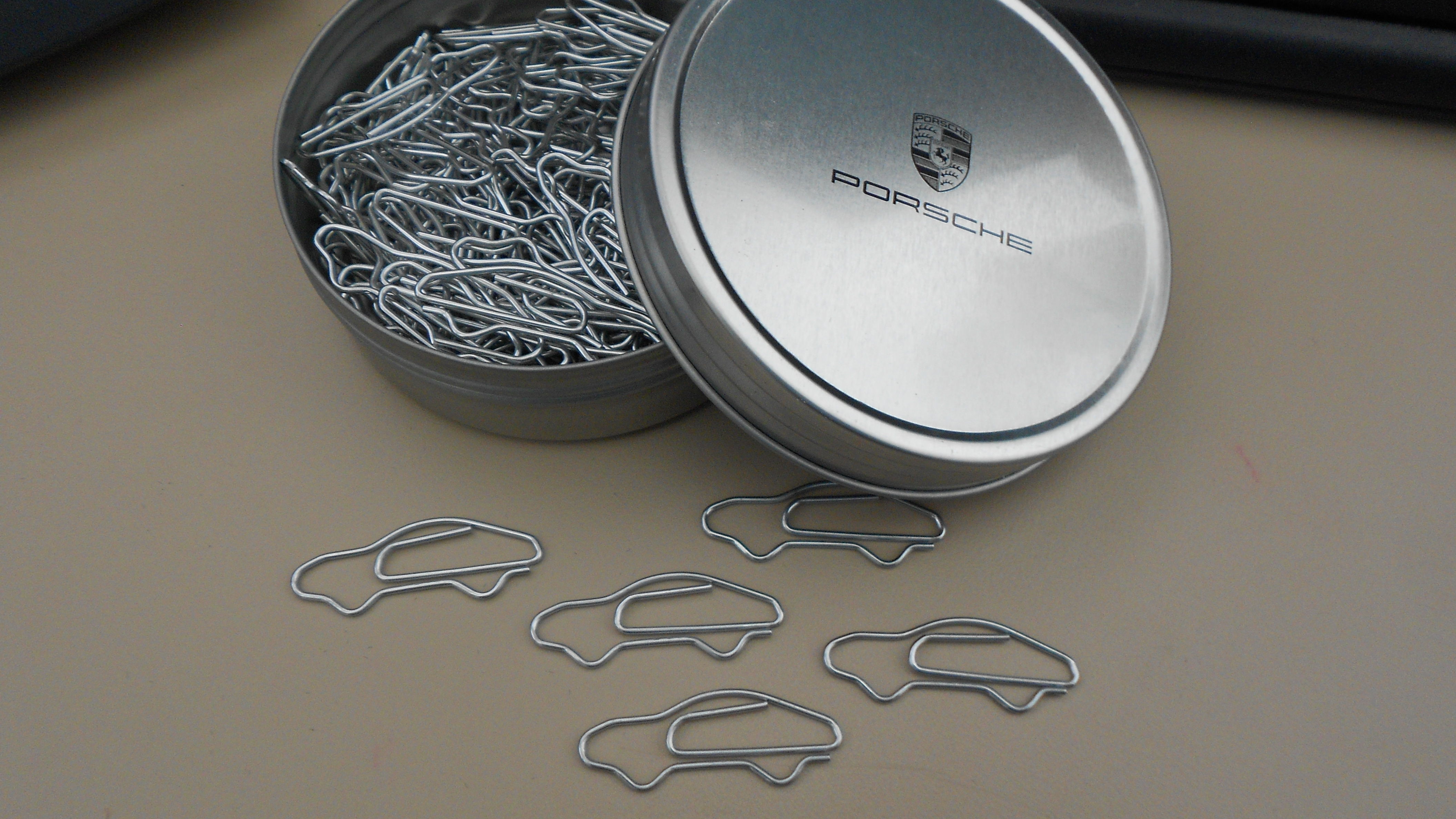
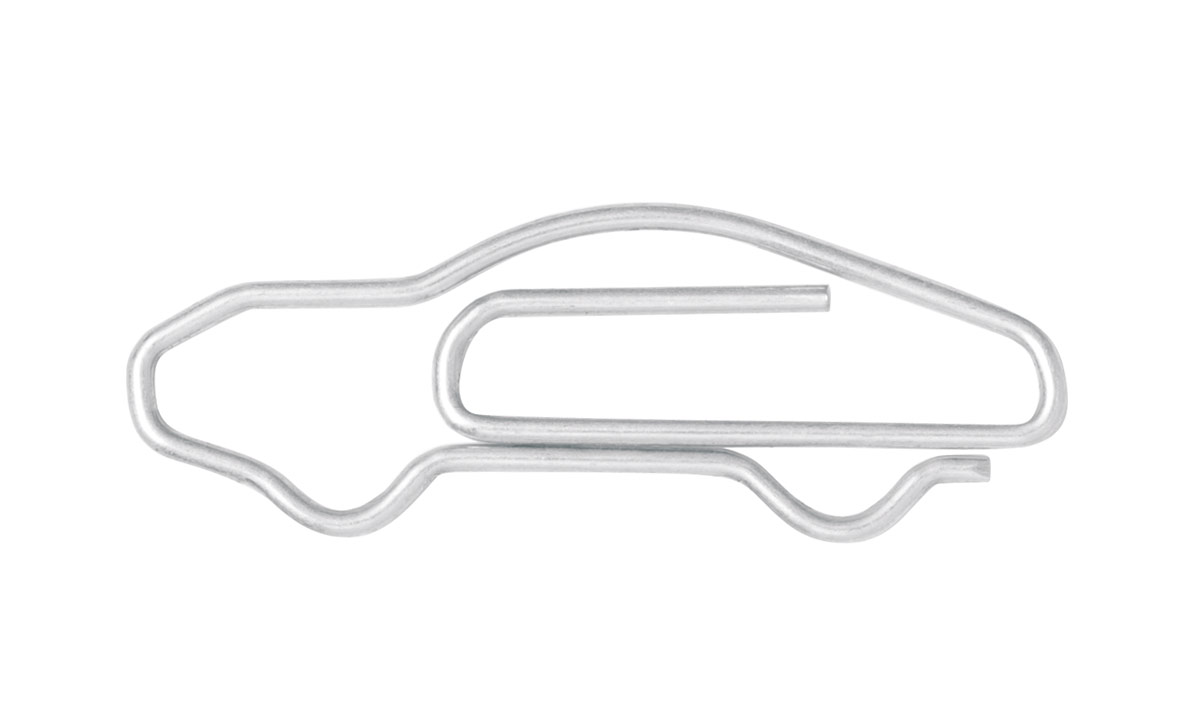
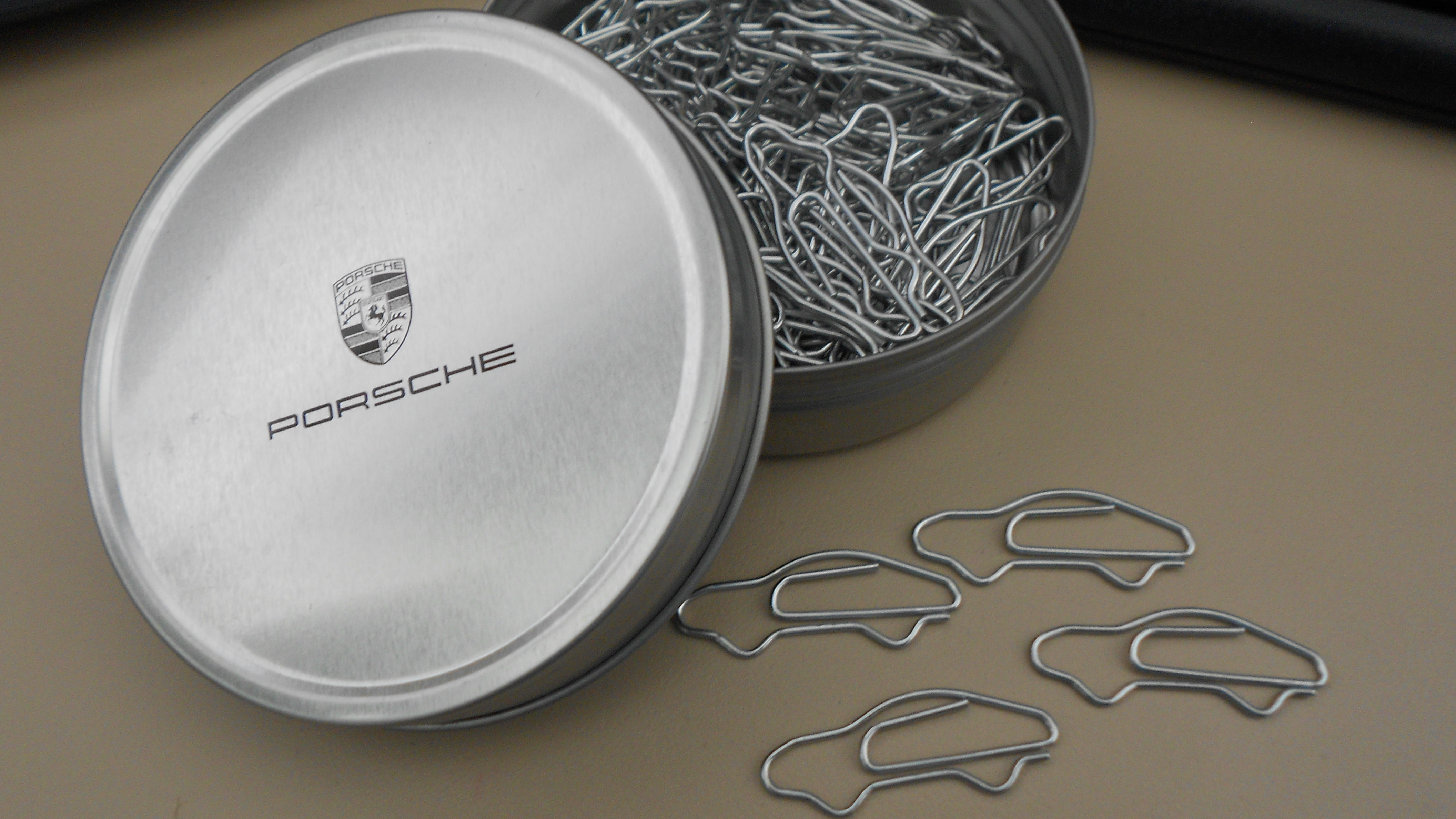
When it comes to paperclips, they’re often only known for their functional and practical use. But these paperclip creations are a great representation of how these ordinary items have been used in another inventive way. Using such a widely known brand name as “Porsche” as an inspiration.
Modern day engineered designs derive their influence from all sorts of ordinary mundane items, and can transform such things as these ordinary paperclips, into something modern and visually compelling, such as the well-recognized Porsche 911 shape.
Something you would want at your desk? I know I would.
That lovely, sexy, streamlined 911 silhouette! … a marvelous home or office gift.
If you are looking for something to brighten up your work space, this is an ideal office gift for women and men. And what a great Birthday or Christmas gift too. Hint!
Here’s the Product Details:
Paper clips designed by the Porsche Design Studio and represents the shape of the 911, made in Germany.
Code: WAP0500030E
Porsche Paper Clips
Set of 100 in tin box.
Shaped to resemble the famous Porsche 911 silhouette.
Photo by Dede Seward
Please Note: The Porsche gift / collection range is subject to availability and may take up to anything between 14 – 30 days for delivery if the item is not in stock.
Check availability at Porsches “Porsche Driver’s Selection” under Lifestyle/office supplies:: websites around the world
Oh! and one more thing…
Not too successful with trying to keep your paper clips together on your desk?
You work in an office, right? When you reach into your paper clip container to remove one paper clip, do you tend to get a chain of them? I do.
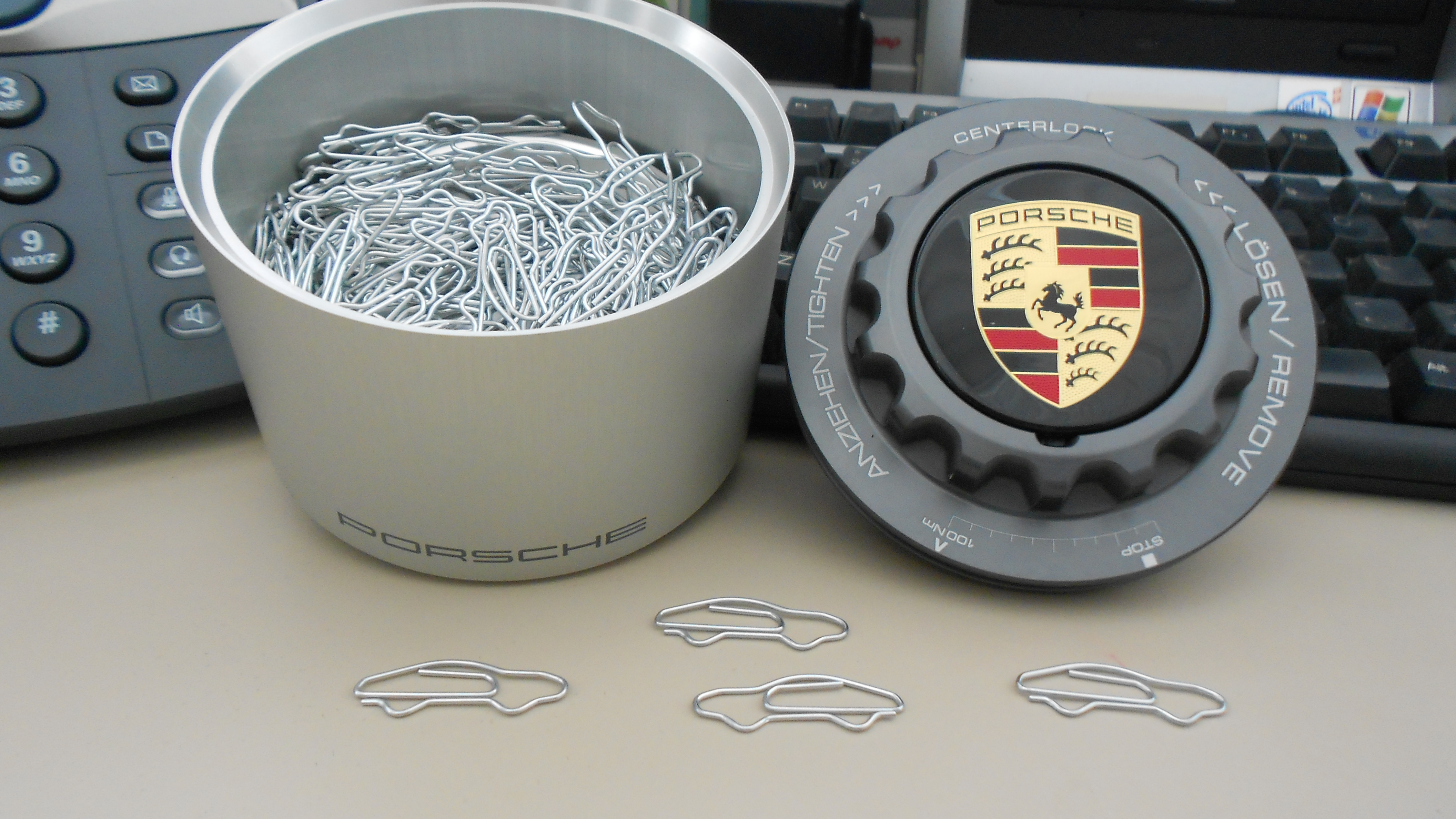
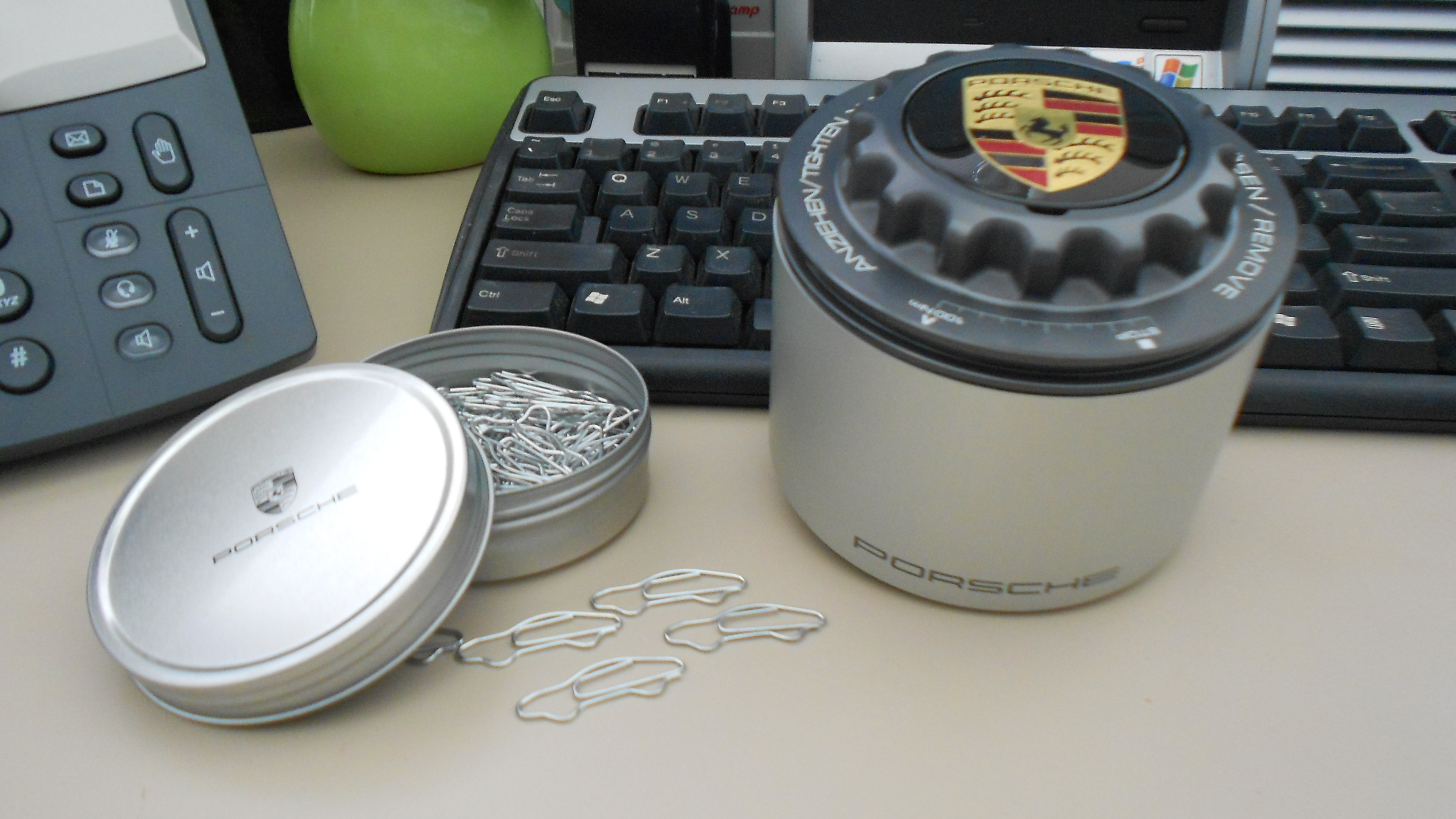
Paper clips, push pins and rubber bands running astray across your home office desk? Here’s a way to keep those little office supplies in check….the Office Organizer!
Photo by Dede Seward
The paper clips fit perfectly in the Office Organizer, item #WAP0500180D
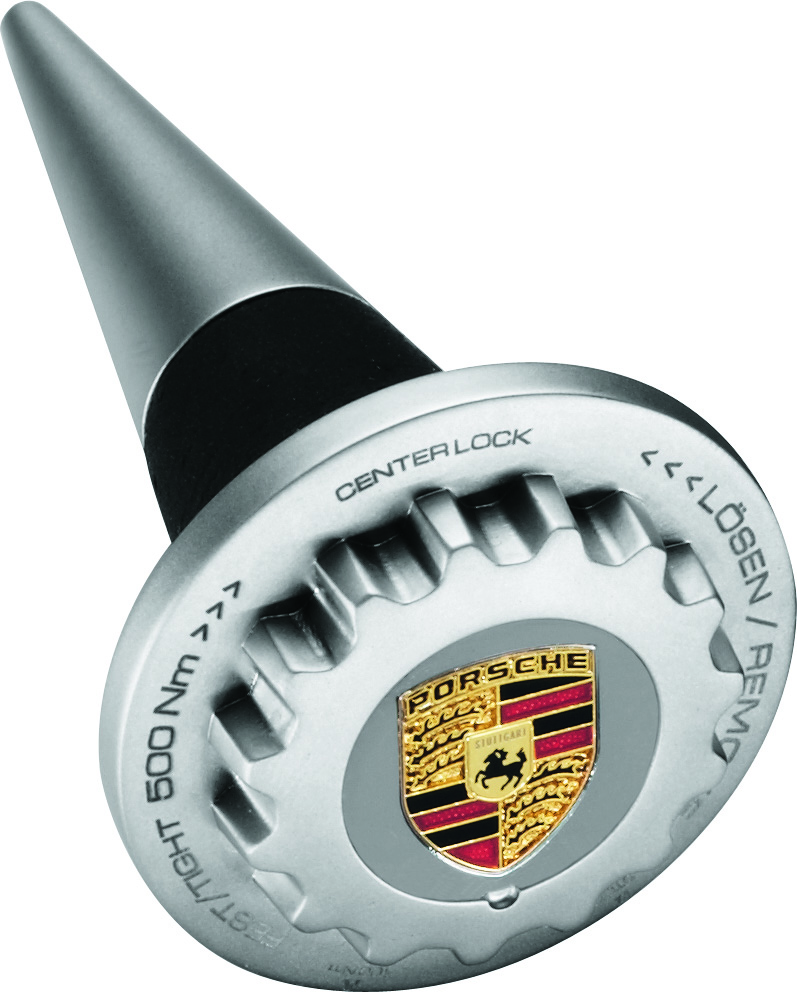
Inspired by the design of the central locking mechanism of the current Porsche 911 Turbo and 911 Turbo S. Includes original Porsche Crest and logo. With rubber inlay for sealing the bottle. Color: Silver/Black. Imported
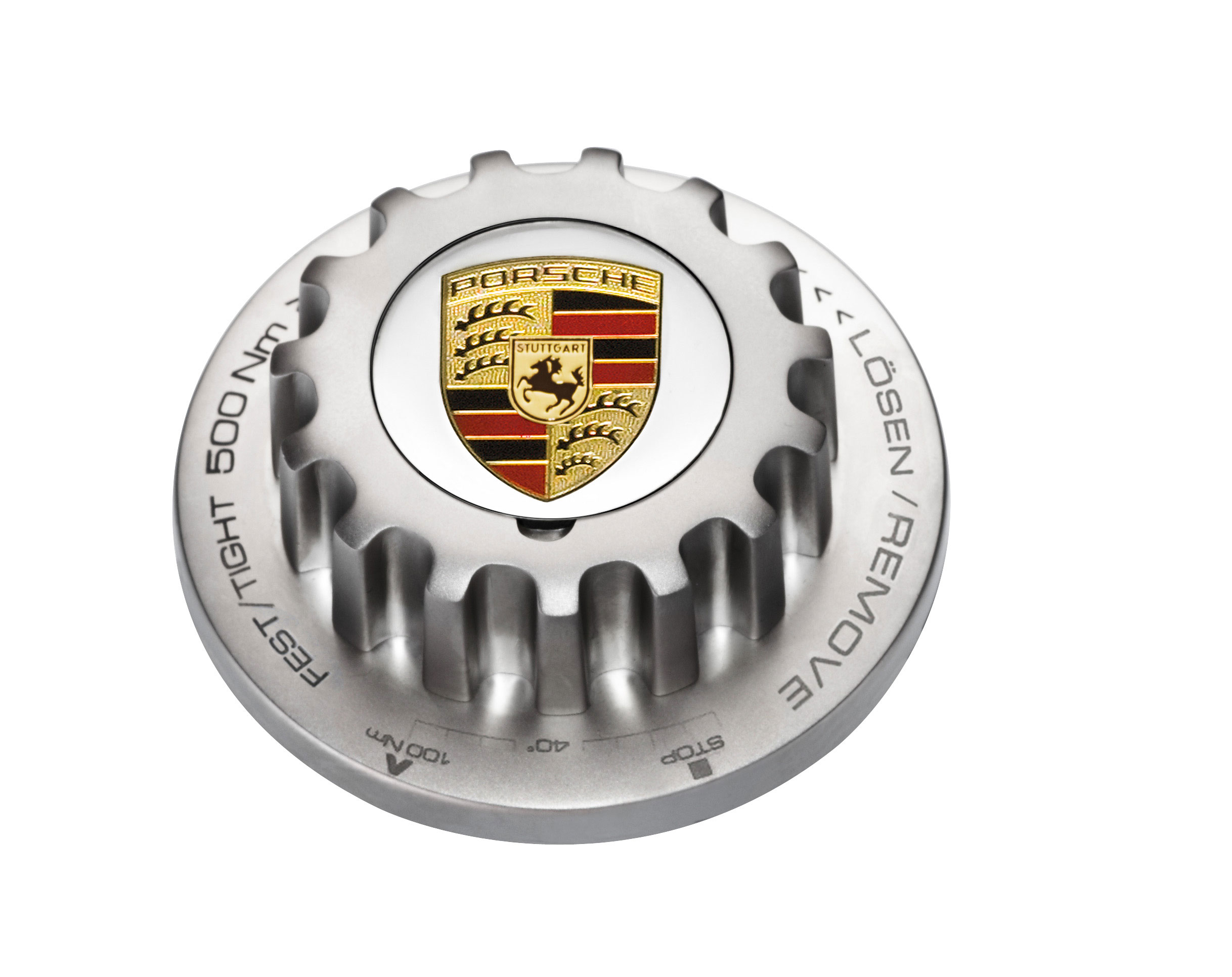
Inspired by the design of the central locking mechanism of the current Porsche 911 Turbo and 911 Turbo S. Heavy-duty design includes original Porsche Crest and logo. For opening crown caps. Imported.
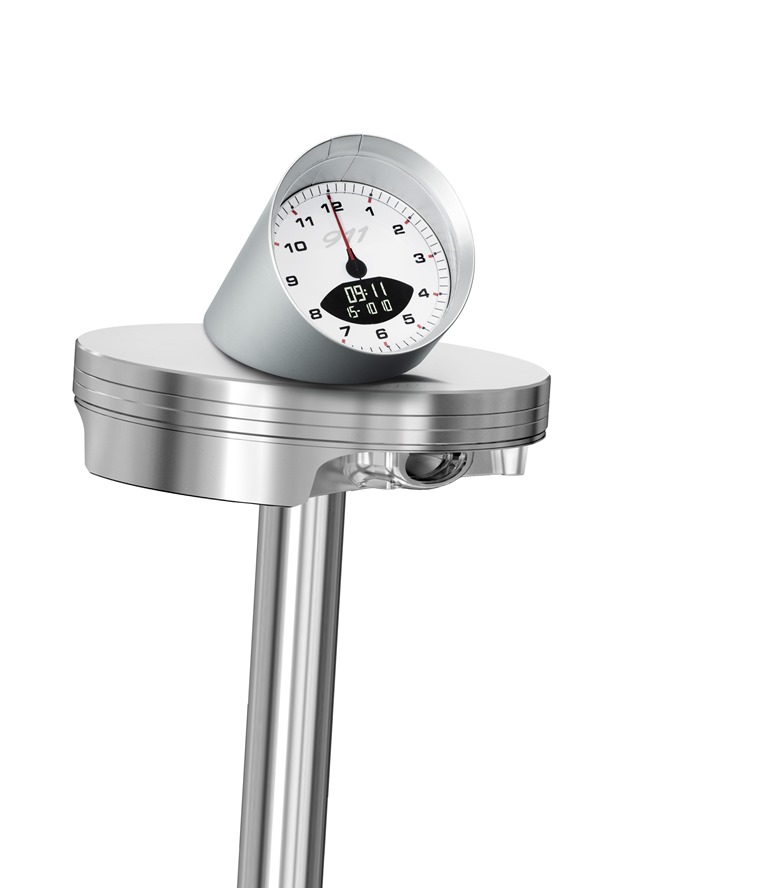
With both analog and digital time display and alarm, second time zone, calender and timer functions. Alarm features the sound of the Porsche 911 engine. Sturdy aluminum case. The case and dial are both based on the design of the Porsche 911 instruments. Imported.
Source:
Porsche Design / Porsche.com
Check availability at “Porsche Driver’s Selection” under office supplies: Porsche websites around the world
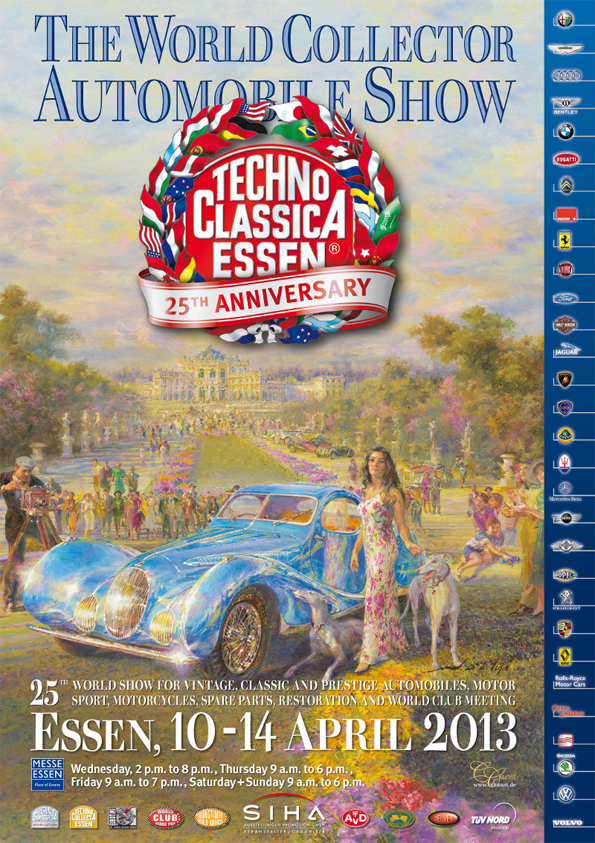
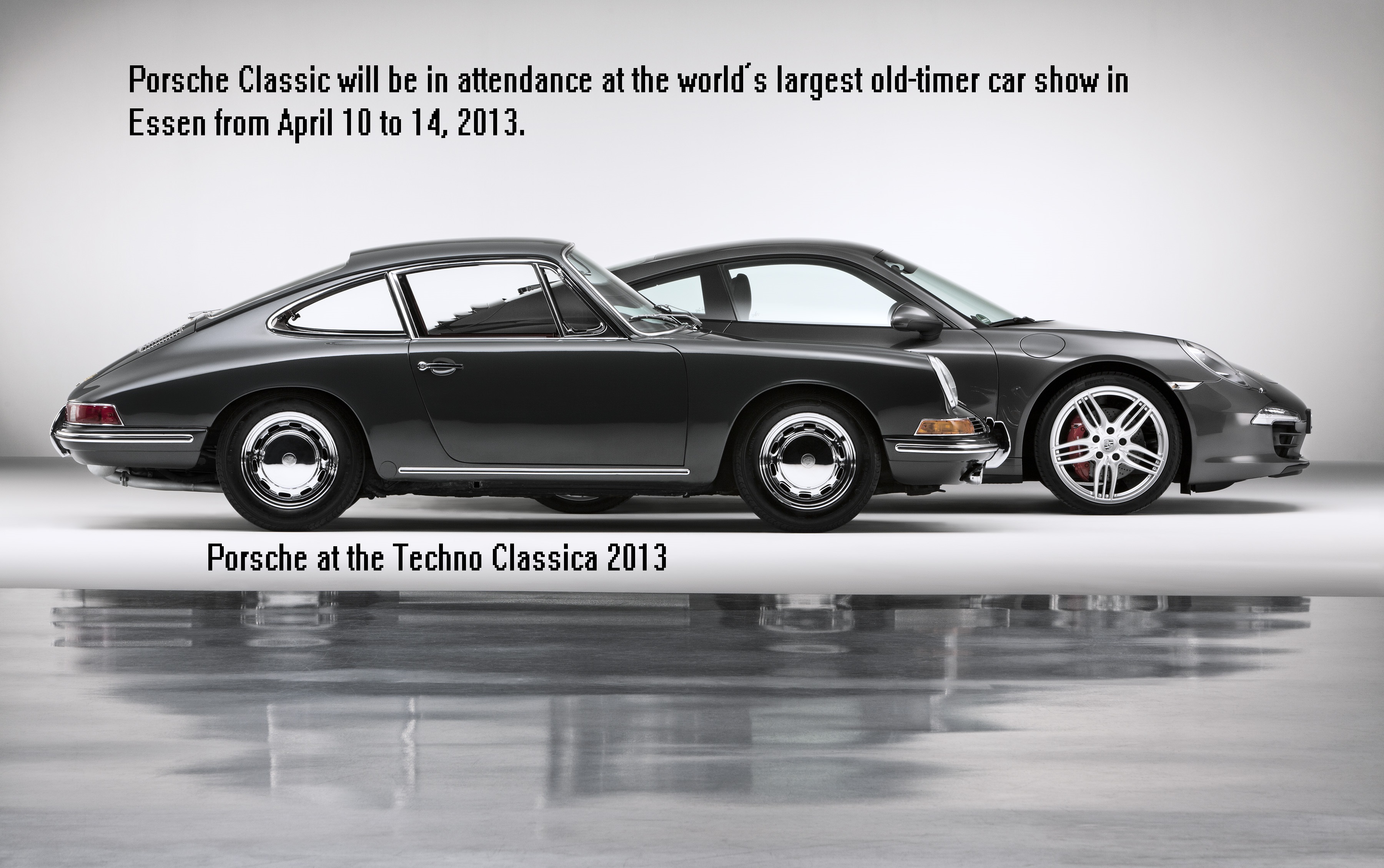
Stuttgart. Porsche Classic will be in attendance at the world’s largest old-timer car show in Essen from April 10 to 14, 2013.
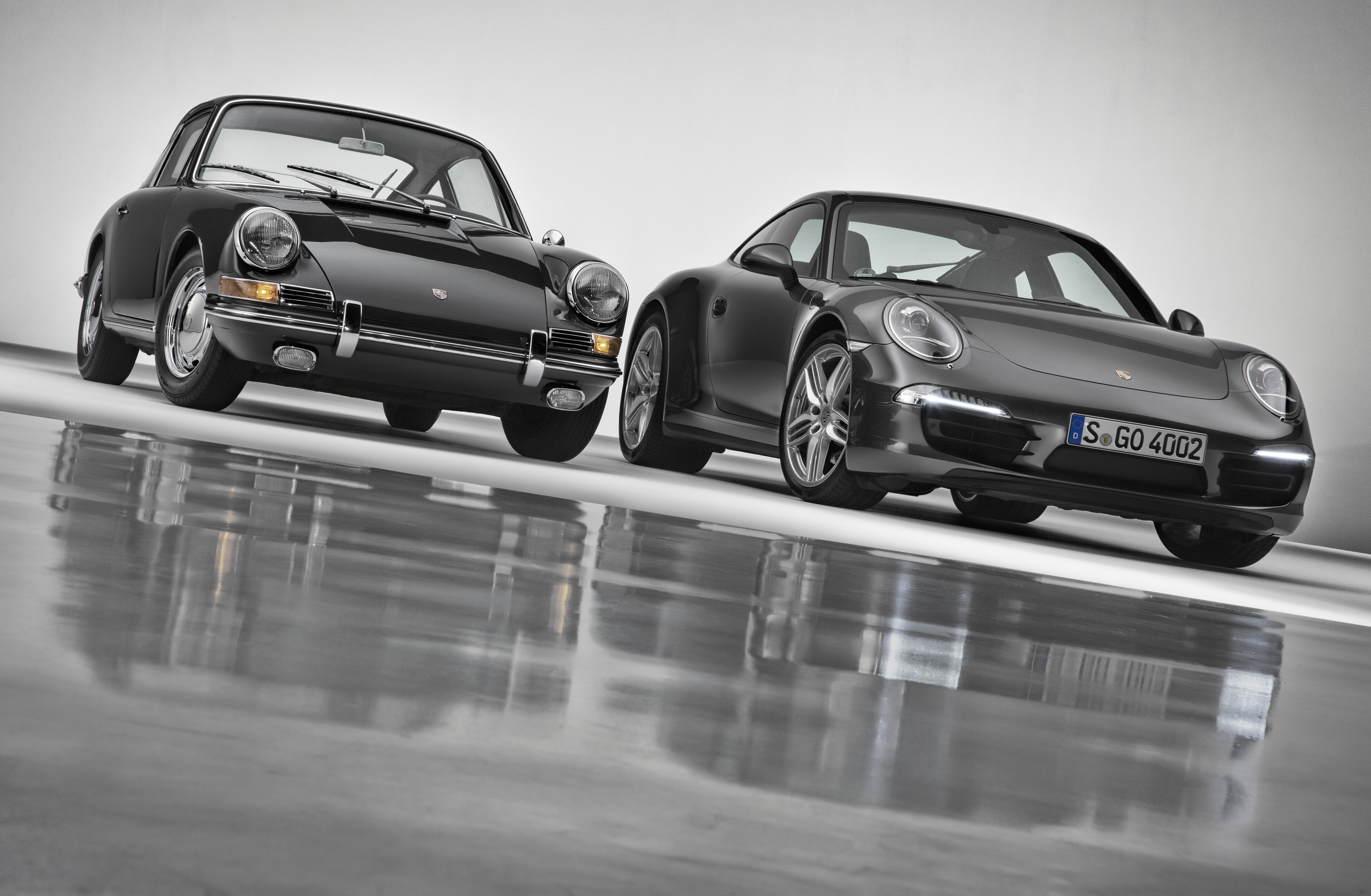
911 Carrera 4S Coupé and 911 2.0 Coupé (Model Year 1964)
The extensive range of Classic Genuine Parts and the full spectrum of services provided by the Porsche Classic workshop for the restoration, maintenance and repair of classic Porsche vehicles will be on show in Hall 7.0. The main focus at the spacious exhibition stand will be on the 50th anniversary of the Porsche 911. The sports car icon from Zuffenhausen has excited car enthusiasts all over the world for five decades.
Few other automobiles in the world can look back on such a long tradition and such continuity as the Porsche 911. It has been inspiring car enthusiasts the world over since its debut as the model 901 at the IAA International Automotive Show in September 1963.
Porsche 911 Carrera 4S Coupé and Porsche 911 2.0 Coupé (Model Year 1964)
Today it is considered the quintessential sports car, the benchmark for all others. The 911 is also the central point of reference for all other Porsche series. Over 820,000 Porsche 911s have been built, making it to one of the most successful sports car in the world. Like no other vehicle, the 911 reconciles apparent contradictions such as sportiness and everyday practicality, tradition and innovation, exclusivity and social acceptance, design and functionality. And about 70 percent of all built 911 are still driving on the streets today.
Porsche Classic will take this opportunity to present four 911 models to illustrate the broad scope of the 911’s history. Two early coupés will provide visitors with an insight into the technology of the first 911 models: one 911 (1964) currently being restored in the Porsche Classic workshop as well as a 911 (1965) straight from the Porsche Museum.
The 911 Turbo Cabriolet concept car will also be on show in Essen. This made its debut in September 1981 at the IAA in Frankfurt. Porsche Exclusive and Tequipment will present the modern 911 range with a current 911 (type 991) which has been specially equipped to demonstrate the broad range of personalisation options. In addition, fans of the 911 predecessor, the 356, will not be disappointed at the Techno Classica, as Porsche Classic will be presenting a rare fully restored 356 B T5 GS Carrera GT model.
Naturally, Porsche Classic experts will be present to advise and assist visitors to the show. They will be pleased to provide information on the extensive availability of Genuine Parts for Porsche Classic models as well as insider tips on the maintenance and correct servicing of these historic vehicles. Many of the Genuine Parts and accessories from the Classic range will be presented in a large shelving unit. In this way, Porsche Classic is clearly stating that its commitment to the preservation of old sports car treasures has never been stronger. A total of 35,000 Genuine Parts for Classic vehicles are available via the Porsche Centres worldwide.
The large selection of products on show on the Porsche stand will be complemented with the Sales Truck of Driver’s Selection by Porsche Design, which has a large selection of current Porsche accessories on offer.
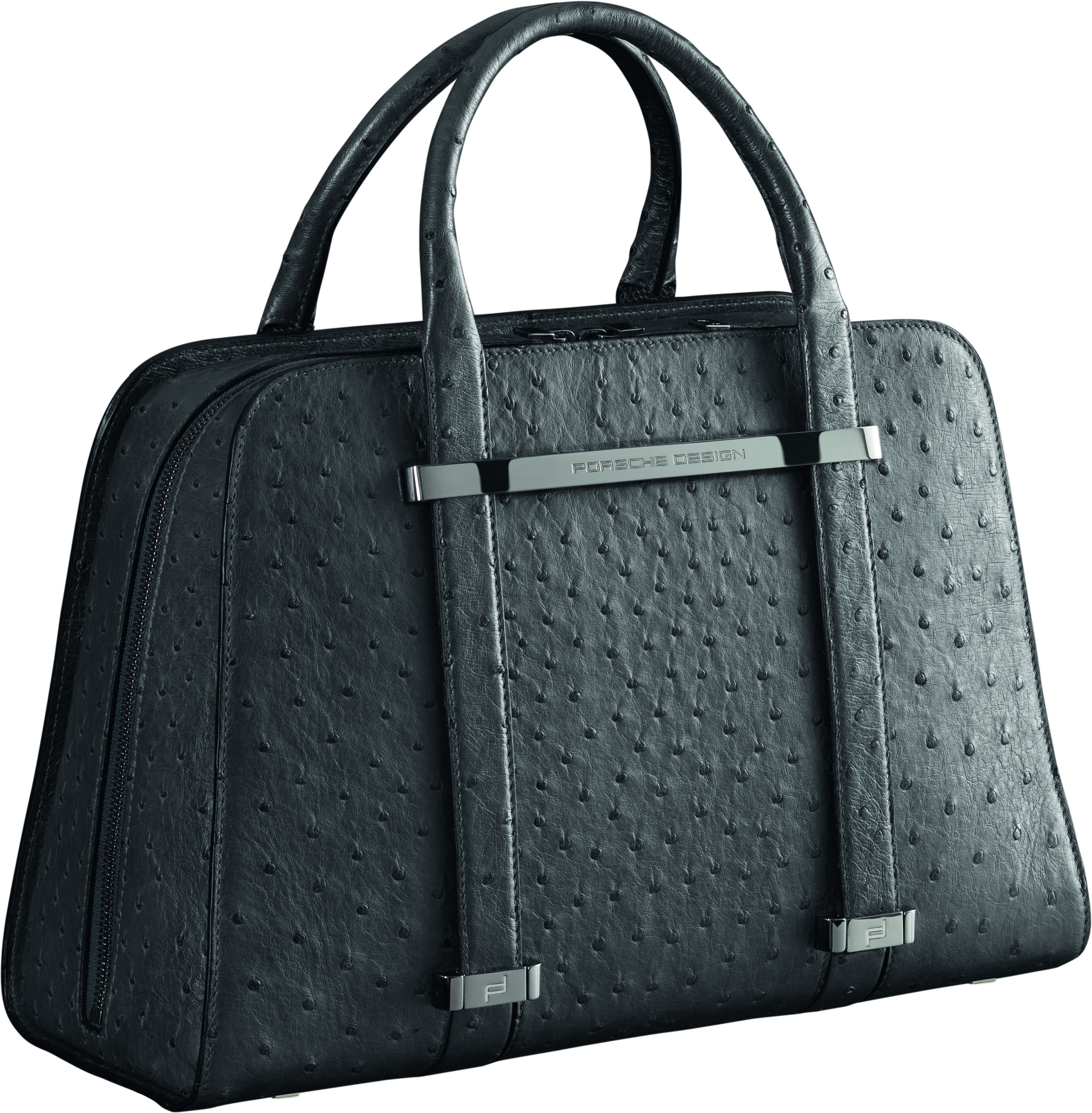
Stuttgart. The luxury brand’s first women’s handbag will be available from March 1st in all Porsche Design Stores around the world and in the official online store. The TwinBag is distinguished by its unique design and exclusive leather materials, expertly crafted by workers in Florence.
Finest Craftsmanship
The main highlight is the bag’s clever carrying concept: its adjustable handles allow the TwinBag to be worn as either a handbag or a shoulder bag. The German luxury brand’s first handbag rounds off its fashion and lifestyle range for women.
Finest Craftsmanship
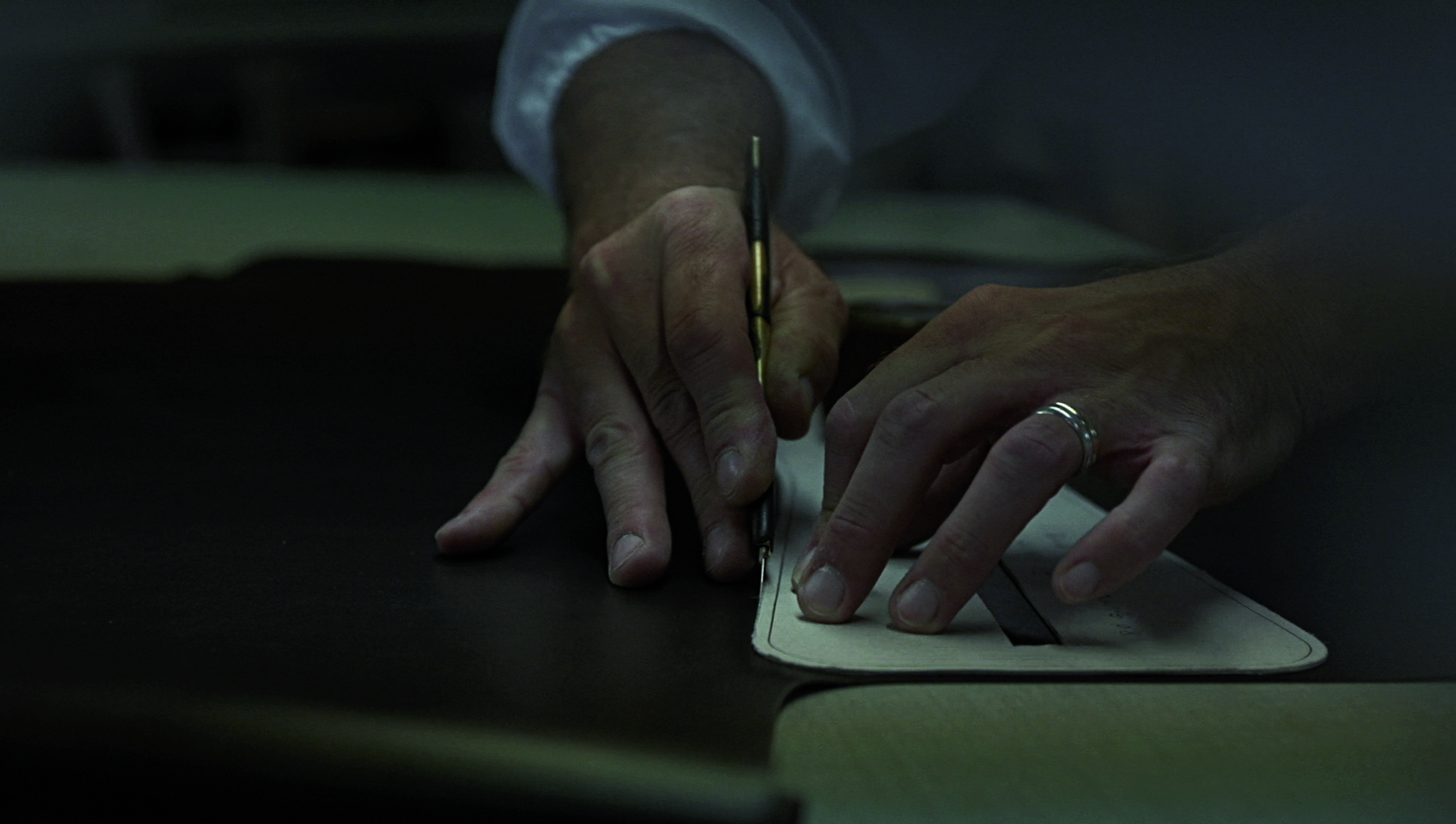
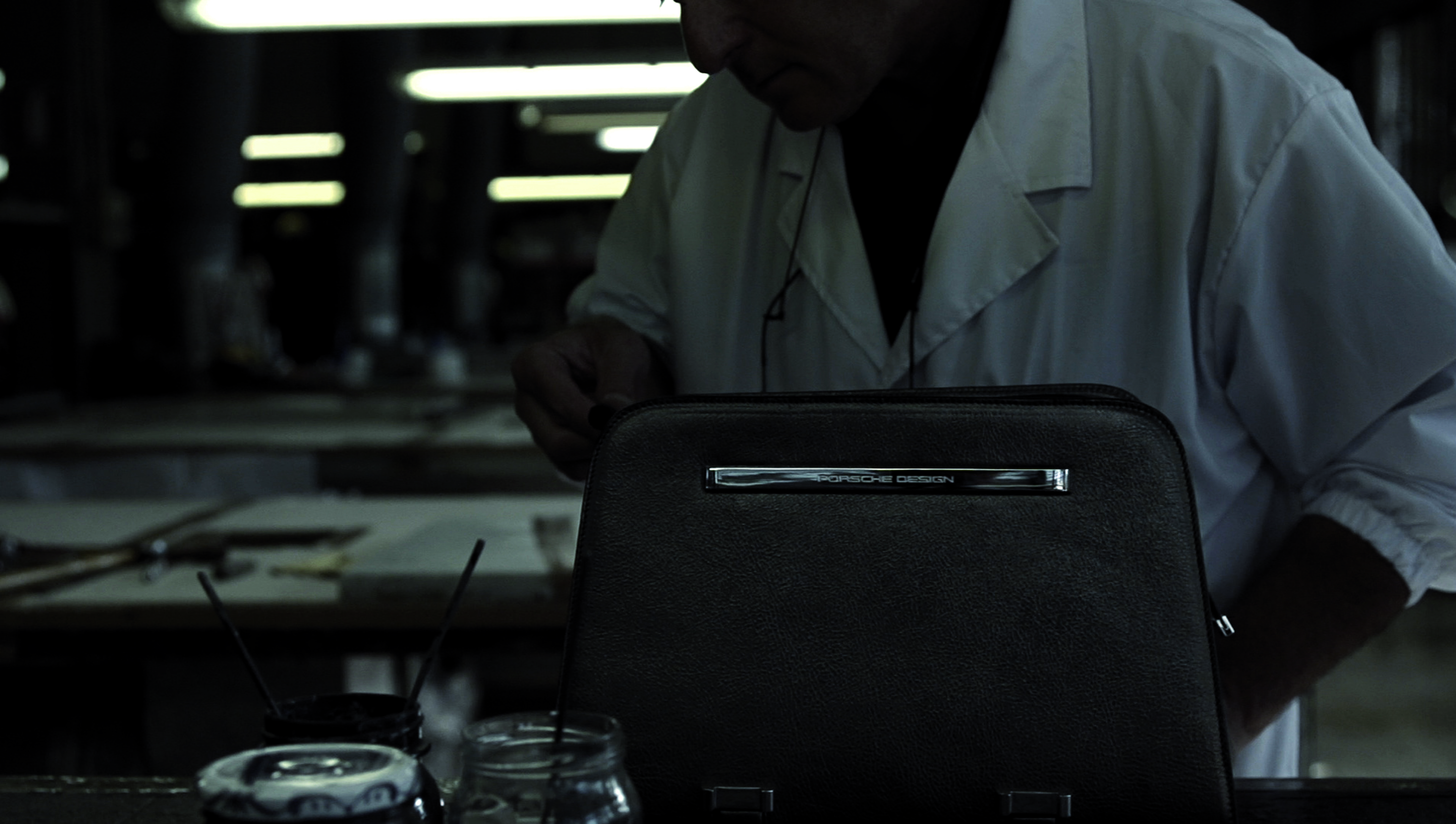
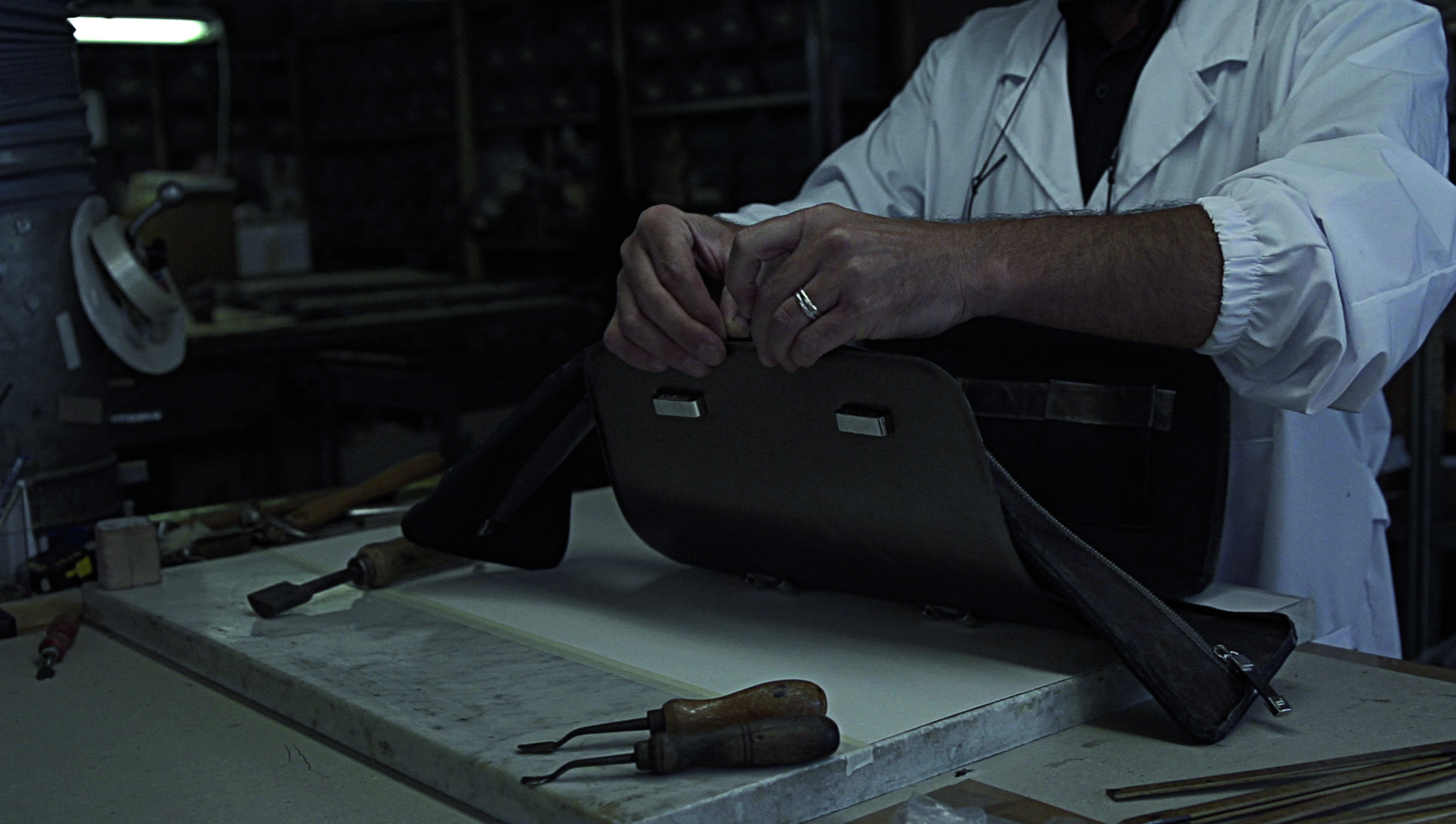
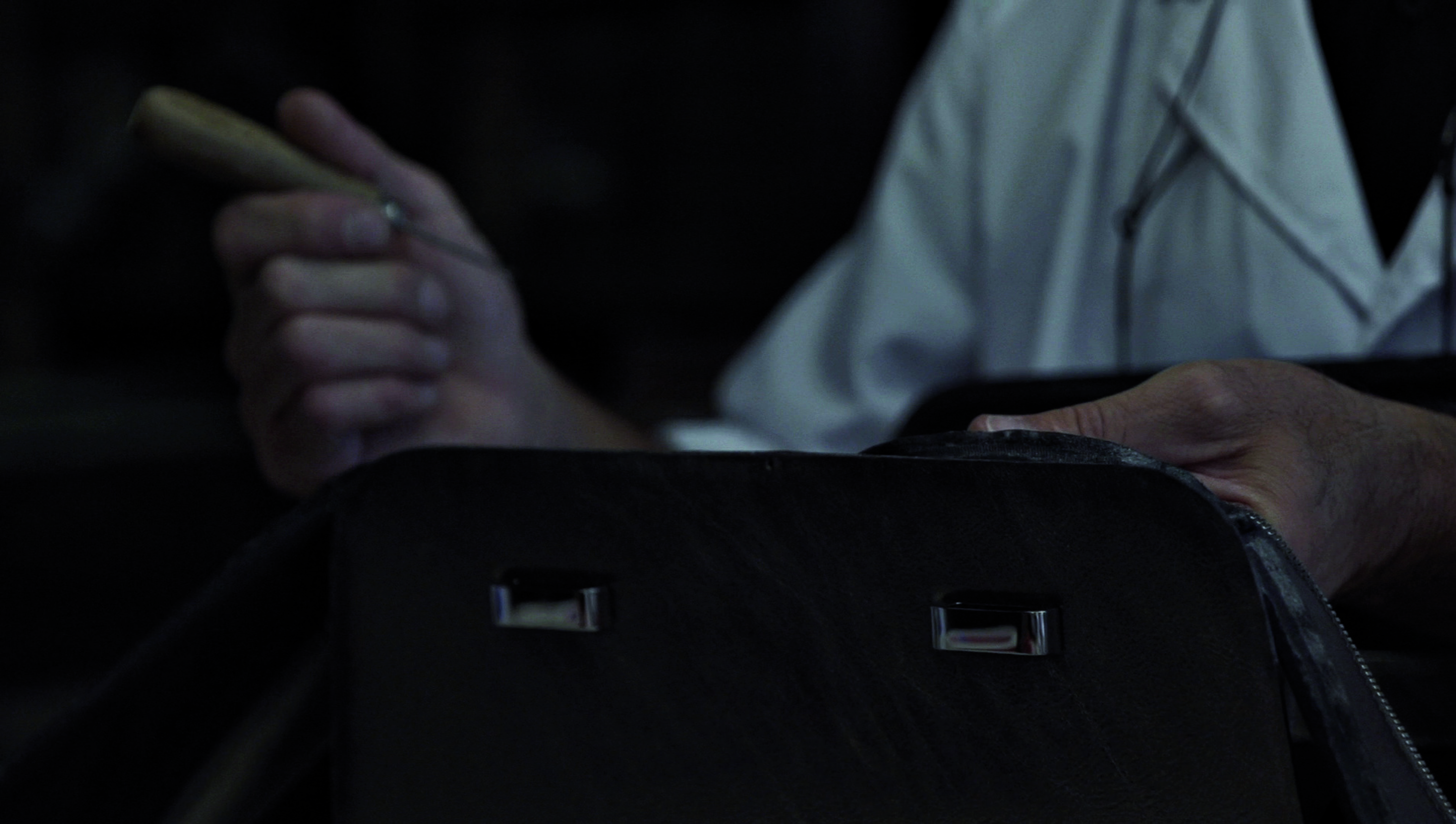
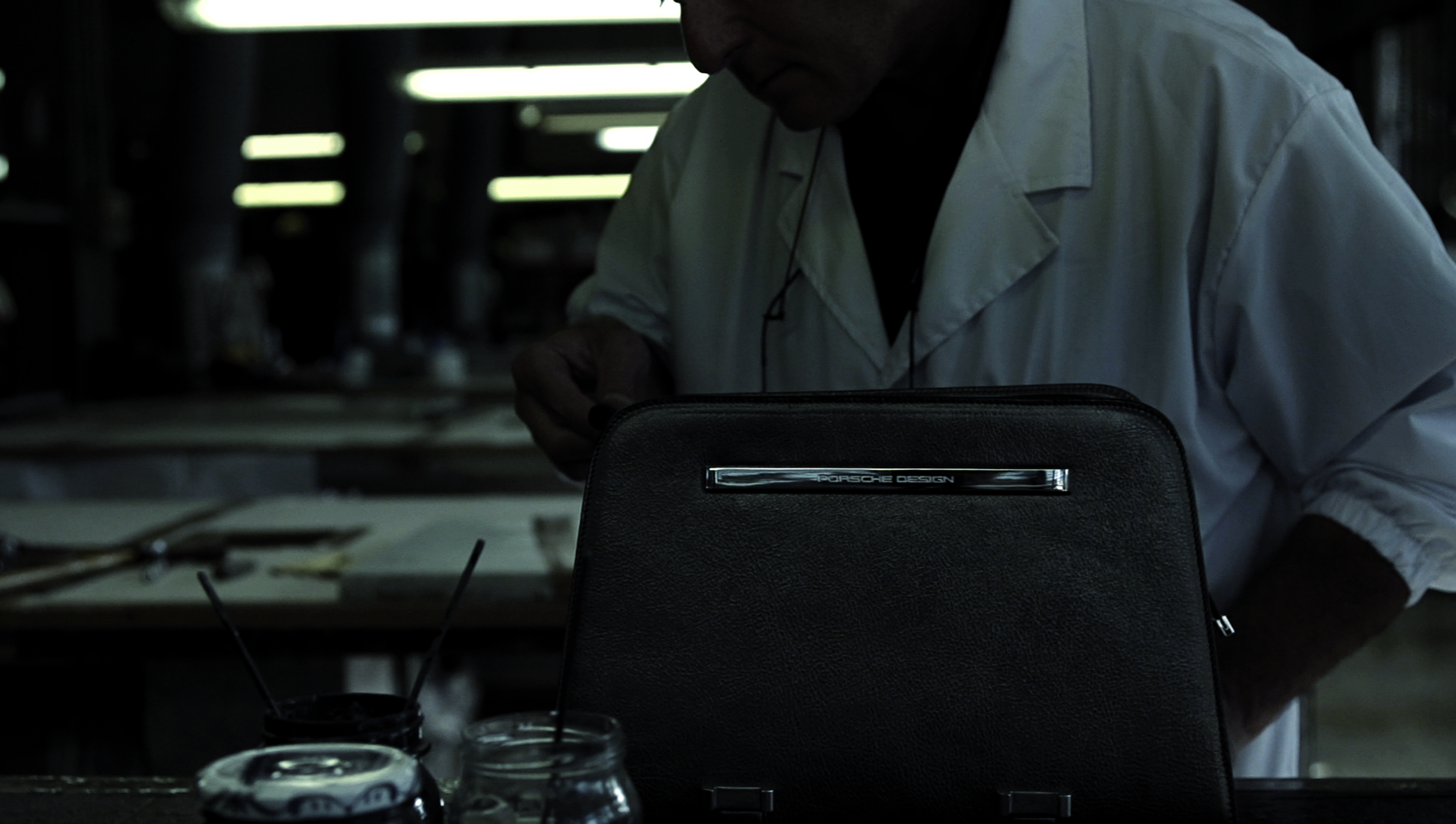
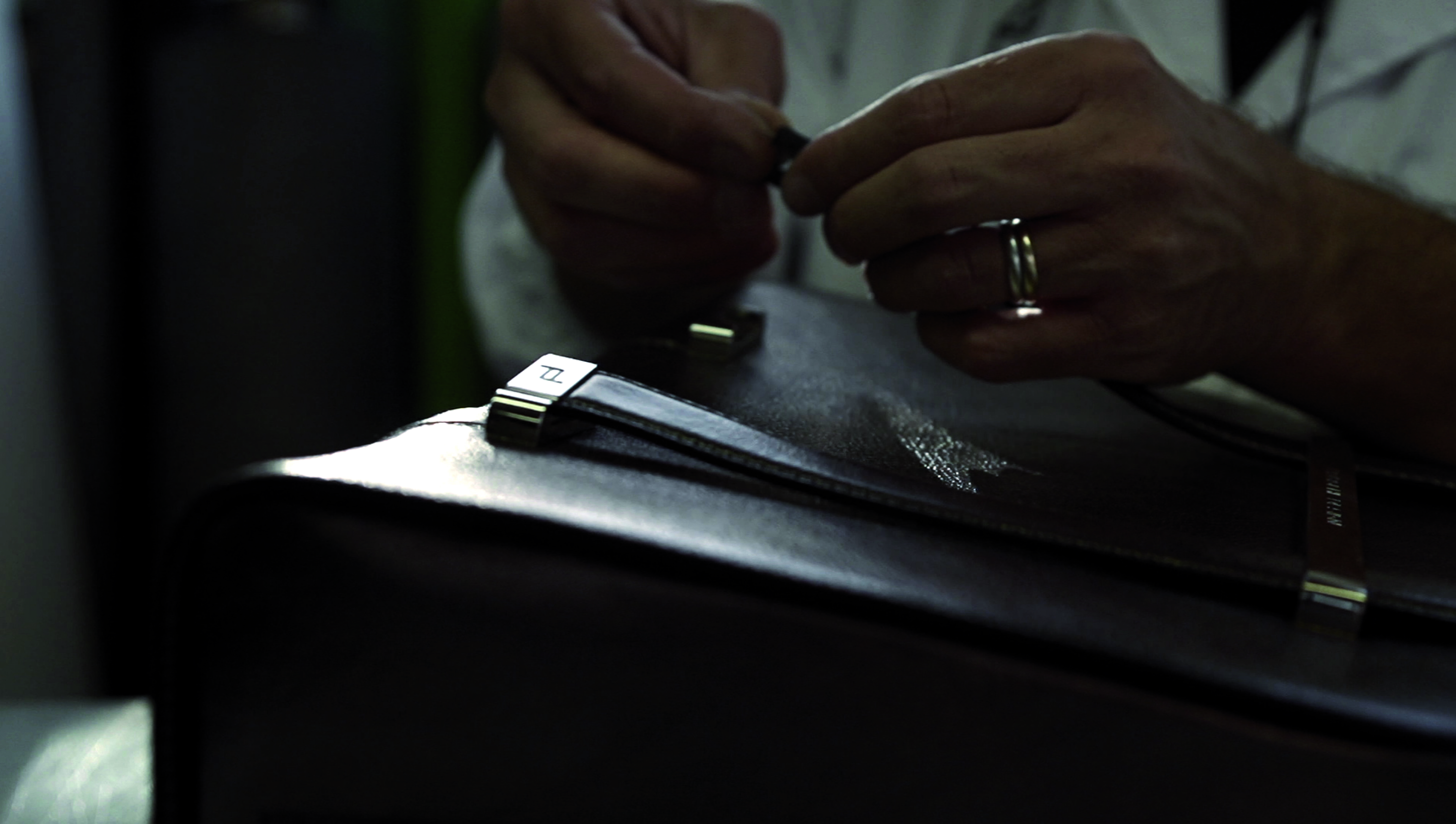
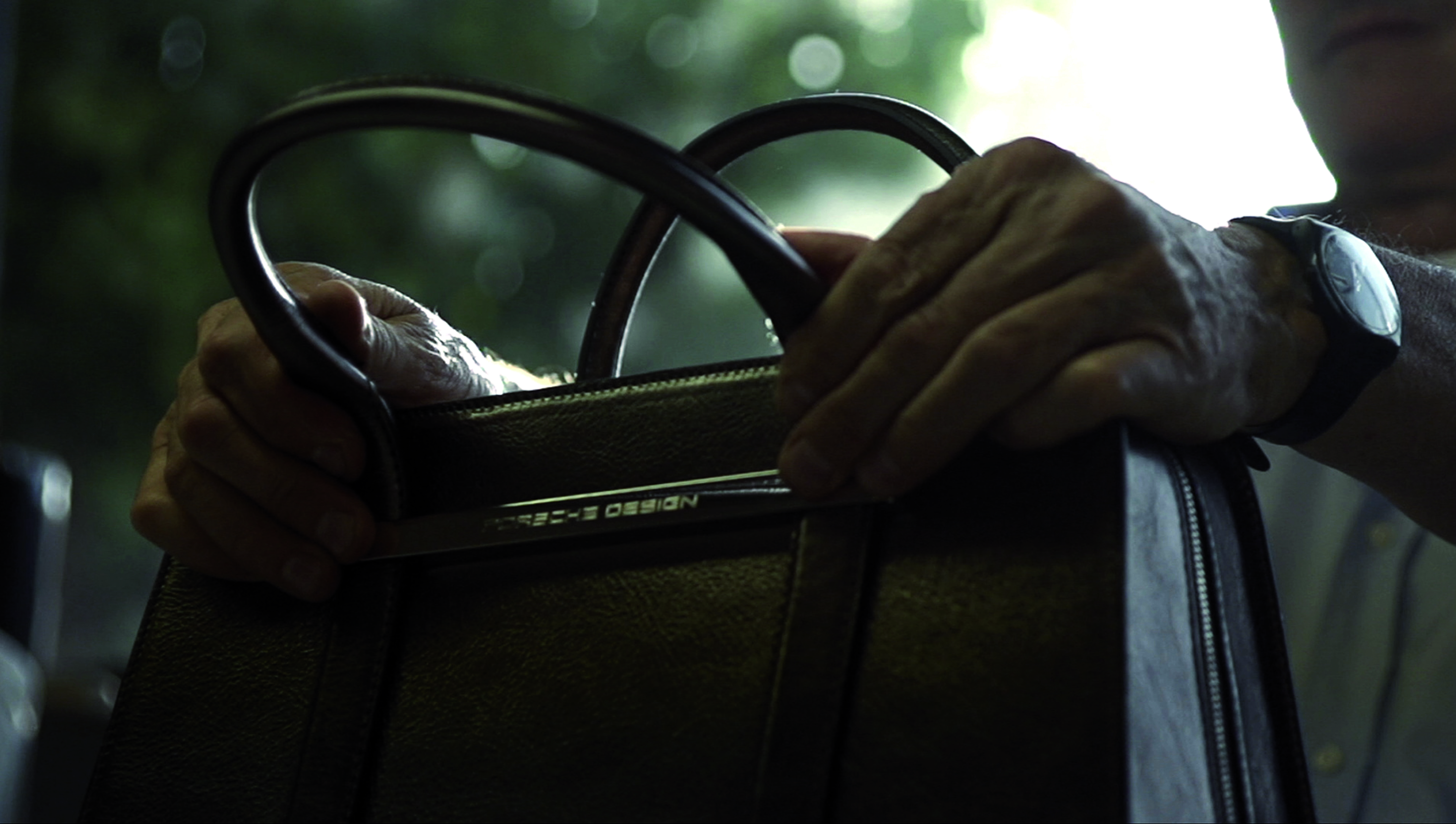
Italian craftsmanship shines through in every detail of the TwinBag, making it a true masterpiece. Produced from a single piece of calf leather, the bag is painstakingly stitched by hand in an intricate production process.
Finest Craftsmanship
Its Italian production ensures the finest workmanship and particular attention to detail – the handbag benefits from knowledge and tradition passed down through generations of Florentine craft workers.
Finest Craftsmanship
The Porsche Design TwinBag is one of the most exclusive bags around this season. Premium quality was a key focus in the selection of materials. The leather is tanned using an ecological process, the lining is made from soft Alcantara and the metal fittings are finished using an elaborate electroplating procedure.
Finest Craftsmanship
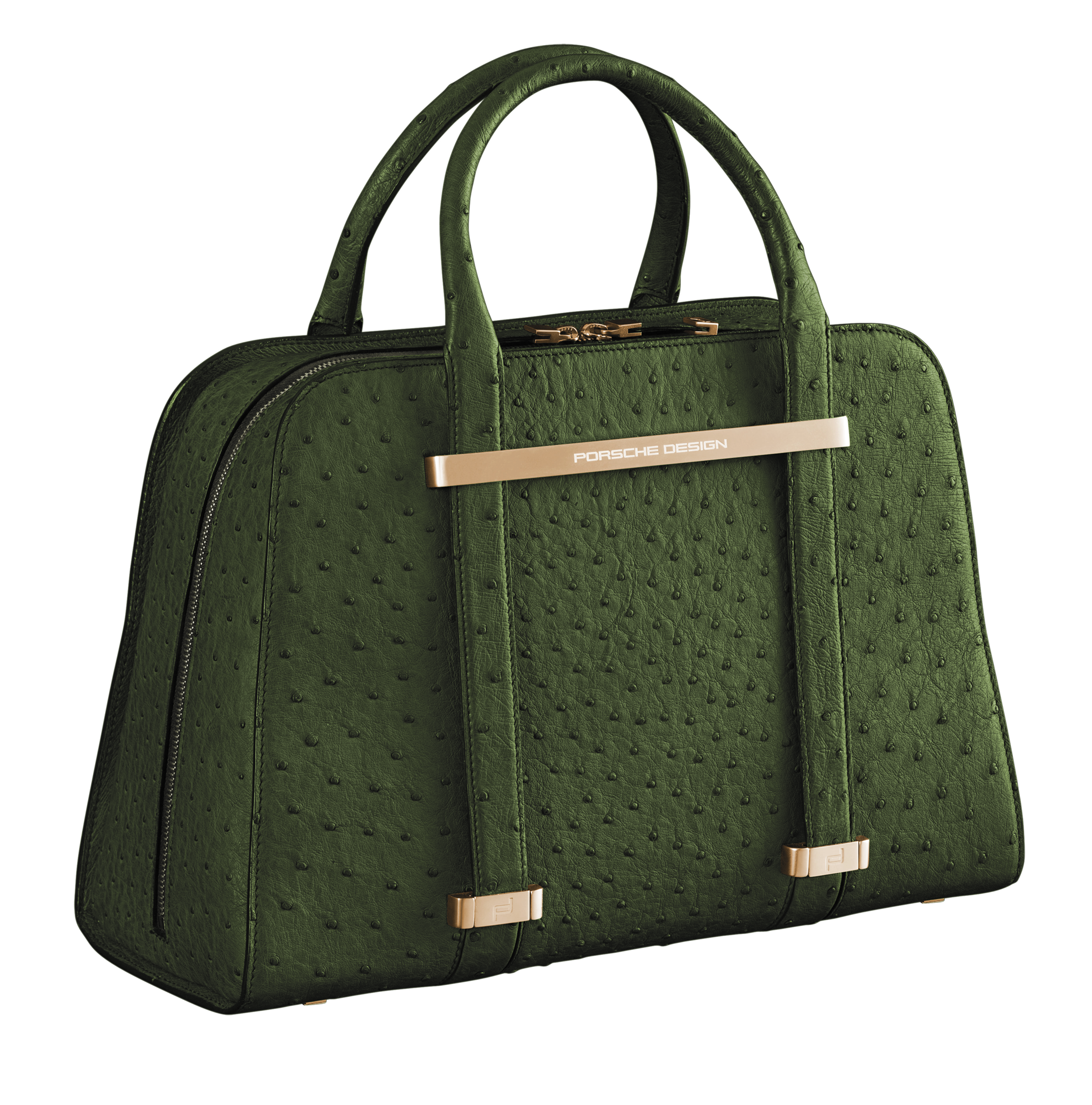
After vegetable tanning, the selected leather varieties – exclusive ostrich leather, elegant crocodile leather and modern calf leather – are processed with the highest precision and utmost attention to quality.
An elaborate electroplating process is used to produce six different finishes for the timeless metal fittings which are then polished by hand. The fittings are made from precious metals, such as gold, white gold, rose gold, matt gold, silver and chrome.
Finest Craftsmanship
The many different combinations of fine leather varieties and finishes result in a very distinctive look for each TwinBag model.
Finest Craftsmanship
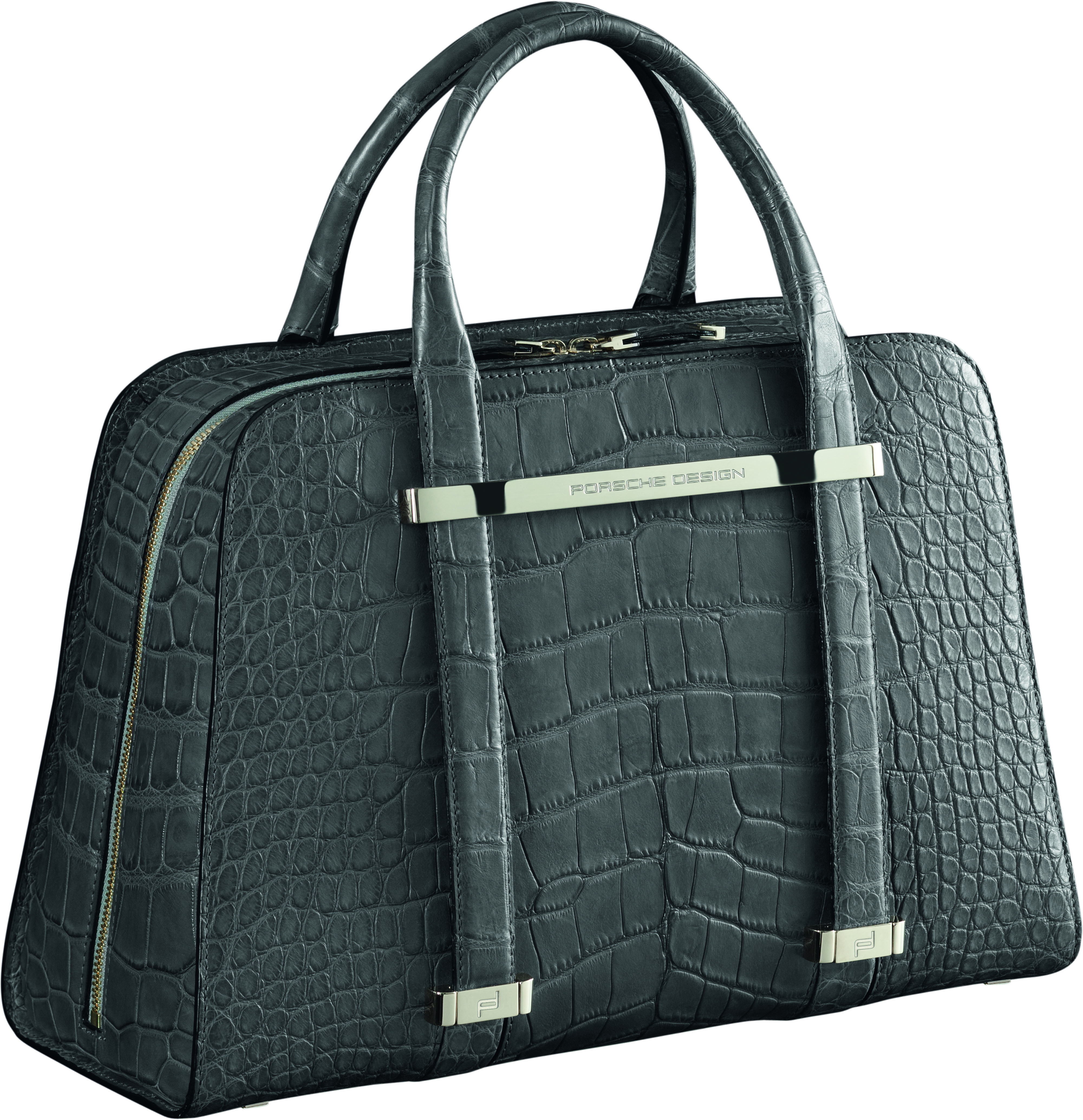
The highlight of the first TwinBag collection is a grey crocodile leather bag with white gold fittings.
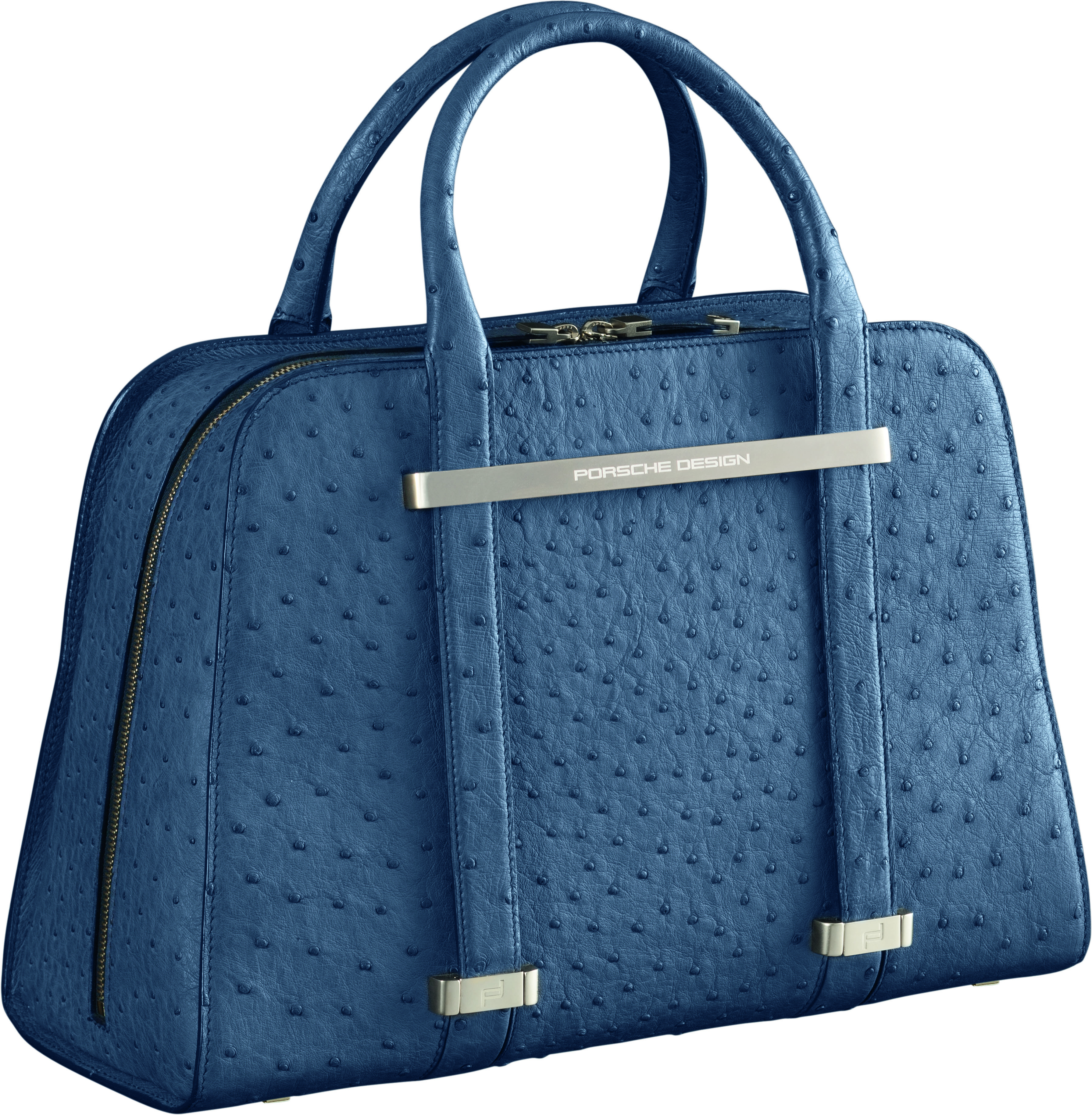
TwinBag in blue ostrich leather
Gold details adorn the green and blue ostrich leather bags, while the grey leather bag sports chromeblack metal fittings.
TwinBag in grey crocodile leather
The individual numbers on the crocodile and ostrich leather versions further emphasise their exclusivity. The collection is rounded off with a total of 13 stylish and modern calf leather versions. The TwinBag colour spectrum ranges from elegant white to timeless beige and classic black.
Featuring a two-way zip for easy access, the interior of the TwinBag is designed with functionality in mind: it is roomy enough to hold DIN A4-size documents and a 13-inch laptop.
Cost: Well, the bags, which are produced in Florence, Italy and range from $1,990 to $11,900 CAD (note: special order handbags top out at just under $30,000), will be available in March 2013 in all Porsche Design stores and online.
Crocodile, with 18K white gold hardware, handbag $29,000, by special order.
prepared a 2012 annual report for Dedeporsches.com Blog.
Here’s an excerpt:
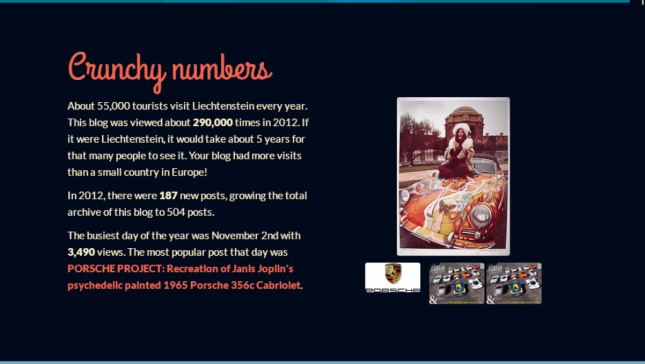
About 55,000 tourists visit Liechtenstein every year. This blog was viewed about 290,000[actually the stats say 401,295]times in 2012. If it were Liechtenstein, it would take about 5 years for that many people to see it. Dedeporsches blog had more visits than a small country in Europe!
IT’S ALL ABOUT PORSCHE…IF YOU’RE AN OWNER OF A PORSCHE,OR A BIG ENTHUSIAST OF PORSCHE CARS, PORSCHE MOTORSPORTS, PORSCHE DESIGN, PORSCHE HISTORY, OR A MEMBER OF A PORSCHE CLUB….JOIN ME ON FOCUSING JUST ABOUT PORSCHE!!
Bestow happiness – with timeless luxury this holiday season. Experience the extraordinary world of Porsche Design gifts at your nearest Porsche Design store www.porsche-design.com and select from elegant and technically-inspired writing tools, luxurious timepieces and jewelry, unmistakable fragrances and state of the art electronics in true Porsche Design style.
You may not be able to afford to give someone an actual Porsche for the holidays ,so here’s the next best thing for Porsche lovers.
A selection of 12 Porsche designed gifts for everyone in the family.Porsche Magnetic board with vintage image and 5 magnetic cars:
Painted metal board in the same design as the historic motorsport poster of 1964. Inclusive set of 5 magnetic cars [ 356 BT5 Coupé ]. 1 : 87 scale. Limited to 2,000 units. Dimensions: 40 x 50 x 0.5 cm.
$175, buy it here
911 GTE R Chronograph Watch:
Brown dial. Base color: Black. Brown accent color. Black rubber strap. Luminescent hands, stopwatch function with split-time measurement and tachometer. Extra-hard sapphire glass with anti-reflection treatment to ensure clear visibility. Integrated rubber. $740 (Other colors and styles available). buy it here.
Save up for the real thing with the Porsche Piggy Bank:
In the design of the 917/20 – ‘the pink pig’. Elaborately decorated with a lockable opening for removing coins. Material: ceramic.
$70, buy it here
2013 Porsche calendar “Mega City”
Timeless and sporty Porsche models in futuristic megacities. The new Porsche calendar for 2013 gives you 12 reasons to start looking forward to the future now. Comes with an exclusive collector’s coin.*The Porsche ‘Mega City’ calendar is exclusively available only at your local authorized Porsche dealership.* $48, buy it here.
Porsche Computer Mouse:
In the same design as the Porsche 911. Designed in the design studio of Porsche Weissach. PC– and Maccompatible aluminium scroll wheel, high resolution 2,000 dpi sensor, 2.4 GHz technology and plug & play installation. Colour: in high gloss Black. With a tiny and very powerful dongle for wireless use. Dimensions of dongle: 20 x 15 x 7 mm. $115, buy it here
Porsche Kid’s Bike:
Two products in one: a push-along bike that can be converted to a chidren’s bike in a few simple steps. Lightweight aluminum frame with Porsche logo. Adjustable height, ergonomically designed saddle. Handlebars with protective padding and bell. Smooth-running 14 inch wheels with ball bearings and reflective stripes. Adjustable cantilever front brakes and back pedal brake. Plastic pedals with reflectors suitable for children. Additional front and rear reflectors. Exclusive design by the Porsche Design Studio. Suitable for ages 3+ years. Imported. $430.00, buy it here
Porsche Wrapping Paper:
In the colours of 1968 design. 2 sheets, each 70 x 100 cm on a roll. Material: high-quality 80 g/m2 paper, matte. $7, buy it here
There are many other items available for Porsche fans from their Driver’s Selection online store. Check them all out here.
If you’ve got more coin to spend, the Porsche Design Studio offers these fabulous items:
Porsche Design Chopsticks:
High-end Chopsticks with magnetic clip. Made of high quality materials: blackwood and stainless steel. € 75,00, buy them here
Porsche Design Candle:
Perfumed, black candle. Smells like “The Essence”., € 60,00, buy it here
Porsche Design Running Shoes:
The exclusive Bounce:S² running shoe is engineered with a car-inspired suspension system that transfers vertical impact into forward propulsion. The result is 20% more cushioning and 15% more elasticity than standard running shoes. An innovative one piece mesh shell combines breathability with step-in comfort and abrasion-resistance. (shown in Black/Orange but several other colors are available. € 350,00, buy them here
Porsche Design Twin Bag
The Twin Bag is two purses in one with a handle that extends to make it a shoulder bag or collapses to make it a handbag.
Each TwinBag is produced in the Italian city of Florence, by dedicated and experienced hands and benefiting from knowledge passed down through generations. The selection of materials is also typical of Porsche Design. The luxury brand’s handbags are made exclusively from the finest vegetable-tanned leather and enhanced with timeless high-quality metal fittings.
The Porsche Design TwinBag will be available all over the world from March 2013 in all Porsche Design stores and in the luxury brand’s official online store. For more information, go here.
Porsche Design Shisha (hookah or bong):
Unique design and high-end materials combined to an extraordinary product. Made of high quality materials: Stainless Steel, Aluminum and Glass; Height: 55 cm; Limited Edition; Made in Germany
€ 1.350,00, buy it here
Porsche Design unveils the luxury brand’s first women’s handbag
One Design, Different Style: the TwinBag
Stuttgart. Porsche Design is set to launch the TwinBag, its first women’s handbag, for the Spring/Summer 2013 season. Distinguished by a very innovative carrying concept, the new handbag will be available in all Porsche Design stores around the world and in the luxury brand’s official online store from March 2013. The launch of the TwinBag rounds off Porsche Design’s fashion and lifestyle range for women.
Sketch Porsche Design TwinBag
Porsche Design is revolutionising women’s handbags with a puristic new design and a novel carrying concept. The TwinBag combines simple elegance with timeless beauty. The main highlight is the clever carrying concept: adjustable handles allow the Porsche Design TwinBag to be worn as either a handbag or a shoulder bag.
Porsche Design meets Made in Italy
Each TwinBag is produced in the Italian city of Florence, by dedicated and experienced hands and benefiting from knowledge passed down through generations. The selection of materials is also typical of Porsche Design. The luxury brand’s handbags are made exclusively from the finest vegetable-tanned leather and enhanced with timeless high-quality metal fittings.
Porsche Design TwinBag
The Porsche Design TwinBag will be available all over the world from March 2013 in all Porsche Design stores and in the luxury brand’s official online store.
Sketch Porsche Design TwinBag
Porsche Design is a luxury brand with a particular focus on technically inspired products. The brand was founded in 1972 by Ferdinand Alexander Porsche, whose products have stood for functional, timeless and purist design ever since. The products are designed in the Porsche Design Studio in Zell am See, Austria and sold around the world in the company’s own stores, shop-in-shops, high end department stores, exclusive specialist retailers as well as the official online shop (www.porsche-design.com/shop).
The world’s first black timepiece, and at the same time luxury brand Porsche Design’s first product: The “Chronoprapgh I”.
40 Years of Porsche Design
Stuttgart. The world’s first black timepiece, the legendary exclusive spectacles and the Porsche 911 – for decades, all these products have stood for a unique design by Ferdinand Alexander Porsche: In 1972 he founded the “Porsche Design Studio” in Stuttgart, the head office of which was relocated to Zell am See in Austria in 1974.
Starting today, the Porsche Museum is marking the company’s 40th anniversary with a special exhibition: from 13 November 2012 to 17 February 2013, visitors can experience the most important, most interesting and most extraordinary products as well as how Porsche Design came to exist.
40 Years of Porsche Design
The focus of the anniversary exhibition is on the “Porsche Design” brand, which in recent years has been developed into one of the world’s leading luxury brands with its own sales network. F.A. Porsche designed numerous classic men’s accessories such as watches, spectacles and writing implements, which achieved worldwide recognition under the “Porsche Design” brand. In parallel, with his team, he designed a plethora of industrial products, household appliances and consumer durables for internationally renowned clients under the “Design by F.A. Porsche” brand. Ferdinand Alexander Porsche won numerous honours and awards for his work as a designer.
40 Years of Porsche Design
For example, the “Chronograph I”, a milestone in the watchmaker’s craft, is a compulsory exhibition piece. The world’s first black timepiece, and at the same time luxury brand Porsche Design’s first product, created a furore in 1972 because the automatic chronograph – considered unthinkable at the time – was designed in matt black throughout and provocatively unadorned. With this chronometer, F.A. Porsche was anticipating a trend that is part and parcel of today’s watch industry and even then was considered to be revolutionary. In addition to the chronograph, the visitor will also be presented with other products from the accessories and spectacles range. For example the Porsche Design P’8478 exclusive spectacles will be on display, already purchased by more than 7 million wearers. Writing implements and pipes will also feature in the exhibition.
The adjustable “Antropovarius” lounge chair is also on display as the “Alternative Motorcycle Concept”, AMK.
A highlight of the special exhibition is the grand piano, which the Porsche Design Studio designed for the Bösendorfer piano factory in 2003. This grand piano symbolises the studio’s design output, characterised by a clear, functional design language, meticulous choice of materials and top quality workmanship. The adjustable “Antropovarius” lounge chair developed by the Porsche Design Studio in 1982 in collaboration with the Institute of Ergonomics of the University of Munich will also be on display as will the “Alternative Motorcycle Concept”, AMK, devised in 1980 as an alternative solution to the car and to conventional motorcycles.
The Porsche Museum is marking the company’s 40th anniversary with a special exhibition from 13 November 2012 to 17 February 2013.
In addition to a selection of special design developments, the visitor will also gain an insight into the everyday creative life of Porsche Design’s employees. This is where those who are interested will discover not just the individual steps in creating the product – from conceiving the idea through to design – but also the sources of inspiration. For example, in the case of the pipe, it is explained that when it came to the cooling ribs, F.A. Porsche took his lead from air-cooled single cylinder motorcycle engines. The Porsche museum also looks back at the life’s work and man that was F.A. Porsche, who created legendary cars such as the 904 Carrera GTS and Porsche 911. In the process the visitor will find out things such as why in 1974 F.A. Porsche decided to locate the Design Studio in Zell am See.
At 3 p.m. on Wednesdays and Sundays, the visitor has the opportunity to experience the special exhibition in the course of a one hour themed tour.
The Porsche Museum is using the anniversary exhibition as an opportunity to extend its tour programme. At 3 p.m. on Wednesdays and Sundays, the visitor has the opportunity to experience the special exhibition in the course of a one hour themed tour at a price of four euro per person. The Store at the Porsche Centre in Stuttgart Zuffenhausen also offers a ten per cent discount on Porsche Design products upon presentation of the museum entrance ticket.
The volume “Porsche Design 40Y – The Book” is also being published in time for the anniversary, available in both German and English for 98 euro in the Porsche Museum shop as well as in book stores. In the course of more than 570 pages, the reader is acquainted with an insight into the history of Porsche Design.
The Porsche Museum is open Tuesday to Sunday from 9 a.m. to 6 p.m. Admission is eight euro for adults and four euro for concessions. Further information is available on the Internet at http://www.porsche.com/museum.
As of now, the new TECHART wall calendar for the year 2013 is available.
The TECHART Calendar 2013
Twelve unique images of distinctive TECHART Individualization will accompany fans and customers of the TECHART brand through the next year.
TECHART Calendar – January 2013
The whole spectrum of TECHART refinement is shown in impressive scenery and dynamic and exciting views – from the TECHART MAGNUM program for the Porsche Cayenne models to the individualization for the Porsche 911 Carrera S and 4S and the new program for the Porsche Boxster.
TECHART Calendar – June 2013
The TECHART calendar is printed on 250 g/m² quality art print paper and is coated with a glossy protective varnish, which protects the motifs against discoloration and fading.
TECHART Calendar – March 2013
The 1,500-pices limited wall calendar in a format of 50 x 70 cm can be ordered for a selling price of 29,80 EURO incl. VAT plus shipping on the TECHART homepage at www.techart.de/calendar or by phone at the number +49 (0)71 52 / 93 39 0.
Shipping starts in early December 2012.
Official TECHART Calendar 2013
The 2013 TECHART Calendar
The official 2013 TECHART Calendar presents the most beautiful views
of TECHART individualization on 12 exciting pictures.
limited to 1,500 copies
14 pages, 12 calendar sheets in 70 x 50 cm size, Wire-O bound
Is that the Studebaker Porsche Project Type 542 under that cover at the Porsche Design Studio?
After Ferdinand Porsche died, his son Ferry was asked by the Studebaker Company, to design a new car. Porsche suggested a 4 cylinder 1.500 cc coupe, rear engine car but that was not accepted by Studebaker, which wanted a 6 cylinder, much larger car with a front engine. Earlier in the 1950s Studebaker entered into serious discussions with Porsche regarding the German company developing a compact car for the South Bend firm.
Anxious to expand its presence in the U.S. and prodded by Volkswagen importer Max Hoffman, Porsche worked up a design proposal that it dubbed the Type 542, a rear-engined, four-door sedan somewhat smaller than Studebaker’s Champion.
Porsche produced a running protype and sent it to South Bend for evaluation. Distracted by its financial problems, Studebaker didn’t take a serious look at the prototype until 1956 when the company’s director of experimental engineering, John Z. DeLorean, gave it a thumbs-down and the project was DOA.
Yes, that would be the same John DeLorean who later built his OWN sports car and, whatever his other failings, DeLorean was, by all accounts, a brilliant engineer. He was also an American in an era when American car people tended to give short shrift to ideas that ran contrary to prevailing practices in Detroit. In this vein, DeLorean’s report was highly critical of everything about the Porsche prototype that was distinctively European:
“Some excessive vertical shake was noted…There still remains considerable lateral movement and rear-end steering, with undesirable amounts of oversteer noted in moderate to hard cornering. There is uneven tire wear…The car steers quickly, but hard, and requires constant attention and correction for road wander. Cross-winds and slippery spots make driving tedious and rather dangerous..
“The radiator, grille, hood and deck slopes are quite steep and not in keeping with current American boxy-styling. The car is full width but rather short…It appears small and bug-like due to the sloping hood and squeezed-in rear fender treatment…
“This vehicle has a large amount of technical appeal, but a number of items need refinement to increase its overall appeal as a small car to the average American car buyer…The 1956 Champion or Commander is preferred to the Porsche [Z-87] for American driving…”
Turning Wheels, February 1977
In 1952 Porsche begins the project and after 18 months the prototype was ready to be tested. Labeled as Porsche Project 542. Karl Rabe was the chief engineer.
Porsche proposed a 6V rear engine four door as shown in picture below. It was to have a 2,82 m wheelbase, independent suspension and was to try two different cooling systems, one air-cooled, another composite air-water, named internally the 542L ( L from Luft=Air in German) and the 542W (W from Wasser=water in German) 90×80 mm
Studebaker – Porsche Project 542. Karl Rabe was the chief engineer.
These were rated as follows: The air cooled version weighted 220KG, and had an output of 98 HP at 3700 rpm. The water cooled version weighed 206 KG had an output 106 HP at 3500 rpm.
Above: The air and water cooled engine.
Below: The final water-cooled engine.
Above: A Studebaker sketch for a small car. Note rear air intake fins.
They both were tested in Europe and Porsche traveled to USA in 1954 with four prototypes, two of each engine type. When he arrived, Studebaker had been bought by Packard and the new firm was not interested in the project.
Turning Wheels, February 1977
Turning Wheels, February 1977
Turning Wheels, February 1977
That was the end of the Studebaker/Porsche.
Porsche also proposed a compact car much like the “square-back” Volkswagen that was built in the latter 1960s. It, too, failed to spark much interest in South Bend and that the end of the fruitless relationship between Porsche and Studebaker.
Shortly after this episode, Studebaker entered into agreements with aircraft manufacturer Curtiss-Wright over a variety of management and manufacturing issues, one upshot of which was that Curtiss-Wright would take over management of Studebaker for a period of time. In 1959 Curtiss-Wright engineers, for reasons known only to them, bought a Studebaker Lark from a dealer, removed the entire drive train and installed a 1953 Porsche boxer engine, suspension and transaxle in the rear of the car.
Whatever their reasons for cobbling together this prototype, the project went nowhere, Curtiss-Wright soon divorced itself from Studebaker and the pride of South Bend continued down the road to extinction.
An excerpt from “www.studegarage.com/porsche.htm” ( Link below)In February, 1959 Curtis-Wright bought a new Lark with a Champ 6 engine from a local dealer and modified it. A used engine from a 1953 Porsche was rebuilt by Porsche and installed along with the torsion-bar rear suspension and transaxle. Wheels and gear reduction boxes from a VW bus were used to optimize the drive line. This engine was placed in what had been the trunk of the Lark after removing the Champ 6 and automatic transmission from the front of the car. In addition, since Curtis-Wright had taken out a license to build Wankel rotary engines, an adapter was prepared to install a small Wankel engine in place of the Porsche engine. This car may have been the prototype for the sub-compact touted two years later.Before the car could be fully tested and the rotary engine installed, the relationship between Curtis-Wright and Studebaker ended. The Lark was sold to a local New Jersey garage, then quickly resold twice more to car collectors. The car still survives and has occasionally appeared at car shows in New England. It retains the 1500 cc, 70 hp Porsche engine in the trunk. While the horsepower rating is less than the Champ 6 it replaced, the much lower weight of the Porsche engine and transmission help, but it is not a high-performance car. The engine produces peak horsepower at 5,000 rpm.
Images from the Studebaker Museum, May 2007
Studebaker’s that never were
In March, 1961 Studebaker released a sketch of a sub-compact car planned for future introduction. It called for a four-cylinder, air-cooled, rear engine of 65-75 horsepower. Wheelbase was about 100 inches, much shorter than the Lark of the time. Seating was for four or five passengers. Studebaker hoped to get the car to market by the fall of 1962 at a price under $2000. The car never made it to production, but there was more to it than just an artist’s sketch. It was known as a Porsche Type 633, the result of an association with Porsche that started in 1952.
Porsche built a car for Studebaker in August, 1952 with a 120-degree V-6 engine . This was the Porsche Type 542, also known as the Z-87 car at Studebaker. Though it was looked at then, it didn’t get serious review until 1956 when Studebaker’s director of experimental engineering tested the car and reported on it. The director’s name: John Z. DeLorean, who later went on to other cars and other activities. He didn’t like the Porsche effort and compared it unfavorably to the comfort and ride of the 1956 Champion and Commander. Interestingly, this appears to have been the only 4-door Porsche until the Cayenne SUV was introduced for 2003.In later years, a Lark was modified to have a Porsche engine and transaxle installed in the trunk area. Curtis-Wright Corporation owned nearly half of the Studebaker stock in the late 1950’s and took over management of the company. Development efforts were conducted at their New Jersey facility.
In February, 1959 Curtis-Wright bought a new Lark with a Champ 6 engine from a local dealer and modified it. A used engine from a 1953 Porsche was rebuilt by Porsche and installed along with the torsion-bar rear suspension and transaxle. Wheels and gear reduction boxes from a VW bus were used to optimize the drive line. This engine was placed in what had been the trunk of the Lark after removing the Champ 6 and automatic transmission from the front of the car. In addition, since Curtis-Wright had taken out a license to build Wankel rotary engines, an adapter was prepared to install a small Wankel engine in place of the Porsche engine. This car may have been the prototype for the sub-compact touted two years later.
Before the car could be fully tested and the rotary engine installed, the relationship between Curtis-Wright and Studebaker ended. The Lark was sold to a local New Jersey garage, then quickly resold twice more to car collectors. The car still survives and has occasionally appeared at car shows in New England. It retains the 1500 cc, 70 hp Porsche engine in the trunk. While the horsepower rating is less than the Champ 6 it replaced, the much lower weight of the Porsche engine and transmission help, but it is not a high-performance car. The engine produces peak horsepower at 5,000 rpm.
(A detailed discussion of Porsche’s involvement with Studebaker can be found here.)
Karl Ludvigsen outlined in SIA #24, September-October 1974. Studebaker’s first involvement with Porsche came earlier in the 1950s, in an earlier attempt to build a compact car. Porsche’s engineers came up with several designs and even whipped up a prototype car and a pair of prototype engines. The exact connection between that prototype and the later experimental car, however, remains unknown.
While the American firm struggled on, the project had supplied a good deal of funding to Porsche when they needed it most. While Studebaker and Packard were closing factories, Porsche was building new ones. Studebaker-Packard did manage to get a piece of the late 1950s imported car market eventually though – they became the American importers of Mercedes-Benz and Auto Union before exiting the auto industry all together in the mid 1960s. (Imagine what Max Hoffman must have thought.) The rest, as they say, is history.
Much research credit must be given to Karl Ludvigsen’s articles on this topic from the mid-1970s.
It’s the little things that make a classic complete. Porsche crests for the Porsche 356 and the early 911, of course, “Made in Germany”.
An essential and much-loved detail of the Porsche 356 and the early Porsche 911 is now available again. Following extensive research, the experts at Porsche Classic have reproduced the original Porsche crest.
The Evolution of Porsche Crest
The relaunched crest is true to the colours and materials of the original and is, of course, “Made in Germany”. The new Porsche Crests are available for the front hood handle of all Porsche 356 (model year 1954 – 1965) and for the hood of the early 911 models (model year 1963 – 1973). As of August 2012, you can order them via your local Porsche centre.
1. Production of the special tool: engraving
Still in the Classic product range are the 911 Porsche Crests for the model years 1974 – 1998.
Such an unmistakeable and sought-after symbol has naturally had a very colourful and sometimes unusual history and been copied many times.
2. Stamping of the blanks
To eliminate all doubt, the experts at Porsche Classic delved deep into the history of the crest, which was first suggested as a quality seal for the Type 356 at a meeting between Ferry Porsche and US importer Max Hoffman back in 1952.
3. Brazing of the fixing pins
In the same year, advertising manager Herrmann Lapper and designer Franz Xaver Reimspieß produced a preliminary design that is still used to this day with just a few minor differences in detail. Reimspieß, who is also said to have designed the Volkswagen logo in 1936, sketched a magnificent crest that symbolised the roots of the company as well as the dynamism and quality of its products.
4. Polishing of the crests
At the centre of the golden shield, the horse of the official coat of arms of Stuttgart is depicted along with the name of the city. The composition is surrounded by the red and black state colours and the stylised antlers from the crest of Württemberg-Hohenzollern. The all-encompassing Porsche logo acts as a protective “roof” over all the design elements.
5. Silver and gold plating of the crests
In contrast to the current crest, the Porsche logo on the original crest was only embossed and was not black. In addition, the red elements of the crest were actually more orange in colour to reflect the Württemberg-Hohenzollern state colours.
6. Application of the enamel coating
The Classic experts charged with reproducing the crest went a lot further than merely ensuring that the colours were true to the original. The crest is being produced using special tools based on original drawings. The silver and gold plating is being applied using the same technique as the original and the colour and enamelling are being meticulously applied by hand.
7. Quality check of the final crest
The new “old” crest has also had to undergo the same quality tests as the original. This involved the simulation of a stone impact test using a ballistic firing range at the Research and Development Centre in Weissach. The crest also spent 240 hours in the salt spray chamber.
The Porsche crest passed these challenging tests with flying colours, thus proving its credentials as a genuine quality product, 100 per cent made in Germany.
The Evolution of Porsche Crest
This symbol, steeped in history, signals a continued long life for classic Porsche models.
Paraphrasing from “Excellence was Expected”:
The design was created by Ferry Porsche (on the proverbial napkin sketch) at the request of Max Hoffman, and refined/finalized by Erwin Komeda. The emblem first appeared on the steering wheel hubs of Porsches in 1953.
Matthias Müller, President and Chief Executive Officer of Porsche AG, paid tribute to Ferdinand Alexander Porsche’s services to the sports car manufacturer:
“We mourn the death of our partner, Ferdinand Alexander Porsche. As the creator of the Porsche 911, he established a design culture in our company that has shaped our sports cars to this very day. His philosophy of good design is a legacy to us that we will honour for all time.”
Ferdinand Alexander Porsche was born in Stuttgart on 11 December 1935, the oldest son of Dorothea and Ferry Porsche.
Ferry Porsche (left) in his office with his son Ferdinand Alexander Porsche (ca. 1960)
Even his childhood was shaped by cars, and he spent much of his time in the engineering offices and development workshops of his grandfather Ferdinand Porsche. In 1943 the family accompanied the Porsche company’s move to Austria, where he went to school in Zell am See.
After returning to Stuttgart in 1950, he attended the private Waldorf school. After leaving school, he enrolled at the prestigious Ulm School of Design.
Ferdinand Alexander Porsche in his Design office (1963)
In 1958, F.A. Porsche, as he was known by his colleagues, joined the engineering office of what was then Dr. Ing. h.c. F. Porsche KG. He soon proved his great talent for design by sculpting the first model of a successor to the 356 model line out of plasticine.
Ferdinand Alexander Porsche next to Modell Typ 911 (1968)
In 1962 he took over as head of the Porsche design studio, creating a worldwide furore one year later with the Porsche 901 (or 911). With the Porsche 911, F.A. Porsche created a sports car icon whose timeless and classical form survives to this very day in what is now the seventh 911 generation.
Porsche Typ 901 (T8), next to model: Ferdinand Alexander Porsche (1963)
However, in addition to passenger cars, F.A. Porsche also concerned himself with designing the sports cars of the 1960s. His best-known designs include the Type 804 Formula One racing car or the Porsche 904 Carrera GTS, now considered to be one of the most beautiful racing cars ever.
Ferdinand Alexander Porsche (1989)
In the course of the conversion of Porsche KG into a joint-stock corporation in 1971/72, Ferdinand Alexander Porsche, along with all the other family members, stood down from the company’s front-line business operations.
In 1972 he founded the “Porsche Design Studio” in Stuttgart, the head office of which was relocated to Zell am See in Austria in 1974. In the decades that followed, he designed numerous classic gentlemen’s accessories such as watches, spectacles and writing implements that achieved global recognition under the “Porsche Design” brand. In parallel, with his team, he designed a plethora of industrial products, household appliances and consumer durables for internationally renowned clients under the brand “Design by F.A. Porsche”.
Ferdinand Alexander Porsche (1965)
A strong and clear design concept typifies all product designs created in his design studio to date. The credo of his design work was:
“Design must be functional and functionality has to be translated visually into aesthetics, without gags that have to be explained first.”
F.A. Porsche: “A coherently designed product requires no adornment; it should be enhanced by its form alone.” The design’s appearance should be readily comprehensible and not detract from the product and its function.
His conviction was: “Good design should be honest.”
Ferdinand Alexander Porsche received numerous honours and awards both for his work as a designer as well as for individual designs. For example, in 1968 the “Comité Internationale de Promotion et de Prestige” honoured him for the outstanding aesthetic design of the Porsche 911 while the Industrial Forum Design Hannover (iF) voted him “Prizewinner of the Year” in 1992.
Ferry (right) and Ferdinand Alexander Porsche in the Porsche Design-Studio (ca. 1959)
Ferdinand Alexander Porsche retained a close lifelong association with Porsche AG as a partner and member of the Supervisory Board. For example, even after stepping down from front-line business operations, he contributed to the design of Porsche’s sports cars over many decades and repeatedly steered the company in the right di-rection. This was especially the case for the difficult period Porsche experienced at the beginning of the 1990s.
Ferdinand Alexander Porsche with model 911 S Targa (1968)
From 1990 to 1993, F.A. Porsche served as President of the company’s Supervisory Board, thus playing a major role in Porsche A.G’s eco-nomic turnaround. In 2005, he stood down from his Supervisory Board role in favour of his son Oliver and assumed the mantle of Honorary President of the Supervisory Board.
Ferdinand Alexander Porsche will be buried in the family grave at Schüttgut in Zell am See, attended by his immediate family. An official funeral service will be held in Stuttgart at a later date.
Stuttgart. For summer, Porsche Design is presenting interchangeable lenses in new color variants for the legendary P’8478 sunglasses. As of now, as well as the six classic shades of brown, light blue silver mirrored, grey gradient silver mirrored, green, dark orange silver mirrored and olive silver mirrored three more exclusive colorways – sulfur (yellow), steel blue (blue)and raspberry (red) – are available.
Porsche Design P'8478 Sulfur
A sought-after style icon, P’8478 sunglasses were Porsche Design’s first ever eyewear and today they are still one of the most successful models.
The design of this classic item has remained unchanged since 1978, the only difference being the use of ultra-light titanium to bring the P’8478 up to the technical state-of-the-art of the 21st century.
Porsche Design P'8478 Steel Blue
The revolutionary feature of these sunglasses was – and is – their innovative interchangeable lens mechanism which enables them to be adapted to various sight requirements and light conditions.
Thus the trendy aviator sunglasses not only stand for a sense of style; their appeal lies in their intelligent functionality.
Available in four sizes (S, M, L und XL), the P’8478 has become the ultimate classic, enhancing every shape of face.
In 1978 the sunglasses with the innovative interchangeable lens mechanism were not only the first glasses to be made by Porsche Design, but were also the luxury brand’s first contribution to the fashion world.
With the new color variants for interchangeable lenses in:
sulfur (yellow)
P'8478 Interchangeable Lens Sulfur
steel blue (blue)
P'8478 Interchangeable Lens Steel Blue
and raspberry (red)
P'8478 Interchangeable Lens Raspberry
Porsche Design again establishes a trend matching the height of contemporary fashion. The enlarged range of lenses is obtainable in four sizes, corresponding to the four available frame sizes (S, M, L and XL).
As of now, the new summer shades for the Porsche Design P’8478 sunglasses are
available exclusively from Porsche Design stores throughout the world, and from the
Porsche Design is a luxury brand with a special focus on technically-inspired products. The brand Porsche Design was founded in 1972 by Professor Ferdinand Alexander Porsche. The products are the embodiment of functionality, timelessness and purist design. They impress by the technical innovations they incorporate.
The product portfolio includes watches, sunglasses, luggage, a sport and fashion collection, electronic products, and a line of fragrances for men. All products of the brand are designed at the Porsche Design Studio in Zell am See, Austria, and are sold worldwide in the company’s own stores, in franchise stores, shop-in-shops, high-end department stores and exclusive specialist retailers.
Production of the most anticipated Porsche starts at the company’s Stuttgart plant on Sept. 18, 2013 with only 918 units to be produced. Porsche will start selling the car for a starting price tag of $845,000 and the first customer cars will begin arriving in the United States near the end of 2013.
That’s quite a bit time. But before all that happens, Porsche decided to give a select few a first ride in a very early prototype for the 918 Spyder.
A ride in a 2014 Porsche 918 Spyder prototype, the only one in the world at a remote test track, a gaggle of Porsche engineers are at work, surrounded by all sorts of data-logging equipment. And there, in the middle of it all, is the 918.
The first ever Porsche 918 Spyder to run under its own means is nothing more than a rolling chassis pieced together so engineers can test its gasoline-electric hybrid drivetrain.
Partly covered in modified Porsche 911 body panels and flaunting outrageous exhaust pipes that sprout up from the engine bay at the rear (a feature we’re assured will be retained for production), it is a long way from the 918 Spyder concept that basked in the spotlight at the 2010 Geneva Auto Show.
“The production version will be very similar to the concept car in overall appearance,” Frank Walliser, chief engineer for the 918 program.
“There will be some changes, like these tailpipes. This is really just a systems mule that we’re using to sort the various gasoline-electric hybrid components and its electronics package before we begin construction of road-going prototypes back in Weissach (Porsche’s research and development center in Germany).”
As we know the Porsche 918 Spyder by now. Mere months after its unveiling, Porsche confirmed it would put the supercar into production as a successor to the celebrated Carrera GT, starting on September 18, 2013.
Just 918 examples are planned, each running down a dedicated line that is being established in a former paint shop at the car maker’s Zuffenhausen headquarters in Germany. It is the same factory that builds the latest Boxster and 911 — a holy grail to true Porsche fans, no less.
Waking Up the Engine
The Porsche engineers make some adjustments to the prototype’s electronics, which are housed in a makeshift aluminum box strapped to an area that will eventually be occupied by the production car’s rear spoiler. Walliser’s boss, Wolfgang Hatz, Porsche’s chief of research and development, slides down into the driver seat and twists a key in the left-hand-mounted ignition. Odd whirring sounds rise up from underneath before the gasoline engine catches and fills the garage with a deep pulsating blare of exhaust from those prominent tailpipes.
The centerpiece of the new Porsche is its mid-rear-mounted V8 gasoline engine, seated on traditional rubber mounts (rather than the hydraulic mounts used on the 911) within a carbon-fiber cradle that is attached to the back of the main tub by six prominent mounting points.
Similar to the 90-degree V8 used in the Porsche RS Spyder successfully campaigned in the American Le Mans series between 2005 and 2008, the engine has gained 1.2 liters of displacement, going from 3.4 liters in race trim up to 4.6 liters in this application.
Walliser describes the engine as “entirely new,” noting that it features an all-new crankcase, cylinder head design and low-reciprocating-mass internals, plus that radical exhaust system that sees two pipes exit just behind the integral carbon-fiber roll hoops. The point of this arrangement is to keep hot exhaust gases well away from the car’s heat-sensitive battery pack mounted down low directly behind the tub.
Let’s Talk About the Numbers
The revamped V8 has been tuned to rev to a dizzying 9,200 rpm (though in its current state of tune, it has a lower redline), and owing to its racing gene, Walliser promises it will deliver the same razor-sharp throttle response as the Carrera GT’s 5.7-liter V10. Porsche engineers tell us the V8 makes about 562 horsepower.
But the 2014 Porsche 918 Spyder is a hybrid, remember, so it also has a pair of synchronous electric motors — one mounted up front acting exclusively on the front wheels with 107 hp, and a second, 121-hp motor attached to the rear of the gasoline engine providing drive to the rear wheels. We’re told total system power will be in the neighborhood of 759 hp, with 568 pound-feet of torque.
Barely containing his delight at finally getting to show off the 918 Spyder to someone other than an engineer, Hatz gingerly guides the prototype out of the garage. After prodding the throttle a couple times to release some heat into the engine and its peripheries, he speeds off into the distance. We scramble back into the Multivan and catch up with the prototype at the end of an immense test track. The engineering team has spent the 10 days here at the track methodically running through the first systems test of the new car.
This car will offer five driving modes. There’s “e power” for all-electric operation, a “hybrid” mode that allows either electric or gasoline operation, followed by “sport hybrid,” which is the first of three performance-oriented gasoline-electric modes. Beyond that, “race hybrid” calls up even further levels of performance, while “hot lap” unleashes all the battery’s remaining power for short periods of what Walliser describes as overboost.
How Quick Is It?
Nothing is official just yet, but Porsche is aiming for a curb weight around 1,700 kg (3,747 pounds), with 0-62-mph acceleration in less than 3 seconds.
Officials also hint at a 0-124-mph time of less than 9 seconds and zero to 186 mph in less than 27 seconds — quicker than the Carrera GT. Top speed, achieved with the help of a series of active aerodynamic functions including diffuser elements behind the front wheels and a multistage rear wing that extends to a maximum height of 4.7 inches, is pegged at 202 mph
The Chassis
The 2014 Porsche 918 Spyder prototype rides on a unique chassis made almost entirely from cast-aluminum components. The suspension is a combination of double wishbones at the front and a multilink setup in back, but unlike the system on the Carrera GT, which used a racecarlike pushrod system attached to the unit-body, the 918 has conventional springs and dampers sited outboard near the center-lock-style wheels, which measure 20 inches up front and 21 inches in the rear and are wrapped in 265/35R20 and 325/35R21 Michelin Pilot Sport Cup rubber.
Computer simulations suggest the production car will be capable of generating up to a 1.4g on the skid pad (though that’s a maximum figure, rather than the average lateral acceleration we customarily report). He also drops a Nurburgring claim: Porsche is targeting 7 minutes, 22 seconds on the Nordschleife — still well short of the Dodge Viper’s 7:12, but moving nonetheless.
Even in early prototype form, the 2014 Porsche 918 Spyder is hugely impressive. There’s still a long way to go — another 18 months of intensive development, no less. But as our ride comes to an end, we’re struck by just how far Porsche’s engineering team has come during just 10 days of development work on the rolling chassis.
evo’s Editorial Director and Founder Harry Metcalfe has a look at the future of the supercar.
From Top Gear: The performance headlines are this. Acceleration from 0-62mph in ‘less than three’ seconds. Zero to 125mph in a time that almost matches a Bugatti Veyron. And a Nürburgring lap time (so far verified only on Porsche’s supernaturally accurate simulators), of 7.22. That’s 10 seconds faster than the old Carrera GT, and 10 seconds.
From AutoWeek: As if that’s not enough, Porsche also says its new supercar will boast a combined city/highway fuel-consumption figure of more than 78.4 mpg (U.S.) on the current European cycle. By comparison, the Carrera GT returned just 13.2 mpg (U.S.) under the same test procedure.
From Wired: Porsche pulled a variant of the 4.6-liter V8 originally fitted to the three-time ALMS LMP2 Championship-winning RS Spyder. That engine put out a comparatively paltry 503 horsepower, but fitted to the 918, output is up to 570 hp. That figure is before you account for the 918′s two electric motors, and it’s also where the similarities to past supercars ends.
THINK YOU CAN DESIGN SOMETHING AMAZING INSPIRED BY THE PORSCHE 911?
IF SO, YOU MIGHT WIN A 911 FOR A YEAR, OR $20,000.
Design competitions are a dime a dozen, so it’s hard to create something that stands out and piques the creative interest of talented designers.
But Co.Design thinks they’ve done just that. Today, with great enthusiasm, they’re announcing the Porsche Next Design Challenge.
The winner stands to get a very nice prize indeed: A one-year lease on a brand-new Porsche 911, or a cash-equivalent of $20,000.
The challenge for you: Design an object smaller than a living room and bigger than a purse, which references three design elements taken from Porsche 911s of the past or present. (But not a car!)
Your work will be judged by two design luminaries:Dror Benshetrit, who has created products for everyone from Cappellini to Target, and Jens Martin Skibsted, founder of Biomega and the designer behind Puma’s superb line of city bikes. (The third judge will be yours truly.)
Far from being a purely speculative contest,Co.Design be giving finalists and outstanding entries a spotlight on their site–highlighting the process and ingenuity, and hopefully giving more visibility. You’ll see these posts roll-out throughout the spring, in the run-up to the deadline.
Are you entering the Next Design Challenge? Here’s something to get your creative juices flowing: A look at great Porsche 911’s of the past and present.To get your process started, they created a slideshow of famous Porsche designs. And if you want to find out more about the contest, you can click here.
The deadline for entries is April 6, 2012. We can’t wait to see what you come up with. Good luck!
There are thousands of design details that go into creating a Porsche. Each builds upon the rest, creating the car’s essence. Could you take one element of the iconic design to create a brand new thing that embodies what Porsche is, but in an entirely new outlet?
NEXT DESIGN KEY CONTEST DATES
April 6, 2012
Entries Due
April 13, 2012
Top 25 Designs Revealed
April 23, 2012
Top 7 Designs Revealed
May 14, 2012
Top 7 Updated Designs Posted and User’s Choice Voting Begins
May 21, 2012
Grand Prize Winner and User’s Choice Winner Revealed
Co. Design is looking for designs inspired by Porsche’s signature car.
Enter by April 6th, and you could win a one year lease
on your own Porsche 911 or cash equivalent worth $20,000.
mbH & Co. KG), Stuttgart, opened a new Porsche Design store in
New York’s SoHo district. The new store is located in a typical
cast-iron building on West Broadway and displays the entire
product range of the Porsche Design luxury brand in a space of
more than 250 square metres.
The SoHo boutique therefore is not only the world’s largest
Porsche Design store but also offers a unique shopping experience
as there will simply be no other Porsche Design store with a
comparable shop concept: including amongst others an inimitably
equipped shop floor, an especially designed wall showcasing
the brand’s history of almost 40 years of “Iconic Style” as well as
an exclusive 50 square metres VIP shopping area.
“With the store in SoHo we are taking the Porsche Design luxury brand to the next level – not only in New York City and the United States of America but globally”, says Dr. Juergen Gessler, CEO of Porsche Design Group.
“Porsche Design SoHo is the world’s largest store and brings our philosophy of ‘Iconic Style’ alive. The boutique will not only set its footprint within Lower Manhattan but also become a landmark for shopping enthusiasts around the world. The idea behind that new store and our whole lifestyle matches perfectly with the Manhattanites’ lifestyle.”
The new store on West Broadway offers the entire range of Porsche Design
products, from luggage and eyewear to watches, jewellery,
smoking accessories, mobile phones and writing tools.
However, the brand new SoHo store particularly highlights the
Porsche Design Fashion Collection for women and men.
It not only includes the men’s collection and much extended ladies’
collection with leather jackets, premium jeans and upper wear but
also includes an exclusive and specially developed SoHo Collection.
The store concept offers a separate area for watches also,
and a lounge area invites customers to spend some time
and brings the luxury brand to life through a LCD screen.
Porsche Design is a luxury brand with a particular focus on
technically inspired products. The brand was established in
The Future Within Grasp – The New Porsche Calendar for 2012.
While wall calendars and diaries may already be outdated for some, those looking for a beautiful conversation piece for their office wall need look no further than the new “Unlimited Fascination” Calendar from Porsche Design.
This calendar explores the complete range of Porsche models in completely new scenes. The 12 monthly themes reflect the core philosophy of the Porsche brand.
It comes with beautiful, high resolution, photo realistic illustrations of a number of Porsche models, including the all-new 2012 911 Carrera.Measuring approximately 23″ X 22″, this oversized calendar is like having 12 stunning Porsche posters that just happen to have a small row of dates printed across the top.
The calendar comes complete with an exclusive collector’s coin.The Unlimited Fascination Porsche Calendar for 2012 is priced at only $60.00
Royal Falcon Fleet by Porsche Design, Swedish-built luxury catamaran mega yacht.
The ultimate in billionaire boys toys, the Royal Falcon Fleet is truly the first of its kind. Like the bird from which the company derives its name, every vessel in the Royal Falcon Fleet combines grace, elegance and speed. Royal Falcon Fleet – the last word in luxury at sea.
Porsche Design RFF135 Luxury Superyacht
40m Incat Crowther catamaran yacht IC0803 is a luxury vessel with naval architecture, marine and systems engineering and construction oversight by Incat Crowther, created for Royal Falcon Fleet. IC0803 superyacht features exterior styling and interior design by Porsche Design.
Mr M.A. Zaman, President and CEO of Royal Falcon Fleet, said:
“The arrival marks an important milestone in realizing my dream of introducing a completely new type of megayacht to the market. By bringing together the design flair of Porsche Design, the reliability of Swedish marine construction embodied by Kockums , the proven excellence of MTU engines, the meticulous attention to detail of Greenline Yacht Interiors, as well as the vision and energy of many other top-flight specialists and suppliers, I am confident that the RFF135 will be as spectacular in its looks as it will be as impressive in its performance, a new world-class brand name.”
Porsche Design RFF135 Luxury Superyacht topview
“Unlike most 135 foot yachts, the complete hull of the RFF135 is not made of fibreglass, but entirely of aluminium”, said Roland Heiler, Managing Director of Porsche Design Studio in Zell am See. “Inside, you will find materials typical for Porsche Design: brushed stainless steel and aluminium, leather for the seats and wall coverings, together with carbon fibre. The customer has the final say. They can personalise their catamaran in cooperation with us, entirely to their own taste.”
Royal Falcon Fleet commissioned Kockums and Incat Crowther to build the catamaran. Kockums, the Swedish ThyssenKrupp subsidiary, stands for state of the art technology in the field of marine technology. Incat Crowther, a firm of shipbuilding engineers based in Australia, has decades of experience in the construction of large motor catamarans.
Royal Falcon Fleet
Royal Falcon Fleet, a Singapore-based builder of luxury yachts, was founded by a Swedish investor. The goal of the firm is to develop mega-yachts that stand out for their innovative design, cutting-edge technology, and handcrafted European interiors.
Main Salon on the luxury catamaran yacht Porsche Design
Porsche Design Group
The Porsche Design Group, based in Bietigheim-Bissingen, is a majority-owned subsidiary of Porsche AG in Stuttgart. The activities of the company are concentrated on the company divisions Porsche Design, Porsche Design Driver’s Selection and the Porsche Design Studio at Zell am See in Austria.
40m Porsche Design Catamaran Yacht IC0803 – Main Salon
Porsche Design Studio
The Porsche Design Studio at Zell am See, Austria, stands for the clear, timeless, unmistakable design signature that distinguishes all products of the Porsche Design Group. Moreover, the studio also handles industrial and product design for other companies. The Porsche Design Studio is one of the most renowned design houses in Europe.
40m Porsche Design Catamaran Yacht – Cockpit
Technical specifications of the 40m Porsche Design yacht IC0803 by Incat Crowther:
Length Overall: 41.40 m
Length Waterline: 35.70 m
Beam: 12.50 m
Fuel: 52 000 litres
Fresh Water: 5 000 litres
Main Engines: 2 x MTU 16V4000M93L
Installed Power: 2 x 3440 kW
Propulsion: 2 x MJP 850 waterjets
Generators: 2 x Kohler 150 EFOZD 150kW 50Hz
Construction Material: Marine Grade Aluminium
Porsche Design RFF135 Luxury Superyacht
This slideshow requires JavaScript.
The RFF 135 is arranged over four decks: upper deck, mid deck, main deck and lower hull deck.
It boasts over-the-top luxury spectacles with a helipad, sunken pool on the deck and a rear mounted Jacuzzi. Conceived as a spacecraft on the water, this 41.2 meter yacht is particularly extraordinary in every detail. The interior is styled in a highly modern way and captures the dynamic contours of the hull.
And the megayacht will have enough space to accommodate 10 guests and 10 crew members, with four guest suites and one presidential suite – below decks 472 sq m of area, with another 208 sq m of deck space up top.
The yacht will achieve a speed of 35 knots with 2 x MTU engines producing 3440kW of power at 2450 rpm, alongside two Rolls-Royce Kamewa 80S3 water jet propulsion units.
Accommodations
The RFF is arranged over four decks: upper deck, mid deck, main deck and lower hull deck.
The upper exterior deck includes a by bridge controlstation with associated navigation equipment, helm chairs, jacuzzi, bar and sun lounge.
The mid deck encompasses a pilothouse, captain’s cabin, guest suites, luxurious owner’s suite, owner’s private lounge and owner’s private dining and entertaining exterior deck.
The main deck includes an entertainment lounge forward, three guest suites, well equipped galley, crew mess and a large dining lounge area opening onto the main exterior deck.
A tender garage is integrated into the aft main deck. The two independent hull decks include four crew cabins, chief engineers and chief officers cabins, laundry, associated storerooms and spaces for ships systems.
Two party organizers from the city of Regensburg, in southeastern Germany, (in Bavaria, a port at the confluence of the Danube and Regen Rivers) were fed up with hiring old cruise boats with run down interiors for their events.
Now they have designed their own luxury version by converting an old Danube pleasure boat and hiring Porsche Design to help them achieve their dream boat.
Johannes Buchner and Michael Gossler, decided in 2009 to transform a tour boat
named Danubian ‘Renate II’, into a luxury floating club lounge.
Indeed, from a boat with three decks, the two protagonists have sought the services of the creative team of Porsche Design Studio to develop on more than 900 m², an exclusive design, without compromise, combining the sport, superior elegance and dynamic look, so typical of the Porsche Design brand.
\
This new concept called ‘Catwalk’ has several dance floors, a restaurant, bar and DJ booth.
For decoration, Porsche has played on light colors, clean lines and functional formats.
The boat is currently docked in Vienna, but its two commissioners want to take ‘Catwalk’ across Europe for a festive trip. Ultimately, their goal is to make ‘Catwalk’ a chain worldwide.
With a dream to have a ‘Catwalk’ …in London, Berlin, Istanbul, St. Tropez, Singapore, Sydney, Ibiza, Hong Kong, Miami and in New York.





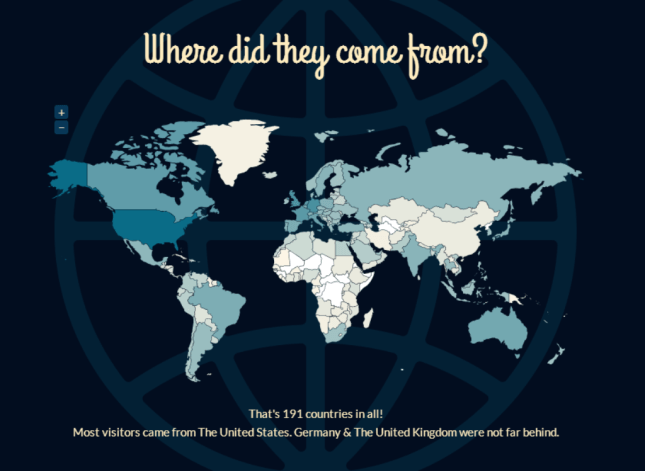
 United States
 Germany
 United Kingdom
 France
 Netherlands
 Canada
 Italy
Italy Australia
 Belgium
 Spain
Spain Brazil
 Poland
 Switzerland
 Sweden
 India
India Japan
Japan Portugal
 Russian Federation
 Mexico
 Turkey
 Austria
 Czech Republic
 Thailand
 Denmark
 Argentina
 Hungary
 Greece
 Romania
 Indonesia
 Malaysia
 Norway
 Hong Kong
 New Zealand
 Ukraine
 Taiwan
 South Africa
 Philippines
 Finland
 Republic of Korea
 Ireland
 Bulgaria
 United Arab Emirates
 Serbia
 Croatia
 Slovakia
 Singapore
 Slovenia
 Colombia
 Israel
 Chile
Chile Pakistan
 Saudi Arabia
 Viet Nam
 Egypt
Egypt Peru
Peru Lithuania
 Estonia
 Luxembourg
 Kuwait
 Lebanon
 Puerto Rico
 Latvia
 Georgia
 Venezuela
 Bosnia and Herzegovina
 Morocco
 Macedonia, the Former Yugoslav Republic
 Cyprus
 Moldova
 Azerbaijan
 Qatar
Qatar Dominican Republic
 Sri Lanka
 Belarus
 Ecuador
 Iceland
 Costa Rica
 Algeria
 Albania
 Iraq
Iraq Jordan
 Bangladesh
 Malta
Malta Uruguay
 Tunisia
 Bahrain
 Armenia
 Montenegro
 Panama
 Oman
Oman Guatemala
 Trinidad and Tobago
 Syrian Arab Republic
 Nigeria
 Paraguay
 Monaco
 Macao
Macao Jamaica
 Kenya
Kenya Mongolia
 El Salvador
 Mauritius
 Nicaragua
 Brunei Darussalam
 Libya
Libya Myanmar
 Bolivia
 Andorra
 Cambodia
 Mozambique
 Barbados
 New Caledonia
 Bahamas
 Guernsey
 Ghana
Ghana Liechtenstein
 Saint Vincent and the Grenadines
 Nepal
Nepal Angola
 Yemen
Yemen Côte d’Ivoire
 Kazakhstan
 Jersey
 Guadeloupe
 Aruba
Aruba Honduras
 Réunion
 Ethiopia
 Guam
Guam Uganda
 Afghanistan
 Northern Mariana Islands
 China
China Suriname
 Sudan
Sudan Madagascar
 Maldives
 Isle of Man
 Netherlands Antilles
 Åland Islands
 Dominica
 Gibraltar
 Seychelles
 Botswana
 Zimbabwe
 Zambia
 Cape Verde
 Bermuda
 United Republic of Tanzania
 Rwanda
 Faroe Islands
 Senegal
 Fiji
Fiji Lao People’s Democratic Republic
 Martinique
 Bhutan
 Benin
Benin Namibia
 Iran, Islamic Republic of
 Cameroon
 French Polynesia
 Guyana
 Cayman Islands
 Kyrgyzstan
 Tajikistan
 Saint Lucia
 Palestinian Territory, Occupied
 Greenland
 Grenada
 Lesotho
 Vanuatu
 Burkina Faso
 Gabon
Gabon Saint Kitts and Nevis
 Djibouti
 French Guiana
 Togo
Togo Norfolk Island
 Cuba
Cuba Mauritania
 San Marino
 Anguilla
 Sierra Leone
 Haiti
Haiti Falkland Islands (Malvinas)
 Papua New Guinea
 Malawi
 Liberia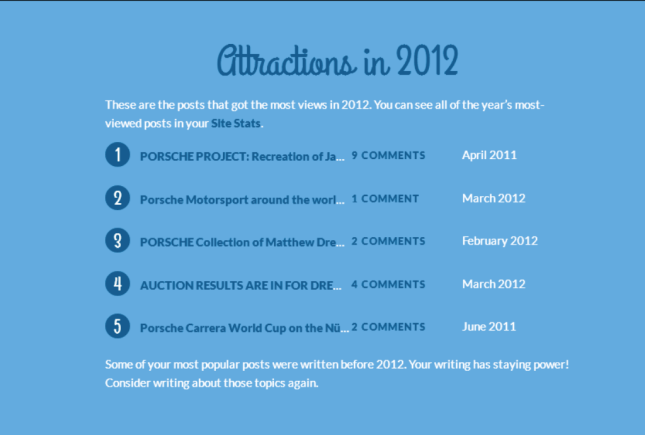


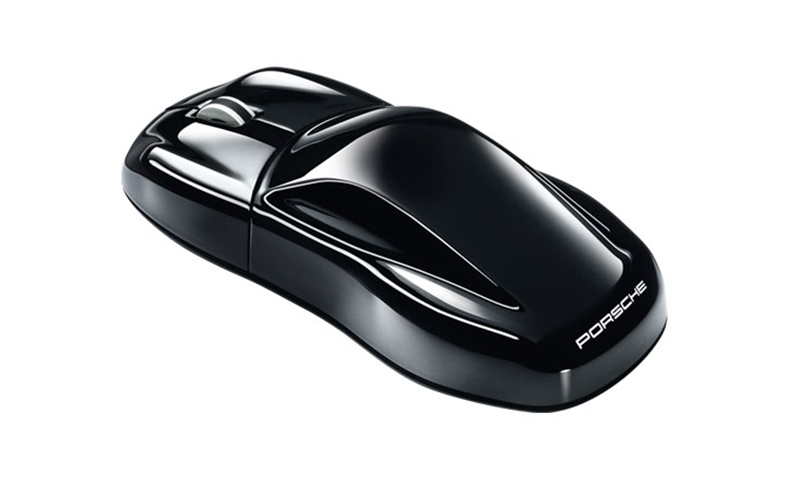


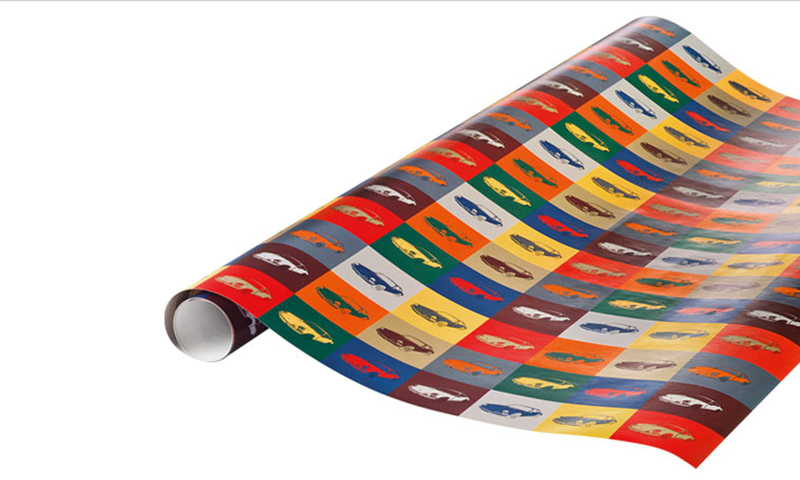


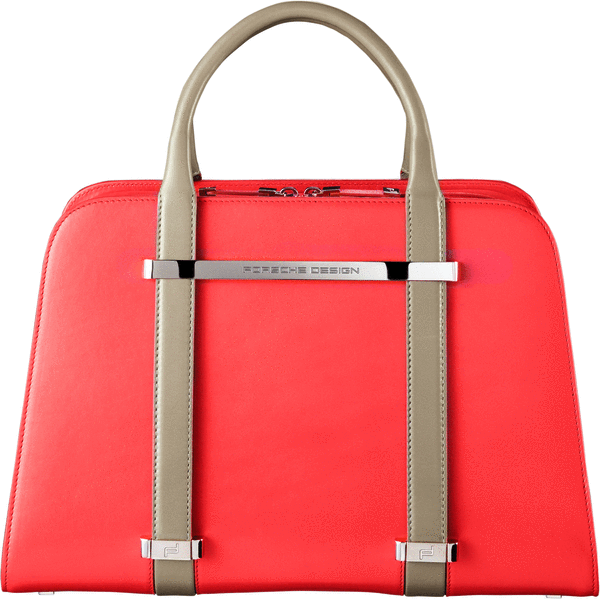
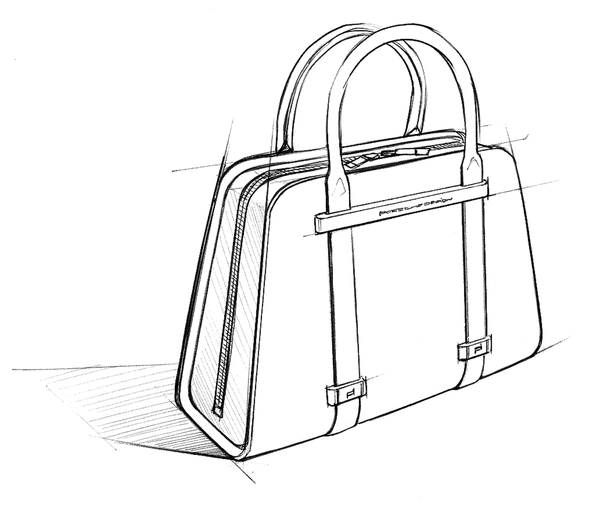
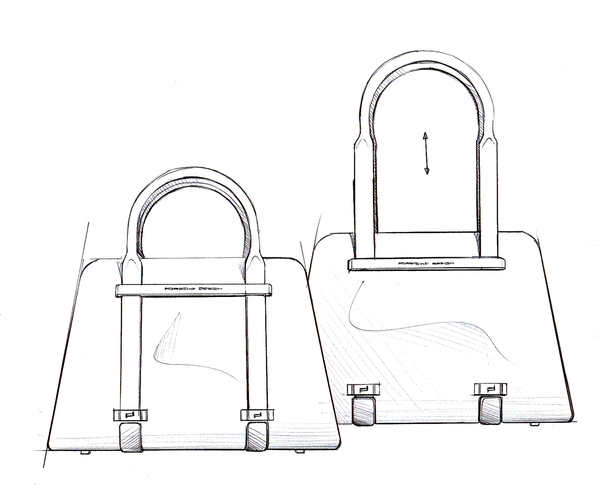
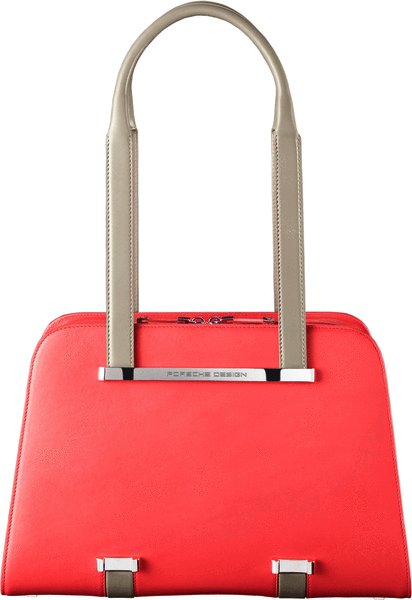
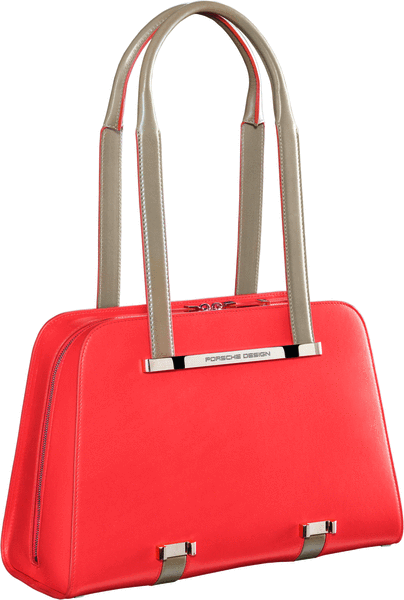
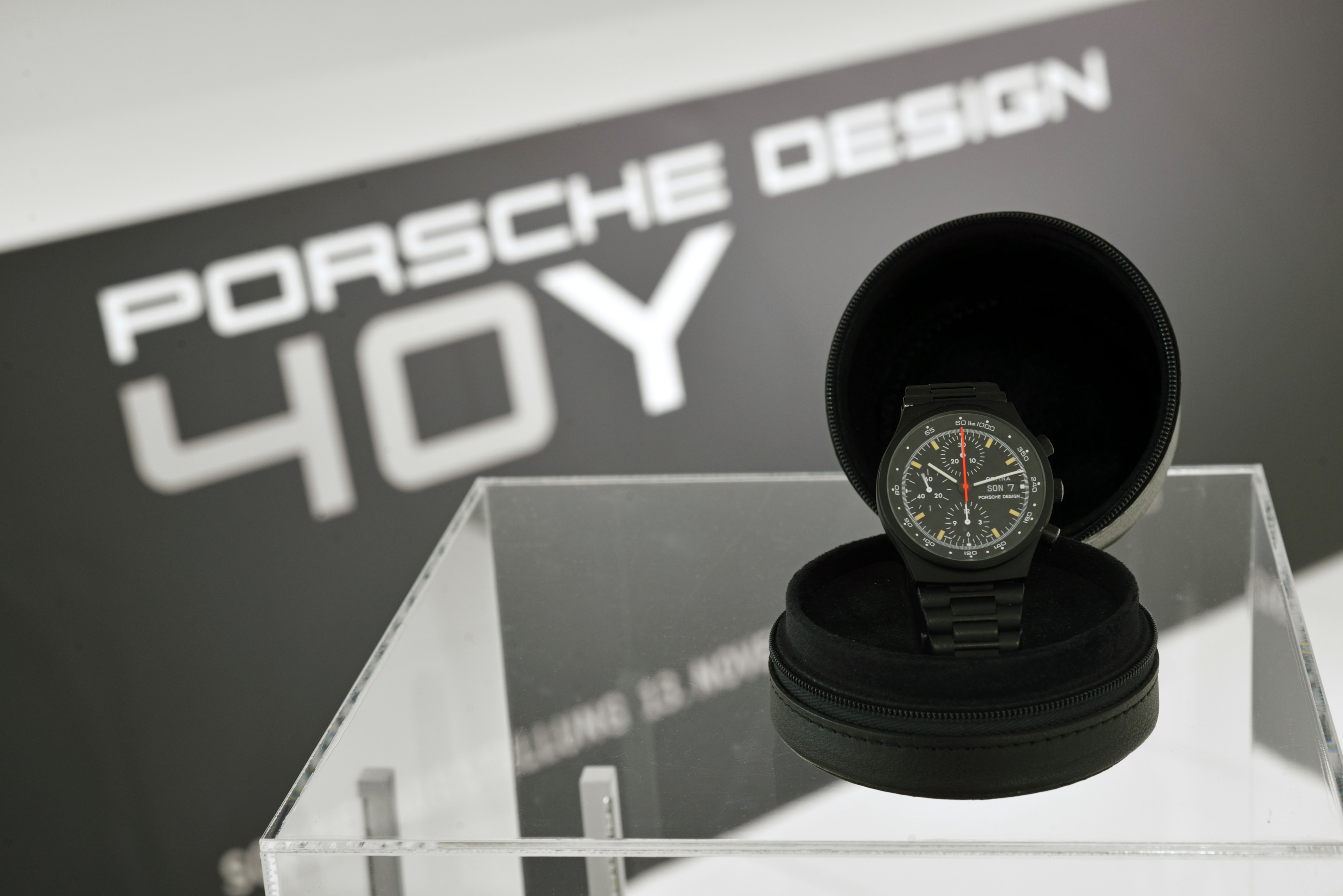
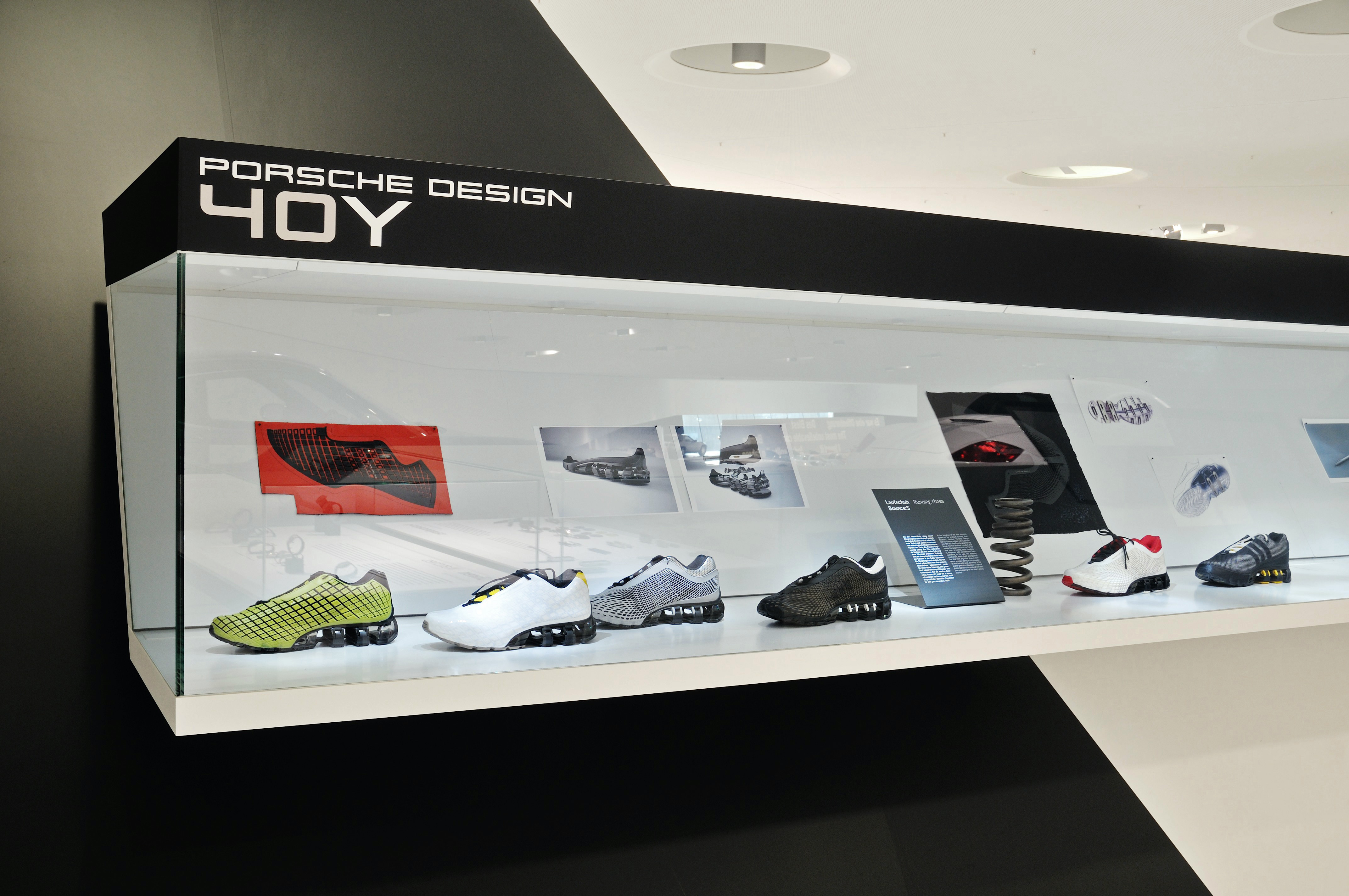
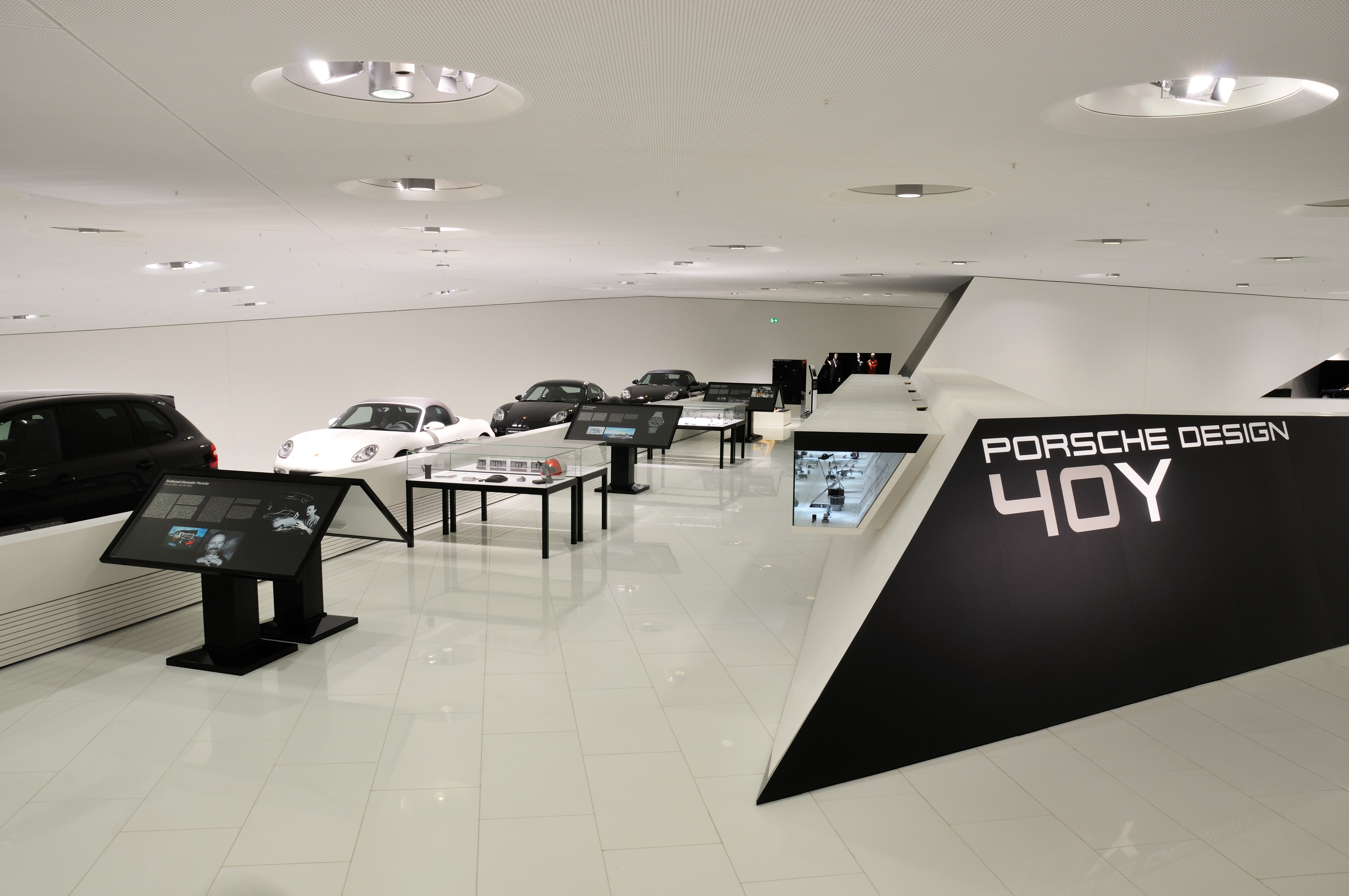
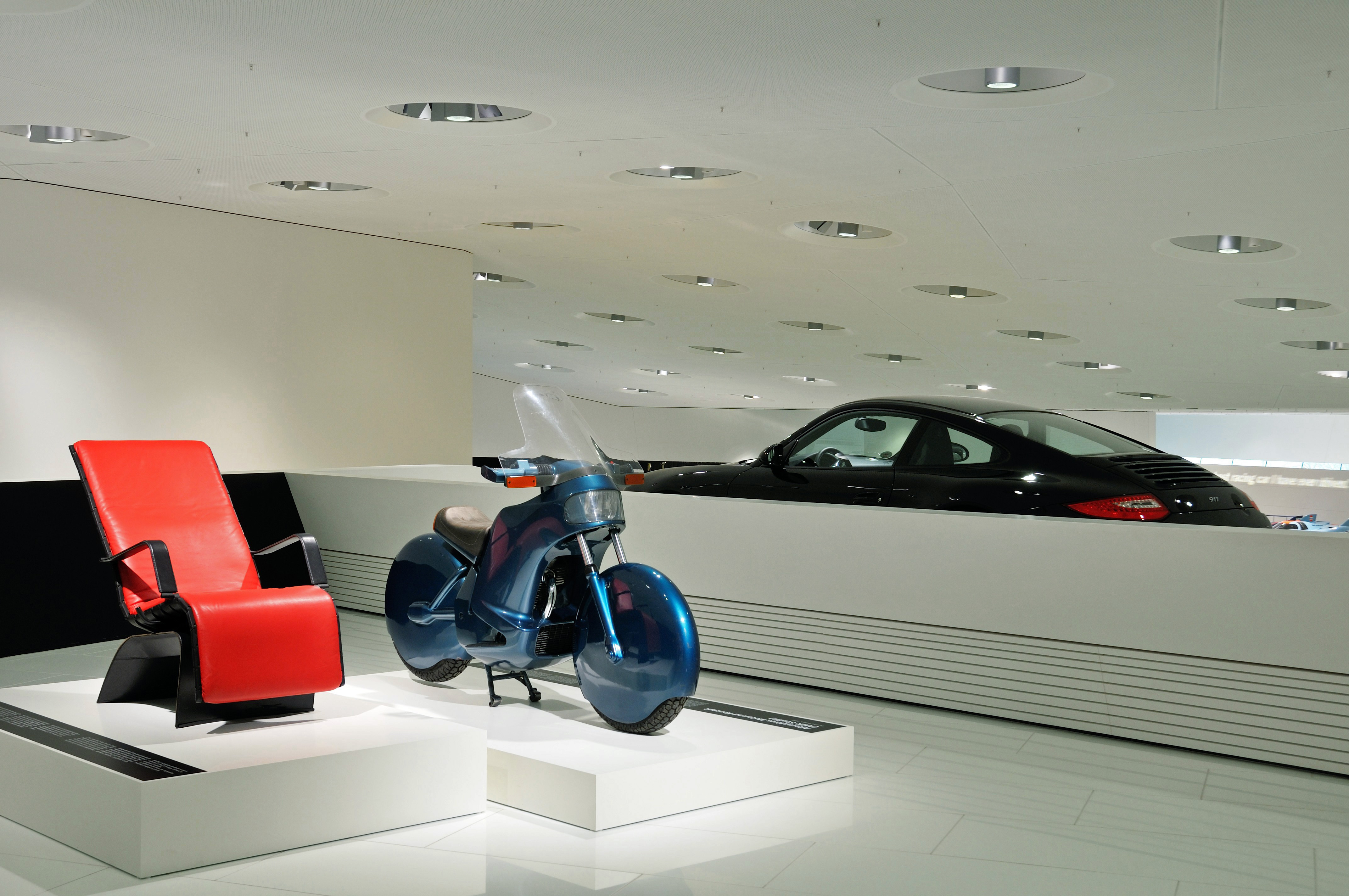
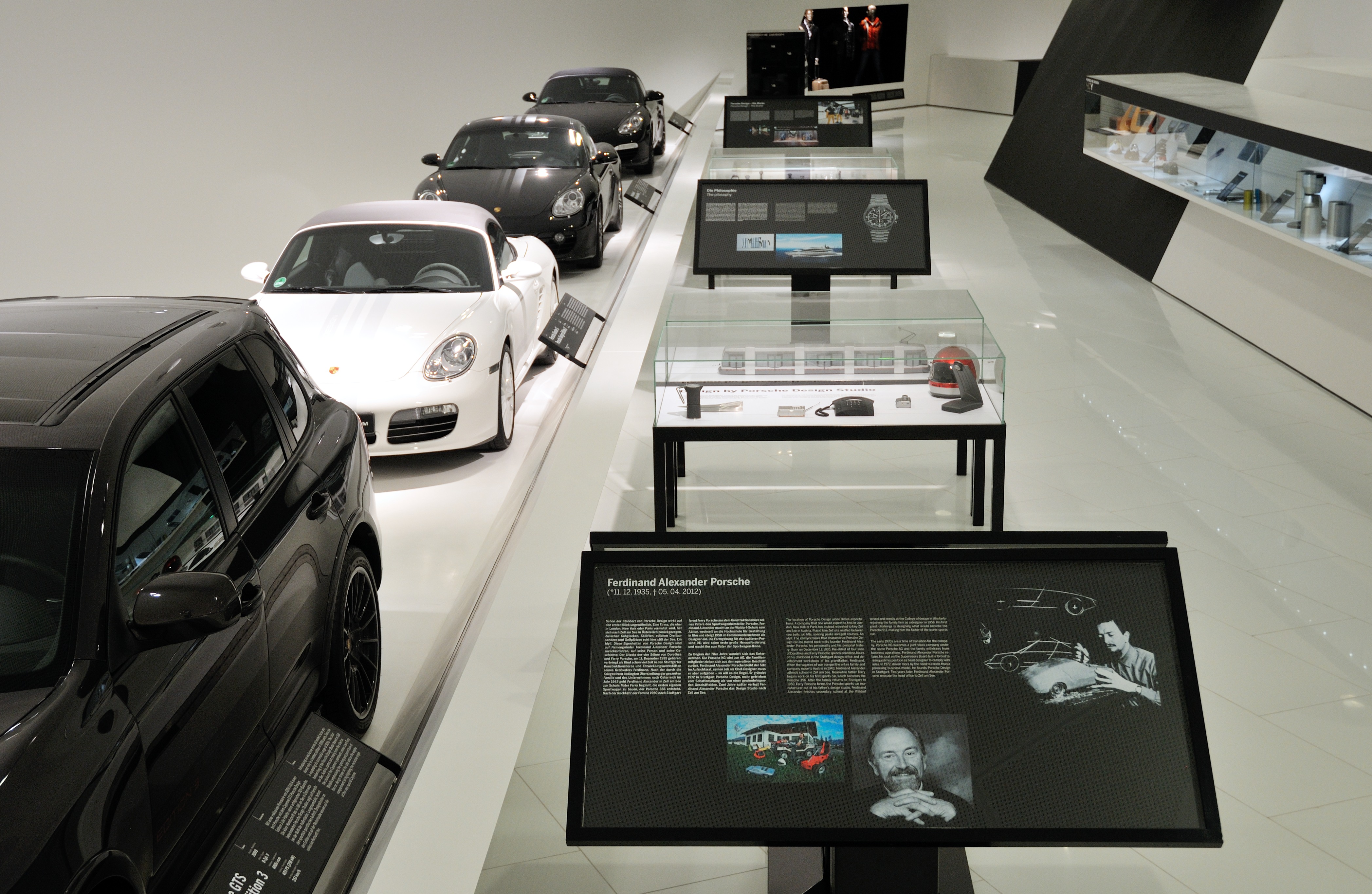
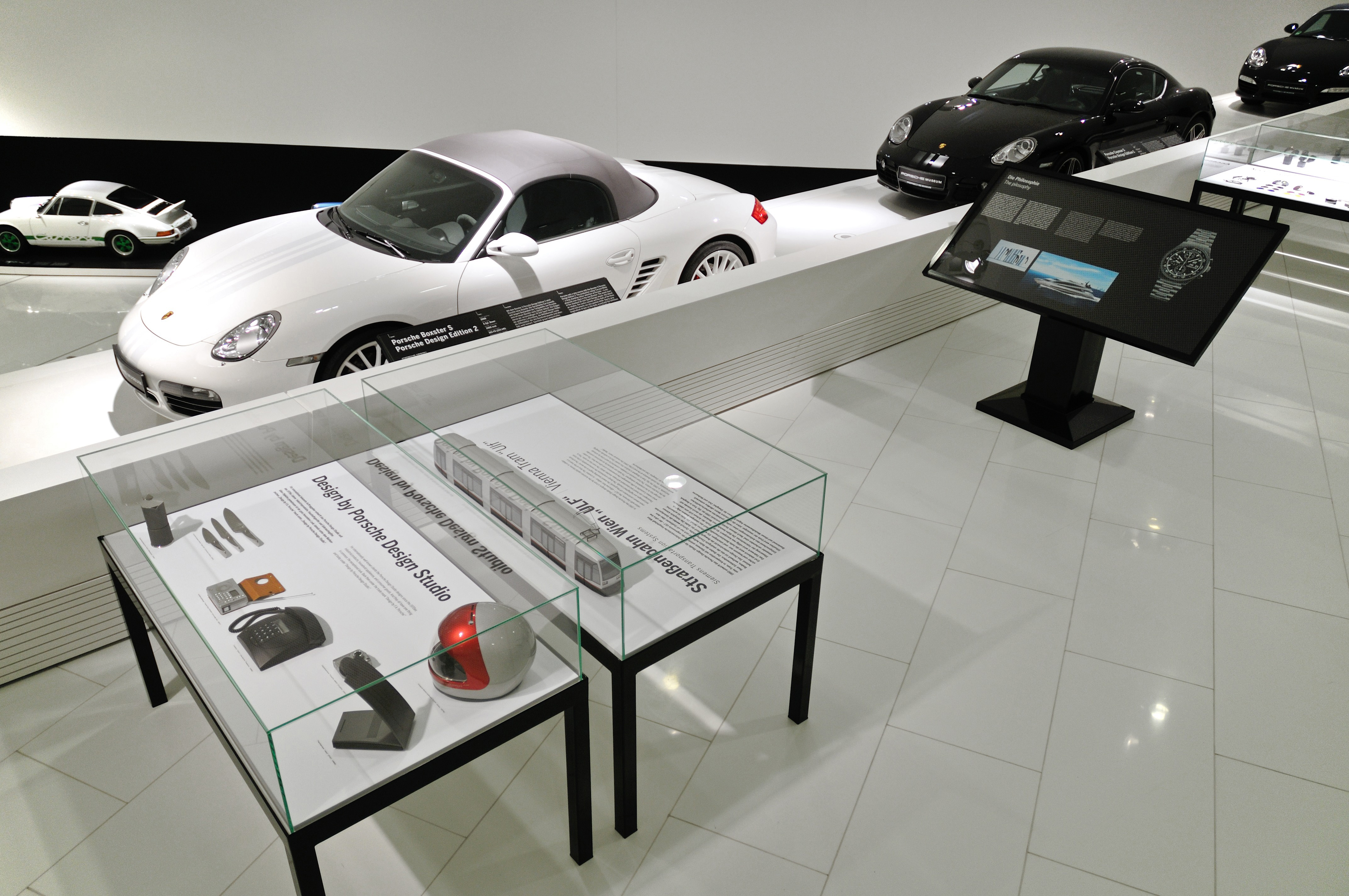
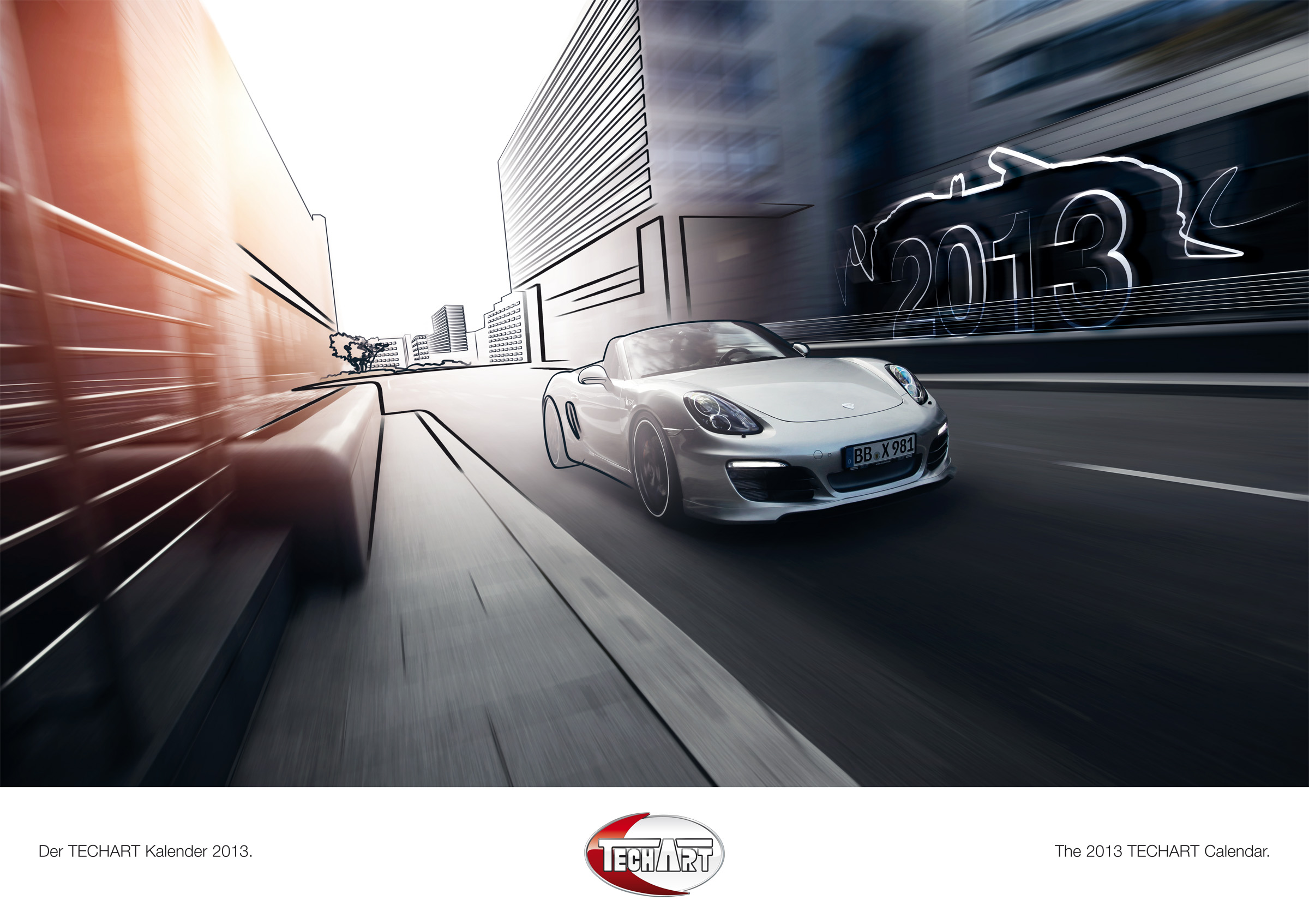
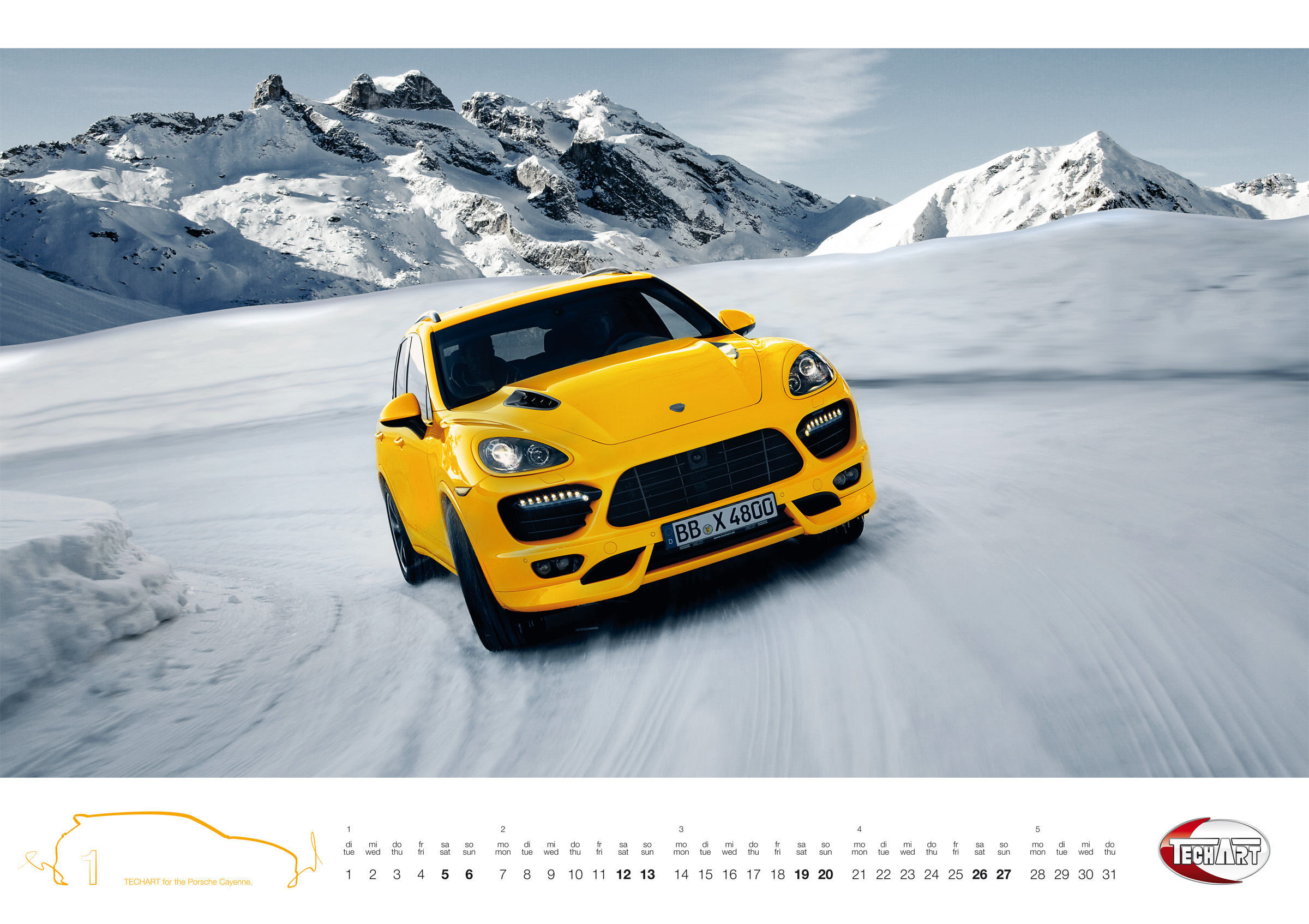
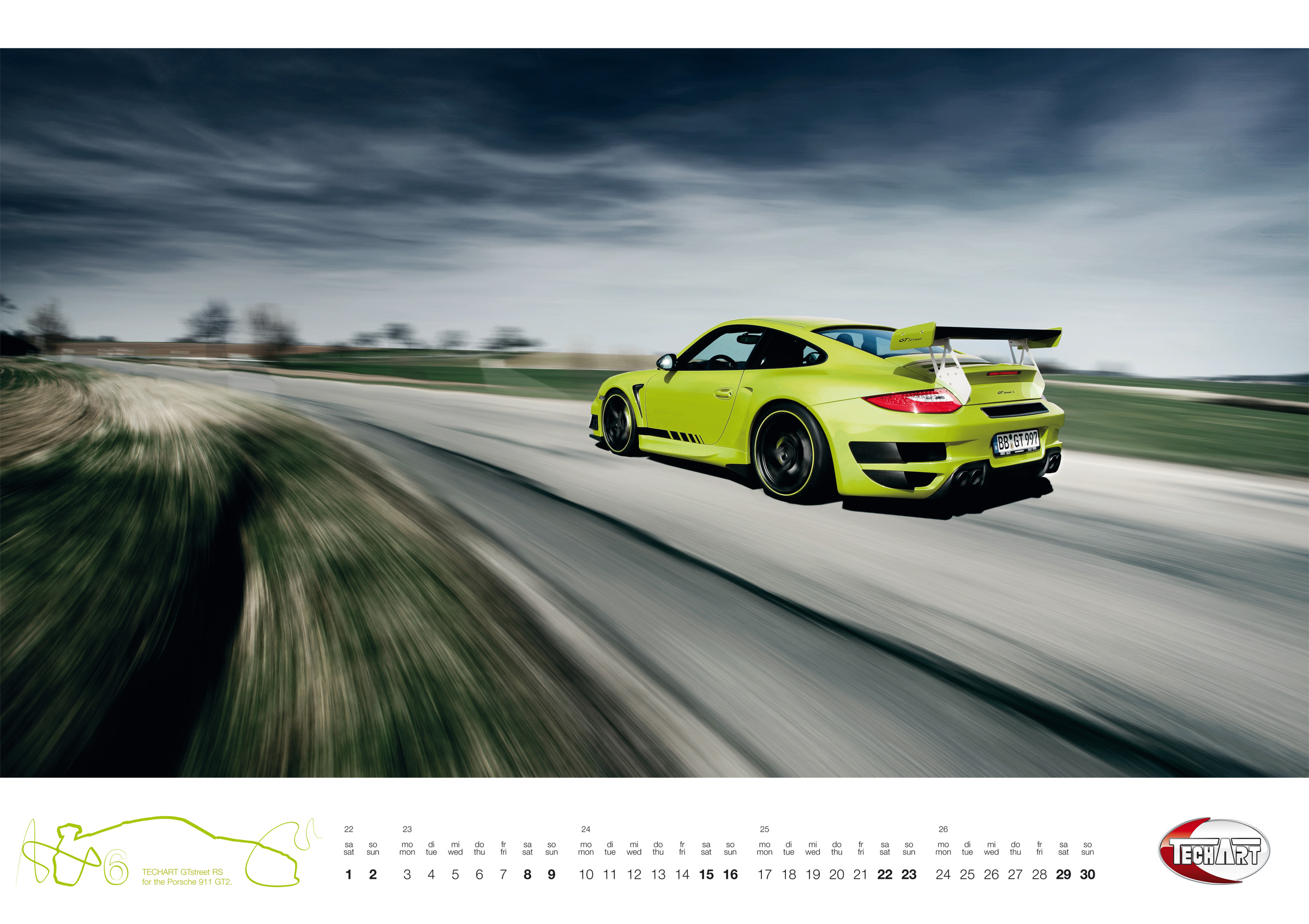
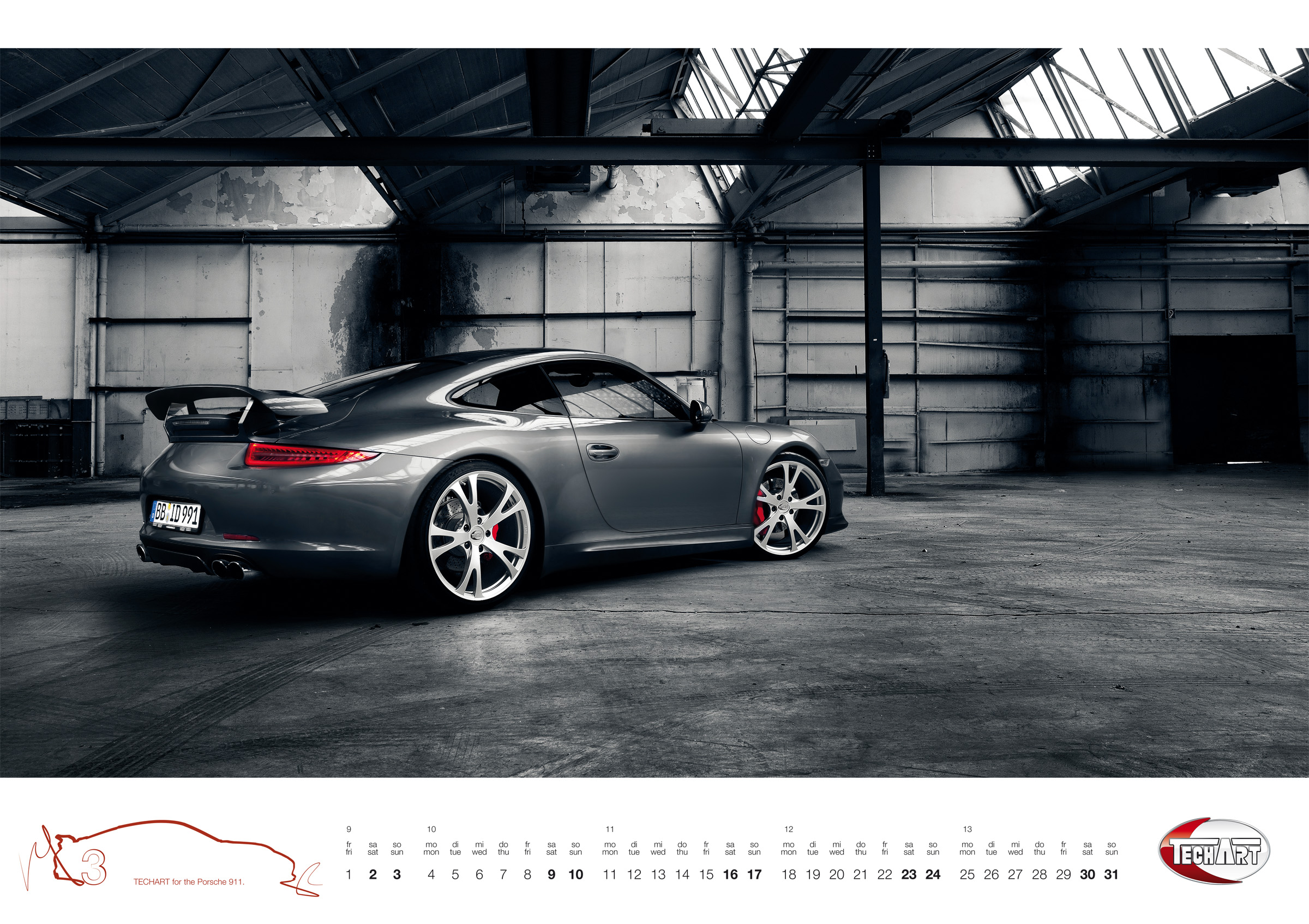
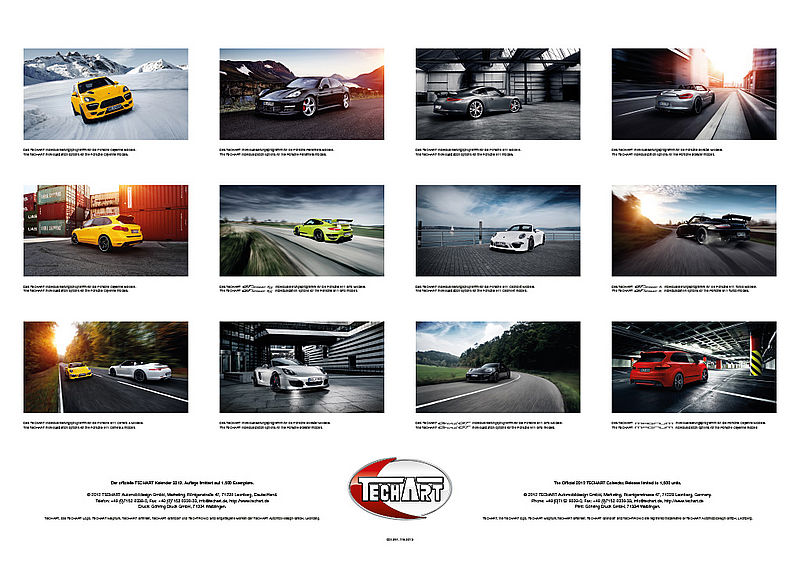
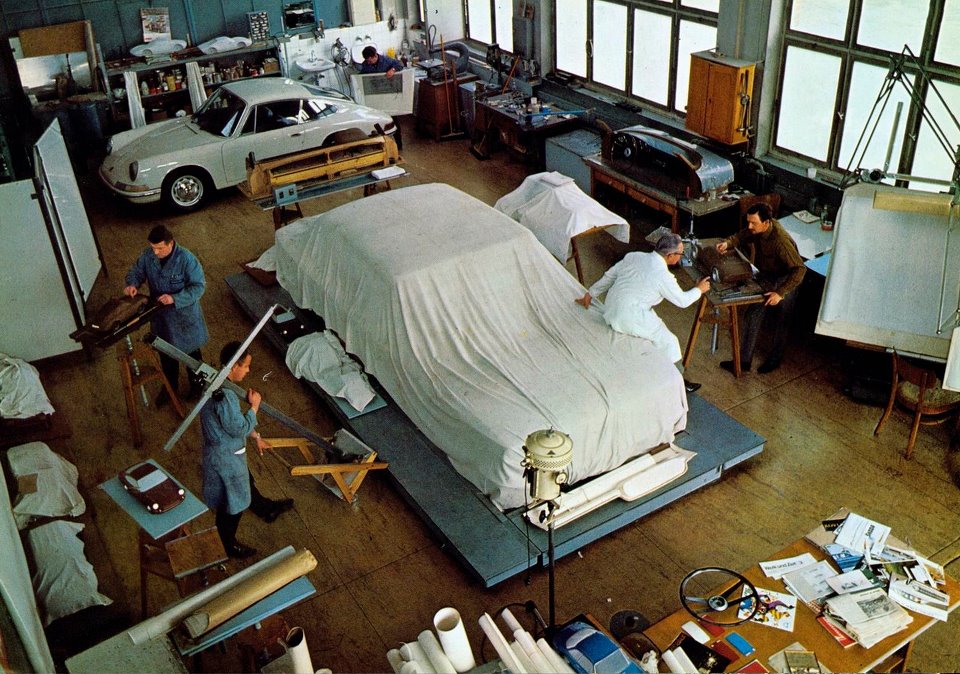
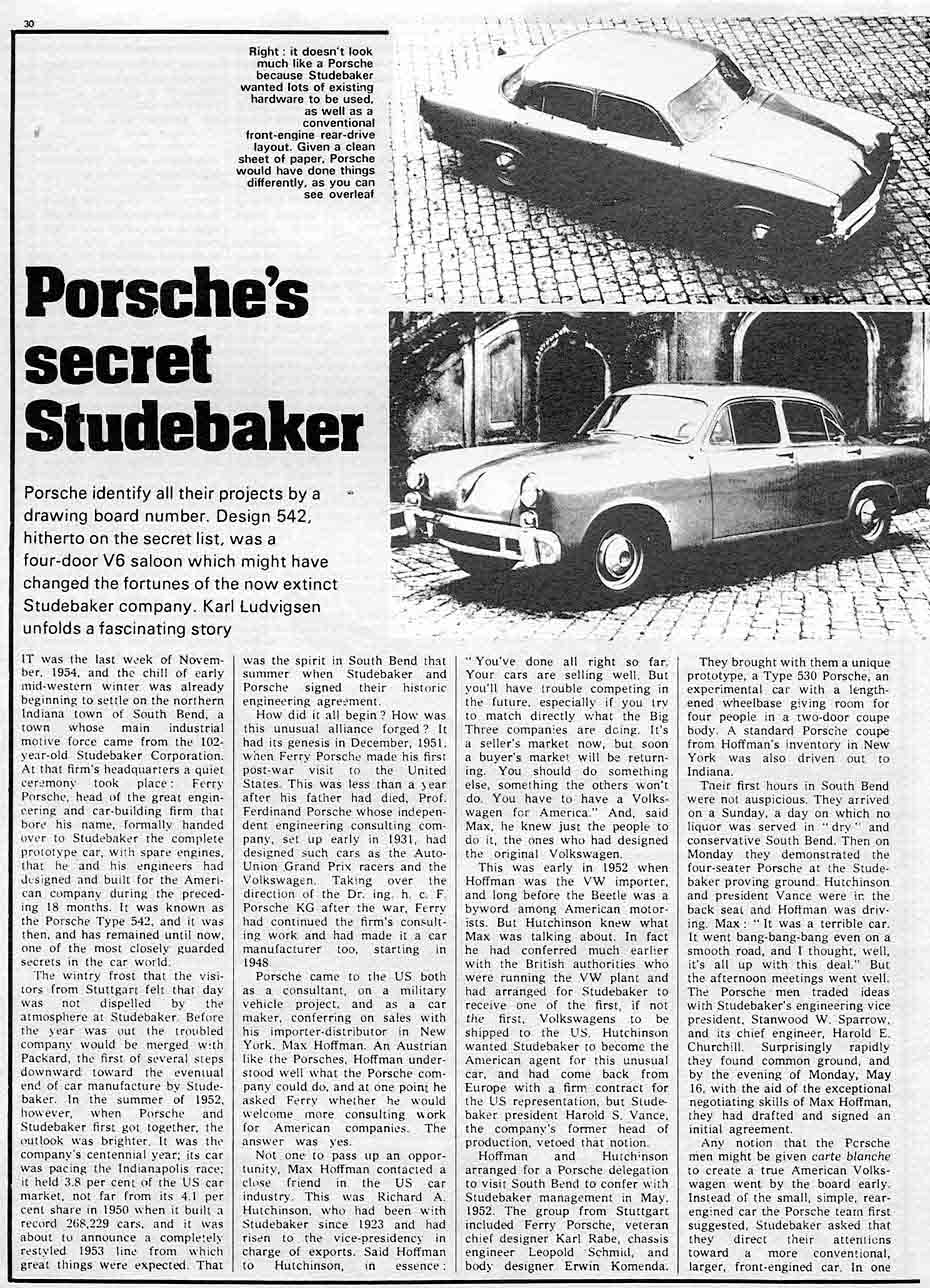
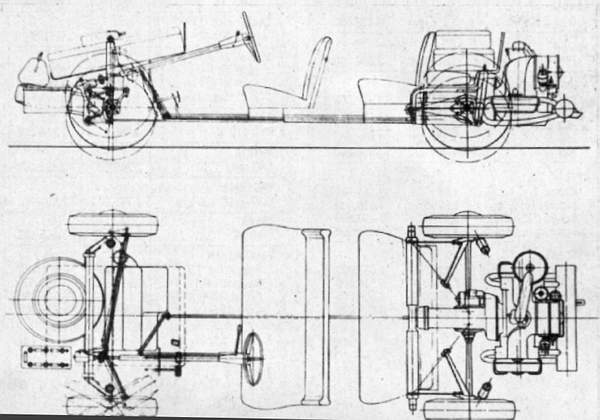


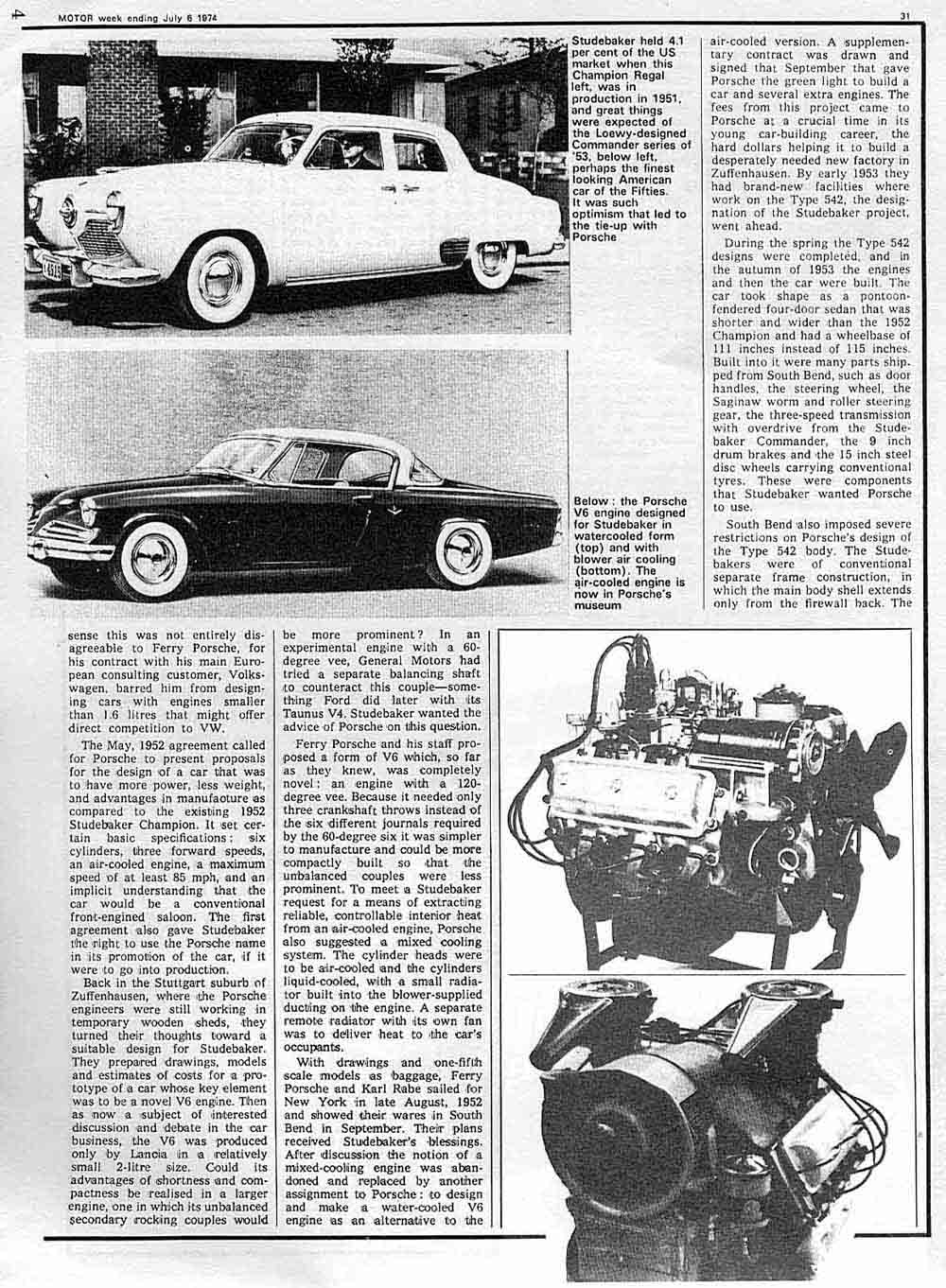
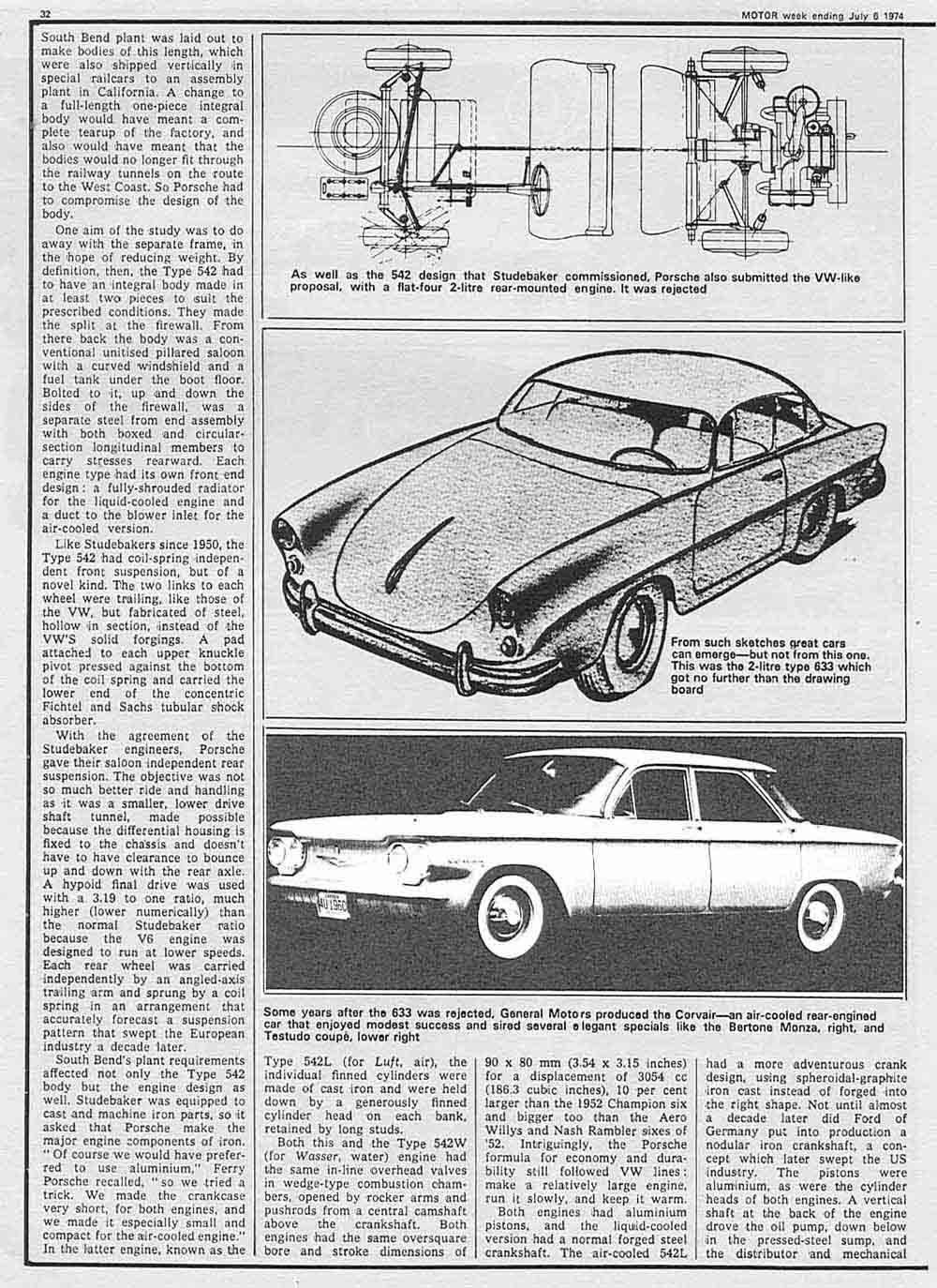
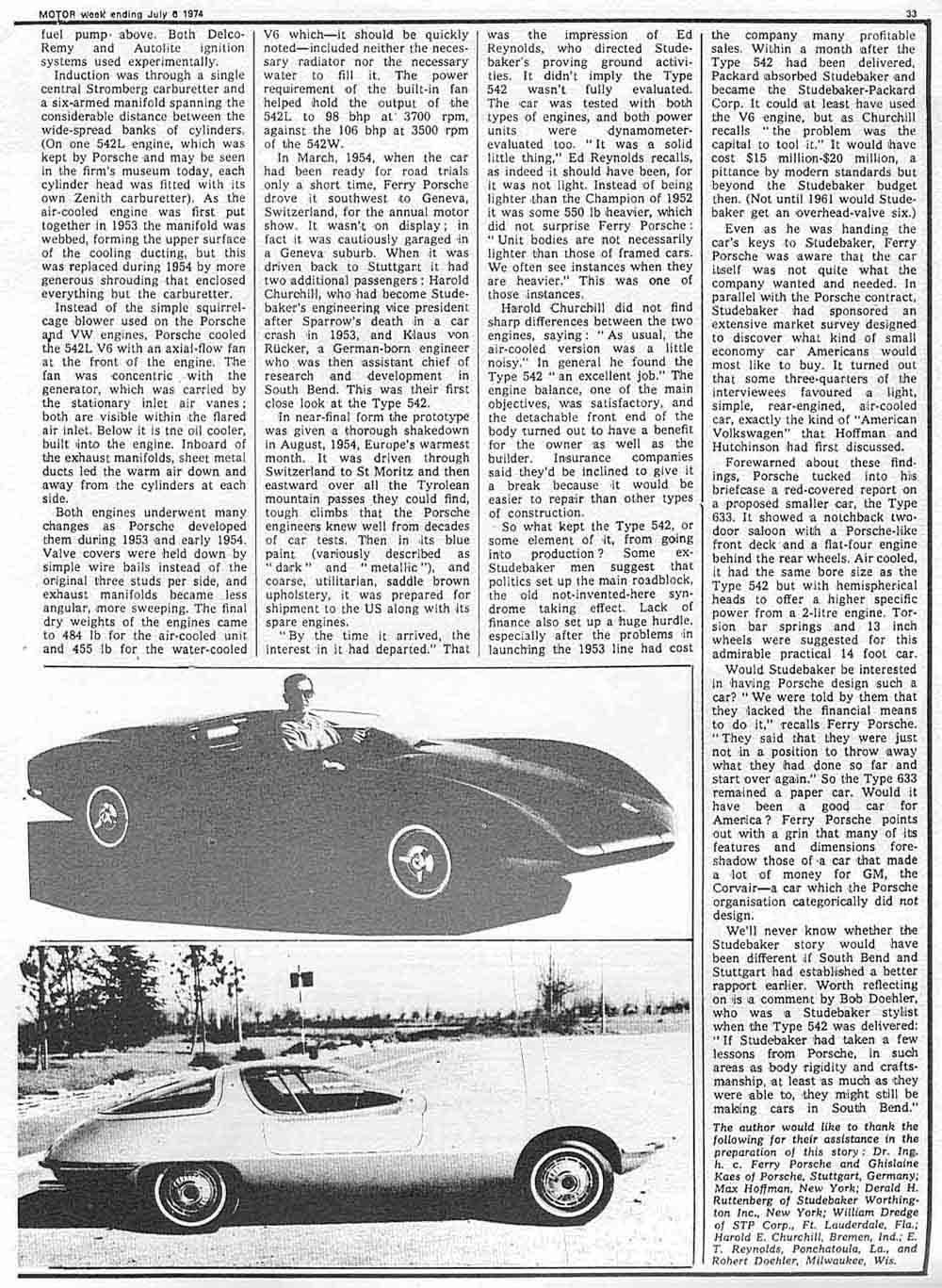
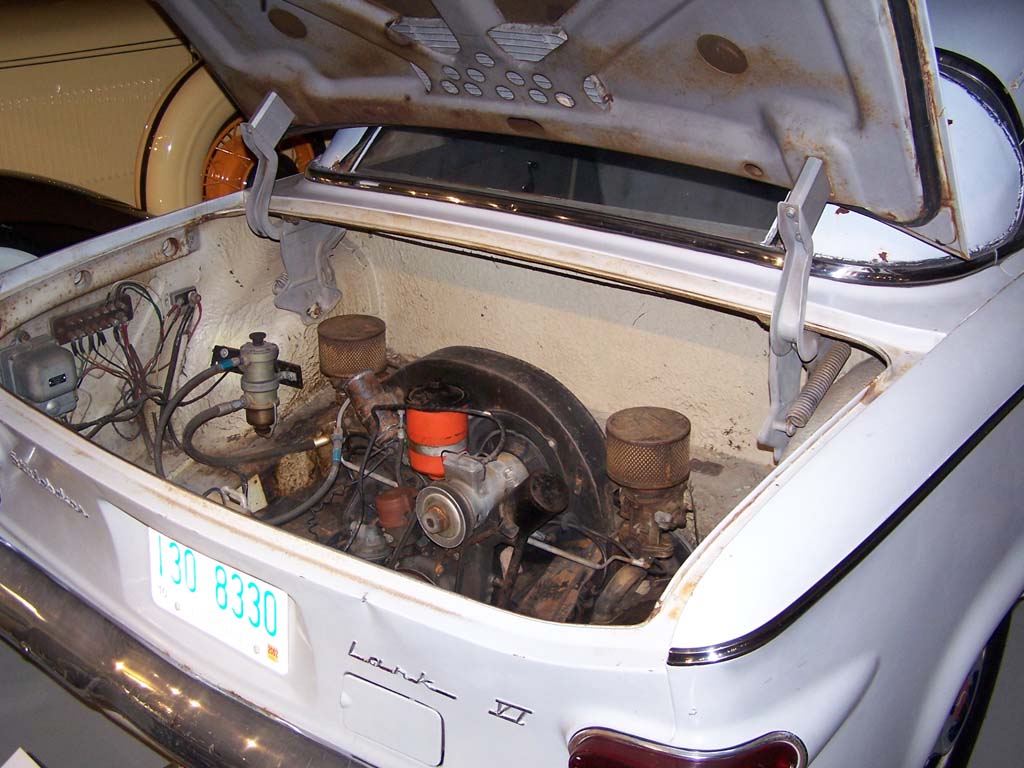

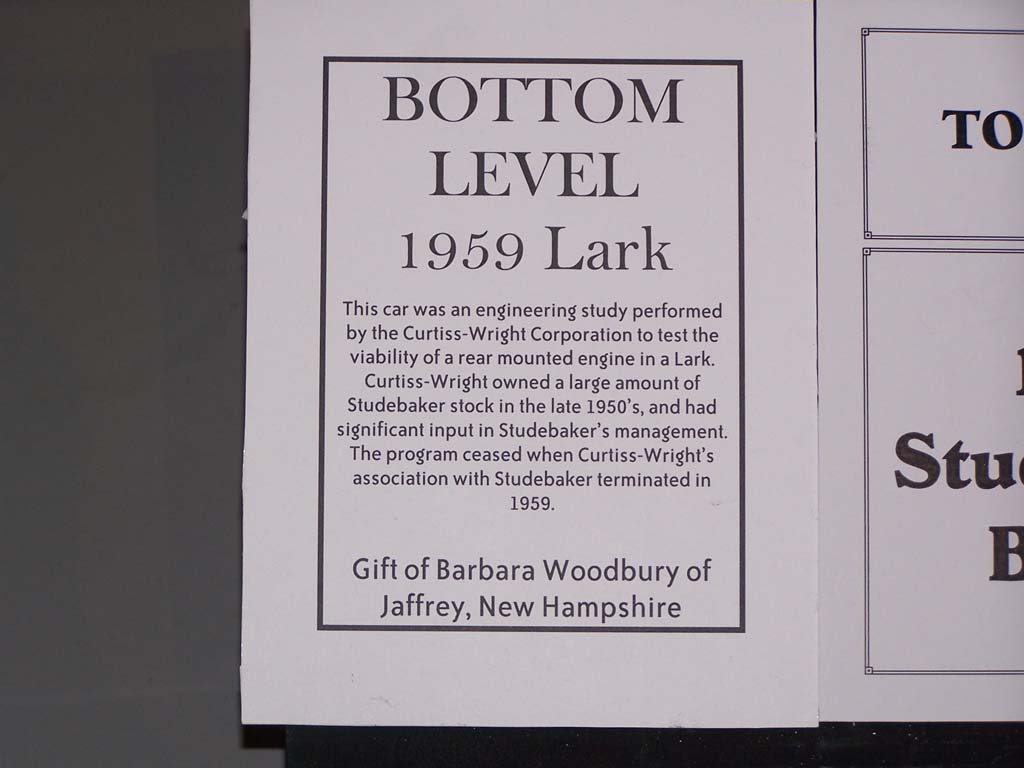
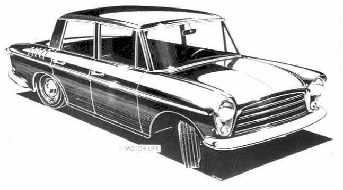 In March, 1961 Studebaker released a sketch of a sub-compact car planned for future introduction. It called for a four-cylinder, air-cooled, rear engine of 65-75 horsepower. Wheelbase was about 100 inches, much shorter than the Lark of the time. Seating was for four or five passengers. Studebaker hoped to get the car to market by the fall of 1962 at a price under $2000. The car never made it to production, but there was more to it than just an artist’s sketch. It was known as a Porsche Type 633, the result of an association with Porsche that started in 1952.


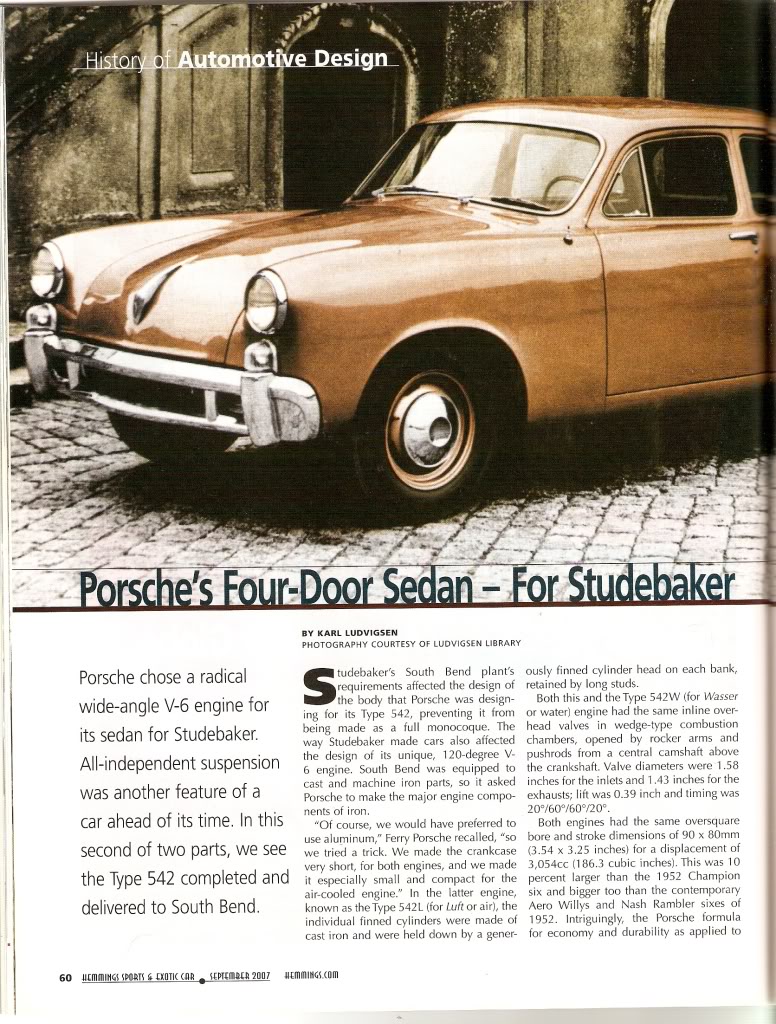
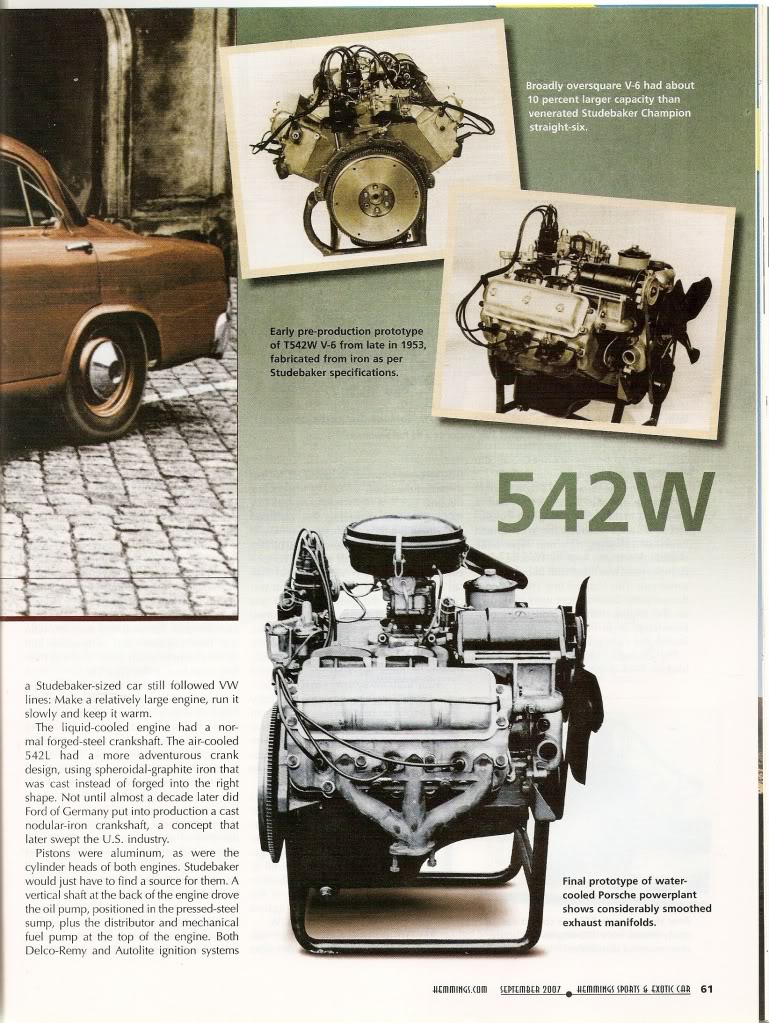
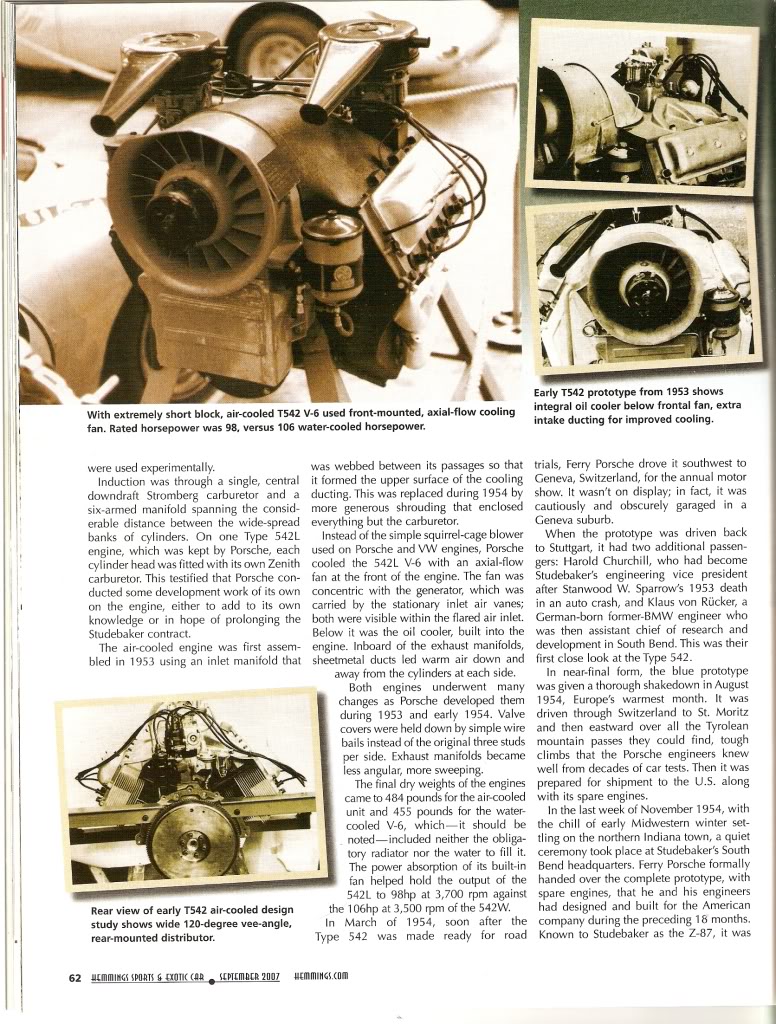
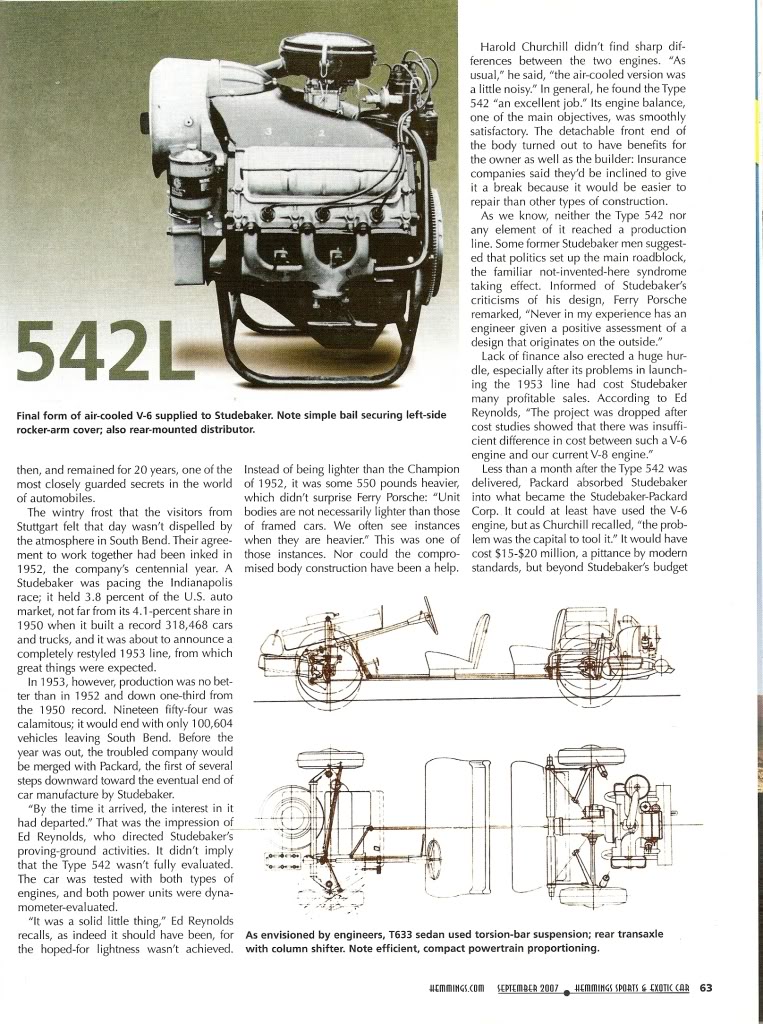
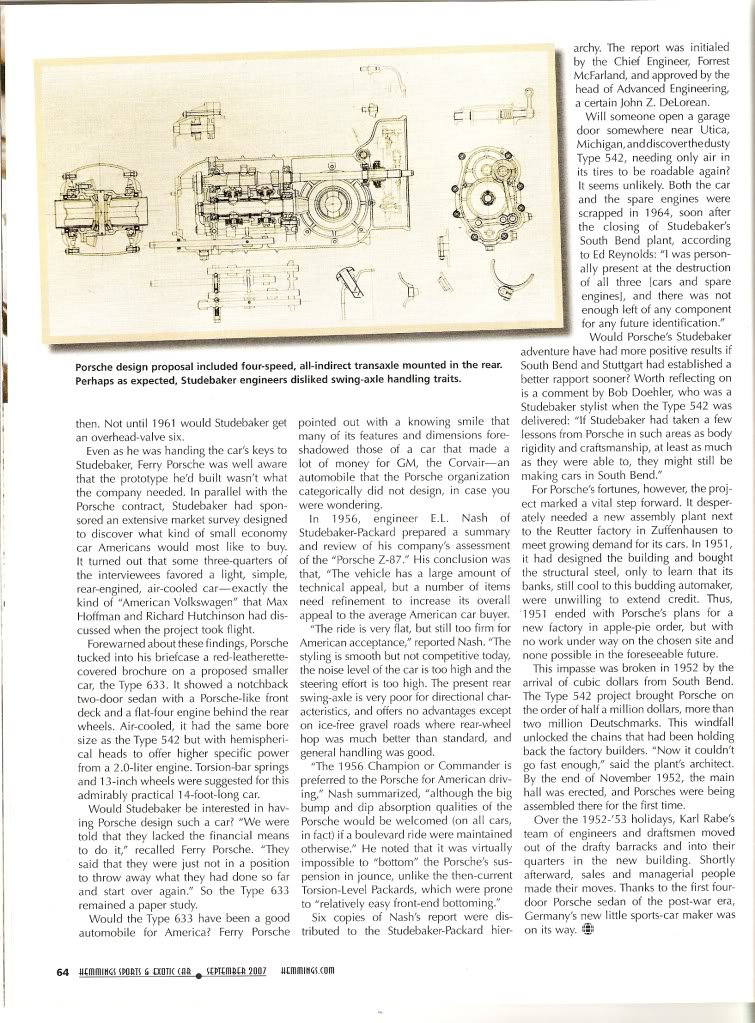
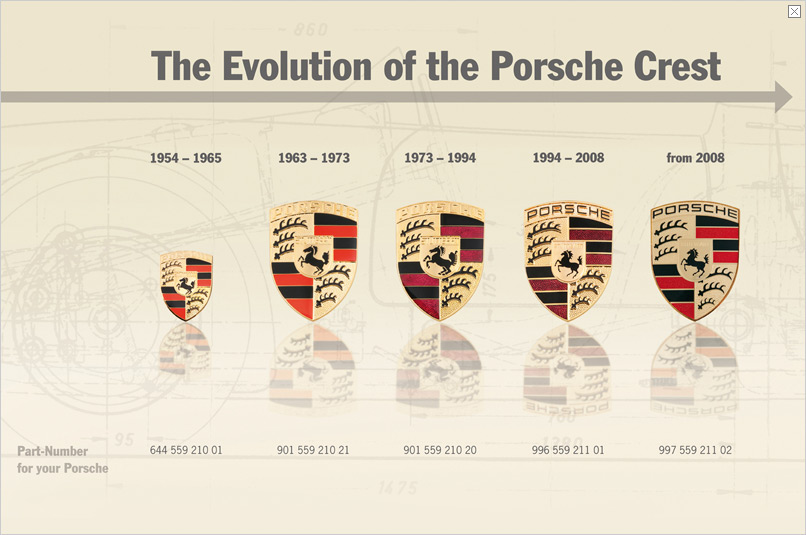




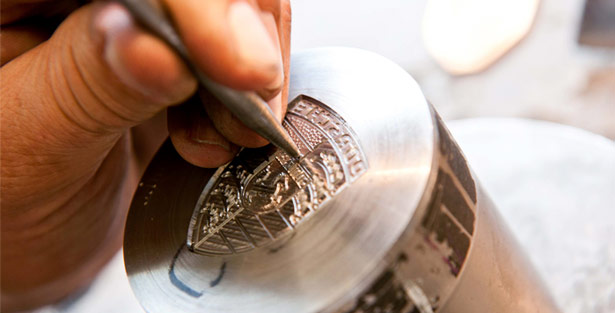
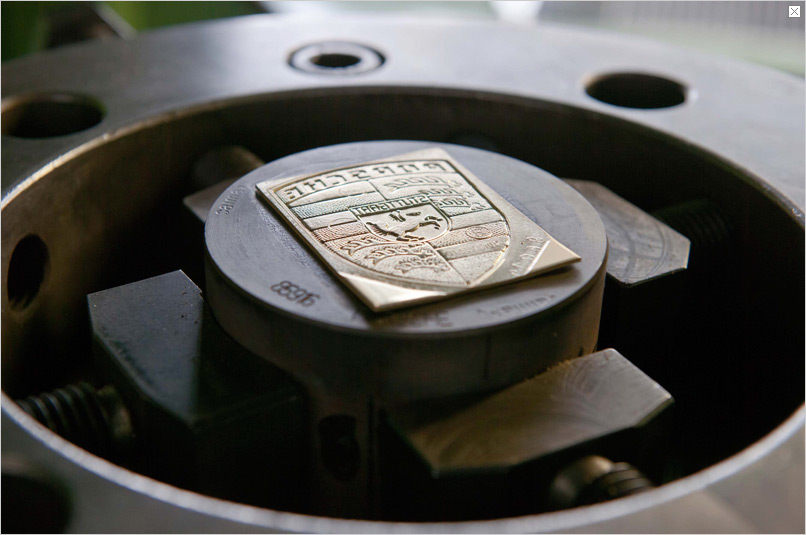
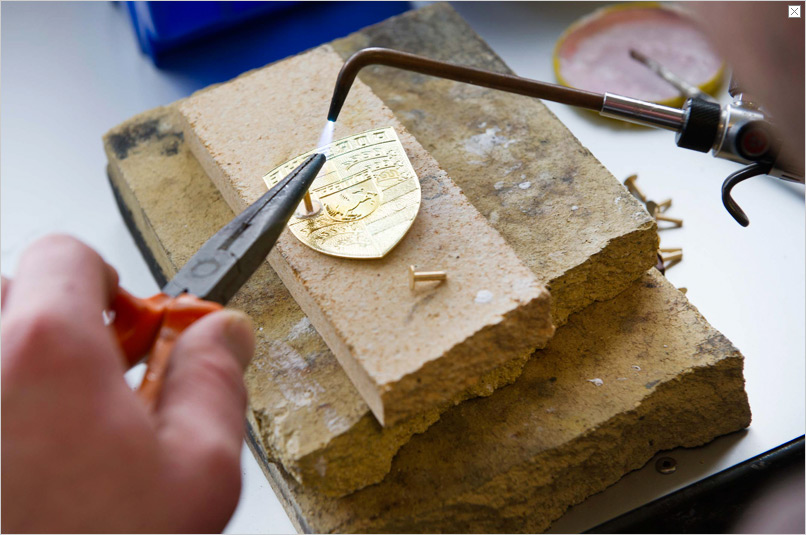
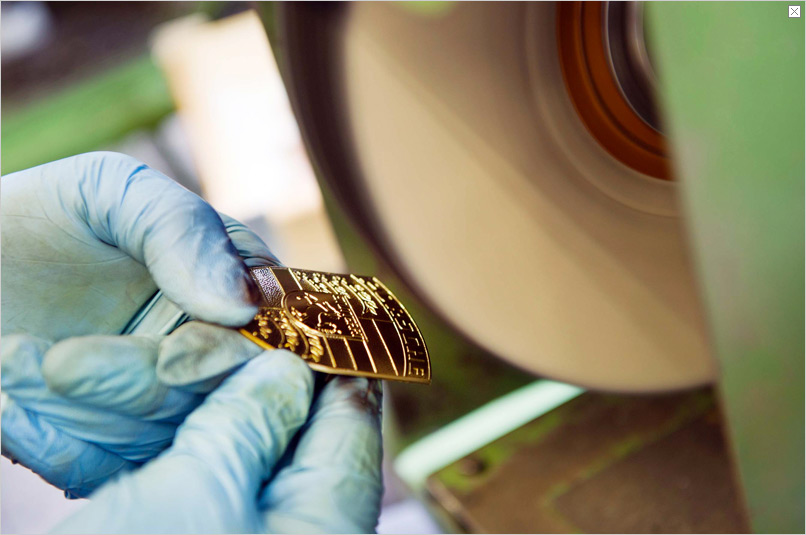
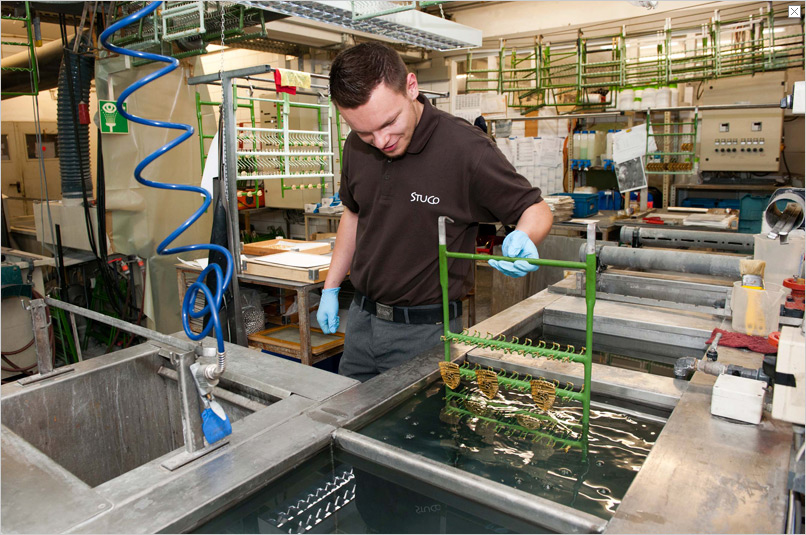
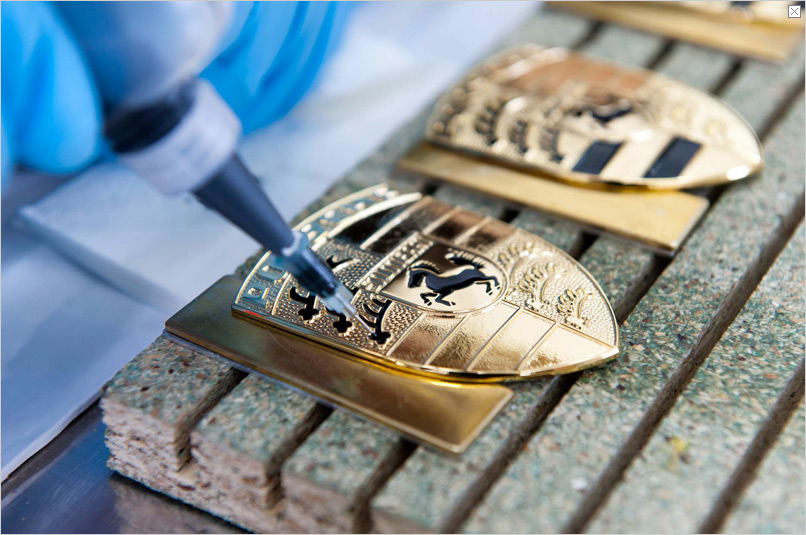
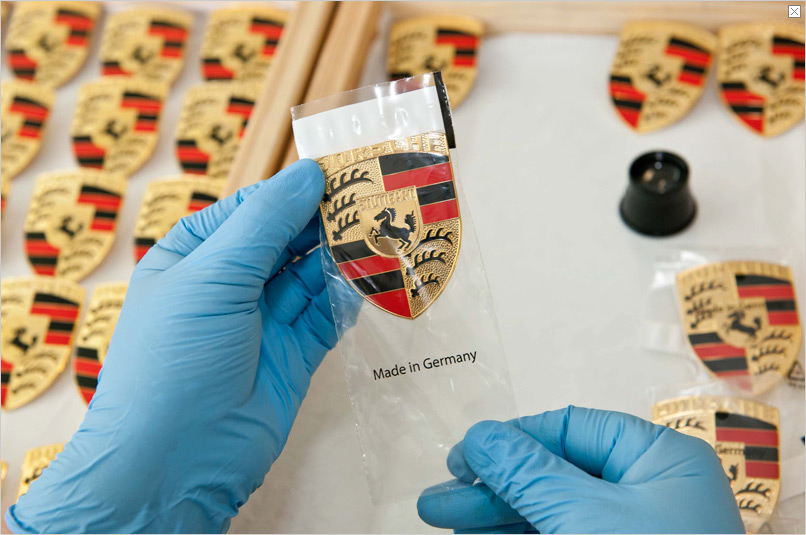


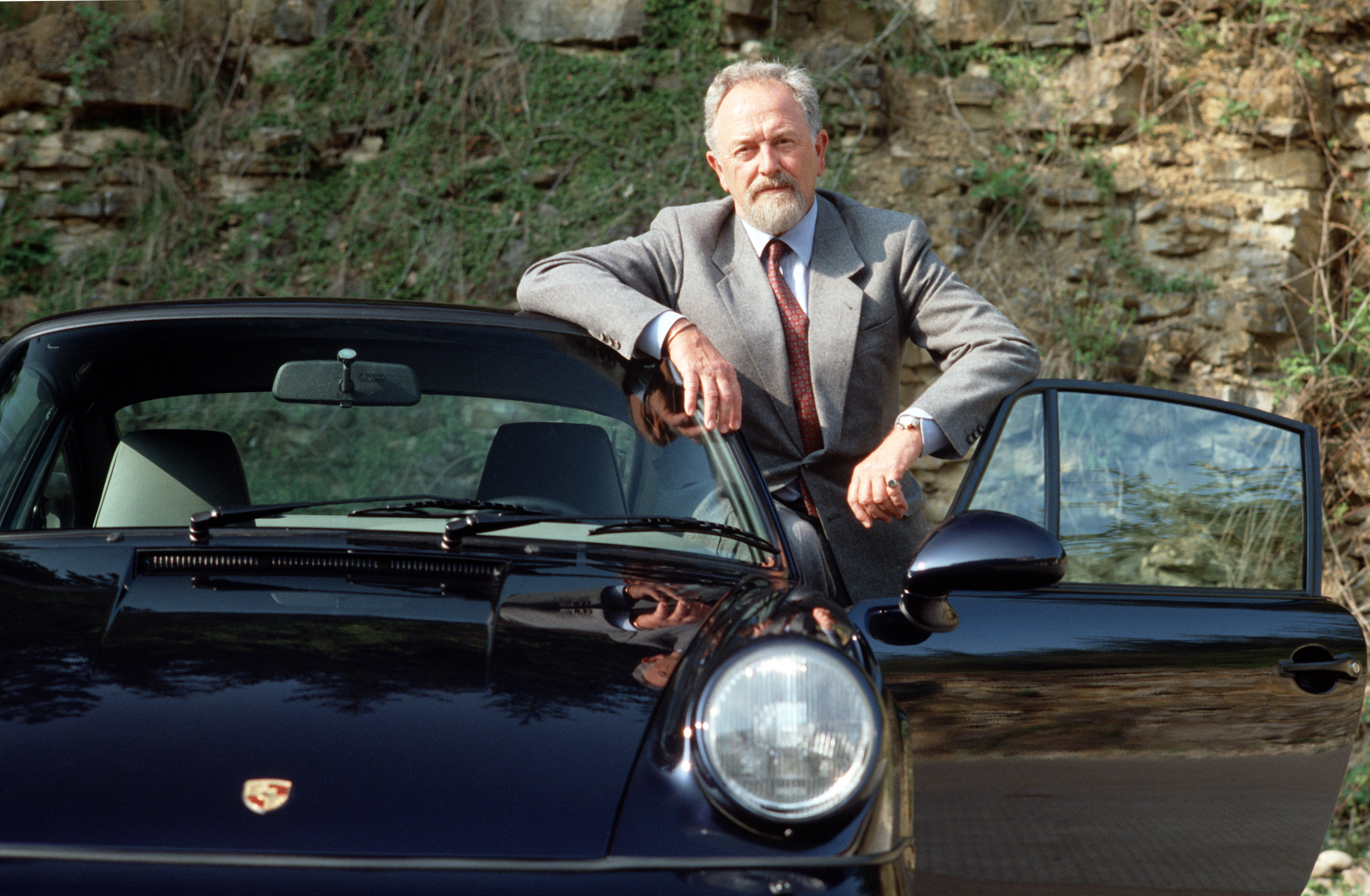
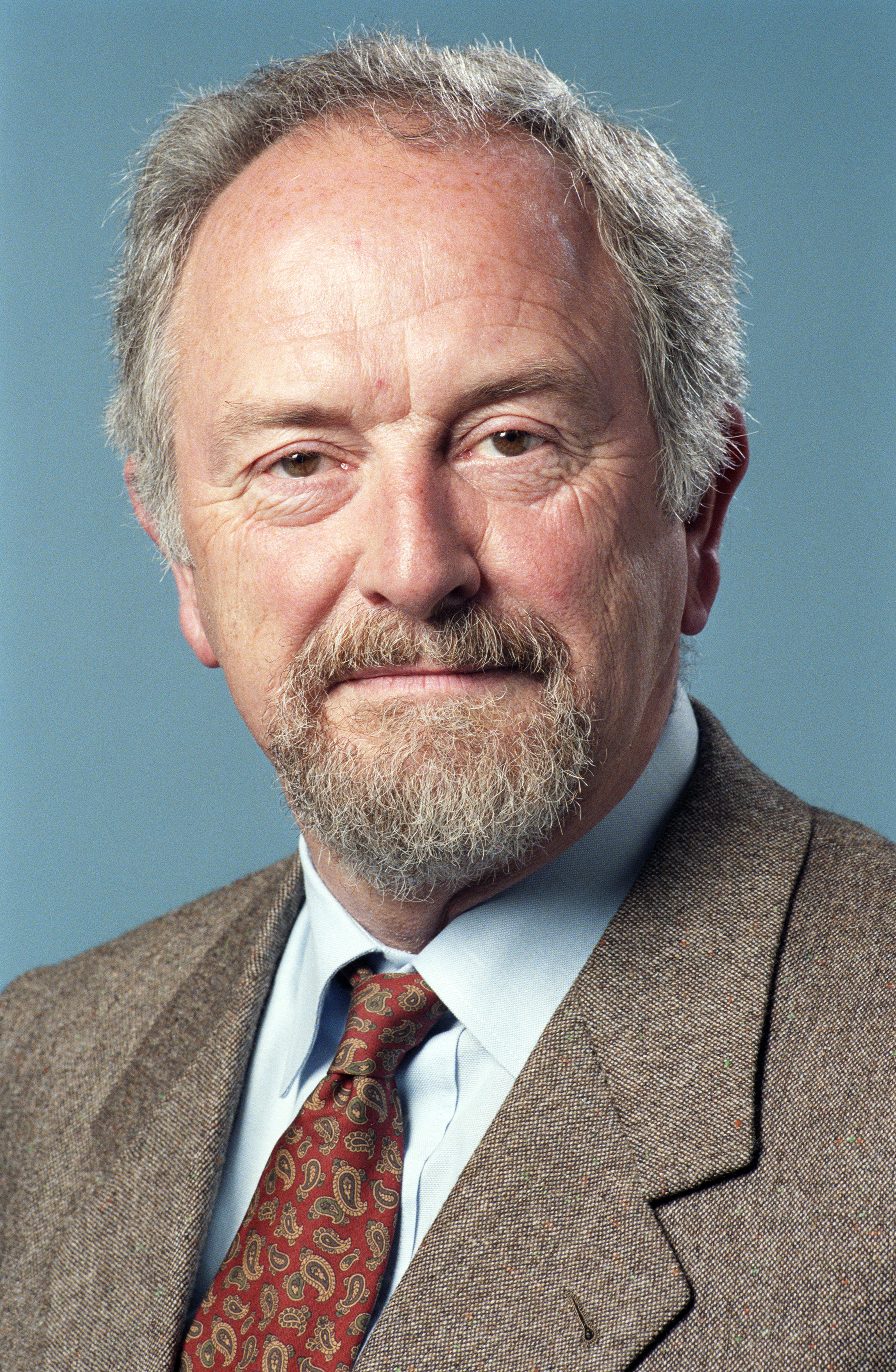
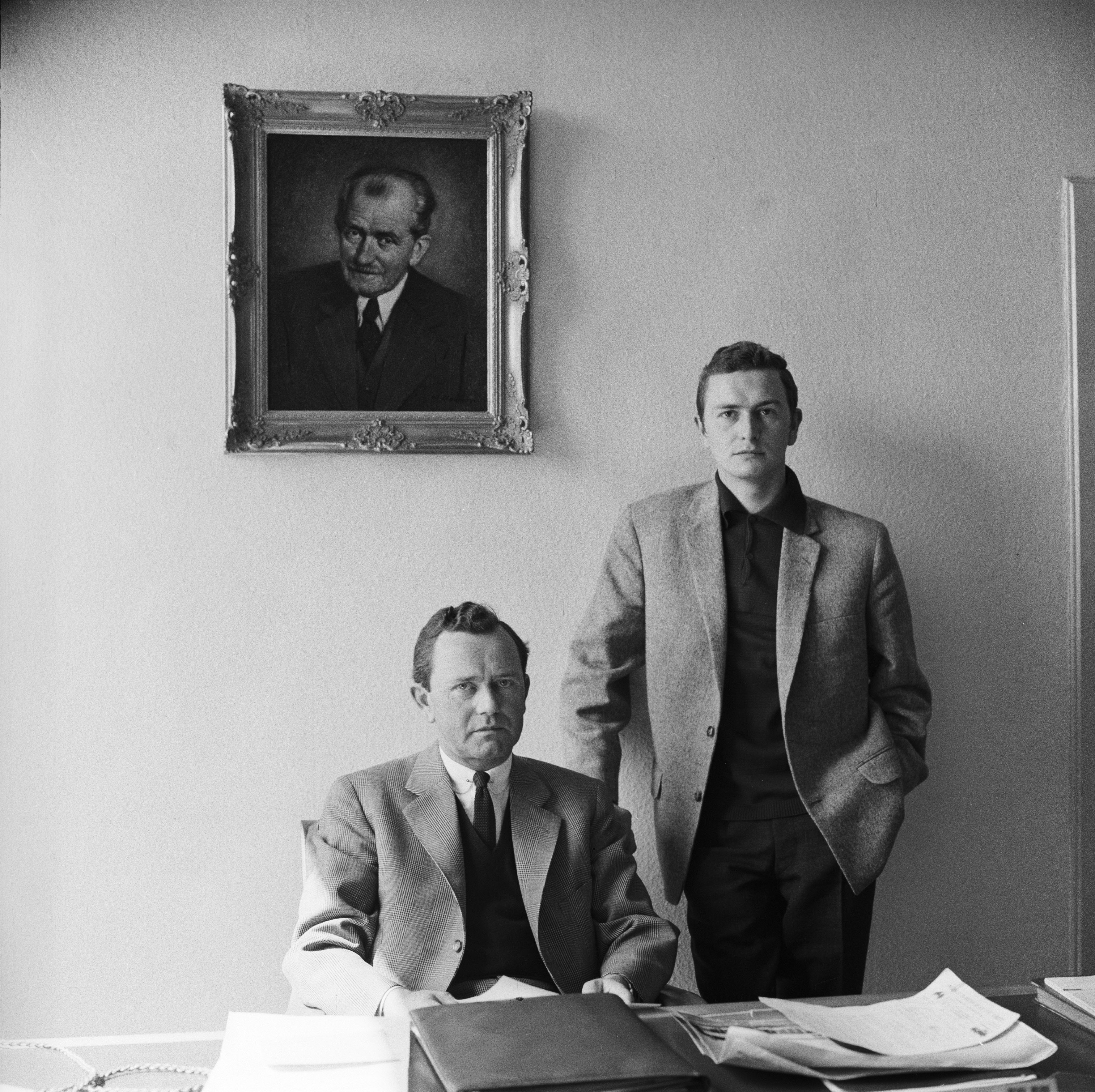
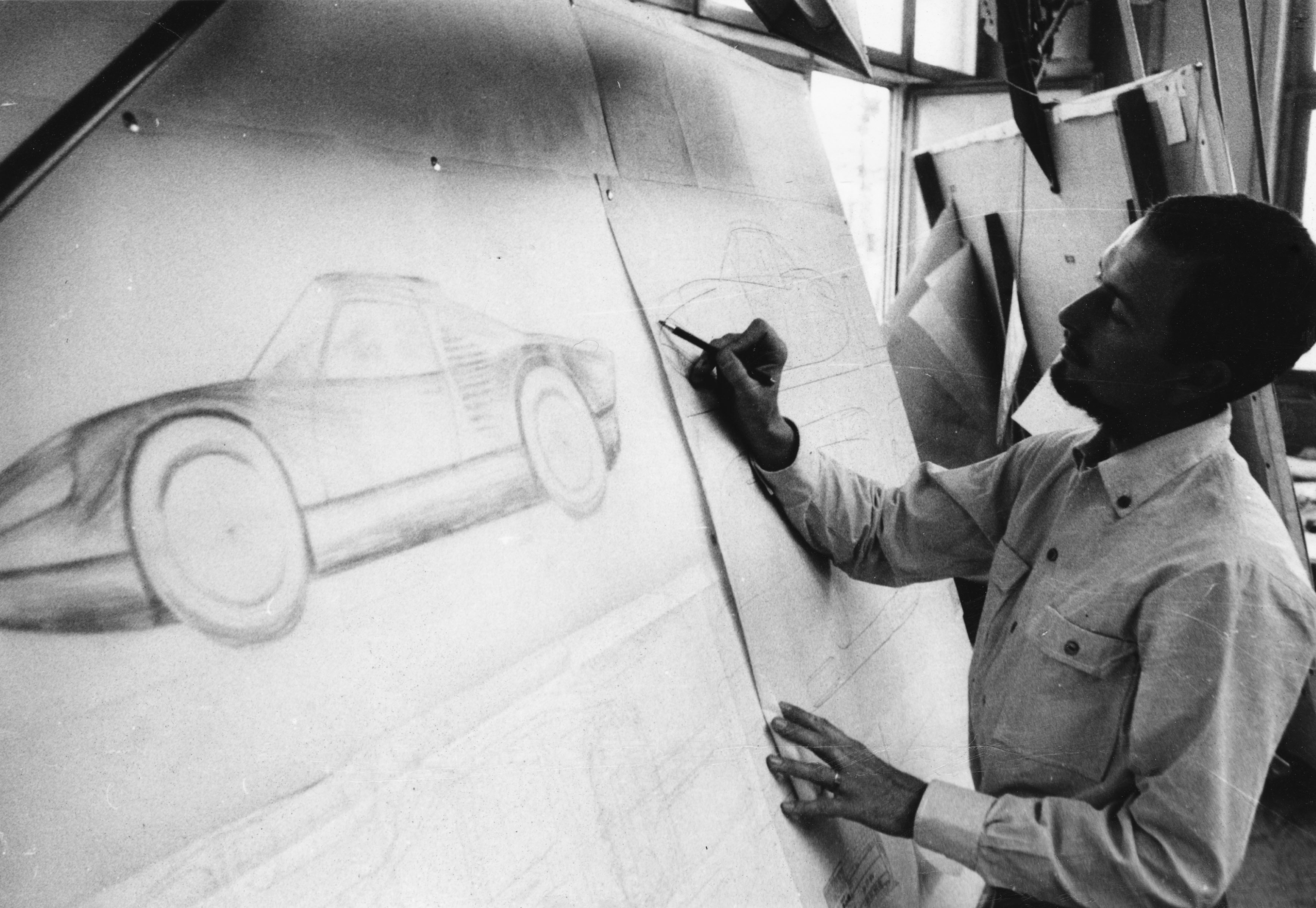
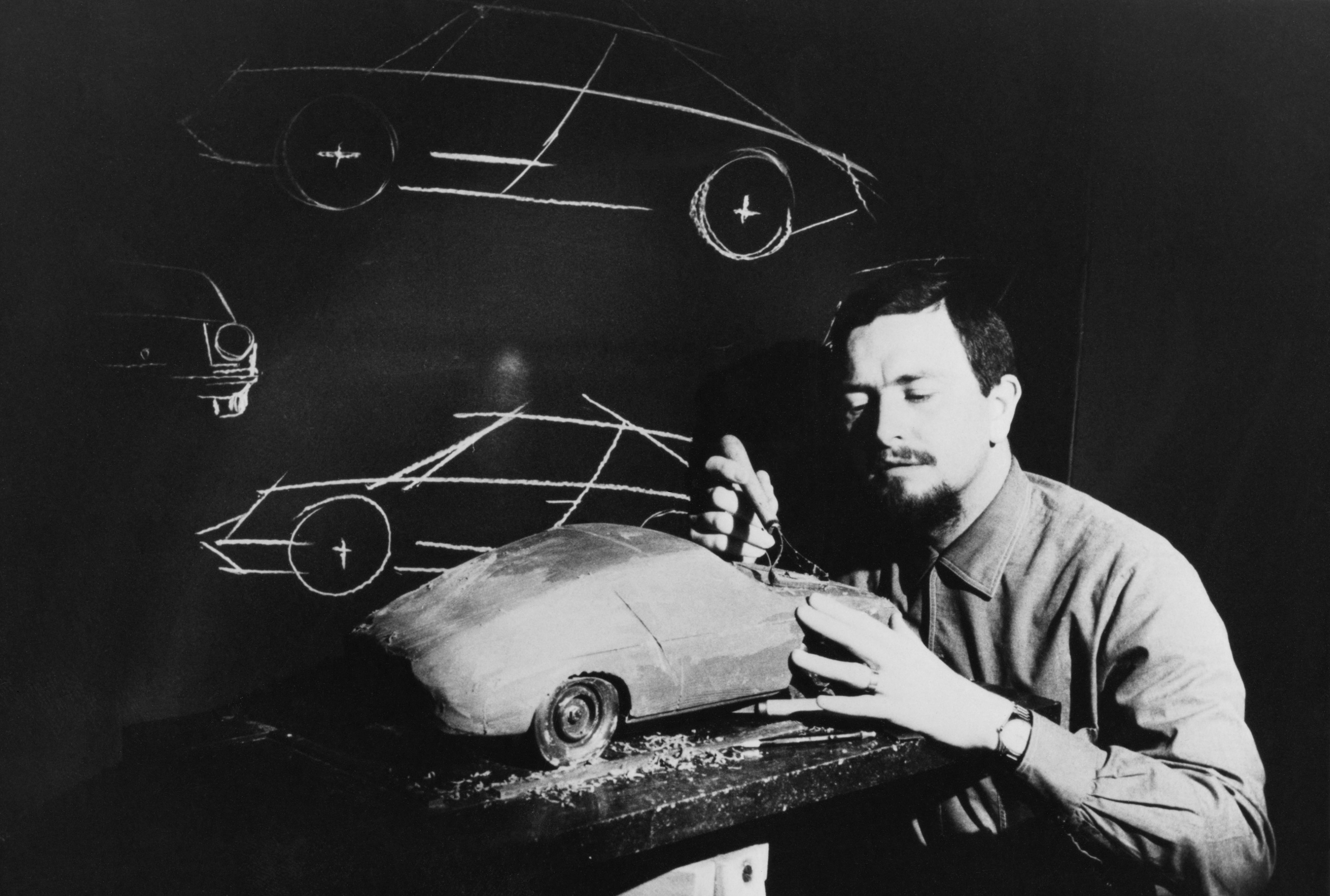
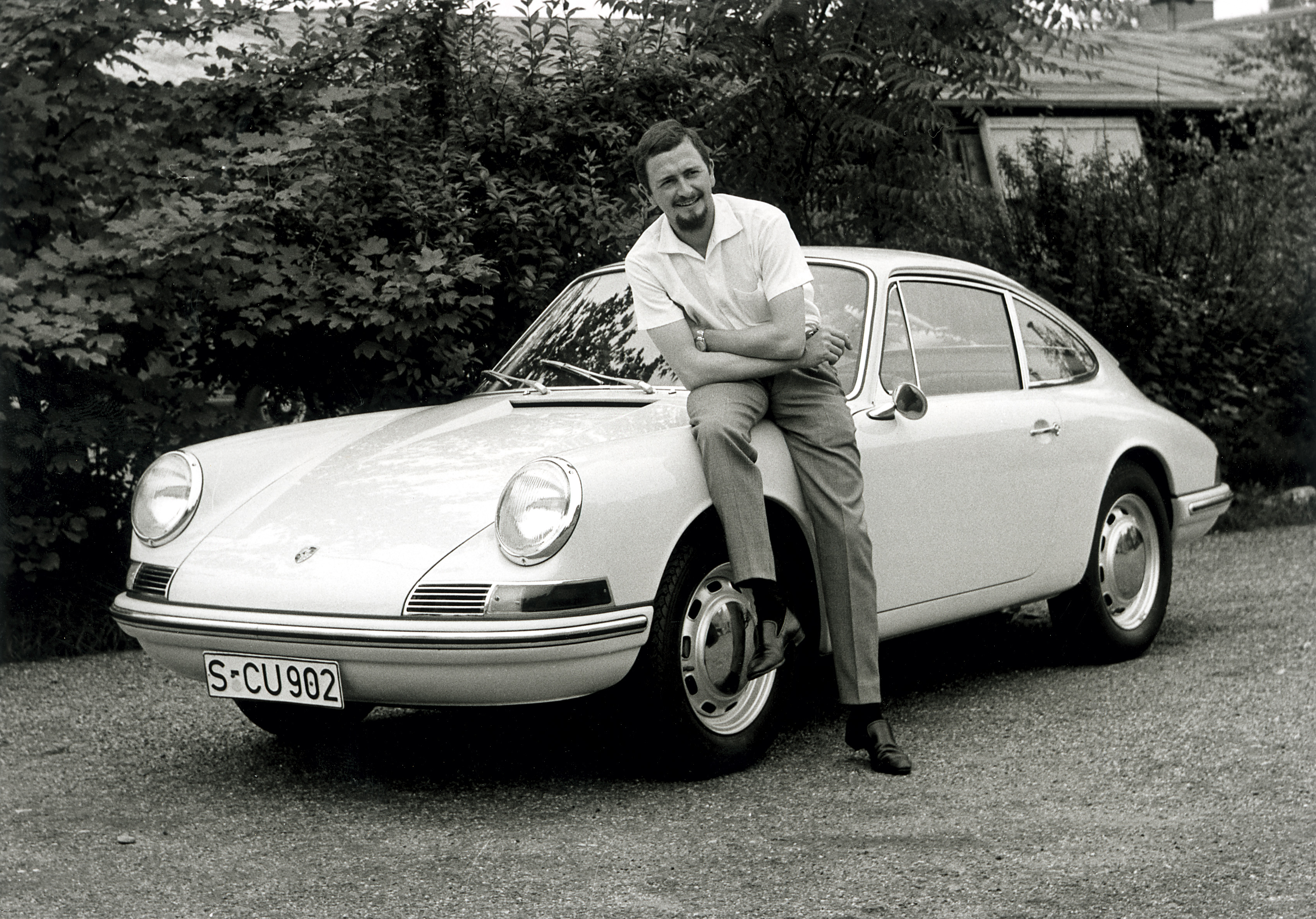
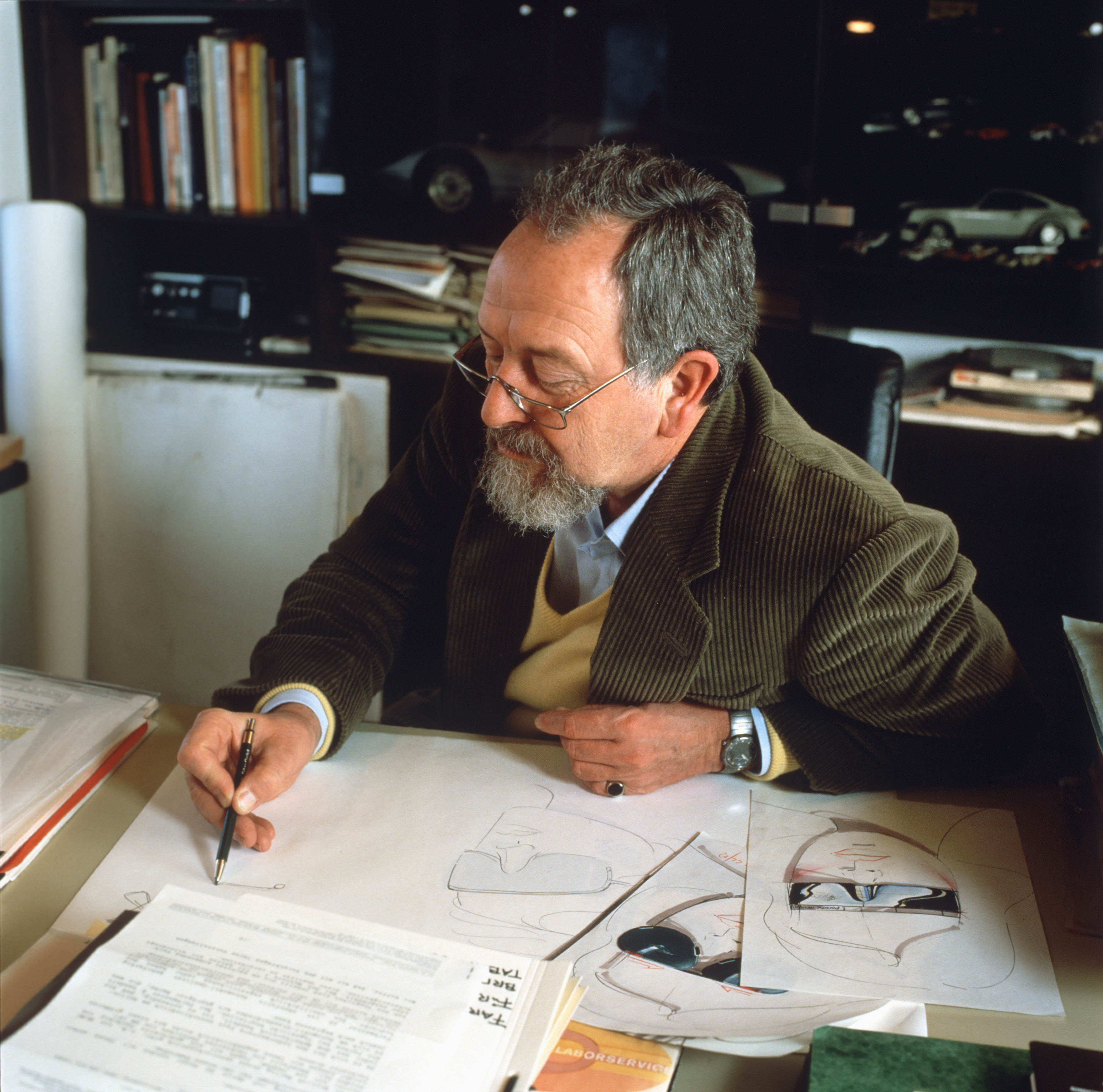
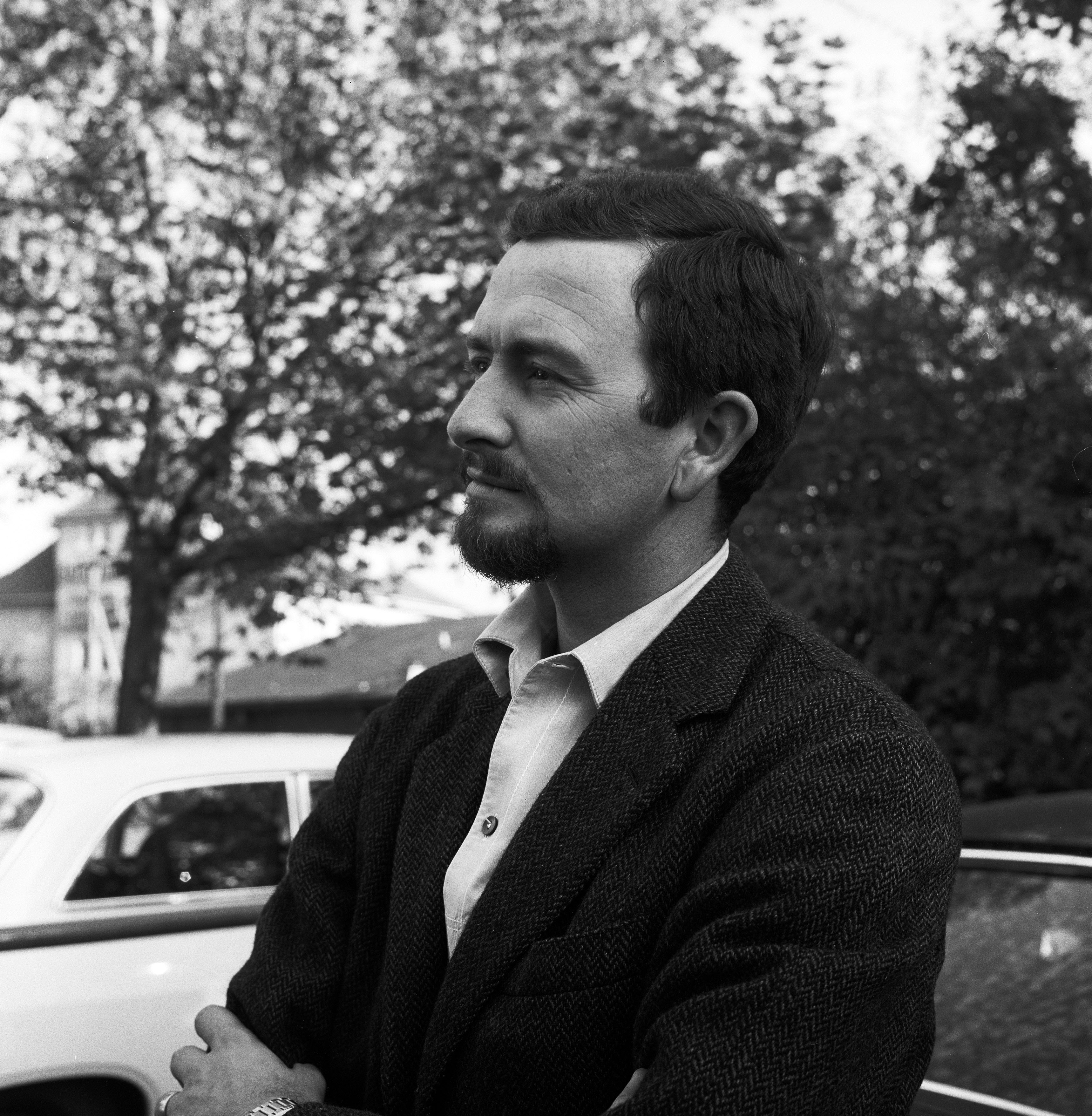
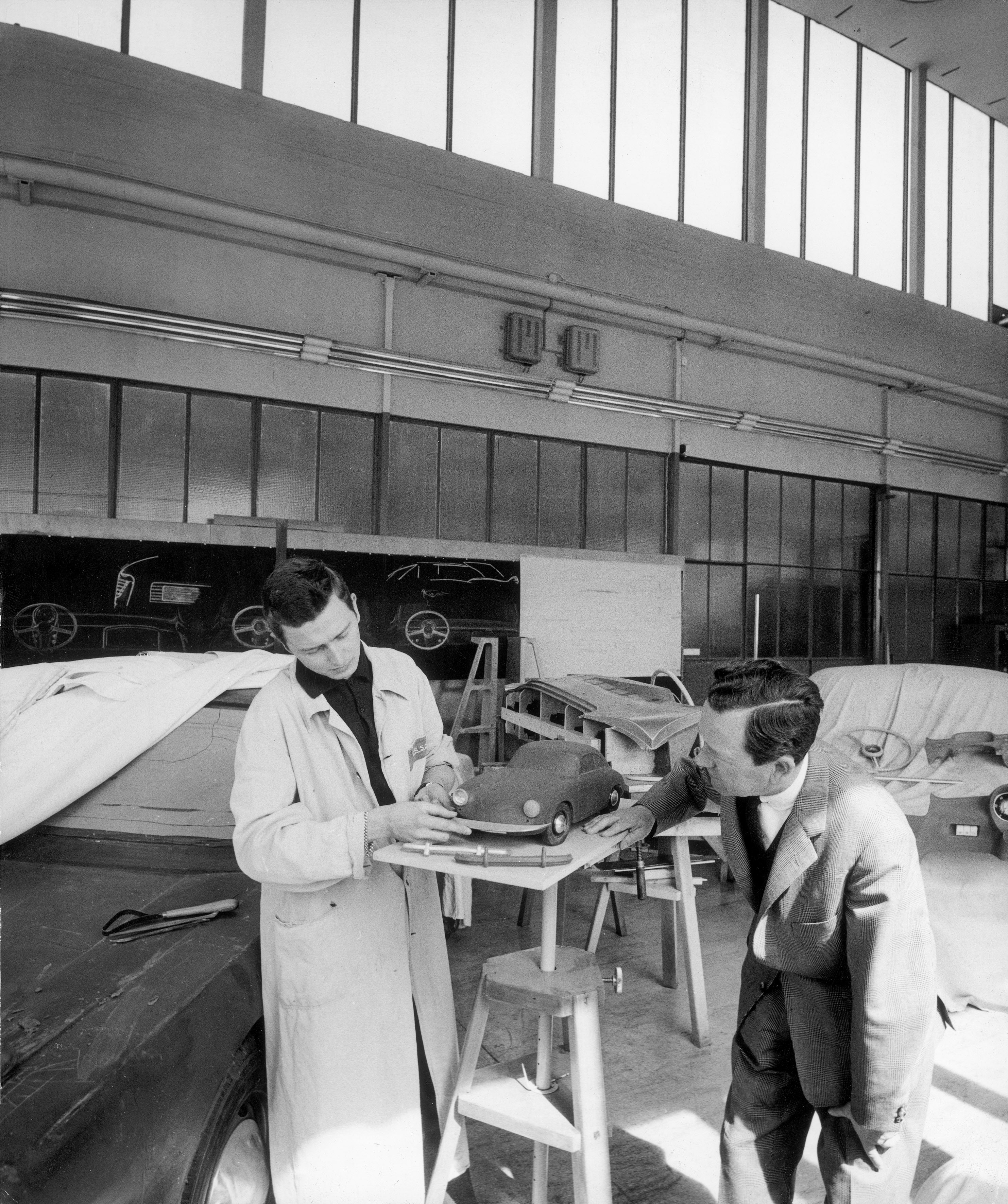
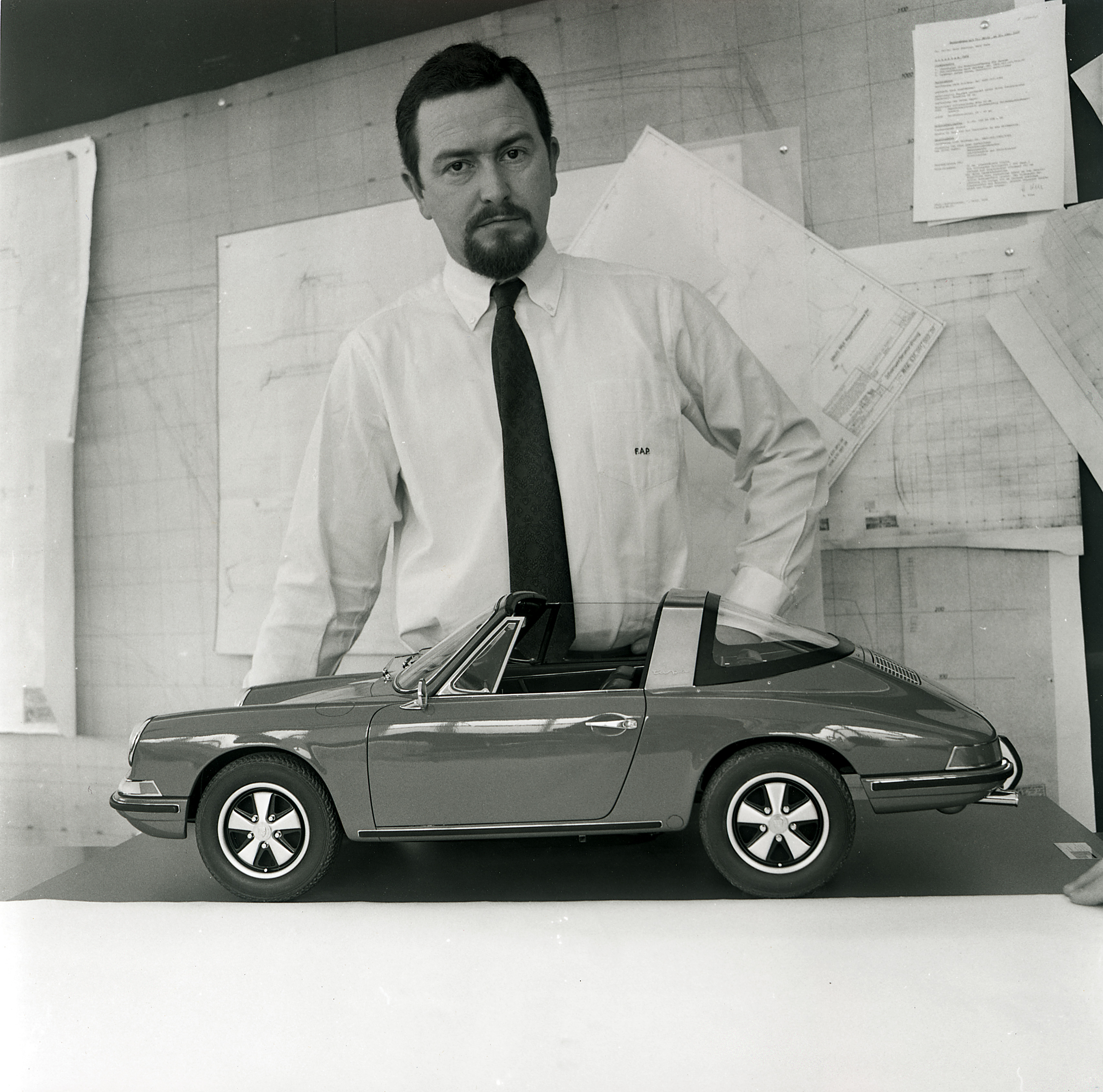
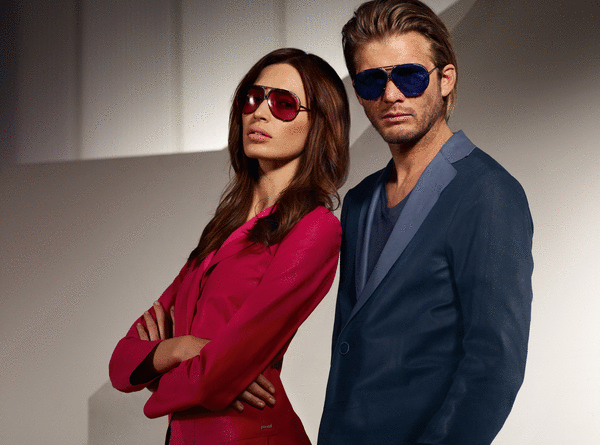

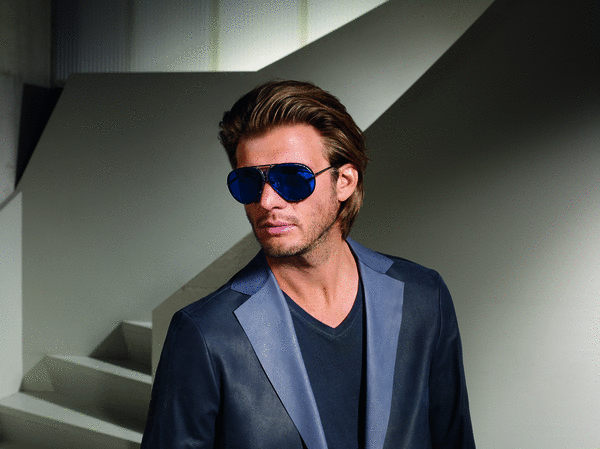
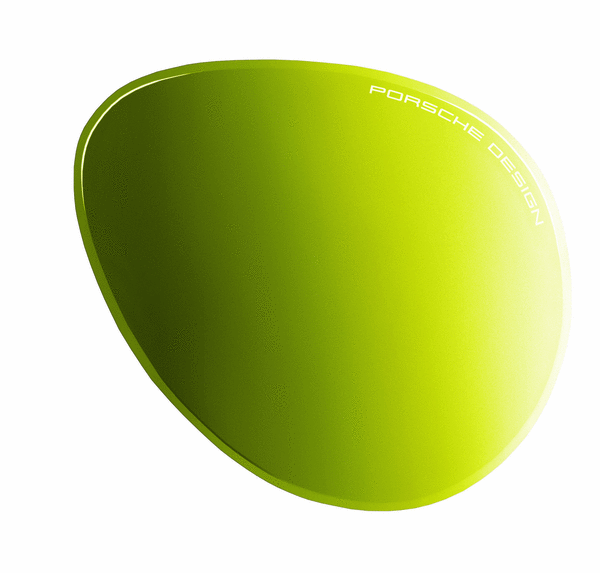
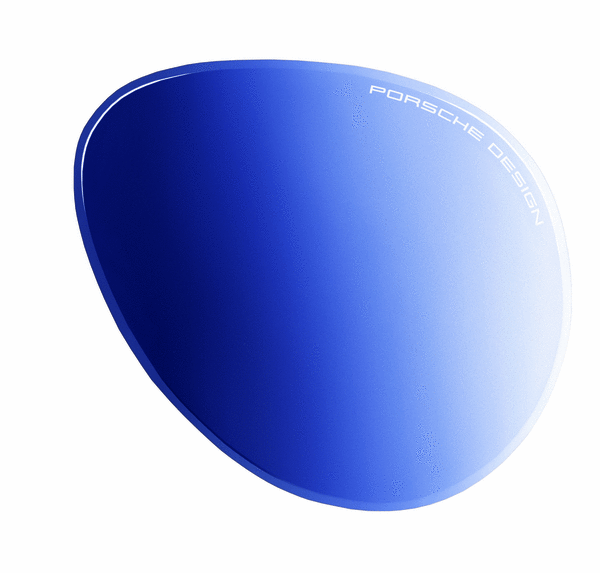
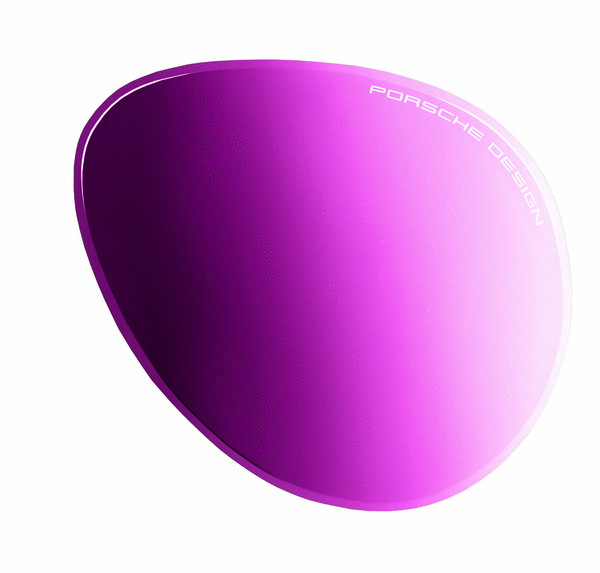
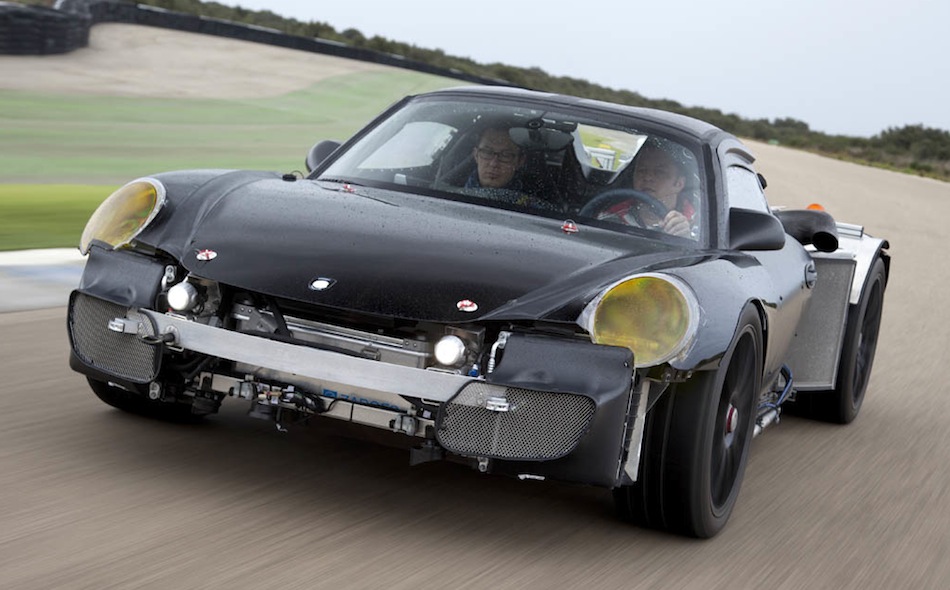
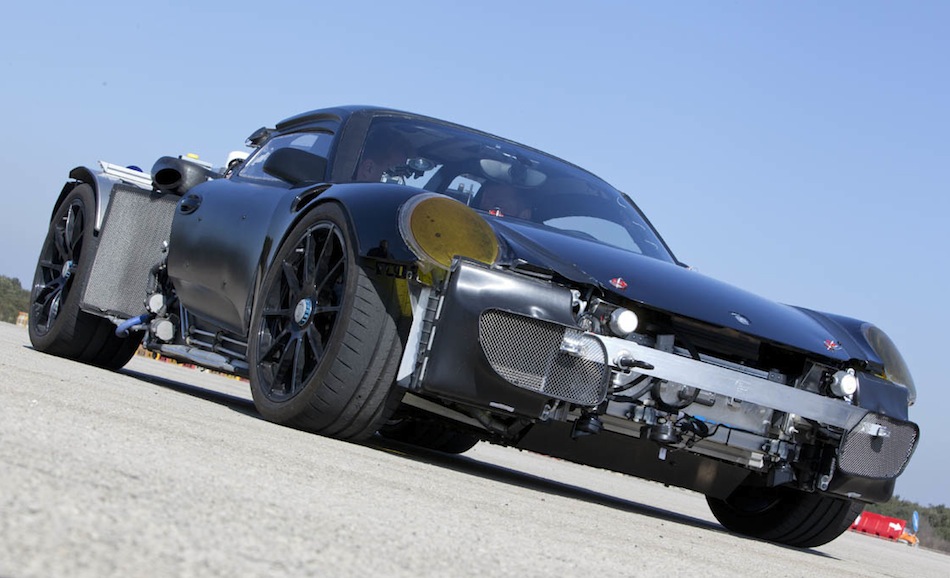
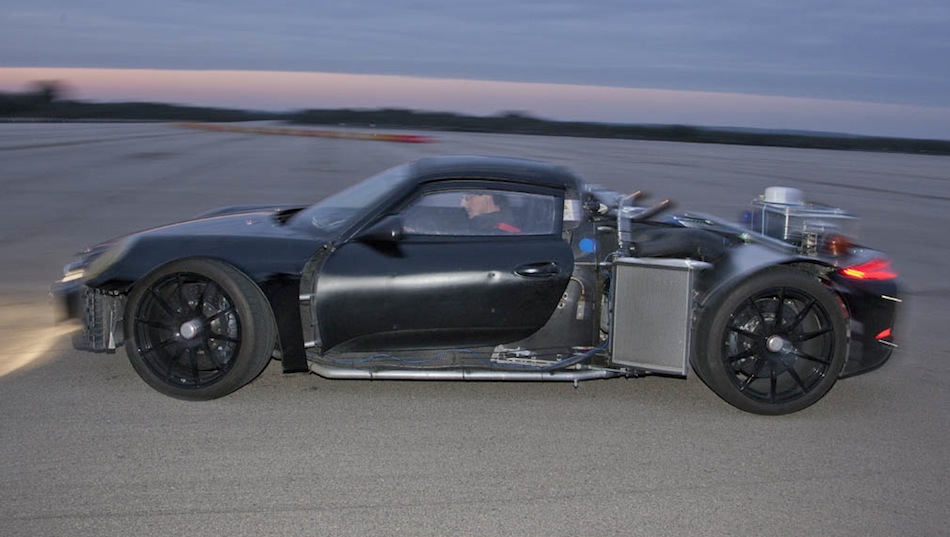
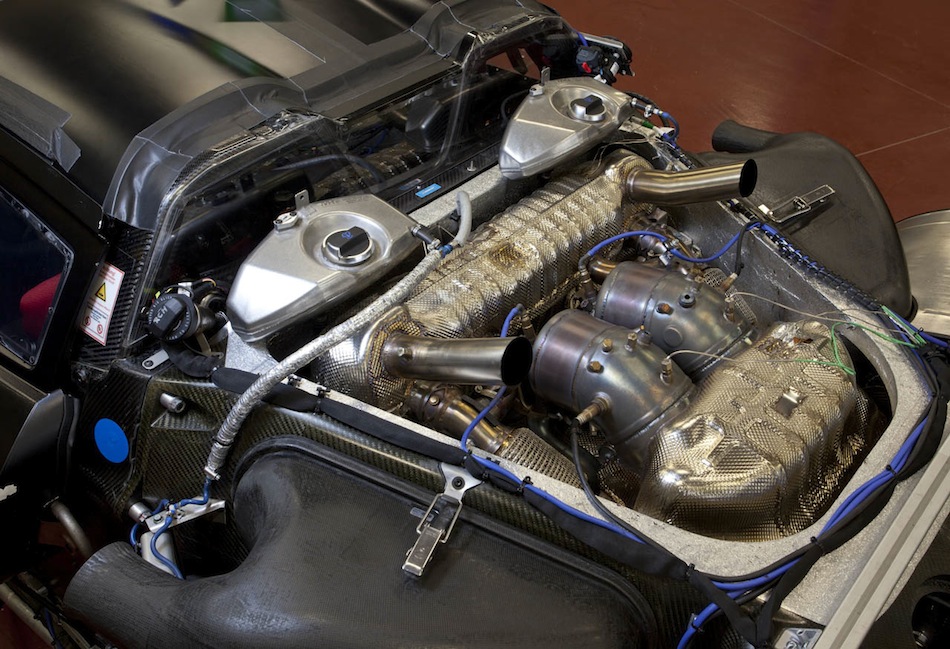
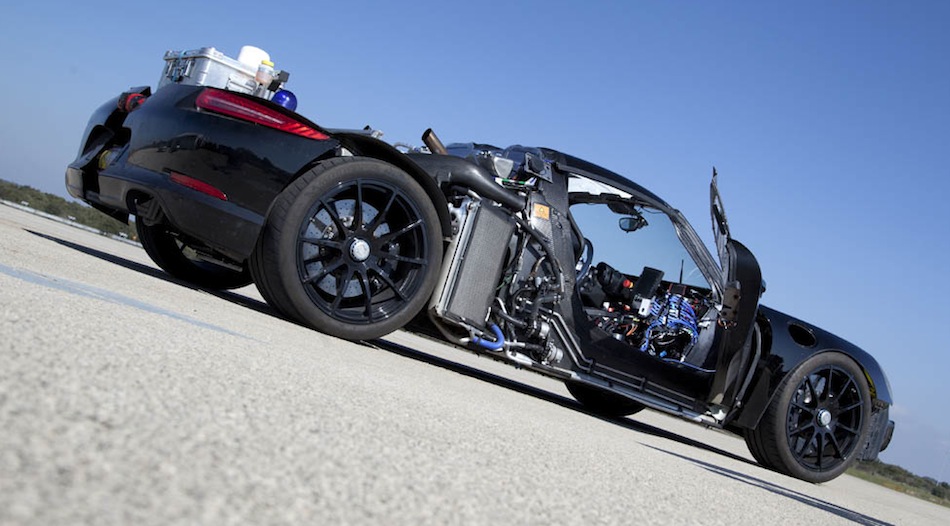
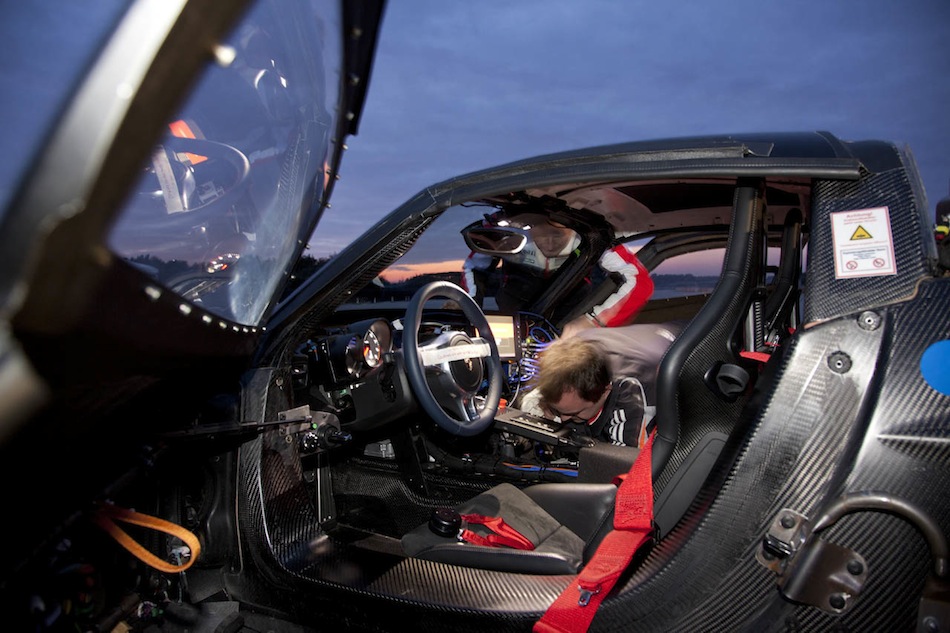
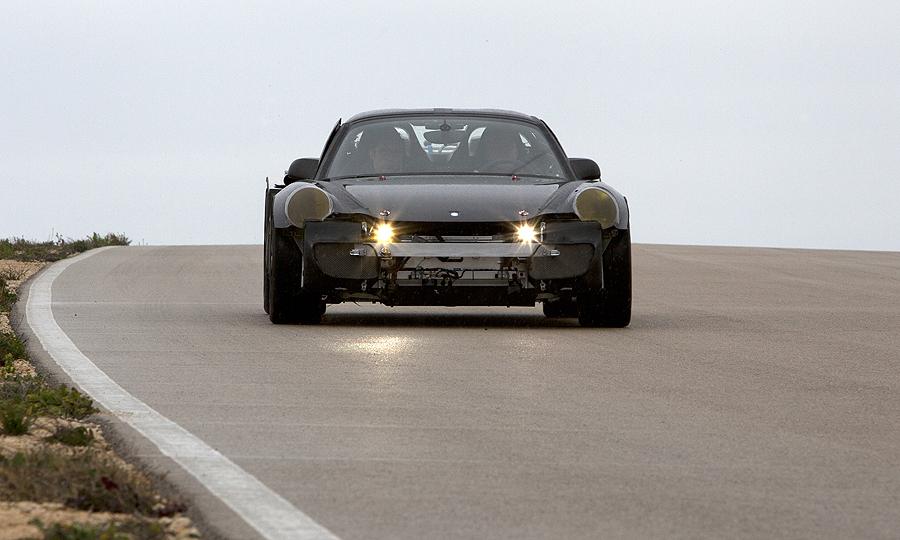
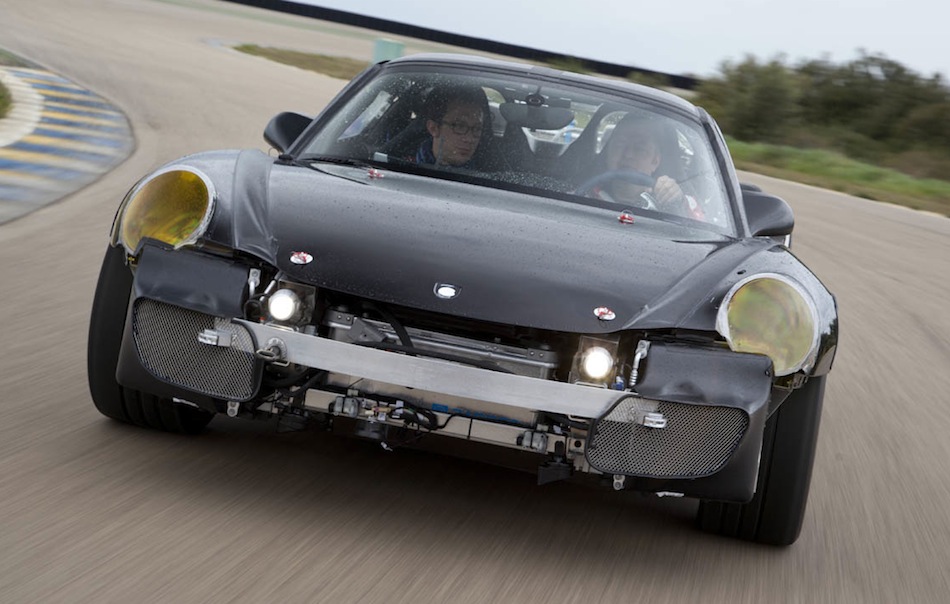


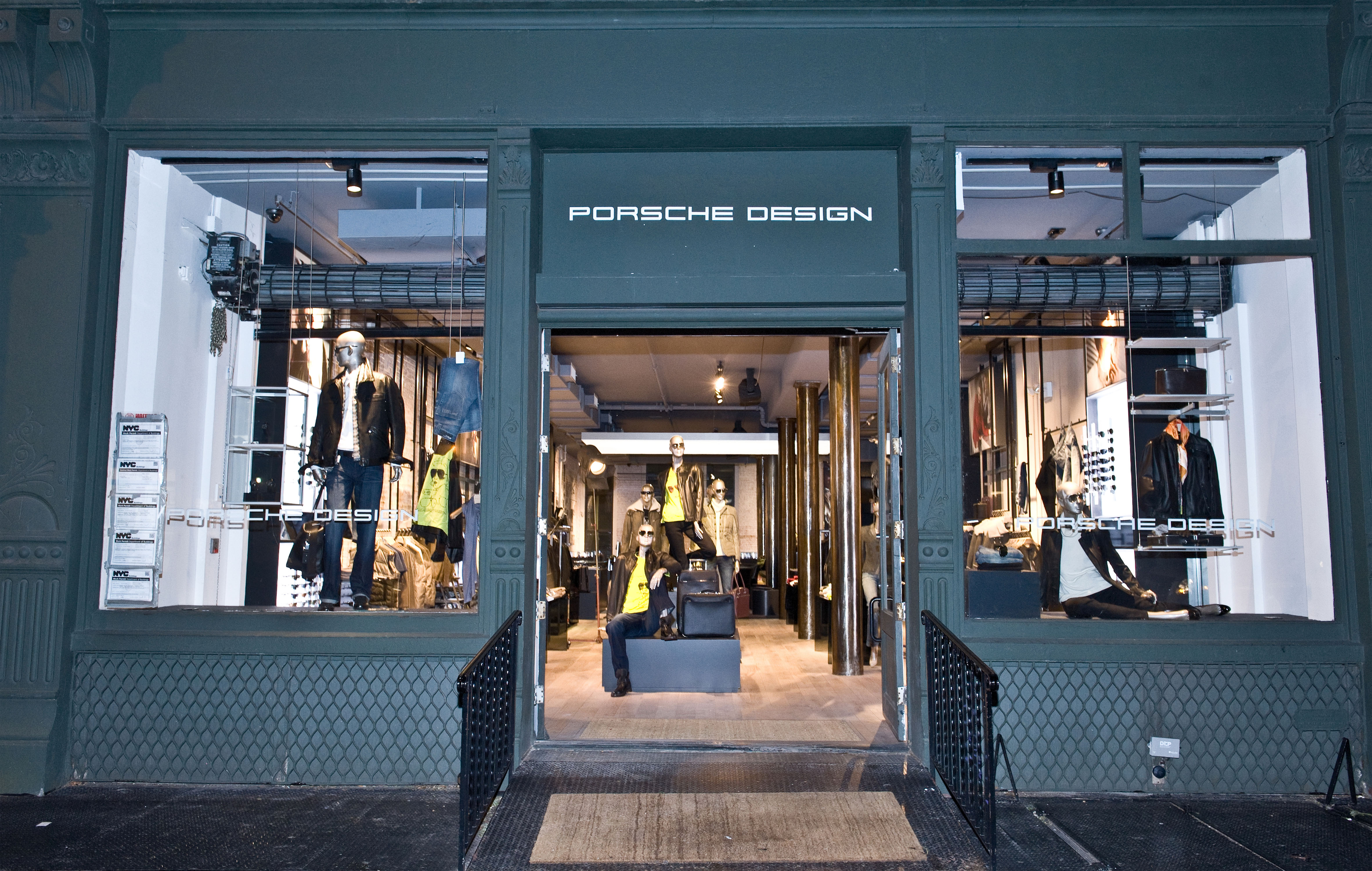
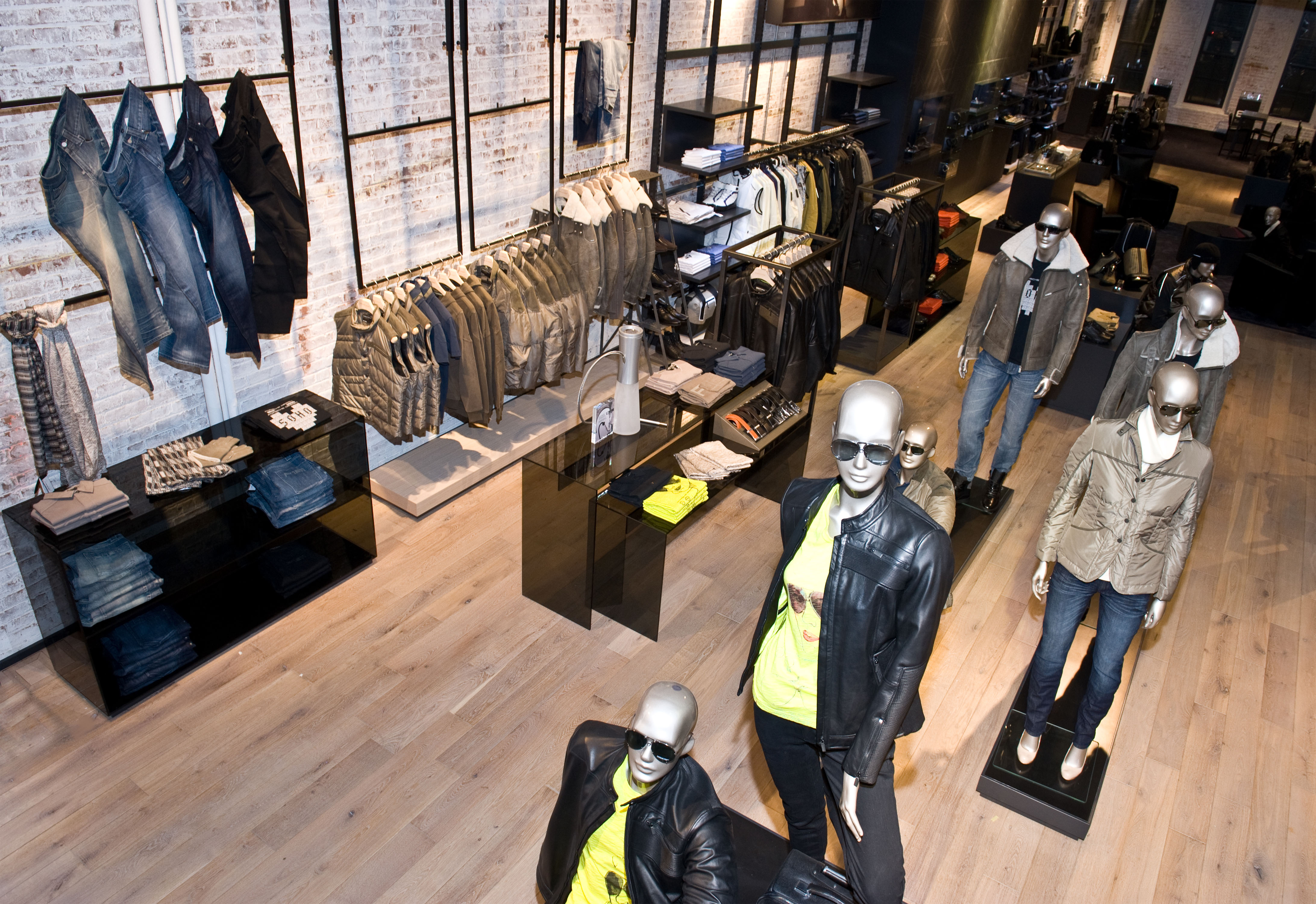
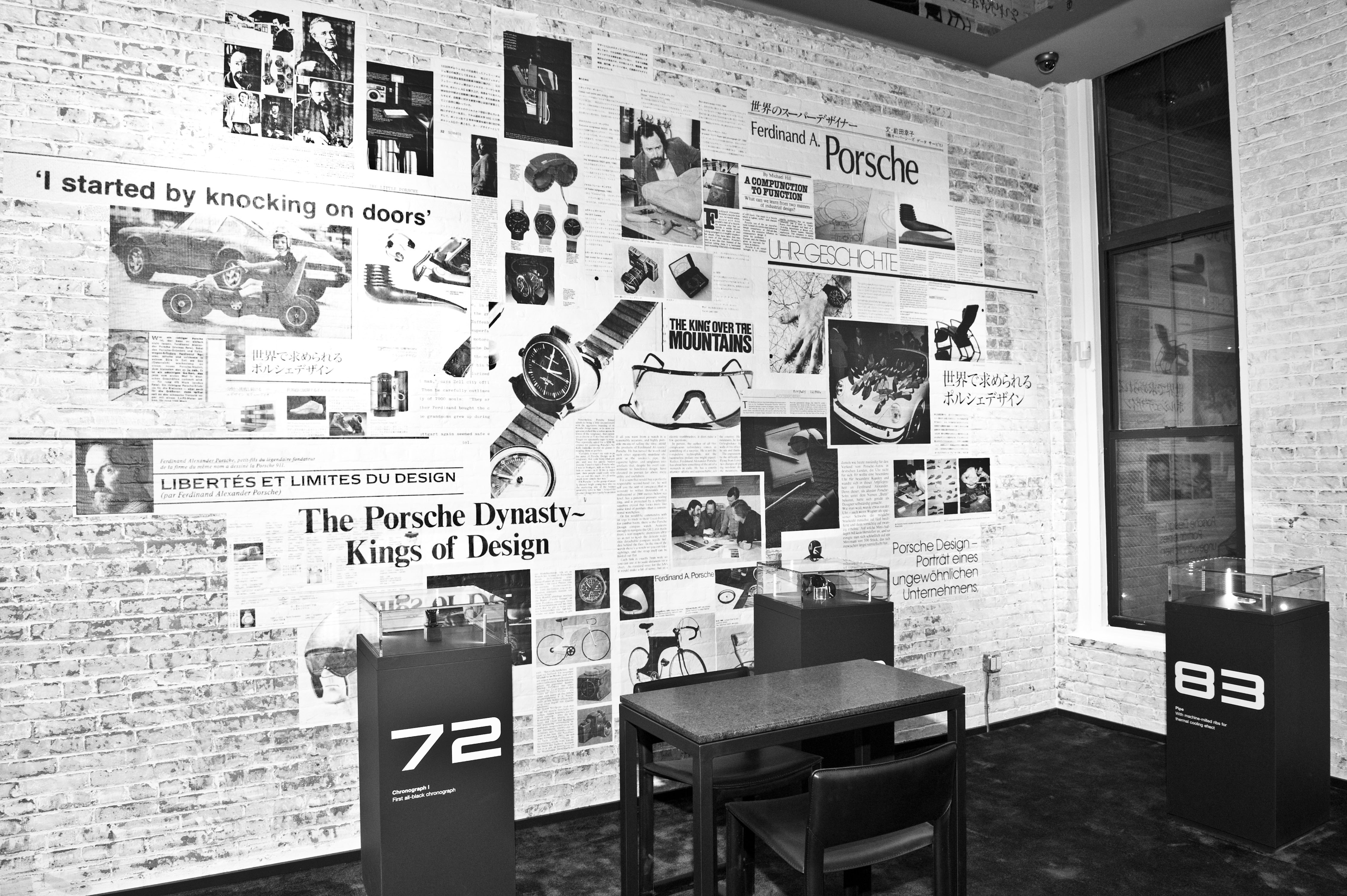
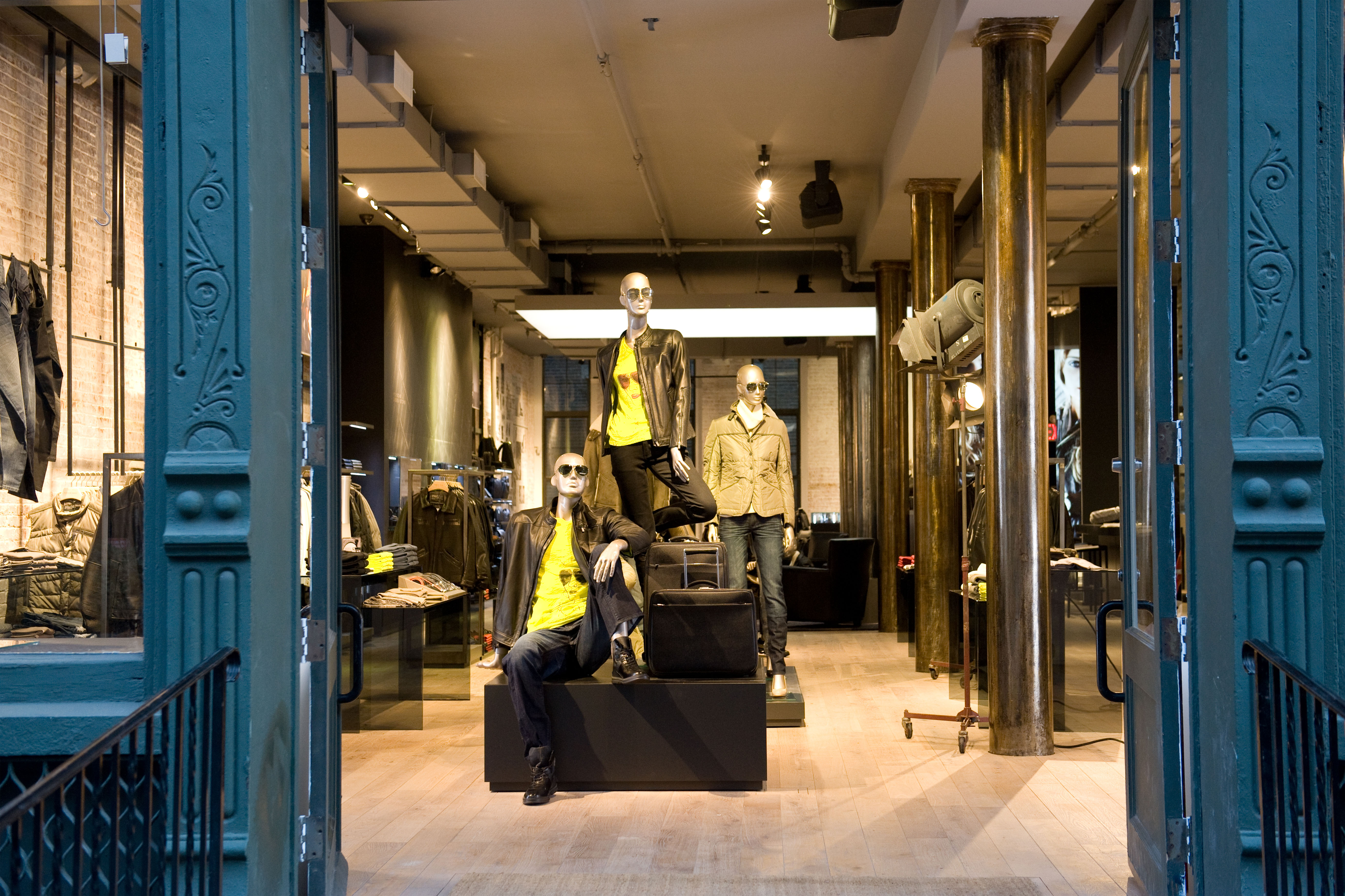
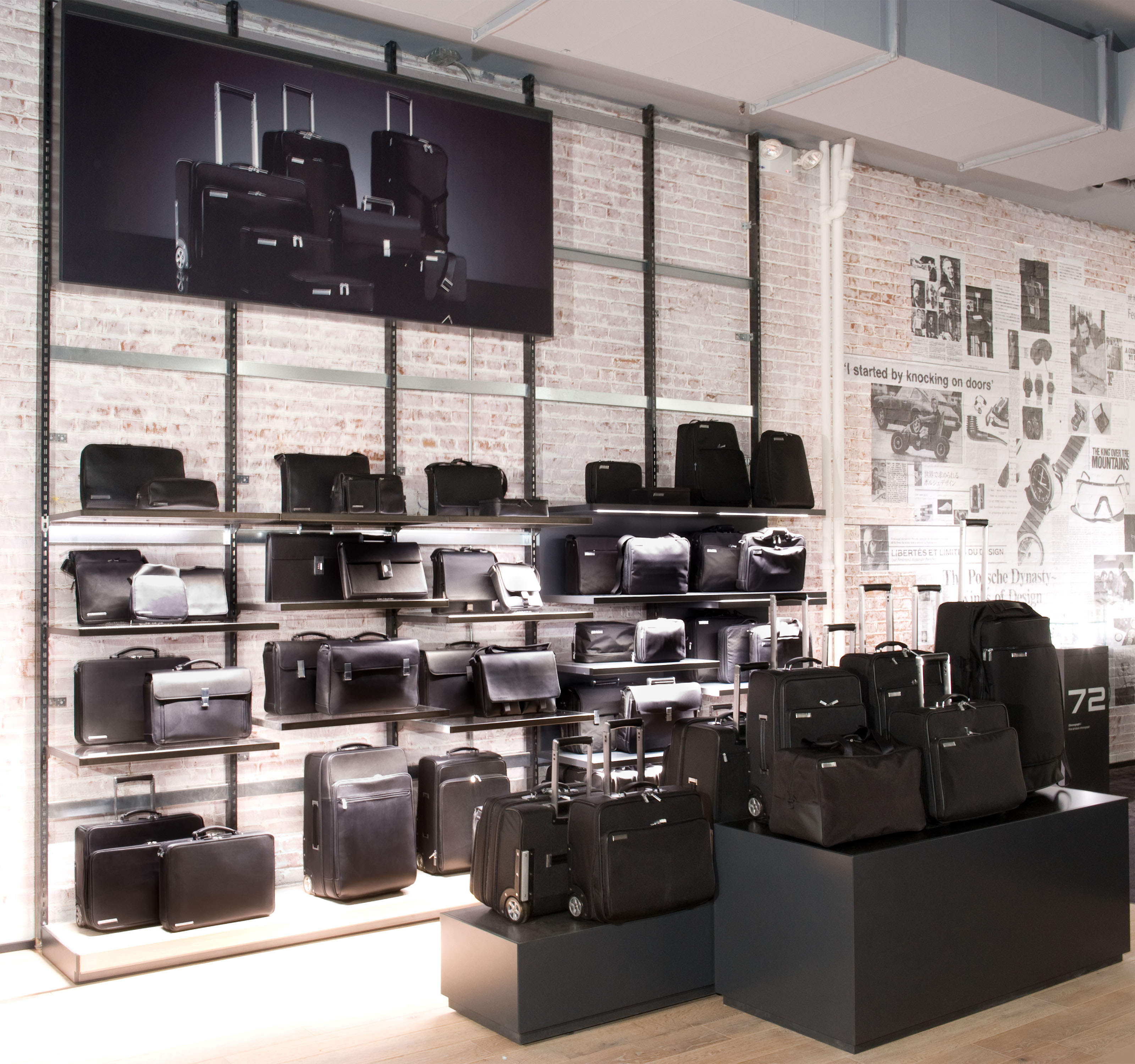
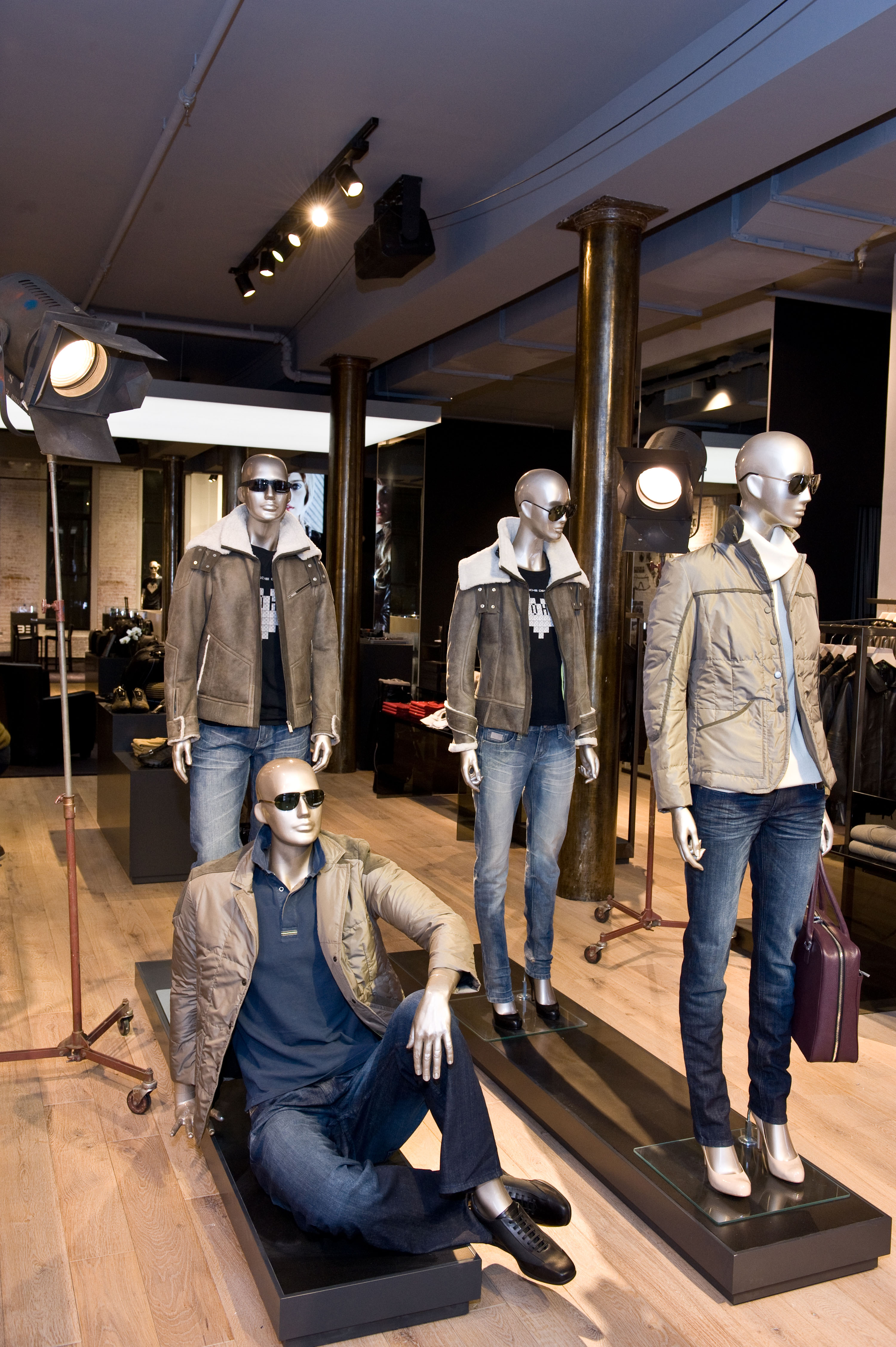
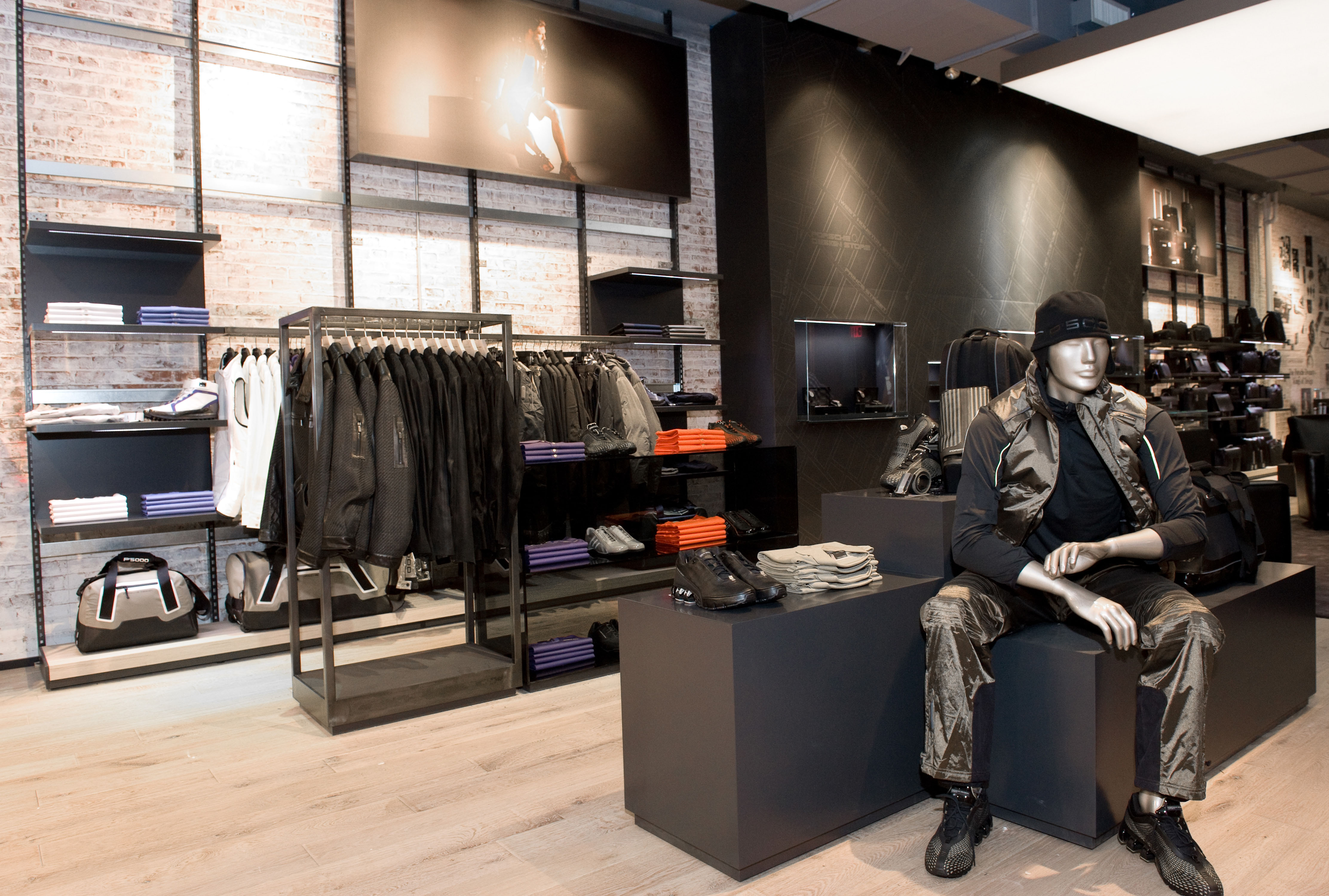
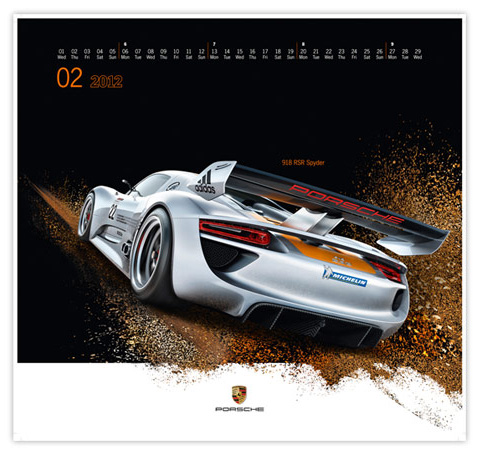
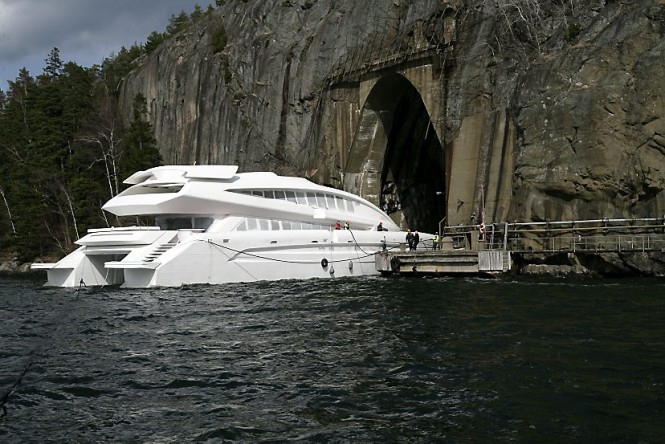
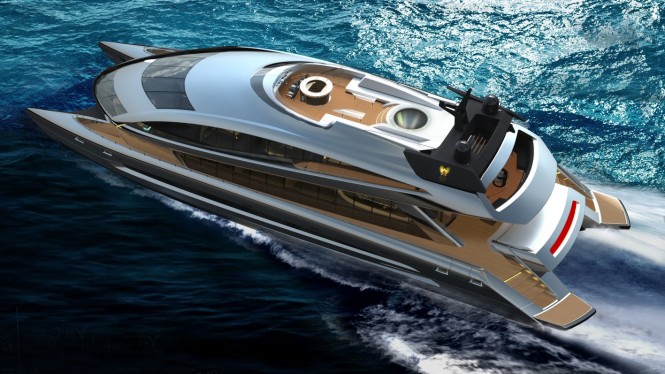
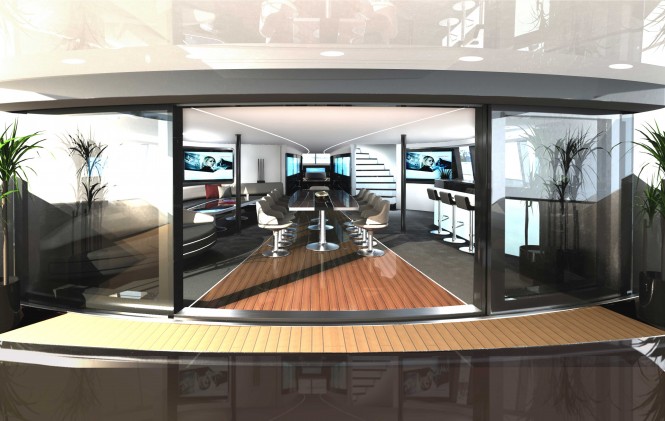
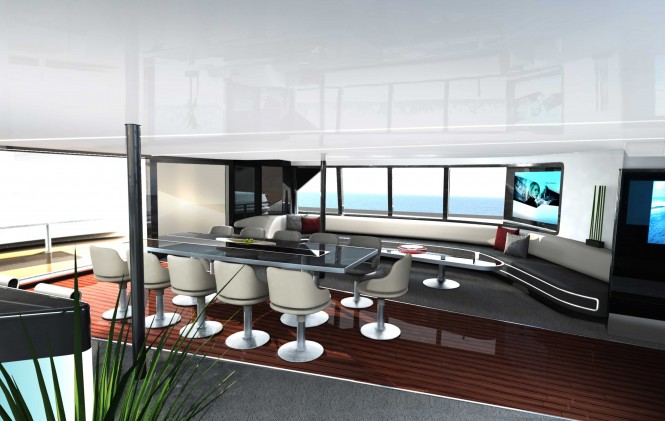
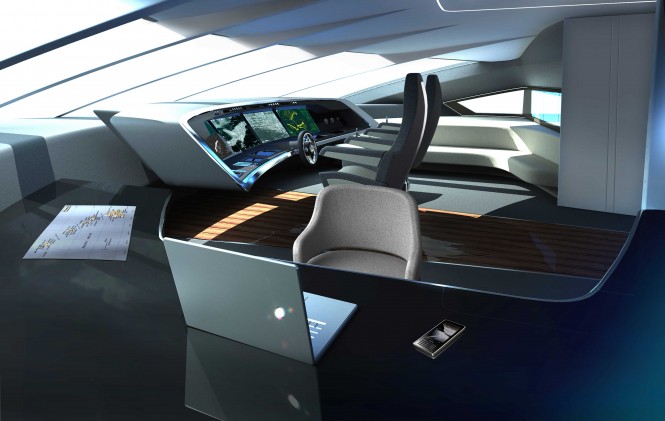
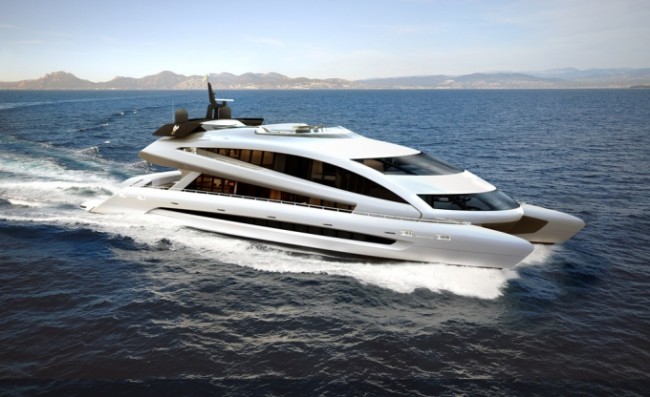


 Porsche Everyday Dedeporsches Blog