It's all about Porsche…if you're an owner of a Porsche,or a big enthusiast of Porsche Cars, Porsche Motorsports, Porsche Design, Porsche History, or a member of a Porsche Club….join me on focusing just about PORSCHE!!
Stuttgart. For five decades, the 911 has been the heart of the Porsche brand. Few other automobiles in the world can look back on such a long tradition and such continuity as the Porsche 911. It has been inspiring car enthusiasts the world over since its debut as the model 901 at the IAA International Automotive Show in September 1963. Today it is considered the quintessential sports car, the benchmark for all others. The 911 is also the central point of reference for all other Porsche series. From the Cayenne to the Panamera, every Porsche is the most sporting automobile in its category, and each one carries a piece of the 911 philosophy.
Over 820,000 Porsche 911s have been built, making it the most successful sports car in the world. For each of its seven generations the engineers in Zuffenhausen and Weissach have reinvented it, time and time again demonstrating to the world the innovative power of the Porsche brand.
Porsche 911 S 2.7 Coupé, 1974
Like no other vehicle, the 911 reconciles apparent contradictions such as sportiness and everyday practicality, tradition and innovation, exclusivity and social acceptance, design and functionality. It is no wonder that each generation has written its own personal success story.
Porsche 911 Carrera 4S Coupé and Porsche 911 2.0 Coupé (Model Year 1964)
Ferry Porsche best described its unique qualities: “The 911 is the only car you could drive on an African safari or at Le Mans, to the theatre or through New York City traffic.”
Type 911 T8, 1964, Prototype 901-1
In addition to its classic yet unique lines, the Porsche 911 has always been distinguished by its advanced technology. Many of the ideas and technologies that made their debut in the Porsche 911 were conceived on the race track.
Porsche 911 Carrera 4S Coupé and Porsche 911 2.0 Coupé (Model Year 1964)
The 911 was committed to the performance principle from the start, and motor racing is its most important test lab. From the very beginning it has been at home on circuits all over the world, earning a reputation as a versatile and dependable winner. Indeed, a good two thirds of Porsche’s 30,000 race victories to date were notched up by the 911.
Porsche 911 Carrera 4S Coupé and Porsche 911 2.0 Coupé (Model Year 1964)
How Porsche celebrates the anniversary
For Porsche, the 50th anniversary of this iconic sports car is the central theme of 2013. There will be a wide variety of anniversary events, starting with the “Retro Classics” automobile show in Stuttgart.
Porsche 911 Carrera 4S Coupé and Porsche 911 2.0 Coupé (Model Year 1964)
From 7 to 10 March the Porsche Museum will ring in the anniversary year with four special exhibits, an early-model 911 Turbo Coupé, a 911 Cabriolet study from 1981, a 1997 street version 911 GT1 and the pre-series Type 754 T7. This chassis by Professor Ferdinand Alexander Porsche was a milestone on the way to the 911 design.
Porsche 911 Carrera 4S Coupé and Porsche 911 2.0 Coupé (Model Year 1964)
The company is also sending an authentic 1967 model 911 on a world tour. Over the course of the year, this vintage nine-eleven will travel to five continents where it will be shown in places like Pebble Beach CA, Shanghai, Goodwood UK, Paris and Australia. As an ambassador for the Porsche brand, this vintage 911 will be in attendance at many international fairs, historical rallies and motor sport events. Fans and interested individuals can follow the car’s progress at http://www.porsche.com/follow-911 (end of February).
Porsche 911 Carrera 4S Coupé and Porsche 911 2.0 Coupé (Model Year 1964)
The Porsche Museum is celebrating “50 years of the Porsche 911” from 4 June through 29 September 2013, with a special exhibition featuring the history and development of the nine-eleven.
Porsche 911 Carrera S 3.8, 2005
In the spring the museum’s own publishing house, Edition Porsche-Museum, will publish an anniversary edition entitled “911×911.”
Porsche 911 Carrera 4 3.6 Cabriolet, 1990; (first: 911 Carrera 4 3.6 Cabriolet; second: 911 Carrera 4 3.6 Targa; third: 911 Carrera 4 3.6 Coupé)
The generations
The First 911 (1963) – Birth of a Legend
As the successor to the Porsche 356, the 911 won the hearts of sports car enthusiasts from the outset. The prototype was first unveiled at the Frankfurt IAA Motor Show in 1963 as the 901, and renamed the 911 for its market launch in 1964. Its air-cooled six-cylinder boxer engine delivered 130 hp, giving it an impressive top speed of 210 hp. If you wanted to take things a little slower, starting in 1965 you could also opt for the four-cylinder Porsche 912. In 1966 Porsche presented the 160 hp 911 S, which was the first to feature forged alloy wheels from Fuchs. The 911 Targa, with its distinctive stainless steel roll bar, made its debut in late 1966 as the world’s first ever safety cabriolet.
The semiautomatic Sportomatic four-speed transmission joined the lineup in 1967. With the 911T of the same year, and the later E and S variants, Porsche became the first German manufacturer to comply with strict US exhaust emission control regulations. The Porsche 911 became more and more powerful as displacement increased, initially to 2.2 litres (1969) and later to 2.4 (1971). The 911 Carrera RS 2.7 of 1972 with 210 hp engine and weighing less than 1000 kg remains the epitome of a dream car to this day. Its characteristic “ducktail” was the world’s first rear spoiler on a production vehicle.
Porsche 911 Carrera RS 2.7 Coupé, August 1972, test logo
The G-Series (1973) – The Second Generation
Ten years after its premiere, the engineers at Porsche gave the 911 its first thorough makeover. The G model was produced from 1973 to 1989, longer than any other 911 generation. It featured prominent bellows bumpers, an innovation designed to meet the latest crash test standards in the United States. Occupant protection was further improved by three-point safety belts as standard equipment, as well as integrated headrests. One of the most important milestones in the 911 saga was the 1974 unveiling of the first Porsche 911 Turbo with a three-litre 260 hp engine and enormous rear spoiler. With its unique blend of luxury and performance, the Turbo became synonymous with the Porsche mystique. The next performance jump came in 1977 with the intercooler-equipped 911 Turbo 3.3. At 300 hp it was the best in its class. In 1983 the naturally aspirated 911 Carrera superseded the SC; with a 3.2 litre 231 hp engine, it became a favourite collectors’ item. Starting in 1982, fresh air enthusiasts could also order the 911 as a Cabriolet. The 911 Carrera Speedster, launched in 1989, was evocative of the legendary 356 of the fifties.
Porsche 911 Carrera 3.8 Coupé, 2005
The 964 (1988) – Classic Modern
Just when automotive experts were predicting the imminent end of an era, in 1988 Porsche came out with the 911 Carrera 4 (964). After fifteen years of production the 911 platform was radically renewed with 85 percent new components, giving Porsche a modern and sustainable vehicle. Its air-cooled 3.6 litre boxer engine delivered 250 hp. Externally, the 964 differed from its predecessors only slightly, in its aerodynamic polyurethane bumpers and automatically extending rear spoiler, but internally it was almost completely different. The new model was designed to captivate drivers not only with sporty performance but also with enhanced comfort. It came with ABS, Tiptronic, power steering, and airbags, and rode on a completely redesigned chassis with light alloy control arms and coil springs instead of the previous torsion-bar suspension. A revolutionary member of the new 911 line right from the start was the all-wheel drive Carrera 4 model. In addition to Carrera Coupé, Cabriolet and Targa versions, starting in 1990 customers could also order the 964 Turbo. Initially powered by the proven 3.3 litre boxer engine, in 1992 the Turbo was upgraded to a more powerful 360 hp 3.6 litre power plant. Today, the 964 Carrera RS, 911 Turbo S, and 911 Carrera 2 Speedster are particularly in demand among collectors.
The 993 (1993) – The Last Air-Cooled Models
The 911 with the internal design number 993 remains the one true love of many a Porsche driver. The remarkably pleasing design has much to do with this. The integrated bumpers underscore the smooth elegance of its styling. The front section is lower-slung than on the earlier models, made possible by a switch from round to polyellipsoid headlights. The 993 quickly gained a reputation for exceptional dependability and reliability. It was also agile, as the first 911 with a newly designed aluminium chassis. The Turbo version was the first to have a bi-turbo engine, giving it the lowest-emission stock automotive powertrain in the world in 1995. The hollow-spoke aluminium wheels, never before used on any car, were yet another innovation of the all-wheel drive Turbo version. The Porsche 911 GT2 was aimed at the sports car purist who cherished the thrill of high speeds. An electric glass roof that slid under the rear window was one of the innovations of the 911 Targa. But the real reason dyed-in-the-wool Porsche enthusiasts still revere the 993 is that this model, produced from 1993 to 1998, was the last 911 with an air-cooled engine.
Porsche 911 Turbo 3.3 Coupé, 1986
The 996 (1997) – Water-Cooled
The 996, which rolled off the assembly line from 1997 to 2005, represented a major turning point in the history of the 911. It retained all the character of its classic heritage, but was an entirely new automobile. This comprehensively redesigned generation was the first to be driven by a water-cooled boxer engine. Thanks to its four-valve cylinder heads it achieved 300 hp and broke new ground in terms of reduced emissions, noise, and fuel consumption. The exterior design was a reinterpretation of the 911’s classic line, but with a lower drag coefficient (cW) of 0.30. The lines of the 996 were also a result of component sharing with Porsche’s successful Boxster model. Its most obvious exterior feature were the headlights with integrated turn signals, at first controversial but later copied by many other manufacturers. On the inside, drivers experienced an entirely new cockpit. Driving comfort now also played a greater role alongside the typical sporty characteristics. With the 996 Porsche launched an unprecedented product offensive with a whole series of new variations. The 911 GT3 became one of the highlights of the model range in 1999, keeping the tradition of the Carrera RS alive. The 911 GT2, the first car equipped with ceramic brakes as standard, was marketed as an extreme sports vehicle starting in the fall of 2000.
Porsche Type 911 Carrera 3.4 Coupé, 1998
The 997 (2004) – Classicism and Modernity
In July 2004 Porsche unveiled the new generation 911 Carrera and 911 Carrera S models, referred to internally as the 997. The clear oval headlights with separate blinkers in the front apron were a visual return to older 911 models, but the 997 offered more than just style. It was a high-performance vehicle, with a 3.6 litre boxer engine that turned out out 325 hp while the new 3.8 litre engine of the Carrera S managed an incredible 355 hp. The chassis was also substantially reworked, and the Carrera S came with Porsche Active Suspension Management as standard equipment. In 2006 Porsche introduced the 911 Turbo, the first gasoline-powered production automobile to include a turbocharger with variable turbine geometry. A model update in the fall of 2008 made the 997 even more efficient thanks to direct fuel injection and a dual clutch transmission. Never before had the 911 series made such extensive allowances to suit drivers’ individual preferences, and with Carrera, Targa, Cabriolet, rear or all-wheel drive, Turbo, GTS, special models, and road versions of GT racing cars, the 911 family ultimately comprised 24 model versions.
Porsche Type 911 Carrera 4 3.4 Coupé, 1999
The 991 (2011) – Refined by Experience
This car, known internally as the 991, represents the greatest technical leap in the evolution of the 911. Already the class benchmark for decades, the new 911 generation raised performance and efficiency to new levels. A totally new suspension with a longer wheelbase, wider track, larger tyres and an ergonomically optimized interior – it all adds up to an even sportier yet more comfortable driving experience. Technically, the 911 is the epitome of Porsche Intelligent Performance – even lower fuel consumption, even higher performance. This is due in part to the smaller 3.4 litre displacement in the Carrera basic model (yet developing 5 hp more than the 997/II), and to its hybrid steel/aluminium construction, which significantly reduces curb weight. Other innovations include Porsche Dynamic Chassis Control (PDCC) and the world’s first seven-gear manual transmission. The design of the 991 has likewise met with high critical acclaim. With its flat, stretched silhouette, exciting contours, and precisely designed details, the seventh generation of the Porsche 911 Carrera remains unmistakably a 911 that has once again succeeded in redefining the standard for automobile design. It is the best 911 of all time – until the next generation.
Porsche Design unveils the luxury brand’s first women’s handbag
One Design, Different Style: the TwinBag
Stuttgart. Porsche Design is set to launch the TwinBag, its first women’s handbag, for the Spring/Summer 2013 season. Distinguished by a very innovative carrying concept, the new handbag will be available in all Porsche Design stores around the world and in the luxury brand’s official online store from March 2013. The launch of the TwinBag rounds off Porsche Design’s fashion and lifestyle range for women.
Sketch Porsche Design TwinBag
Porsche Design is revolutionising women’s handbags with a puristic new design and a novel carrying concept. The TwinBag combines simple elegance with timeless beauty. The main highlight is the clever carrying concept: adjustable handles allow the Porsche Design TwinBag to be worn as either a handbag or a shoulder bag.
Porsche Design meets Made in Italy
Each TwinBag is produced in the Italian city of Florence, by dedicated and experienced hands and benefiting from knowledge passed down through generations. The selection of materials is also typical of Porsche Design. The luxury brand’s handbags are made exclusively from the finest vegetable-tanned leather and enhanced with timeless high-quality metal fittings.
Porsche Design TwinBag
The Porsche Design TwinBag will be available all over the world from March 2013 in all Porsche Design stores and in the luxury brand’s official online store.
Sketch Porsche Design TwinBag
Porsche Design is a luxury brand with a particular focus on technically inspired products. The brand was founded in 1972 by Ferdinand Alexander Porsche, whose products have stood for functional, timeless and purist design ever since. The products are designed in the Porsche Design Studio in Zell am See, Austria and sold around the world in the company’s own stores, shop-in-shops, high end department stores, exclusive specialist retailers as well as the official online shop (www.porsche-design.com/shop).
The world’s first black timepiece, and at the same time luxury brand Porsche Design’s first product: The “Chronoprapgh I”.
40 Years of Porsche Design
Stuttgart. The world’s first black timepiece, the legendary exclusive spectacles and the Porsche 911 – for decades, all these products have stood for a unique design by Ferdinand Alexander Porsche: In 1972 he founded the “Porsche Design Studio” in Stuttgart, the head office of which was relocated to Zell am See in Austria in 1974.
Starting today, the Porsche Museum is marking the company’s 40th anniversary with a special exhibition: from 13 November 2012 to 17 February 2013, visitors can experience the most important, most interesting and most extraordinary products as well as how Porsche Design came to exist.
40 Years of Porsche Design
The focus of the anniversary exhibition is on the “Porsche Design” brand, which in recent years has been developed into one of the world’s leading luxury brands with its own sales network. F.A. Porsche designed numerous classic men’s accessories such as watches, spectacles and writing implements, which achieved worldwide recognition under the “Porsche Design” brand. In parallel, with his team, he designed a plethora of industrial products, household appliances and consumer durables for internationally renowned clients under the “Design by F.A. Porsche” brand. Ferdinand Alexander Porsche won numerous honours and awards for his work as a designer.
40 Years of Porsche Design
For example, the “Chronograph I”, a milestone in the watchmaker’s craft, is a compulsory exhibition piece. The world’s first black timepiece, and at the same time luxury brand Porsche Design’s first product, created a furore in 1972 because the automatic chronograph – considered unthinkable at the time – was designed in matt black throughout and provocatively unadorned. With this chronometer, F.A. Porsche was anticipating a trend that is part and parcel of today’s watch industry and even then was considered to be revolutionary. In addition to the chronograph, the visitor will also be presented with other products from the accessories and spectacles range. For example the Porsche Design P’8478 exclusive spectacles will be on display, already purchased by more than 7 million wearers. Writing implements and pipes will also feature in the exhibition.
The adjustable “Antropovarius” lounge chair is also on display as the “Alternative Motorcycle Concept”, AMK.
A highlight of the special exhibition is the grand piano, which the Porsche Design Studio designed for the Bösendorfer piano factory in 2003. This grand piano symbolises the studio’s design output, characterised by a clear, functional design language, meticulous choice of materials and top quality workmanship. The adjustable “Antropovarius” lounge chair developed by the Porsche Design Studio in 1982 in collaboration with the Institute of Ergonomics of the University of Munich will also be on display as will the “Alternative Motorcycle Concept”, AMK, devised in 1980 as an alternative solution to the car and to conventional motorcycles.
The Porsche Museum is marking the company’s 40th anniversary with a special exhibition from 13 November 2012 to 17 February 2013.
In addition to a selection of special design developments, the visitor will also gain an insight into the everyday creative life of Porsche Design’s employees. This is where those who are interested will discover not just the individual steps in creating the product – from conceiving the idea through to design – but also the sources of inspiration. For example, in the case of the pipe, it is explained that when it came to the cooling ribs, F.A. Porsche took his lead from air-cooled single cylinder motorcycle engines. The Porsche museum also looks back at the life’s work and man that was F.A. Porsche, who created legendary cars such as the 904 Carrera GTS and Porsche 911. In the process the visitor will find out things such as why in 1974 F.A. Porsche decided to locate the Design Studio in Zell am See.
At 3 p.m. on Wednesdays and Sundays, the visitor has the opportunity to experience the special exhibition in the course of a one hour themed tour.
The Porsche Museum is using the anniversary exhibition as an opportunity to extend its tour programme. At 3 p.m. on Wednesdays and Sundays, the visitor has the opportunity to experience the special exhibition in the course of a one hour themed tour at a price of four euro per person. The Store at the Porsche Centre in Stuttgart Zuffenhausen also offers a ten per cent discount on Porsche Design products upon presentation of the museum entrance ticket.
The volume “Porsche Design 40Y – The Book” is also being published in time for the anniversary, available in both German and English for 98 euro in the Porsche Museum shop as well as in book stores. In the course of more than 570 pages, the reader is acquainted with an insight into the history of Porsche Design.
The Porsche Museum is open Tuesday to Sunday from 9 a.m. to 6 p.m. Admission is eight euro for adults and four euro for concessions. Further information is available on the Internet at http://www.porsche.com/museum.
A portrait of Magnus Walker, the rebel Porsche customizer who turned a hobby into an obsession, and an obsession into a successful business.
,,,a sample of Magnus Walkers Porsche collection (photos by Magnus, collage created by dede seward)
From a workshop in downtown Los Angeles, Magnus obsessively harvests fragments from donor 911s, grafting them onto vintage frames to create one-of kind automobiles with the spirit of Ferdinand Porsche but an ethos entirely his own.
Inside the garage of Magnus Walker. Photo by: Magnus Walker
A few more Porsche 911s owned by Magnus Walker. Photo by: Magnus Walker
ABOUT Magnus Walker:
My love affair with PORSCHE began as a 10 year old kid, and a trip to the 1977 LONDON motor show.
That is where I laid my eyes upon a 77-930 Martini TURBO! As a kid growing up in SHEFFIELD-ENGLAND Porches were not a common sight. Sure I had the TURBO poster on my wall, lusted after one, and even wrote a letter to the Porsche factory!
Hey… They even wrote back! Saying words to the affect “give us a call back when you are older”.
Fast forward a few years, and in 1986 at the age of 19 I moved to America and started a new life in LOS ANGELES..
At the age of 25 in 1992 I acquired my first 911, now almost 20 years later and over 40 -911 cars later I am living my PORSCHE dream.
I have done some club racing and instructing with the POC throughout the past 10 years. Over the past few years I have been expanding my 64-73 early car collection and have been building quite a few “sports purpose” R -ST inspired streetable track type cars.
My builds are starting to gain world wide attention, and a few unique touches such as my grafted R turn signals, louvered deck lids, drilled door handles and attention to detail to name a few are becoming my “signature marks”.
Magnus Walker poses with his 1971 Porsche 911. Photo by Magnus Walker.
Producer / Director: Tamir Moscovici (MOS), Industry Films Line Producer: Dwight Phipps, Industry Films
DP: Anthony Arendt, Partos
Editor: Paul Proulx, Stealing Time
Colourist: Wade Odlum, Alter Ego
Audio House: Pirate Toronto
“The film, a passion project, would never have been funded in the traditional studio system. Through word of mouth, enthusiasts, bloggers and journalist, we have built a global fan base, our fans are passionate, and we don’t want to make them wait any longer.” – Tamir Moscovici
Supplemental,…In association with MOS MEDIA, INDUSTRY FILMS & MAGNUSWALKER911.COM
is proud to announce the release of URBAN OUTLAW. URBAN OUTLAW
will be distributed & released worldwide online via Reelhouse.org.
RELEASE DATE: Oct 15 2012
Since the trailer was released in late May of 2012 it obtained over a 1.2 million click throughs. The initial intent was to submit the film to festivals. Since submitting the film to festivals and competitions the film has won a prestigious Award of Merit from the Best Shorts Competition, for short documentary. The film is schedule to debut in London at the Raindance Film Festival on Sept. 28 2012, and will play in Atlanta and Edmonton shortly there after.
While the film continues to navigate the festival circuit, Tamir & Magnus have decided that limiting the viewership to select cities, with limited seating, would be the wrong choice for the film. . Following Raindance the film will be made available online.
“The film, a passion project, would never have been funded in the traditional studio system. Through word of mouth, enthusiasts, bloggers and journalist, we have built a global fan base, our fans are passionate, and we don’t want to make them wait any longer. “ – Tamir Moscovici
We’ve opted to go with Reelhouse.org, a new platform for film audiences. Knowing that we were going to release the film globally we wanted a platform that could create a theatrical experience that was intimate. Reelhouse is more then a micro site, or faceless link for audiences to view.
Through Reelhouse.org viewers can reach out toMagnus Walker and to the filmmaker. In the spirit of Louis C.K., and the filmmakers behind Press Pause Play, this is a new age in filmmaking, let’s cut out the distributors, studios and marketers. Let good film connect with an audience, and let that audience connect with the filmmakers.
If the audience likes the film, they can support the filmmakers. In short, let’s continue down the path of accessible art for the masses.
Matthias Müller, President and Chief Executive Officer of Porsche AG, paid tribute to Ferdinand Alexander Porsche’s services to the sports car manufacturer:
“We mourn the death of our partner, Ferdinand Alexander Porsche. As the creator of the Porsche 911, he established a design culture in our company that has shaped our sports cars to this very day. His philosophy of good design is a legacy to us that we will honour for all time.”
Ferdinand Alexander Porsche was born in Stuttgart on 11 December 1935, the oldest son of Dorothea and Ferry Porsche.
Ferry Porsche (left) in his office with his son Ferdinand Alexander Porsche (ca. 1960)
Even his childhood was shaped by cars, and he spent much of his time in the engineering offices and development workshops of his grandfather Ferdinand Porsche. In 1943 the family accompanied the Porsche company’s move to Austria, where he went to school in Zell am See.
After returning to Stuttgart in 1950, he attended the private Waldorf school. After leaving school, he enrolled at the prestigious Ulm School of Design.
Ferdinand Alexander Porsche in his Design office (1963)
In 1958, F.A. Porsche, as he was known by his colleagues, joined the engineering office of what was then Dr. Ing. h.c. F. Porsche KG. He soon proved his great talent for design by sculpting the first model of a successor to the 356 model line out of plasticine.
Ferdinand Alexander Porsche next to Modell Typ 911 (1968)
In 1962 he took over as head of the Porsche design studio, creating a worldwide furore one year later with the Porsche 901 (or 911). With the Porsche 911, F.A. Porsche created a sports car icon whose timeless and classical form survives to this very day in what is now the seventh 911 generation.
Porsche Typ 901 (T8), next to model: Ferdinand Alexander Porsche (1963)
However, in addition to passenger cars, F.A. Porsche also concerned himself with designing the sports cars of the 1960s. His best-known designs include the Type 804 Formula One racing car or the Porsche 904 Carrera GTS, now considered to be one of the most beautiful racing cars ever.
Ferdinand Alexander Porsche (1989)
In the course of the conversion of Porsche KG into a joint-stock corporation in 1971/72, Ferdinand Alexander Porsche, along with all the other family members, stood down from the company’s front-line business operations.
In 1972 he founded the “Porsche Design Studio” in Stuttgart, the head office of which was relocated to Zell am See in Austria in 1974. In the decades that followed, he designed numerous classic gentlemen’s accessories such as watches, spectacles and writing implements that achieved global recognition under the “Porsche Design” brand. In parallel, with his team, he designed a plethora of industrial products, household appliances and consumer durables for internationally renowned clients under the brand “Design by F.A. Porsche”.
Ferdinand Alexander Porsche (1965)
A strong and clear design concept typifies all product designs created in his design studio to date. The credo of his design work was:
“Design must be functional and functionality has to be translated visually into aesthetics, without gags that have to be explained first.”
F.A. Porsche: “A coherently designed product requires no adornment; it should be enhanced by its form alone.” The design’s appearance should be readily comprehensible and not detract from the product and its function.
His conviction was: “Good design should be honest.”
Ferdinand Alexander Porsche received numerous honours and awards both for his work as a designer as well as for individual designs. For example, in 1968 the “Comité Internationale de Promotion et de Prestige” honoured him for the outstanding aesthetic design of the Porsche 911 while the Industrial Forum Design Hannover (iF) voted him “Prizewinner of the Year” in 1992.
Ferry (right) and Ferdinand Alexander Porsche in the Porsche Design-Studio (ca. 1959)
Ferdinand Alexander Porsche retained a close lifelong association with Porsche AG as a partner and member of the Supervisory Board. For example, even after stepping down from front-line business operations, he contributed to the design of Porsche’s sports cars over many decades and repeatedly steered the company in the right di-rection. This was especially the case for the difficult period Porsche experienced at the beginning of the 1990s.
Ferdinand Alexander Porsche with model 911 S Targa (1968)
From 1990 to 1993, F.A. Porsche served as President of the company’s Supervisory Board, thus playing a major role in Porsche A.G’s eco-nomic turnaround. In 2005, he stood down from his Supervisory Board role in favour of his son Oliver and assumed the mantle of Honorary President of the Supervisory Board.
Ferdinand Alexander Porsche will be buried in the family grave at Schüttgut in Zell am See, attended by his immediate family. An official funeral service will be held in Stuttgart at a later date.
mbH & Co. KG), Stuttgart, opened a new Porsche Design store in
New York’s SoHo district. The new store is located in a typical
cast-iron building on West Broadway and displays the entire
product range of the Porsche Design luxury brand in a space of
more than 250 square metres.
The SoHo boutique therefore is not only the world’s largest
Porsche Design store but also offers a unique shopping experience
as there will simply be no other Porsche Design store with a
comparable shop concept: including amongst others an inimitably
equipped shop floor, an especially designed wall showcasing
the brand’s history of almost 40 years of “Iconic Style” as well as
an exclusive 50 square metres VIP shopping area.
“With the store in SoHo we are taking the Porsche Design luxury brand to the next level – not only in New York City and the United States of America but globally”, says Dr. Juergen Gessler, CEO of Porsche Design Group.
“Porsche Design SoHo is the world’s largest store and brings our philosophy of ‘Iconic Style’ alive. The boutique will not only set its footprint within Lower Manhattan but also become a landmark for shopping enthusiasts around the world. The idea behind that new store and our whole lifestyle matches perfectly with the Manhattanites’ lifestyle.”
The new store on West Broadway offers the entire range of Porsche Design
products, from luggage and eyewear to watches, jewellery,
smoking accessories, mobile phones and writing tools.
However, the brand new SoHo store particularly highlights the
Porsche Design Fashion Collection for women and men.
It not only includes the men’s collection and much extended ladies’
collection with leather jackets, premium jeans and upper wear but
also includes an exclusive and specially developed SoHo Collection.
The store concept offers a separate area for watches also,
and a lounge area invites customers to spend some time
and brings the luxury brand to life through a LCD screen.
Porsche Design is a luxury brand with a particular focus on
technically inspired products. The brand was established in
“My father took the prints and made a wooden pattern of the car from which the foundry made an aluminum sand casting. The first casting was a test pour, the second was a keeper, and the first Porsche replica toy was created – based on real prints, no less!” – quote byJeff Gasparitsch
This story begins with a phone call to the front office at the 356 CAR – California Alta Region, vice-president Jim Reeder’s place of business in Fremont:
“There’s a guy on the phone named Jeff who says he wants to talk about Porsche 356s.”
Never one to pass up a Porsche conversation in the middle of his work day, Jim takes the call from Jeff Gasparitsch who said he found Jim on the 356CAR website and saw that they both lived in the same town. He was anxious to tell the story about his father Victor Gasparitsch and his personal history with Ferdinand Porsche and what turned out to be the Gmünd Coupe.
Jim listened in amazement as the following incredible tale unfolded from Jeff Gasparitsch.
Any idea what the very first Porsche toy ever made was?
It is very likely the 15-inch-long cast Gmünd replica made by my father. As a young boy I found an old and somewhat odd toy car on a family trip back to Austria back in 1976. It was used as doorstop at my grandparent’s house in Ledenitzen.
When we returned to Canada, I kept reminding my father on future visits to bring the “toy” back for me. At the time I had no idea what it was. It was just neat and different. It wasn’t until after several subsequent trips in the 1980s that he finally remembered to pick it up for me and bring it to Canada.
That is when I finally learned the real story behind my funny old toy car.
My father, Victor Gasparitsch, was schooled as a Mechanical Engineer at the Federal Engineering School for Mechanical & Electrical Engineering in Lundenbrg (which at the time I believe was Austria, and is now part of the Czech Republic). Then he apprenticed as a Pattern Maker at a company called KMF (Kärntner Maschinenfabrik) in Carinthia, Austria from 1945 until the spring of 1948.
It was during the latter part of this tenure that two gentlemen came to the shop in which he worked. They had a meeting with the foundry manager and after some time, they approached my father.
The gentlemen were Erwin Komenda (known to my father as Chief Engineer Komenda) and Ferry Porsche! As it turned out, the foundry manager and other senior people turned down the job proposal so Porsche and Komenda decided they would speak to my father directly, since he had a background in Mechanical Engineering and not just pattern making.
They showed him some drawings of what was to become the first Porsche 356 and asked if he could produce for them what became the metal-forming fixtures for the left and right doors. He accepted the challenge and KMF got the work from the fledgling Porsche Company.
As my father was completing the work on the first fixture (it was for the left door) he approached his management and asked to be paid a salary commensurate with the other senior tradesmen as he was doing the work the seniors would not touch while being paid substantially less.
The management turned down his request, citing the union pay scale rules. This was enough to make my father decide to leave KMF. He informed Chief Engineer Komenda of his intentions to leave. Komenda asked that he stay with KMF until the first assembly was complete, then roll the drawing up under his arm and they would follow him. My father did so, and Porsche followed suit as promised.
My father moved to what was a new pattern making division of the J. Fercher Company in Villach, Austria that was then a relatively small furniture making company. Porsche then placed the balance of the order with J. Fercher and that is where my father completed the right side door fixtures. J. Fercher then received additional work from Porsche including the firewall for the car.
It was during this time that my father requested a 1:10 scale drawing from Chief Engineer Komenda so he could build a small model for personal use. Komenda was happy to oblige. My father took the prints and made a wooden pattern of the car from which the foundry made an aluminum sand casting. The first casting was a test pour, the second was a keeper, and the first Porsche replica toy was created – based on real prints, no less!
After Ferdinand Porsche’s death and the company’s move, the J. Fercher Company closed the doors on its Pattern Shop in 1952 to focus on the furniture business. I would have to assume that all the old patterns from the pattern shop were scrapped. Today J. Fercher (now operated as FRC Austria) is a very large furniture company in Austria. I visited the plant in 1976 with my father, but only recently learned what the connection was to his past.
My dad moved on to work in Switzerland and eventually immigrated to Canada. In 1966 he opened his own pattern shop, Cosmos Pattern Company in Stoney Creek, Ontario that he operated until 1994. Into the late ‘80s he still received requests for quotations from Porsche. The last I saw was for several large wind tunnel sections for work that I believe was going to be conducted in Toronto.
Victor Gasparitsch and the first Porsche 15-inch-long cast Gmünd replica toy
That one remaining generic toy casting became a play toy for various generations of kids visiting my grandparents over 40+ years. Of course no one was the wiser as to its origin. Unfortunately, somewhere over the course of the toy’s life someone tried to alter it to make it more of a toy than a casting. They used a drill to open one of the front windows and started on the second window but fortunately never finished the job.
My father will be 82 years old this year and I have made a point to return to his home in Canada to document several details of his life before it is too late.
One day soon we’ll drop by Stuttgart perhaps to find a spot on a shelf for it in the Porsche Museum. That seems to be a much more fitting place for it than where it previously resided for over 55 years! – Jeff Gasparitsch
UPDATE December 2012 – Jeff Gasparitsch recently was kind of enough to be in touch with me and he forwarded several photos from the visit to Stuttgart with his father and the model was documented at the Porsche Museum in the summer of 2010.
Porsche returns to Le Mans with a works-run LMP1 sports prototype. The first outing of the completely new developed race car is planned for the year 2014. With 16 overall victories, Porsche is the most successful manufacturer in Le Mans
Porsche 911 GT1
With 16 overall victories, Porsche is the most successful manufacturer in Le Mans. The most recent win was in 1998 with the Porsche 911 GT1.
Porsche 911 GT1
“Motorsport was always an essential part of the Porsche brand,” emphasizes
Matthias Müller, President of the Executive Board at Porsche AG
Porsche 911 GT1
“So for us it was only a matter of time before we returned as a factory to the top league of racing. Porsche’s successes in Le Mans are unrivaled. We want to follow up on this with the 17th outright victory.”
Porsche 911 GT1
With the RS Spyder sports prototype that was run with great success from 2006 to 2008 by the factory-backed Penske Racing team in the USA and to 2010 by several customer teams worldwide, Porsche has set the benchmark recently in the LMP2 category.
Porsche RS Spyder
“With the RS Spyder we proved that our motorsport engineers in Weissach are at the forefront,” says Wolfgang Hatz, Board Member for Research and Development at Porsche AG.
Porsche RS Spyder, 24h Le Mans 2009
Porsche RS Spyder, 24h Le Mans 2009
Porsche RS Spyder, 24h Le Mans 2009
Wolfgang Hatz, Board Member for Research and Development at Porsche AG
Porsche RS Spyder
“For instance, we were the first to run a high-revving race engine with direct fuel injection, DFI, setting new standards in performance and efficiency. Recently, with the 911 GT3 R Hybrid, we adopted a completely new drive technology for racing purposes and achieved a considerable reduction in consumption.”
Porsche RS Spyder
Hartmut Kristen, Head of Porsche Motorsport, is already prepared for one of the most challenging development programmes in the company’s history.
Hartmut Kristen, Head of Porsche Motorsport
“We’re looking forward to the task of developing new technologies and to continue on with the success of the Porsche RS Spyder. After the conclusion of our works-supported sports prototype programme in the American Le Mans Series we have kept up with the latest technological advances. Now we will begin with detailed research in order to evaluate the various concept alternatives for our new car. These obviously depend on how the regulations for the year 2014 look in detail. In principle, these regulations are interesting for us because the integration of our hybrid technology in the vehicle concept is one possible option.”
Hans Herrmann and Richard Attwood claimed the first overall victory for Porsche in 1970 with the legendary 917 short-tail.
The 16th and by now last overall win was secured by Laurent Aiello, Stéphane Ortelli and Allan McNish in 1998 with the 911 GT1. In the years 2008 and 2009, the Porsche RS Spyder sports prototype won the title in the LMP2 category.
Porsche is second best – problems for the 911 GT3 R Hybrid
Porsche 911 GT3 R Hybrid, Porsche Team Manthey: Jörg Bergmeister, Richard Lietz, Marco Holzer, Patrick Long
Stuttgart. The Porsche 911 GT3 RSR by Manthey Racing runs in the 24-hour Nürburgring race continues at the forefront.
After six hours between the Porsche works driver Marc Lieb (Germany), Timo Bernhard (Germany) and Romain Dumas (France) together with Lucas Luhr (Switzerland) in second place. Previously they had to not quite five hours to the forefront of the field and up to their pit stop four laps claimed the lead.
The Porsche 911 GT3 R Hybrid rendered the endurance classic in the Eifel also been leadership. After just over four hours of the Porsche Manthey used innovative racing car was the Porsche factory drivers Jörg Bergmeister (Langenfeld), Richard Lietz (Austria), Marco Holzer (Lochau) and Patrick Long (USA) two laps ahead, before the give guidance for a scheduled pit stops needed.
After presumably at a contact with a competitor, a flange of the differential was broken, had the 911 GT3 R Hybrid to the pits for repairs and lost by six laps on the top.
At the Porsche 911 GT3 R, the shares Porsche works driver Wolf Henzler (Germany) and Peter Dumbreck (UK), Martin Ragginger (Austria) and Sebastian Asch (Germany), the engine was replaced. Parallel to the Manthey Racing Porsche 911 GT3 RSR 911 GT3 R was used for a smooth start-up phase after two hours taken out of the race as scheduled, so the team can concentrate on one car.
Voices of the driver
Martin Ragginger (No. 44 Porsche 911 GT3 R, Falken Motorsports):
“We were really good at racing and have in the initial phase is not too much risk. Too bad that we have now lost so much time. But we go further and see how far we can still come forward. “
Timo Bernhard (No. 18 Porsche 911 GT3 RSR, Manthey Racing):
“My stint was no problem. It was mainly in the central part of the route many places where yellow flags were waved and I had to drive slowly in order to not risk a fine sport. “
Lucas Luhr (# 18, Porsche 911 GT3 RSR, Manthey Racing):
“At the pit stop the fuel pump did not work the Nurburgring. There simply was no gasoline. So we had to push the car to another column and have thus lost almost a minute. “
Lohner-Porsche “Semper Vivus” thrilled fans at the Nurburgring
Lohner-Porsche “Semper Vivus”, Porsche factory drivers Richard Lietz, Jörg Bergmeister, Marco Holzer, Patrick Long (l-r)
Click on photos for better viewing
Stuttgart. Two days before the start of the 24-hour race at the Nurburgring, Porsche turned back the clock. At exactly 111 years.
Lohner-Porsche “Semper Vivus”, Porsche factory drivers Richard Lietz, Jörg Bergmeister, Marco Holzer, Patrick Long (l-r)
The motor sport fans in the Eifel region were presented with the Lohner-Porsche “Semper Vivus”, developed in 1900 by Ferdinand Porsche, as the first functional vehicle with full hybrid propulsion.
Lohner-Porsche “Semper Vivus”, Porsche factory drivers Richard Lietz, Jörg Bergmeister (rear from left), Marco Holzer, Patrick Long (front from left))
With the faithfully reconstructed ancestor of the Porsche 911 GT3 R Hybrid, the Porsche Factory Drivers Jörg Bergmeister, Richard Lietz, Patrick Long and Marco Holzer drove the Hybrid among the 24-hour Nürburgring fans to the Porsche autograph session – almost silently, because the hybrid is all-electric.
Lohner-Porsche “Semper Vivus” with Porsche factory drivers
Ferdinand Porsche, the visionary of his time entered a new technical ground with the construction of “Semper Vivus”. The drive concept of the brilliant designer and pioneer, has been taken up by Porsche with the development of the Porsche 911 GT3 R Hybrid, thus ushered in over a year ago as a new chapter in history of the Porsche 911.
Lohner-Porsche “Semper Vivus” with Porsche factory drivers
Porsche GT3 R Hybrid’s first race in the 24-hour race at the Nurburgring in 2010 made worldwide headlines: eight hours into the race at the forefront of the field on victory course, was an impressive example of the ” Porsche Intelligent Performance ” More power on less fuel, more efficiency and lower CO2 emissions – on the racetrack and on the road.
Lohner Porsche “Semper Vivus”
Despite the much lower speed to drive the first hybrid car, is no less strenuous than full throttle on the Nürburgring Nordschleife with the 911 GT3 R hybrid. With a front axle weight of 1,060 kilograms – 830 kilograms – and the steering without power assistance is hard work. But the Porsche drivers are well trained – and met with much applause by fans during the demonstration drive.
Stuttgart. In establishing his engineering office in Stuttgart in 1931, Ferdinand Porsche laid the foundations for the future success of what is today Porsche AG. The Dr. Ing. h.c. F. Porsche AG, Stuttgart museum is paying tribute to this milestone with a new special exhibition “80 years of Porsche Engineering”.
Ferdinand Porsche (left) and engine specialist Josef Kales 1937 in the Porsche engineering office at Kronenstrasse 24 in Stuttgart.(Click on photo to enlarge)
From 21 June until 11 September, 2011 visitors will be able to experience the most important and exciting customer developments of the past eight decades.
(Click on photo to enlarge)
On display will be approximately 20 special exhibits ranging from the development of entire vehicles via engines and transmissions to remarkable industrial projects of the present day.
(Click on photo to enlarge)
For example, among the exhibition pieces you will find one of the first Porsche developments that the Chemnitz-based car manufacturer Wanderer placed with the engineering office in 1931: the Wanderer W22, also known in-house at Porsche as the Type 7. This mid-size saloon features a six-cylinder alloy engine with 1.7 or two litre displacement that was also later to power the famous “Audio front”.
Two years later Auto Union commissioned the design of a Grand Prix racing car, which is now one of the most legendary racing cars of all time. Driven by motor racing legends such as Hans Stuck and Bernd Rosemeyer the Auto Union “P racing car” achieved no fewer than 30 Grand Prix victories and 15 world records between 1934 and 1937.
Hans Stuck in the Auto-Union racing car at the 1934 Brno Grand Prix at the Masaryk-Ring. Ferdinand Porsche is next to Hans Stuck on the left.(Click on photo to enlarge)
The “Opel Zafira” compact MPV as well, which Porsche designed in 1994 for Adam Opel AG, will enjoy equal billing with the Mercedes-Benz 500 E, which was in series production between 1990 and 1995 in Porsche’s very own Zuffenhausen plant.
The anniversary exhibition, the most comprehensive special event since the museum first opened, will also surprise the visitor with unusual Porsche know-how beyond the automotive arena.
(Click on photo to enlarge)
In addition to a Harley-Davidson “V-Rod”, the Porsche Museum will also be exhibiting the original racing sled that Porsche engineers designed together with professional sportsman Georg Hackl.
(Click on photo to enlarge)
It was with this model that Hackl, a professional sportsman, won the Olympic silver medal in 2002.
(Click on photo to enlarge)
The “Adventure” electric wheelchair with independent four-wheel spring suspension will also be on show, designed by Porsche in 2004 on behalf of Ulrich Alber GmbH.
In addition to the already familiar guided tour offering of the permanent exhibition, the Porsche museum also provides exclusive tours of the “80 years of Porsche Engineering” special exhibition. The visitor service can be reached on +49(0)711 911 20911 or via e-mail info.museum@porsche.de for inquiries about dates and bookings.
Next generation of inventors wanted
The Porsche museum is staging a creative competition for young boffins: Children up to the age of 12 are invited to follow in the footsteps of Ferdinand Porsche. The next generation of engineers has until August 22 to submit their own original ideas and inventions on anything and everything to do with the car. Materials as diverse as wood, plasticine, paper or polystyrene are allowed.
This will culminate in the award of a prize for the most ingenious ideas. The handiwork can either be submitted in person at the Porsche museum information desk or sent by post under the heading “Next generation of inventors wanted”: Porsche museum, visitor service, Porscheplatz, 70435 Stuttgart.
The Porsche Museum is open Tuesday to Sunday from 9:00 a.m. to 6:00 p.m. Further information is available online at www.porsche.com/museum.
For the Porsche Museum in Stuttgart-Zuffenhausen, the 80th anniversary of the Porsche engineering office founded in 1931 is one of the central themes of 2011.
From 7 July to 28 August 2011, the special exhibition “Porsche Engineering – 80 years of Porsche design” will be paying tribute to the most important and interesting third-party client developments of the past eight decades.
On display will be approximately 20 special exhibits extending from the development of entire vehicles via engines and gearboxes to remarkable industrial projects of the present day.
The ten third-party client vehicle developments include a 1931 vintage Wanderer saloon, the legendary Auto Union Grand Prix racing car and the Audi Sport Quattro S1 with the Porsche Doppelkupplungsgetriebe (PDK) driven by Walter Röhrl.
The Porsche Museum is open Tuesday to Sunday from 9:00 a.m. to 6:00p.m.
On 25 April 1931 Ferdinand Porsche founded an engineering office called “Dr. Ing. h.c. F. Porsche Limited, construction and consulting for engine and automobile manufacturing” (Dr. Ing. h.c. F. Porsche Gesellschaft mit beschränkter Haftung, Konstruktion und Beratung für Motoren- und Fahrzeugbau). Porsche Engineering, contract development by Porsche, thus dates back to the oldest predecessor company of today’s Porsche AG and for more than 80 years has developed customised solutions on behalf of automotive manufacturers and suppliers from the automotive industry, but also for other industrial companies from around the world.
Discover the milestones of Porsche history and join Porsche in taking on the challenges of the future.
Stuttgart. Dr. Ing. h.c. F. Porsche AG, Stuttgart, has been the leading manufacturer of premium sports cars for more than six decades. However, the historic roots of the Porsche brand go back much further than that. When Ferry Porsche built the legendary Type 356 in 1948, he and his engineers were able to look back on a wealth of comprehensive technological experience.
Back on 25th April 1931, Ferdinand Porsche founded and registered a design bureau named “Dr. Ing. h.c. F. Porsche Gesellschaft mit beschränkter Haftung, Konstruktion und Beratung für Motoren- und Fahrzeugbau” in Stuttgart.
Since then, the Porsche company has experienced many highs and lows and has grown from a small design bureau to a world famous manufacturer of sports and racing cars. This success story is based on decades of development experience, stretching far beyond just building sports cars. Over an 80 year period, Porsche has built up a reputation as one of the best known and multi-faceted engineering service providers in the world. The tradition of customer development started by Ferdinand Porsche in 1931 is still successfully continued today by Porsche Engineering Group GmbH, based in Weissach.
Porsche Engineering carries out development work on behalf of car manufacturers and suppliers, as well as companies from other sectors, combining the skills of Porsche as a series manufacturer, technology company and engineering service provider and making these available to third parties.
The 80th anniversary of the founding of the Porsche design bureau in 1931 is one of this year’s central themes for the Porsche Museum in Stuttgart-Zuffenhausen. From 21st June to 11th September 2011 the special exhibition entitled “Porsche Engineering – 80 Years of Porsche Designs” will honour the most important and interesting customer developments from the last eight decades. It will display around 20 special examples ranging from whole vehicle developments, through engines and gearboxes to extraordinary industrial projects in the present. The ten vehicle customer developments on display include a Wanderer Limousine from 1931, the legendary Auto Union Grand Prix racing car and the Audi Sport Quattro S1 with Porsche dual clutch gearbox (PDK). The Porsche Museum is open from Tuesday to Sunday, from 9 am to 6 pm. Further information is available on the internet from www.porsche.com/museum.
80 years of Porsche designs
Discover the history of Porsche customer growth in the Webspecial.
For more than six decades, Dr. Ing. h.c. V. Porsche AG, Stuttgart, has enjoyed a reputation as a leading manufacturer of sporty premium cars. But the Porsche brand has much deeper historical roots. When Ferry Porsche built the legendary Type 356 in 1948, he and his engineers were able to draw on a comprehensive trove of technical experience.As long ago as 25 April 1931, Ferdinand Porsche had established an engineering office in Stuttgart under the name “Dr. Ing. h.c. F. Porsche Gesellschaft mit beschränkter Haftung, Konstruktion und Beratung für Motoren- und Fahrzeugbau“, (“Dr. Ing. h.c. F. Porsche Ltd., Design and Consultancy Company for Engine and Vehicle Production”) and had it entered in the trade register.
Since then, the Porsche company has experienced many ups and downs and grown from a small engineering office into a manufacturer of sports and racing cars that is known throughout the world. This success story is based also on decades of development experience extending far beyond sports car construction. Over an eighty-year period, Porsche has acquired the reputation as one of the world’s most illustrious and versatile engineering service providers. The tradition begun by Ferdinand Porsche in 1931 of third-party client development has been successfully carried on to this very day by the Porsche Engineering Group GmbH with its headquarters in Weissach. Porsche Engineering develops on behalf of automotive manufacturers and suppliers but also for companies from other sectors, bundling the know-how of the manufacturer, technology company and engineering service provider that is Porsche and making this available to third parties.
Ferdinand Porsche the automotive designer
The name Porsche has been associated with pioneering innovations in automotive engineering since the beginning of the last century. Ferdinand Porsche had been busy designing and developing his first cars as far back as 1896. The first fruit of this endeavour was an electric vehicle known as the “Lohner-Porsche” driven by steered wheel hub motors that caused a sensation at the Paris World Exhibition in 1900. This was soon followed by ever more impressive proof of just how innovative Ferdinand Porsche was. A racing car boasting four wheel hub electric motors became the world’s first all-wheel drive passenger car, brilliant also for having four-wheel brakes. No less visionary was Ferdinand Porsche’s next idea: Again in 1900 he combined his battery-powered wheel hub drive with a petrol engine – the principle of the serial hybrid drive had been born.
With this first functional, full-hybrid car in the world, the “Semper Vivus” (“always alive”), Ferdinand Porsche had entered uncharted territory. In this vehicle, two generators twinned with petrol engines formed a single charging unit, simultaneously supplying electricity to wheel hub motors and batteries. As a full hybrid concept, the “Semper Vivus” was also able to cover longer distances purely on battery power until the combustion engine had to be engaged as a charging station. To save weight and create space for a petrol engine, Ferdinand Porsche used a comparatively small battery in the “Semper Vivus” with a mere 44 cells. In the middle of the vehicle he installed two water cooled 3.5 hp (2.6 kW) DeDion Bouton petrol engines for generating electricity, driving two generators, each producing 2.5 hp (1.84 kW). Both engines operated independently of one another, each delivering 20 amps with a voltage of 90 volts. The electricity generated by the dynamos initially flowed to the wheel hub motors, with the surplus power being forwarded to the batteries. An additional special side effect was that it was possible to use the generators as electric starter motors for the petrol engines by reversing the direction of rotation. Starting as far back as 1901 as the Lohner-Porsche “Mixte” and from 1906 onward as the “Mercedes Electrique”, Ferdinand Porsche brought his hybrid drive to the start of volume production.
Ferdinand Porsche in the Lohner-Porsche
This was followed in 1906 by the next step in Ferdinand Porsche’s career. At the tender age of only 31 he landed the position of Technical Director at Austro Daimler in Wiener Neustadt, giving him product responsibility for one of Europe’s leading automotive companies. One of the greatest successes of this era was the so-called “Prinz-Heinrich Car”, in which the Austro-Daimler works team won the first three places in the 1910 running of the highly regarded Prinz-Heinrich Race. In the guise of the Austro-Daimler “Sascha”, he developed a small car which, thanks to its excellent power-to-weight ratio prevailed against its larger displacement competitors in the 1922 Targa Florio, notching up no fewer than 43 racing victories in total.
In 1923 Ferdinand Porsche moved to the Daimler engine company in Stuttgart-Untertürkheim as Technical Director. There, in addition to the Type 8/38 midsized model and the first eight cylinder engine Mercedes-Benz, the “Nürburg” Type 460, it was first and foremost the supercharged sports and racing cars that further consolidated his worldwide reputation as an automotive designer. The sports and racing cars developed under his guidance with the abbreviations “S” (Sport), “SS” (Super Sport) and “SSK” (Super Sport Kurz, or short) ranked among the most coveted cars of their time. In January 1929 he left Daimler-Benz AG. Following a short interlude at the Austrian Steyr works, at the end of 1930 he returned to Stuttgart and opened an engineering office.
Ferdinand Porsche at the office
The founding of the Porsche engineering office
The “Dr. Ing. h.c. F. Porsche Gesellschaft mit beschränkter Haftung, Konstruktion und Beratung für Motoren- und Fahrzeugbau“ was entered in the Stuttgart trade register on 25 April 1921, at the height of the world economic crisis. In addition to Ferdinand Porsche, who contributed 24,000 Reichsmarks to the limited company’s share capital, his son-in-law Anton Piëch and Adolf Rosenberger also invested 3,000 Reichsmarks each as executive partners. From the outset, the work undertaken by the initial twelve strong team around Ferdinand Porsche spanned the entire gamut of motor vehicle technology. Legendary cars such as the Auto Union Grand Prix racing car or the Volkswagen “Beetle” were to emerge from this Stuttgart engineering office in the years that followed. Porsche’s workplace progressed to be one of the most important seedbeds of automotive technology, at the same time preparing the ground for mass car ownership in Germany.
As early as 1931, Porsche designed a six cylinder average mid-size saloon for the Chemnitz car manufacturer Wanderer as well as a new in-line eight cylinder engine. This was followed by a swing axle for the Horch-Werke in Zwickau and an air-cooled five-cylinder radial engine designed for the Phänomen-Werke in Zittau, intended for use in trucks. In addition, the engineering office developed a small car for Zündapp GmbH, which with its rear-engine, rigid tubular backbone chassis and transmission mounted forward of the rear axle was to prove to be decisive for the Volkswagen that came later. The torsion bar suspension patented on 10 August 1931 and used in international automotive manufacturing over many decades is also held to be a milestone in automotive history.
In the spring of 1933, Ferdinand Porsche was commissioned by Auto Union in Saxony to develop the Grand Prix racing car. The moment the contract was signed, the Porsche team led by senior engineer Karl Rabe began work on the Auto Union P racing car (P for Porsche), configured as a mid-engined vehicle. The first test drives took place as early as November 1933 and in the very first racing season in 1934 this vehicle set three world records and won three international Grand Prix races in addition to several hill climb races. Between 1934 and 1939, with drivers such as Bernd Rosemeyer, Hans Stuck or Tazio Nuvolari, the constantly refined Auto Union racing car became one of the most successful pre-war era racing cars . Its technical mid-engine concept proved to be a trendsetter for all modern racing cars and is used to this very day in Formula One.
In addition to developing racing cars, the engineering office had been equally hard at work since 1933 on the design of a low-cost small car commissioned by the NSU works – an idea that was also exercising other car designers such as Belá Barényi or Hans Ledwinka against the backdrop of the world economic crisis. When Ferdinand Porsche began work on designing the Type 32 compact car, this was already the seventh small car design of his career. A number of prototypes of this vehicle type were built, which with the air-cooled, flat-four, rear-mounted engine and Porsche torsion bar suspension exhibited distinct similarities with the later Volkswagen Beetle. The “Memorandum on the construction of a German people’s car” (Volkswagen) that he presented to the Reich Transport Ministry on 17 January 1943 was to prove critical to the breakthrough of the small car concept. Shortly thereafter, on 22 June 1934, he received the official order from the RDA, the “Reichsverband der Deutschen Automobilindustrie” (German Reich Automobile Industry Association) to design and build Volkswagen prototypes that were assembled in the garage of his Porsche villa in the north of Stuttgart in 1935.
Ferdinand Porsche and Auto Union GP
Contrary to the initial idea of having the Volkswagen built jointly by Germany’s car manufacturers, the Reich government decided in 1936 to build an independent Volkswagen plant, the planning of which was entrusted to Dr Ferdinand Porsche. Since the incorporation of the “Gesellschaft zur Vorbereitung des Deutschen Volkswagens mbH” (Gezuvor) in May 1937, a company established to pave the way for the construction of the German “people’s car”, Porsche, as one of three Managing Directors, was officially responsible for technology and the planning of the future Volkswagen plant and, accompanied by his son Ferry, travelled to the United States of America to find out about modern production methods.
In addition to the Volkswagen project, the Porsche engineering office, located in the Zuffenhausen district of Stuttgart since 1938, was working on numerous other development contracts from the automotive industry. For Daimler-Benz AG work included the development of technical engine components for the Mercedes “silver arrows” between 1937 and 1939 as well as the design of the Type 80 high-speed car for an attempt on the land speed record. The Type 110 compact agricultural tractor with an air-cooled two cylinder engine, developed for the “Deutsche Arbeitsfront” (German Labour Front) (DAF), was the model for the later “People’s Tractor” and the Porsche diesel tractor produced after the Second World War.
In 1938 the Volkswagen works awarded the Porsche engineering office the contract to develop a racing car based on the Volkswagen Type 60, which was to take its place on the grid for a planned long distance race from Berlin to Rome as a promotional stunt for the “KdF car” (“Strength through Joy” car). By the spring of 1939, the Porsche engineers had developed three sports car coupés under the in-house designation Type 64, for the “Non-stop speed endurance test” scheduled for September. As much of the more than 1500 kilometre long race was to be on the new motorways, particular attention was lavished on the vehicle’s aerodynamics. With a sleek streamlined aluminium body, shrouded wheel wells and a modified VW horizontally opposed engine, the would-be record-breaking car, weighing a mere 600 kg, topped 140 km/h (87 mph). When the outbreak of the Second World War prevented the race from being held, the Porsche engineering office used the completed sports cars as fast touring cars, achieving average speeds in excess of 130 km/h (81 mph) on long business trips.
After the outbreak of the Second World War, other types of vehicle were spun off from the Volkswagen for military use. In addition to the Type 81 “VW Kastenwagen” the company, trading as Porsche KG since the end of 1937, developed the Type 62 “KdF off-road vehicle”, the Type 82, known as the “VW Kübelwagen” and the all-wheel drive Type 87 and Type 166 “VW Schwimmwagen” amphibious vehicle, among others. At the end of 1939, the Army’s Armaments Office also awarded the Porsche engineering office the development contract for a medium tank, the design of which however was temporarily shelved owing to the need for heavier types of tank. Initially employed by the Armaments Ministry as a consultant, Ferdinand Porsche headed the Tank Commission from 1941 to 1943. In 1942 Ferdinand Porsche received the contract to design a super heavy tank, the Type 205 “Maus” (Mouse), of which only two prototypes were ever built, however, and never saw action. During the war, development of the military derivatives of the Volkswagen as well as various tank prototypes – including the involvement of prisoners of war employed as forced labourers – took place predominantly in Stuttgart-Zuffenhausen. With the intensification in bombing raids, the Porsche KG engineering office, classified as important to the war effort, was relocated in autumn 1944 from Stuttgart to Gmünd in Carinthia, Austria.
New beginning with third-party client development and sports car construction
With the war over, the Porsche engineering office in its new home in Austria strove to attract new contracts from the automotive sector. But initially it was water turbines, cable winches, ski lifts, mowing bars and various types of tractor based on the “People’s Tractor” that were developed and for the first time also sold under the Porsche name. The most important customer in the early post-war years was the Italian company Cisitalia, whose car enthusiast owner Piero Dusio awarded numerous design contracts at the end of 1946. In addition to a tractor and water turbine, Dusio ordered a mid-engine sports car with hydraulic torque converter and a Grand Prix racing car. The upshot was the Type 360 “Cisitalia” completed in 1948, which technically was far ahead of its time on many counts. Unlike the front-engine Formula One racing cars of the post war year, which for the most part still featured rigid axles, the Type 360 was designed with a mid-engine layout. The suspension featured double trailing arms on the front axle, the rear axle being configured as a double-joint swing axle with torsion bar suspension. In terms of drive train, the single-seater featured a 385 hp (283 kW) 12-cylinder engine with compressor, achieving a maximum engine speed of 10,600 rpm. The 1.5 litre boxer engine’s four camshafts were driven by bevel shafts. The synchronised five-speed transmission – as with the gear change on a motorbike – could be operated with just two gearshift levels via a dog clutch. Thanks to the experience with the Auto Union P-racing car, there was an awareness of the traction problems with the narrow racing tyres that were customary at the time. Power transmission was therefore by means of all-wheel drive that could be activated by the driver if required. But financial difficulties affecting the client Cisitalia prevented the Type 360 from taking part in Grand Prix races.
In July 1947, independent design work began on the Type 356 “VW sports car”. The design concepts became reality in the first half of 1948 under the in-house design number 356 based on earlier designs such as the Volkswagen or Type 64 “Berlin-Rome car”. Once the chassis had completed its maiden drive in February, the finished prototype with the chassis number 356-001 received one-off approval by the State Government of Carinthia. The Porsche sports car brand had been born. Production of the rear-engined coupé and convertible versions of the Porsche Type 356/2 started in the second half of 1948. Series production of this sports car began after the return to Stuttgart in 1950, approximately 78,000 vehicles being built by 1965. The successor model, the Porsche 911, finally helped the company to make the breakthrough as one of the technically and stylistically leading sports car manufacturers in the world.
From the Weissach Engineering Office to the Weissach Development Centre
Despite the successful entry into vehicle manufacturing, third-party client development commissions remained a firm fixture in the then Porsche KG’s service portfolio. The most important client right into the 1970s was Volkswagen AG, with whom there had been an extensive cooperation agreement. Numerous detailed improvements were devised for the VW “Beetle”, which was produced in Wolfsburg in exchange for payment to Porsche of a licence fee of approximately DM 5 per vehicle. Porsche was also involved in developing the successor models for the successful Beetle. The Stuttgart-based company developed numerous prototypes on behalf of the Volkswagen Group, which were to prove groundbreaking for the Wolfsburg Group’s passenger vehicle programme. The best-known contract developments were the VW Porsche 914 unveiled in the autumn of 1969 and the Porsche 924 built in response to Volkswagen development contract EA 425.
In addition to the numerous orders for the Volkswagen Group, Porsche’s third party client development engineers developed numerous other innovations for domestic and foreign clients in the 1950s and 1960s. Porsche developed the amphibious all-wheel-drive Type 597 Jagdwagen vehicle in response to a Bundeswehr invitation to tender. Although the Jagdwagen proved to be technically superior, the contract was awarded to car and motorcycle manufacturer DKW for labour market reasons. Overseas customers as well, such as the Studebaker Corporation, put their faith in Porsche KG’s experience. Between 1952 and 1954, the Stuttgart-based sports car manufacturer developed a four-door saloon with self-supporting body and modern ponton design for the American carmaker.
In 1971, Porsche’s Development Division with its Construction, Testing and Design Departments relocated to the newly constructed Development Centre in Weissach, 25 kilometres to the north-west of Stuttgart-Zuffenhausen. Ferry Porsche had already had a so-called “skid pad” built there 10 years earlier, which had been used ever since for conducting suspension tests. In addition to a large test track, the 1970s and 1980s saw the building of high-spec installations such as wind tunnel, crash facility, emissions testing centre and a wealth of engine test rigs that are available for third-party contracts and in-house developments alike. The Development Centre spanned virtually all areas of civil and military engine technology. Large orders from the German Army were also handled as were future automotive studies for the Federal Ministry of Research and Technology. The client portfolio was recruited from virtually the whole of the world’s automotive industry, which drew on Porsche’s know-how for its own vehicle programmes, from detailed technical solutions to entire vehicles.
Industrial projects and series development
Breaking new ground is a tradition with Porsche’s third-party client development. For example, in the early 80s, Weissach engineers and aircraft manufacturer Airbus joined forces to design a cockpit layout for wide-bodied aircraft, setting a trend by using displays in place of the conventional analog instruments. The project sought to achieve discernible improvements for the pilots’ working environment through optimised styling.
Another major project was the “TAG Turbo made by Porsche” engine developed for the British McLaren International racing team, with the aim of causing a sensation at the very pinnacle of motor sport. Unveiled in the summer of 1983, the 1.5 litre, six-cylinder turbocharged engine dominated Formula One, with 25 Grand Prix victories and three world championship titles between 1984 and 1986. The secret of the Formula One high-performance engine’s success lay in marrying the turbocharger technology with an electronic engine management system. As a consequence, the racing car’s fuel consumption was particularly economical, which critically influenced the racing strategy
A milestone in the development of vehicles for industry was the beginning of the tie-in with Linde Material Handling, which continues successfully to this very day. Having already designed slewing gears and chain drives for Linde, in the 1980s the sports car manufacturer Porsche was retained to design a new generation of forklift trucks. In addition to the functional design of the machine, the Porsche engineers paid particular attention to developing a new ergonomically designed driver workstation concept. The symbiosis of technology and aesthetics also proved beneficial to sales: Sales of the stylistically distinctive Linde forklift trucks increased by approximately 15 per cent in the mid-1980s. In addition to steering axles and lifting masts for every conceivable forklift truck weight class, an electric forklift truck model line was also jointly developed with Porsche to the point of market launch. The Porsche styling of Linde’s conveyor systems has since become an award-winning trademark. For example, the Linde T20 pallet truck received the coveted “Red Dot Award for Product Design” from the prestigious North Rhine Westphalia design centre.
Linde forklift truck
But Porsche Engineering also regularly worked for other carmakers. From 1990 onwards, Porsche’s third-party client development team worked for Daimler-Benz AG on the design and test aspects of a W 124 production saloon fitted with the 5 litre, V8 four-valve M 119 engine. The result was impressive performance. With the four-speed automatic transmission fitted as standard, the Mercedes-Benz 500 E reached the 100 km/h mark (62 mph) in only 5.9 seconds with the top speed electronically limited to 250 km/h (156 mph). In the process, the contract far exceeded the usual development activities. Series production together with the assembly of the body shell and final assembly took place at Porsche’s Zuffenhausen works. The Daimler-Benz works in Sindelfingen were responsible for the paint finish and delivery. Production of the Mercedes-Benz 500 E kicked off in the spring of 1990. The sales success of the speedy GT saloon testified to the successful outcome of the collaboration: 10,479 units had been built by April 1995.
In the early 1990s, Porsche’s third-party client development department entered into a joint venture with Audi to develop a high-performance sport estate car, which caused a sensation. The Audi Avant RS2 unveiled in the autumn of 1993 came into being in Weissach based on the 315 hp (232 kW) variant of the all-wheel drive Audi Avant S2. This borrowed numerous Porsche components, such as for example wheel hubs, high-performance brakes and rims. Exterior parts such as fog lights and indicators as well as the exterior mirrors also came from the Porsche 911 of the then current 993 model series. The Audi Avant RS2 was built at Porsche’s Zuffenhausen works between October 1993 and July 1994. The “Porsche estate car in Audi clothing” – as “Auto Bild” magazine put it – enjoyed keen customer interest. The planned production run of 2000 vehicles was exceeded by 895 units.
In 2001, under the development name “Revolution Engine”, Porsche Engineering started work as a development partner on developing a new V2 engine for the American motorbike manufacturer Harley-Davidson’s “V-Rod” model. Against the backdrop of a collaborative relationship stretching back to the 1970s, Porsche engineers designed a water-cooled, 1131 cc power unit based on a racing engine which delighted discerning Harley-Davidson customers with its performance and engine sound in equal measure.
Harley Davidson V Rod
Into the future with tradition and innovation
Today, as in the past, Porsche Engineering is grappling with the engineering challenges of the future. Be it the conspicuous expertise in the electromobility arena that Porsche Engineering displayed in the Boxster E research project in 2011 or in the development of the Seabob production water sport sled, experience in the lightweight construction and downsizing arenas but also thinking outside the box with the development of a premium outdoor grill in 2008 – Porsche Engineering’s engineers dedicate themselves to each project with the same commitment to ultimate quality, innovative concepts and customised solutions.
Nowadays, all development projects for clients worldwide are controlled by the Porsche Engineering Group GmbH (PEG) founded in 2001 and headquartered in Weissach. Thanks to Porsche’s own distinctive development network, PEG is able to call on the services of its subsidiaries Porsche Engineering Services GmbH in Bietigheim and Porsche Engineering Services s.r.o. in Prague. By networking all its locations and sharing information closely between project teams, PEG offers interface competency and lateral thinking, ensuring that client projects are delivered consistently and productively and without a hitch.
The combined expertise of Porsche Engineering’s engineers and the comprehensive resources at the Weissach Development Centre’s disposal are behind innovative services to the highest quality standards.But the public only gets to see the tip of the iceberg. Thanks to draconian confidentiality, Porsche Engineering protects its clients’ product strategies and brand identities with the greatest care at all times. Only very few projects are known of, and only with the clients’ explicit consent. Because Porsche’s third-party client development will only succeed if a customer returns. This maxim prevails to this day – as it has for more than 80 years.
The name Porsche has been associated with pioneering innovations in automotive engineering since the beginning of the last century. In 1900 Ferdinand Porsche, founding father of the present-day Dr. Ing. h.c. F.Porsche AG, Stuttgart, entered uncharted territory. With the first functional, full-hybrid car in the world, the ‘Semper Vivus’ (‘always alive’), the principle of the serial hybrid drive had been born. In a four year project the Porsche Museum in Stuttgart had the Semper Vivus recreated. 111 years after this ground breaking innovation by Ferdinand Porsche the Semper Vivus will again drive into the limelight of future appearances as part of the Porsche Museum collection in Stuttgart.
This slideshow requires JavaScript.
Source: Porsche AG
He developed the world’s first hybrid car, advanced electric car, and all-wheel drive car a century ago, and now Porsche brings a recreation of his Semper Vivus to New York
NEW YORK – April 20, 2011 – The name Porsche has been associated with pioneering automotive engineering innovations since the beginning of the last century. In 1900 Prof. Ferdinand Porsche unveiled his Lohner Porsche, an electric car with wheel-hub motors driving the front wheels. Soon after, this car featured all-wheel drive and four-wheel brakes, another world first. A highlight of his early years as an automotive designer was the Lohner-Porsche Semper Vivus that went down in history 111 years ago as the first functional hybrid car.
Video: Fox Car Report @ New York
Porsche’s Semper Vivus (Always Alive) recreation is a tribute to Prof. Porsche’s visionary invention. The fully functional Semper Vivus replica, based on original drawings and exhaustive research, is a collaborative effort between Porsche Engineering and Karosseriebau Drescher, a coachbuilding company based in Hinterzarten in the state of Baden-Württemberg, Germany. This faithful replica, whose visionary design impresses to this very day, is on display at the New York Auto Show press day on April 20.
Source & Credits: Porsche
The history of the Lohner-Porsche Semper Vivus
Prof. Ferdinand Porsche was busy designing and developing his cars as early as 1896. The first fruit of his endeavors was an electric vehicle known as the Lohner-Porsche. It was driven by steered wheel-hub motors, and it caused a sensation at the Paris World Exhibition in 1900. This was soon followed by an even more impressive example of Prof. Porsche innovative spirit. A racing car boasting four wheel-hub electric motors became the world’s first all-wheel drive passenger car and marked the automotive engineering debut of four-wheel brakes. No less visionary was Prof. Porsche’s next idea; in 1900 he combined his battery-powered wheel hub drive with a petrol engine, thus creating the serial hybrid drive principle.
Prof. Porsche had entered uncharted territory with the Semper Vivus, the world’s first functional, full-hybrid car. In this vehicle, two generators paired with petrol engines formed a single charging unit, simultaneously supplying electricity to wheel-hub motors and batteries. In autumn 1900, Prof. Porsche set to work on a first prototype with petrol-electric hybrid drive. Presumably he based the world’s full hybrid car on a conversion of his electric racing vehicle from the Semmering-Bergrennen race. To this end he combined his electrical wheel-hub motors with two combustion engines and no mechanical connection whatsoever to a drive axle. Instead, they each drove an electric generator supplying both the wheel-hub motors and accumulators with electricity. This was the birth of serial hybrid drive. As a full hybrid concept, the Semper Vivus was also able to cover longer distances purely on battery power until the combustion engine had to be engaged to recharge the batteries.
To save weight and create room for a petrol engine, Prof. Porsche swapped the original 74-cell accumulator in his electromobiles for a smaller battery with only 44 cells. In the middle of the vehicle he installed two water-cooled 3.5 PS (2.6 kW) DeDion Bouton petrol engines — driving two generators to create electricity — each producing 2.5 hp (1.84 kW). Both engines operated independently, each delivering 20 amperes with a voltage of 90 volts. The electricity generated by the dynamos initially flowed to the wheel-hub motors, with the surplus power being sent on to the batteries. An added bonus was that it was also possible to use the generators as electric starter motors for the petrol engines by reversing the direction of rotation.
In practice, Prof. Porsche still had to contend with the principal problem of his wheel-hub cars – the vehicle’s heavy weight. Although the Semper Vivus hybrid car’s total weight was only 70 kg more than the original version, the 1,200 kg prototype was a challenge for the pneumatic tires’ soft rubber mix. In other respects as well the hybrid concept was still a long way away from being ready for series production. With its bodiless chassis, exposed petrol engines and unsprung rear axle, the Semper Vivus may have impressed visitors to the Paris Motor Show in 1901 but potential car buyers must have felt the bare-bones prototype was not for them. The interaction of engine, batteries and control system also still needed a lot of development and in addition to the ambitious control technology, a constant problem was dirt being thrown up and fouling of the accumulators. Yet the hybrid concept pointed to new possibilities that Prof. Porsche resolutely set about turning into reality.
The road to the Lohner-Porsche Mixte
In 1901 Prof. Porsche developed the revised concept of his ‘petrol-electric hybrid car’ into a variant that was ready for series production under the Lohner-Porsche Mixte name (borrowing the French term ‘voitures mixtes’). With a four-cylinder, front-mounted engine, this model mirrored the Mercedes vehicle concept just recently designed by Wilhelm Maybach but with its two wheel-hub motors still conforming to the concept of a serial hybrid car. Prof. Porsche was now using a powerful 5.5-liter, 25-hp (18 kW) four-cylinder engine from the Austrian Daimler engine company as an electrical generator. The engine was connected by a driveshaft to the electric generator located under the seat, with control handled by a primary controller next to the steering wheel.
To solve his vehicles’ weight problems, Prof. Porsche was constantly reducing battery size while also attempting to design a dust-proof battery housing. While the Lohner-Porsche Mixte was only able to drive a few kilometers on electric power alone because of the reduced battery capacity, the unladen weight of the four-seat touring car including body fell to around 1,200 kg. In normal driving mode the petrol engine and generator ran at a constant speed, feeding the wheel-hub motors and battery with electricity at a constant voltage. In addition to his drive concept’s high-level of efficiency, the car offered other advantages as well. By reversing the polarity, the generator could be used as an electric starter motor, eliminating the need for the strenuous and hazardous hand cranking of the engine.
Before the end of 1901, Ludwig Lohner and Prof. Ferdinand Porsche had pulled off a respectable result by selling five Lohner-Porsche Mixte cars. With a selling price of approximately 14,000 Krone each, this made the cars very exclusive commodities. The purchaser of this initial series was Emil Jellinek, the well-known general agent of the Daimler engine company in Stuttgart-Untertürkheim and the inspiration behind the first Mercedes (named after his daughter) only the year before. Despite this contact, a cooperation agreement to supply Mercedes engines failed to materialize and only seven Lohner-Porsches with Daimler engines were built. From 1903 onwards, petrol engines from Panhard & Levassor were used because the large French automotive manufacturer had acquired the license rights for France, Great Britain and Italy from Ludwig Lohner.
At about the same time, Prof. Porsche again significantly modified his cars’ drive concepts. For the weight reasons and to reduce production costs he dispensed with the purely electric driving capability and shrunk the battery to a minimum for initiating the starter motor. He replaced the missing energy storage unit with another innovation. The generator, designed as a stationary armature machine, was fitted with an electro-mechanical speed regulator patented as a “device for automatically regulating electric generators.” Prof. Porsche also ushered in a further development in wheel-hub motor technology. A redesigned hub casing allowed the kingpins to be relocated closer to the center of the wheel. This steering geometry, patented in May 1902, significantly reduced the effect of road impacts and the effort needed to turn the steering wheel. To reduce the unsprung mass of the wheels, Prof. Porsche also reduced the diameter of his wheel-hub motors, which he compensated for by using wider windings.
In April 1902, having incorporated these improvements, Prof. Porsche took his place on the starting grid for the Exelberg race. His two-seat Mixte racing car was not only visually impressive due to its modern proportions but impressive on the track, as well. His Lohner-Porsche seemed to cope effortlessly with even the steepest gradients of the 4.2-km gravel road leading up to the Exelberg, and it emerged as the victor in the large car class. Porsche received additional high-profile publicity in the autumn of 1902 when he chauffeured Austrian Archduke Franz Ferdinand in the Lohner-Porsche during a military maneuver. The aristocratic passenger seems to have liked the vehicle with its elegant touring body. Soon after, Prof. Porsche received a thank you letter testifying “just how satisfied in every respect his Imperial Majesty” was after the ride.
Despite these impressive demonstrations, sales of the Mixte production variants remained far lower than expectations. With only 11 hybrid cars sold, the return on investment was not on par with the enormous technical development costs between 1900 and 1905. The main problem was undoubtedly the high sales price. Depending on design and equipment, a Lohner-Porsche Mixte cost between 14,400 and 34,028 Krone, in some cases making it almost twice as expensive as comparable, conventionally powered motor vehicles. This was compounded by the high maintenance cost of the complex drive system that was unable to keep pace with the ever increasing reliability of normal petrol cars. Pure electric vehicles, however, were economically more successful. Approximately 65 Lohner-Porsche electric cars were sold during the first five years of series production to the end of 1905.
The reincarnation of the Semper Vivus
In November 2007 the Porsche Museum embarked on one of the most interesting and challenging projects in its history: the construction of a faithful replica of the 1900 Lohner-Porsche Semper Vivus. Even 111 years after its invention, building the world’s first functioning hybrid car was a great challenge for all. Ultimately it was not just about an extreme attention to visual details but also achieving the same performance as the original. The Porsche Museum entrusted the workmanship to a team of experts led by coachbuilder Hubert Drescher, who had already proven his competence in numerous difficult restoration projects. As with a number of racing car projects, the aluminum body of the Porsche Type 64 museum exhibit originates from the Hinterzarten coachbuilder workshop, as well.
Exhaustive research in various archives the across Europe was the first step. The outcome was a handful of black-and-white photos and an original technical drawing serving as the project’s foundation. As with Prof. Porsche, the Semper Vivus replica initially began as a blank sheet of paper. This meant that in addition to a good deal of imagination, the project required extensive research and calculations in order to be faithfully recreate an accurate and working likeness of the electric wheel-hub motor. Since no specifications or other helpful records had survived, experts initially created ready reckoners and design drawings on graph paper in the time-honored fashion. This involved the painstaking study and laborious measurement of photos and drawings. As there was no functioning wheel hub motor in existence, technical details such as performance and range had to be resurrected and calculated from scratch.
When it came to selecting materials, coachbuilder Drescher took his inspiration, among other sources, from coaches and carriages from the dawn of the 20th Century. This required the assistance of experienced suppliers who were entrusted with the manufacturing of the special materials. The fully functioning Semper Vivus replica, which took approximately three years to build, does not solely include replica components. For example, it was possible to fit some original components including combustion engines.
Today, Prof. Ferdinand Porsche’s innovative spirit lives on at Porsche AG’s Research and Development Center in Weissach, Germany where the company is applying its engineering strength to develop various hybrid systems. Porsche’s first production hybrid, the 2011 Cayenne S Hybrid SUV, is on sale in many markets including the United States. Its parallel full hybrid system will be adapted for use in the Panamera S Hybrid that goes on sale later this year with a U.S. MSRP of $95,000 (excluding destination). Porsche engineers are busy developing its 911 GT3 R Hybrid racecar for further competition while continuing work on the 918 Spyder plug-in hybrid super sports car the company first showed at the Geneva Auto Show in 2010.
Semper Vivus Facts and Figures
Year
Units
Engine:
2x Single cylinder De-Dion-Bouton combustion engine
Output:
2.5 hp (1.85 kW) per cylinder
Electric motor output:
2.7 hp (2 kW) per wheel
Top speed:
35 km/h (22 mph)
Range:
200 km (124 miles)
Overall width:
1,880 mm
Overall length:
3,390 mm
Overall height:
1,850 mm
Total weight:
1.7 tons
Front wheel weight (single):
272 kg (with wheel hub motor)
Track width front:
1,350 mm
Track width rear:
1,540 mm
Wheelbase:
2,310 mm
Ground clearance:
250 mm
About Porsche Cars North America
Porsche Cars North America, Inc. (PCNA), based in Atlanta, Ga. is the exclusive U.S. importer of Porsche sports cars, the Cayenne SUV and Panamera Gran Turismo. Established in 1984, it is a wholly-owned subsidiary of Porsche AG, which is headquartered in Stuttgart, Germany, and employs approximately 220 people who provide parts, service, marketing and training for 196 dealers. They, in turn, work to provide Porsche customers a best-in-class experience that is in keeping with the brand’s 63-year history and leadership in the advancement of vehicle performance, safety and efficiency. At the core of this success is Porsche’s proud racing heritage that boasts some 30,000 motorsport wins to date.
Stuttgart. Professor Ferdinand Alexander Porsche, Honorary Chair of the Supervisory Board of Dr. Ing. h.c. F. Porsche AG, Stuttgart, celebrated his 75th birthday on 11 December 2010. As a designer of true genius, F.A. Porsche was the creator of such legendary automobiles as the 904 Carrera GTS, or the Porsche 911. After stepping down from the management of Porsche KG, in 1972 he founded the “Porsche Design“ Studio, and achieved worldwide fame and recognition as an independent product designer.
Ferdinand Alexander Porsche was born on 11 December 1935 in Stuttgart, the eldest son of Dorothea and Ferry Porsche. As a child his world was already being influenced by automobiles, with him spending a lot of time in the design offices and development workshops of his grandfather Ferdinand Porsche. In 1943 the family, together with the company of Porsche, relocated to Austria, where he went to school in Zell am See. After returning to Stuttgart in 1950, he passed the final school examination, the “Abitur”, at the Waldorf School, and registered at the College of Design in Ulm. In 1958 F.A. Porsche joined the design department of what was at that time Dr. Ing. h.c. F. Porsche KG.
This slideshow requires JavaScript.
]
His talent for design very soon became apparent when, with the Type 754 “T7“, he formally presented to the world the direction which was to be followed in the succession to the 356 Series. In 1962 he took charge of the management of the Porsche Design Studio, and one year later took the world by storm with the Porsche 901 (also referred to as the 911). As well as passenger cars, F.A. Porsche was also deeply involved in the design of the racing cars of the 1960’s. Among his most famous designs were the Formula One Type 804 racer, or the Porsche 904 Carrera GTS, which motoring fans have always regarded as one of the finest and most beautiful racing vehicles ever made.
With the conversion of Porsche KG into a share company in 1971/72, F.A. Porsche and all the other family members stepped aside from the operational business of the company. As a shareholder and member of the Supervisory Board, he oversaw the development of Dr. Ing. h.c. F. Porsche AG for many years, and from 1990 to 1993 he served as the Chair of the Supervisory Board. In 2005 he passed the mantle of responsibility as a Porsche AG Supervisory Board member to his son Oliver, and took on the position of Honorary Chair of the Board.
Ferdinand Alexander Porsche founded the “Porsche Design Studio“ in Stuttgart in 1972, the headquarters being relocated to Zell am See in Austria in 1974. Over the decades which followed he designed a wide range of classic men’s accessories, such as watches, spectacles, and writing implements, which achieved worldwide fame under the brand name “Porsche Design“. In parallel with this, he and his team, using the trademark “Design by F.A. Porsche“, created a large number of industrial products, domestic appliances, and consumer goods for internationally famous clients. Ferdinand Alexander Porsche has been acclaimed for his work as a designer by the bestowing of many honors and awards.
In autumn 2003 F.A. Porsche and the other shareholders of “Porsche Design“, together with Dr. Ing. h.c. F. Porsche AG, founded the Porsche Lizenz- und Handelsgesellschaft mbH & Co. KG (PLH, Porsche License and Trading Company). The aim of this company is to make best use of the potential of the name Porsche in sectors which go beyond the automobile. The focus here is on the trademark “Porsche Design“, which in recent years has developed to become one of the world’s leading brand names in luxury articles, with its own marketing network.
12/7/2010
Photo credits: Porsche AG
[Source: Porsche]
In the video at the age of 70 in 2005 on the Austrian highest mountain the GROSSGLOCKER, celebrating his birthday. Now celebrating his 75th birthday December 11th, 2010. Happy Birthday!! …Ferdinand Alexander Porsche …”Butzi”

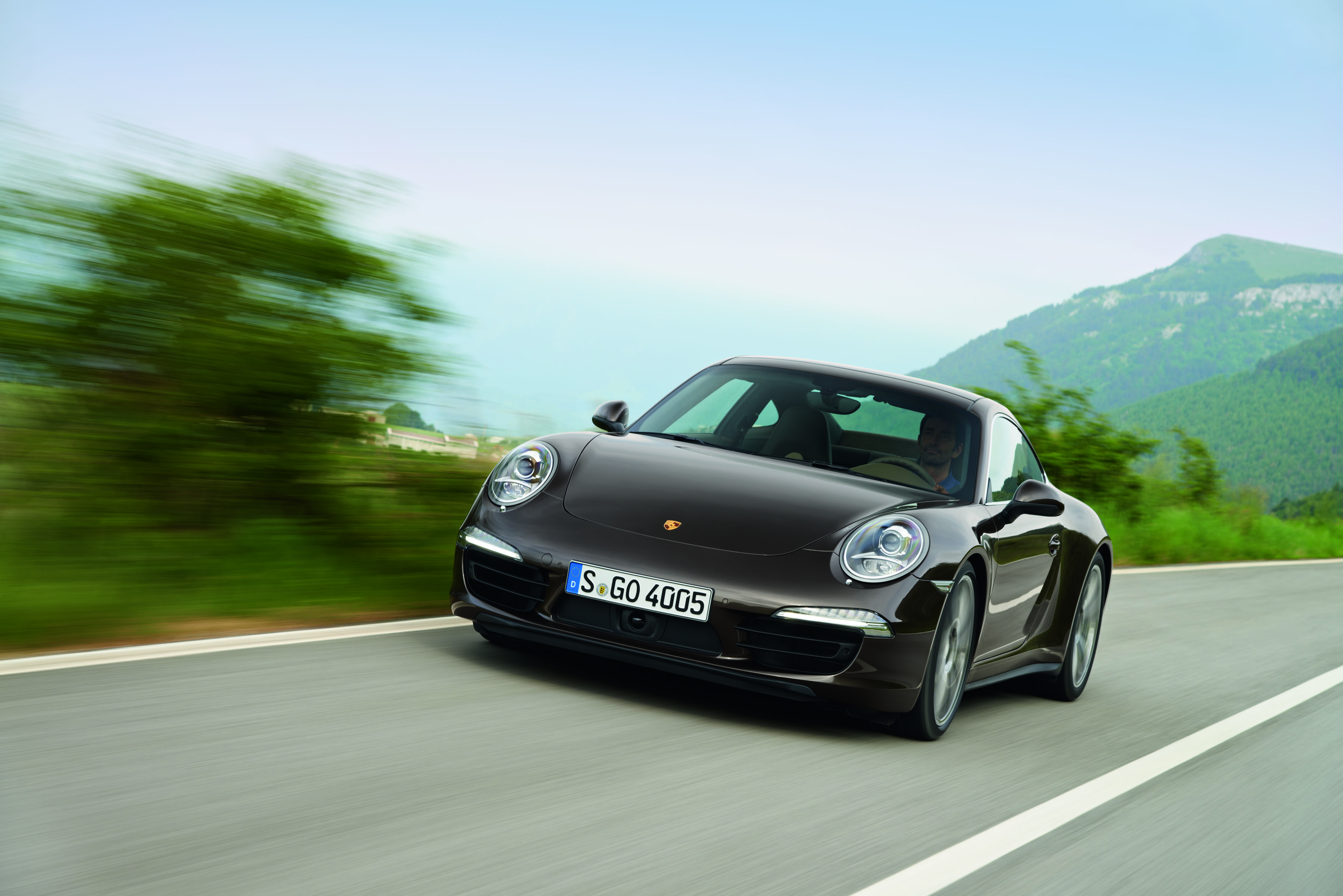
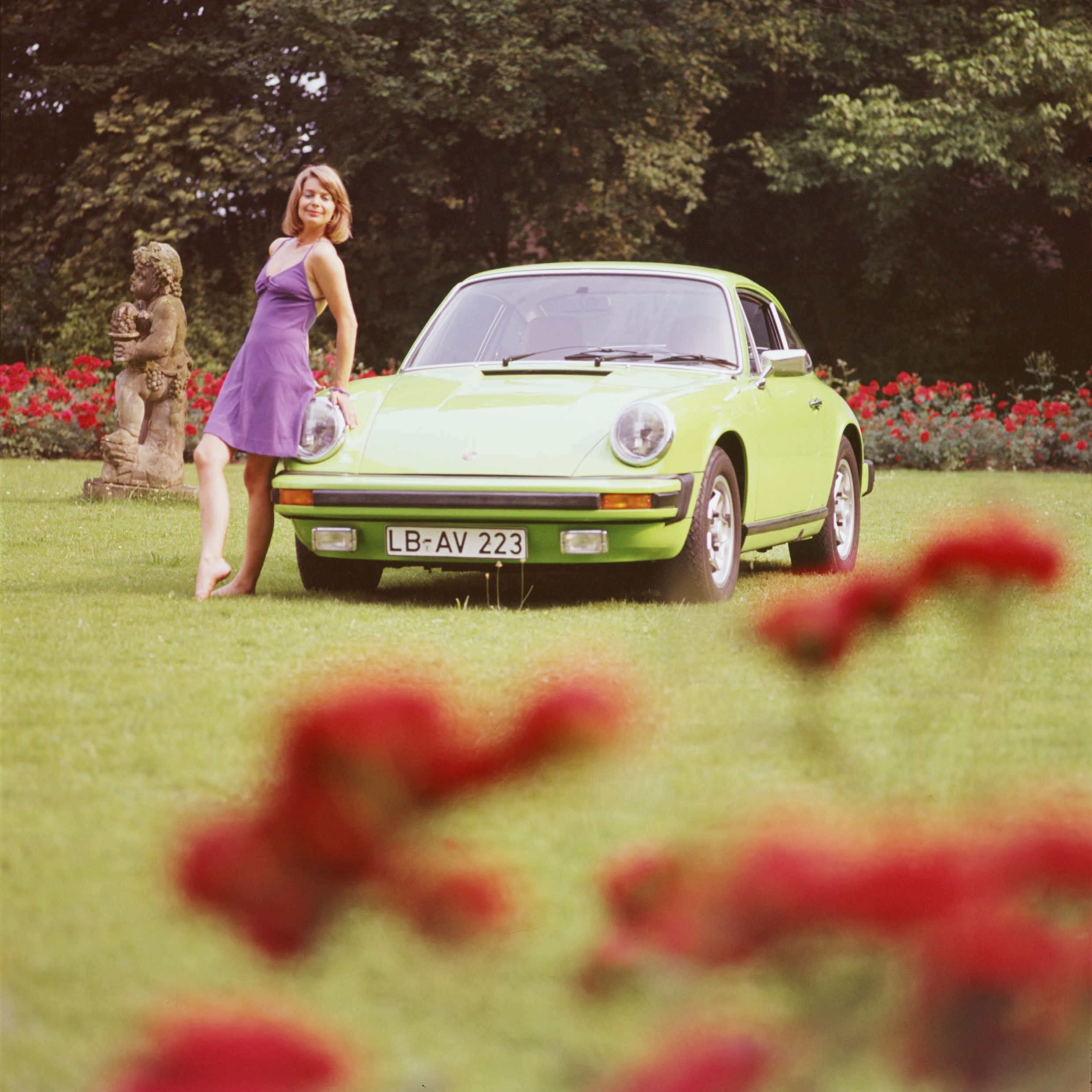
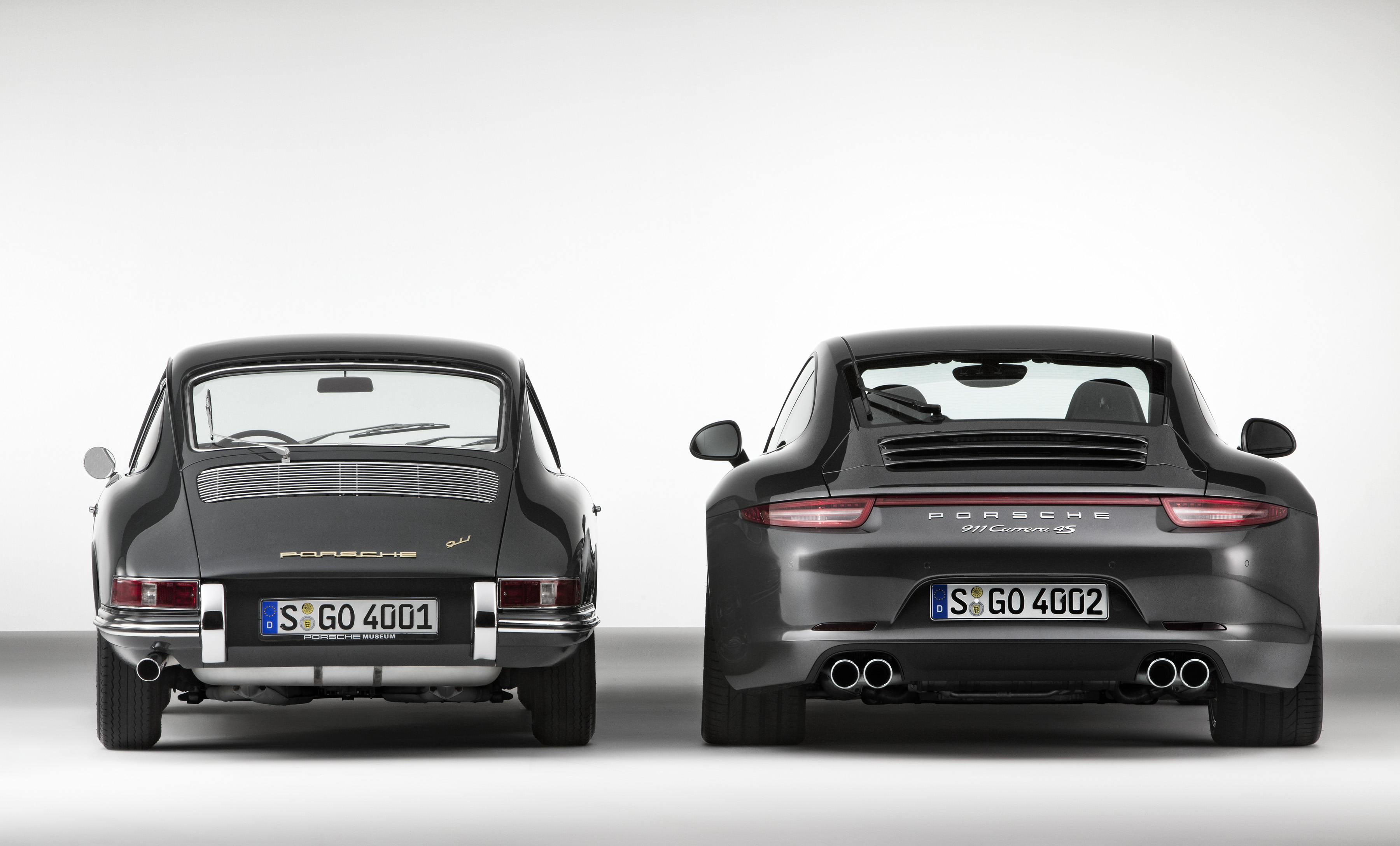
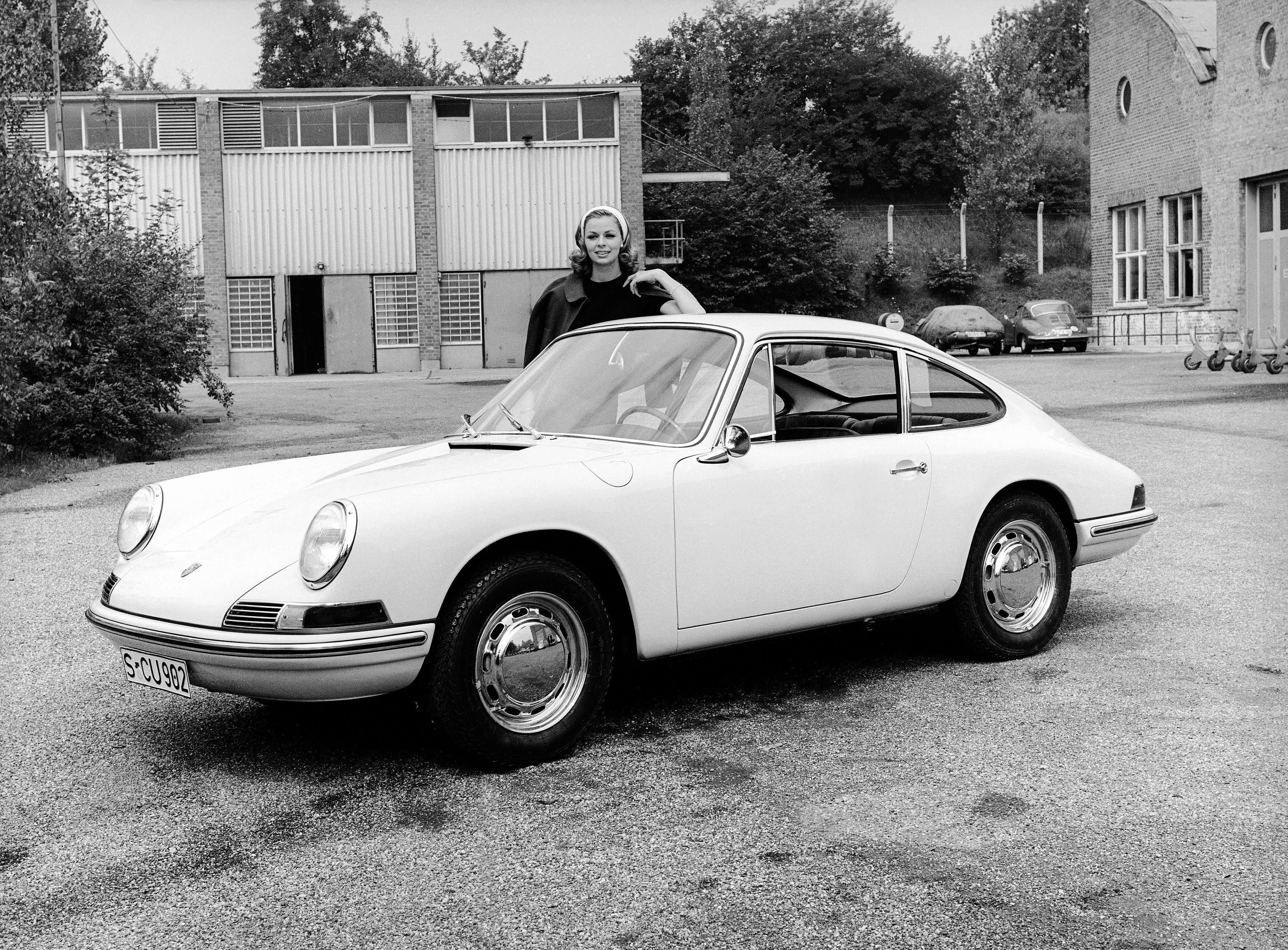
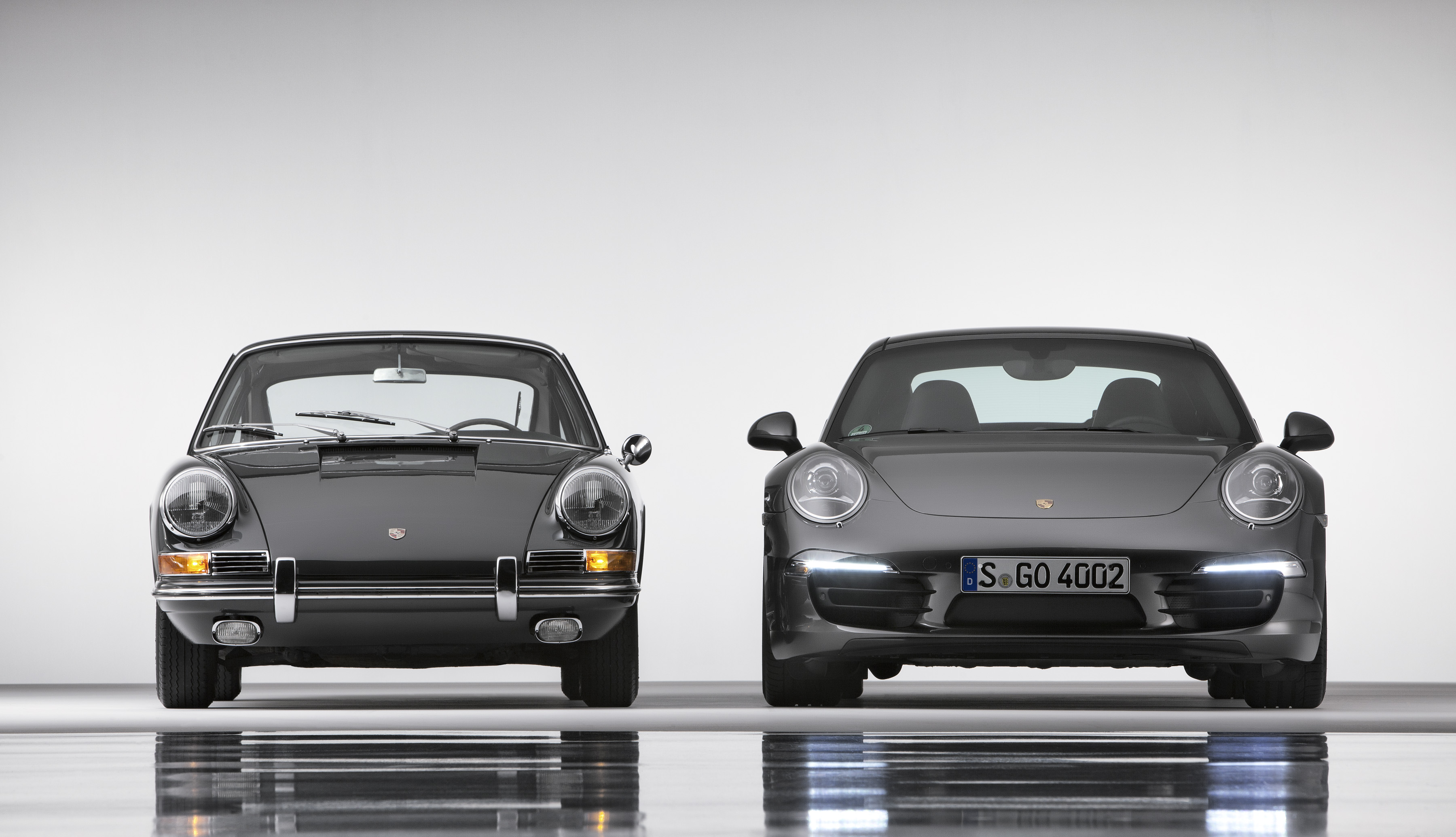
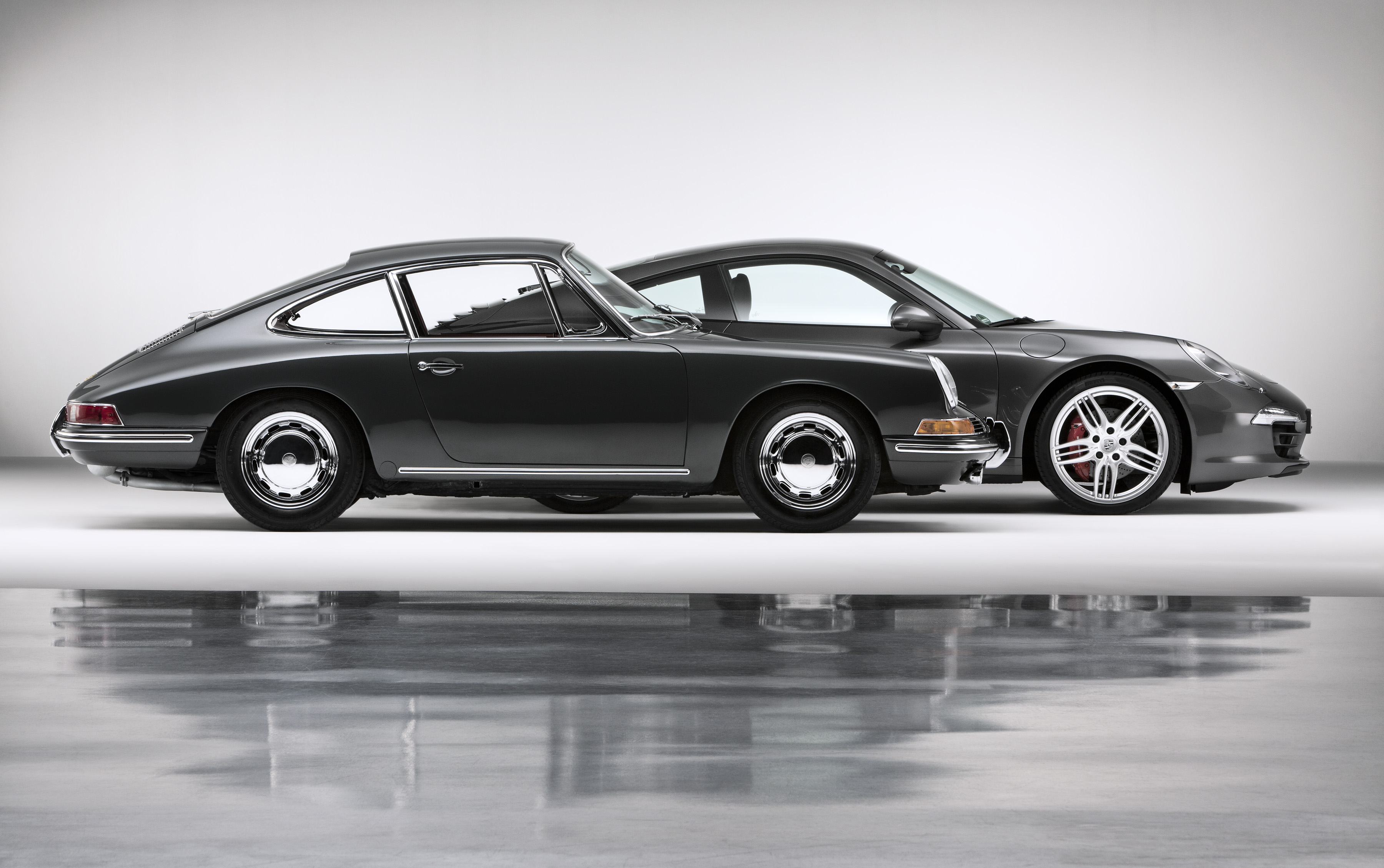
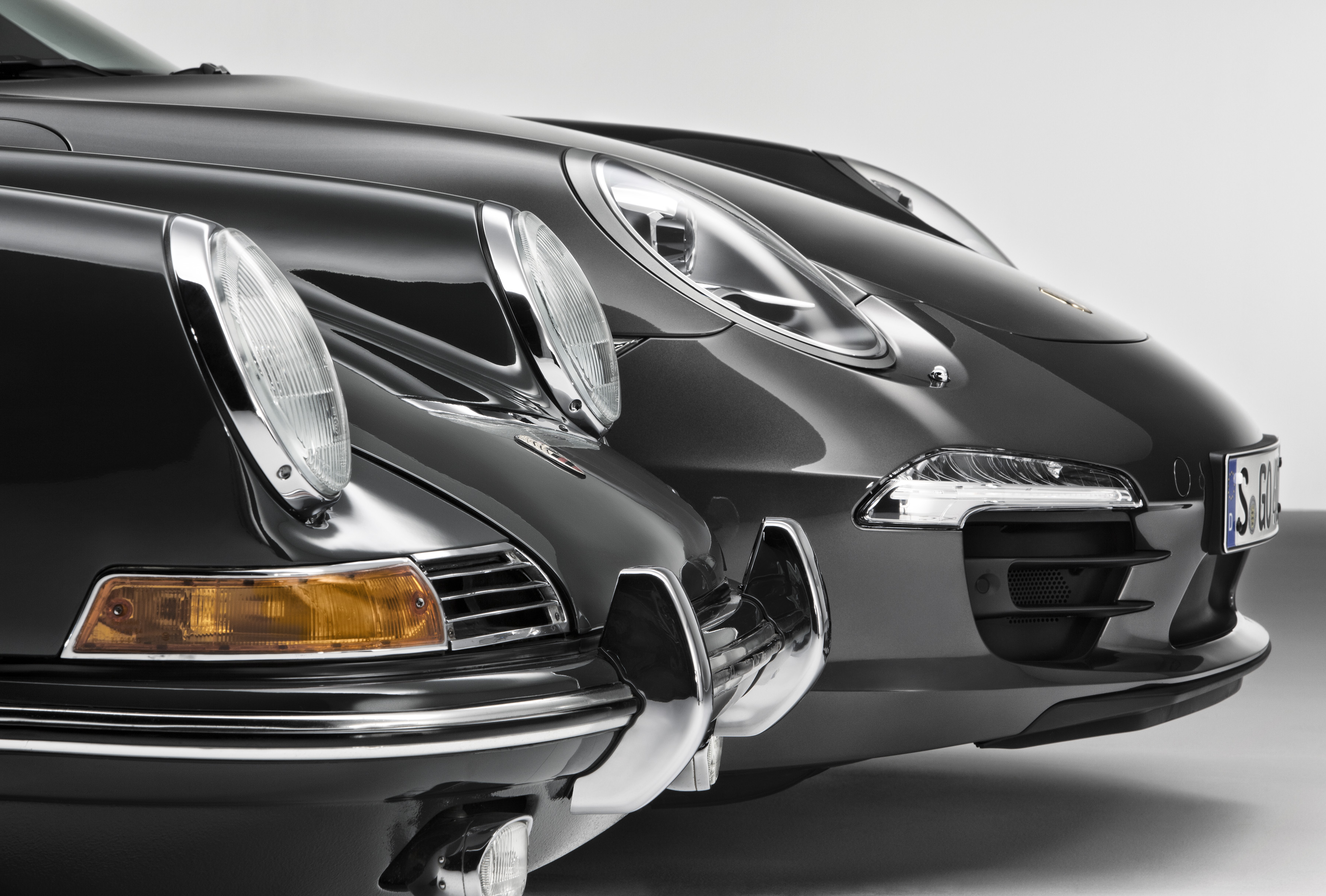
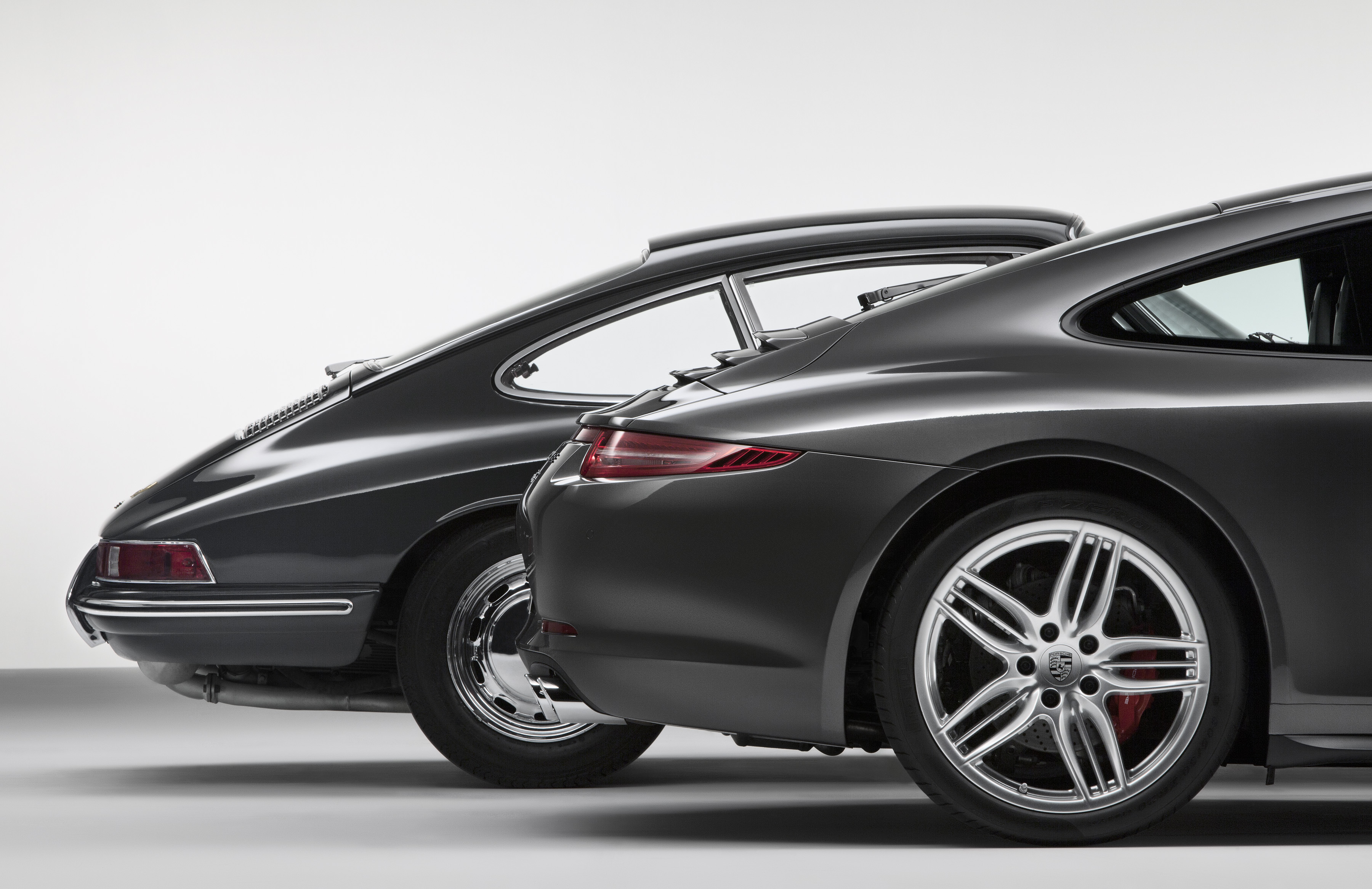
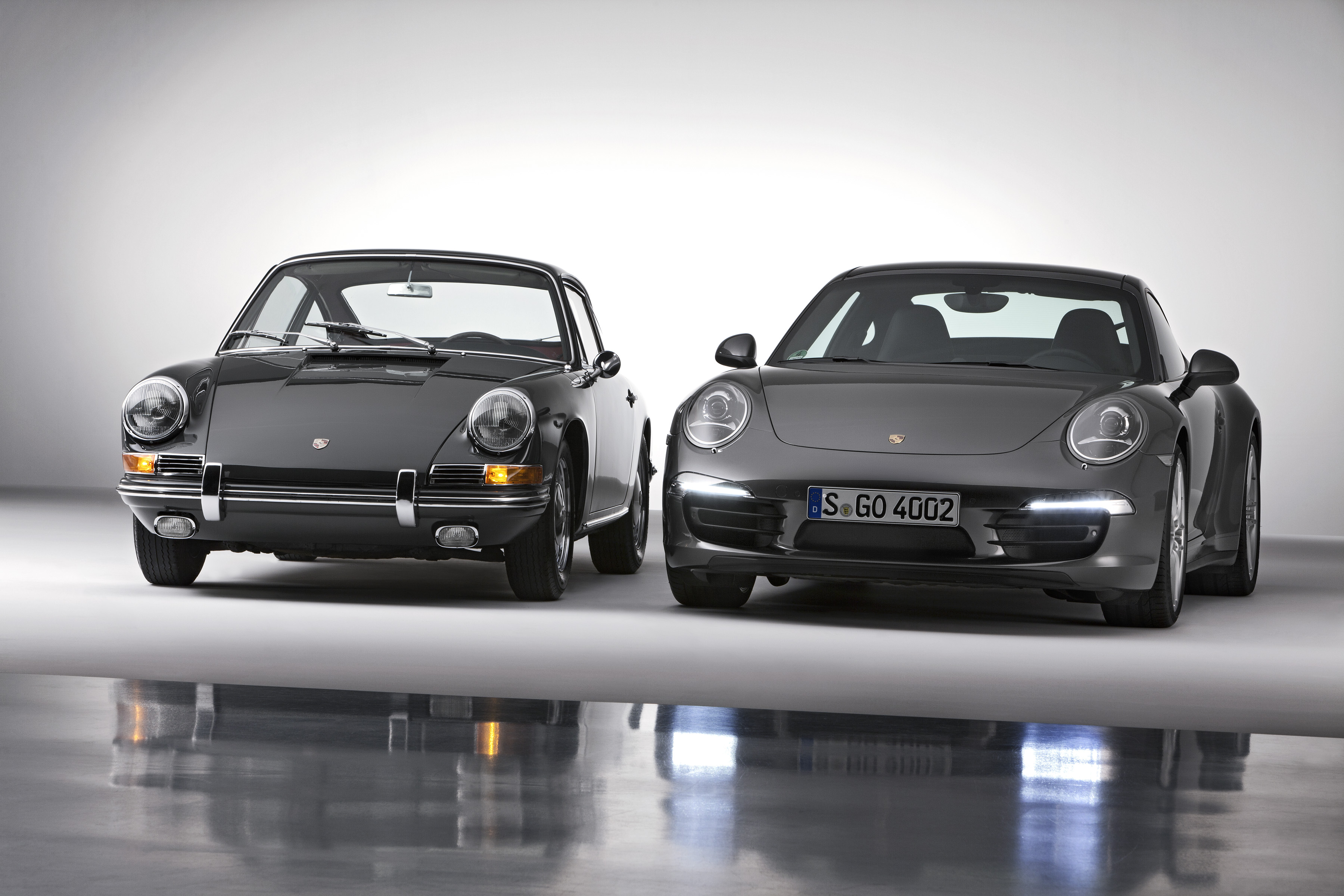
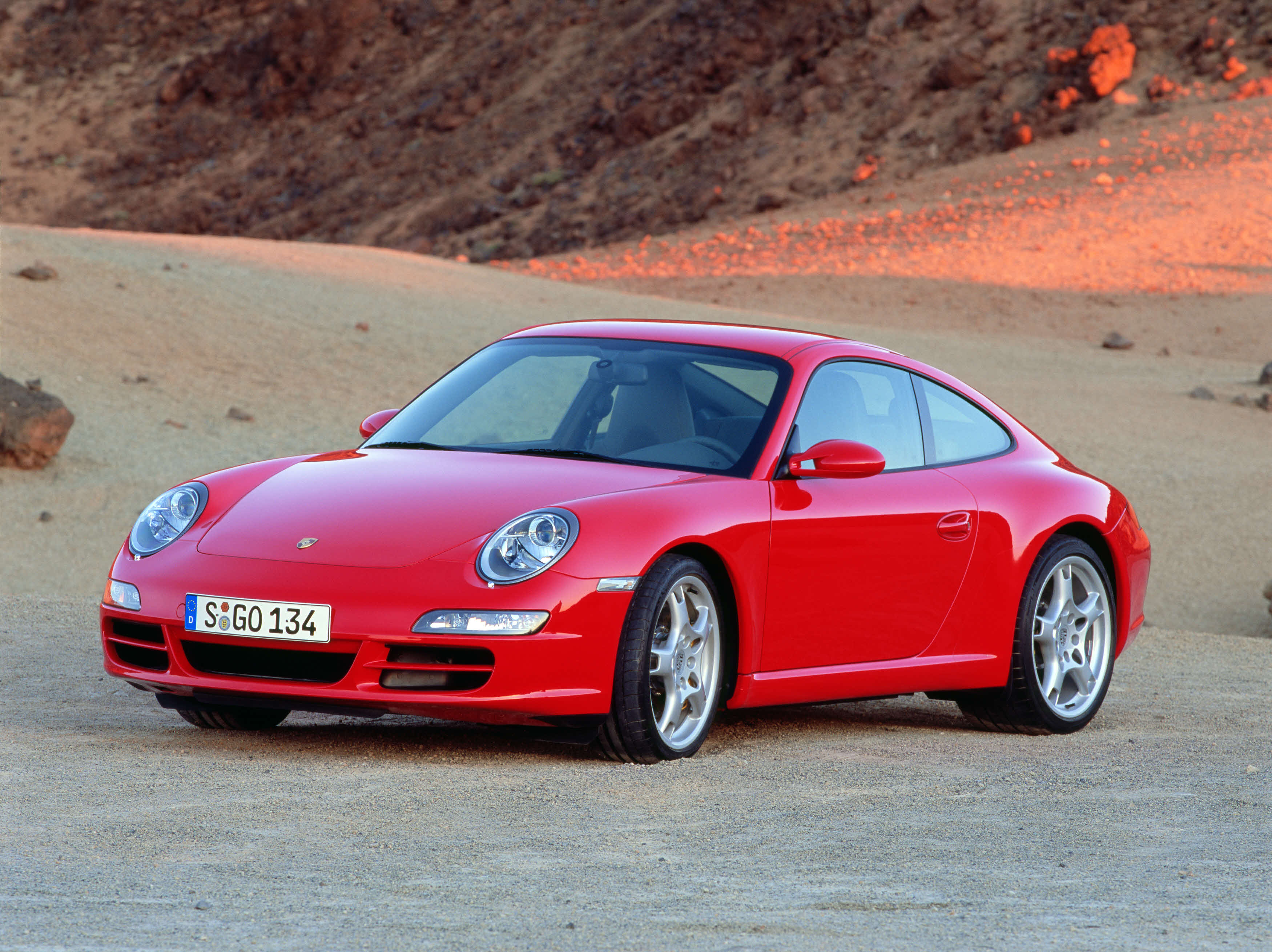
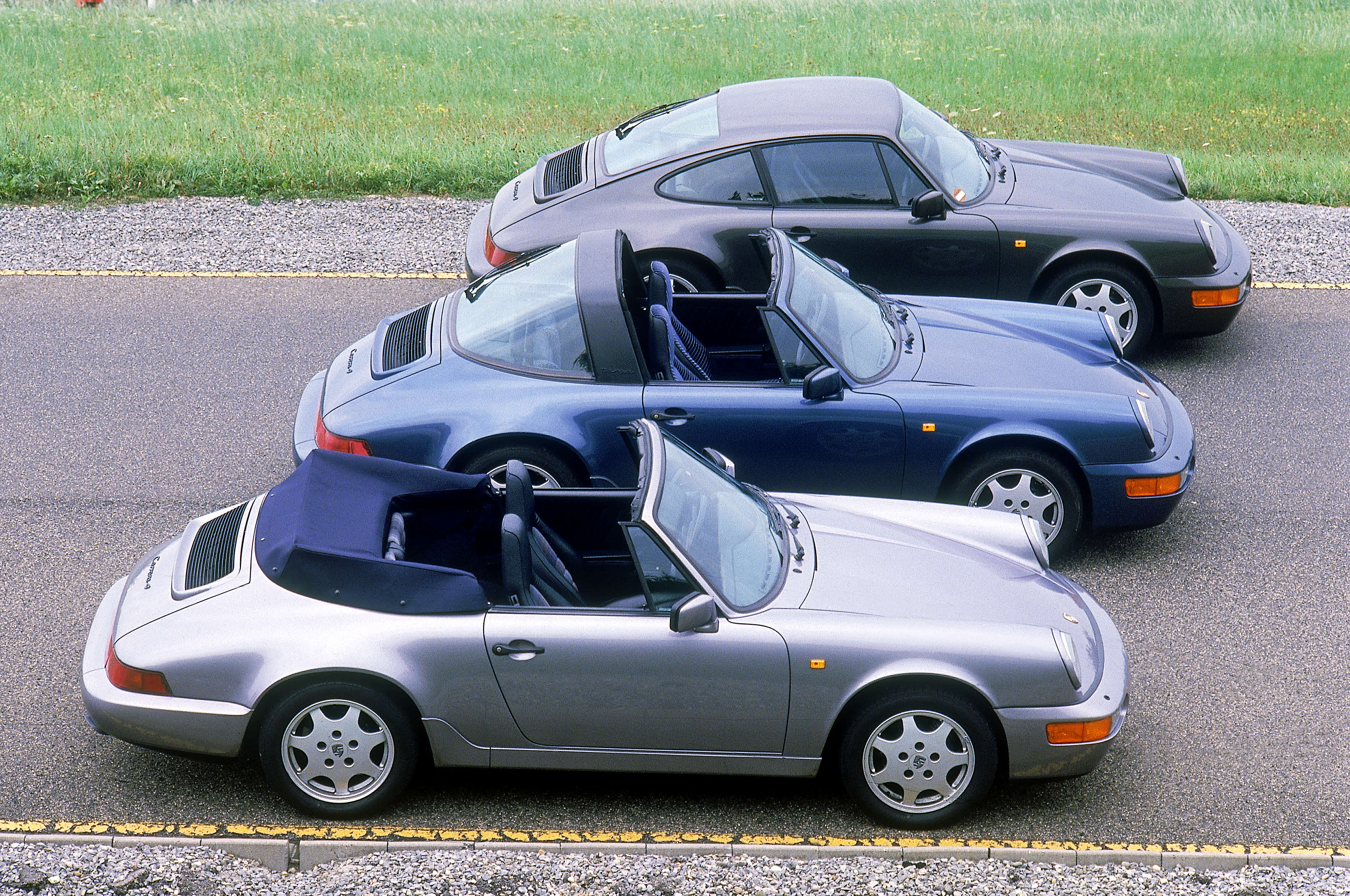
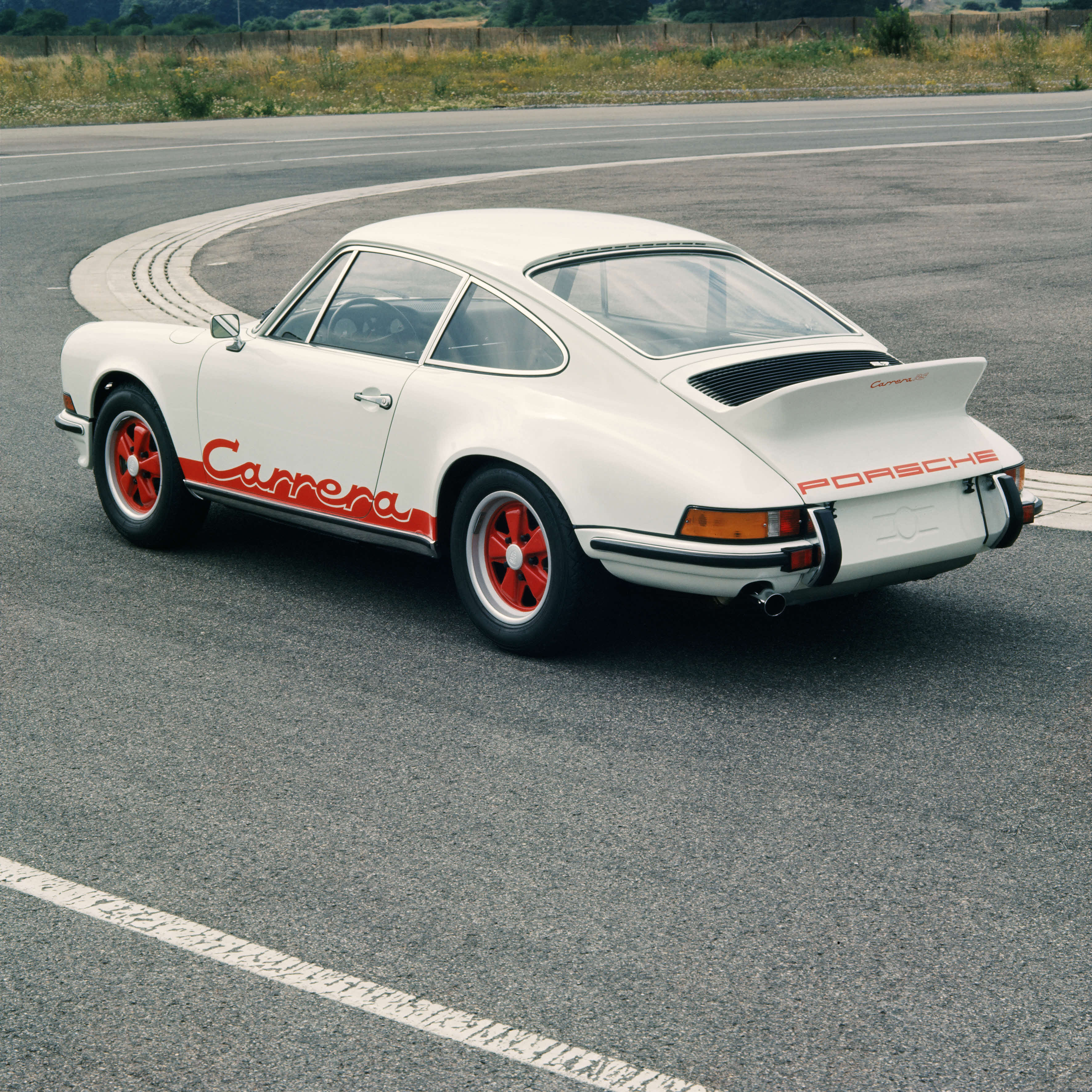
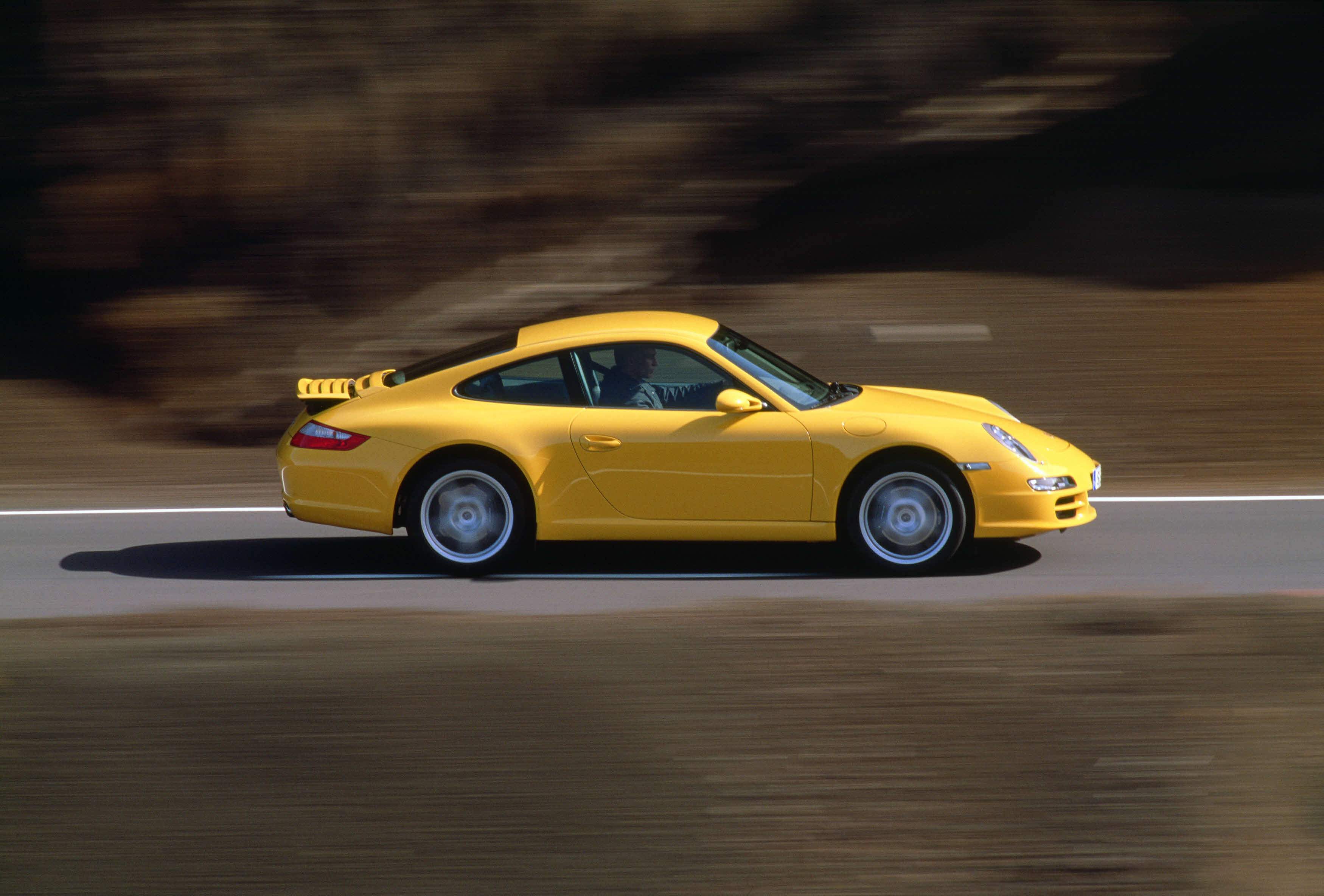
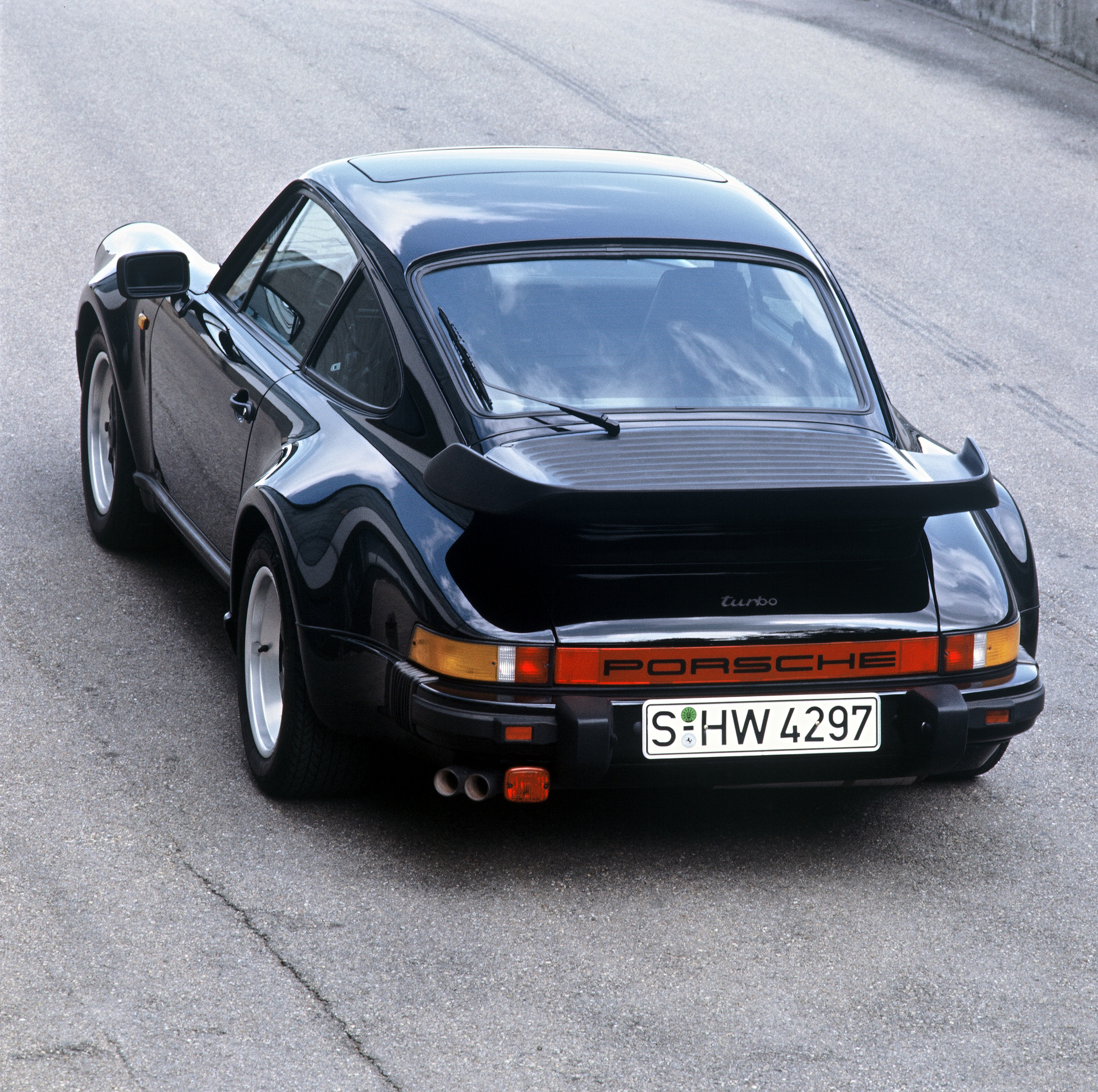
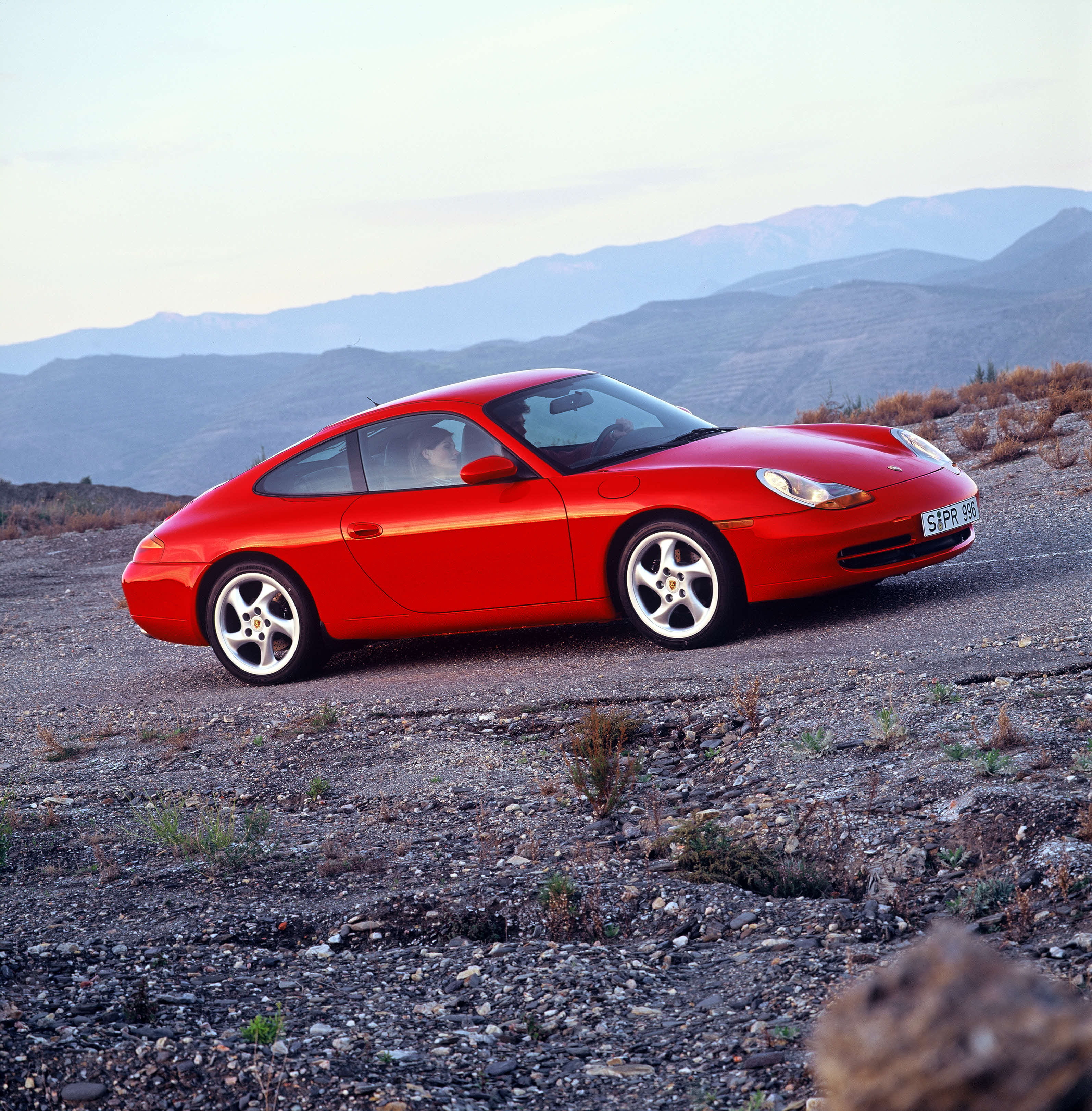
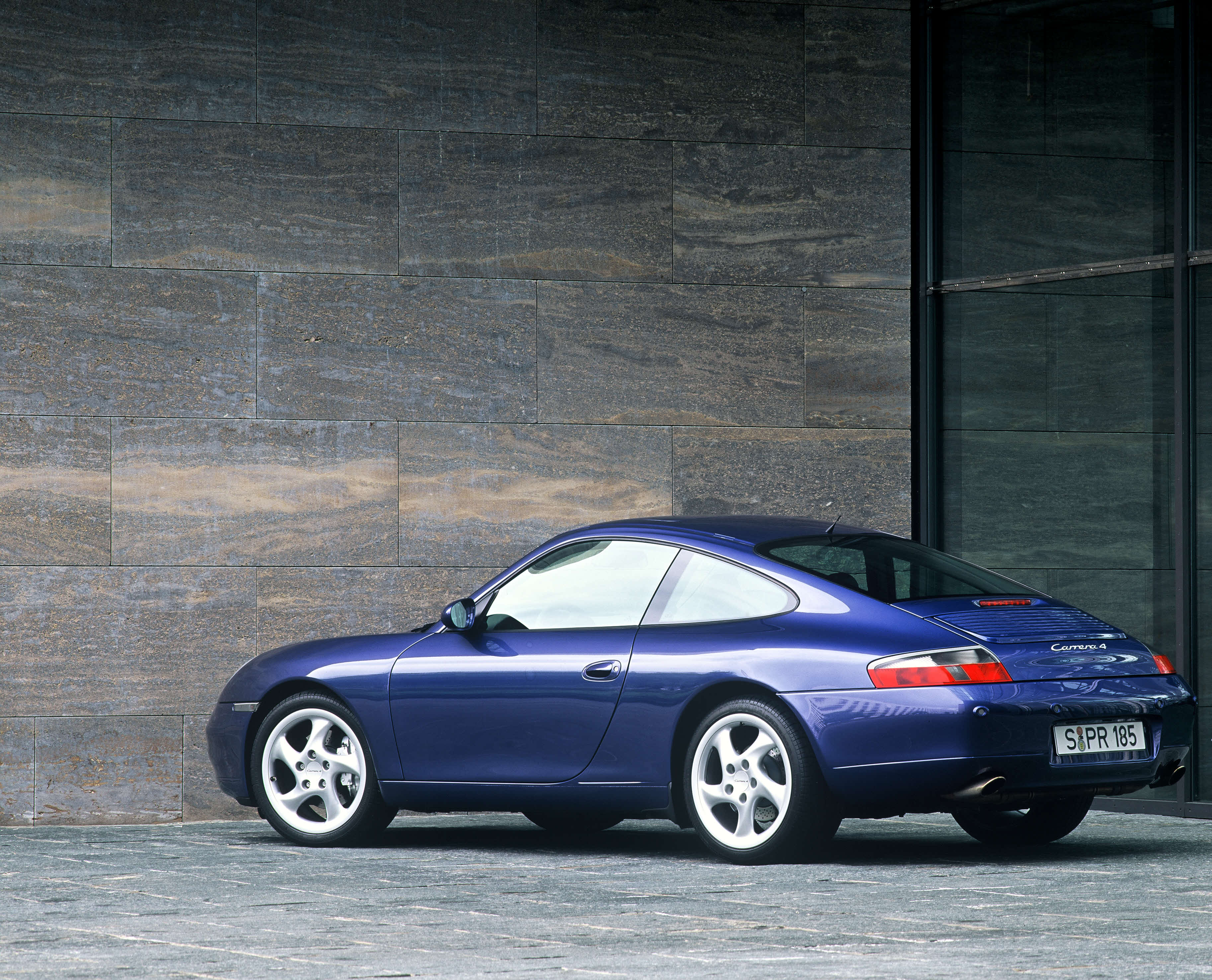
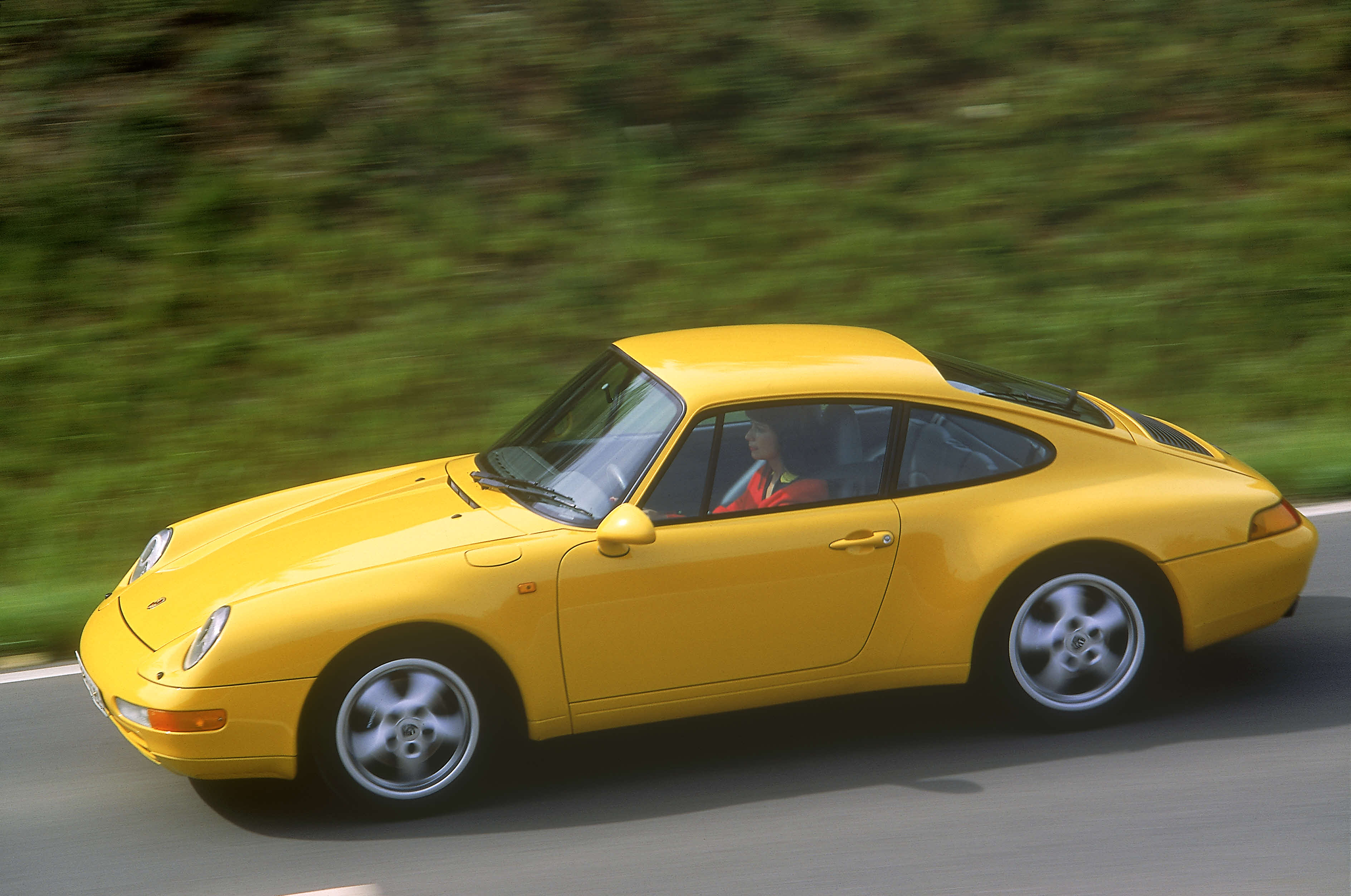
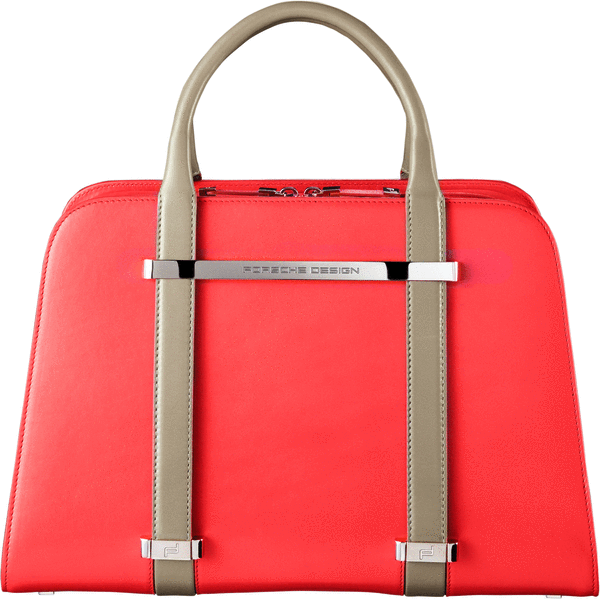
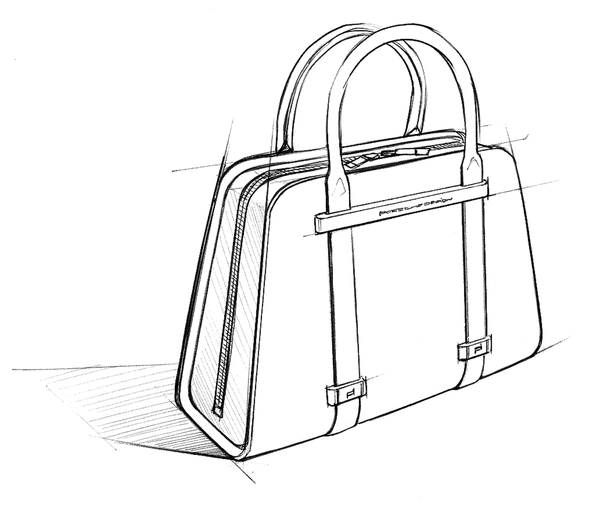
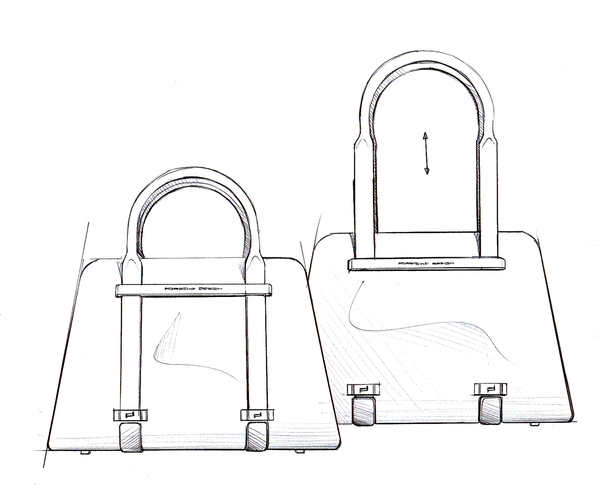
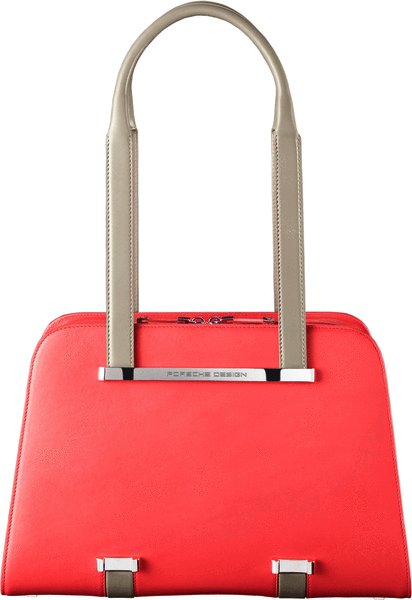
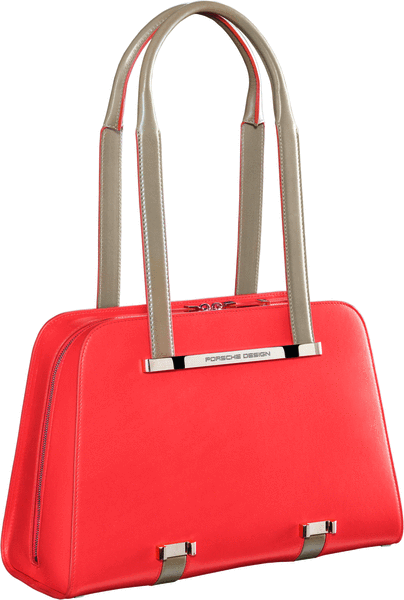
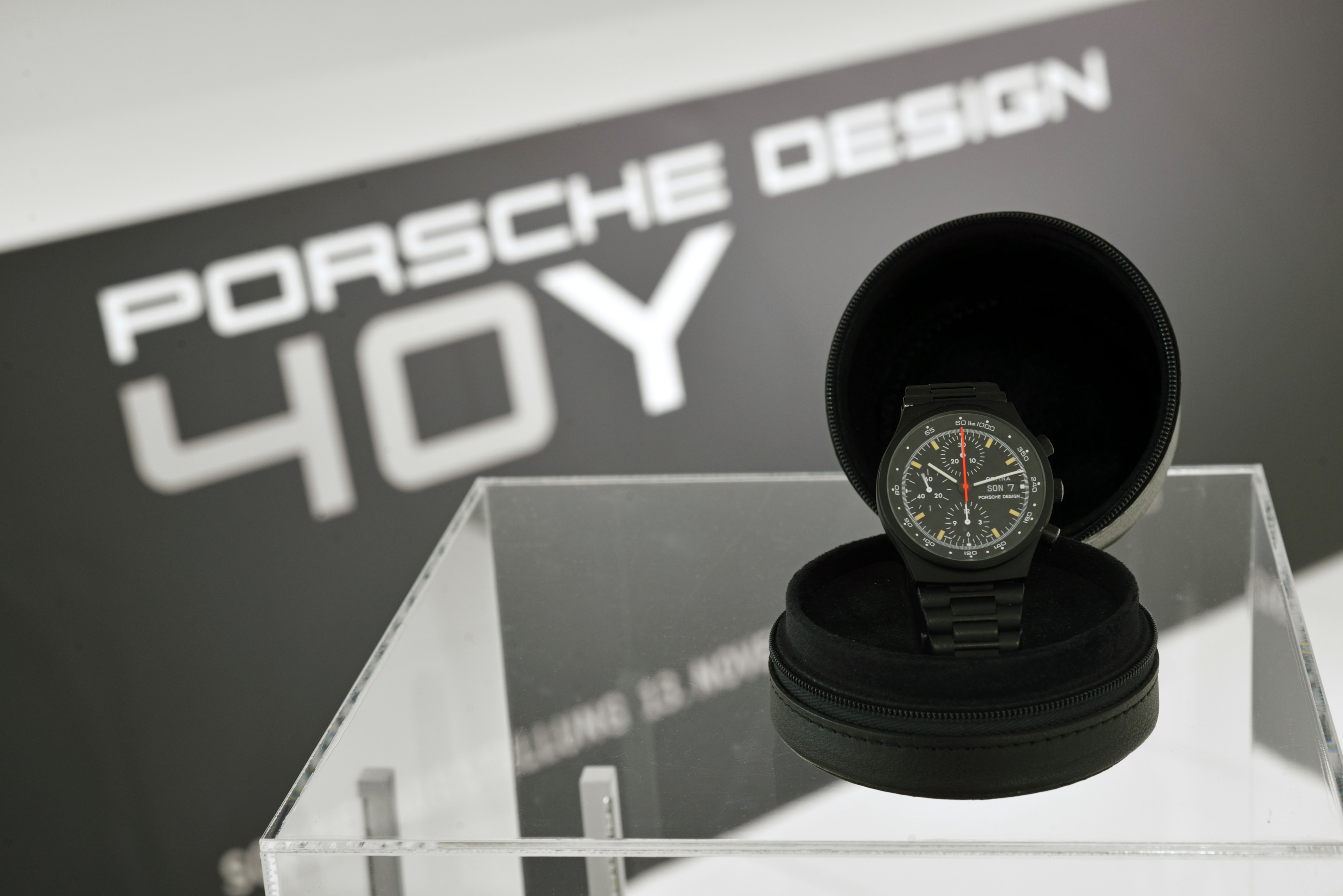
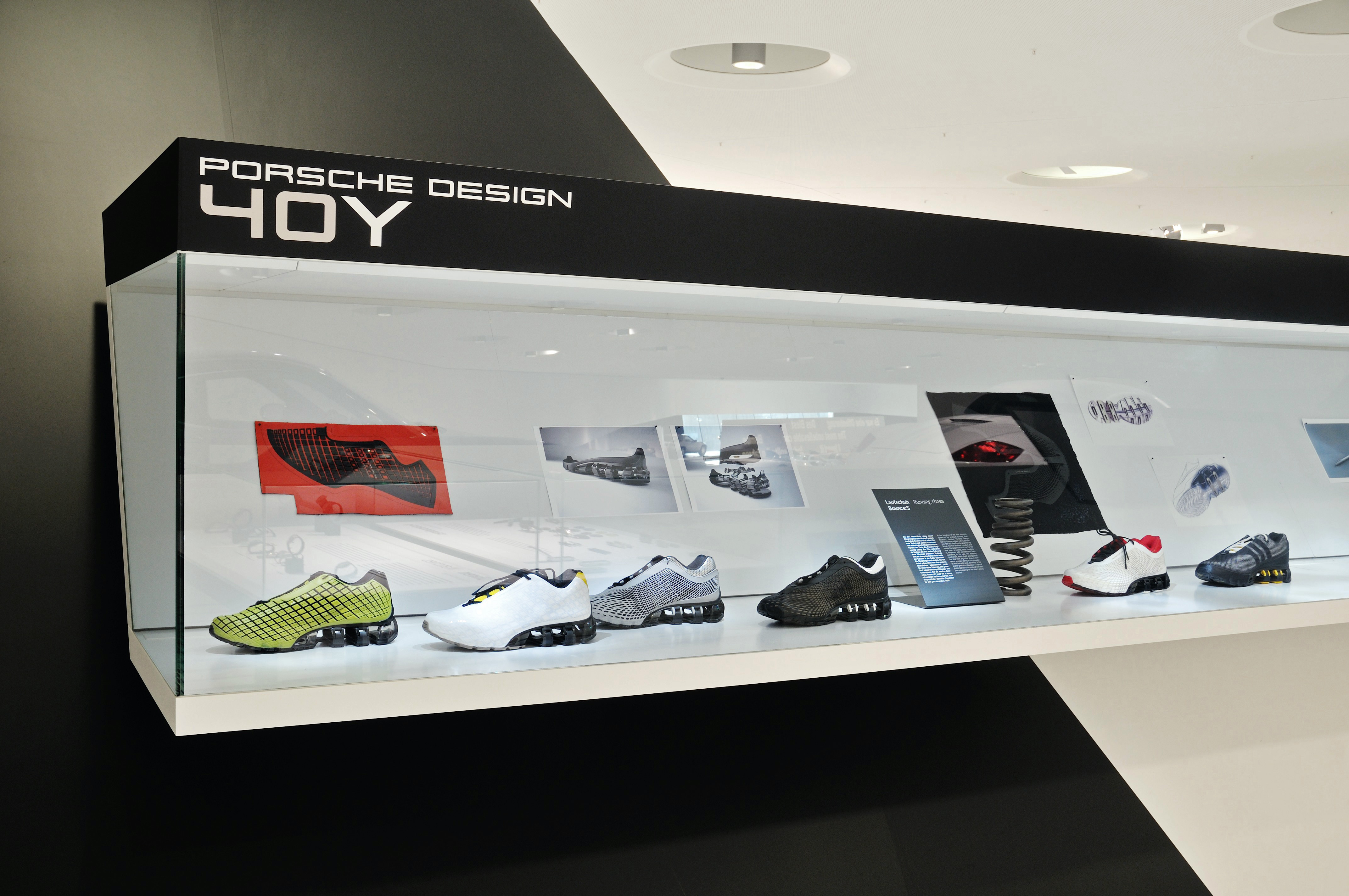
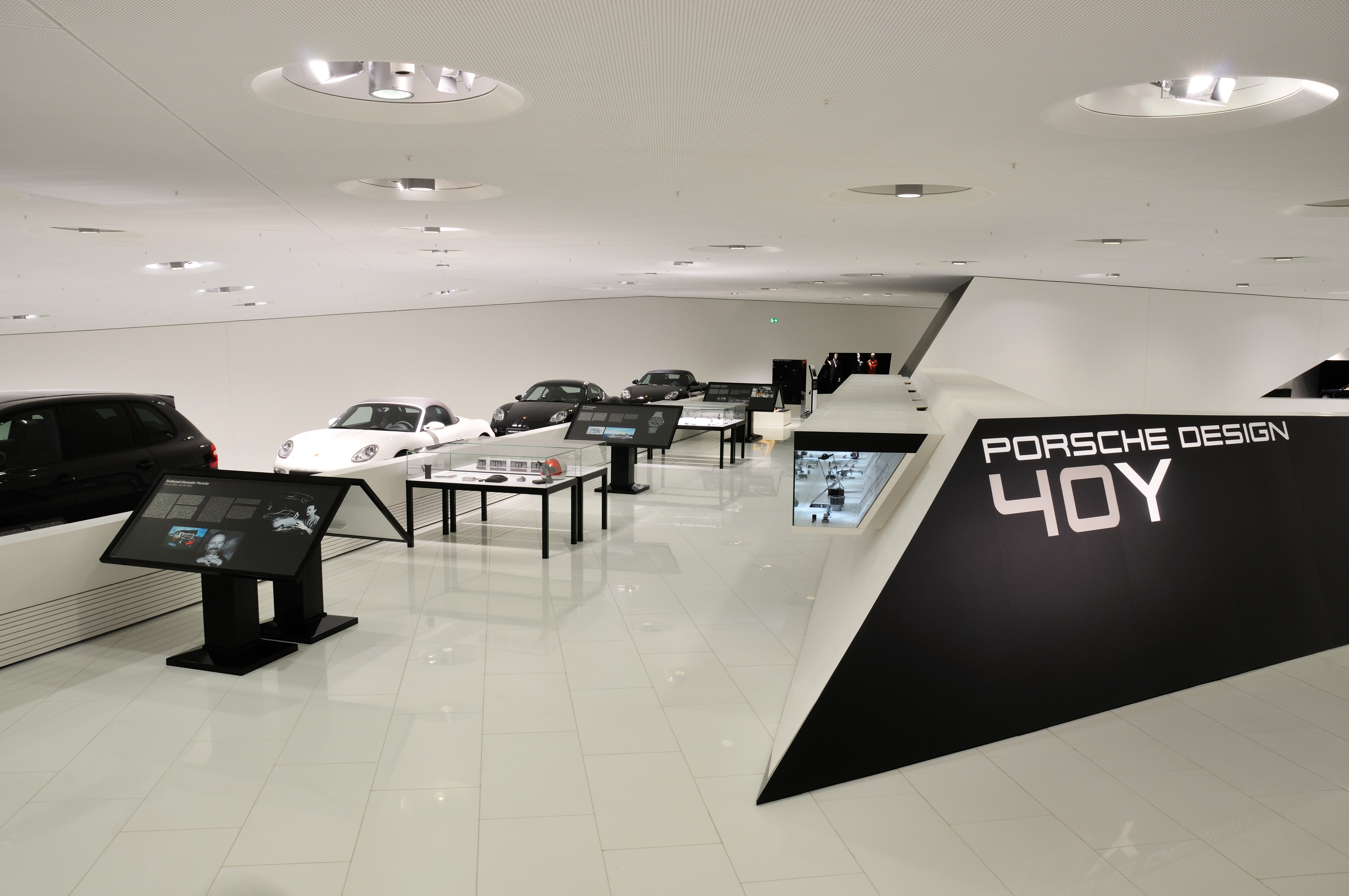
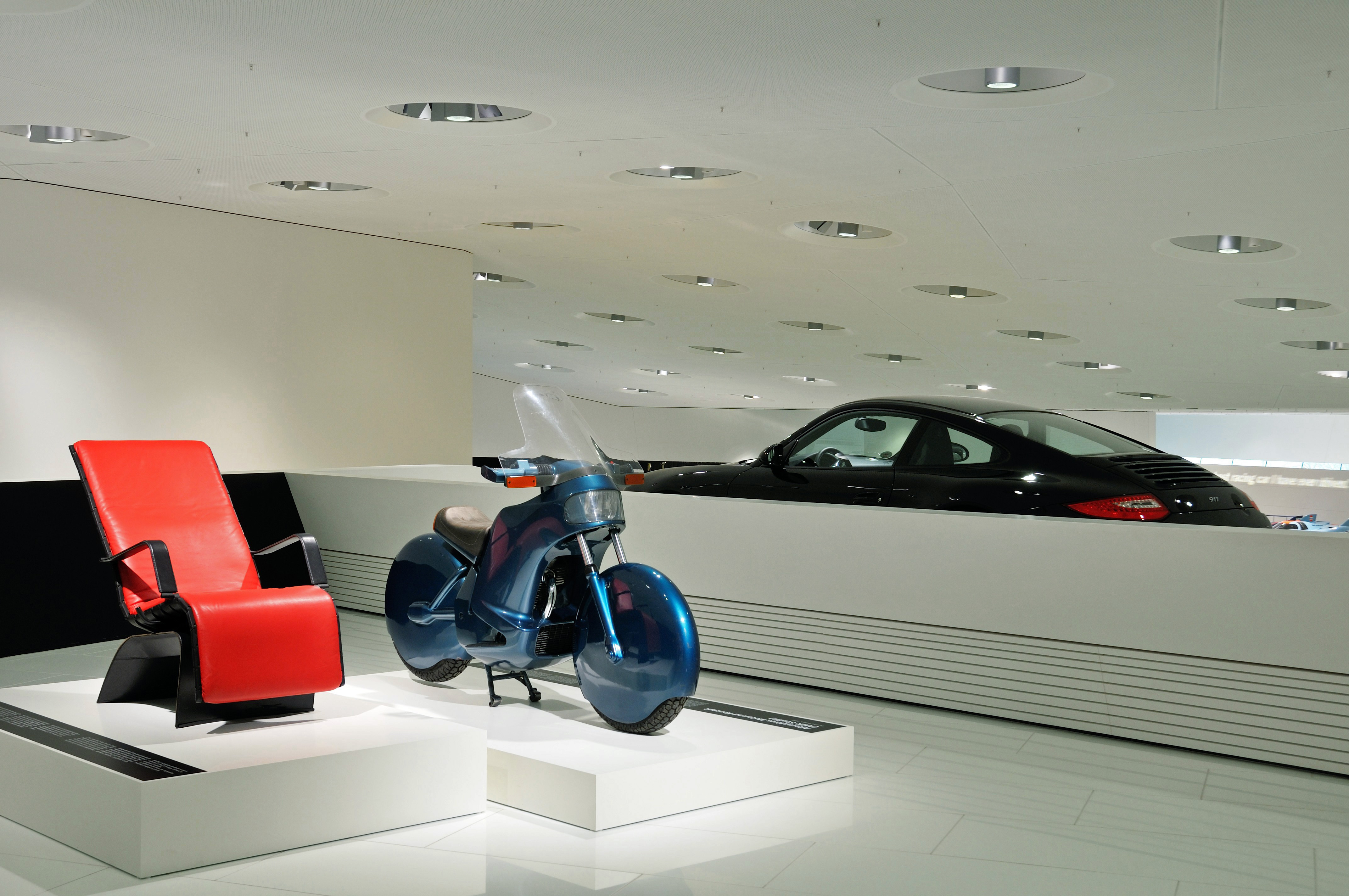
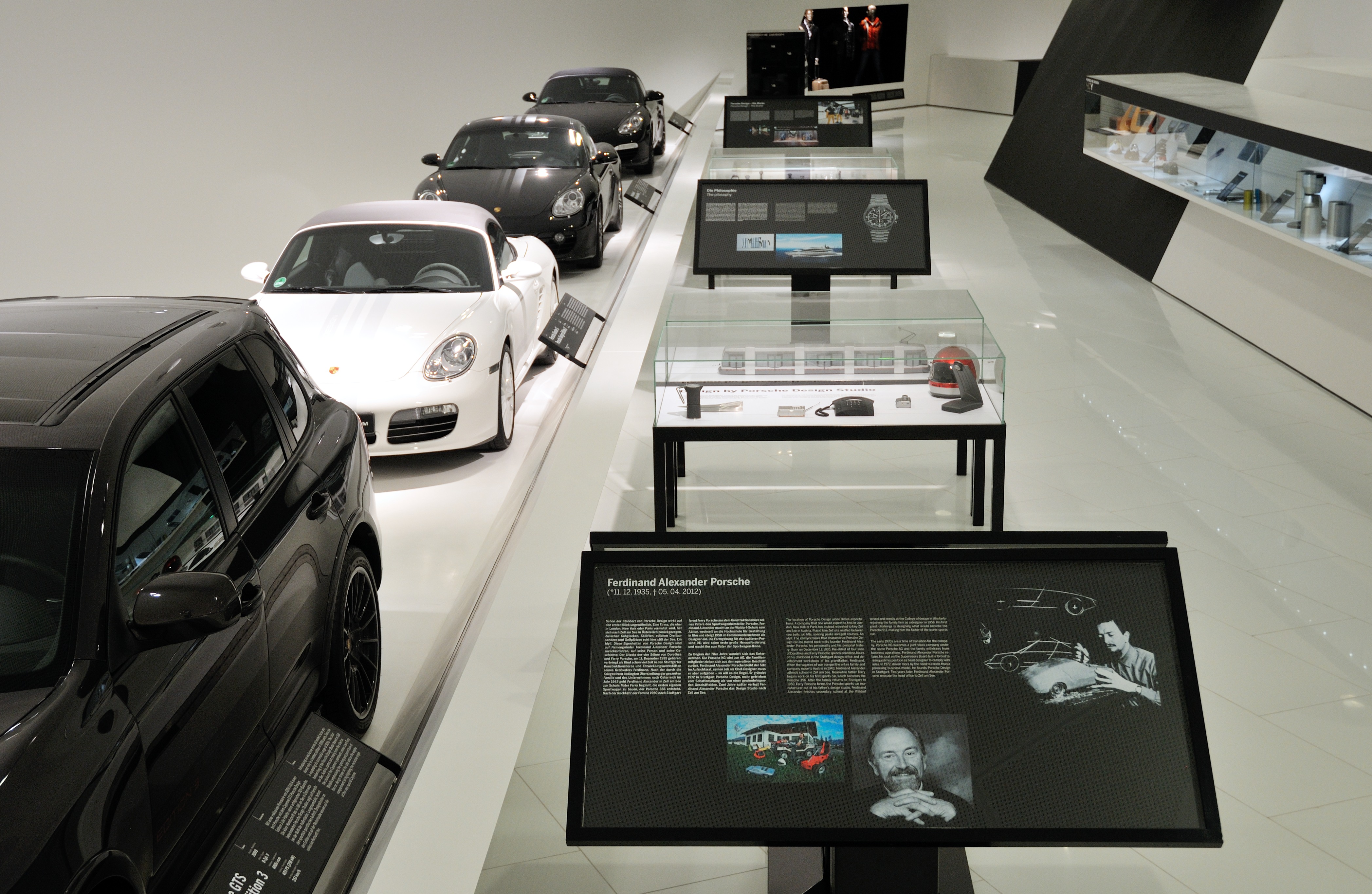
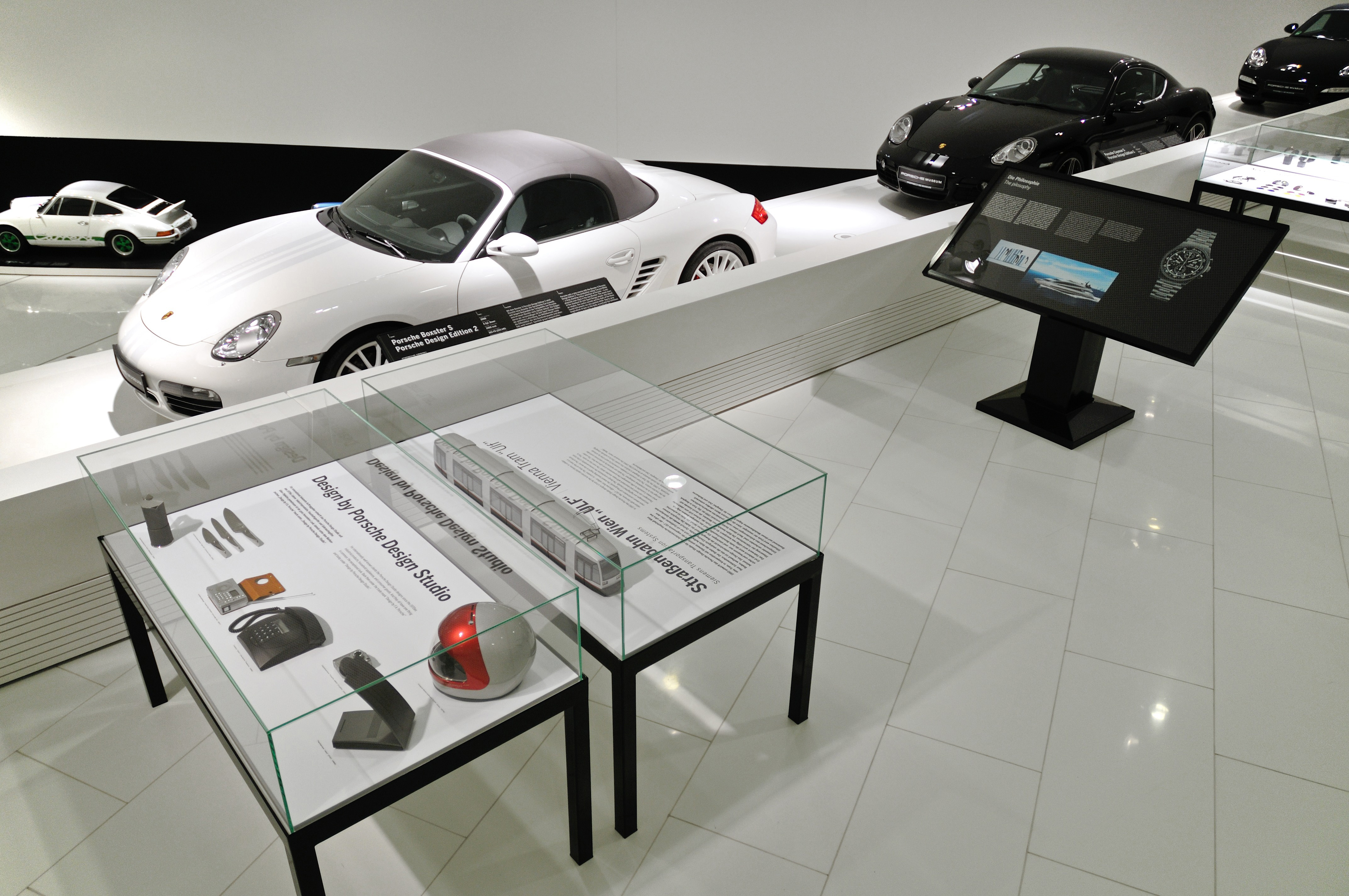
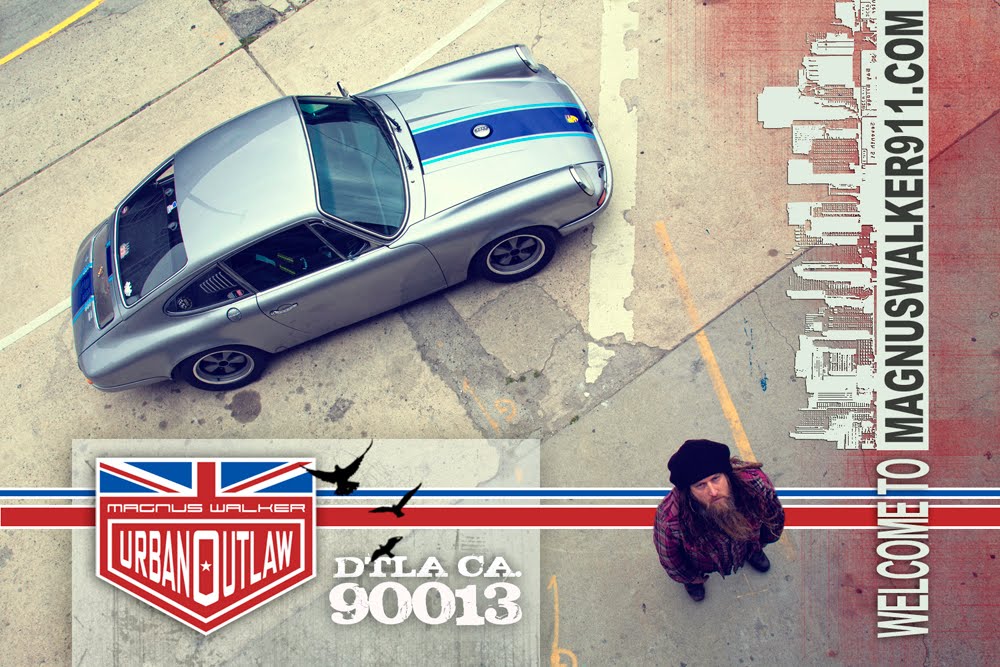
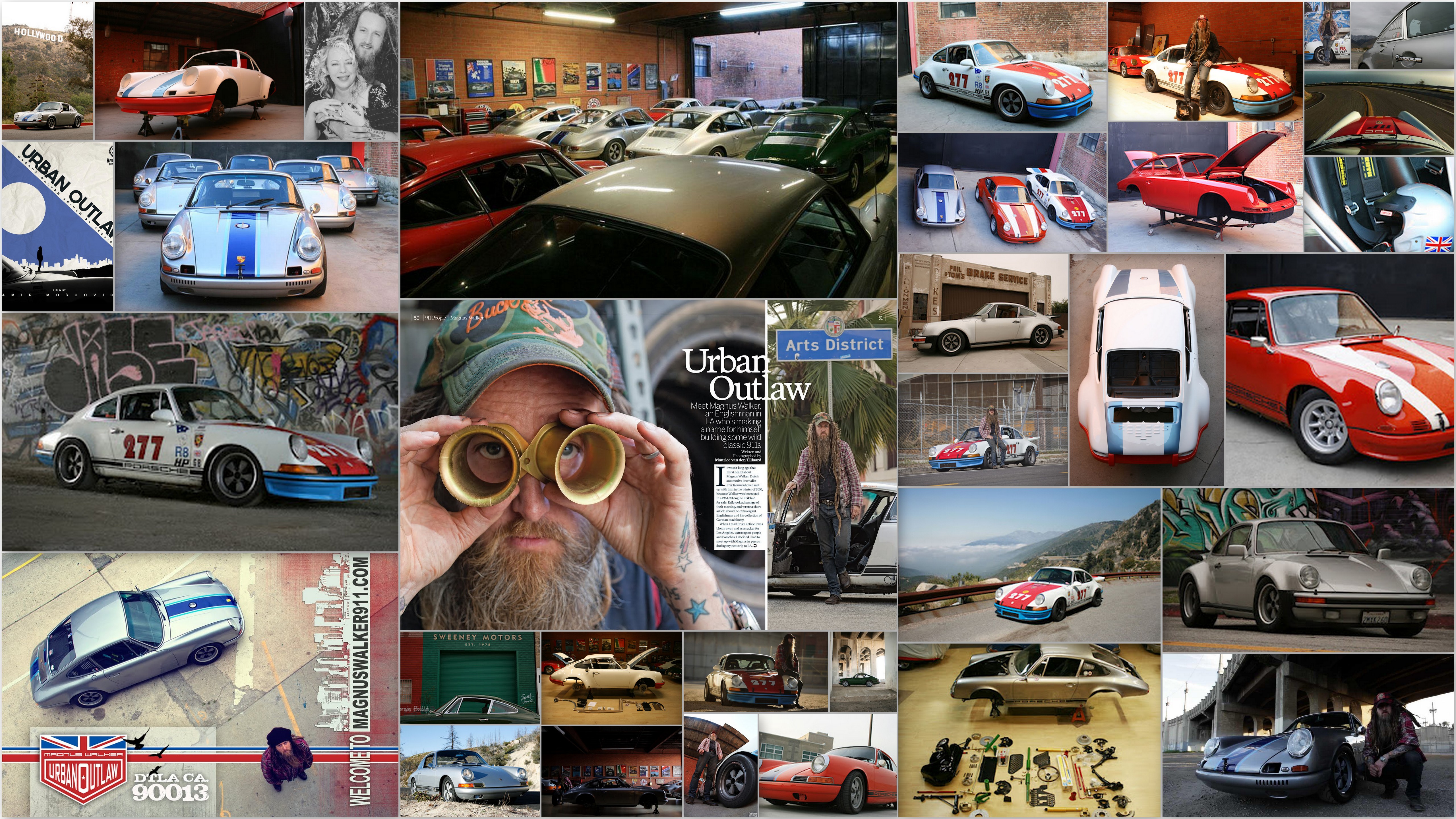
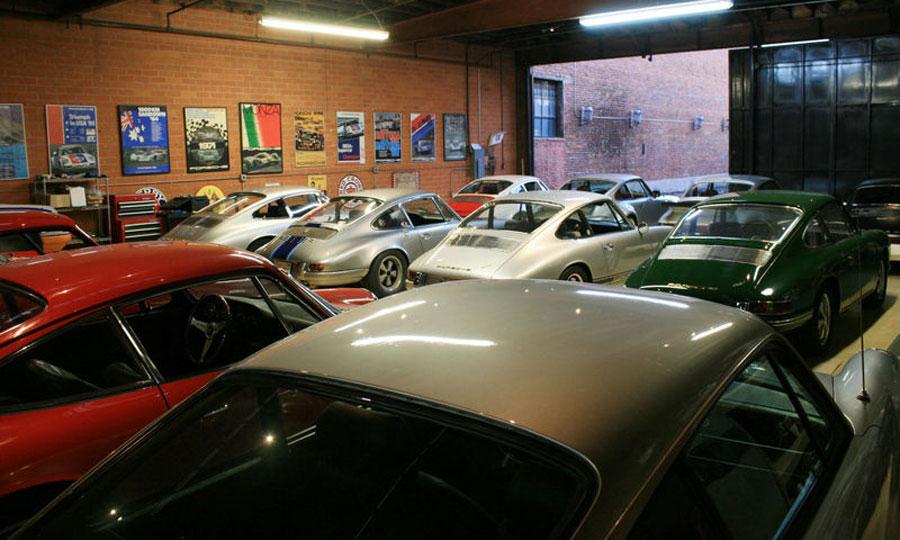
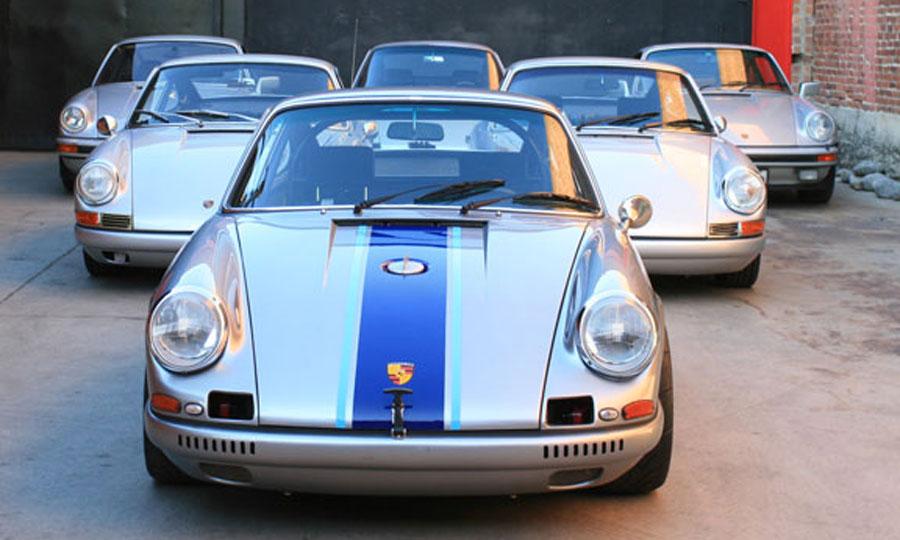
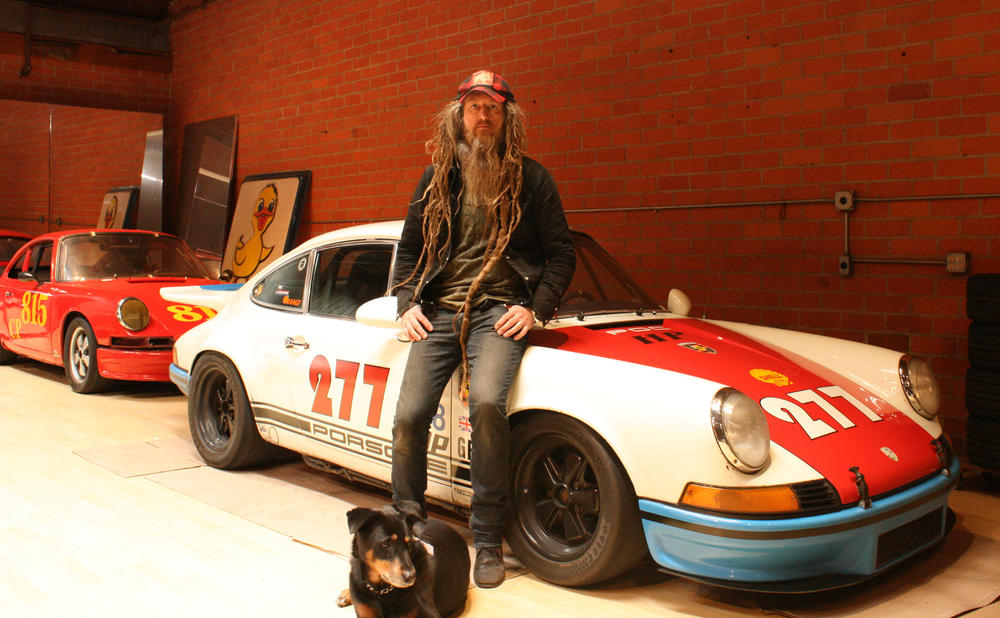

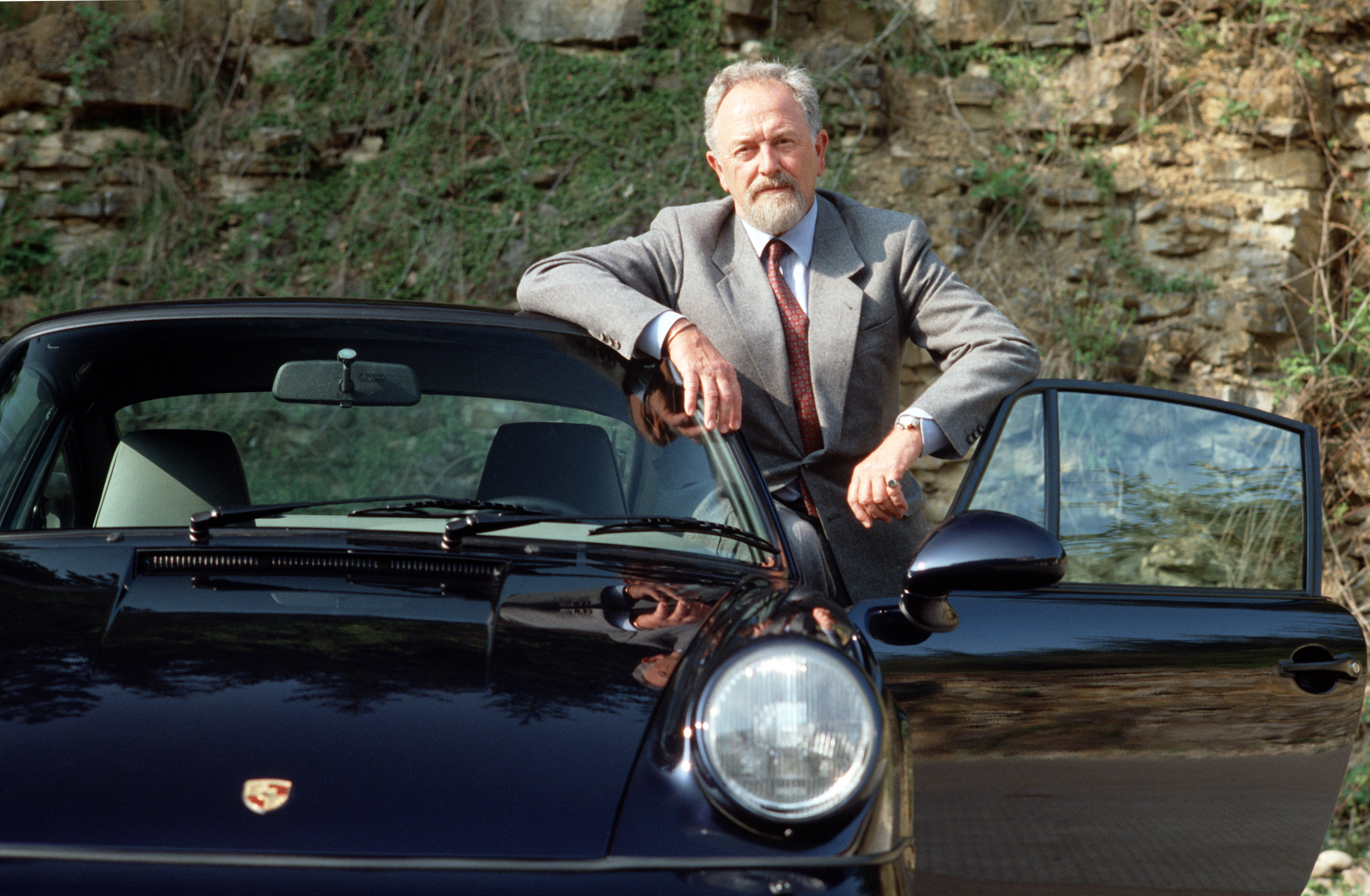
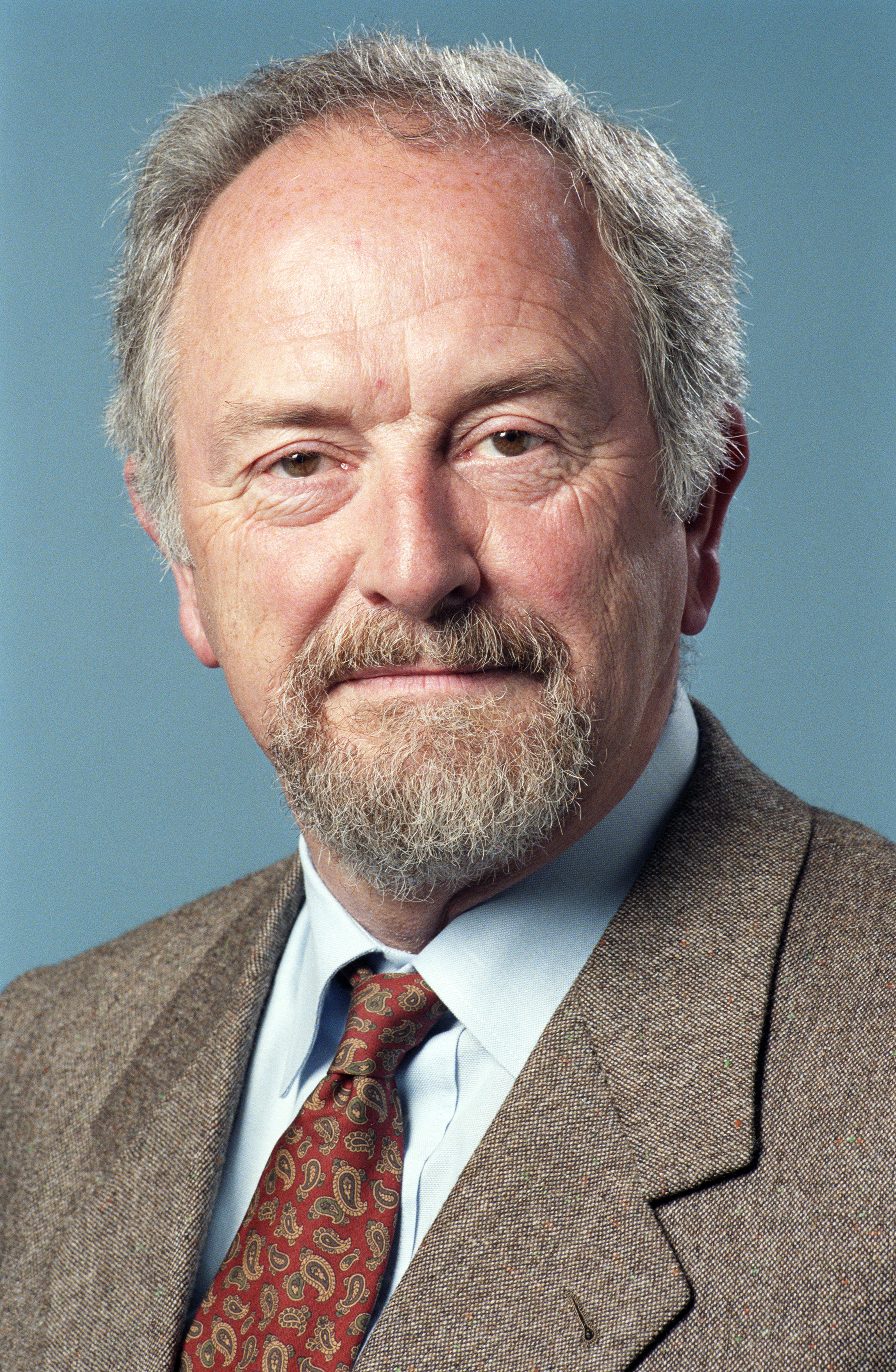
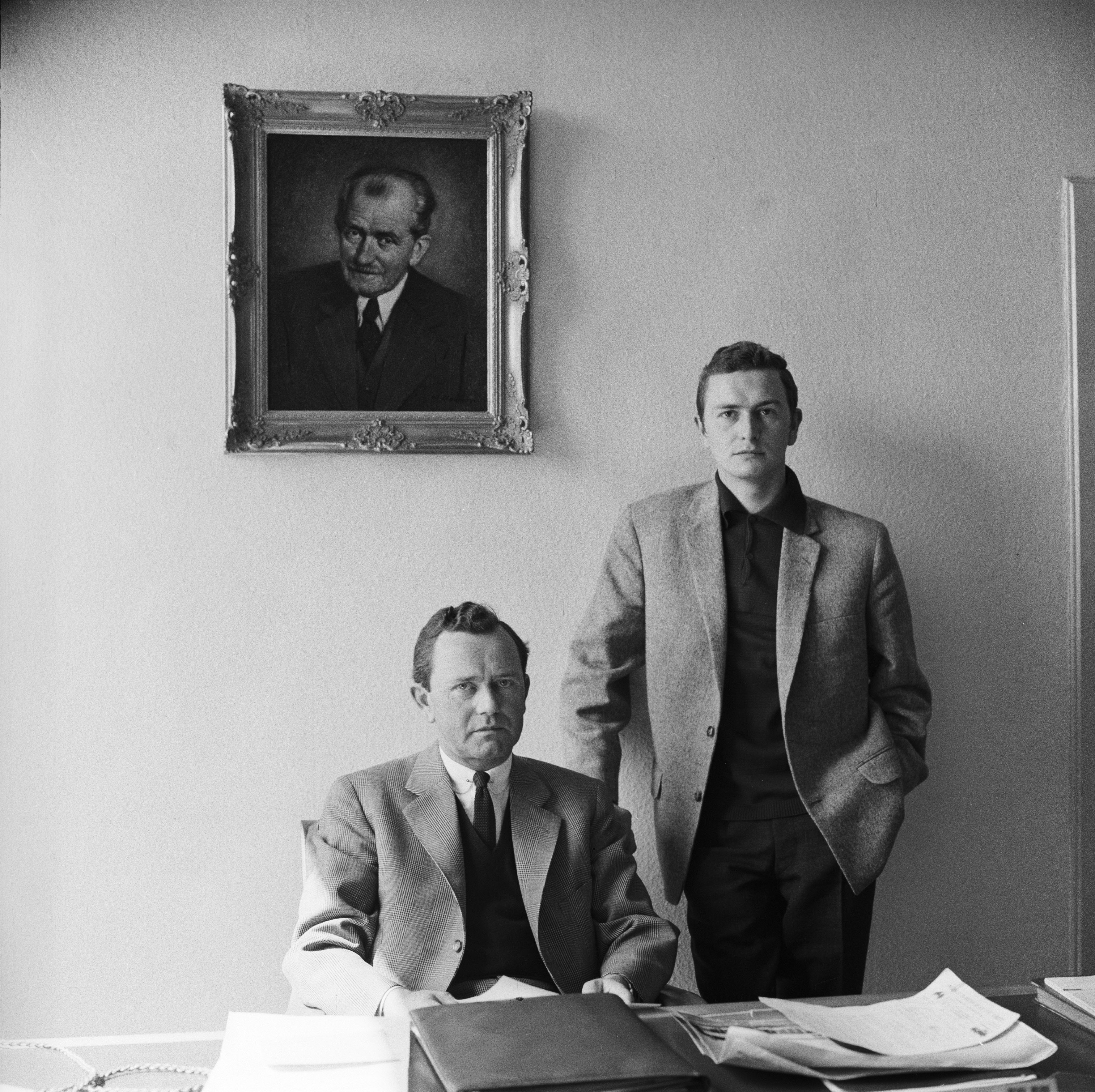
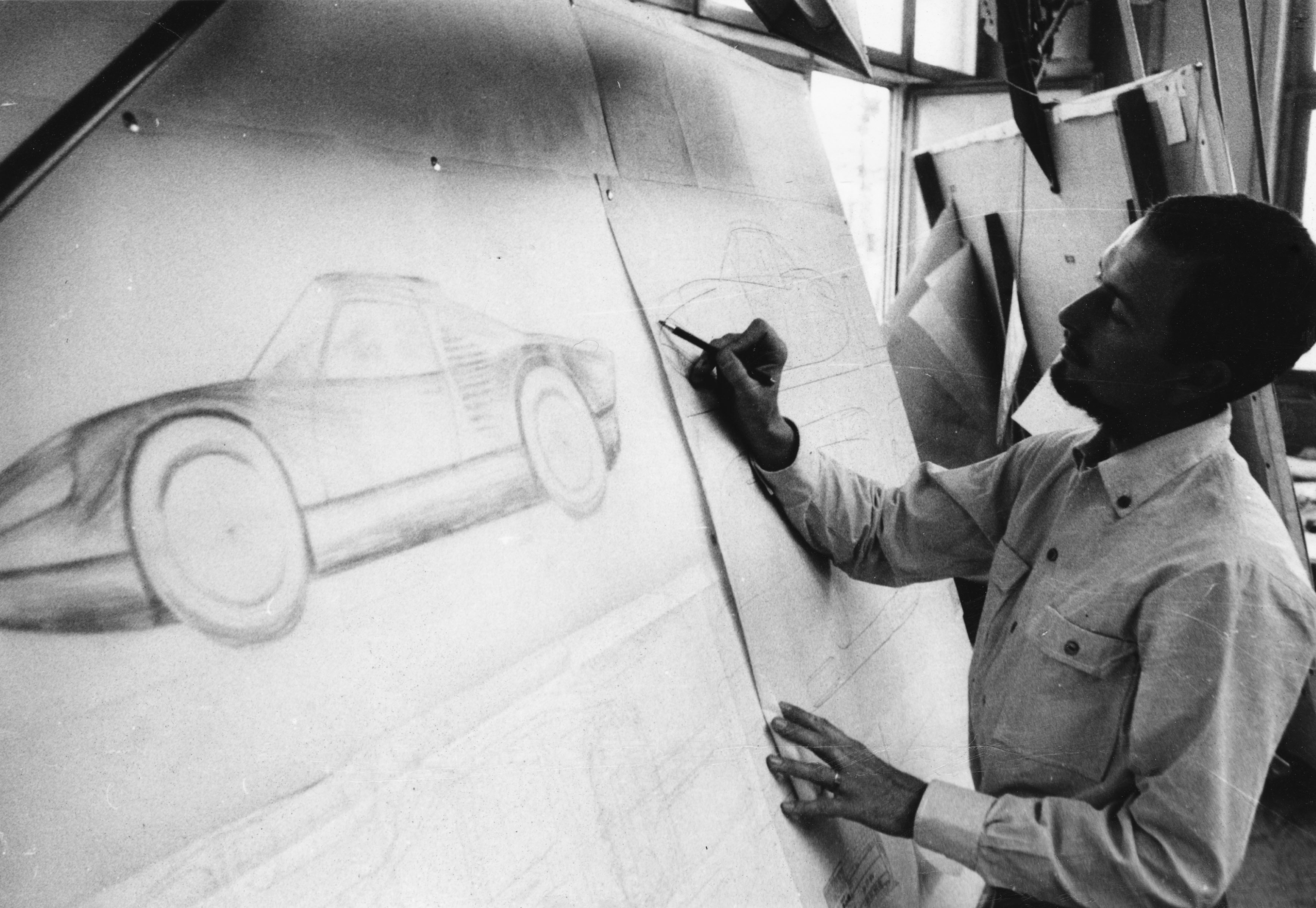
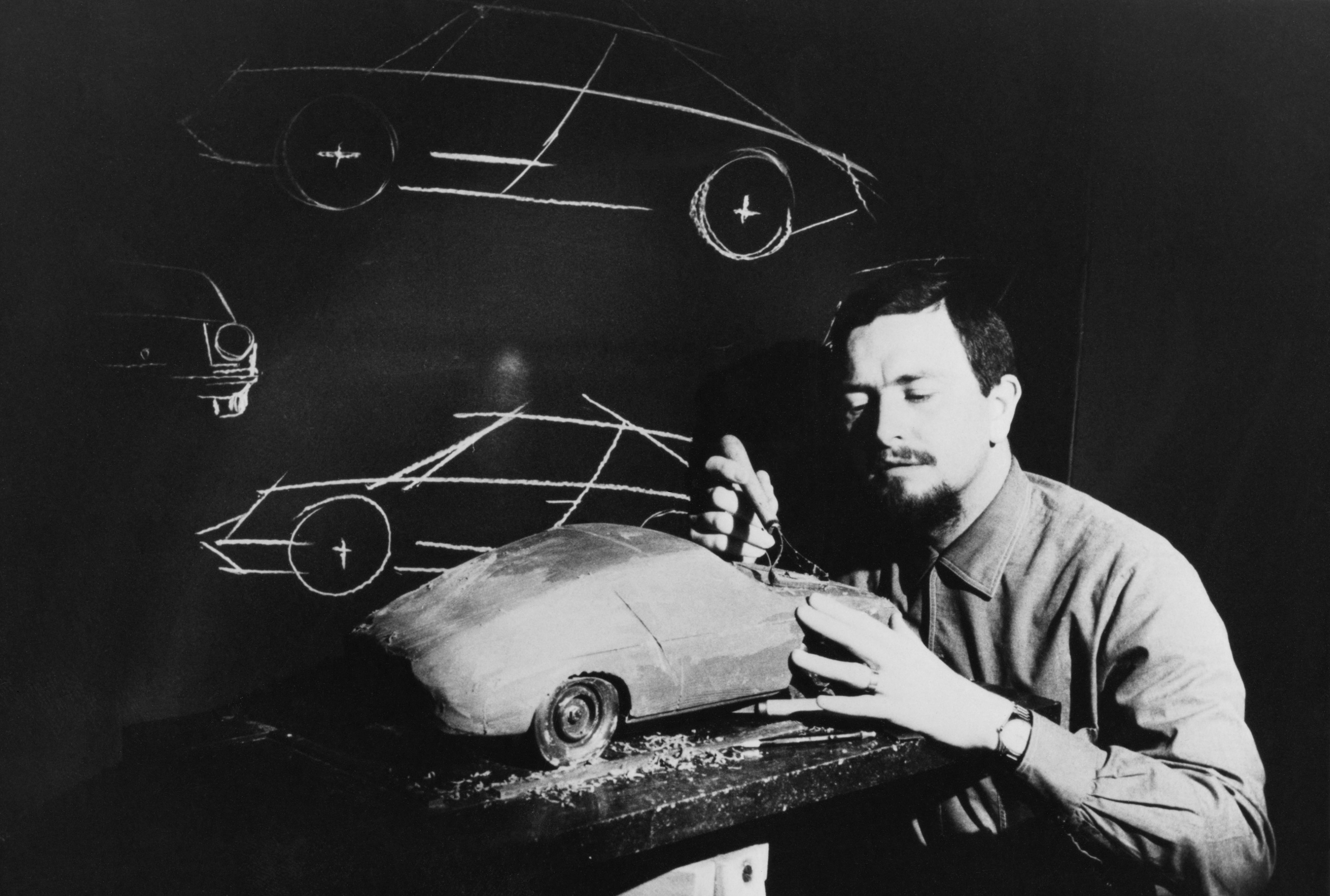
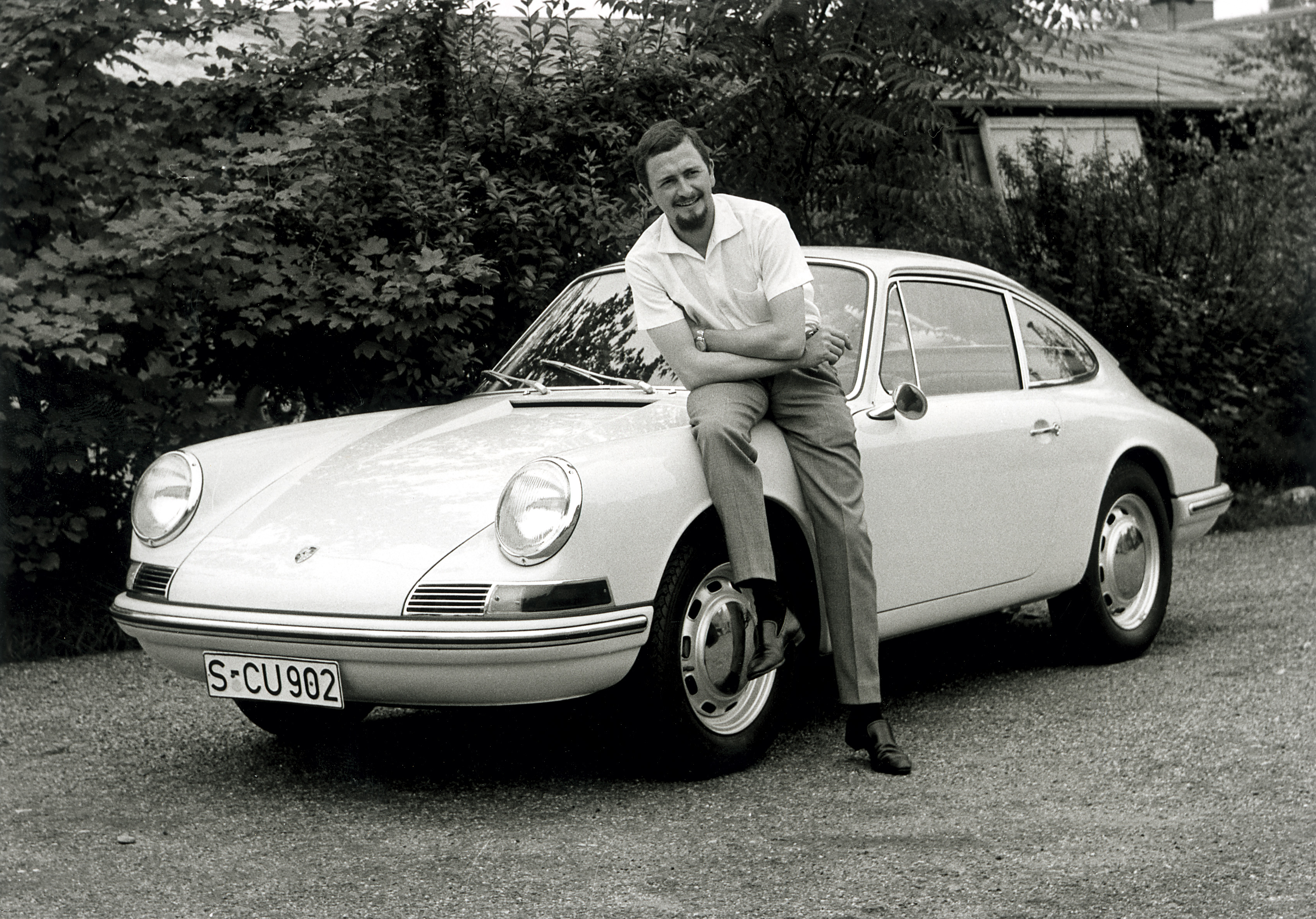
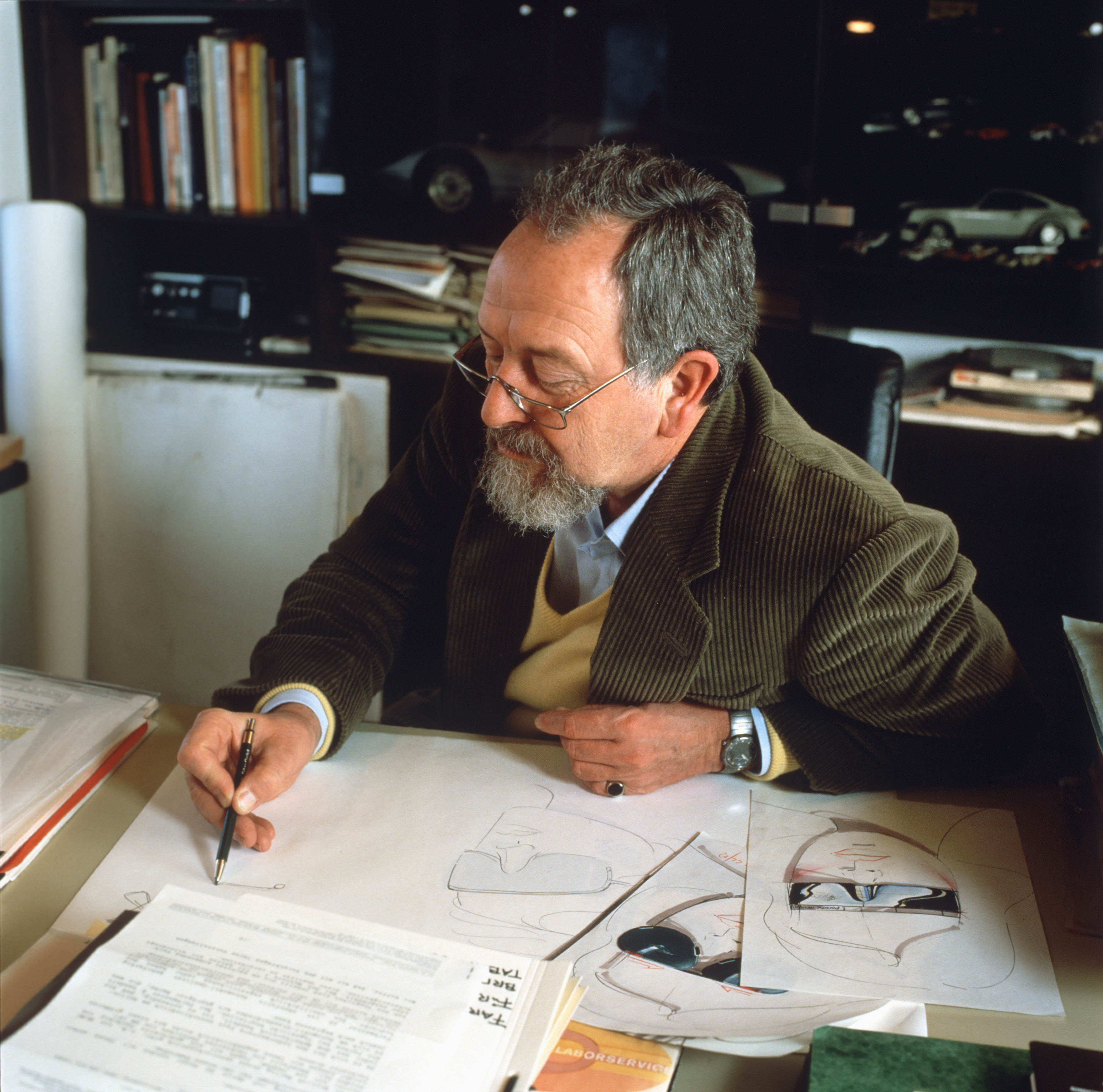
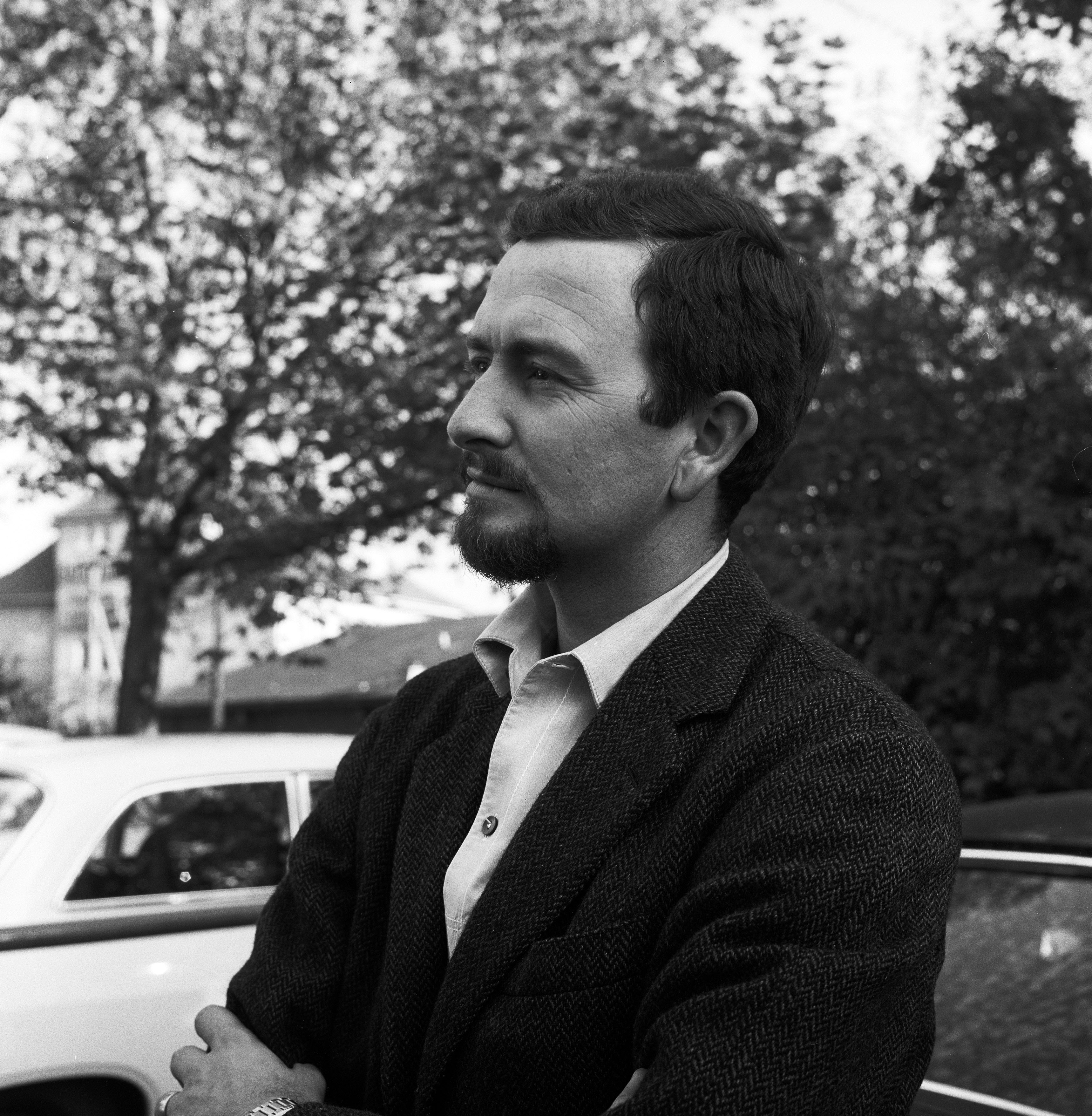
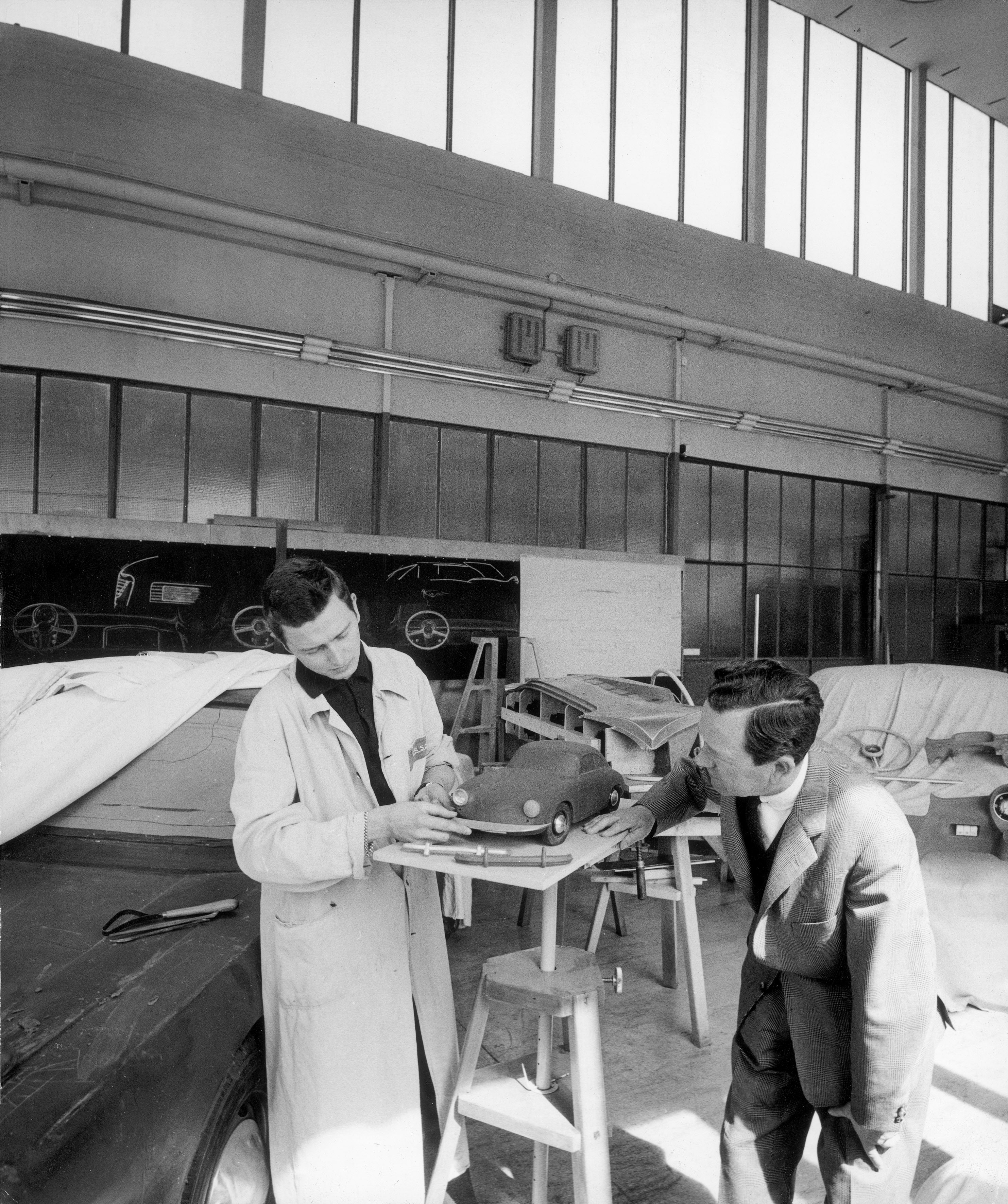
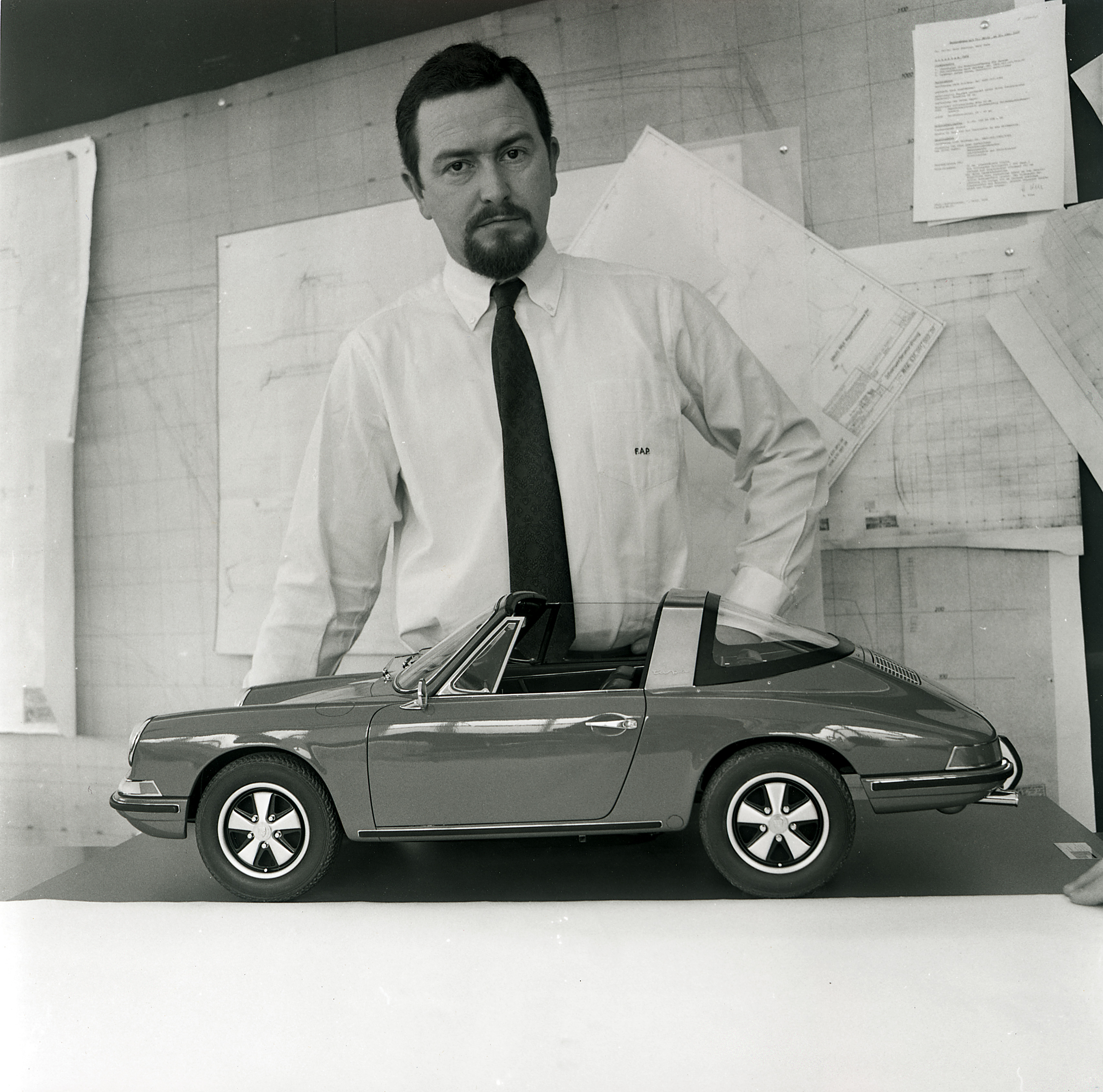
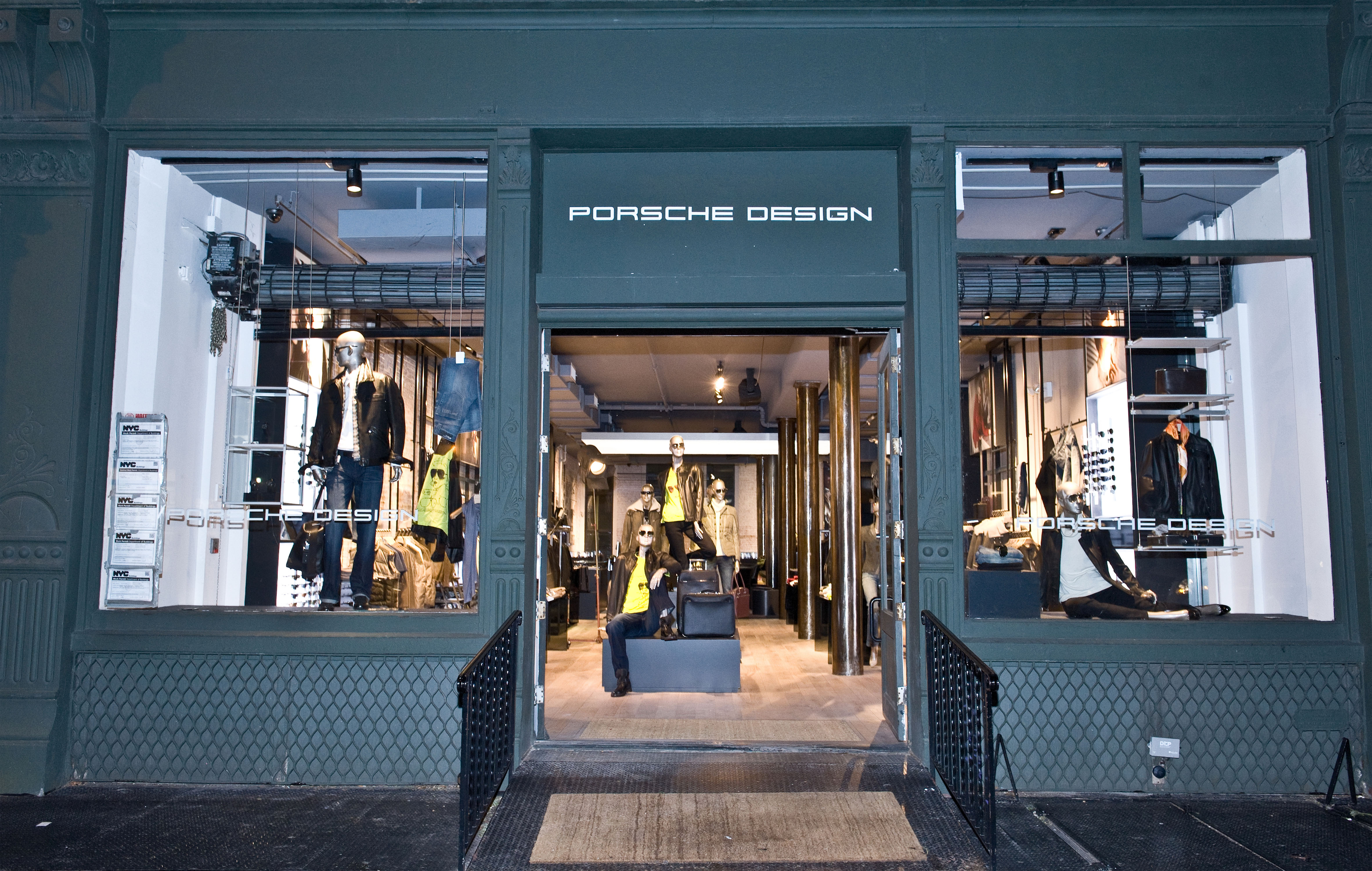
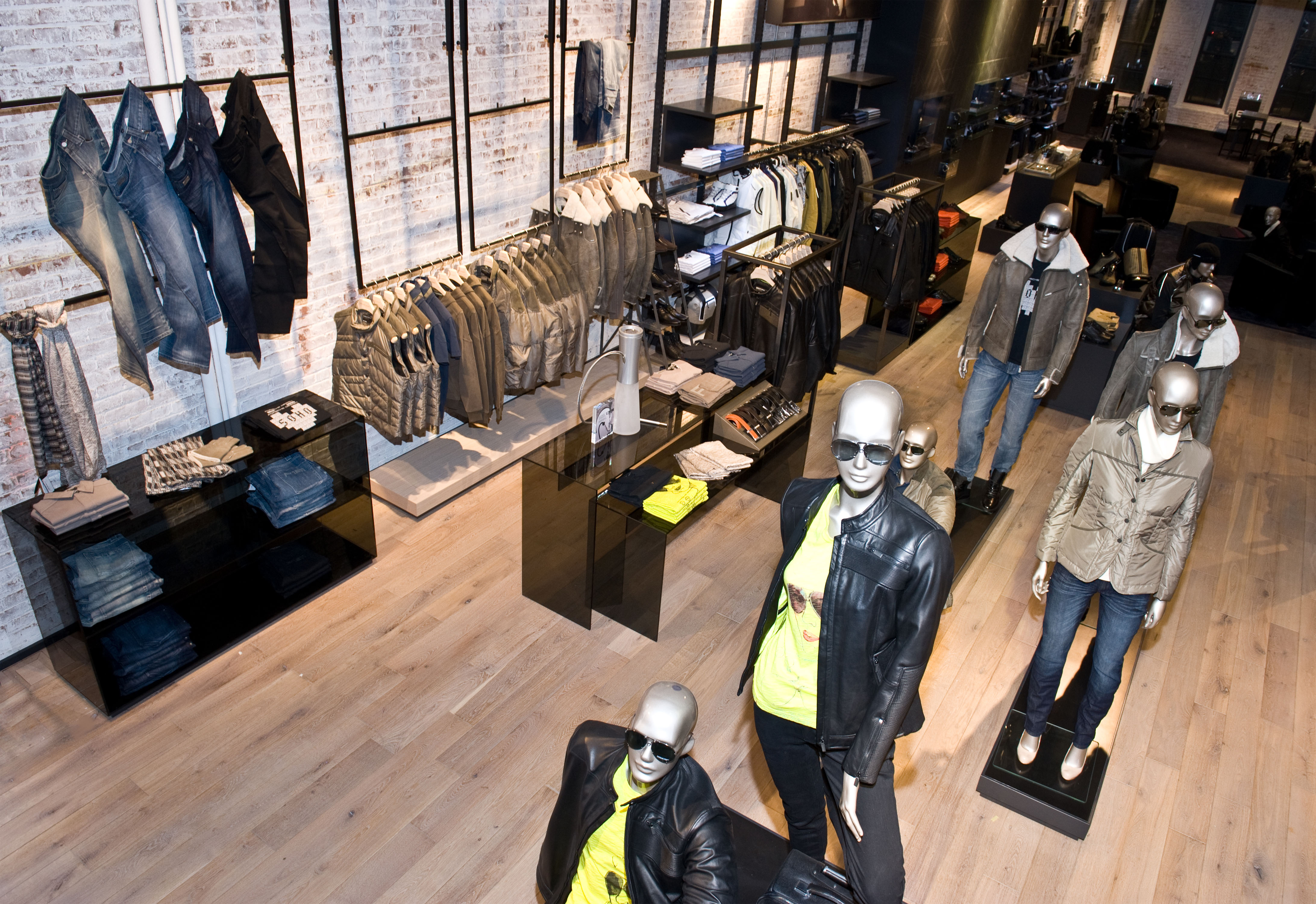
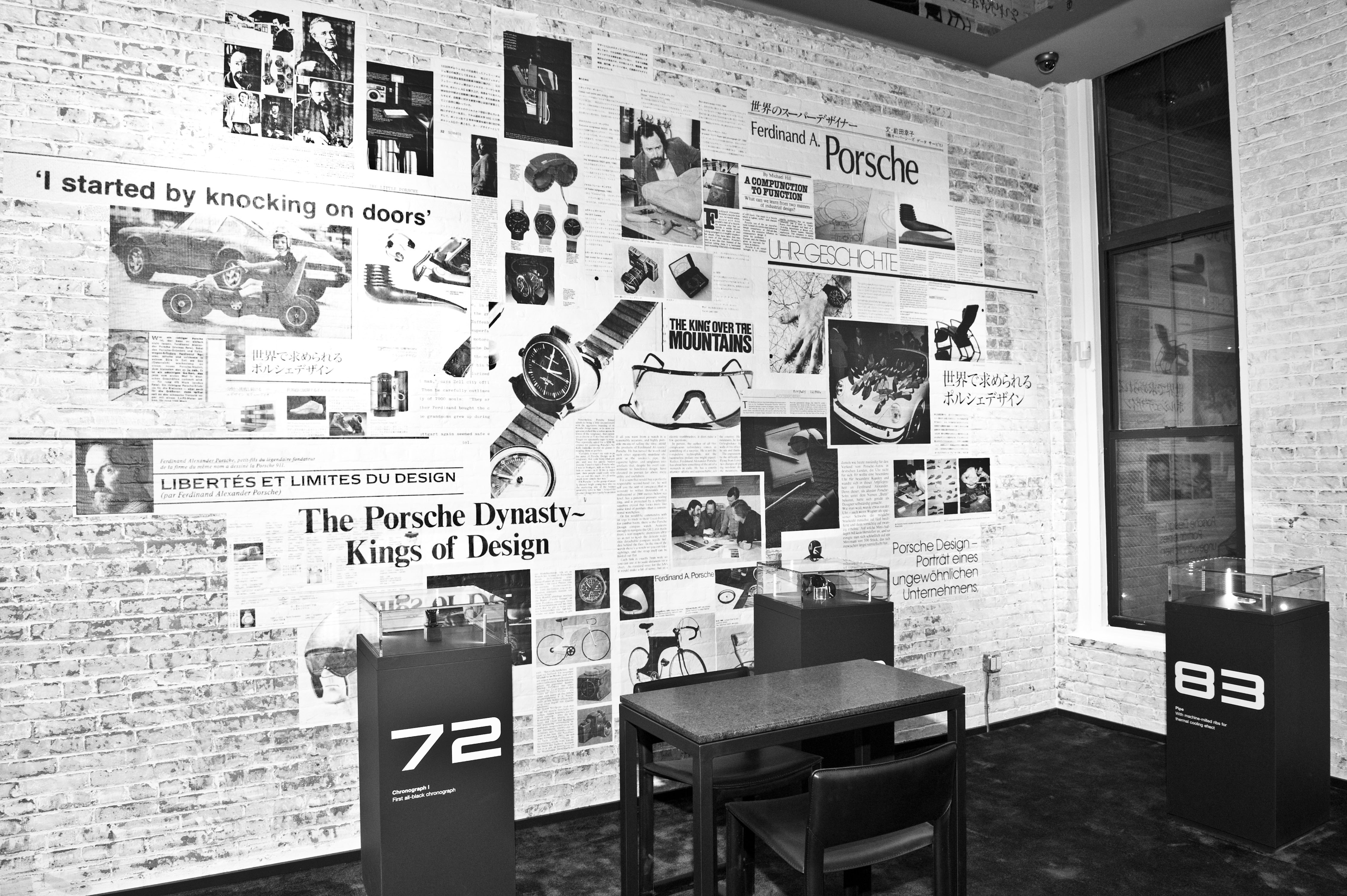
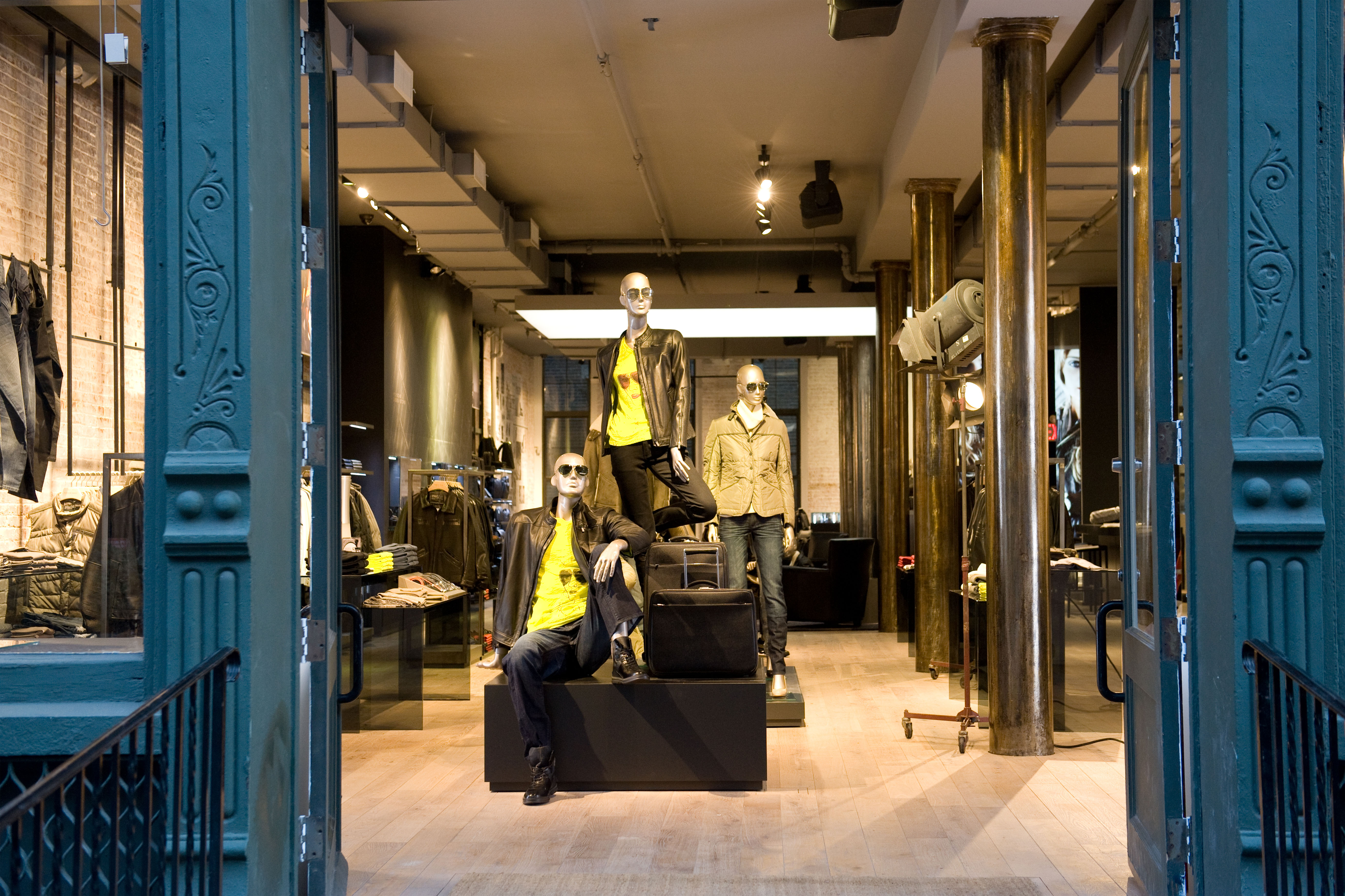
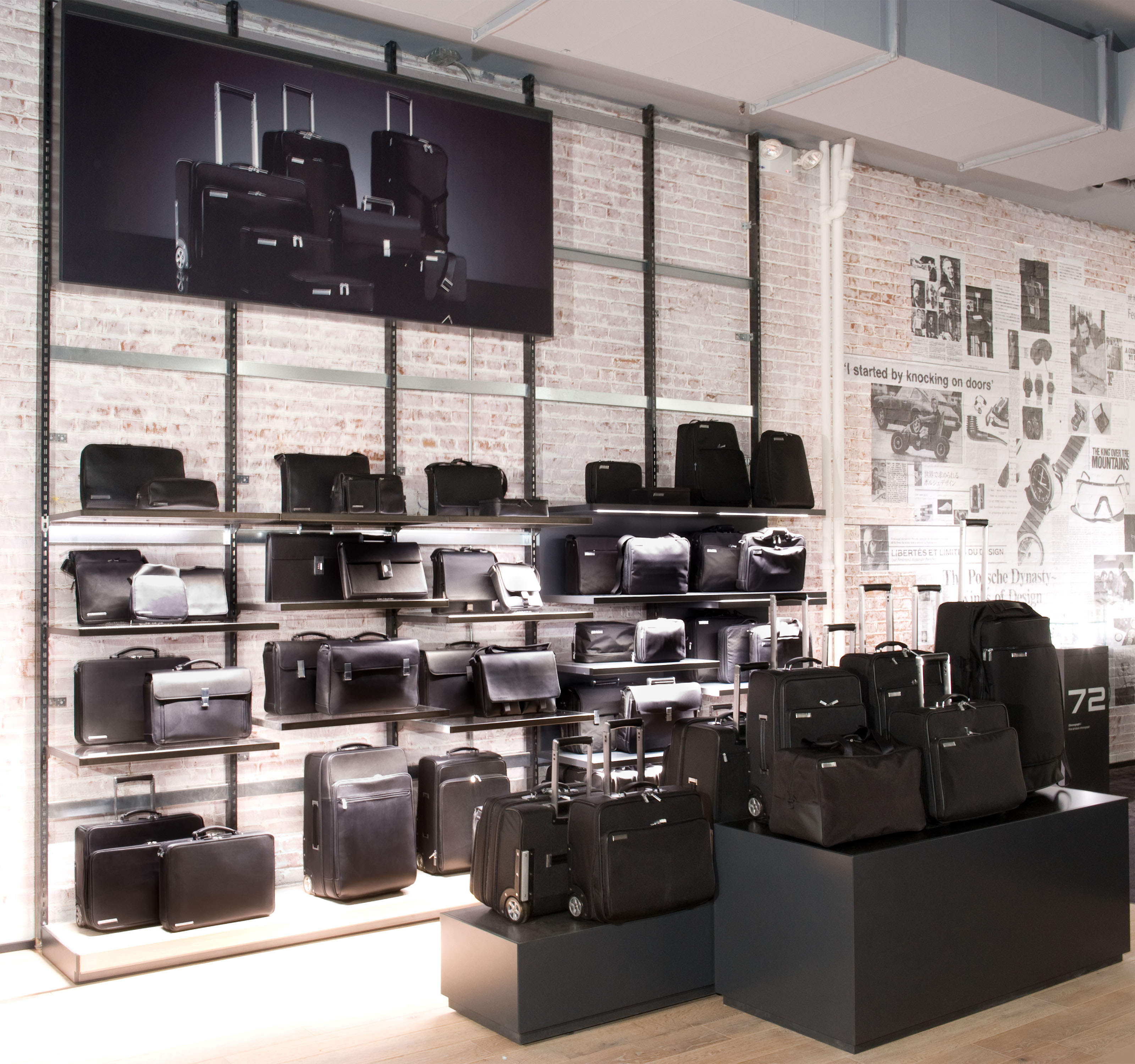
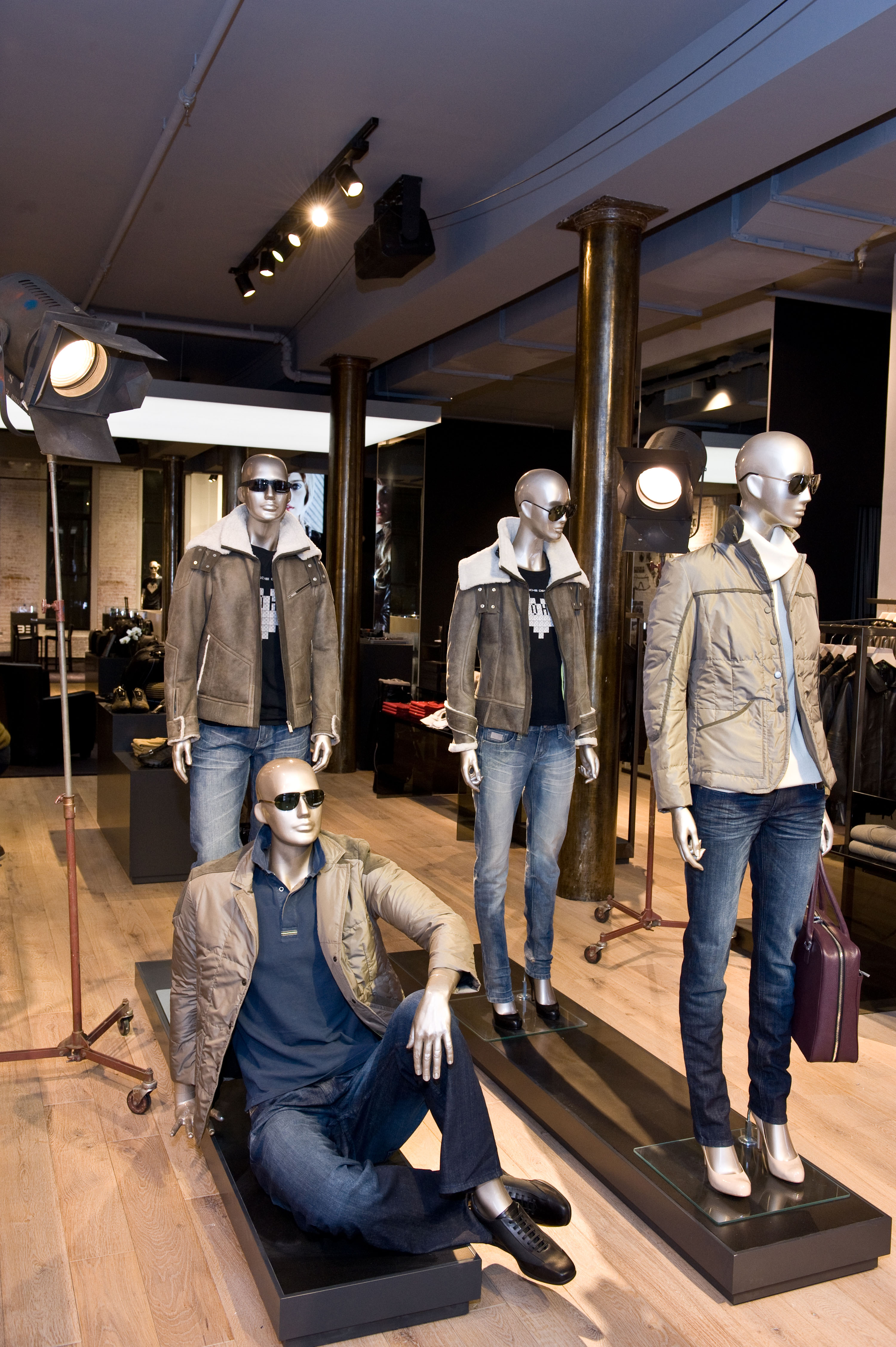
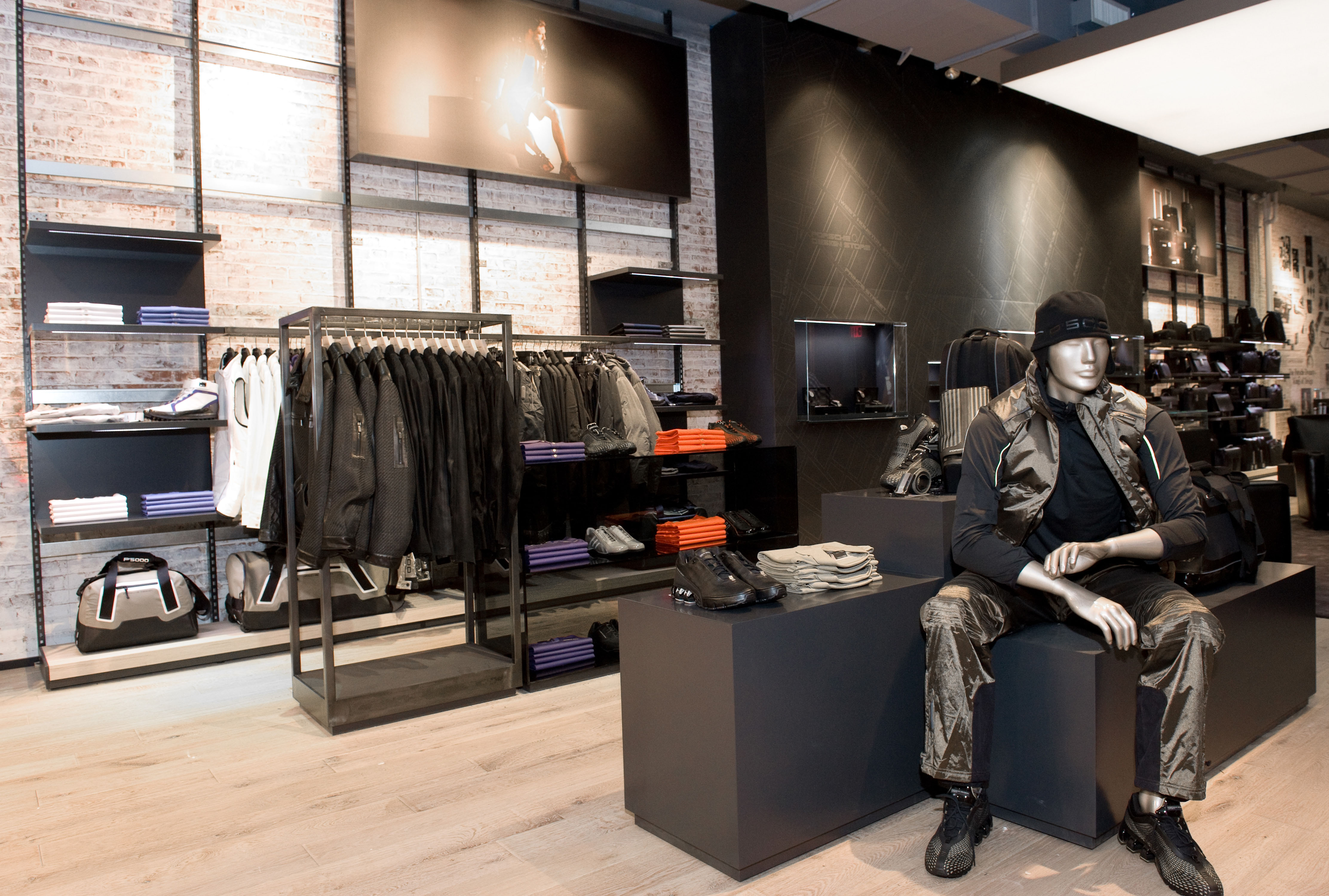
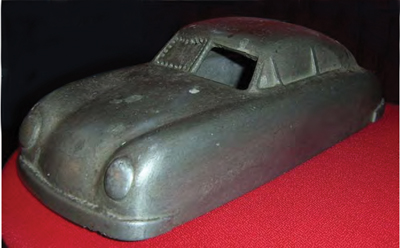
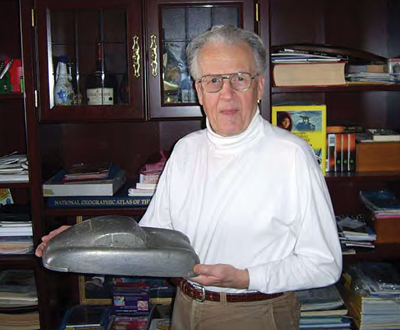
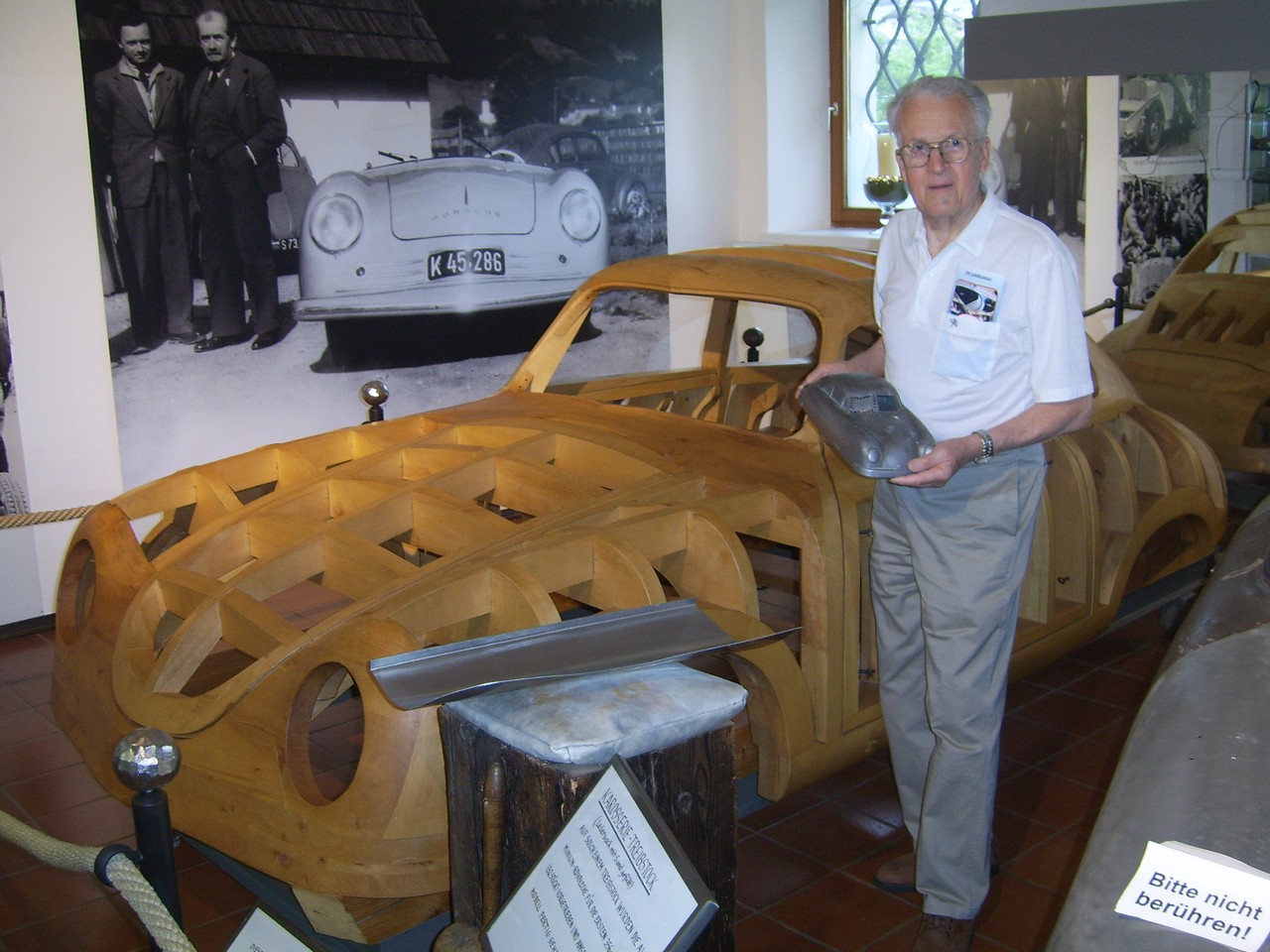
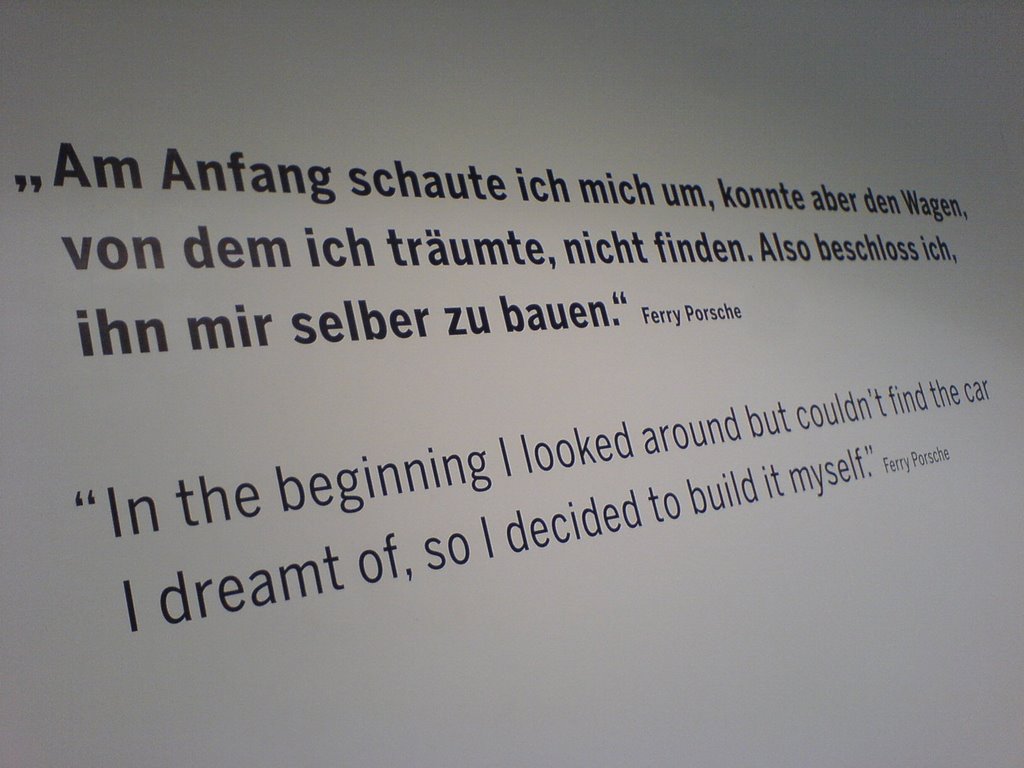
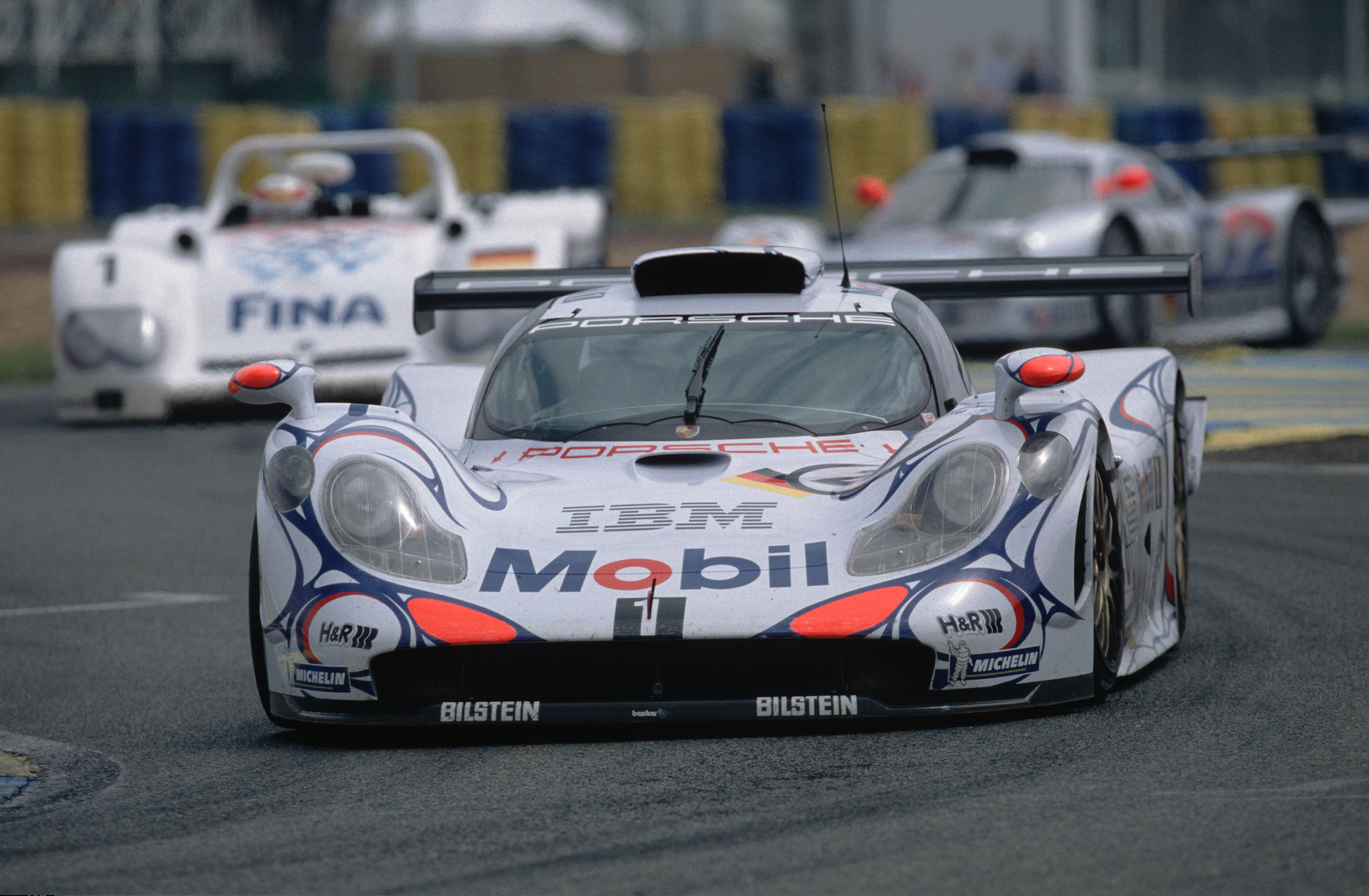
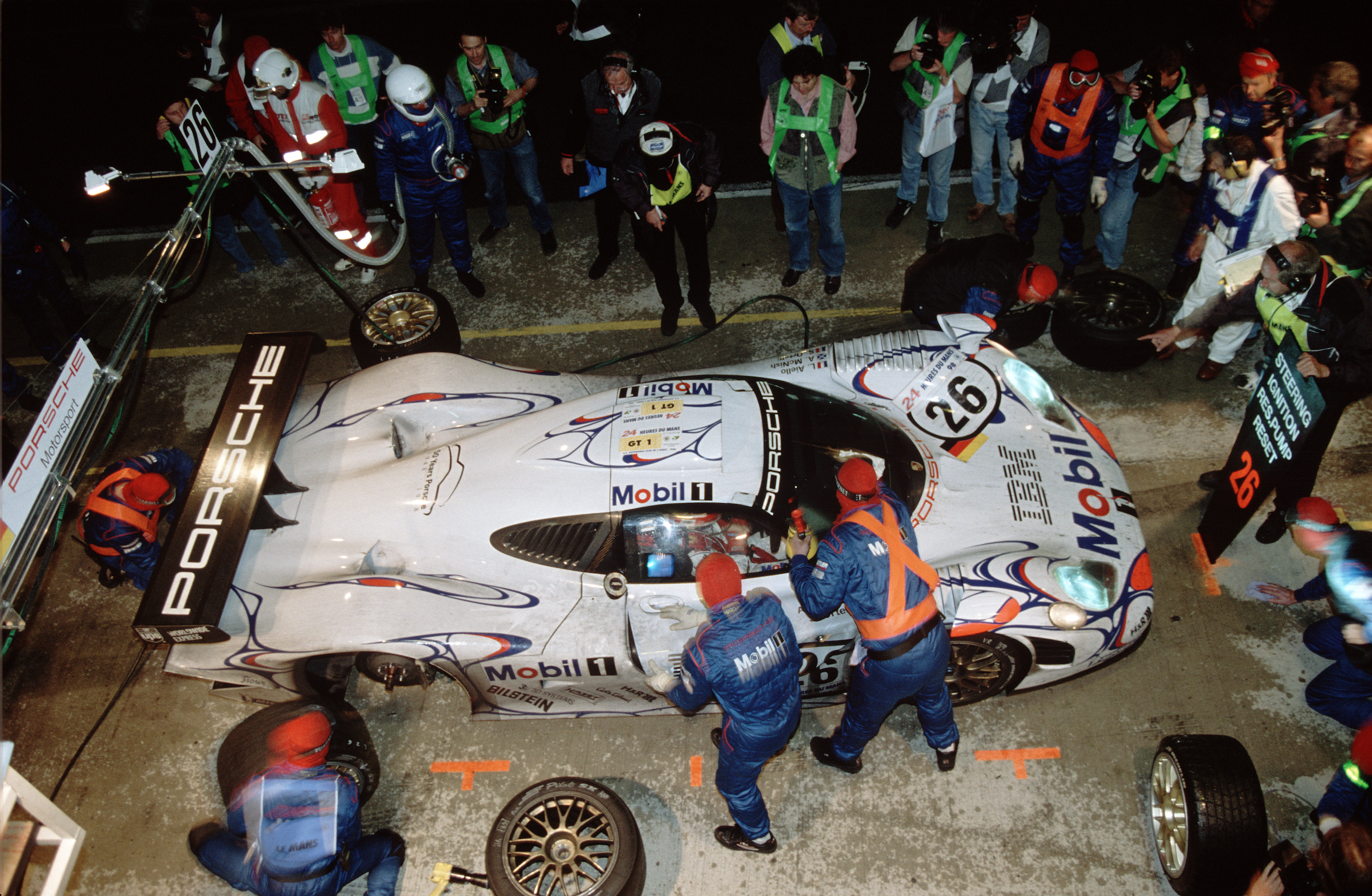
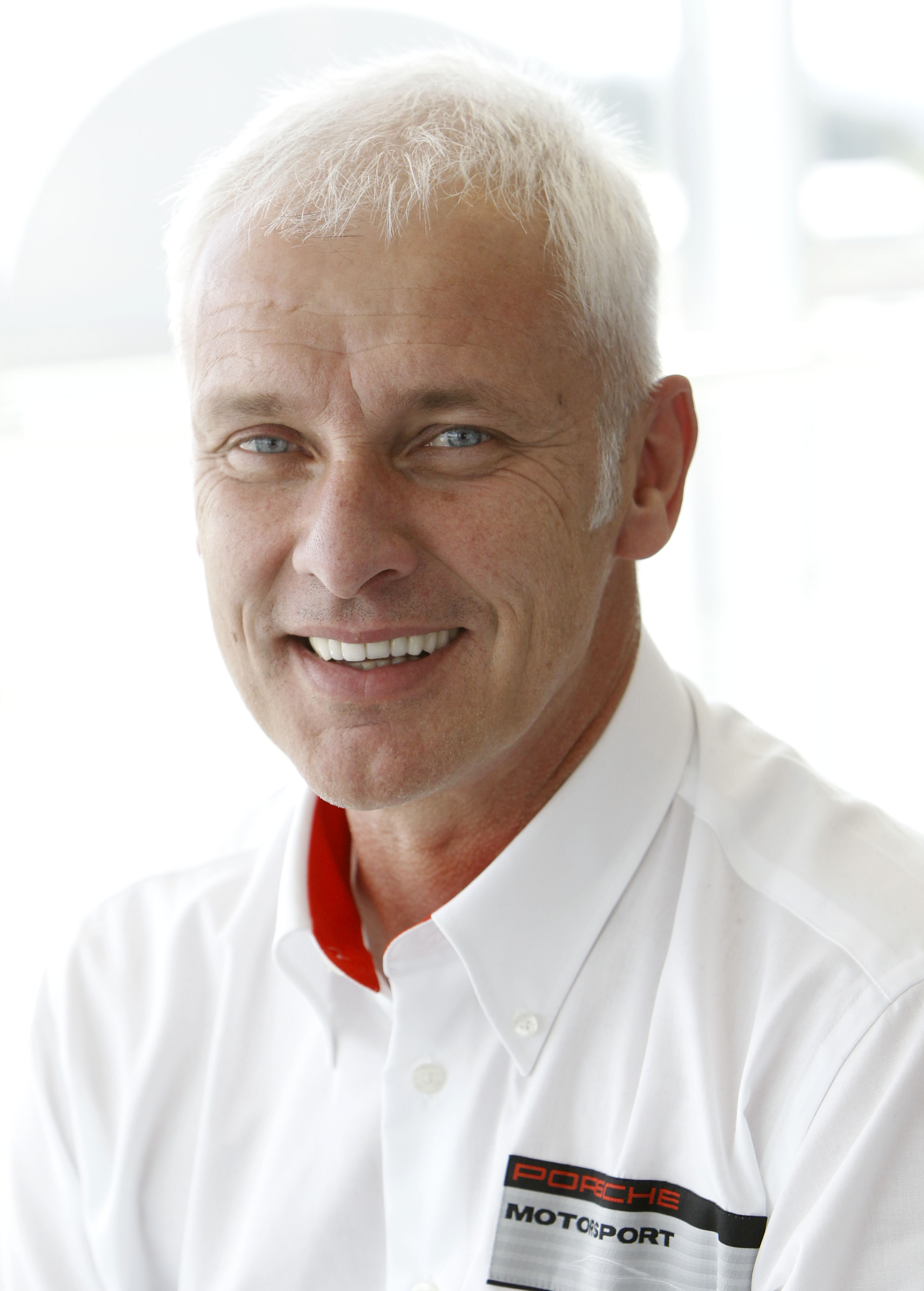
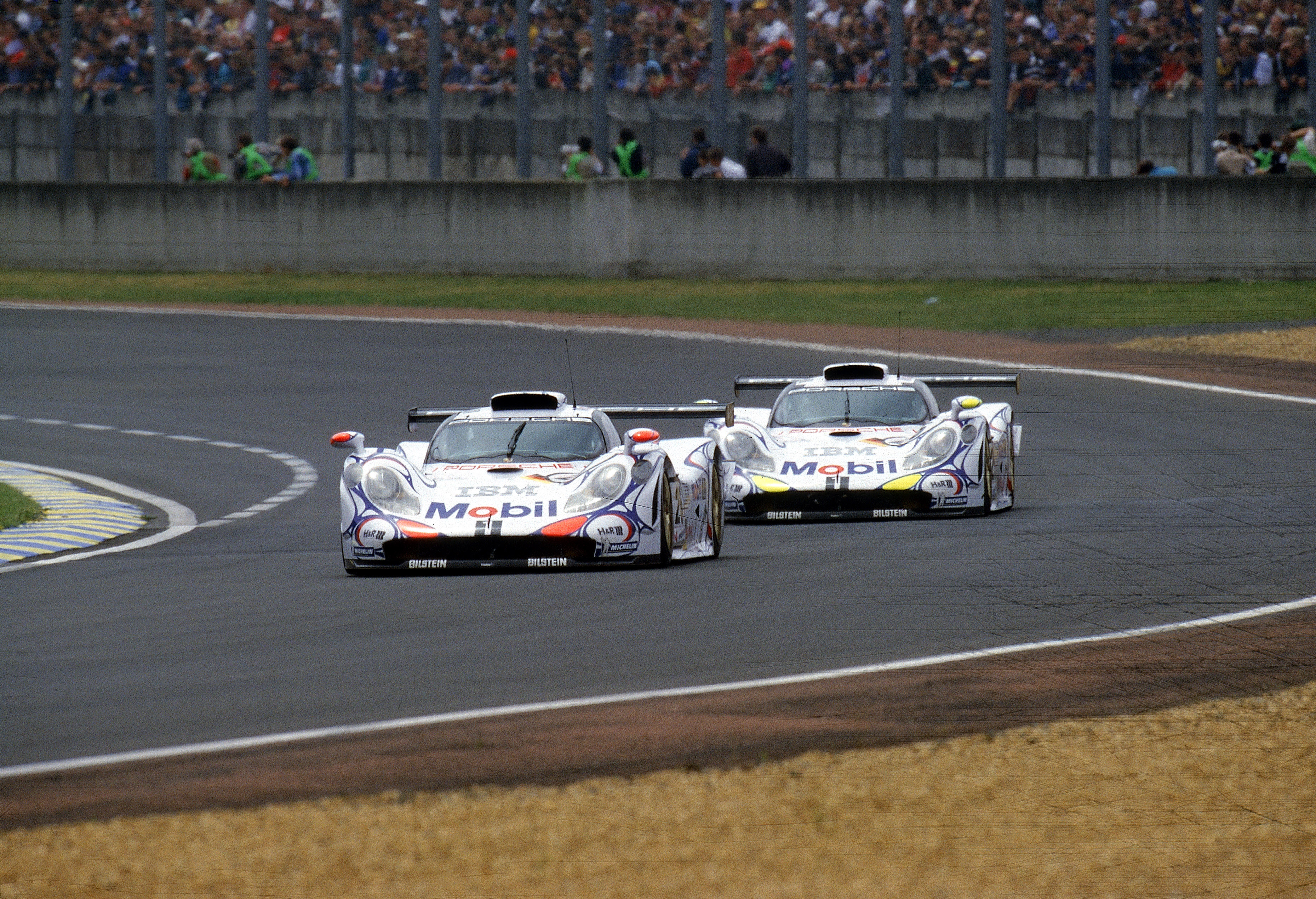
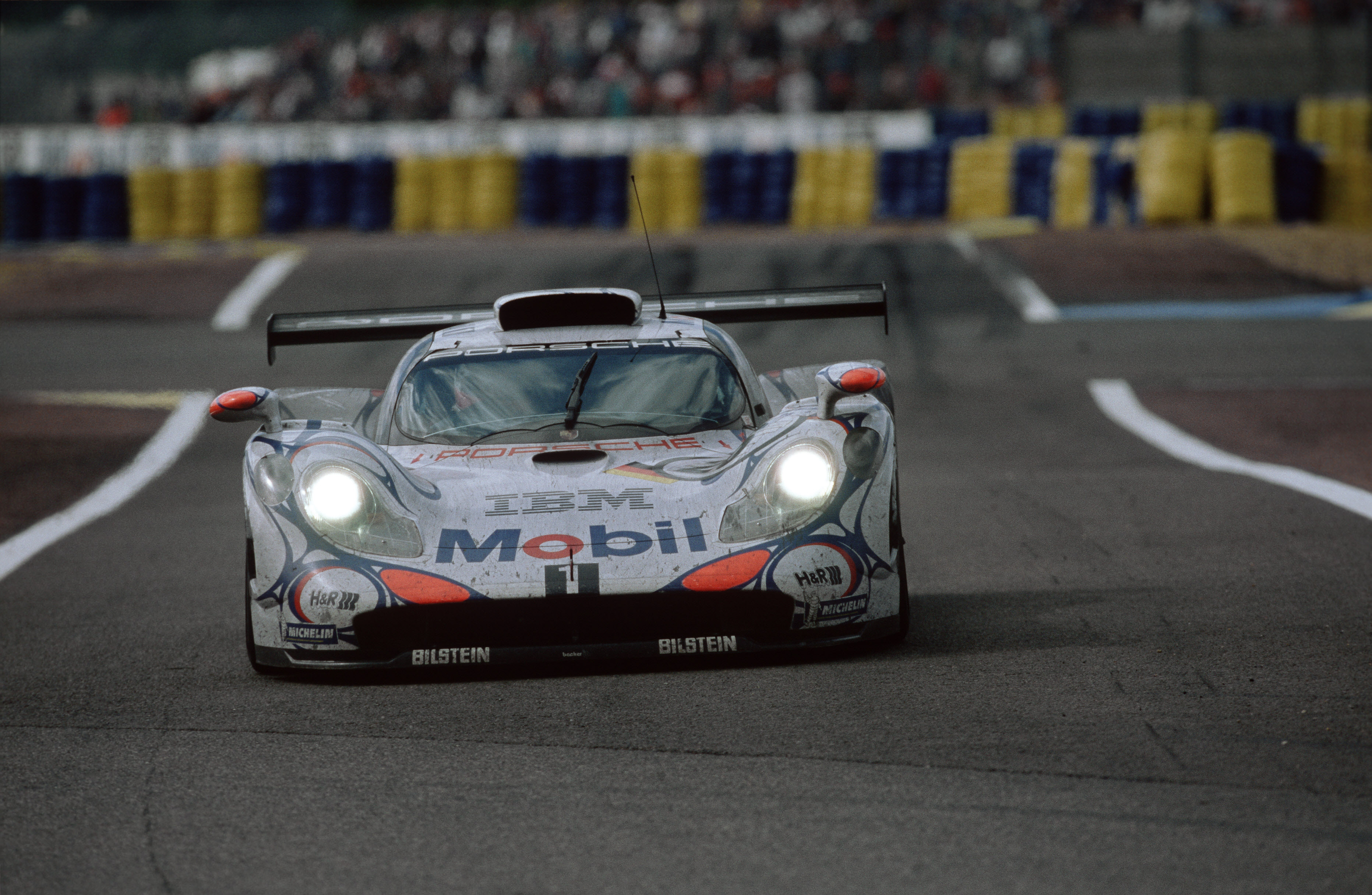
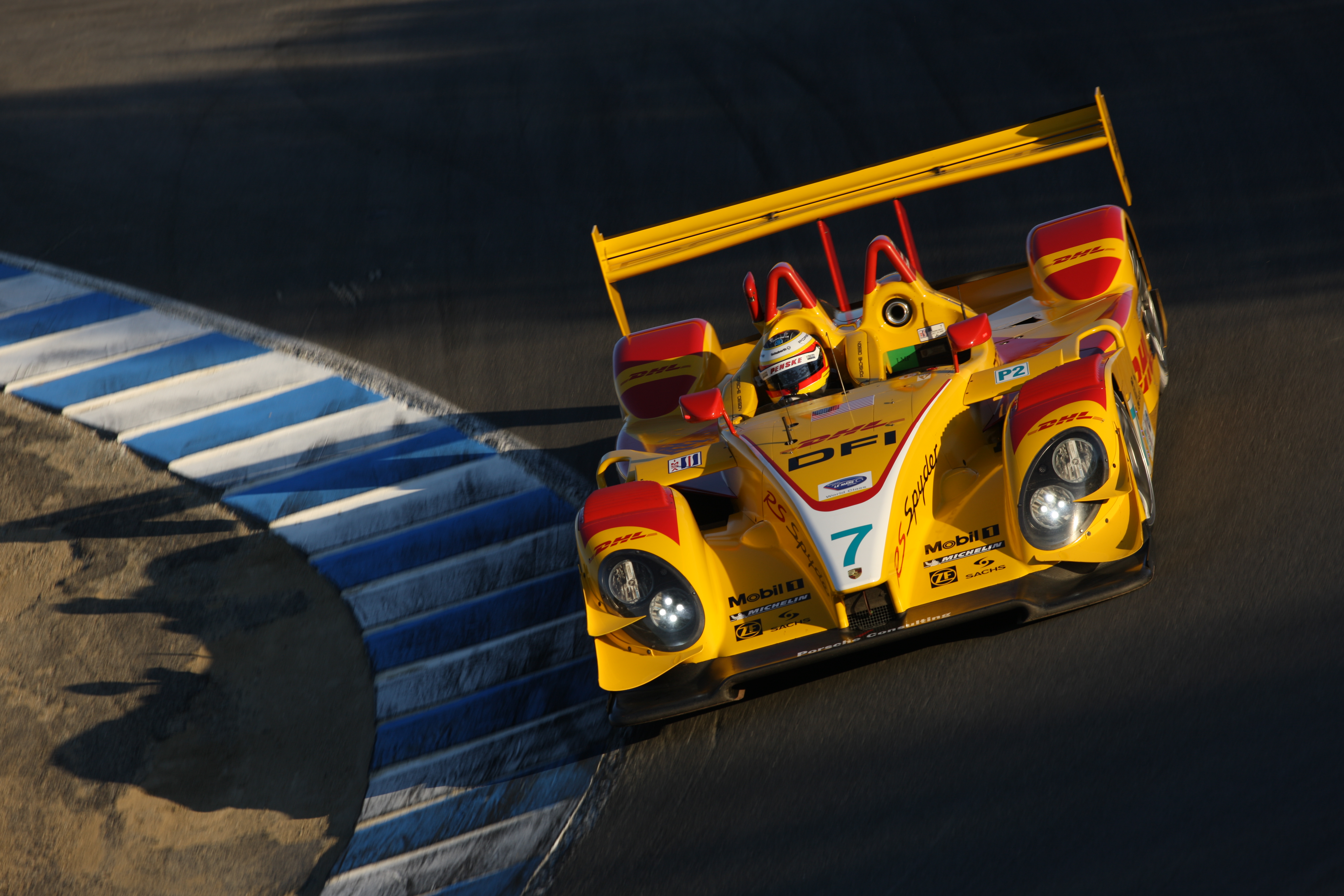
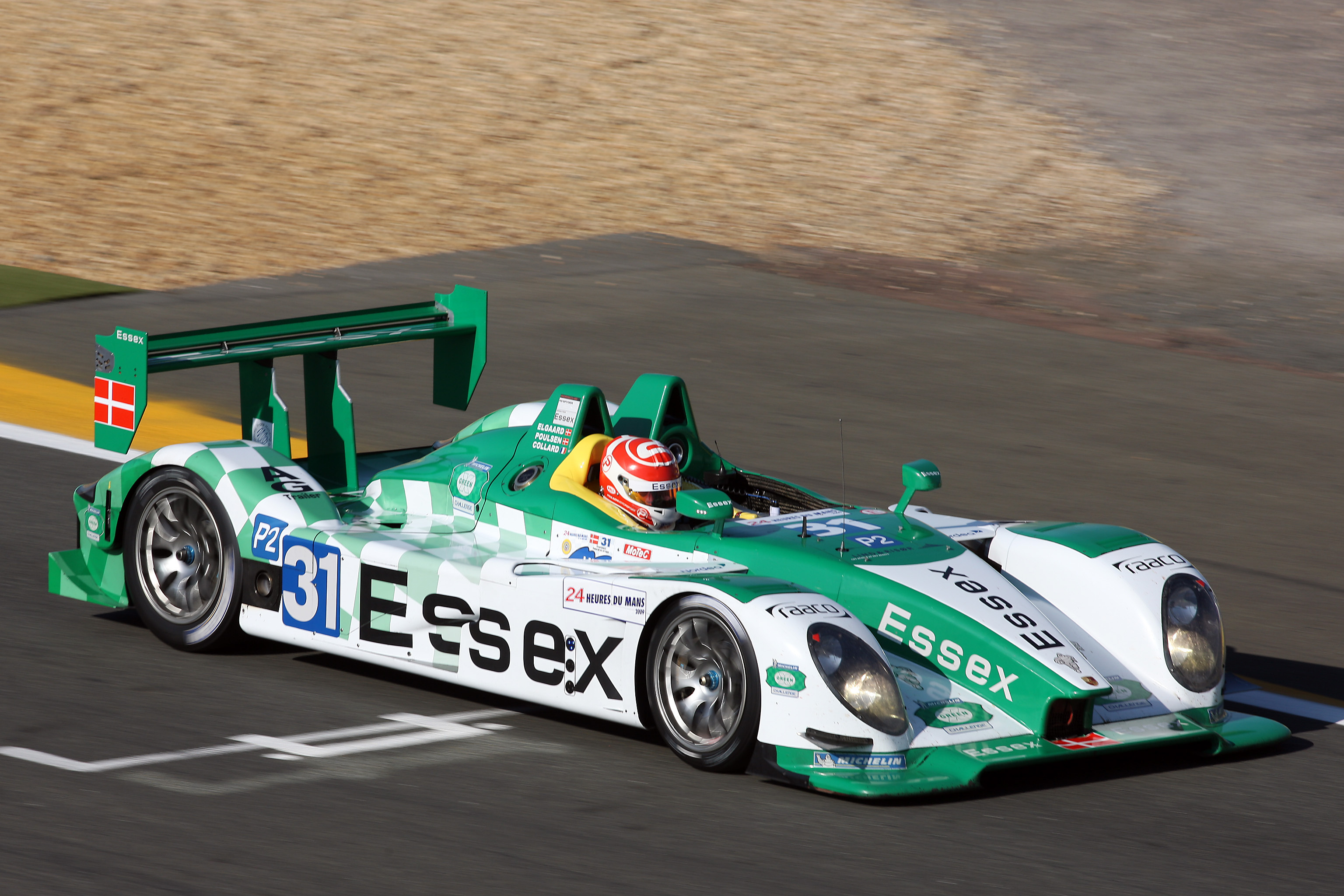
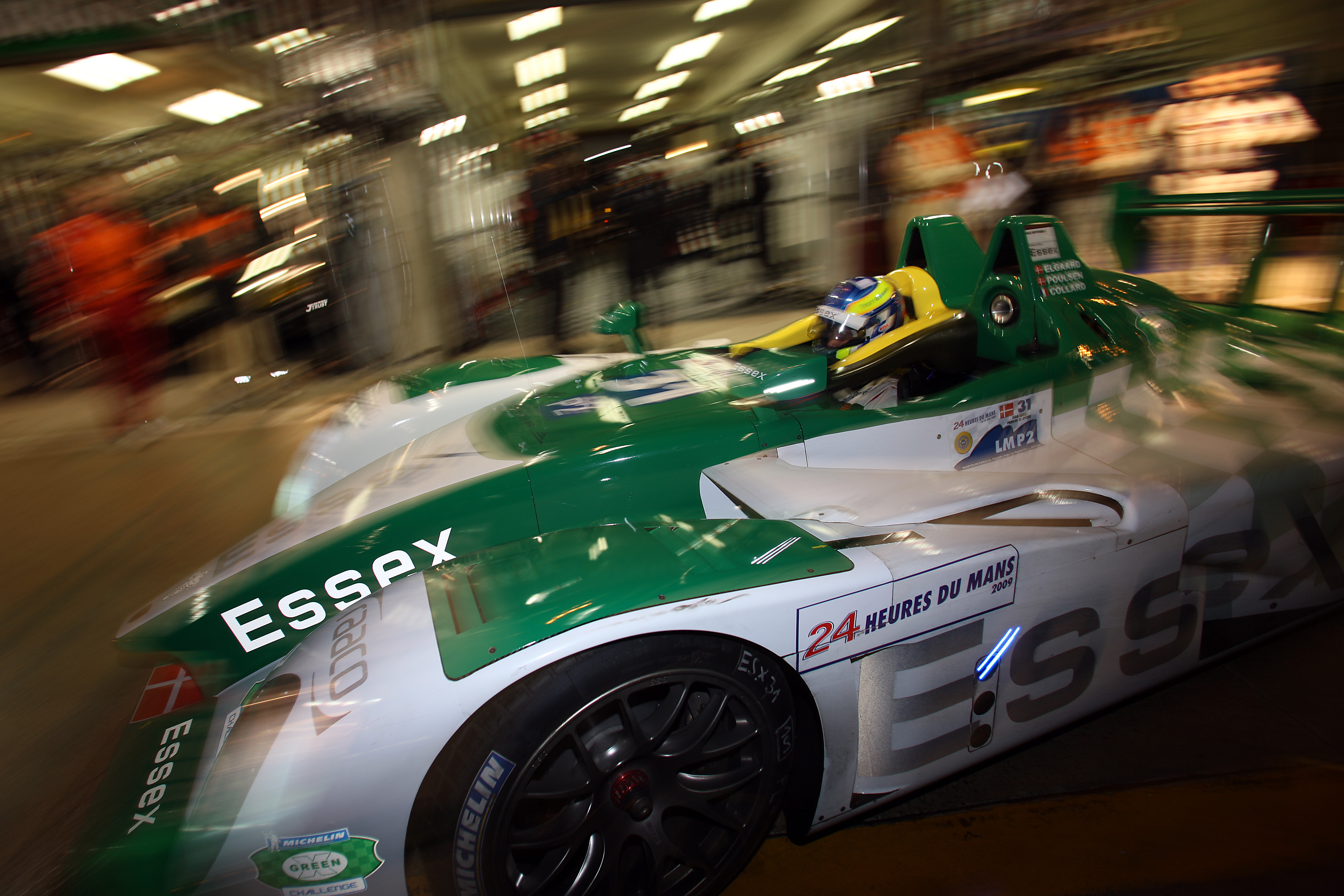
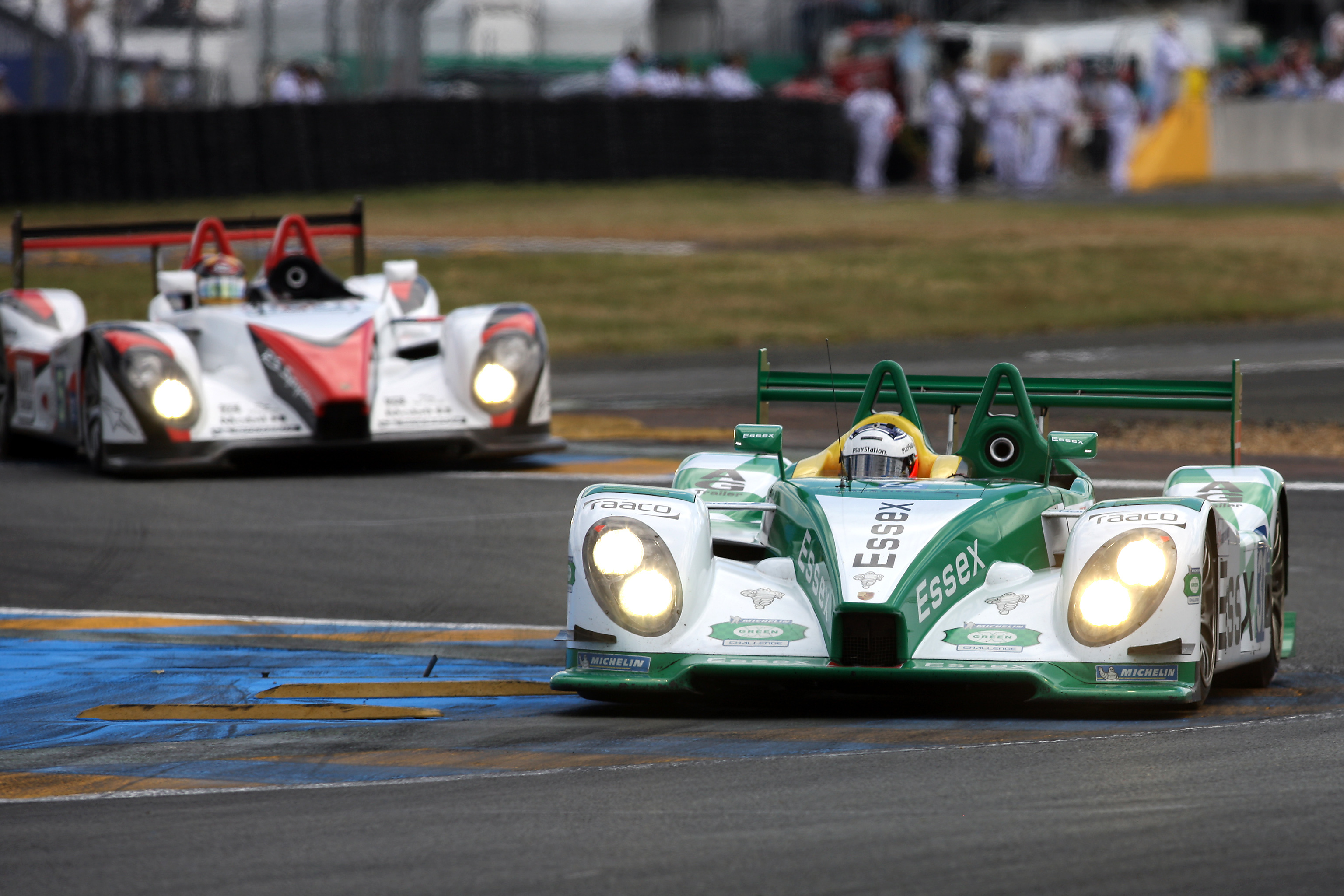
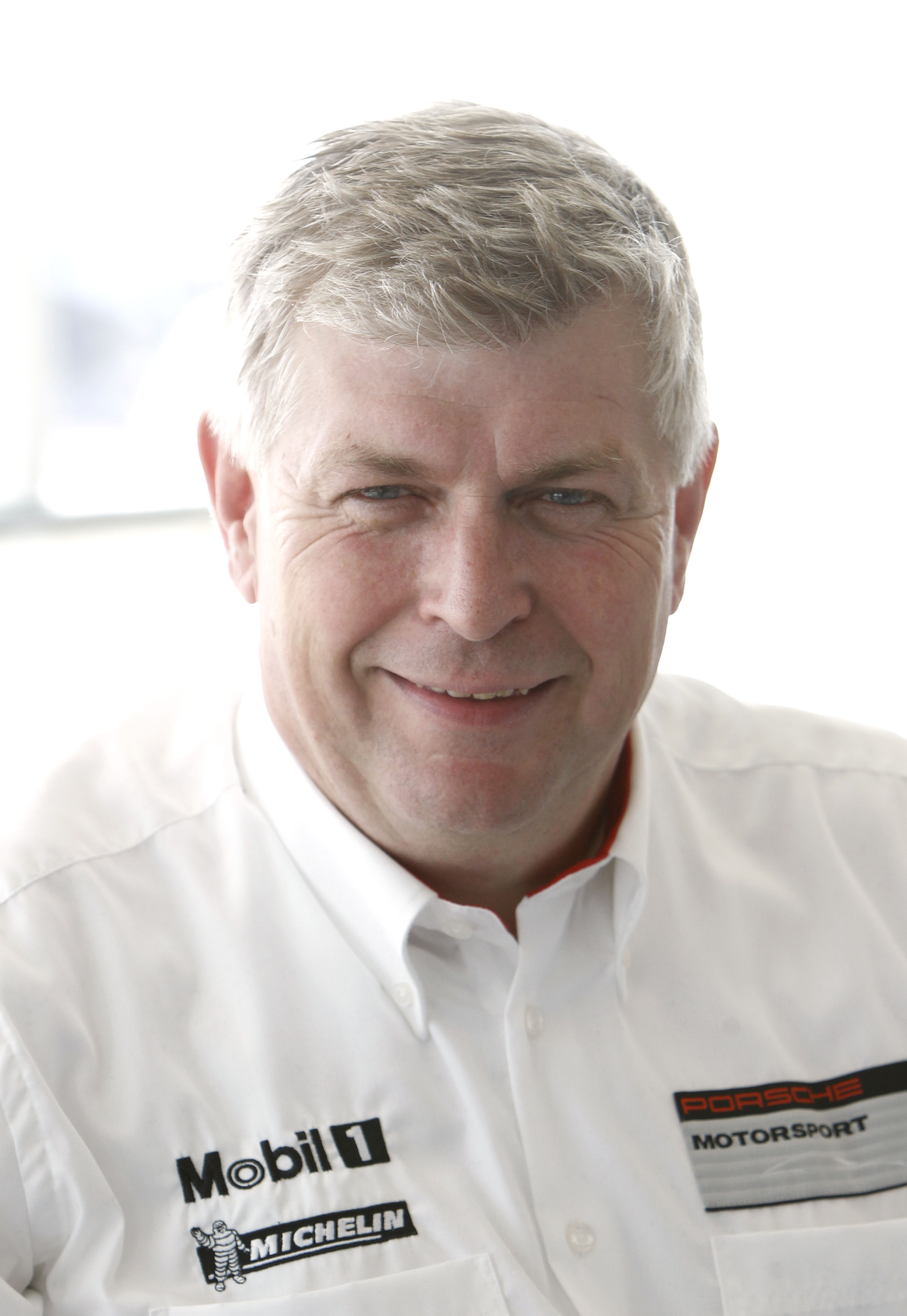
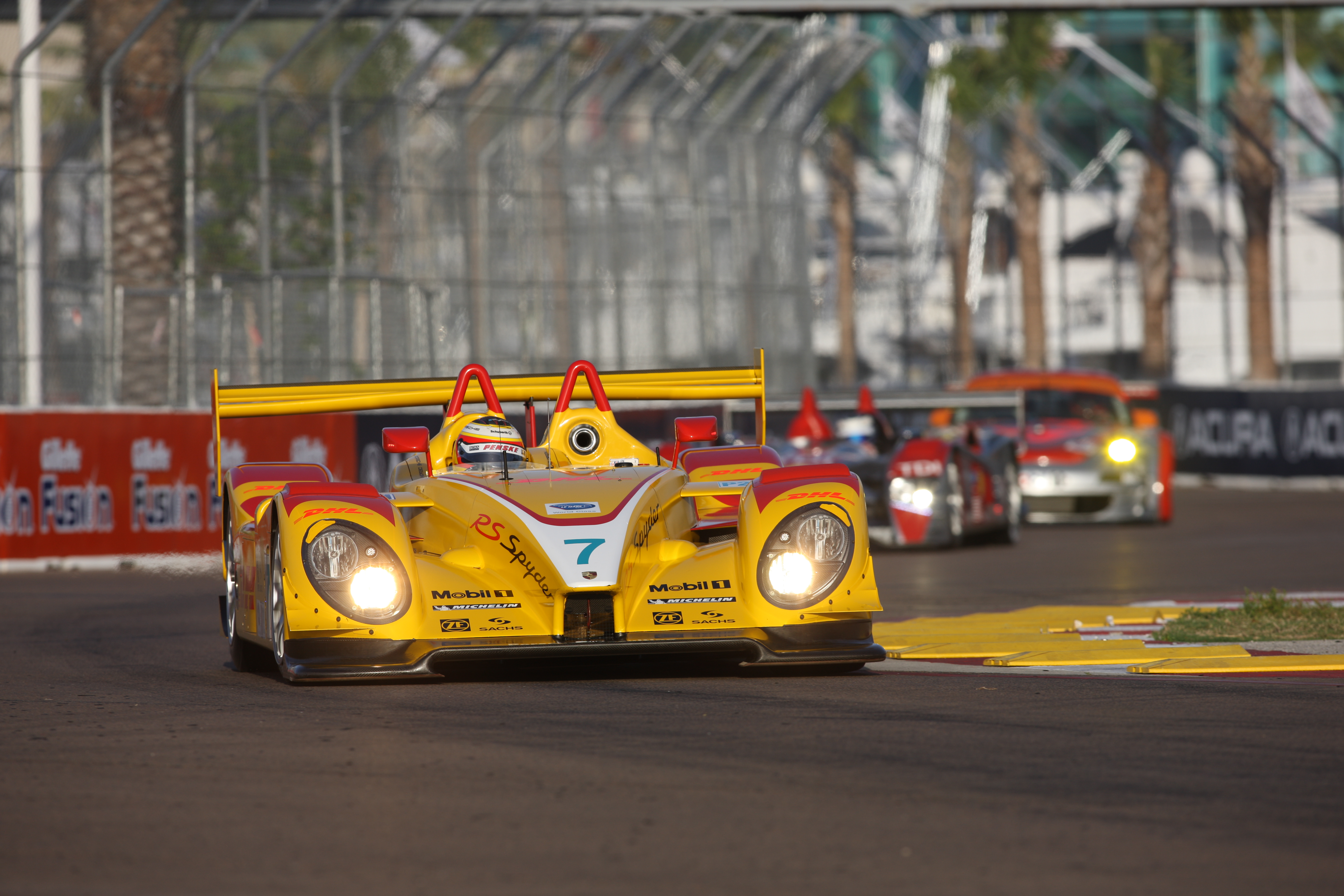
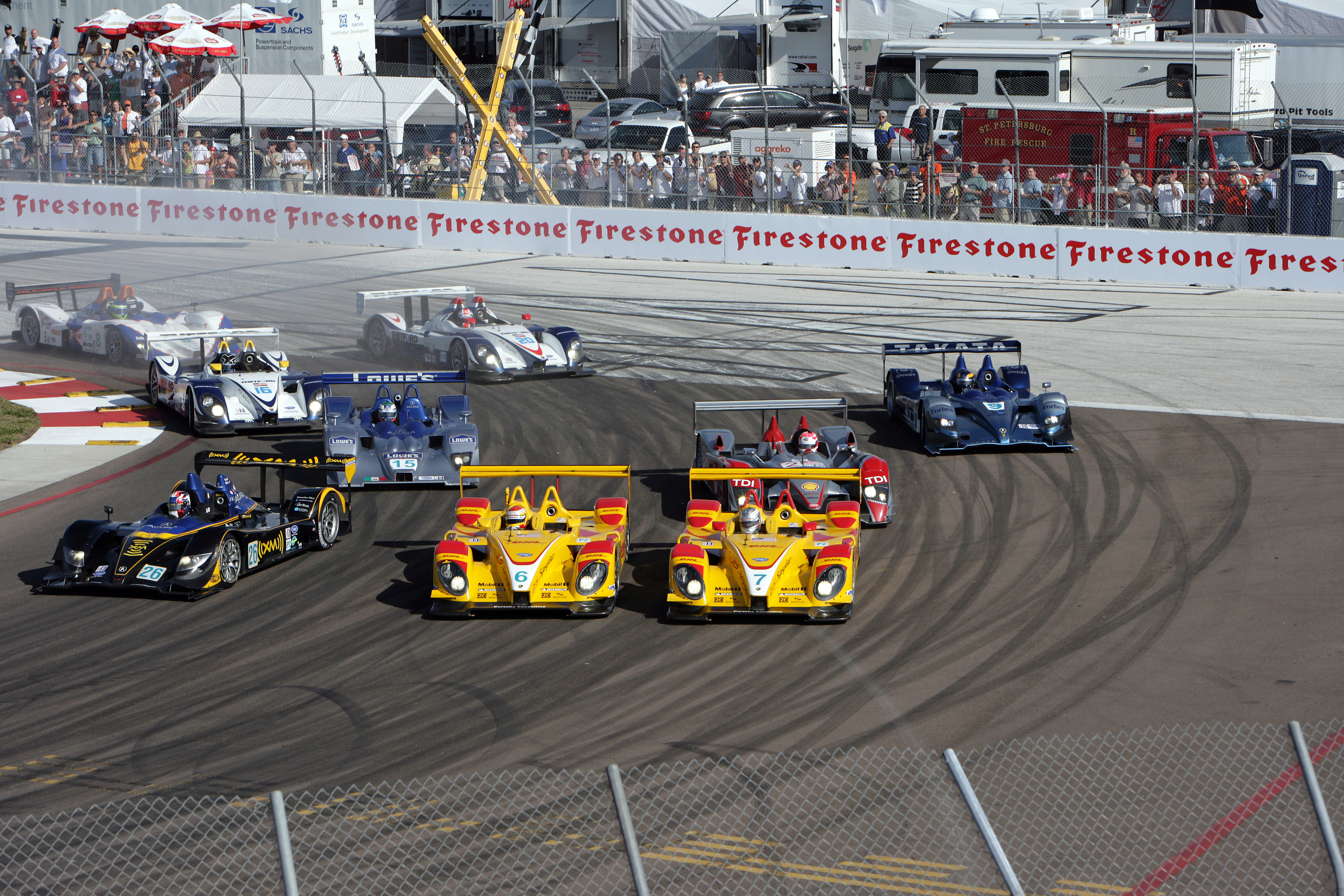
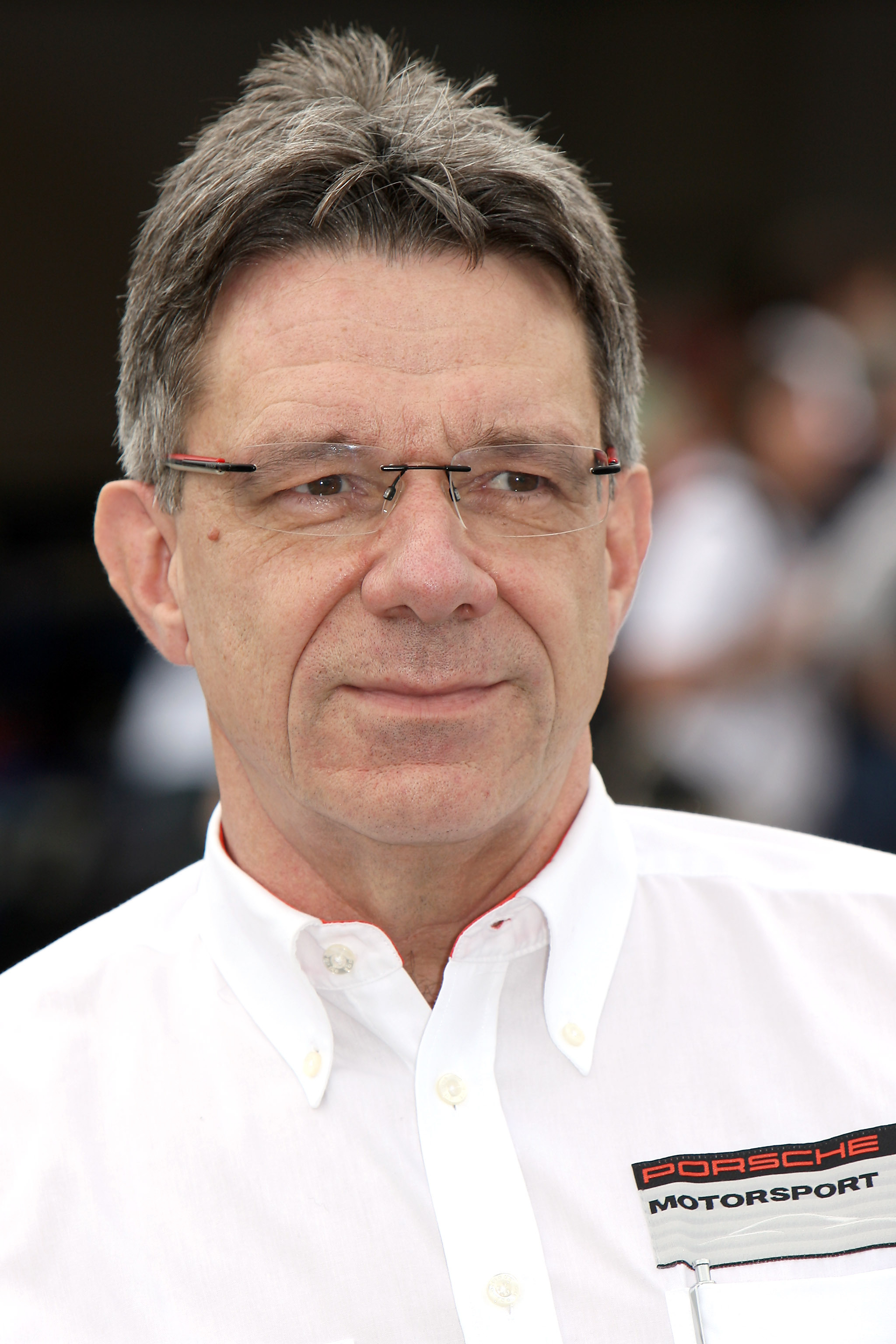
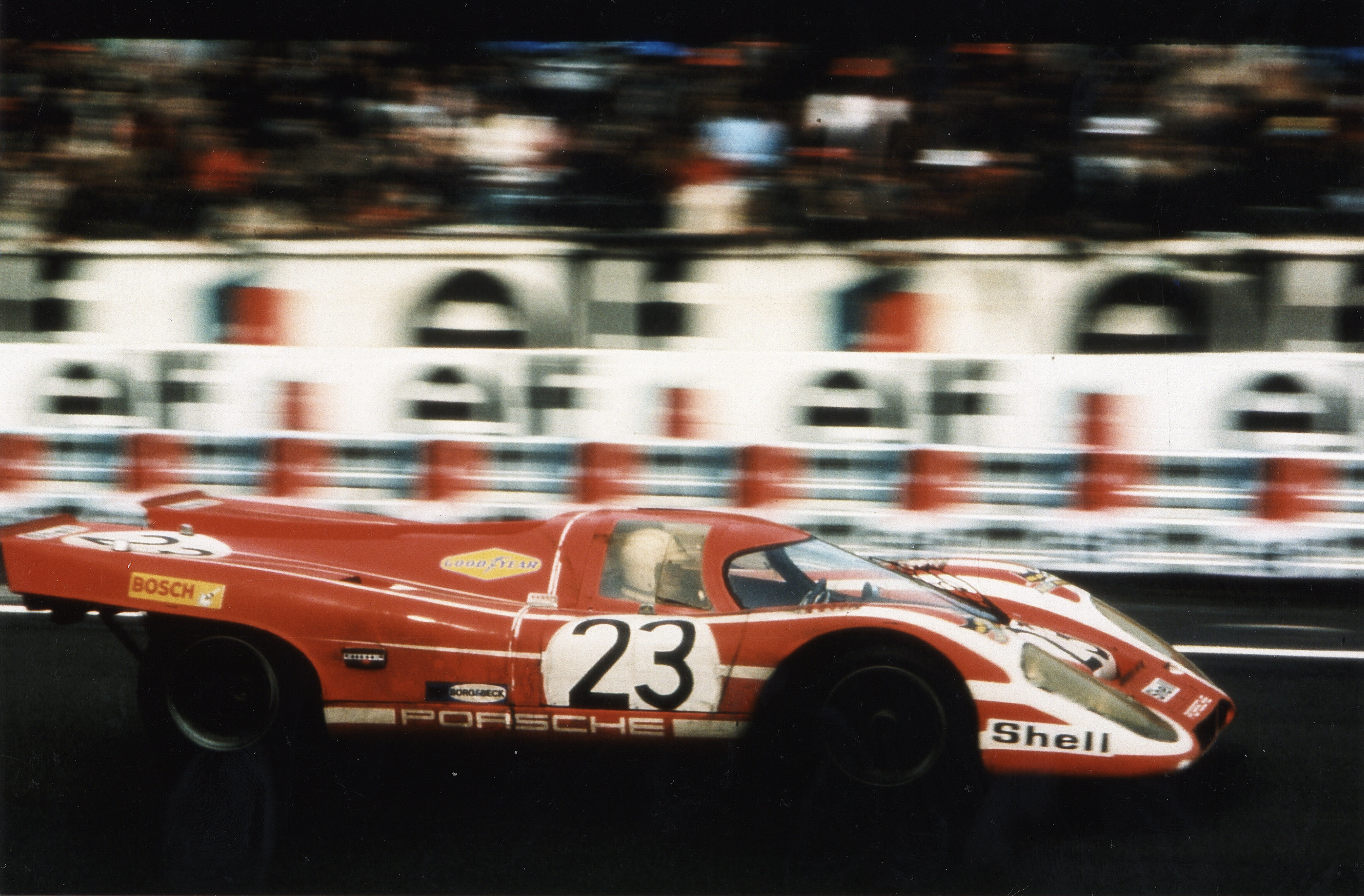
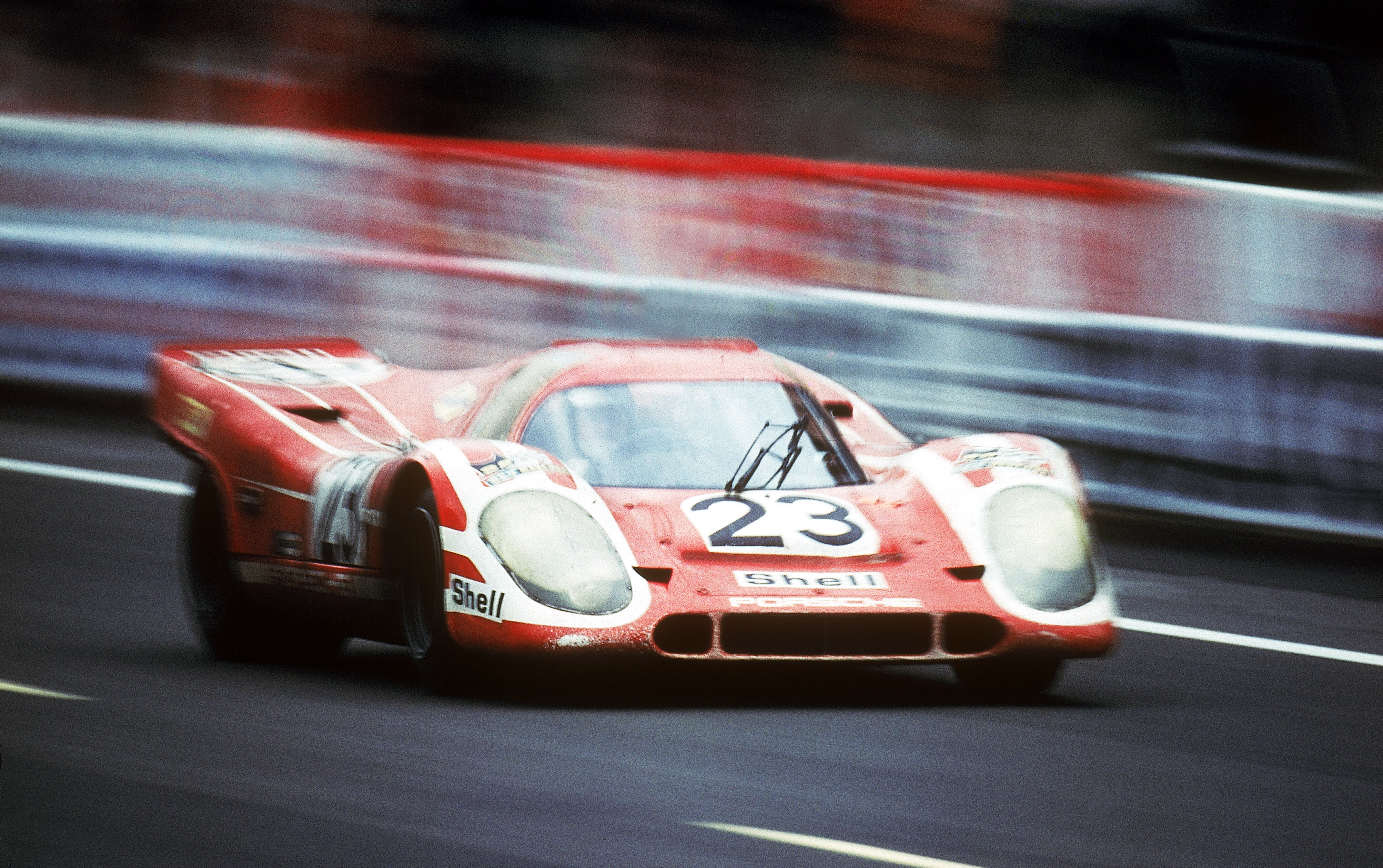
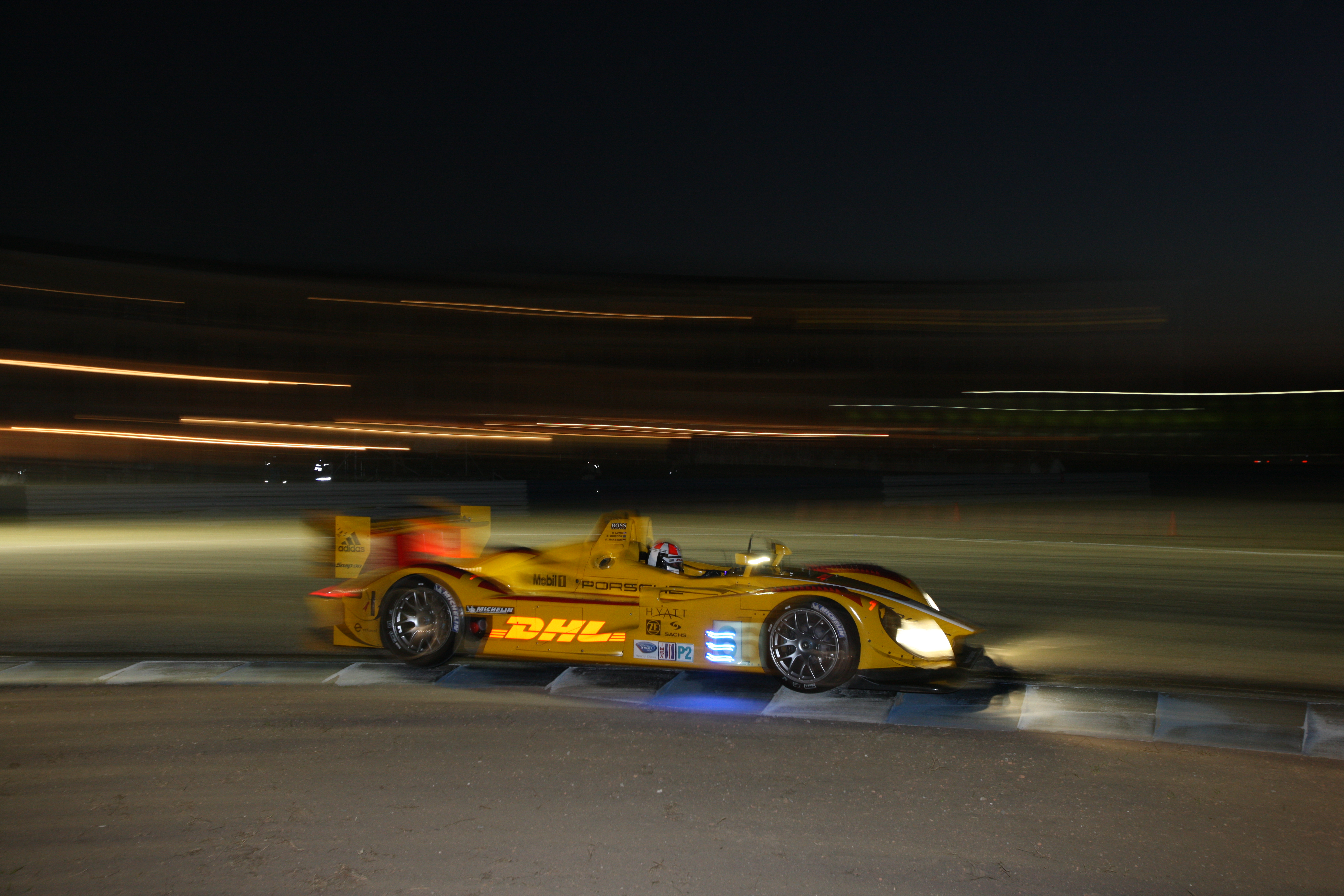
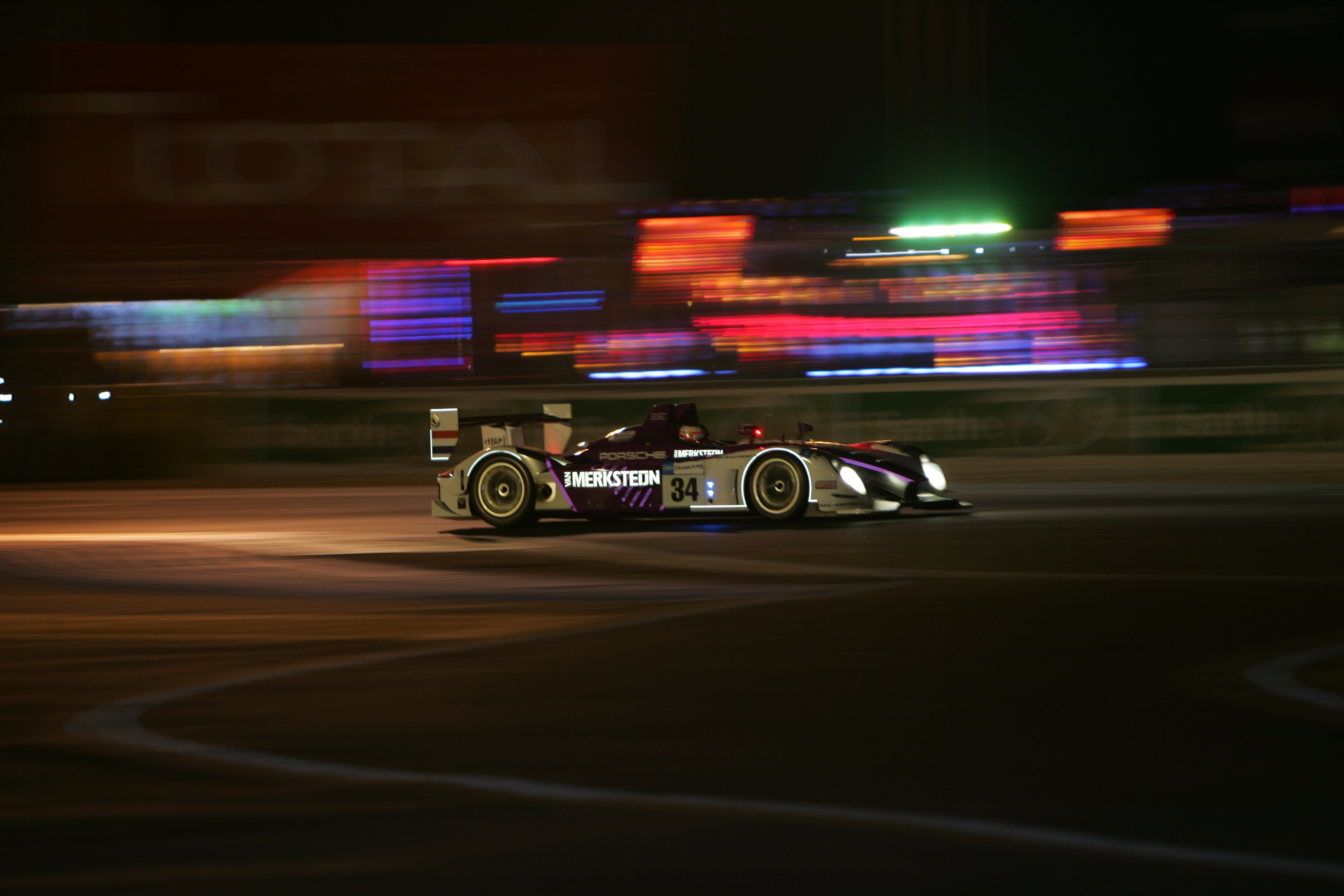
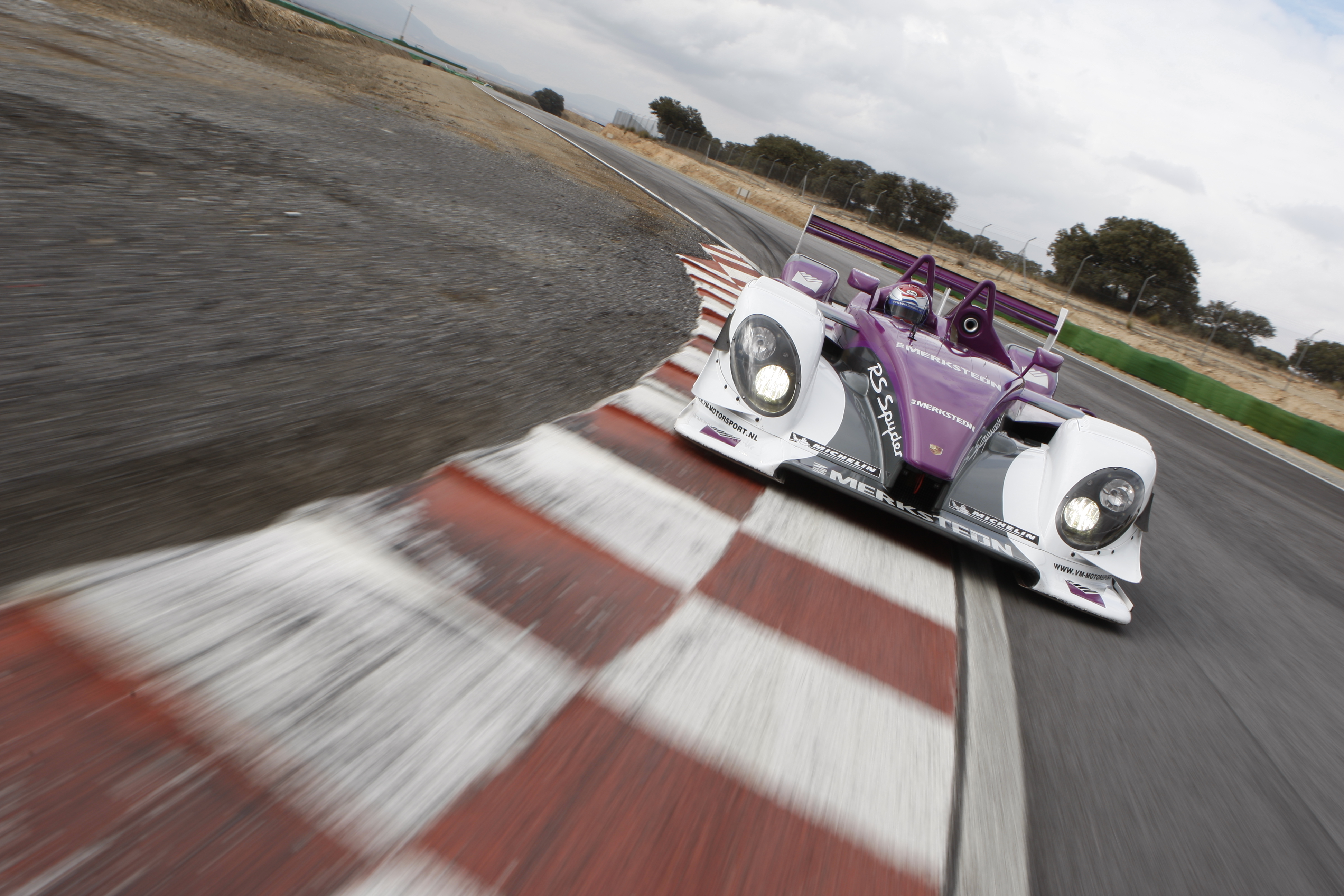
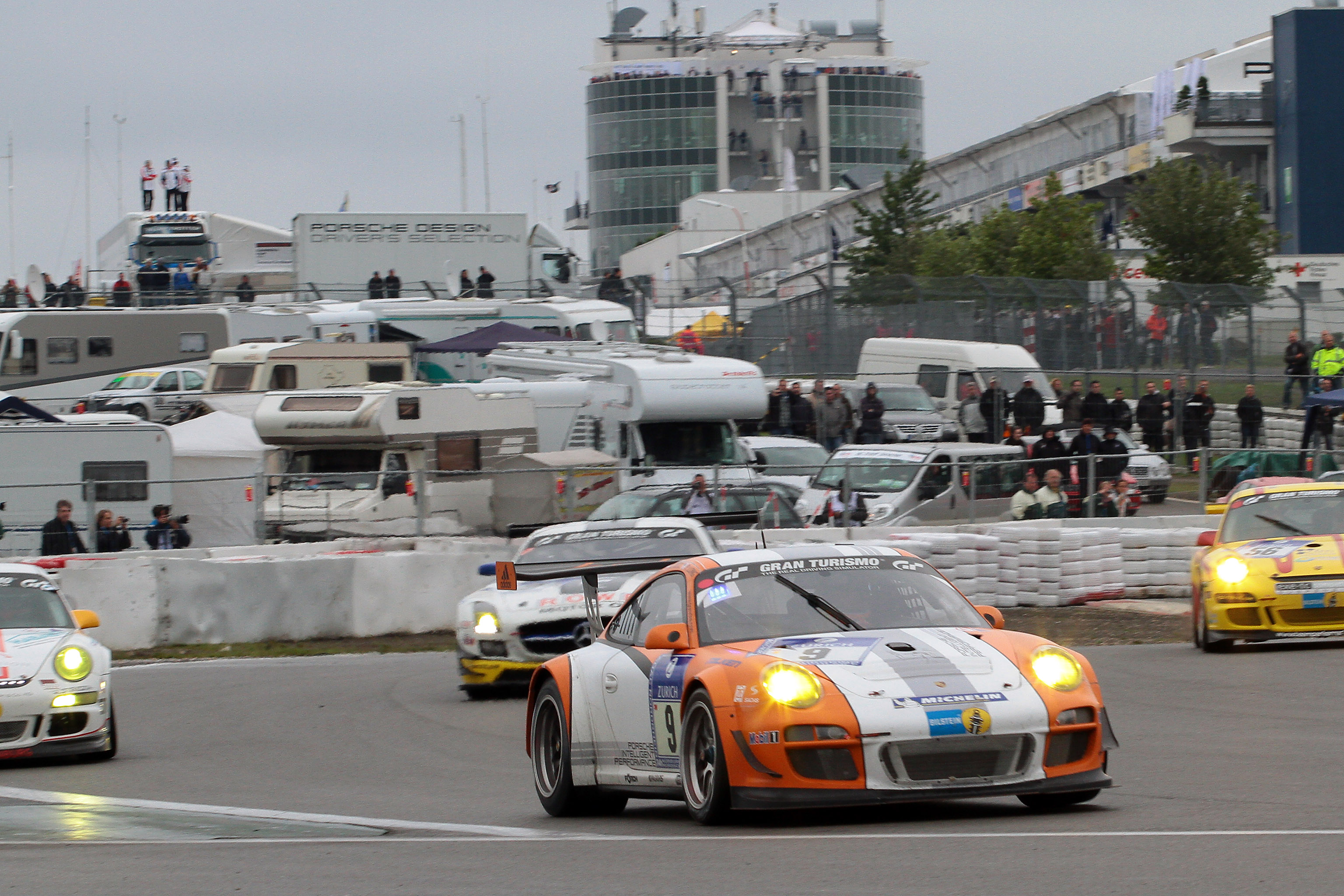
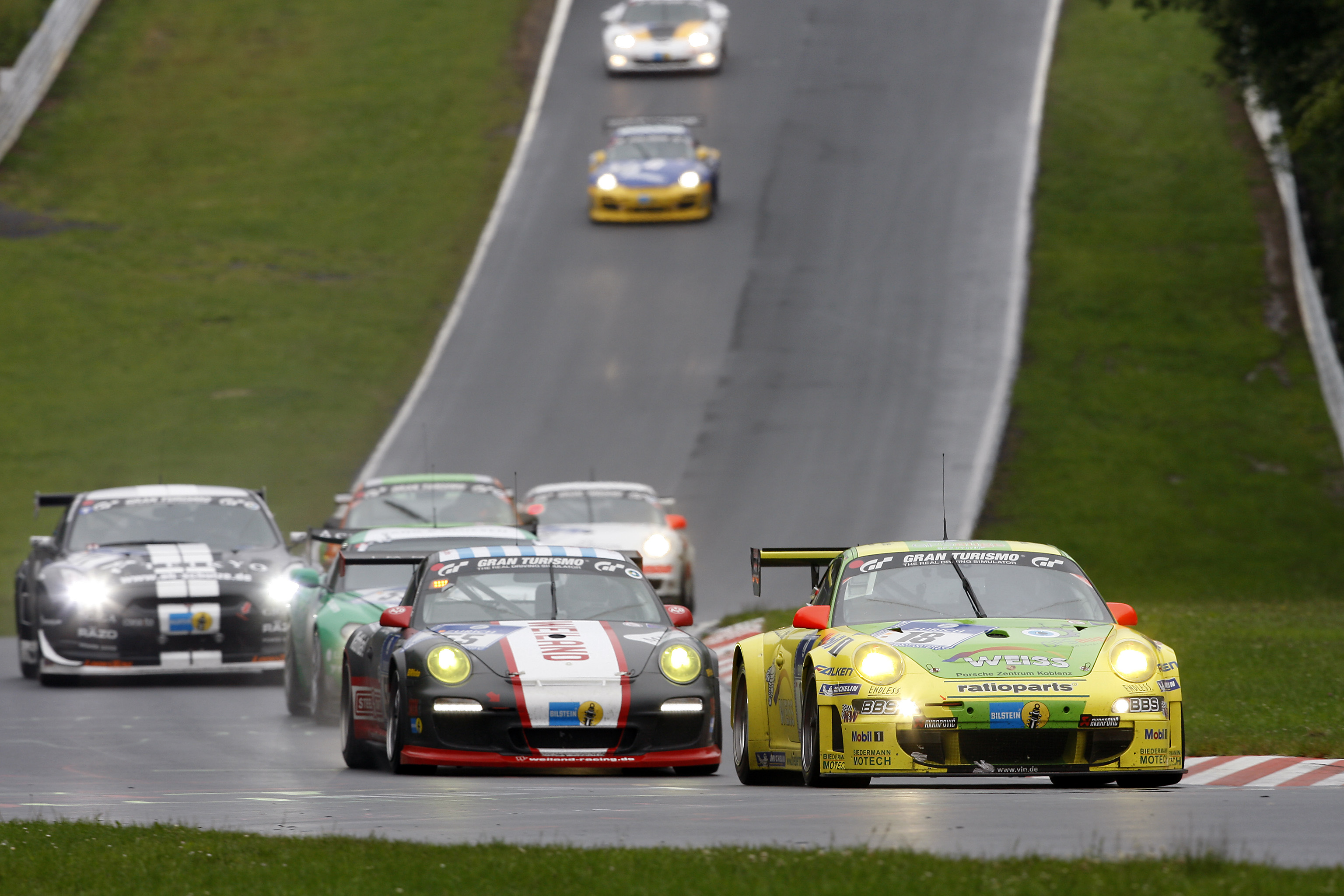
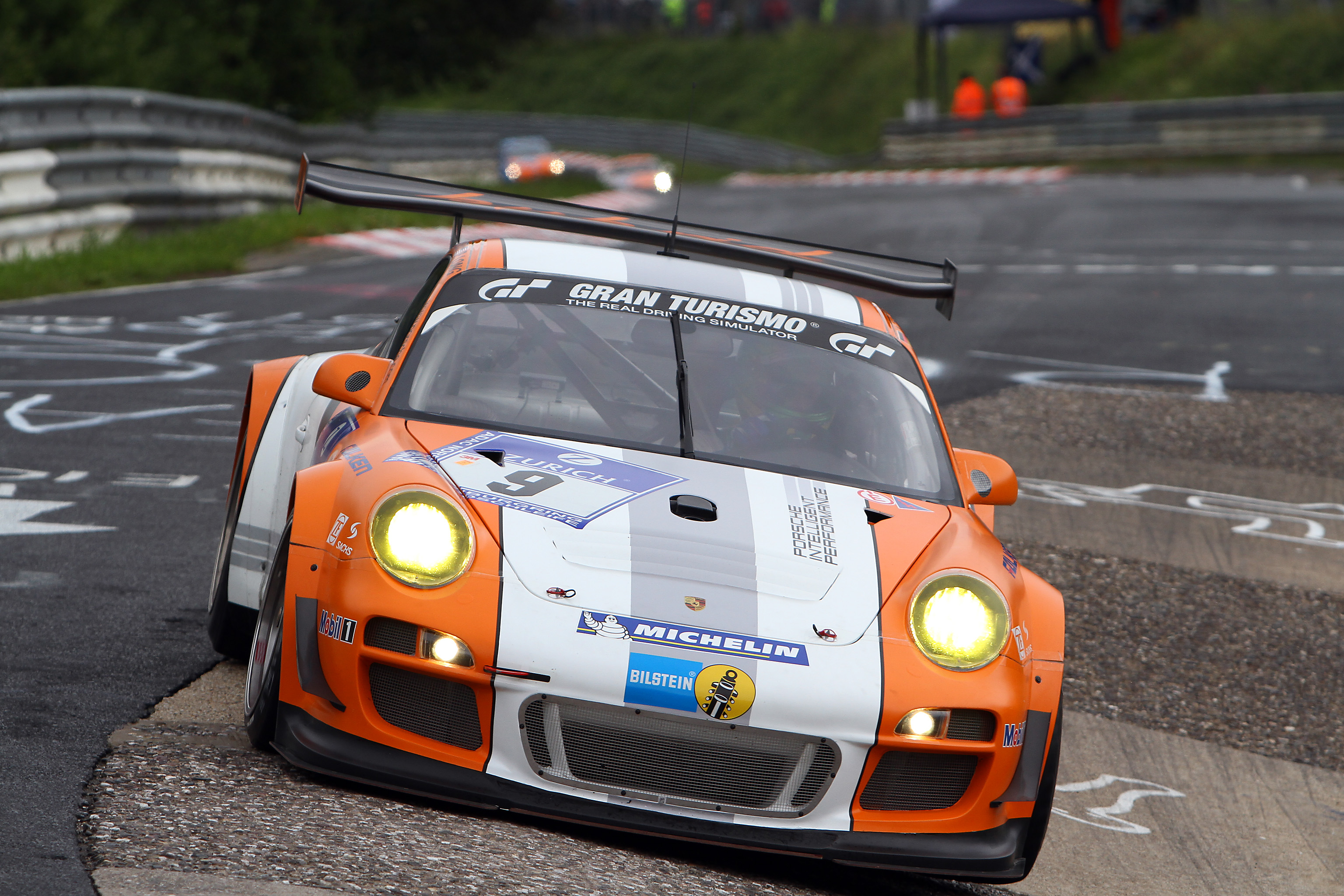
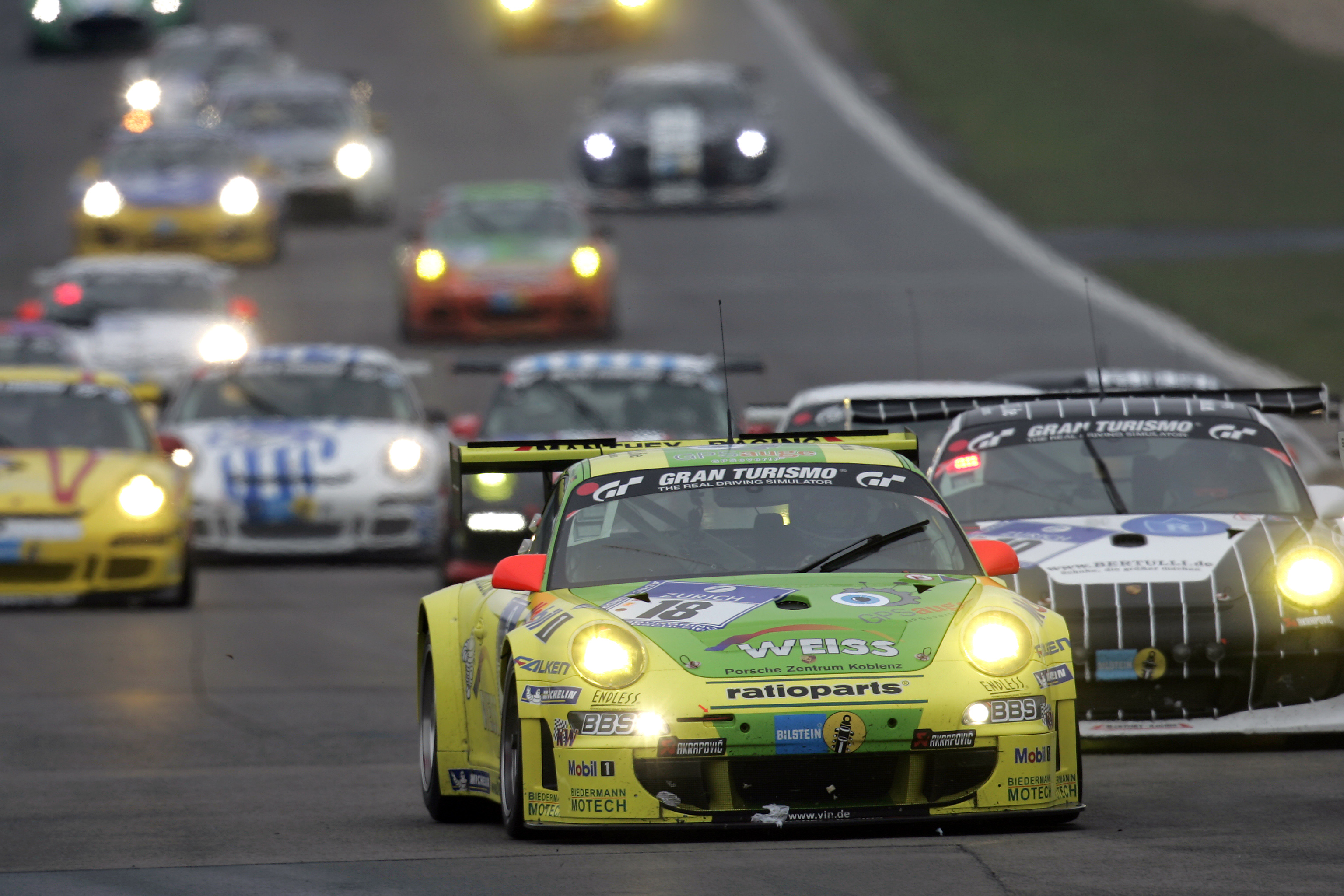
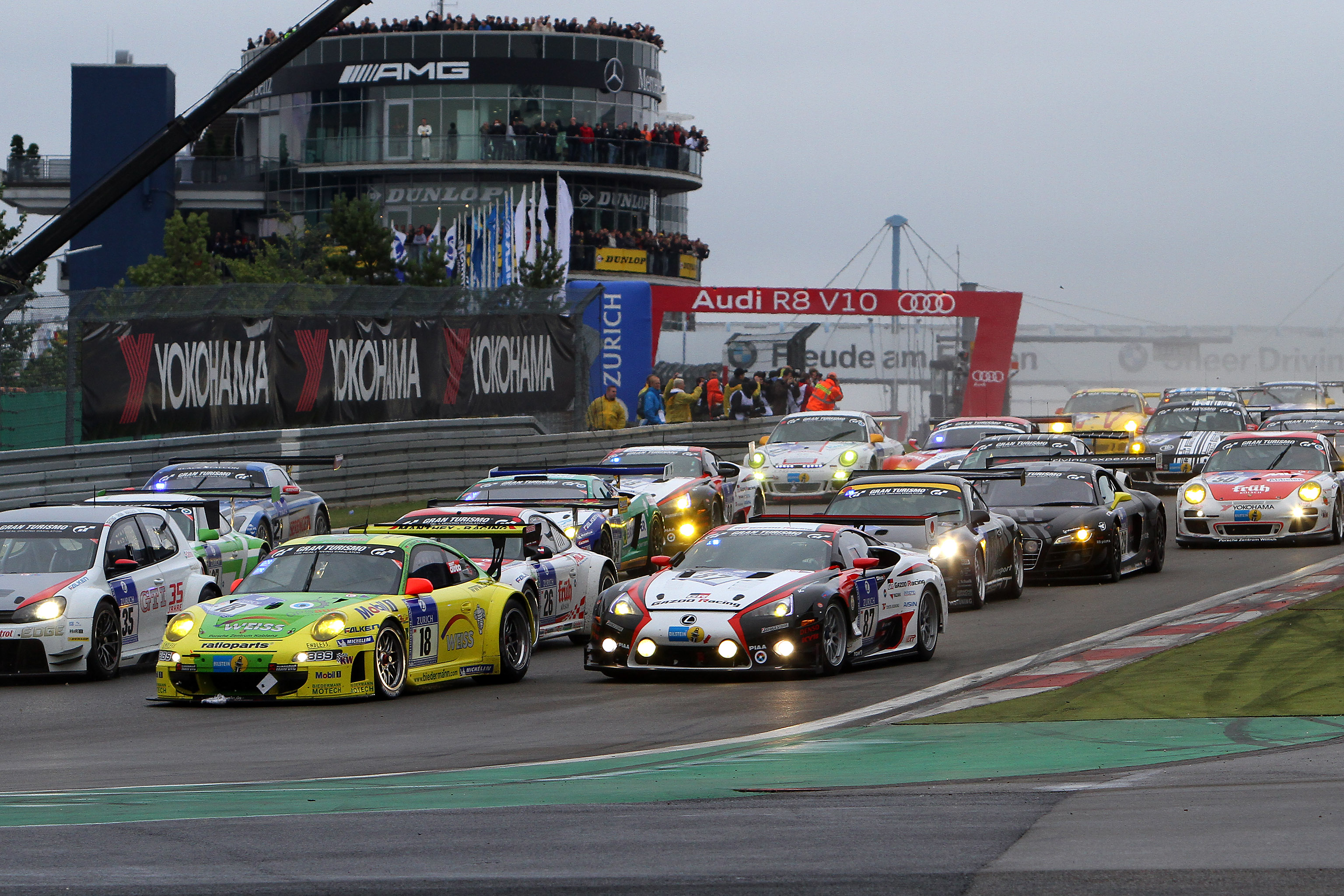
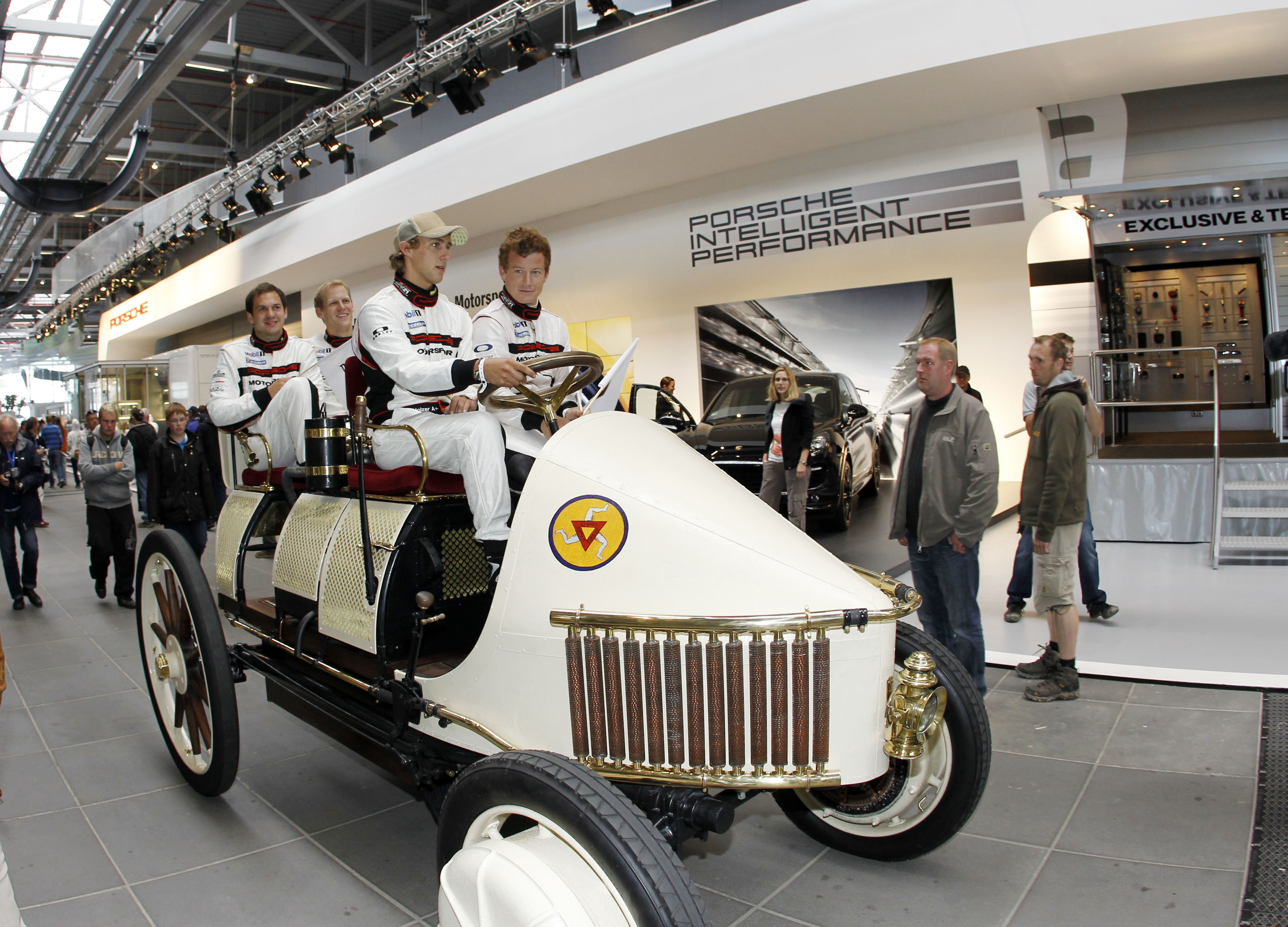
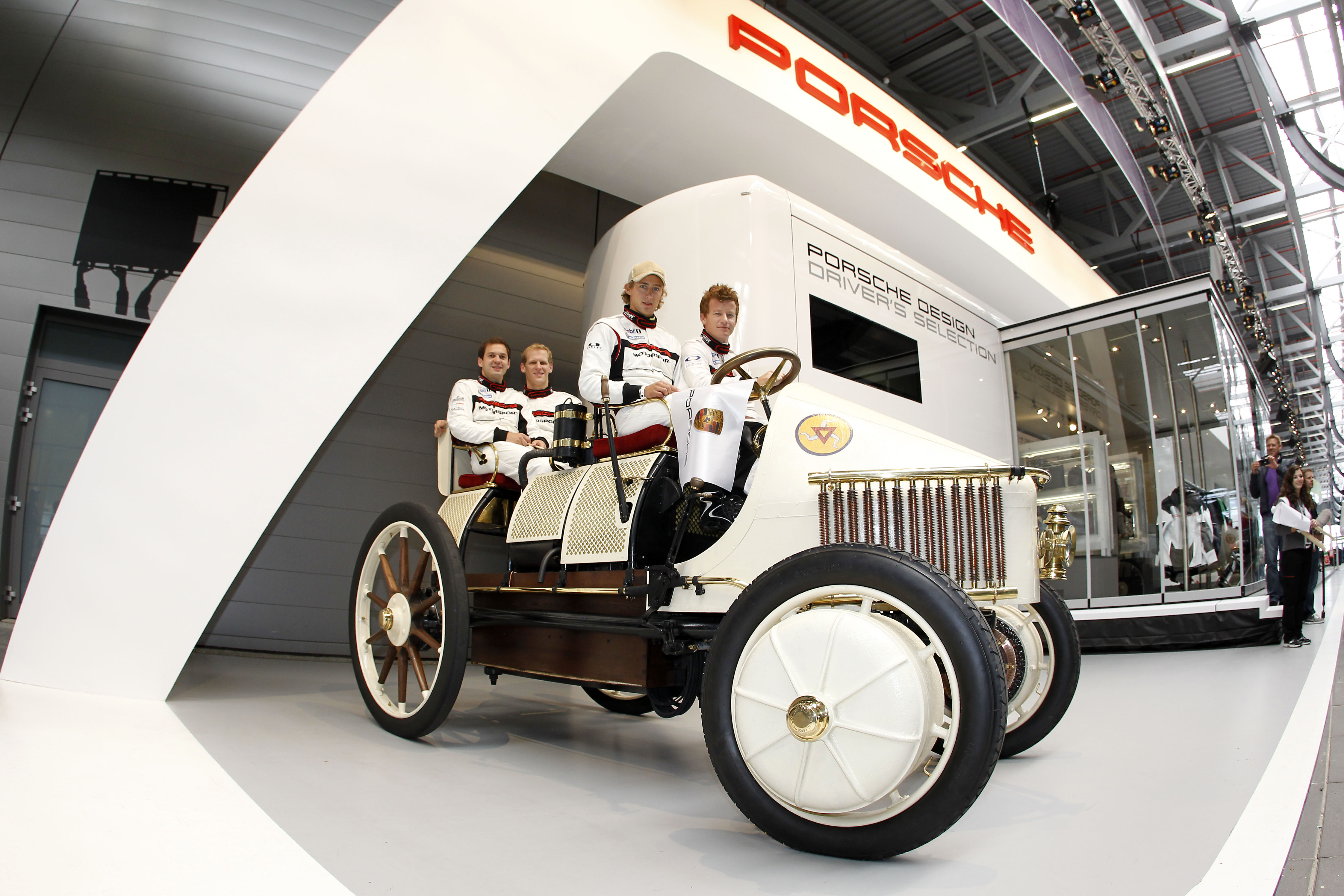
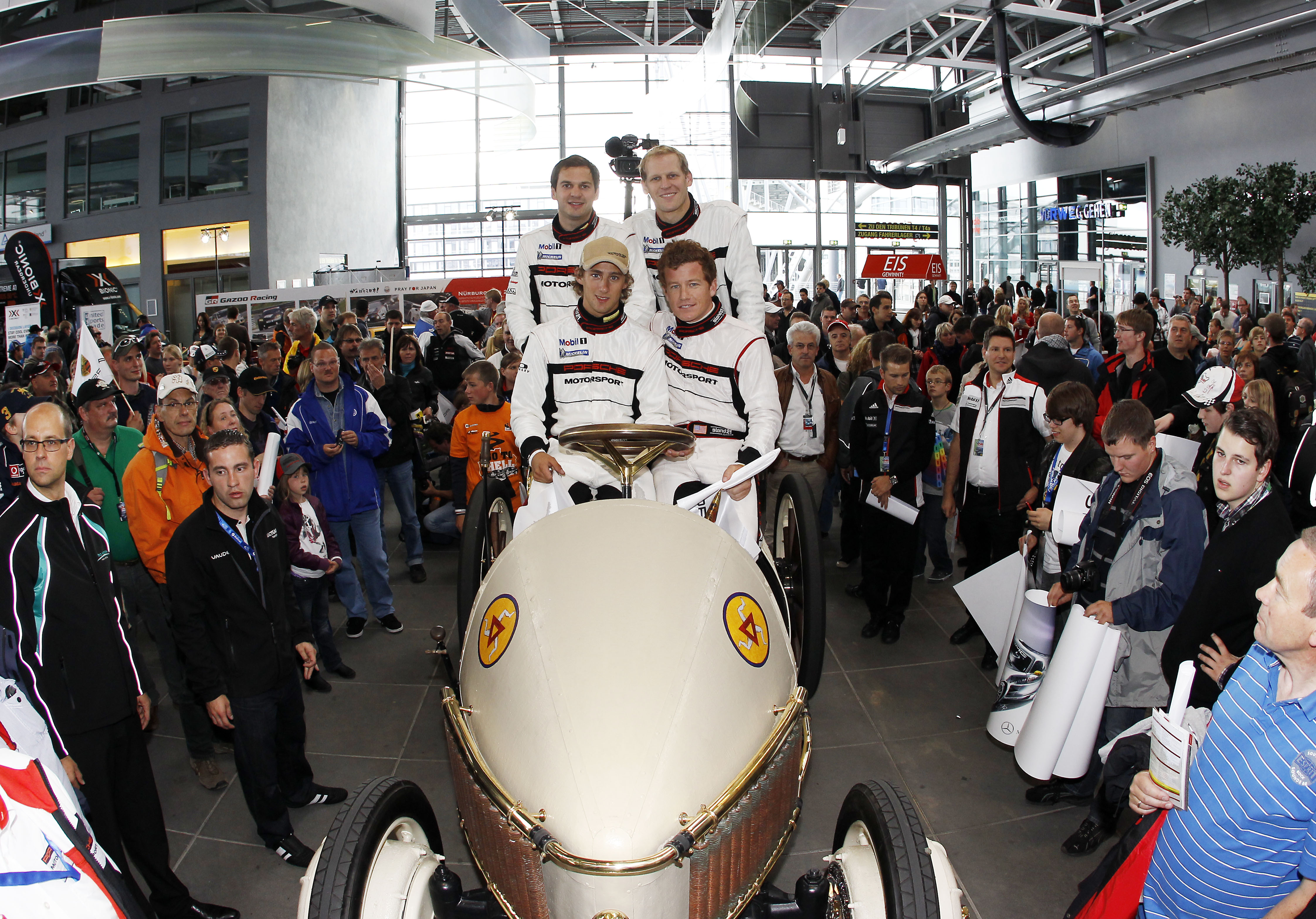
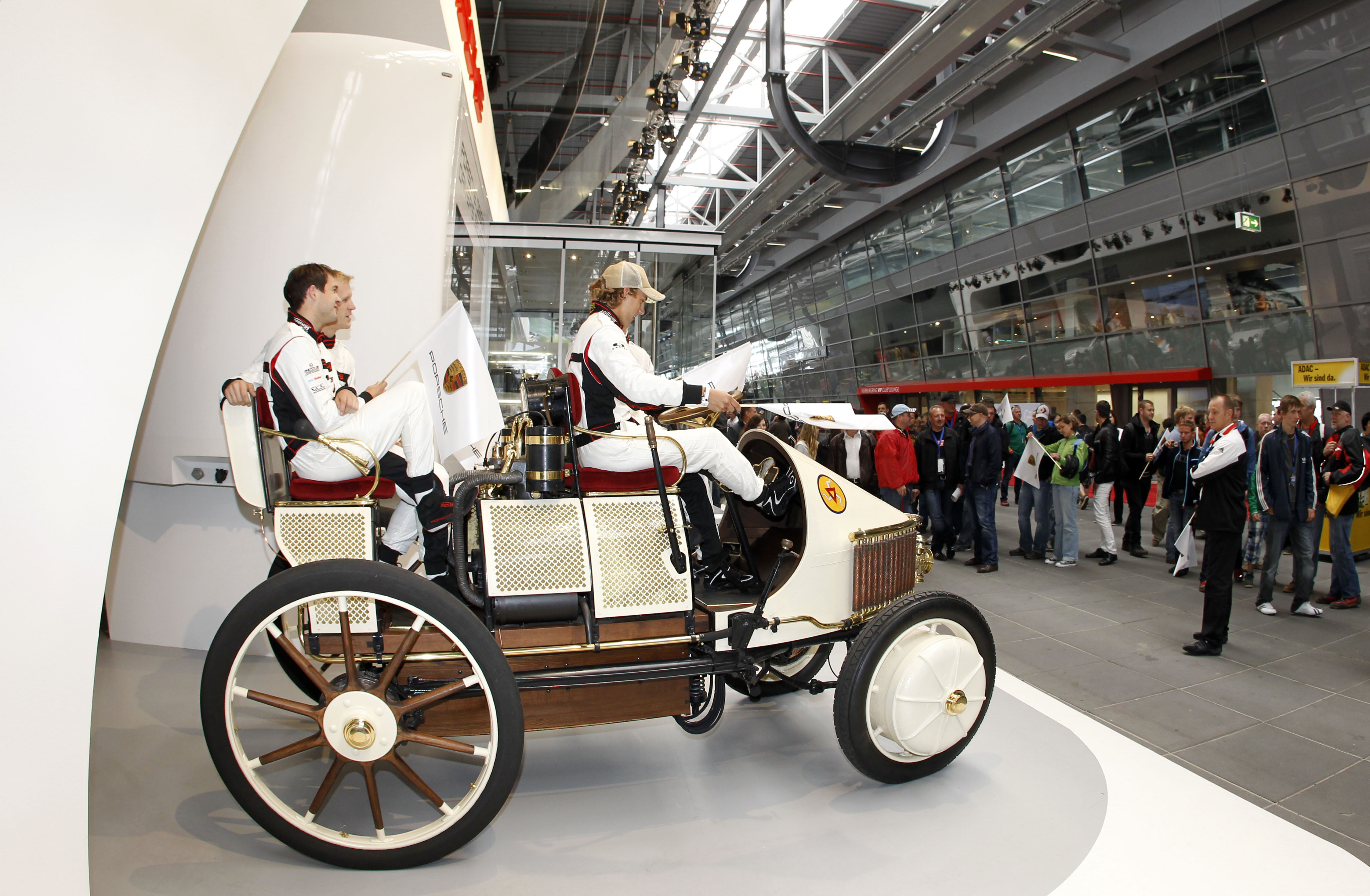
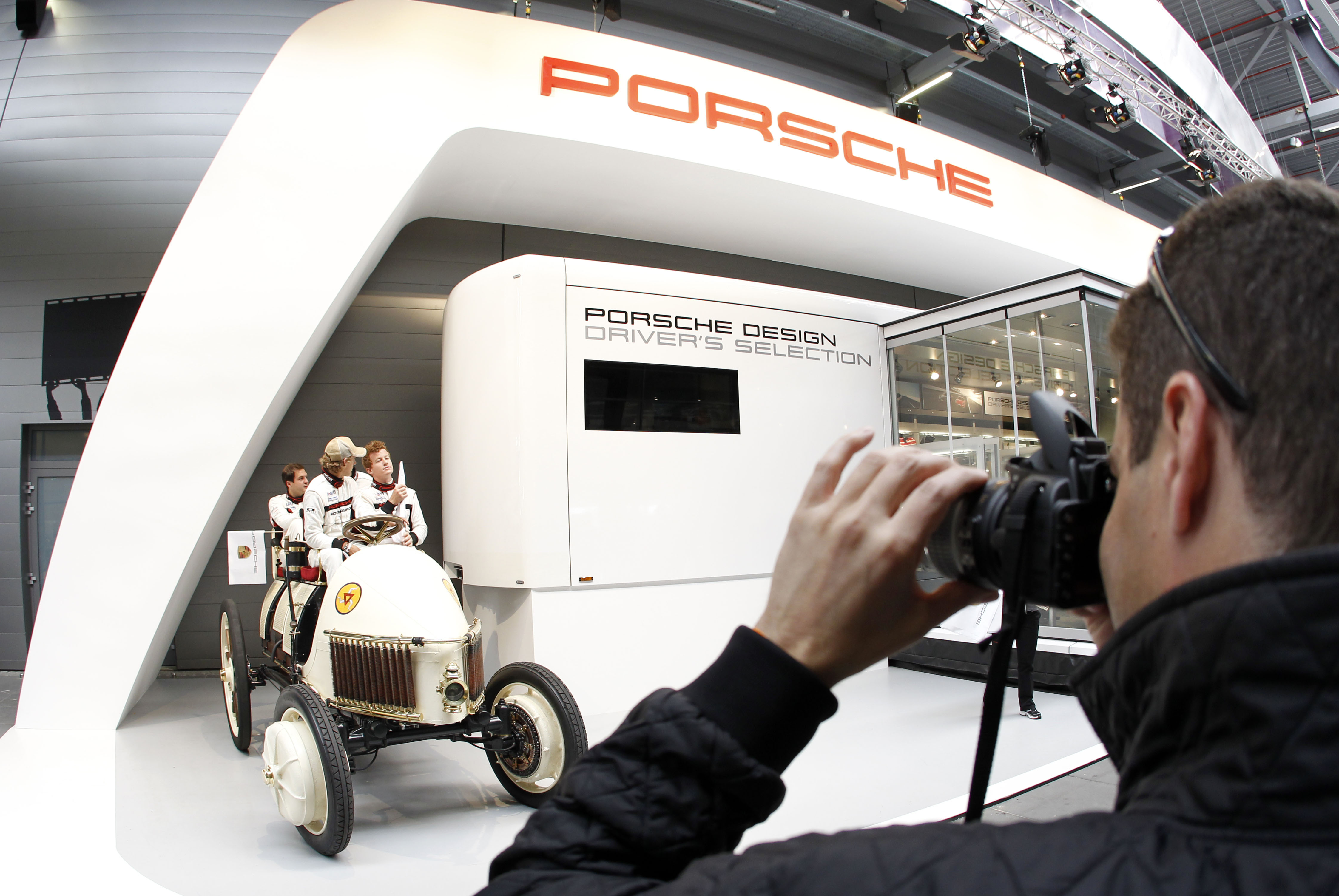
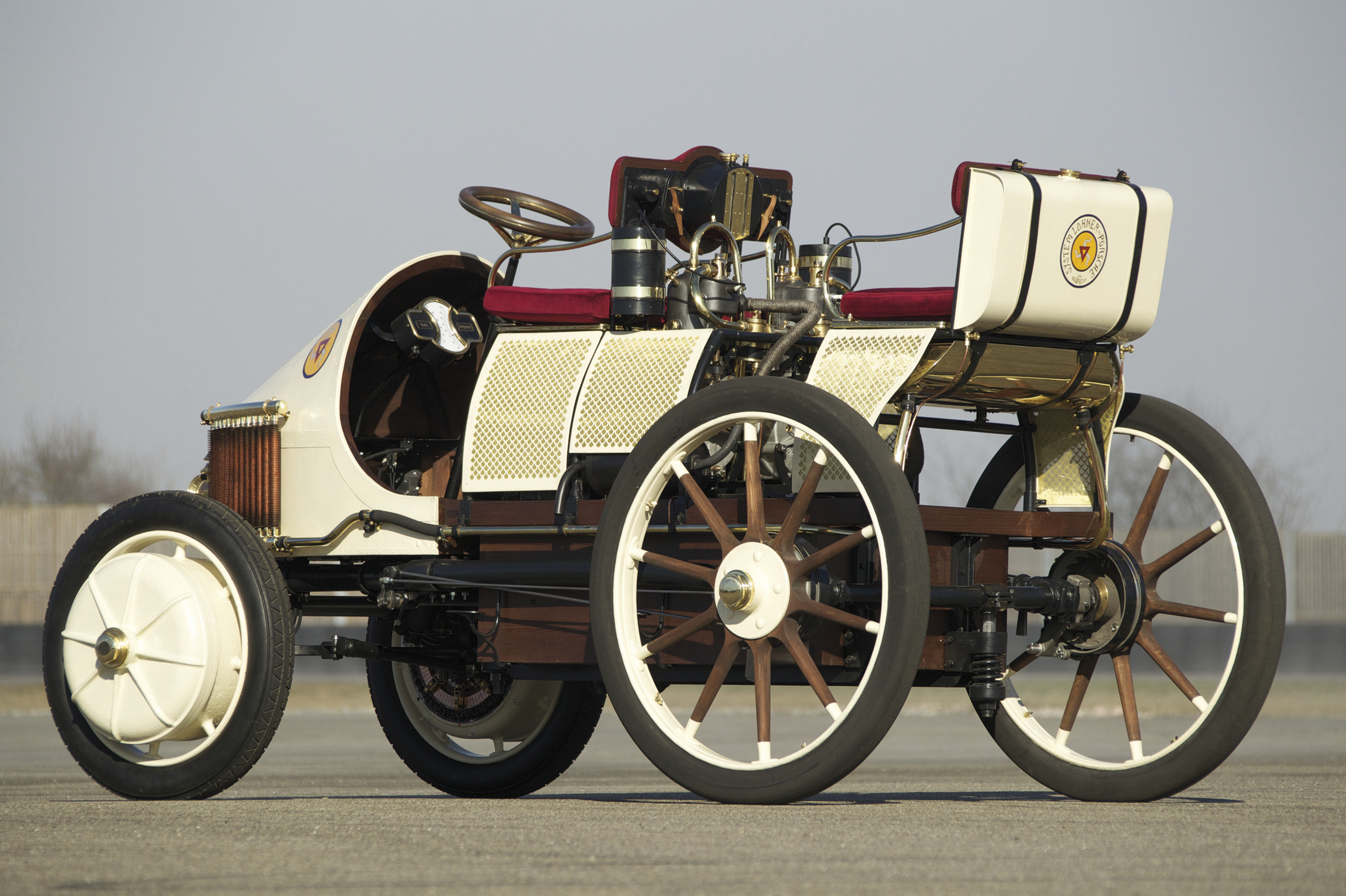
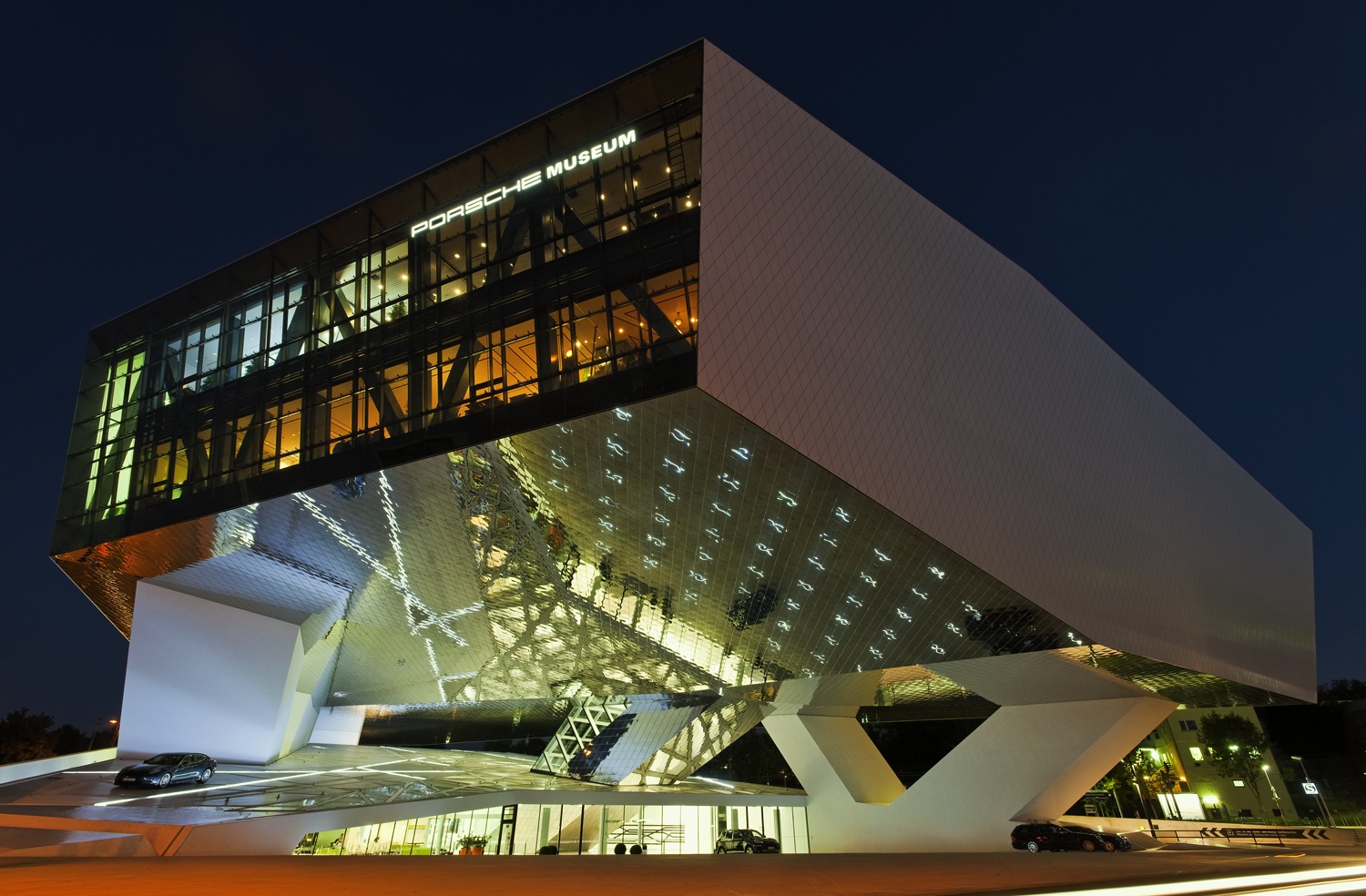
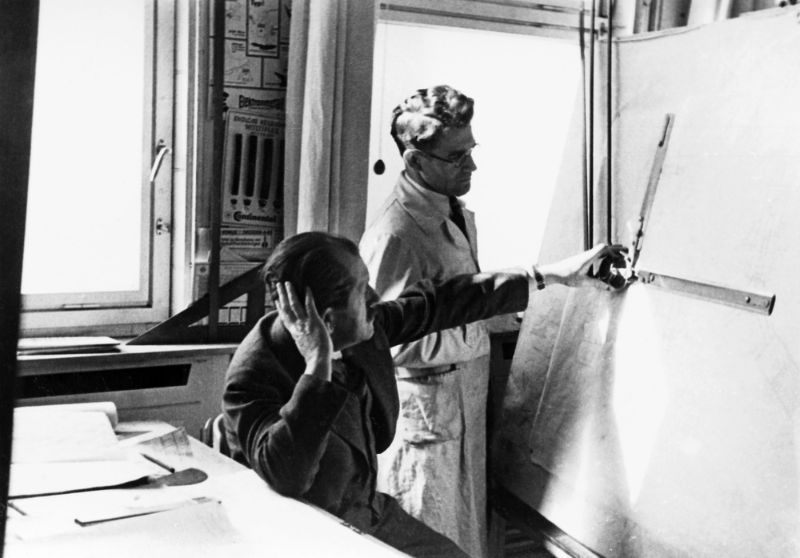
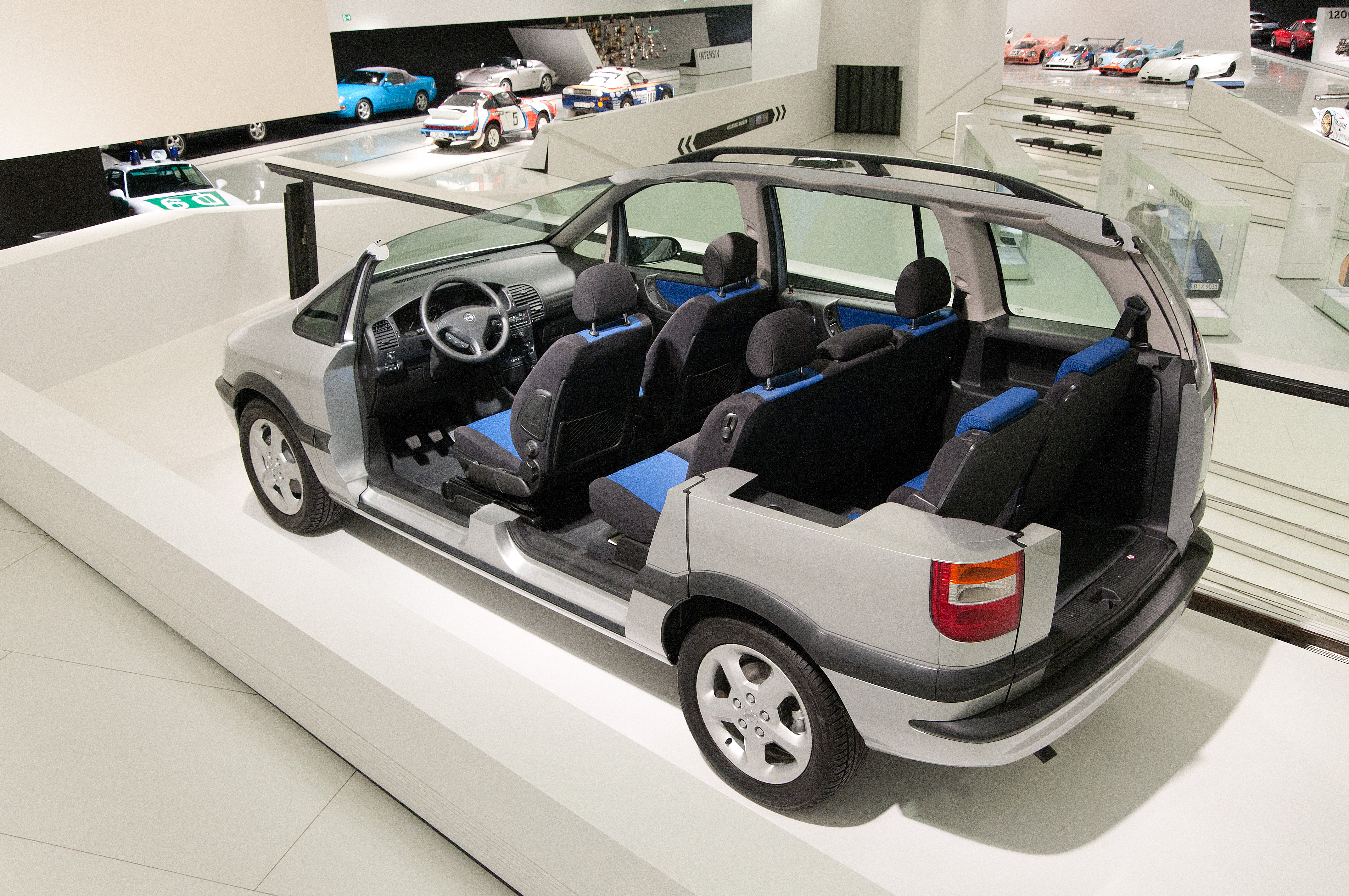
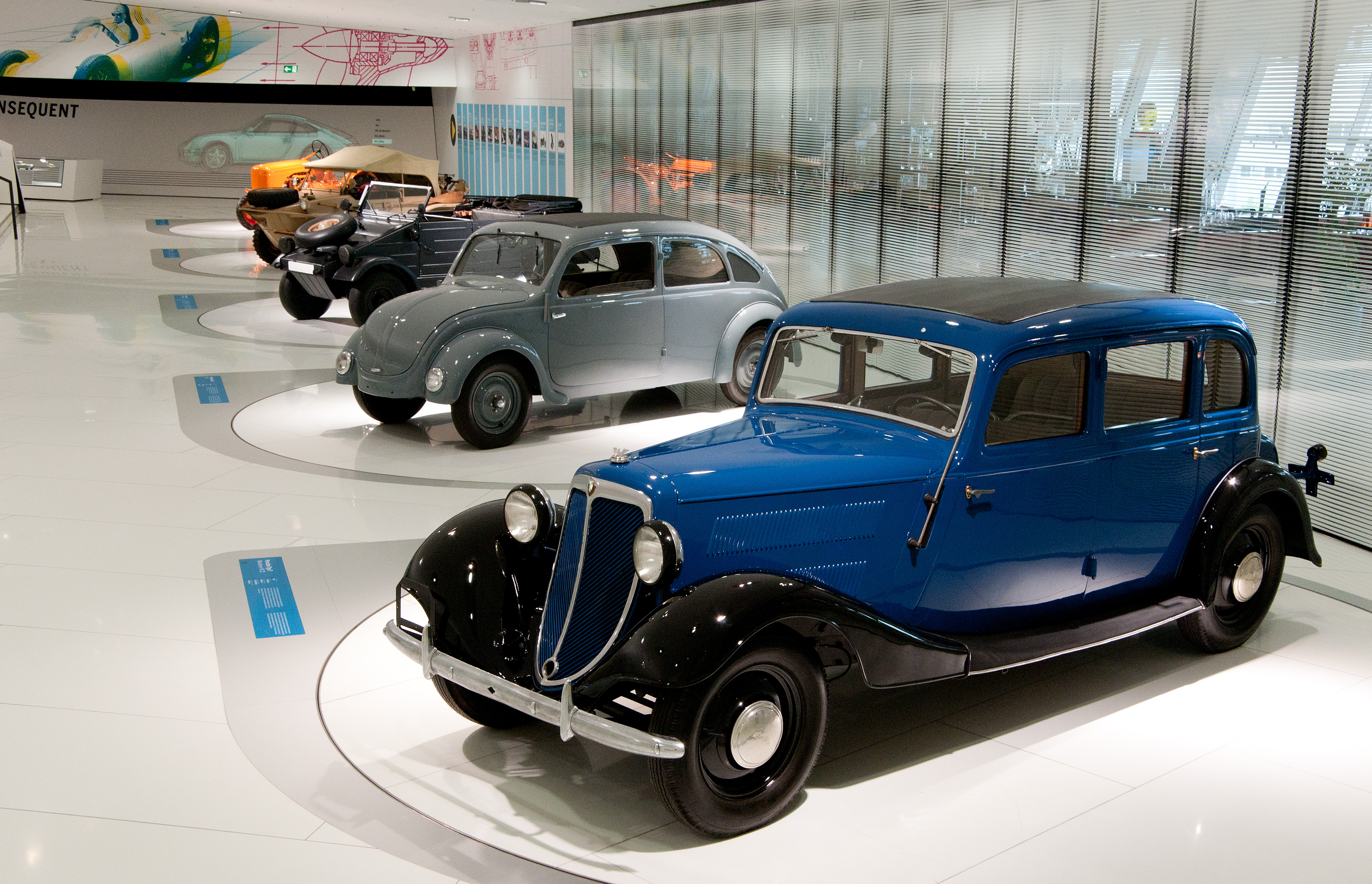
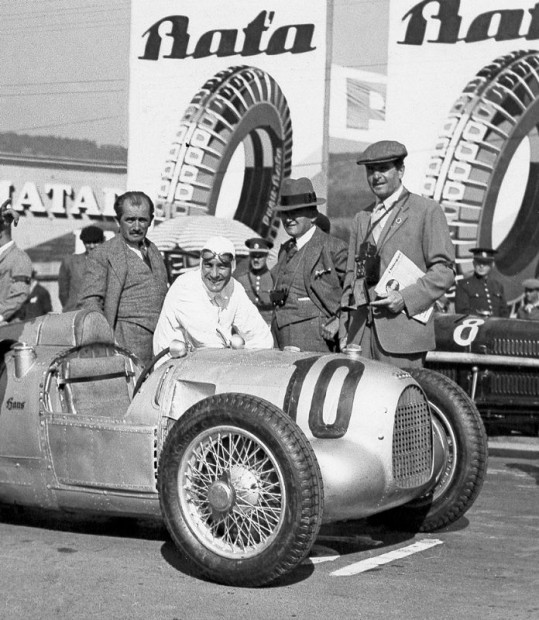
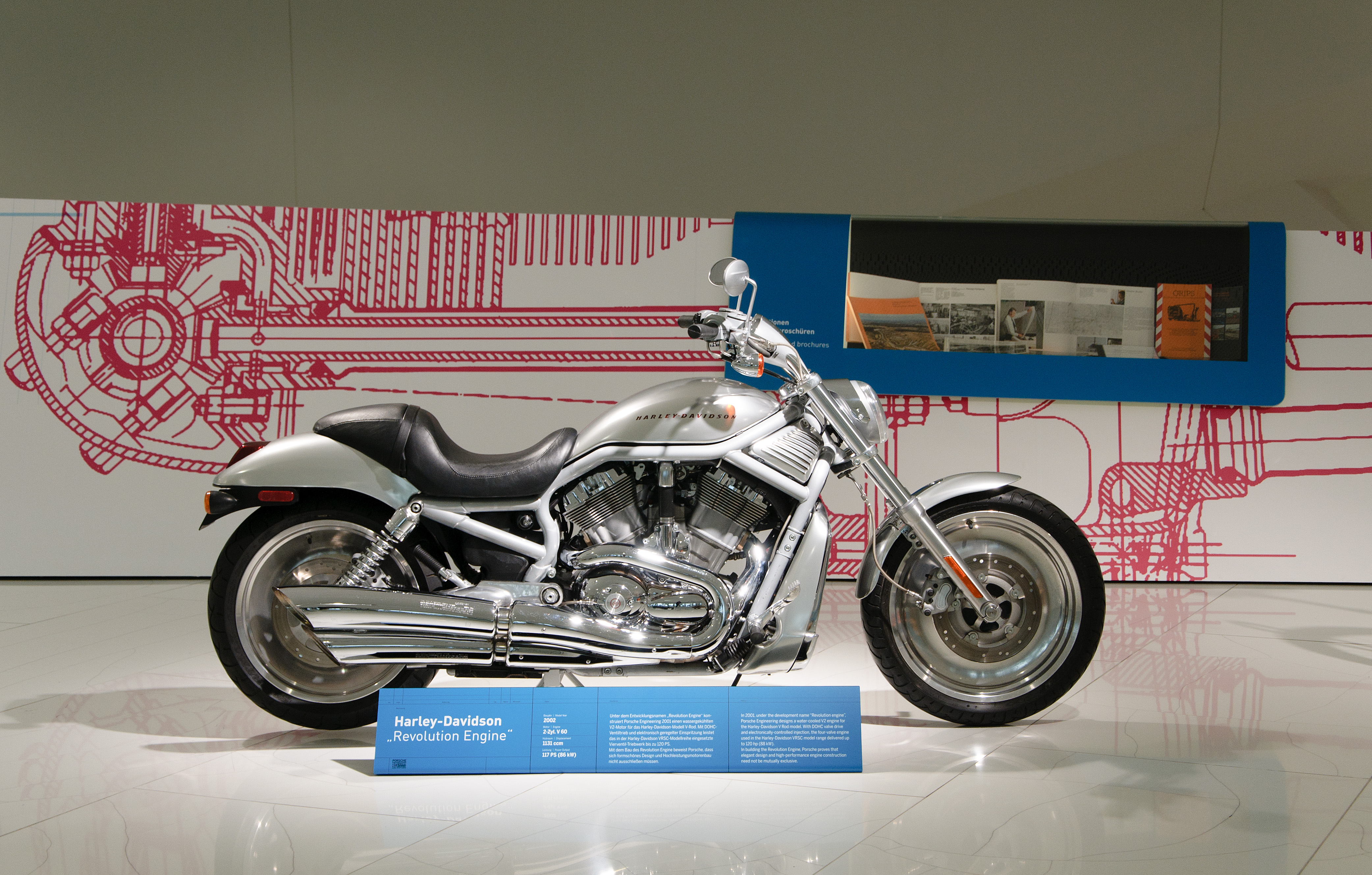
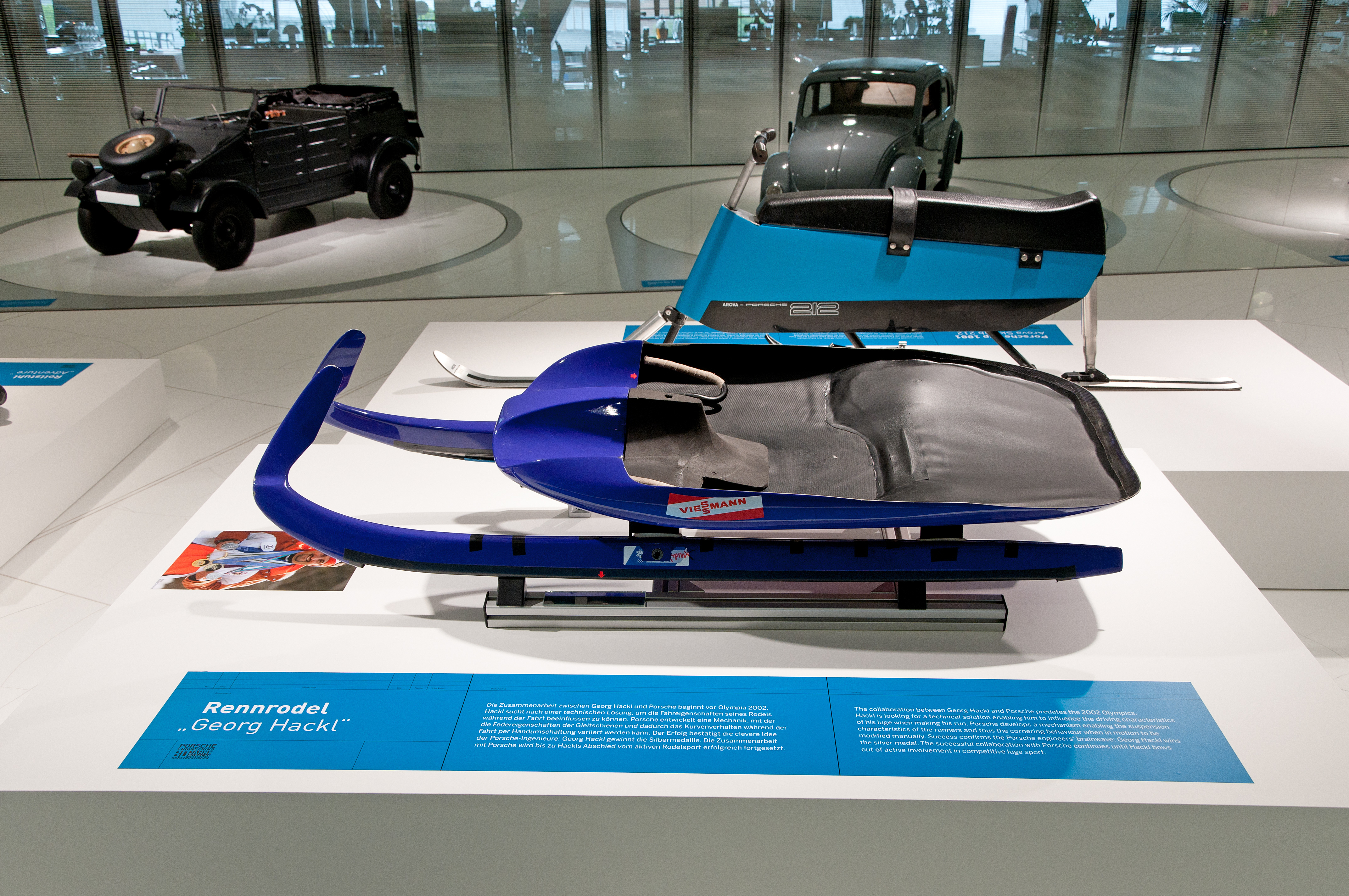
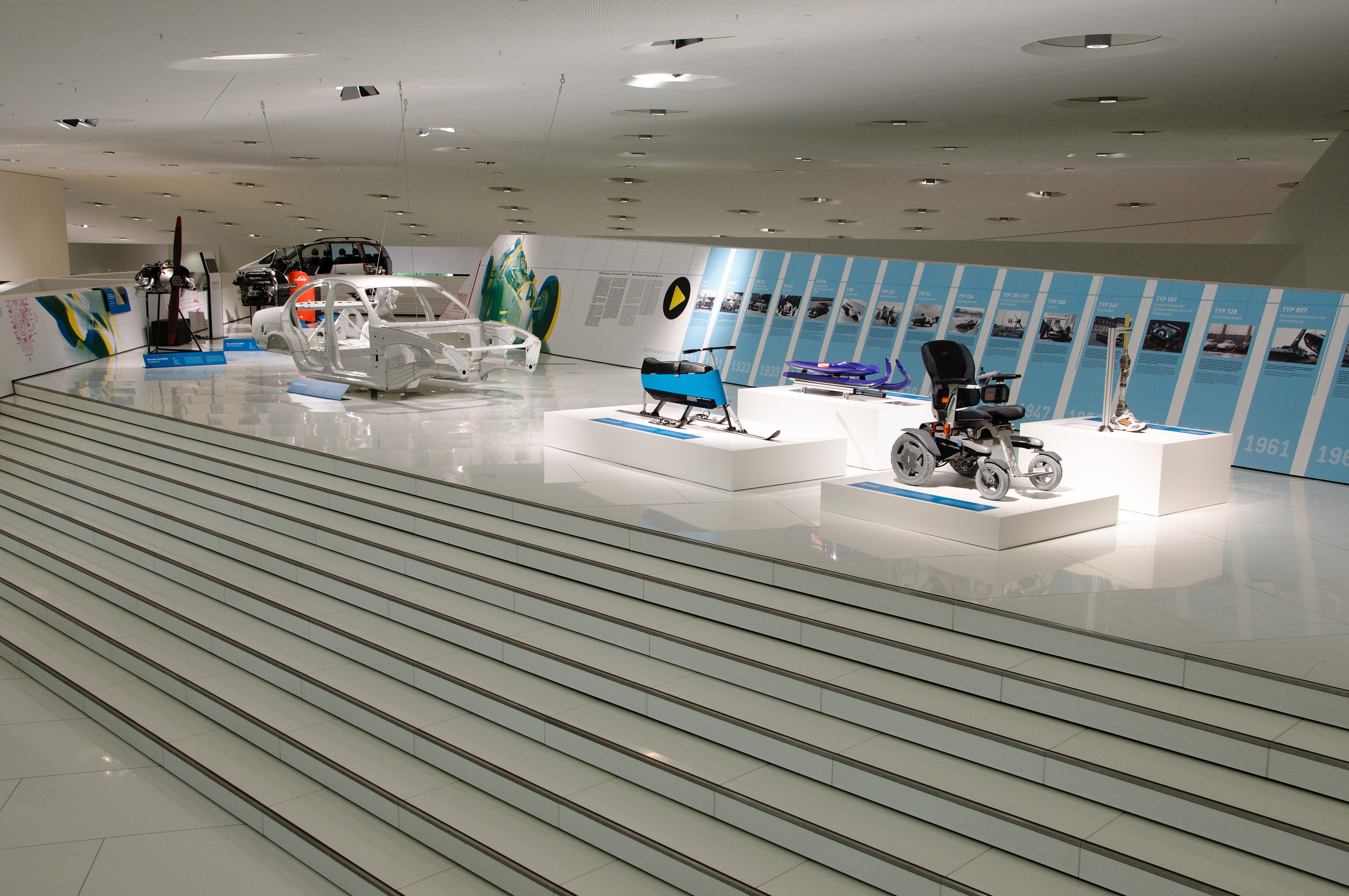


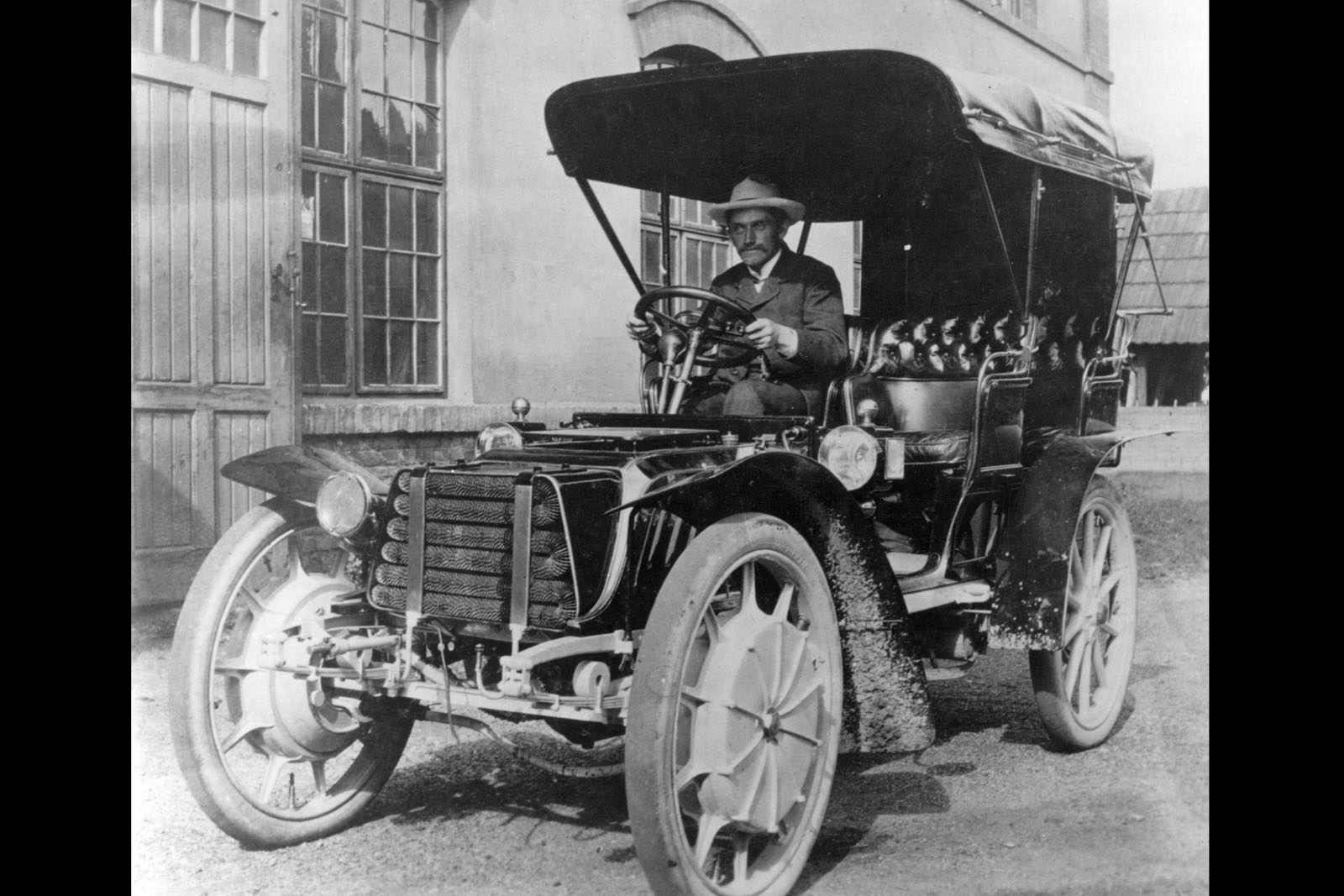
![[x]](https://i0.wp.com/files.porsche.com/filestore.aspx/zoom.jpg)



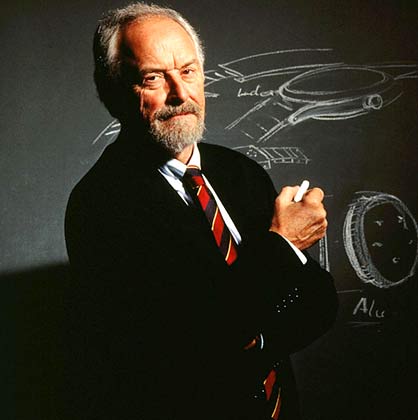
 Porsche Everyday Dedeporsches Blog