It's all about Porsche…if you're an owner of a Porsche,or a big enthusiast of Porsche Cars, Porsche Motorsports, Porsche Design, Porsche History, or a member of a Porsche Club….join me on focusing just about PORSCHE!!
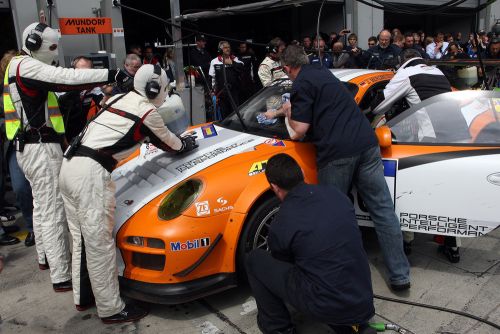
Basis for the first victory was certainly the lower consumption of the hybrid compared to the other cars.
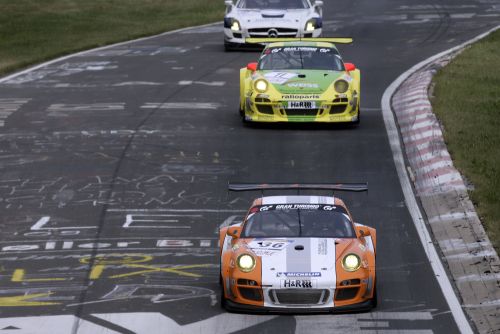
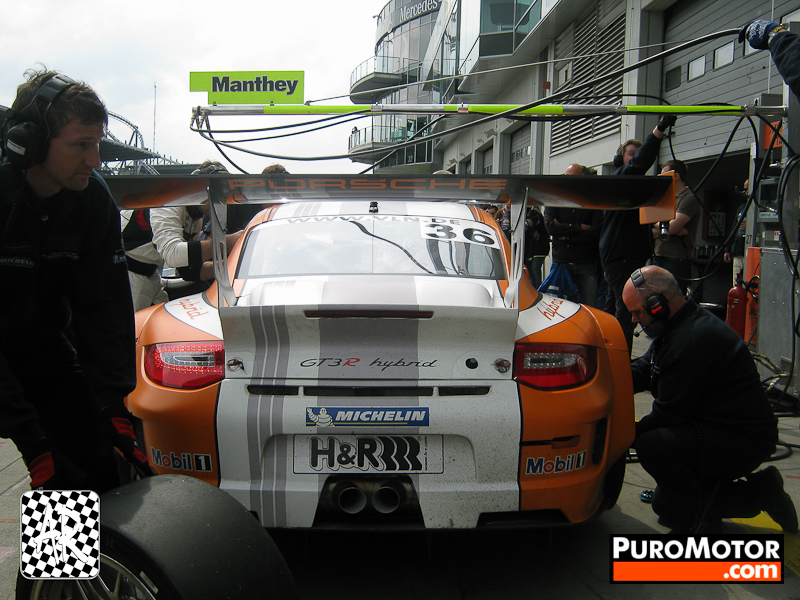
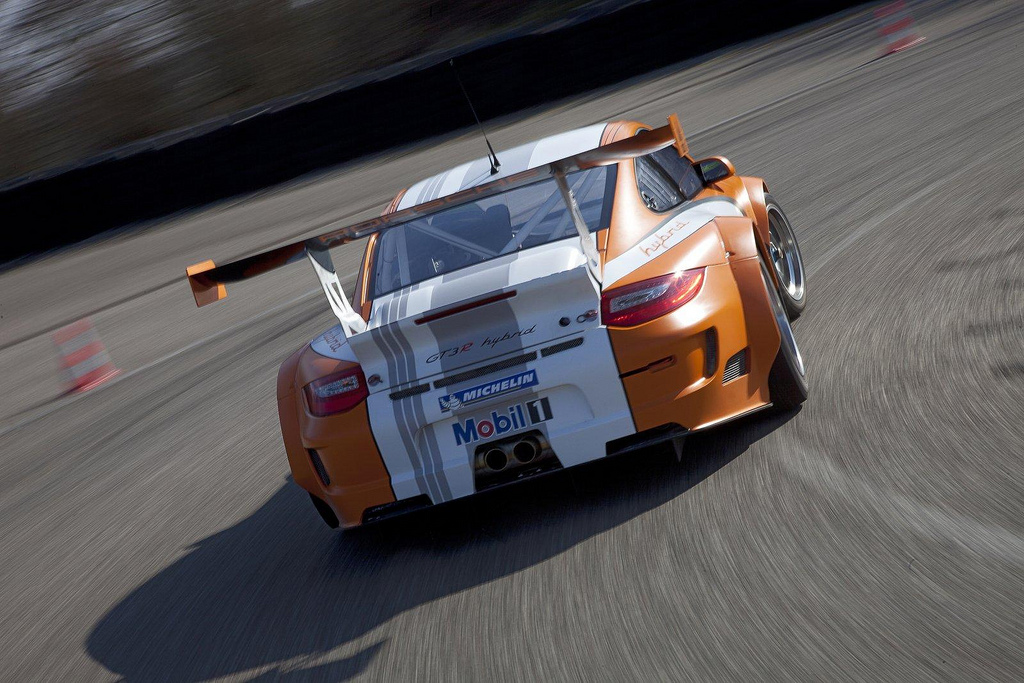
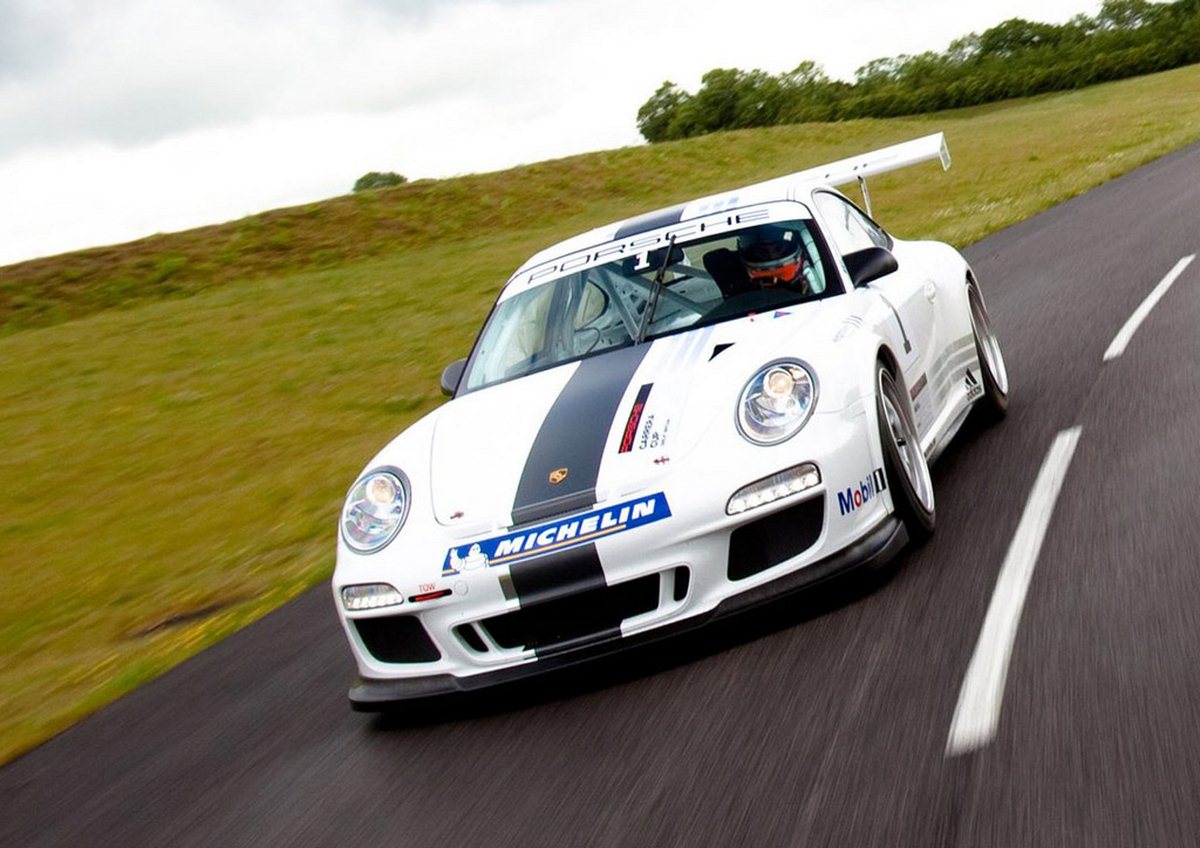
At the fourth round of the VLN, the Porsche 911 GT3 R Hybrid celebrate the first victory – only two stops as the key to success
Less recharge, drive longer: this is the recipe for success of the enhanced Porsche 911 GT3 R hybrid.
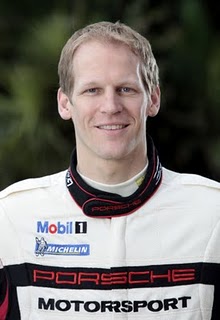
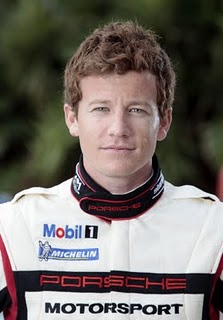
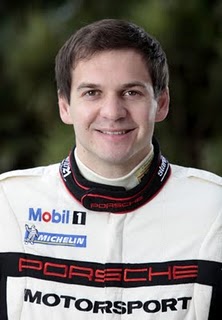
With version 2.0, Porsche works driver Richard Lietz, Marco Holzer and Patrick Long drove in the fourth round of the Endurance Championship for the first victory of the hybrid race car from Weissach.
While almost all direct competitors stopped three times to refuel in the pits, the hybrid with just two stops, was victory and checkered flag for the Porsche hybrid.
The second race of the 911 GT3 R hybrid in the Endurance Championship in 2011 is the successful completion of the intensive preparation for the 24-hour race Nürburgring 25-26. June.
“We are using the technical specifications of the vehicle and the reliability of the hybrid system extremely satisfied,” saysPorsche head of motorsport Hartmut Kristen.
“We have over the competition a pit stop saving and go with less energy input from the outside similarly fast lap times. This is what we mean by Porsche Intelligent Performance. I am particularly pleased that even the 911 GT3 RSR by Manthey Racing the known efficiency of the Porsche 911 models could prove, and was number two. “
The focus of the development of the Porsche 911 GT3 R hybrid was clearly on the increase in efficiency. For this, the vehicle weight was reduced from 1,350 kg to 1,300, which even the hybrid components are involved. Their weight was reduced by 20 percent by direct optimization. The general hybrid layout was taken from the 2010 model.
This slideshow requires JavaScript.
The power used in the portal axle two electric motors has been increased from every 60 to 75 kilowatts. Overall, the pilot of the 911 GT3 R Hybrid 2.0 seconds, an additional capacity of around 200 horsepower, which corresponds to a lap on the Nordschleife of an additional conventional capacity of approximately 23 kW (32 hp). The electric power is automatically supplied as programmed when the accelerator pedal.
In addition, the pilot, the hybrid-electric auxiliary power to retrieve it manually, for example when overtaking. While the portal axle drives the front wheels, was the 4.0-liter, now 465 hp six-cylinder boxer engine that delivers its power to the rear axle, cut back in power, and optimized in terms of fuel consumption.
“We ran like clockwork with hybrid penalty,” said Marco Holzer.
“The key to success was now near the low fuel consumption and reliable technology that all drivers were on a uniformly high level of the road and have made no mistakes,” added teammate Richard Lietz.
A trouble-free race also went to the yellow-green Porsche 911 GT3 RSR of the Manthey team.
With seven seconds behind occupied Lieb, Luhr and Dumas in second place.
“This was an almost perfect race. Unfortunately, our 911 GT3 R, the cockpit I’ve shared with Timo Bernhard and Romain Dumas, roughly by a competitor of the runway bowled,” said double starter Marc Lieb..
Oliver Hilger-Photo Porsche
Nürburgring Long Distance Championship PHOTOS: Porsche AG Press
Porsche Hybrid GT3 R beim freien Training der VLN auf der Nordschleife 29.04.2011
Stuttgart. The development of the Porsche 911 GT3 R Hybrid 2.0 is running at full revs.
This Saturday, April 30th, the further-developed version of the innovative Hybrid race car contests round two of the Nürburgring Long Distance Championship (VLN).
Another test under race conditions is planned at the fourth VLN round on 28 May.
At the race debut of the modified version of the 911 GT3 R Hybrid on 30th April, Porsche works drivers Joerg Bergmeister (Germany),
Porsche takes up the Nürburgring 24 hour race on 25 June with a further developed version of the Porsche 911 GT3 R Hybrid.
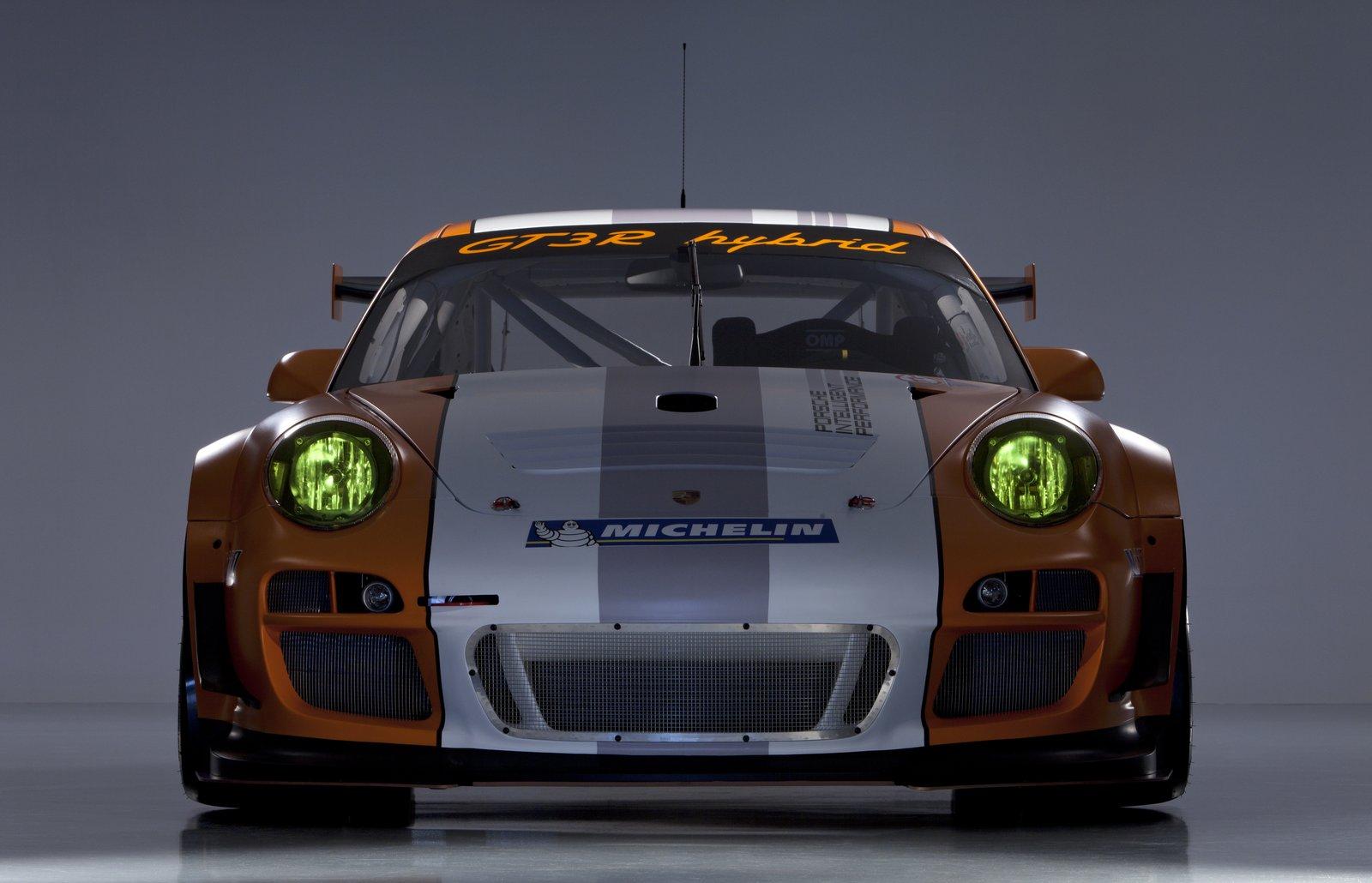
So, what’s been done with this latest Porsche 911 Hybrid race car?
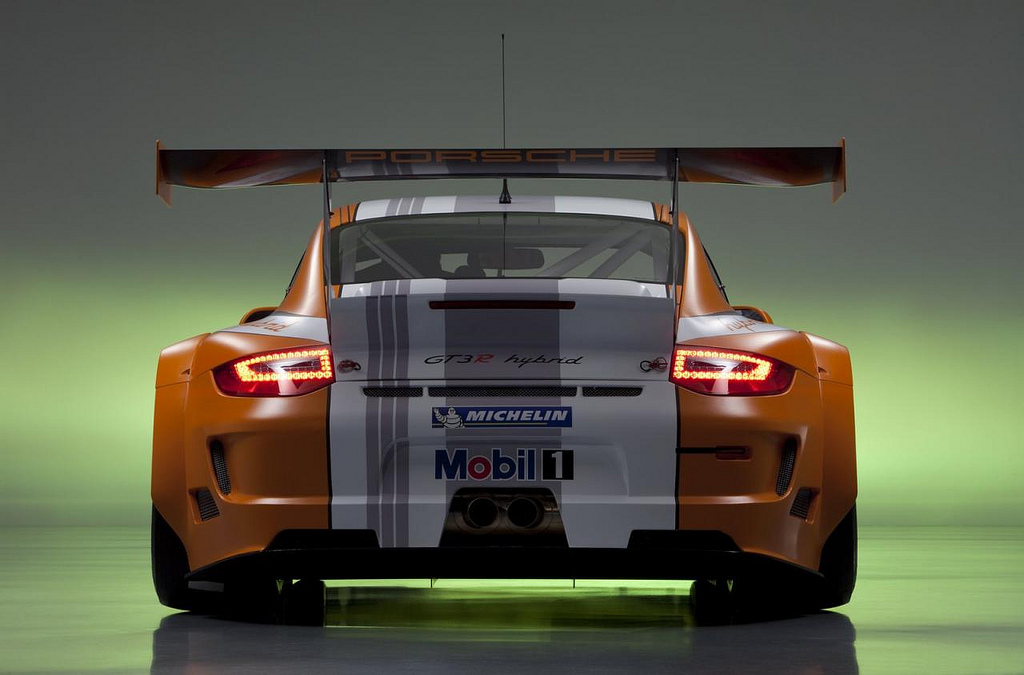
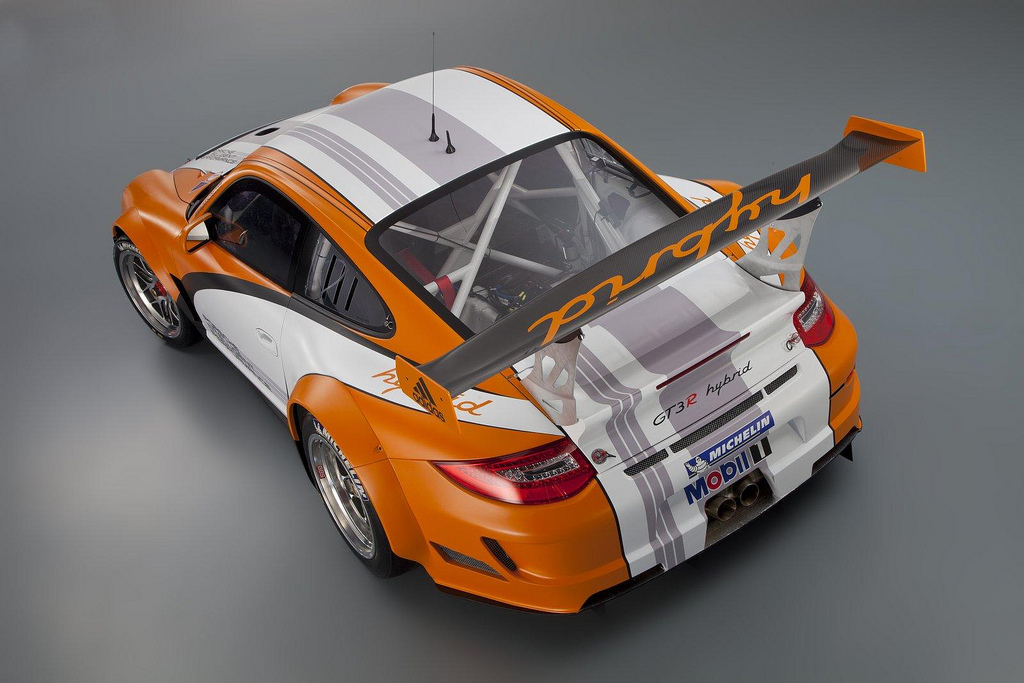
Priority of the development was given to the improvement of efficiency through the targeted optimisation of hybrid components, which also resulted in a 20 percent weight reduction. Version 2.0 of the 911 GT3 R Hybrid is intended to achieve the same lap times as its predecessor but with less fuel consumption.
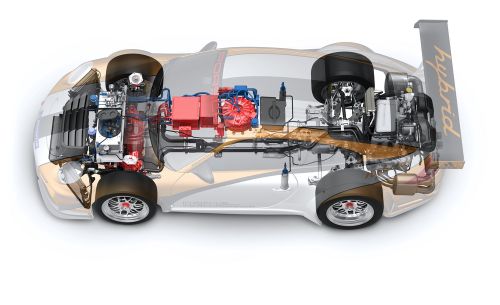
The general layout of the hybrid was adopted from the 2010 model. A portal axle with two electric motors drives the front wheels and supplements the four-litre, depending on the balance of performance classification approximately 470 hp, six-cylinder boxer engine at the rear. The output of both electric motors has increased from 60 to 75 kilowatts each. For seconds at a time, pilots now have almost an additional 200 hp at their disposal with the 911 GT3 R Hybrid 2.0.
Depending on the programming, this power is automatically activated through use of the throttle pedal. Moreover, pilots can manually call up this extra power, for instance when overtaking.
The electric flywheel accumulator, with its rotor spinning up to 40,000 rpm and stor-ing energy mechanically as rotational energy, is now housed with the other hybrid components in a carbon fibre safety cell on the passenger’s side.
At first glance, the new GT3 R Hybrid is clearly distinguishable from the 2010 model. Thanks to the optimisation of the hybrid system’s high voltage components, the large louvres in front of the rear fenders were no longer necessary. This reduces drag and also lowers fuel consumption. All in all, the weight of the vehicle decreased from 1,350 to 1,300 kilograms. “We’ve collected a great deal of information from our races on the Nürburgring, at the ALMS race at Road Atlanta in the USA, as well as from the ILMC race on China’s Zhuhai circuit, which was an invaluable help for the further development of our racing laboratory,” says Hartmut Kristen, head of Porsche motorsport.
“The emphasis of our work was on improving efficiency. That means we want to keep the lap times consis-tent with 2010 but use less energy, hence less fuel. In this way, we support future developments of road-going, sporting hybrid vehicles.”
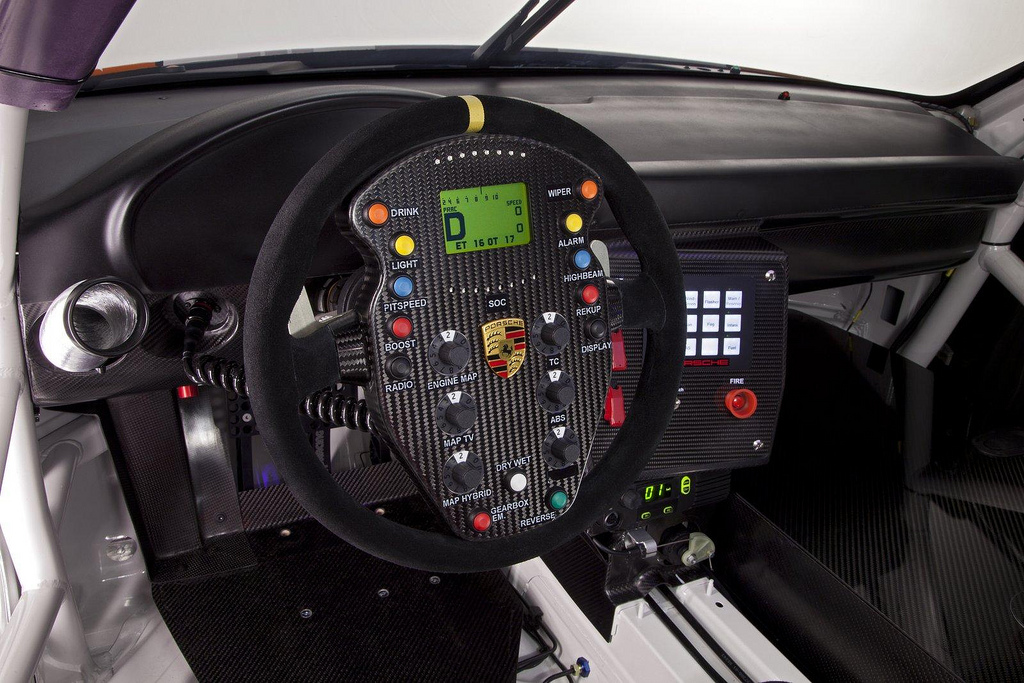
The cockpit of the 911 GT3 R Hybrid has also been completely revised. Most of the displays and controls have moved to the steering wheel. Drivers can operate the rest of the functions via backlit buttons now situated on the centre console.
Priority was placed on the ergonomics and the clear layout for pilots – particularly in darkness.
The new 911 GT3 R Hybrid is a perfect example of the ‘Porsche Intelligent Performance’ philosophy, a principle found in every Porsche: More power on less fuel, more efficiency and lower CO2 emissions – on the race track and on the road.
For the Porsche Museum in Stuttgart-Zuffenhausen, the 80th anniversary of the Porsche engineering office founded in 1931 is one of the central themes of 2011.
From 7 July to 28 August 2011, the special exhibition “Porsche Engineering – 80 years of Porsche design” will be paying tribute to the most important and interesting third-party client developments of the past eight decades.
On display will be approximately 20 special exhibits extending from the development of entire vehicles via engines and gearboxes to remarkable industrial projects of the present day.
The ten third-party client vehicle developments include a 1931 vintage Wanderer saloon, the legendary Auto Union Grand Prix racing car and the Audi Sport Quattro S1 with the Porsche Doppelkupplungsgetriebe (PDK) driven by Walter Röhrl.
The Porsche Museum is open Tuesday to Sunday from 9:00 a.m. to 6:00p.m.
On 25 April 1931 Ferdinand Porsche founded an engineering office called “Dr. Ing. h.c. F. Porsche Limited, construction and consulting for engine and automobile manufacturing” (Dr. Ing. h.c. F. Porsche Gesellschaft mit beschränkter Haftung, Konstruktion und Beratung für Motoren- und Fahrzeugbau). Porsche Engineering, contract development by Porsche, thus dates back to the oldest predecessor company of today’s Porsche AG and for more than 80 years has developed customised solutions on behalf of automotive manufacturers and suppliers from the automotive industry, but also for other industrial companies from around the world.
Discover the milestones of Porsche history and join Porsche in taking on the challenges of the future.
Stuttgart. Dr. Ing. h.c. F. Porsche AG, Stuttgart, has been the leading manufacturer of premium sports cars for more than six decades. However, the historic roots of the Porsche brand go back much further than that. When Ferry Porsche built the legendary Type 356 in 1948, he and his engineers were able to look back on a wealth of comprehensive technological experience.
Back on 25th April 1931, Ferdinand Porsche founded and registered a design bureau named “Dr. Ing. h.c. F. Porsche Gesellschaft mit beschränkter Haftung, Konstruktion und Beratung für Motoren- und Fahrzeugbau” in Stuttgart.
Since then, the Porsche company has experienced many highs and lows and has grown from a small design bureau to a world famous manufacturer of sports and racing cars. This success story is based on decades of development experience, stretching far beyond just building sports cars. Over an 80 year period, Porsche has built up a reputation as one of the best known and multi-faceted engineering service providers in the world. The tradition of customer development started by Ferdinand Porsche in 1931 is still successfully continued today by Porsche Engineering Group GmbH, based in Weissach.
Porsche Engineering carries out development work on behalf of car manufacturers and suppliers, as well as companies from other sectors, combining the skills of Porsche as a series manufacturer, technology company and engineering service provider and making these available to third parties.
The 80th anniversary of the founding of the Porsche design bureau in 1931 is one of this year’s central themes for the Porsche Museum in Stuttgart-Zuffenhausen. From 21st June to 11th September 2011 the special exhibition entitled “Porsche Engineering – 80 Years of Porsche Designs” will honour the most important and interesting customer developments from the last eight decades. It will display around 20 special examples ranging from whole vehicle developments, through engines and gearboxes to extraordinary industrial projects in the present. The ten vehicle customer developments on display include a Wanderer Limousine from 1931, the legendary Auto Union Grand Prix racing car and the Audi Sport Quattro S1 with Porsche dual clutch gearbox (PDK). The Porsche Museum is open from Tuesday to Sunday, from 9 am to 6 pm. Further information is available on the internet from www.porsche.com/museum.
80 years of Porsche designs
Discover the history of Porsche customer growth in the Webspecial.
For more than six decades, Dr. Ing. h.c. V. Porsche AG, Stuttgart, has enjoyed a reputation as a leading manufacturer of sporty premium cars. But the Porsche brand has much deeper historical roots. When Ferry Porsche built the legendary Type 356 in 1948, he and his engineers were able to draw on a comprehensive trove of technical experience.As long ago as 25 April 1931, Ferdinand Porsche had established an engineering office in Stuttgart under the name “Dr. Ing. h.c. F. Porsche Gesellschaft mit beschränkter Haftung, Konstruktion und Beratung für Motoren- und Fahrzeugbau“, (“Dr. Ing. h.c. F. Porsche Ltd., Design and Consultancy Company for Engine and Vehicle Production”) and had it entered in the trade register.
Since then, the Porsche company has experienced many ups and downs and grown from a small engineering office into a manufacturer of sports and racing cars that is known throughout the world. This success story is based also on decades of development experience extending far beyond sports car construction. Over an eighty-year period, Porsche has acquired the reputation as one of the world’s most illustrious and versatile engineering service providers. The tradition begun by Ferdinand Porsche in 1931 of third-party client development has been successfully carried on to this very day by the Porsche Engineering Group GmbH with its headquarters in Weissach. Porsche Engineering develops on behalf of automotive manufacturers and suppliers but also for companies from other sectors, bundling the know-how of the manufacturer, technology company and engineering service provider that is Porsche and making this available to third parties.
Ferdinand Porsche the automotive designer
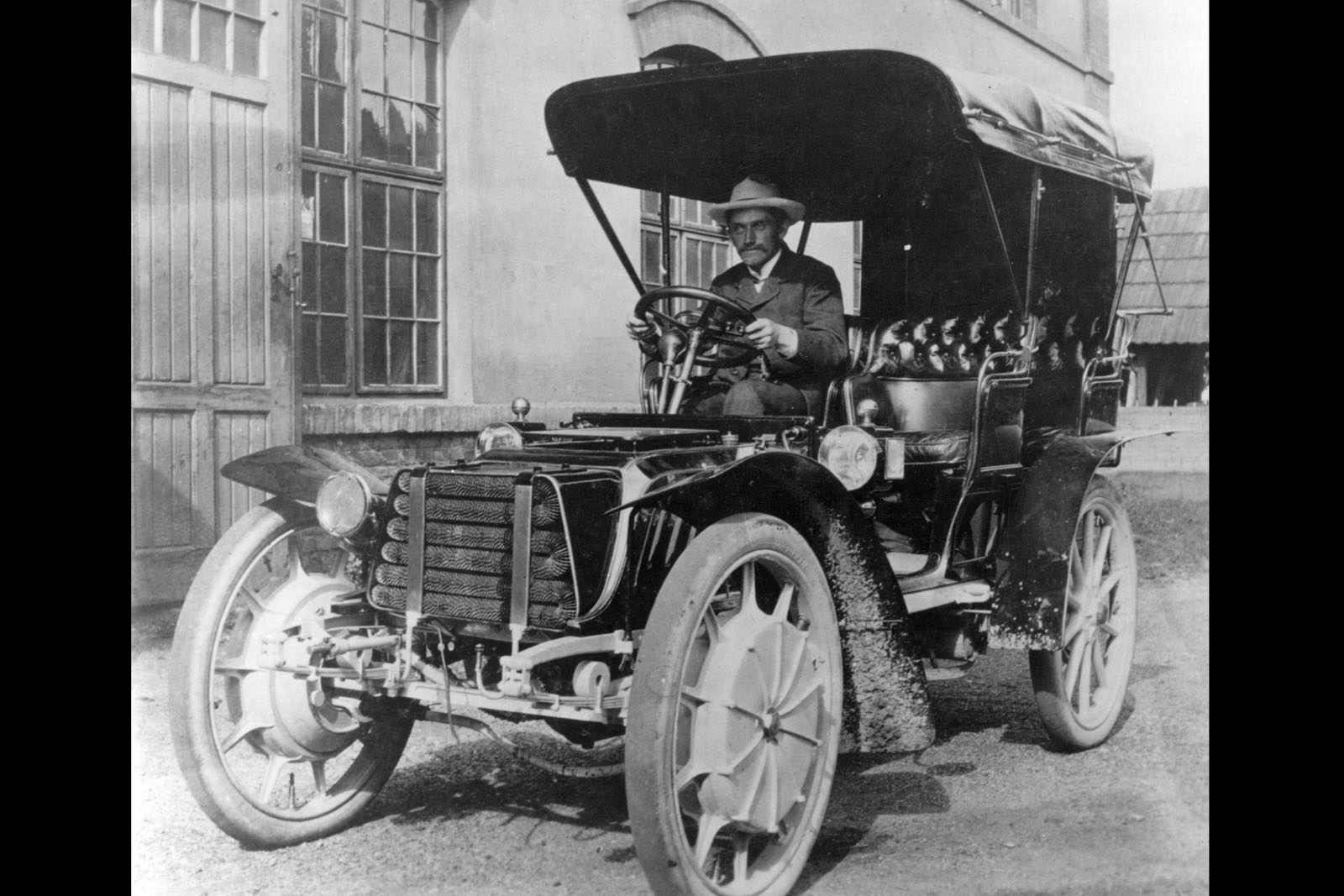
The name Porsche has been associated with pioneering innovations in automotive engineering since the beginning of the last century. Ferdinand Porsche had been busy designing and developing his first cars as far back as 1896. The first fruit of this endeavour was an electric vehicle known as the “Lohner-Porsche” driven by steered wheel hub motors that caused a sensation at the Paris World Exhibition in 1900. This was soon followed by ever more impressive proof of just how innovative Ferdinand Porsche was. A racing car boasting four wheel hub electric motors became the world’s first all-wheel drive passenger car, brilliant also for having four-wheel brakes. No less visionary was Ferdinand Porsche’s next idea: Again in 1900 he combined his battery-powered wheel hub drive with a petrol engine – the principle of the serial hybrid drive had been born.
With this first functional, full-hybrid car in the world, the “Semper Vivus” (“always alive”), Ferdinand Porsche had entered uncharted territory. In this vehicle, two generators twinned with petrol engines formed a single charging unit, simultaneously supplying electricity to wheel hub motors and batteries. As a full hybrid concept, the “Semper Vivus” was also able to cover longer distances purely on battery power until the combustion engine had to be engaged as a charging station. To save weight and create space for a petrol engine, Ferdinand Porsche used a comparatively small battery in the “Semper Vivus” with a mere 44 cells. In the middle of the vehicle he installed two water cooled 3.5 hp (2.6 kW) DeDion Bouton petrol engines for generating electricity, driving two generators, each producing 2.5 hp (1.84 kW). Both engines operated independently of one another, each delivering 20 amps with a voltage of 90 volts. The electricity generated by the dynamos initially flowed to the wheel hub motors, with the surplus power being forwarded to the batteries. An additional special side effect was that it was possible to use the generators as electric starter motors for the petrol engines by reversing the direction of rotation. Starting as far back as 1901 as the Lohner-Porsche “Mixte” and from 1906 onward as the “Mercedes Electrique”, Ferdinand Porsche brought his hybrid drive to the start of volume production.
Ferdinand Porsche in the Lohner-Porsche
This was followed in 1906 by the next step in Ferdinand Porsche’s career. At the tender age of only 31 he landed the position of Technical Director at Austro Daimler in Wiener Neustadt, giving him product responsibility for one of Europe’s leading automotive companies. One of the greatest successes of this era was the so-called “Prinz-Heinrich Car”, in which the Austro-Daimler works team won the first three places in the 1910 running of the highly regarded Prinz-Heinrich Race. In the guise of the Austro-Daimler “Sascha”, he developed a small car which, thanks to its excellent power-to-weight ratio prevailed against its larger displacement competitors in the 1922 Targa Florio, notching up no fewer than 43 racing victories in total.
In 1923 Ferdinand Porsche moved to the Daimler engine company in Stuttgart-Untertürkheim as Technical Director. There, in addition to the Type 8/38 midsized model and the first eight cylinder engine Mercedes-Benz, the “Nürburg” Type 460, it was first and foremost the supercharged sports and racing cars that further consolidated his worldwide reputation as an automotive designer. The sports and racing cars developed under his guidance with the abbreviations “S” (Sport), “SS” (Super Sport) and “SSK” (Super Sport Kurz, or short) ranked among the most coveted cars of their time. In January 1929 he left Daimler-Benz AG. Following a short interlude at the Austrian Steyr works, at the end of 1930 he returned to Stuttgart and opened an engineering office.
Ferdinand Porsche at the office
The founding of the Porsche engineering office
The “Dr. Ing. h.c. F. Porsche Gesellschaft mit beschränkter Haftung, Konstruktion und Beratung für Motoren- und Fahrzeugbau“ was entered in the Stuttgart trade register on 25 April 1921, at the height of the world economic crisis. In addition to Ferdinand Porsche, who contributed 24,000 Reichsmarks to the limited company’s share capital, his son-in-law Anton Piëch and Adolf Rosenberger also invested 3,000 Reichsmarks each as executive partners. From the outset, the work undertaken by the initial twelve strong team around Ferdinand Porsche spanned the entire gamut of motor vehicle technology. Legendary cars such as the Auto Union Grand Prix racing car or the Volkswagen “Beetle” were to emerge from this Stuttgart engineering office in the years that followed. Porsche’s workplace progressed to be one of the most important seedbeds of automotive technology, at the same time preparing the ground for mass car ownership in Germany.
As early as 1931, Porsche designed a six cylinder average mid-size saloon for the Chemnitz car manufacturer Wanderer as well as a new in-line eight cylinder engine. This was followed by a swing axle for the Horch-Werke in Zwickau and an air-cooled five-cylinder radial engine designed for the Phänomen-Werke in Zittau, intended for use in trucks. In addition, the engineering office developed a small car for Zündapp GmbH, which with its rear-engine, rigid tubular backbone chassis and transmission mounted forward of the rear axle was to prove to be decisive for the Volkswagen that came later. The torsion bar suspension patented on 10 August 1931 and used in international automotive manufacturing over many decades is also held to be a milestone in automotive history.
In the spring of 1933, Ferdinand Porsche was commissioned by Auto Union in Saxony to develop the Grand Prix racing car. The moment the contract was signed, the Porsche team led by senior engineer Karl Rabe began work on the Auto Union P racing car (P for Porsche), configured as a mid-engined vehicle. The first test drives took place as early as November 1933 and in the very first racing season in 1934 this vehicle set three world records and won three international Grand Prix races in addition to several hill climb races. Between 1934 and 1939, with drivers such as Bernd Rosemeyer, Hans Stuck or Tazio Nuvolari, the constantly refined Auto Union racing car became one of the most successful pre-war era racing cars . Its technical mid-engine concept proved to be a trendsetter for all modern racing cars and is used to this very day in Formula One.
In addition to developing racing cars, the engineering office had been equally hard at work since 1933 on the design of a low-cost small car commissioned by the NSU works – an idea that was also exercising other car designers such as Belá Barényi or Hans Ledwinka against the backdrop of the world economic crisis. When Ferdinand Porsche began work on designing the Type 32 compact car, this was already the seventh small car design of his career. A number of prototypes of this vehicle type were built, which with the air-cooled, flat-four, rear-mounted engine and Porsche torsion bar suspension exhibited distinct similarities with the later Volkswagen Beetle. The “Memorandum on the construction of a German people’s car” (Volkswagen) that he presented to the Reich Transport Ministry on 17 January 1943 was to prove critical to the breakthrough of the small car concept. Shortly thereafter, on 22 June 1934, he received the official order from the RDA, the “Reichsverband der Deutschen Automobilindustrie” (German Reich Automobile Industry Association) to design and build Volkswagen prototypes that were assembled in the garage of his Porsche villa in the north of Stuttgart in 1935.
Ferdinand Porsche and Auto Union GP
Contrary to the initial idea of having the Volkswagen built jointly by Germany’s car manufacturers, the Reich government decided in 1936 to build an independent Volkswagen plant, the planning of which was entrusted to Dr Ferdinand Porsche. Since the incorporation of the “Gesellschaft zur Vorbereitung des Deutschen Volkswagens mbH” (Gezuvor) in May 1937, a company established to pave the way for the construction of the German “people’s car”, Porsche, as one of three Managing Directors, was officially responsible for technology and the planning of the future Volkswagen plant and, accompanied by his son Ferry, travelled to the United States of America to find out about modern production methods.
In addition to the Volkswagen project, the Porsche engineering office, located in the Zuffenhausen district of Stuttgart since 1938, was working on numerous other development contracts from the automotive industry. For Daimler-Benz AG work included the development of technical engine components for the Mercedes “silver arrows” between 1937 and 1939 as well as the design of the Type 80 high-speed car for an attempt on the land speed record. The Type 110 compact agricultural tractor with an air-cooled two cylinder engine, developed for the “Deutsche Arbeitsfront” (German Labour Front) (DAF), was the model for the later “People’s Tractor” and the Porsche diesel tractor produced after the Second World War.
In 1938 the Volkswagen works awarded the Porsche engineering office the contract to develop a racing car based on the Volkswagen Type 60, which was to take its place on the grid for a planned long distance race from Berlin to Rome as a promotional stunt for the “KdF car” (“Strength through Joy” car). By the spring of 1939, the Porsche engineers had developed three sports car coupés under the in-house designation Type 64, for the “Non-stop speed endurance test” scheduled for September. As much of the more than 1500 kilometre long race was to be on the new motorways, particular attention was lavished on the vehicle’s aerodynamics. With a sleek streamlined aluminium body, shrouded wheel wells and a modified VW horizontally opposed engine, the would-be record-breaking car, weighing a mere 600 kg, topped 140 km/h (87 mph). When the outbreak of the Second World War prevented the race from being held, the Porsche engineering office used the completed sports cars as fast touring cars, achieving average speeds in excess of 130 km/h (81 mph) on long business trips.
After the outbreak of the Second World War, other types of vehicle were spun off from the Volkswagen for military use. In addition to the Type 81 “VW Kastenwagen” the company, trading as Porsche KG since the end of 1937, developed the Type 62 “KdF off-road vehicle”, the Type 82, known as the “VW Kübelwagen” and the all-wheel drive Type 87 and Type 166 “VW Schwimmwagen” amphibious vehicle, among others. At the end of 1939, the Army’s Armaments Office also awarded the Porsche engineering office the development contract for a medium tank, the design of which however was temporarily shelved owing to the need for heavier types of tank. Initially employed by the Armaments Ministry as a consultant, Ferdinand Porsche headed the Tank Commission from 1941 to 1943. In 1942 Ferdinand Porsche received the contract to design a super heavy tank, the Type 205 “Maus” (Mouse), of which only two prototypes were ever built, however, and never saw action. During the war, development of the military derivatives of the Volkswagen as well as various tank prototypes – including the involvement of prisoners of war employed as forced labourers – took place predominantly in Stuttgart-Zuffenhausen. With the intensification in bombing raids, the Porsche KG engineering office, classified as important to the war effort, was relocated in autumn 1944 from Stuttgart to Gmünd in Carinthia, Austria.
New beginning with third-party client development and sports car construction
With the war over, the Porsche engineering office in its new home in Austria strove to attract new contracts from the automotive sector. But initially it was water turbines, cable winches, ski lifts, mowing bars and various types of tractor based on the “People’s Tractor” that were developed and for the first time also sold under the Porsche name. The most important customer in the early post-war years was the Italian company Cisitalia, whose car enthusiast owner Piero Dusio awarded numerous design contracts at the end of 1946. In addition to a tractor and water turbine, Dusio ordered a mid-engine sports car with hydraulic torque converter and a Grand Prix racing car. The upshot was the Type 360 “Cisitalia” completed in 1948, which technically was far ahead of its time on many counts. Unlike the front-engine Formula One racing cars of the post war year, which for the most part still featured rigid axles, the Type 360 was designed with a mid-engine layout. The suspension featured double trailing arms on the front axle, the rear axle being configured as a double-joint swing axle with torsion bar suspension. In terms of drive train, the single-seater featured a 385 hp (283 kW) 12-cylinder engine with compressor, achieving a maximum engine speed of 10,600 rpm. The 1.5 litre boxer engine’s four camshafts were driven by bevel shafts. The synchronised five-speed transmission – as with the gear change on a motorbike – could be operated with just two gearshift levels via a dog clutch. Thanks to the experience with the Auto Union P-racing car, there was an awareness of the traction problems with the narrow racing tyres that were customary at the time. Power transmission was therefore by means of all-wheel drive that could be activated by the driver if required. But financial difficulties affecting the client Cisitalia prevented the Type 360 from taking part in Grand Prix races.
In July 1947, independent design work began on the Type 356 “VW sports car”. The design concepts became reality in the first half of 1948 under the in-house design number 356 based on earlier designs such as the Volkswagen or Type 64 “Berlin-Rome car”. Once the chassis had completed its maiden drive in February, the finished prototype with the chassis number 356-001 received one-off approval by the State Government of Carinthia. The Porsche sports car brand had been born. Production of the rear-engined coupé and convertible versions of the Porsche Type 356/2 started in the second half of 1948. Series production of this sports car began after the return to Stuttgart in 1950, approximately 78,000 vehicles being built by 1965. The successor model, the Porsche 911, finally helped the company to make the breakthrough as one of the technically and stylistically leading sports car manufacturers in the world.
From the Weissach Engineering Office to the Weissach Development Centre
Despite the successful entry into vehicle manufacturing, third-party client development commissions remained a firm fixture in the then Porsche KG’s service portfolio. The most important client right into the 1970s was Volkswagen AG, with whom there had been an extensive cooperation agreement. Numerous detailed improvements were devised for the VW “Beetle”, which was produced in Wolfsburg in exchange for payment to Porsche of a licence fee of approximately DM 5 per vehicle. Porsche was also involved in developing the successor models for the successful Beetle. The Stuttgart-based company developed numerous prototypes on behalf of the Volkswagen Group, which were to prove groundbreaking for the Wolfsburg Group’s passenger vehicle programme. The best-known contract developments were the VW Porsche 914 unveiled in the autumn of 1969 and the Porsche 924 built in response to Volkswagen development contract EA 425.
In addition to the numerous orders for the Volkswagen Group, Porsche’s third party client development engineers developed numerous other innovations for domestic and foreign clients in the 1950s and 1960s. Porsche developed the amphibious all-wheel-drive Type 597 Jagdwagen vehicle in response to a Bundeswehr invitation to tender. Although the Jagdwagen proved to be technically superior, the contract was awarded to car and motorcycle manufacturer DKW for labour market reasons. Overseas customers as well, such as the Studebaker Corporation, put their faith in Porsche KG’s experience. Between 1952 and 1954, the Stuttgart-based sports car manufacturer developed a four-door saloon with self-supporting body and modern ponton design for the American carmaker.
In 1971, Porsche’s Development Division with its Construction, Testing and Design Departments relocated to the newly constructed Development Centre in Weissach, 25 kilometres to the north-west of Stuttgart-Zuffenhausen. Ferry Porsche had already had a so-called “skid pad” built there 10 years earlier, which had been used ever since for conducting suspension tests. In addition to a large test track, the 1970s and 1980s saw the building of high-spec installations such as wind tunnel, crash facility, emissions testing centre and a wealth of engine test rigs that are available for third-party contracts and in-house developments alike. The Development Centre spanned virtually all areas of civil and military engine technology. Large orders from the German Army were also handled as were future automotive studies for the Federal Ministry of Research and Technology. The client portfolio was recruited from virtually the whole of the world’s automotive industry, which drew on Porsche’s know-how for its own vehicle programmes, from detailed technical solutions to entire vehicles.
Industrial projects and series development
Breaking new ground is a tradition with Porsche’s third-party client development. For example, in the early 80s, Weissach engineers and aircraft manufacturer Airbus joined forces to design a cockpit layout for wide-bodied aircraft, setting a trend by using displays in place of the conventional analog instruments. The project sought to achieve discernible improvements for the pilots’ working environment through optimised styling.
Another major project was the “TAG Turbo made by Porsche” engine developed for the British McLaren International racing team, with the aim of causing a sensation at the very pinnacle of motor sport. Unveiled in the summer of 1983, the 1.5 litre, six-cylinder turbocharged engine dominated Formula One, with 25 Grand Prix victories and three world championship titles between 1984 and 1986. The secret of the Formula One high-performance engine’s success lay in marrying the turbocharger technology with an electronic engine management system. As a consequence, the racing car’s fuel consumption was particularly economical, which critically influenced the racing strategy
A milestone in the development of vehicles for industry was the beginning of the tie-in with Linde Material Handling, which continues successfully to this very day. Having already designed slewing gears and chain drives for Linde, in the 1980s the sports car manufacturer Porsche was retained to design a new generation of forklift trucks. In addition to the functional design of the machine, the Porsche engineers paid particular attention to developing a new ergonomically designed driver workstation concept. The symbiosis of technology and aesthetics also proved beneficial to sales: Sales of the stylistically distinctive Linde forklift trucks increased by approximately 15 per cent in the mid-1980s. In addition to steering axles and lifting masts for every conceivable forklift truck weight class, an electric forklift truck model line was also jointly developed with Porsche to the point of market launch. The Porsche styling of Linde’s conveyor systems has since become an award-winning trademark. For example, the Linde T20 pallet truck received the coveted “Red Dot Award for Product Design” from the prestigious North Rhine Westphalia design centre.
Linde forklift truck
But Porsche Engineering also regularly worked for other carmakers. From 1990 onwards, Porsche’s third-party client development team worked for Daimler-Benz AG on the design and test aspects of a W 124 production saloon fitted with the 5 litre, V8 four-valve M 119 engine. The result was impressive performance. With the four-speed automatic transmission fitted as standard, the Mercedes-Benz 500 E reached the 100 km/h mark (62 mph) in only 5.9 seconds with the top speed electronically limited to 250 km/h (156 mph). In the process, the contract far exceeded the usual development activities. Series production together with the assembly of the body shell and final assembly took place at Porsche’s Zuffenhausen works. The Daimler-Benz works in Sindelfingen were responsible for the paint finish and delivery. Production of the Mercedes-Benz 500 E kicked off in the spring of 1990. The sales success of the speedy GT saloon testified to the successful outcome of the collaboration: 10,479 units had been built by April 1995.
In the early 1990s, Porsche’s third-party client development department entered into a joint venture with Audi to develop a high-performance sport estate car, which caused a sensation. The Audi Avant RS2 unveiled in the autumn of 1993 came into being in Weissach based on the 315 hp (232 kW) variant of the all-wheel drive Audi Avant S2. This borrowed numerous Porsche components, such as for example wheel hubs, high-performance brakes and rims. Exterior parts such as fog lights and indicators as well as the exterior mirrors also came from the Porsche 911 of the then current 993 model series. The Audi Avant RS2 was built at Porsche’s Zuffenhausen works between October 1993 and July 1994. The “Porsche estate car in Audi clothing” – as “Auto Bild” magazine put it – enjoyed keen customer interest. The planned production run of 2000 vehicles was exceeded by 895 units.
In 2001, under the development name “Revolution Engine”, Porsche Engineering started work as a development partner on developing a new V2 engine for the American motorbike manufacturer Harley-Davidson’s “V-Rod” model. Against the backdrop of a collaborative relationship stretching back to the 1970s, Porsche engineers designed a water-cooled, 1131 cc power unit based on a racing engine which delighted discerning Harley-Davidson customers with its performance and engine sound in equal measure.
Harley Davidson V Rod
Into the future with tradition and innovation
Today, as in the past, Porsche Engineering is grappling with the engineering challenges of the future. Be it the conspicuous expertise in the electromobility arena that Porsche Engineering displayed in the Boxster E research project in 2011 or in the development of the Seabob production water sport sled, experience in the lightweight construction and downsizing arenas but also thinking outside the box with the development of a premium outdoor grill in 2008 – Porsche Engineering’s engineers dedicate themselves to each project with the same commitment to ultimate quality, innovative concepts and customised solutions.
Nowadays, all development projects for clients worldwide are controlled by the Porsche Engineering Group GmbH (PEG) founded in 2001 and headquartered in Weissach. Thanks to Porsche’s own distinctive development network, PEG is able to call on the services of its subsidiaries Porsche Engineering Services GmbH in Bietigheim and Porsche Engineering Services s.r.o. in Prague. By networking all its locations and sharing information closely between project teams, PEG offers interface competency and lateral thinking, ensuring that client projects are delivered consistently and productively and without a hitch.
The combined expertise of Porsche Engineering’s engineers and the comprehensive resources at the Weissach Development Centre’s disposal are behind innovative services to the highest quality standards.But the public only gets to see the tip of the iceberg. Thanks to draconian confidentiality, Porsche Engineering protects its clients’ product strategies and brand identities with the greatest care at all times. Only very few projects are known of, and only with the clients’ explicit consent. Because Porsche’s third-party client development will only succeed if a customer returns. This maxim prevails to this day – as it has for more than 80 years.
Power, efficiency, performance. Porsche has risen in every discipline. Porsche ambition is high, but the result clearly illustrates why they build sports cars – because there is only one direction: forwards.
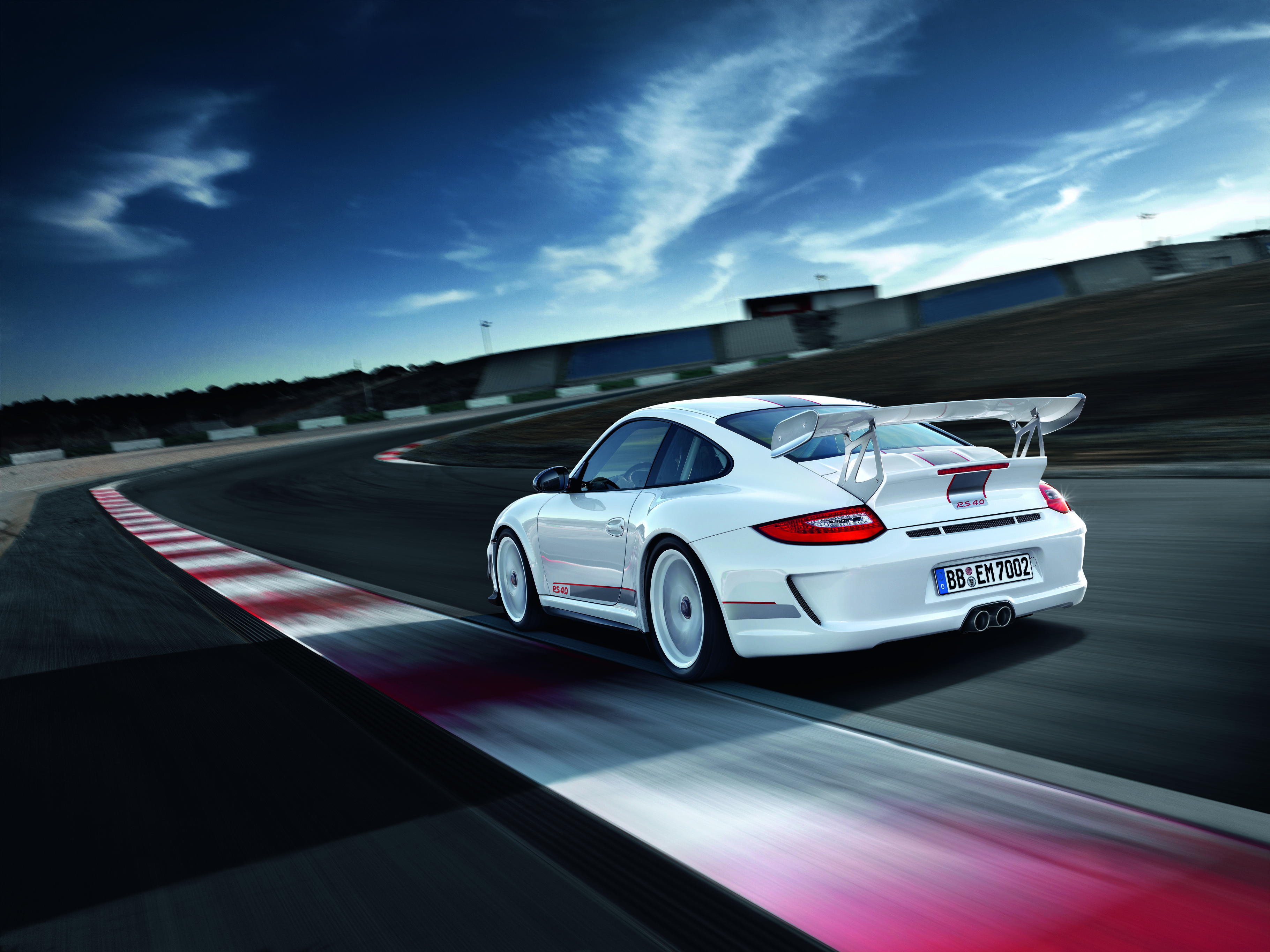
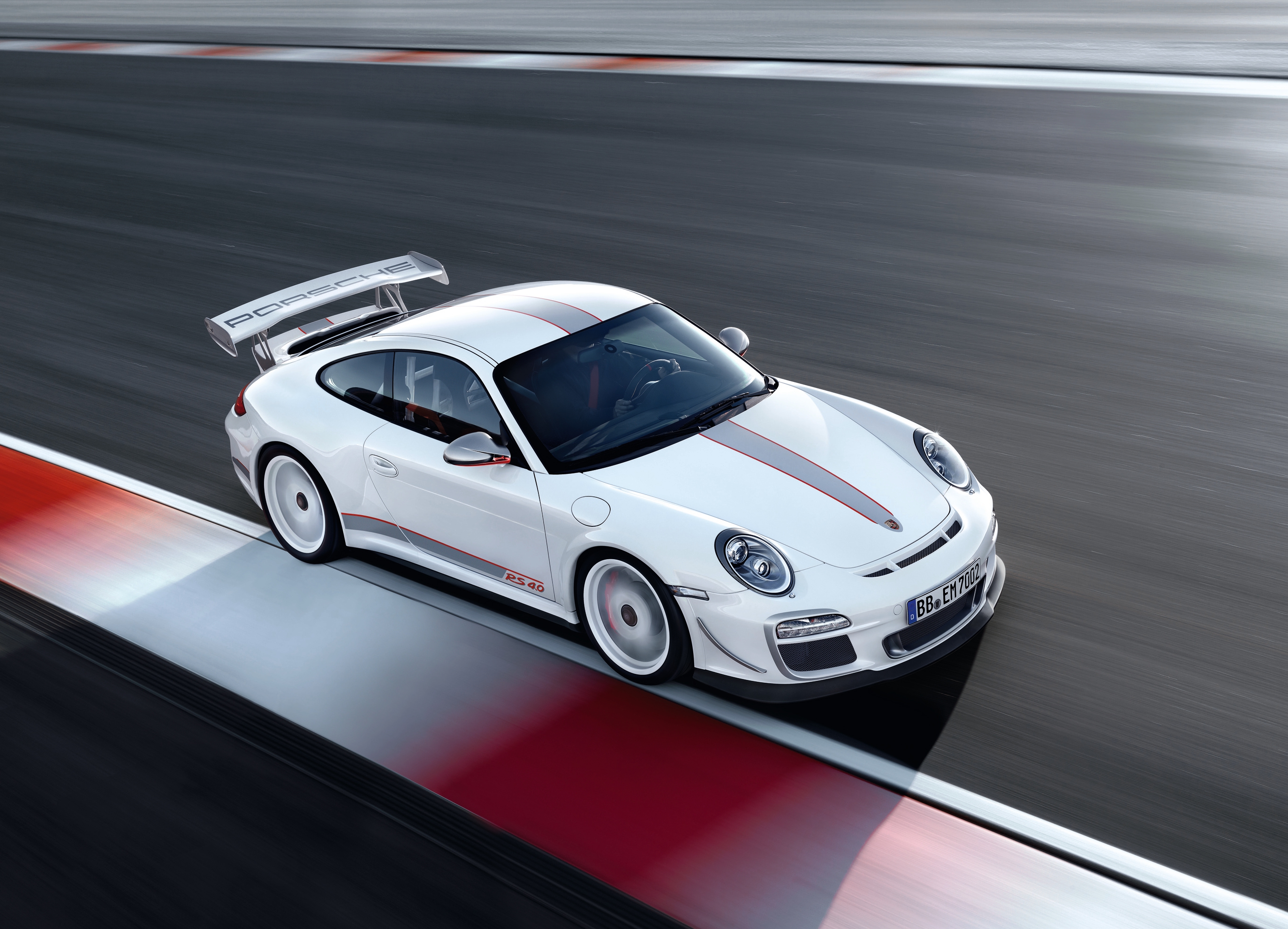
ATLANTA – April 28, 2011 — The 911 GT3 RS, one of Porsche’s most popular, coveted and successful track-inspired production cars, has been given a final, thrilling injection of thoroughbred motorsport technology resulting in the 2011 Porsche 911 GT3 RS 4.0. Limited to 600 vehicles worldwide, the 911 GT3 RS 4.0 brings together in a sports car the attributes that have made the Porsche 911 GT3 a consistent winner on the race track.
The motorsport-derived 4.0-liter engine, already the highest displacement 911 engine ever, also features the highest per-liter output — 125 horsepower (hp) per liter — from a naturally aspirated Porsche flat-six engine.
The engine uses forged pistons, the connecting rods are fashioned from titanium, and the crankshaft has been lifted unchanged from the 911 GT3 RSR race car. It achieves its maximum power of 500 hp at 8,250 rpm. Maximum torque of 339 ft/lbs is reached at 5,750 rpm.
The 911 GT3 RS 4.0 offers truly impressive performance, lapping the famed Nürburgring-Nordschleife in 7 minutes and 27 seconds.
Available exclusively with a six-speed manual transmission, the 911 GT3 RS 4.0 sprints from 0 to 60 mph in only 3.8 seconds, and with its gearing designed for the race circuit it reaches the 124 mph mark on the race track in under 12 seconds. The 911 GT3 RS 4.0’s outstanding driving dynamics come from numerous, meticulously coordinated details. In addition to using suspension components typically encountered in motor racing, weight reduction is also of supreme importance.
Equipped as standard with lightweight components such as light but strong carbon fiber sport bucket seats, …………………..
…………….carbon fiber front fenders and luggage compartment lid, and weight-optimized carpets, the two-seater’s ready-for-action weight is just 2,998 lbs with a full fuel tank.
The 911 GT3 RS 4.0’s power-to-weight ratio is 5.99 lbs/hp. This limited edition 911 is painted Carrara White as standard and emphasizes its proximity to motor racing by its dynamic appearance.
Signature characteristics are the wide track, the low vehicle position, the large rear wing with side plates, central twin tailpipe, and the aerodynamically optimized body. Air deflection vanes mounted on either side of the front bumper – called ‘flics’ or dive planes – make their first appearance on a production Porsche. They create increased downforce on the front axle, and together with the steeply inclined rear wing, provide aerodynamics on par with its performance capabilities.
As a result, at the 193 mph top track speed, aerodynamic forces exert an additional 426 lbs of downforce, thus pushing the 911 GT3 RS 4.0 onto the road. With a manufacturer’s suggested retail price starting at $185,000 (excluding destination), the new Porsche 911 GT3 RS 4.0 goes on sale in the United States in late 2011.
Chris Harris has an exclusive interview with Andreas Preuninger about the new Porsche 911 GT3 RS 4.0. Read the full story at www.evo.co.uk
The UK list price is yet to be confirmed, but Porsche has advised that £128,000 is likely to be the figure. There are only 600 cars being built, and fewer than 50 will come to the UK.
About Porsche Cars North America Porsche Cars North America, Inc.
(PCNA), based in Atlanta, Ga. is the exclusive U.S. importer of Porsche sports cars, the Cayenne SUV and Panamera Gran Turismo. Established in 1984, it is a wholly-owned subsidiary of Porsche AG, which is headquartered in Stuttgart, Germany, and employs approximately 220 people who provide parts, service, marketing and training for 196 dealers. They, in turn, work to provide Porsche customers a best-in-class experience that is in keeping with the brand’s 63-year history and leadership in the advancement of vehicle performance, safety and efficiency. At the core of this success is Porsche’s proud racing heritage that boasts some 30,000 motorsport wins to date. Note:
There’s some serious lust for Porsches–especially those with a more esoteric flare. Its a clone/tribute of the Rothmans Porsche 953 rally cars that ran around Africa in the early eighties. Very nicely put together and going for a fraction of the cost of a real deal version.
If you remember July of 2010 when the 2-wheel-drive 1980 Rothmans Rally Car sold to GoPro for upwards of $70,000 on eBay. Although that car was stunning in everyway the owner knew he needed something more. He searched the country high and low for the perfect donor and finally found an accident free, perfectly maintained, weekend driver, pilot owned, all original with every factory option 1989 1/2 Porsche 964 C4.
This is how the car started… a gorgeous, perfectly maintained 1989 Porsche 964 Carrera 4 1989 Porsche 911/964 by jeremycliff, on Flickr
Short description from the eBay ad…
Meet AWD Paris…
She is an absolutely stunning freshly completed Porsche 911 Paris, Alger, Dakar Winning 953 Off Road Rally Tribute Car that has been painstakingly built over last year. She was built as a tribute to the winning Porsche 953 raced from Paris to Dakar in 1984 Piloted by Rene Metge and Dominique Lemoyne. Paris originally started life as a 1989 1/2 Porsche 964 Carrera 4 in PERFECT condition and is perfectly street legal and plated and titled in Illinois.
There is only three (3) of these factory cars, two (2) owned by Porsche and one in private hands. Although this is a reproduction, most observers will swear this is the real deal…
Over the last couple months Jeremy Cliff has been shooting and prepping photos and video of “Paris”, this Rothmans Porsche 911 Tribute Car, the time has finally come to put the car up for sale and release the photos. Jeremy wanted to do something very different and have a unique location wise…. I’m sure most of you will recognize it, but for those that do not the “house” location is actually the house that was used in the famous 1986 movie Ferris Bueller’s Day Off. What better spot to shoot a historic vehicle then in a historic location?
The car is currently for sale on eBay and can be found here:
Steering- Power steering with factory Porsche steering rack, modified steering tie rods. Front body tub where tires would rub on tight turns was modified to accommodate lock to lock steering and increased suspension travel.
Roll Bar- Custom fabricated by one of the leading pro-trophy-truck chassis builders in the United States. No expense spared. 1 and 3/4 inch .095 4130 Chro-moly. Roll bar integrates front and rear strut tower braces and winch mounting plate. Custom tube clamps to allow every day easy access.
Winch- Superwinch with remote capabilities and cockpit switch.
External remote plug integrated into front bumper into fairlead.
Lightpod- Removable custom lightpod attached to hood. Four (4) Hella 55 watt motorcycle DOT fog lights internally flush mounted with external milled plastic bezels for adjustment (all stainless steel hardware), aircraft grade stainless steel turn buckles bank.
Oil Cooling- Stainless steel oil lines and AN oil fittings for plumbing oil lines to custom mounted factory Porsche oil cooler with factory oil fan.
Seats- Recaro adjustable racing seats with Schroths 5 point harness
Doors- Fabricated aluminum door panels. RS America door exit straps. Porsche window switch and Porsche leather armrest all incorporated into door panel.
Exhaust- Custom one off Meisterschaft exhaust
Modified aluminum SC bumpers
Custom fabricated aluminum skid plate
Custom fabricated skid plate for oil thermostat
Complete custom paint job by Chicago’s premiere custom shop, Autowerks of Northbrook. (www.e-autowerks.com)
Bodymotion Racing announces 3-car entry for Intercontinental Trophy Cup Series
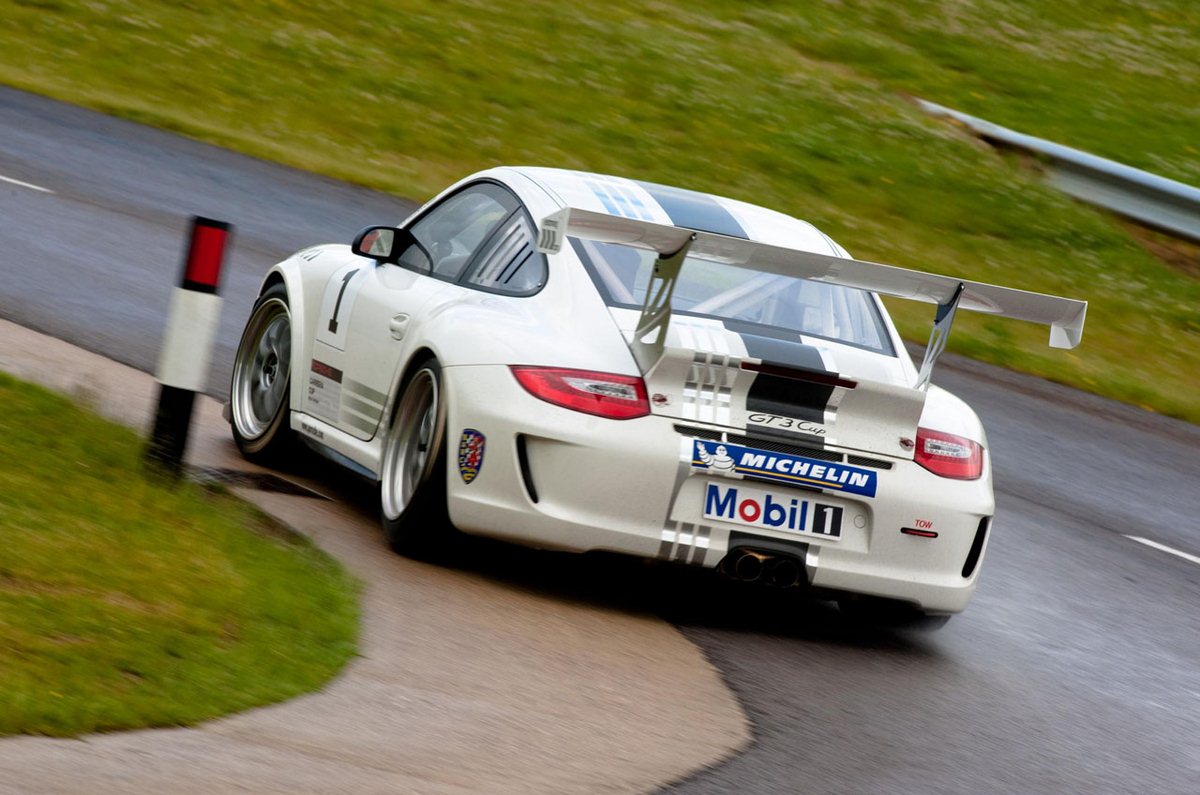
Bodymotion Racing is pleased to announce their official entry into the 2011 Intercontinental Trophy Cup Series (ITC) hosted by NASA.
Located in Central New Jersey, Bodymotion has been building and fielding championship-winning Porsches for three decades and they look forward to continuing that tradition in ITC.
The team is set to field two P-1 Cayman S cars and one P2 Cayman S, under the scrutiny of Bodymotion owner and Team Principal Mike Bavaro. “Intercontinental Trophy Cup is just the kind of semi-pro series needed for those drivers seeking more than club racing without the huge expense of going to professional racing. It will also provide a great launching pad for young drivers seeking to advance their career in sports car racing”, commented Bavaro, a thirty-year race veteran. He continued, “The Bodymotion team looks forward to a competitive season in ITC and our goal is to earn enough podium finishes to score the inaugural ITC Championship for 2011”.
Bodymotion will announce its driver lineup over the coming weeks.
About Bodymotion:
Bodymotion serves the Porsche community with a full service mechanical and auto body facility boasting state of the art equipment, including water base refinish shop, Cellete fixture bench uni-body repair system, electronic diagnostics, in-house dynamometer, fabrication shop, full engine and transmission building, all in house.
Bodymotion Racing has engineered, built, raced and maintained cars in IMSA, Grand American, PCA club racing, SCCA, NASA, and HSR, garnering dozens of wins, podium finishes and several championships along the way. Bodymotion has recently been awarded the vendor rights to the new ITC series for roll cages, ignition column locks, and quick release steering wheel kits. As thirty year members of the Porsche Club of America, Bodymotion offers complete car care from glass to upholstery, from full race cars to street hot rods to service on your daily driver.
More information on Bodymotion and their ITC build please visit: www.bodymotion.com“
About Intercontinental Trophy Cup Series (ITC)
The Intercontinental Trophy Cup Series (ITC) is a new growing and expanding series with the vision of providing not just another racing venue but a clear and defined path for the new and upcoming talents from a variety of racers from both karting and club racing into a semi-professional series. In addition to providing a development path to professional racing ITC will be NASA’s first nationally touring semi-professional series.
ITC will provide a structure to assist the development of a driver and team not only on the track but off also. ITC will have the staff and partners in place to help teams and drivers foster business partners and develop marketing strategies for this new and ever changing economy.
RaceFansTV.com to Broadcast all ITC Series Events in 2011
Indianapolis, Indiana – (2010.12.21) The intercontinental Trophy Cup Series (ITC) is pleased to announce they have received an early Christmas present and have reached an agreement with RaceFansTV.com to broadcast all sixteen races from the Series’ eight events throughout the 2011 racing season. This agreement is a major step toward developing a media and marketing strategy that will benefit race teams and drivers as well as series and team sponsors.
ITC Series Principal Doug Livingtson recently commented on the need for a broadcast partner.
“As a new series focused on driver development, we needed a platform that would give teams, and especially young drivers, a means of exposing their talents while providing support for their sponsors. RaceFansTV provides the ideal platform with the added benefit that it is global in nature which ideal for those drivers looking to reach international markets.”
“The Intercontinental Trophy Cup Series is an exciting new initiative for motorsport fans in that it combines great cars on challenging tracks in a manner that is very accessable by the fans.” said RaceFanTV’s Managing Director Chuck Ehredt. “RaceFansTV is proud to broadcast the races to our worldwide audience via the www.racefanstv.com platform to increase exposure for the competitors and sponsors, as well as allow enthusiasts around the world to follow the championship.¨
Ehredt continued, ¨RaceFansTV will regularly schedule the Intercontinental Trophy Cup Series races on the Sport Car Channel for free to our worldwide audience, or allow subscribers to access all the race programs On Demand throughout the coming season. ITC will be announcing it’s 2011 racing schedule shortly and will coordinate with RaceFansTV to include broadcast schedules on the ITC web site so that fans never miss a race.
“We are excited to have RaceFansTV on board” ,said ITC’s Livingston. “We can’t wait for the season to get started and have plenty of racing action for our fans to watch.”
About RaceFansTV.com
RaceFansTV was created in honor of the hundreds of thousands of people who have devoted their lives to motorsports, as well as the millions who remain impassioned by the thrill of victory, the agony of defeat, and the constant rush of competition.The goal is be the primary destination for Race Fans of all types to be entertained and obtain greater knowledge in an engaging, interactive, and family-friendly way. This will be achieved through a highly collaborative environment where members, suppliers, sponsors, and associates interact freely to maintain the most comprehensive source of knowledge and video content in the motorsport world.
The Intercontinental Trophy Cup Series (ITC) is a new growing and expanding series with the vision of providing not just another racing venue but a clear and defined path for the new and upcoming talents from a variety of racers from both karting and club racing into a semi-professional series. In addition to providing a development path to professional racing ITC will be NASA’s first nationally touring semi-professional series.
ITC will provide a structure to assist the development of a driver and team not only on the track but off also. ITC will have the staff and partners in place to help teams and drivers foster business partners and develop marketing strategies for this new and ever changing economy.



![[x]](https://i0.wp.com/files.porsche.com/filestore.aspx/zoom.jpg)



 Bodymotion Racing is pleased to announce their official entry into the 2011 Intercontinental Trophy Cup Series (ITC) hosted by NASA.
 Porsche Everyday Dedeporsches Blog