It's all about Porsche…if you're an owner of a Porsche,or a big enthusiast of Porsche Cars, Porsche Motorsports, Porsche Design, Porsche History, or a member of a Porsche Club….join me on focusing just about PORSCHE!!
Stuttgart. For summer, Porsche Design is presenting interchangeable lenses in new color variants for the legendary P’8478 sunglasses. As of now, as well as the six classic shades of brown, light blue silver mirrored, grey gradient silver mirrored, green, dark orange silver mirrored and olive silver mirrored three more exclusive colorways – sulfur (yellow), steel blue (blue)and raspberry (red) – are available.
Porsche Design P'8478 Sulfur
A sought-after style icon, P’8478 sunglasses were Porsche Design’s first ever eyewear and today they are still one of the most successful models.
The design of this classic item has remained unchanged since 1978, the only difference being the use of ultra-light titanium to bring the P’8478 up to the technical state-of-the-art of the 21st century.
Porsche Design P'8478 Steel Blue
The revolutionary feature of these sunglasses was – and is – their innovative interchangeable lens mechanism which enables them to be adapted to various sight requirements and light conditions.
Thus the trendy aviator sunglasses not only stand for a sense of style; their appeal lies in their intelligent functionality.
Available in four sizes (S, M, L und XL), the P’8478 has become the ultimate classic, enhancing every shape of face.
In 1978 the sunglasses with the innovative interchangeable lens mechanism were not only the first glasses to be made by Porsche Design, but were also the luxury brand’s first contribution to the fashion world.
With the new color variants for interchangeable lenses in:
sulfur (yellow)
P'8478 Interchangeable Lens Sulfur
steel blue (blue)
P'8478 Interchangeable Lens Steel Blue
and raspberry (red)
P'8478 Interchangeable Lens Raspberry
Porsche Design again establishes a trend matching the height of contemporary fashion. The enlarged range of lenses is obtainable in four sizes, corresponding to the four available frame sizes (S, M, L and XL).
As of now, the new summer shades for the Porsche Design P’8478 sunglasses are
available exclusively from Porsche Design stores throughout the world, and from the
Porsche Design is a luxury brand with a special focus on technically-inspired products. The brand Porsche Design was founded in 1972 by Professor Ferdinand Alexander Porsche. The products are the embodiment of functionality, timelessness and purist design. They impress by the technical innovations they incorporate.
The product portfolio includes watches, sunglasses, luggage, a sport and fashion collection, electronic products, and a line of fragrances for men. All products of the brand are designed at the Porsche Design Studio in Zell am See, Austria, and are sold worldwide in the company’s own stores, in franchise stores, shop-in-shops, high-end department stores and exclusive specialist retailers.
Production of the most anticipated Porsche starts at the company’s Stuttgart plant on Sept. 18, 2013 with only 918 units to be produced. Porsche will start selling the car for a starting price tag of $845,000 and the first customer cars will begin arriving in the United States near the end of 2013.
That’s quite a bit time. But before all that happens, Porsche decided to give a select few a first ride in a very early prototype for the 918 Spyder.
A ride in a 2014 Porsche 918 Spyder prototype, the only one in the world at a remote test track, a gaggle of Porsche engineers are at work, surrounded by all sorts of data-logging equipment. And there, in the middle of it all, is the 918.
The first ever Porsche 918 Spyder to run under its own means is nothing more than a rolling chassis pieced together so engineers can test its gasoline-electric hybrid drivetrain.
Partly covered in modified Porsche 911 body panels and flaunting outrageous exhaust pipes that sprout up from the engine bay at the rear (a feature we’re assured will be retained for production), it is a long way from the 918 Spyder concept that basked in the spotlight at the 2010 Geneva Auto Show.
“The production version will be very similar to the concept car in overall appearance,” Frank Walliser, chief engineer for the 918 program.
“There will be some changes, like these tailpipes. This is really just a systems mule that we’re using to sort the various gasoline-electric hybrid components and its electronics package before we begin construction of road-going prototypes back in Weissach (Porsche’s research and development center in Germany).”
As we know the Porsche 918 Spyder by now. Mere months after its unveiling, Porsche confirmed it would put the supercar into production as a successor to the celebrated Carrera GT, starting on September 18, 2013.
Just 918 examples are planned, each running down a dedicated line that is being established in a former paint shop at the car maker’s Zuffenhausen headquarters in Germany. It is the same factory that builds the latest Boxster and 911 — a holy grail to true Porsche fans, no less.
Waking Up the Engine
The Porsche engineers make some adjustments to the prototype’s electronics, which are housed in a makeshift aluminum box strapped to an area that will eventually be occupied by the production car’s rear spoiler. Walliser’s boss, Wolfgang Hatz, Porsche’s chief of research and development, slides down into the driver seat and twists a key in the left-hand-mounted ignition. Odd whirring sounds rise up from underneath before the gasoline engine catches and fills the garage with a deep pulsating blare of exhaust from those prominent tailpipes.
The centerpiece of the new Porsche is its mid-rear-mounted V8 gasoline engine, seated on traditional rubber mounts (rather than the hydraulic mounts used on the 911) within a carbon-fiber cradle that is attached to the back of the main tub by six prominent mounting points.
Similar to the 90-degree V8 used in the Porsche RS Spyder successfully campaigned in the American Le Mans series between 2005 and 2008, the engine has gained 1.2 liters of displacement, going from 3.4 liters in race trim up to 4.6 liters in this application.
Walliser describes the engine as “entirely new,” noting that it features an all-new crankcase, cylinder head design and low-reciprocating-mass internals, plus that radical exhaust system that sees two pipes exit just behind the integral carbon-fiber roll hoops. The point of this arrangement is to keep hot exhaust gases well away from the car’s heat-sensitive battery pack mounted down low directly behind the tub.
Let’s Talk About the Numbers
The revamped V8 has been tuned to rev to a dizzying 9,200 rpm (though in its current state of tune, it has a lower redline), and owing to its racing gene, Walliser promises it will deliver the same razor-sharp throttle response as the Carrera GT’s 5.7-liter V10. Porsche engineers tell us the V8 makes about 562 horsepower.
But the 2014 Porsche 918 Spyder is a hybrid, remember, so it also has a pair of synchronous electric motors — one mounted up front acting exclusively on the front wheels with 107 hp, and a second, 121-hp motor attached to the rear of the gasoline engine providing drive to the rear wheels. We’re told total system power will be in the neighborhood of 759 hp, with 568 pound-feet of torque.
Barely containing his delight at finally getting to show off the 918 Spyder to someone other than an engineer, Hatz gingerly guides the prototype out of the garage. After prodding the throttle a couple times to release some heat into the engine and its peripheries, he speeds off into the distance. We scramble back into the Multivan and catch up with the prototype at the end of an immense test track. The engineering team has spent the 10 days here at the track methodically running through the first systems test of the new car.
This car will offer five driving modes. There’s “e power” for all-electric operation, a “hybrid” mode that allows either electric or gasoline operation, followed by “sport hybrid,” which is the first of three performance-oriented gasoline-electric modes. Beyond that, “race hybrid” calls up even further levels of performance, while “hot lap” unleashes all the battery’s remaining power for short periods of what Walliser describes as overboost.
How Quick Is It?
Nothing is official just yet, but Porsche is aiming for a curb weight around 1,700 kg (3,747 pounds), with 0-62-mph acceleration in less than 3 seconds.
Officials also hint at a 0-124-mph time of less than 9 seconds and zero to 186 mph in less than 27 seconds — quicker than the Carrera GT. Top speed, achieved with the help of a series of active aerodynamic functions including diffuser elements behind the front wheels and a multistage rear wing that extends to a maximum height of 4.7 inches, is pegged at 202 mph
The Chassis
The 2014 Porsche 918 Spyder prototype rides on a unique chassis made almost entirely from cast-aluminum components. The suspension is a combination of double wishbones at the front and a multilink setup in back, but unlike the system on the Carrera GT, which used a racecarlike pushrod system attached to the unit-body, the 918 has conventional springs and dampers sited outboard near the center-lock-style wheels, which measure 20 inches up front and 21 inches in the rear and are wrapped in 265/35R20 and 325/35R21 Michelin Pilot Sport Cup rubber.
Computer simulations suggest the production car will be capable of generating up to a 1.4g on the skid pad (though that’s a maximum figure, rather than the average lateral acceleration we customarily report). He also drops a Nurburgring claim: Porsche is targeting 7 minutes, 22 seconds on the Nordschleife — still well short of the Dodge Viper’s 7:12, but moving nonetheless.
Even in early prototype form, the 2014 Porsche 918 Spyder is hugely impressive. There’s still a long way to go — another 18 months of intensive development, no less. But as our ride comes to an end, we’re struck by just how far Porsche’s engineering team has come during just 10 days of development work on the rolling chassis.
evo’s Editorial Director and Founder Harry Metcalfe has a look at the future of the supercar.
From Top Gear: The performance headlines are this. Acceleration from 0-62mph in ‘less than three’ seconds. Zero to 125mph in a time that almost matches a Bugatti Veyron. And a Nürburgring lap time (so far verified only on Porsche’s supernaturally accurate simulators), of 7.22. That’s 10 seconds faster than the old Carrera GT, and 10 seconds.
From AutoWeek: As if that’s not enough, Porsche also says its new supercar will boast a combined city/highway fuel-consumption figure of more than 78.4 mpg (U.S.) on the current European cycle. By comparison, the Carrera GT returned just 13.2 mpg (U.S.) under the same test procedure.
From Wired: Porsche pulled a variant of the 4.6-liter V8 originally fitted to the three-time ALMS LMP2 Championship-winning RS Spyder. That engine put out a comparatively paltry 503 horsepower, but fitted to the 918, output is up to 570 hp. That figure is before you account for the 918′s two electric motors, and it’s also where the similarities to past supercars ends.
Stuttgart. Porsche Classic will be exhibiting from 21- 25 March 2012 at the biggest Classic trade fair in the world in Essen, this time showcasing its comprehensive service offering on a stand with more than twice the area compared with last year.
The Techno Classica in Essen – the world’s leading motor show for classic cars
A particular highlight is the legendary 911 Carrera RS 2.7, celebrating its 40th anniversary this year.
To mark the occasion, Porsche is presenting two racing versions of the 911 Carrera RS from the Porsche Museum at the new location in Hall 7.0.
The Techno Classica in Essen – the world’s leading motor show for classic cars
The 1973 vintage 911 Carrera RSR delivers 330 hp. The ultimate RS variant dating from 1974, the 911 Carrera RSR Turbo with its two-metre wide rear end, even manages a sensational 500 hp, which it achieves with a mere 2.1 litre displacement.
Porsche 911 RSR - built in 1973, 330 hp
The “40 years of the 911 Carrera RS” anniversary is rounded off by a 911 Carrera RS 2.7, that has been restored by the Porsche Classic workshop specialists. Also on show is an early Porsche 911, which is currently being restored for a customer at Porsche Classic.
40th anniversary for the Porsche 911 Carrera RS 2.7
It goes without saying that the Porsche Classic experts will once again be on hand to provide advice and practical assistance to visitors regarding the preservation and maintenance of their historic vehicles and will provide information on the availability of Porsche Classic original spare parts. Especially noteworthy, for example, is the much coveted “orange” Porsche bonnet badge of the 911 models from 1965 to 1973, no longer available since 1974. 2012 will see it being re released again.
Complete wings, classic Fuchs wheels and many other parts besides – presented in a large high-bay storage system – demonstrate that Porsche Classic takes a close interest in preserving these sports car treasures.
The specialists’ repertoire comprises the repair, maintenance and restoration of classic Porsche road vehicles as well as the provision of original spare parts.
Together with a Porsche museum information stand, Porsche Exclusive & Tequipment will also be represented on the spacious 600 plus square metre stand. A custom-equipped 911 Carrera of the current 991 model series is being used to showcase the comprehensive personalization options. Porsche Design Driver’s Selection rounds off the varied offering on the Porsche stand with a wide selection of Porsche accessories.
Stuttgart. New record at the Porsche Tennis Grand Prix: 19 of the Top 20 players on the WTA world rankings will be appearing in Stuttgart’s Porsche Arena at the 35th edition of the long-standing tournament from 21 to 29 April.
Logo der Porsche Arena in Stuttgart (Photo credit: Wikipedia)
Südfront Porsche Arena in Stuttgart (Photo credit: Wikipedia)
For the first time ever, superstarMaria Sharapova will also be in the hunt for prize money totalling 740,000 dollars and the Porsche 911 Carrera S Cabriolet for the winner.
Porsche Tennis Grand Prix Stuttgart Maria Sharapova (RUS)
Porsche Team Germany’s Fed Cup tie against Australia and the duel between the tennis legends John McEnroe and Pat Cash are further highlights.
“The sensational field with all the Top 10 players is a dream,” said Tournament Director Markus Günthardt. “We’re therefore certain to be the tournament with the best main draw field on the WTA Tour.”
Victoria Azarenka will be returning to Stuttgart as the new world number one. The Belarusian celebrated the biggest success of her career in January when winning the Australian Open.
Another favourite to win the tournament is Petra Kvitova (Czech Republic.The Most Improved Player of 2011 took the titles in Wimbledon and at the WTA Championships.
Petra Kvitova - US Open 2010 (Photo credit: Wikipedia)
Last year’s runner-up and former worldNo. 1, Caroline Wozniacki (Denmark) is another top 10 player in the line up in the Porsche Arena.
Not forgetting Germany’sAndrea Petkovic who is hoping to make a return in Stuttgart after a long injury break.
Porsche Tennis Grand Prix Stuttgart – Andrea Petkovic, Porsche Team Deutschland
Germany’s top players will be looking to present themselves as a force to be reckoned with on home soil, especially last year’s winner Julia Görges. The member of the Porsche Team Germany recently reached the final of the tournament in Dubai which moved her up to No. 15.
Porsche Tennis Grand Prix Stuttgart Julia Görges, Porsche Team Deutschland
Spectators in the Porsche Arena can also look forward to Sabine Lisicki (No. 13)
Porsche Tennis Grand Prix Stuttgart Sabine Lisicki, Porsche Team Deutschland
and Angelique Kerber (No. 14), who secured the first WTA title of her career in Paris in February and who sensationally reached the semifinals of the million dollar tournament in Indian Wells last week. After her great performance, she is now ranked a career high No. 14.
Porsche Tennis Grand Prix Stuttgart Angelique Kerber, Porsche Team Deutschland
Four Germans definitely in the main draw of the Porsche Tennis Grand Prix – the last time it happened was in 1992 when Anke Huber, Wiltrud Probst, Veronika Martinek and Barbara Rittner were direct acceptances. With two wild cards still to be awarded by the tournament, the number could well rise to six.
Before play starts in earnest at the Porsche Tennis Grand Prix, the members of the Porsche Team Germany will get some serious match “practice” as they will be battling to stay in the World Group in their Fed Cup play-off tie against Australia in the Porsche Arena on 21 and 22 April.
However, Porsche Team Germany’s second appearance in Stuttgart is not the only highlight that tennis fans at the Porsche Tennis Grand Prix can look forward to.
Image via Wikipedia
The Berenberg Bank Classics on the Centre Court in the Porsche Arena on Monday, 23 April (play starts at 5.30 pm local time) will include an historical exhibition match between the tennis legends John McEnroe and Pat Cash.
Tickets for the Porsche Tennis Grand Prix and the Fed Cup are available via Easy Ticket Service (telephone +49 711-2555 555, Internet http://www.easyticket.de) or at the Porsche Arena box offices during the tournament weekend
Eingang Porsche Arena in Stuttgart (Photo credit: Wikipedia)
Visitors to the Porsche Tennis Grand Prix are traditionally offered a multitude of activities between the matches and off-court in the Porsche Arena and the Schleyerhalle. In the attractive Sport and Lifestyle Village, a boulevard and an attractive mixture of sport and entertainment will ensure a day of tennis in Stuttgart will turn into an unforgettable experience for the whole family.
The world class tournament, where the most important matches will be televised live on Eurosport and Eurosport 2, will begin with qualifying on Saturday, 21 April.
This year’s schedule includes a major change to the order of play on finals day on Sunday, 29 April. In contrast to the previous years, the singles final will begin later at 6.30 pm local time. It will be preceded by the doubles final at 2.30 pm.
In a racing career spanning from 1953 to 1970, Hans Herrmann was twice
the overall winner at Sebring. In 1960, he won the legendary twelve-hour race
in a Porsche 718 RS60 with Oliver Gendebien, and repeated the feat in 1968,
in a Porsche 908 with Jo Siffert.
He also won his class for Porsche in 1956 and 1966. His first overall victory at
the 12 Hours of Sebring in 1960 was one of the most important wins in
Porsche’s racing history.
This was the first outing for the new Type 718 RS60 1.6 liter car, and it ended
in a double victory for the Stuttgart-based manufacturer as the Porsche teams
of Herrmann/Gendebien and Holbert/Schechter crossed the line in front of their
competitors from the 3-litre class.
Hans Herrmann is one of Porsche’s most successful works drivers.
Born on 23 February 1928 in Stuttgart, the endurance specialist is
regarded as one of the most reliable and consistent drivers of all time.
Here is a video that I found on Youtube done in 2008 in tribute to his birthday at age 80 in 2008…has some great vintage film and pictures of Hans Hermann
During his motor racing career, Hans Herrmann notched up more than
80 overall wins and class victories for manufacturers such as Porsche,
Mercedes-Benz, Borgward and Abarth. In 1953, 1954 and 1955 he
was German champion in the 1500 cc class, and manufacturers’
World Champion in 1969 in 1970.
Hans Herrmann achieved his greatest victories in cars made in
“The Panamera offers the ideal combination of sportiness and practicality,” said Dr. Döllner.
“With a choice of nine different Panamera models, we offer a model diversity unrivalled by any other competitor in this segment,” Dr. Döllner continued.
The offering comprises economical six-cylinder vehicles, a particularly fuel-efficient diesel and a full-hybrid version, which can be driven on purely electric power. These are complemented by the sporty S, GTS, Turbo or Turbo S models.
The power range extends from 250 hp to 550 hp. The Panamera is available with rear or all-wheel drive, manual transmission, eight-speed automatic transmission or Porsche-Doppelkupplungsgetriebe (PDK).
Europe’s largest Internet public award offered a choice of 351 models in ten vehicle categories.
Approximately 162,000 online users from eight European countries took part in the ballot.
“The six finalists have had very little opportunity to get experience at the wheel of a GT race car. They have far exceeded our expectations,” praises Maassen.
“All of the pilots very quickly grasped how you have to drive the 450 hp Porsche 911 GT3 Cup in order to be fast.”
Aside from financial support, the drivers receive assistance similar to the
Stuttgart. Dr. Ing. h.c. F. Porsche AG, Stuttgart’s new sports car in the SUV segment has been given the name Macan. The name Macan is derived from the Indonesian word for tiger and combines suppleness, power, fascination and dynamics – core characteristics of the new off-road car.
“The Macan combines all sports car characteristics with the benefits of a SUV and is a genuine Porsche”, said Bernhard Maier, Member of the Executive Board Sales and Marketing of Porsche AG.
“The name of a new Porsche has to fit with the brand, sound good in very many languages and dialects and evoke positive associations.”
As the fifth Porsche model line, the Macan is a central plank of Strategy 2018, by which the sports car manufacturer wishes to expand its model portfolio. Porsche intends the Macan to emulate the success of the Cayenne.
The SUV will start coming off the production lines in Leipzig in 2013.
To that end, the site in this city in Saxony is being expanded into a fully-fledged production plant including body assembly line and paint shop – with 500 million euro of investment one of the biggest building projects in Porsche’s corporate history. In the medium-term, the sports car manufacturer will be creating more than 1,000 new jobs here.
Word names at Porsche have a concrete connection with the corresponding model and its characteristics: the name Boxster describes the combination of boxer engine and roadster, Cayenne stands for sharpness, the Cayman is snappy and agile and a Panamera is more than a Gran Turismo, capable also of winning the Carrera Panamericana long-distance race.
Tennis Fedcup World Group First Round 2012 – Germany Czech Republic in Stuttgart Germany – Porsche Team Deutschland: Anna-Lena Grönefeld, Sabine Lisicki, Barbara Rittner, Julia Görges, Angelique Kerber (v.l.)
Stuttgart. Porsche Team Germany hasn’t give up hope yet of reaching the Fed Cup semifinals.
Porsche Team Deutschland: Julia Görges, Angelique Kerber, Barbara Rittner, Anna-Lena Grönefeld, Sabine Lisicki (v. l.)
Even though, in spite of putting up stiff resistance, they are 2-0 behind at the end of the first day of the first round tie against title holders the Czech Republic in the Porsche Arena, captain Barbara Rittner still feels they are in with a chance of advancing.
“We’re not going to let our heads drop,”
she said, “Nothing’s lost yet.”
At the premiere of Porsche Team Germany, the sell-out crowd in the Porsche Arena experienced an unbelievably exciting tennis thriller. Julia Görges, who celebrated the biggest success of her career by winning the Porsche Tennis Grand Prix at the same venue one year ago, played out of her skin against Petra Kvitova.
Julia Görges, Porsche Team Deutschland
Petra Kvitova (CZ)
In the third set of the top class match, she had the Wimbledon champion and winner of the WTA Championships 2011 on the verge of a defeat. The German eventually went down 6-3, 3-6, 8-10 against the current world No. 2.
This slideshow requires JavaScript.
“In the first moments after such a tight match one’s naturally disappointed,” she said, but, “I can’t put any blame on myself but it just wasn’t enough in the end.
Nevertheless we’re not giving up. We’re a strong team and it’s not all over in such a situation.”
Commenting on her return to the Porsche Arena she said: “I had goose bumps all over. I really enjoyed everything out there. It’s an unbelievably nice feeling when everybody’s right behind you.”
In the opening rubber, Sabine Lisicki surprisingly lost 6-2, 4-6, 2-6 against Iveta Benesova. After taking the first set comfortably, it seemed the German, the world No. 14, would win the first point for Porsche Team Germany.
Sabine Lisicki, Porsche Team Deutschland
Iveta Benesova (CZ)
But then in the second set she failed to convert the chances she had to break and proceeded to let the match slip.
“I played aggressively from the start and kept fighting to the end,” said the visibly disappointed Lisicki, “but I didn’t serve hard enough and I couldn’t get any length in my shots.
It was the main reason why I wasn’t able to turn the match around in the third set.” She had no problems with pressure of being the team’s No. 1: “I normally play better under pressure.
But unfortunately it didn’t work out that way today. I hope I can show it again tomorrow.”
In spite of trailing the defending champions, Barbara Rittner is still hoping her players can pull off a surprise on Sunday.
Barbara Rittner, Julia Görges, Petra Kvitova (v.l.)
“Julia forced Petra to dig very deep physically in a fantastic match and Sabine can definitely play much better than she did today,” said the German captain.
“Up until the moment the Czech Republic wins the third point, then nothing’s decided.”
Starting at 11.00 am (local time), two further singles and a doubles will be played in the Porsche Arena on Sunday.
Traditionally, the 24 hour race on the Daytona International Speedway is the first highlight of the motorsport season and year after year attracts the best pilots from all kinds of race series worldwide to the ‘Sunshine State’ of the USA.
Spearheaded by title defender Wolf Henzler (Germany), seven Porsche works drivers contest the strongly supported GT class. With 22 overall wins, Porsche is the most successful manufacturer in the history of the race.
The race
The endurance classic, which kicks off the Grand-Am Series season, started out in 1962 as a three hour race. At 1,250 miles in 1964, the race grew to double the distance of the classic 1,000 kilometre races of Spa, Monza and the Nürburgring. The maiden 24 hour event in Daytona took place in 1966. Due to the oil crisis in 1974 the race was not run. Taking their places on the winner’s list are Formula 1 champions like Phil Hill and Mario Andretti as well as legendary Porsche pilots like Hans Herrmann, Rolf Stommelen, Hurley Haywood and Bob Wollek.
The circuit
The Daytona International Speedway is one of the world’s most famous race tracks. The 24 hour race is contested on the 5.729 kilometre track combination of oval with banked corner and the infield. The circuit is also the venue for the famed NASCAR Daytona 500 race with over 250,000 spectators annually.
The Porsche drivers
In the traditionally very competitive GT class, seven Porsche works drivers have victory in sight with the Porsche 911 GT3 Cup:
Title defender Wolf Henzler competes for TRG Racing, Joerg Bergmeister (Germany) and Patrick Long (USA) line up for Flying Lizard Motorsports, their winning team from the American Le Mans Series. Alex Job Racing has Marco Holzer (Germany) onboard, with Patrick Pilet (Franc) taking the wheel of the second TRG-Porsche. Magnus Racing competes with Richard Lietz (Austria), whilst his teammate in the new World Endurance Championship, Marc Lieb (Germany), lines up for Brumos Racing.
One of the partners of the Porsche works driver is the US racing legend Hurley Haywood (USA). With five overall and six class victories, Haywood is the most successful pilot ever in Daytona. On 4 May he celebrates his 64th birthday.
US racing legendHurley Haywood (USA)
Also taking up the race with the Porsche 911 GT3 Cup is Audi factory pilot Mike Rockenfeller (Switzerland).
Audi factory pilotMike Rockenfeller (Switzerland)
In recognition of their brilliant performances in the Porsche Mobil 1 Supercup, Porsche AG gave the two-time champion René Rast (Germany) as well as “Rookie of the Year” Kévin Estre (France) the chance to compete at Daytona.
Two-time championRené Rast (Germany)
“Rookie of the Year” Kévin Estre (France)
What they said before the race
Hartmut Kristen, Head of Porsche Motorsport:
“Daytona is always a very special race for Porsche. Our Porsche teams have already yielded many great results here with the Porsche 911. And with 21 vehicles we are very well represented again this year. For teams like Brumos who compete in 2012 as title defenders of the Grand-Am Series, it is particularly exciting that the most important race of the year is also the start of the season. And it will be particularly interesting to see the new competitors who compete with modified and, in fact, more powerful GT3 vehicles.”
Jörg Bergmeister:
“After the long break over winter, this race is a great way to get ready for the new season. Porsche was always very strong in Daytona. I last won the race here in 2009 and I’m feeling quite confident that we’ll be good for a win again this year. The competition was never this strong. It’ll be a tough fight from start to finish.”
Joerg Bergmeister (Germany)
Patrick Long:
“Our excursion into the prototype class last year was an interesting experience. But now I’m looking forward to racing a 911 again in Daytona. The fact that our GT-class rivals are not only much stronger in sheer numbers makes the task for us and our team even more interesting.”
Patrick Long (USA)
Marc Lieb:
“Our tests ran well in Daytona and I’m sure that we’ll be competitive in the race. The 24 Hours of Daytona is always a cool event, and added to this is the unbelievably big grid for the 50th anniversary. I’m looking forward to driving for such a well established and successful team like Brumos Racing with the legendary starting number 59.”
Marc Lieb (Germany)
Wolf Henzler:
“When we tested I was really impressed by the strength of our competition. With 42 GT cars on the grid, it’ll certainly not be an easy race. I imagine things will get really tough right from the start flag. I’m driving again for TRG, the team with which I won last year. My teammates are very strong and of course I’ll do my best to repeat my victory from last year.”
Wolf Henzler (Germany)
Marco Holzer:
“It’s a fantastic challenge to start the season with a 24 hour race, and a classic like Daytona at that. I very much like this circuit. It’s demanding but real fun. We did a great deal of work on the car with my team Alex Job Racing. I’m quite optimistic for the race.”
Marco Holzer (Germany)
Richard Lietz:
“Great that the season finally gets underway. The GT class booms, the competition is stronger this year than ever before. That will surely be an interesting race. We always had a good car in the last years and we are keen to continue the success streak of Porsche in Daytona.”
Richard Lietz (Austria)
Patrick Pilet:
“Driving in Daytona is something very special for us all. This race is a legend and a great challenge, particularly in its anniversary year. Manufacturers send the best GT teams with very strong driver contingents to Daytona. The fight for victory is open like never before.”
Patrick Pilet (France)
Porsche successes
With 22 overall and 72 class victories, Porsche is by far the most successful manufacturer in the history of the Daytona 24 hour race.
The first overall win for Porsche was in 1968 with Vic Elford, Jochen Neerpasch, Rolf Stommelen, Jo Siffert and Hans Herrmann with the Porsche 907.
The latest win in 2010 went to Joao Barbosa, Terry Borcheller, Ryan Dalziel and Mike Rockenfeller with the Porsche-Riley. In 2003, Joerg Bergmeister, Timo Bernhard, Kevin Buckler and Michael Schrom clinched a sensational overall win with the near-standard Porsche 911 GT3 RS against more powerful Daytona prototypes.
In the previous year, Porsche works driver Wolf Henzler secured the GT class victory at the wheel of the Porsche 911 GT3 Cup.
The schedule
The 24 hour race in Daytona starts on Saturday, 28 January, at 15.30 hrs local time (21.30 hrs CET).
Other interesting facts
– Marking the longest winning streak in the history of the race, Porsche notched up a total of eleven overall victories between 1977 and 1987. Add the class victories to this and Porsche has 21 wins in succession between 1966 and 1987 (in 1974 the race was not contested due to the oil crisis).
– According to statistics, Porsche veteran Hurley Haywood has turned more than 18,800 laps from his 37 Daytona starts to date and with this has completed almost 110,000 kilometres – that’s far more than two and a half times the circumference of the earth. For this, the Porsche dealer from Jacksonville/Florida has spent 476 hours behind the wheel and used around 1,100 sets of tyres.
– Right behind front-runner Hurley Haywood with five overall wins (1973, 1975, 1977, 1979, 1991) in the all-time list of winners at Daytona are two further Porsche pilots: Rolf Stommelen (1968, 1978, 1980, 1982) and Bob Wollek (1983, 1985, 1989, 1991) each with four overall victories.
The calendar
Thirteen races in the USA and Canada make up the calendar of the Grand-Am Series for 2012:
28/29.01. 24 Hours Daytona/Florida
01.04. Birmingham/Alabama
29.04. Miami/Florida
13.05. Millville/New Jersey
03.06. Detroit/Michigan
10.06. Lexington/Ohio
24.06. Elkhart Lake/Wisconsin
01.07 6 Hours Watkins Glen/New York
29.07. Indianapolis/Indiana
12.08. Watkins Glen/New York
19.08. Montreal/Canada
09.09. Laguna Seca/California
28.09. Lime Rock, Connecticut
This year marks an important race in the manufacturer’s history because we will be celebrating 50 years at Daytona. As the most winning Marque of the Rolex 24, Porsche will be the official pace car of the 24 hour race, showcasing the new 911. Porsche Cars North America is excited to announce the return of the two-day customer hospitality program at the Rolex 24 at Daytona.
Each hospitality package is $300 and includes an official race ticket to the Rolex 24 and access to the Porsche hospitality tent Saturday (Jan 28) and Sunday (Jan 29) with the following amenities:
Food and Beverage (3 meals per day)
Lounge area
Track feed from the race
Team/Sponsor presentations
Driving Simulators for xBox
Gift bag
In addition to the Rolex 24 at Daytona, any additional customer hospitality programs that will be implemented later in the year will appear on the same website. Dealers, customers, and prospects are able to use this site to order any of the motorsport hospitality packages.
For more information on each of the events or to order hospitality packages please visit:www.porscheracingusa.com.
“My father took the prints and made a wooden pattern of the car from which the foundry made an aluminum sand casting. The first casting was a test pour, the second was a keeper, and the first Porsche replica toy was created – based on real prints, no less!” – quote byJeff Gasparitsch
This story begins with a phone call to the front office at the 356 CAR – California Alta Region, vice-president Jim Reeder’s place of business in Fremont:
“There’s a guy on the phone named Jeff who says he wants to talk about Porsche 356s.”
Never one to pass up a Porsche conversation in the middle of his work day, Jim takes the call from Jeff Gasparitsch who said he found Jim on the 356CAR website and saw that they both lived in the same town. He was anxious to tell the story about his father Victor Gasparitsch and his personal history with Ferdinand Porsche and what turned out to be the Gmünd Coupe.
Jim listened in amazement as the following incredible tale unfolded from Jeff Gasparitsch.
Any idea what the very first Porsche toy ever made was?
It is very likely the 15-inch-long cast Gmünd replica made by my father. As a young boy I found an old and somewhat odd toy car on a family trip back to Austria back in 1976. It was used as doorstop at my grandparent’s house in Ledenitzen.
When we returned to Canada, I kept reminding my father on future visits to bring the “toy” back for me. At the time I had no idea what it was. It was just neat and different. It wasn’t until after several subsequent trips in the 1980s that he finally remembered to pick it up for me and bring it to Canada.
That is when I finally learned the real story behind my funny old toy car.
My father, Victor Gasparitsch, was schooled as a Mechanical Engineer at the Federal Engineering School for Mechanical & Electrical Engineering in Lundenbrg (which at the time I believe was Austria, and is now part of the Czech Republic). Then he apprenticed as a Pattern Maker at a company called KMF (Kärntner Maschinenfabrik) in Carinthia, Austria from 1945 until the spring of 1948.
It was during the latter part of this tenure that two gentlemen came to the shop in which he worked. They had a meeting with the foundry manager and after some time, they approached my father.
The gentlemen were Erwin Komenda (known to my father as Chief Engineer Komenda) and Ferry Porsche! As it turned out, the foundry manager and other senior people turned down the job proposal so Porsche and Komenda decided they would speak to my father directly, since he had a background in Mechanical Engineering and not just pattern making.
They showed him some drawings of what was to become the first Porsche 356 and asked if he could produce for them what became the metal-forming fixtures for the left and right doors. He accepted the challenge and KMF got the work from the fledgling Porsche Company.
As my father was completing the work on the first fixture (it was for the left door) he approached his management and asked to be paid a salary commensurate with the other senior tradesmen as he was doing the work the seniors would not touch while being paid substantially less.
The management turned down his request, citing the union pay scale rules. This was enough to make my father decide to leave KMF. He informed Chief Engineer Komenda of his intentions to leave. Komenda asked that he stay with KMF until the first assembly was complete, then roll the drawing up under his arm and they would follow him. My father did so, and Porsche followed suit as promised.
My father moved to what was a new pattern making division of the J. Fercher Company in Villach, Austria that was then a relatively small furniture making company. Porsche then placed the balance of the order with J. Fercher and that is where my father completed the right side door fixtures. J. Fercher then received additional work from Porsche including the firewall for the car.
It was during this time that my father requested a 1:10 scale drawing from Chief Engineer Komenda so he could build a small model for personal use. Komenda was happy to oblige. My father took the prints and made a wooden pattern of the car from which the foundry made an aluminum sand casting. The first casting was a test pour, the second was a keeper, and the first Porsche replica toy was created – based on real prints, no less!
After Ferdinand Porsche’s death and the company’s move, the J. Fercher Company closed the doors on its Pattern Shop in 1952 to focus on the furniture business. I would have to assume that all the old patterns from the pattern shop were scrapped. Today J. Fercher (now operated as FRC Austria) is a very large furniture company in Austria. I visited the plant in 1976 with my father, but only recently learned what the connection was to his past.
My dad moved on to work in Switzerland and eventually immigrated to Canada. In 1966 he opened his own pattern shop, Cosmos Pattern Company in Stoney Creek, Ontario that he operated until 1994. Into the late ‘80s he still received requests for quotations from Porsche. The last I saw was for several large wind tunnel sections for work that I believe was going to be conducted in Toronto.
Victor Gasparitsch and the first Porsche 15-inch-long cast Gmünd replica toy
That one remaining generic toy casting became a play toy for various generations of kids visiting my grandparents over 40+ years. Of course no one was the wiser as to its origin. Unfortunately, somewhere over the course of the toy’s life someone tried to alter it to make it more of a toy than a casting. They used a drill to open one of the front windows and started on the second window but fortunately never finished the job.
My father will be 82 years old this year and I have made a point to return to his home in Canada to document several details of his life before it is too late.
One day soon we’ll drop by Stuttgart perhaps to find a spot on a shelf for it in the Porsche Museum. That seems to be a much more fitting place for it than where it previously resided for over 55 years! – Jeff Gasparitsch
UPDATE December 2012 – Jeff Gasparitsch recently was kind of enough to be in touch with me and he forwarded several photos from the visit to Stuttgart with his father and the model was documented at the Porsche Museum in the summer of 2010.
Stuttgart. Dr. Ing. h.c. F. Porsche AG, Stuttgart, is doubling the driving fun to be had from the new 911 Carrera by putting a Cabriolet alongside the Coupé.
The debut of the new generation of the sports car classic is being followed only a few months later by the open-top models of the 911 Carrera and 911 Carrera S in the new 911 design.
What the Coupé began with the new aluminium-steel body, the Cabriolet continues with the all-new, unique hood: As a result, the typical 911 roof line is initially retained in its entirety.
Even when closed up, the Cabriolet cuts a fine figure. Intelligent lightweight design, even including the use of magnesium in the hood, ensures less weight and more sportiness, lower fuel consumption and greater comfort. With the open-top 911s as well, Porsche has managed to reverse the weight spiral and make the new Cabrio models significantly lighter than its predecessors.
Each of the two new Cabriolets has the same engine as its Carrera Coupé equivalent. The rear of the 911 Carrera Cabrio houses a 3.4-litre flat engine generating 350 hp (257 kW) of power driving the rear wheels through a seven-gear manual transmission. The open-top Carrera S comes with a 3.8-litre six-cylinder engine developing 400 hp (294 kW) and also a seven-gear manual transmission featured as standard.
That means that the open-top 911s as well are distancing themselves even further from the competition in terms of efficiency; both models consume less than ten litres of fuel per 100 kilometres (NEDC). The Cabriolets as well have the Porsche Doppelkupplungsgetriebe (PDK) available as an optional extra, delivering even lower fuel consumption and shorter acceleration times.
With the longer wheelbase compared with the predecessor model, the wider front track and the new electro-mechanical power steering, the new Cabriolets offer even sportier driving characteristics, greater precision and agility. Depending on model, there are other standard or optional active control systems available as well that further enhance the driving dynamics.
The 911 Carrera Cabriolet will be launched in Germany on March 3, 2012. The prices for the 911 Carrera Cabriolet start in Germany with 100,532 Euros, the 911 Carrera S Cabriolet starts with 114,931 Euros including value-added tax in both cases.
Stuttgart. His sunglasses are his trademark. White rims and coloured mirror glass – they could almost come from the hippy commune era.
René Rast (D) Porsche Mobil1 Supercup GP Abu Dhabi 2011
But René Rast, who celebrated his second straight title win in the Porsche Mobil 1 Supercup in Abu Dhabi on Saturday is anything but Mr Razzle Dazzle.
“I’m more of a quiet type. But if there is reason to celebrate I don’t hold back,” says the 25-year-old from Steyerberg in Germany. And he grins as cheekily as a student who places a drawing pin on his teacher’s chair and waits for him to sit down.
René Rast (D) Porsche Mobil1 Supercup GP Ungarn 2011
At the wheel of the Porsche 911 GT3 Cup fielded by VELTINS Lechner Racing, he took off into the season as the clear favourite.
René Rast (D) Porsche Mobil1 Supercup GP Abu Dhabi 2011
But the year started slowly. At the season-opener in Istanbul he finished fifth, and in Barcelona he had to settle for seventh.
“That was nothing like the start I imagined,” he says, “but it was no reason to panic. Perhaps we were too confident after winning the title in 2010.” Naturally he felt the pressure from the huge expectations – but he didn’t lose his composure. “I approach every race cool and calm, anything else doesn’t work.”
René Rast (D) Porsche Mobil1 Supercup GP Abu Dhabi 2011
His patience paid off:
In Monaco he was back in force with his first win of the season. This success in the glamorous world of the rich and famous was well deserved with drivers having to change gears 34 times per lap through the twisting labyrinth of Monte Carlo.
René Rast (D) Porsche Mobil1 Supercup GP Abu Dhabi 2011
René Rast explains:
“That is an incredibly difficult task. But when you’re handed your trophy in the Royal Box you quickly forget about it.”
For the title defender, this success in the Principality on the Cote d’Azur was the spark he needed after such a slow start to the season. With his win on the legendary Nürburgring-Nordschleife, where the Porsche Mobil 1 Supercup ran as part of the inaugural Porsche Carrera World Cup – the greatest Porsche race in history with 100 competitors from 25 countries – he celebrated the biggest success of his career.
“Winning this race was an unforgettable experience,” he says about his tour de force on the rain-sodden famed race track. “I’d never driven a Porsche on the Nordschleife prior to this and the conditions were really challenging. The key to success was that I didn’t make one mistake.”
René Rast (D) Porsche Mobil 1 Supercup Deutschland 2011
After these two victories, René Rast was the hero of the hour in the Porsche Mobil 1 Supercup. And in Silverstone as well he proved unbeatable: On the legendary race track in the British Midlands he celebrated his third consecutive win. This catapulted him into the points’ lead. When the world’s fastest international one-make series returned to the Nürburgring for the 200th race in its successful history, René Rast was again the man to beat, and in typical Eifel conditions he continued on his winning streak with victory number four.
“That was a perfect race,” he remembers. “With regard to the championship, that was a great weekend for us.”
One of his greatest strengths is his boundless confidence. Even in critical situations he rarely loses the overview.
“René is not someone who makes silly mistakes when he’s under pressure,” says Kuba Giermaziak, who fought him hard for the title right to the final race in Abu Dhabi.
That is something the new champion has over all his rivals. “I believe in myself and I know what I can do,” he says. “Inside I’m just as tense as my opponents, but I just don’t show it on the outside.”
René Rast (D), Nick Tandy (GB), Kevin Estre (F) Porsche Mobil1 Supercup GP Abu Dhabi 2011
That is typical of René Rast:
He doesn’t regard the fierce competition in the Porsche Mobil 1 Supercup as a problem, but more as a challenge. And it was with this attitude that he competed as a tiny tot. At the age of four he contested his first race – in an electric car on a supermarket car park in Steyerberg. His opponents were good and twice his age, but still he won. Rast made a minor detour to motocross before his uncle put him in a kart. From this point on, he focused seriously on his racing career: 2003 and 2004 he contested the Formula BMW, 2005 he won the VW Polo Cup.
He climbed aboard a Porsche 911 GT3 Cup for the first time in 2007, and a year later was crowned champion of the Porsche Carrera Cup Deutschland. In his first Porsche Mobil 1 Supercup season he won most of the races, but concluded the year as runner-up. In 2010 he took home the championship.
On the way to successfully defending his title he was at times in the lead on the Hungaroring on the outskirts of Budapest, but technical problems with his Porsche 911 GT3 Cup forced him into retirement. Although he lost the points’ lead, he didn’t lose sight of the title.
René Rast (D) Porsche Mobil 1 Supercup Deutschland 2011
Promptly at the race in Spa-Francorchamps, where he settled for second place (“if I don’t see a chance I’d rather leave it”), he was back at the top of the table.
René Rast (D) Porsche Mobil1 Supercup GP Abu Dhabi 2011
René Rast (D) Porsche Mobil1 Supercup GP Abu Dhabi 2011
René Rast (D), Team Lechner Racing Porsche Mobil1 Supercup GP Abu Dhabi 2011
And again in Monza he didn’t take any risks, saw the flag in second and was more than happy:
“Things look good for the championship,” he said. “Now we just have to be up near the front in Abu Dhabi and we should have it in the bag.”
He turned this comparatively simple tactic into deeds in the United Arab Emirates capital – and took home the title.
Hartmut Kristen, René Rast (D) Porsche Mobil1 Supercup GP Abu Dhabi 2011
In a review of the season in which he secured pole position three times and the fastest race lap twice, he comments on…
… successfully defending the title:
“I’m simply thrilled and relieved. It’s difficult to describe what it means to have won this championship two times in a row. This year was even tougher than last season because there were more drivers competing who were good to take the title. To do this despite experiencing a difficult start to the season is fantastic.”
René Rast (D) Porsche Mobil1 Supercup GP Abu Dhabi 2011
… the key to success:
“That is undoubtedly our streak of four wins. These successes were an enormous boost for our team and rather sobering for our opposition. We earned so many points through these wins that we didn’t have to take unnecessary risks at every race, but could be satisfied with second place.”
… his most wonderful win:
“There are two victories that shine over the others: Monaco and the Nürburgring-Nordschleife. Winning the race in Monaco in front of this unparalleled backdrop is something quite special for every race driver. And to be the first winner of the Porsche Carrera World Cup, the greatest Porsche race in history, will always be a highlight of my career. They were two extraordinary races this season that I won.”
… his VELTINS Lechner Racing team:
“It’s a team that every driver wishes for. We all clicked right from the start and we never had any real problems. And if things did get difficult, like at the beginning of the year when the first races didn’t go as we thought, we all found a way to overcome these hurdles. Now we know there are no problems we can’t solve.”
René Rast (D), Team Lechner Racing Porsche Mobil1 Supercup GP Abu Dhabi 2011
… his strengths:
“My main strength is surely my consistency. I’m quick on all tracks. There is not one circuit where I would say it doesn’t suit me. Moreover, I don’t make many mistakes. I spend a lot of time analysing data. Often I’ll lie awake in bed and think about how I can become even quicker.”
… his dreams:
“To land a works cockpit is the dream of all race drivers, mine as well. I hope that this dream will be fulfilled one day.”
René Rast (D) Porsche Mobil1 Supercup GP Abu Dhabi 2011
René Rast (D) Porsche Mobil1 Supercup GP Abu Dhabi 2011
René Rast (D) Porsche Mobil1 Supercup GP Abu Dhabi 2011
Nick Tandy (GB) – Porsche Carrera Cup Deutschland – 09 Hockenheimring 2011
“Contesting the Porsche Makes Cup was the best decision I ever made”
Nick Tandy (GB), Helmut Greiner – Porsche Carrera Cup Deutschland – 09 Hockenheimring 2011
Stuttgart. Nick Tandy is the new champion of the Porsche Carrera Cup Deutschland. In an exciting finale, third place was enough for the Konrad Motorsport driver from Great Britain to beat his toughest rival of the season, Sean Edwards (Deutsche Post by tolimit), to the trophy.
Nick Tandy (GB) – Porsche Carrera Cup Deutschland – 01 Hockenheimring 2011
Winning the title of Germany’s fastest one-make series is all the more impressive considering the extraordinary level of competition amongst the contenders.
“A huge dream has come true for me,” said the new champion. “To contest the Porsche brand trophy series is the best decision I ever made. I was never this successful before in racing.”
In the 22-year history of the championship, this marks only the second time that a non-German has won – and the first for a British citizen.
Nick Tandy (GB) – Porsche Carrera Cup Deutschland – 01 Hockenheimring 2011
For 26-year-old Tandy, his title win in Hockenheim is quietly satisfying. It was here last year at the finale in the Motodrom that an accident in the first race lap shunted him out of contention for the championship.
Despite a brilliant debut season with five victories from nine rounds, the shooting star of 2010 had to settle for vice-championship honours, whilst Nicolas Armindo (France, Hermes Attempto Racing) took home the title. And in the international Porsche Mobil 1 Supercup as well, René Rast came out on top with Tandy again finishing as runner-up.
Tandy took off into the new season as the favourite – and promptly fulfilled all expectations with victory at round one.
“I drove away from the race in Hockenheim and knew that I would become champion this year,” he admits. “This might sound arrogant, but I was simply sure that I was strong enough.”
What he faced, however, was a roller-coaster ride. At round two in Zandvoort everything was turned upside down. Tandy rolled his 911 in free practice and also received a penalty for driving too fast under yellow. The high-flyer from the previous year had to take up the race from the back of the field – to drive, as he says himself,
“the race of my life”.
On a circuit that is not known for its overtaking opportunities, the Briton passed one rival after another. After the flag, an ecstatic Tandy climbed the podium in third.
“My car ran perfectly and I drove a faultless race,” he said. “It was crazy overtaking virtually all the competitors. In this case, third place felt much better than some of my victories.”
The British specialist car magazine Autosport wrote as a headline:
“Is this the new DTM star?”
Jaap van Lagen won the Spielberg race in torrential rain, with Tandy extending his lead with second place. He finished fourth on the Lausitzring, but remained at the top of the points’ table.
“The championship has become much tougher compared to last year,” he declared.
“The reason for this is that the level of performance has greatly increased. Moreover, in 2010 I learned that five wins in a season don’t automatically make you champion.”
Then comes the low point. As points’ leader, Tandy travels to the season highlight in the Eifel, where the Carrera World Cup is contested on a combination of the Grand Prix circuit and the Nordschleife.
Over motivated, Tandy crashes after ten minutes, retires and slides down the ranks to sit third overall. Sean Edwards moves to the top of the table.
Nick Tandy (GB) – Porsche Carrera Cup Deutschland – 06 Norisring 2011
With a poorly set-up 911, he finds it almost impossible to stay on the track on the rained-out Norisring and wades his way to fifth.
Is Tandy’s star fading?
Edwards, in the meantime, celebrates his first Carrera Cup win as the ‘rainman’.
At the second race in the Eifel, this time on the Grand Prix course, the table turns. While in the lead, Edwards’s Porsche 911 GT3 Cup suffers a puncture in the final lap.
Nick Tandy (GB) – Porsche Carrera World Cup – Nürburgring 2011
Tandy, trailing him like a shadow, inherits victory and takes his place back at the top of the points.
“I’ve had my share of bad luck this season,” he says almost defiantly. “Now lady luck has returned.”
With an immaculate drive to victory at the penultimate race in Oschersleben, the Briton further extends his lead. In heavy rain, his rival Edwards finishes fifth. Nick Tandy arrives at the finale with a twelve-point advantage, he posts the quickest time in both free practices – throwing down the gauntlet to his fellow compatriot. He clinches pole position and with third place secures the long-awaited championship title.
Nick Tandy (GB) – Porsche Carrera Cup Deutschland – 07 Nürburgring 2011
Fundamentally, the 2011 season is a mirror image of the new champion’s career, which didn’t take the usual route and is strongly influenced by British racing.
“I’m not your normal kart kid,” he says.
Nick Tandy (GB)
With his twin brother Joe, he honed his reflexes in the so-called ministocks – a Mini Cooper fitted with a type of bullbar – on small ovals.
“It was just huge fun,” reminisces Tandy. “But after four years we were asked to leave the series, we were getting a little too wild.”
Tandy then wins the competition for a single-seater class and enters the British Formula Ford Championship, which enjoys a cult status in the UK.
In 2007, Tandy wins the world final of the series, gets a cockpit in the national Formula 3 and achieves a raft of successes – until a blow of fate hits him hard.
In May 2009, his brother, who also competes in the Formula 3 team, dies in a traffic accident. Tandy’s career seems to stall.
Joe Tandy, 1983-2009
Perhaps the exceptional talent would have sunk into oblivion if it weren’t for Franz Konrad. The long-standing team boss of the successful Porsche racing squad is known as a talent scout.
In September 2009, he opens the way for the Briton to contest a Carrera Cup race. Tandy comes to Dijon with experience as a guest starter in the British Cup, qualifies in second in the rain and finishes second behind Jeroen Bleekemolen who was driving for the Konrad team in the Supercup.
“I could have won then,” says Tandy. “But obviously I didn’t want to go for Jeroen.”
Nick Tandy (GB) – Porsche Carrera Cup Deutschland 2011
His gratitude to Franz Konrad is as real as the man himself.
“Without Franz I would be off the radar today and I would be earning my money in my profession in automotive glass and with some second job in motorsport. I’m extremely thankful to him.”
Tandy only stopped work as an automotive glass specialist in 2011. Last year when he wasn’t racing he still worked in his profession. And because he knows how, he helps his team when a windscreen needs changing.
Nick Tandy on…
… the competitiveness in the Carrera Cup Deutschland:
“Alongside the Supercup, the Carrera Cup is definitely the best and most popular national Porsche Cup. This year the competition was incredibly tough. Perhaps we were too good last year as a team. Compared to that, we seemed somehow clueless this year when things didn’t always run perfectly. But there were six different winners from the first six races in the Carrera Cup this season and that says volumes about the level of competition.”
… the accident at the Porsche World Cup on the Nürburgring:
“The low point of my year. My first thought when I stood beside my stranded car in the forest was ‘what a stupid idea to come to the Nürburgring’. Then I berated myself: What an idiot! The accident cost me the points’ lead in the Carrera Cup and the Supercup. That meant a lot of prize money went down the drain, and we really needed it because our budget for the season was really tight. Financially, we just made it from weekend to weekend.”
…his rival from last year Nicolas Armindo:
“I was mostly affected by how much bad luck Nicolas experienced as reigning champion this season. I tried to imagine how I would feel if it had happened to me – a horrible thought!”
… his dreams:
“I’m convinced that the bosses in the series above the Carrera Cup and Supercup of the Porsche one-make series are watching and I’m sure that they know I’ve done a great job here. Perhaps someone will notice me. My big dream would be to drive NASCAR. Even as a small boy I watched TV and dreamed of oval racing in the USA.”
… his long-time partner Brittany McKenzie:
“I’d be nothing without Brittany. We’ve known each other since I was seven and we’ve been together for almost six years. Without her I’d probably not make it to the circuits, I’d not catch my planes and I’d be sleeping in a truck rather than a hotel. Brittany organises almost all my motorsport life.”
… his basic principle in competition:
“I love a challenge and that also crosses over into my hobbies. I love to play darts or golf and I play both particularly well when it’s a competition and I have to beat an opponent. Hobbies or sports without any real competition is not for me. I’m ambitious. I’d be happy to manage a round of golf in 82.”
Nick Tandy (GB) – Porsche Carrera Cup Deutschland – 09 Hockenheimring 2011
American Le Mans Series, round 9 / Intercontinental Le Mans Cup, round 6 in Road Atlanta, USA
Porsche works drivers Joerg Bergmeister (Germany), Patrick Long (USA) and Patrick Pilet (France)
Stuttgart. A strong season finale for Porsche in the American Le Mans Series: At the thrilling 1,000 mile Petit Le Mans race in Road Atlanta, Porsche works drivers Joerg Bergmeister (Germany), Patrick Long (USA) and Patrick Pilet (France) snatched second place in a heart-stopping final.
Porsche 911 GT3 RSR fielded by Flying Lizard Motorsports – Porsche works drivers Joerg Bergmeister (Germany), Patrick Long (USA) and Patrick Pilet (France)
At the wheel of the Porsche 911 GT3 RSR fielded by Flying Lizard Motorsports, the trio were a mere six seconds shy of a GT class victory after more than nine and a half hours packed with tough fights for positions and many changes at the lead. Their second position secured the vice-championship for Porsche in the race series featuring the world’s fastest sports cars.
Porsche 911 GT3 RSR fielded by Flying Lizard Motorsports – Porsche works driver Patrick Long (USA)
”Patrick Long added:
“We stuck to our plan and kept out of any trouble so that we could attack in the last ten laps. This plan worked.”
Porsche 911 GT3 RSR fielded by Flying Lizard Motorsports – Porsche works driver Patrick Pilet (France)
“It was a fantastic experience to contest the Petit Le Mans for Flying Lizard Motorsports,” said Patrick Pilet.
“Over the course of the race the balance of our car became better and better and towards the end it was virtually perfect. I’m totally happy.
On the time-honoured circuit in the US state of Georgia, Joerg Bergmeister again showed nerves of steel, waiting until the penultimate lap before making his decisive move on the BMW in front of him.
Porsche 911 GT3 RSR fielded by Flying Lizard Motorsports – Porsche works driver Joerg Bergmeister (Germany)
“In my last stint I speculated that I would be able to snatch the BMW,” said the five-time Road Atlanta winner.
“I used the traffic after the safety car phase, took a risk and overtook him on the outside through Turn six. I’m pleased that I secured the decisive points to win the tyre manufacturers’ classification for Michelin.”
His teammates Patrick Long and Patrick Pilet had laid the foundation for this success with their faultless performances.
Another decisive factor in this good result aside from the strong performance of the drivers was the perfect work of the pit crew.
“The entire Flying Lizard squad did a tremendous job. Every single pit stop was incredible,” commented Hartmut Kristen, Head of Porsche Motorsport.
“Through their excellent effort, the team compensated very well for the handicap from the Balance of Performance measures that were again in place here. In a sensational push at the end, Joerg Bergmeister secured second place and this gave our partner Michelin the tyre manufacturers’ title. Well done to all those who contributed to this success.”
Rounding off the excellent team result for Porsche at the 1,000 mile classic was Porsche works driver Wolf Henzler (Germany) and his teammates Bryan Sellers (USA) and Martin Ragginger (Austria).
Porsche works driver Wolf Henzler (Germany) and his teammate Martin Ragginger (Austria)
Porsche 911 GT3 RSR, Team Falken Tire: Wolf Henzler, Bryan Sellers, Martin Ragginger
Driving the Porsche 911 GT3 RSR of Falken Tire, they brought home fifth place.
Porsche 911 GT3 RSR, Team Falken Tire: Wolf Henzler, Bryan Sellers, Martin Ragginger
“I’m very pleased with this,” said Wolf Henzler, winner of the races in Mid-Ohio and Baltimore together with Bryan Sellers.
“We drove a controlled race and didn’t take any unnecessary risks. I can look back on a good season with two victories to our credit. That was more than we had expected.”
Porsche 911 GT3 RSR, Flying Lizard Motorsports: Marco Holzer, Darren Law, Seth Neiman
Factory pilot colleague Marco Holzer (Germany) and his American teammates Seth Neiman und Darren Law saw the flag in eighth place in the second Flying-Lizard Porsche.
Darren Law
Victory in the GTC class went to Porsche Supercup pilots Jeroen and Sebastiaan Bleekemolen (Netherlands) together with American Tim Pappas, who won the title.
Petit Le Mans, which counts as a round of the GTE Am class of the Intercontinental Le Mans Cup, brought no luck for Porsche works driver Richard Lietz (Austria):
Porsche works driver Richard Lietz (Austria)
With the Proton Competition-run Porsche 911 GT3 RSR he lay in the lead, but had to retire after 163 laps with a damaged drive system.
Porsche 911 GT3 RSR, Proton Competition: Richard Lietz, Christian Ried, Mark Bullitt
Statistics: 9th and final race in Road Atlanta, Georgia
Result GT class
1. Fisichella/Bruni/Kaffer (I/I/D), Ferrari F458 Italia, 367 laps
2. Bergmeister/Long/Pilet (D/USA/F), Porsche 911 GT3 RSR, 367
3. Werner/Auberlen/Farfus (D/USA/BRA), BMW M3 GT, 367
4. Magnussen/Gavin/Westbrook (DK/GB/GB), Chevrolet Corvette, 366
5. Henzler/Sellers/Ragginger (D/USA/A), Porsche 911 GT3 RSR, 365
6. Sharp/van Overbeek/Farnbacher (USA/USA/D), Ferrari F458 Italia, 365
8. Holzer/Neiman/Law (D/USA/USA), Porsche 911 GT3 RSR, 361
11. Maassen/Miller/Collard (D/USA/F), Porsche 911 GT3 RSR, 357
Result GTC class
1. J./S. Bleekemolen/Pappas (NL/NL/USA), Porsche 911 GT3 Cup, 346 laps
2. Sweedler/Keen/Wong (USA/USA/USA), Porsche 911 GT3 Cup, 346
3. Pumpelly/Ende/Ludwig (USA/USA/USA), Porsche 911 GT3 Cup, 345
Final standings GT class Drivers
1. Dirk Müller, Joey Hand, BMW, 161 points
2. Oliver Gavin, Jan Magnussen, Chevrolet, 135
3. Dirk Werner, Bill Auberlen, BMW, 129
4. Joerg Bergmeister, Patrick Long, Porsche, 102
5. Wolf Henzler, Bryan Sellers, Porsche, 97
6. Jaime Melo, Toni Vilander, Ferrari, 83
Teams
1. BMW Team RLL, BMW, 180 points
2. Corvette Racing, Chevrolet, 139
3. Flying Lizard Motorsports, Porsche, 115
4. Team Falken Tire, Porsche, 97
This slideshow requires JavaScript.
Facts and Figures
This is the American Le Mans Series
The American Le Mans Series (ALMS) was created in 1999 for sports prototypes and GT vehicles. The regulations correspond to those of the Le Mans 24 hour race.
GT class: This most popular class amongst car manufacturers is traditionally extremely well supported: Slightly modified standard sports cars with 440 to 500 hp and a minimum weight of 1,125 – 1,325 kilograms (e.g. Porsche 911 GT3 RSR). GTC class: This class is reserved for vehicles from one-make race series (e.g. Porsche 911 GT3 Cup). LMP1 class: Sports prototypes with up to 550 hp and a minimum weight of 900 kilograms. LMP2 class: Sports prototypes with ca. 440 hp and an 825 kg minimum weight. LMPC class: Prototype brand trophy series for the ORECA FLM 09.
As part of the Intercontinental Le Mans Cup, the GTE Am class is also contested in Road Atlanta. The difference to the GT class: Vehicles in the 2010 technical specification may be entered and the rules stipulate that only one professional race driver per vehicle is permitted.
All classes start together but are classified separately. This ensures racing that is exciting and constantly changing with many overtaking manoeuvres. Points are awarded only for placings in each class.
Stuttgart. That was close. Just 0.183 seconds separated Porsche’s works drivers Marc Lieb (Germany) and Richard Lietz (Austria) in the 911 GT3 RSR from their first win of the season.
Patrick Pilet (l), Wolf Henzler (r)
At the final round of the Le Mans Series, the title defenders celebrated their best result of the year clinching second at Estoril in the GTE Pro sports car category. Factory pilots Wolf Henzler (Germany) and Patrick Pilet (France) were delighted with their best result of the season in third place. And there was wild elation in the GTE Am class in which just one professional driver may compete per vehicle.
Raymond Narac (l), Franck Rava (m), Nicolas Armindo (r)
Frenchmen Nicolas Armindo and Raymond Narac crowned their season with another victory with the 2010-spec 911 GT3 RSR, and took home the drivers’ championship title.
Marc Lieb (r)
“It was a really great race,” said Marc Lieb. “As expected, there was a very close fight between us and Ferrari. Our 911 remained consistent over the entire six hours. Richard, the team and I gave our very best. We fought to the flag. During the last pit stop, Richard experienced a bit of bad luck when he encountered traffic. That cost us the decisive seconds and handed the lead to the Ferrari.”
Taking up the race from fourth, Richard Lietz managed to move into second position after almost an hour.
Porsche 911 GT3 RSR, Team Felbermayr-Proton, Marc Lieb, Richard Lietz
Lap for lap, Lieb and Lietz then reeled in the front-runner. It was Lietz who finally closed the gap during his second stint – and the Felbermayr-Proton pit crew played their hand in the success: Their eight-second faster pit stop catapulted Lieb into the lead with the 911 GT3 RSR. Trying to defend this, however, was no easy task. Lieb could fend off his pursuers, but not really shake them. The Felbermayr-Proton squad’s last pit stop also worked perfectly, but back on the track Lietz hit traffic – and the Ferrari snatched back the lead. Although Lietz stuck like glue to the bumper of the leader he wasn’t able to overtake on the narrow circuit.
“The last phase was sensational,” Richard Lietz said. “In the last lap we were panel to panel twice and touched several times. But there was no way I could pass without crossing the line of fairness. When you have victory in sight and are beaten by such a close margin, well, your joy over second place is somewhat overshadowed.”
After winning the drivers’ championship in the last two years, the pair finished the season in third.
Porsche 911 GT3 RSR, Team Felbermayr-Proton, Marc Lieb, Richard Lietz
For works drivers Wolf Henzler and Patrick Pilet, who contest the GTE-Pro class for the IMSA Performance Matmut team, the race was no less exciting. Start driver Pilet took an early lead before having to relinquish it after five laps. Suffering problems with the nut gun at two pit stops, the German/French duo fell back to third place. “Holding on to third took a huge effort,” said both Henzler and Pilet.
“We tried out all variations of set-up possibilities,” explained Henzler. “But we simply didn’t manage to find a decent balance. With fresh tyres we could easily hold the pace, but after a couple of laps the 911 become difficult to drive. And we lost a lot of time in the pits. This is something we have to work on.” Pilet added: “But this makes it all the more wonderful that, despite everything, we claimed out first podium result. We’re happy.”
Porsche 911 GT3 RSR, IMSA Performance Matmut, Raymond Narac, Nicolas Armindo
For IMSA Performance Matmut, there were two reasons to celebrate at the finale. Aside from third place for the GTE Pro pilots, there were joyous celebrations over the race victory and win of the championship title in the GTE Am class. This marks the first international title for the team based in the northern French town of Rouen. The reigning champion of the Porsche Carrera Cup Deutschland, Nicolas Armindo, and team owner and amateur racer Raymond Narac, yielded the brilliant balance of four wins from five races. As stipulated by the regulations, the pair competed with the 2010 version of the 911 GT3 RSR. The squad also secured the team championship title which serves as an entrance ticket to the Le Mans 24 Hours in 2012.
Nicolas Armindo
“I simply can’t express how happy I am,” said Armindo with a wide grin. “At the beginning of the season everything was new for me. But thanks to my team I quickly found my feet in this new environment and it didn’t take me long at all to get familiar with the 911 GT3 RSR. It makes me proud that in my first year of LMS I can contribute to bringing home the championship trophy for this warm and wonderful team.”
Christian Ried
Felbermayr-Proton team owner Christian Ried (Germany) and Austria’s Horst Felbermayr Junior were also pleased. The winners of the season-opener in Le Castellet concluded the year with a podium result in the GTE Am class.
Marc Goossens
For the third Porsche team contesting the GTE-Pro class with works driver Marco Holzer (Germany) and Marc Goossens (Belgium), the race came to a premature end in lap one when an opponent crashed into the right front wheel of their ProSpeed Competition 911 – broke the steering gear and knocked them out of contention.
“It is such a shame that the season ends like this,” said Marco Holzer. “We’d qualified a decent fourth yesterday and thought our chances for second in the GTE Pro classification looked good. Unfortunately the overzealous move of a competitor robbed us of this chance. For our team, who had worked so incredibly hard, this was a particularly bitter conclusion to the year.”
Marco Holzer and Patrick Pilet
This slideshow requires JavaScript.
Statistics: 5th of 5 rounds of the Le Mans Series in Estoril/Portugal
Result GTE Pro class
1. Bell/Walker (GB/GB), Ferrari F458 Italia, 209 laps
2. Lieb/Lietz (D/A), Porsche 911 GT3 RSR, 0.183 seconds behind
3. Henzler/Pilet (D/F), Porsche 911 GT3 RSR, 207
4. Melo/Vilander (BR/FIN), Ferrari F458 Italia, 206
5. Hancock/Dolan (GB/GB), Aston Martin Vantage, 204
6. Rodrigues/Ballay/Ayari (P/F/F), Ferrari F458 Italia, 197
7. Farnbacher/Simonsen (D/DK), Ferrari F458 Italia, 99
Result GTE Am class
1. Armindo/Narac (F/F), Porsche 911 GT3 RSR, 205 laps
2. Hummel/Christodoulou/Quaife (NL/GB/GB), Ferrari F430, 203
3. Ried/Felbermayr Jr. (D/A), Porsche 911 GT3 RSR, 202
The Le Mans Series
Contested for the first time in 2004, the Le Mans Series (LMS) is open for sports prototypes and GT vehicles. The regulations are based on those of the Le Mans 24 hour race. Five six-hour races are contested this season throughout Europe.
GTE Pro class: This most popular class amongst car manufacturers (previously known as the GT2 class) is traditionally the best supported: Modified standard sports cars with up to 500 hp and a minimum weight of 1,245 kilograms. GTE-Am class: Like the GTE-Pro, but with 2010-vehicle specifications. Moreover, the regulations stipulate that each vehicle may have just one professional driver. LMP1 class: Sports prototypes with up to 550 hp and a minimum weight of 900 kg. LMP2 class: Sports prototypes with ca. 440 hp, GT-class homologated engines and a 900 kg minimum weight. FLM class: Prototype brand trophy series for the ORECA FLM 09.
All race cars start together but are classified separately according to the class. Points are only allocated for placings in each class. Championship titles are awarded for drivers, manufacturers and teams in all five classes. With four title wins in 2005, 2006, 2009 and 2010,
Porsche works driver Marc Lieb is the most successful pilot in the series.
19 important artists from Uruguay and Argentina, including for example Pablo Atchugarry, Rogelio Polesello and Jorge Ferreyra Basso lent Porsche bonnets their very own signature.
New special exhibition from 20 September 2011 to 8 January 2012
Stuttgart. The Dr. Ing. h.c. F. Porsche AG, Stuttgart, museum is paying tribute to 24 very special works of art with a new special exhibition. The exhibits in question, which will be on public display from 20 September 2011 until 8 January 2012 are paintings from South America. However, instead of resorting to conventional art materials, Porsche 911 GT2 sports car bonnets have been pressed into service as a “canvass”. The project is the brainchild of Argentinian Jorge Gómez. As both art lover and big fan of the Porsche brand, he came up with the idea of simply combining his two biggest passions, linking two fascinating art forms in the process.
The Porsche 911 GT2 RS has been painted by the artist Daniela Boo from Argentina.
19 important artists from Uruguay and Argentina, including for example Pablo Atchugarry, Rogelio Polesello and Jorge Ferreyra Basso, accepted Gomez’s invitation to lend Porsche bonnets their very own signature and put a creative twist on them.
The work on the skin of a racing car inspired the artists to very different works, offering the beholder a great variety of styles and materials employed – from acrylic to enamel, from mosaic tiles to tyre rubber. But from time to time the works of art still fulfil their original purpose as car bonnets, because Gómez occasionally insists on fitting them on his own Porsche 911 GT2 and taking the artworks for a spin.
The work on the skin of a racing car inspired the artists to very different works, e.g. Omar Panosetti “Evita”.
The collection is now making its European debut in the Porsche museum, being exhibited against the impressive backdrop of 23,000 hp.
The Porsche 911 GT2 RS has been painted by the artist Daniela Boo from Argentina.
The Porsche Museum is open Tuesday to Sunday from 9:00 a.m. to 6:00 p.m. For further information please visit www.porsche.com/museum.
American Le Mans Series, round 8 in Laguna Seca, USA
Stuttgart.It beat them all – on the track and at the gas pump. At its first outing on the West Coast of the USA, the Porsche 911 GT3 R Hybrid beat all other GT vehicles in Laguna Seca.
With Porsche works drivers Romain Dumas (France) and Richard Lietz (Austria) at the wheel, it turned the fastest race lap on the challenging course in Monterey/California and conquered the six hour distance with just three pit stops, while its fastest opponents in the GT class had to stop five times: An impressive demonstration of Porsche Intelligent Performance.
Porsche’s strong performance at the riveting eighth round of the American Le Mans Series was rounded off by Joerg Bergmeister (Germany) and Patrick Long (USA):
With the Porsche 911 GT3 RSR, the title defenders won the GT class in a photo finish final and secured their first win of the season featuring the world’s fastest sports cars. For Porsche, this marked victory number three after Mid-Ohio and Baltimore.
Interest from the fans for the Porsche 911 GT3 R Hybrid was enormous in California, as well. And the way the innovative sports car from Weissach – which started from the rear of the grid and was not eligible for points – chased through the field in just a few laps to snatch the lead caused a sensation in the grandstands.
The Porsche 911 GT3 R Hybrid convinced with its consistently fast lap times and low fuel consumption and finished ahead of all other GT vehicles thanks to its ground-breaking drive concept.
“The start phase was huge fun, because it was relatively easy to overtake the slower competitors,” said Romain Dumas. “But it’s even more fun because we can apply superior tactics thanks to the lower fuel consumption. We are much more flexible and we made the most of this today.”
Richard Lietz stated: “We had the least pit stops of all the teams and showed clearly what the Porsche 911 GT3 R Hybrid can do. We didn’t experience one technical problem and left all the other GT vehicles behind us. Our expectations have been far exceeded.”
Thrills and spills also characterized the fight for victory in the fiercely-contested GT class as always.
Spectacular tussles for positions on the track and in the pits as well as frequent changes at the lead were played out over the entire race – and in the last two hours, long after darkness had fallen on the Laguna Seca Raceway, events began to heat up: In the penultimate lap, Joerg Bergmeister squeezed past a BMW into second place with his Porsche 911 GT3 RSR fielded by Flying Lizard Motorsports.
But the most successful GT pilot in the American Le Mans Series wasn’t yet finished.
He wanted victory – and in the final lap he pushed fast the leading Ferrari.
“That was our first win this season. We did it at last and it was high time for that,” said Joerg Bergmeister. “We didn’t have the fastest car in the field today, but we fought to the flag. That paid off. To go from third to first in the last laps – you don’t experience this every day in such a strongly-supported series.”
Patrick Long added: “Joerg won the race today. Our tactic was to keep out of any squabbles as much as possible and to have the car in one piece at the end to fight for victory. This worked, but the driving style of several competitors was clearly too tough today. It almost cost us the race.”
In the second Porsche 911 GT3 RSR fielded by Flying Lizard Motorsports, Porsche factory pilot Marco Holzer (Germany) joined forces with American Seth Neiman to bring home ninth place.
“The track was new for me and has to be one of the most beautiful in the USA. The race was a fantastic experience,” he said. “I’m pleased that we finished well. It was great fun.”
Sascha Maassen (Germany) and Bryce Miller (USA) saw the flag in tenth with Paul Miller Racing’s Porsche 911 GT3 RSR.
After wins from Mid-Ohio and Baltimore, luck evaded Wolf Henzler in Laguna Seca.
The Porsche works driver from Germany had taken over the Porsche 911 GT3 RSR from his teammate Bryan Sellers (USA) and was lying within striking distance of the top when a rival hit his rear shortly before the halfway point of the race.
The impact damaged the water pump and put a stop to Falken Tire’s recent run of successes.
“Such a retirement is of course hugely disappointing, especially after our wins of the last weeks,” Wolf Henzler said. “Now we have to roll up our sleeves and try to turn the best season for our team so far into a happy ending at Road Atlanta.”
This slideshow requires JavaScript.
The ninth and final round of the American Le Mans Series takes place on 1 October on the Road Atlanta race track at Braselton, in the US State of Georgia.
At the same time as the penultimate race of the American Le Mans Series, Porsche teams were also fighting for championship honours in the equally as popular Grand-Am Series which held its final race on the Mid-Ohio Sports Car Course in Lexington/Ohio. With the Porsche 911 GT3 Cup run by the successful customer team Brumos Racing, which is based on the lightweight 911 GT3 RS sports car, Americans Leh Keen and Andrew Davis secured the title with fourth place. The highlight of the exciting season was the Daytona 24 hour race in Florida, where Porsche kicked off the season with a double victory for the Porsche 911 GT3 Cup.
Statistics: 8th race in Laguna Seca, California
Result GT class 1. Bergmeister/Long (D/USA), Porsche 911 GT3 RSR, 236 laps
2. Müller/Hand (D/USA), BMW M3 GT, 236
3. Melo/Vilander (BRA/SF), Ferrari F458 Italia, 236
4. Sharp/van Overbeek (USA/USA), Ferrari F458 Italia, 236
5. Werner/Auberlen (D/USA), BMW M3 GT, 236
6. Magnussen/Gavin (DK/GB), Chevrolet Corvette, 236
9. Holzer/Neiman (D/USA), Porsche 911 GT3 RSR, 230
10. Maassen/Miller (D/USA), Porsche 911 GT3 RSR, 224
Result GTC class
1. Pumpelly/Ende (USA/USA), Porsche 911 GT3 Cup, 222 laps
2. J. Bleekemolen/Pappas/S. Bleekemolen (NL/USA/NL), Porsche 911 GT3 Cup, 222
3. Le Saffre/Faulkner (USA/IRL), Porsche 911 GT3 Cup, 221
Points’ standings GT class Drivers
1. Dirk Müller, Joey Hand, BMW, 145 points
2. Oliver Gavin, Jan Magnussen, Chevrolet, 110
3. Dirk Werner, Bill Auberlen, BMW, 101
4. Jaime Melo, Toni Vilander, Ferrari, 90
5. Wolf Henzler, Bryan Sellers, Porsche, 77
6. Jörg Bergmeister, Patrick Long, Porsche, 76
Teams
1. BMW Team RLL, BMW, 145 points
2. Corvette Racing, Chevrolet, 114
3. Risi Competizione, 90
4. Team Falken Tire, Porsche, 77
5. Flying Lizard Motorsports, Porsche, 75
Facts and figures
This is the American Le Mans Series
The American Le Mans Series (ALMS) was created in 1999 for sports prototypes and GT vehicles. The regulations correspond to those of the Le Mans 24 hour race.
GT class: This most popular class amongst car manufacturers is traditionally extremely well supported: Slightly modified standard sports cars with 440 to 500 hp and a minimum weight of 1,125 – 1,325 kilograms (e.g. Porsche 911 GT3 RSR). GTC class: This class is reserved for vehicles from one-make race series (e.g. Porsche 911 GT3 Cup). LMP1 class: Sports prototypes with up to 550 hp and a minimum weight of 900 kilograms. LMP2 class: Sports prototypes with ca. 440 hp and an 825 kg minimum weight. LMPC class: Prototype brand trophy series for the ORECA FLM 09.
All race cars start together but are classified separately according to their respective classes. This ensures exciting and diverse racing with many overtaking manoeuvres. Points are only awarded for placings in each class.
Stuttgart. That was close: In the hotly-contested qualifying for the six-hour race in Laguna Seca/California, Porsche works driver Patrick Long (USA) missed a second row grid spot by just one-thousandth of a second. Piloting the Flying Lizard Motorsports’ Porsche 911 GT3 RSR, which he shares with his works driver teammate Joerg Bergmeister for the eighth round of the American Le Mans Series on Saturday, Long set the fifth quickest time. Last year, the reigning GT champions won the classic in the dunes of Monterey.
“Our car’s balance is very good,” said Patrick Long. “Between the final practice and the qualifying we changed a couple of things on the car and that worked well. My quickest lap was perfect. We have an excellent set-up for the race.”
At the wheel of Falken Tire’s Porsche 911 GT3 RSR, the winning car at Mid-Ohio and Baltimore, Bryan Sellers (USA) posted the ninth quickest time. He contests the race with Porsche factory pilot Wolf Henzler (Germany). “We didn’t have an optimal set-up today, but we know that our car and the tyres will perform much better in the race than in the qualifying,” explained Bryan Sellers. Wolf Henzler added: “The circuit was very cold over the last days. Today we have sun and the asphalt temperatures were suddenly much higher. That changed everything. Our team still simply lacks the experience of reacting to such changes in a short timeframe.”
The innovative Porsche 911 GT3 R Hybrid 2.0, with which the Porsche works drivers Romain Dumas (France) and Richard Lietz (Austria) conduct further tests at Laguna Seca, did not take part in the qualifying. At its debut on the West Coast of the USA, the vehicle is not eligible for points and starts from the back of the grid. At the final free practice, however, it demonstrated its huge potential turning the third quickest lap of all GT vehicles.
“We’ve improved the car step by step,” said Romain Dumas. “It’s a shame that we weren’t permitted to join the qualifying, we could have done with the extra practice for finding a good set-up. I last drove the car at Road Atlanta. Compared to last year’s version, the 2.0 has made huge progress.” Richard Lietz commented: “Okay, we have to start from the back tomorrow, but that is not a decisive handicap over a six hour race. I’m looking forward to showing the fans in the States how much fun a hybrid car can be because it’s efficient and quick swift at the same time.”
The American Le Mans Series (ALMS) was created in 1999 for sports prototypes and GT vehicles. The regulations correspond to those of the Le Mans 24 hour race.
GT class: This most popular class amongst car manufacturers is traditionally extremely well supported: Slightly modified standard sports cars with 440 to 500 hp and a minimum weight of 1,125 – 1,325 kilograms (e.g. Porsche 911 GT3 RSR). GTC class: This class is reserved for vehicles from one-make race series (e.g. Porsche 911 GT3 Cup). LMP1 class: Sports prototypes with up to 550 hp and a minimum weight of 900 kilograms. LMP2 class: Sports prototypes with ca. 440 hp and an 825 kg minimum weight. LMPC class: Prototype brand trophy series for the ORECA FLM 09.
All classes start together but are classified separately. This ensures racing that is exciting and constantly changing with many overtaking manoeuvres. Points are awarded only for placings in each class.
Advertising campaign “Porsche Identity. The new 911.”
Sophisticated 3D animations and spectacular images communicate Porsche identity
Stuttgart.Right on cue for the world premiere of the new 911 Carrera at the IAA Frankfurt Motor Show, Dr. Ing. h.c. F. Porsche AG, Stuttgart, is launching a multimedia firework extravaganza. TV spots, adverts, film clips and web specials featuring spectacular images and sophisticated 3D animations will showcase the Porsche identity.
Because the 911 icon personifies what the Porsche brand stands for like no other model: tradition and innovation, performance and practicality, design and functionality, exclusivity and social acceptance.
Webspecials “Porsche Identity. The new 911.”
The new TV spot relates what you get when you pack loads of good ideas into a lump of metal. A metal plate acts as a projection screen for the most emotional moments in Porsche history, and begins to change shape in response. Racing victories, engineering achievements, customer adulation, the childhood dream of the sports car – all this forges the metal, in a unique way, further and further again into the new 911, which is finally released into the real world.
The 30-second TV spot, combining historical film material and new pictures, was created entirely in CGI technology – a 3D animation that was behind the spectacular effects in the cinema blockbuster “Avatar”.
App “Porsche Identity. The new 911.”
The film sequences entailed an odyssey along breathtaking Californian coast roads, through the Redwood National Park with its impressive giant trees, through the Sierra Nevada, the searing midday heat and icy night-time cold of Death Valley. In twelve days, the 75-strong crew covered 2,500 miles and produced 15,000 metres of film material.
The photo shoot for the advertising campaign involved six weeks in New Zealand, where the varied, unspoilt landscapes provided the ideal backdrop for the 911. All the shots depict the 911 Carrera and 911 Carrera S together but with one model always dominating, drawing the beholder’s attention to the new design details.
The 911 experience is what counts on the Internet and on mobile platforms. A special 360° flight around the vehicle at www.porsche.com shows all the technical details, and the driving dynamics can be experienced at first hand in a virtual test drive at the wheel of the 911.
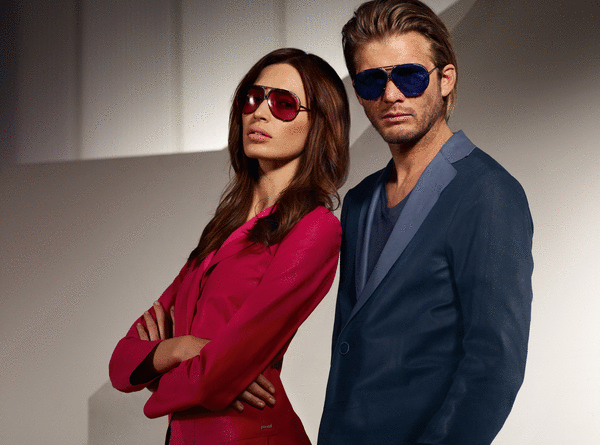
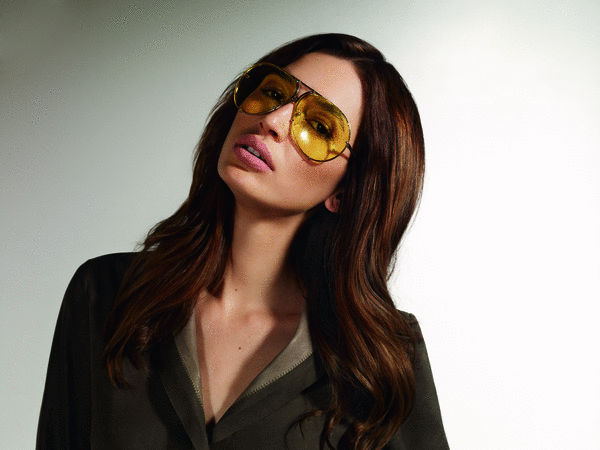
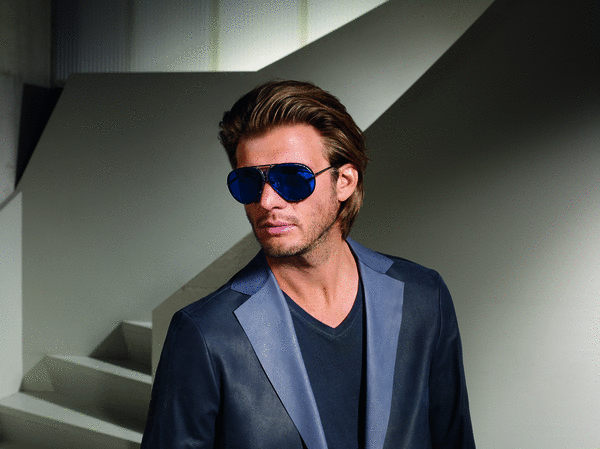
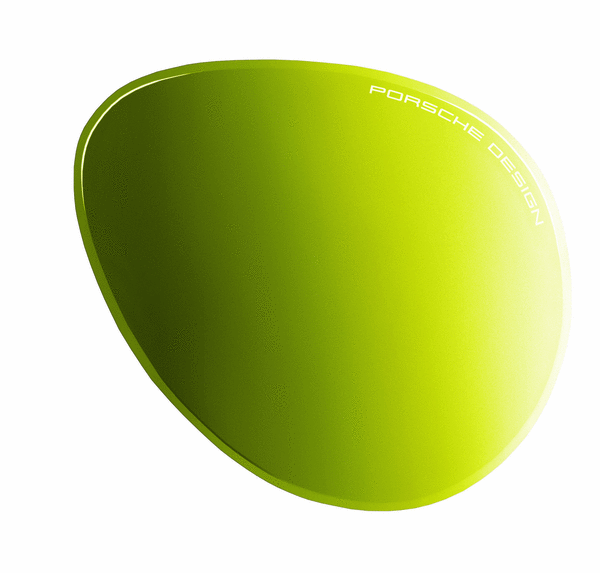
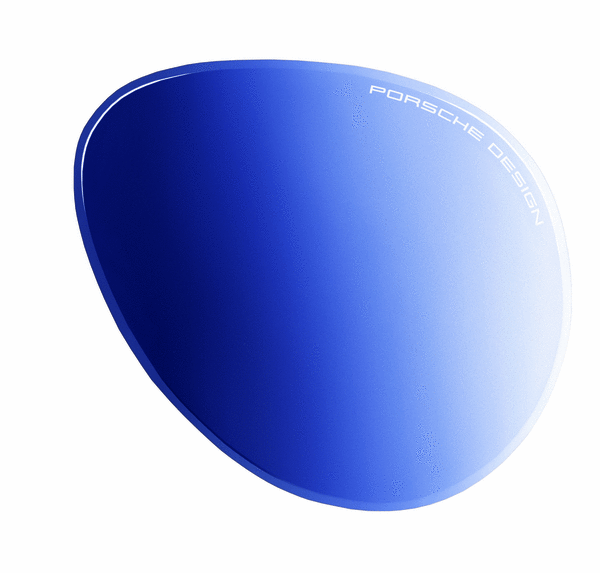
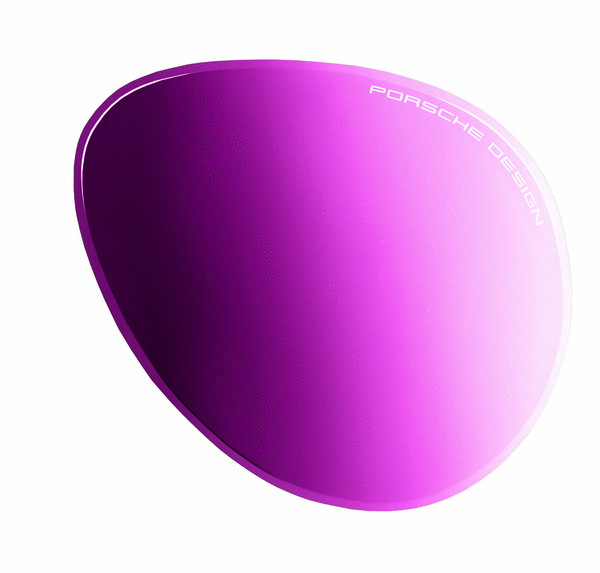
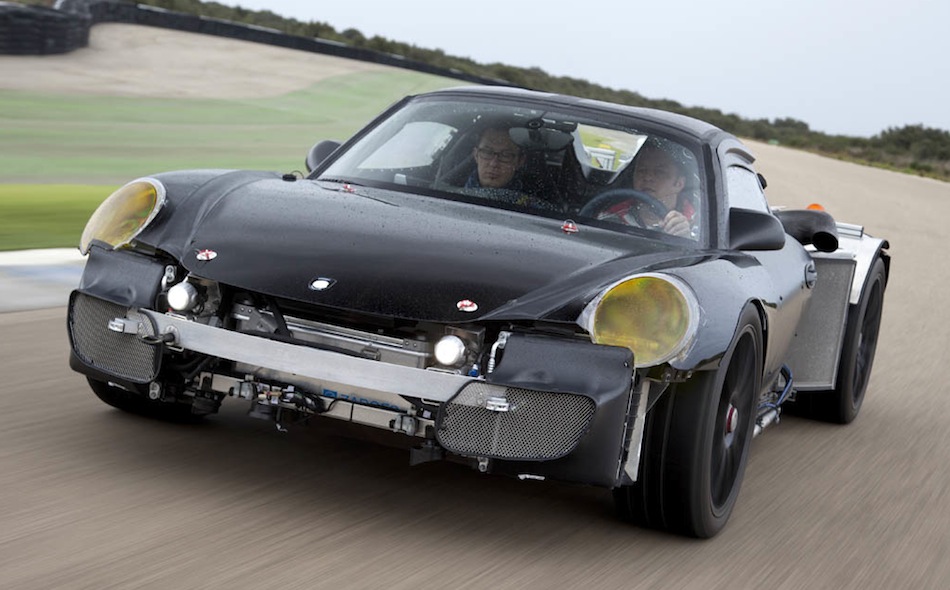
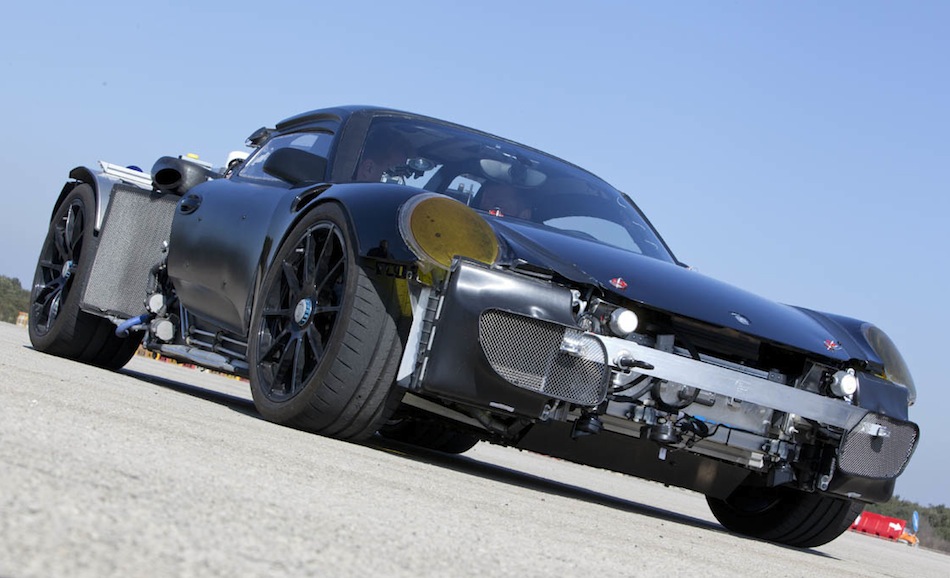
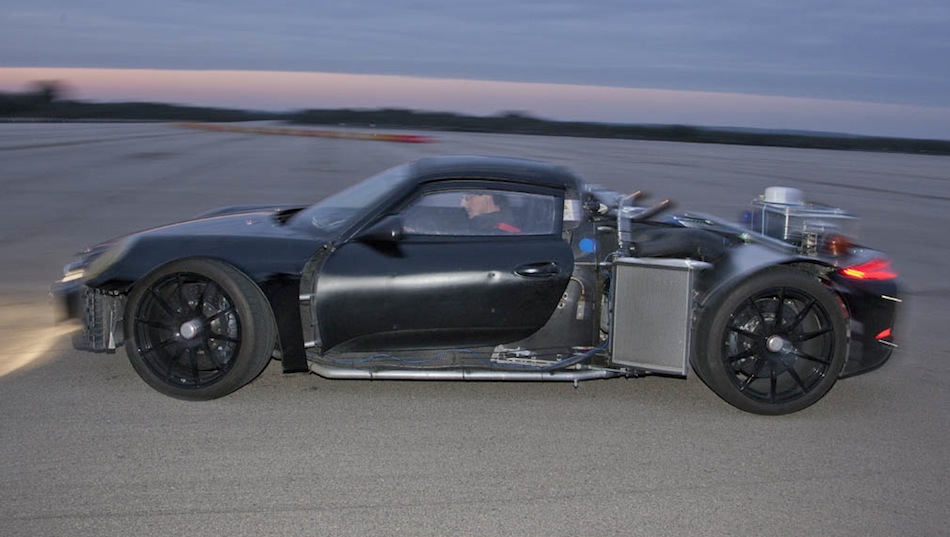
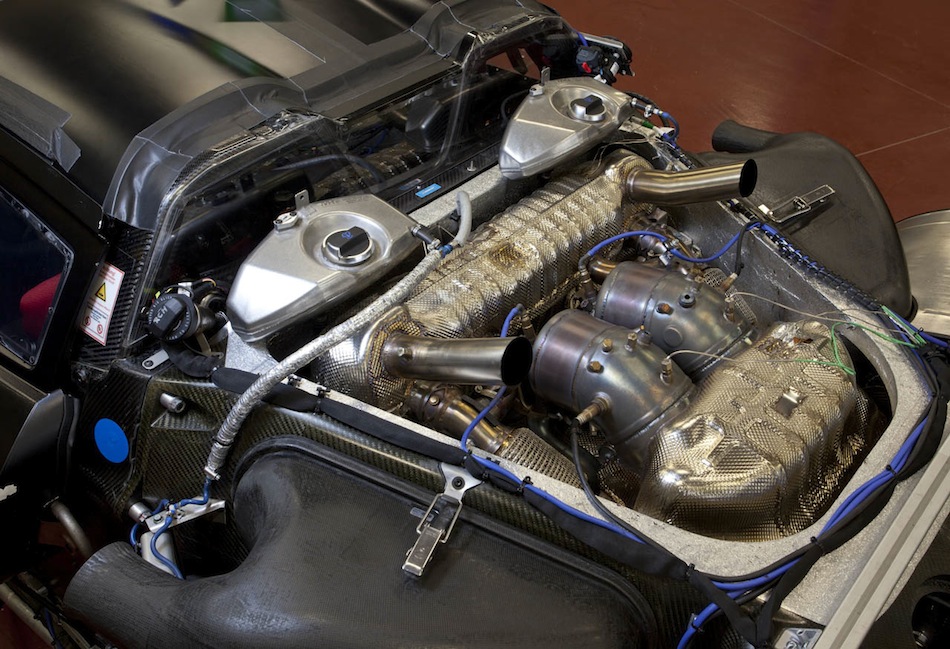
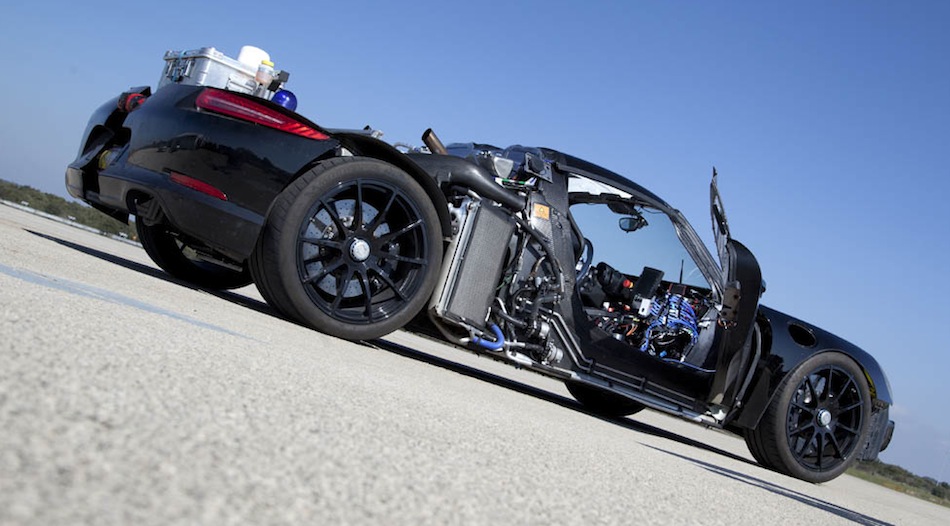
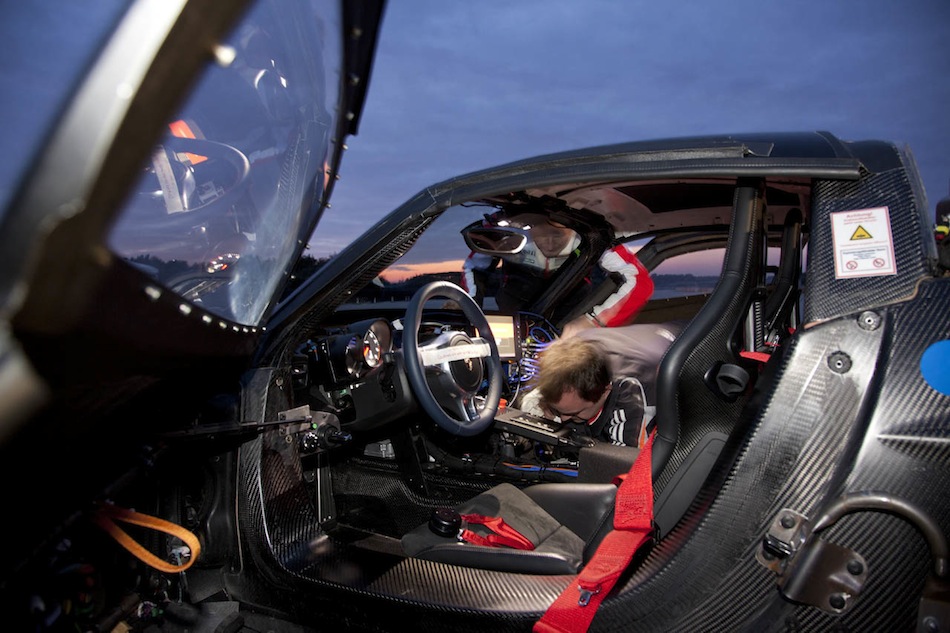
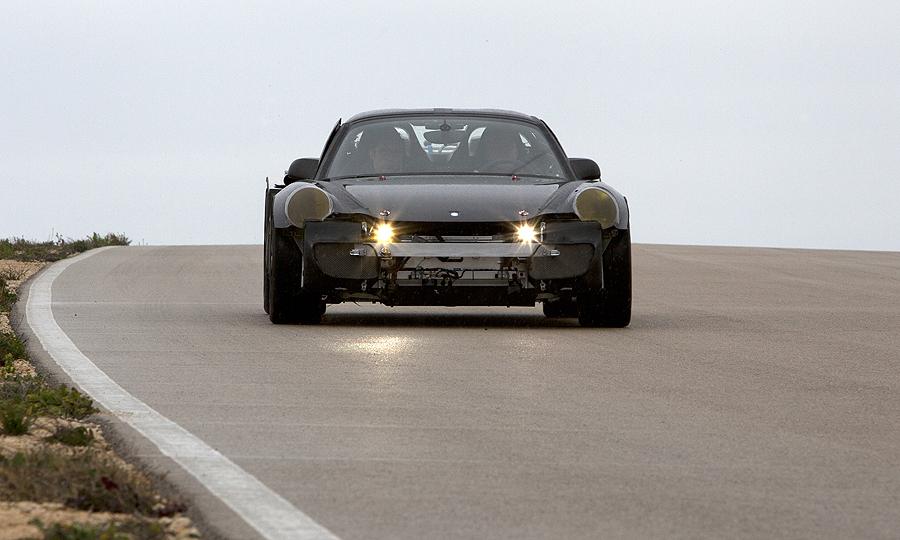
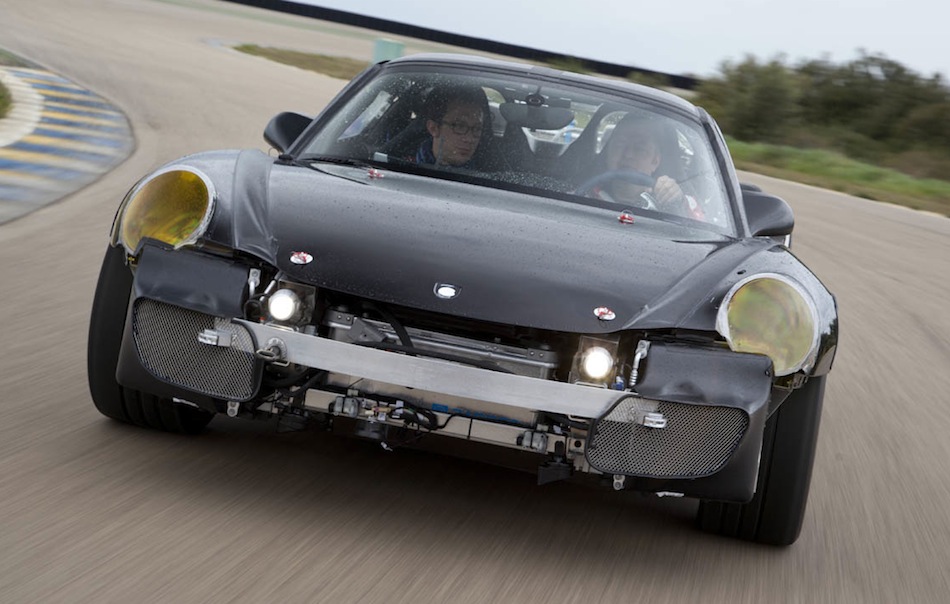
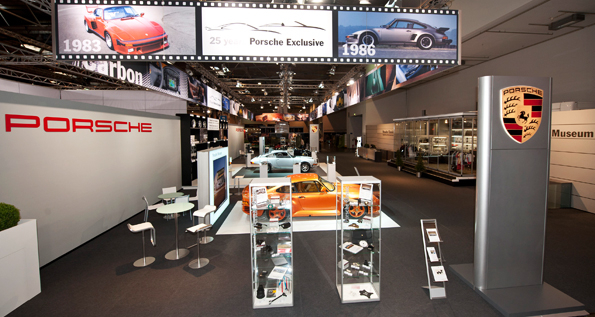
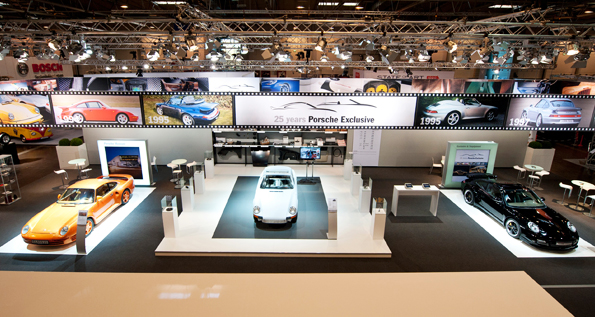
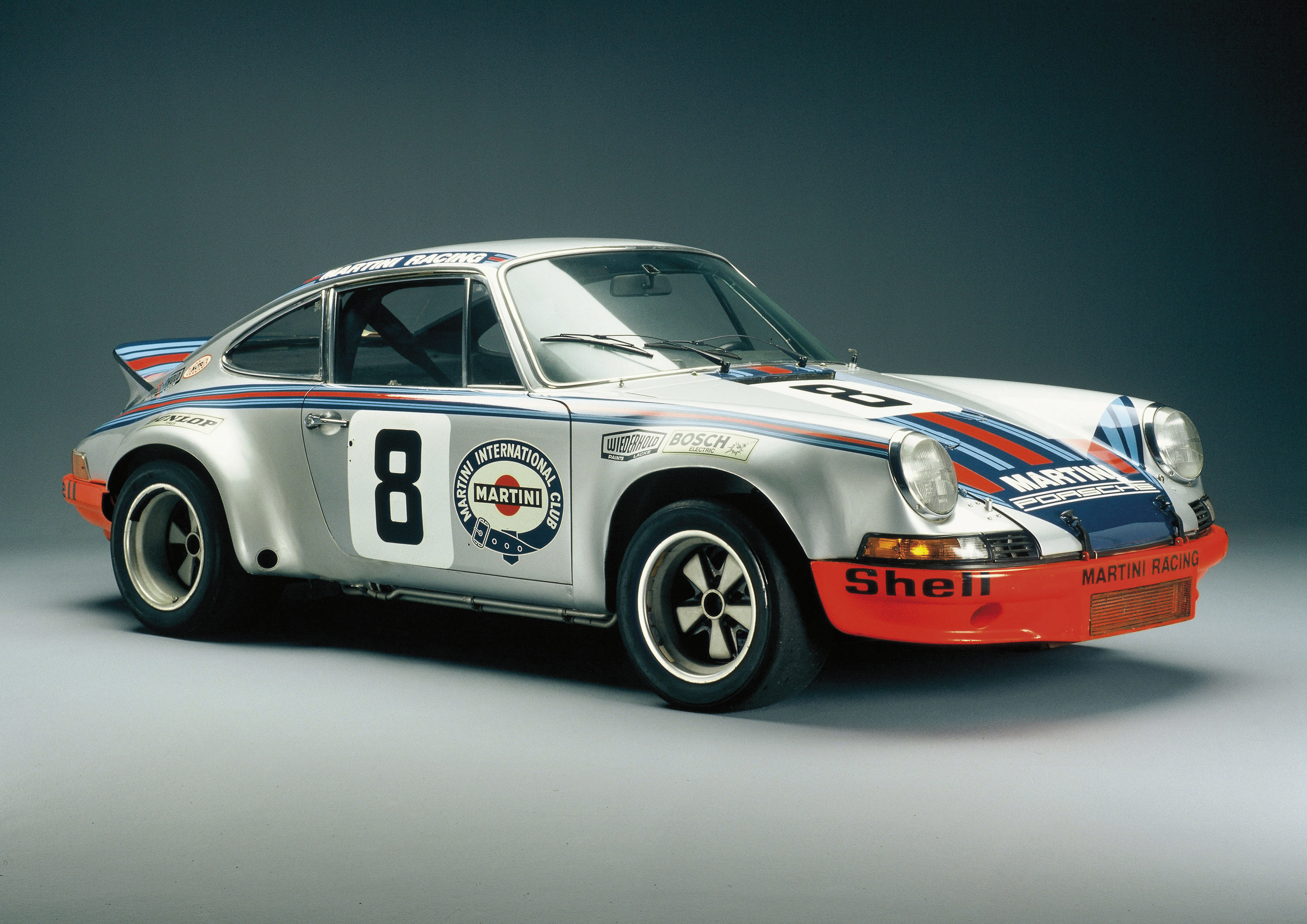
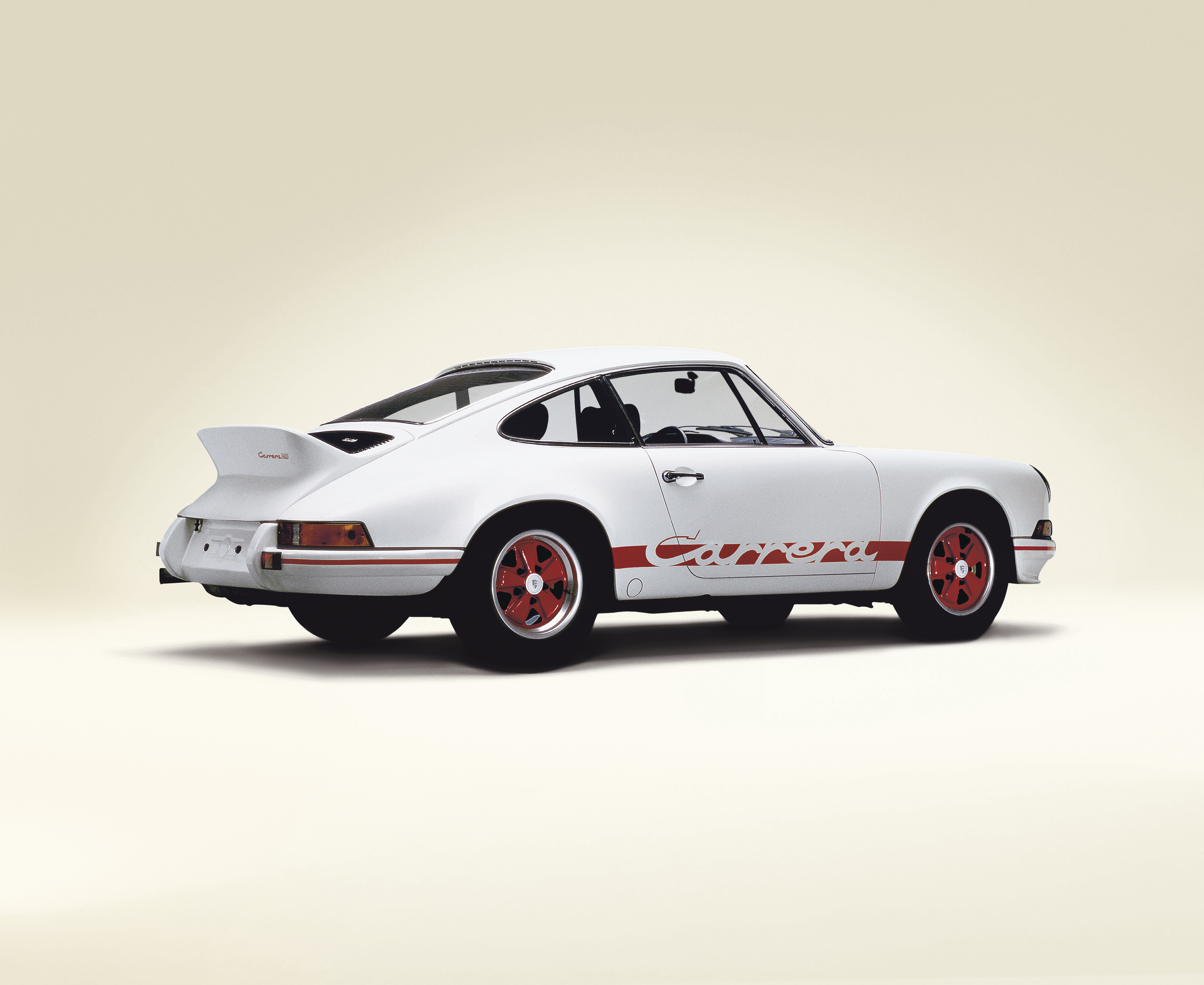
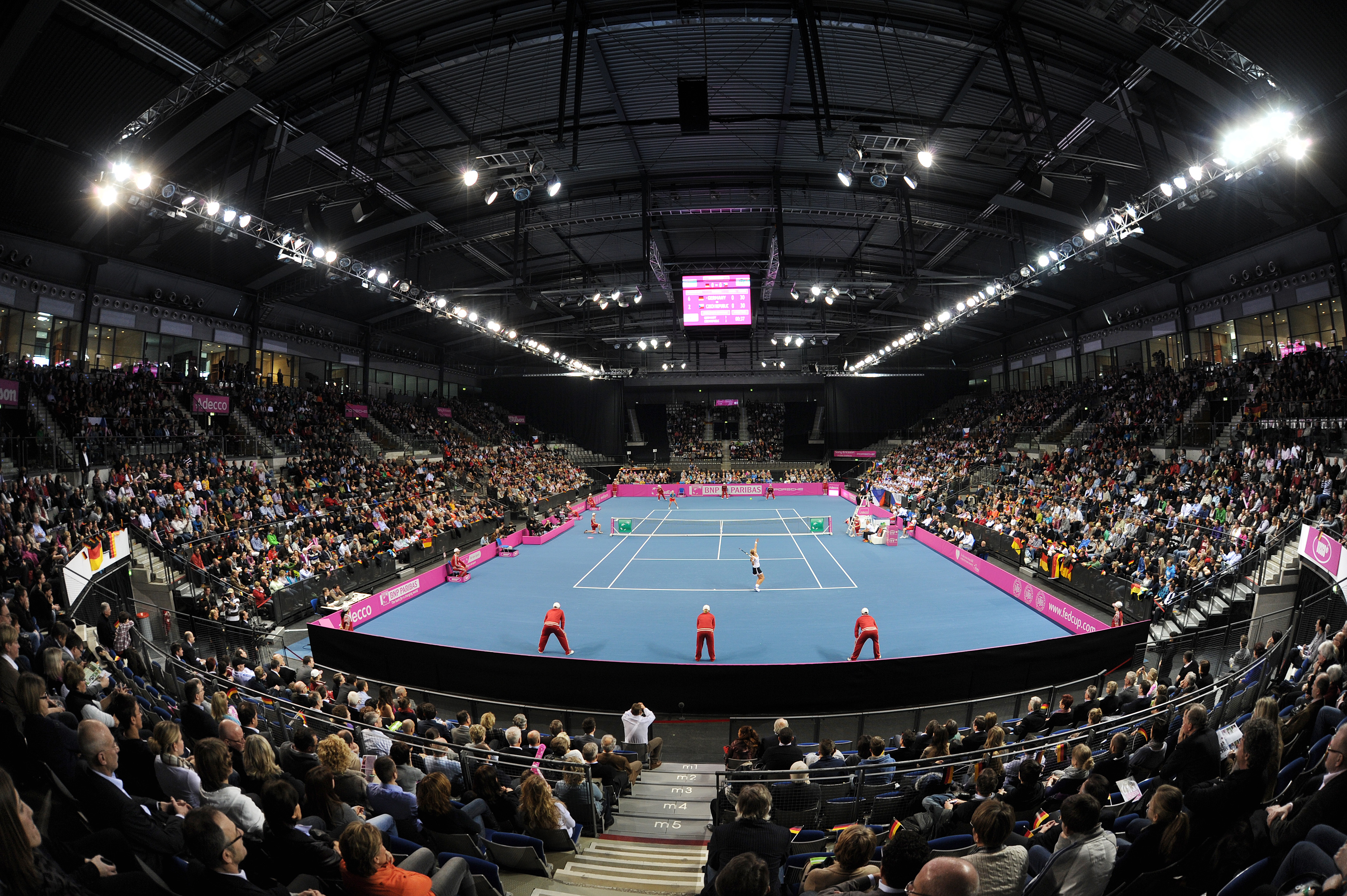


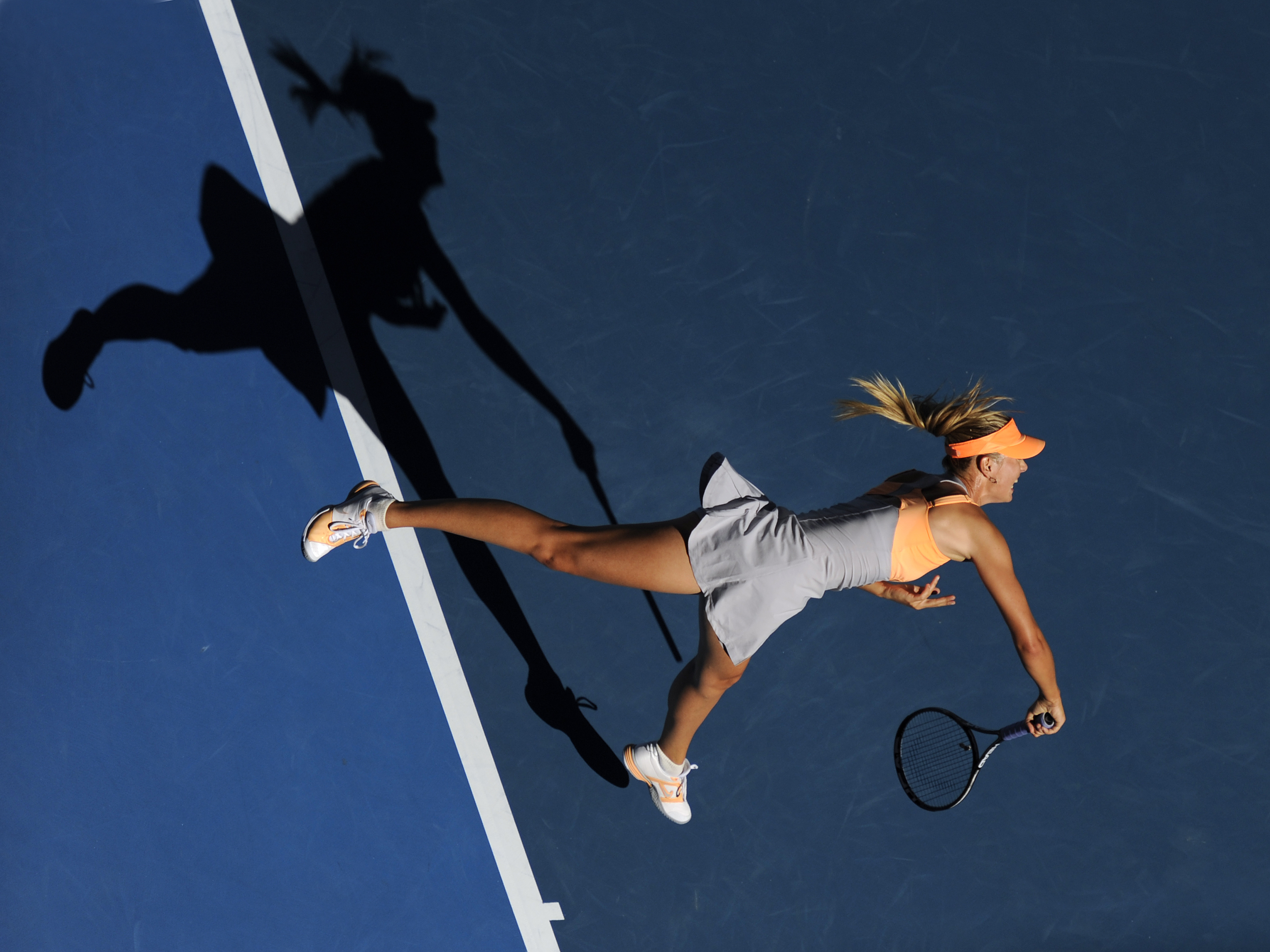

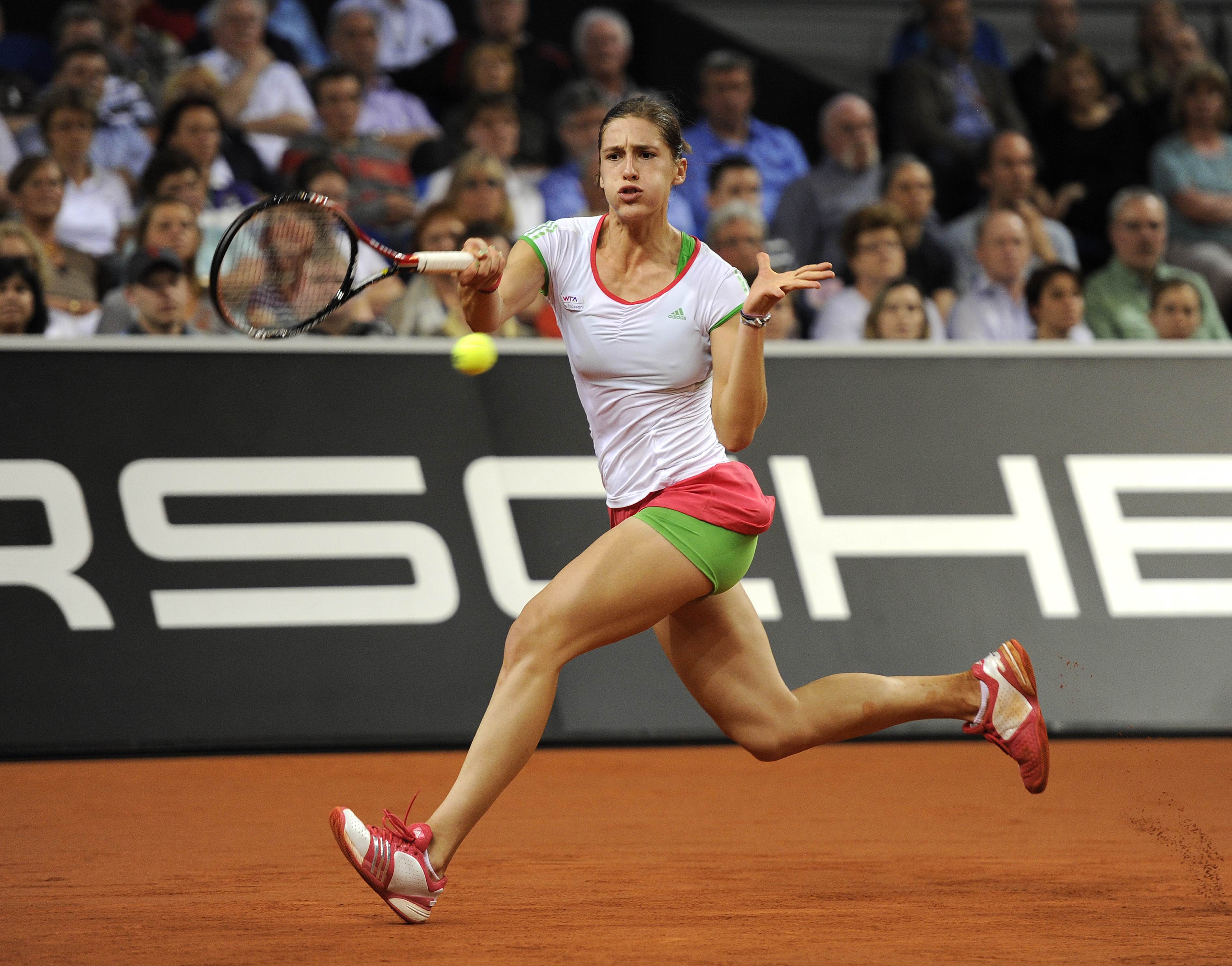
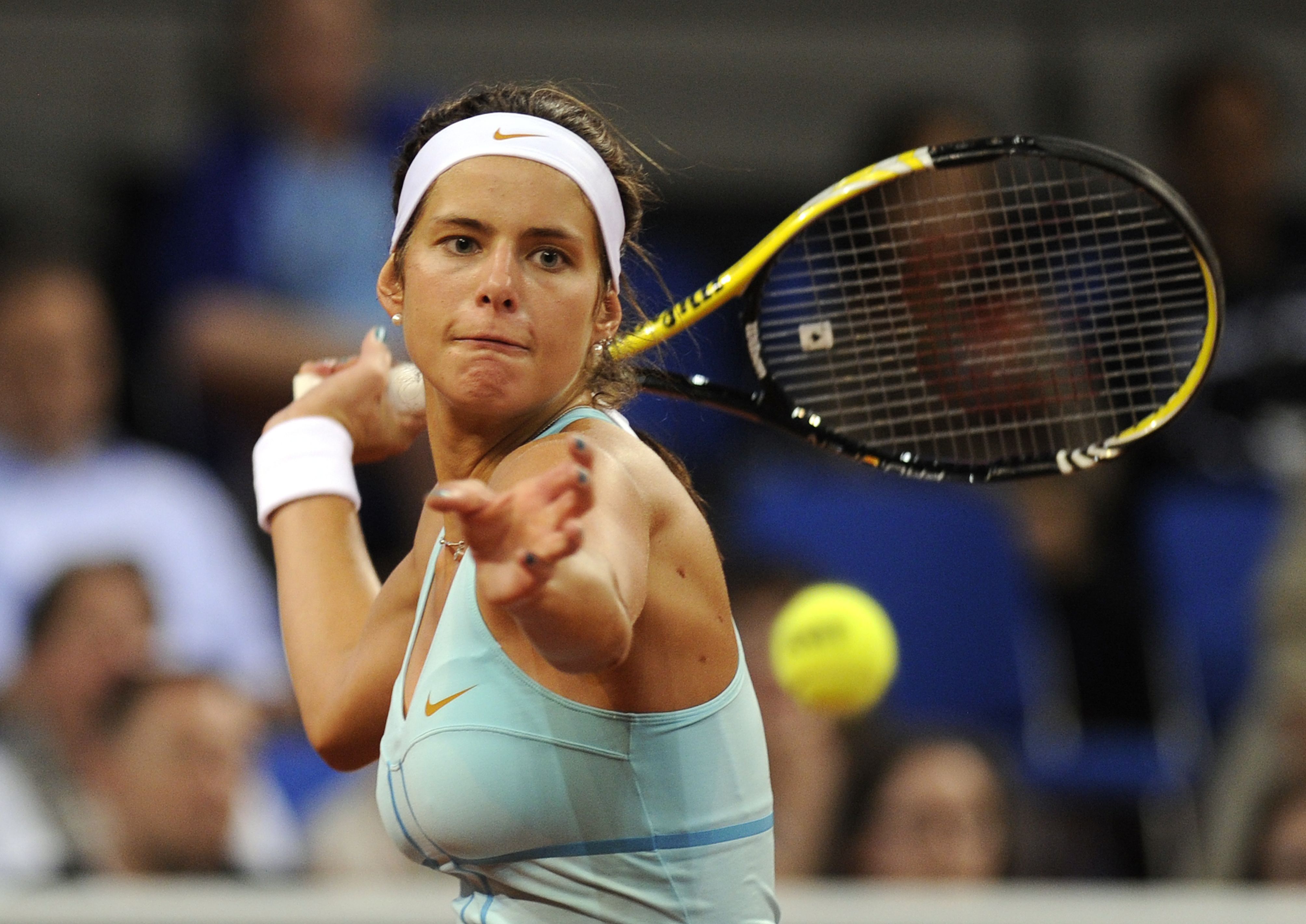
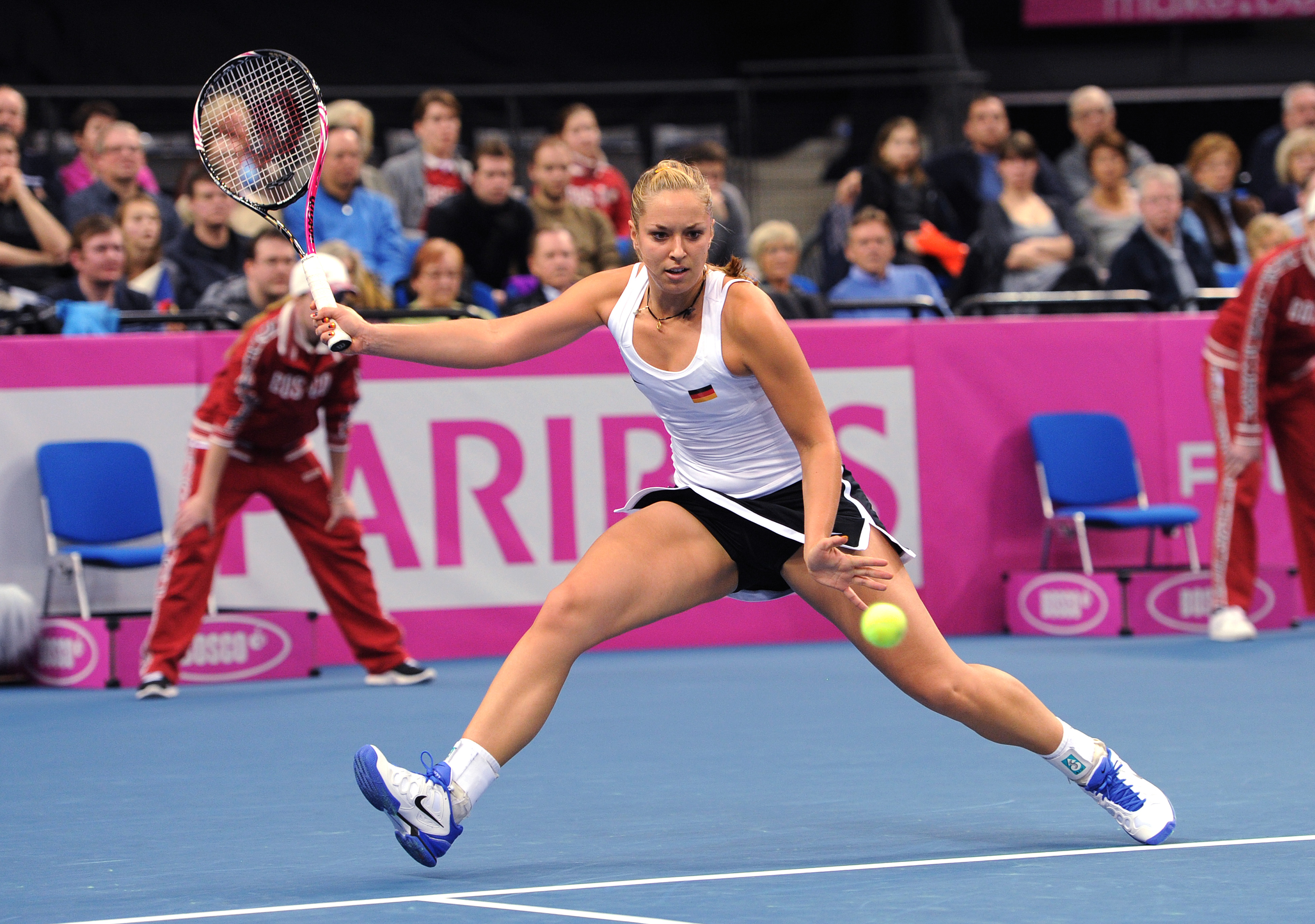
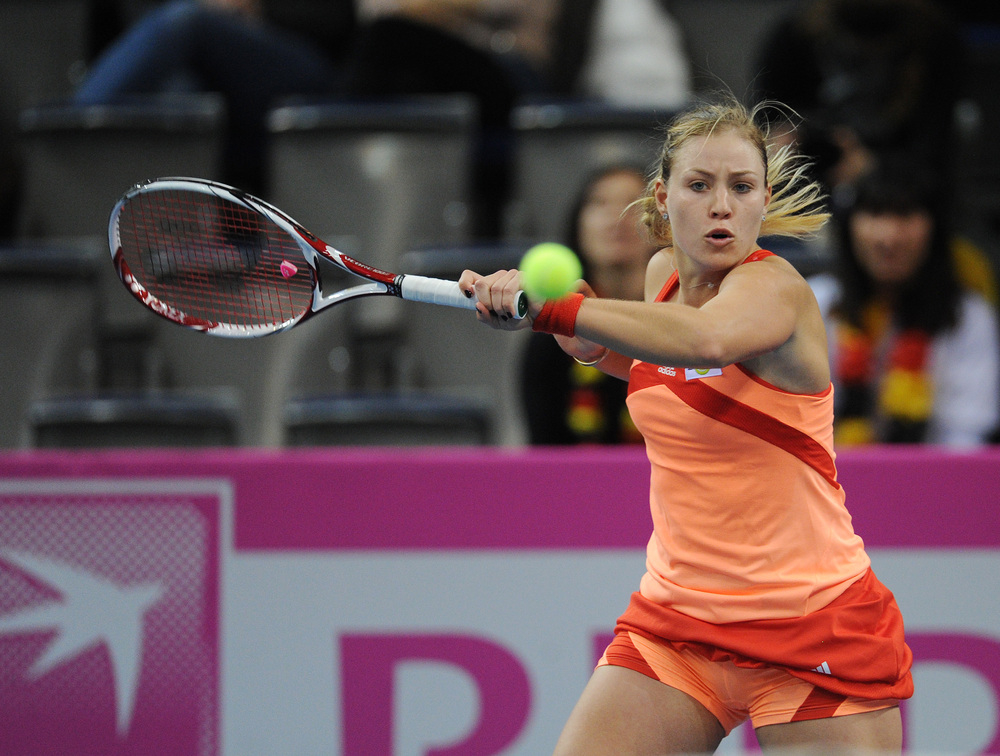


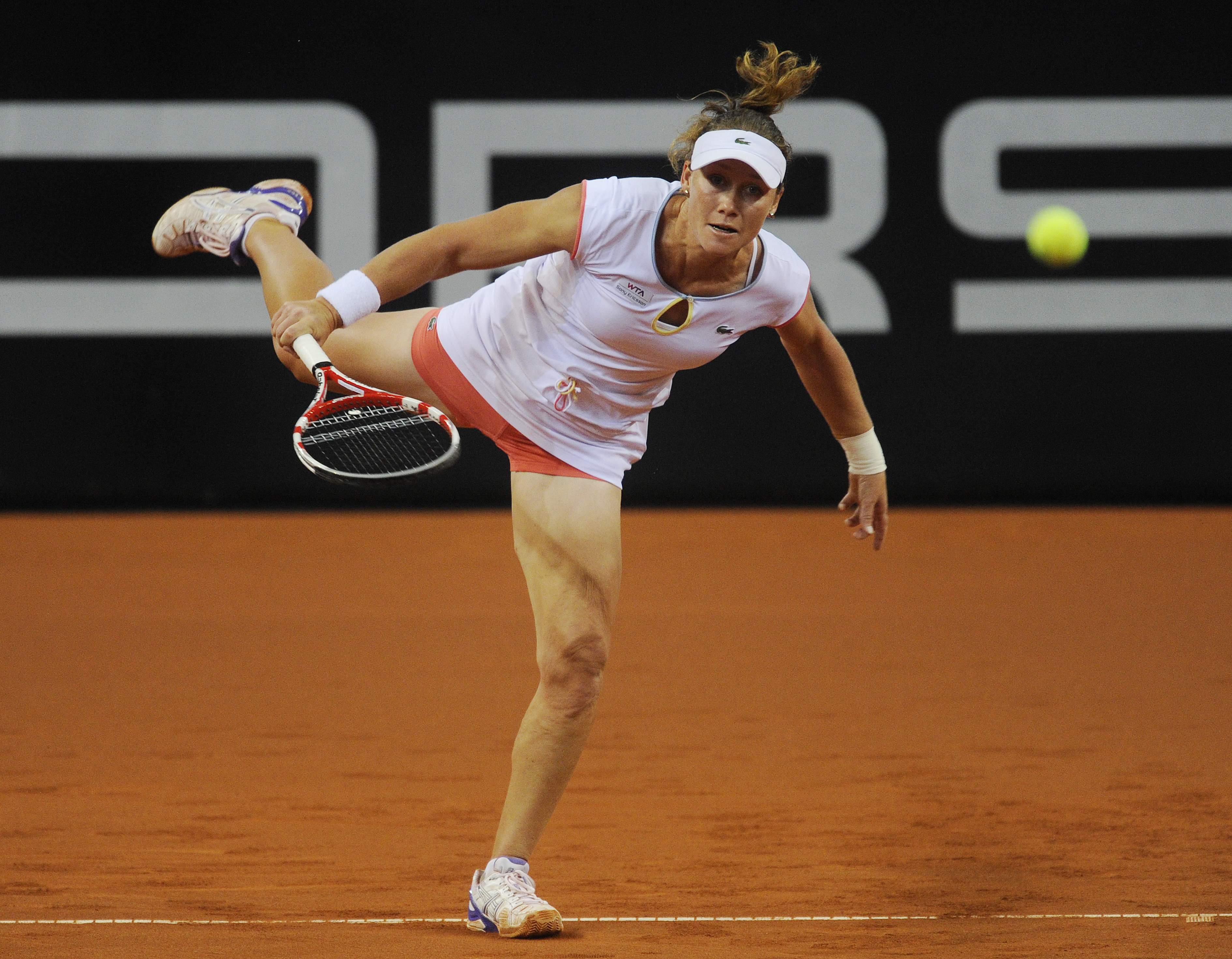
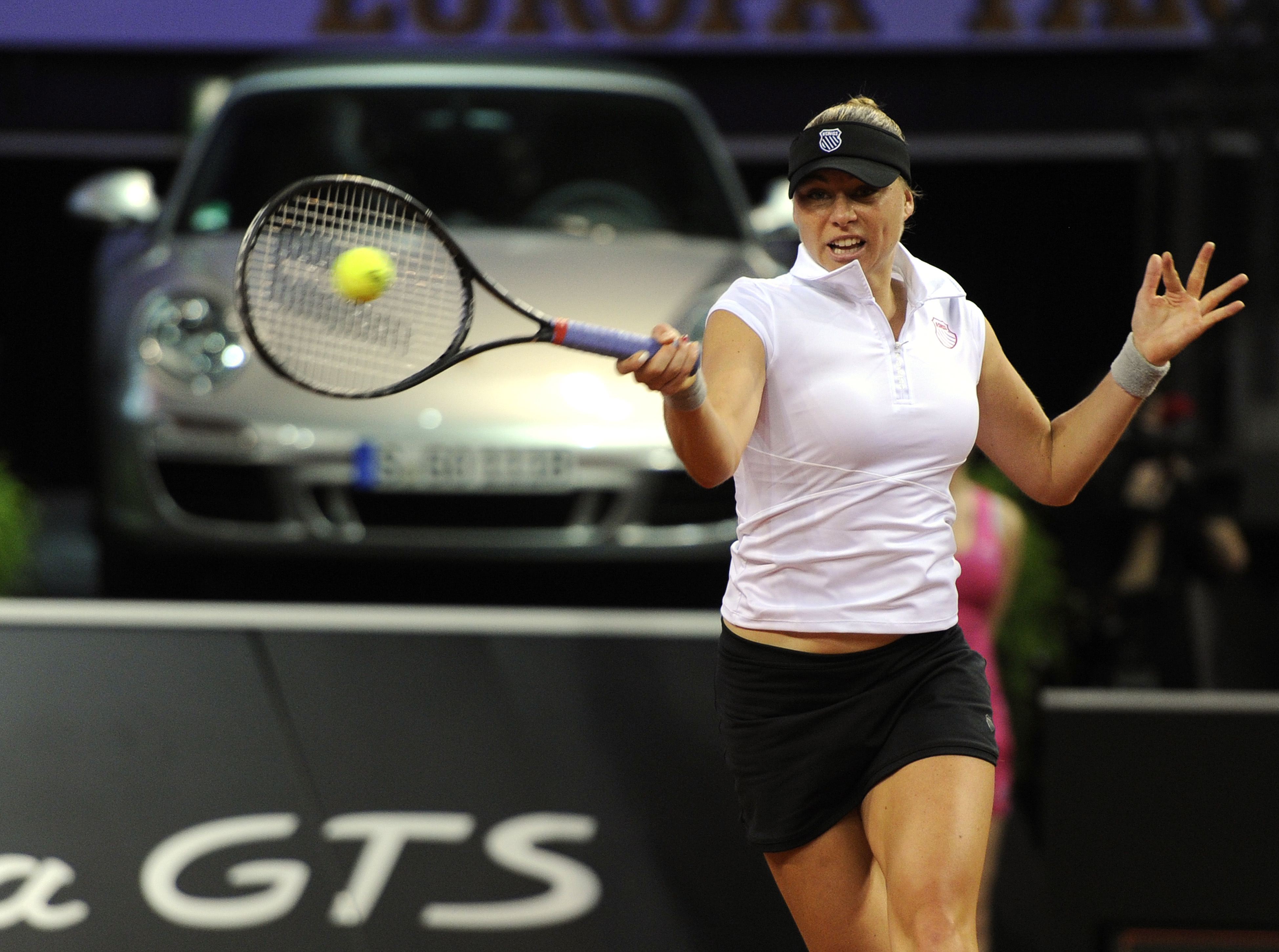
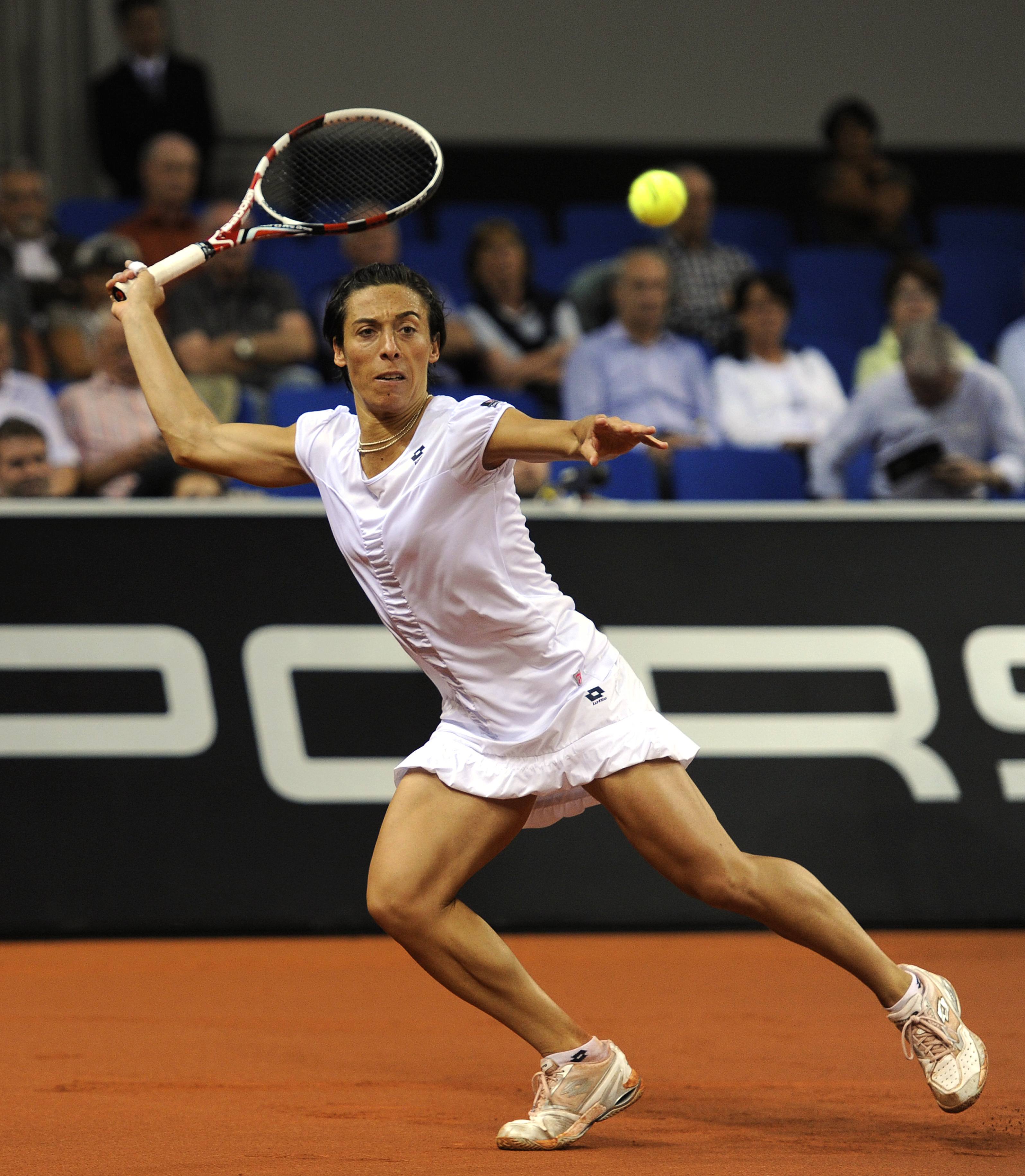
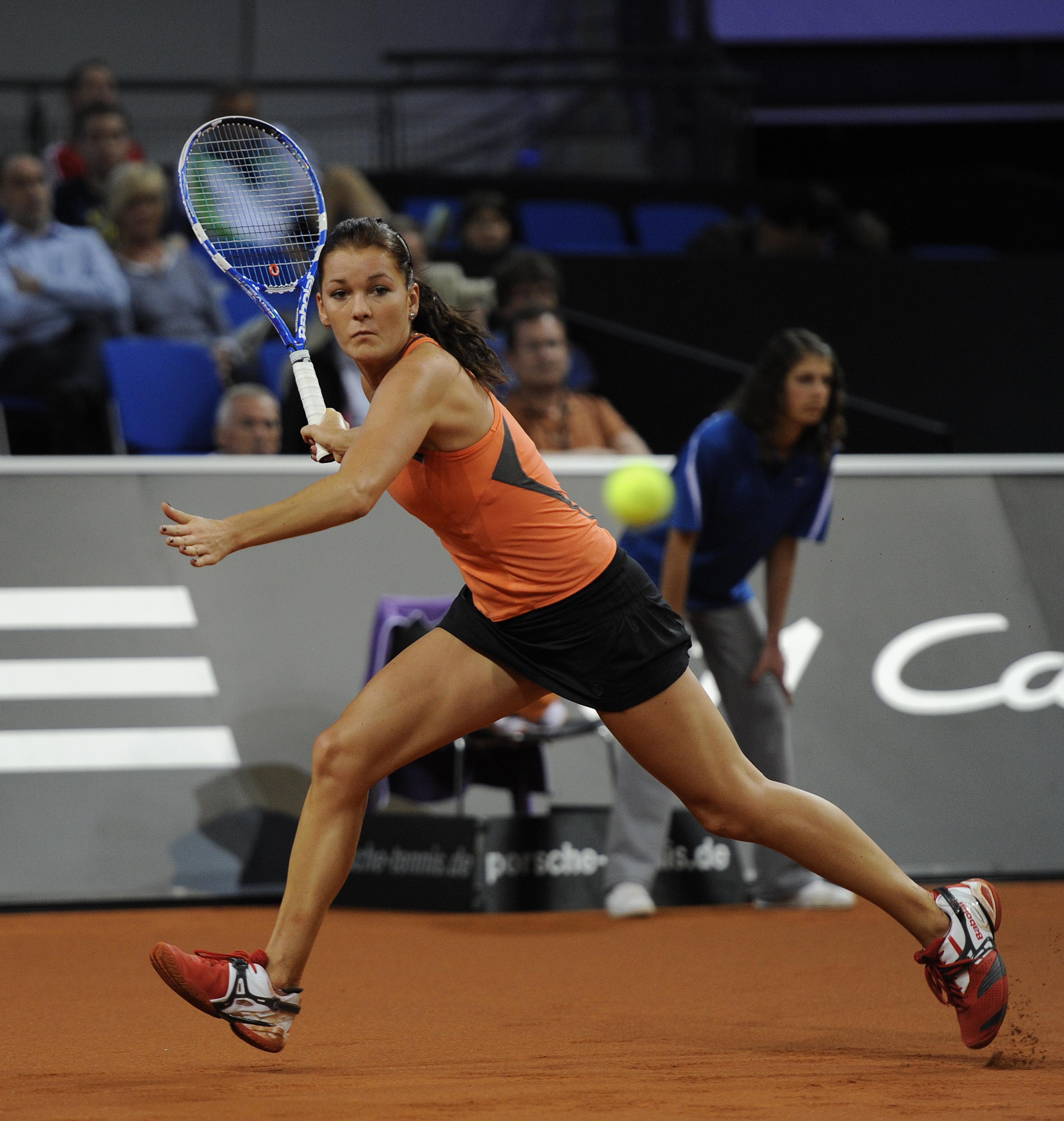
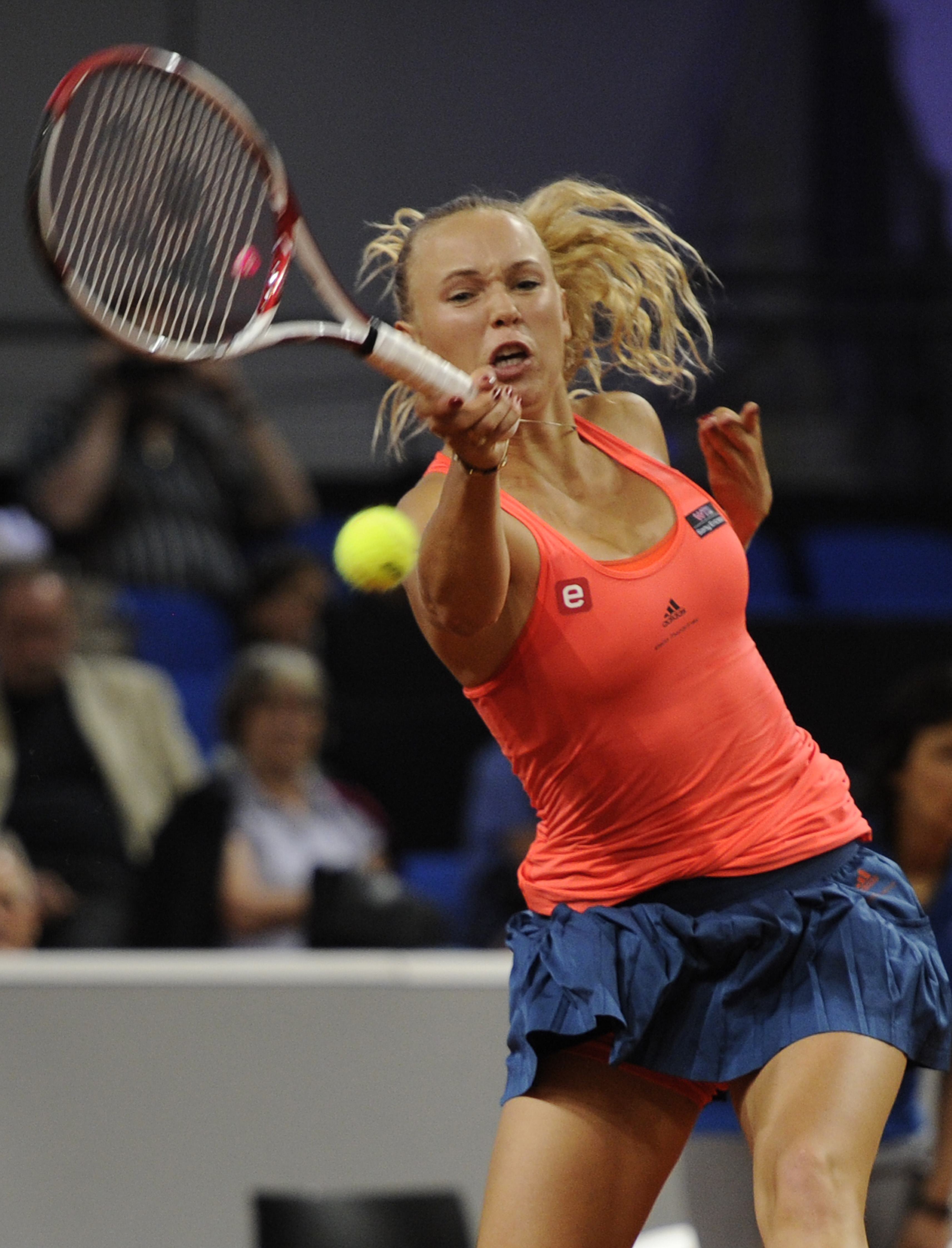
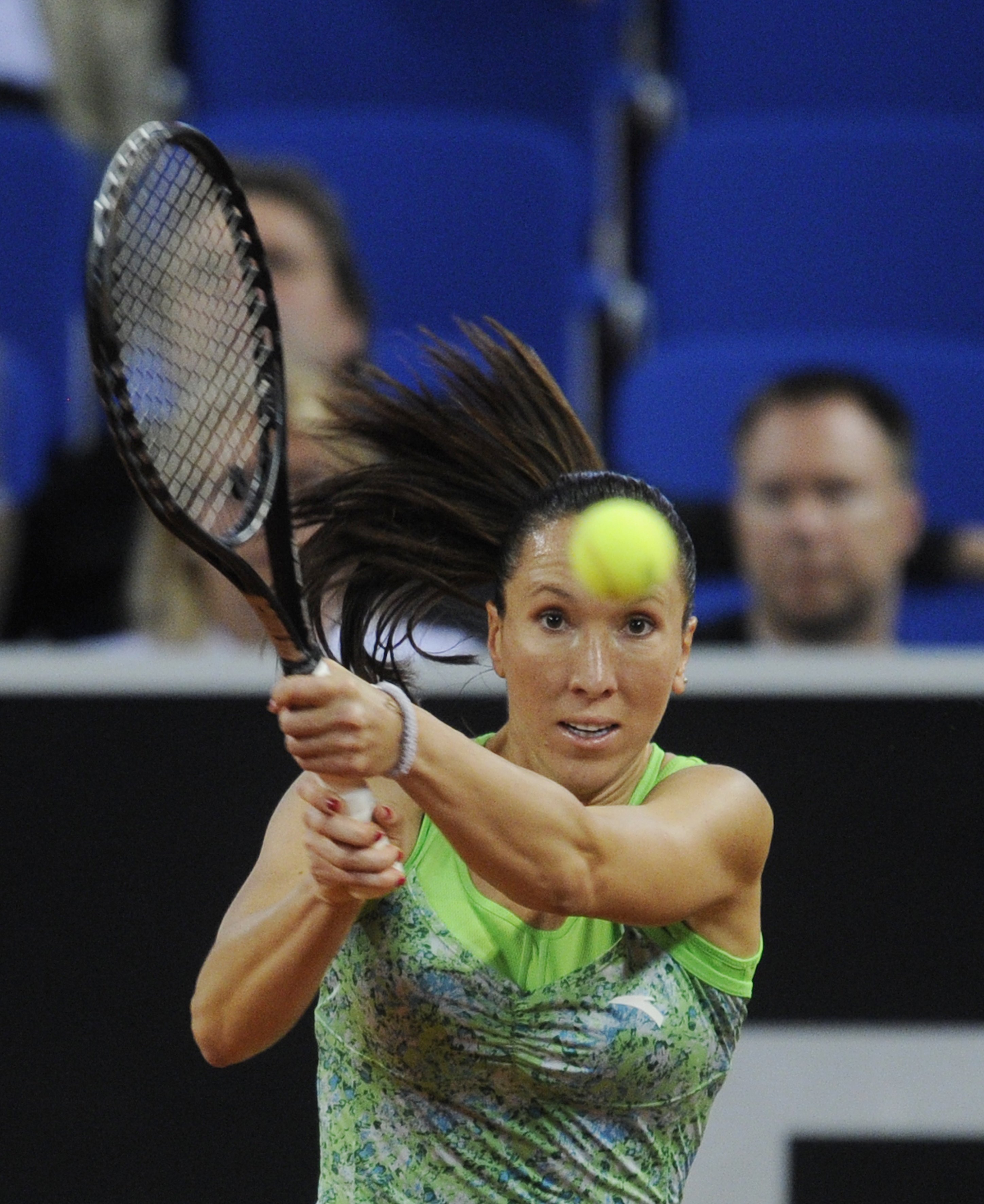
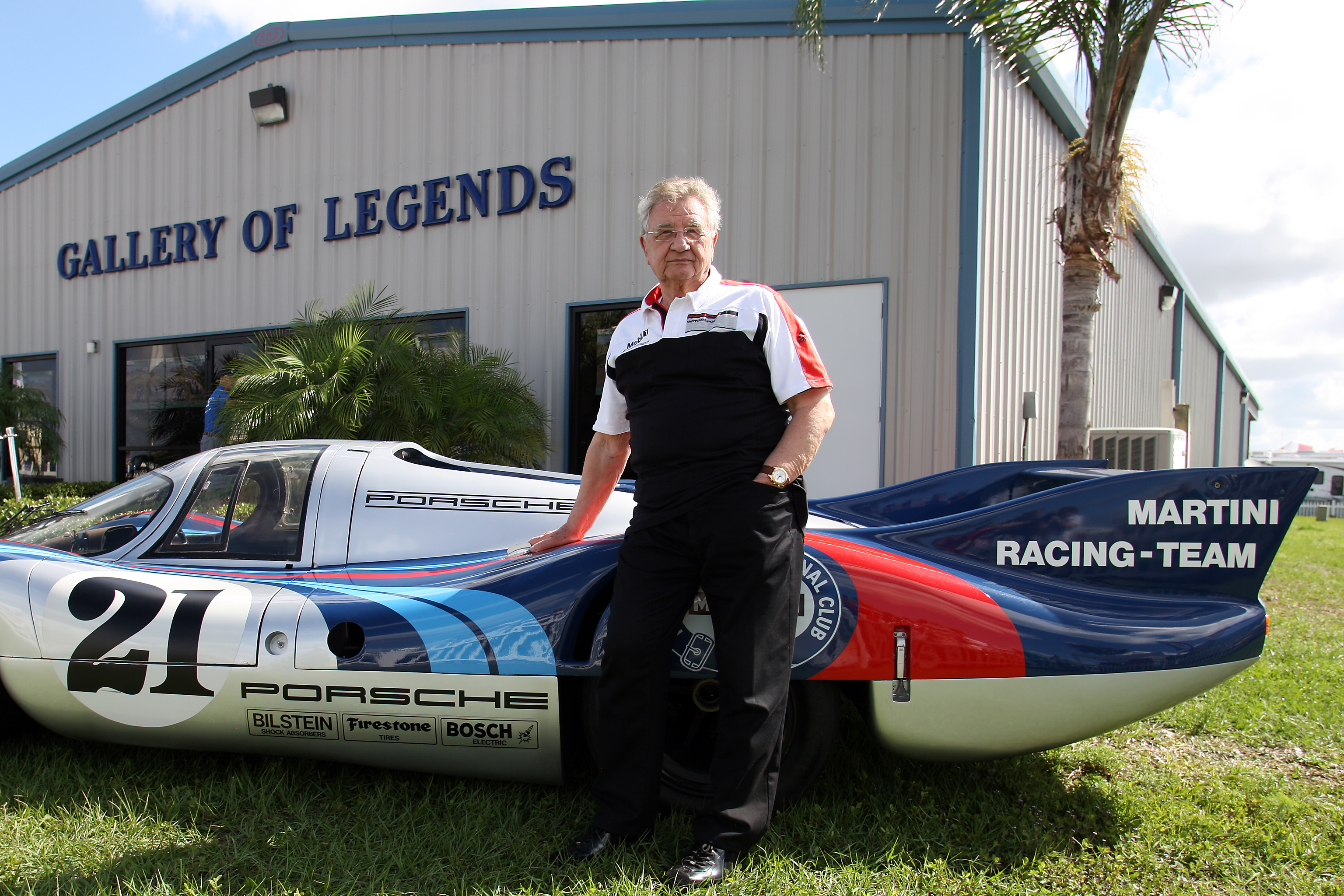
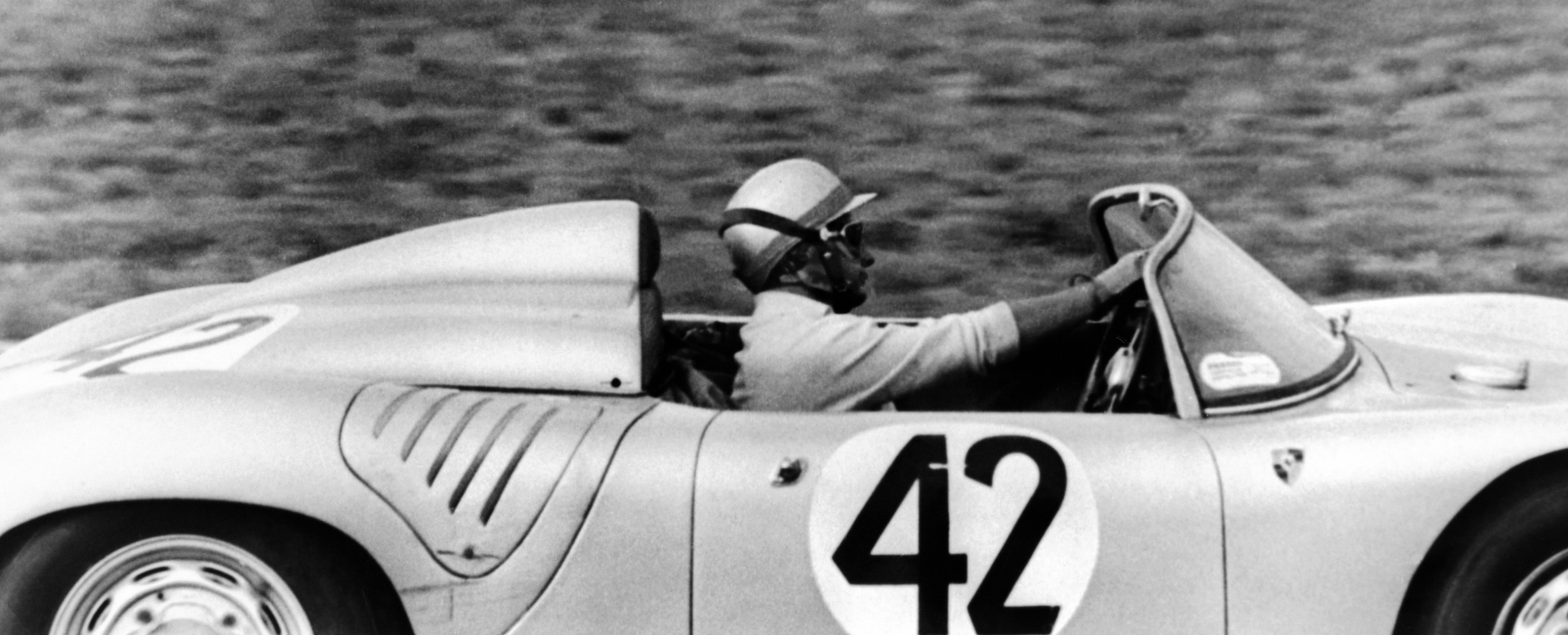
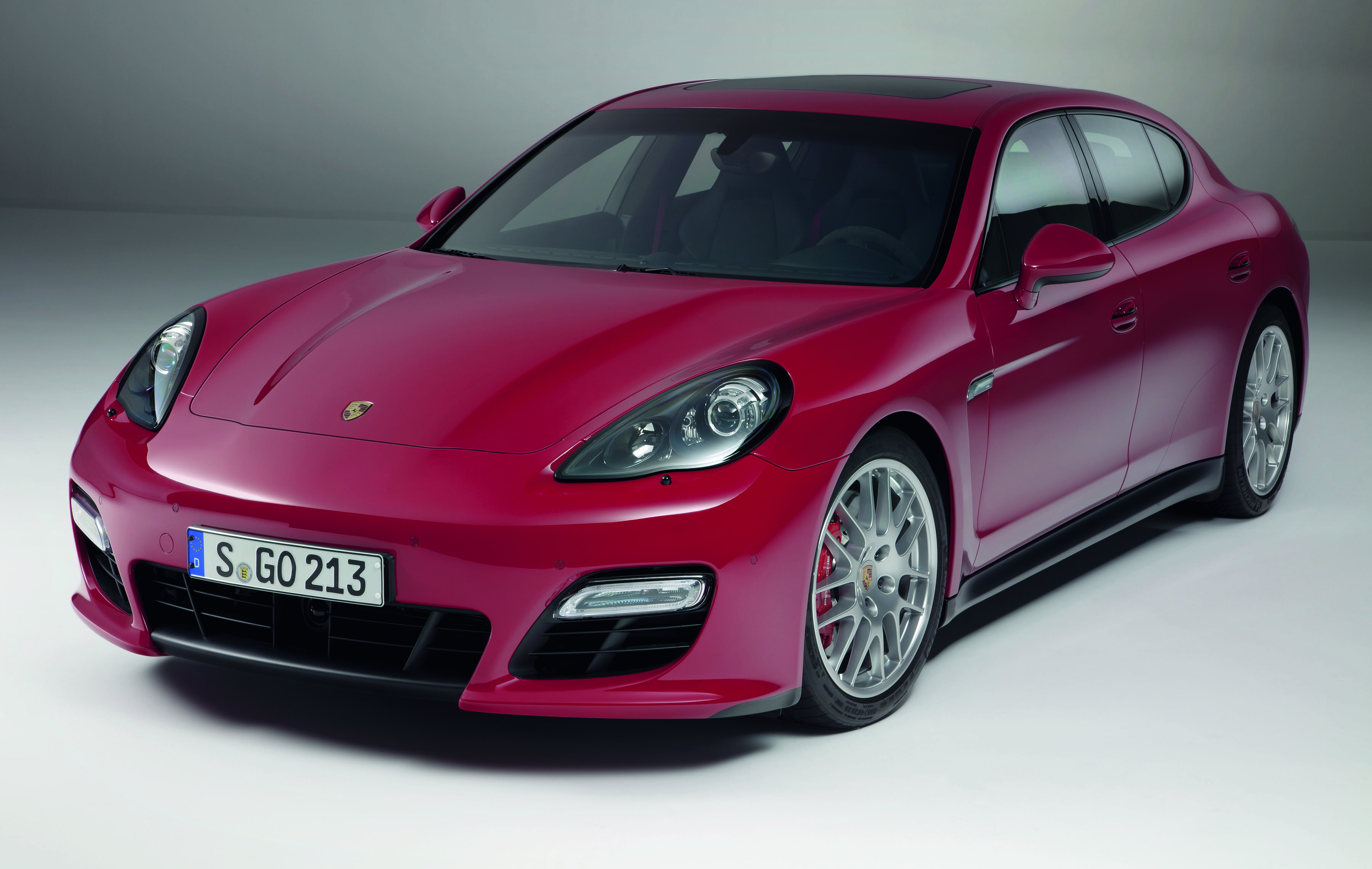
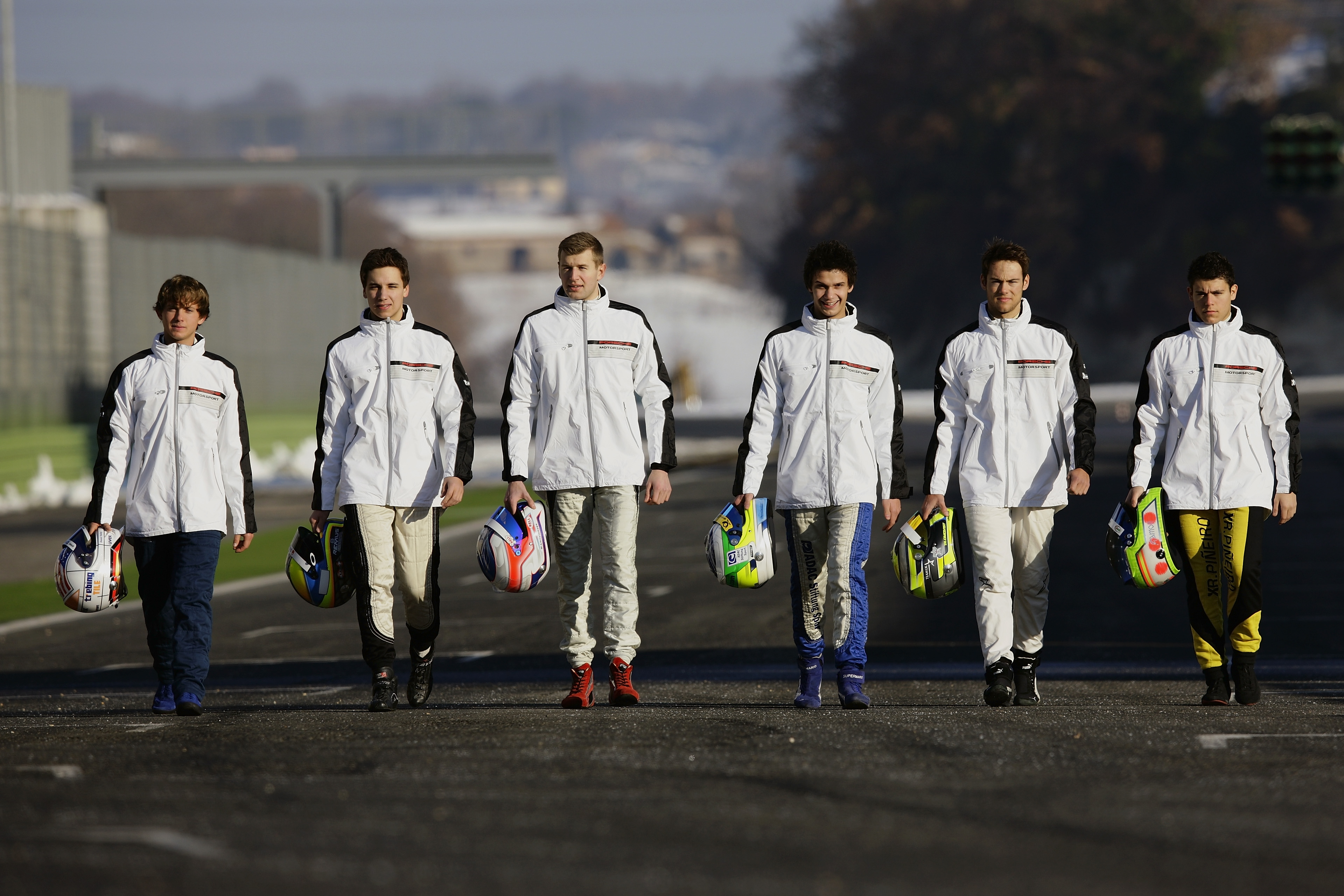
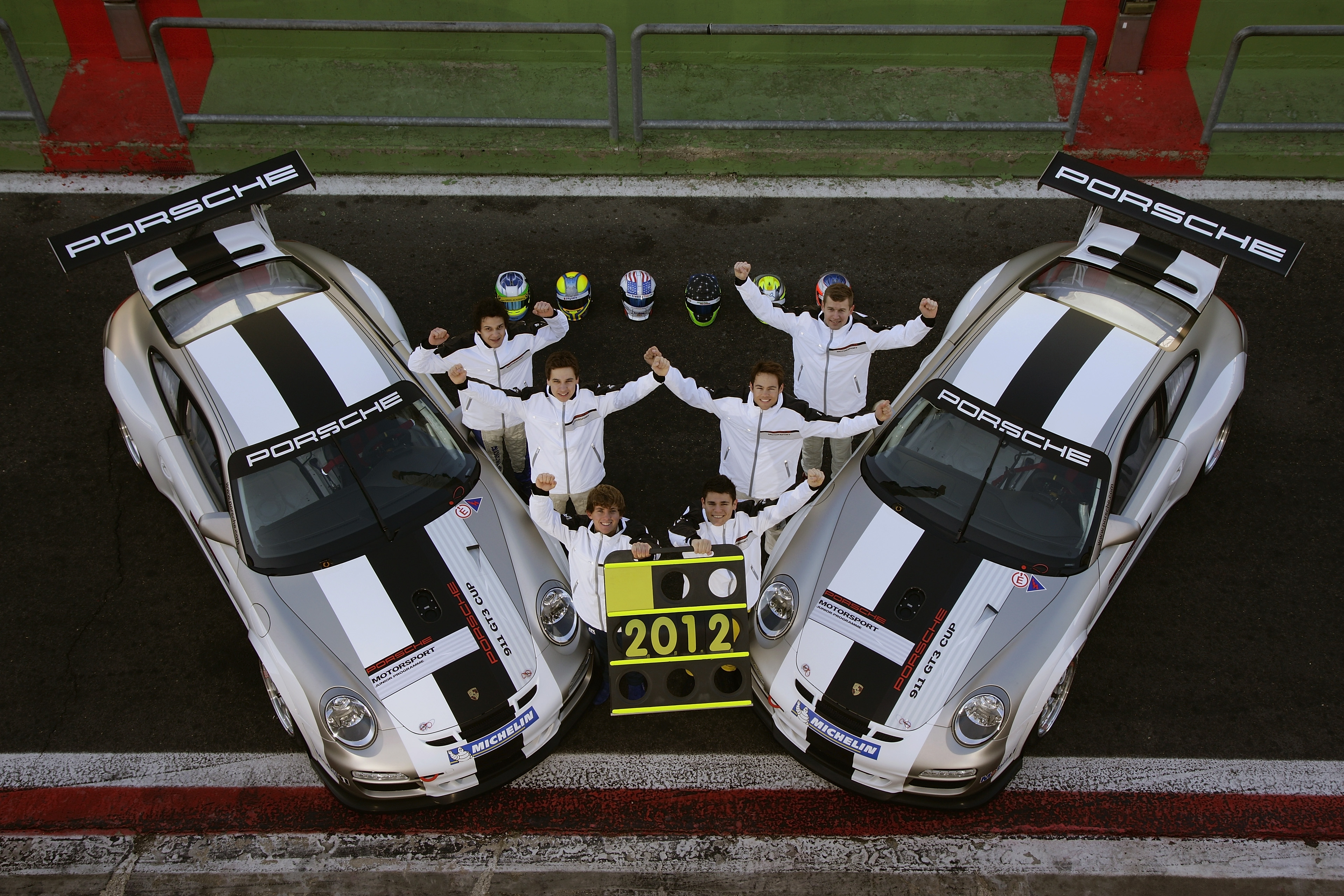
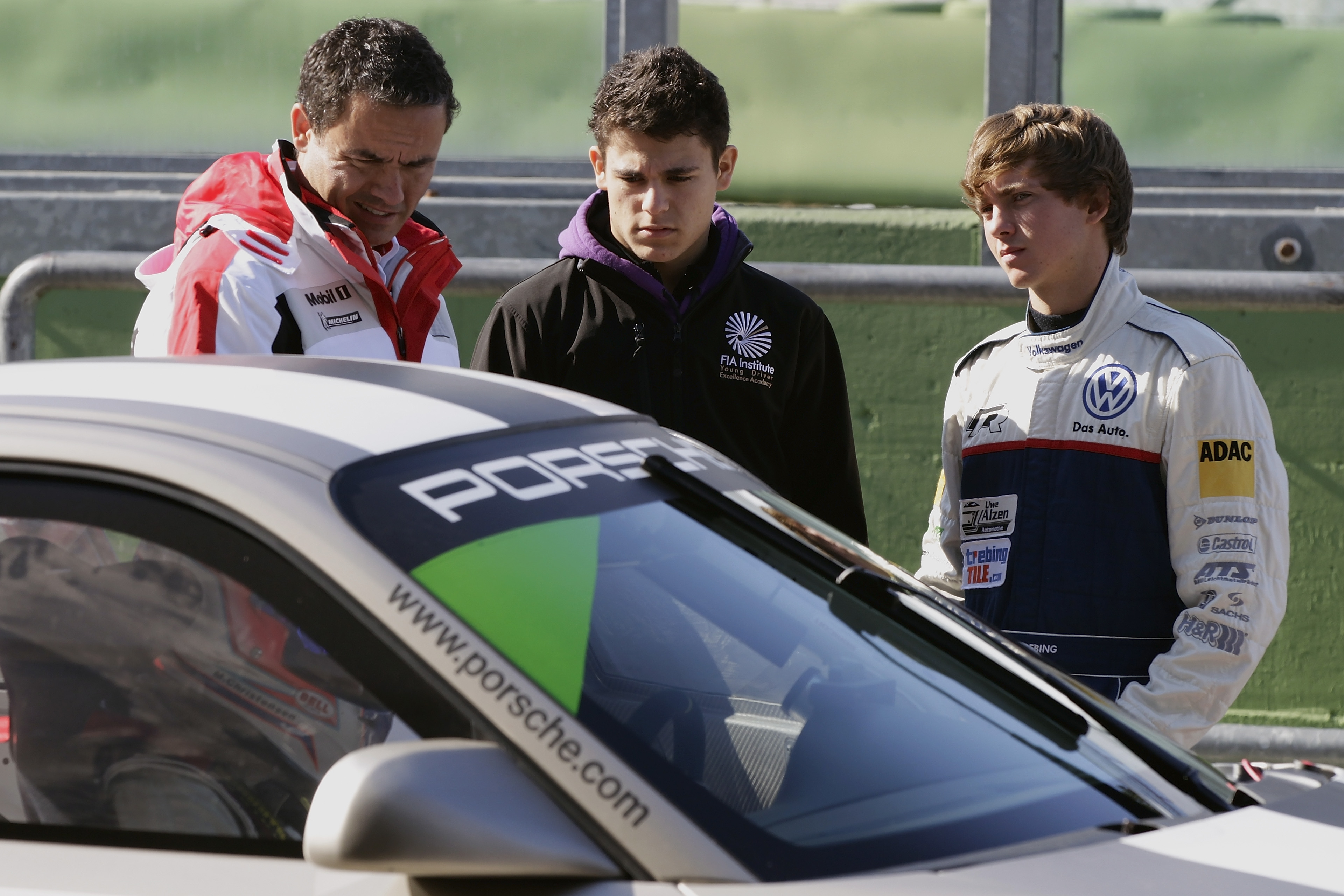
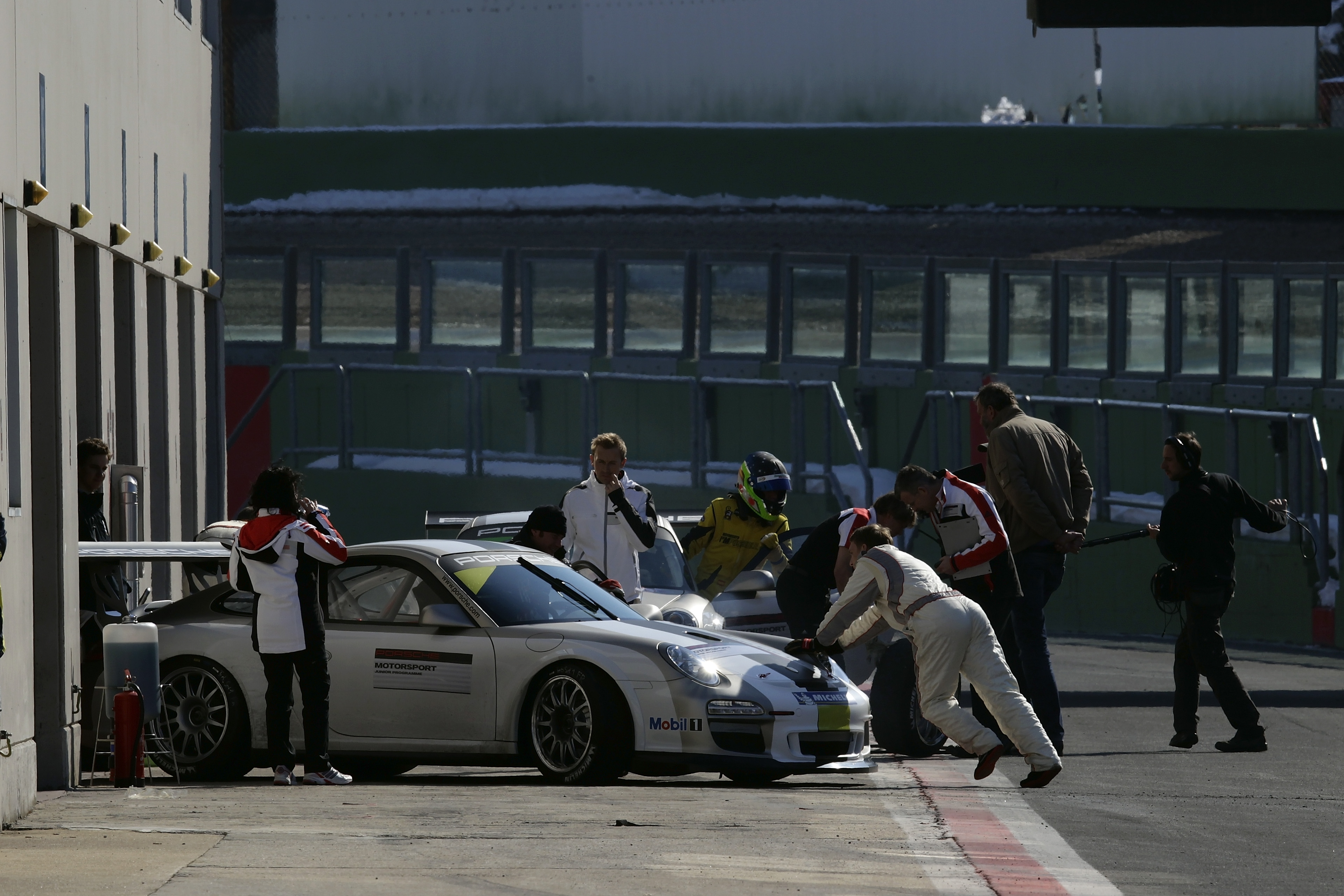
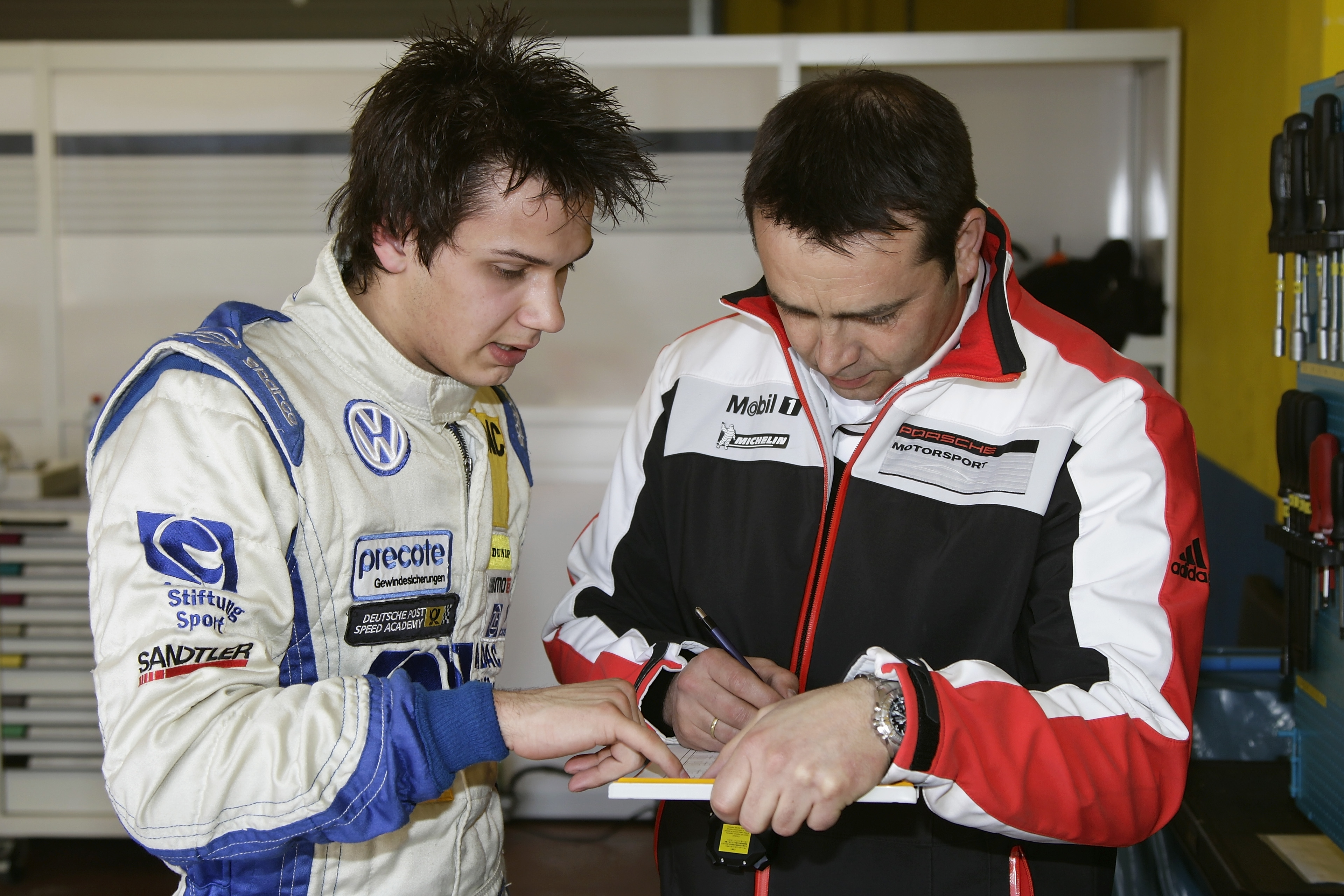
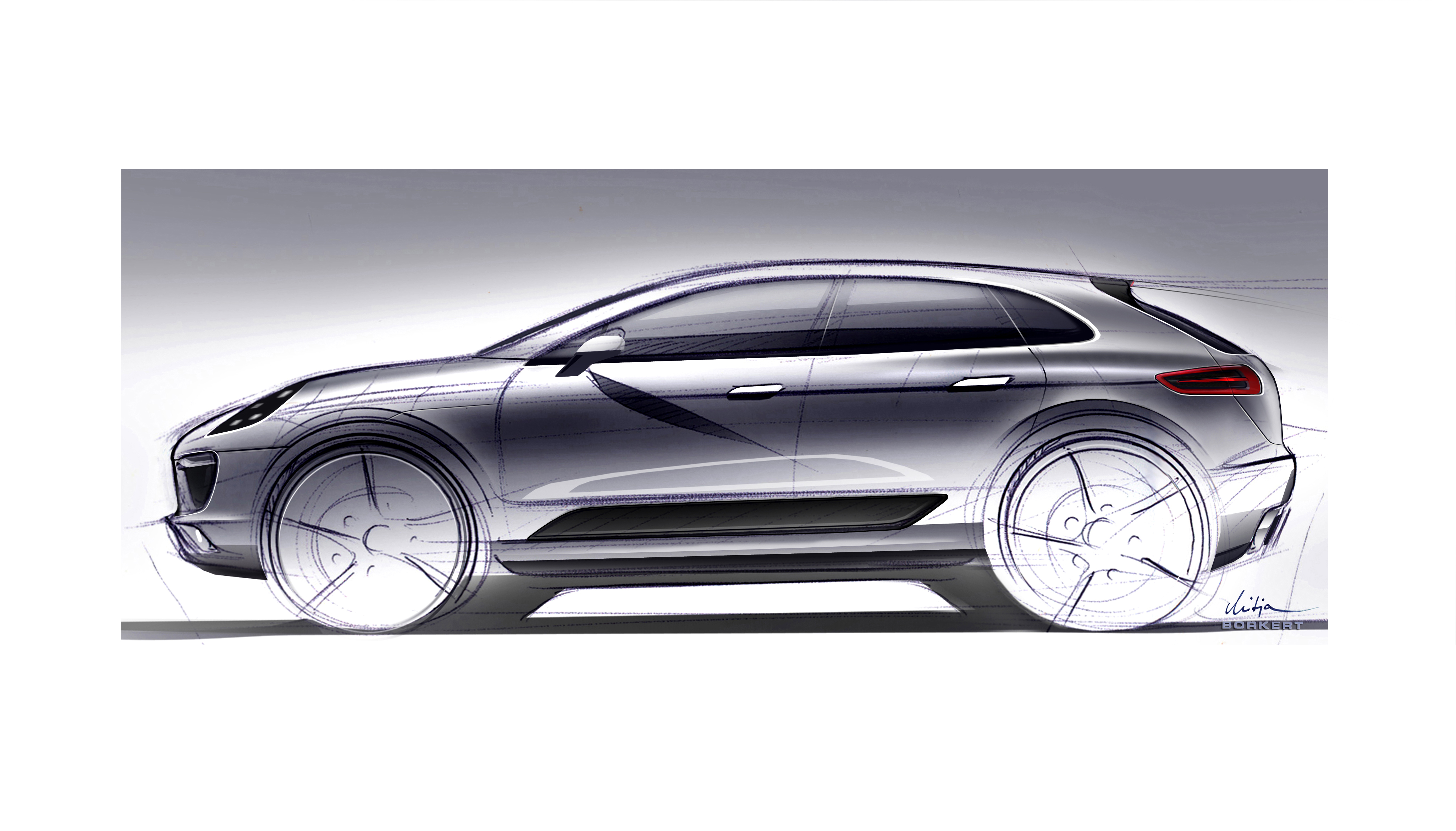
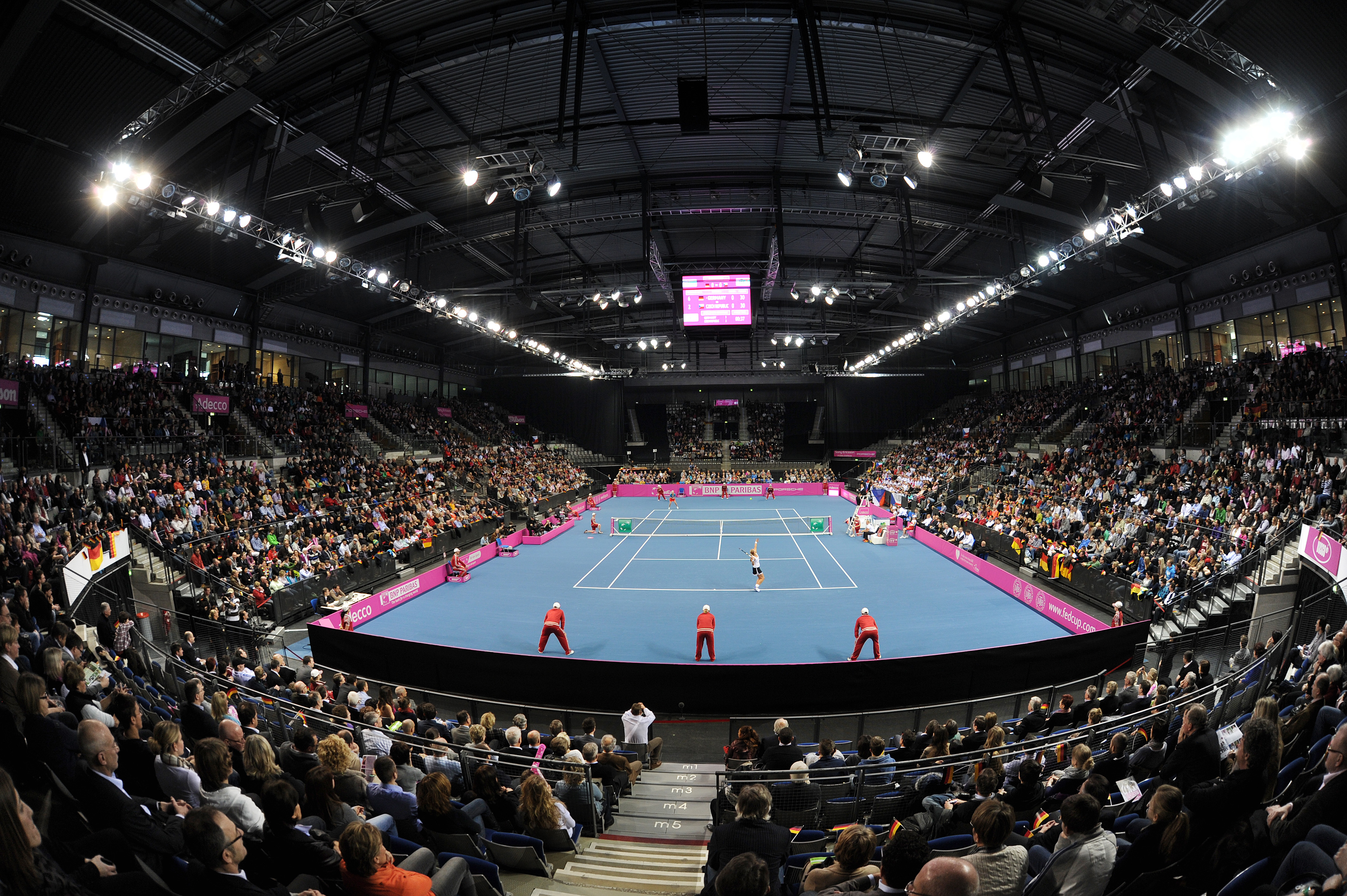
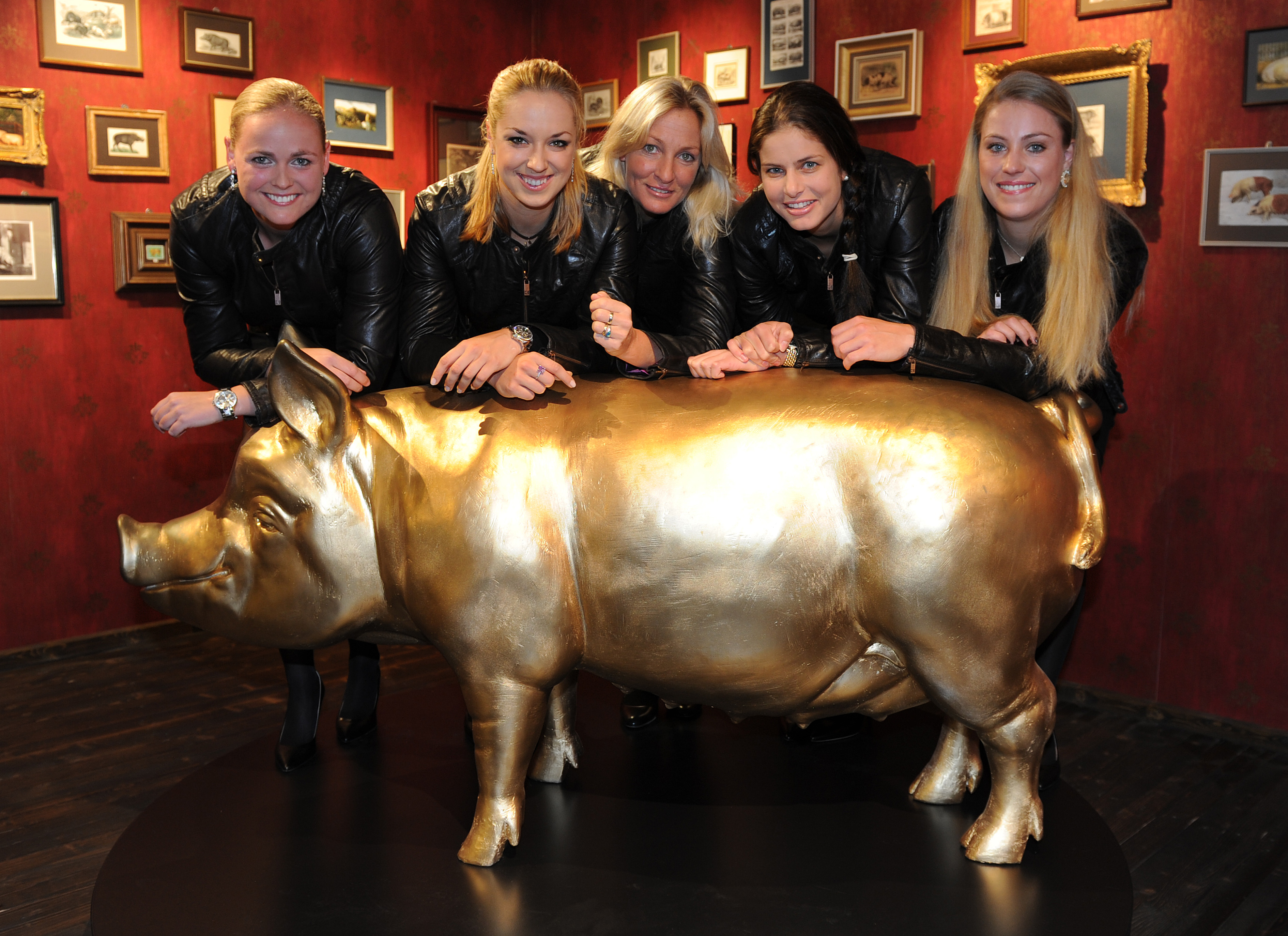
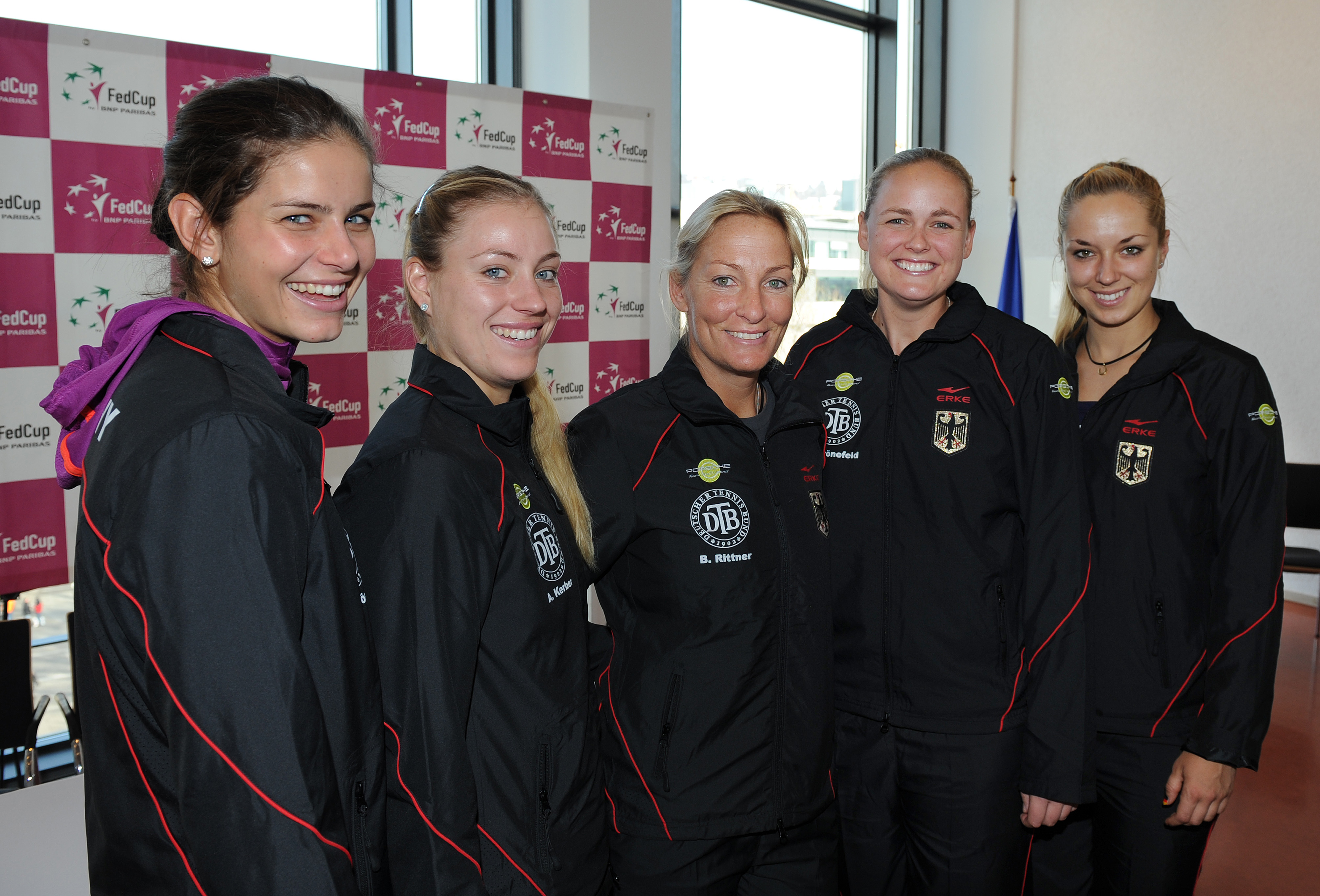
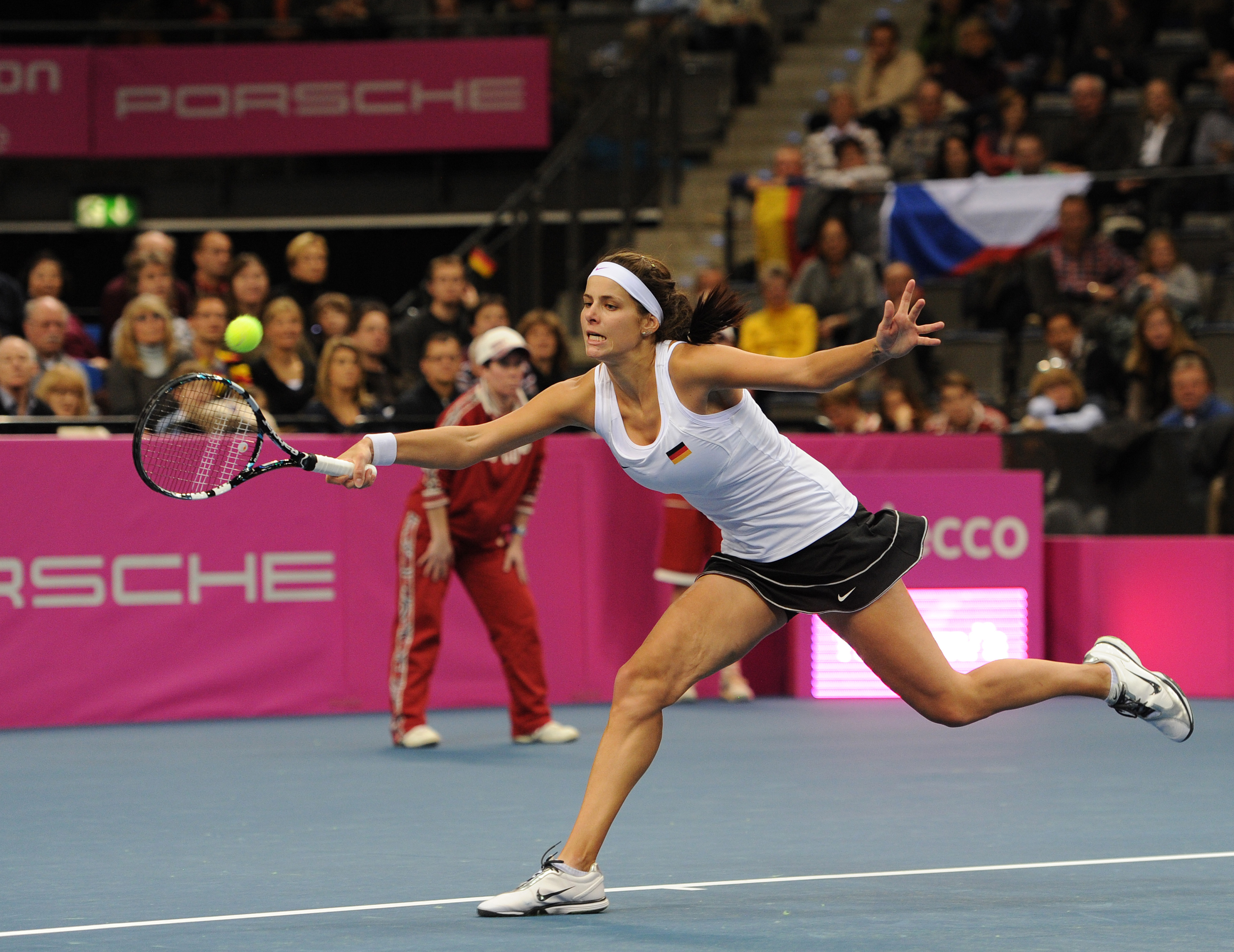
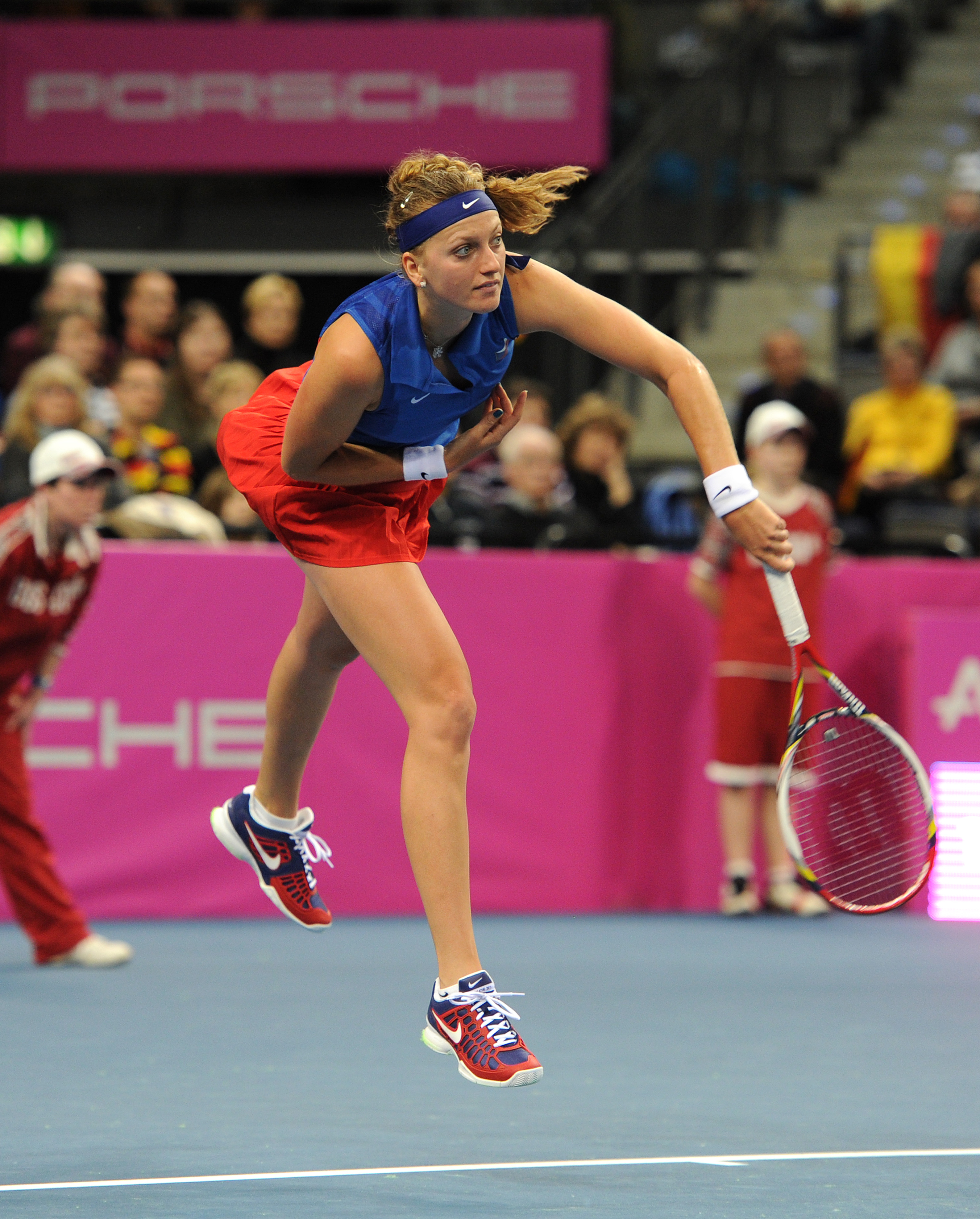
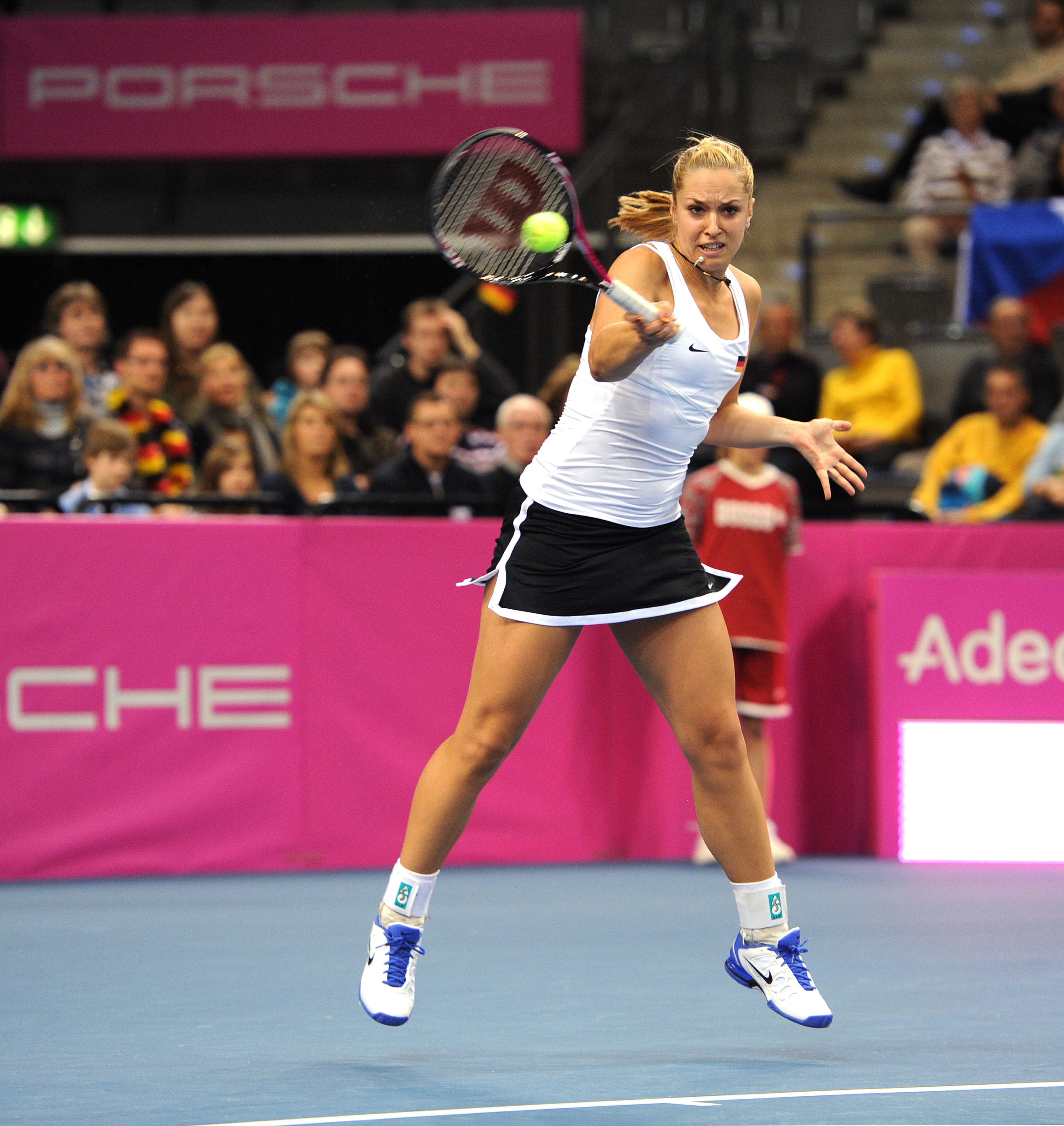
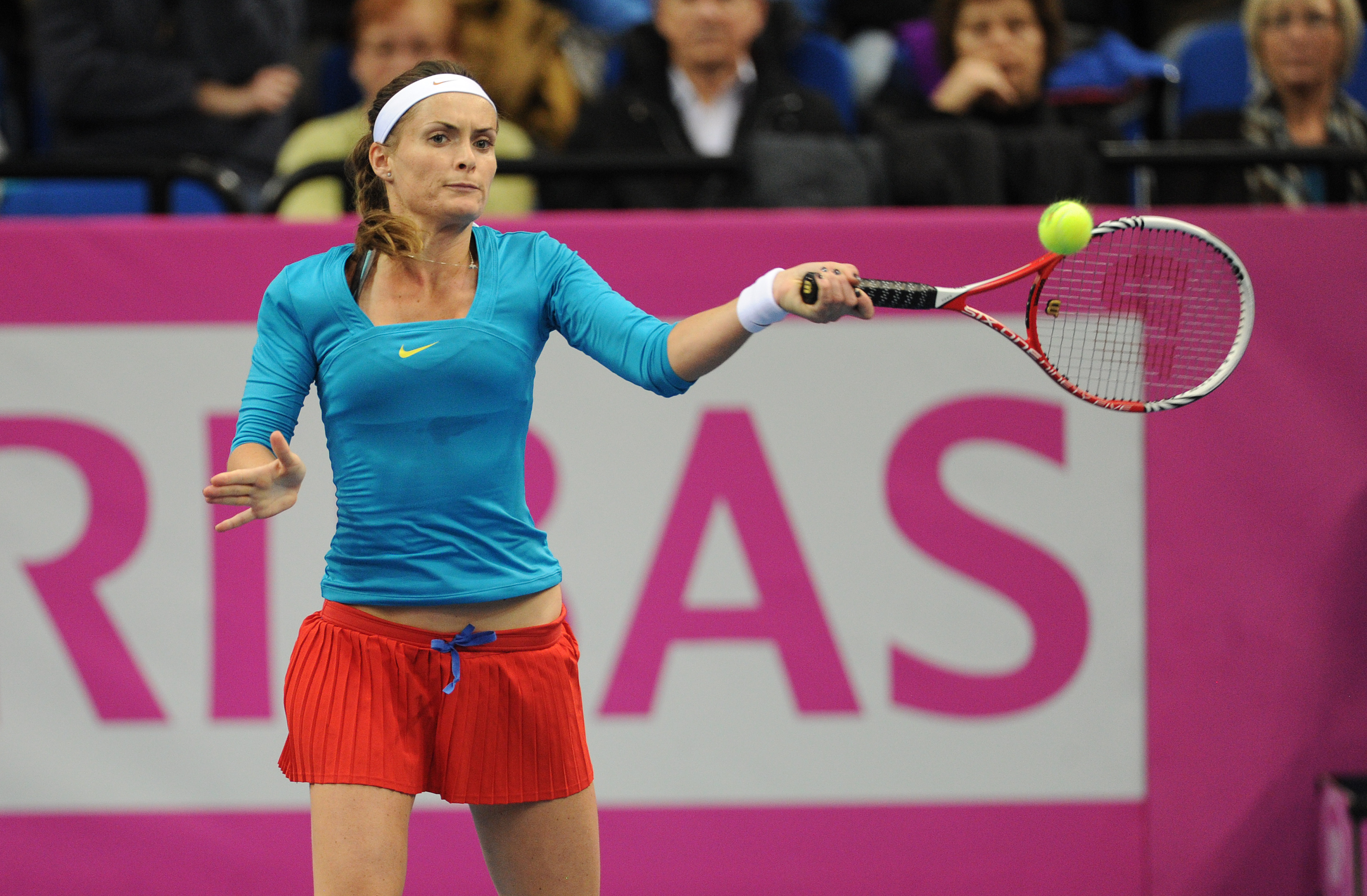
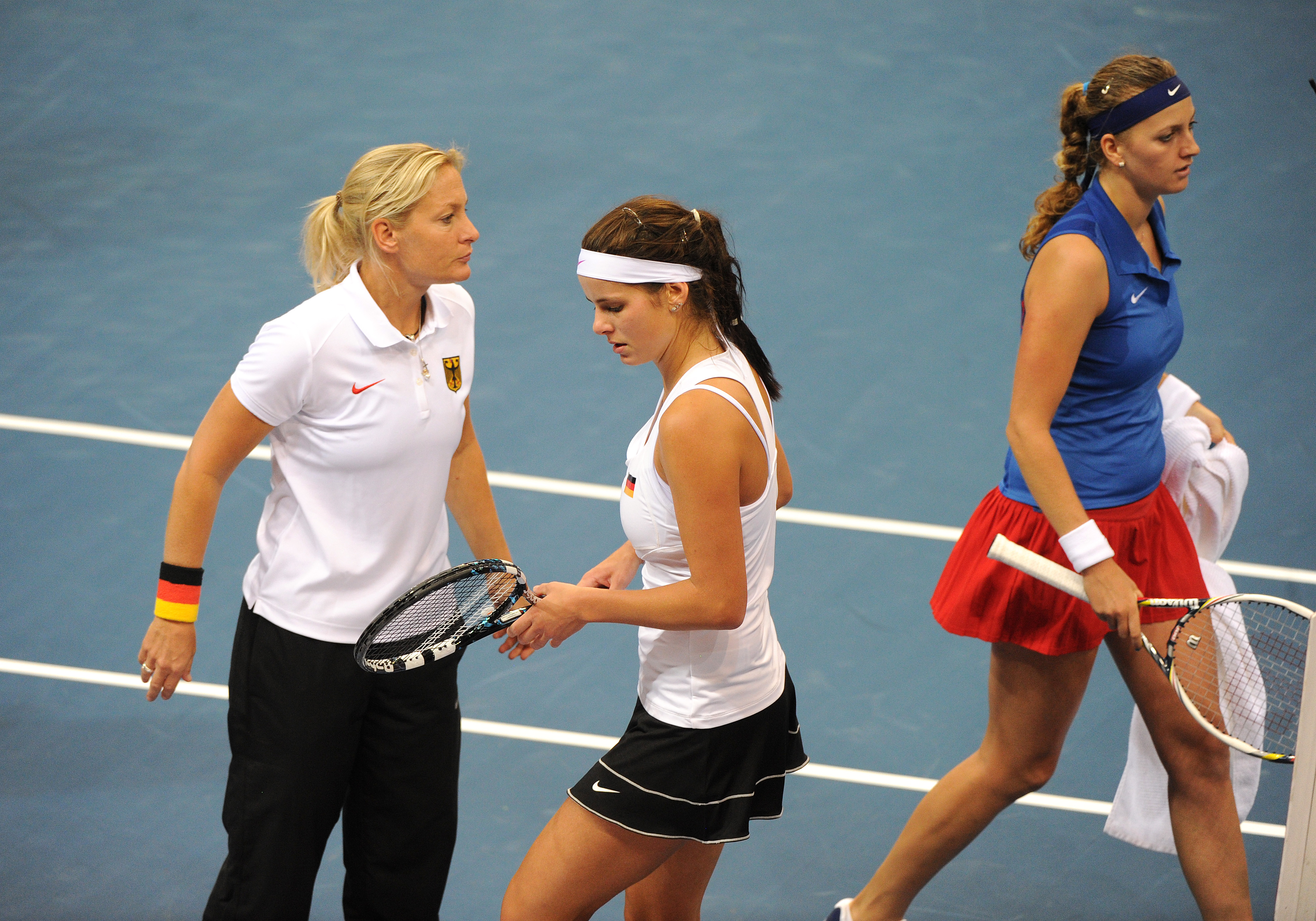


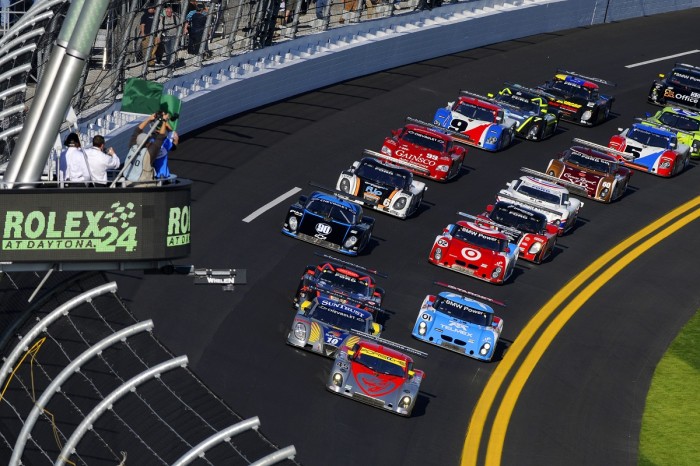
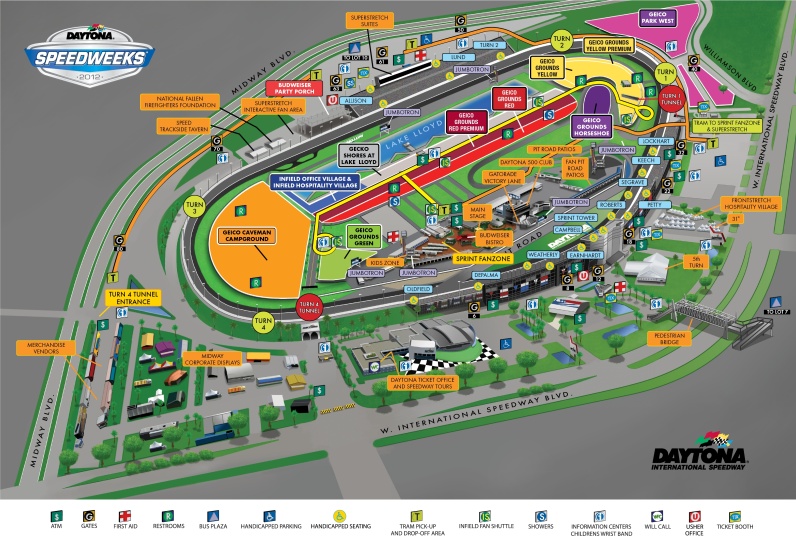
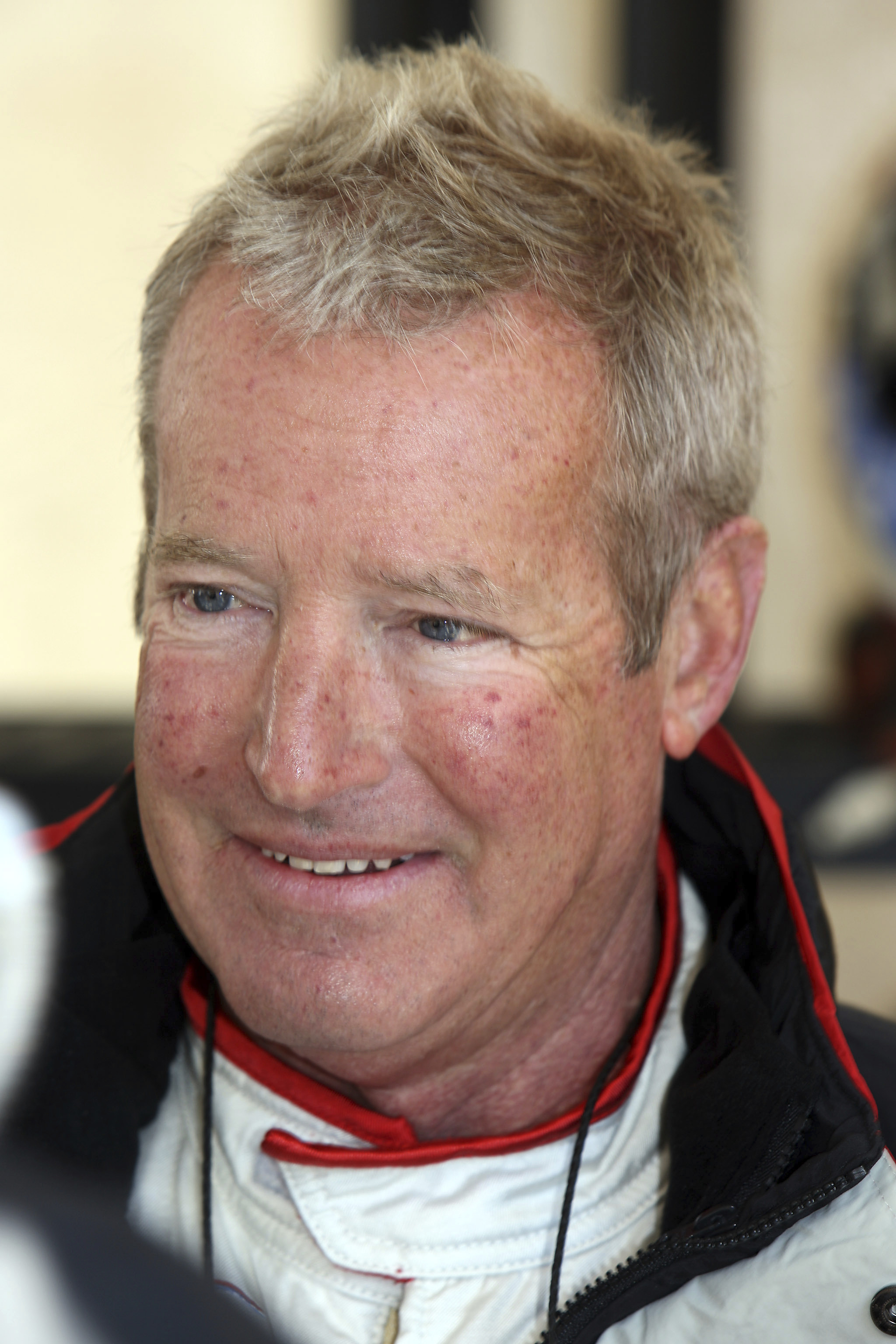
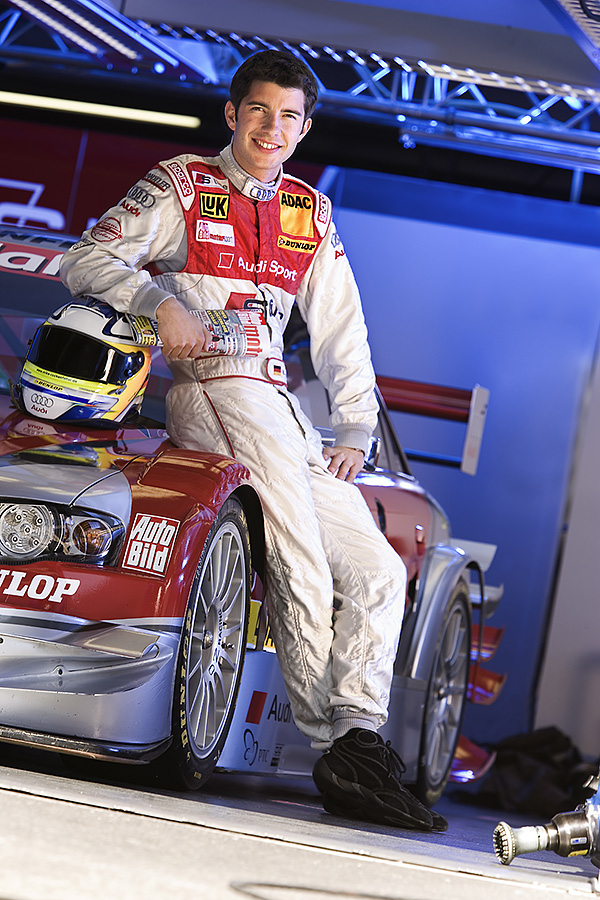
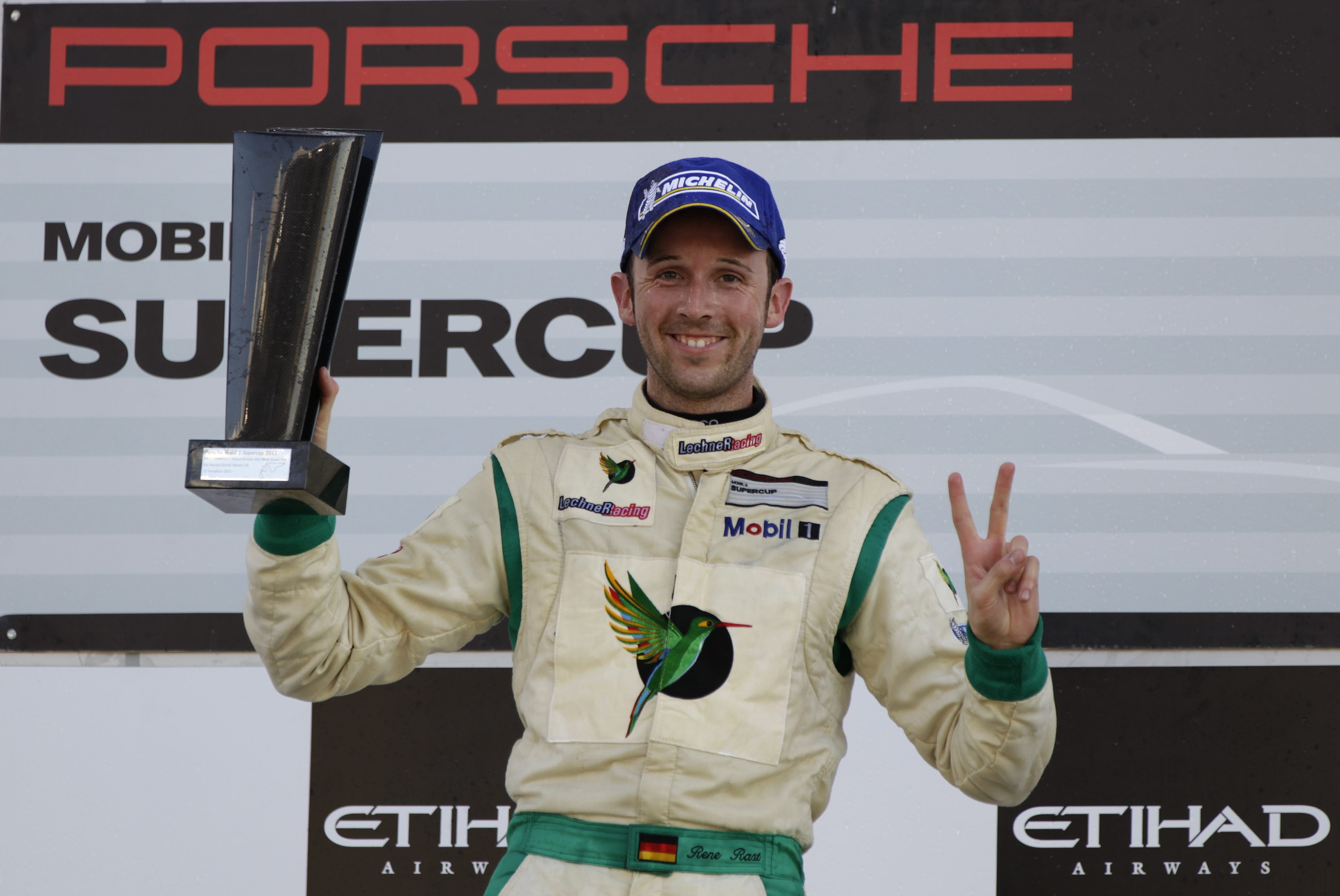
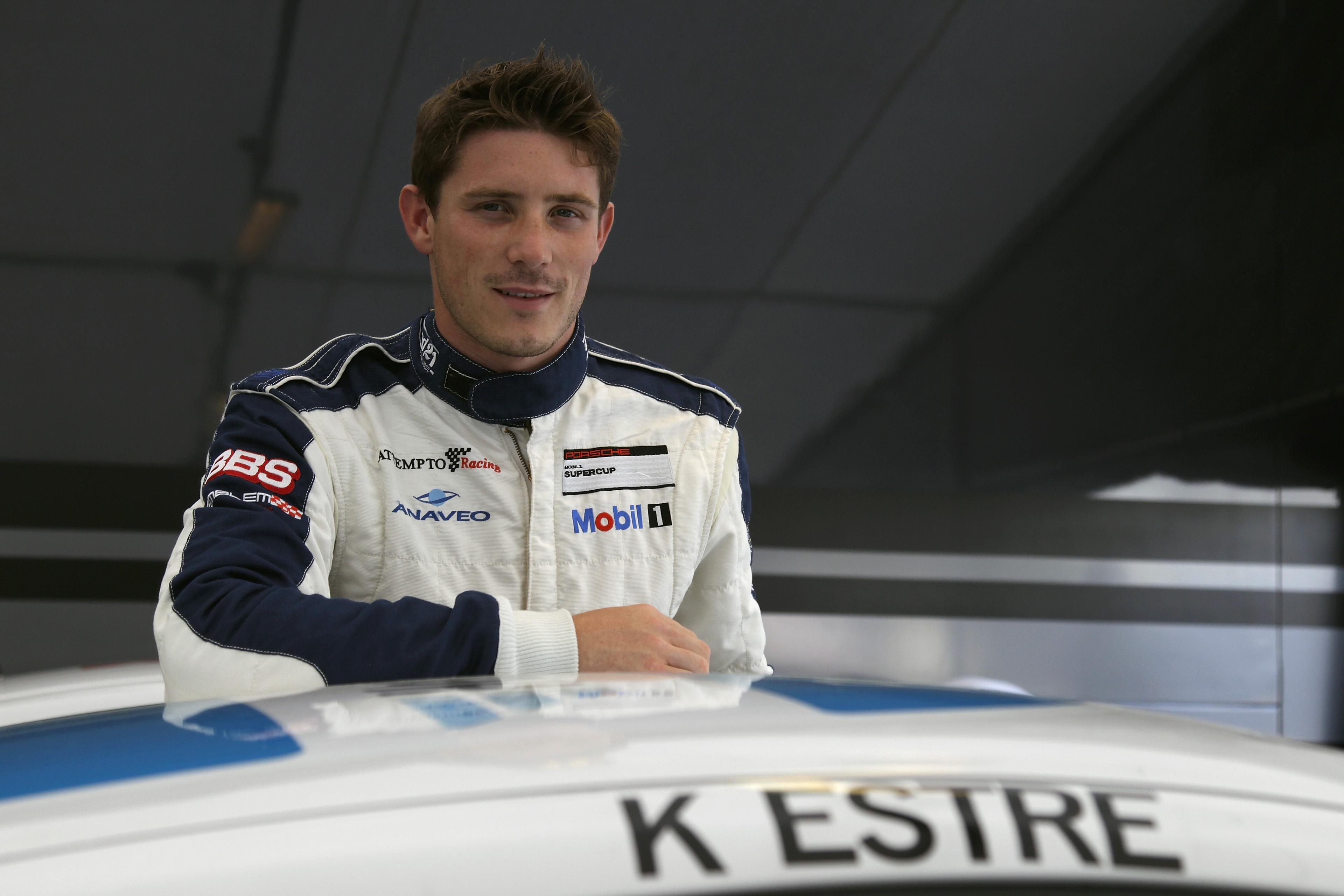
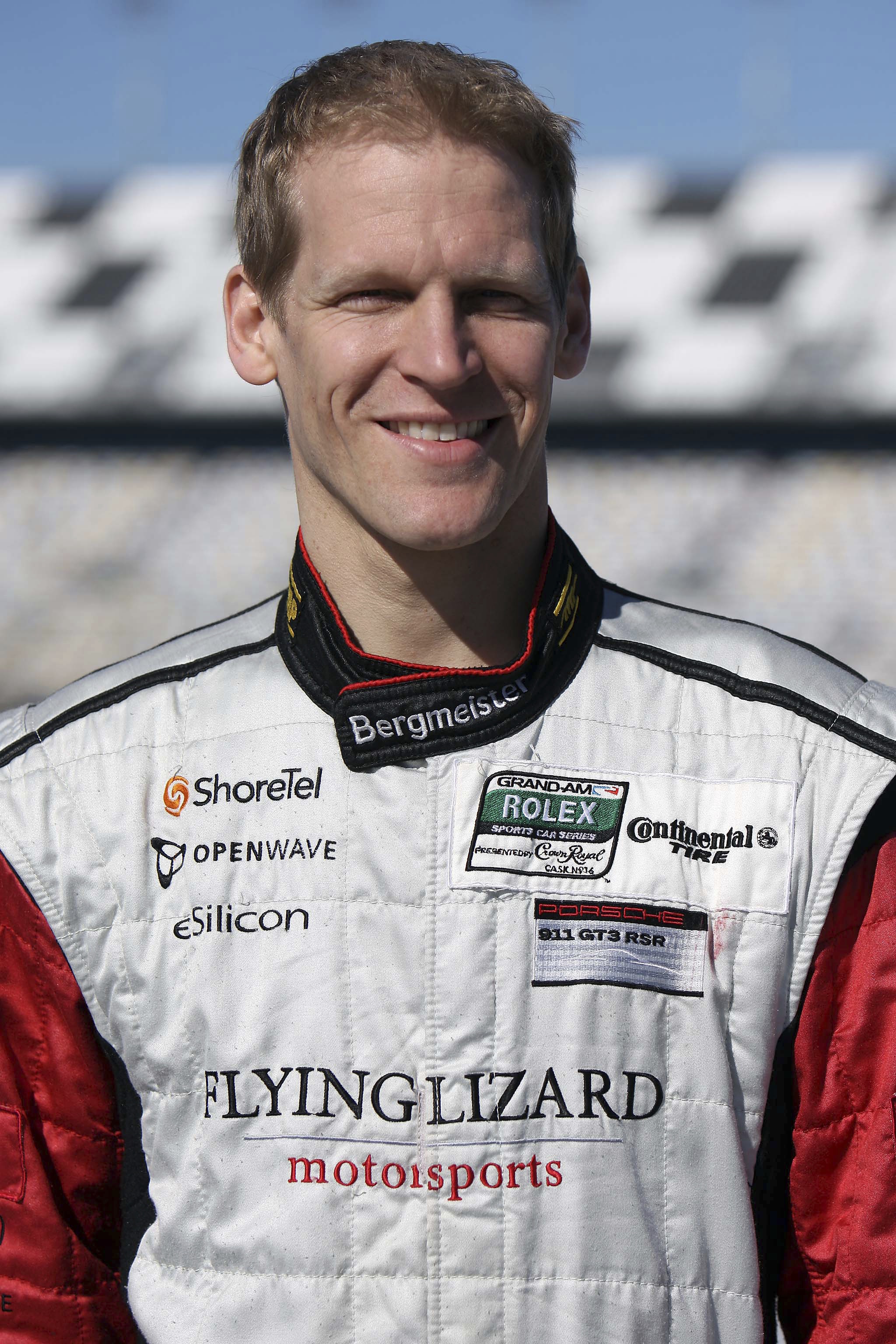
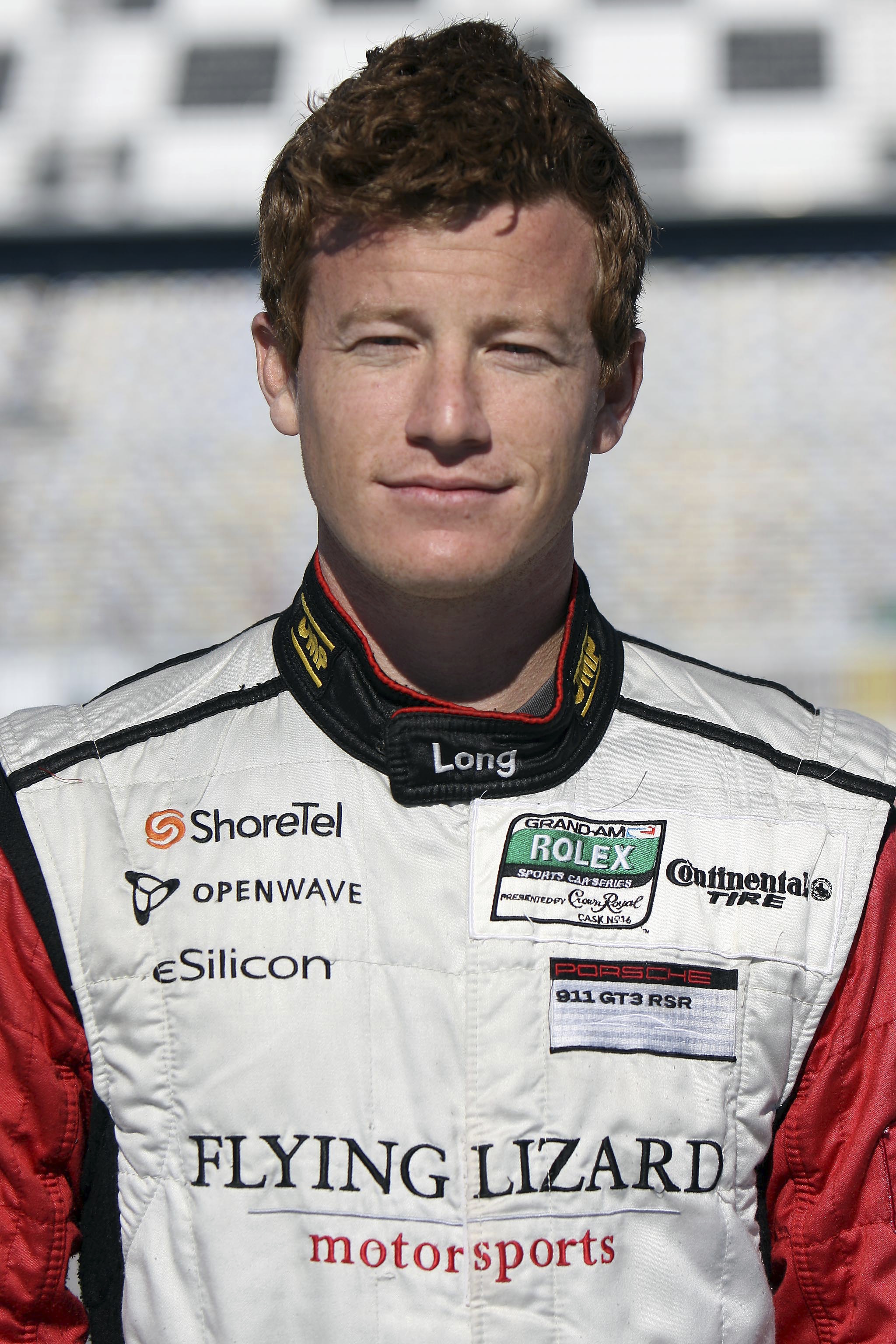

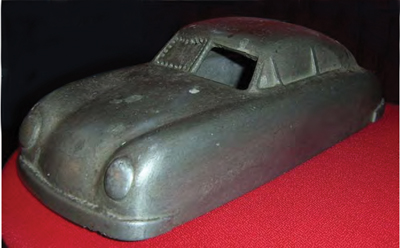
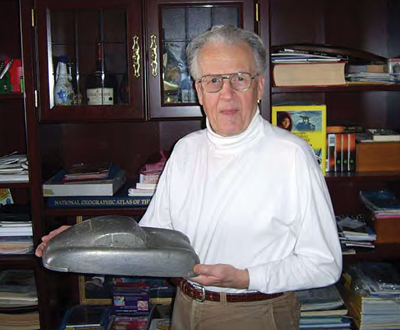
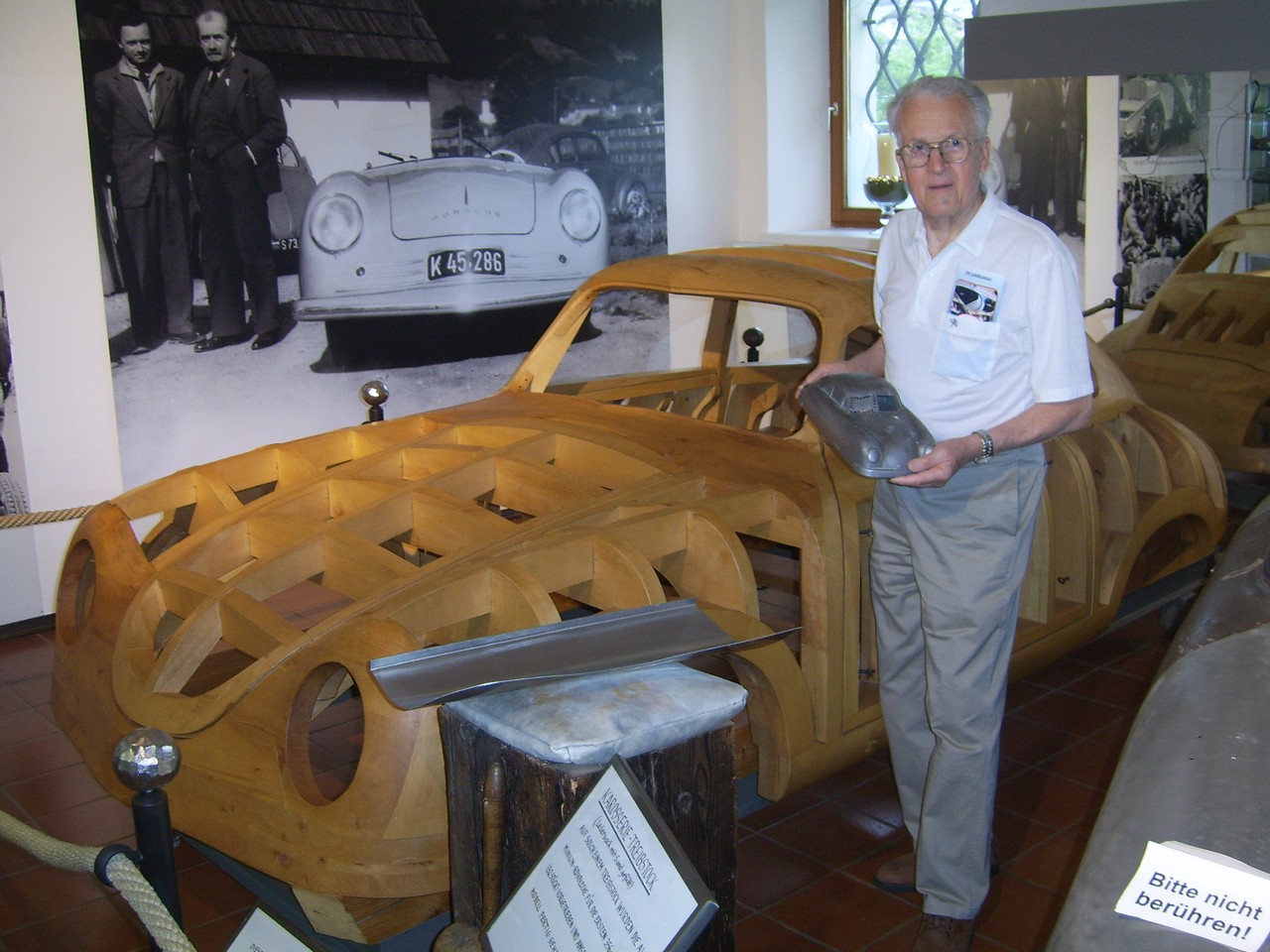
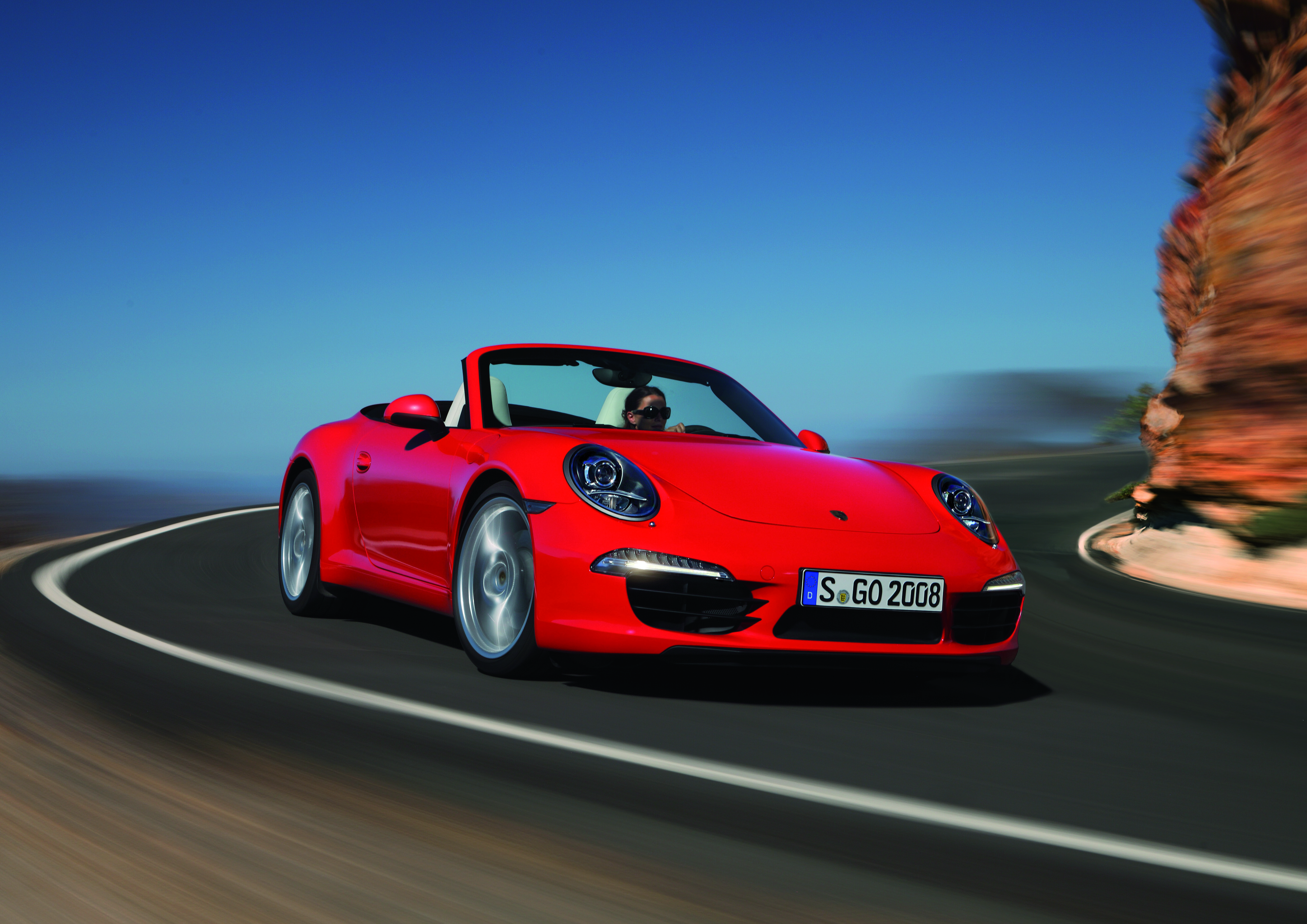
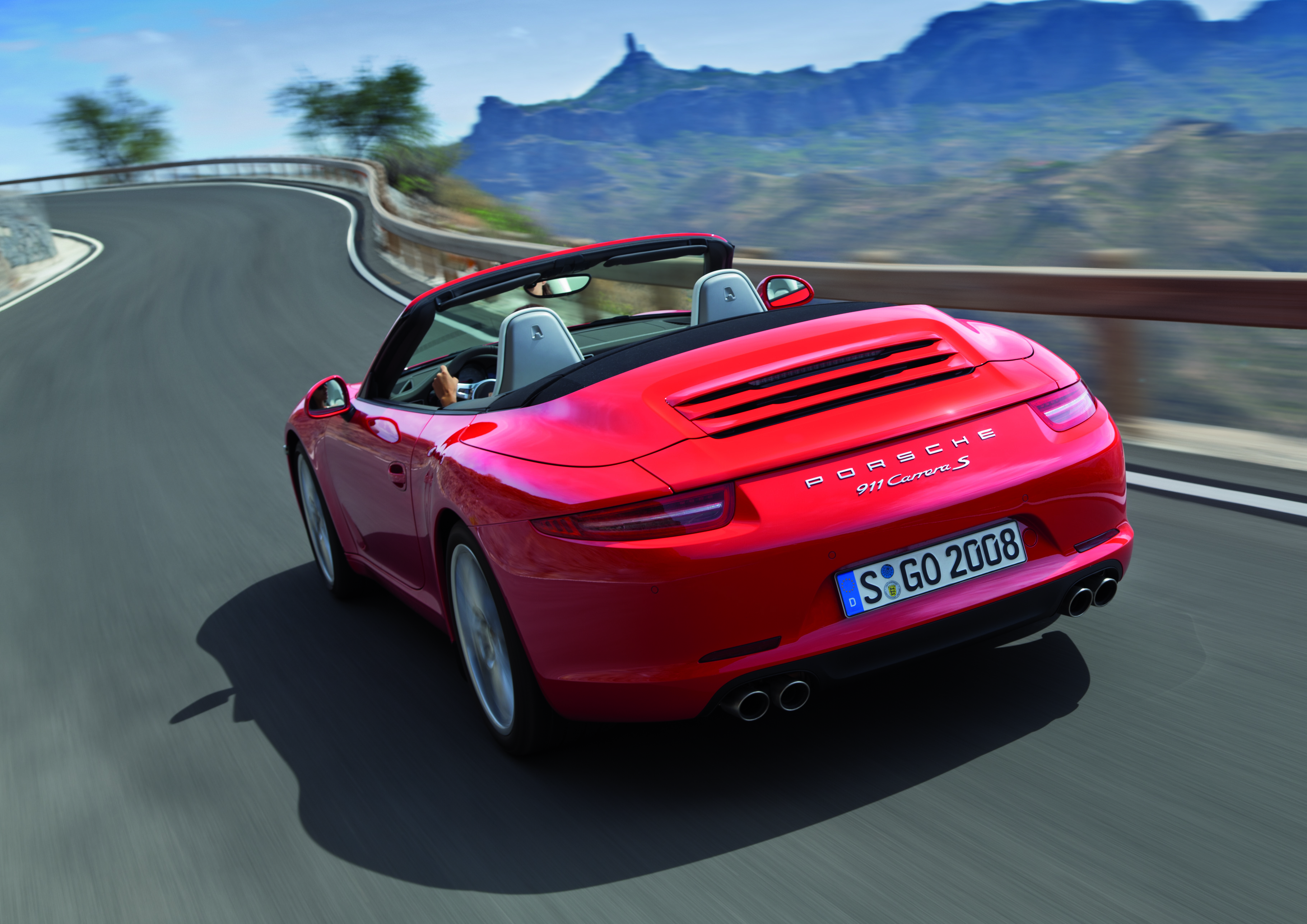
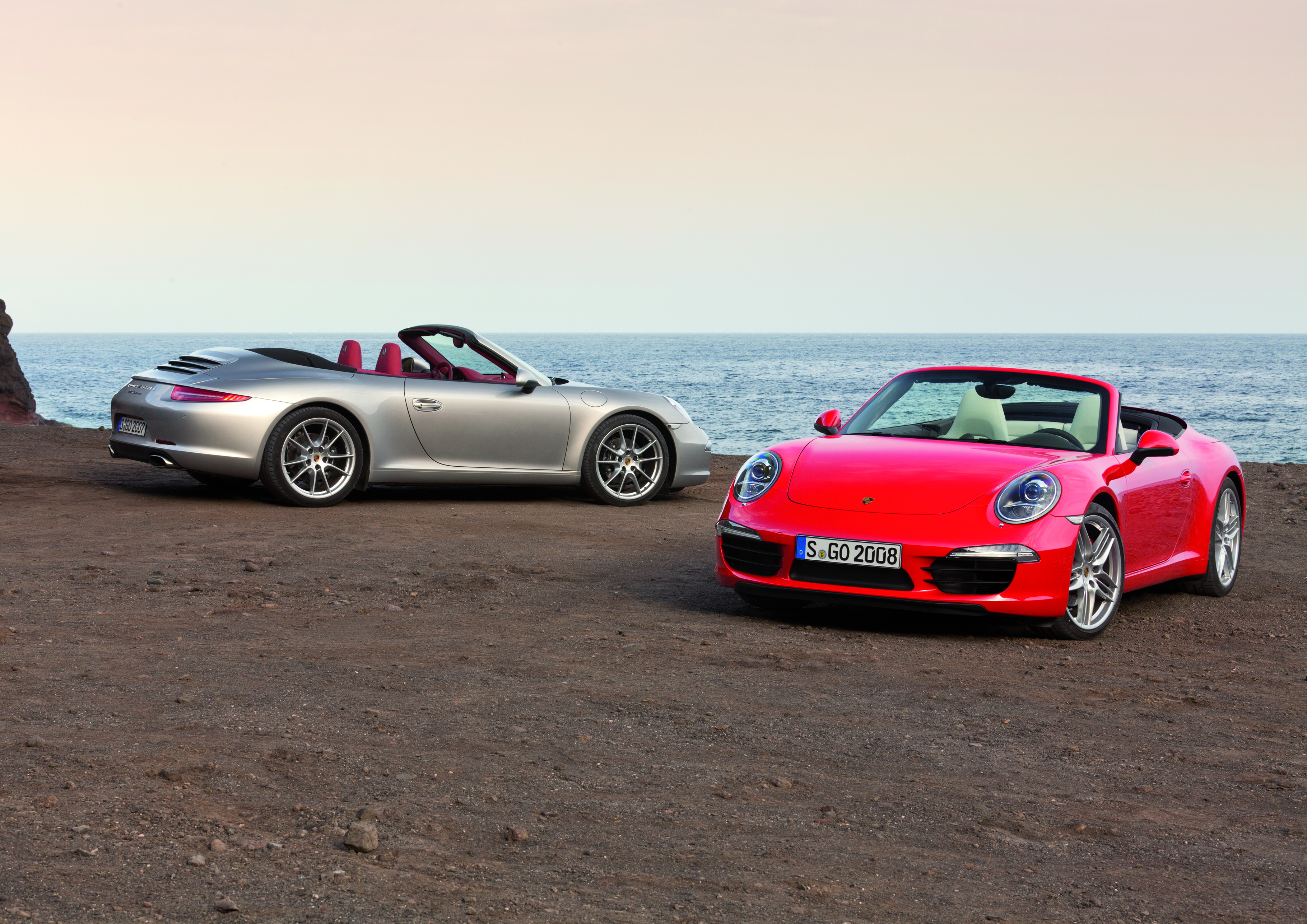
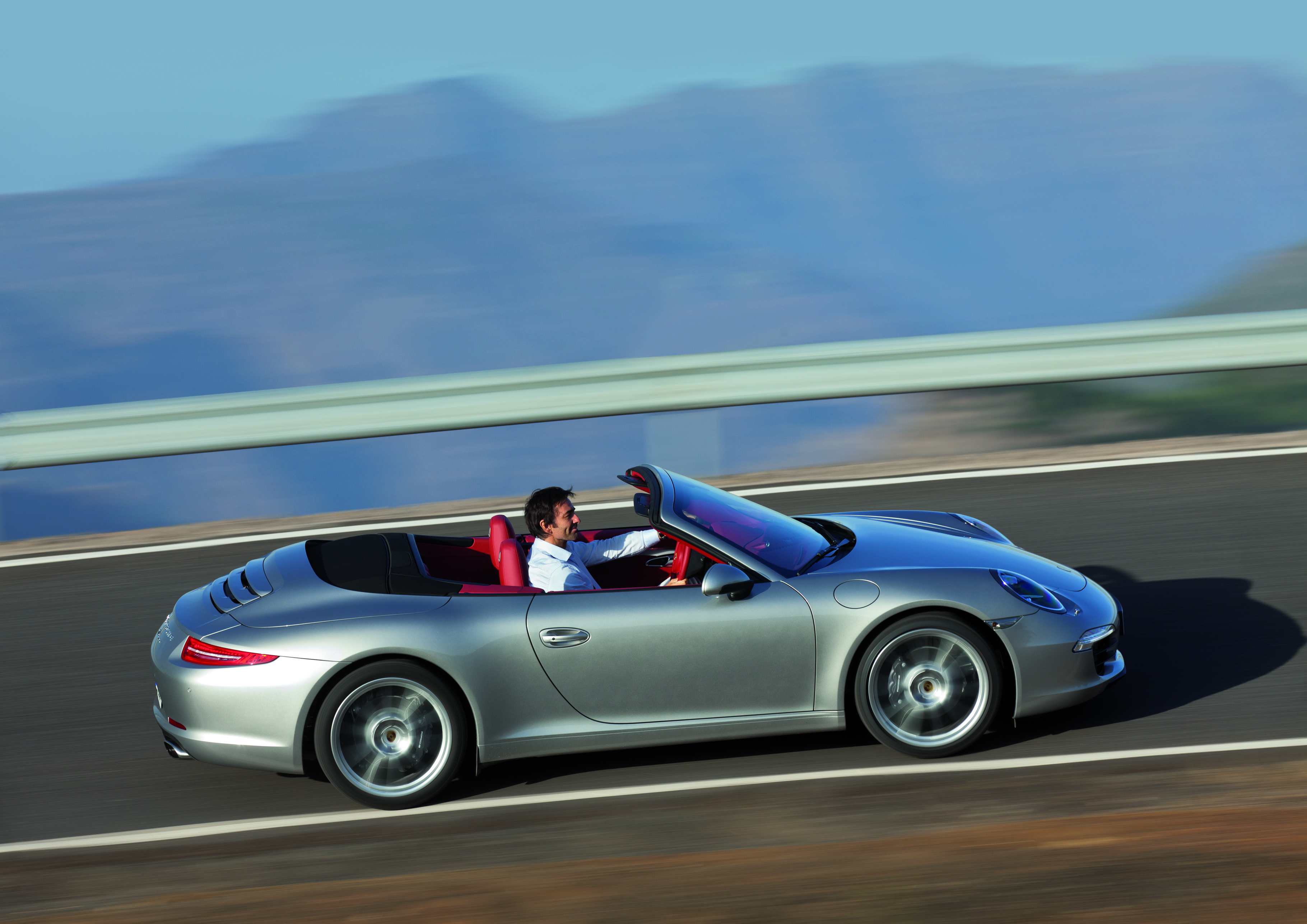
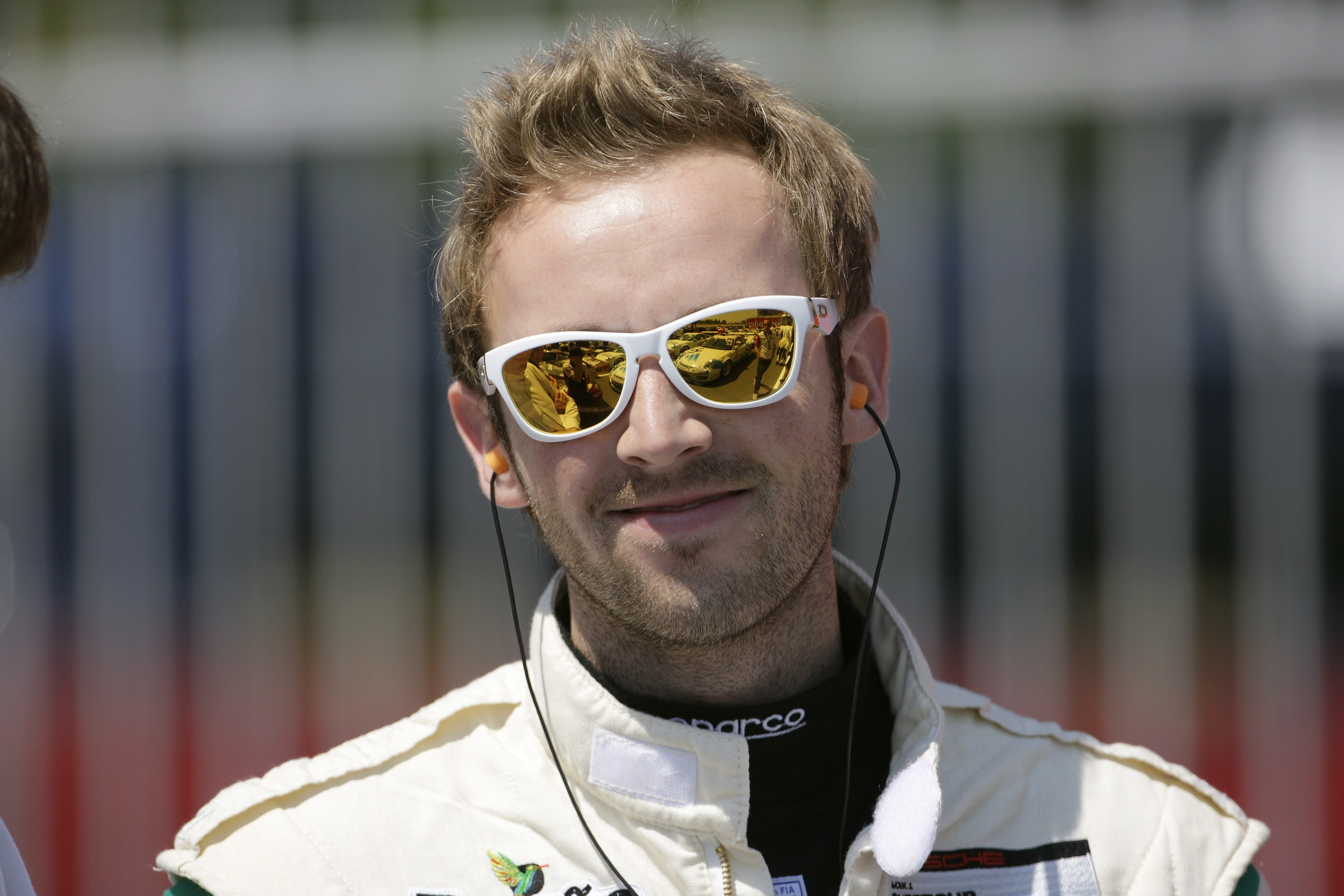
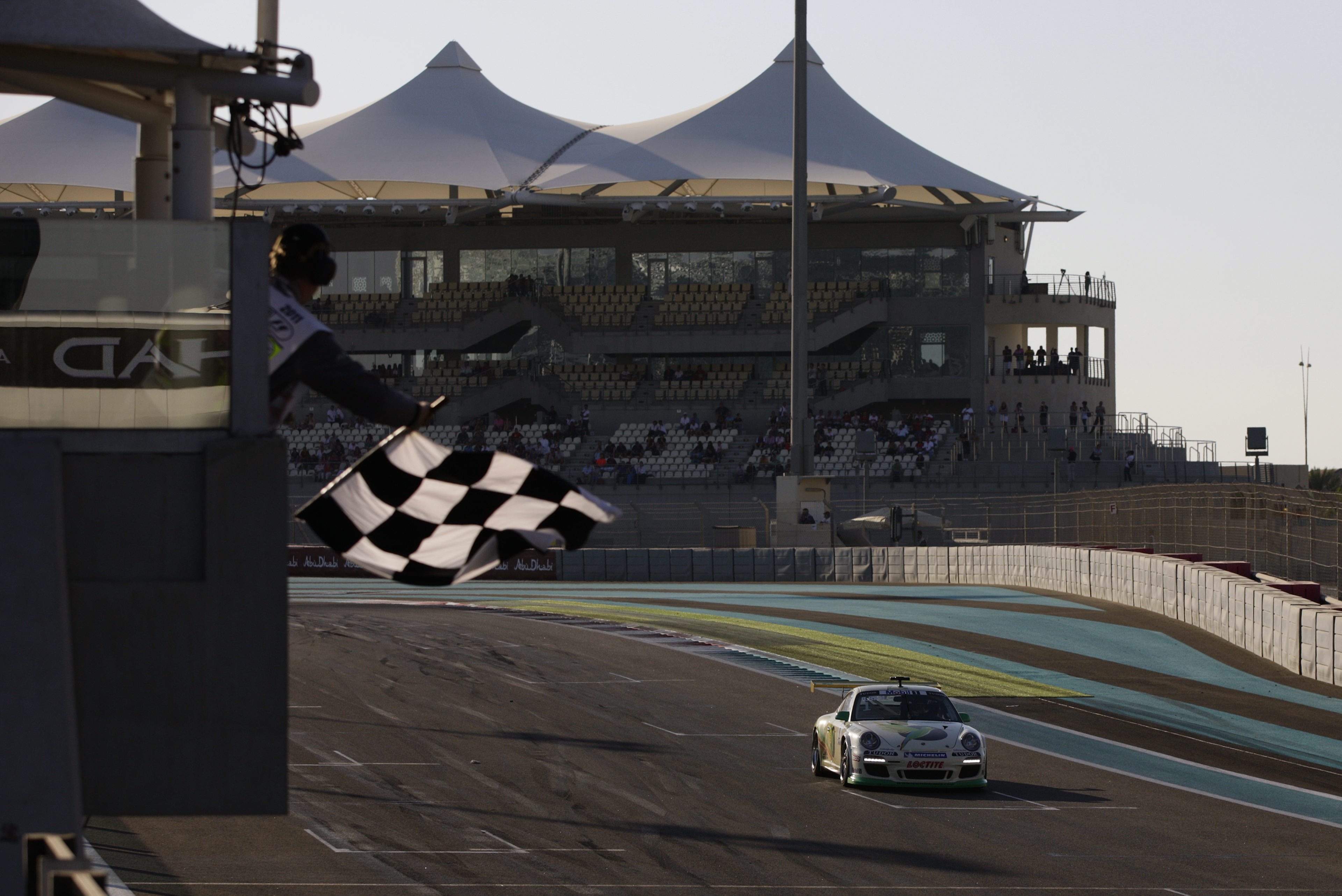
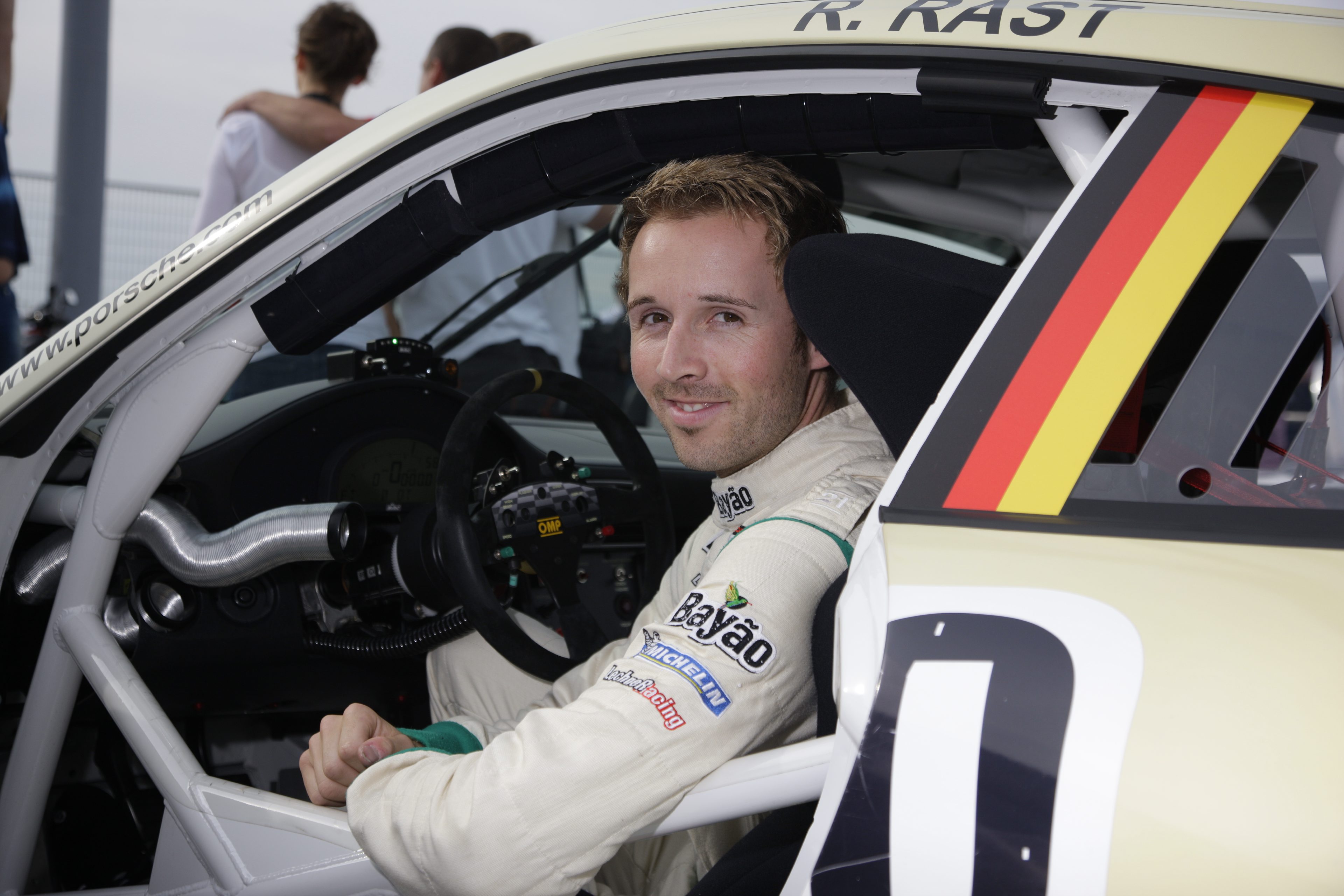
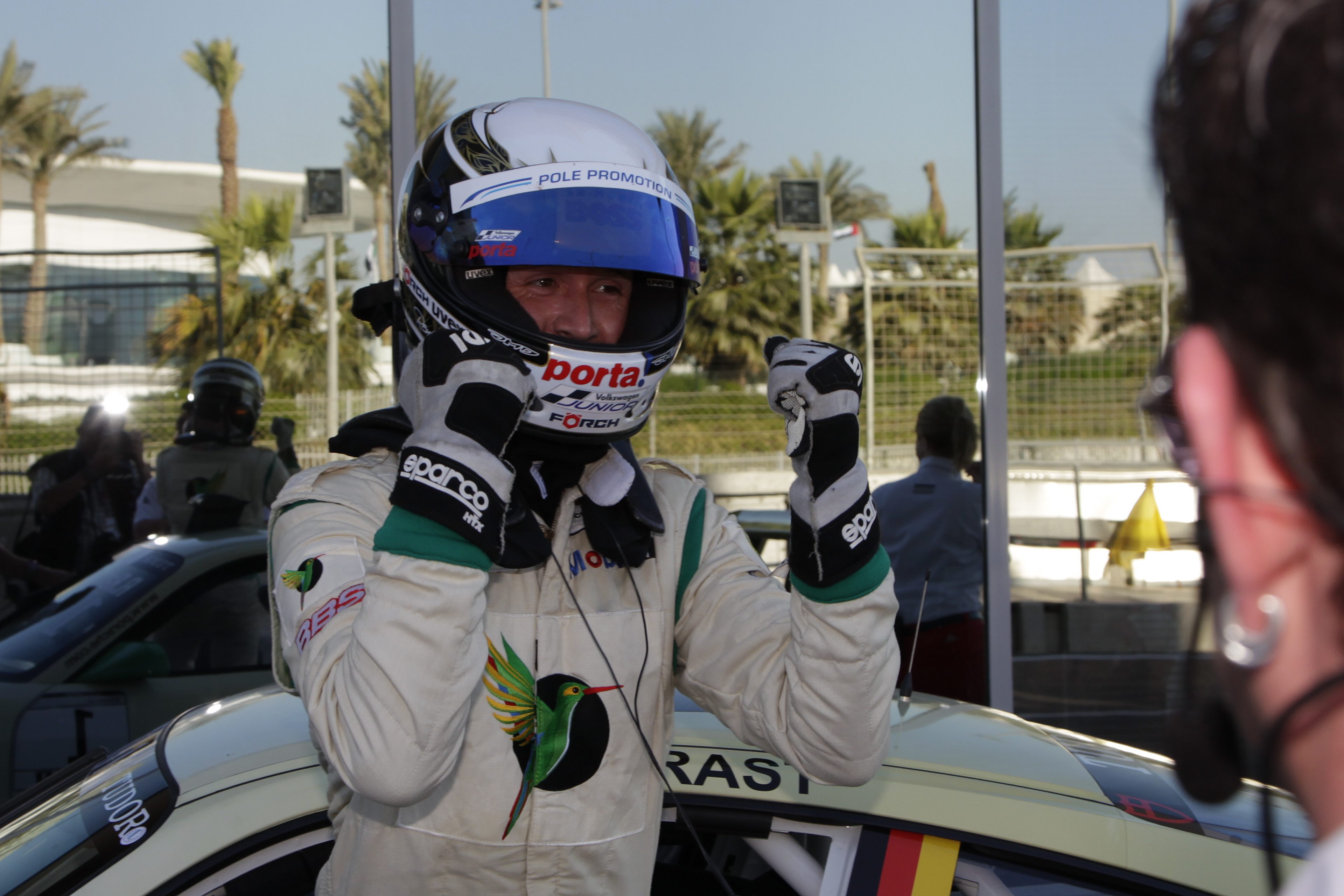
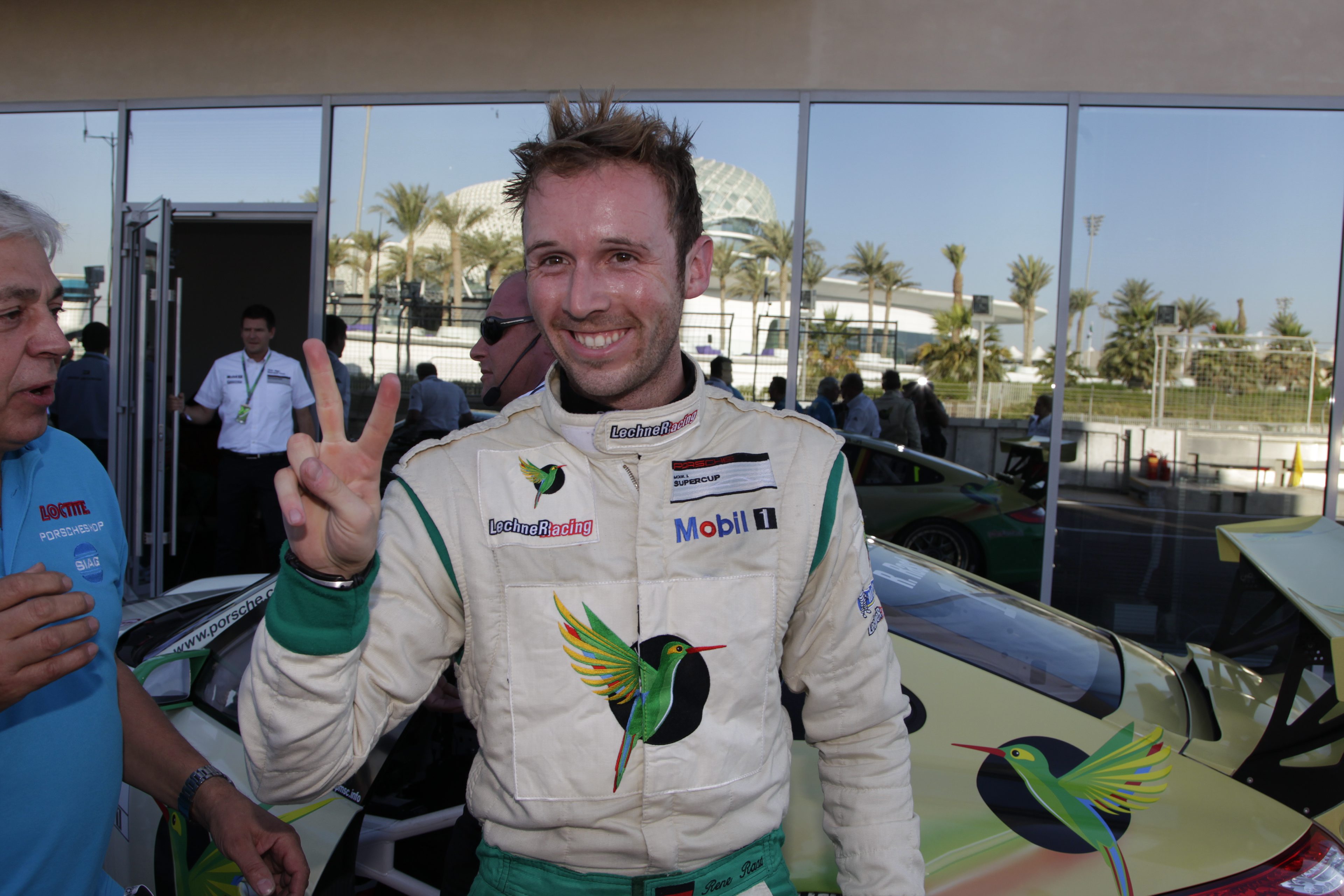
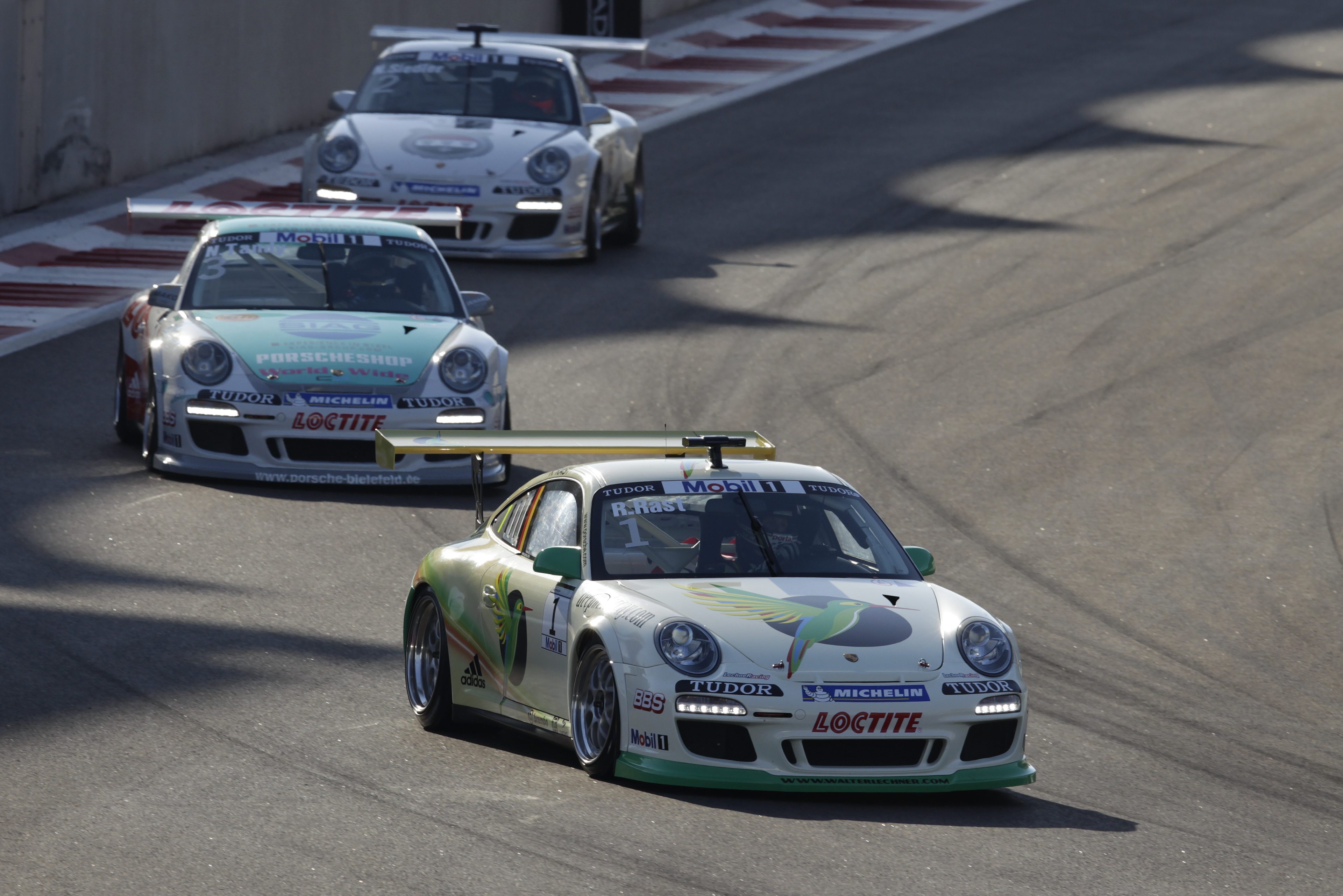
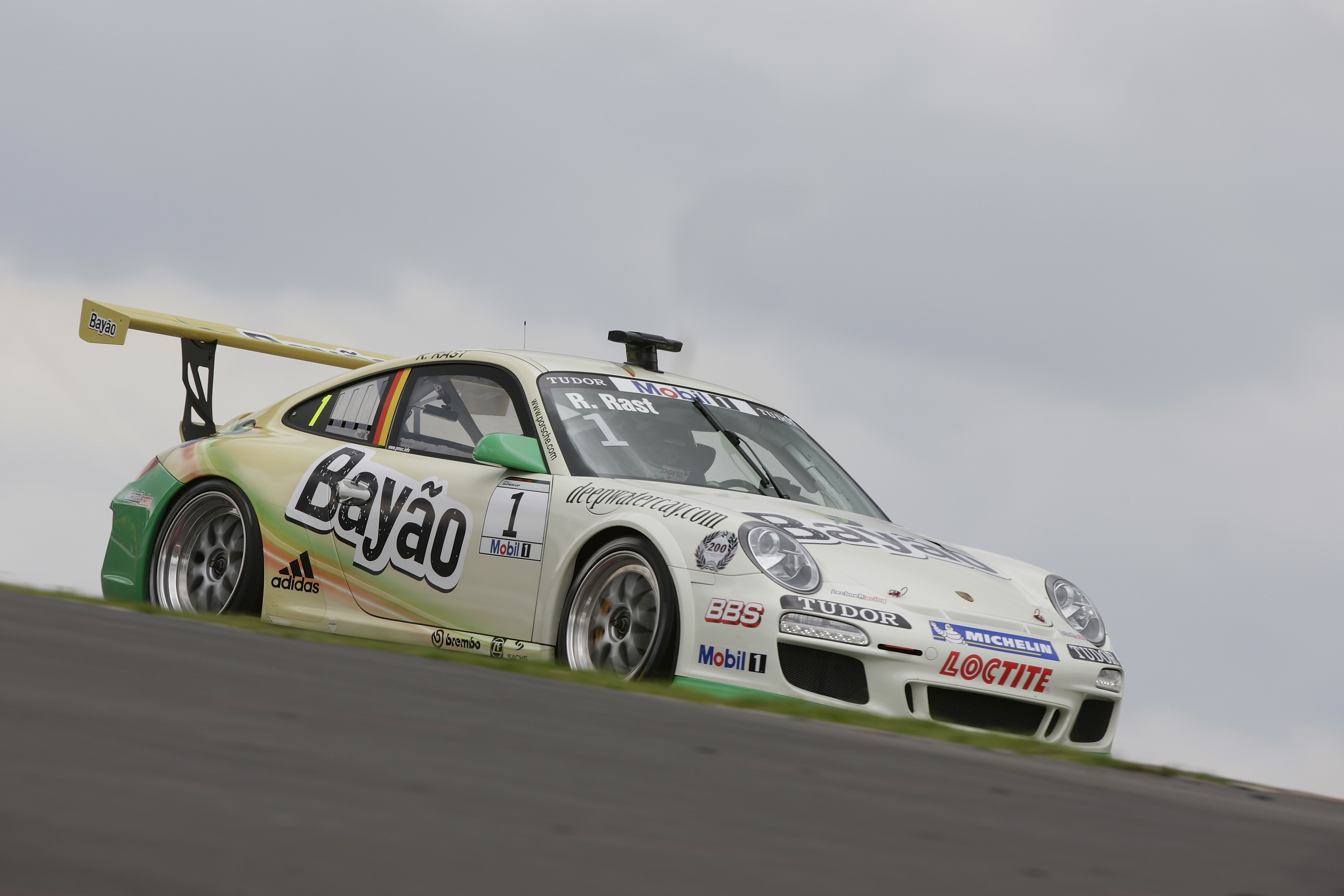
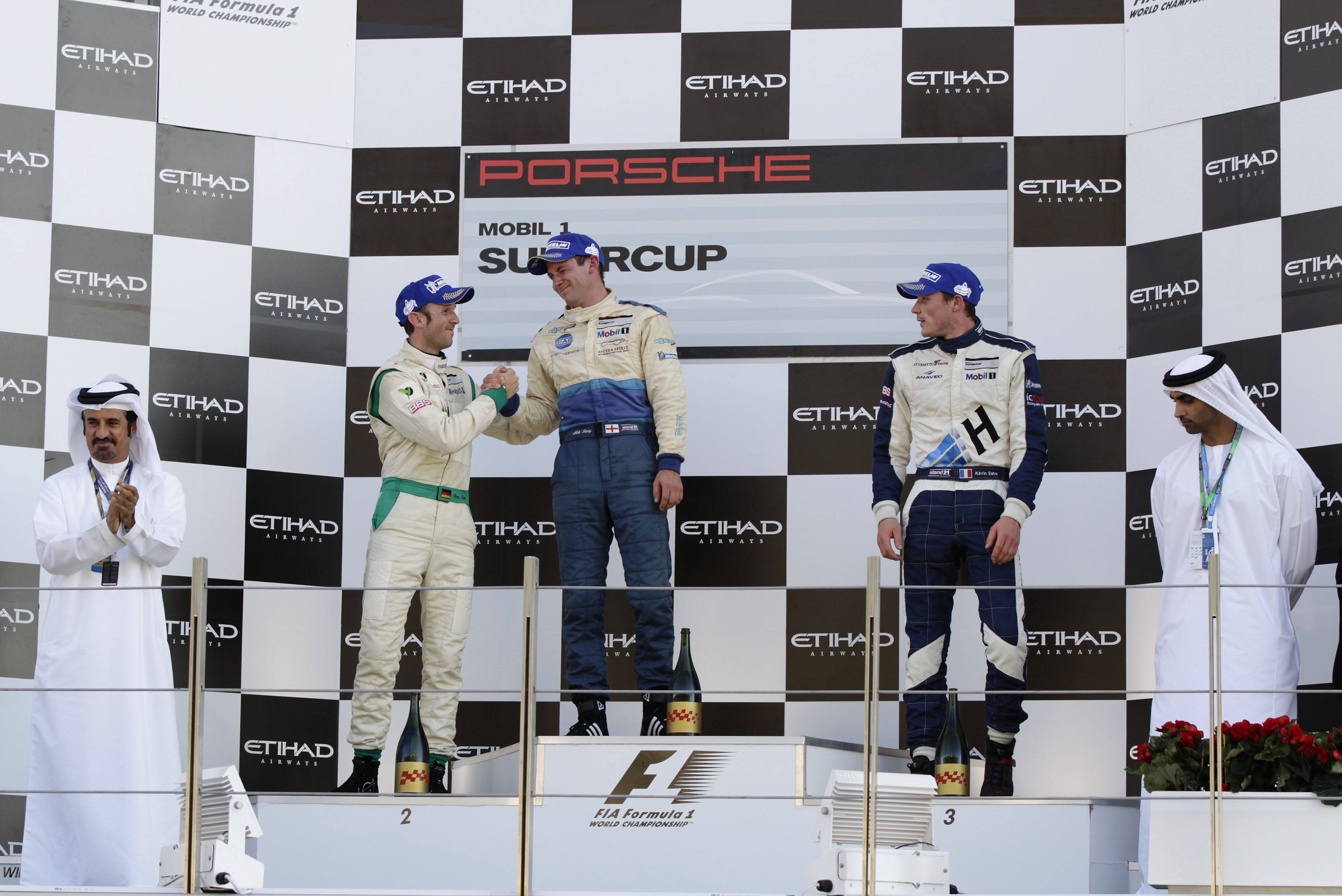
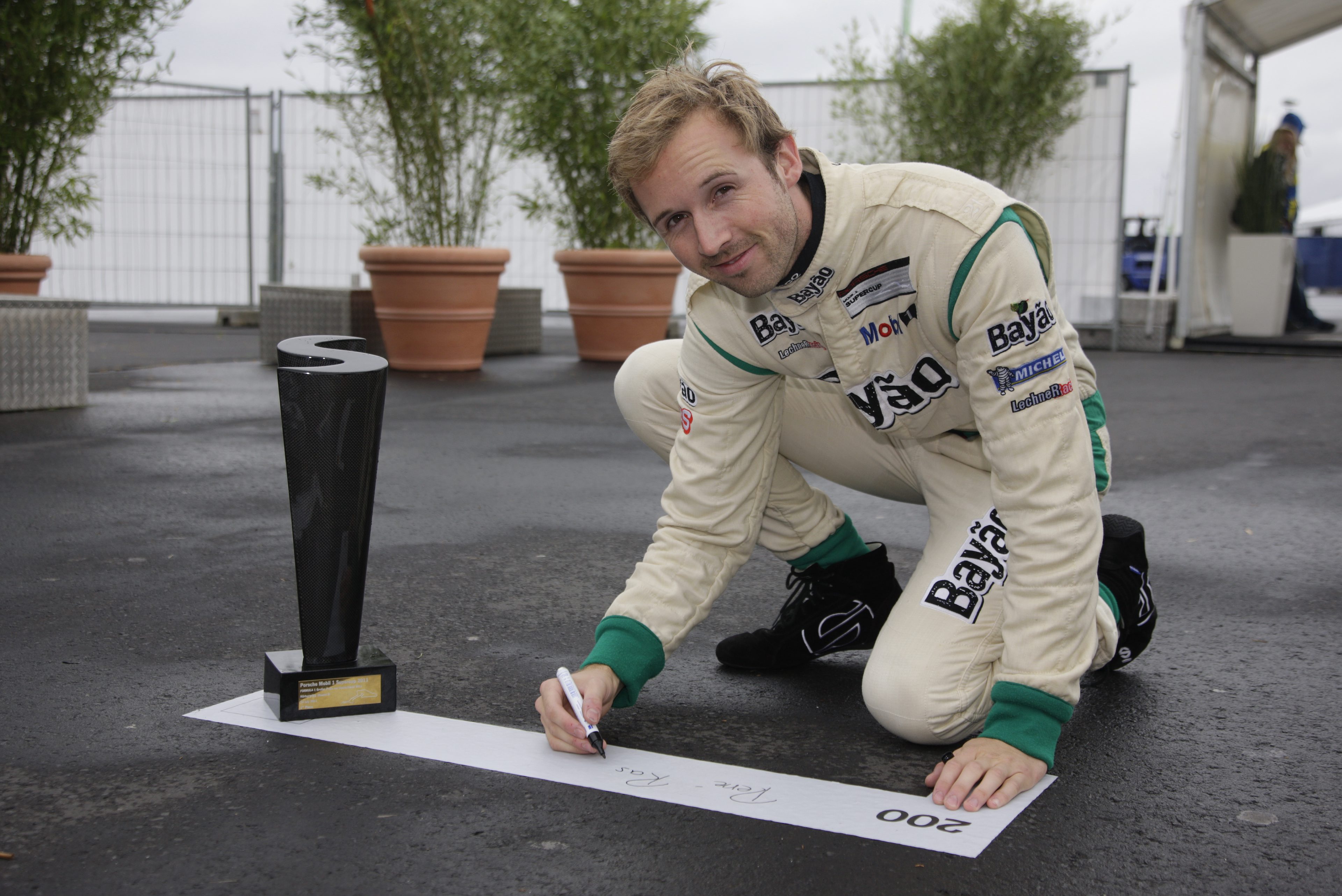
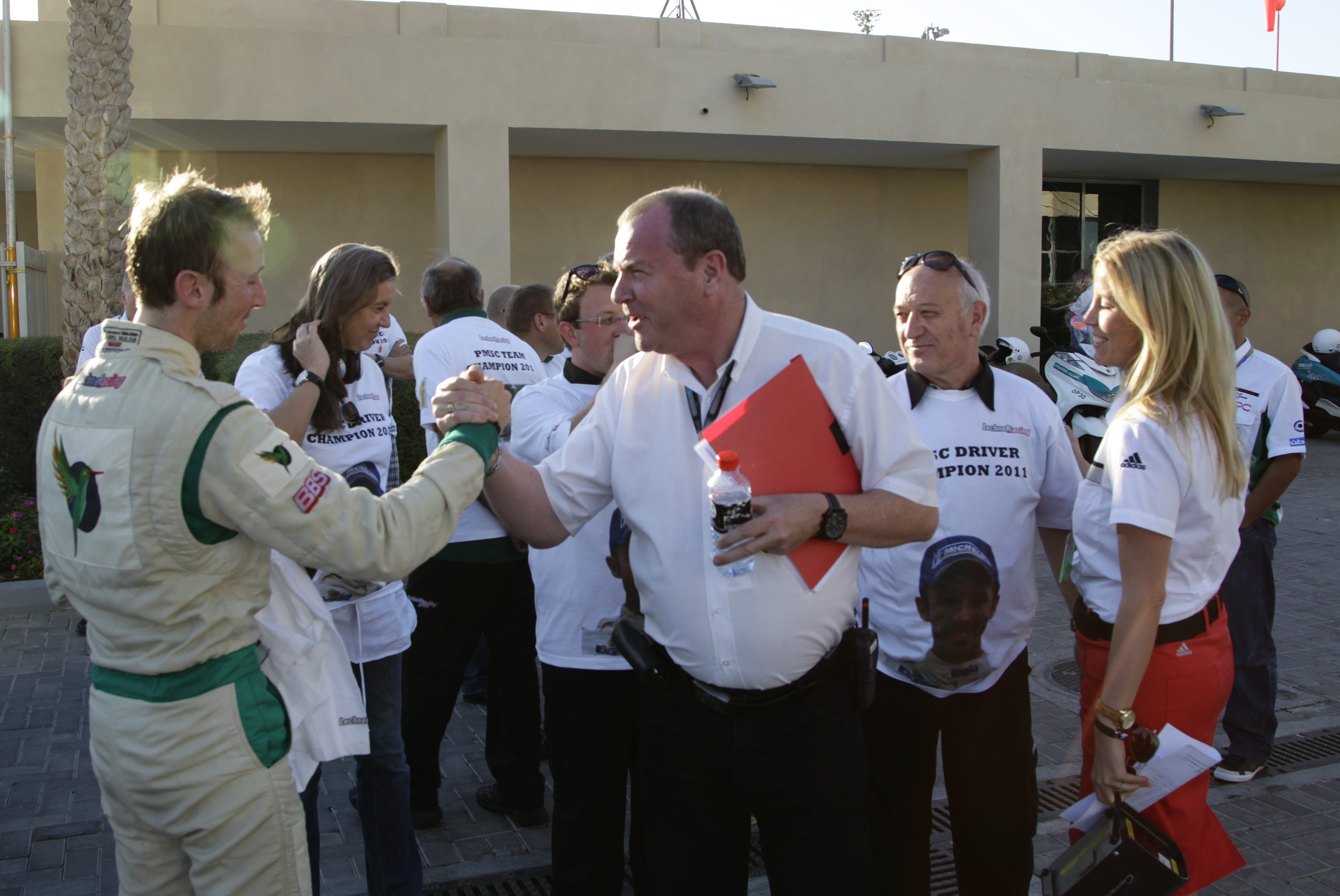
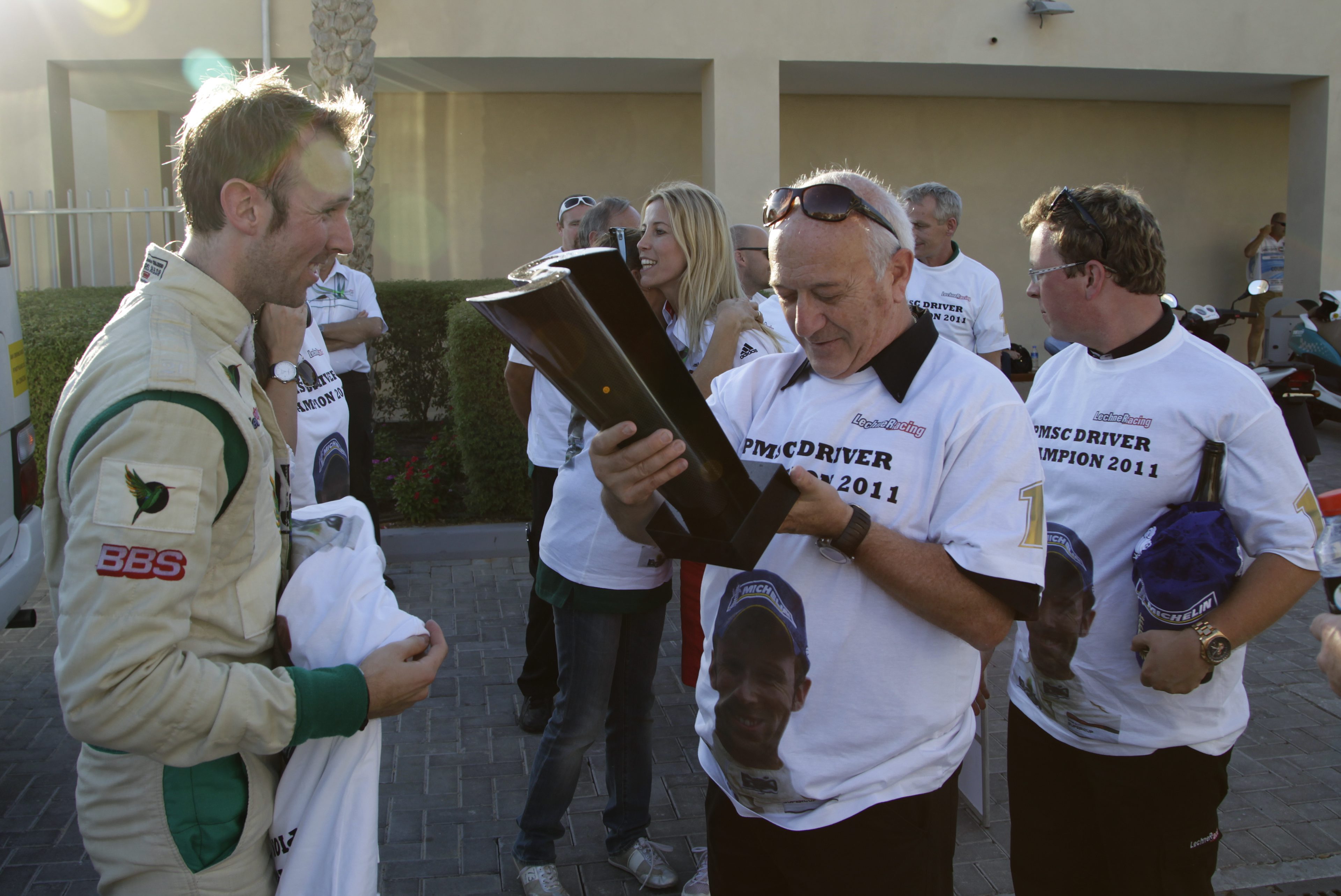
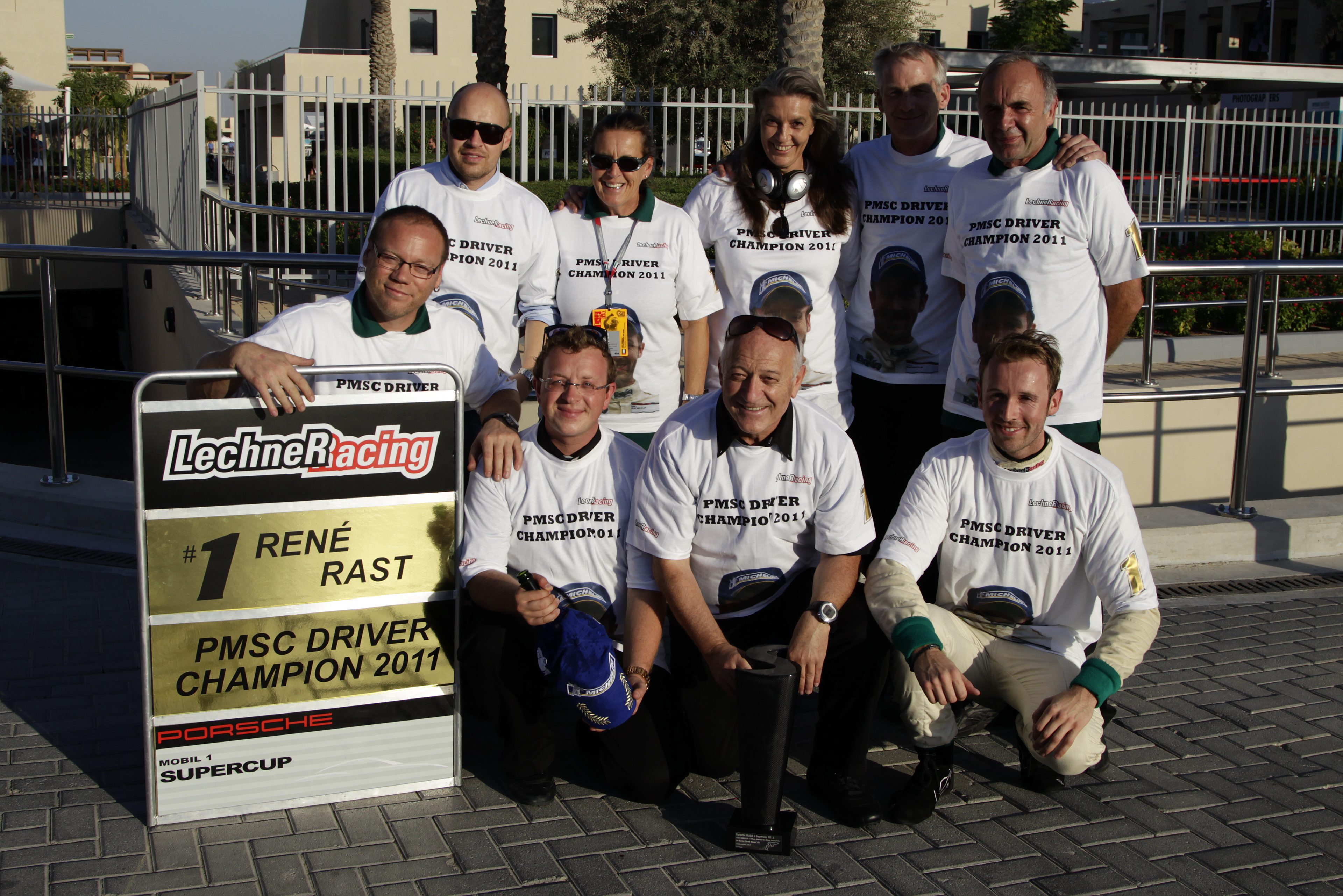
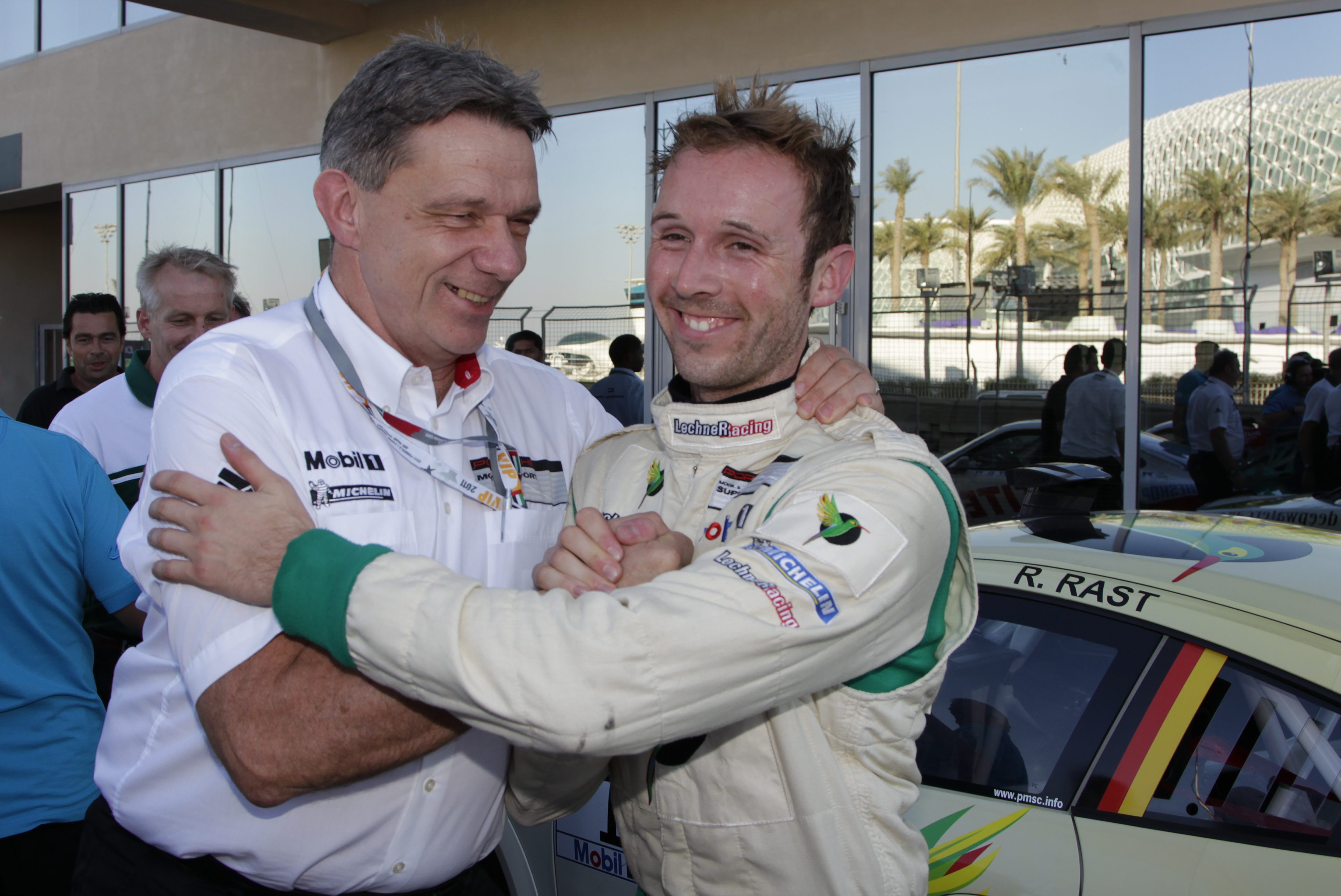
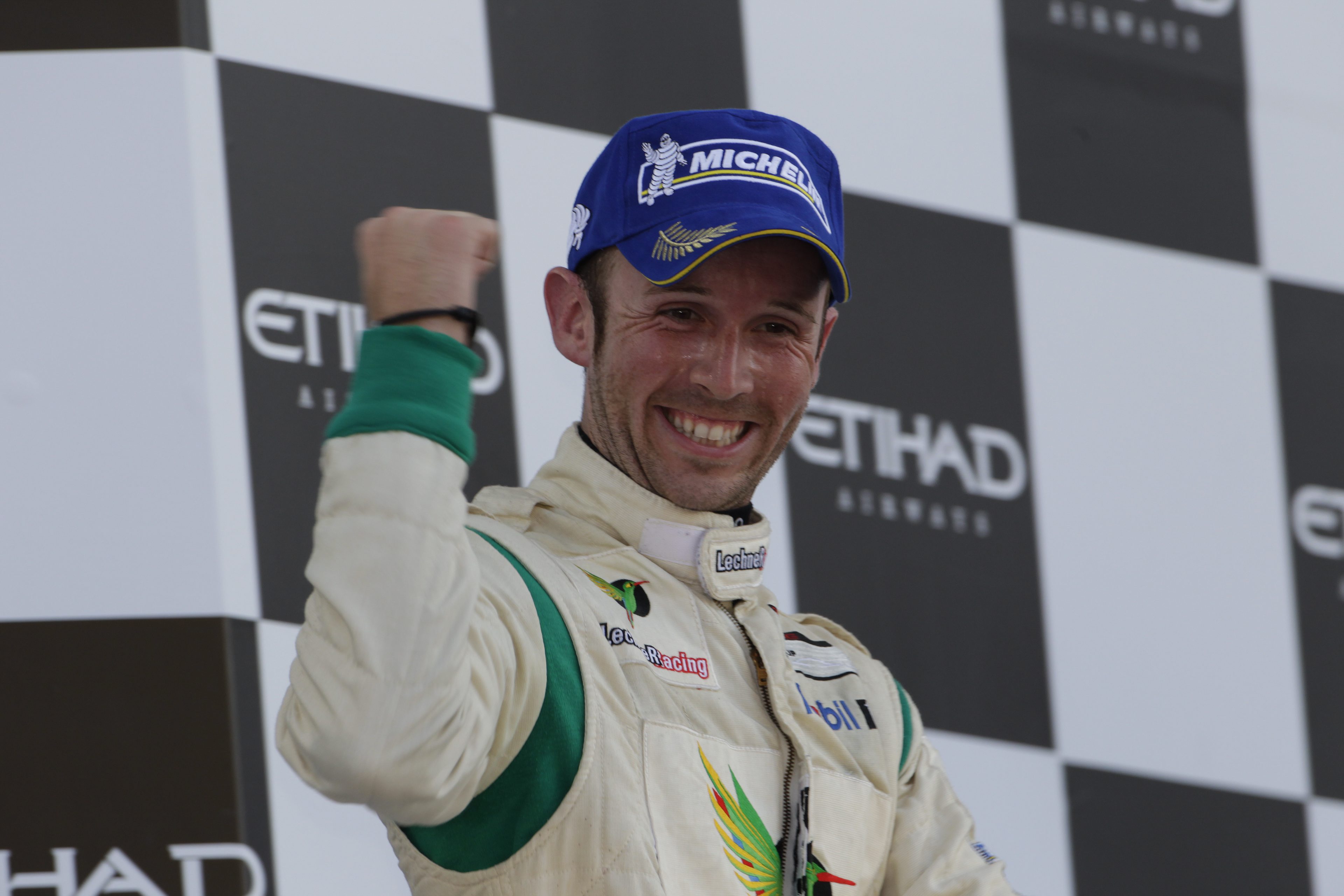
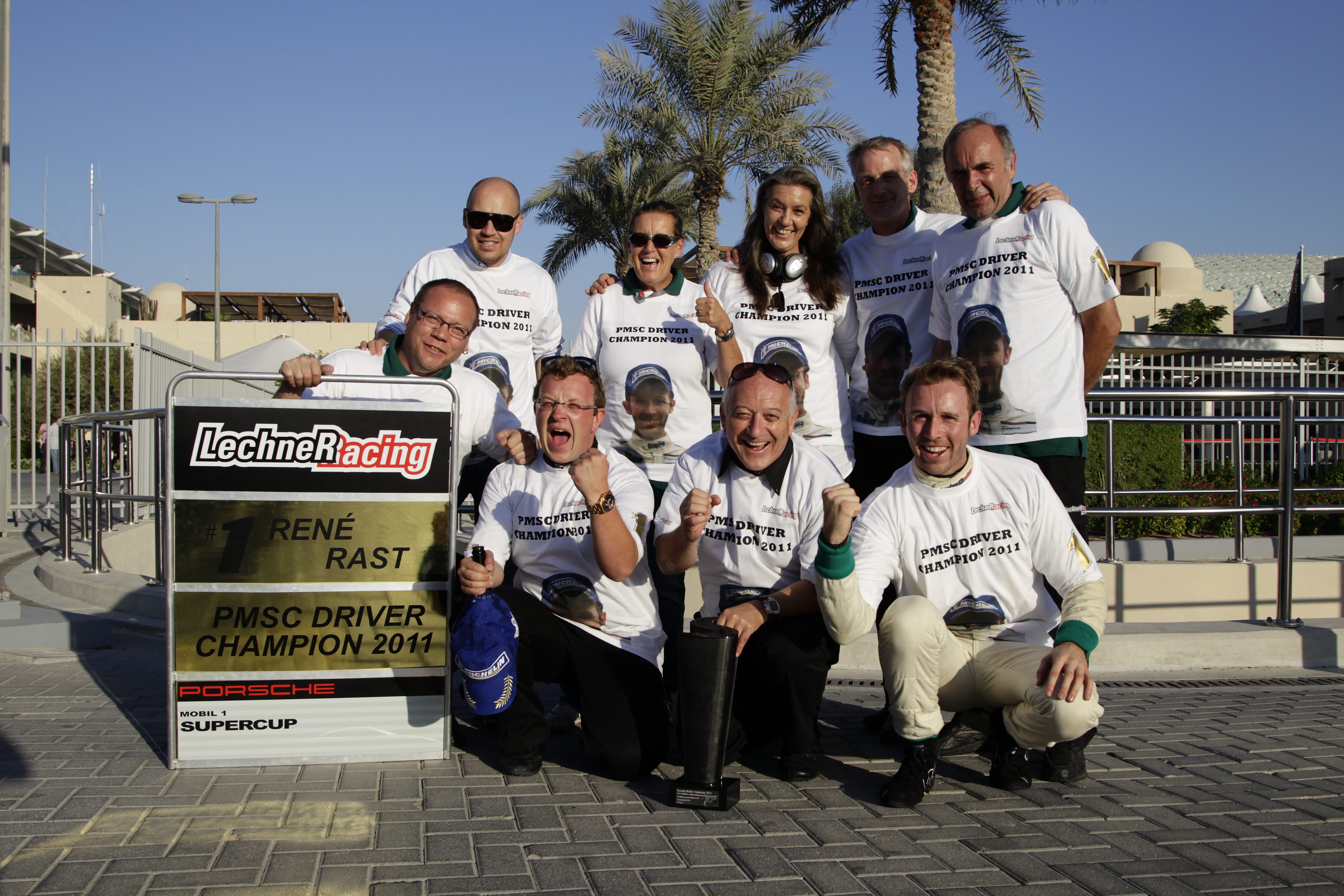
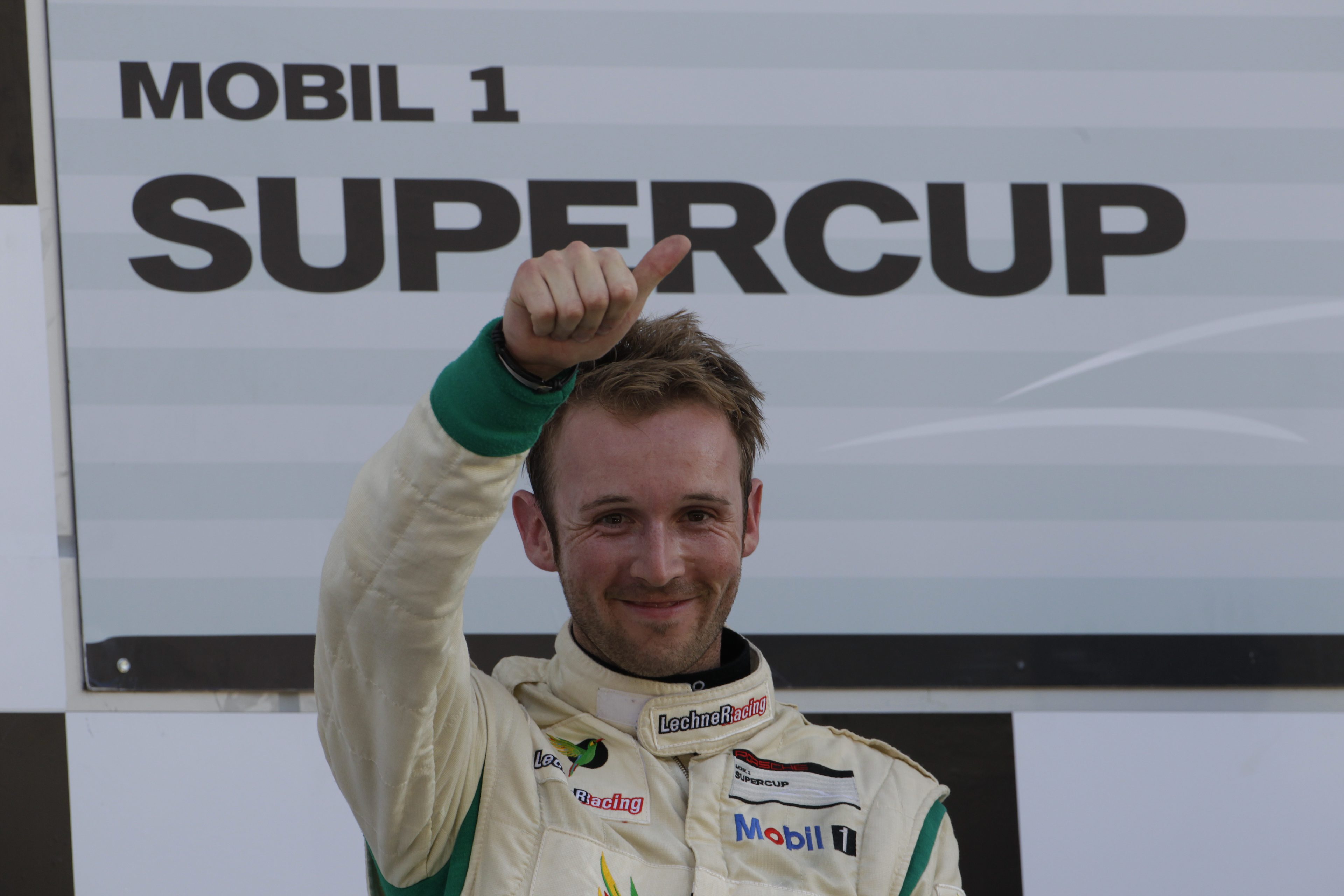
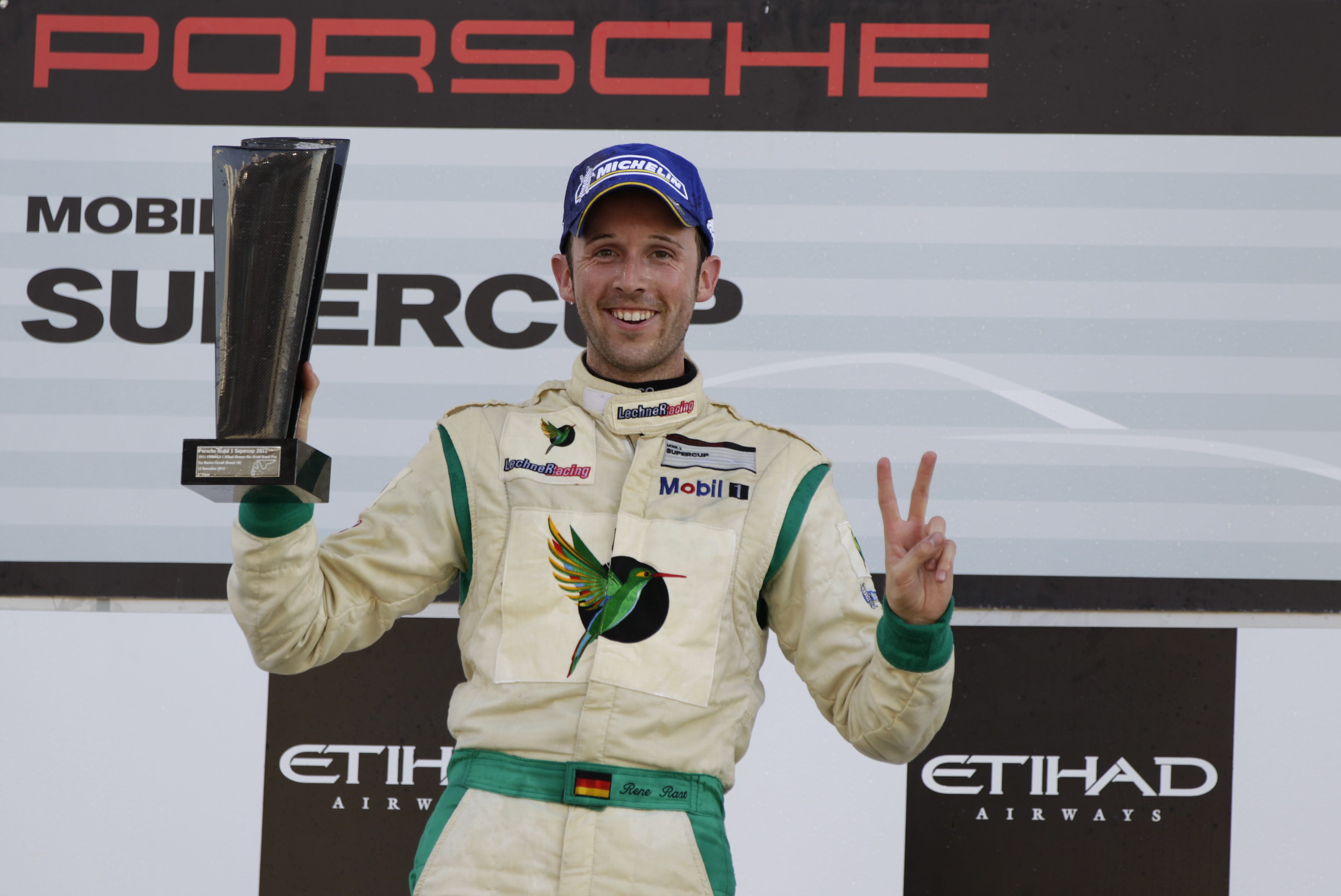
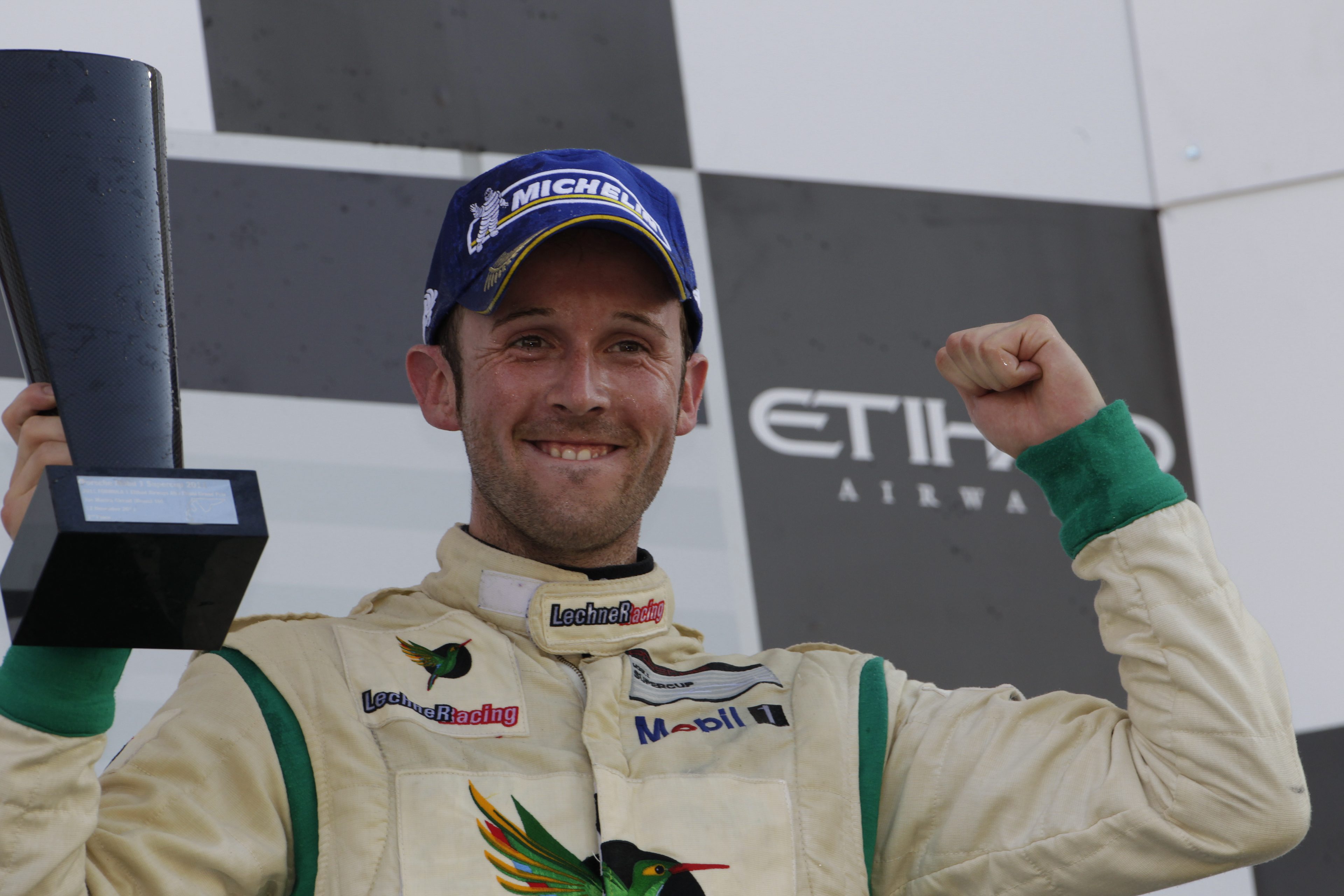
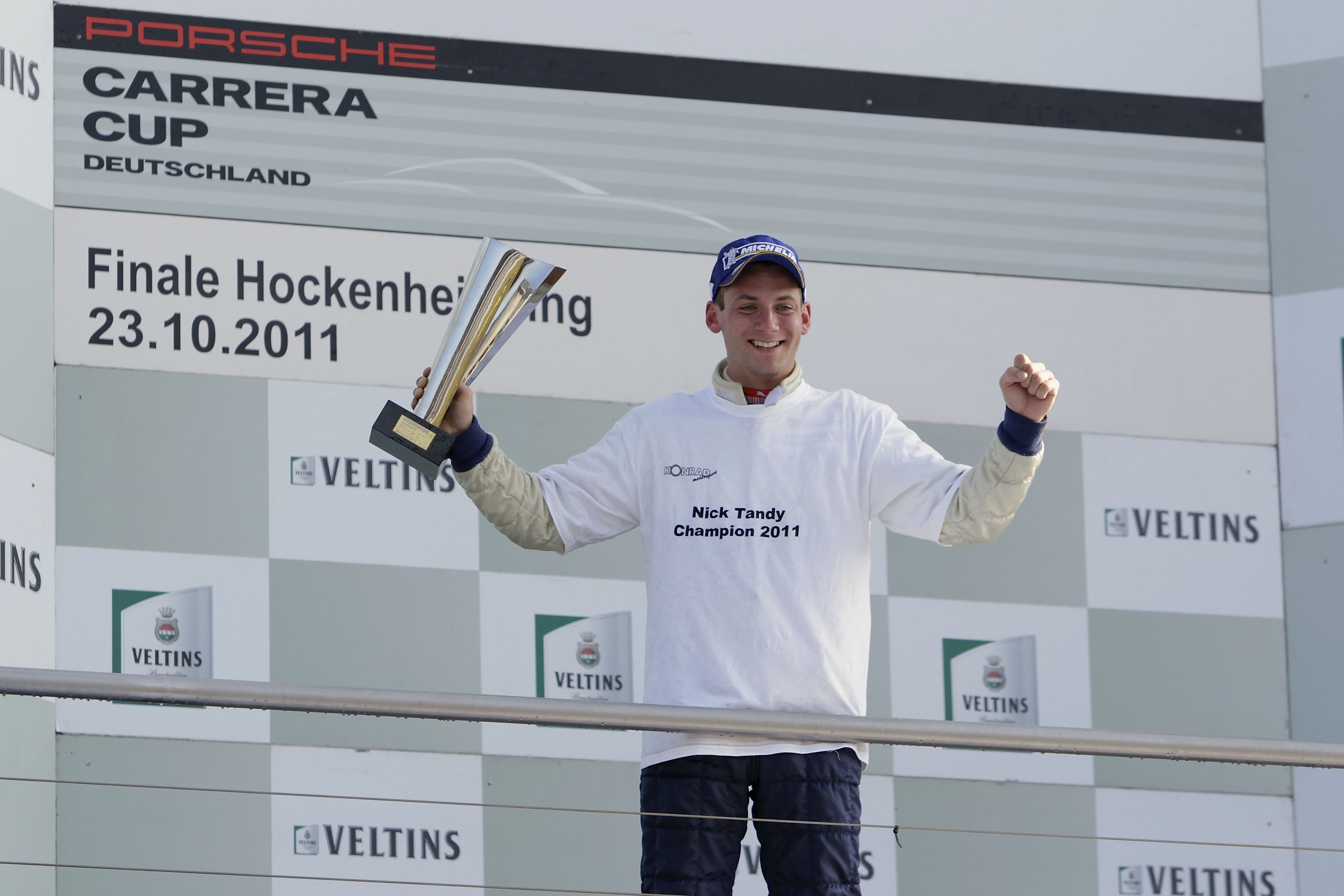
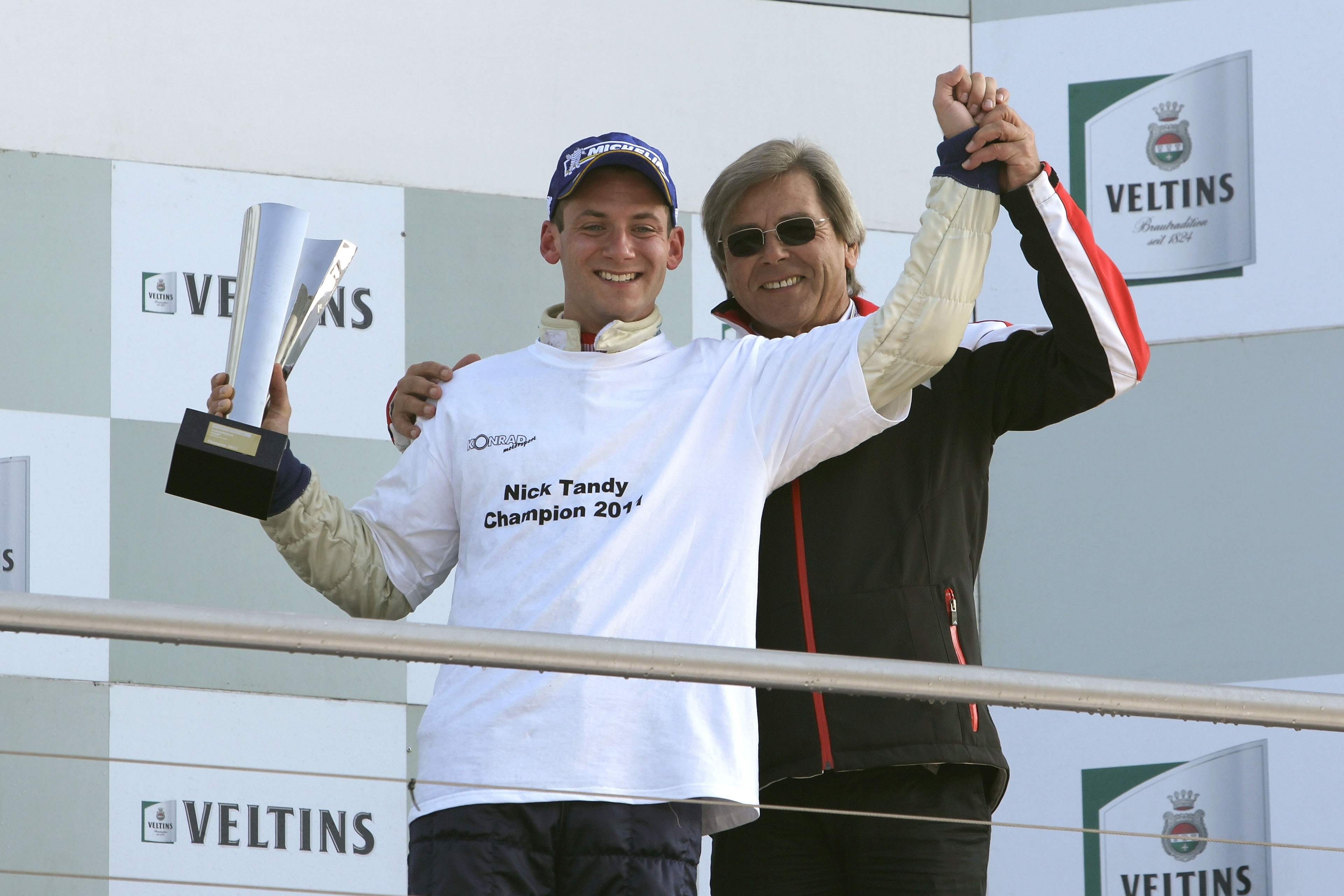
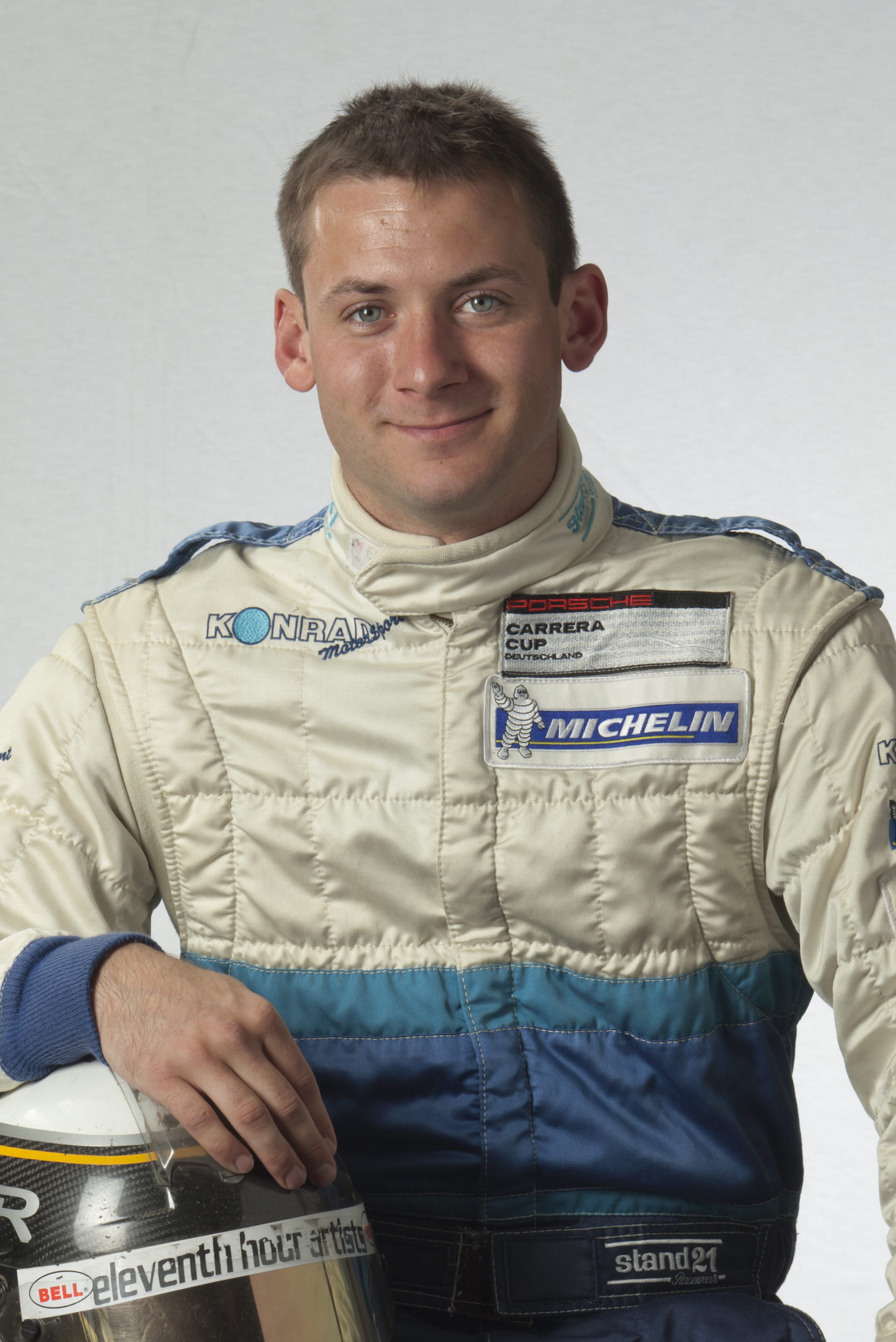
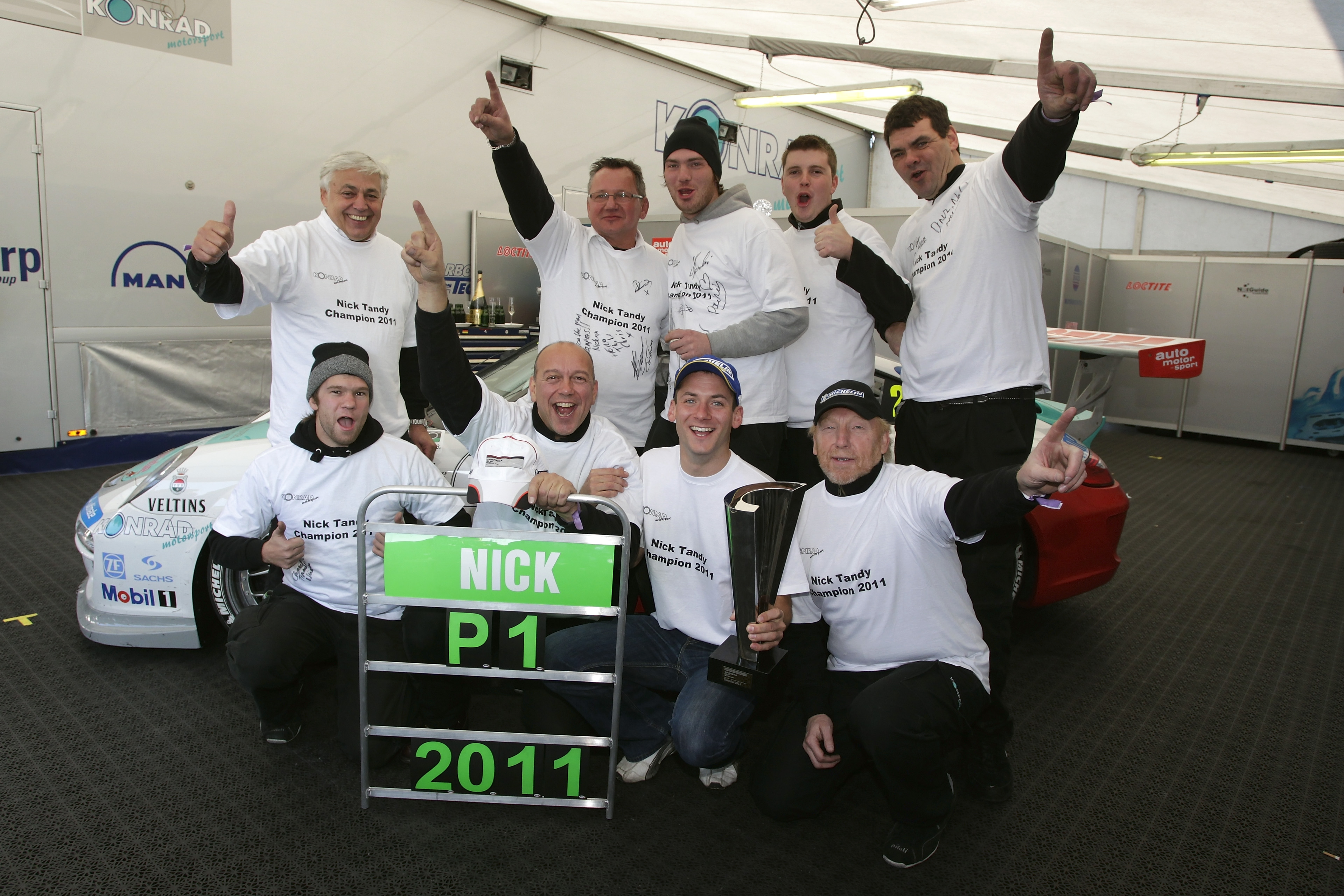
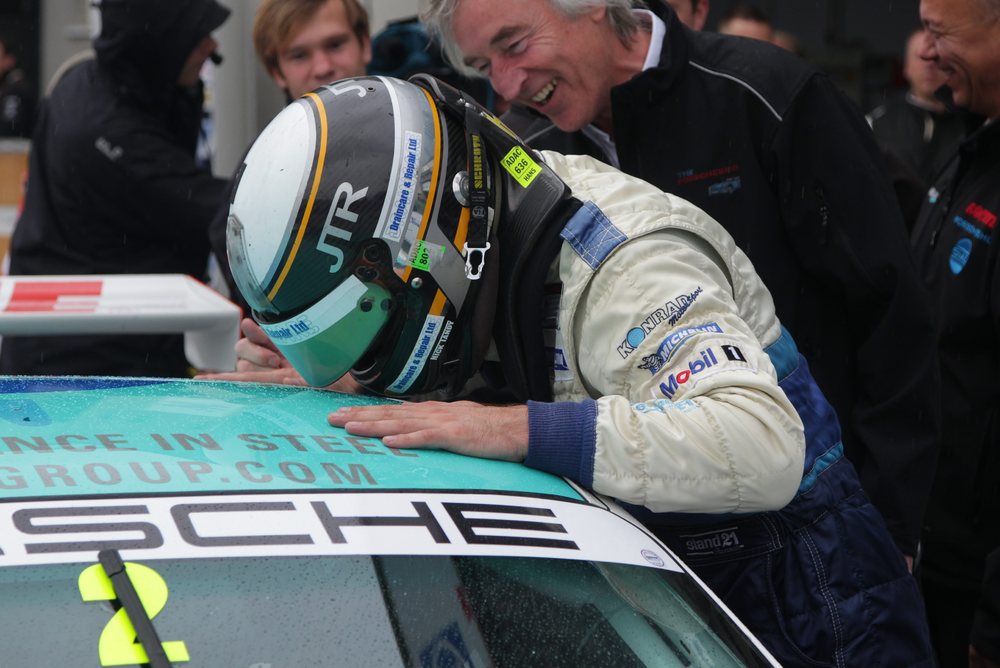
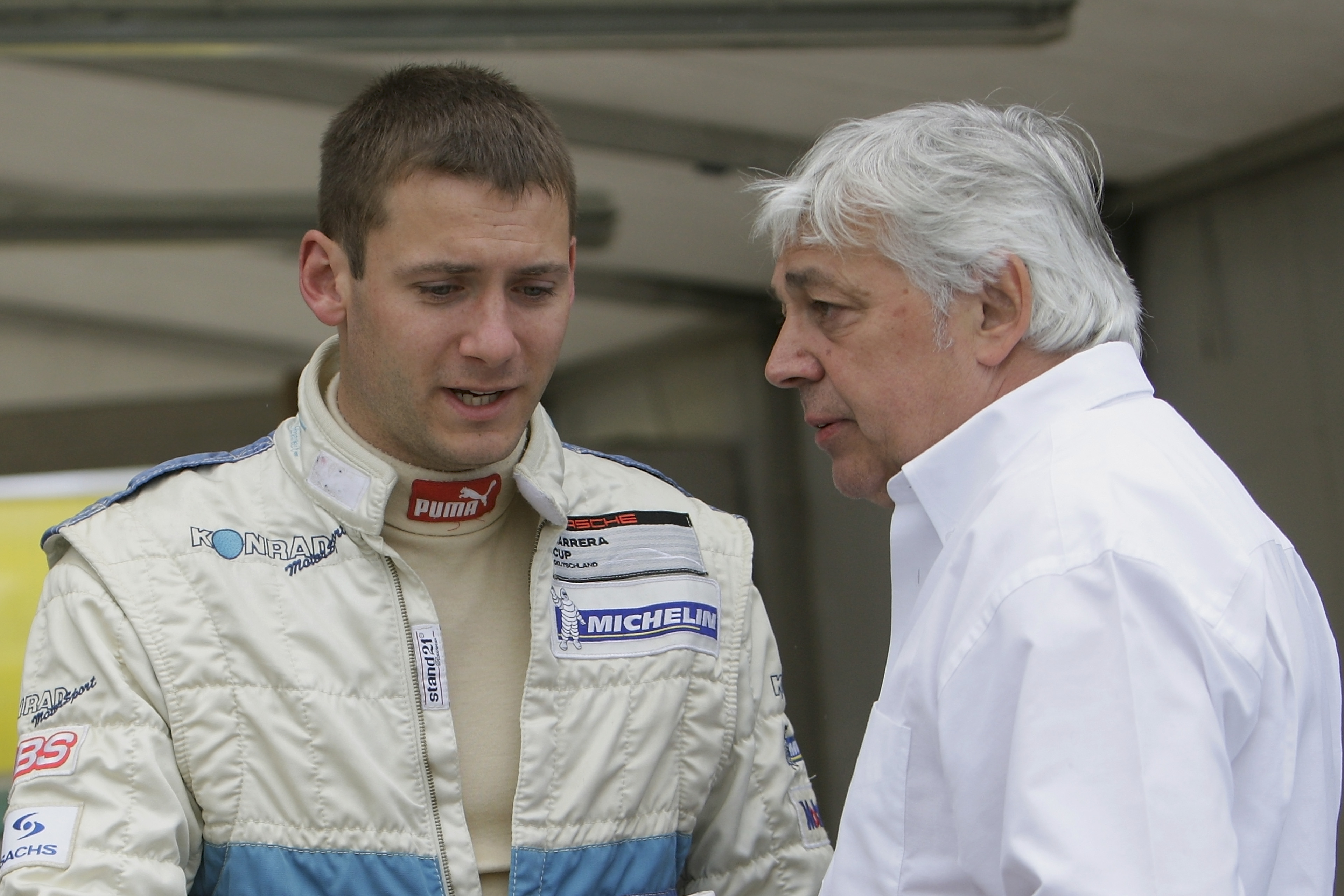
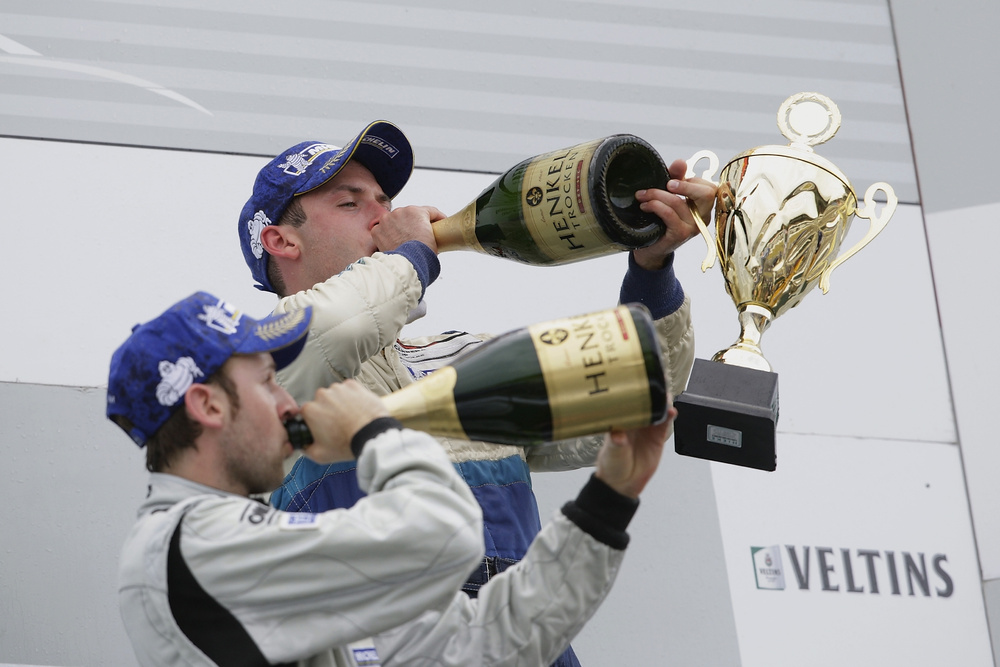
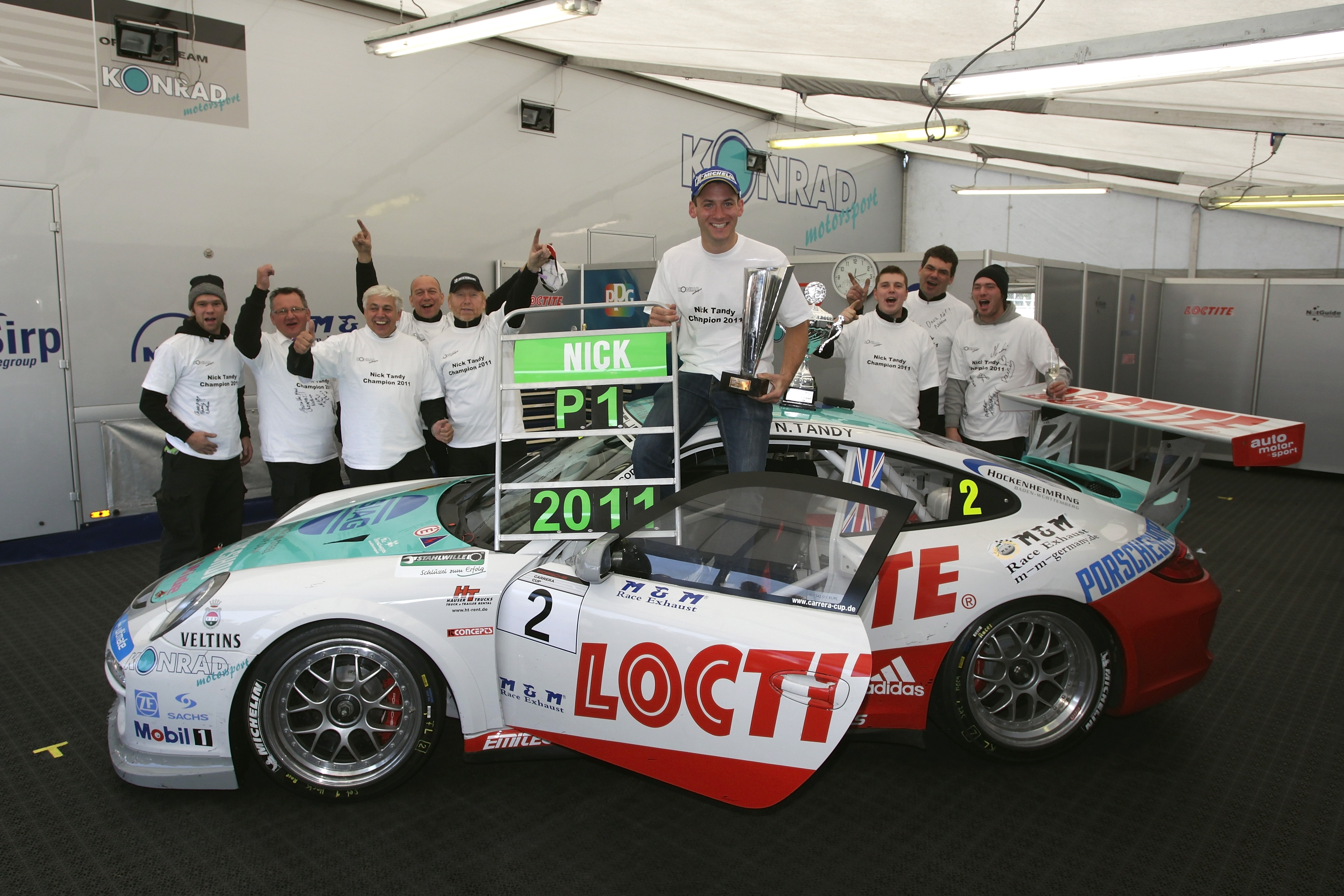
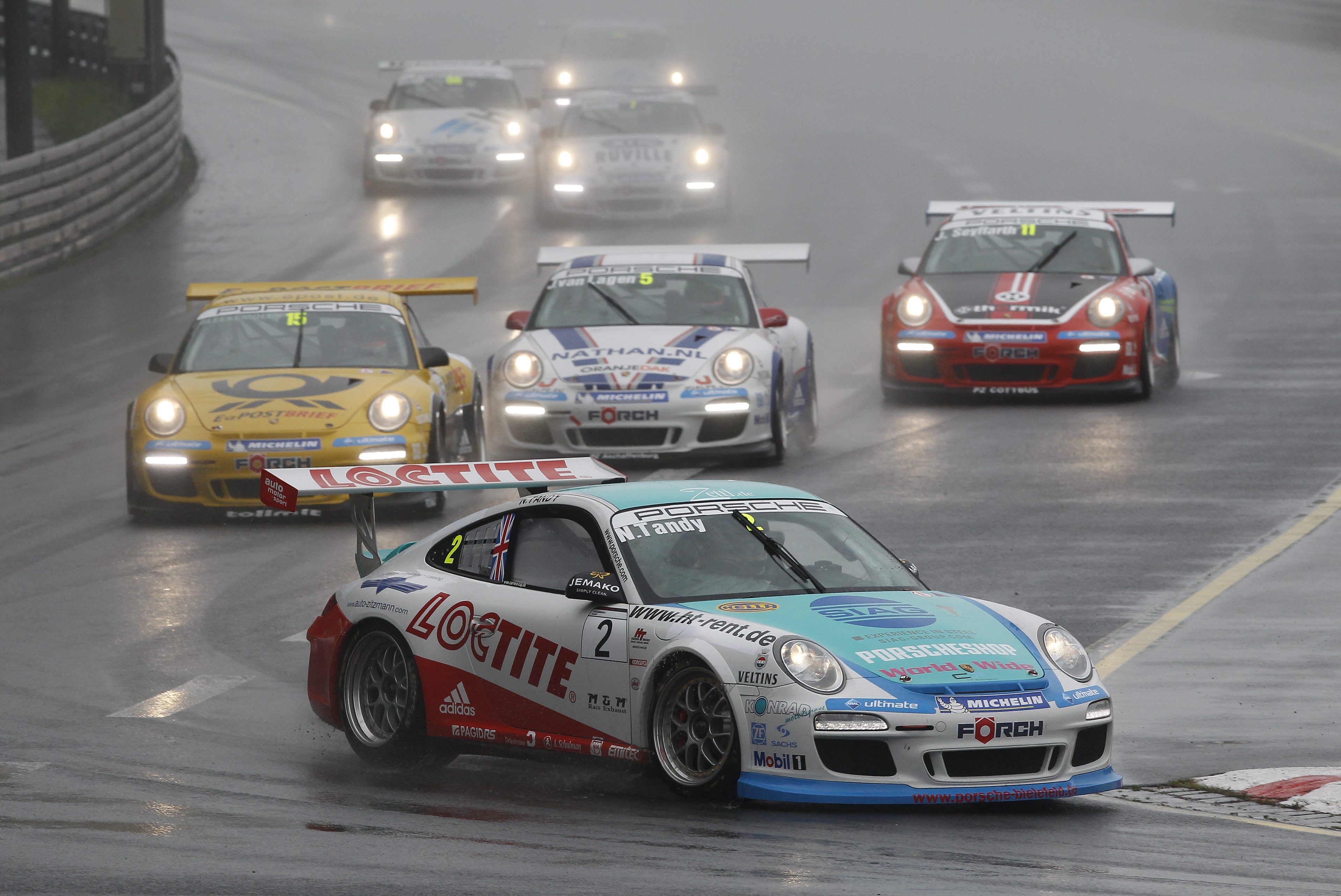
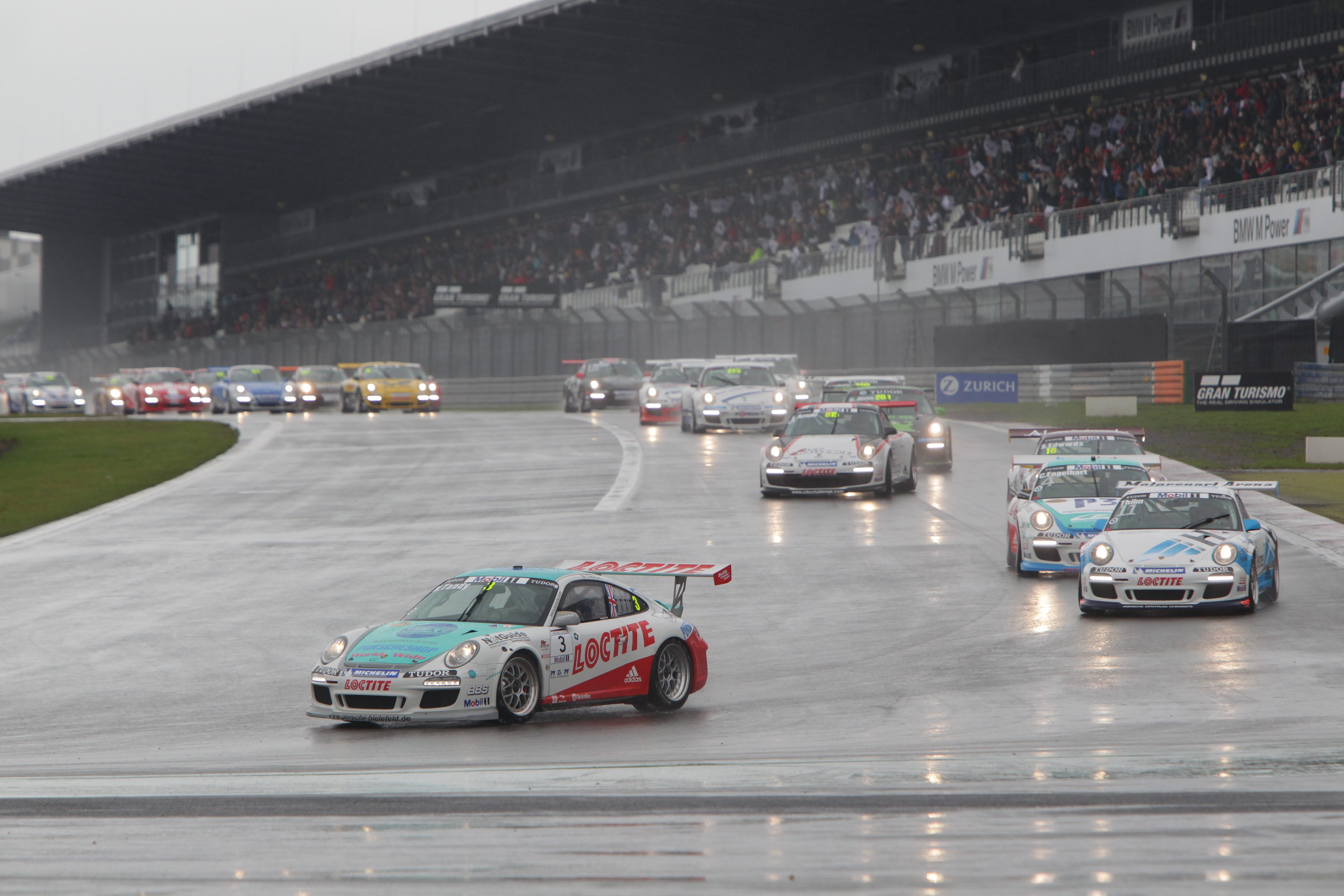
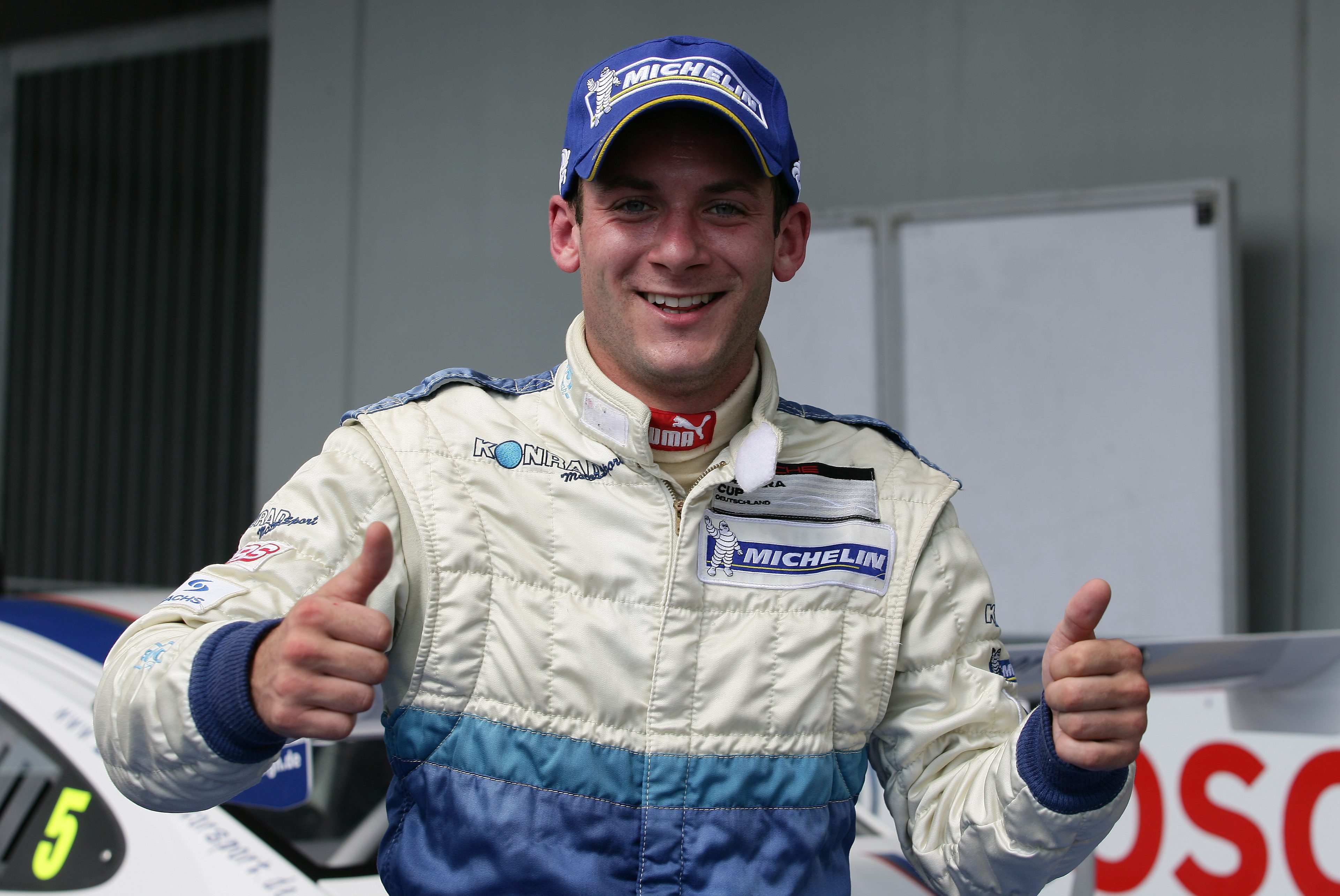
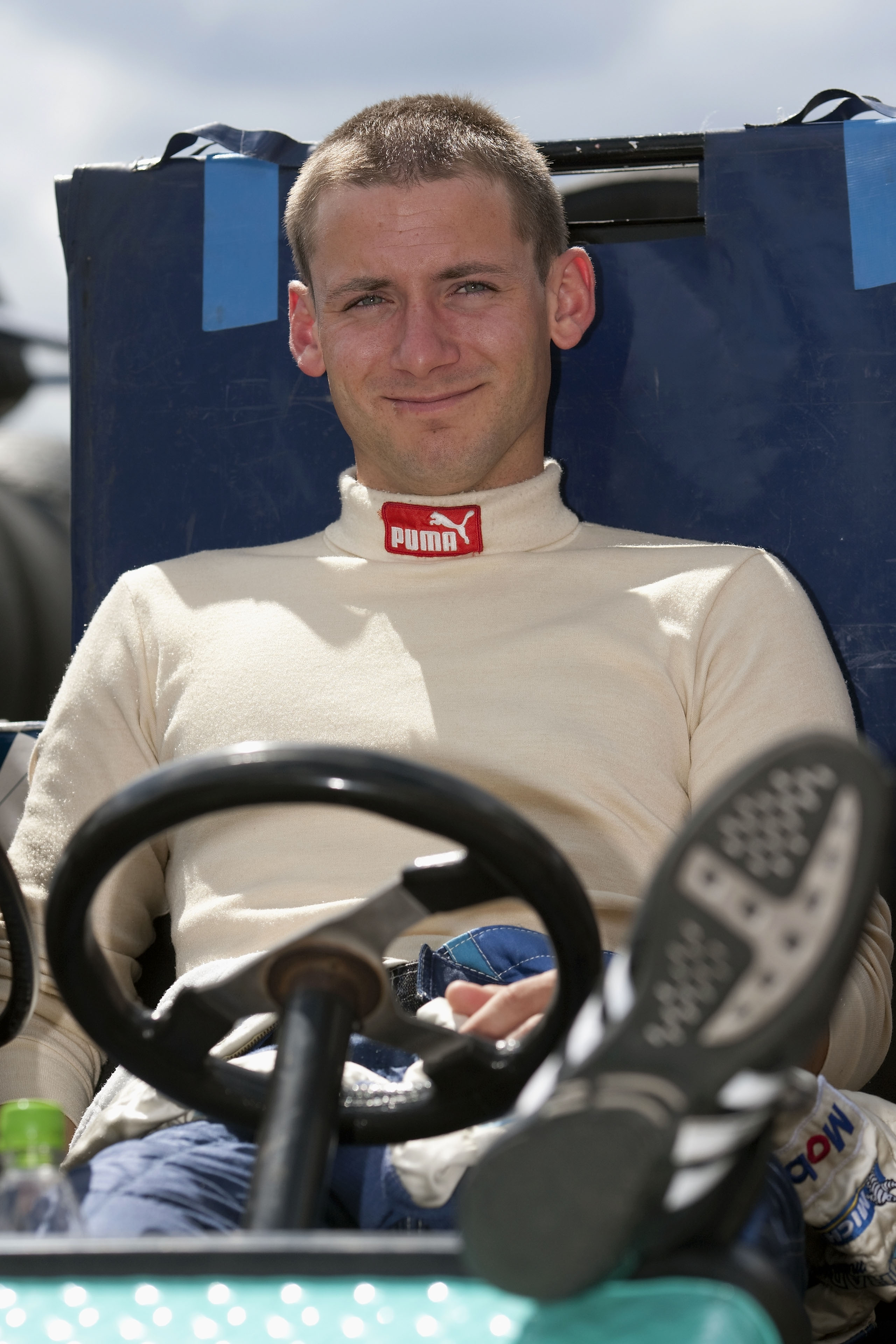

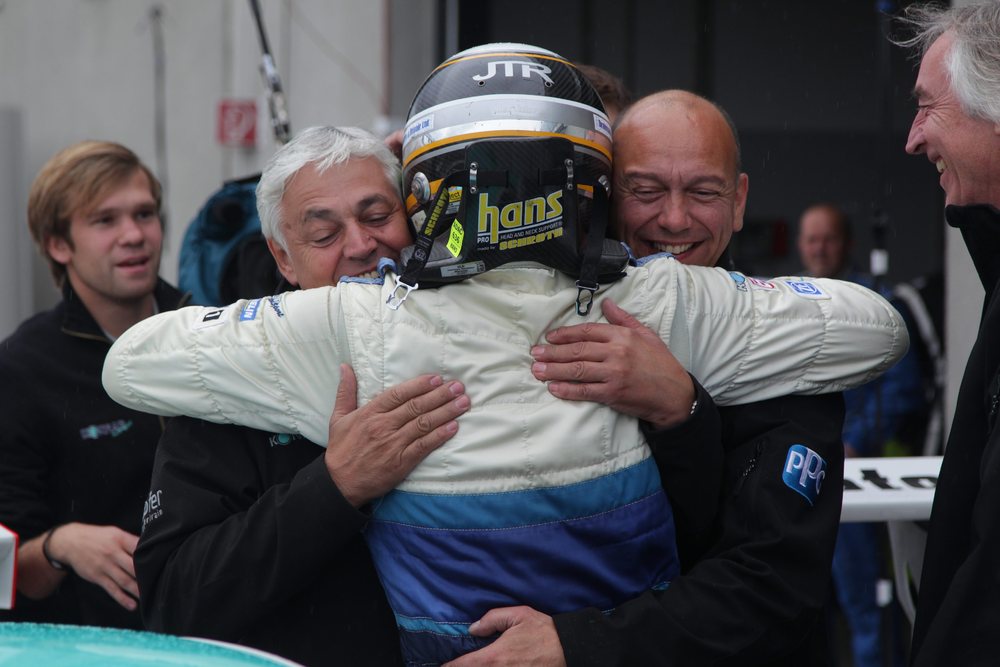
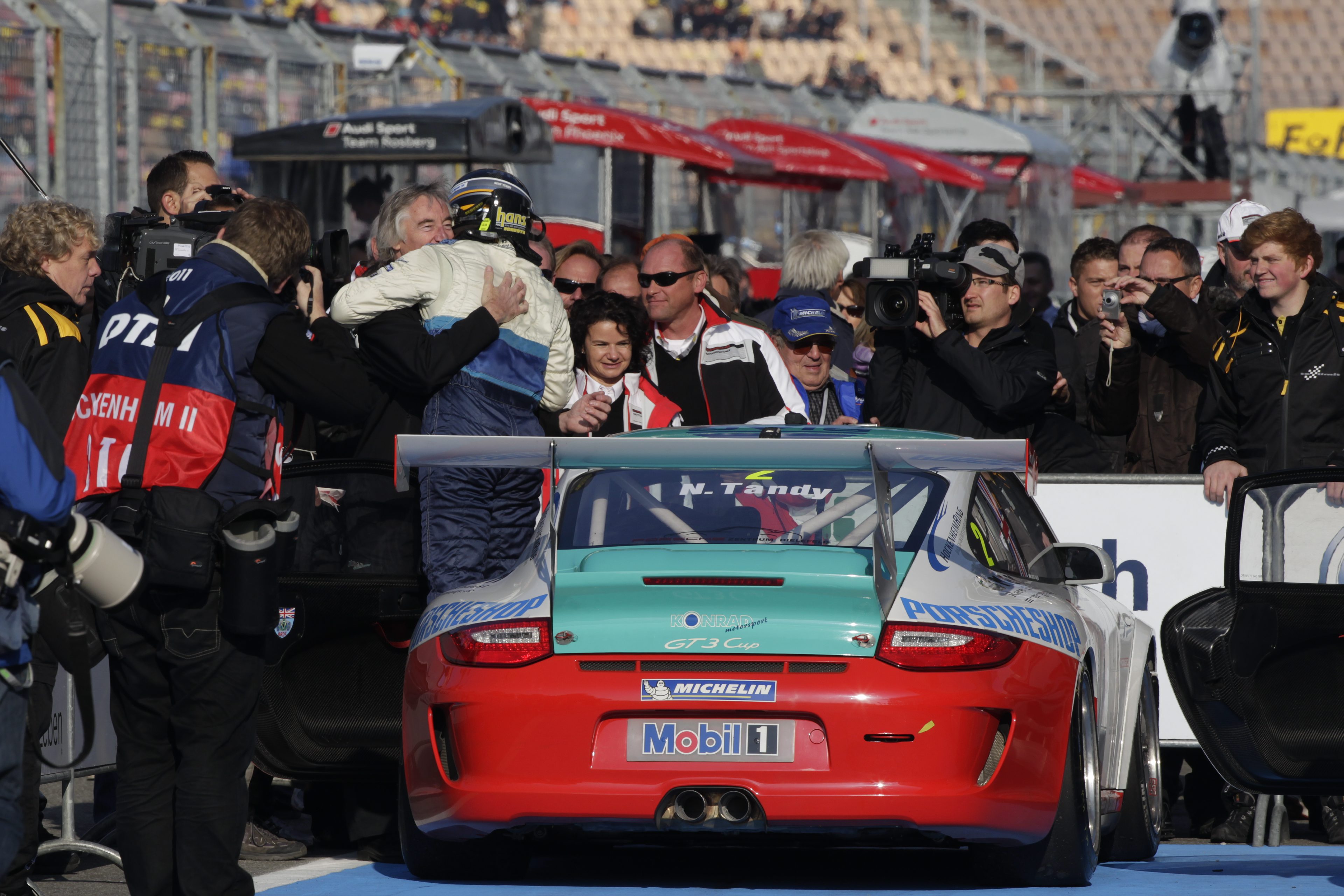
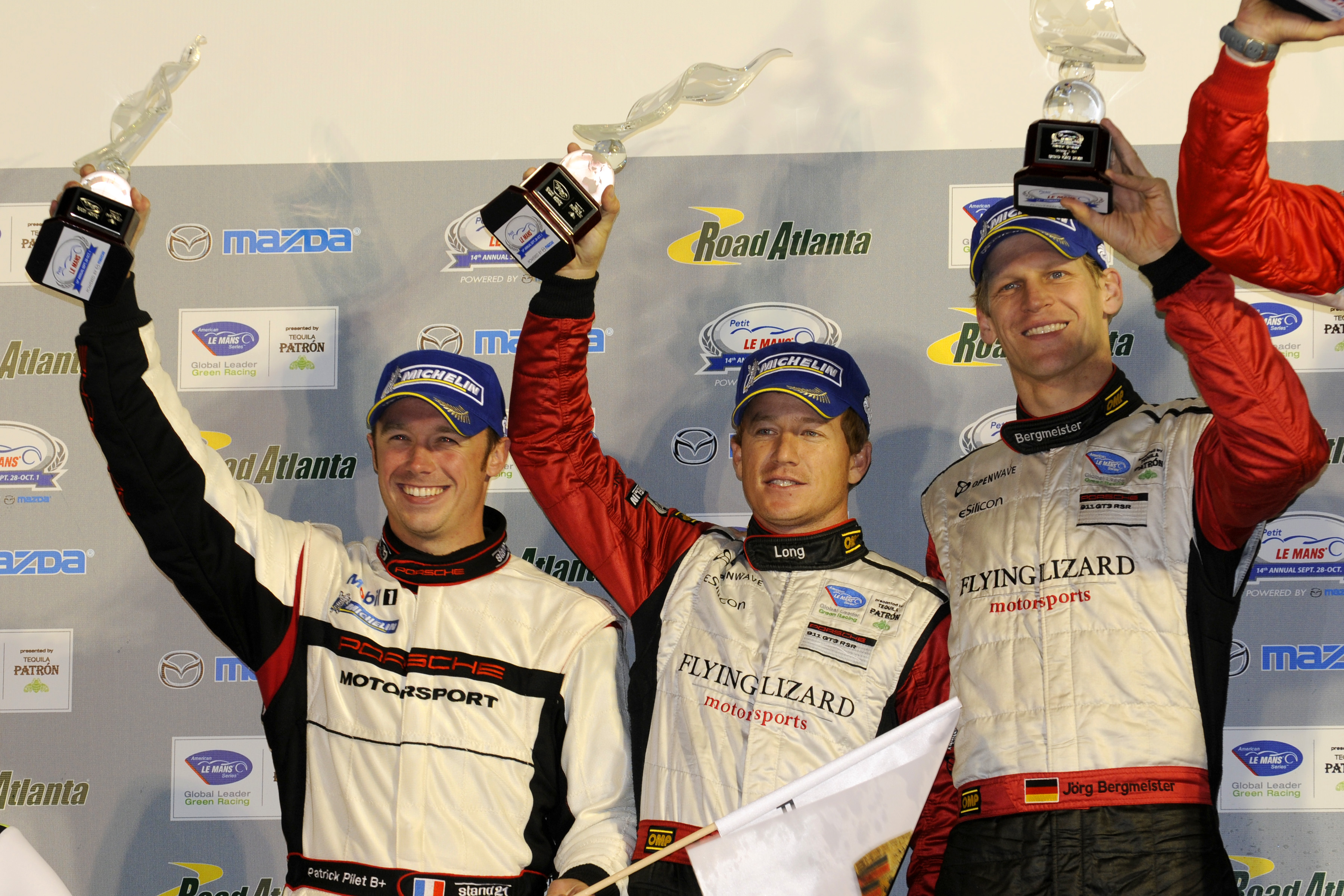
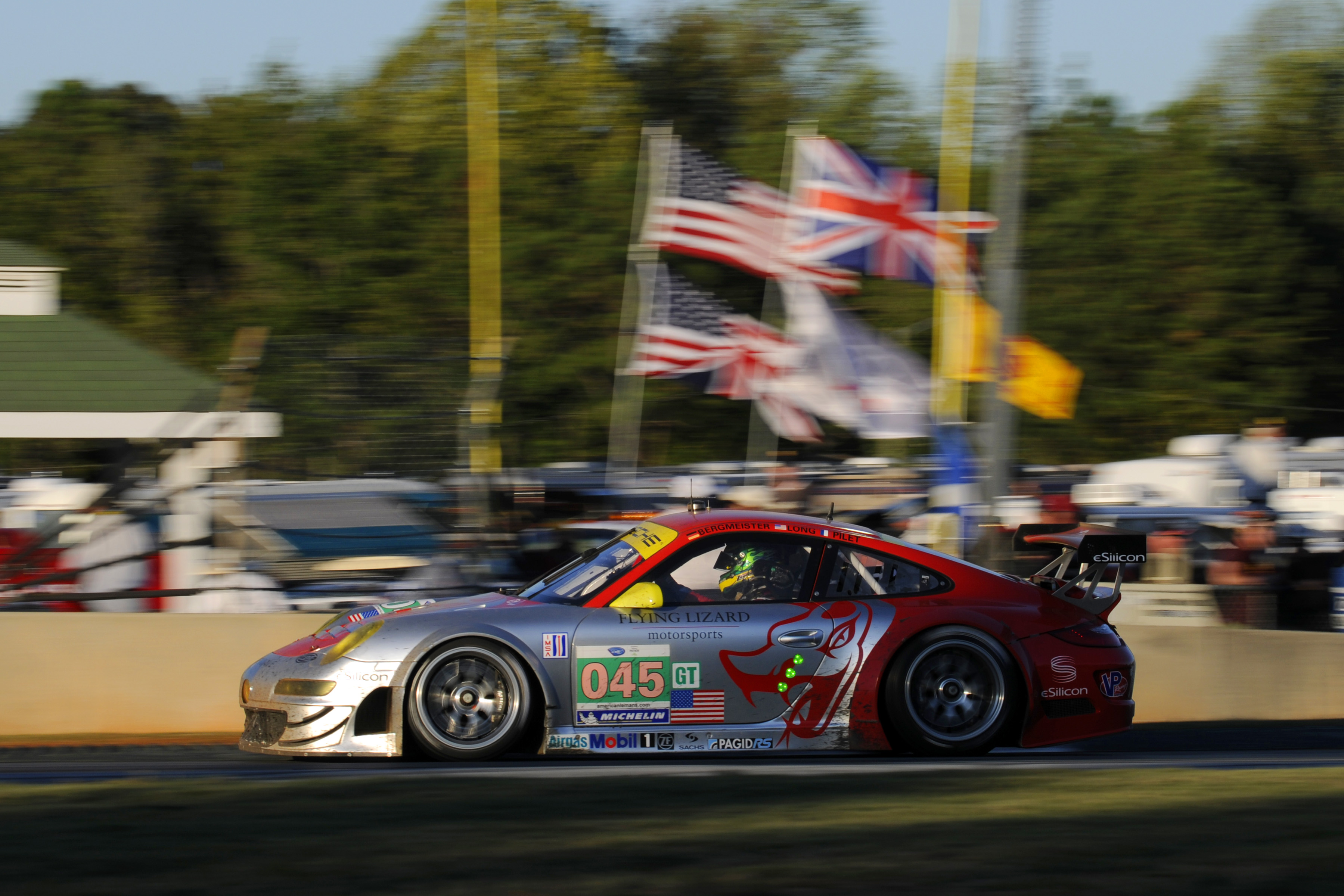
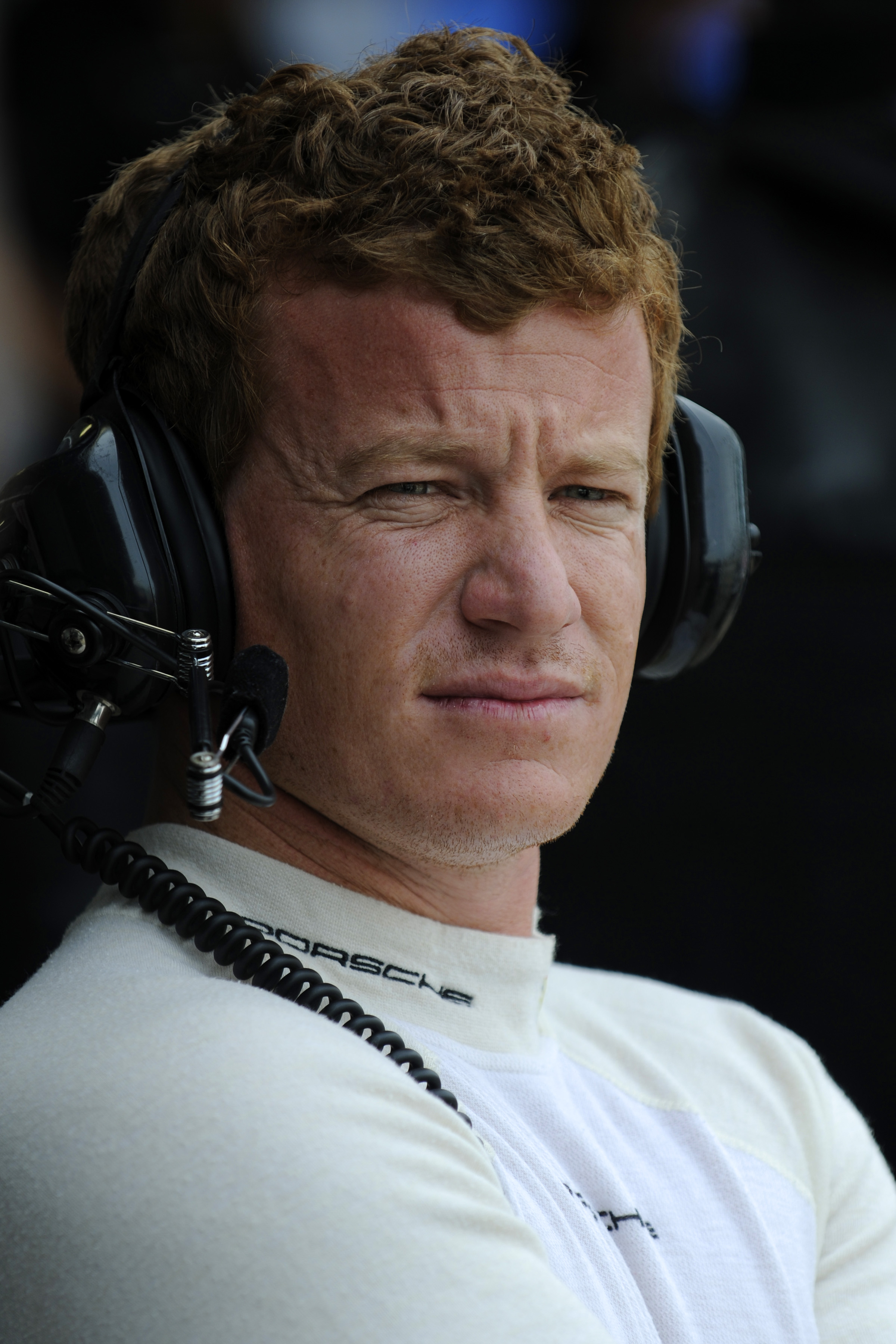
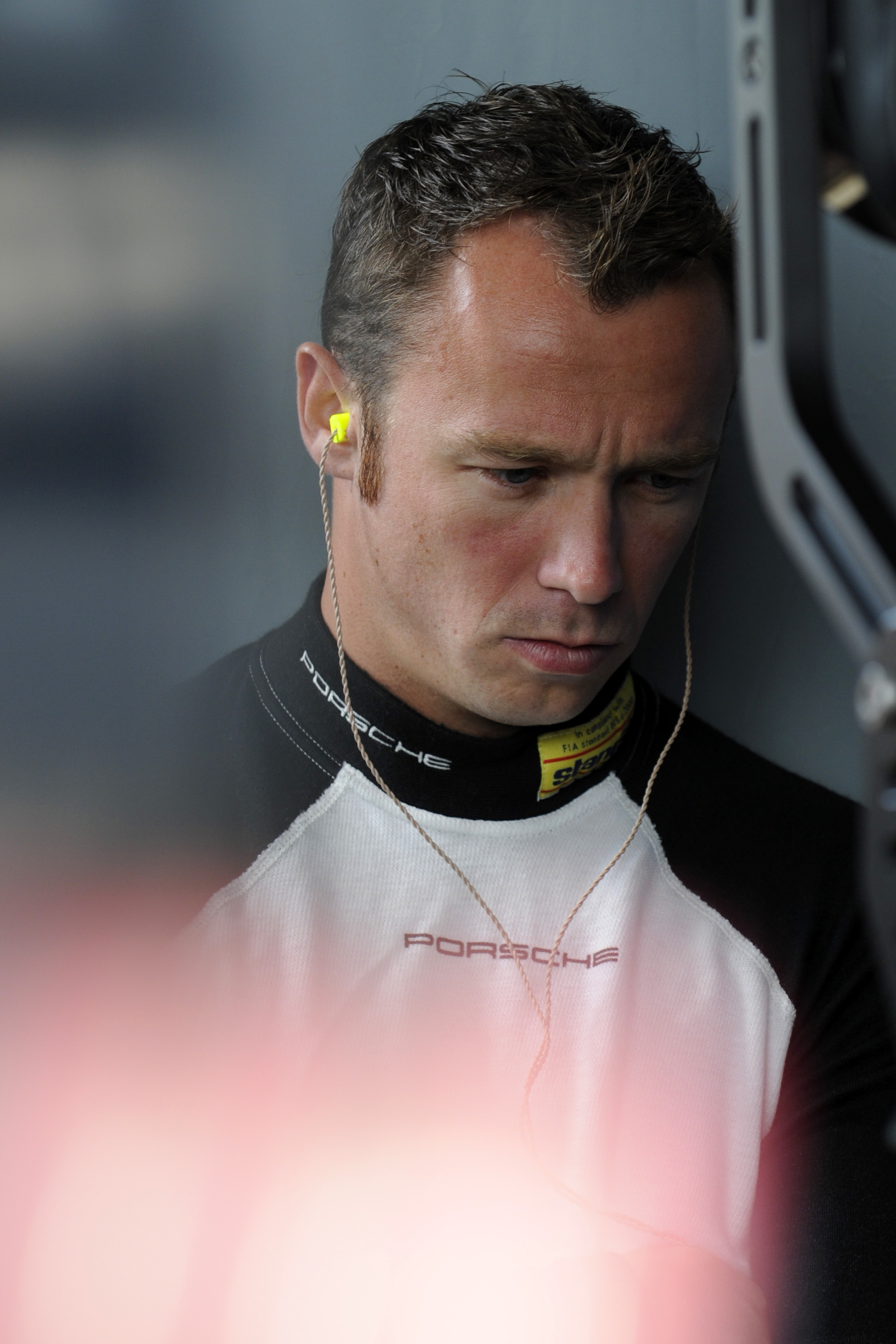
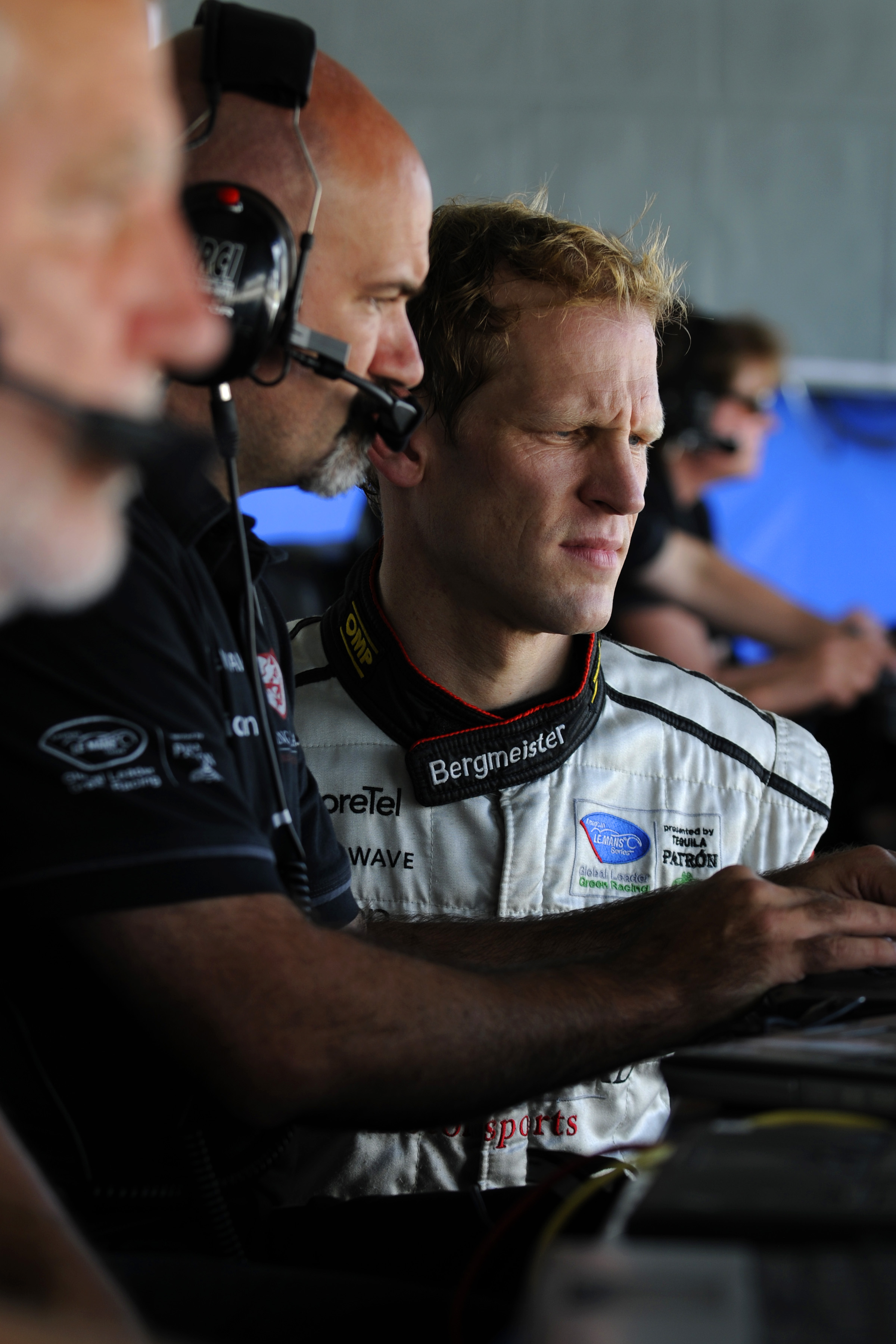
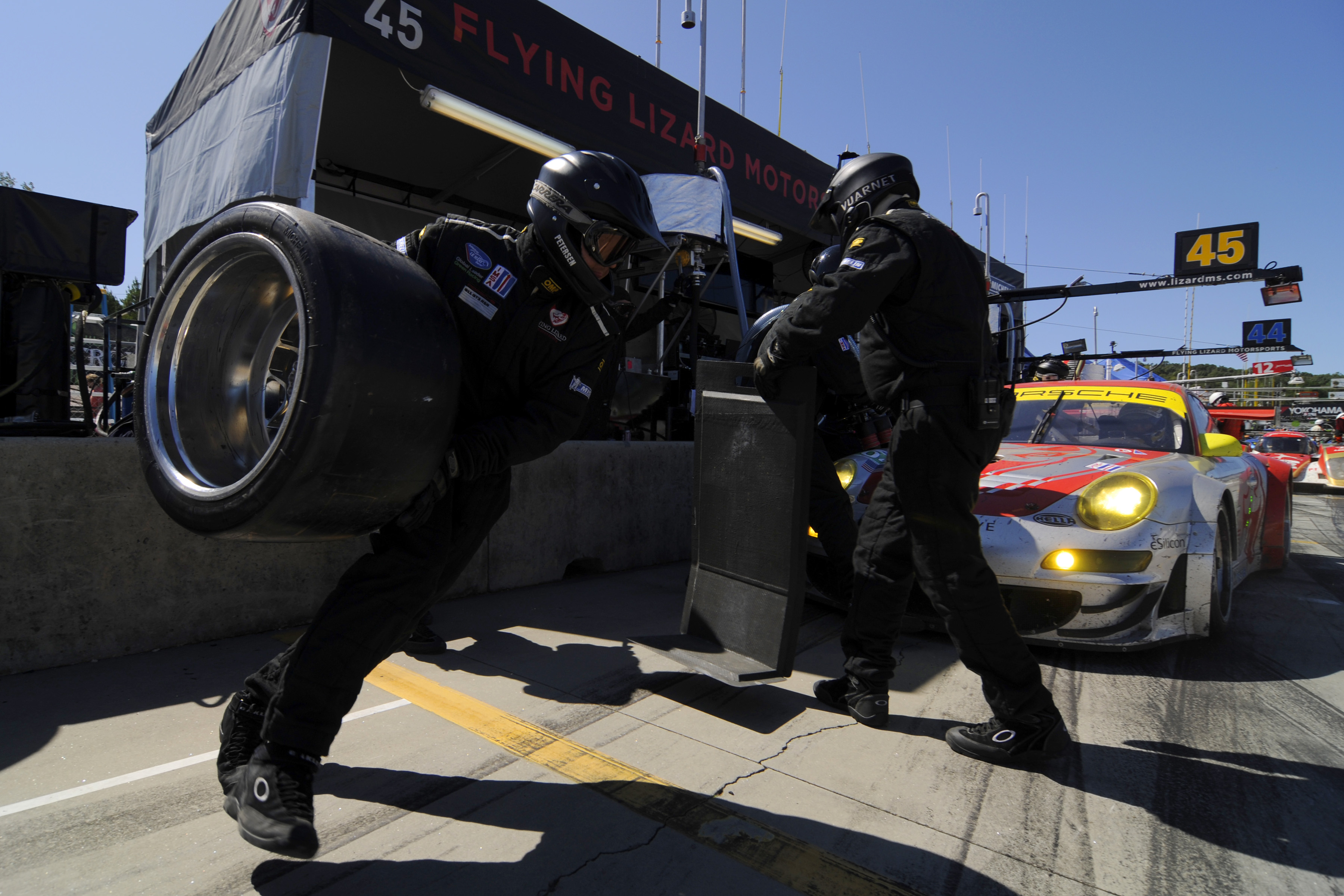
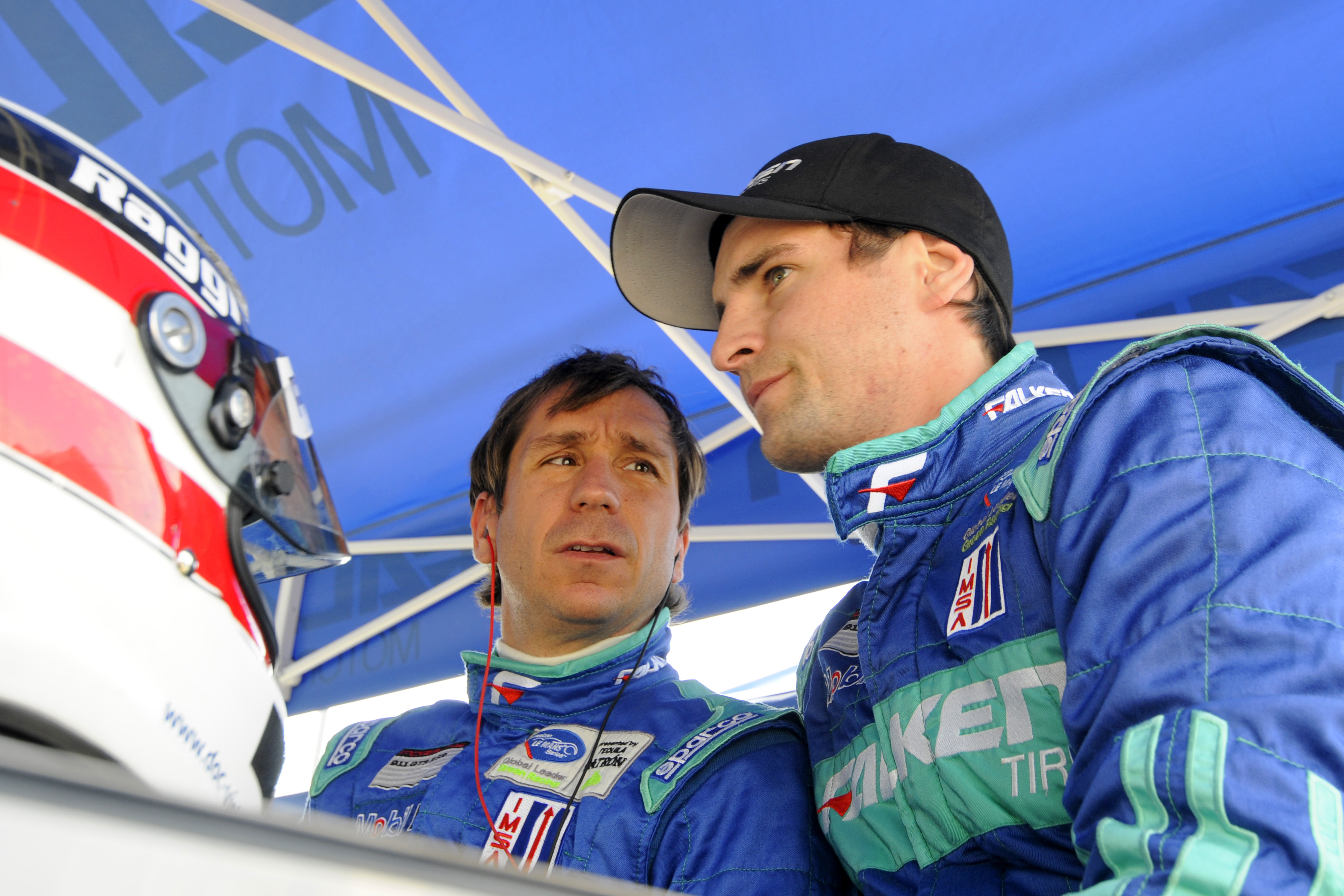
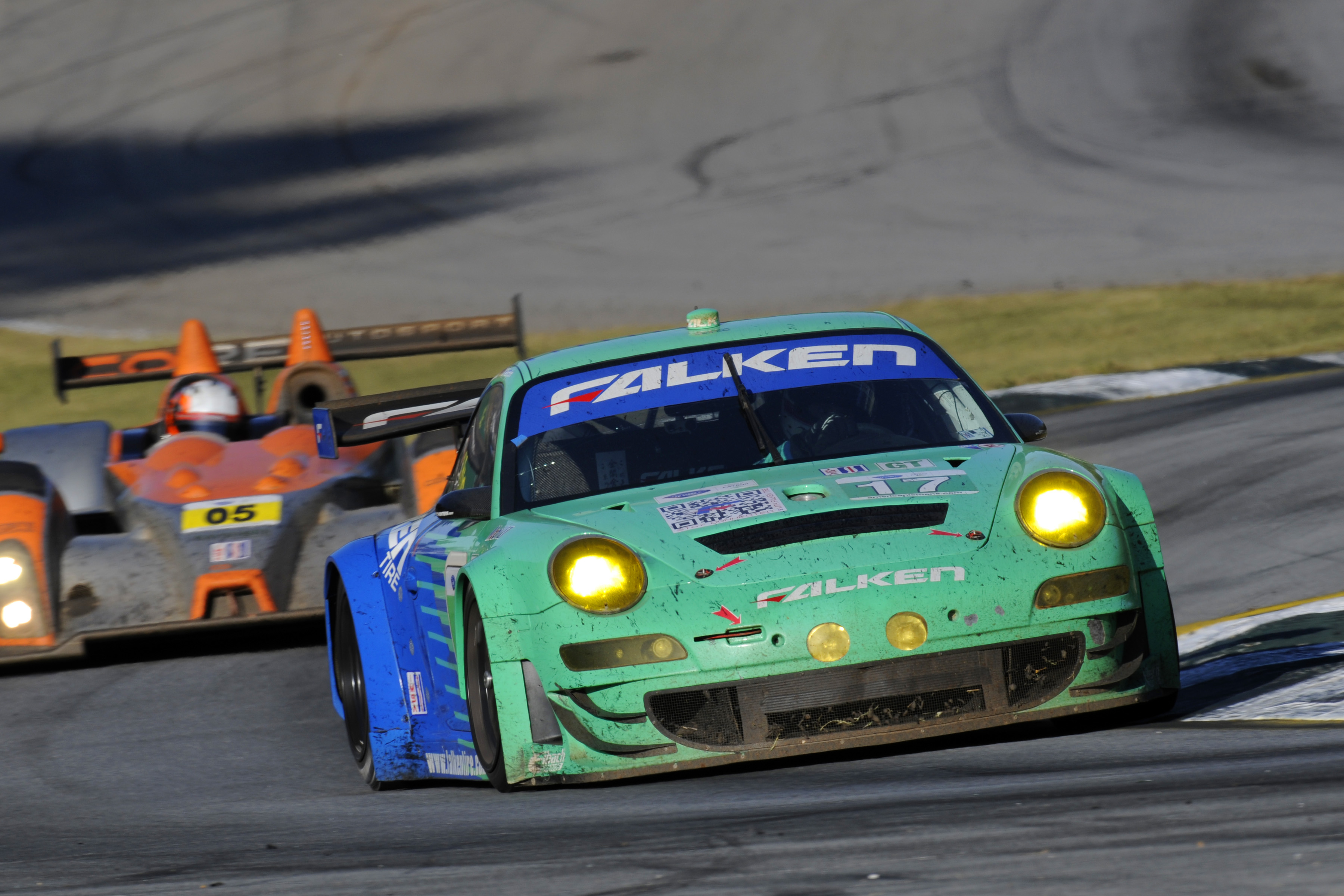
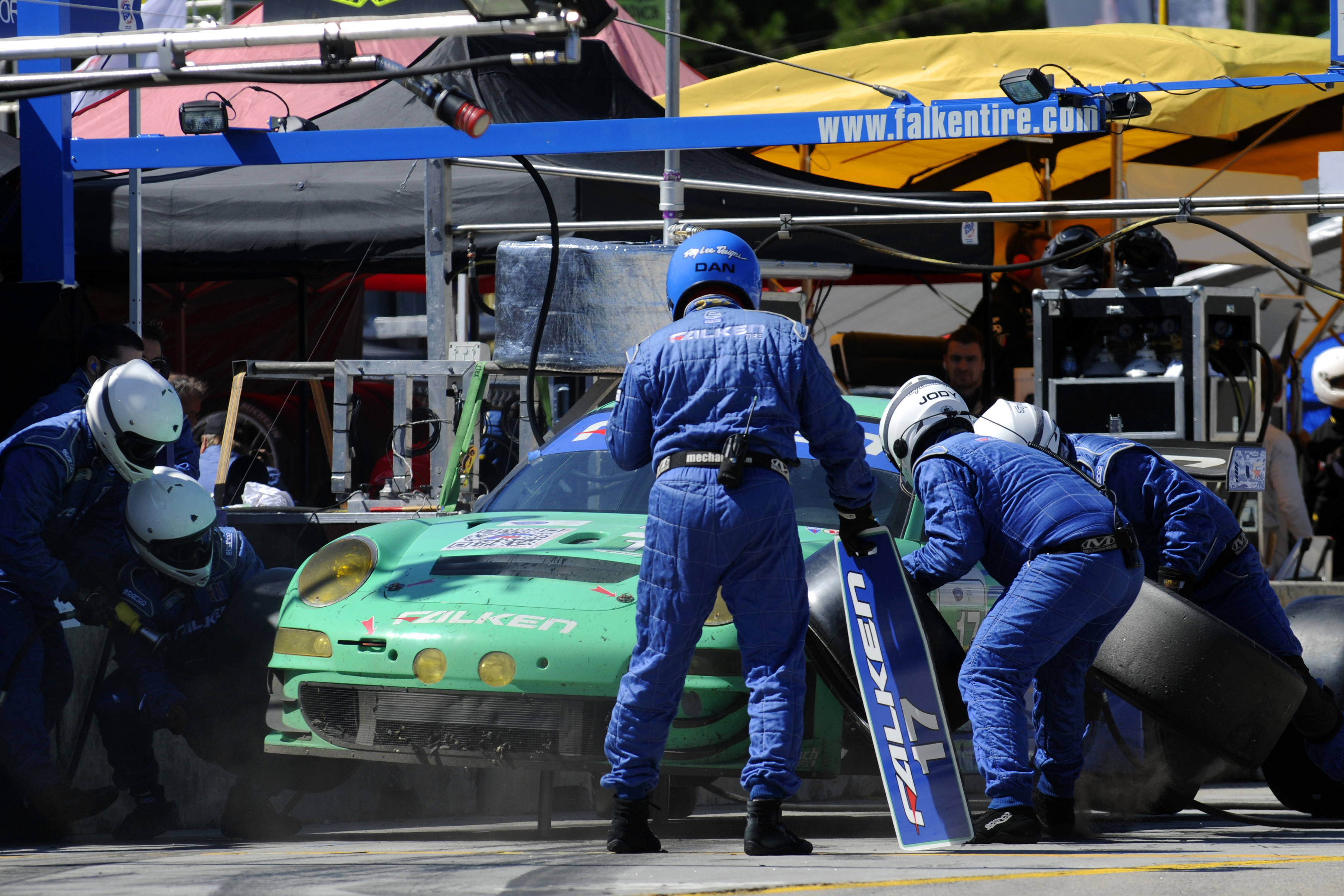
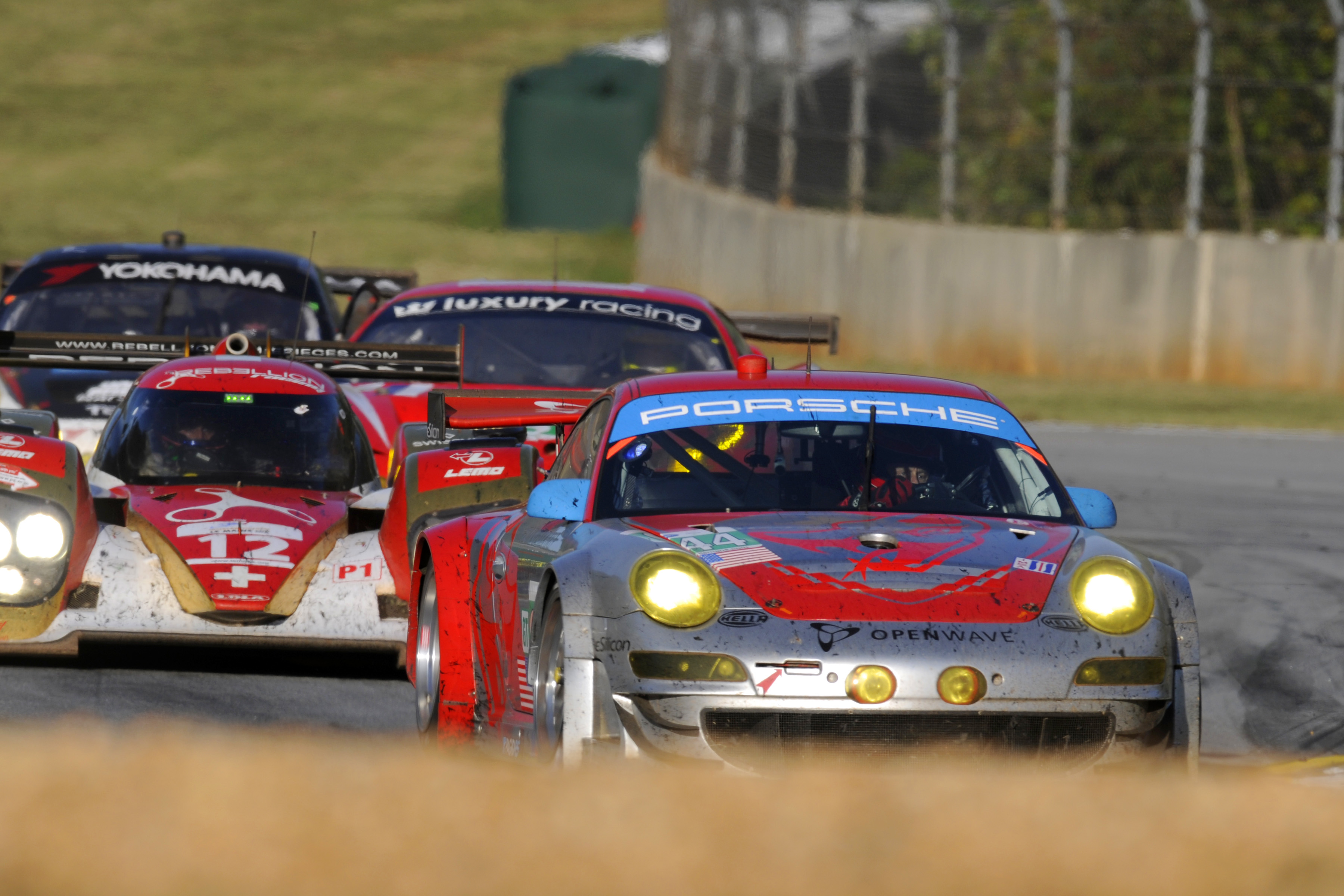
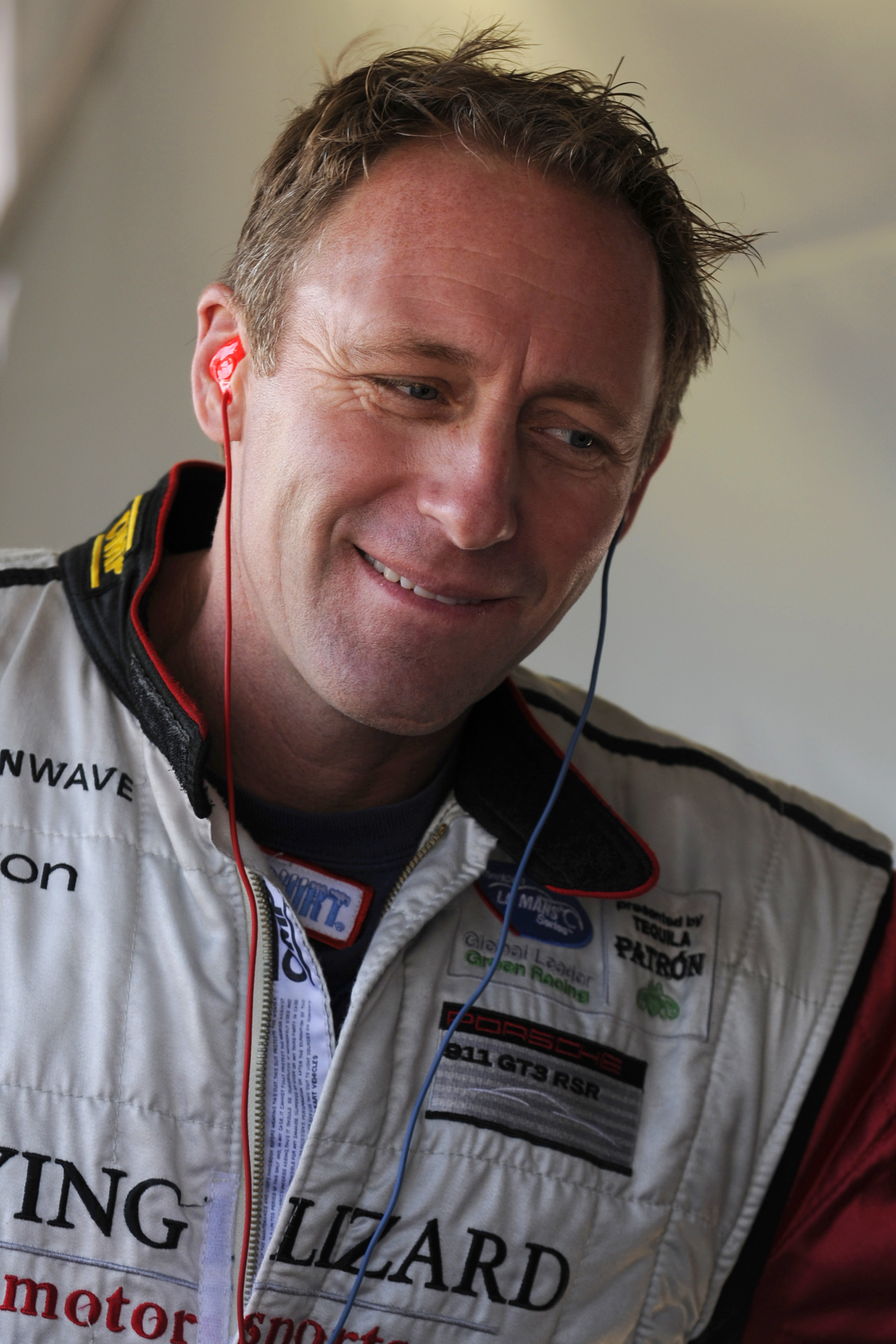
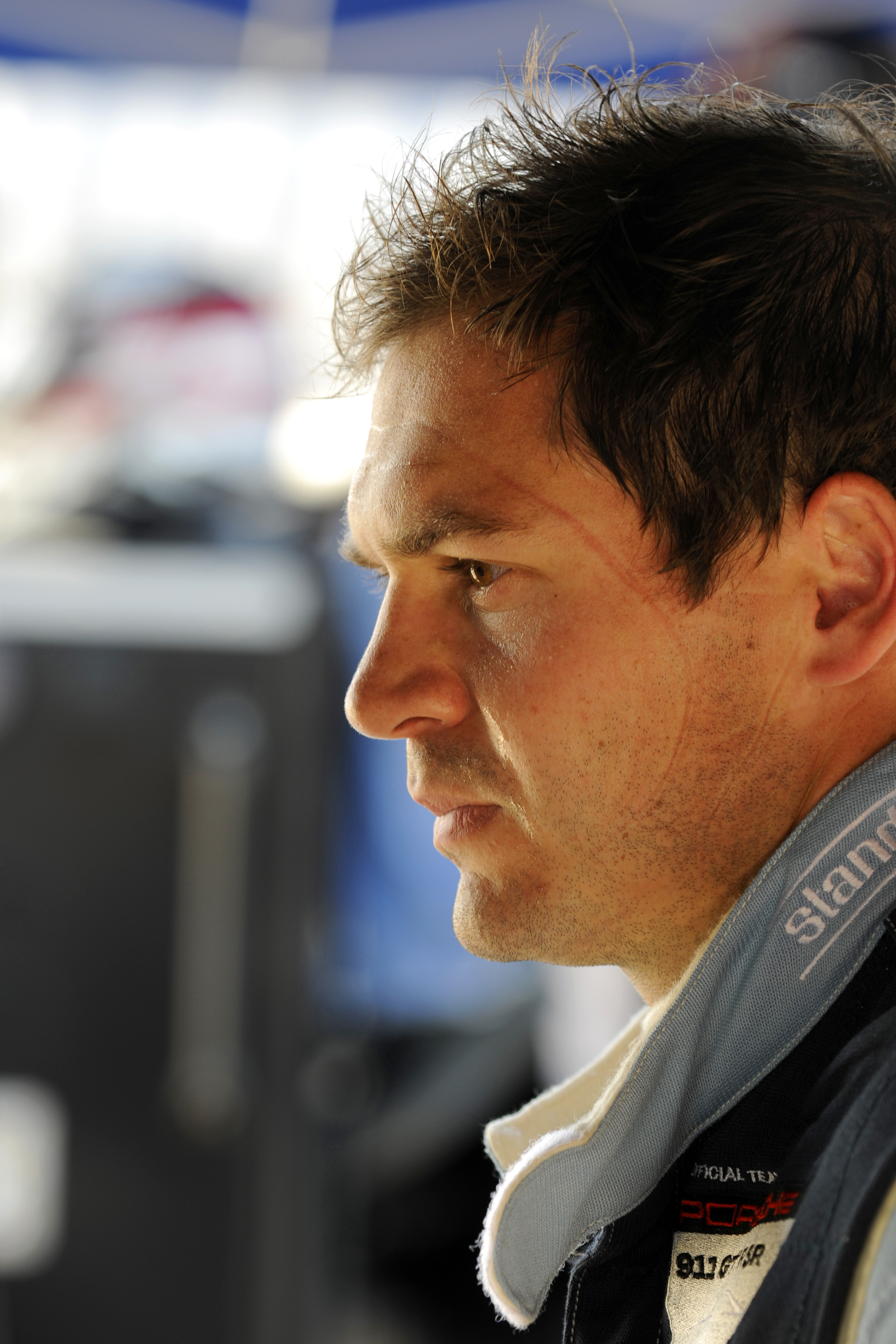
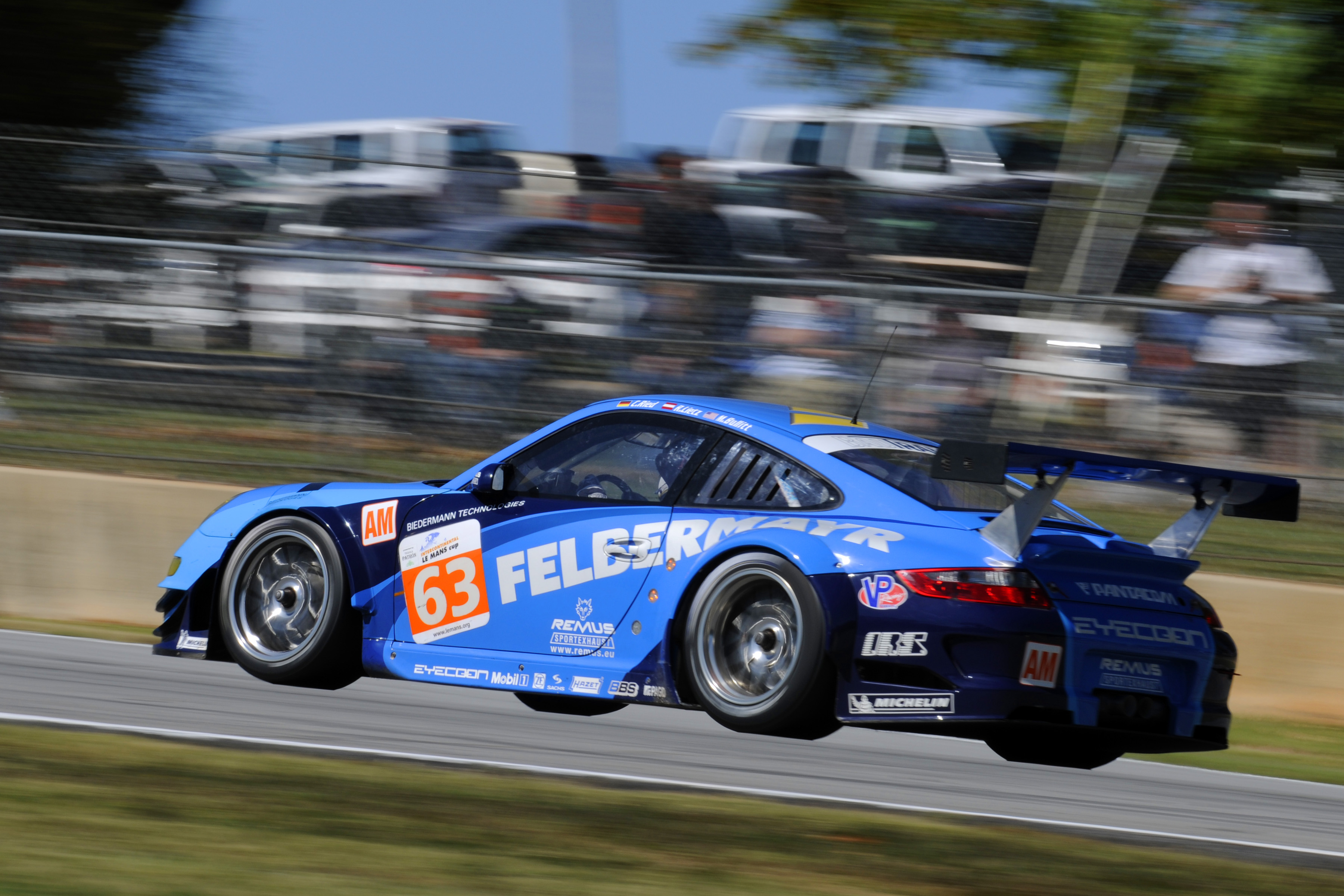
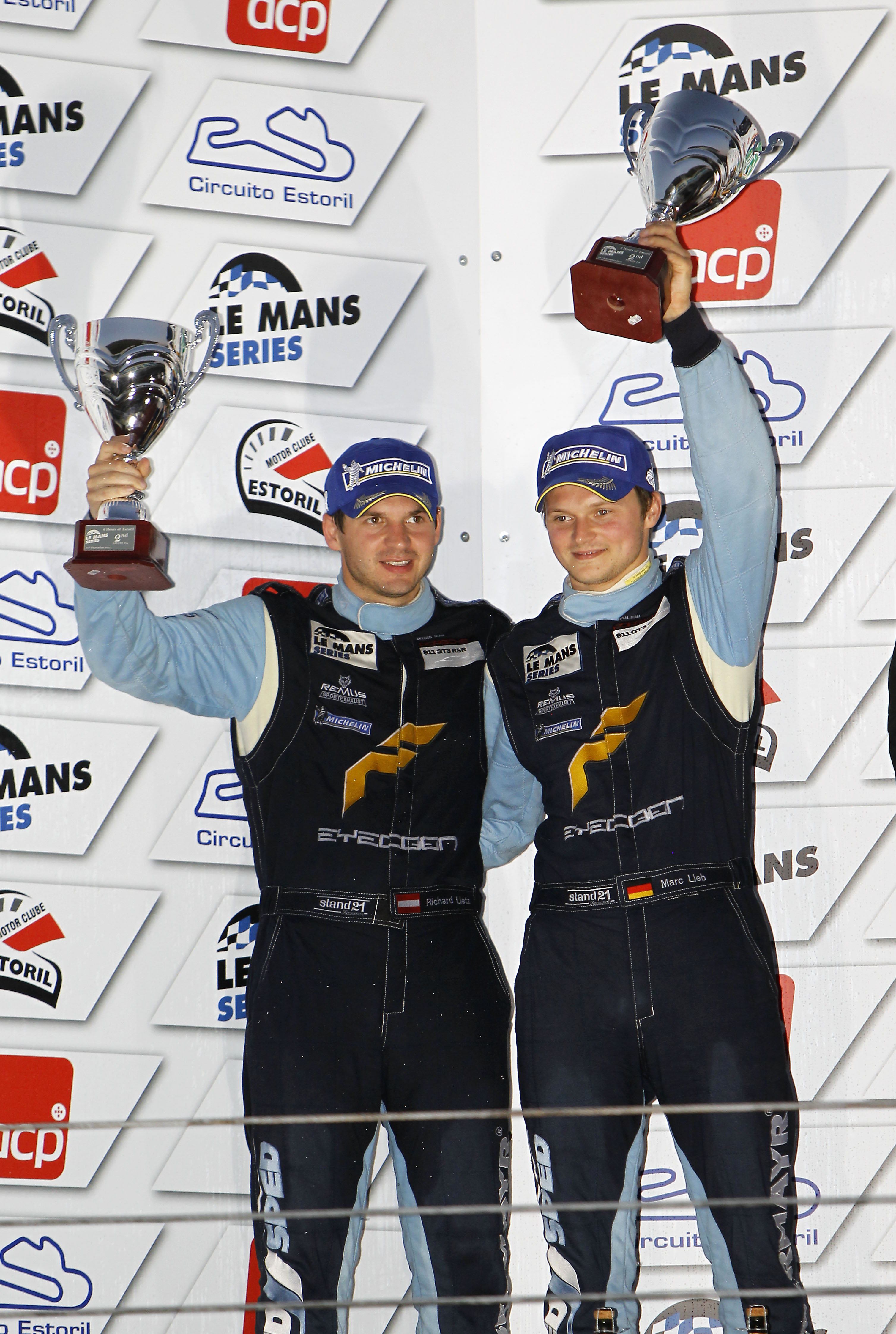
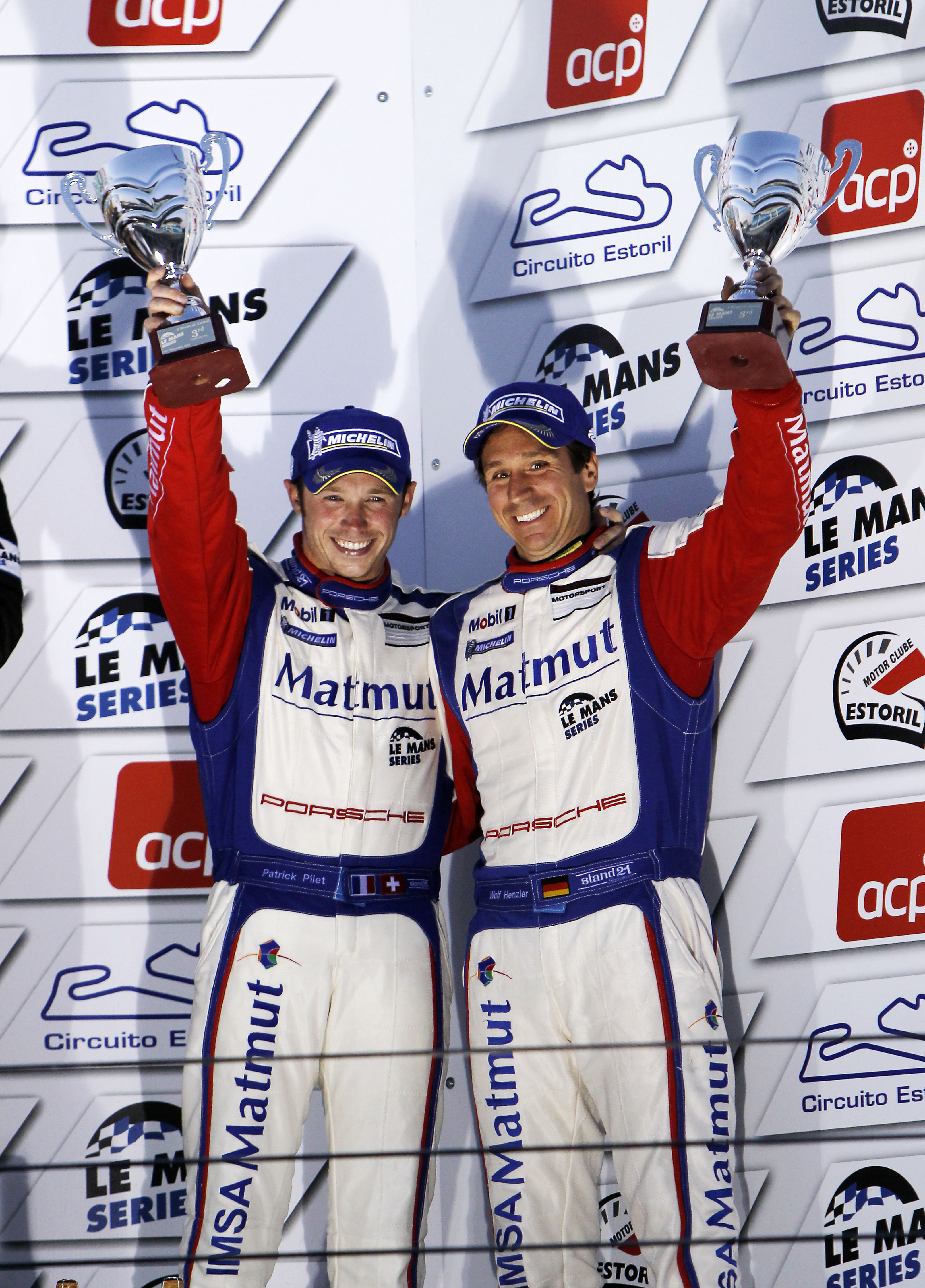
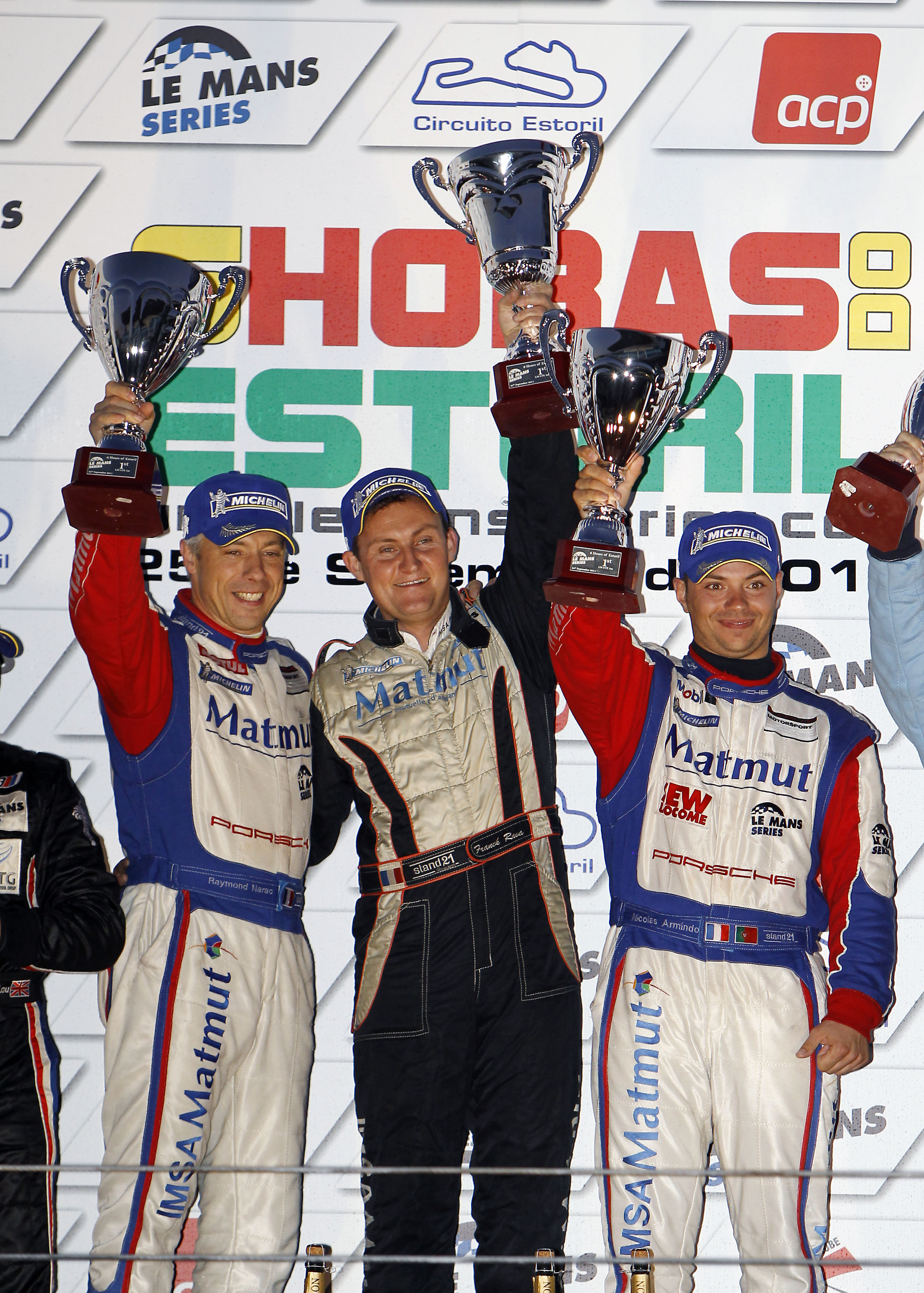
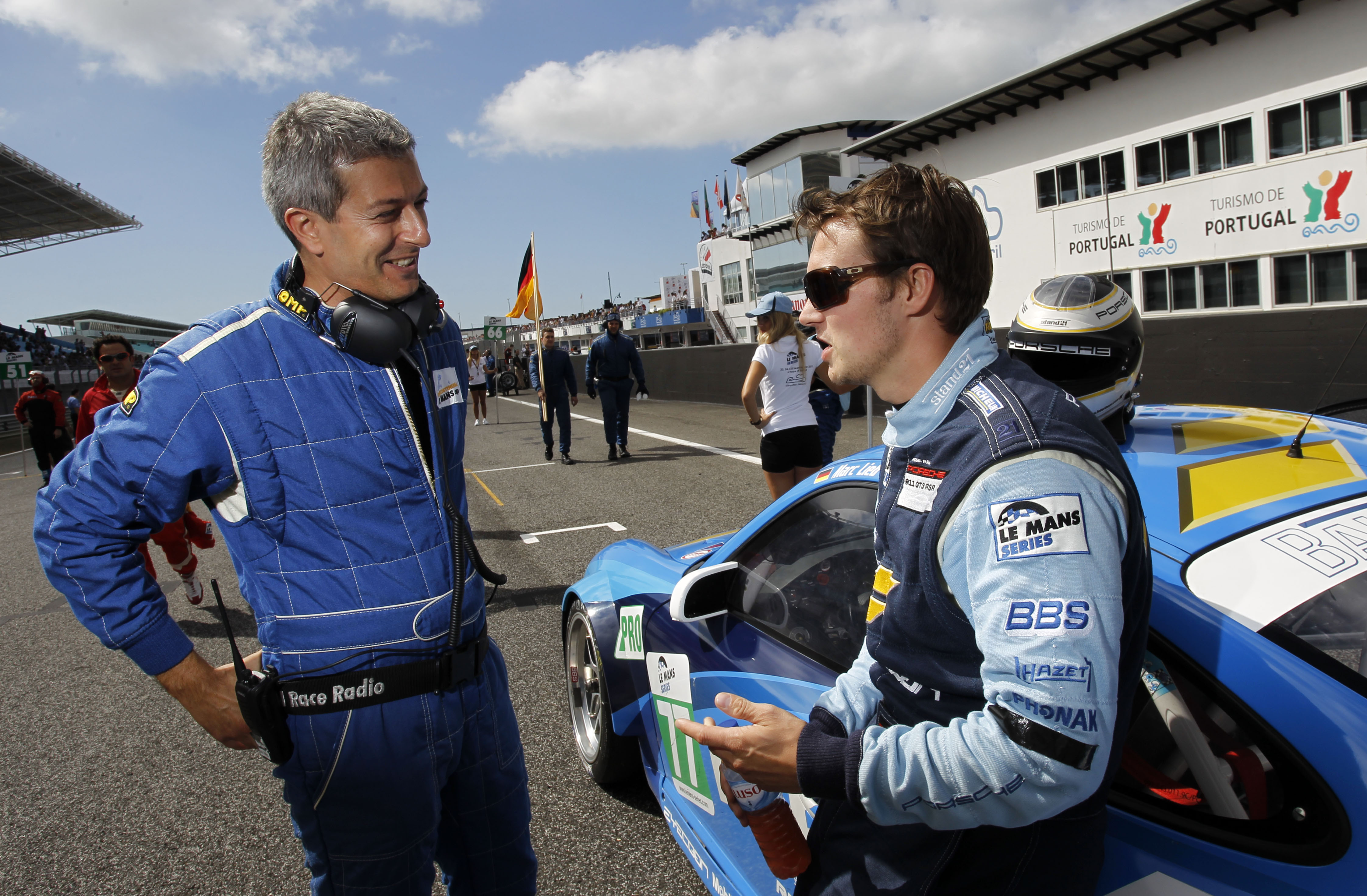
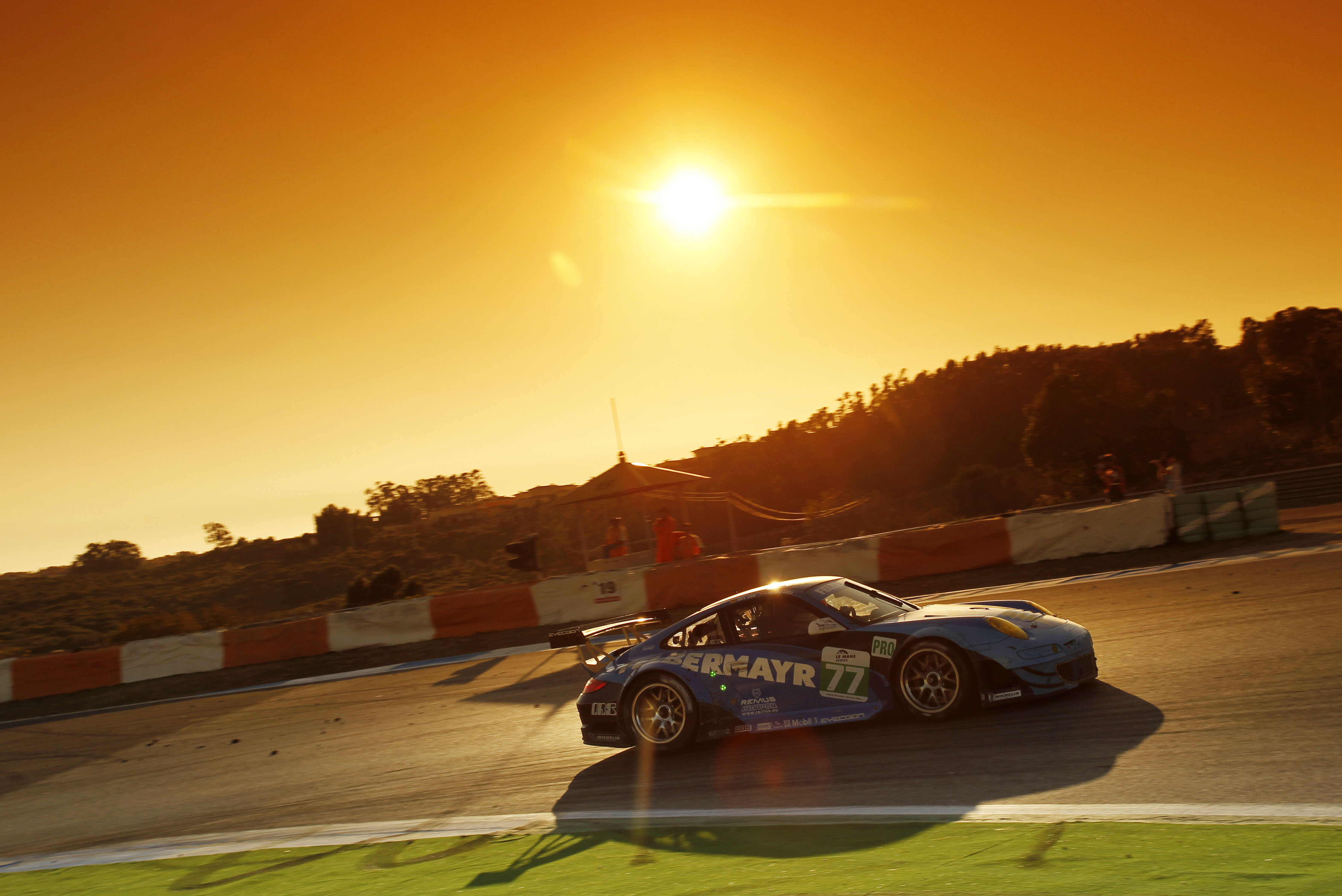
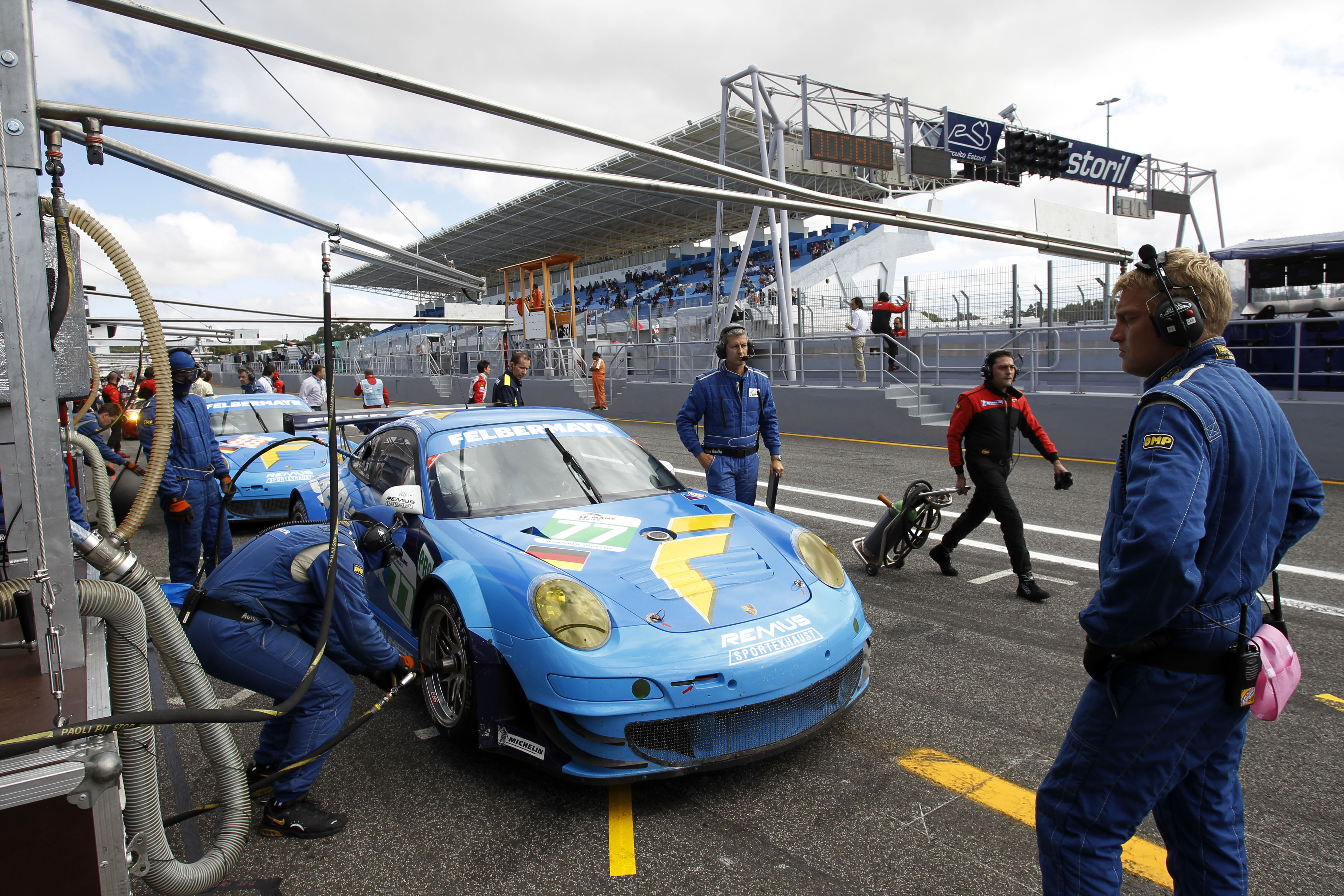
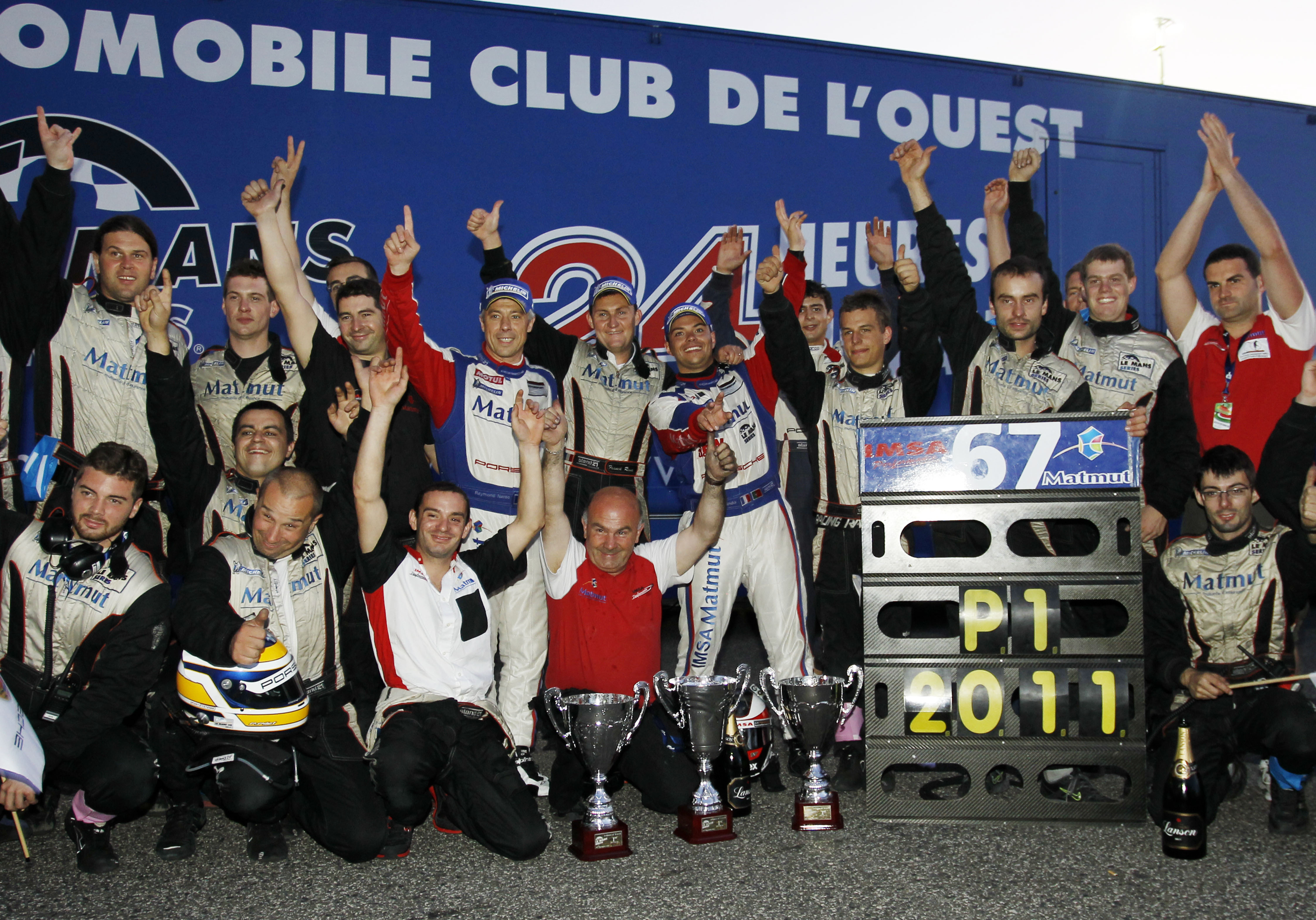
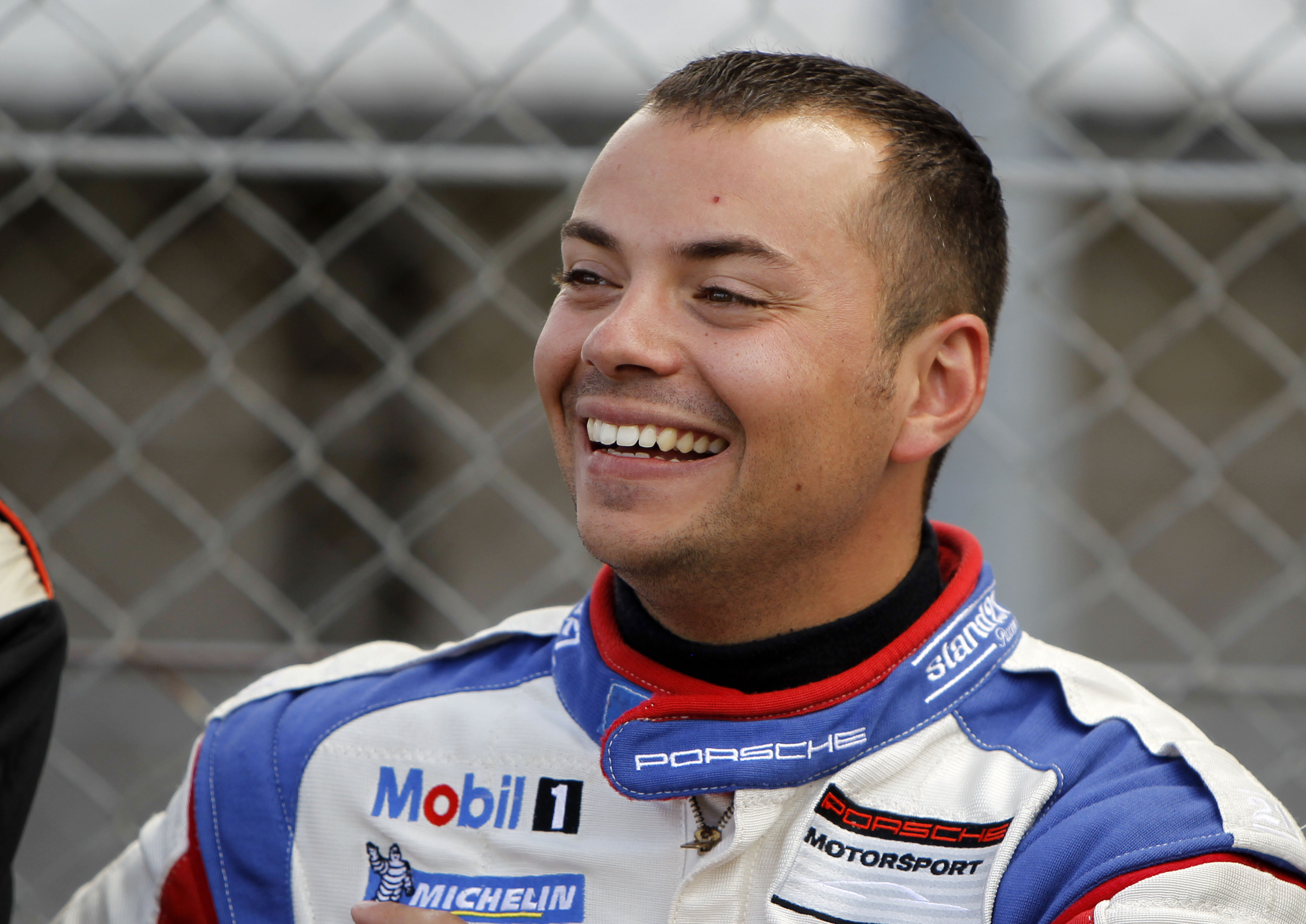
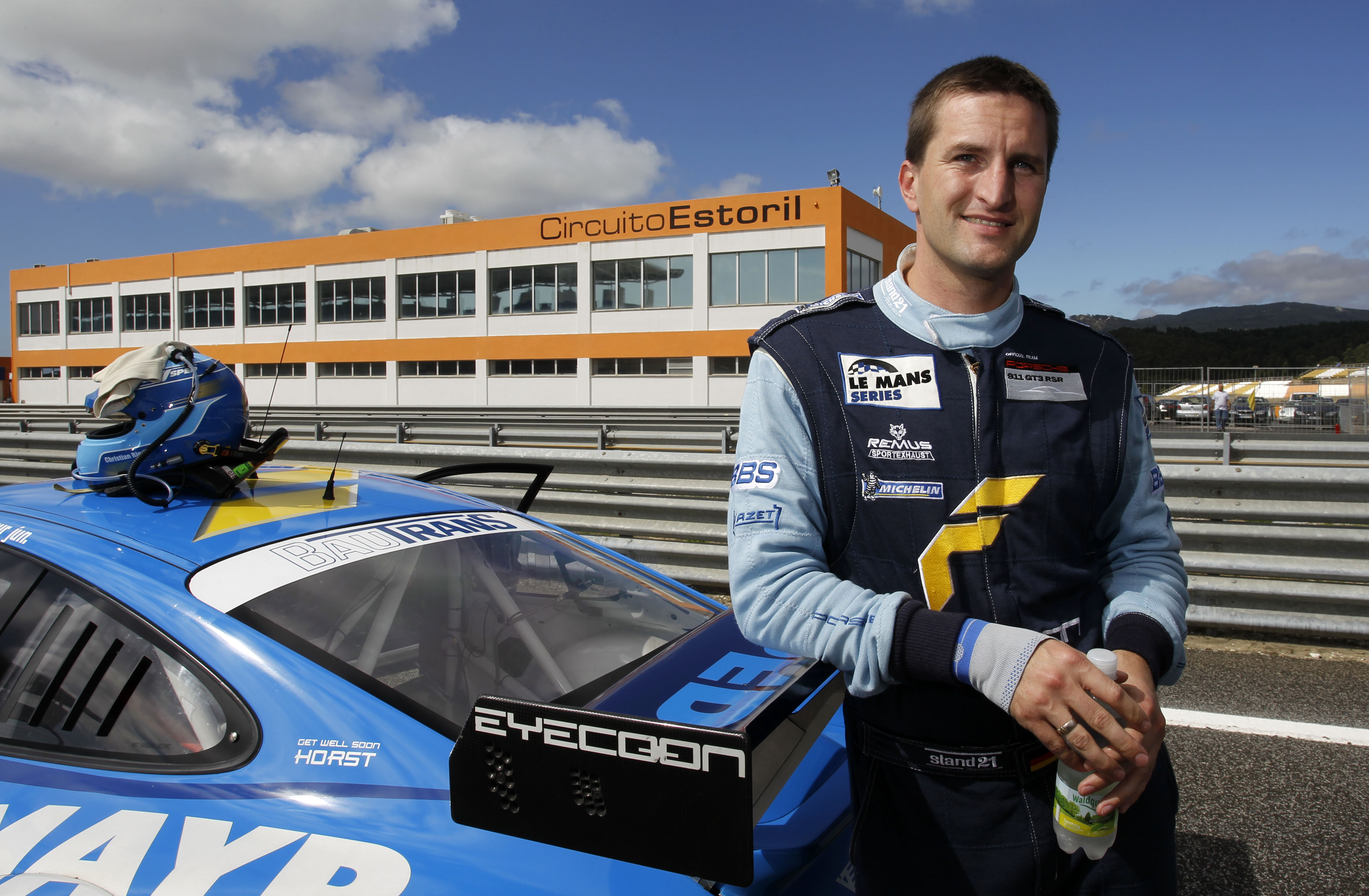
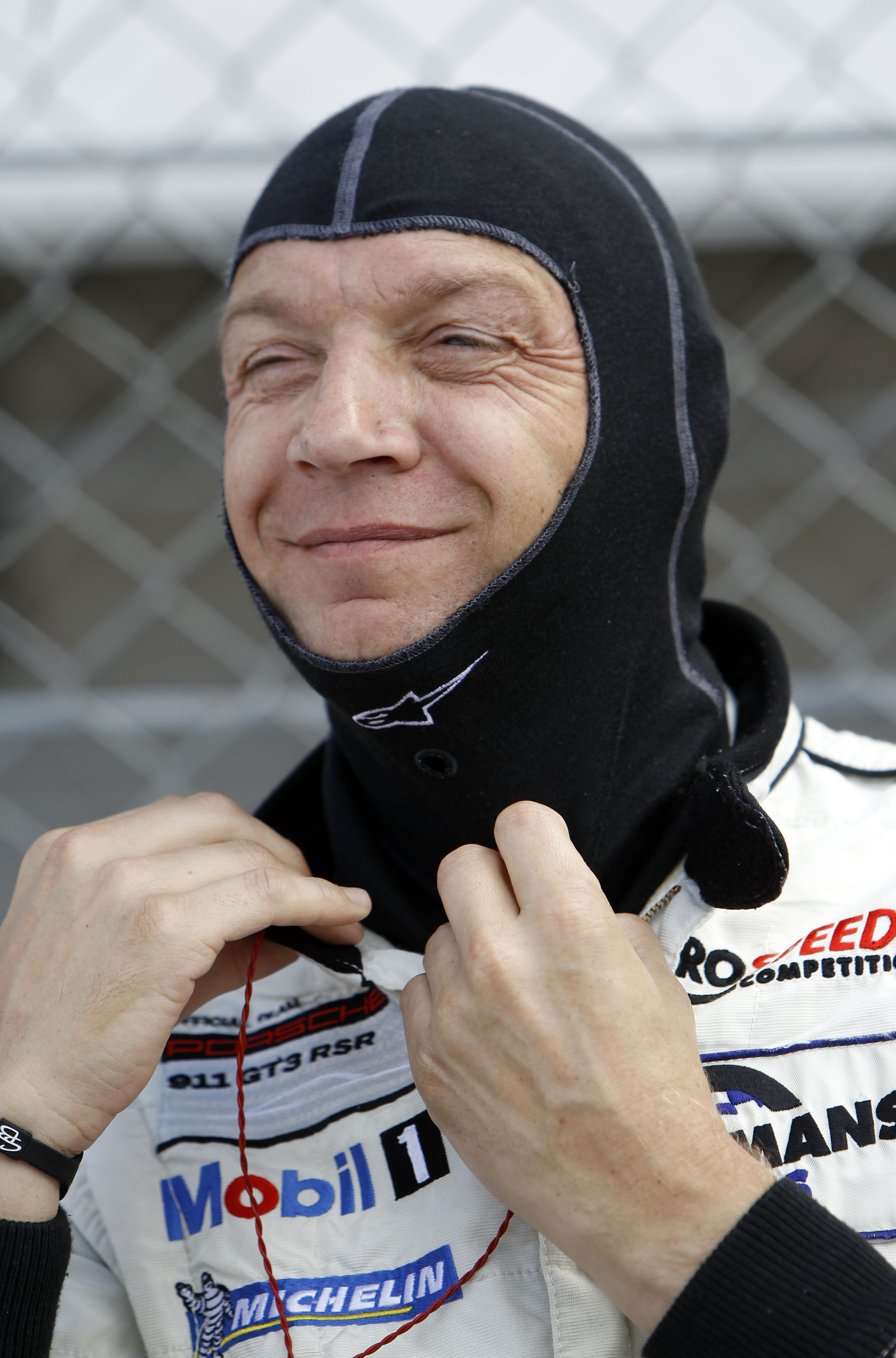
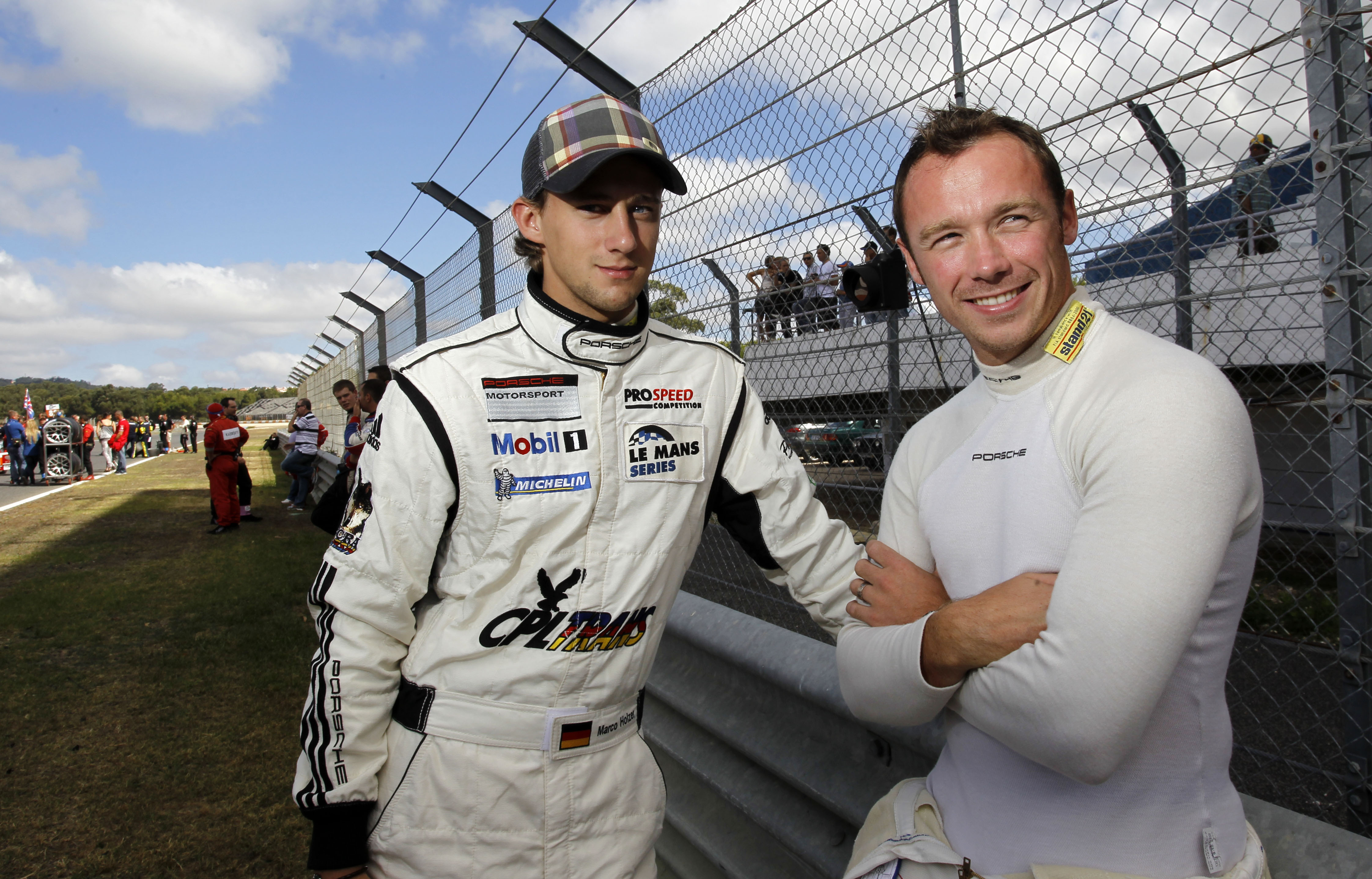

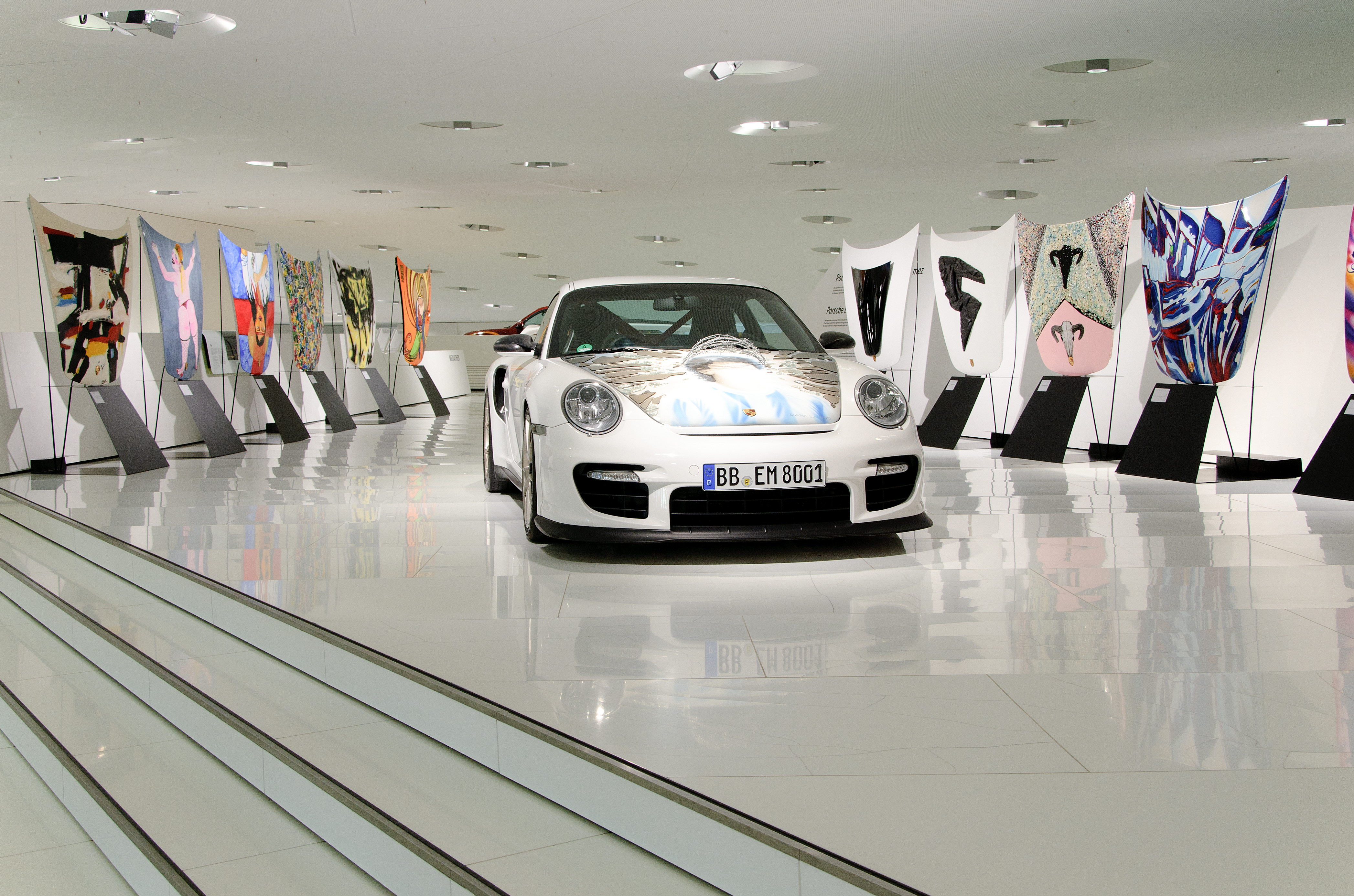
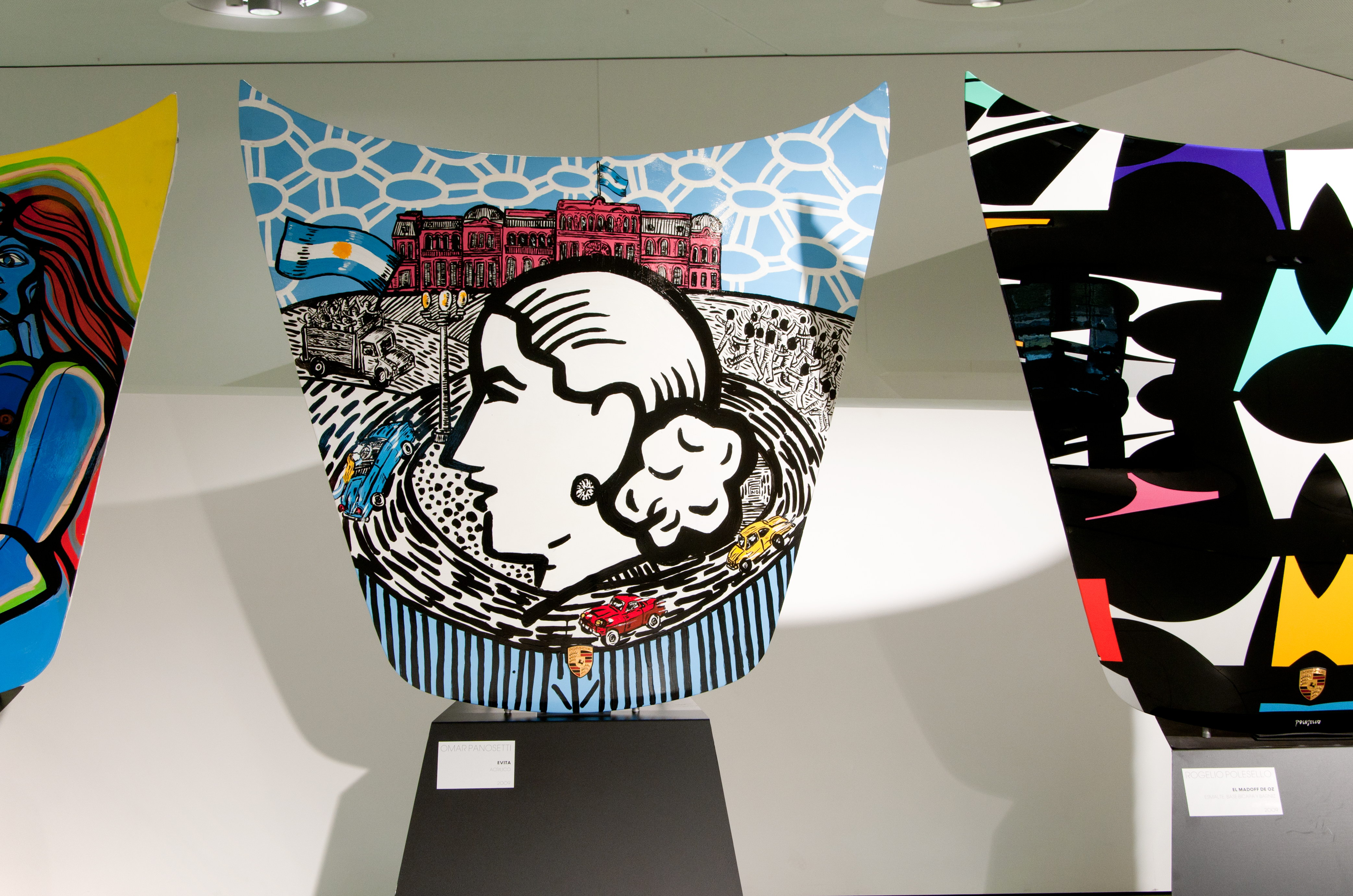
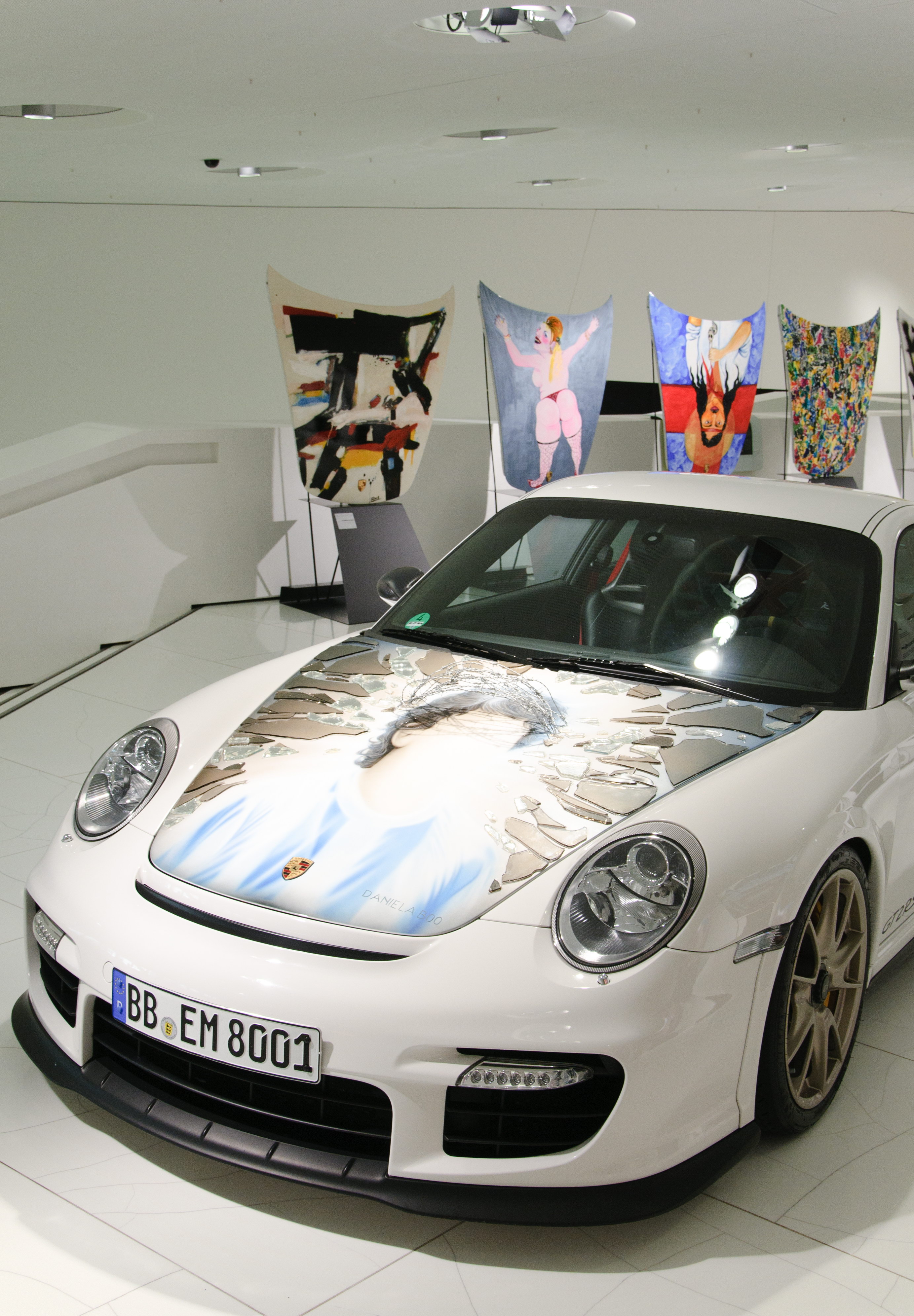
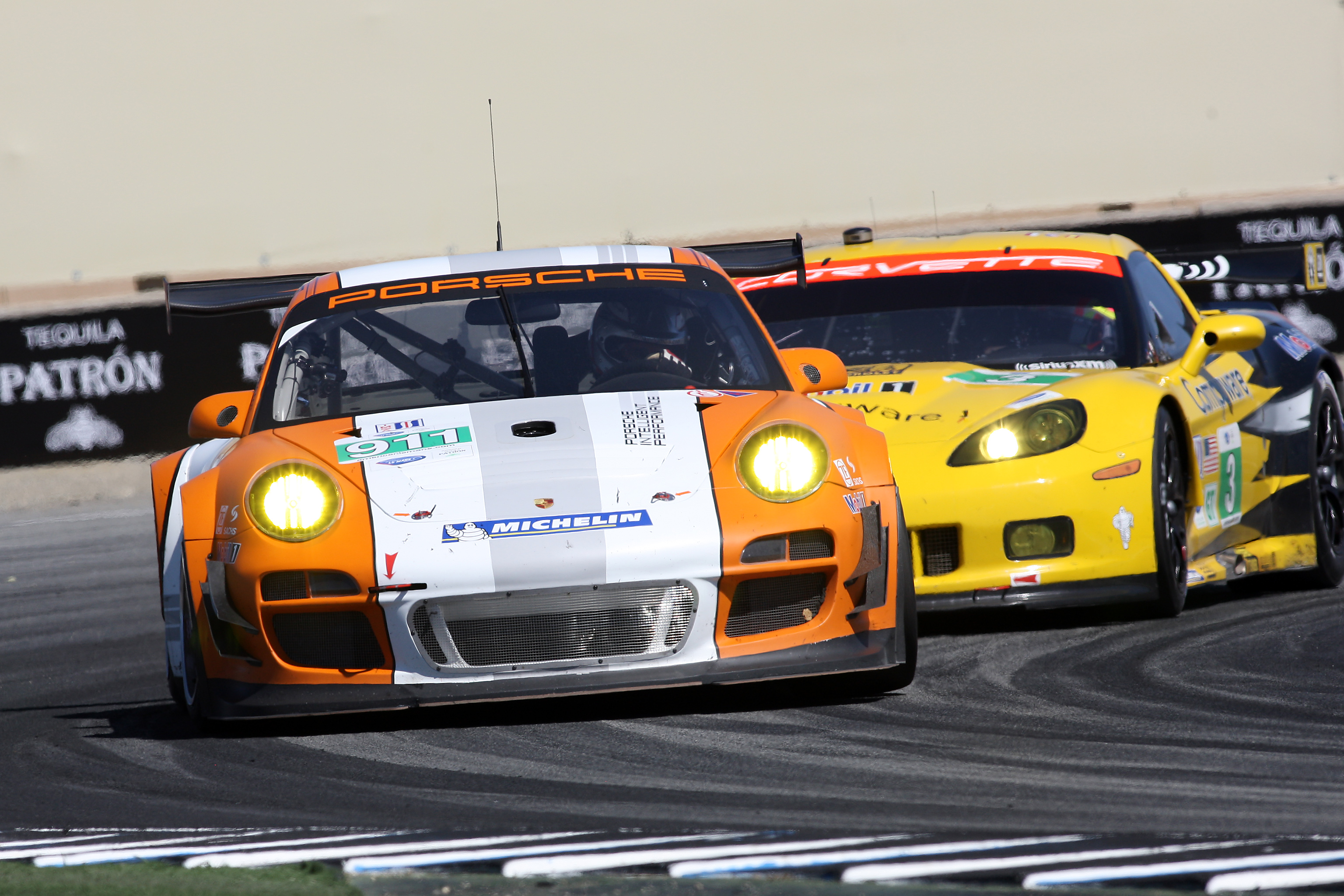
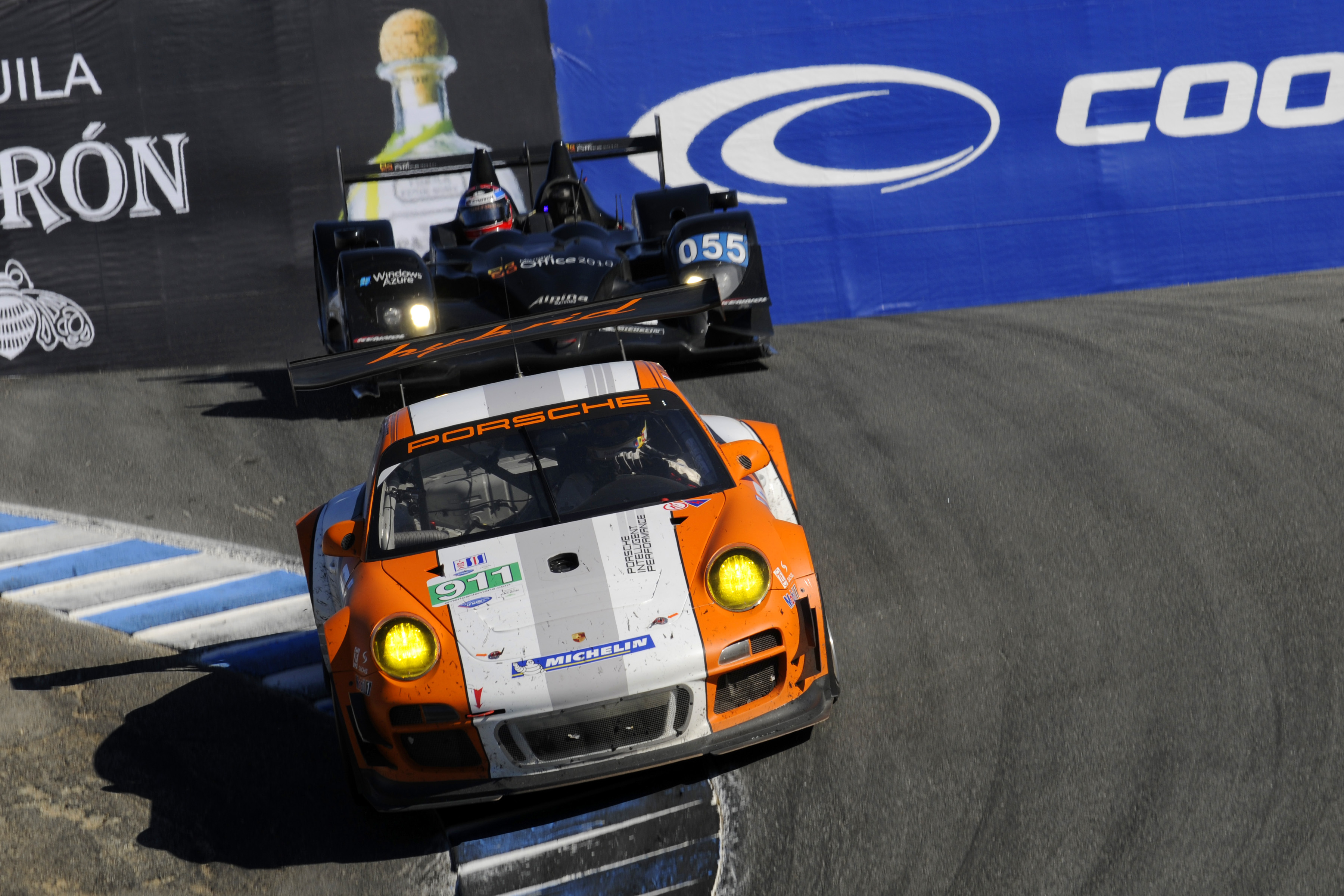
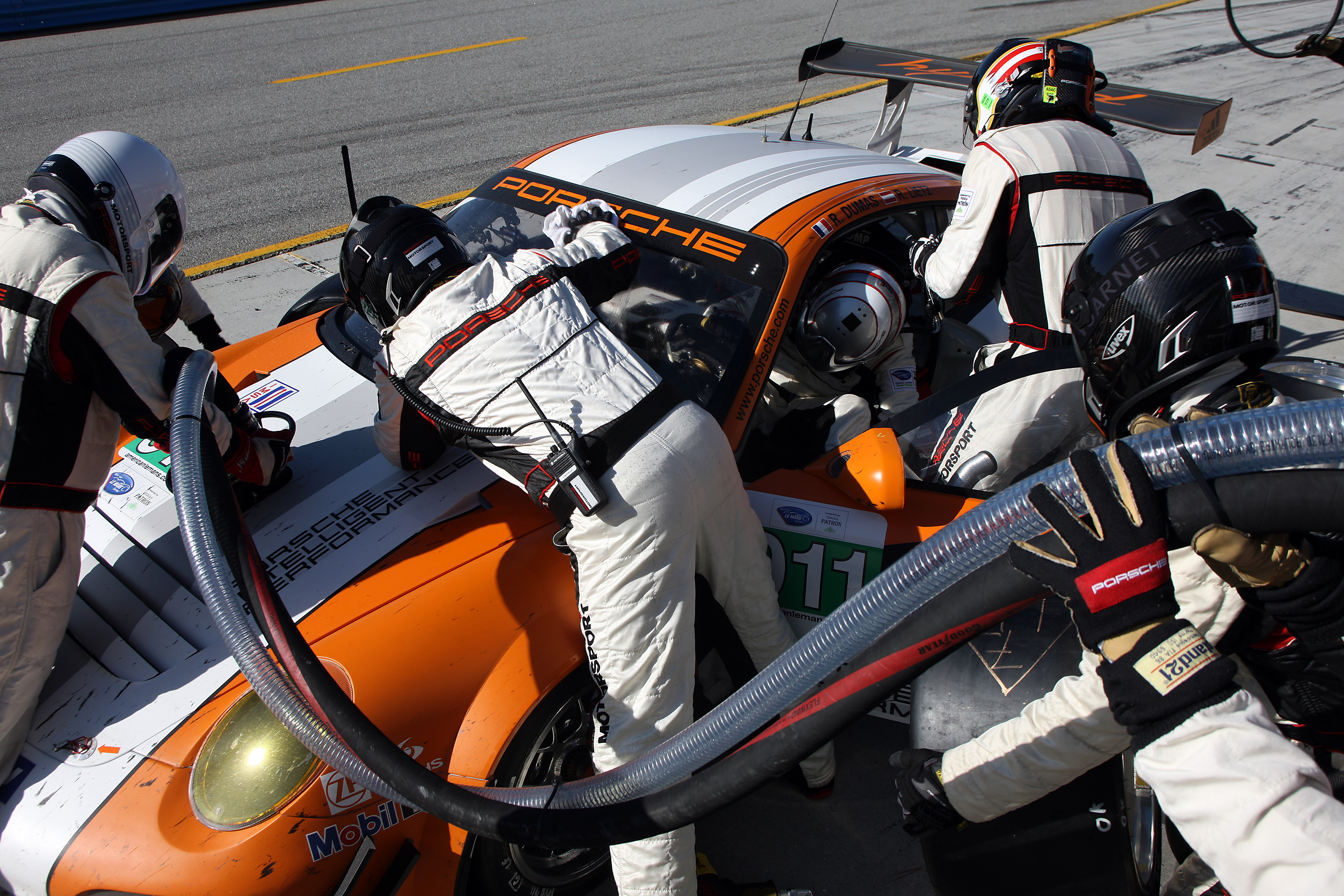
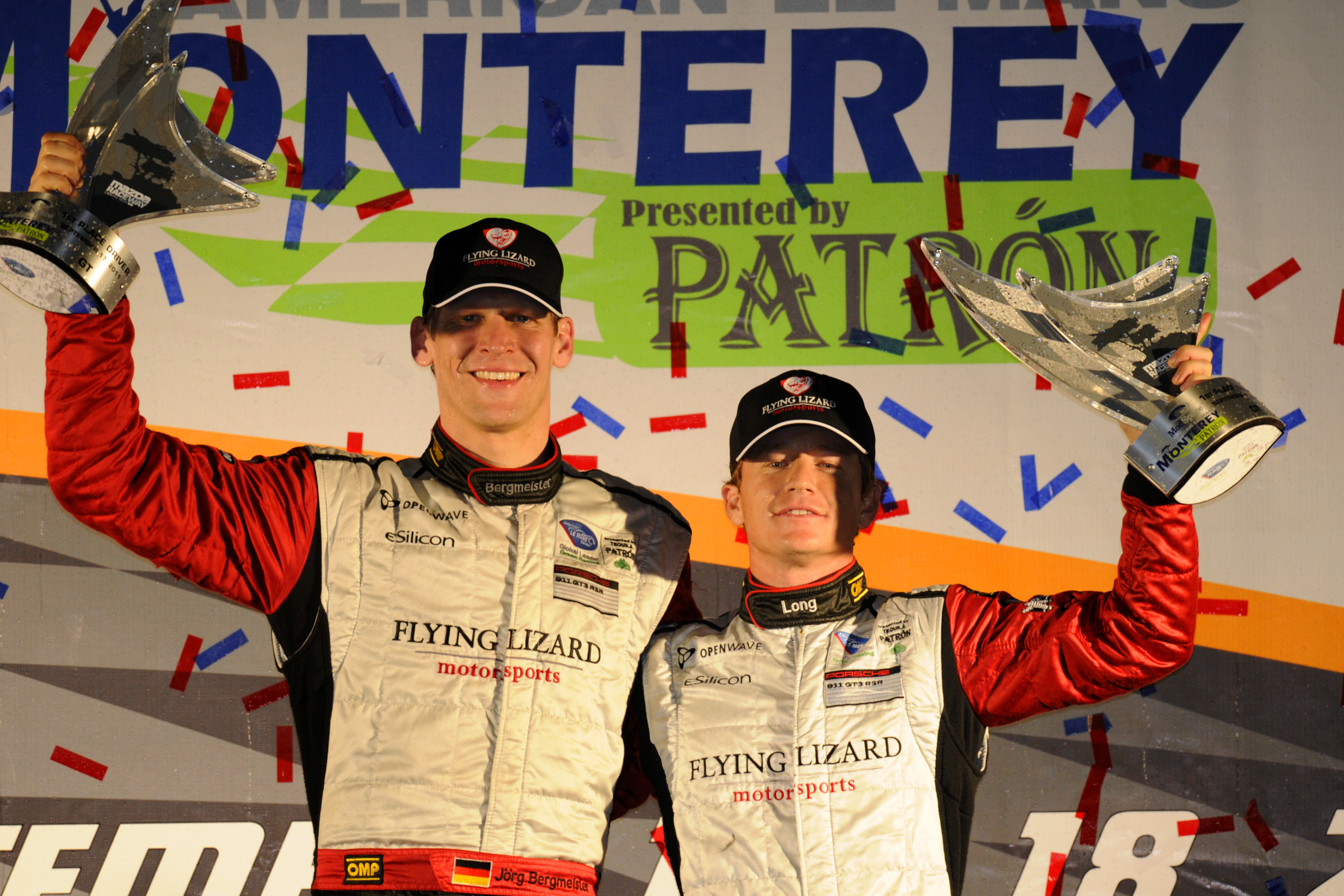
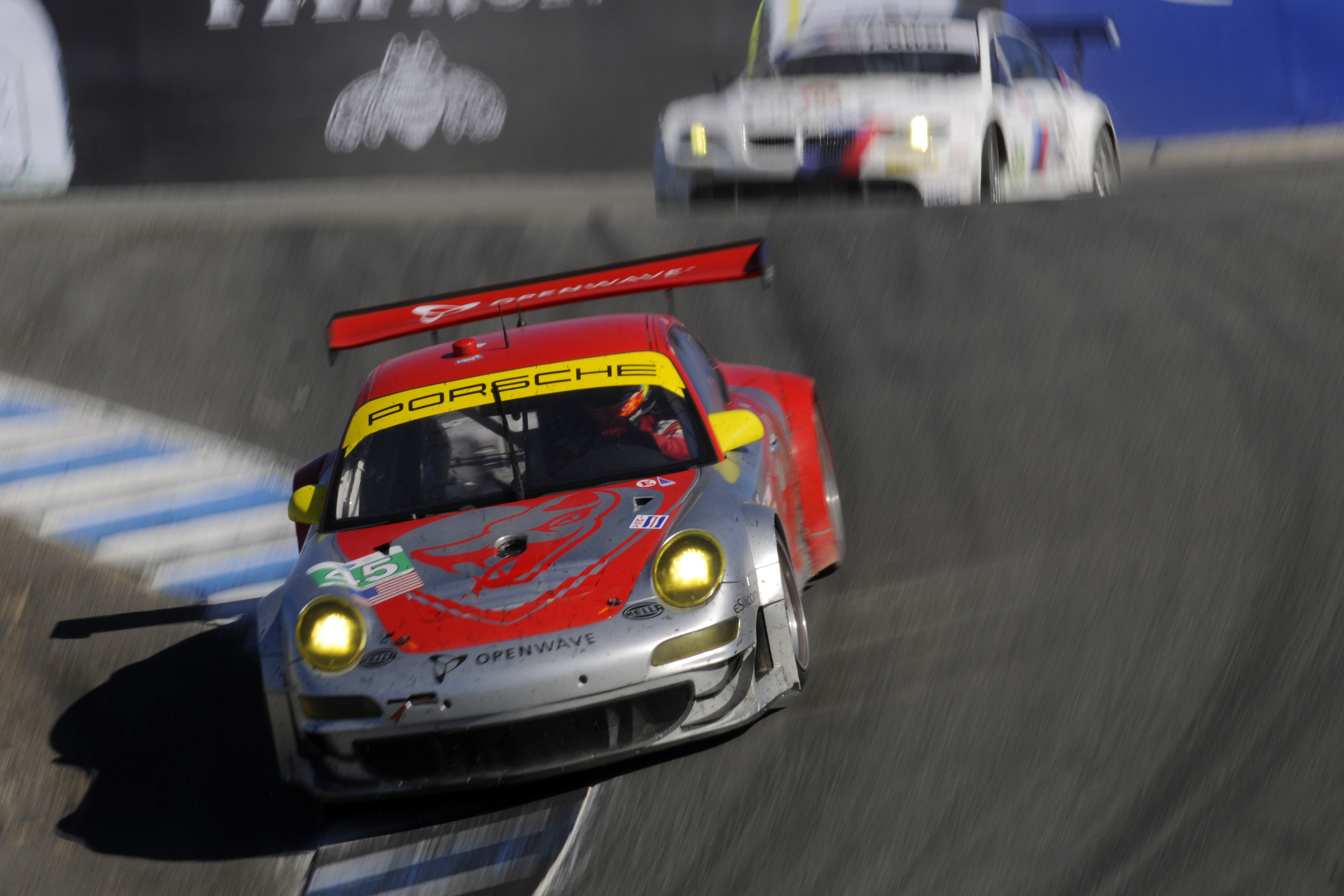
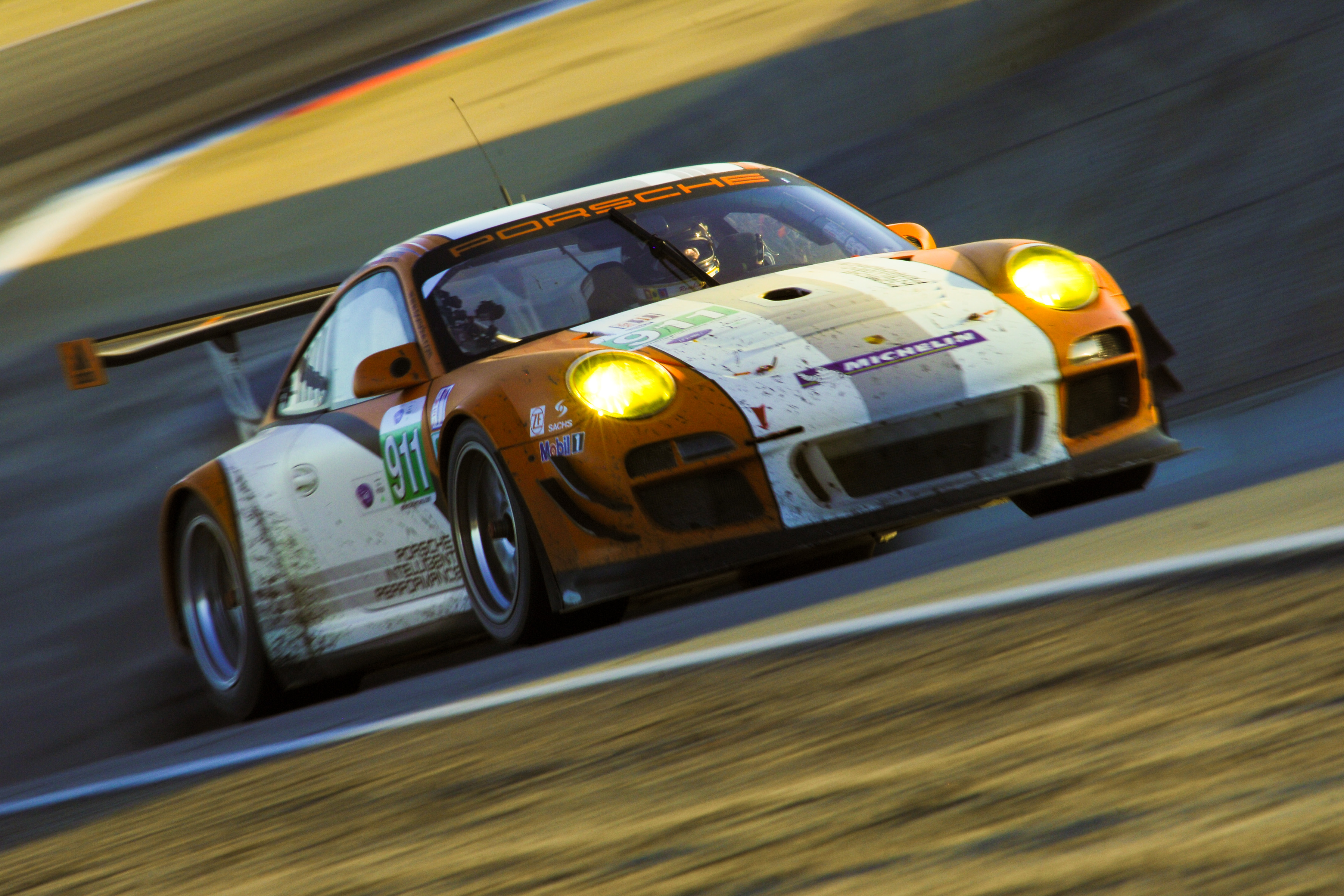
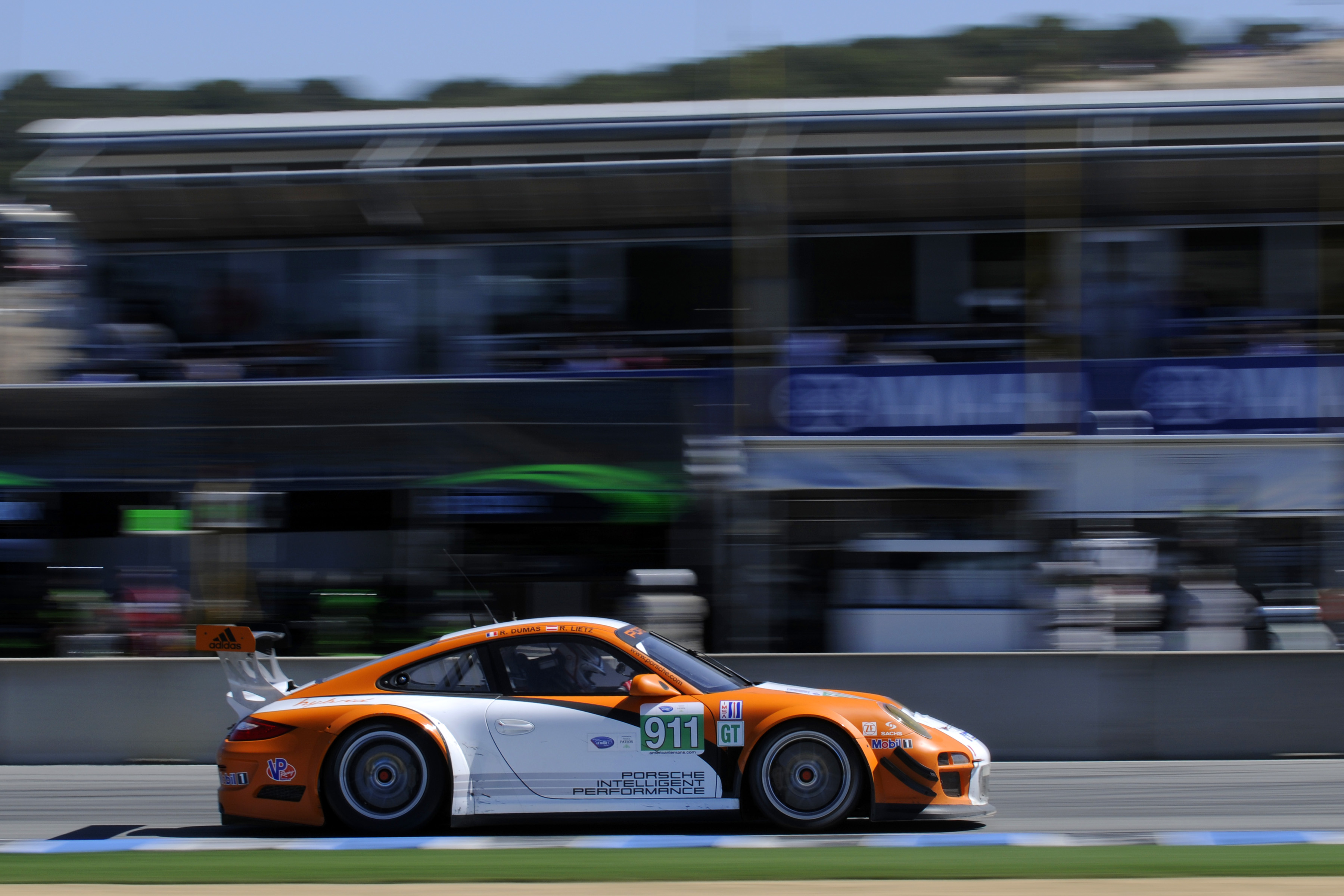
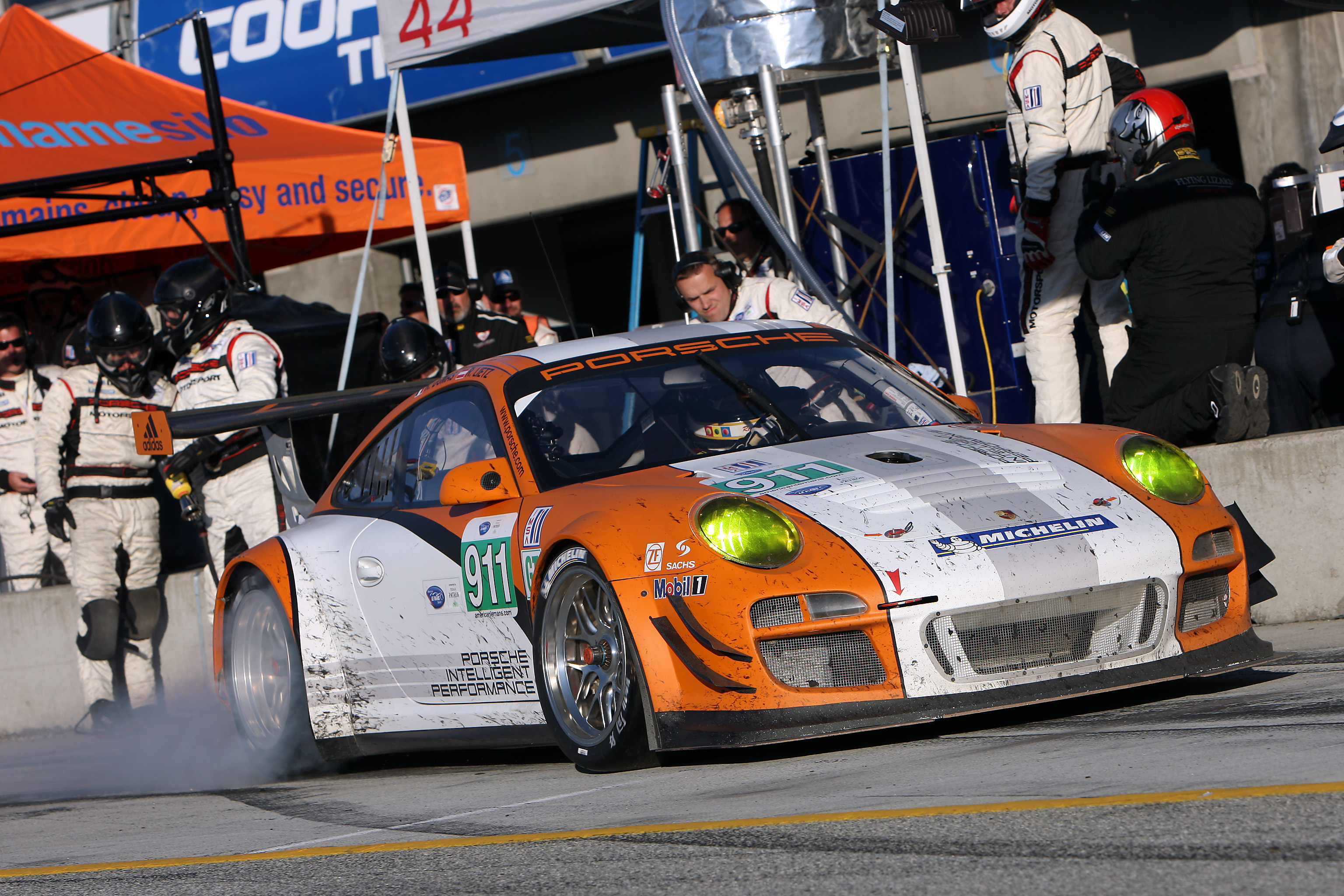
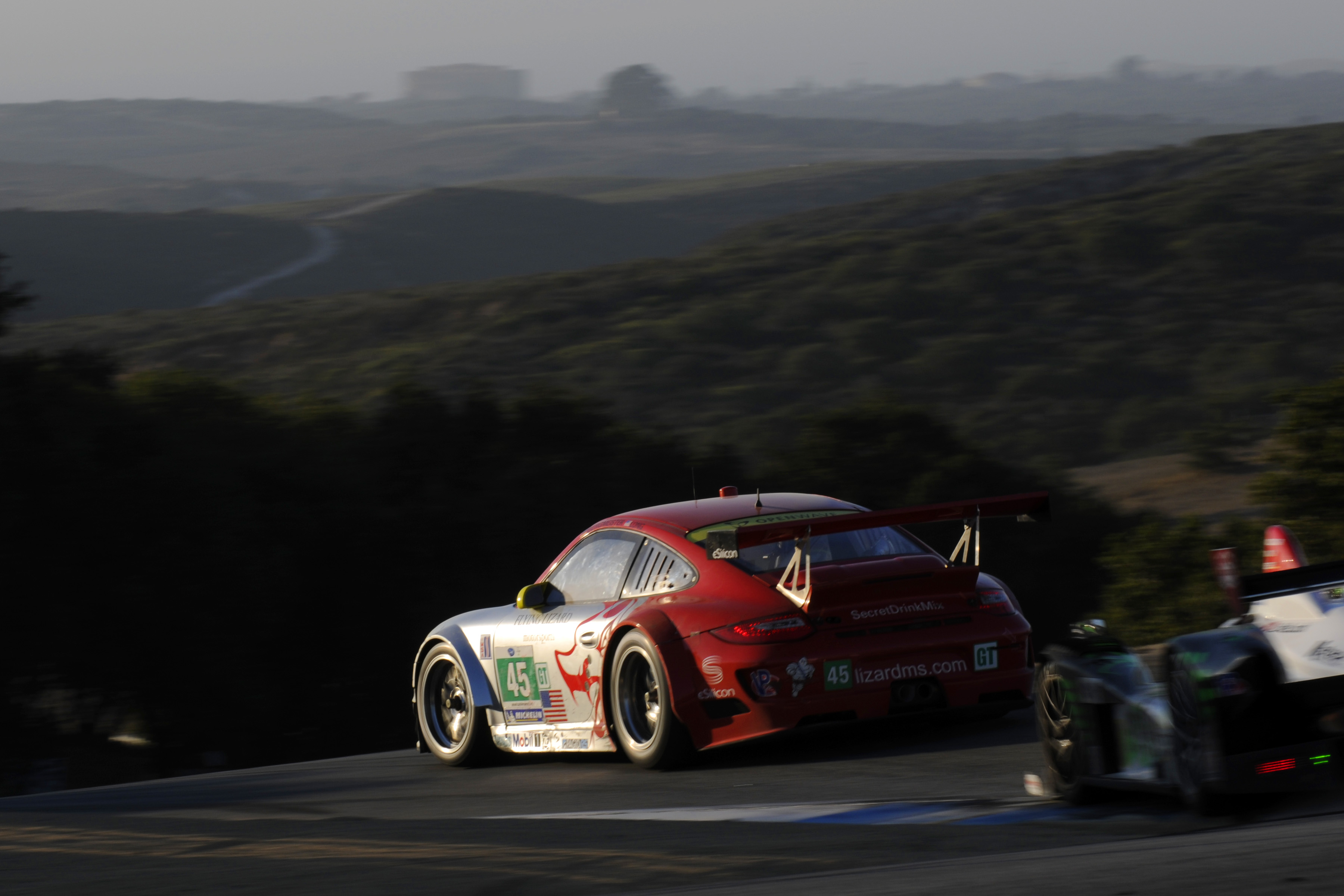
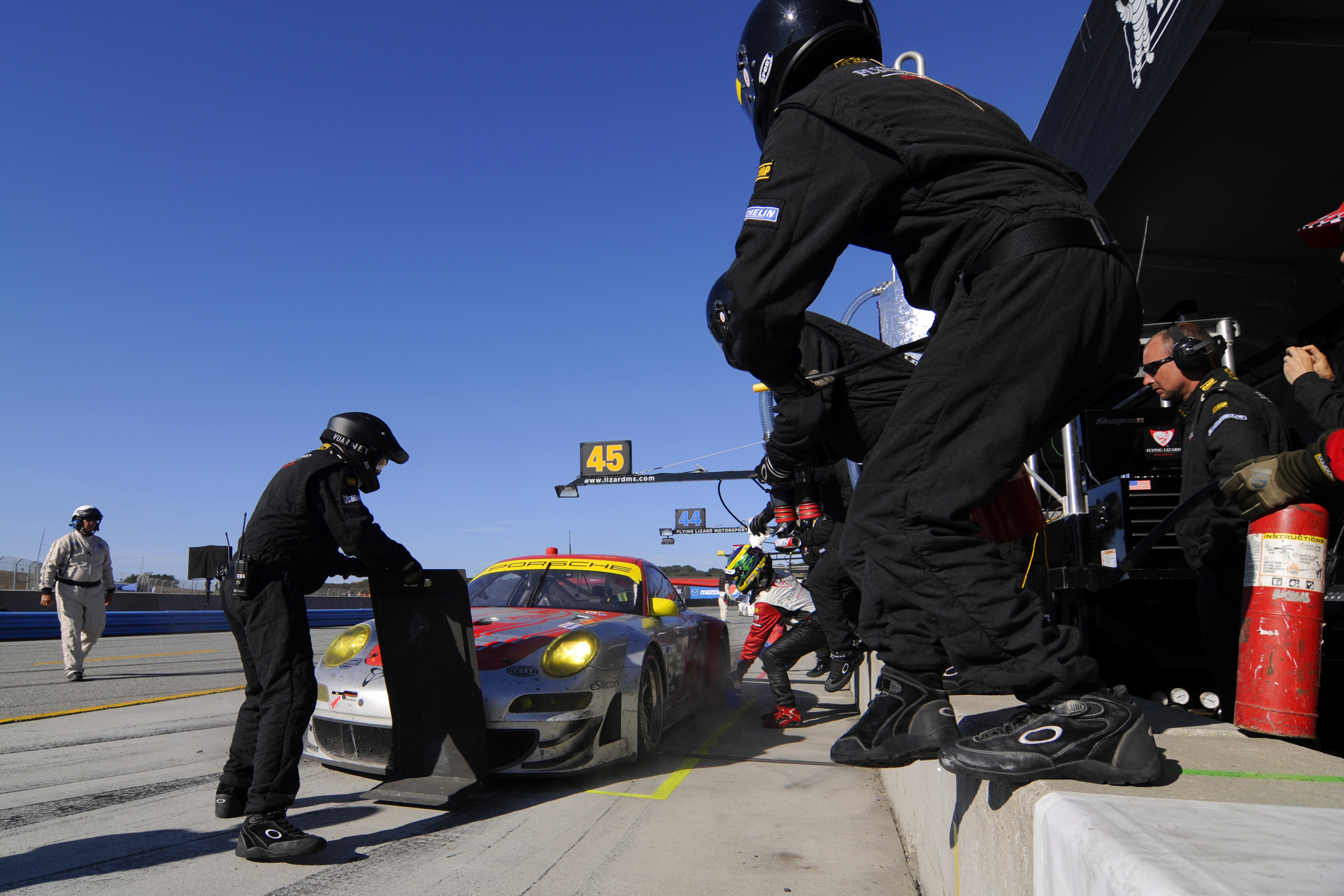
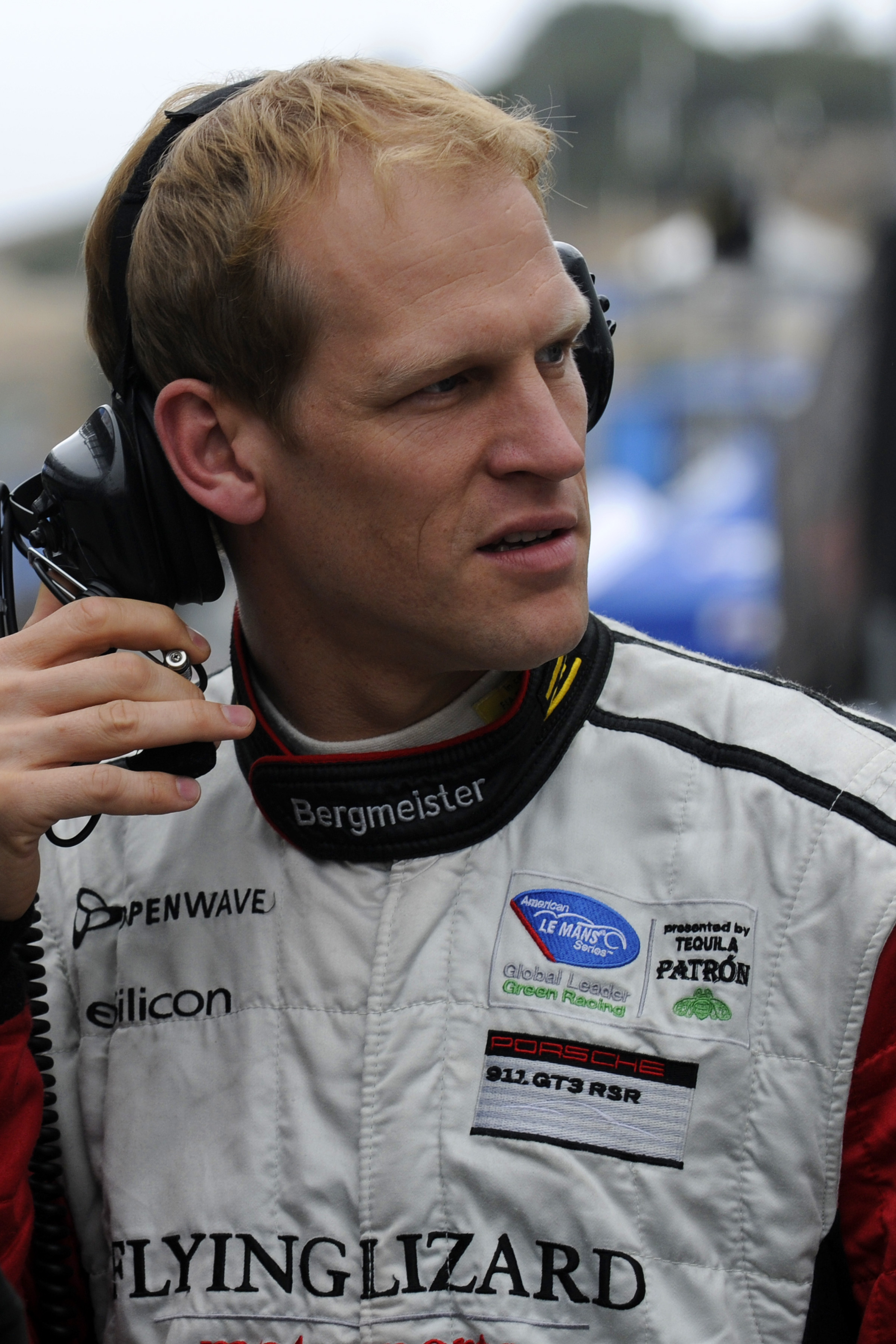
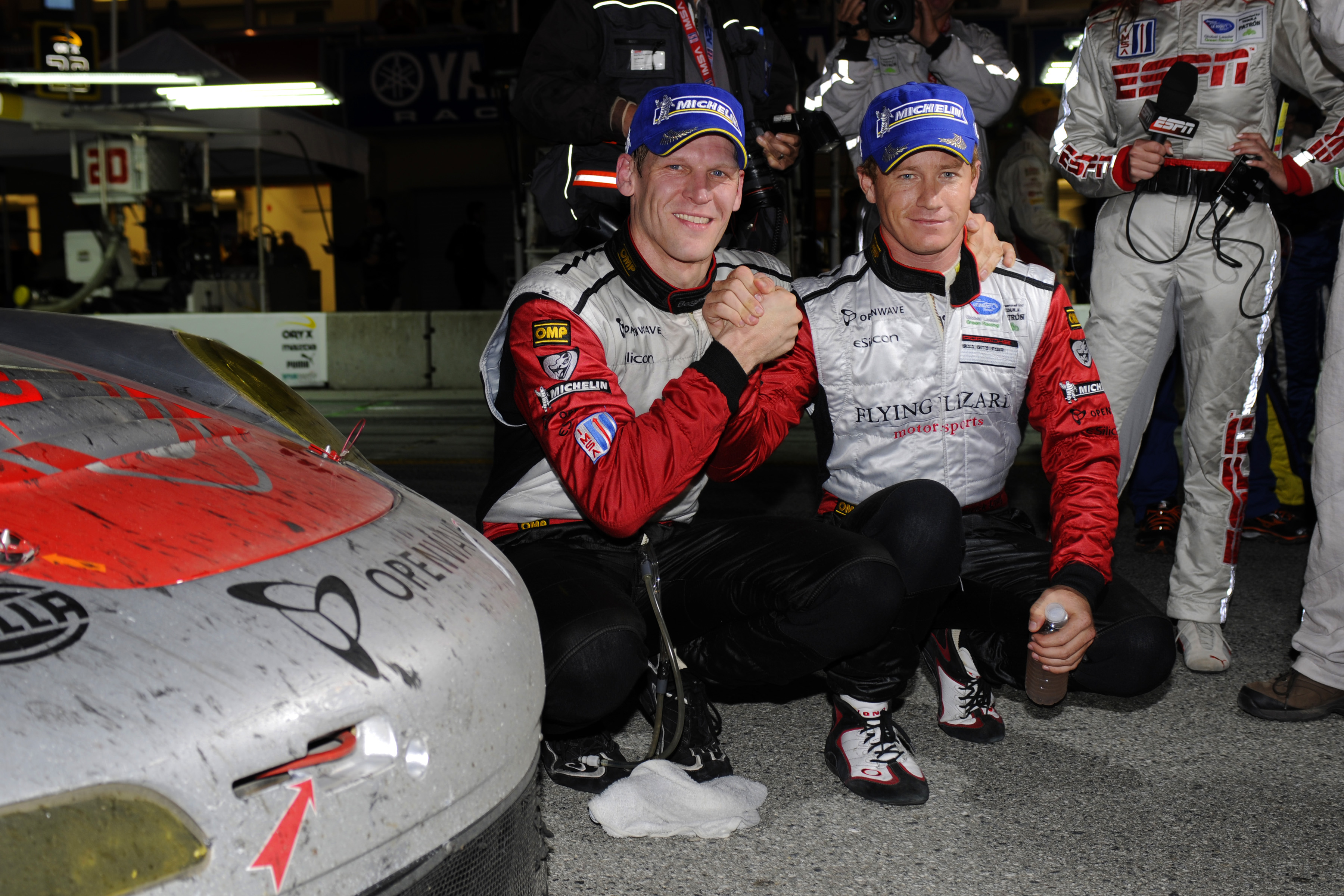
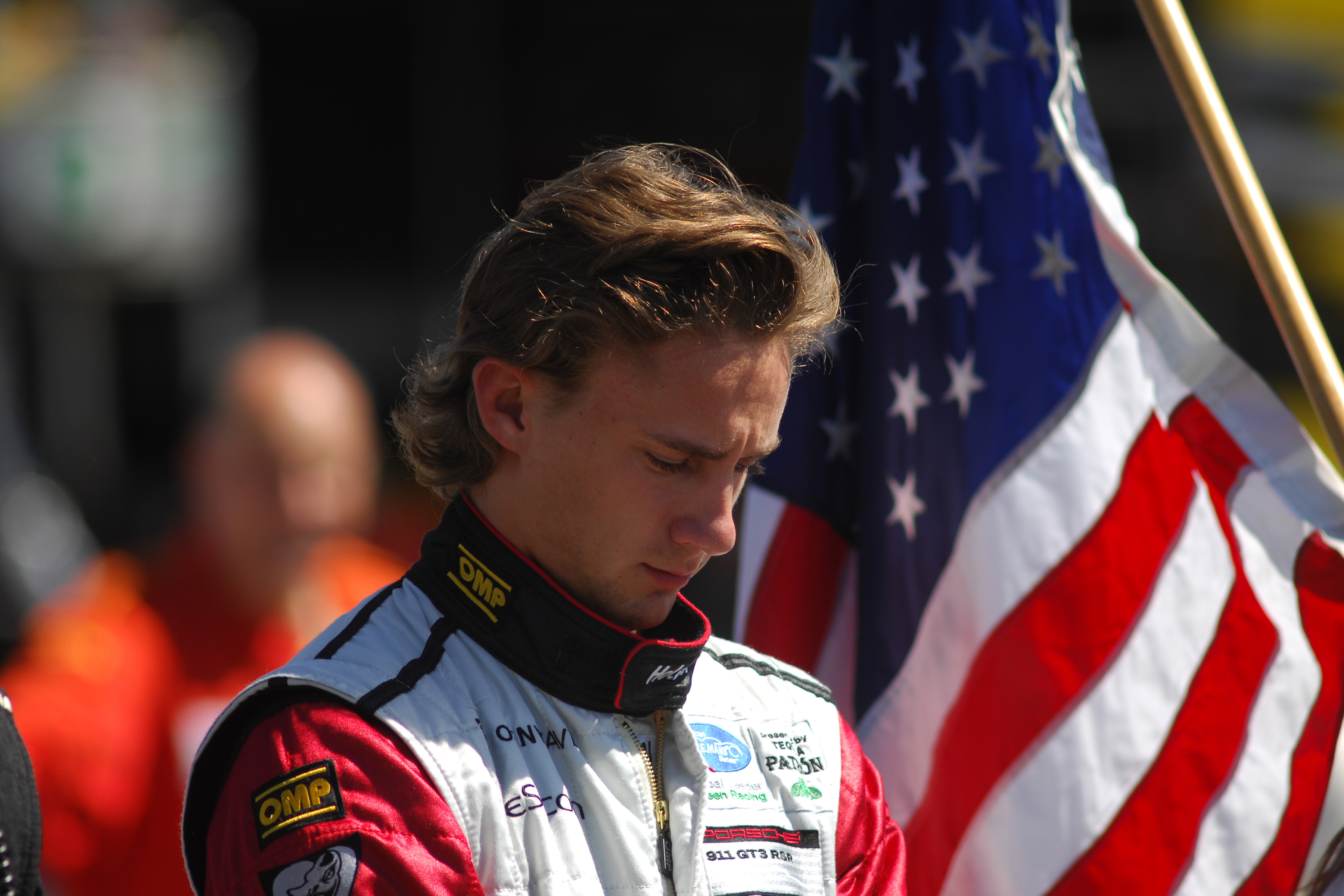
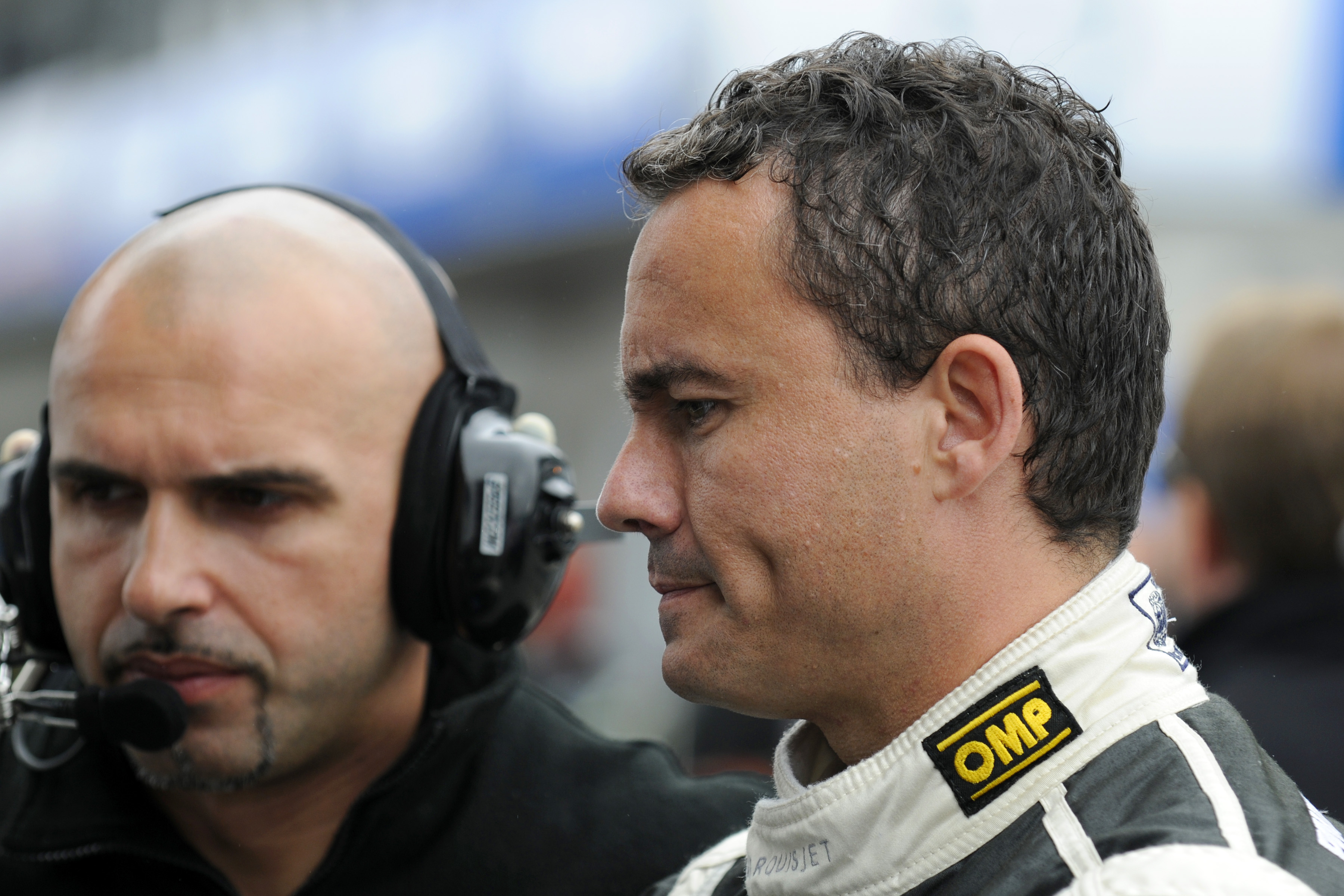
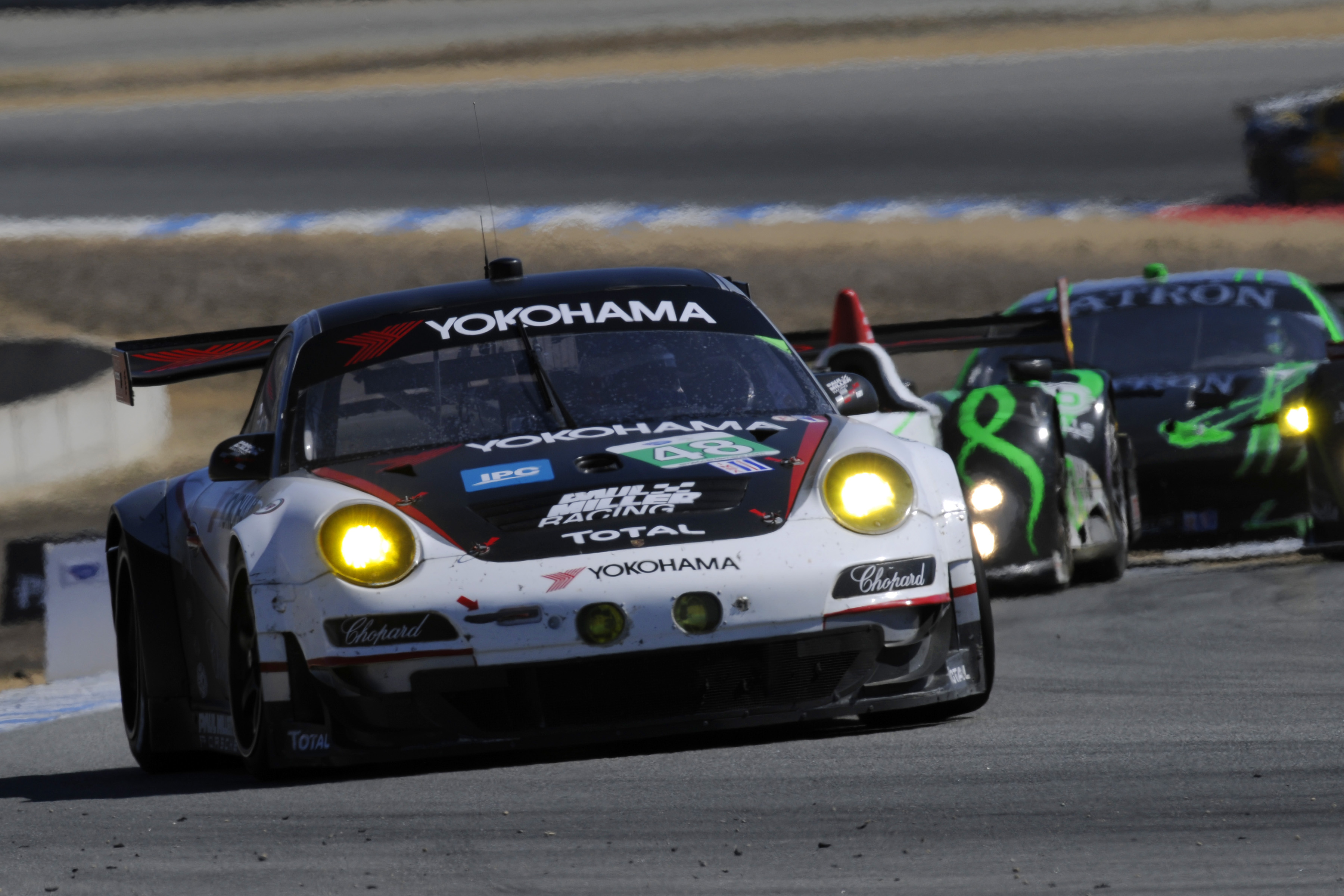
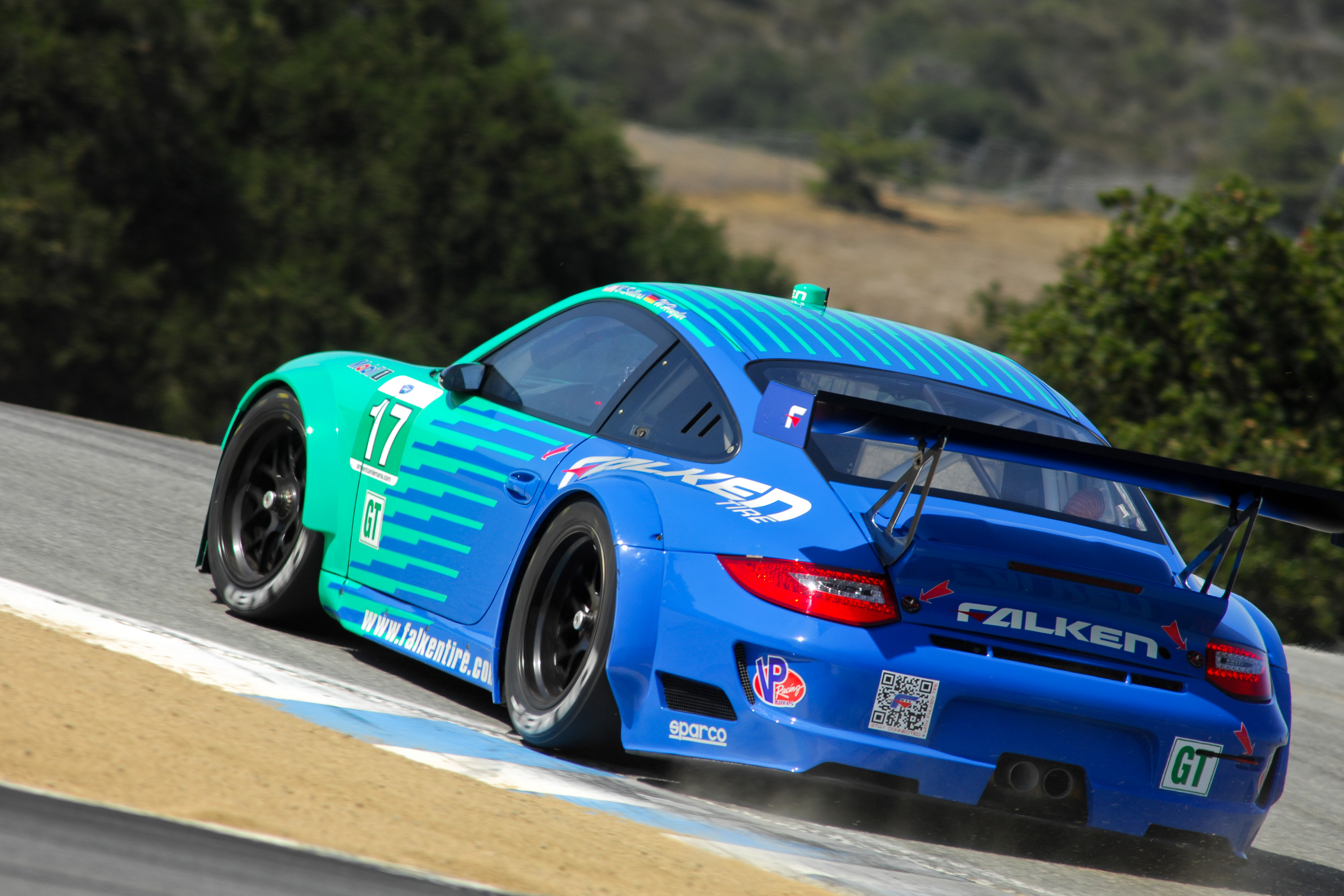
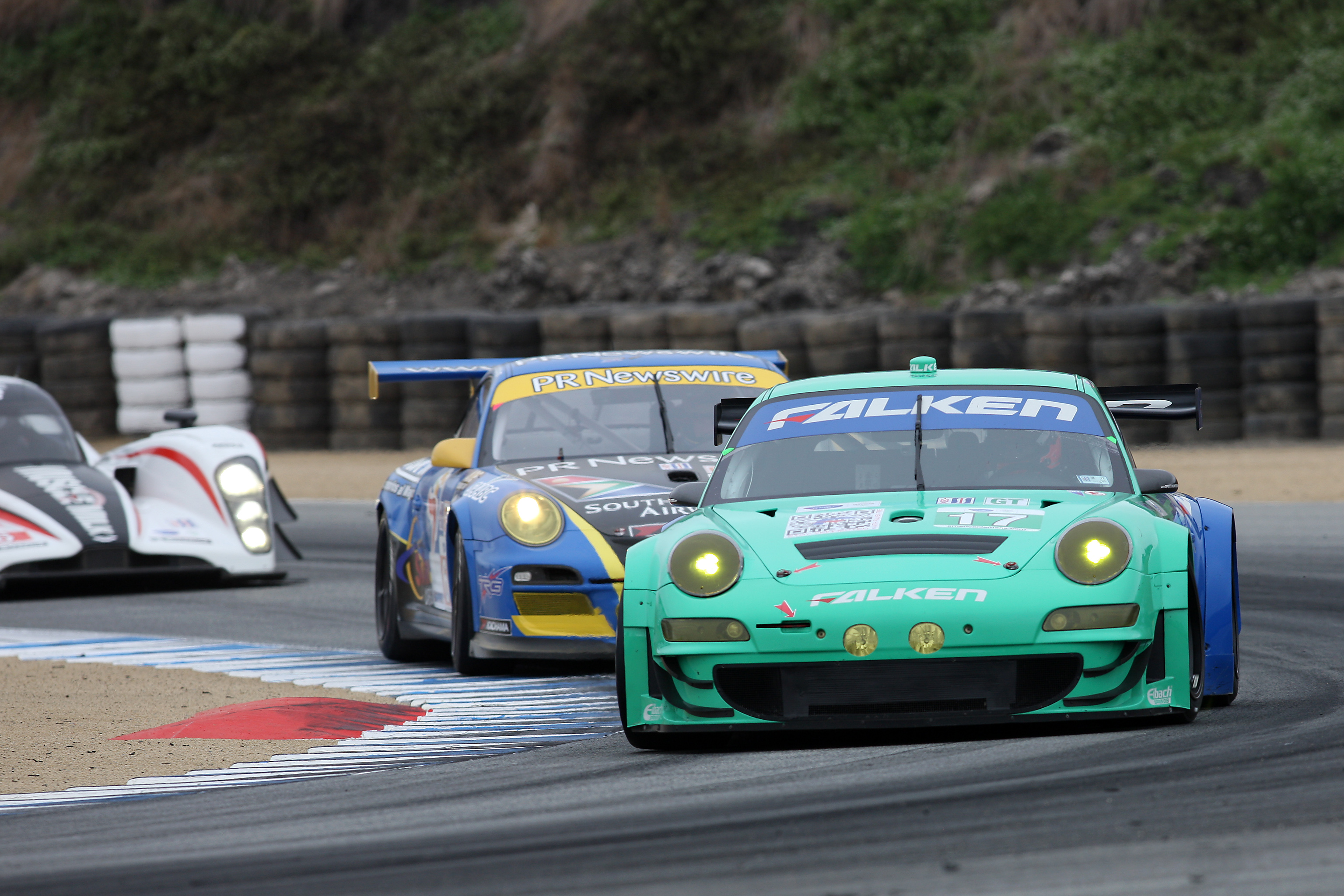
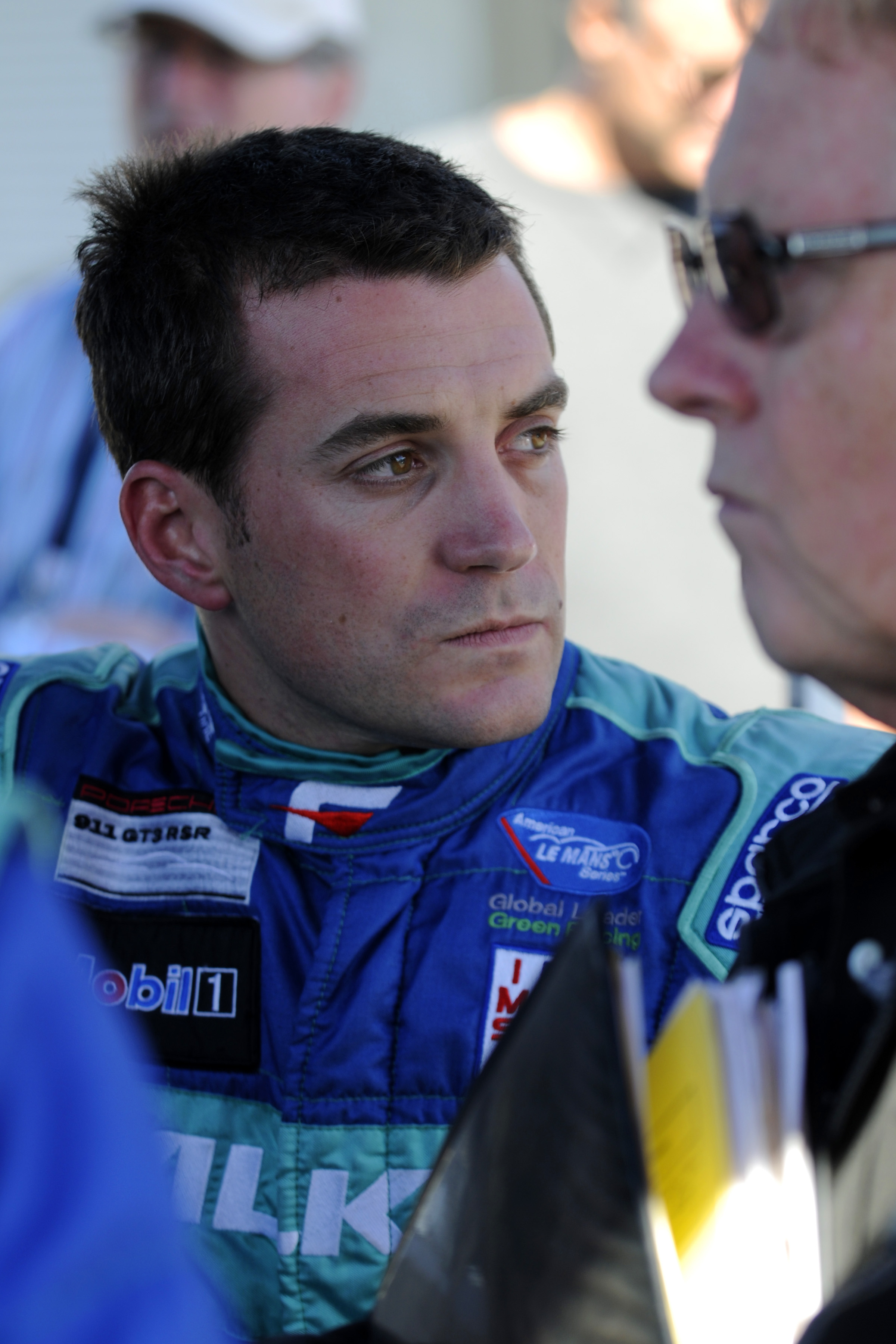
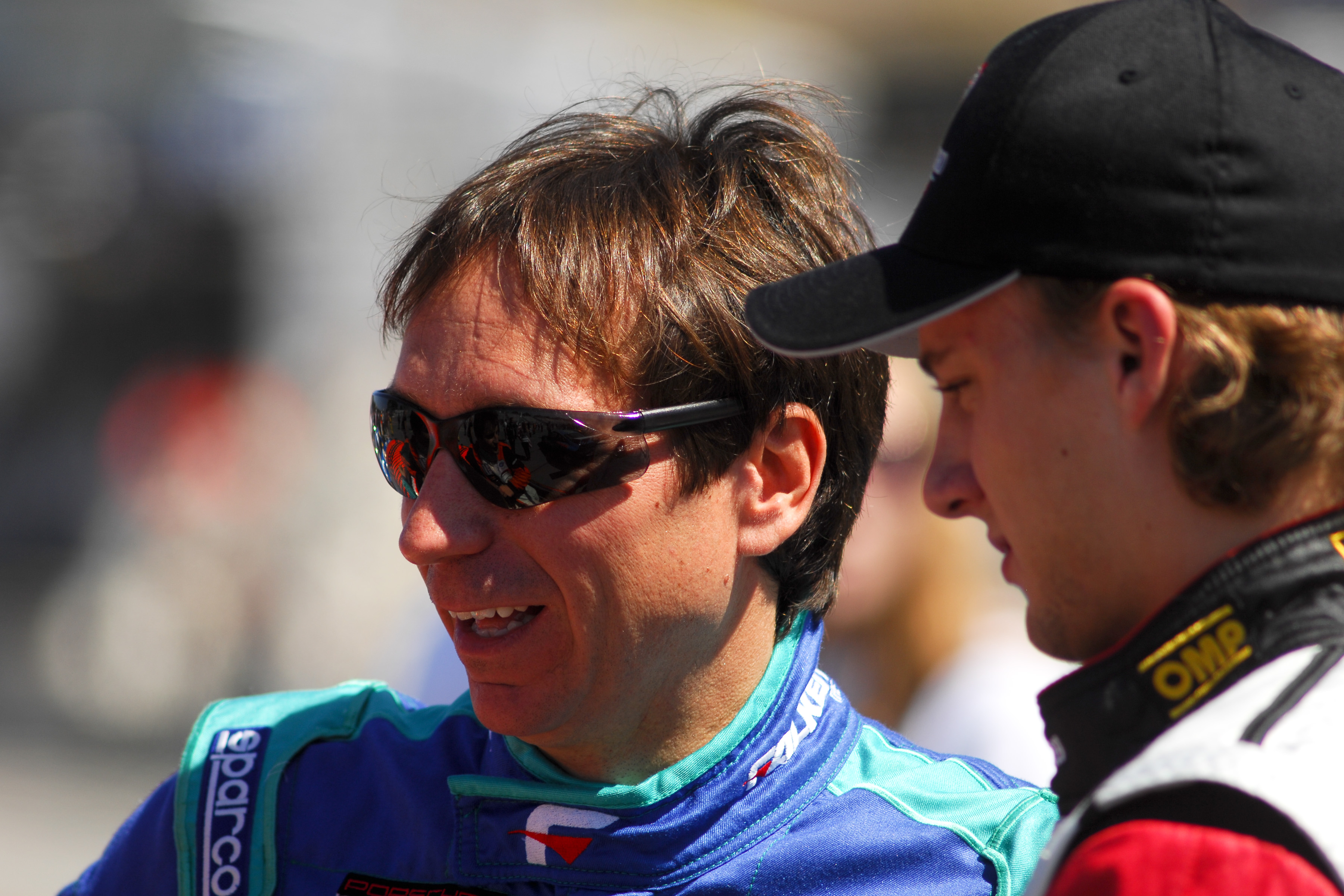
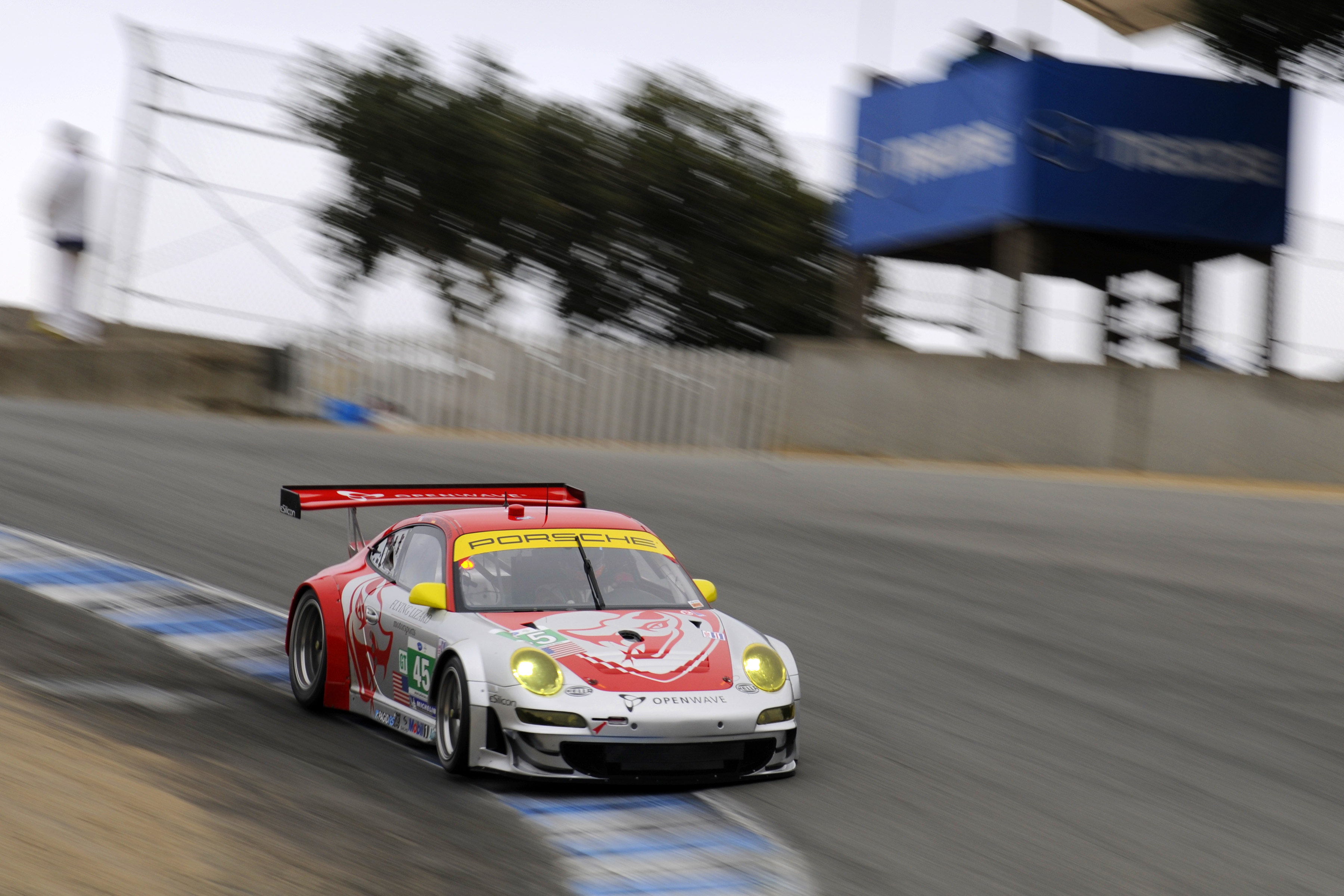
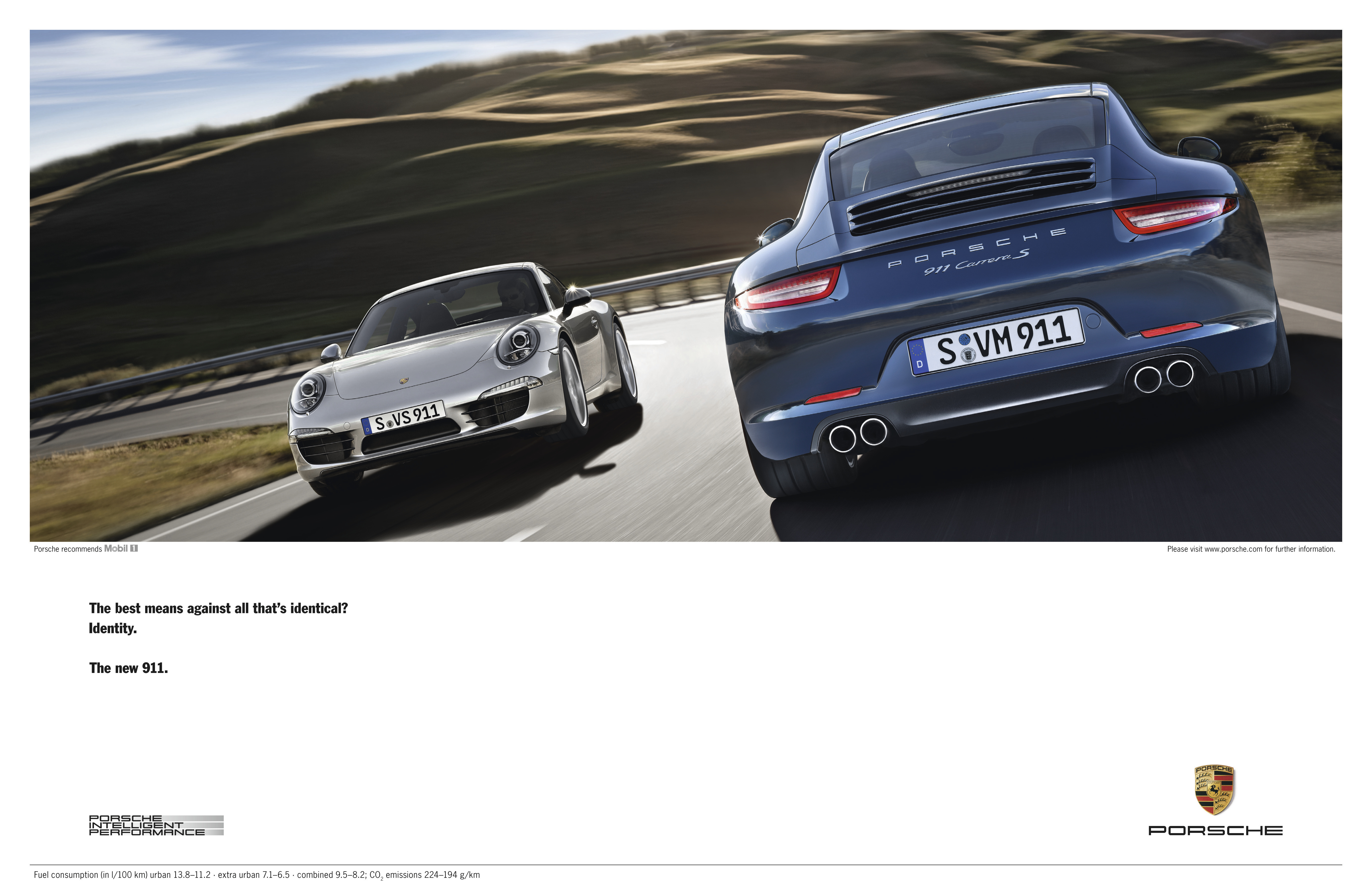
 App “Porsche Identity. The new 911.”
 Porsche Everyday Dedeporsches Blog